
Treehouse Hotels
Treehouse hotels offer elevated rooms nested in forest canopies, combining genuine comfort with immersive natural surroundings. The format spans climates—from Swedish pine forests and Costa Rican rainforest to California redwoods—each providing distinct vantage and seasonal rhythm. Interiors balance whimsy with practical luxury: proper beds, thoughtful glass placement, regional dining. The experience suits couples seeking seclusion, families chasing shared memory and solo travellers craving built-in quiet, though stairs and bridges limit accessibility. Days unfold slowly around trails, weather, wildlife and the specific sound of rain on a canopy roof at night.
Explore Treehouse Hotels
{{locationDetails}}
Browse sub-categories


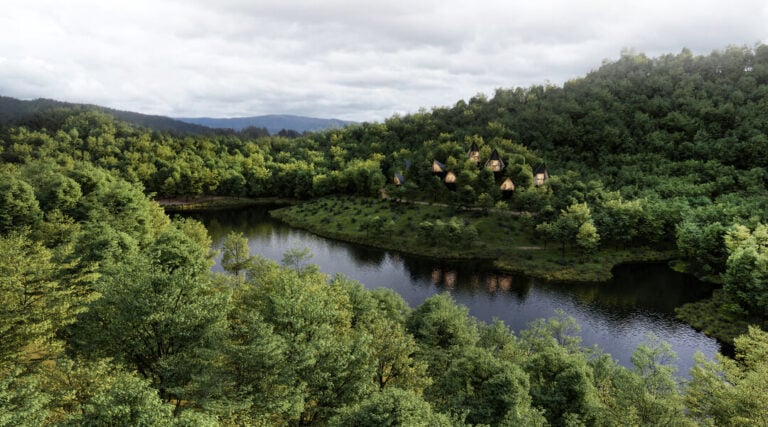
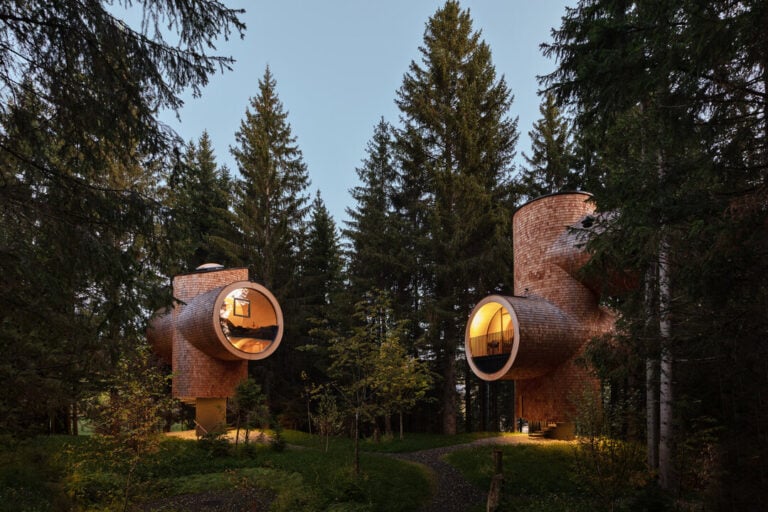
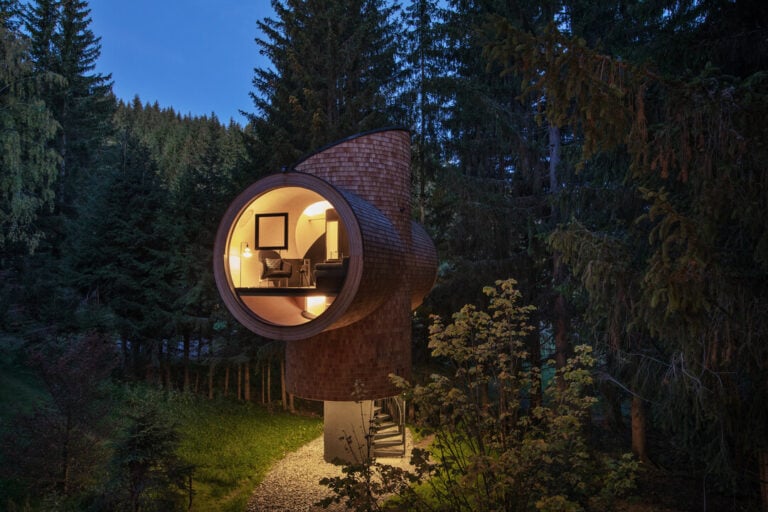
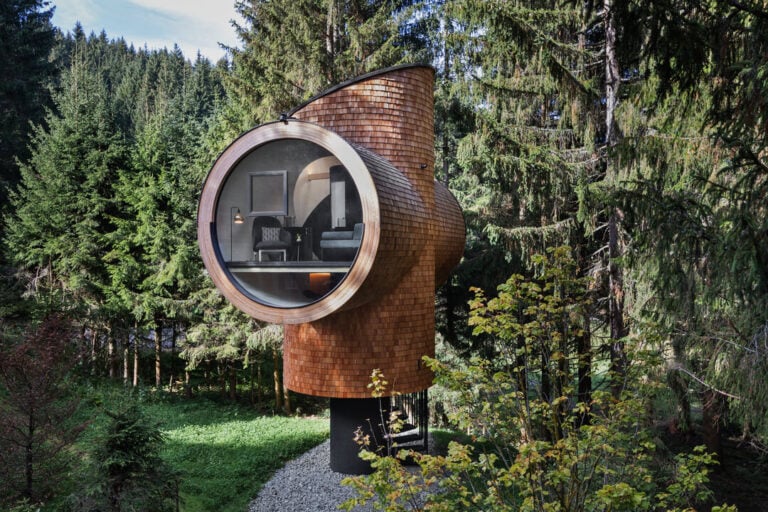


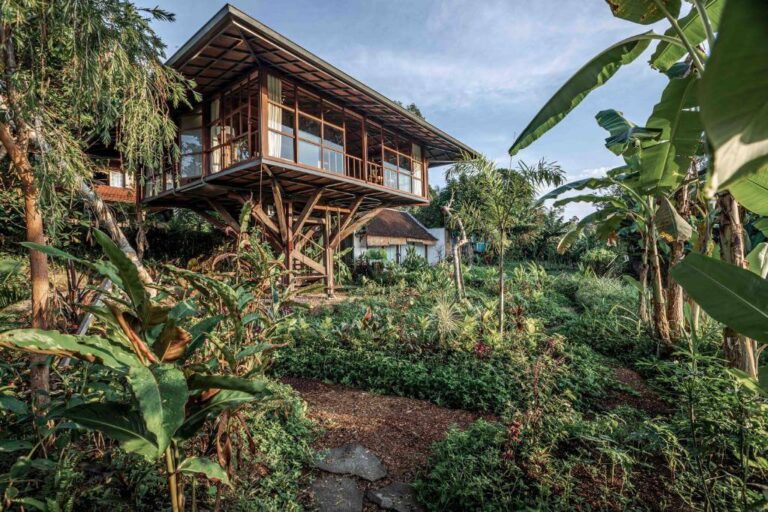
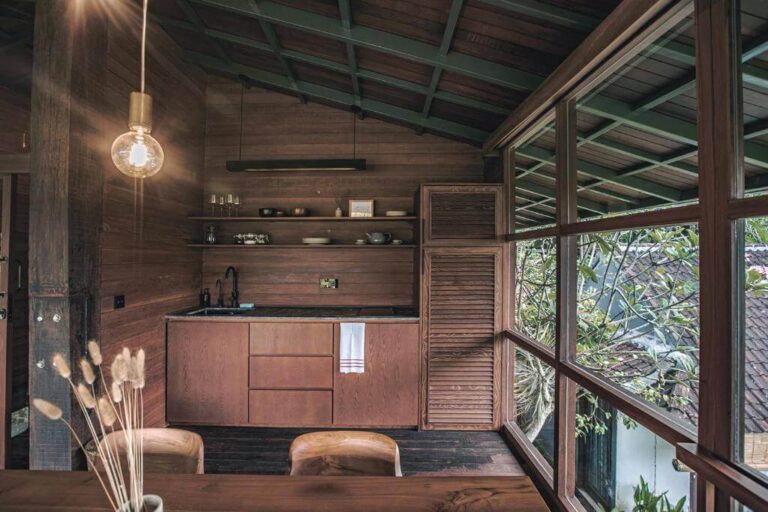
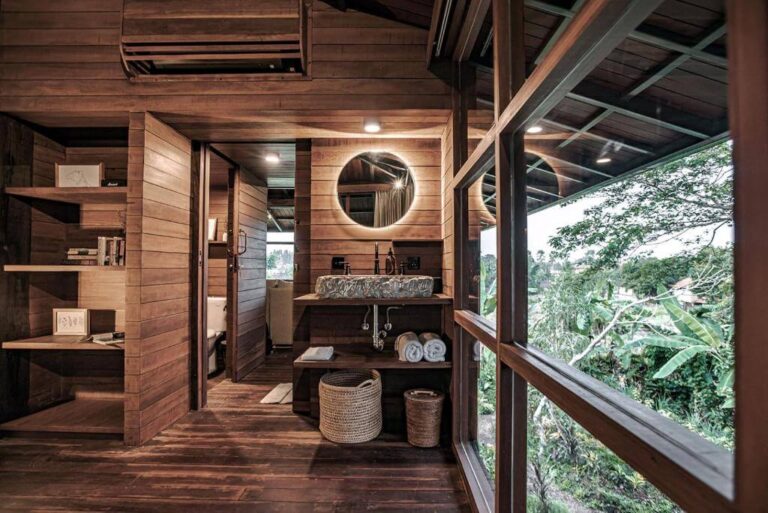
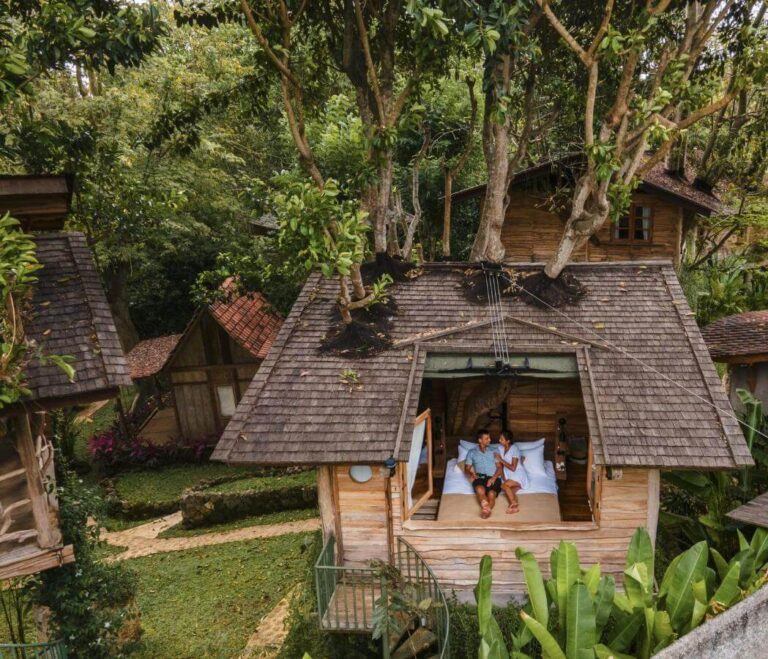
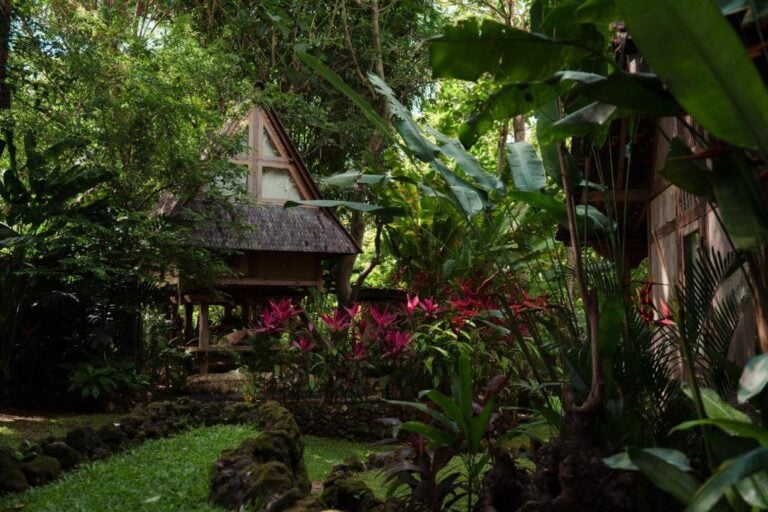
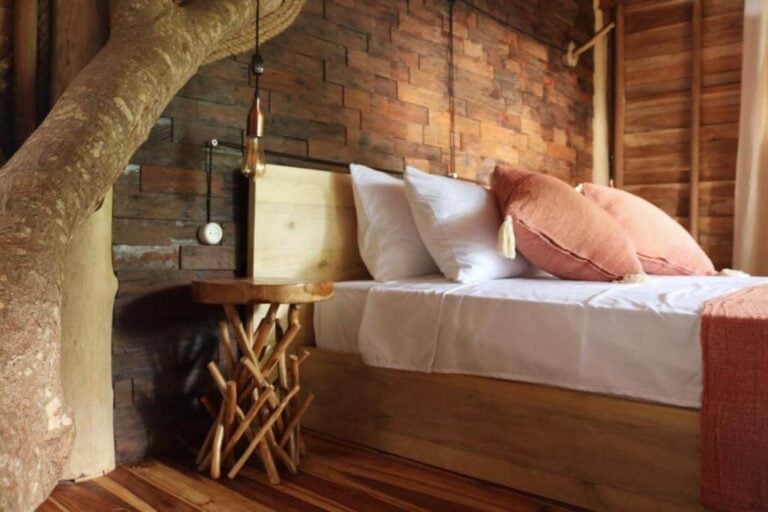
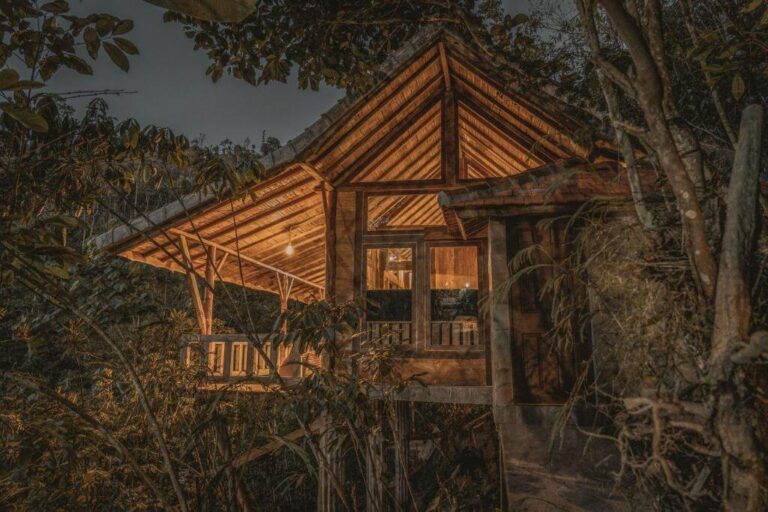
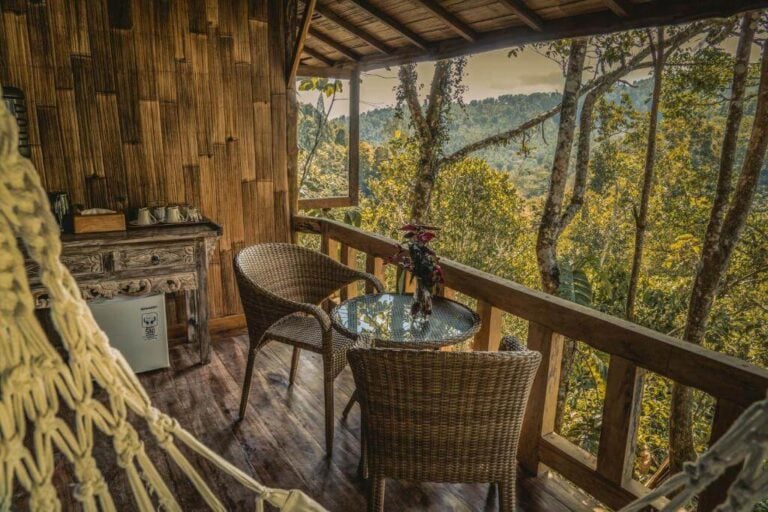


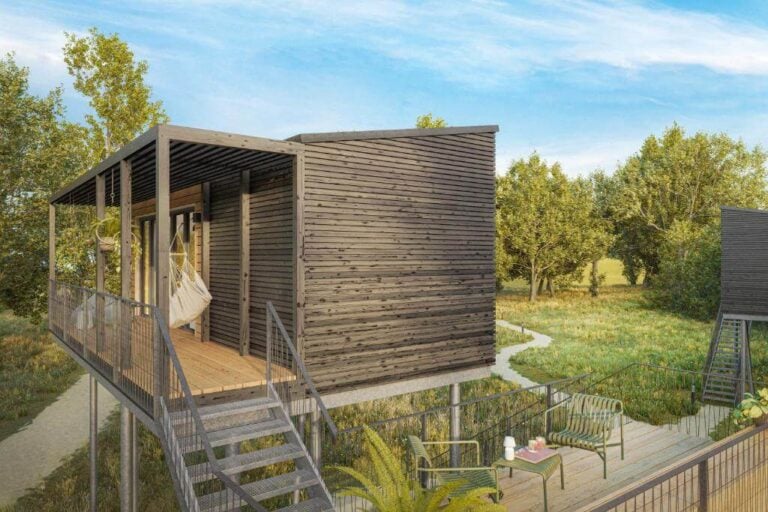

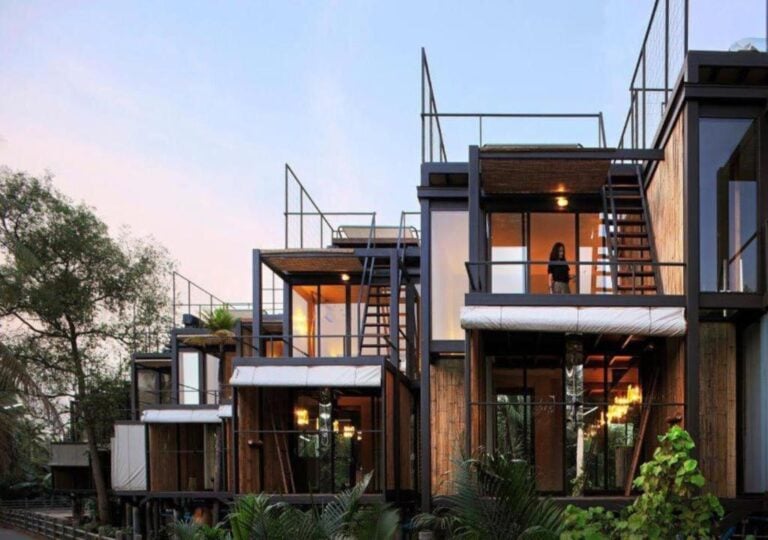
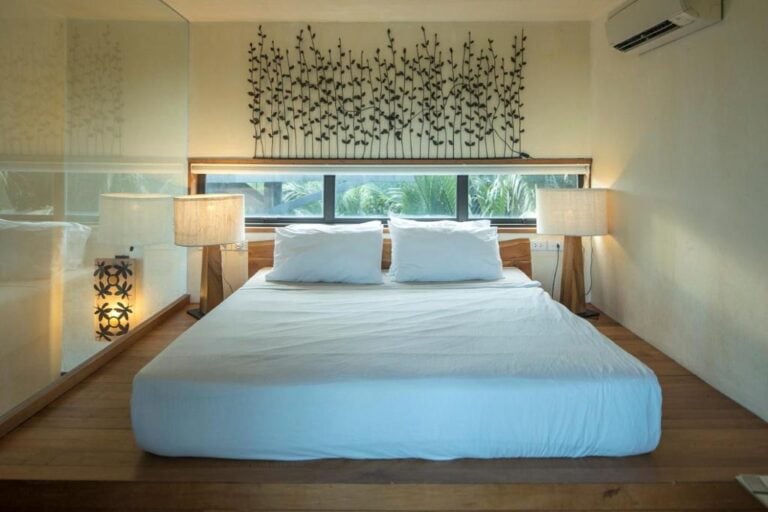
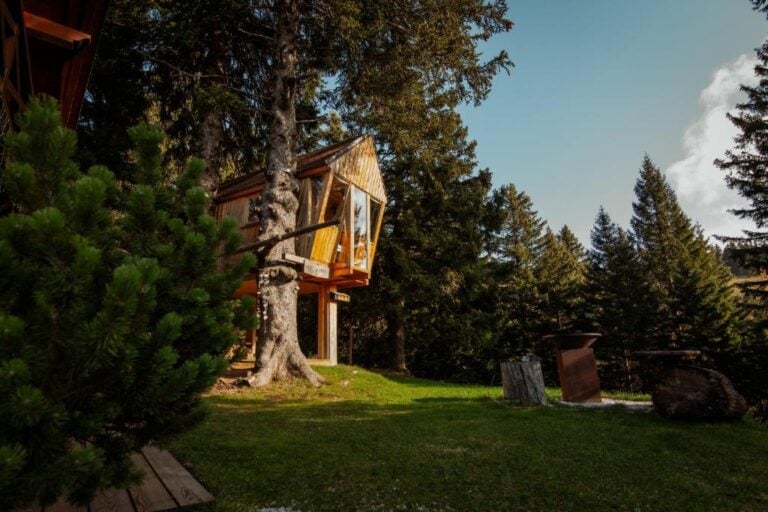



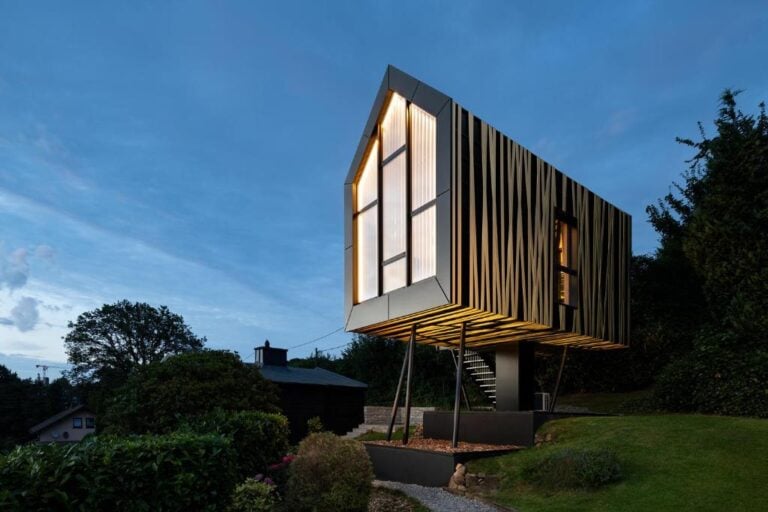

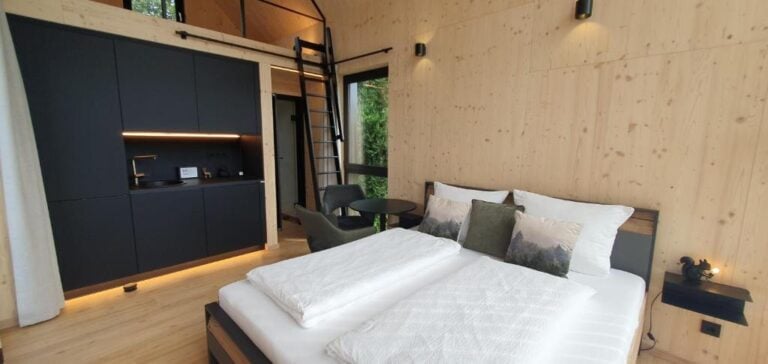
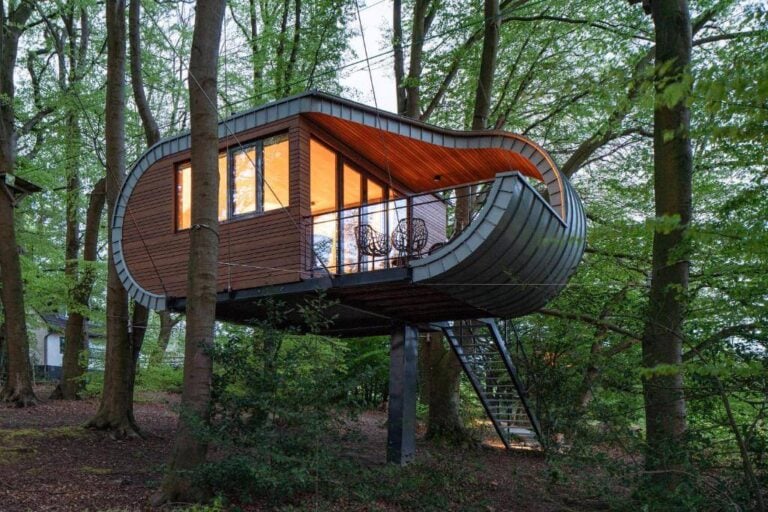
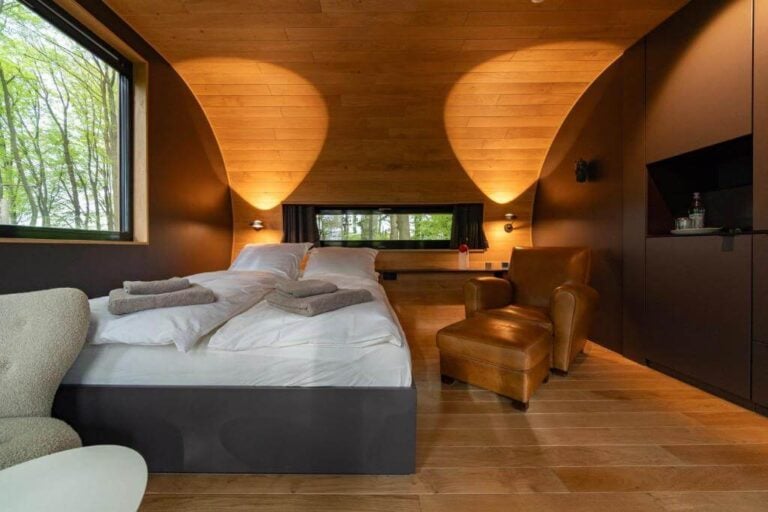
















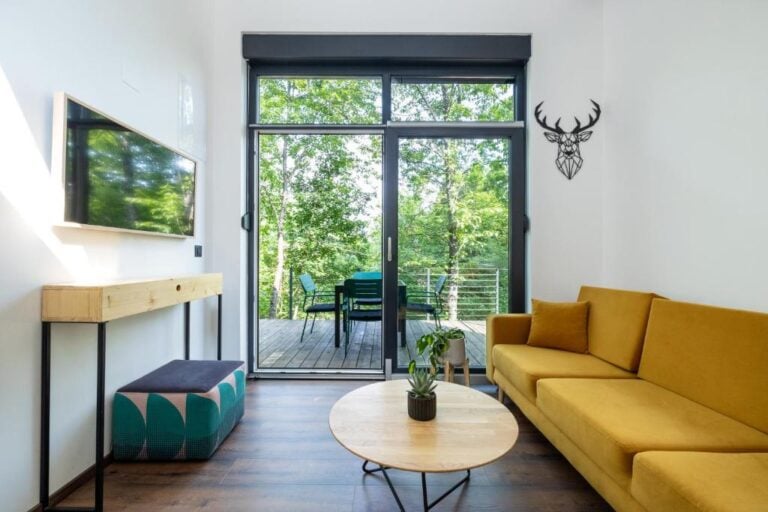
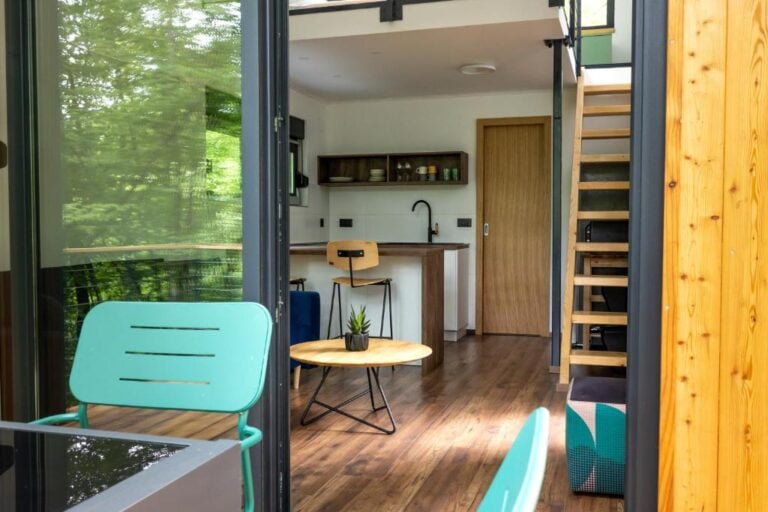
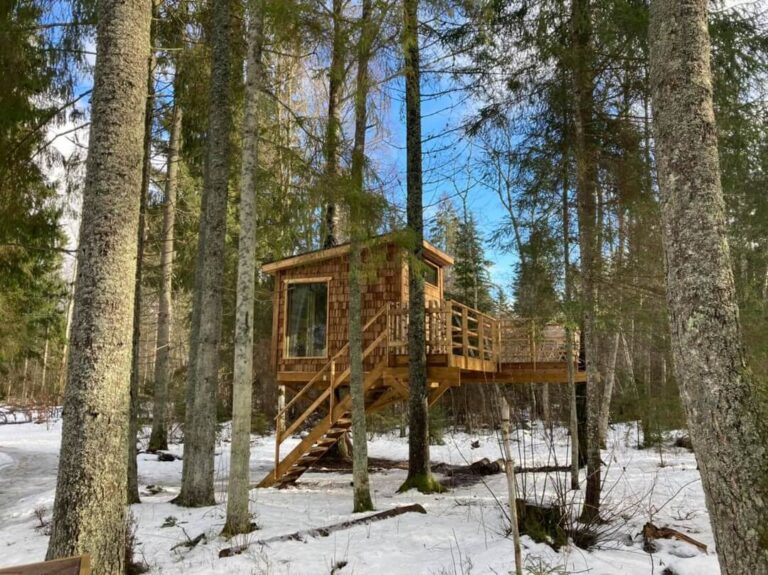
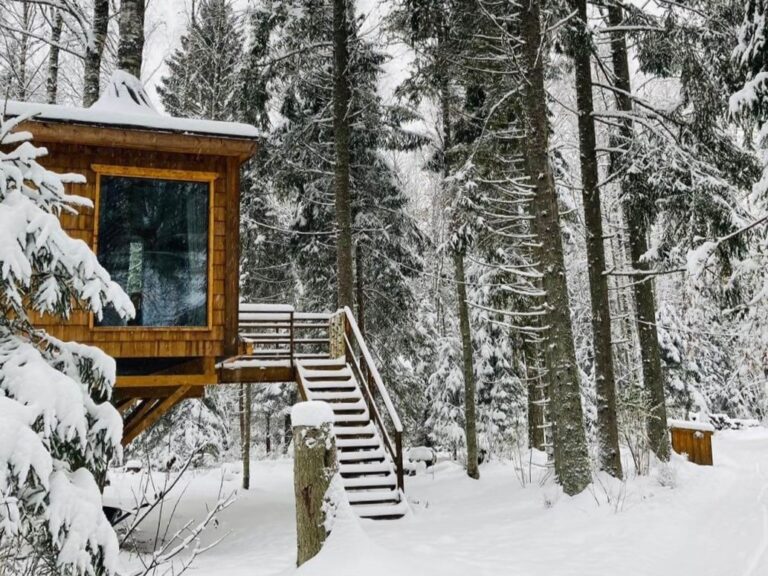

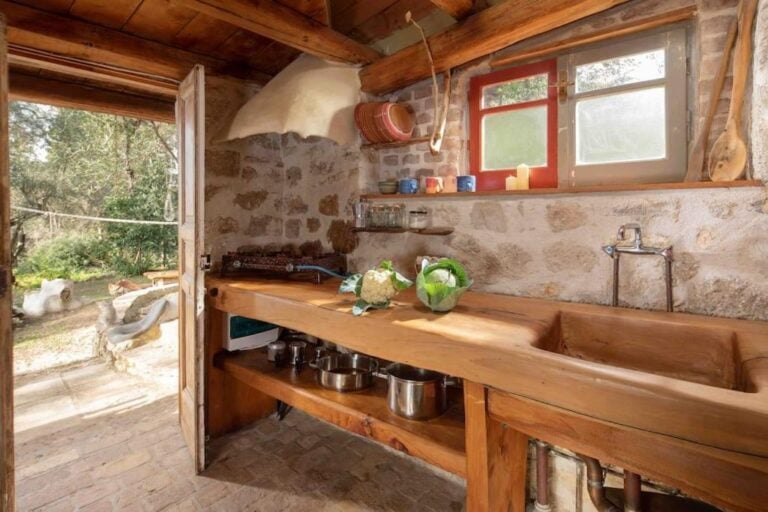
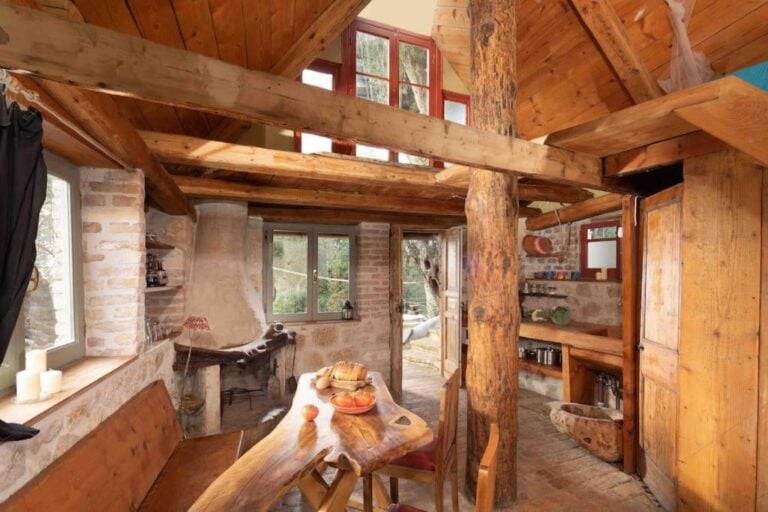
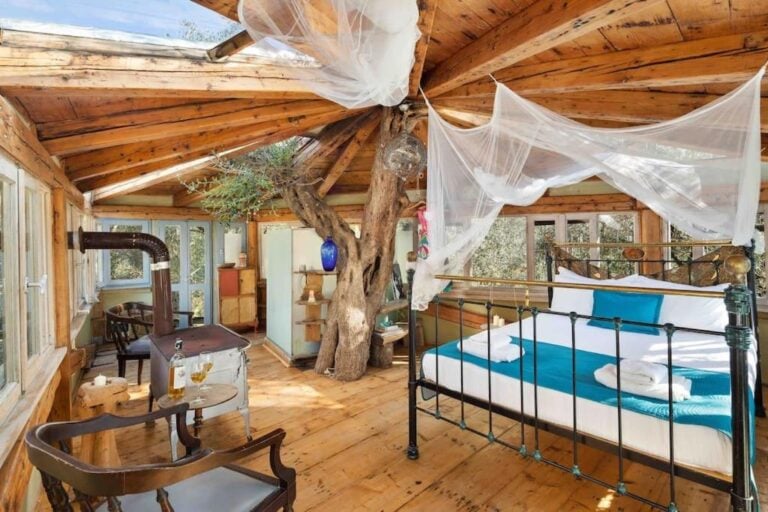
About Treehouse Hotels
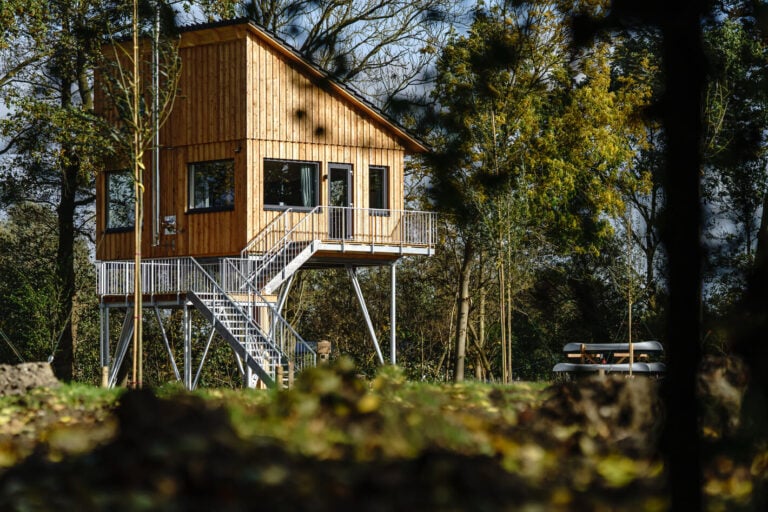
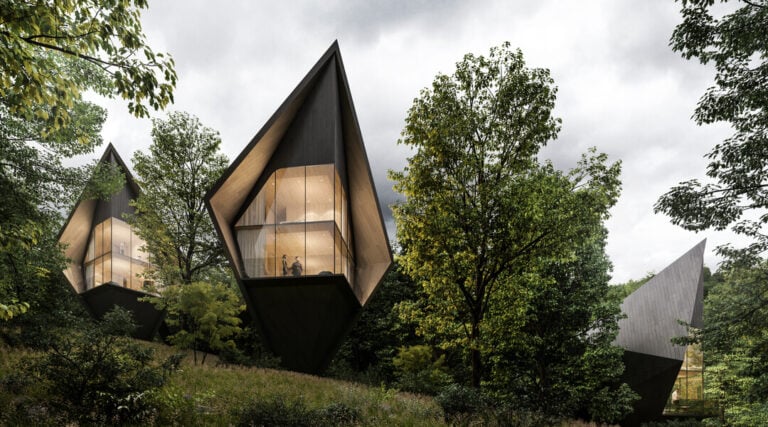
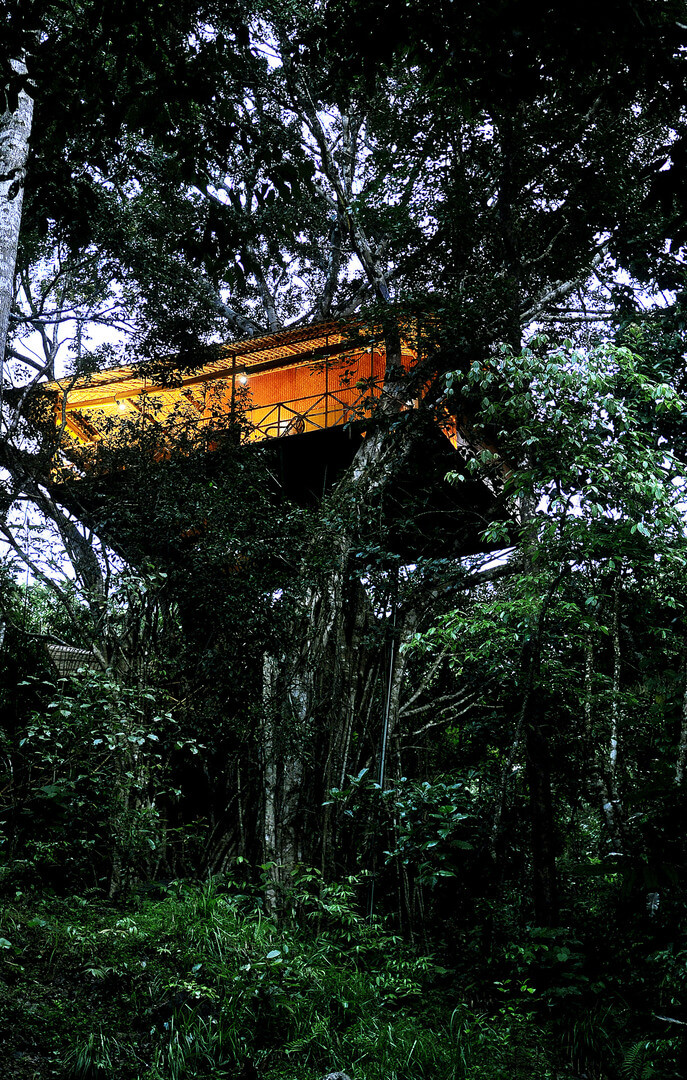
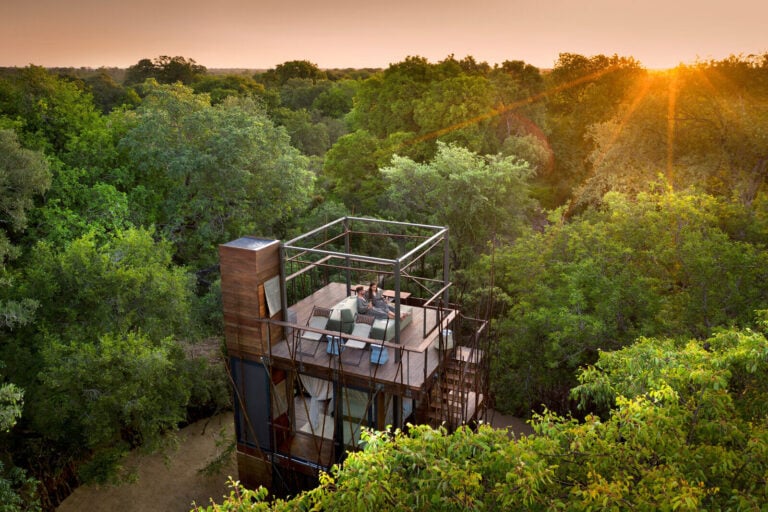
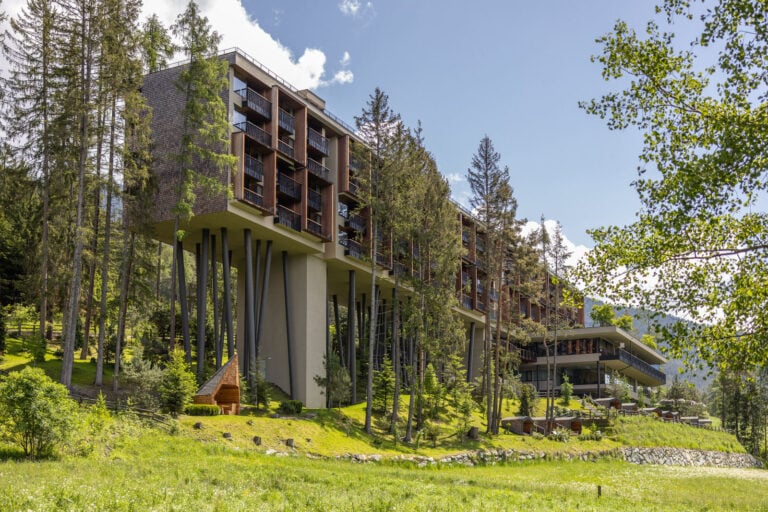
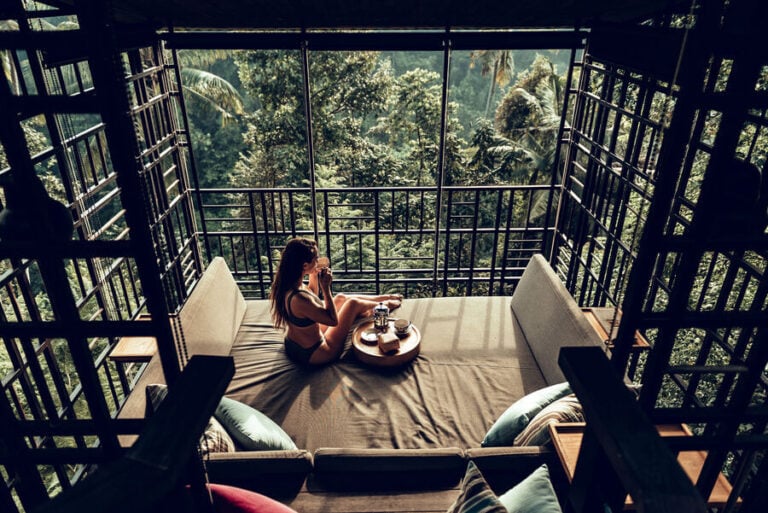
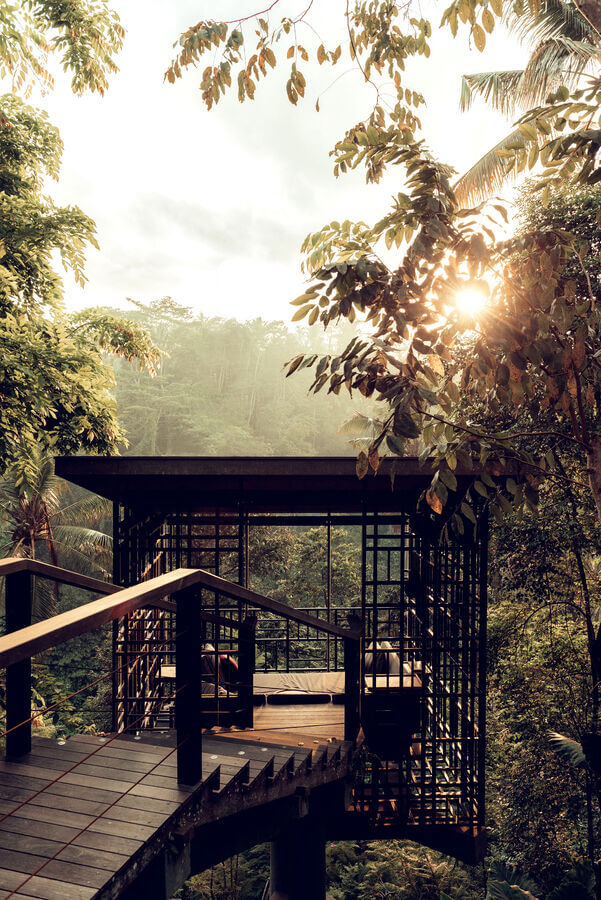
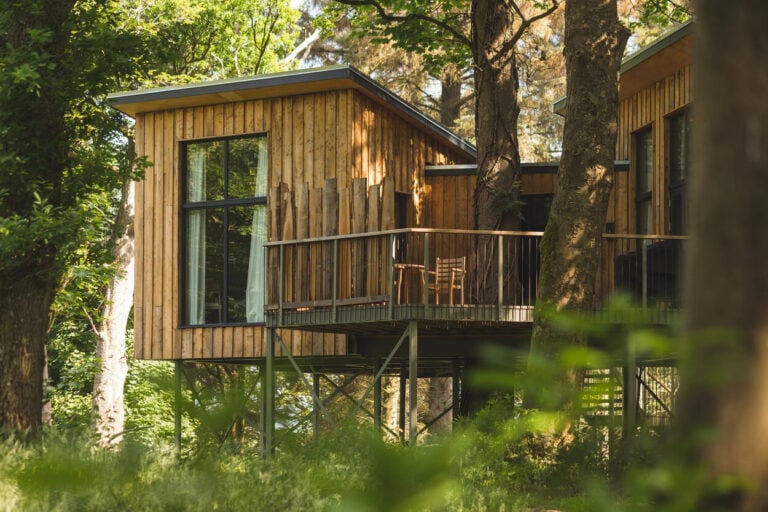
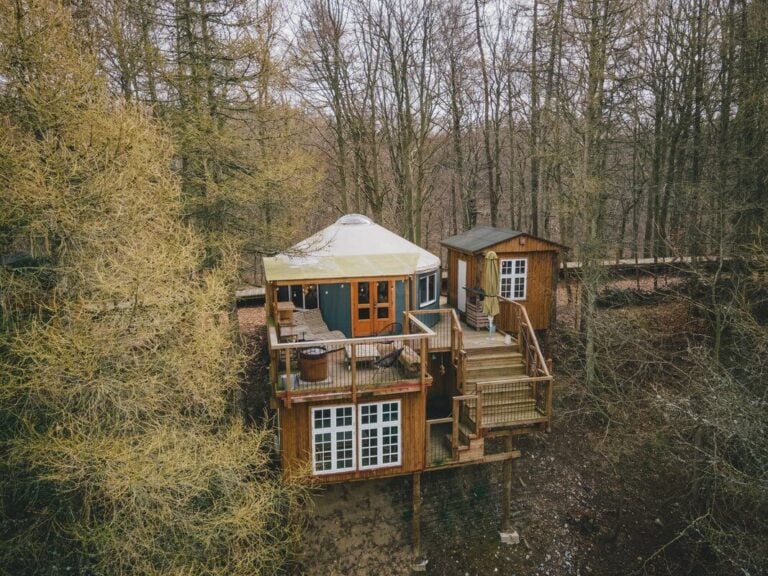
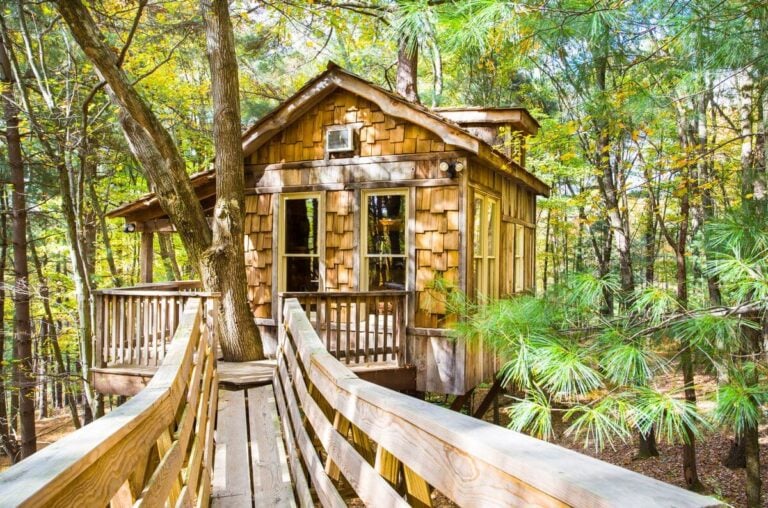
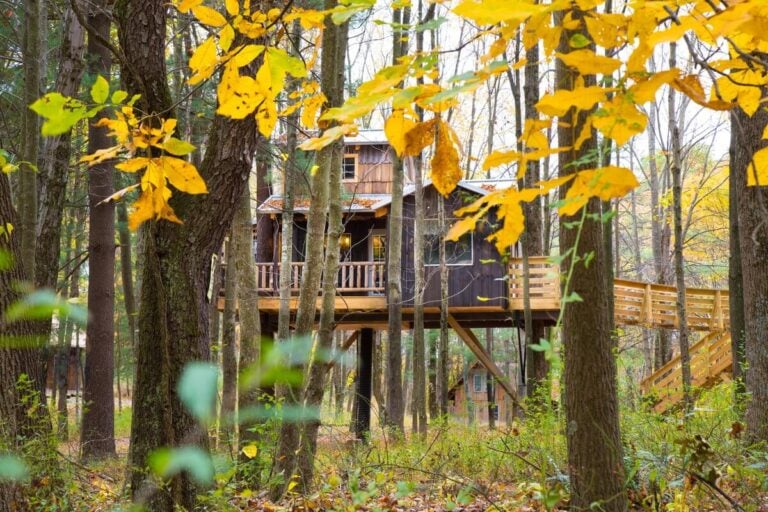
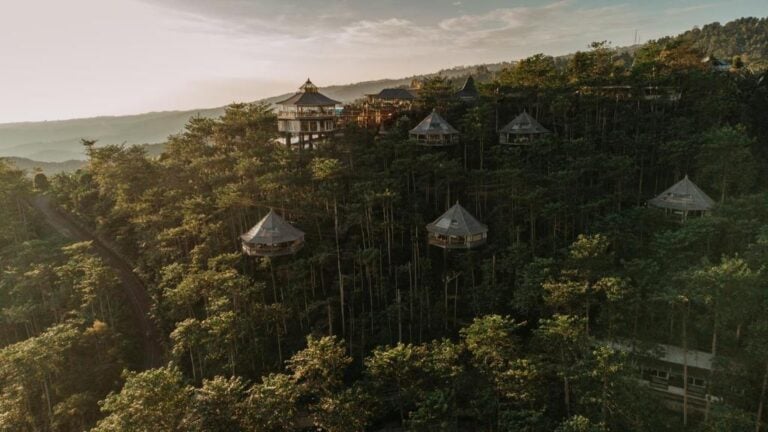
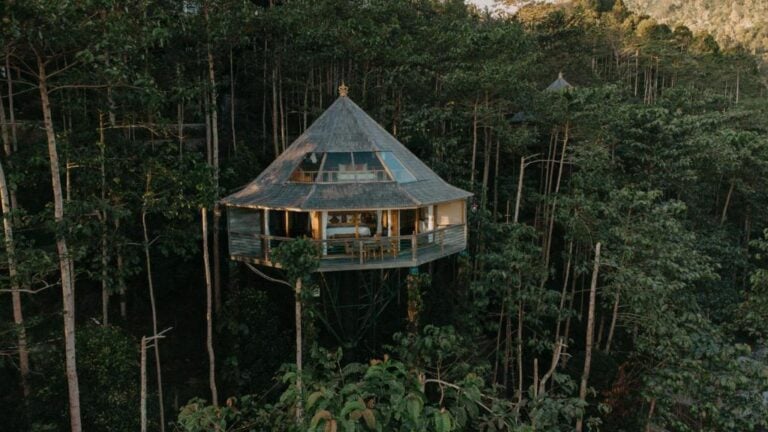
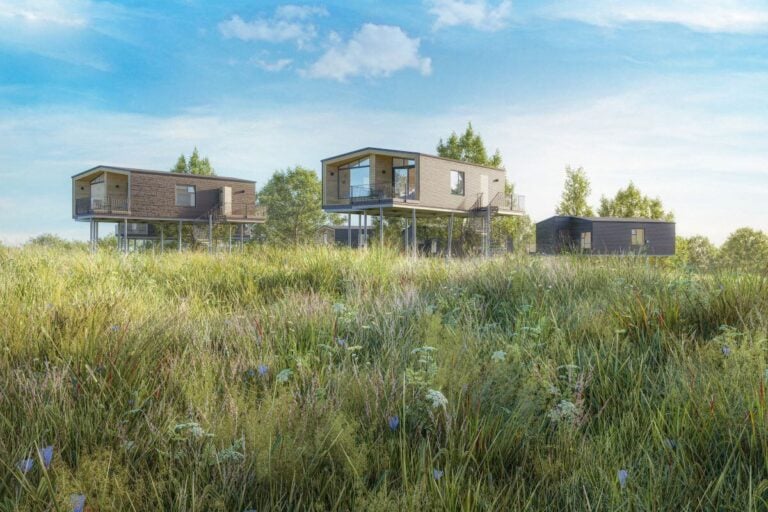
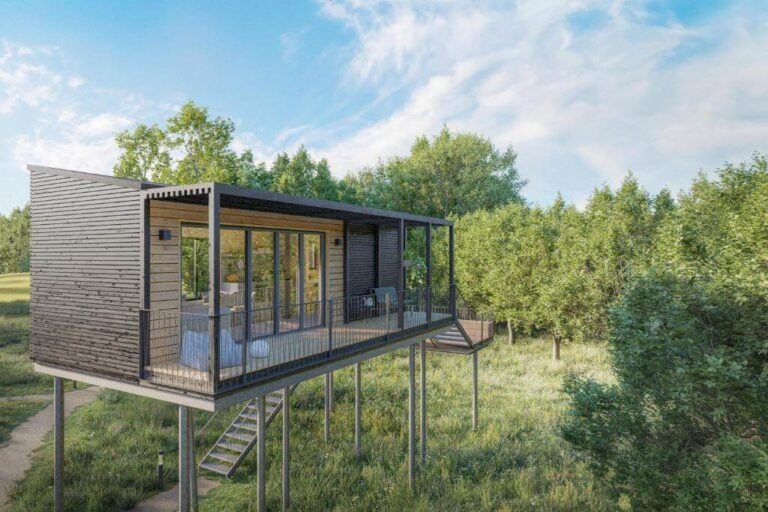
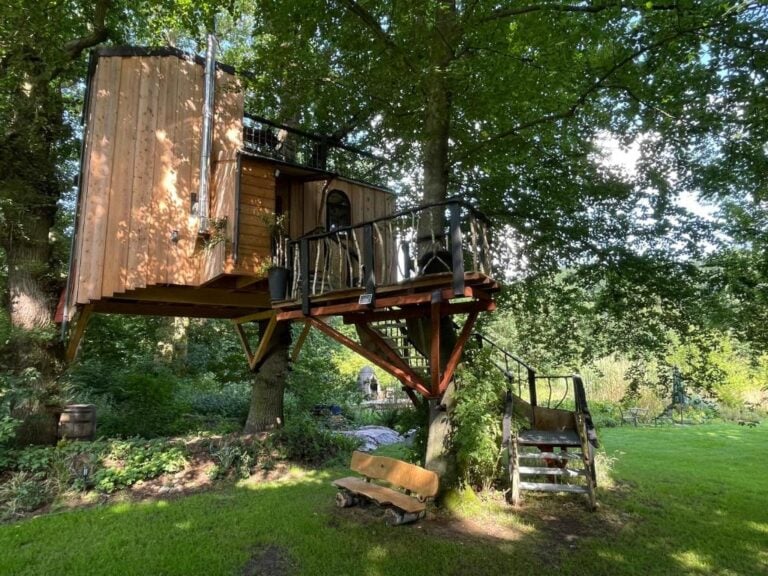
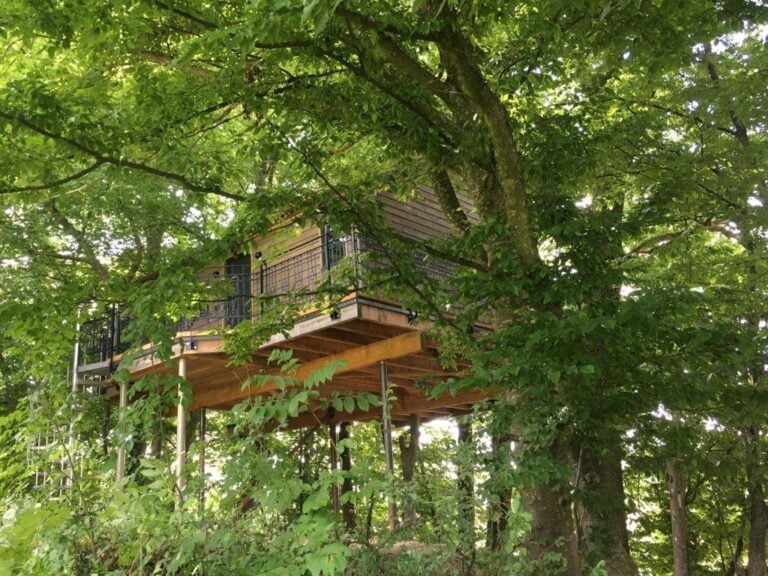
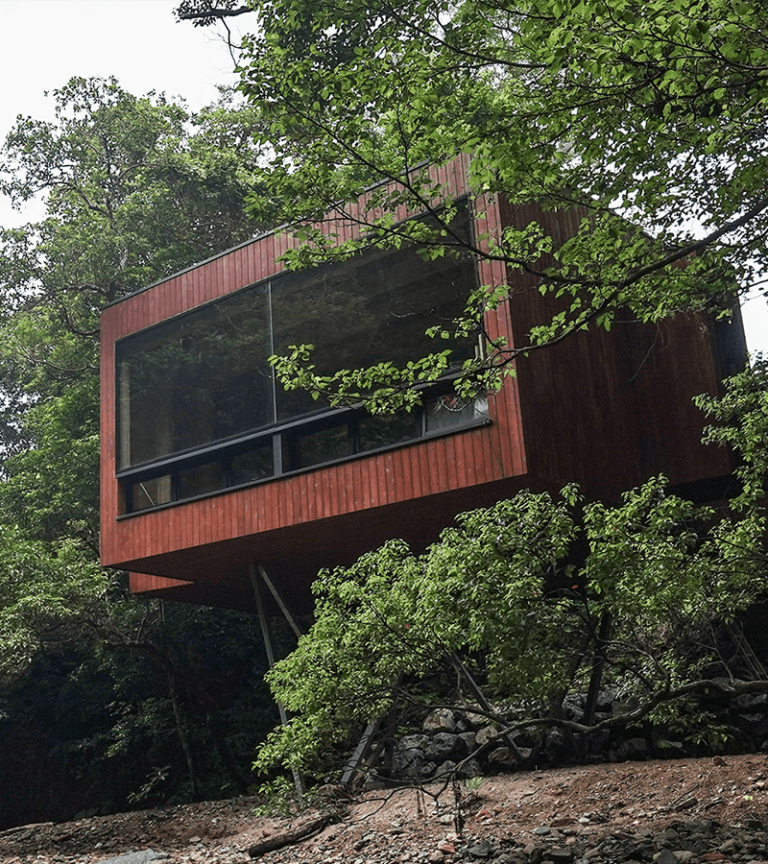
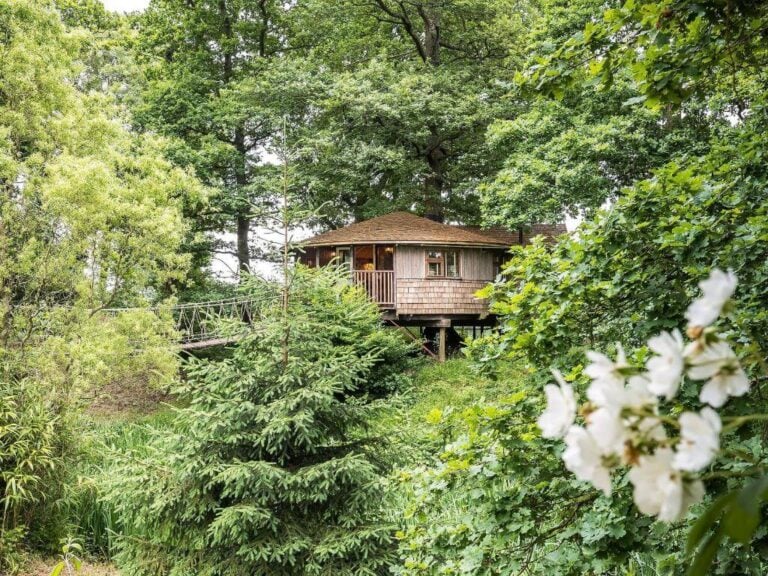
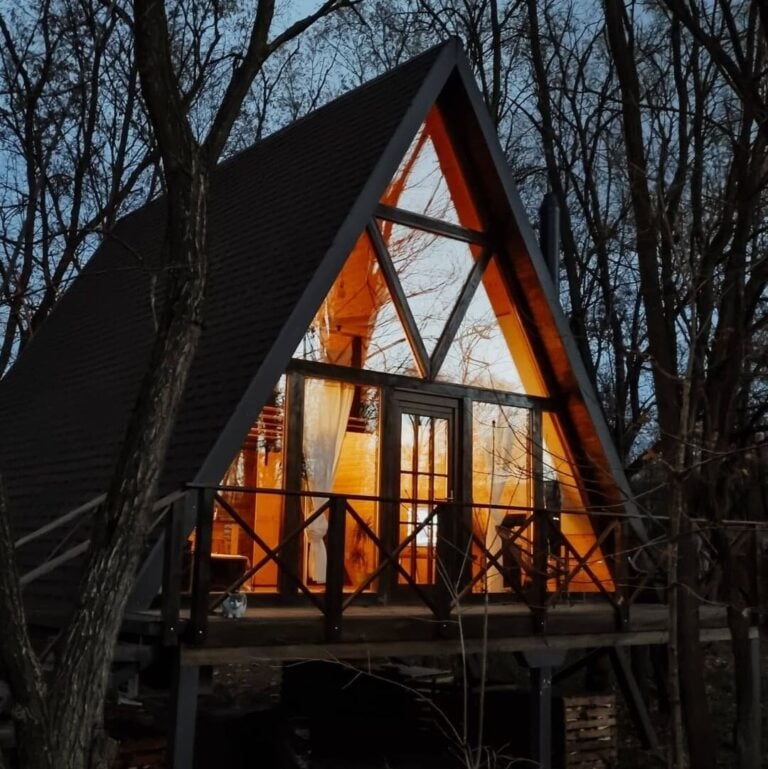
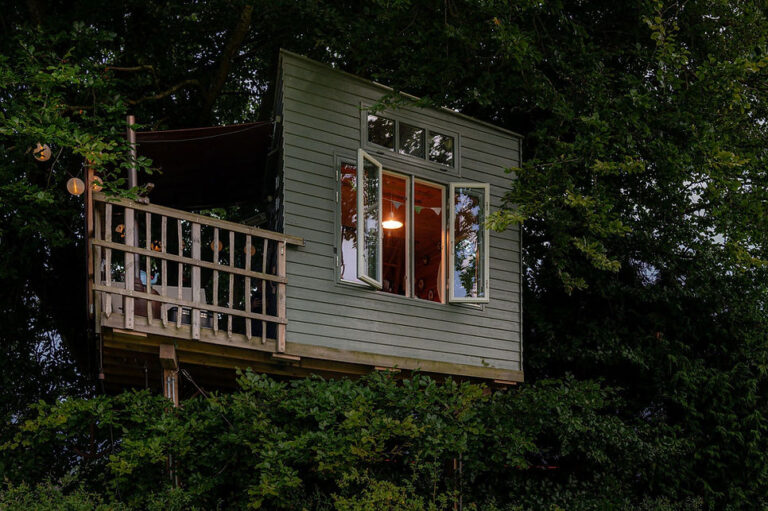
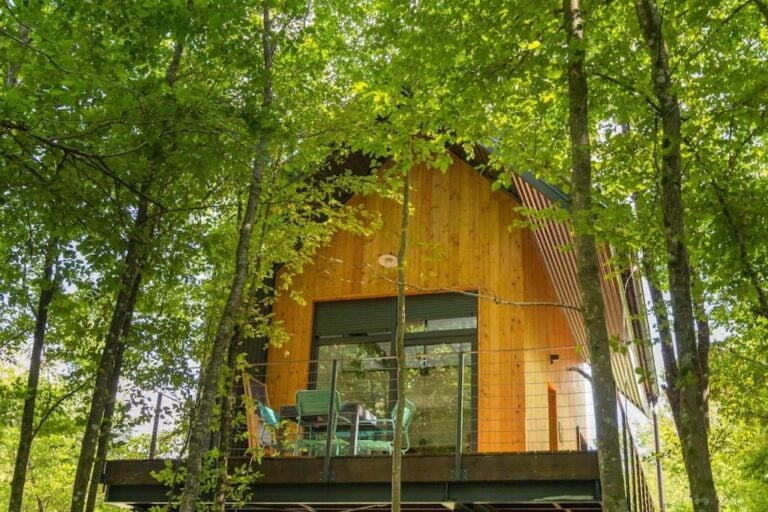
Treehouse hotels rose quietly over the last two decades from novelty booking to a credible luxury stay format. The appeal is straightforward: you get a proper room with a proper bed, but the walls sit twenty or thirty feet up in the canopy, and the forest becomes architecture. Not a gimmick when it's done well—more a shift in vantage that changes how a place feels.
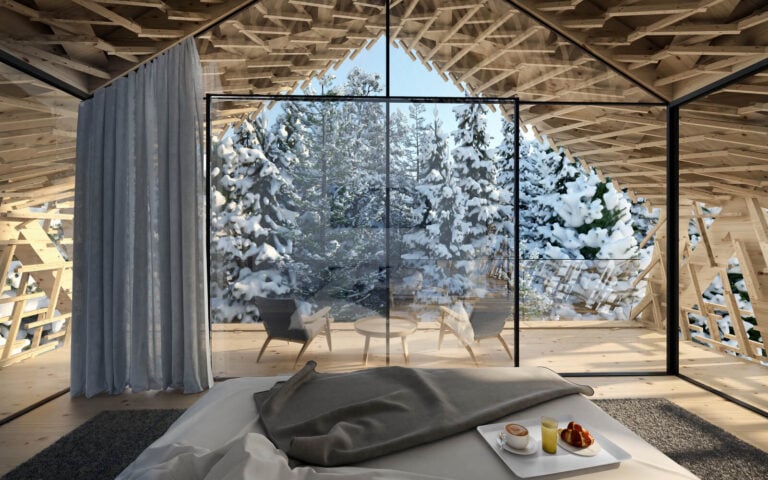
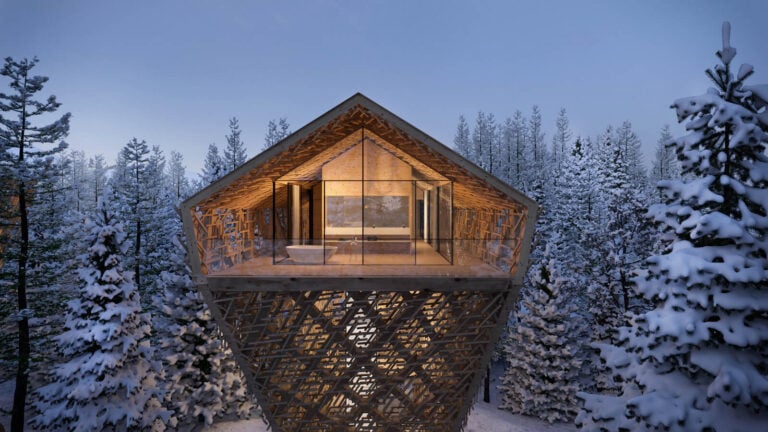
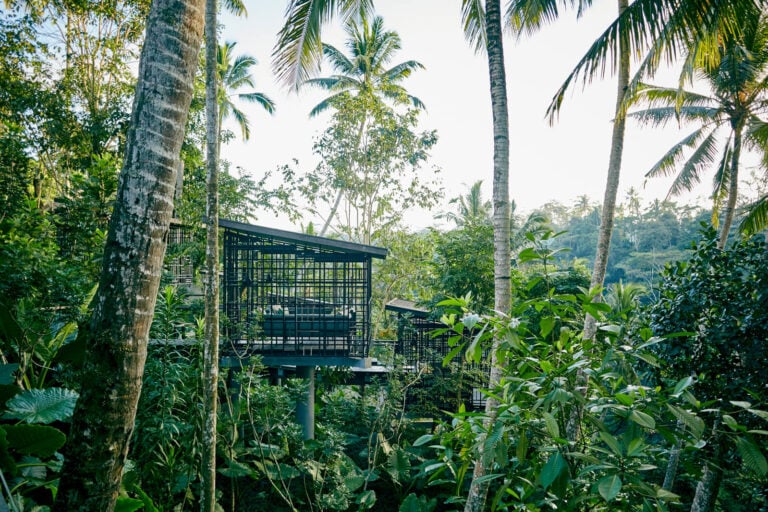
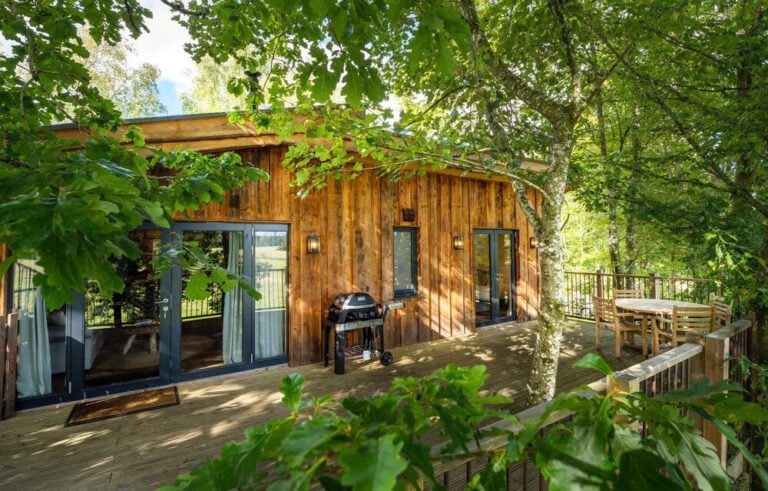
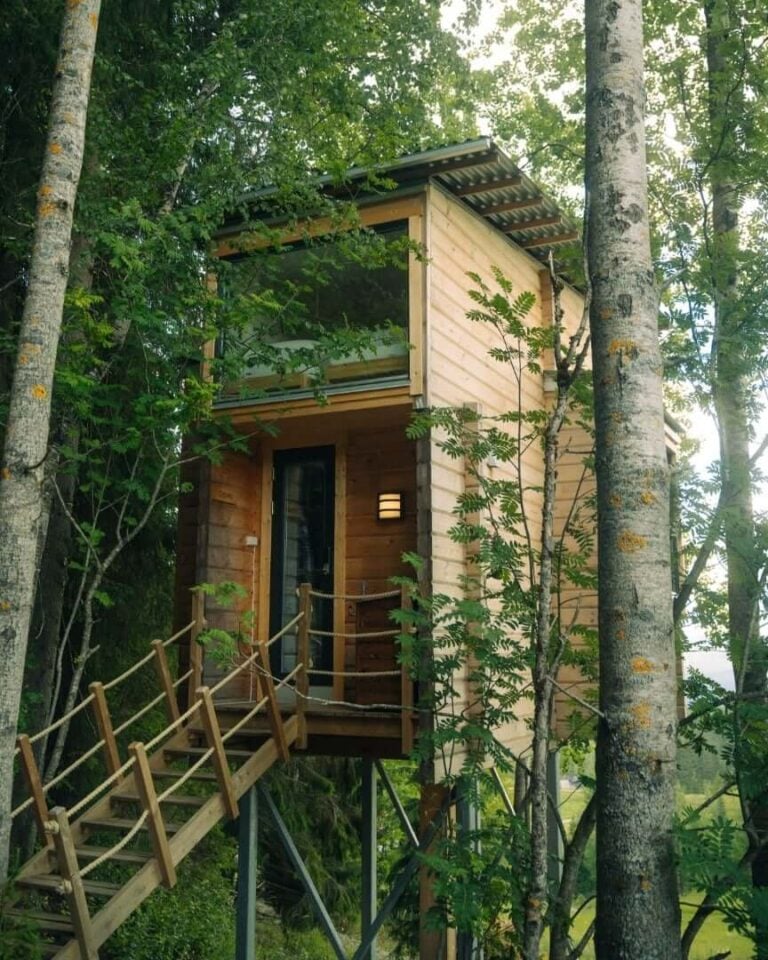
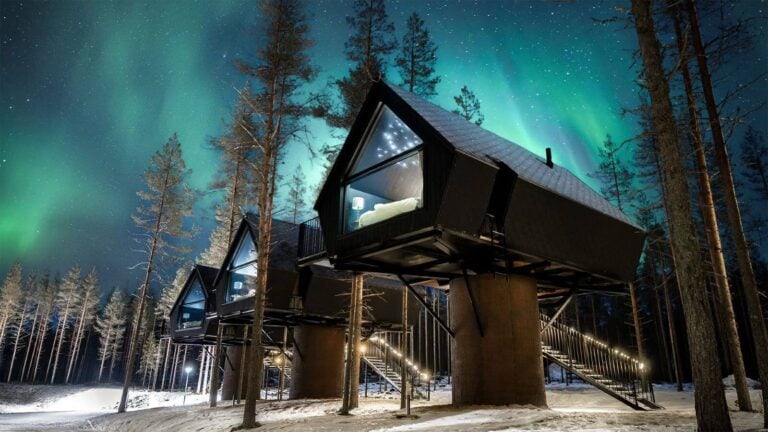
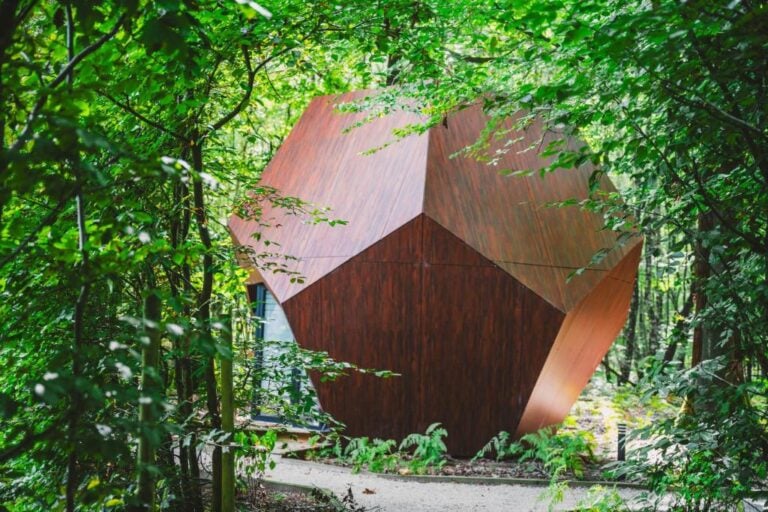
The category has spread across climates. Swedish Lapland gives you pine and snow and the Treehotel's sharp Scandinavian angles—mirrored cubes, UFO shells, minimalist cabins hung in winter light. Costa Rican rainforest properties lean into humidity and biodiversity, with decks that double as birdwatching platforms and morning sounds layered so thick you stop counting species. South Africa's Garden Route offers fynbos and dry-forest canopies, California's Big Sur puts you in coast redwoods with fog rolling through at dawn, and English countryside estates like Chewton Glen prove the concept works even in temperate hardwood, where autumn colour and summer green trade places through the year.
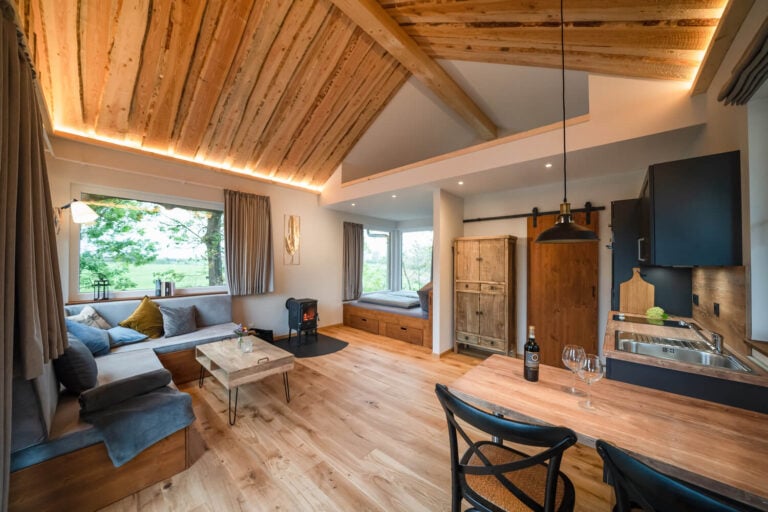
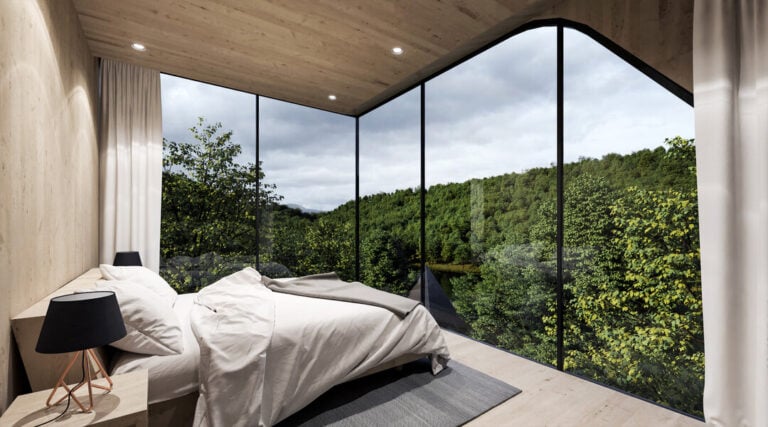
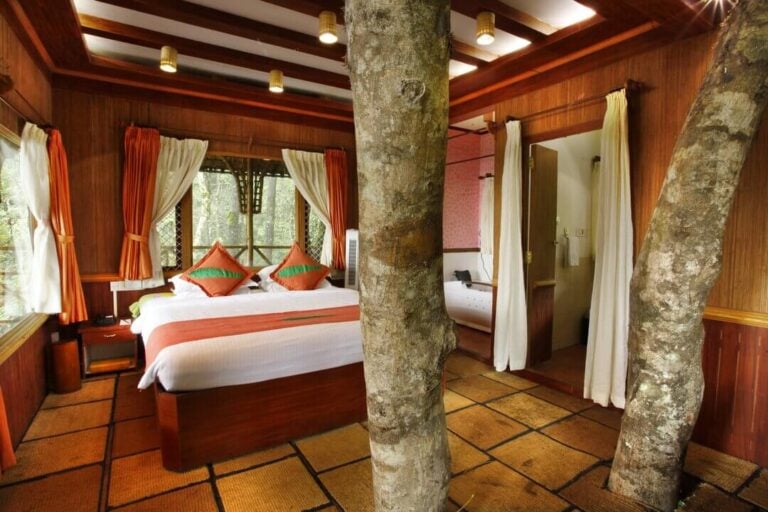
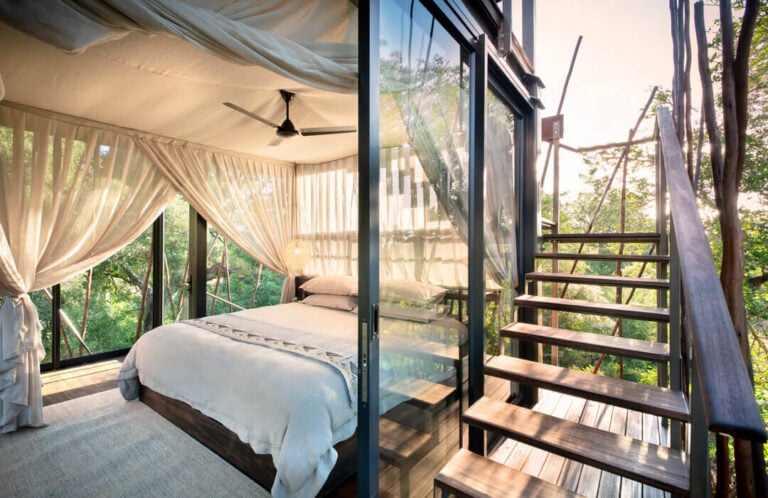
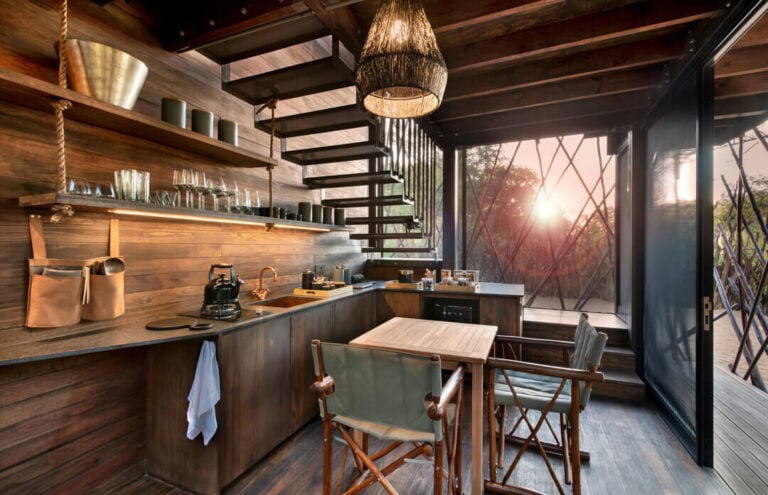
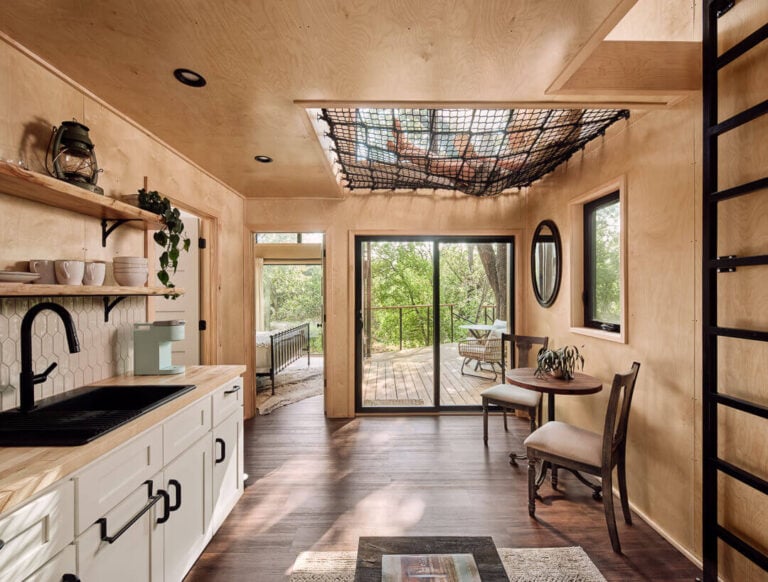
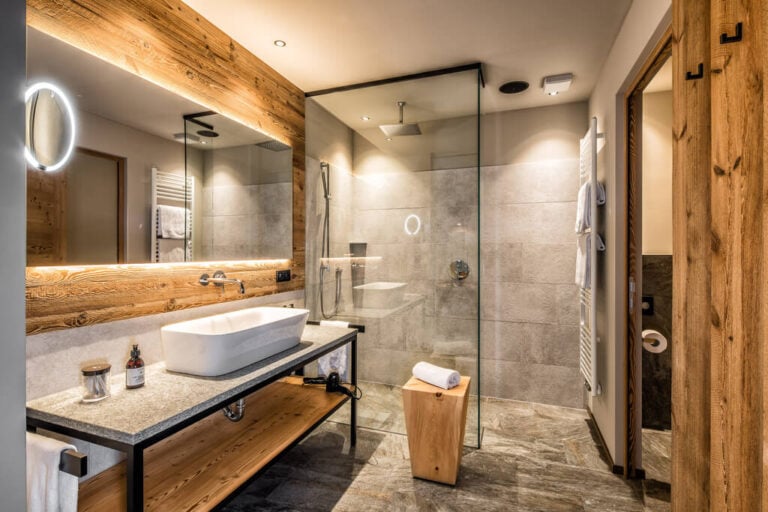
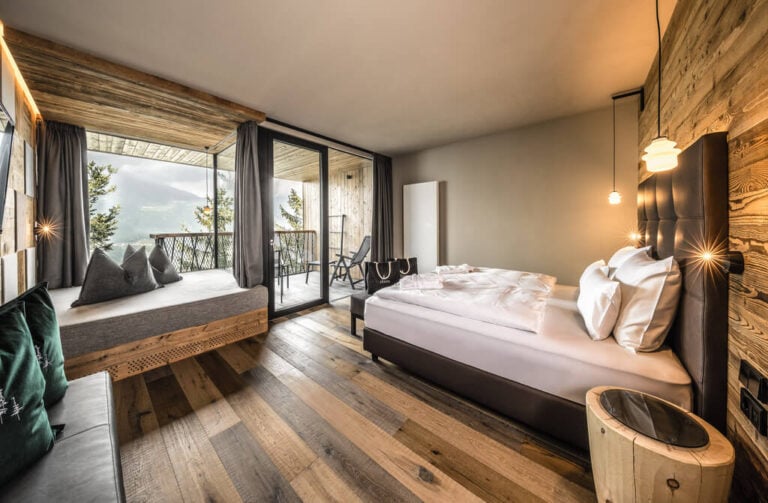
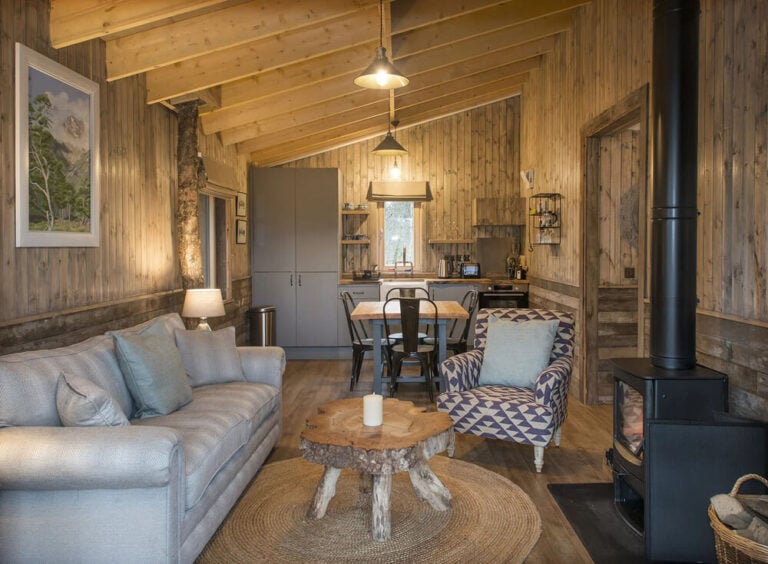
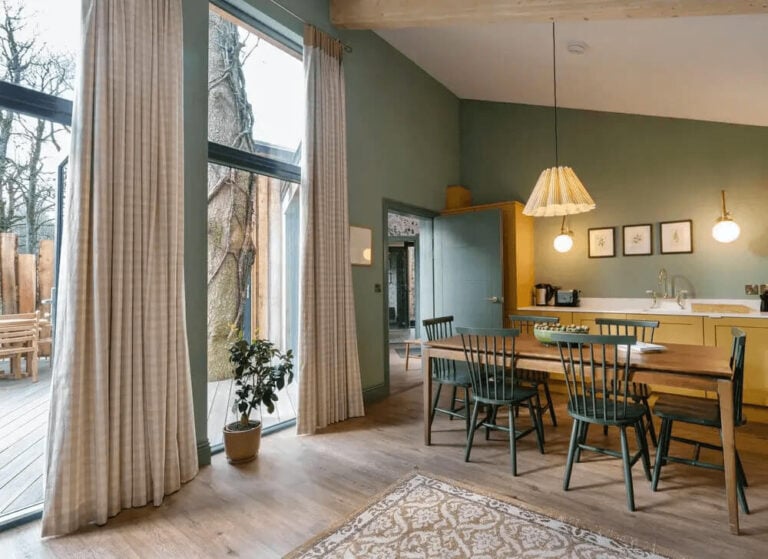
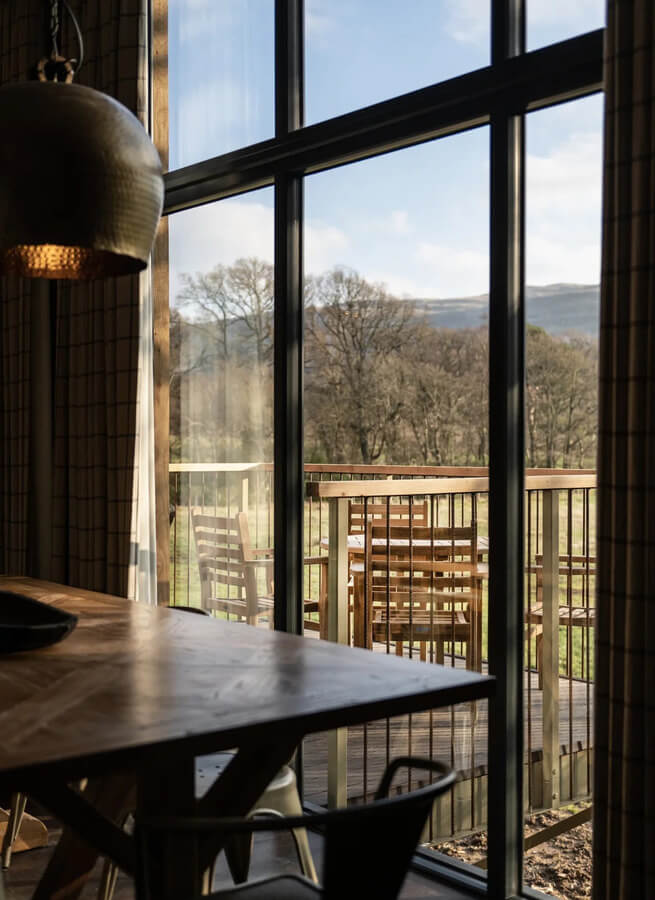
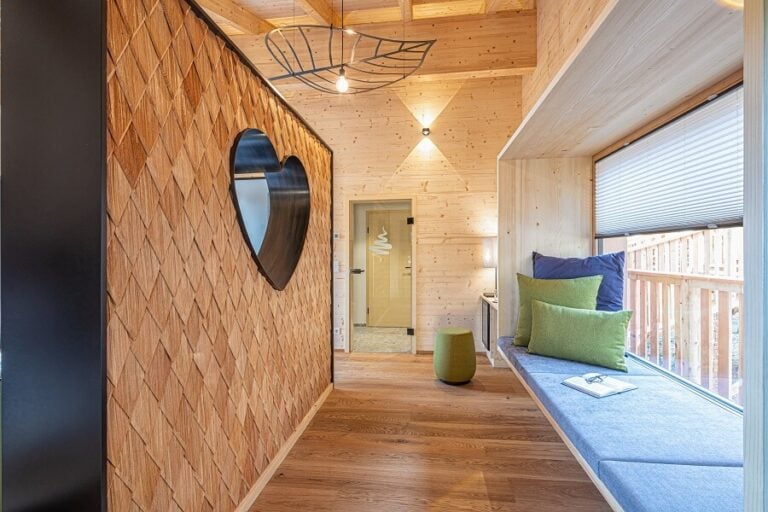
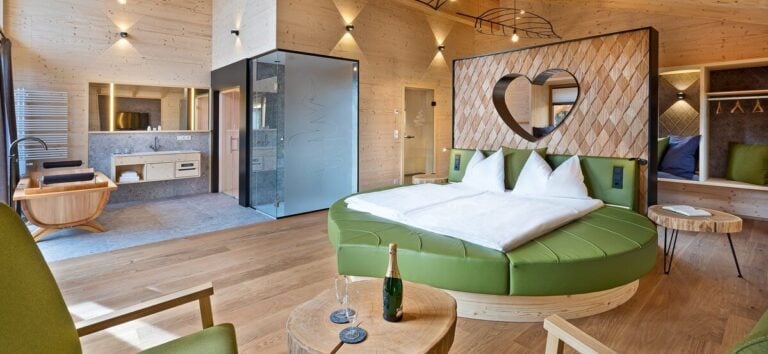
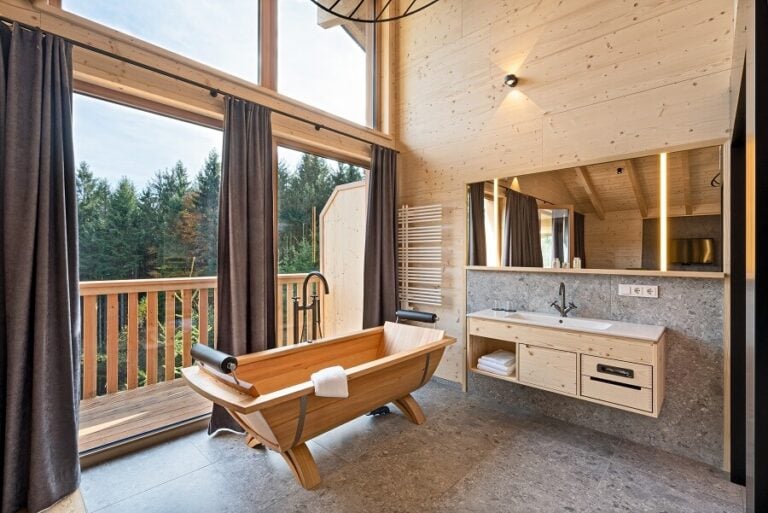
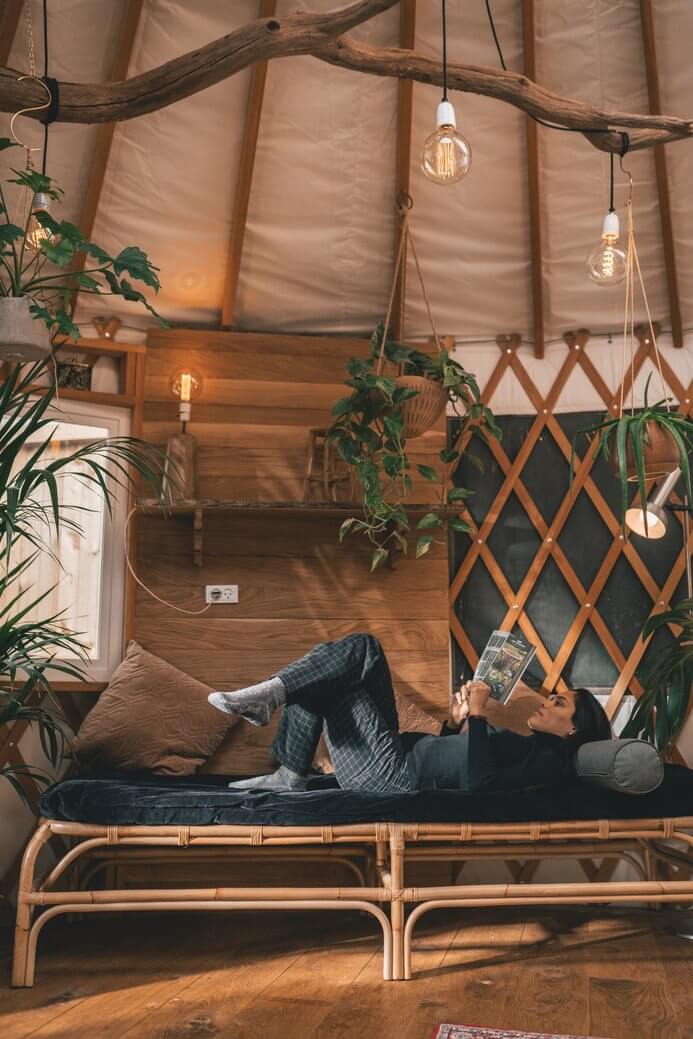
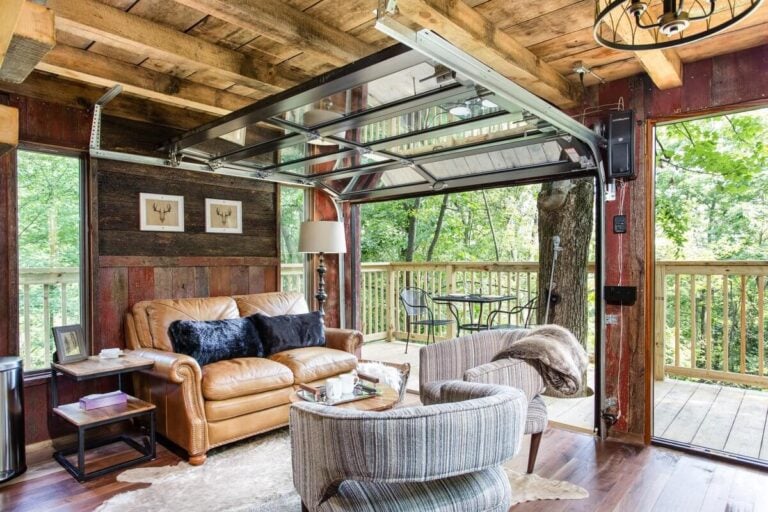
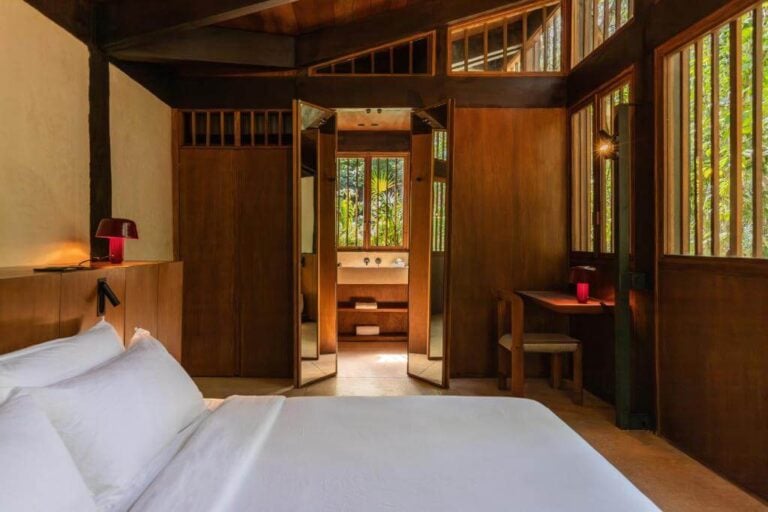
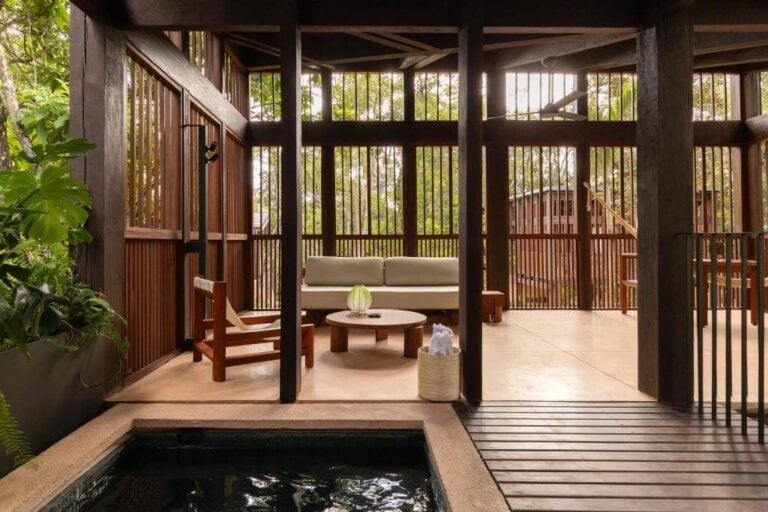
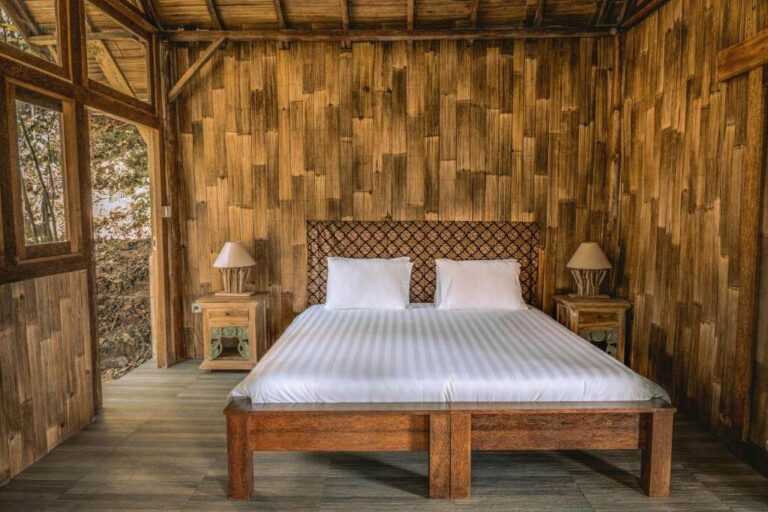
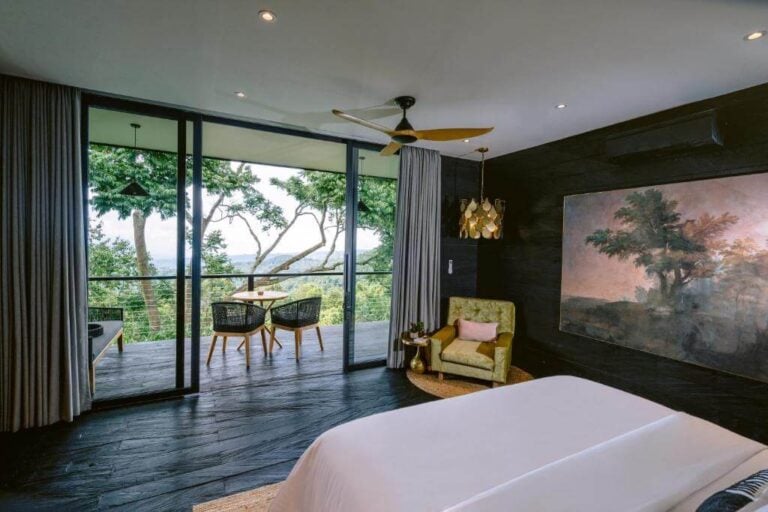
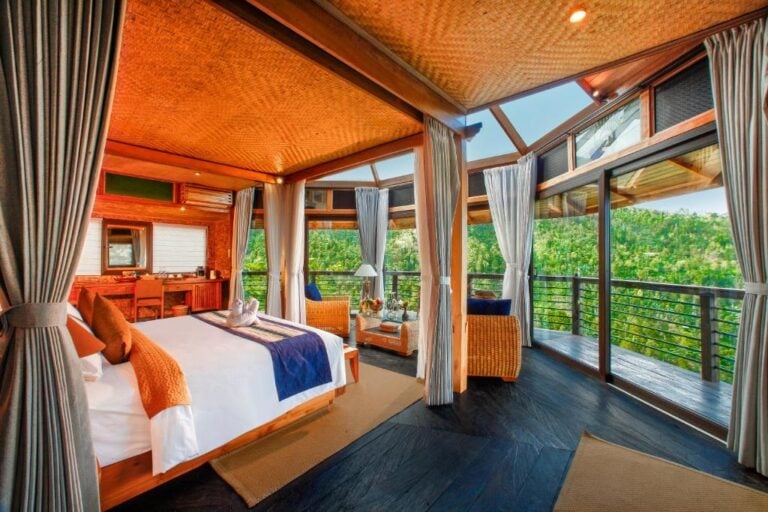
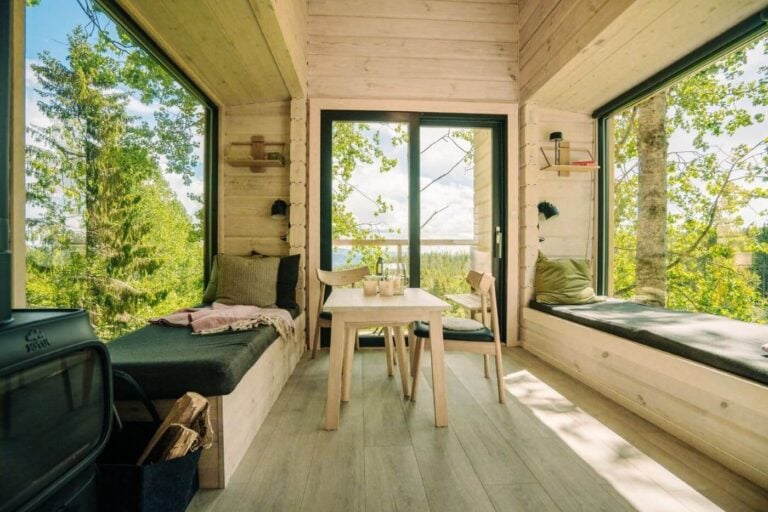
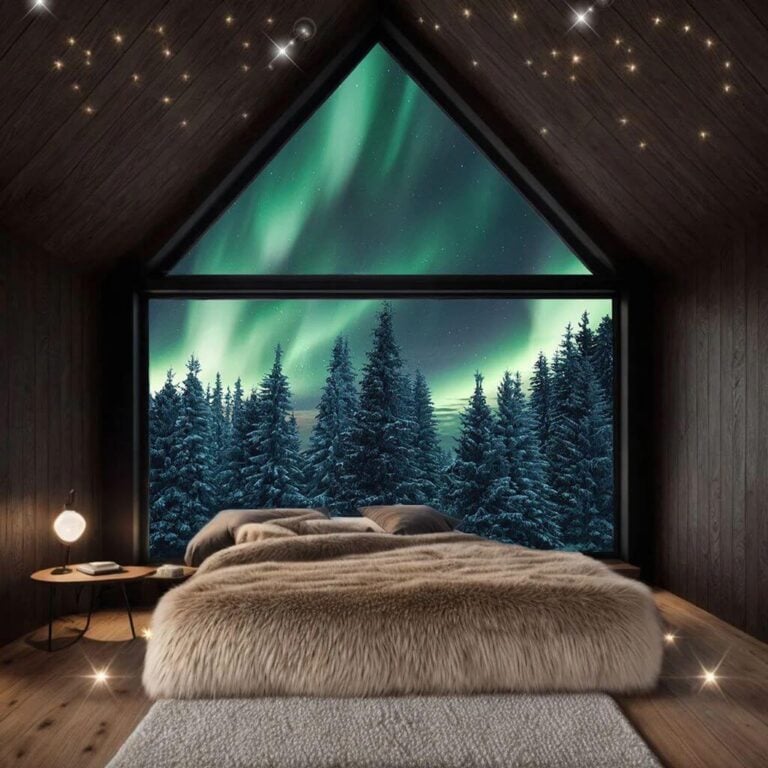
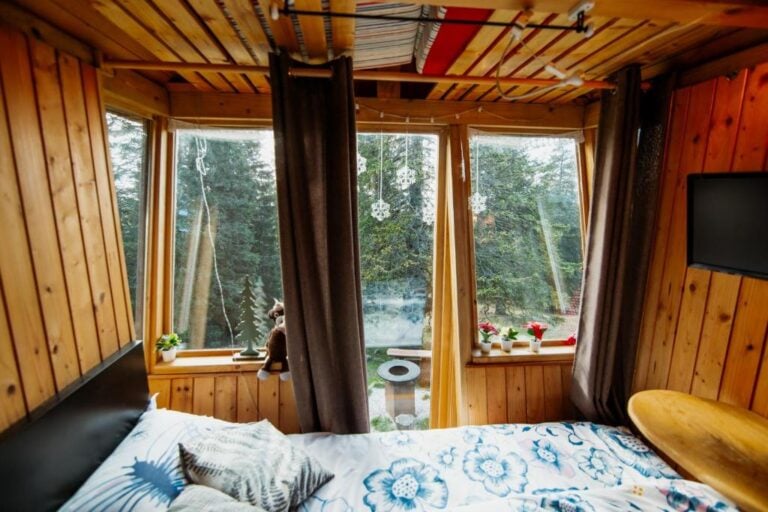
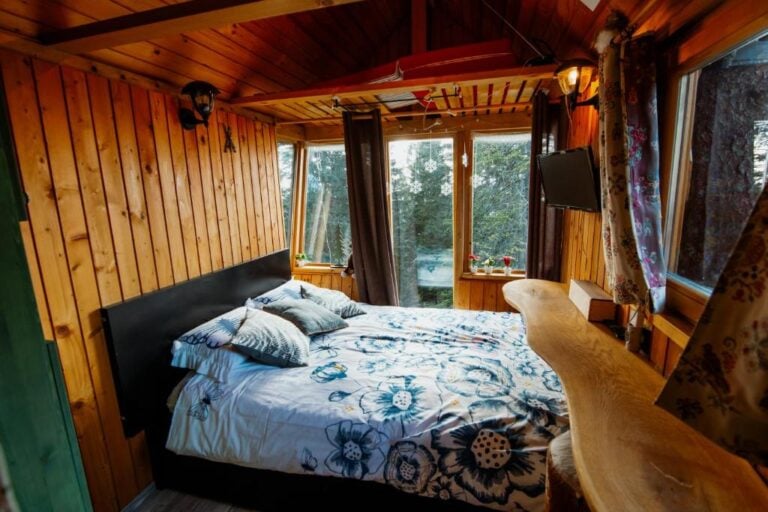
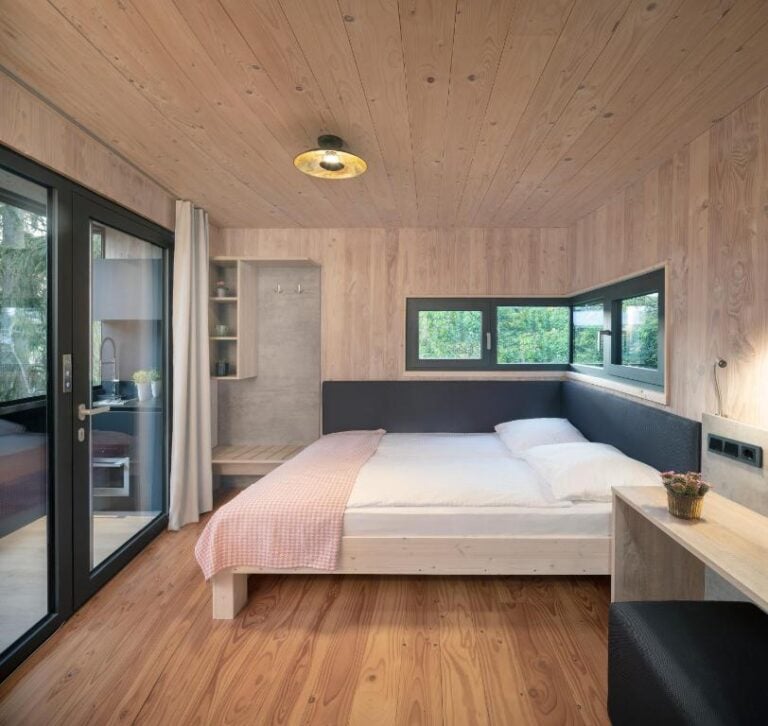
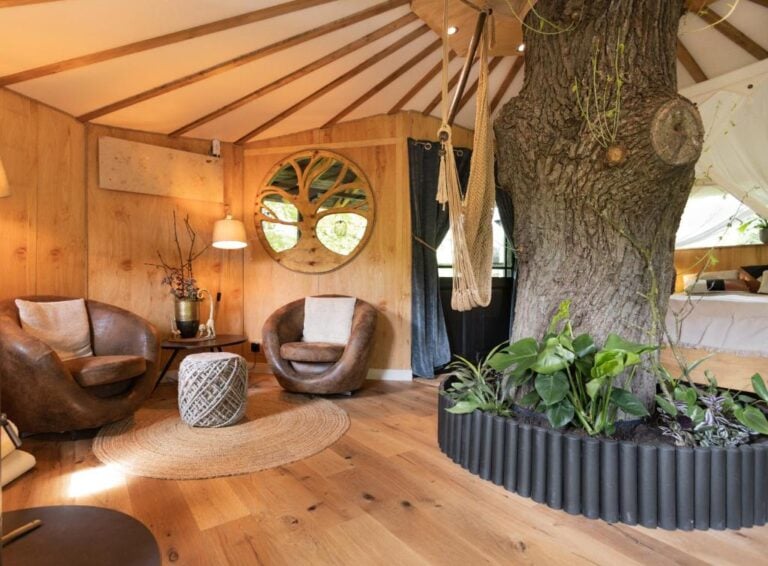
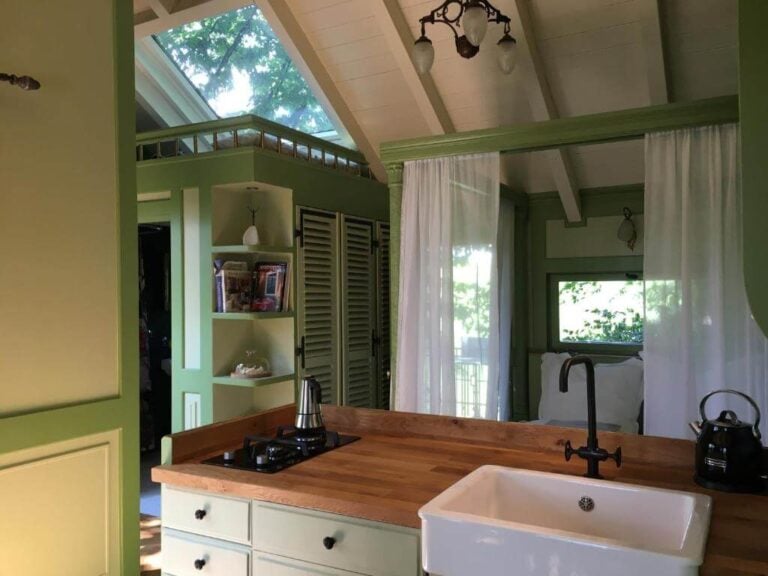
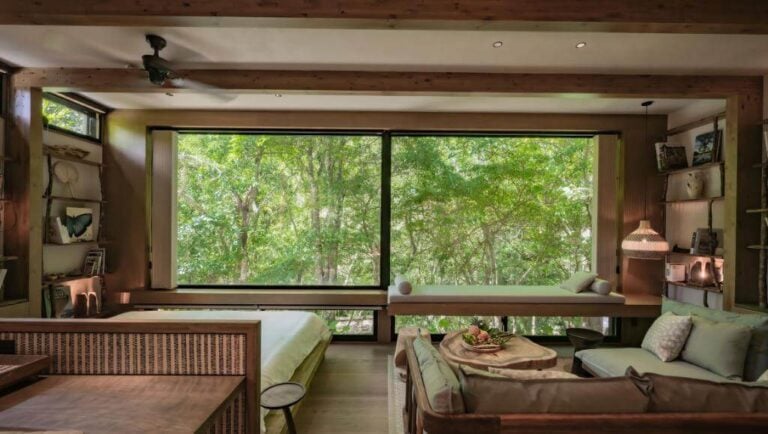
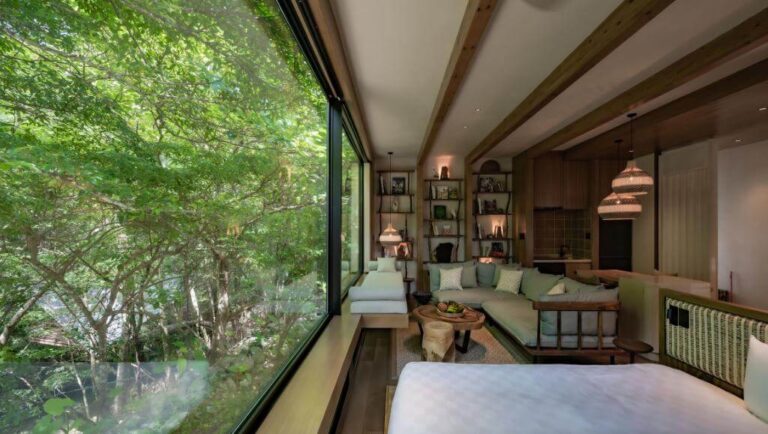
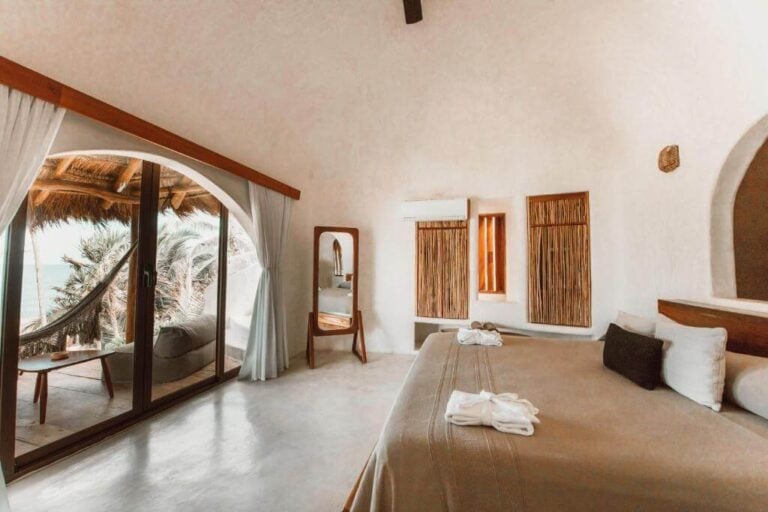
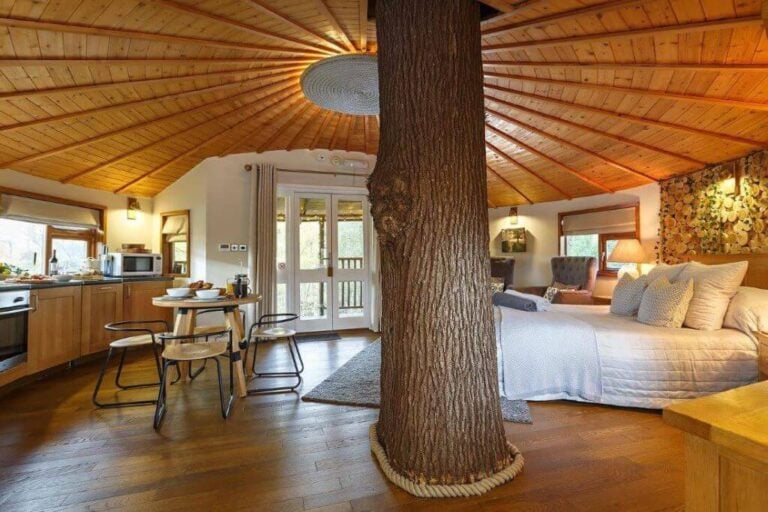
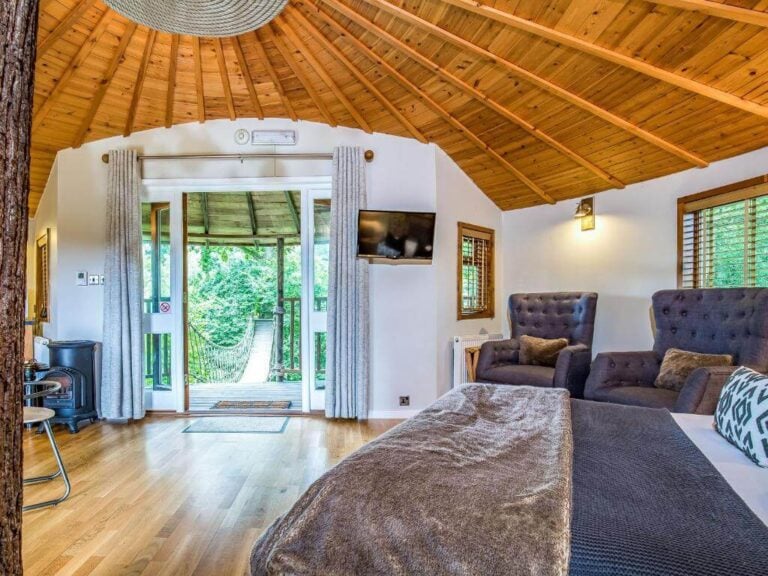
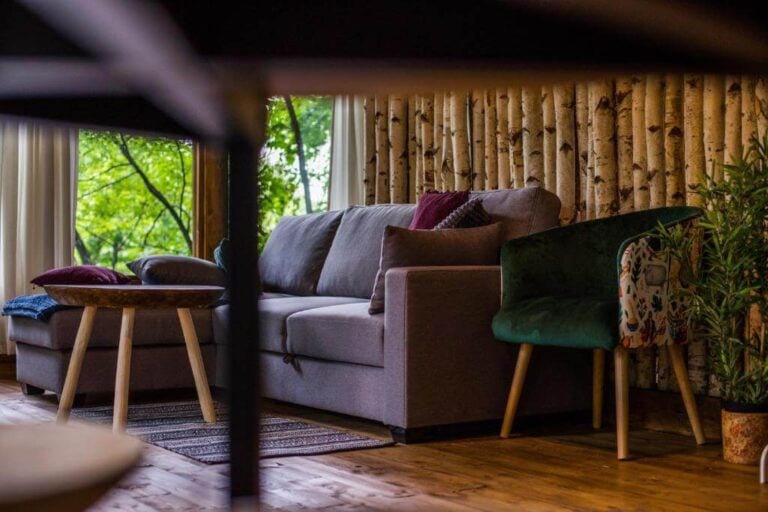
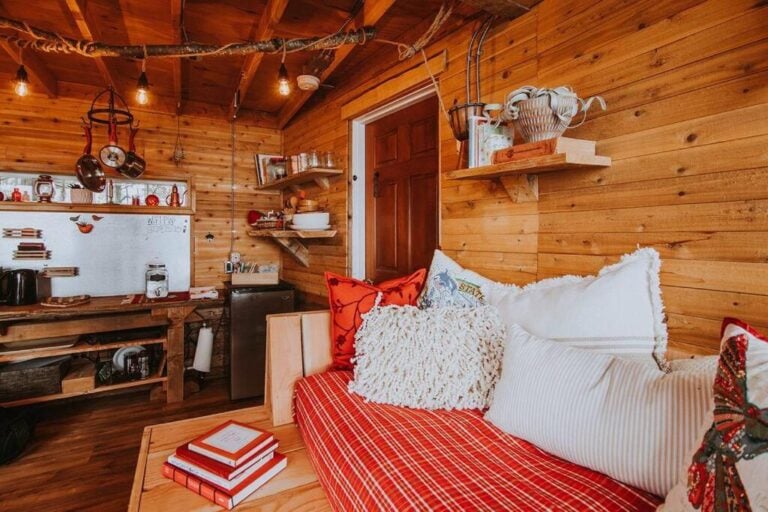
Inside, the better properties understand that whimsy has limits. King beds and linen that behaves. Soaking tubs positioned by floor-to-ceiling glass so the view earns its keep. Wood stoves in colder climates, efficient quiet air circulation in tropical ones. Breakfast sometimes arrives by pulley basket—useful theatre—but dinner tends toward regional ingredients and kitchens that know their pantry. Staff presence feels calibrated: around when logistics require it, absent when you'd rather just sit.
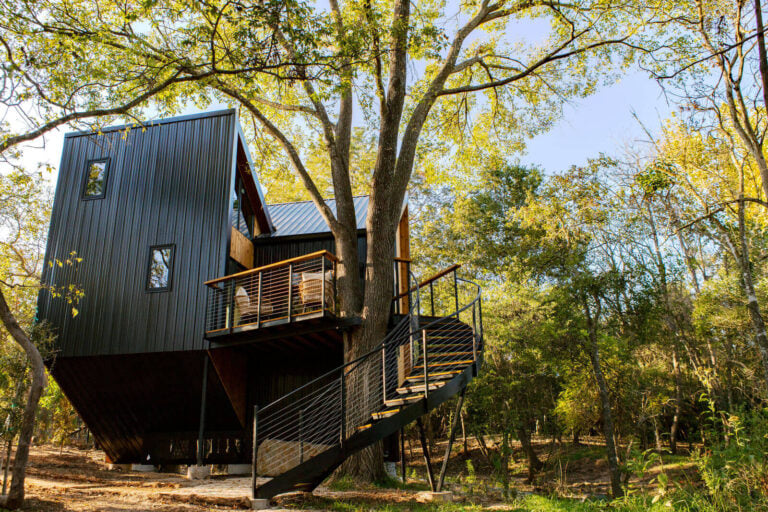
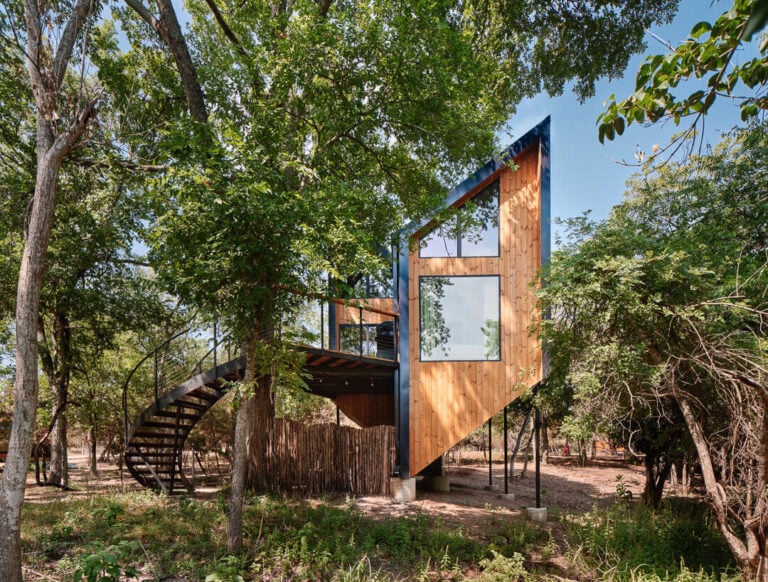
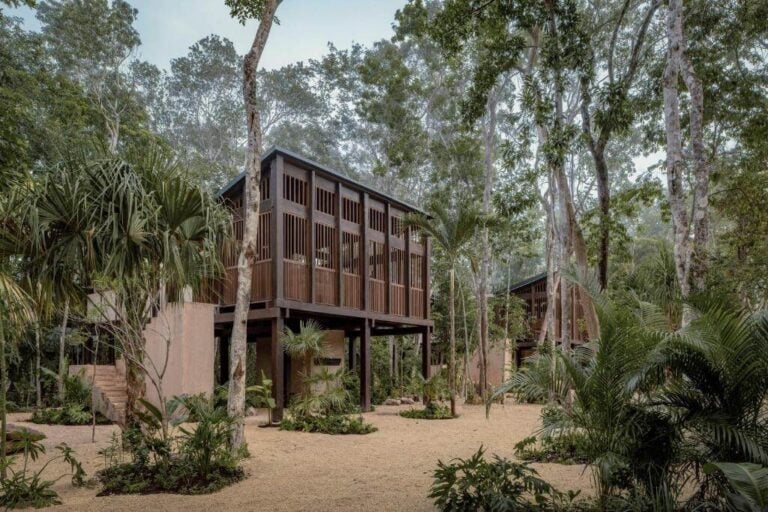
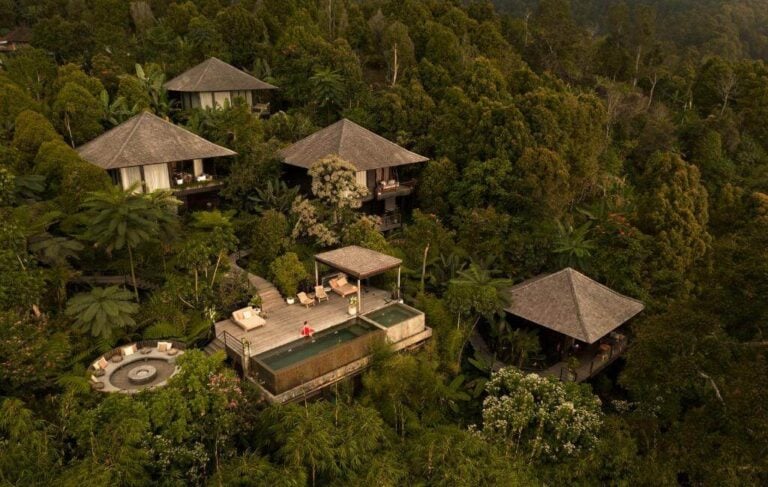
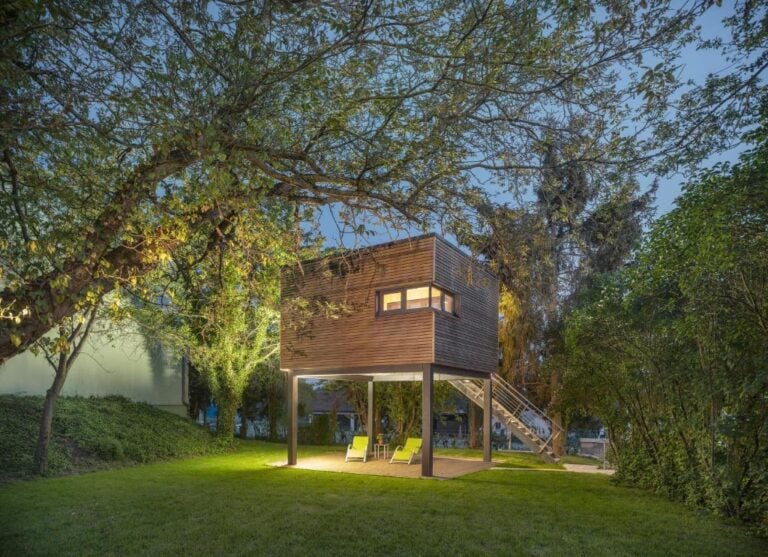
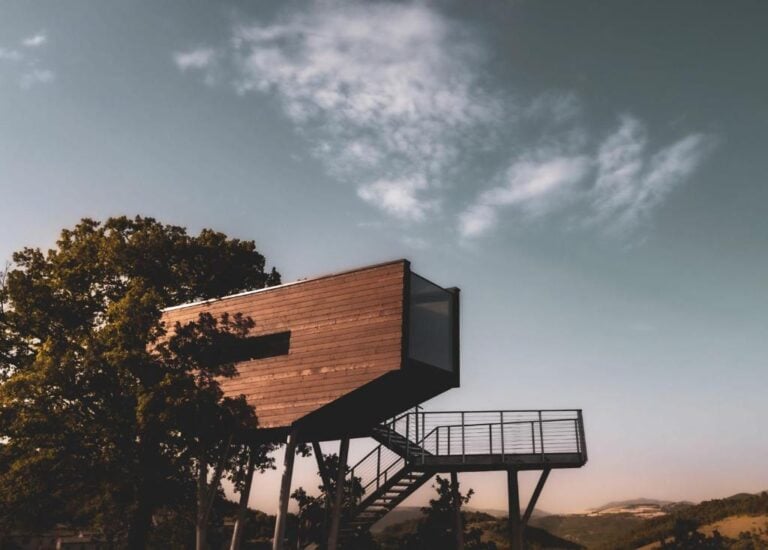
Construction at serious treehouse hotels generally involves structural respect for the trees and broader site. Locally milled timber, boardwalks that curve around root systems, solar integrated into rooflines, greywater handled without fanfare. Many properties tie operations to conservation funding or community employment, so the premium rate does some measurable good beyond your own comfort. It is not uniformly true across the category, but the pattern is common enough to be characteristic rather than exceptional.
The experience suits a few traveller profiles reliably. Couples chasing romance or milestone trips find the format effective—seclusion and novelty without sacrificing comfort. Families with older children and teens get a stay that doubles as a shared memory anchor. Solo travellers on sabbatical or retreat often appreciate the built-in quiet and the excuse to spend hours doing nothing but watching light change through leaves. The format does not work for everyone: most treehouse hotels involve stairs or suspension bridges, and mobility limitations become a real obstacle.
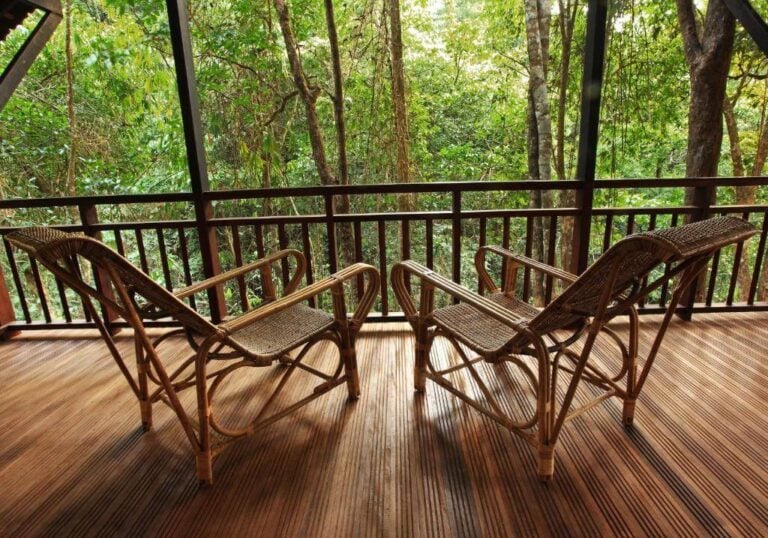
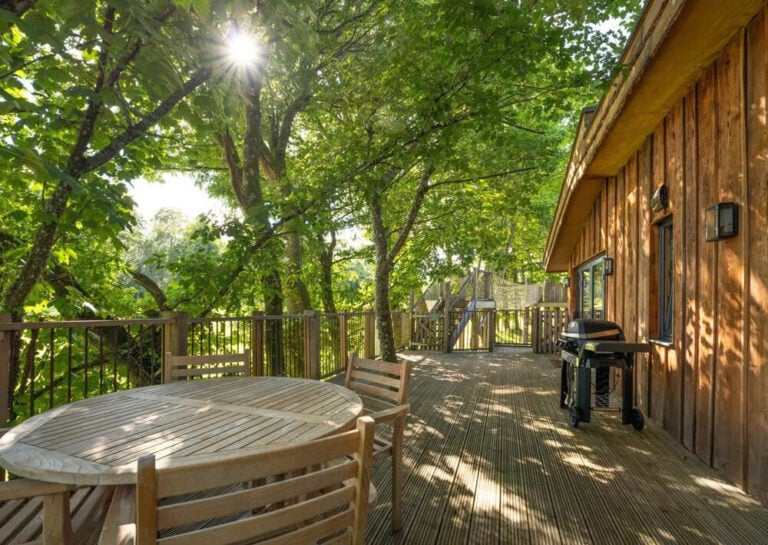
Days tend to write themselves. Trails start at your deck. Swims, saunas, books that actually get read. Stargazing works better when there is no ground-level light bleed. Rain on a treehouse roof at night is a specific, memorable sound. The experience is not about ticking activities but about the slower register that happens when your room puts you in direct conversation with weather and wildlife and the daily rhythm of a forest that was there long before the hotel arrived.
Frequently asked questions about Treehouse Hotels
What exactly is a treehouse hotel?
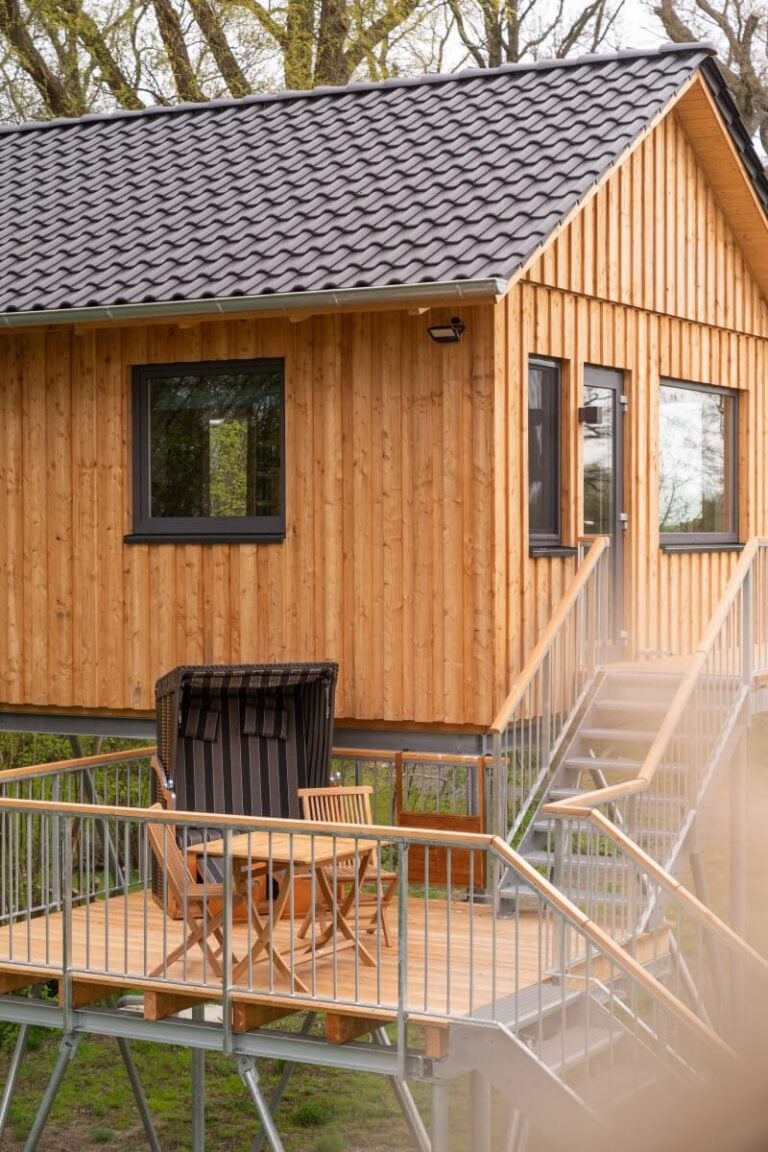
A treehouse hotel is an accommodation where guest rooms are built elevated into the forest canopy, typically 20–30 feet above ground level. These are not rustic childhood forts—they are properly constructed hotel rooms with king beds, ensuite bathrooms, climate control and often luxury amenities like soaking tubs and private decks. The defining feature is that the forest itself becomes part of the architecture, with walls of glass bringing treetop views, birdsong and changing light directly into your living space. Access is usually via stairs, suspension bridges or occasionally elevators in premium properties. The format has spread from novelty booking to a recognised luxury stay category over the past two decades, with serious examples now operating in climates from Swedish Lapland to Costa Rican rainforest.
How much do treehouse hotels typically cost per night?
Luxury treehouse hotels generally run between $400 and $1,200 per night, with flagship properties and peak-season dates pushing higher. Mid-range elevated forest stays can start around $250–$350. The premium reflects both construction complexity—building structurally sound rooms in trees requires significant engineering and materials—and the experiential positioning as destination stays rather than simple overnight stops. Many properties include breakfast and sometimes additional meals in the rate. Lead times matter: popular treehouse hotels often book out six to twelve months ahead for high-season weekends and milestone travel dates, so early planning helps both availability and occasionally rate flexibility.
Are treehouse hotels suitable for families with children?
Treehouse hotels work well for families with older children and teens, where the novelty becomes a shared memory anchor and the format feels like an adventure rather than a logistical challenge. Many properties welcome families and some offer connecting treehouse units or larger multi-room designs. However, the format has natural limitations: most treehouses involve steep stairs or suspension bridges, and young children unfamiliar with heights may find the experience unsettling rather than exciting. Some luxury treehouse hotels position themselves as adults-only or couples-focused retreats, so checking age policies before booking is worthwhile. For families with children under eight or ten, ground-level forest lodges often prove more practical while still delivering the nature-immersion experience.
What is the best time of year to stay in a treehouse hotel?
Timing depends on location and what you want from the forest. Tropical treehouse hotels in Costa Rica, Thailand or Bali operate year-round, though dry seasons generally mean easier access and better wildlife visibility. Temperate-climate properties shine in shoulder seasons—late spring and early autumn—when weather is mild, foliage is vibrant and insect activity is manageable. Nordic treehouse hotels in Sweden or Norway offer two distinct experiences: summer brings midnight sun and lush green, while winter delivers snow-draped silence and northern lights. Many treehouse hotels see peak demand around autumn colour, holiday periods and Valentine's weekend. If flexibility allows, midweek stays outside school holidays tend to offer better availability, lower rates and deeper quiet.
What do you actually do at a treehouse hotel?
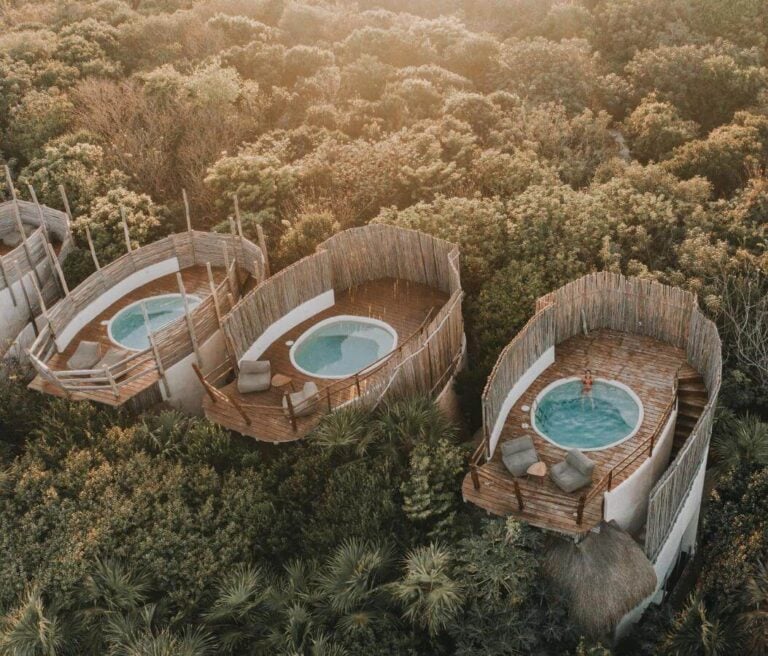
The experience is less about ticking activities and more about settling into a slower rhythm dictated by the forest. Days often include hiking trails that start directly from your deck, birdwatching from your balcony, reading without distraction and simply watching light shift through the canopy. Many properties offer forest bathing walks, canopy ziplines, guided wildlife spotting or nearby cultural sites, but the format works best when you resist the urge to fill every hour. Evenings bring stargazing without light pollution, the particular sound of rain on a treehouse roof and meals that often showcase regional ingredients. Some treehouse hotels include saunas, plunge pools or spa treatments. The appeal is having permission to do very little while being somewhere memorable, with the forest providing all the variety you need.