
Asia
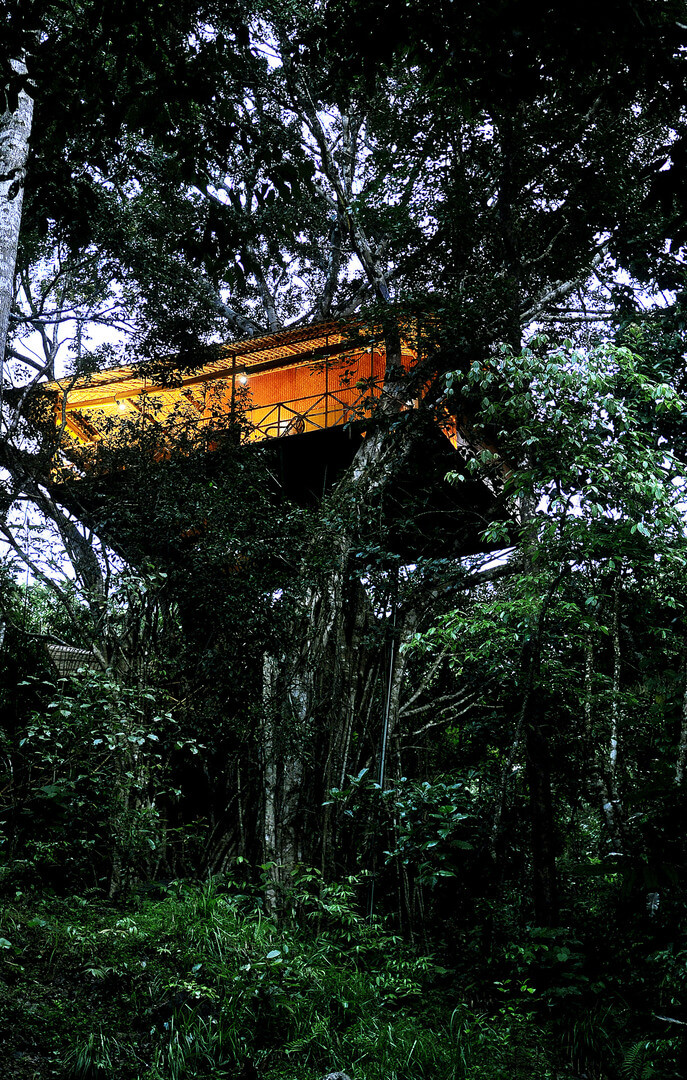
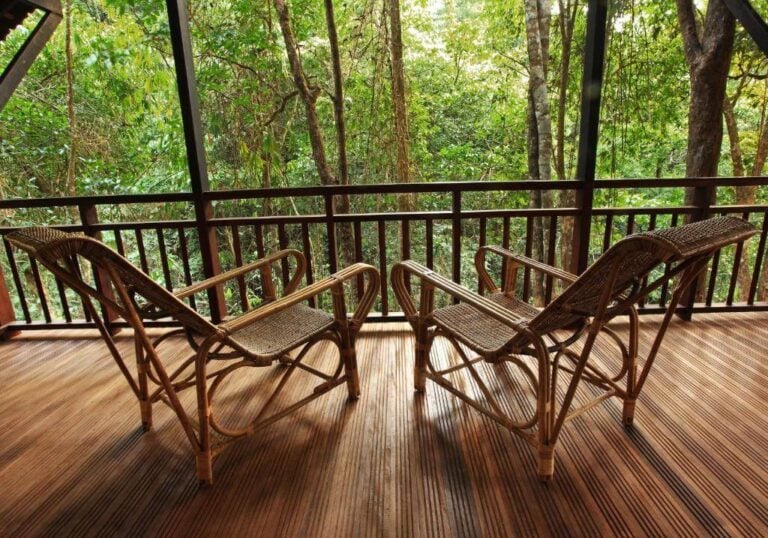
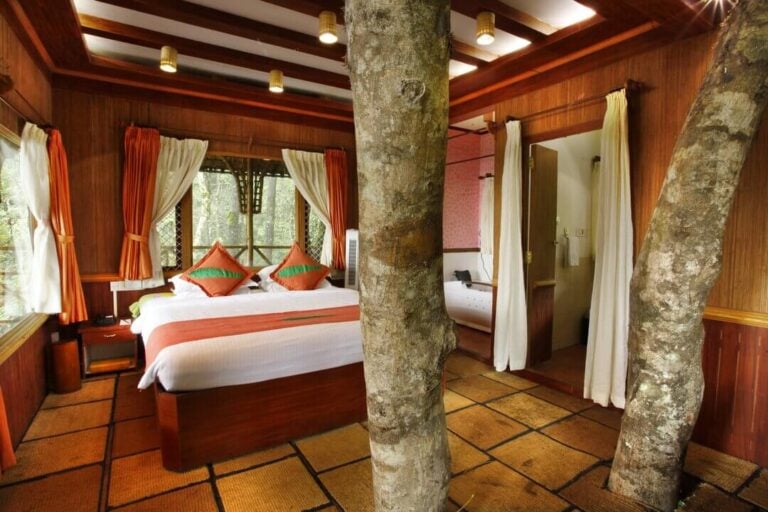
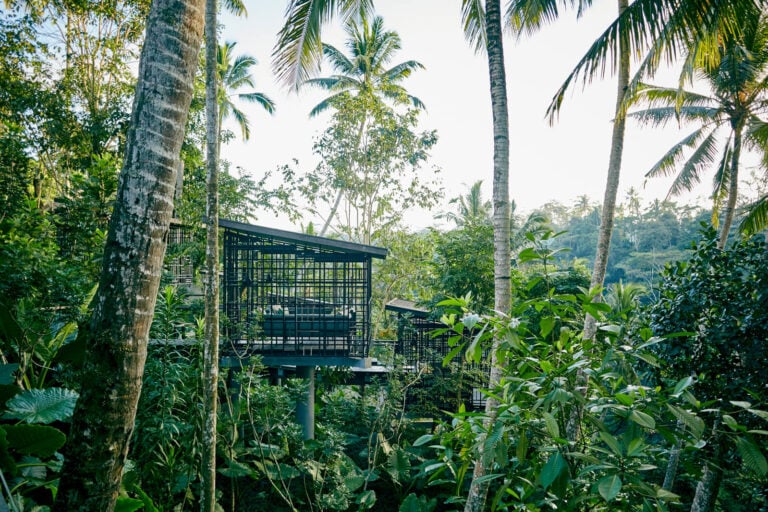
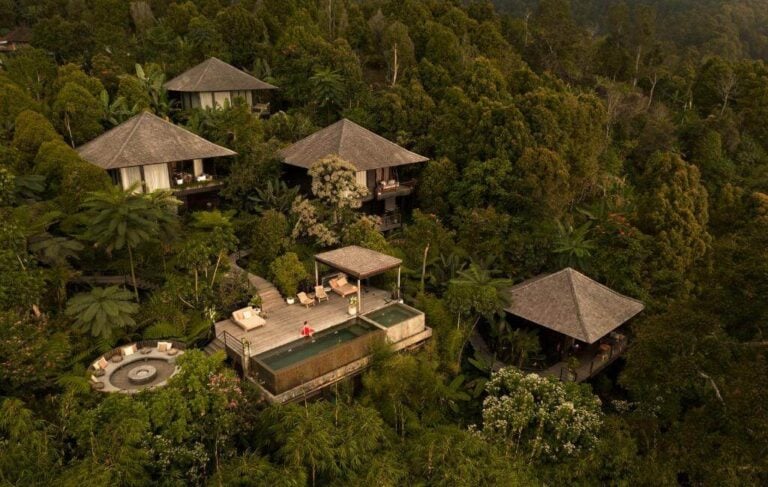
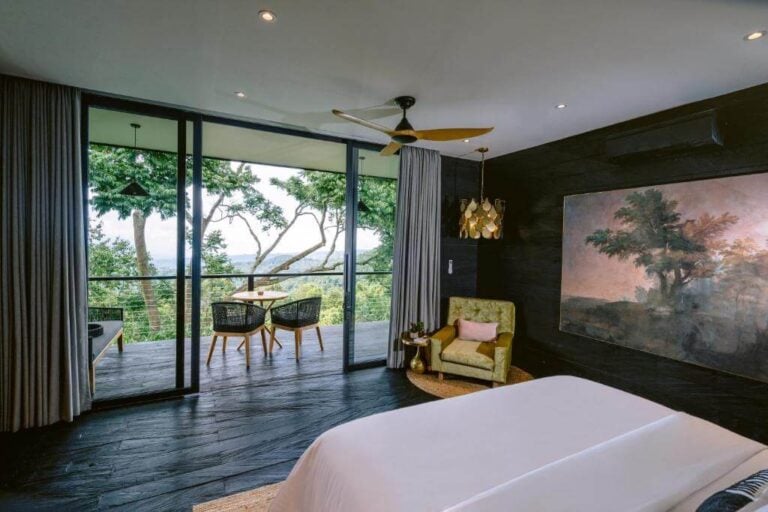
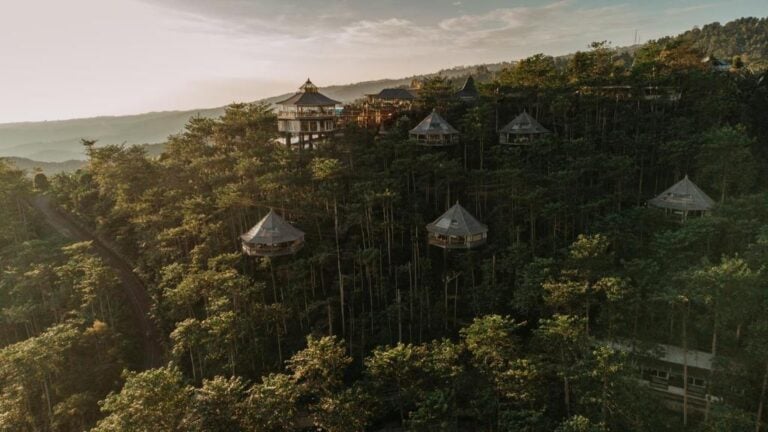
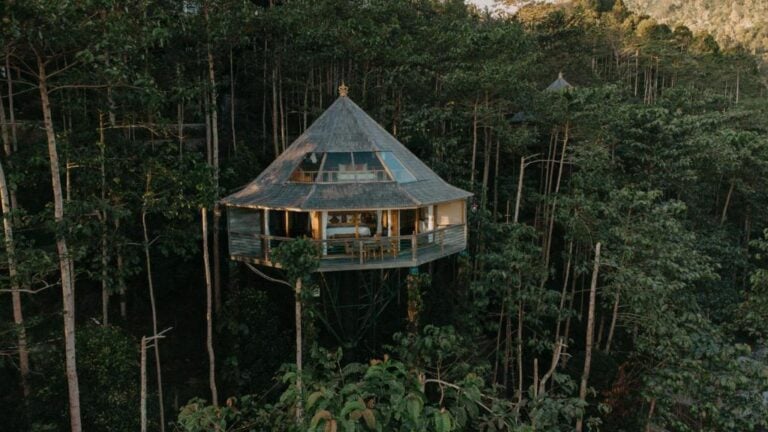
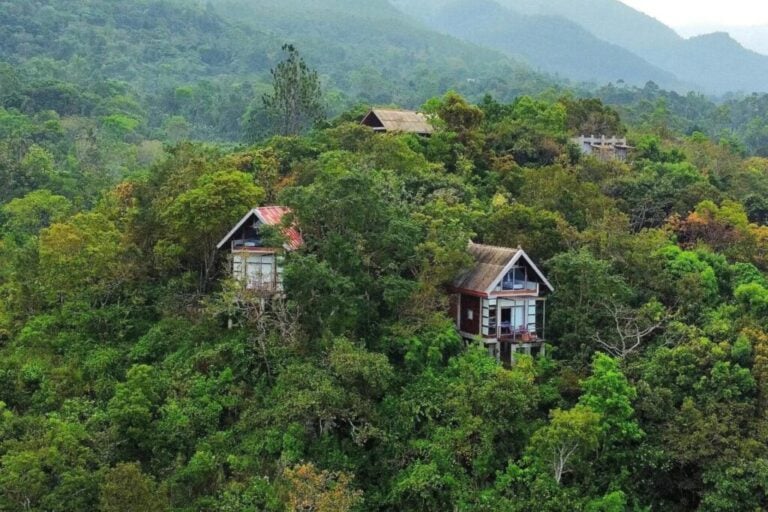
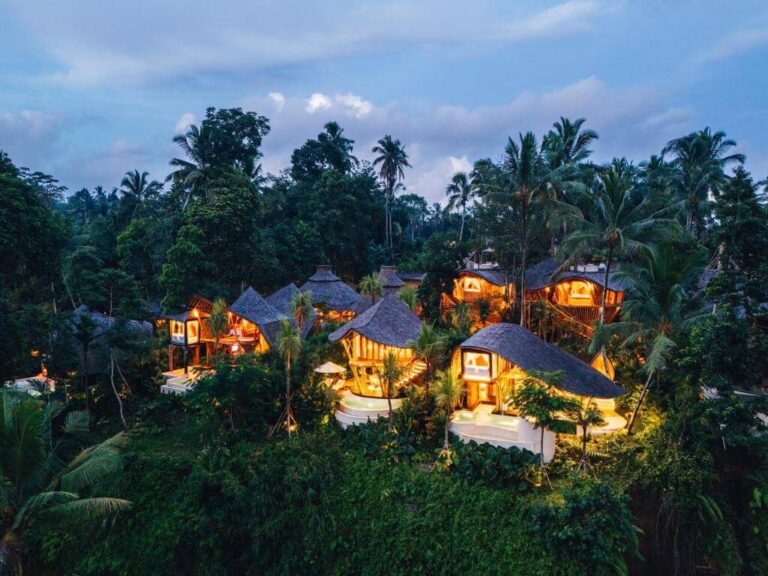
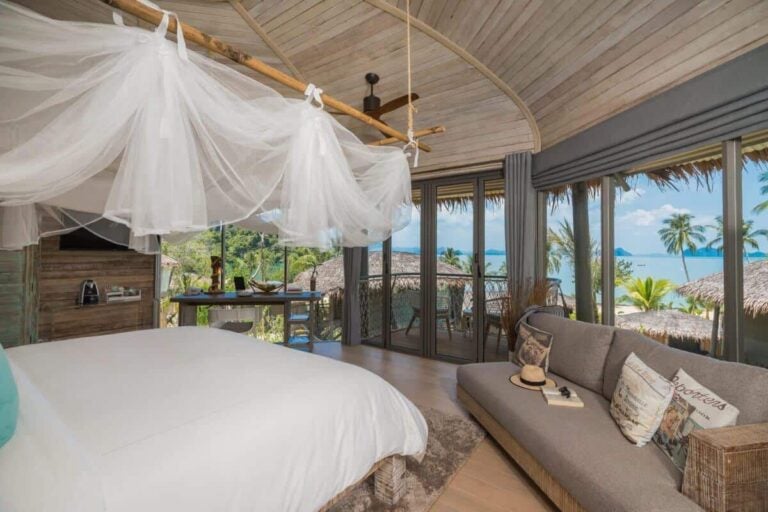
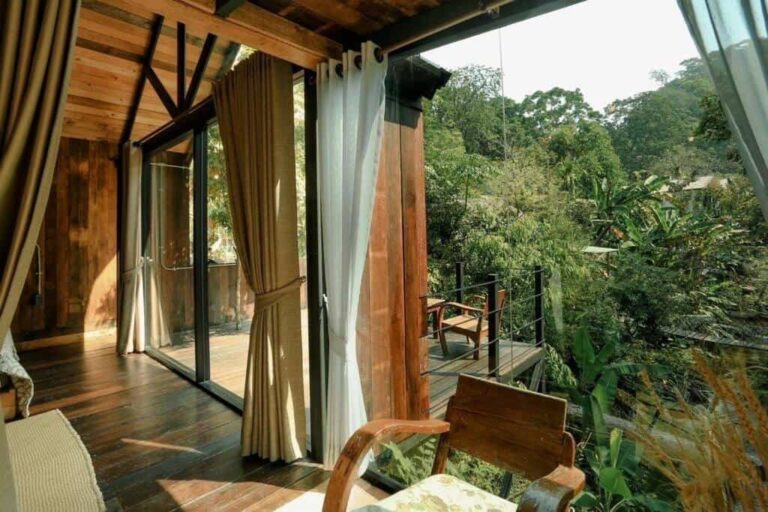
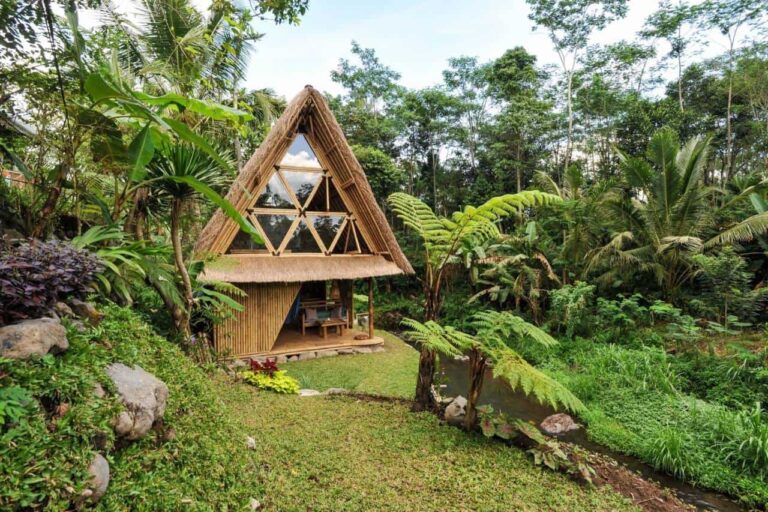
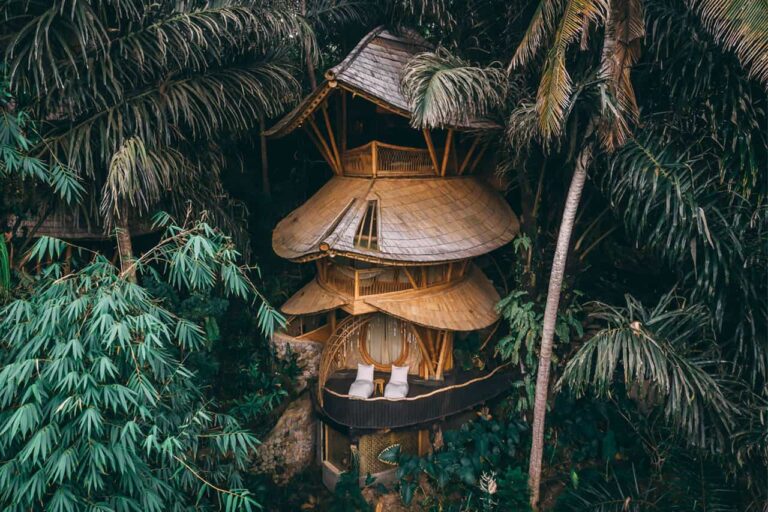
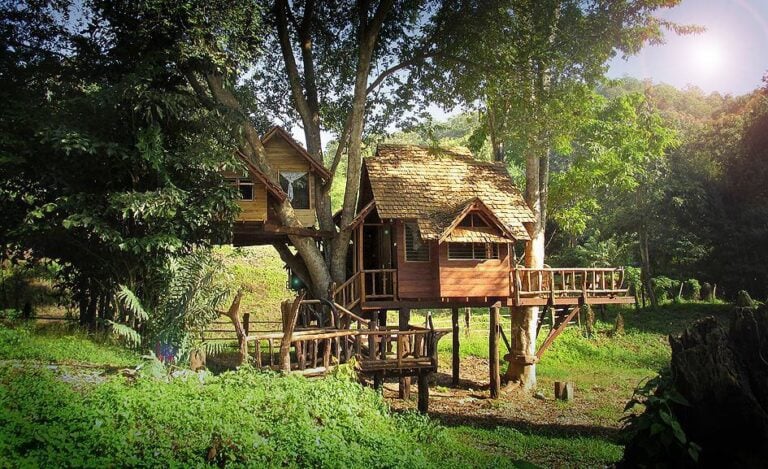
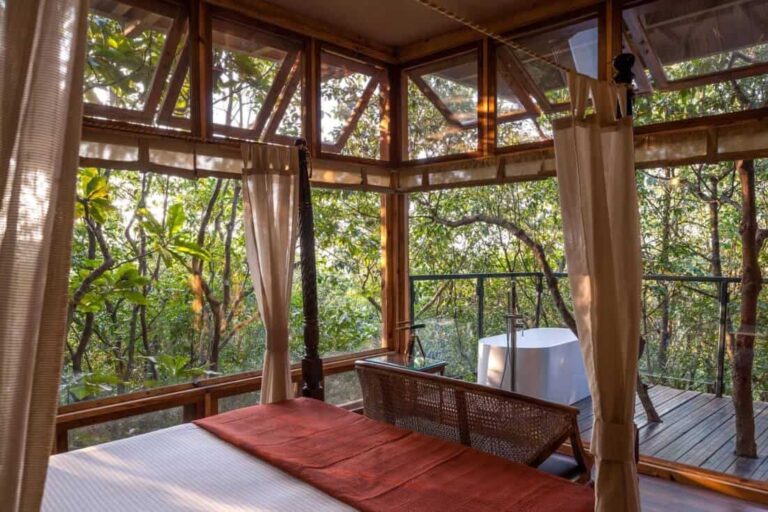
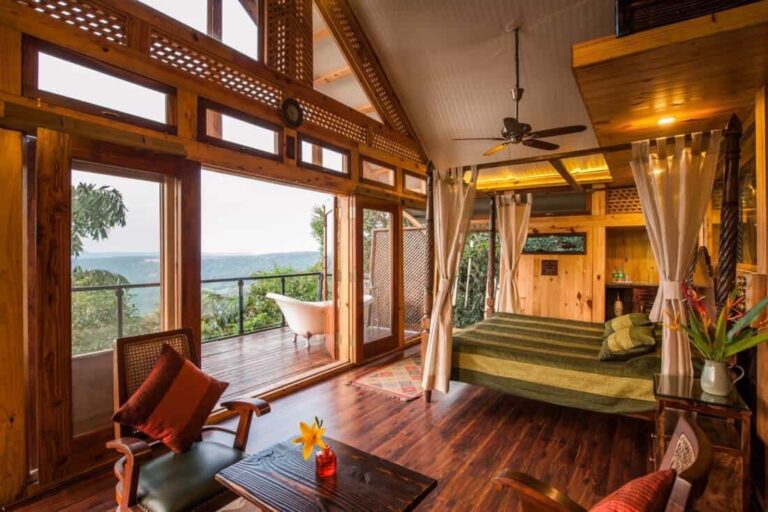
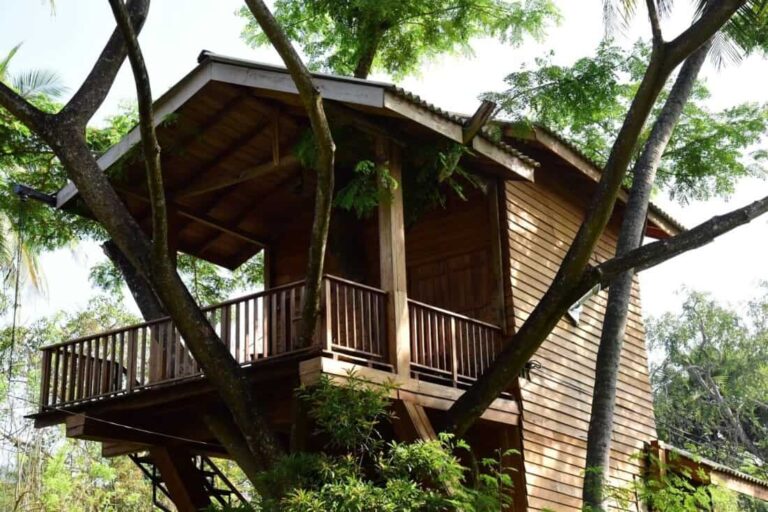
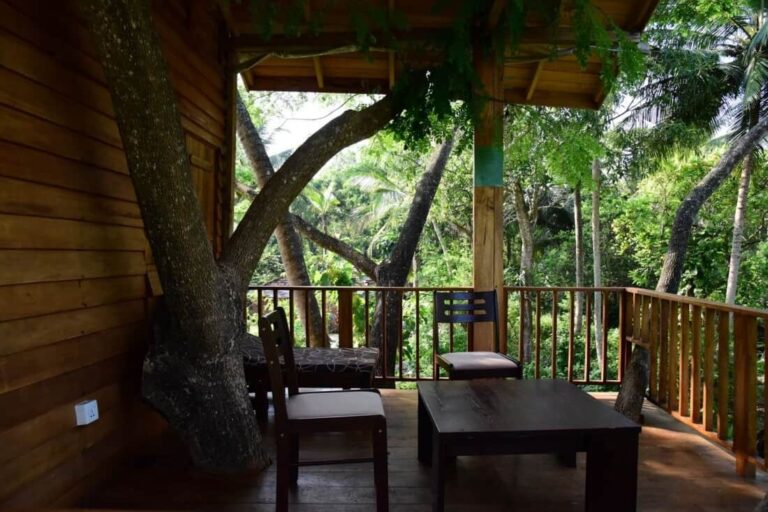
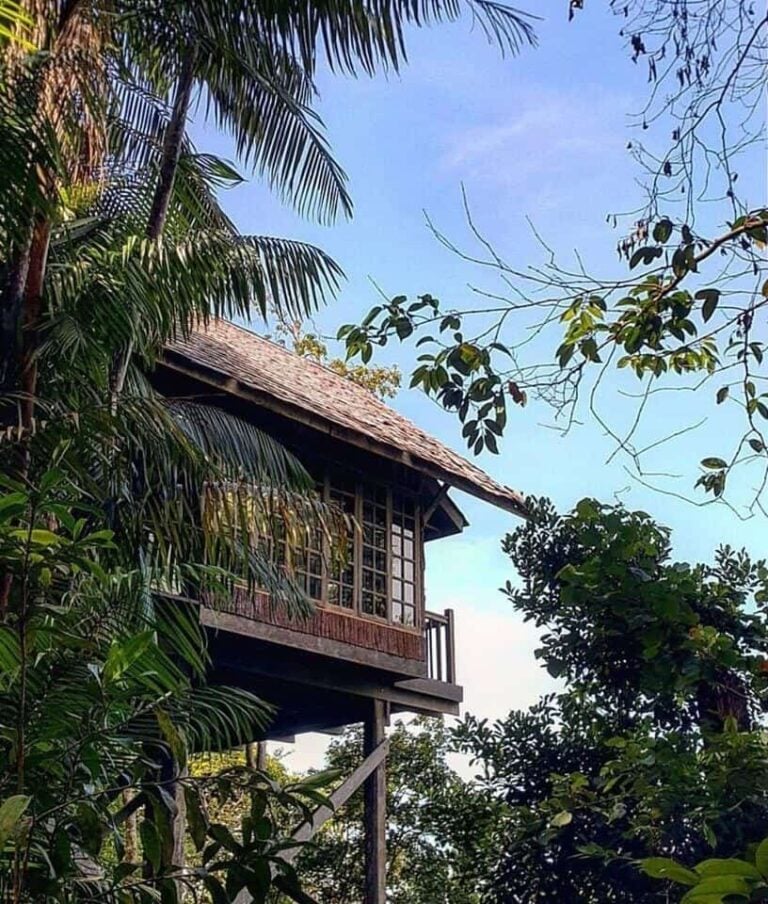
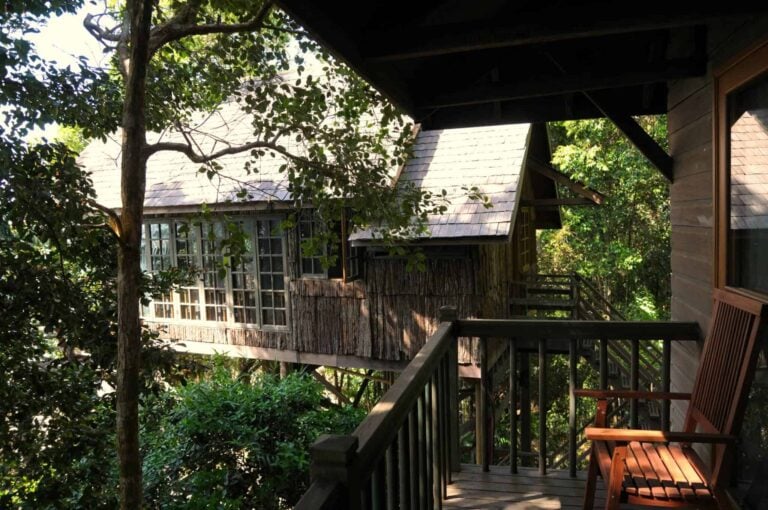
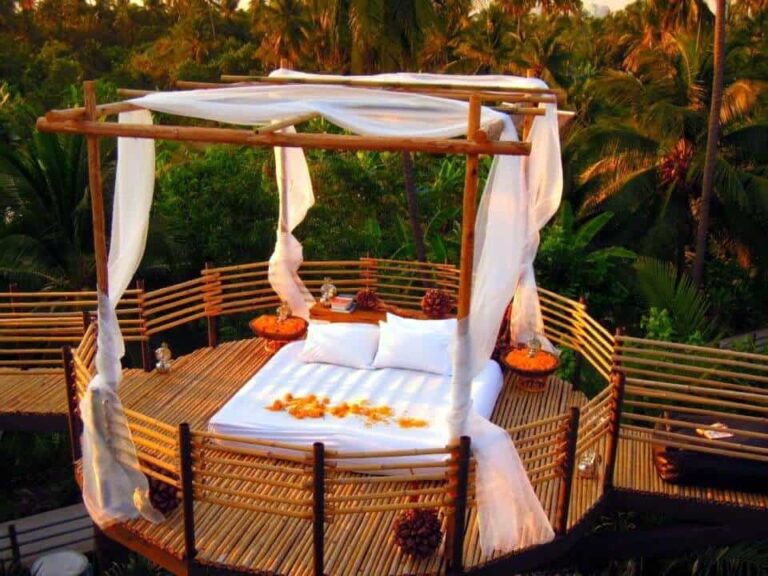
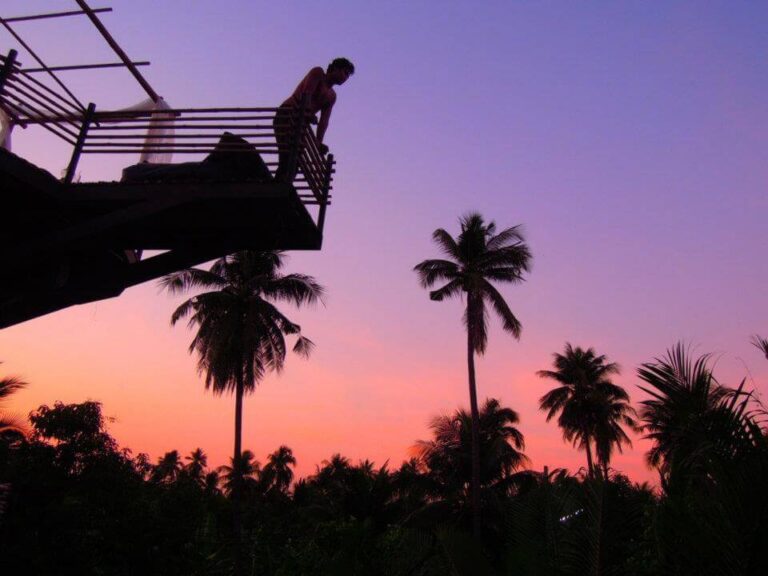
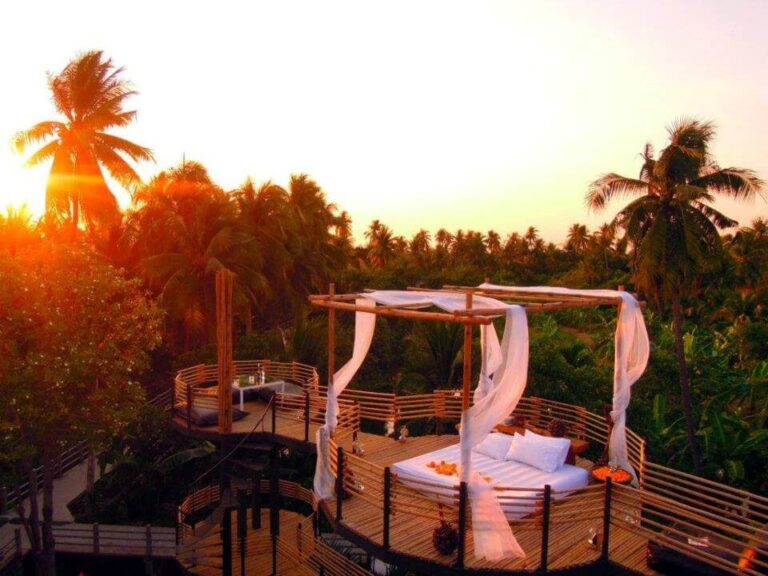
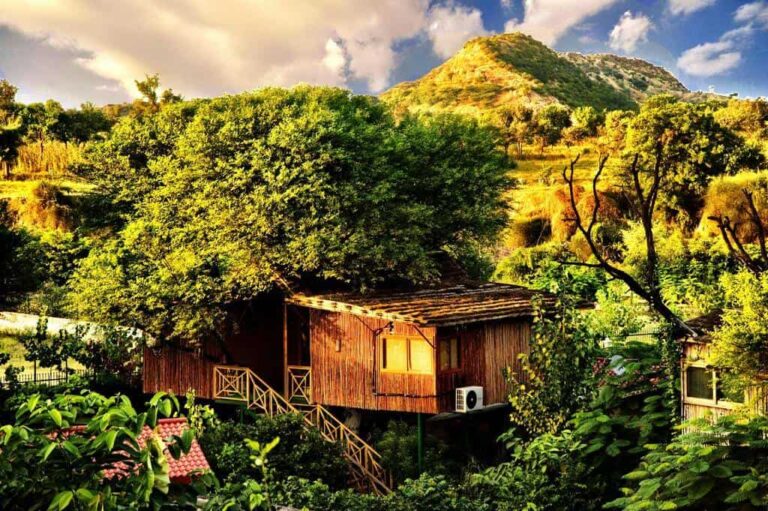
Asia's treehouse stays scatter across landscapes that shift from Balinese rice terraces to Bornean jungle density, Thai karst cliffs to Nepalese foothills catching Himalayan cold. You reach them through rural roads, river crossings and the kind of directions that include a cousin's nickname, then climb into canopy-level views over paddies, tea estates, backwaters and forests loud with cicadas and gibbons. These aren't improvised platforms—solar panels tucked into bamboo screens, salvaged hardwood joinery that doesn't creak, rainwater systems hidden behind craft-first design—but they feel less like hotels than elevated vantage points where mist, market walks and heron-watching replace the itinerary you thought you'd follow.
Explore Asia
{{locationDetails}}
Browse sub-categories


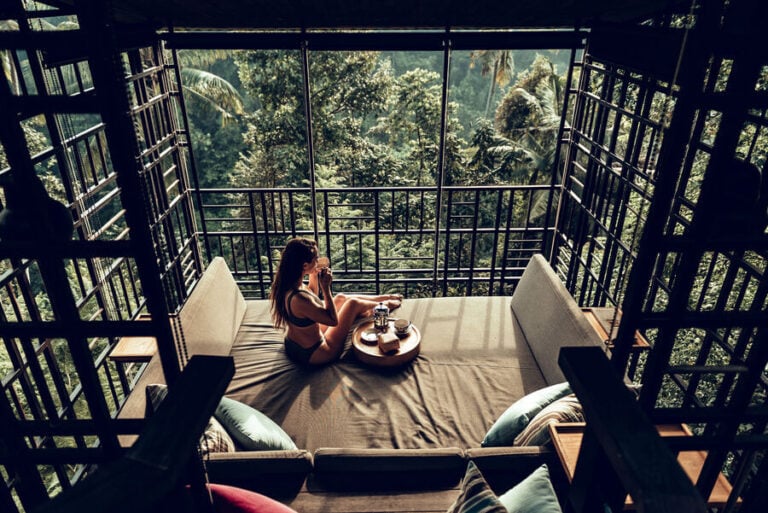
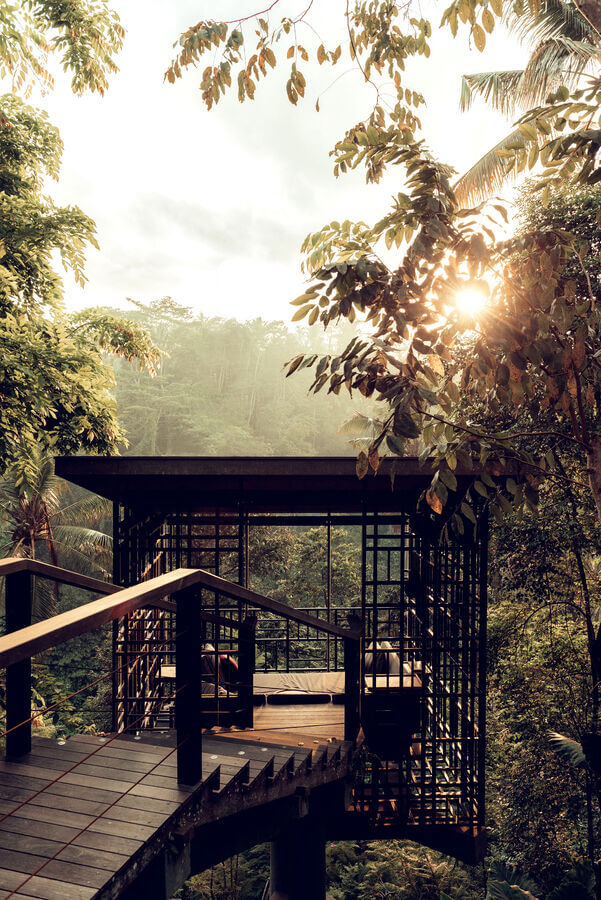

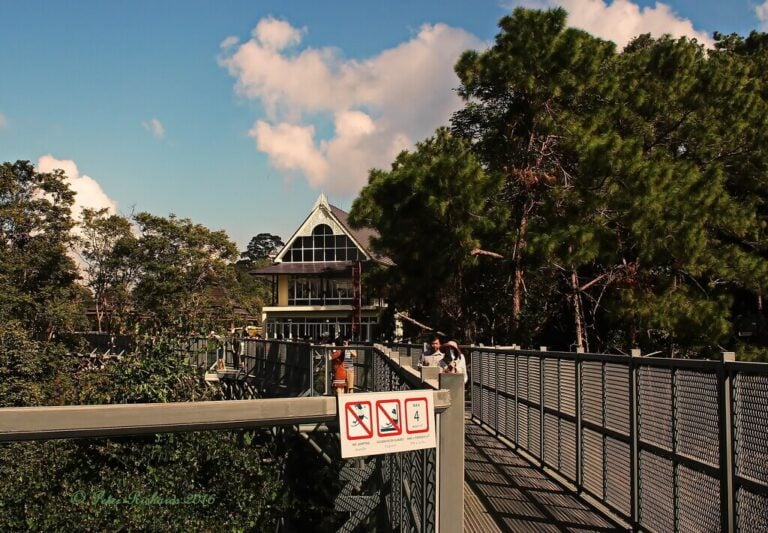
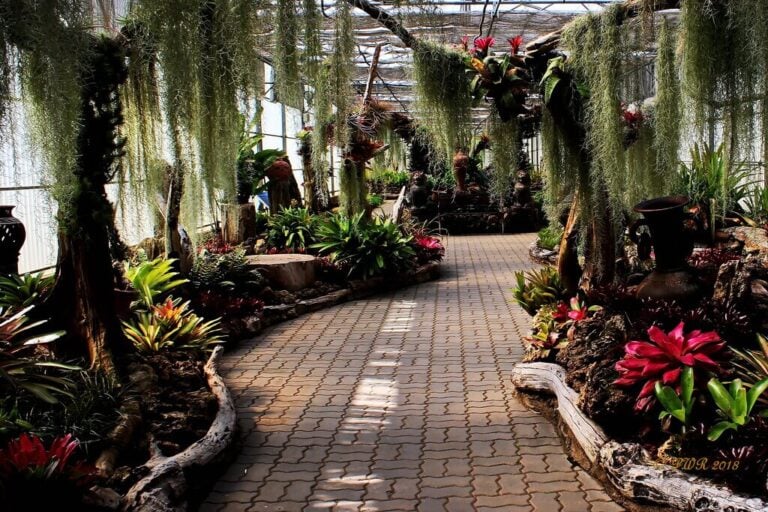


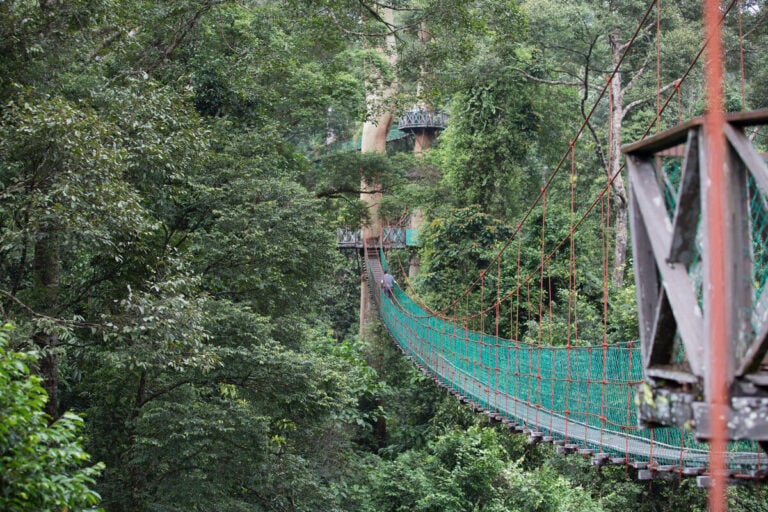
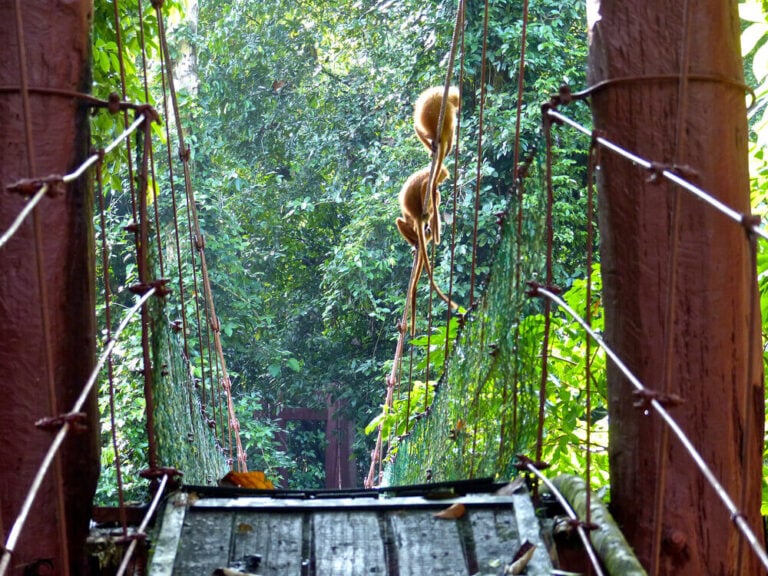
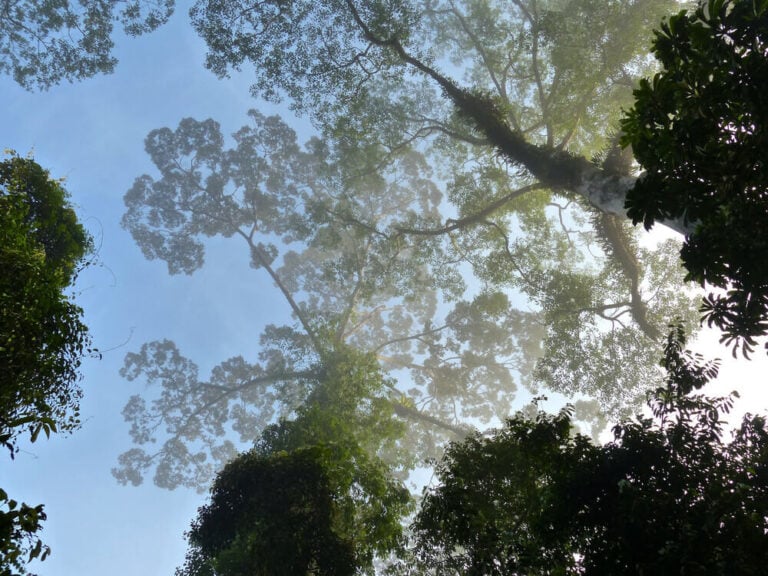
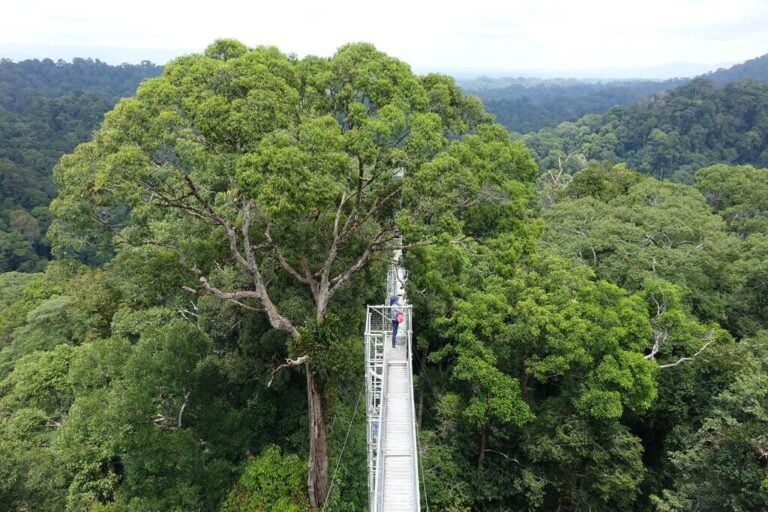
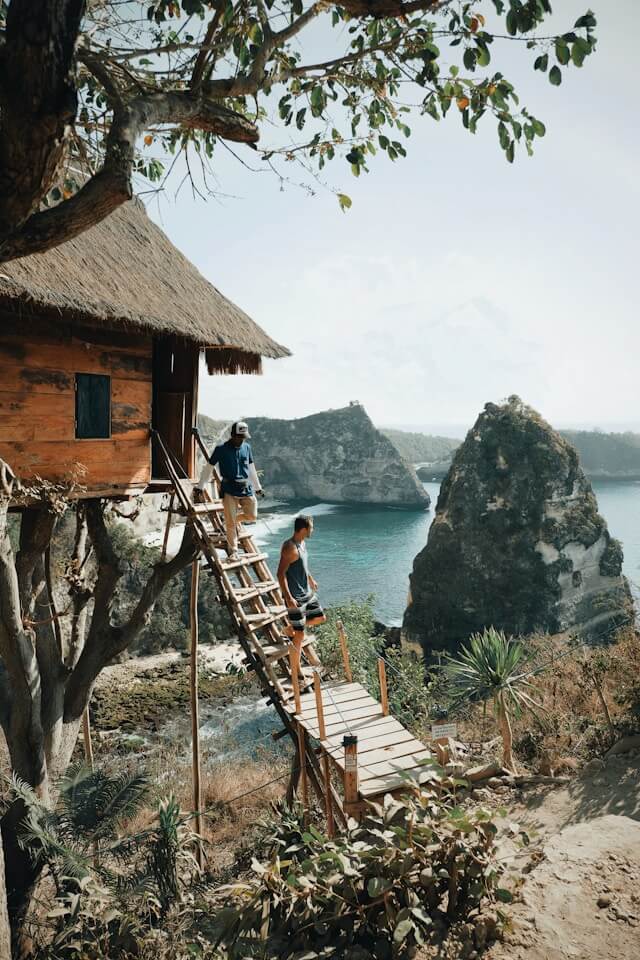

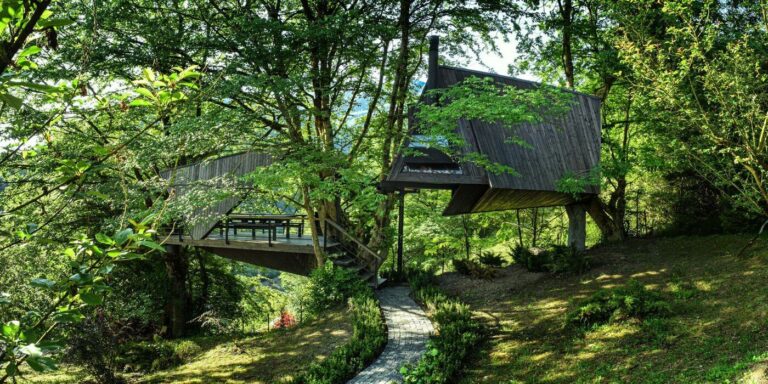
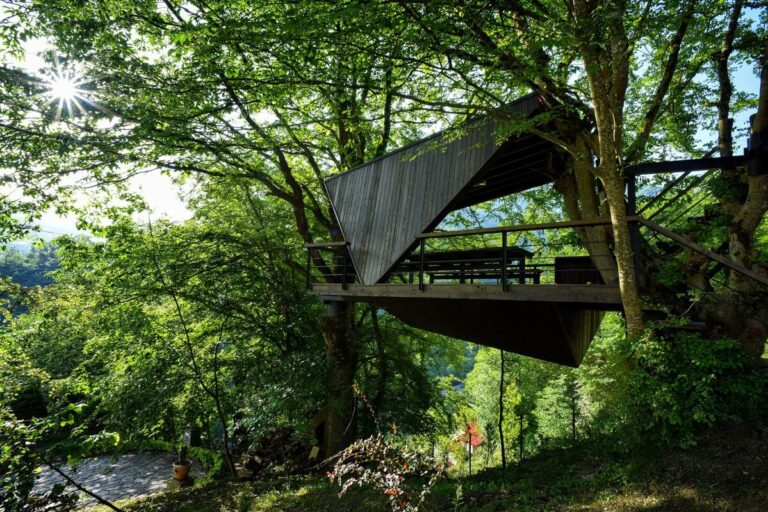


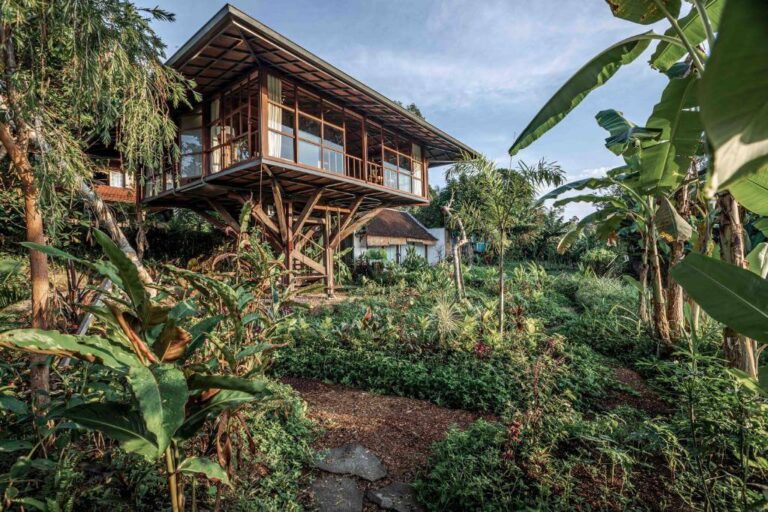
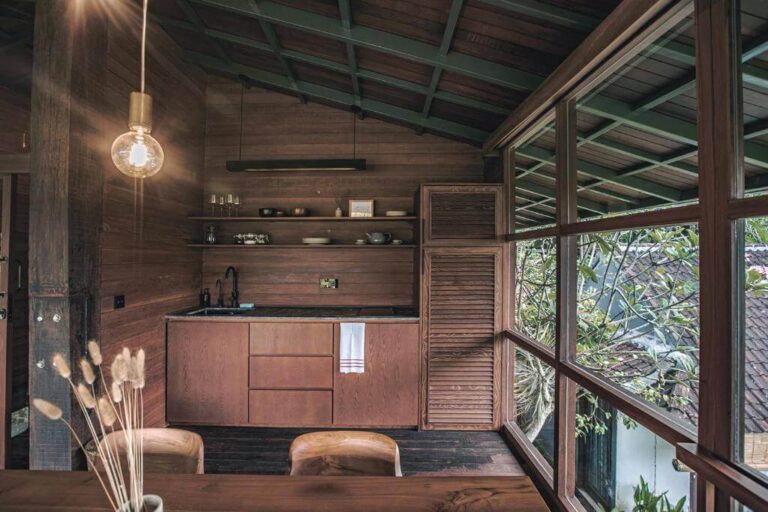
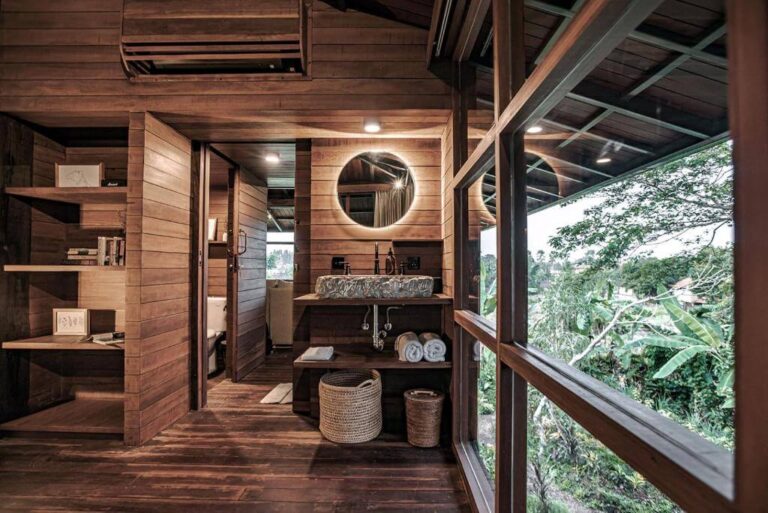
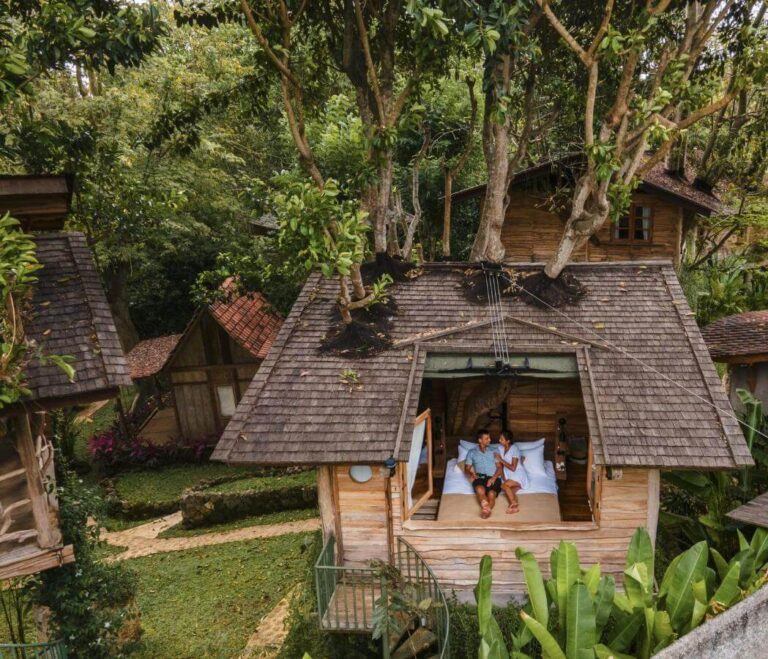
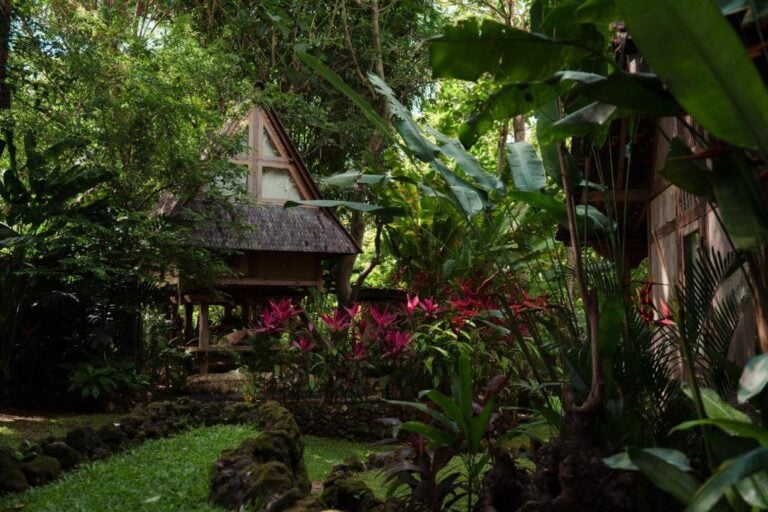
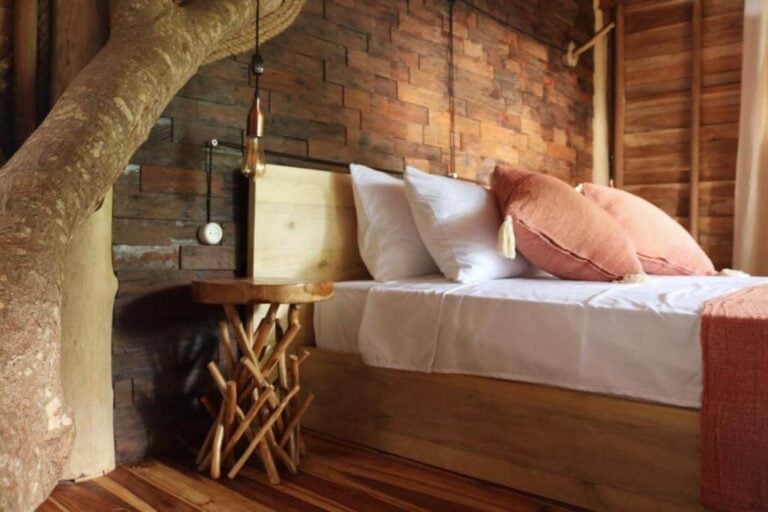
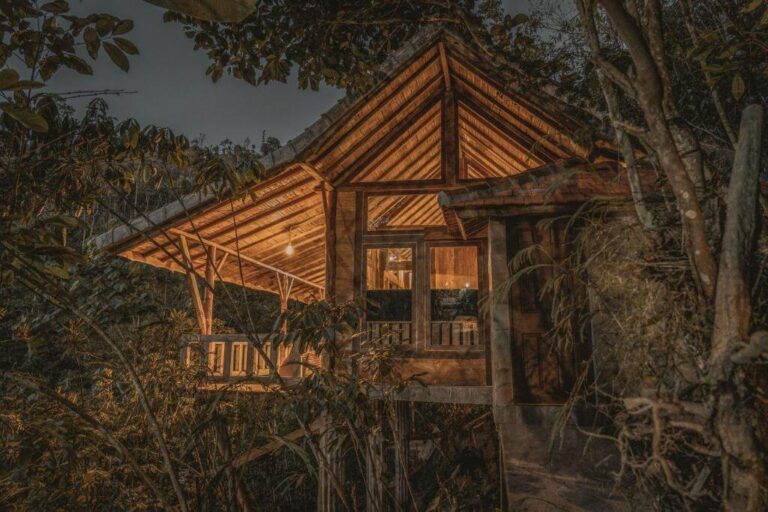
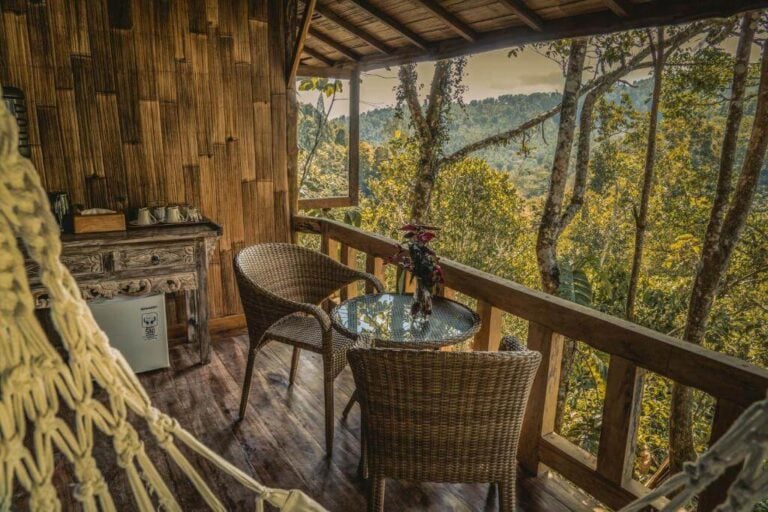
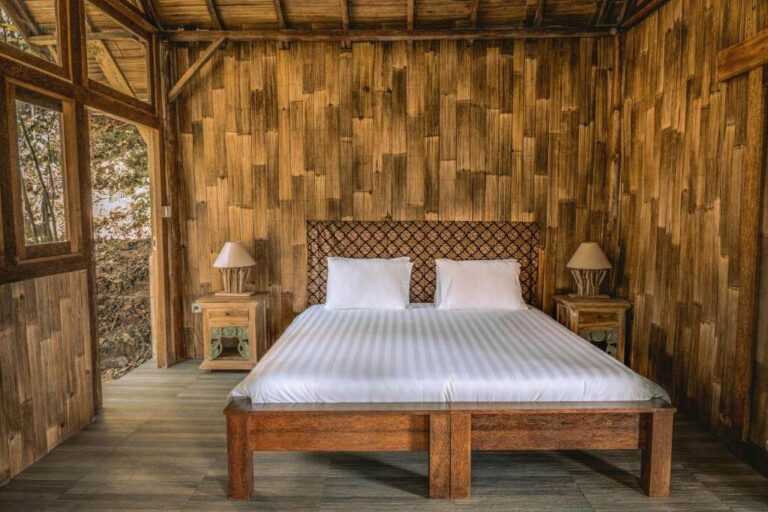

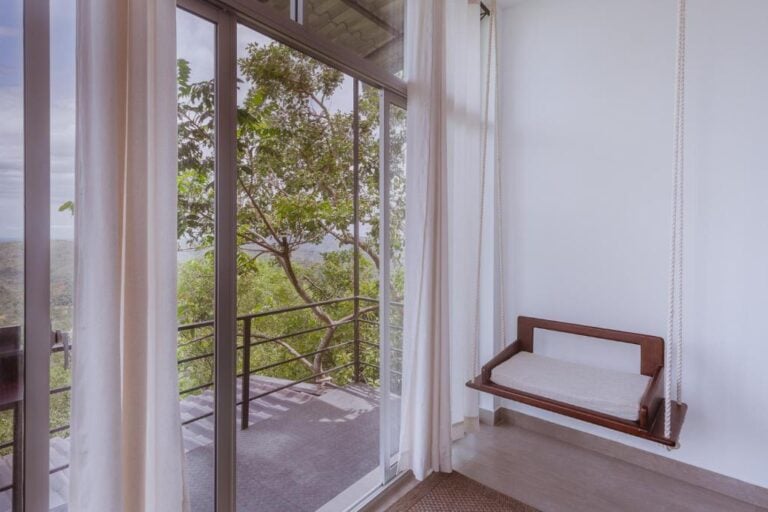
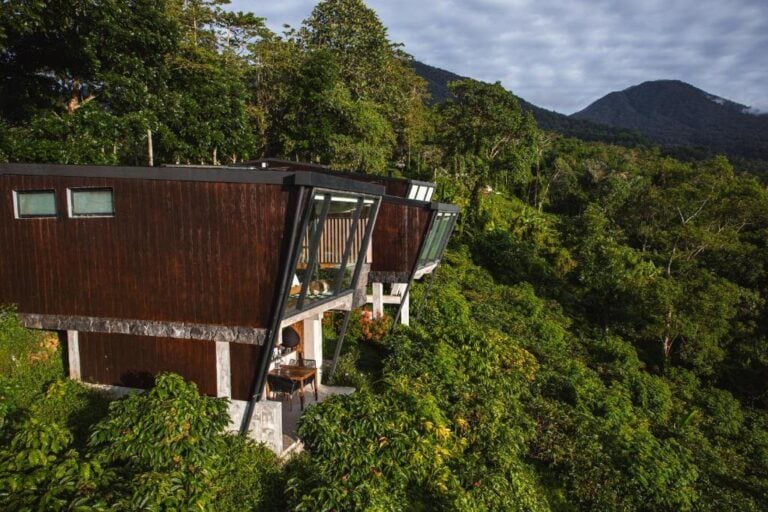
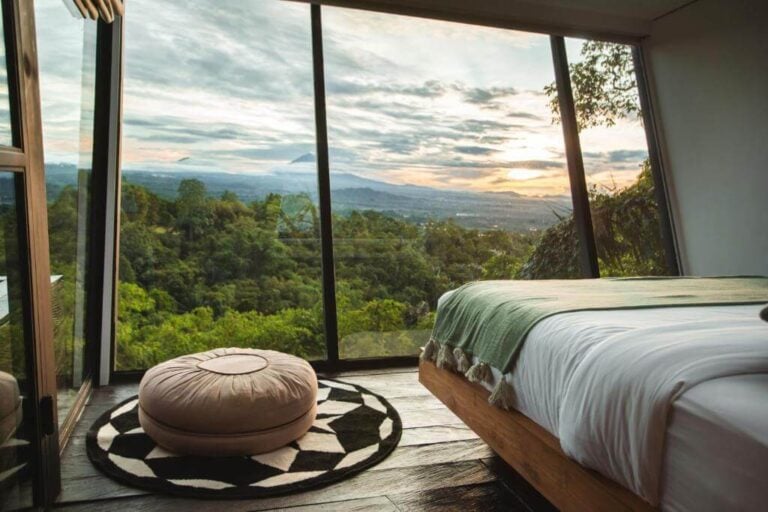
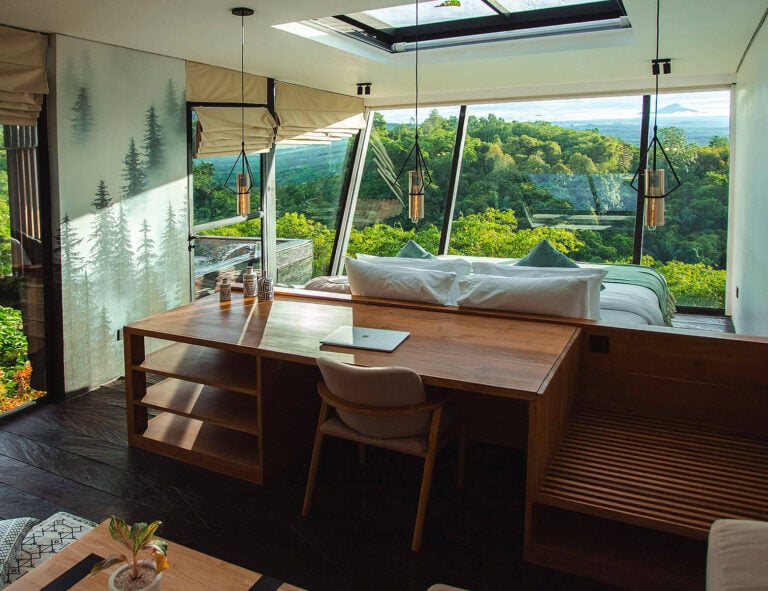
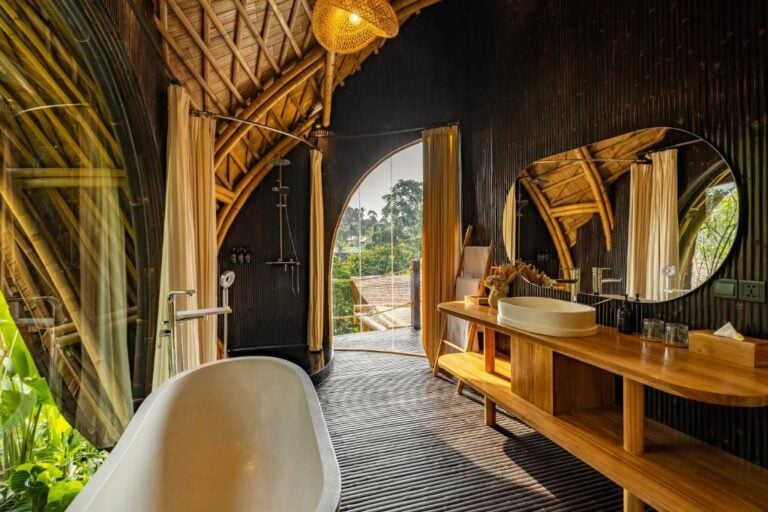
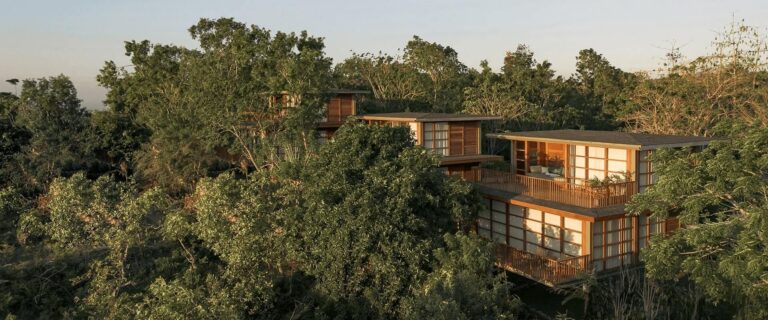
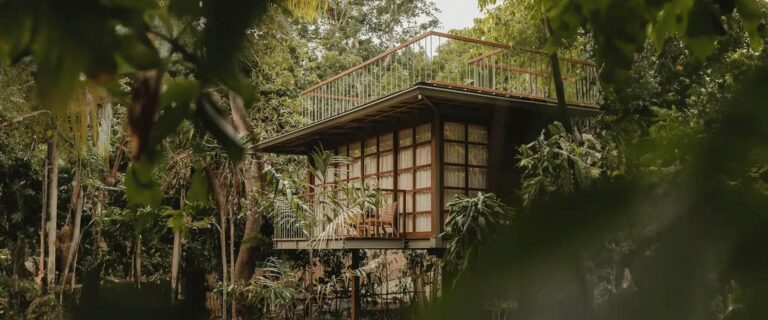
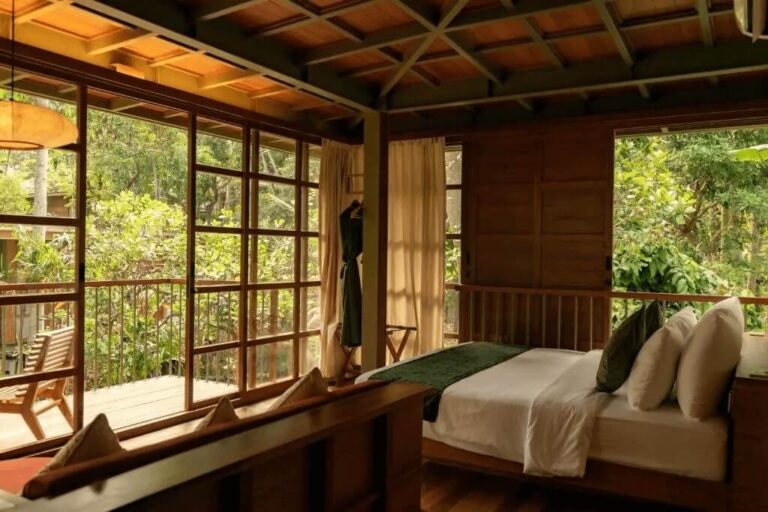

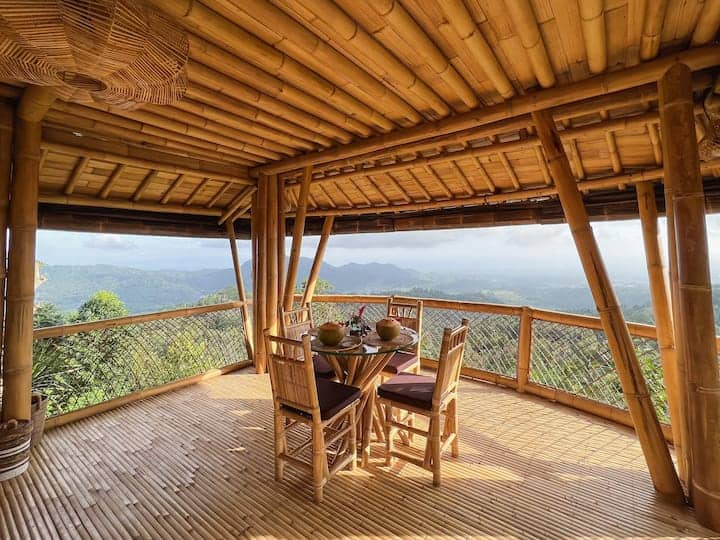
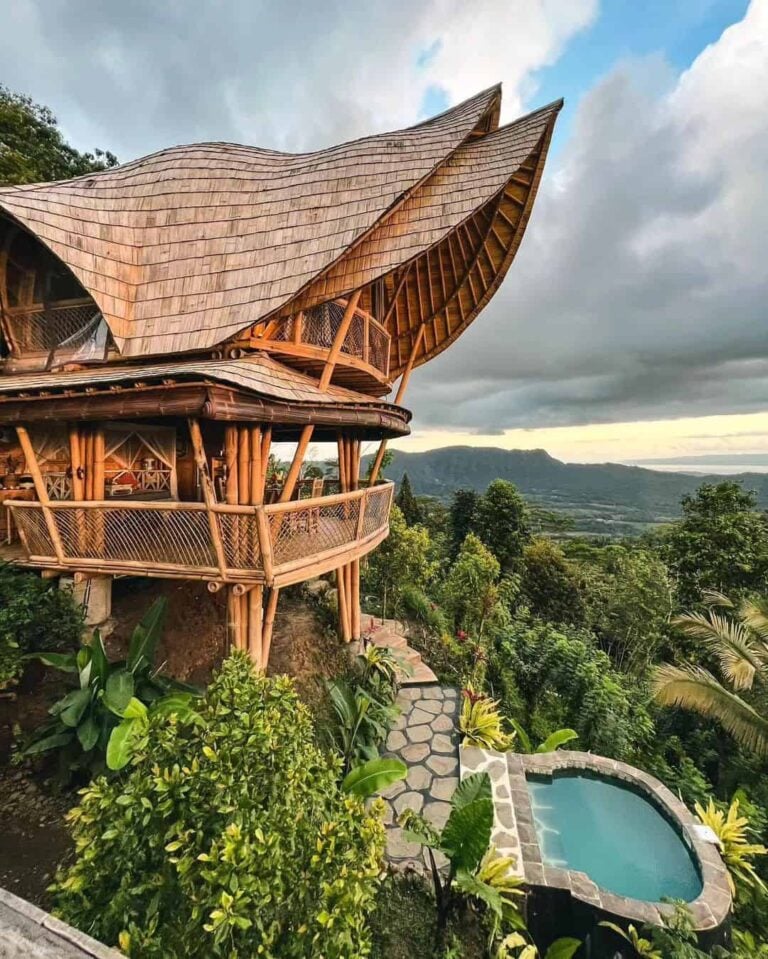

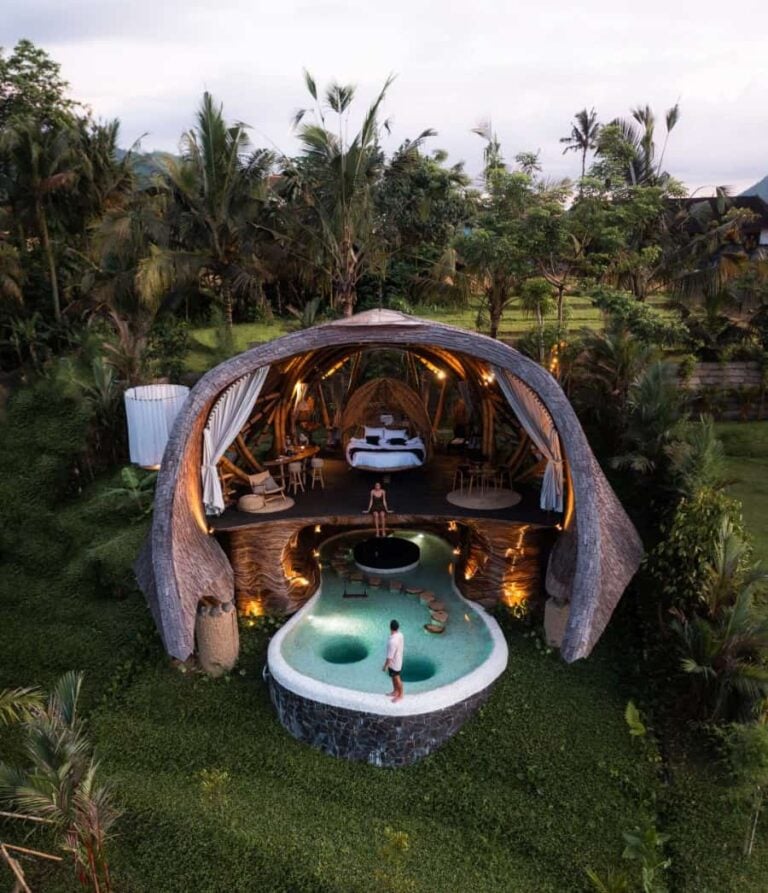
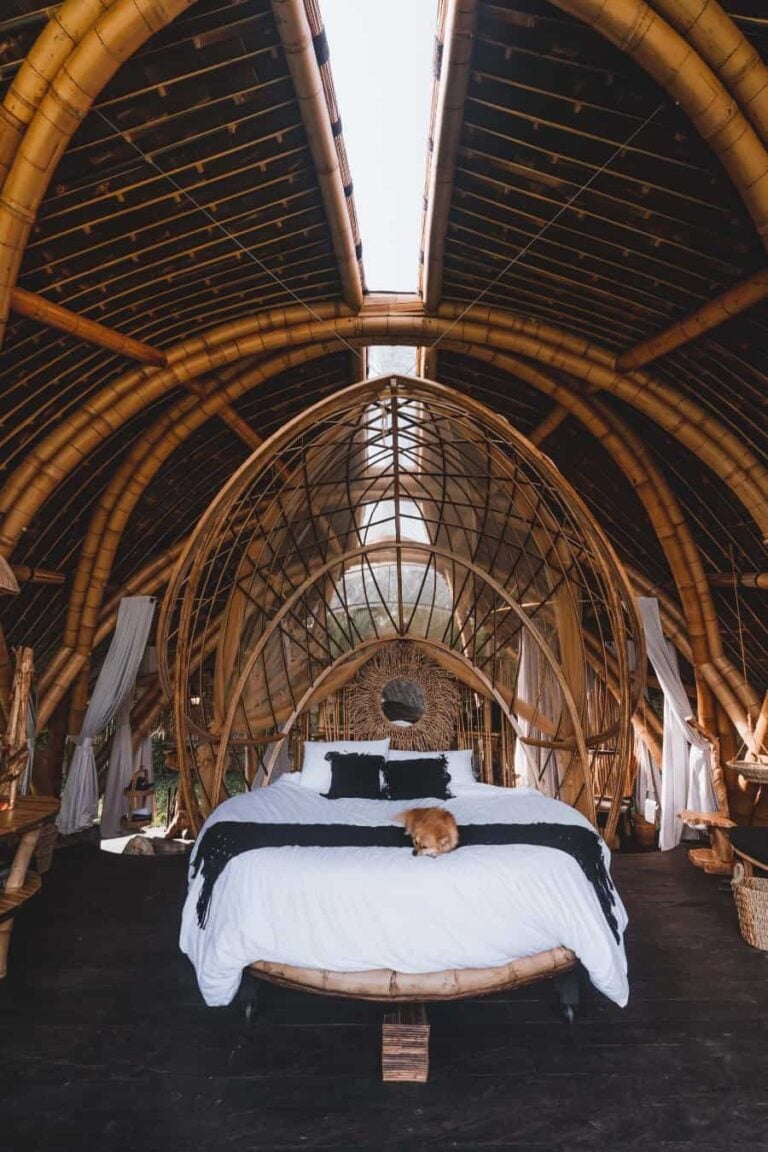

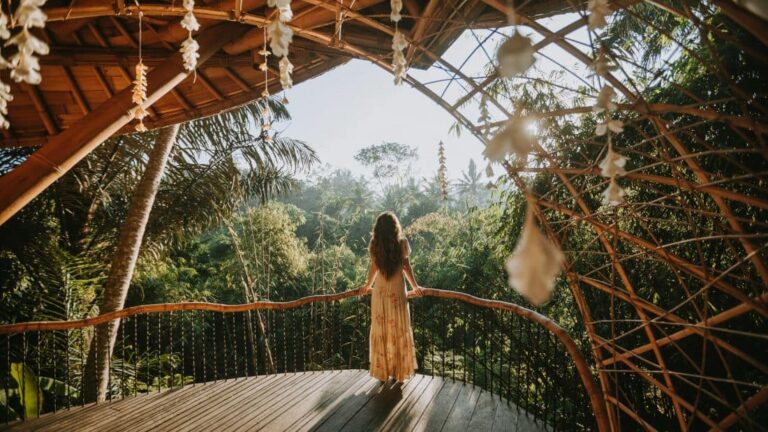
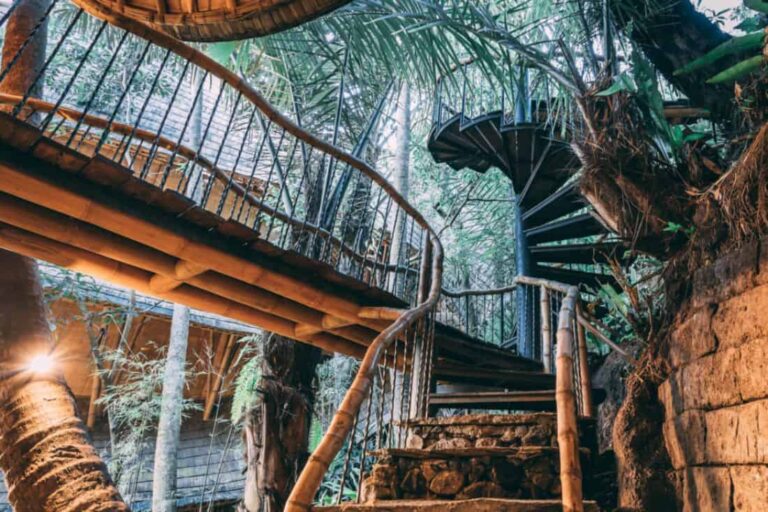
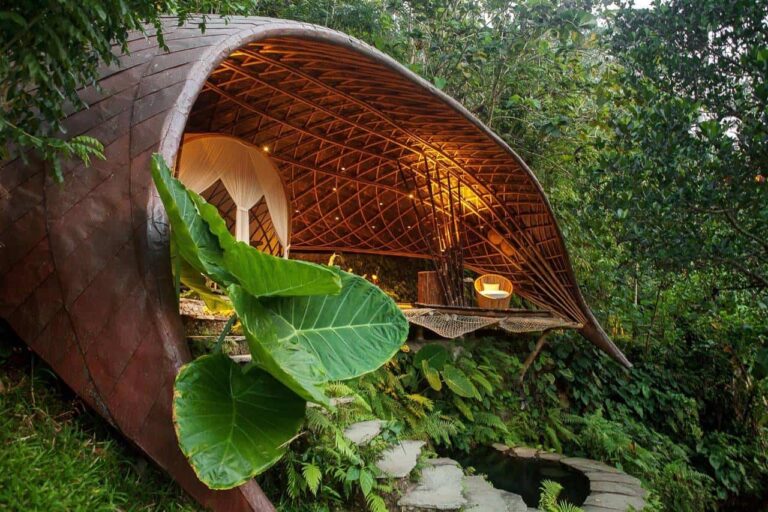
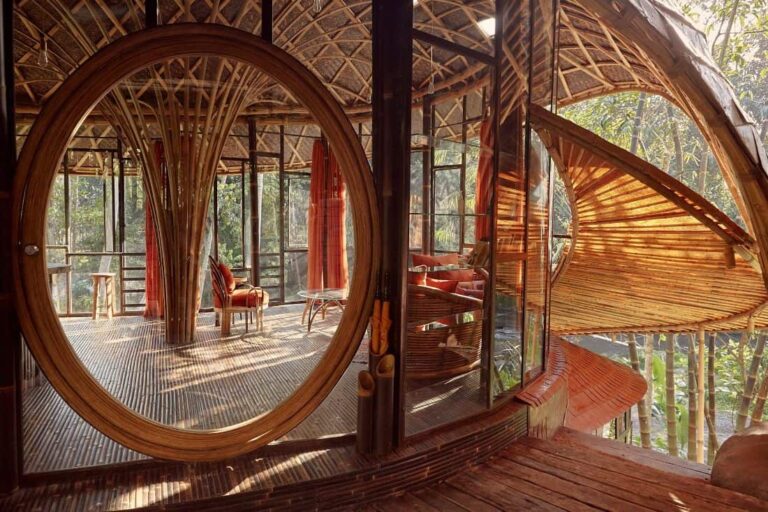
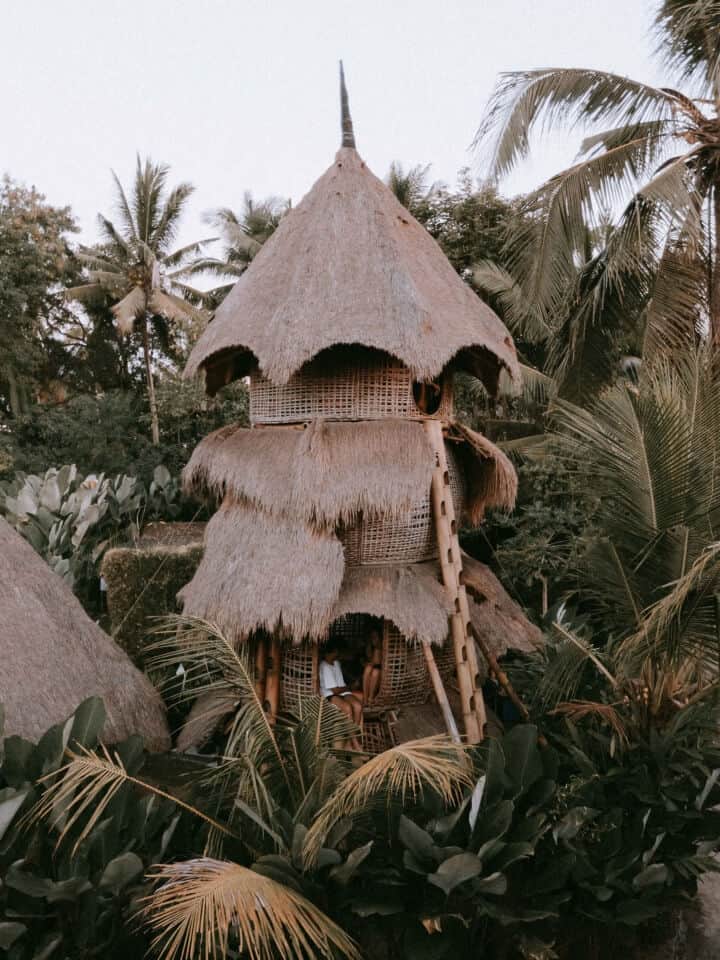
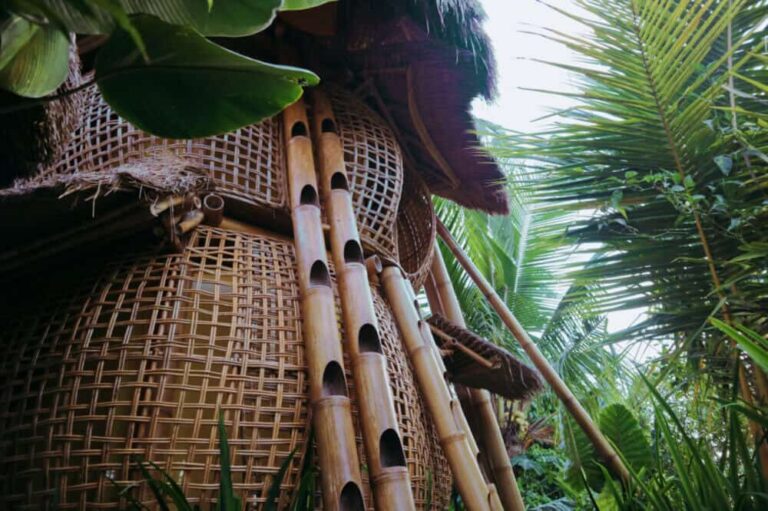
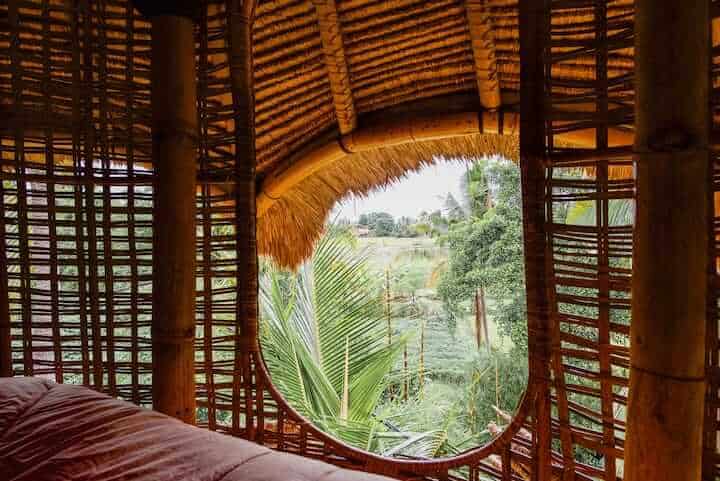
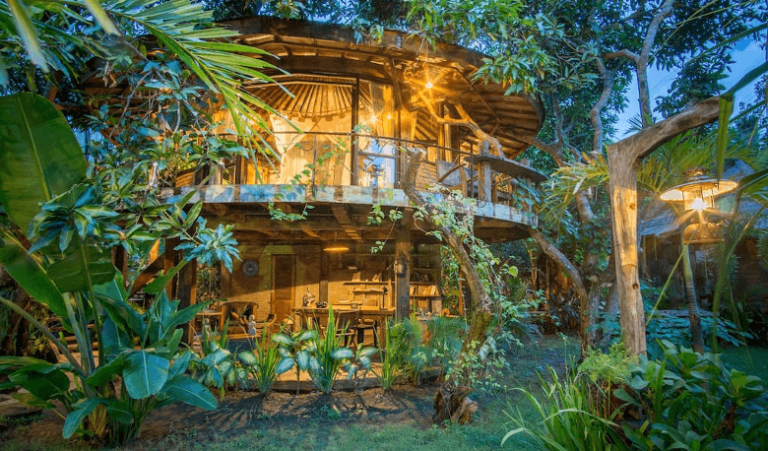
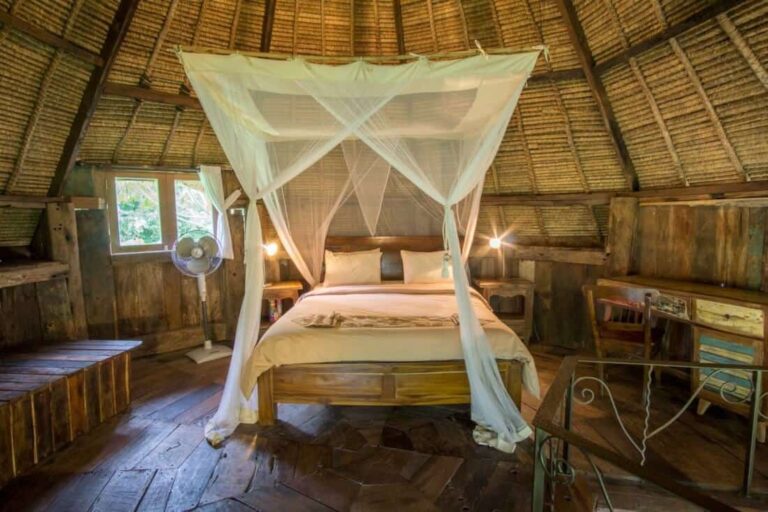
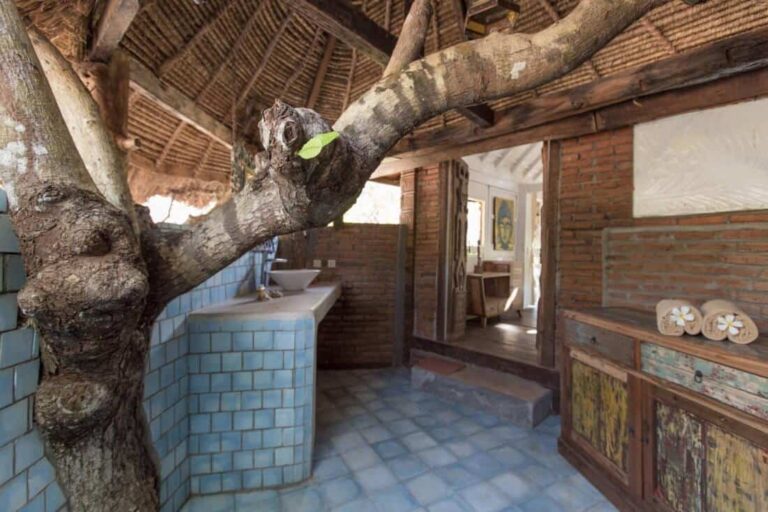
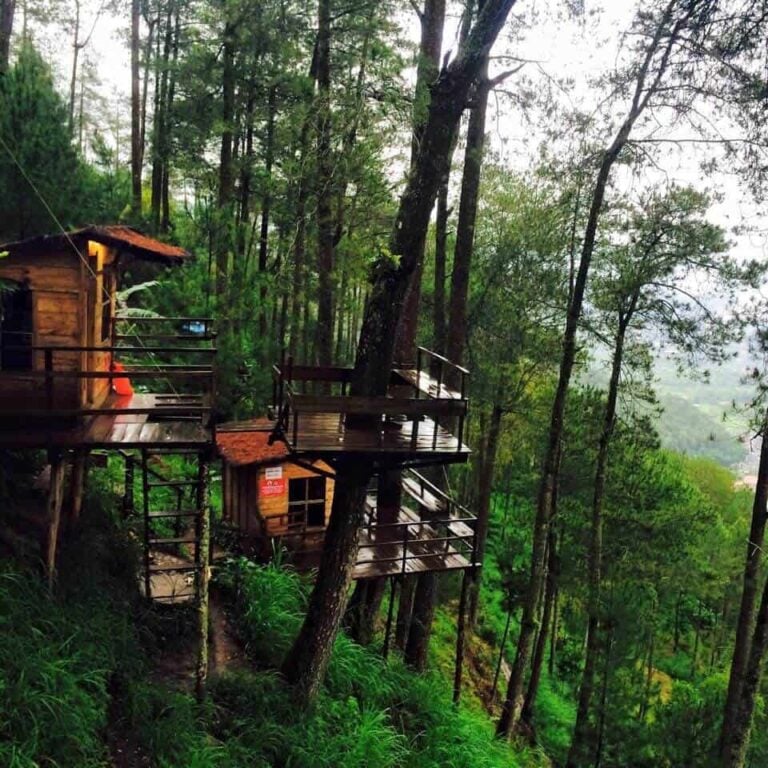
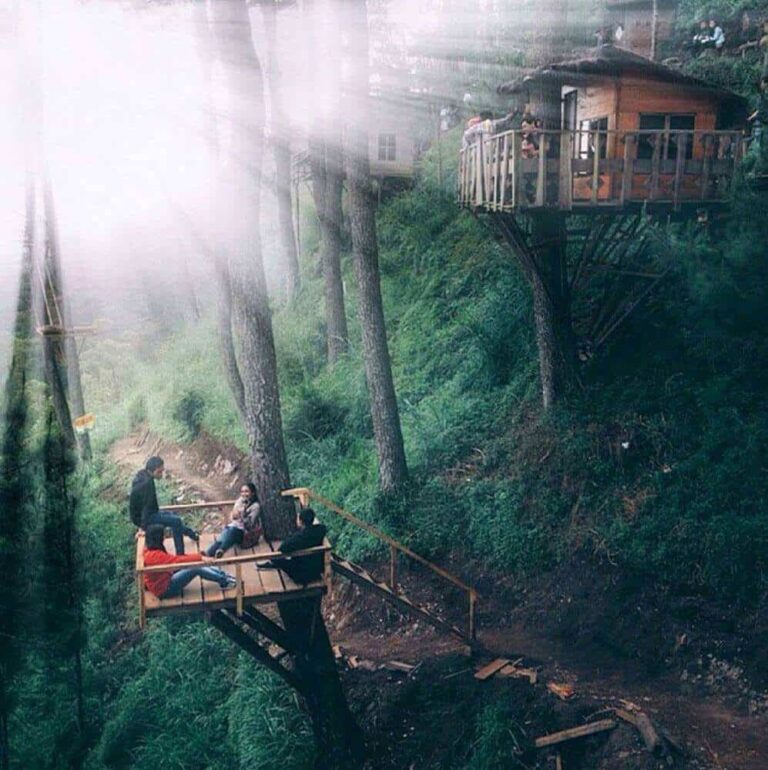
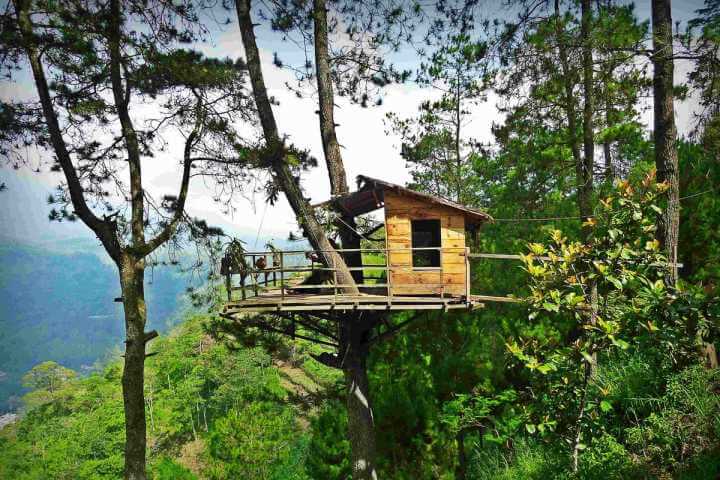
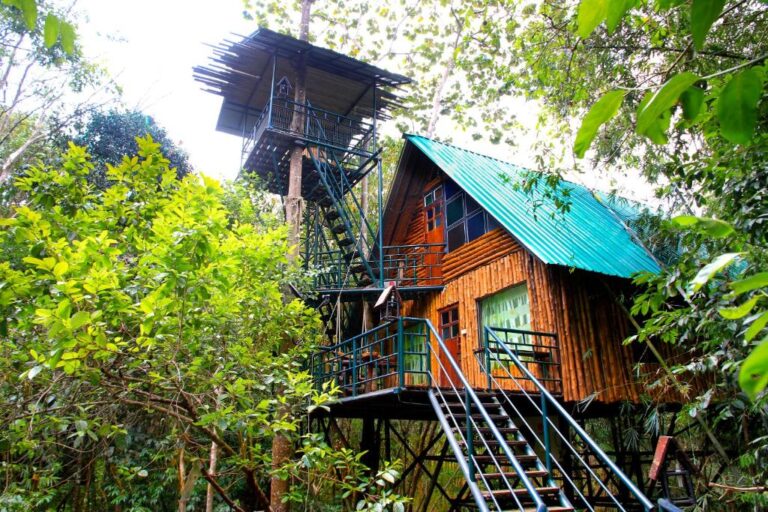
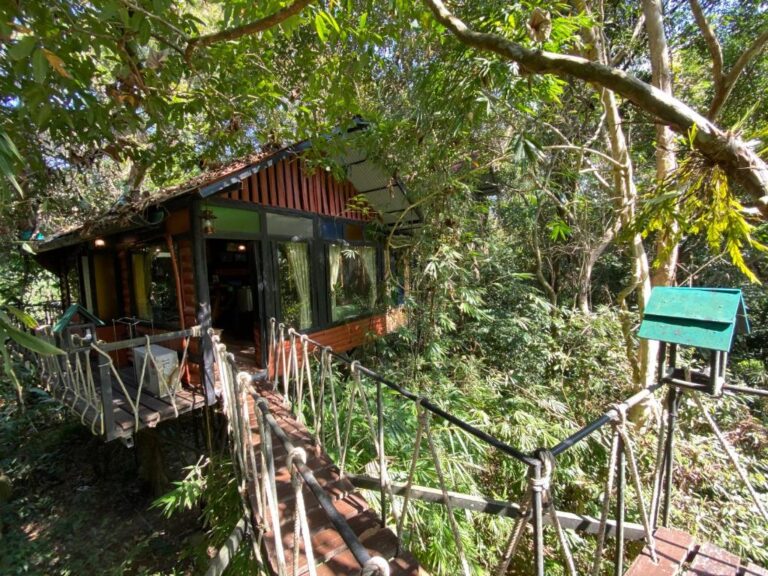
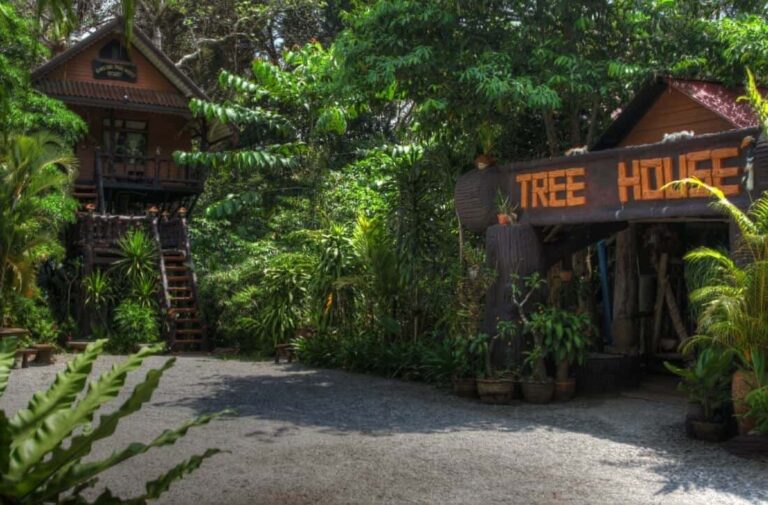


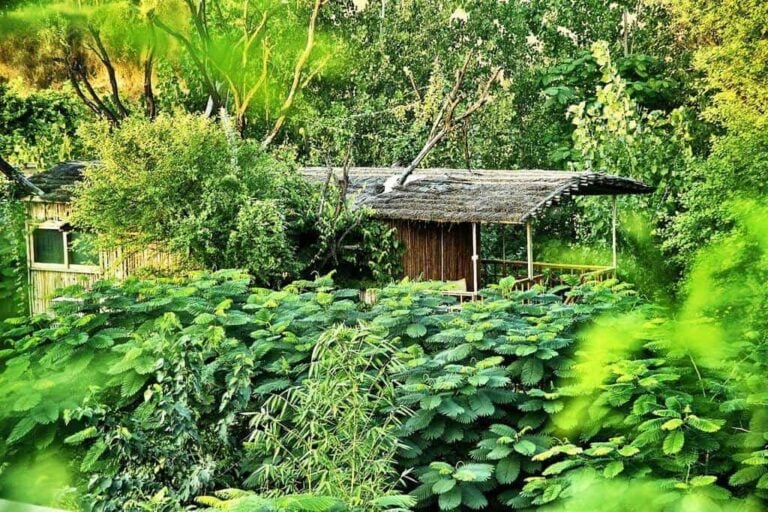
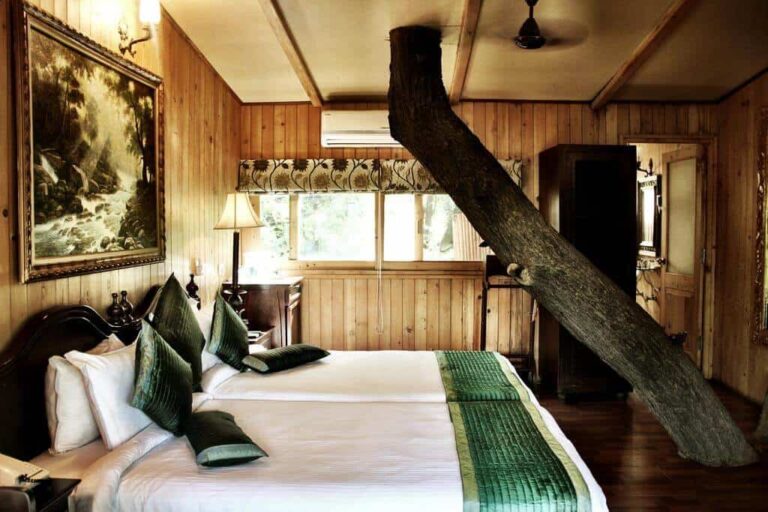
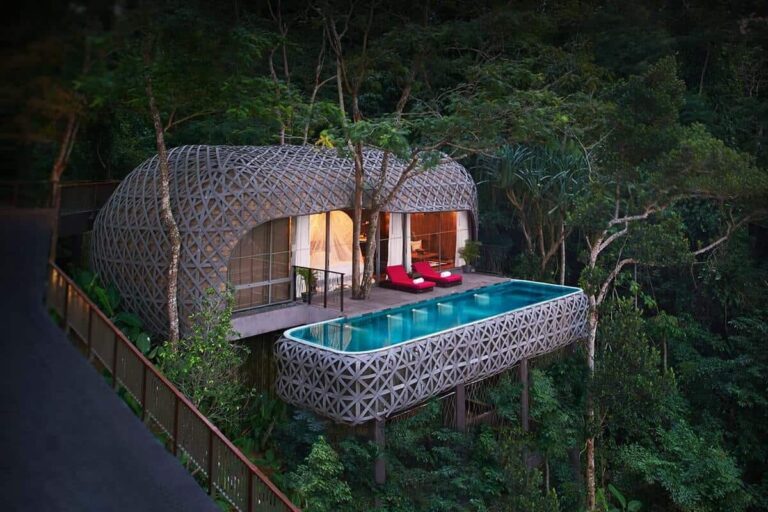
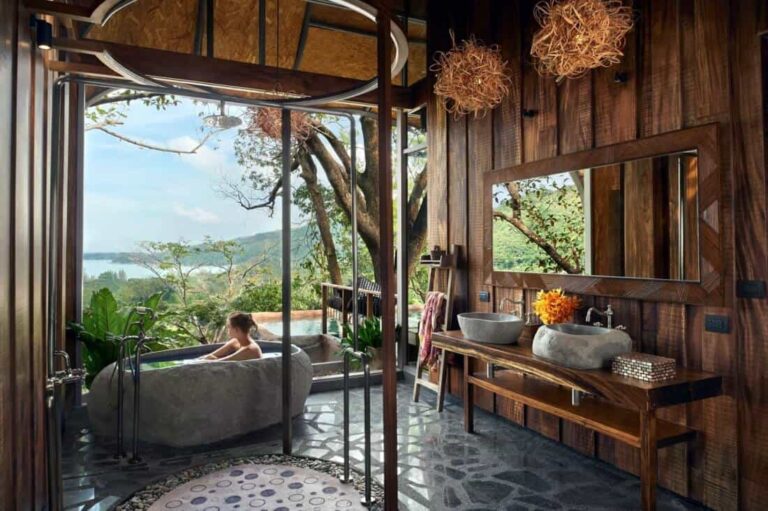
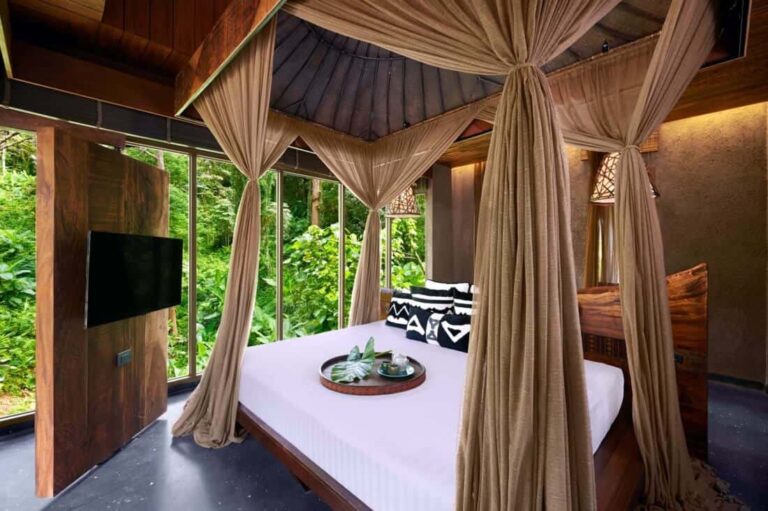
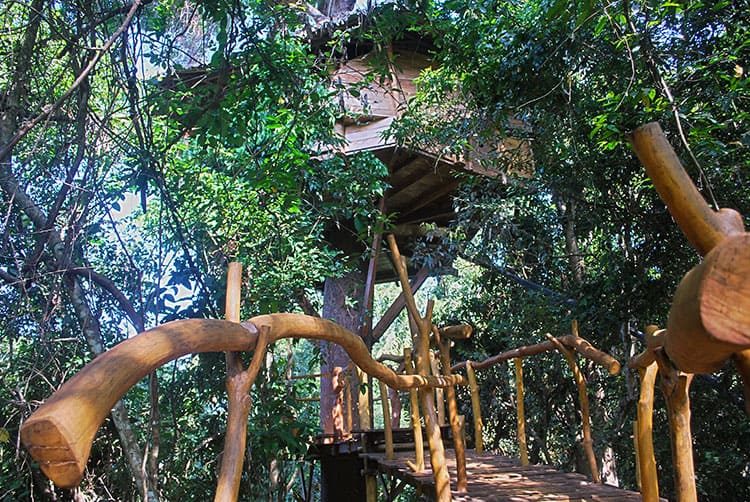

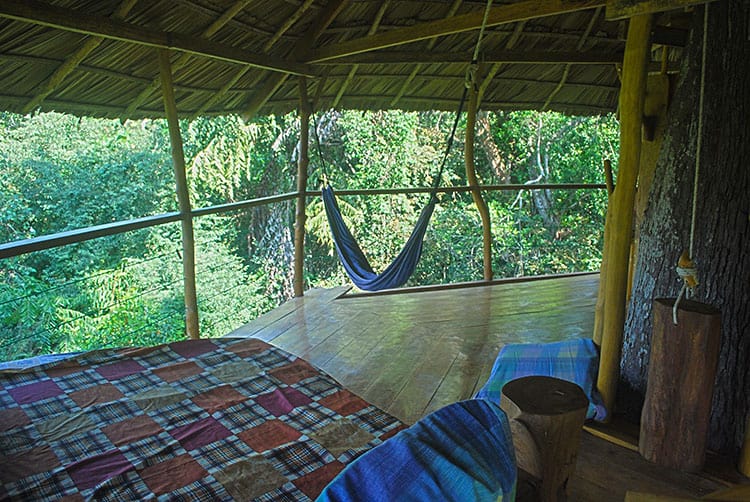
About Asia
Asia doesn't sell treehouses the way postcards sell sunsets. You find them by accident—after the third motorbike you've borrowed, the ferry that left early, the driver who insists his cousin knows a place. Then you're climbing wooden stairs nailed into something older than any building you've slept in, and the view stops making sense in a good way.
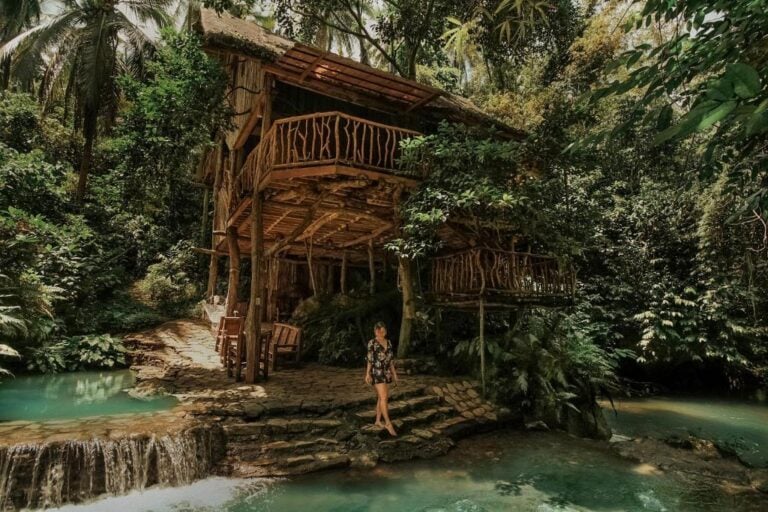
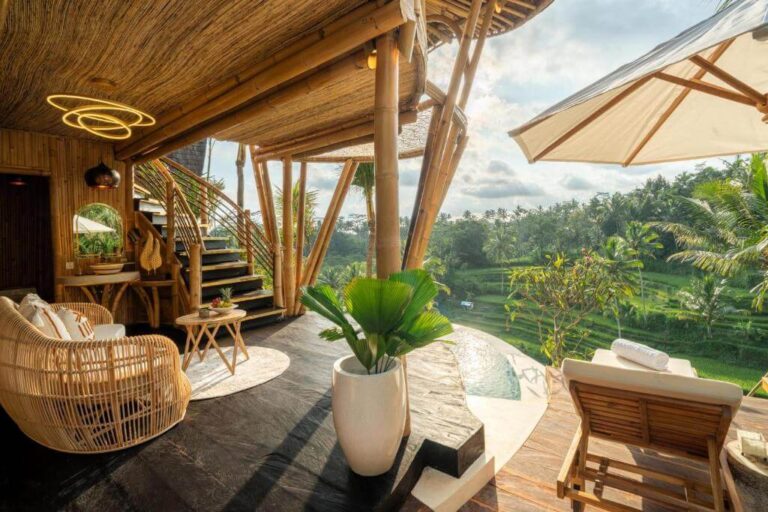
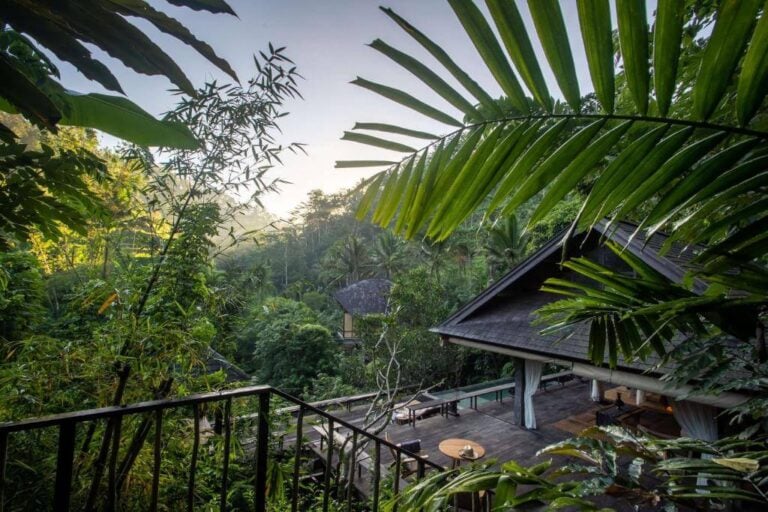
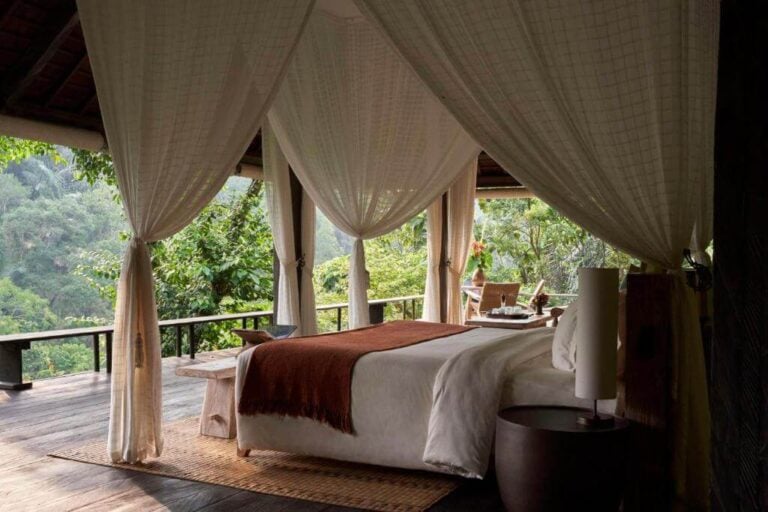
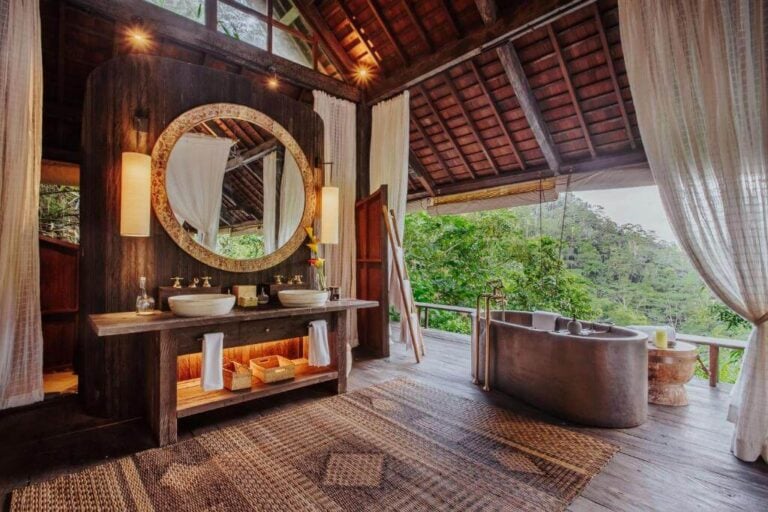
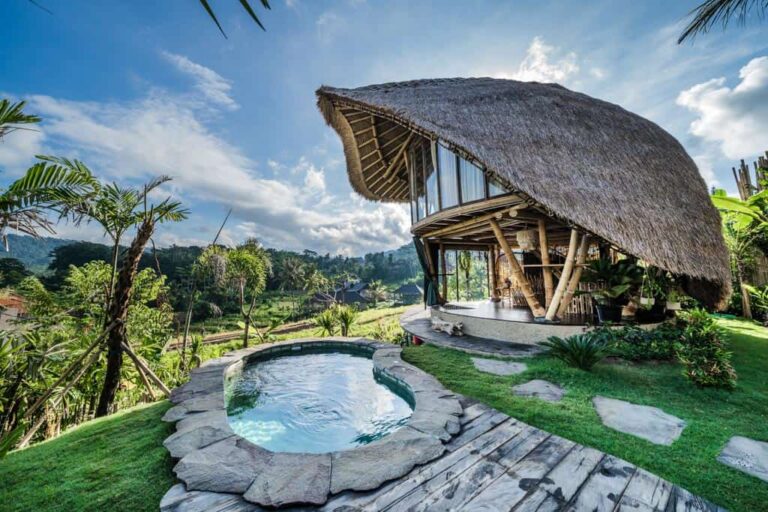
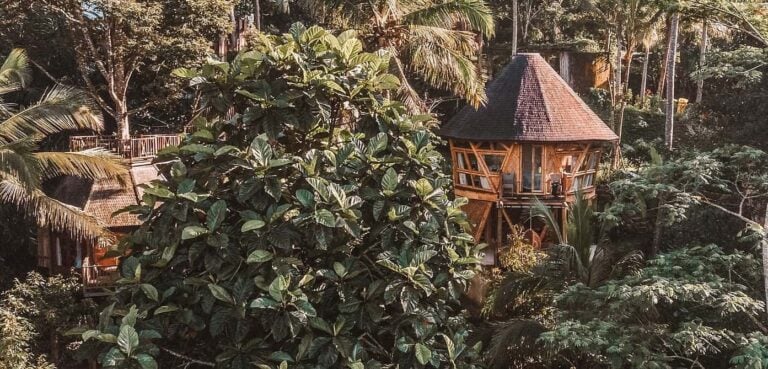
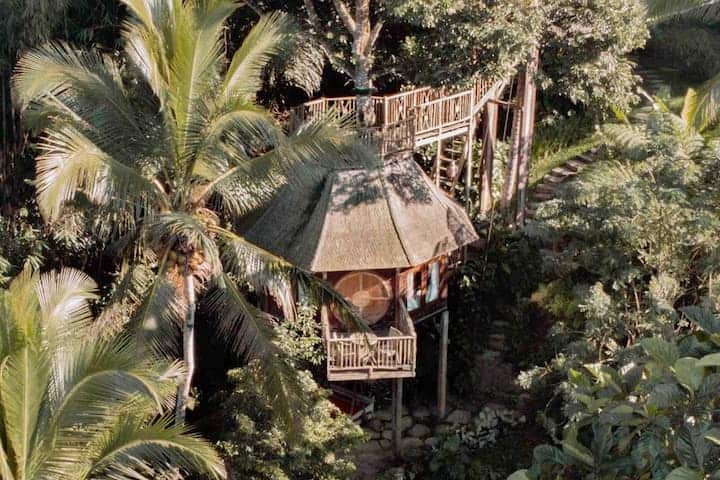
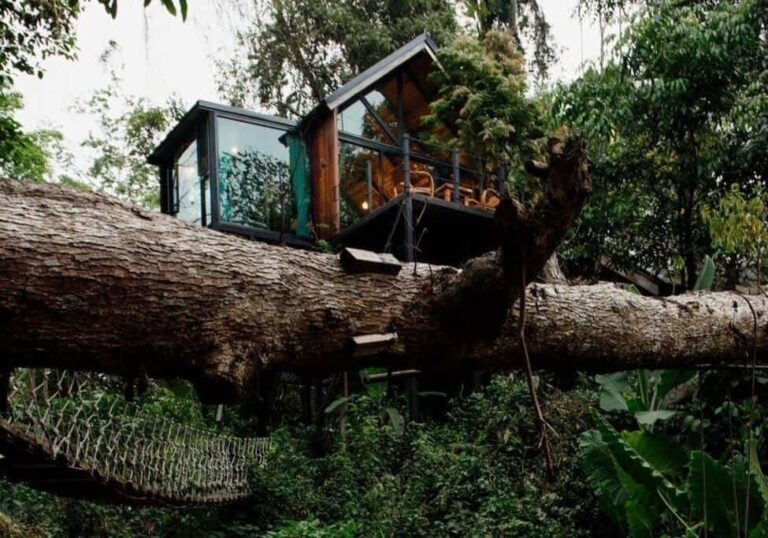
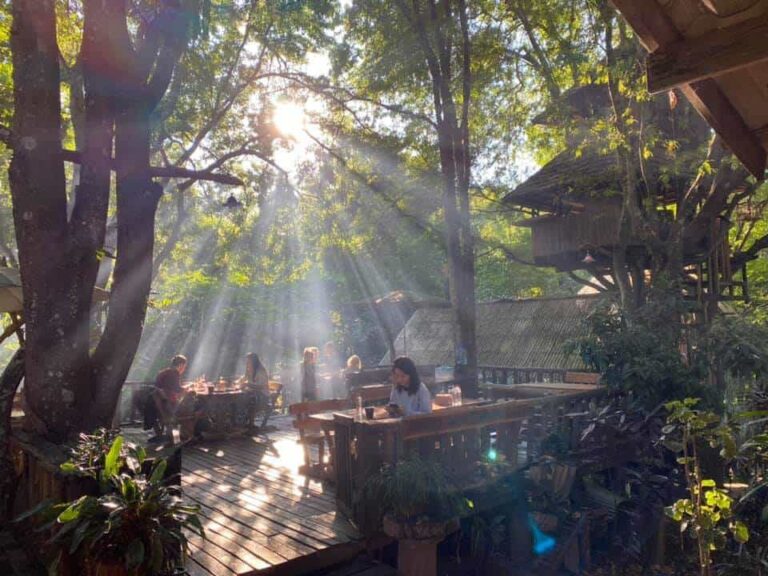
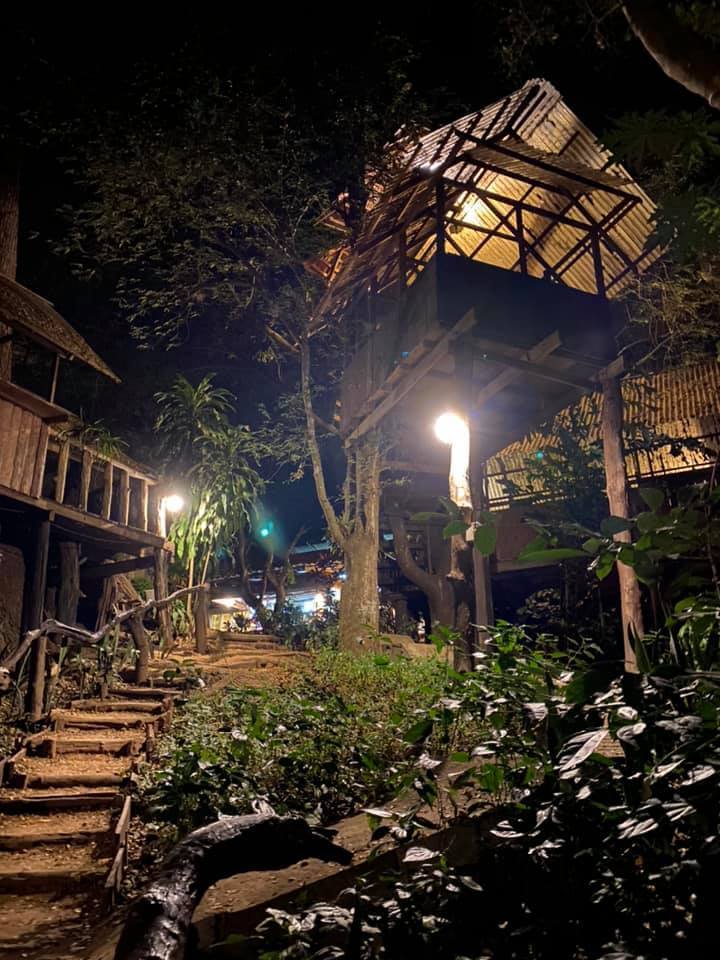
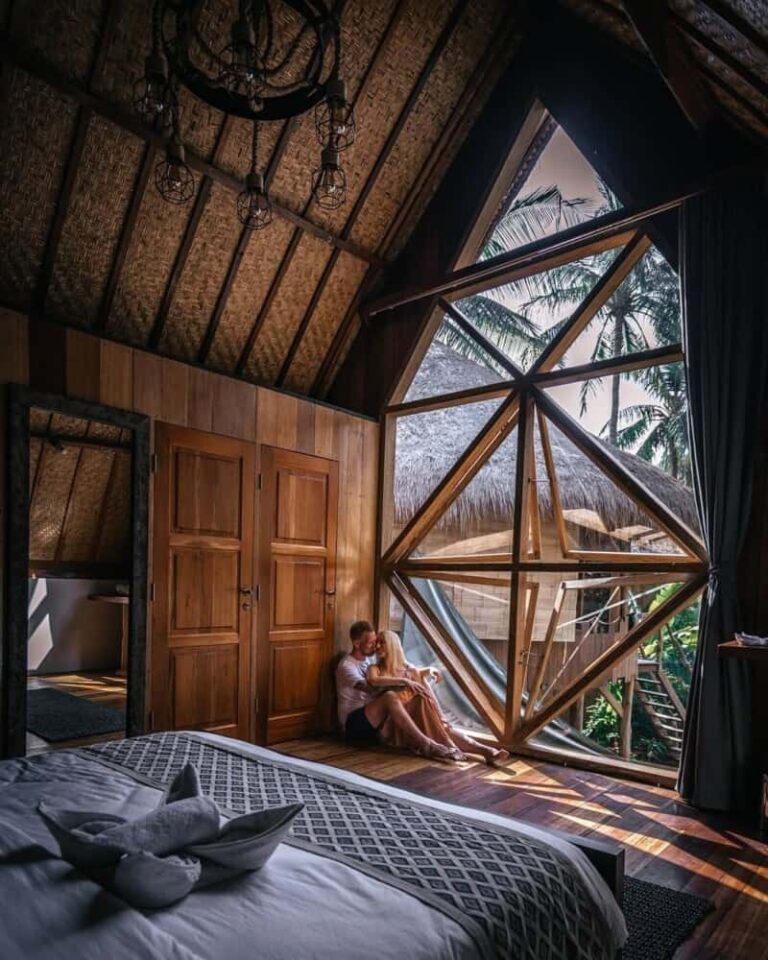
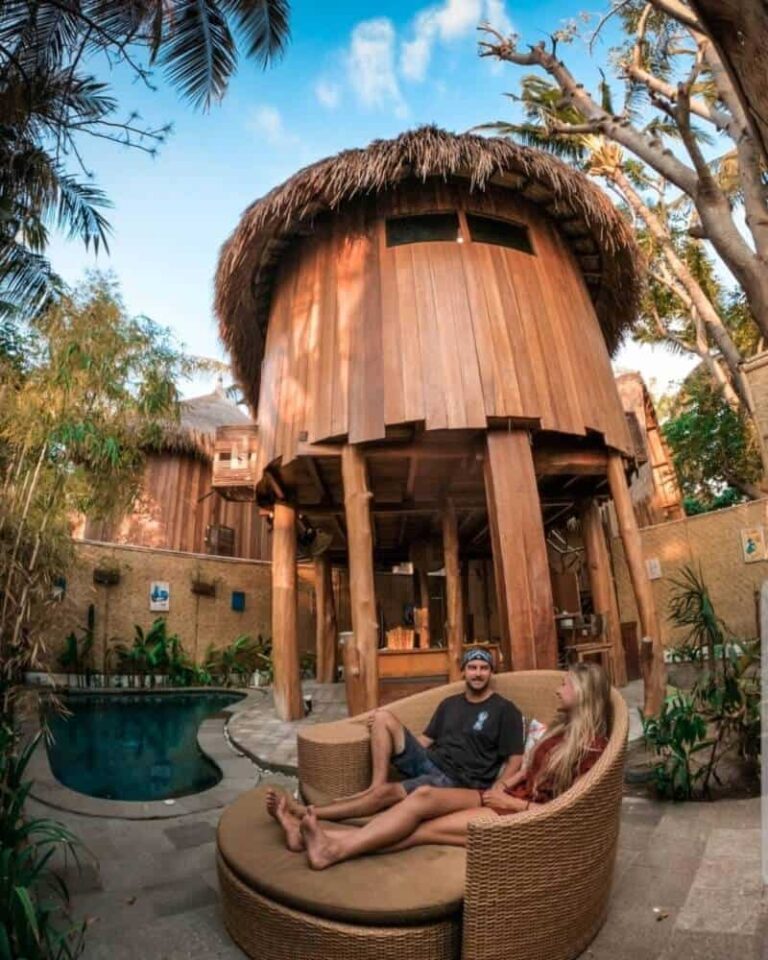
Start with what's actually different. In Bali, the rice paddies step down in geometric perfection, bright green and Temple-quiet. Your treehouse might be teak and open air, rain sweeping through at four every afternoon like someone set a timer. Morning smells like incense and wet earth, and the geckos on your ceiling have worked out a shift system. Thailand leans into jungle density—Chiang Mai and Khao Sok especially. Thick vines, constant rain, rope bridges slick underfoot. The night chorus runs to frogs, cicadas, gibbons waking up cranky. It's loud in a way that makes you sleep better.
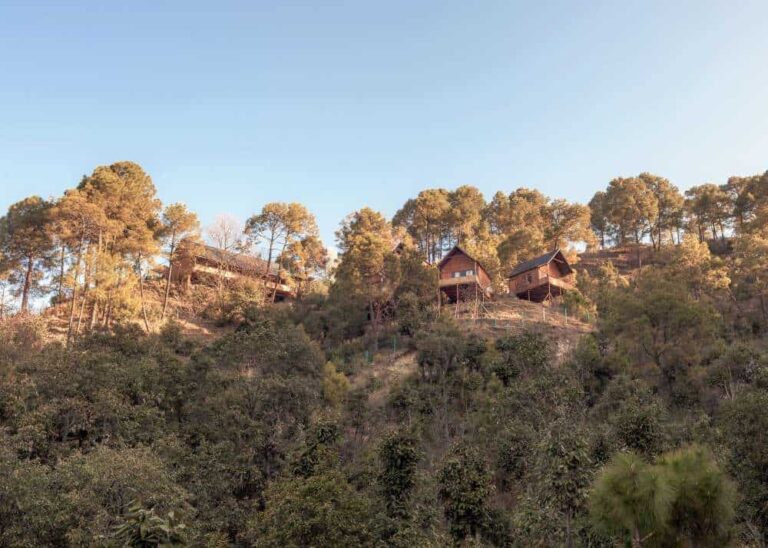
The quieter corners surprise more. Cambodia and Laos put you on stilts above slow rivers; boats drift past without urgency. Vietnam's highlands serve fog thick enough to taste, cardamom planted in rows you can smell before you see. Sri Lanka brings cinnamon on the breeze and tea estates climbing hillsides in tidy lines. In Kerala the backwaters catch light like hammered silver, coconut palms everywhere. Sabah, on the Borneo side, layers cicada noise until it's almost funny. And Nepal—foothills catching the Himalayan cold, prayer flags snapping, sky so close it feels like trespassing.
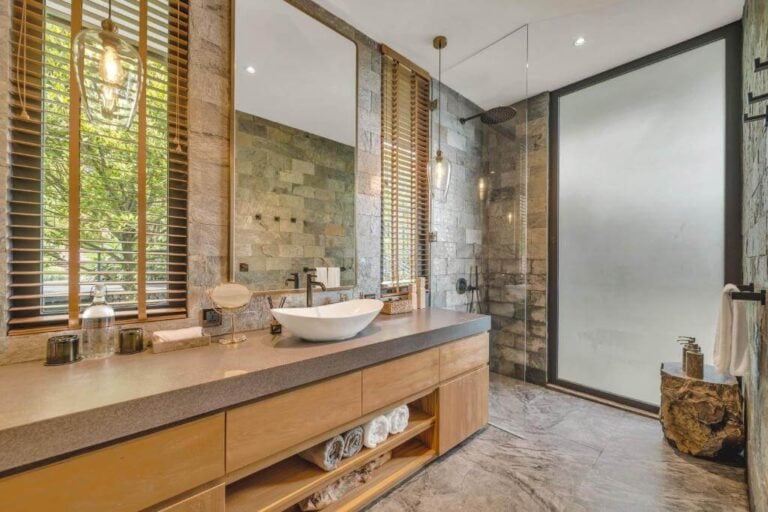
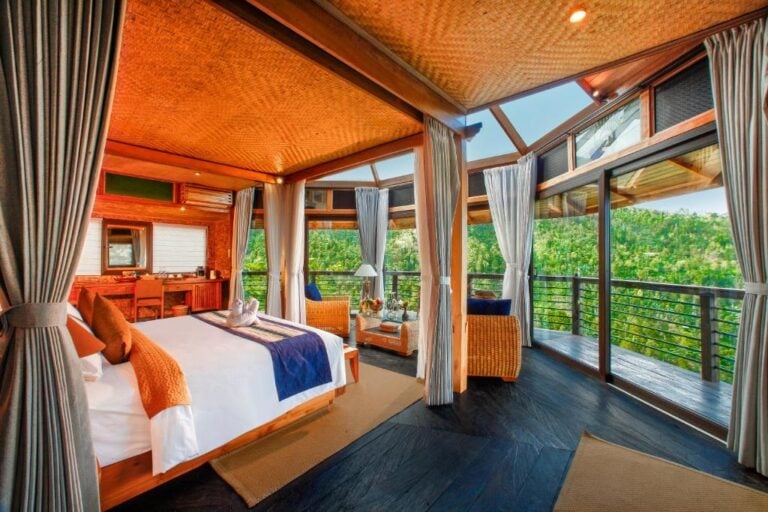
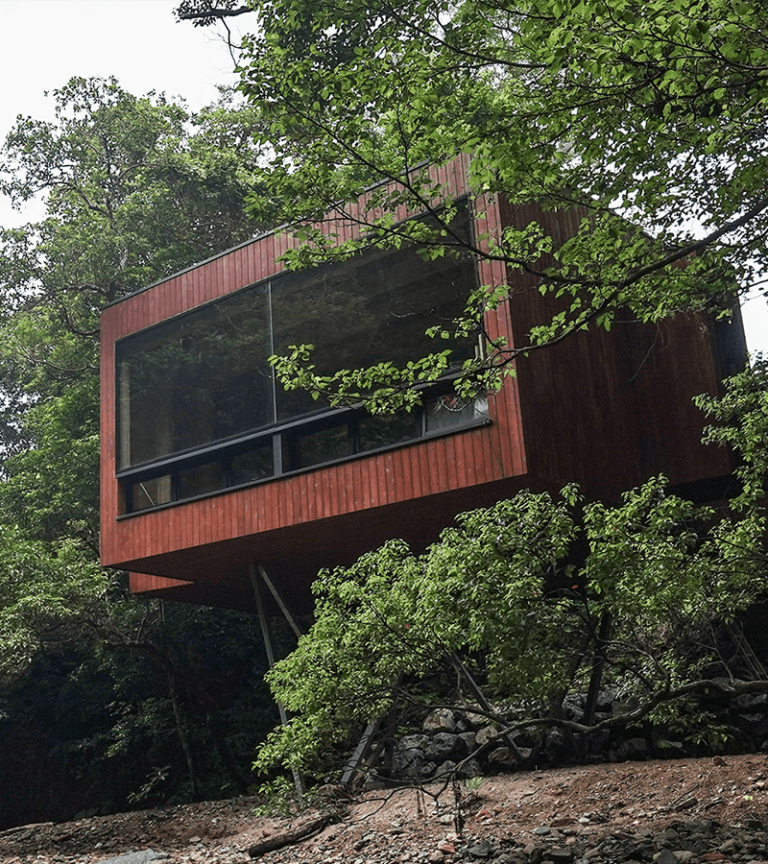
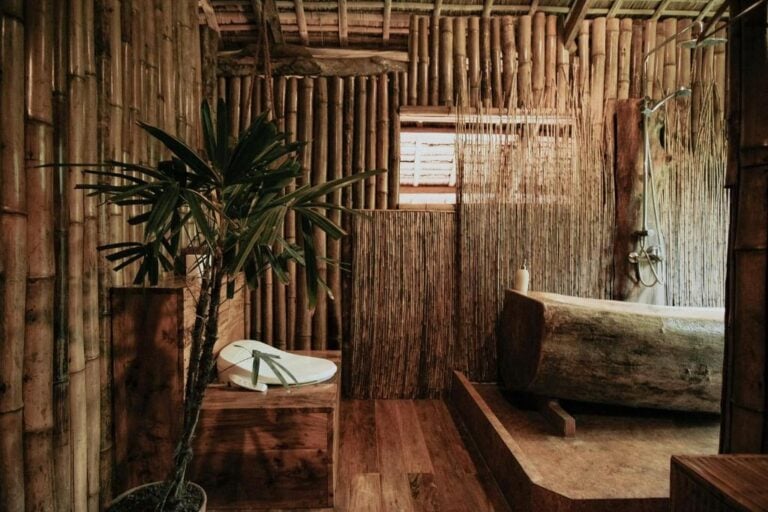
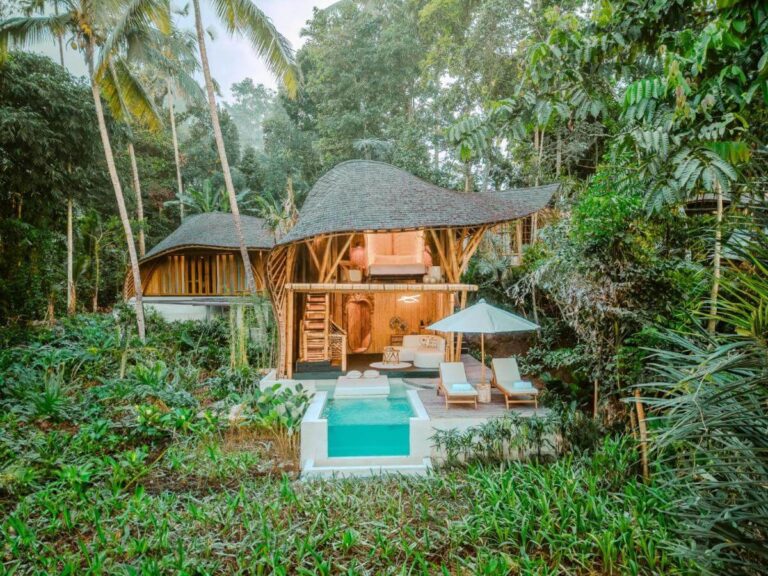
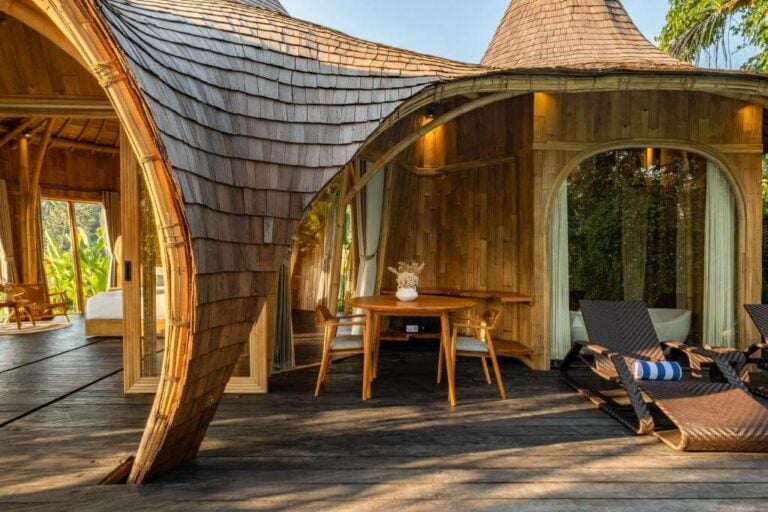
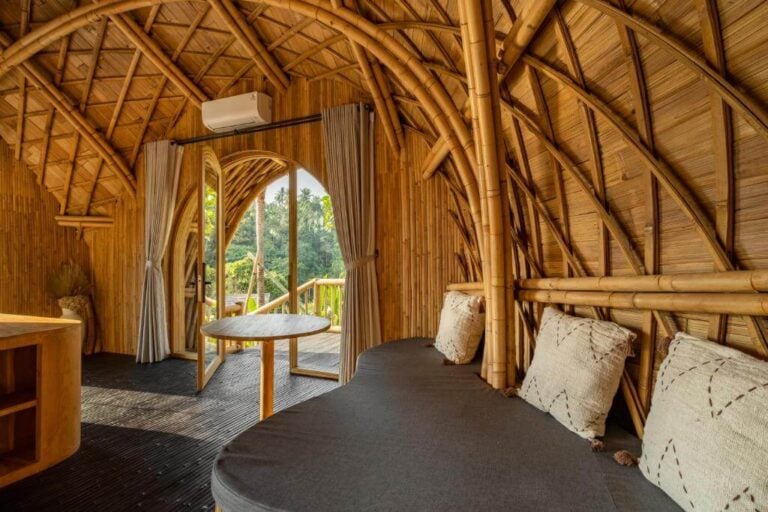
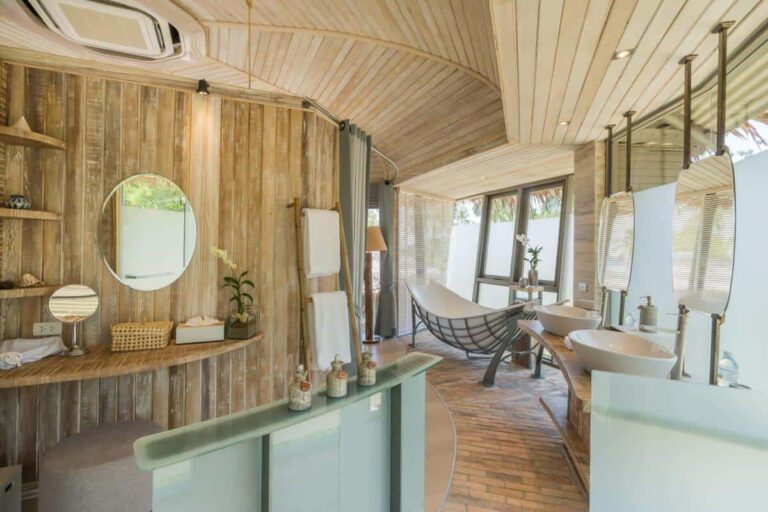
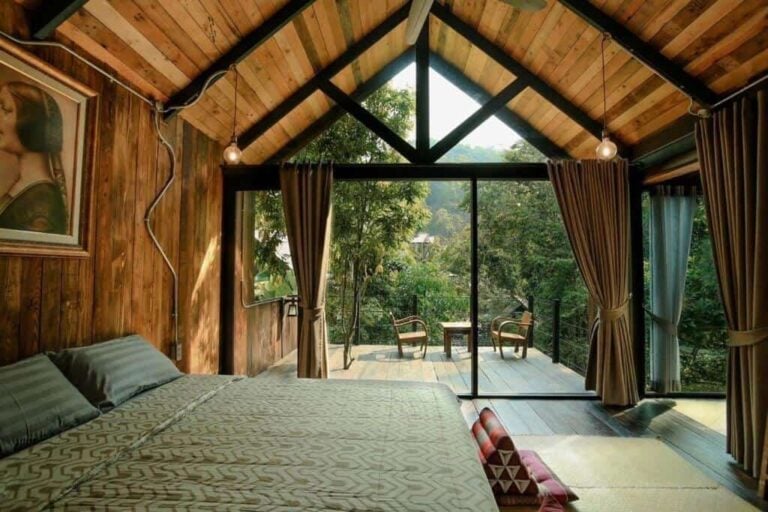
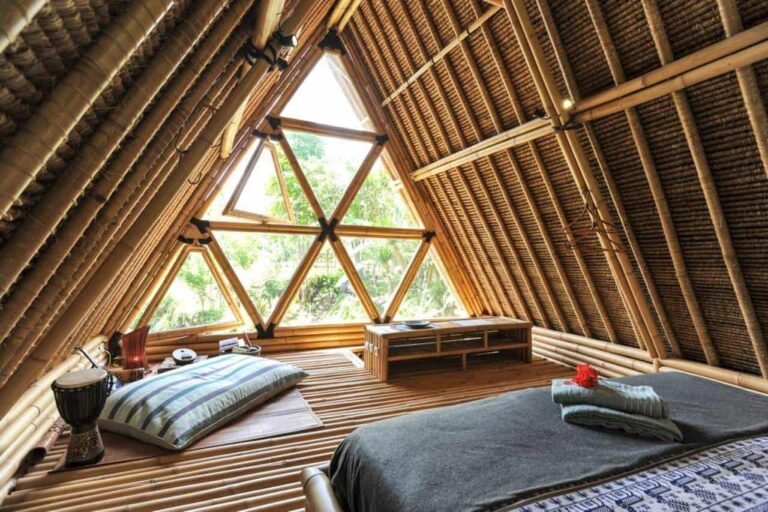
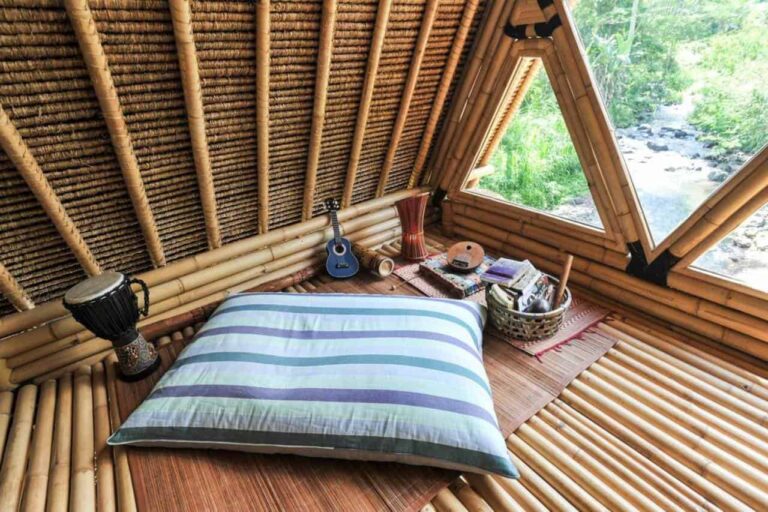
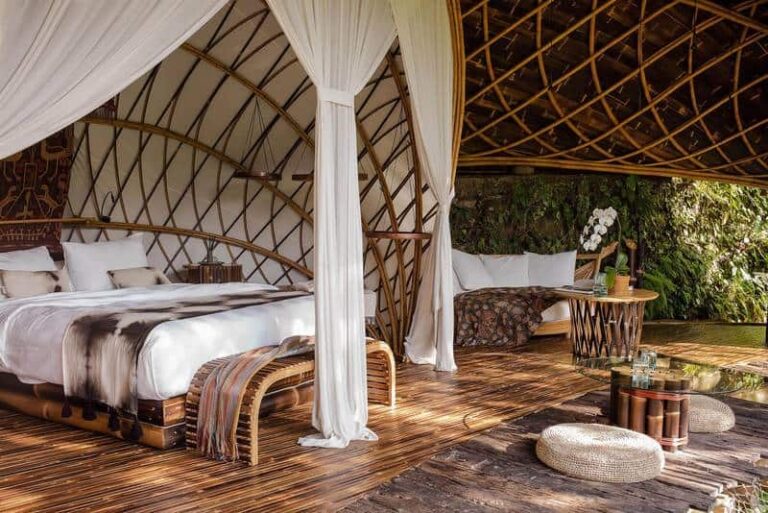
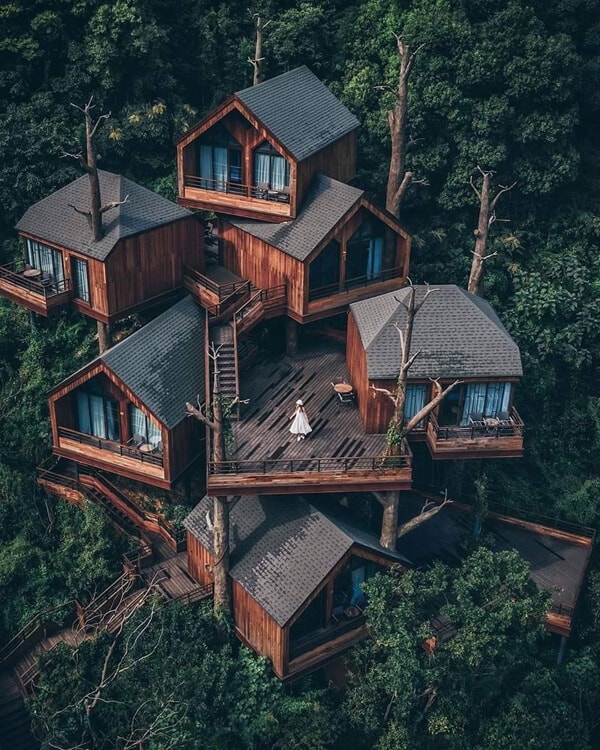
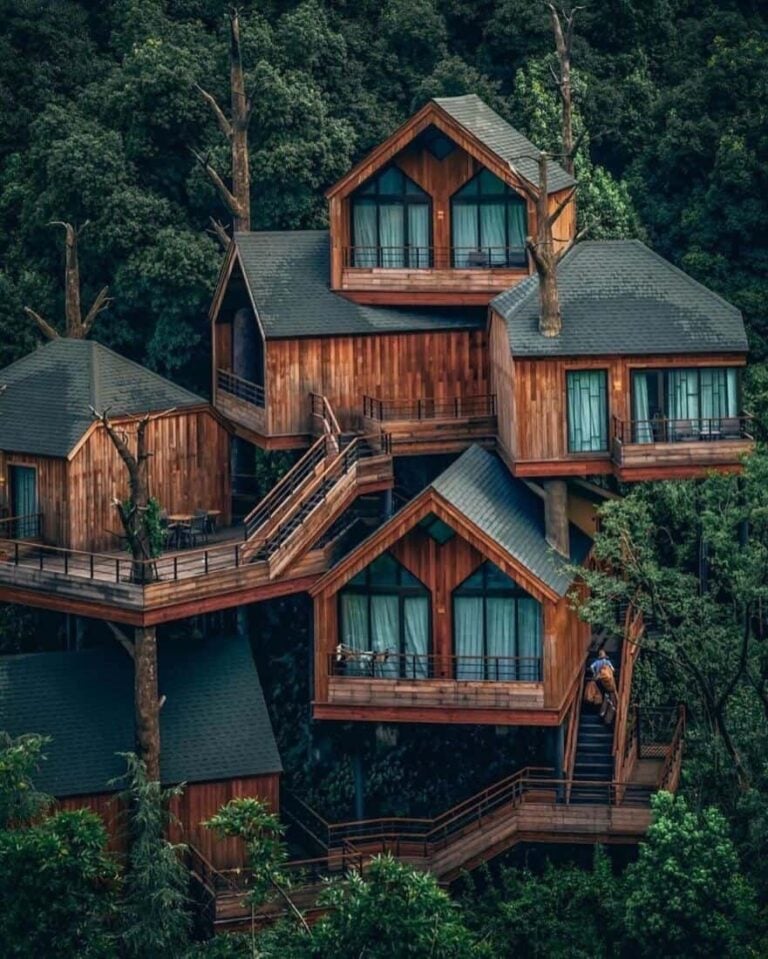
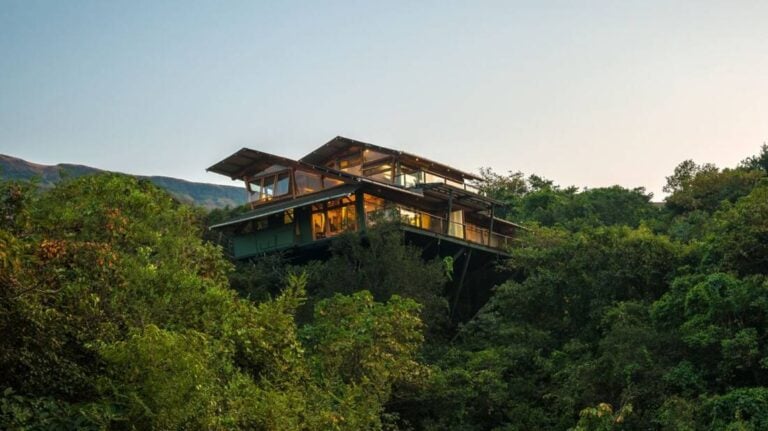
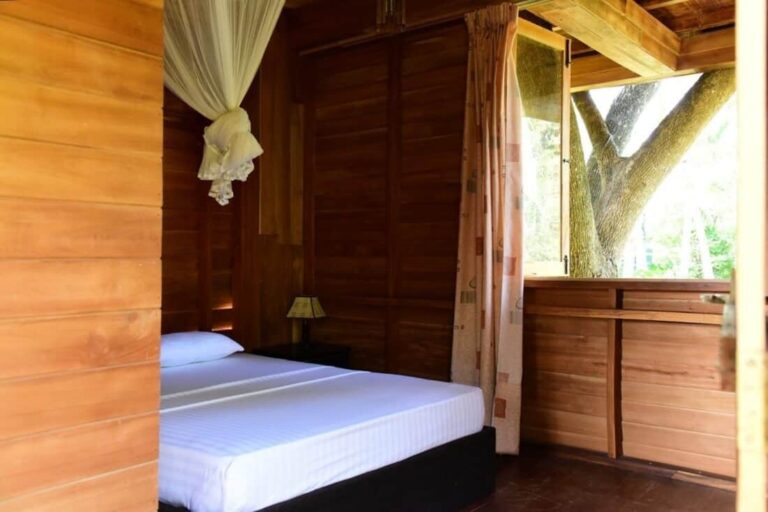
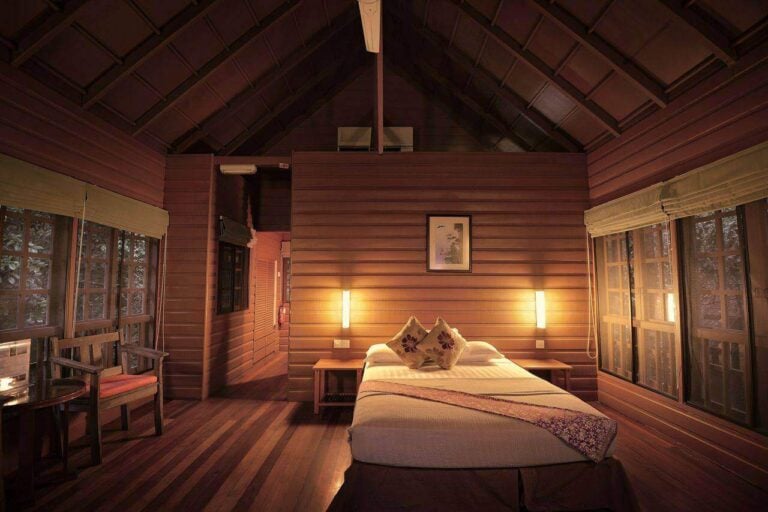
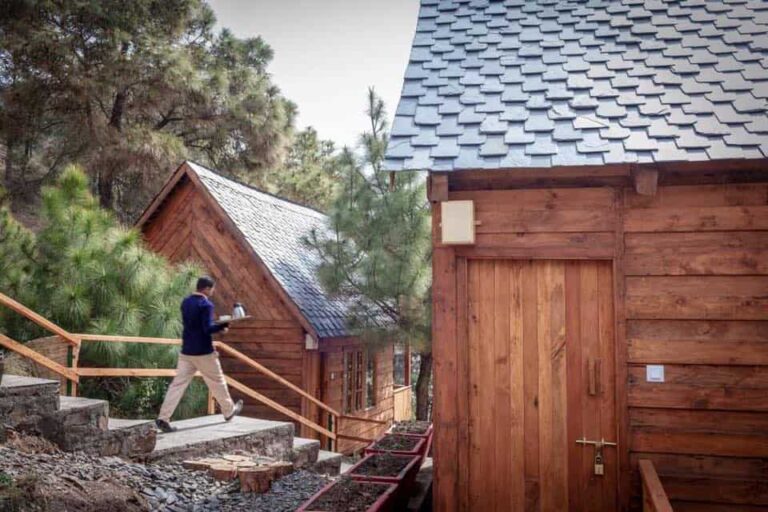
These aren't improvised platforms. Plenty of treehouse hotels across Asia run on solar panels tucked into the canopy, rainwater collection hidden behind bamboo screens, hardwoods salvaged and sanded until the joinery looks inevitable. You notice the carpentry when you lean on a rail—how the weight feels distributed, how nothing creaks. Craft over announcement. The best ones feel like someone solved a problem you didn't know existed.
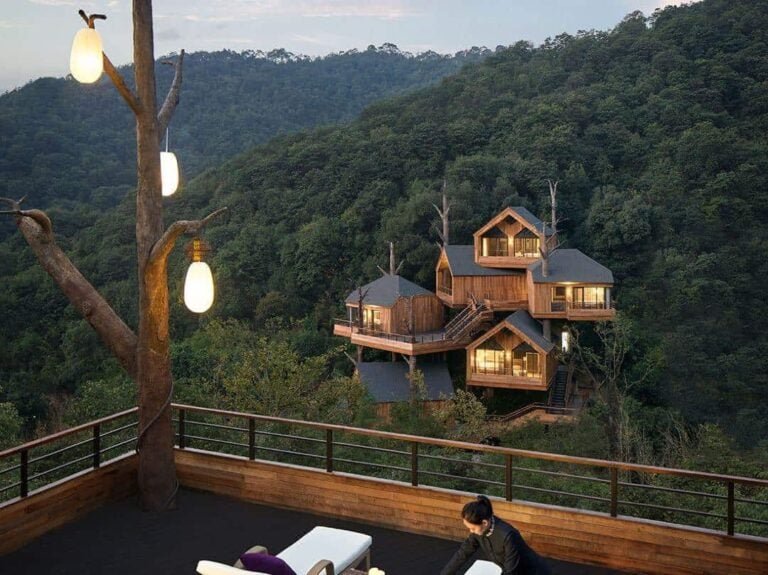
What you do up there is simpler than you'd plan from home. Walk to a market and get lost on purpose. Miss your turn, find a waterfall. Learn which spice the vendor laughed at you for not recognizing. Treehouse stays in Asia pull off a reversal: you climb for perspective but end up watching what's below more carefully. The heron in the paddy. The way mist moves through a valley. Conversation drifting from two fields over. It's accommodation that doubles as a vantage point, and you'll retell the trip differently every time because you keep remembering pieces you didn't write down.
Frequently asked questions about Asia
What's the best time of year to stay in a treehouse in Asia?
Late autumn through early spring—roughly November to March—works best across most of Asia, avoiding the heavy monsoon rains that sweep through Southeast Asia from June to October. This dry season brings clearer skies, calmer weather, and easier access to remote properties. In the Himalayan foothills of Nepal or northern India, late spring and early autumn offer the warmest temperatures before winter cold sets in, while Bali and southern Thailand stay pleasant year-round outside the wettest months. Monsoon season can still be beautiful if you don't mind afternoon downpours and the occasional muddy track, and some travelers prefer the lush green landscapes and fewer crowds that come with the rain.
How much does a treehouse stay in Asia typically cost?
You'll find treehouse accommodation across a wide spectrum in Asia, from simple bamboo platforms at forty or fifty dollars a night in Laos or rural Thailand to luxury resorts in Bali or Sri Lanka running several hundred dollars. Most mid-range properties—solar-powered, well-built, with private bathrooms and good views—fall somewhere between eighty and two hundred dollars per night. Countries like Cambodia, Vietnam, and Nepal tend toward the budget-friendly end, while Bali and established Thai jungle resorts skew higher. Prices also shift with season: expect to pay more during dry-season peaks and around major holidays.
Which countries in Asia have the best treehouse options?
Thailand and Indonesia lead for sheer variety, with Thailand offering dense jungle settings around Chiang Mai and Khao Sok, and Bali providing rice-terrace views and polished eco-luxury. Nepal brings Himalayan foothill altitude and mountain air, while Sri Lanka and Kerala in southern India combine tea-country elevation with wildlife and spice plantations. For wilder, more remote experiences, Sabah in Malaysian Borneo puts you deep in rainforest with serious wildlife, and Laos and Cambodia offer riverside calm and fewer tourists. Vietnam's northern highlands add mist and cardamom-scented altitude. Each country tilts toward a different mood—jungle immersion, cultural integration, mountain serenity, or quiet riversides.
How do I get to treehouse properties in Asia?
Most treehouse stays sit outside major cities, so plan on a combination of flights and ground transport. International hubs like Bangkok, Bali's Ngurah Rai, Kathmandu, and Colombo serve as common entry points, followed by domestic flights, hired drivers, or local buses to reach your region. From there, expect anything from a short walk to a motorbike ride, boat transfer, or four-wheel-drive track depending on how remote the property is. Some hosts arrange pickup from the nearest town; others send detailed directions and hope your driver knows the cousin who knows the turn. Build in extra travel time, especially during rainy season when roads can slow or close temporarily.
Are treehouses in Asia actually eco-friendly?
Many are genuinely committed to low-impact operation—solar panels for power, rainwater harvesting, composting toilets, reclaimed or sustainably sourced timber—but the term gets used loosely, so look at specifics rather than labels. Properties that detail their water and waste systems, use local materials like bamboo, and employ community labor tend to back up their claims. Some have formal certifications, though plenty of smaller, family-run places operate sustainably without paperwork. If it matters to you, ask directly about energy sources, waste management, and whether they support local conservation or community projects. The best eco-treehouses feel low-key about it; the systems work quietly in the background rather than being the main selling point.