
Africa
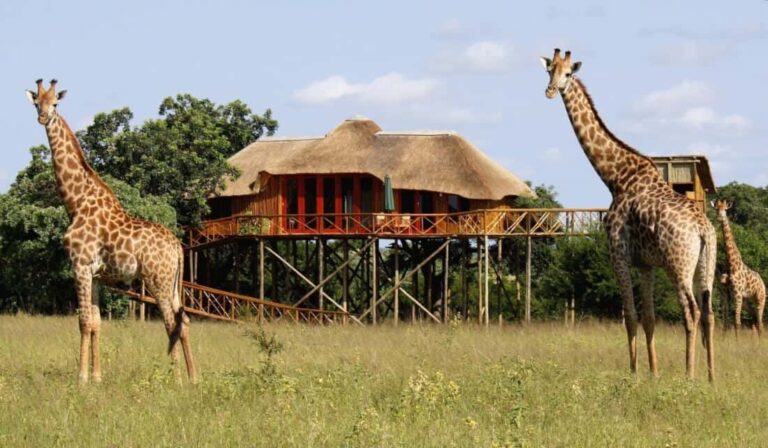
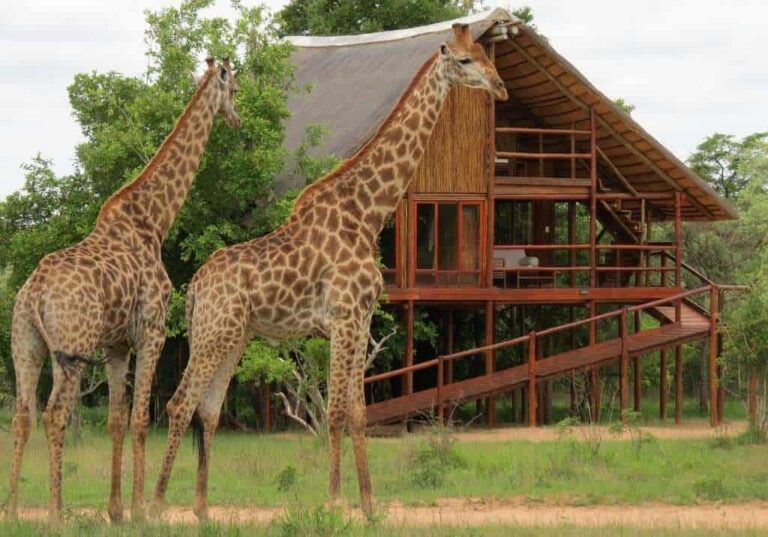
Africa's treehouses place you directly in the wildlife theatre—elevated platforms in savanna acacias, riverine forests and delta channels where animal movement, dawn choruses and river rhythms shape each day. From Kenya's Maasai Mara and Botswana's Okavango waterways to Zimbabwe's Zambezi banks and Namibia's desert thornveld, these conservation-focused lodges deliver immersion rather than distance, built for comfort but designed to keep you close to the wild, whether that's lion prides testing the morning grass or elephants wading chest-deep through papyrus channels.
Explore Africa
{{locationDetails}}
Browse sub-categories






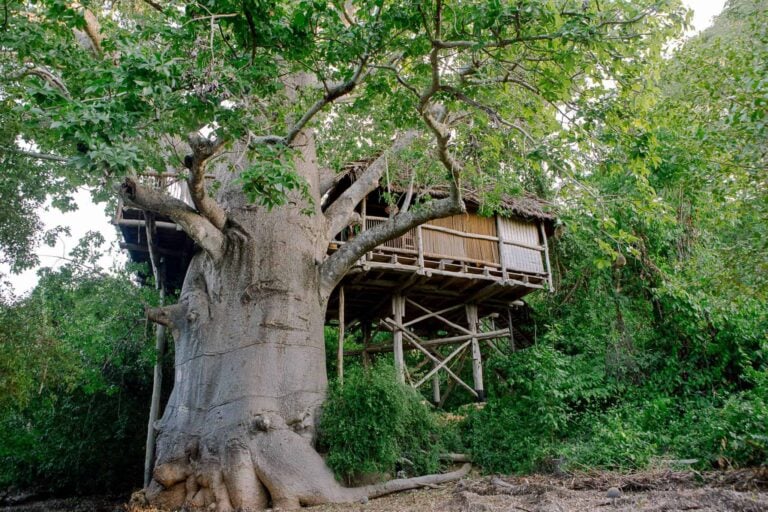
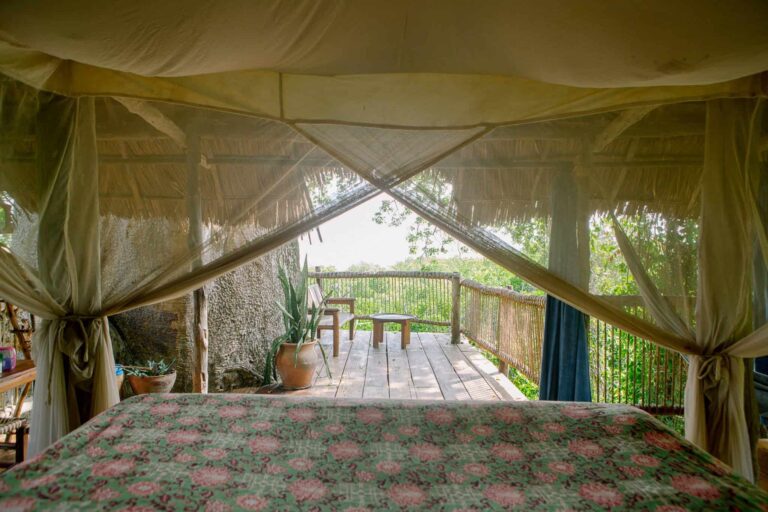
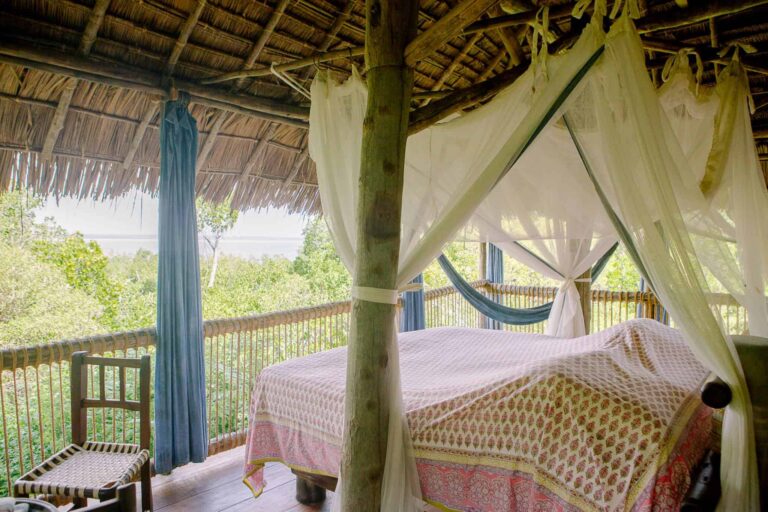
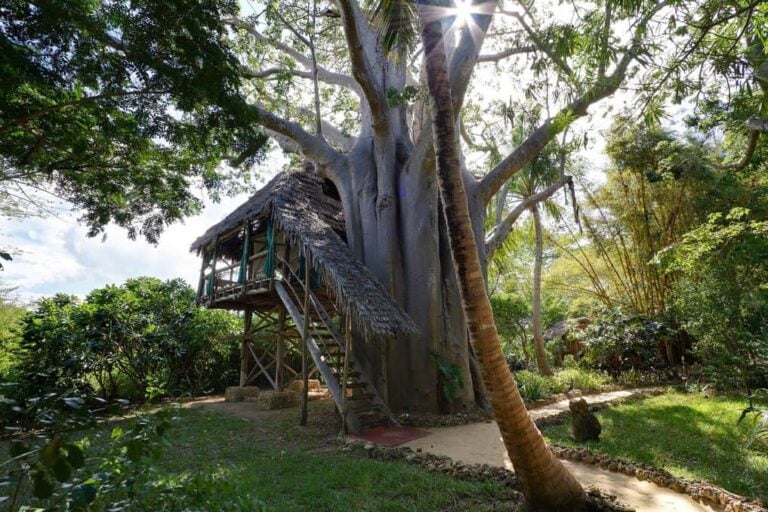


About Africa
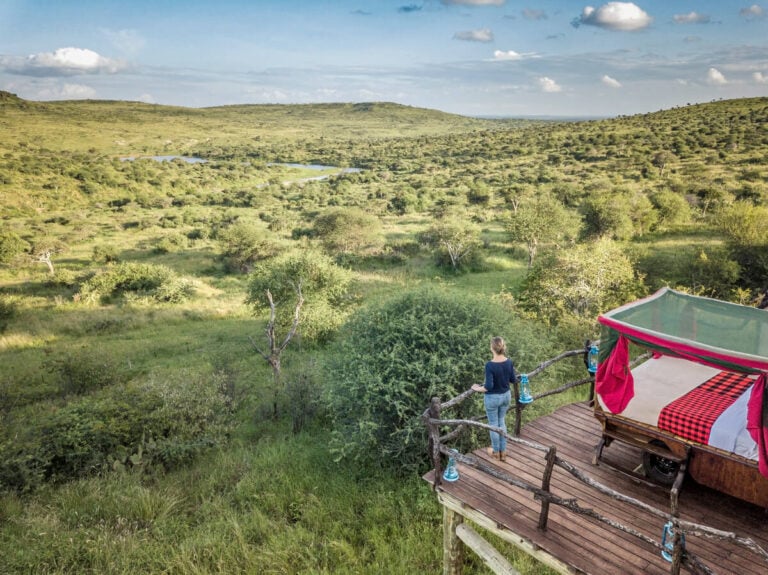
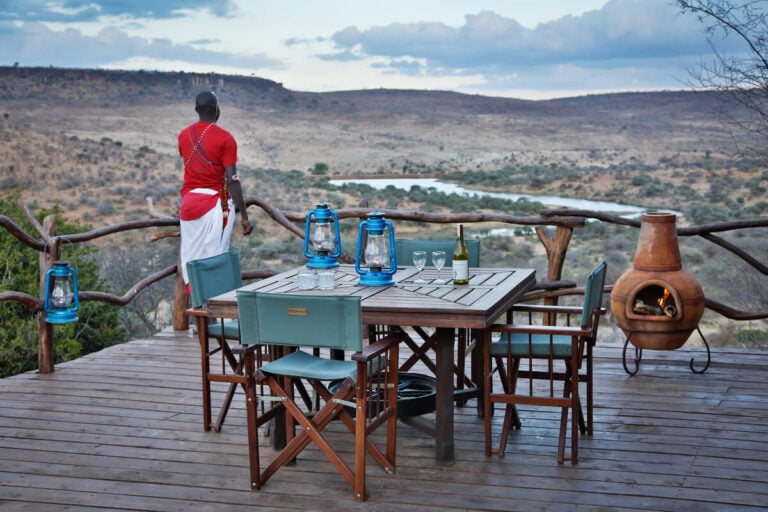
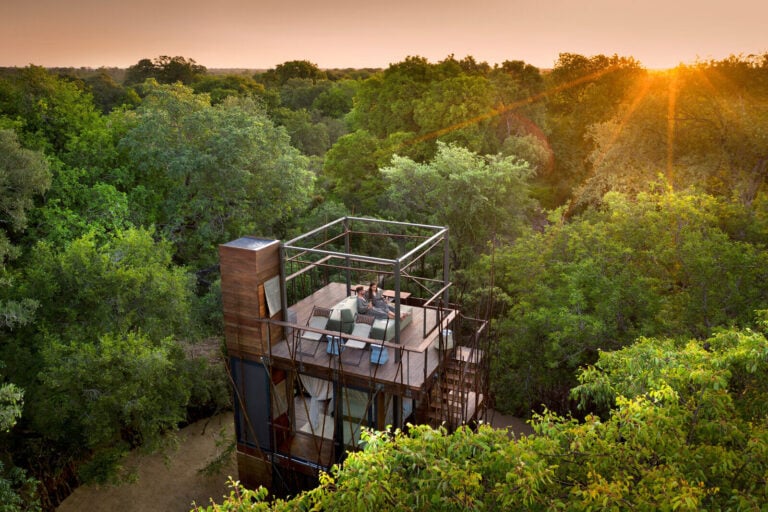
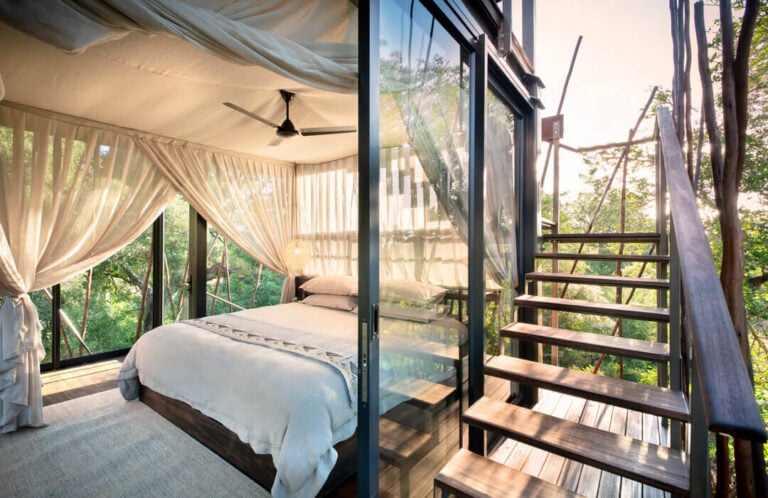
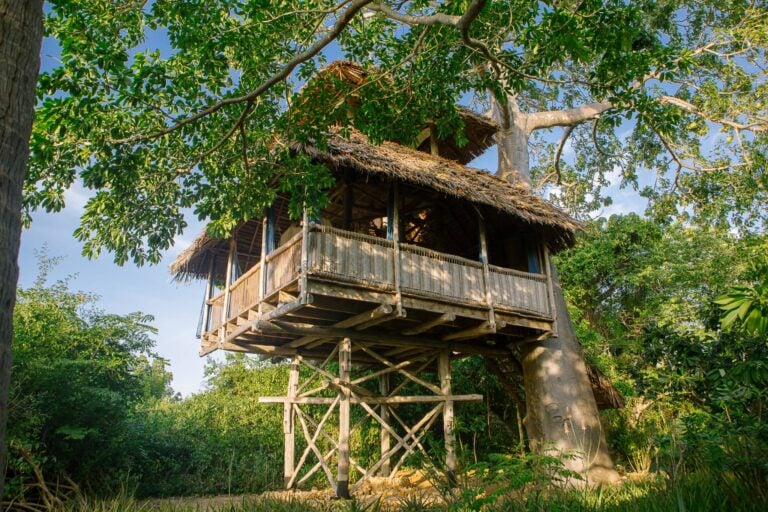
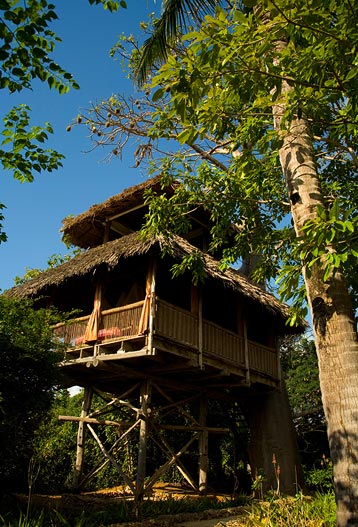
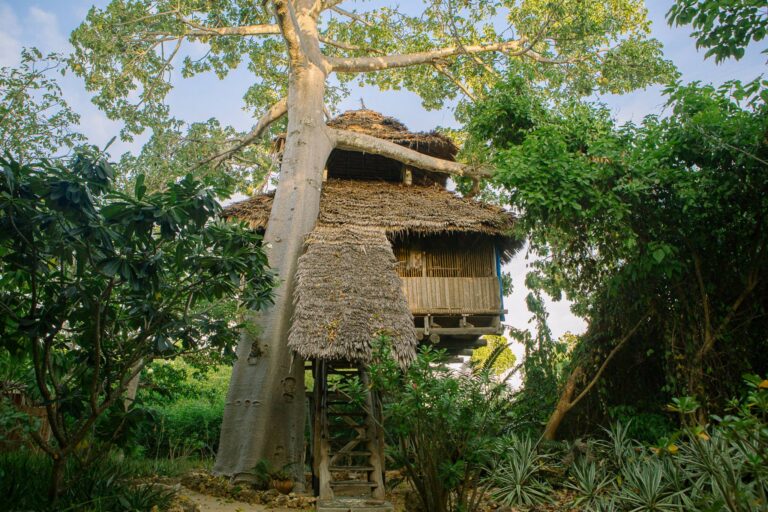
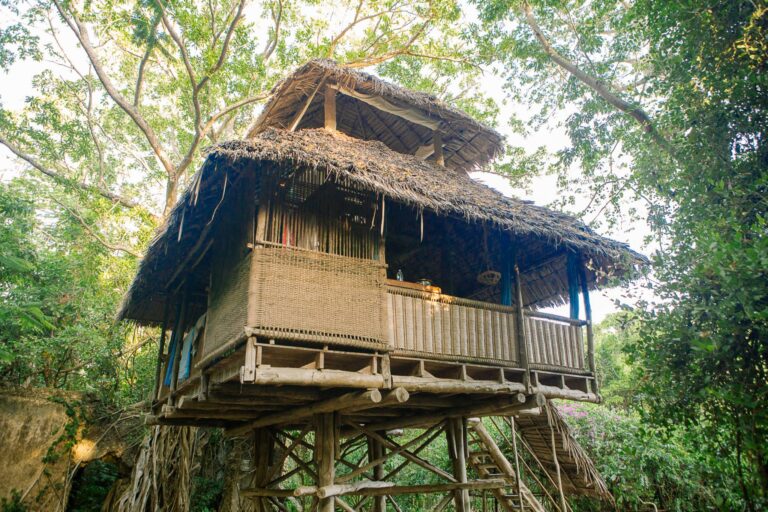
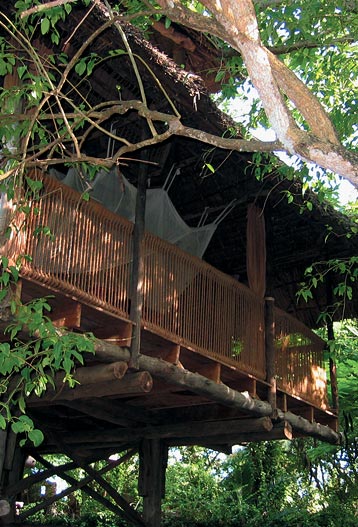
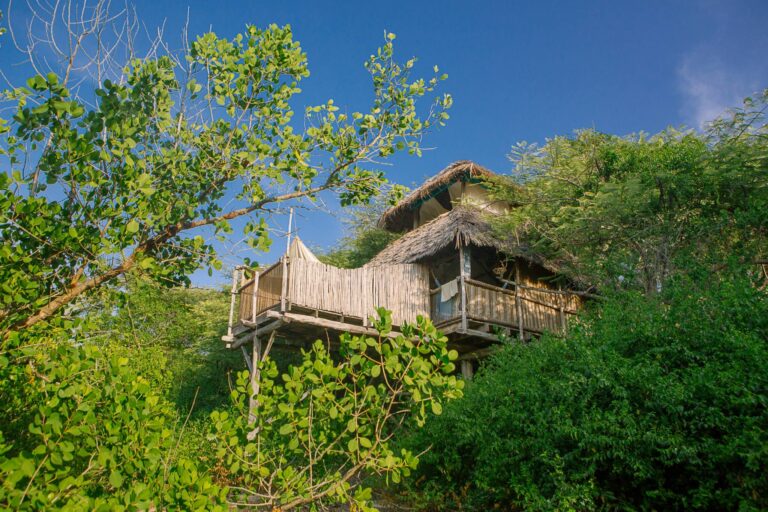
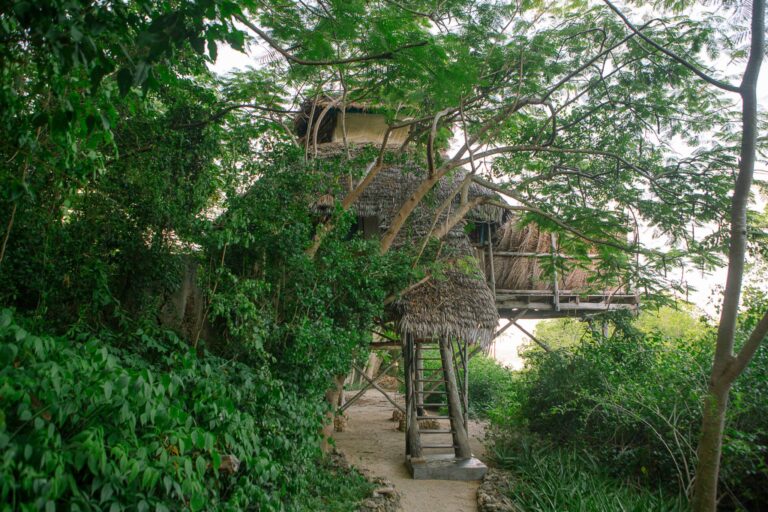
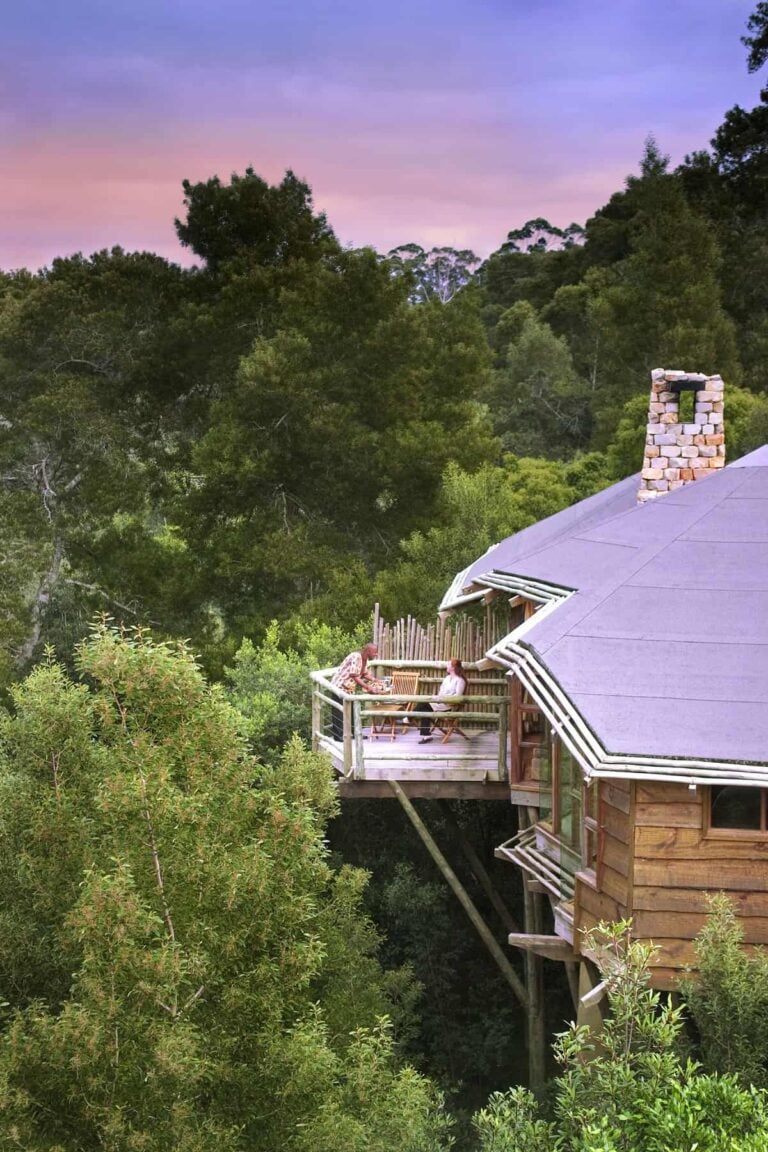
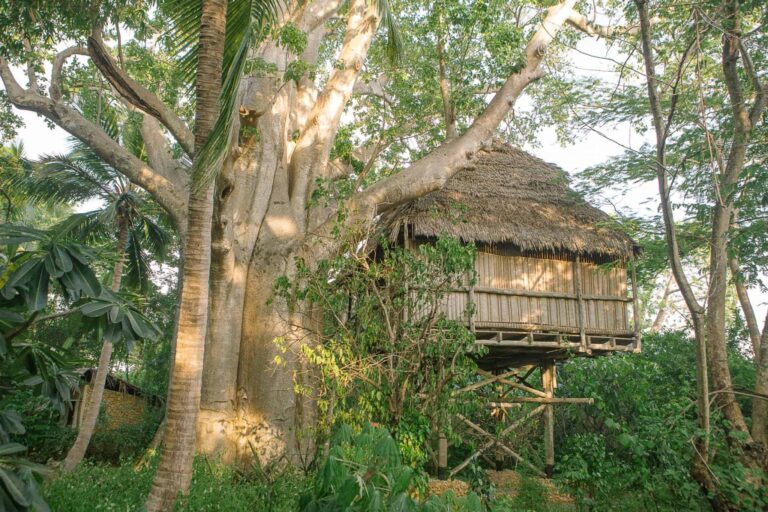
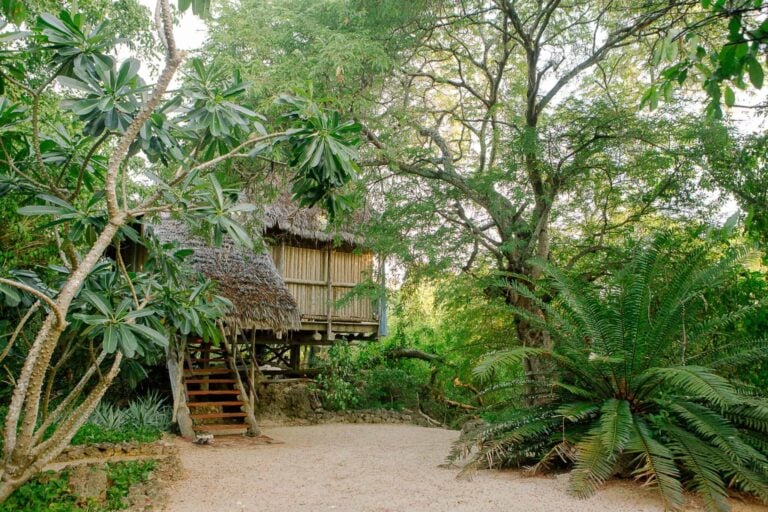
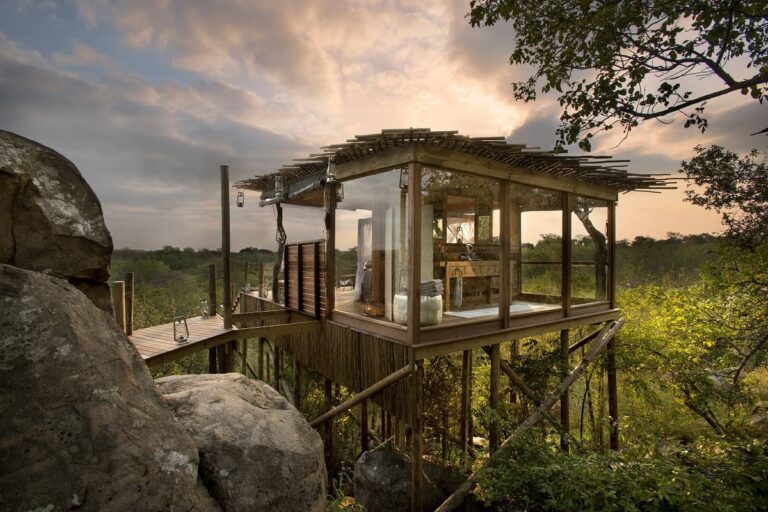
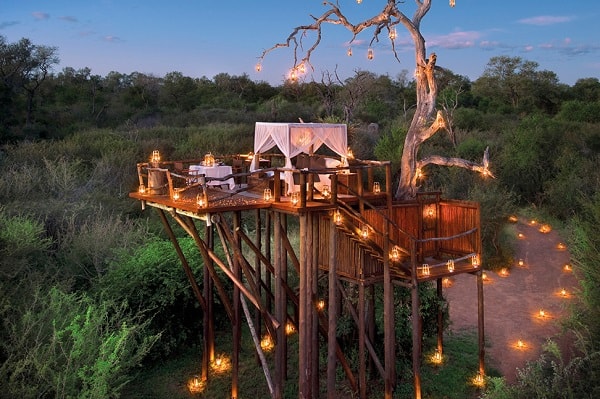
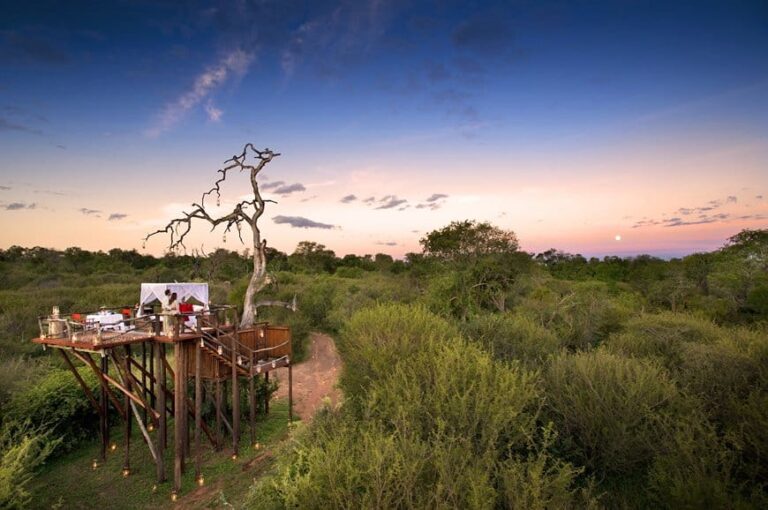
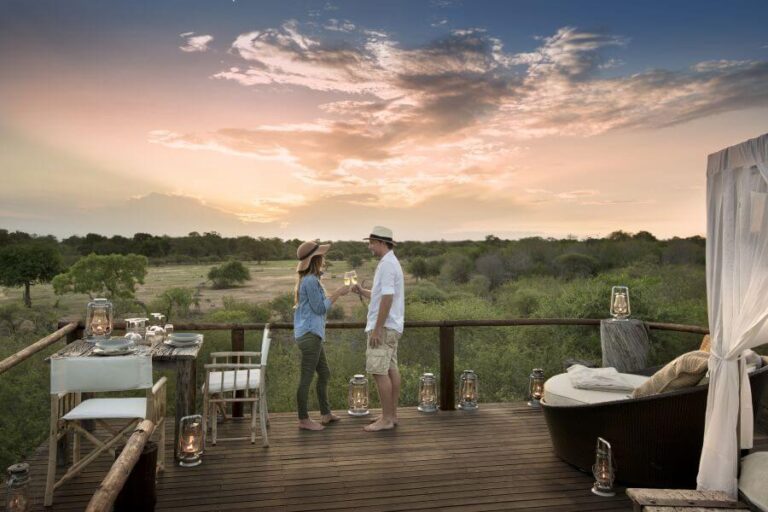
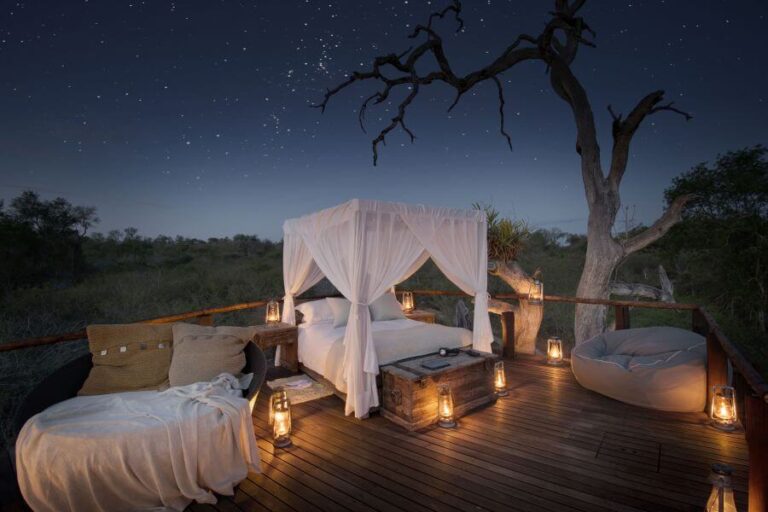
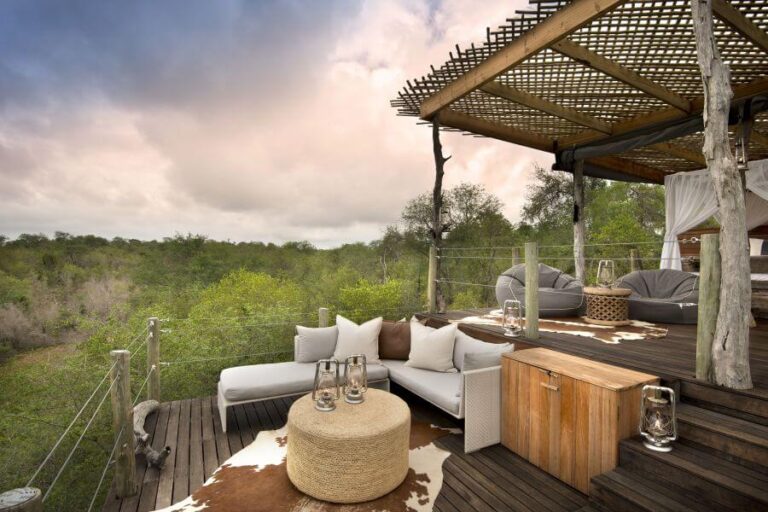
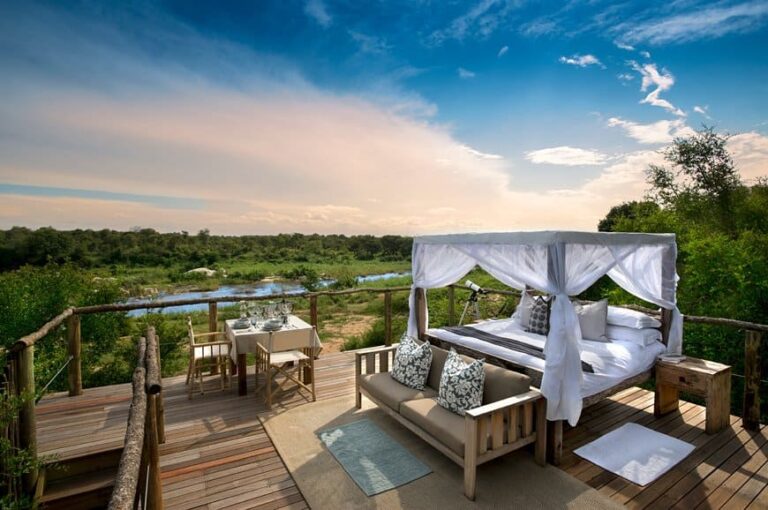
Africa's treehouses put you where the theatre happens—not pressed against a window, but in it. Wood platforms high enough that your breakfast coffee carries the scent of the plains, rooms woven into branches where the soundtrack starts before dawn and doesn't quit until well after dark. These aren't novelty stays. They're proper lodges built for wildlife immersion, conservation-minded and comfortable, perched in savanna acacias, riverine forests, delta channels and desert thornveld across a dozen countries.
East Africa writes the script most travellers picture first. Kenya's Maasai Mara and Tanzania's Serengeti deliver the Big Five from elevated decks where you can watch lion prides test the morning, zebra migrations carve dust trails across open grass, and storm light turn the plains every colour short of reasonable. The rhythm here is immediate—hoofbeats, alarm calls, the low thrum of something large moving past your stilts. Botswana takes a different line: Okavango Delta treehouses sit above papyrus and lily channels, elephants wading through at thigh depth, hippos punctuating the day, everything green and shimmering and slightly improbable. Zimbabwe and Zambia anchor themselves along the Zambezi, fish eagles overhead, the hum of the river pulling your attention until a pod of hippos settles the question of who owns the waterline.
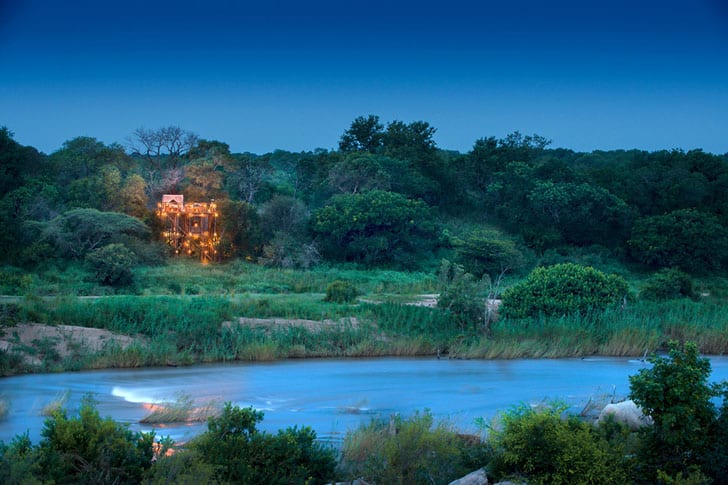
Southern Africa's treehouses cluster near South Africa's Kruger and the Lowveld, where night skies go deep enough to name constellations you've only heard about, and the chorus after dark layers itself—bark, hoot, rustle—until you stop trying to separate the sounds. Namibia strips it back: camelthorn treehouses in desert country, ochre dunes stretching to geology, air so dry and clear that distance loses meaning. The palette here is bone and rust, and the quiet has weight.
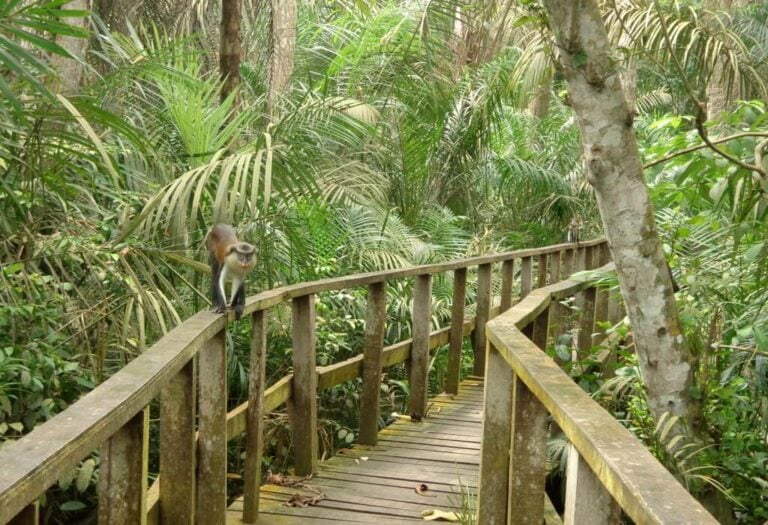
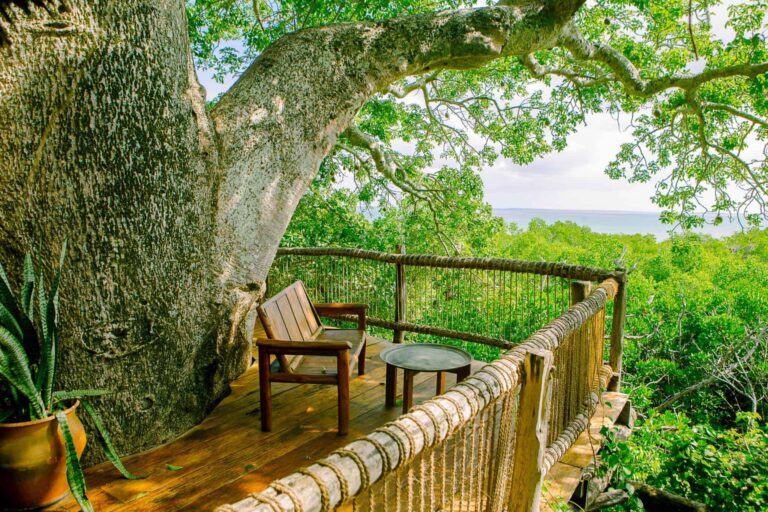
West Africa's rainforest treehouses wrap you in layered green, though inventory remains thin compared to the safari belt. Madagascar earns its own paragraph when you can find a perch there—baobabs like monuments, lemur calls stitching the canopy, a strange森林 grammar that doesn't follow East African rules. These aren't the easiest places to reach, but they reward the detour.
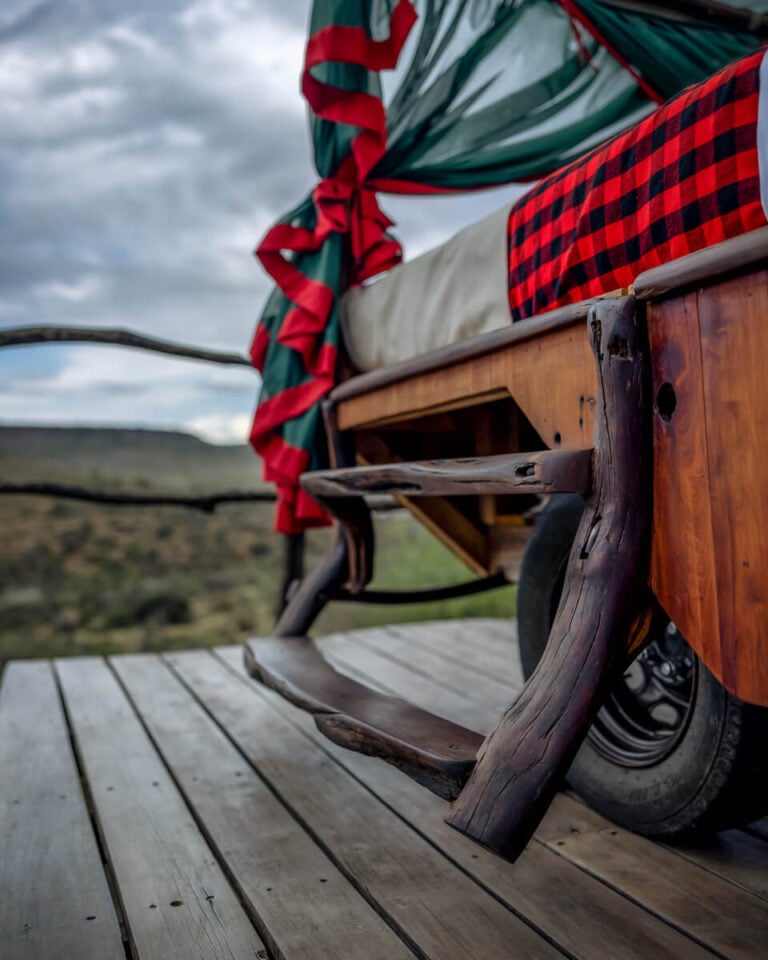
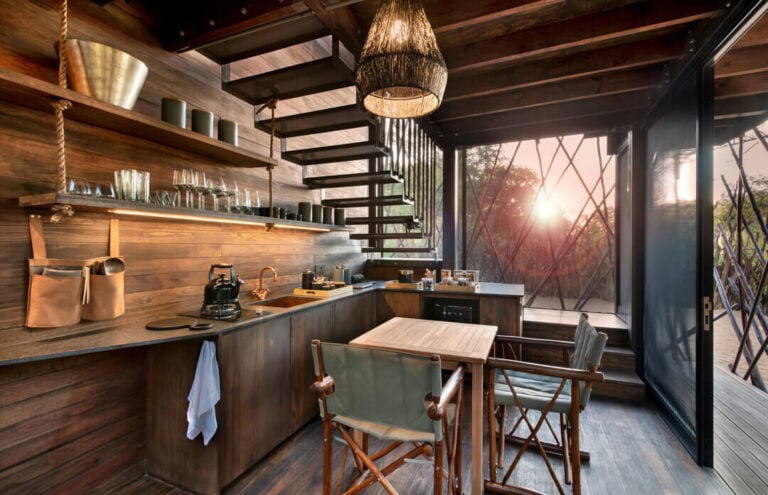
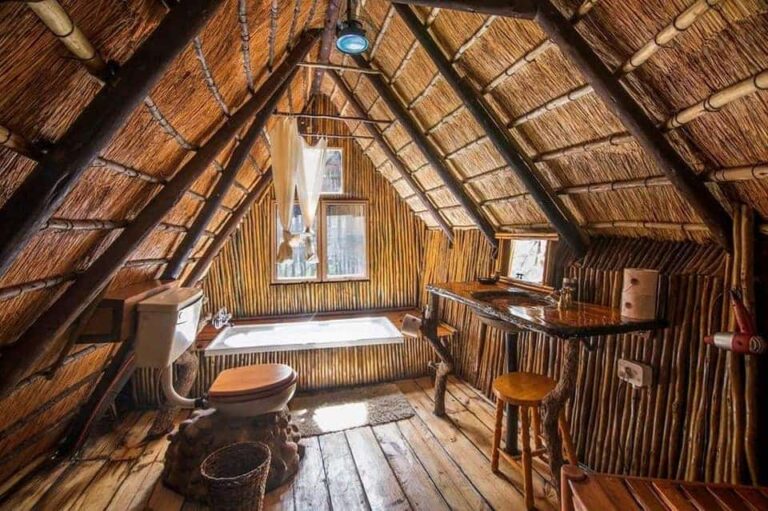
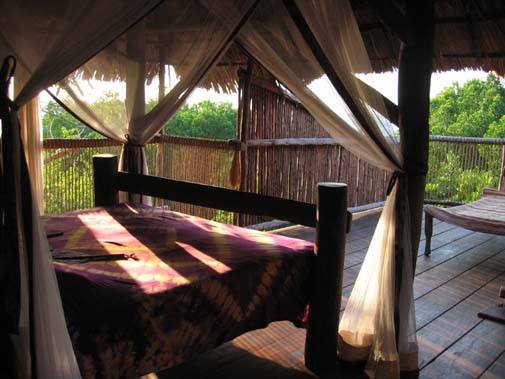
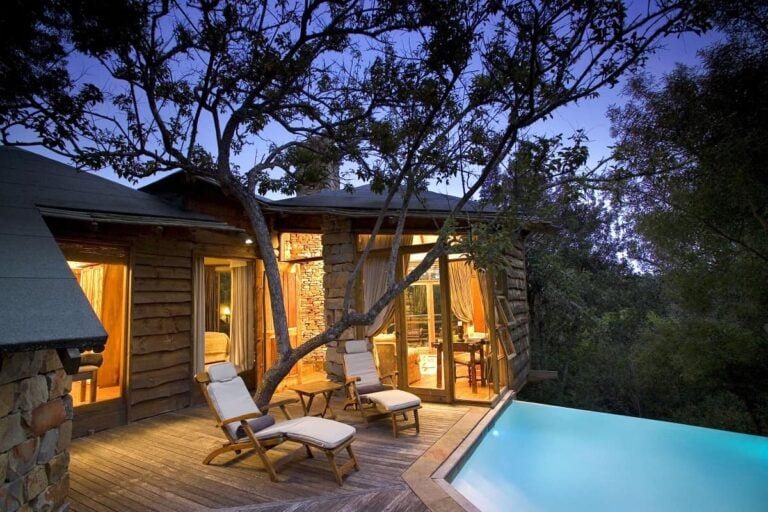
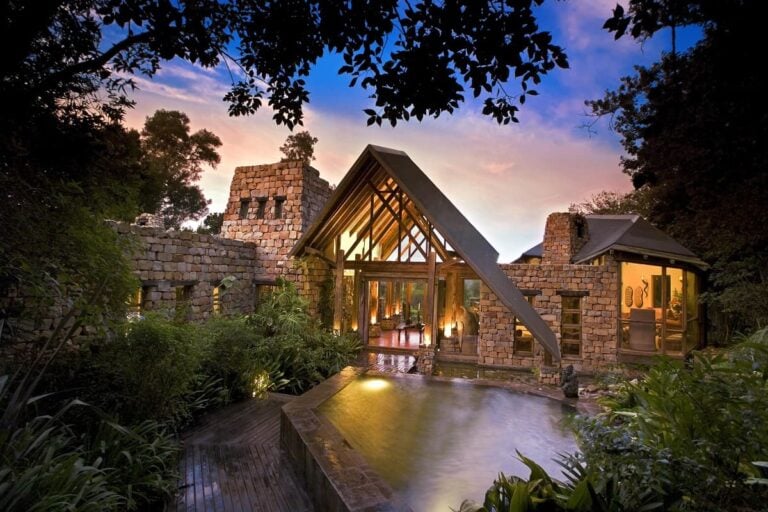
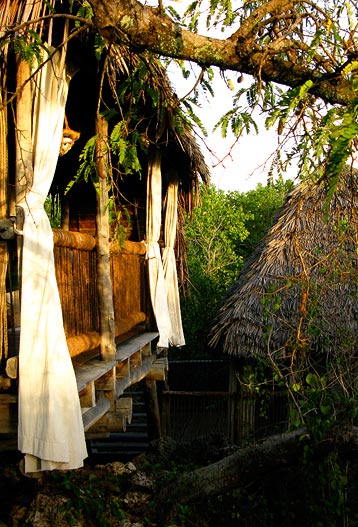
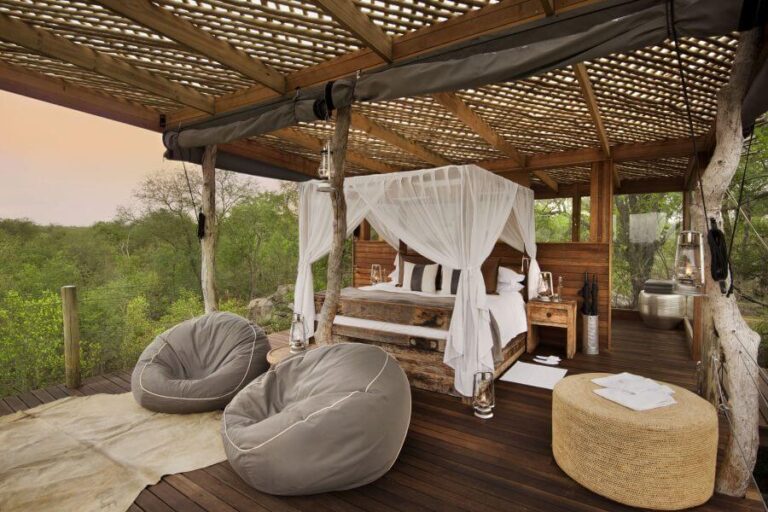
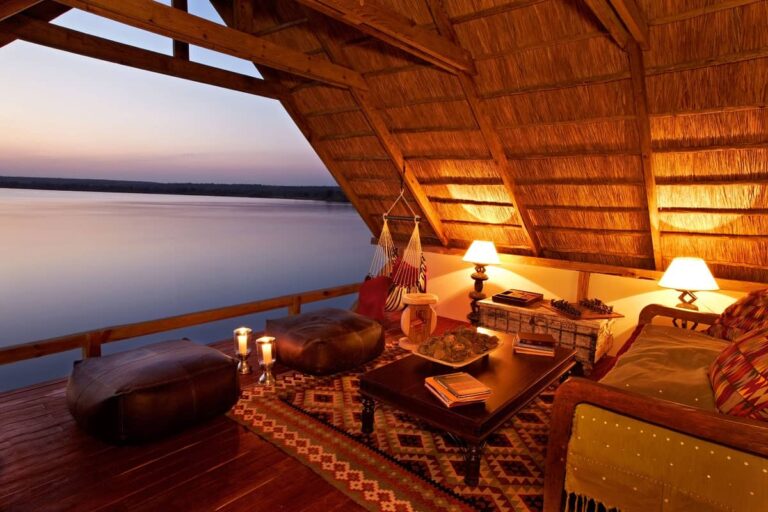
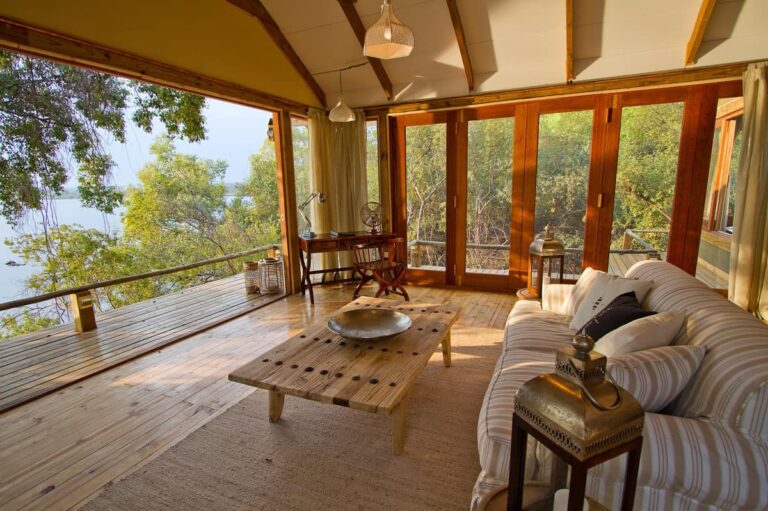
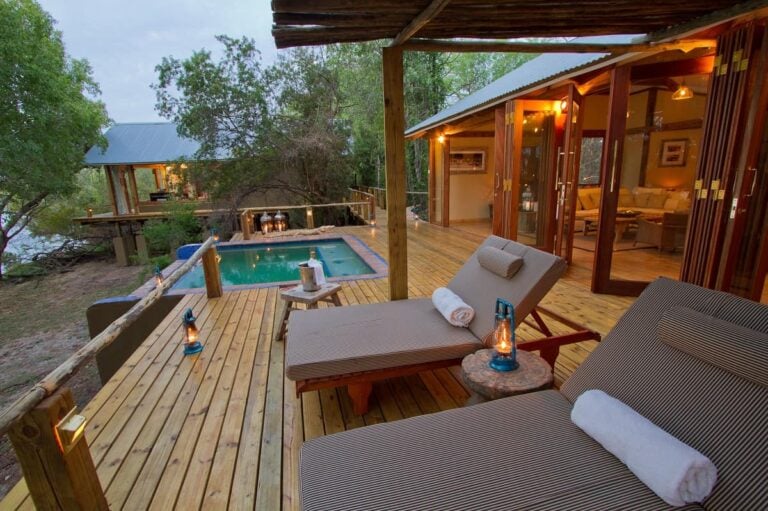
What you get inside tends toward hand-built timber, linen that doesn't apologize, rain showers open to the sky, occasionally a plunge pool small enough to feel like a secret. Solar panels tucked out of sight, water managed carefully, guiding that's as much interpretation as navigation. Conservation isn't wall text here—it's employment, anti-poaching support, the reason the property exists at all. You'll track prints until they turn into stories, share sundowners while the light folds itself away, wake to kettle-click and that first animal punctuation before full sunrise. The best treehouse safaris feel less like accommodation and more like a vantage point you didn't know you needed, close enough to the wild that it follows you home in your boots.
Frequently asked questions about Africa
Which African countries have the best treehouse lodges for safari?
Kenya and Tanzania dominate for classic Big Five safari treehouses, with elevated lodges in the Maasai Mara and Serengeti offering front-row seats to lion prides, zebra migrations and open plains drama. Botswana's Okavango Delta treehouses sit above papyrus channels where elephants wade through at thigh depth, while Zimbabwe and Zambia place you along the Zambezi with hippos and fish eagles below. South Africa clusters treehouse stays near Kruger and the Lowveld for reliably strong game viewing and exceptional night skies. Namibia offers desert treehouses in camelthorn country if you want dramatic scenery over dense wildlife. West Africa and Madagascar have rainforest options, though inventory remains thinner and access more involved.
When is the best time to visit Africa for a treehouse safari?
Dry season generally delivers the strongest wildlife viewing because animals concentrate around remaining water sources and thinner vegetation makes sightings easier. For East Africa that means June through October and again in January and February, avoiding the long rains. Southern Africa's dry winter runs May through October, with September and October often peak for game density as waterholes shrink. Botswana's Delta floods during the dry season, creating that iconic water-and-wildlife combination from June to October. Namibia stays accessible year-round, though summer heat can be severe. Rainforest regions follow different patterns and often stay greener through the calendar, so timing depends more on your tolerance for rain than wildlife movement.
Are African treehouse lodges actually safe for wildlife encounters?
Properly built safari treehouses are designed for close wildlife proximity, with elevated platforms high enough that large animals pass underneath without concern and sturdy construction that handles wind and weight. Most properties sit within private concessions or protected reserves where game movement is expected and managed, and experienced guides give clear briefings on how to move between your treehouse and common areas after dark. You'll hear animals close—sometimes very close—but the structure itself acts as a secure vantage point rather than a barrier you're testing. It's immersive, not reckless, and the whole setup assumes that elephants, buffalo and big cats share the same ground you're sleeping above.
What should I expect to pay for a treehouse safari in Africa?
Africa's treehouse lodges generally sit in the mid-to-high luxury safari bracket, with nightly rates often starting around £400–£600 per person and climbing well past £1,000 for premium Okavango or Serengeti camps, typically including meals, guided activities and park fees. You're paying for small-scale design, prime wildlife territory, and the conservation levies that protect these areas. South Africa's Lowveld and some Namibian properties can come in slightly lower, while Botswana's Delta and Kenya's top-tier Mara conservancies push the upper range. Most treehouse safaris make sense as part of a three-to-five-night stay rather than a single splurge night, so budget for the full immersive experience rather than accommodation alone.
Can children stay at African treehouse lodges?
Age policies vary significantly by property, with many safari treehouses setting minimum ages between six and twelve due to open edges, wildlife proximity and the practical challenges of keeping young children safe and quiet during game viewing. Some lodges welcome families and provide dedicated family units with extra safety features, while others position themselves firmly as adult retreats. If you're planning a family treehouse safari, confirm age restrictions and safety provisions directly with the property before booking, and expect that the experience will require children old enough to follow instructions around wildlife and heights without constant supervision.