
Americas
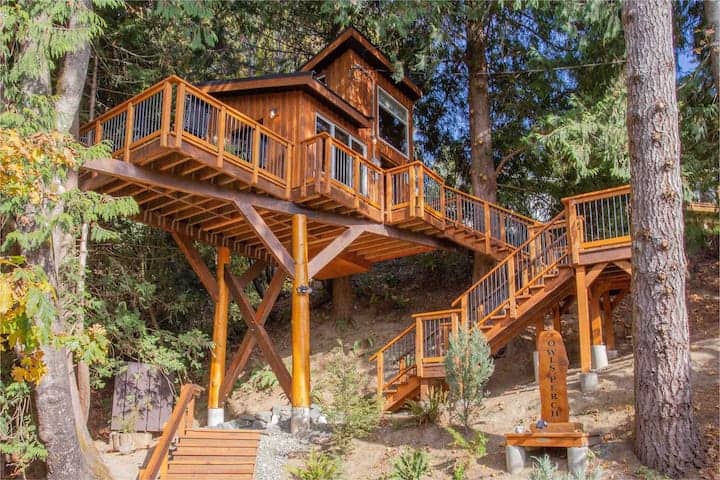
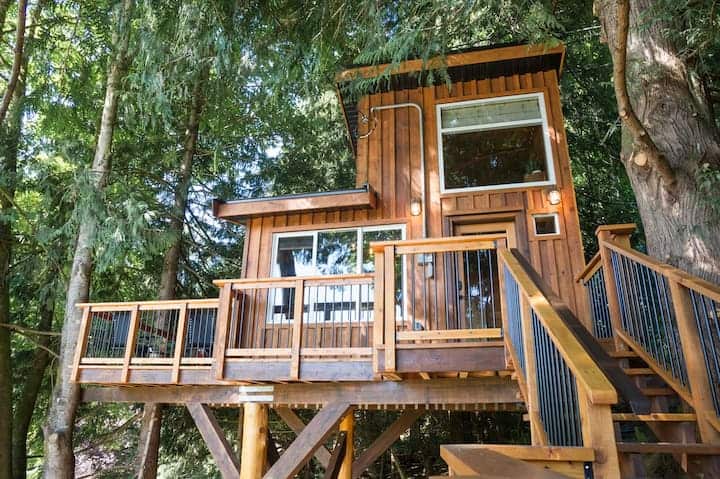
The Americas turn the treehouse into dozens of different propositions, each shaped by the forest beneath it. You can book a cabin high in Pacific Northwest cedars where rain is the soundtrack for months, a Costa Rican lodge where breakfast arrives alongside howler monkeys, or an Amazonian perch reached by charter flight and boat transfer. Some fill six months ahead, others open within weeks depending on season and remoteness. Climate dictates as much as calendar—dry summers in the Northwest, December-to-April dry season in Costa Rica, wetter months in the Amazon bringing higher rivers and better wildlife access. What connects them is the exchange: fewer walls, more canopy.
Explore Americas
{{locationDetails}}
Browse sub-categories








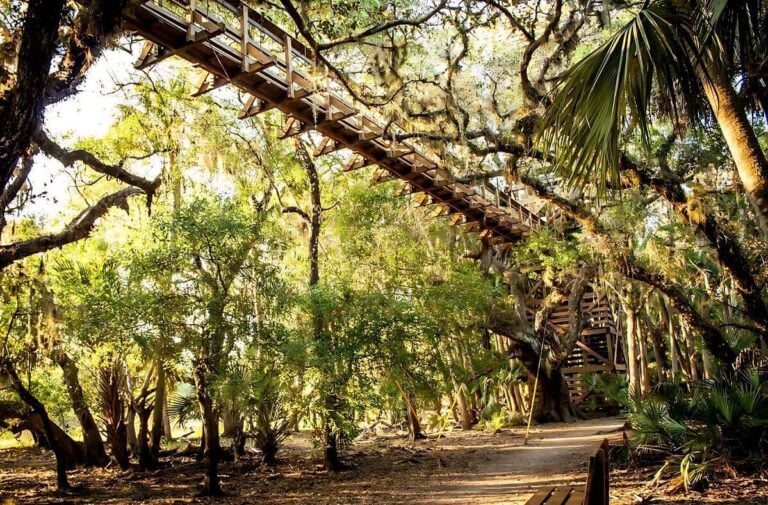
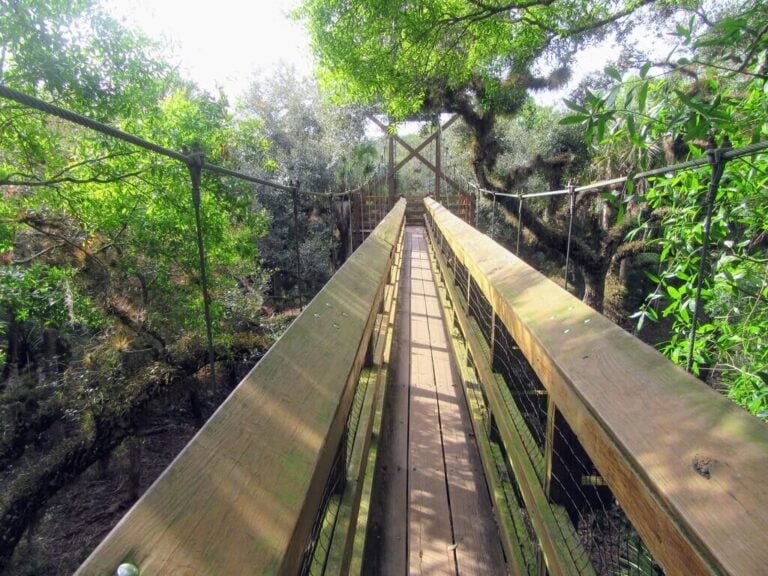
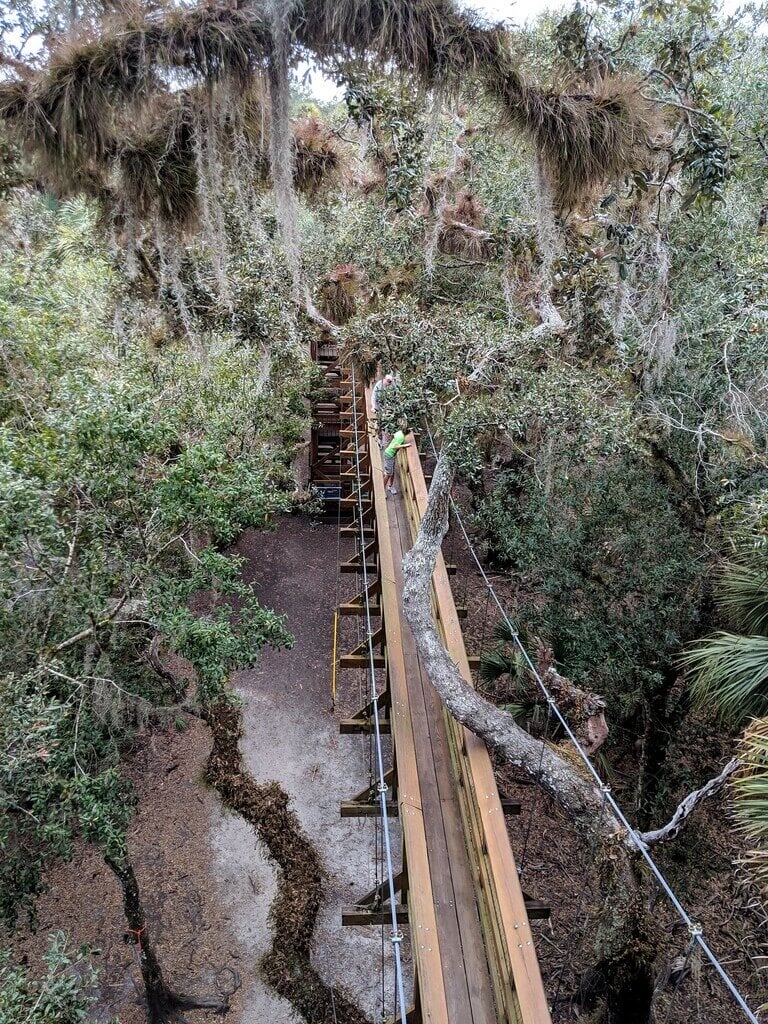
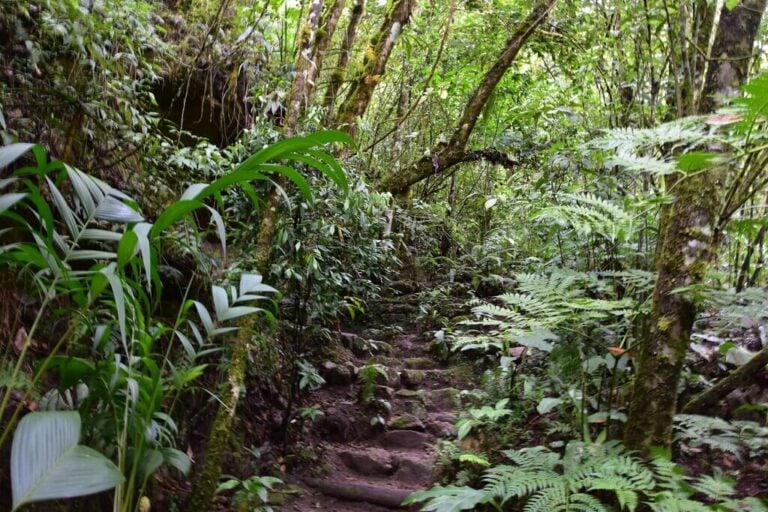

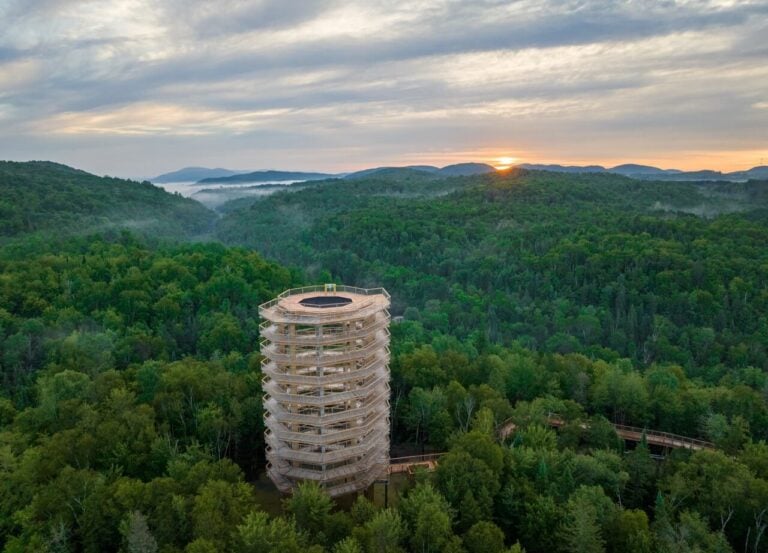

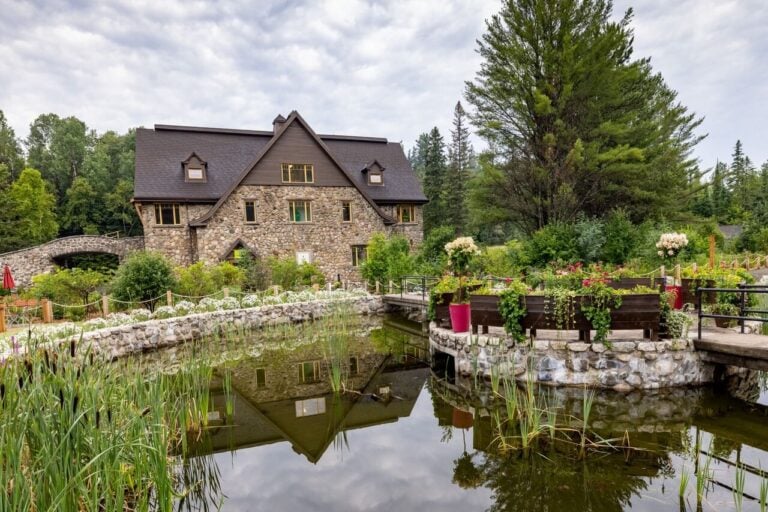
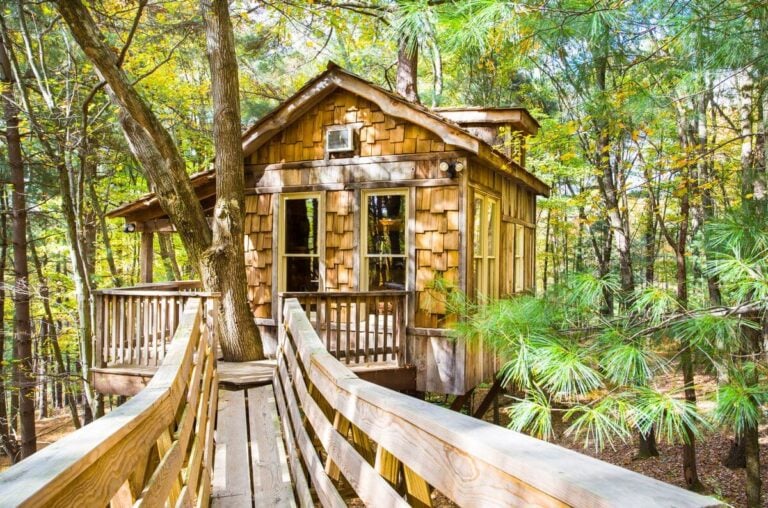
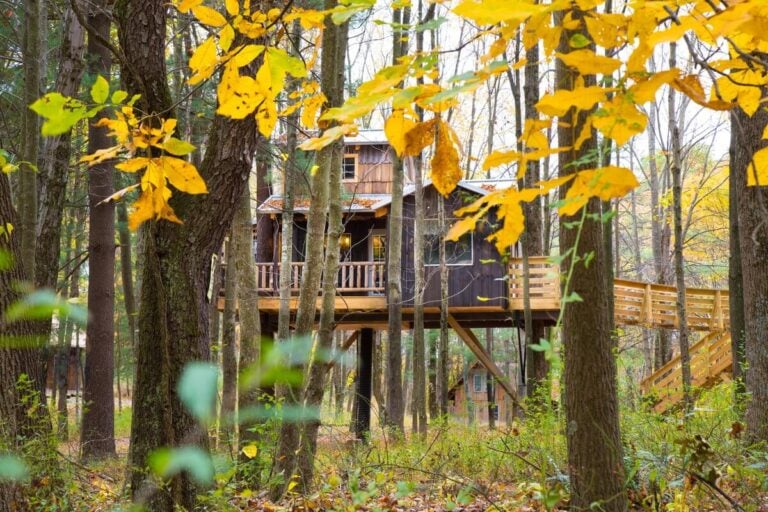
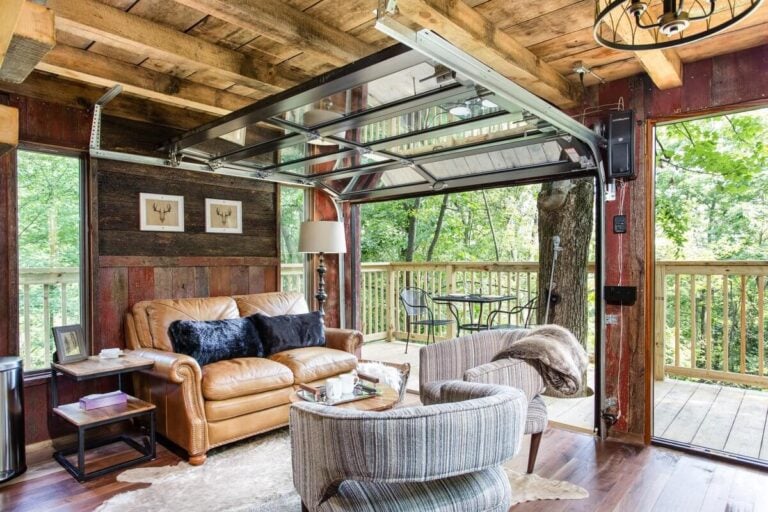

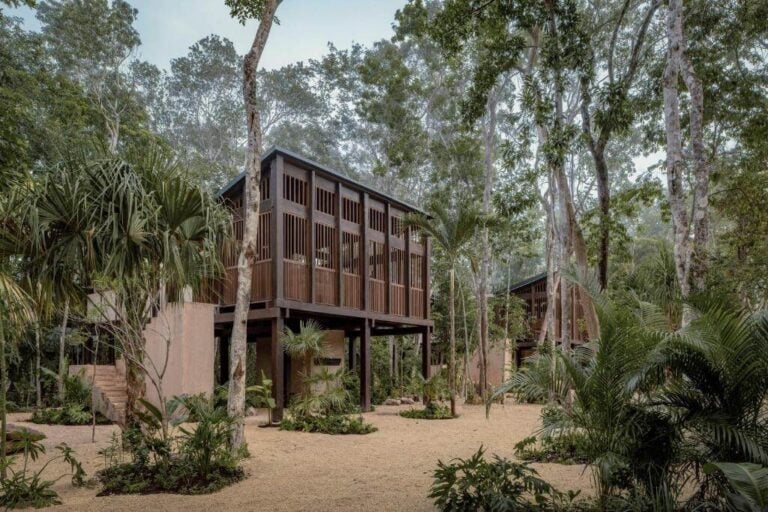
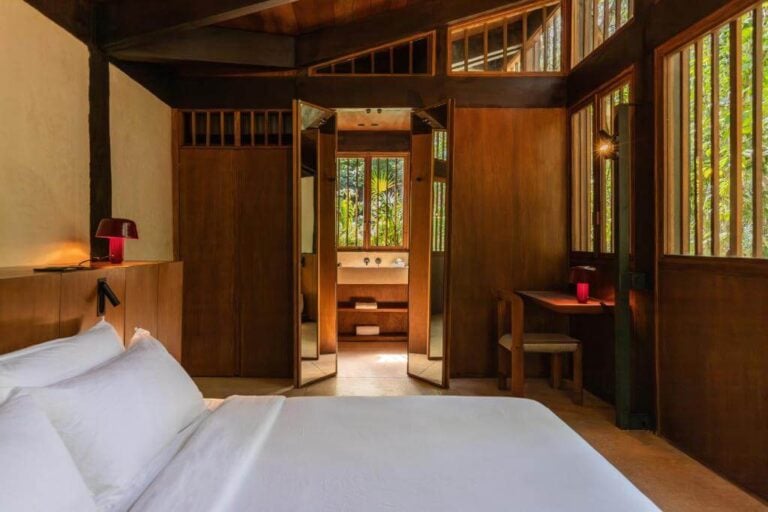
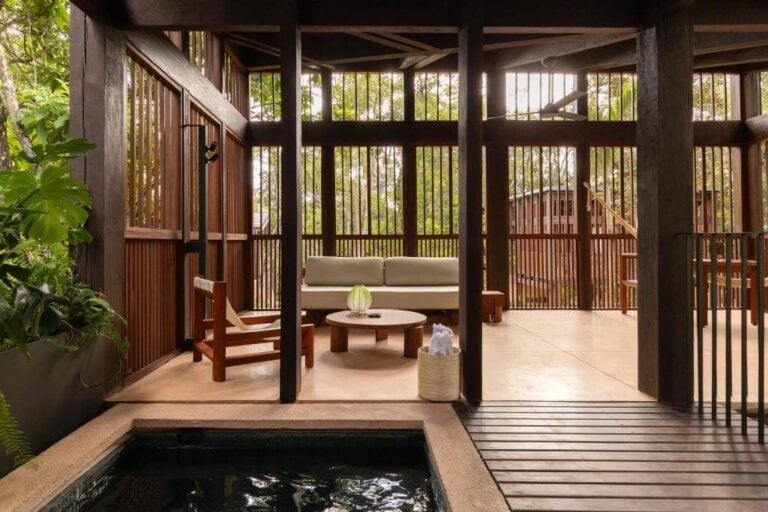





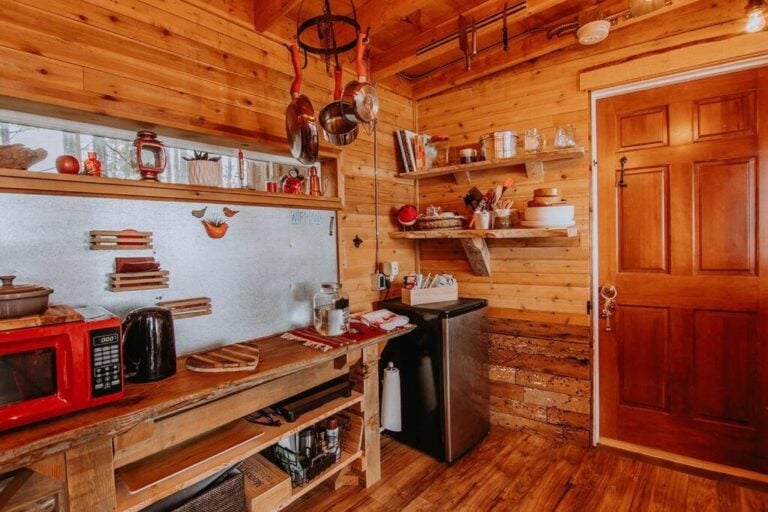
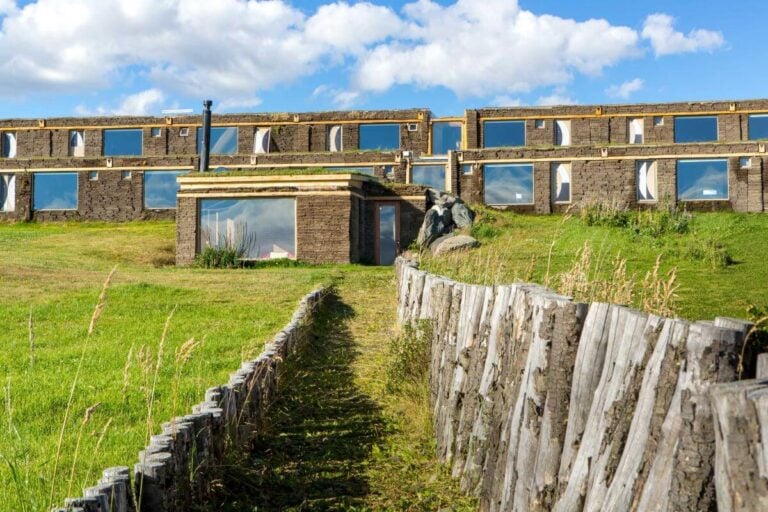
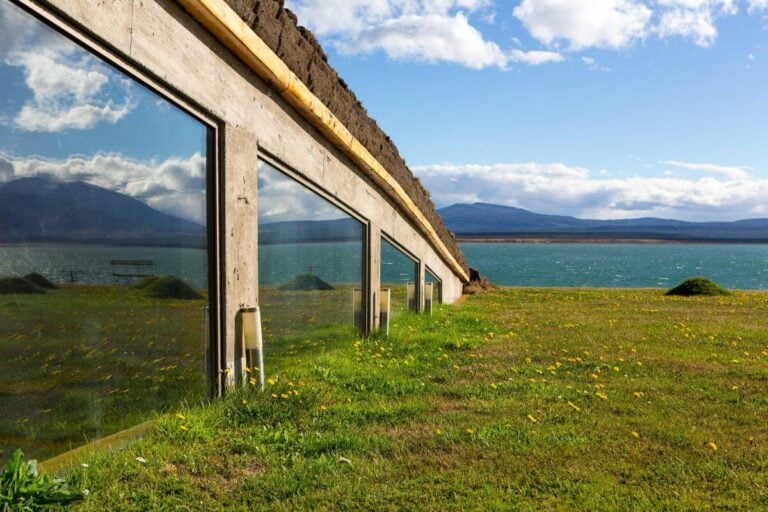
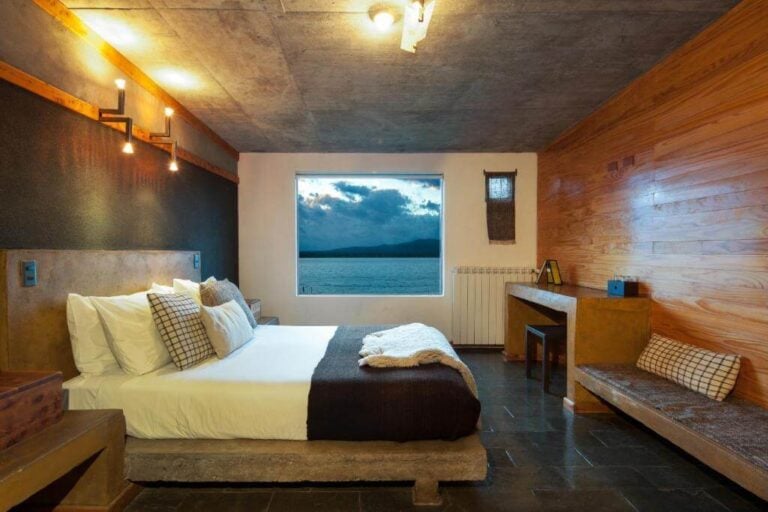
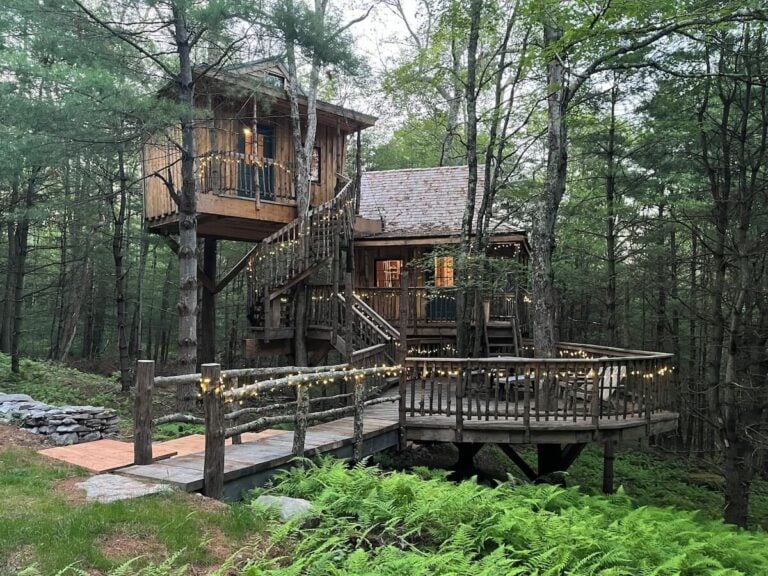
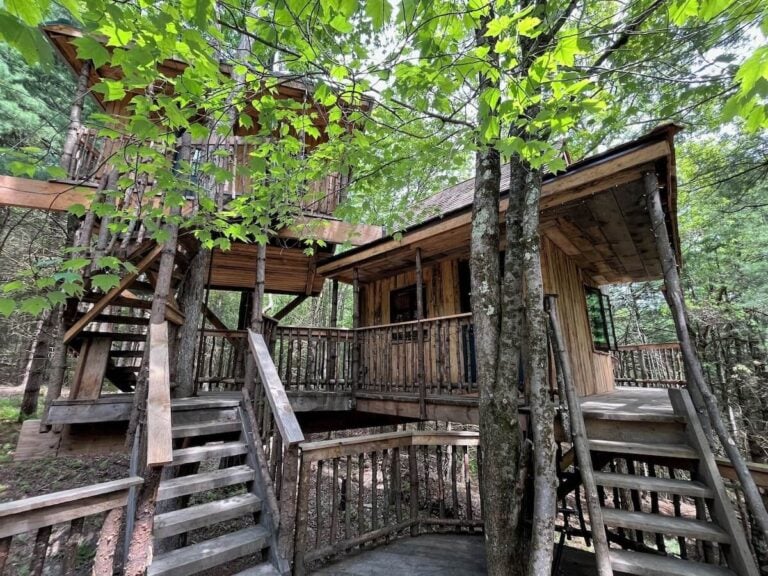
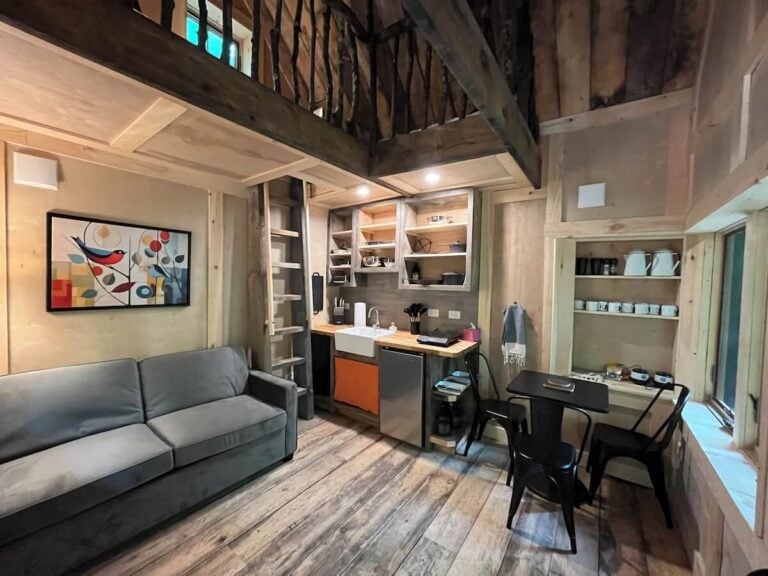
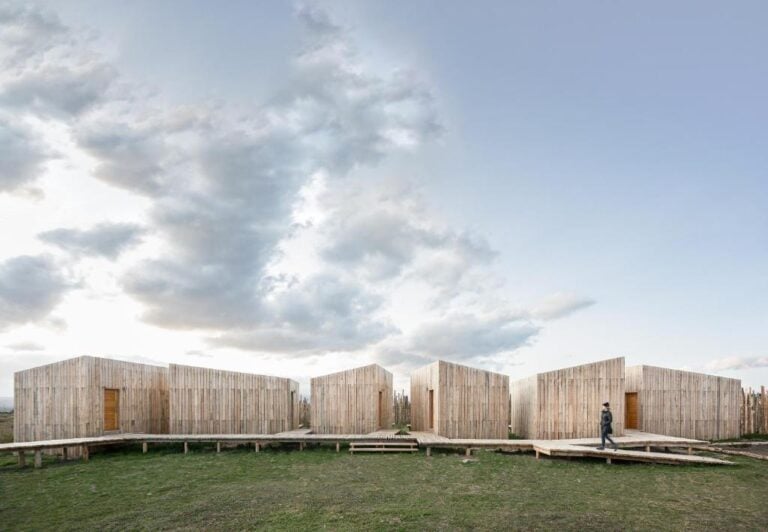


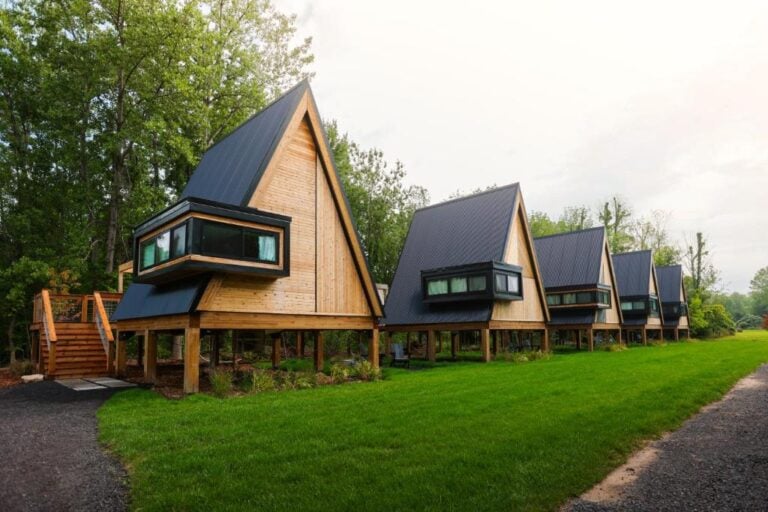
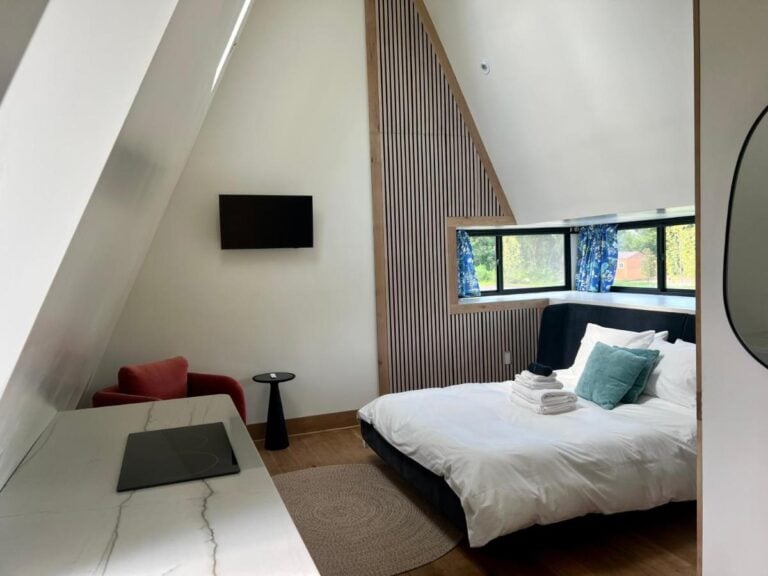
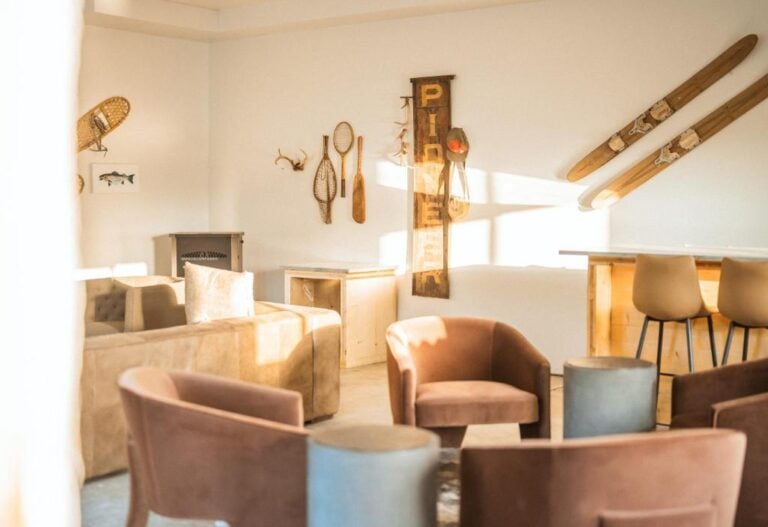
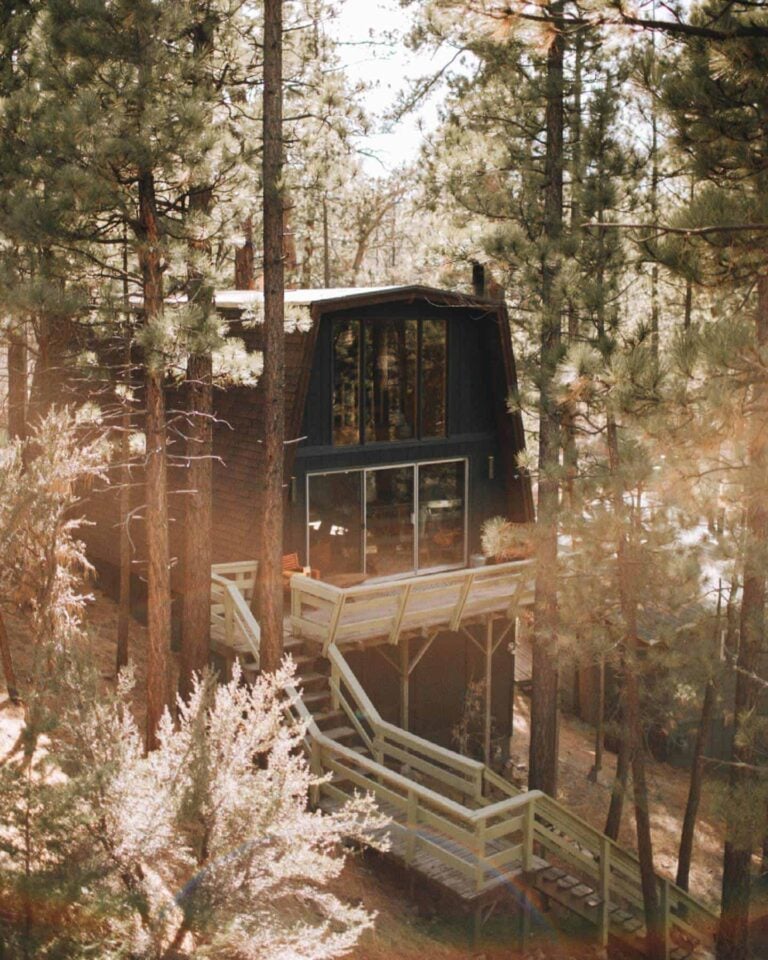
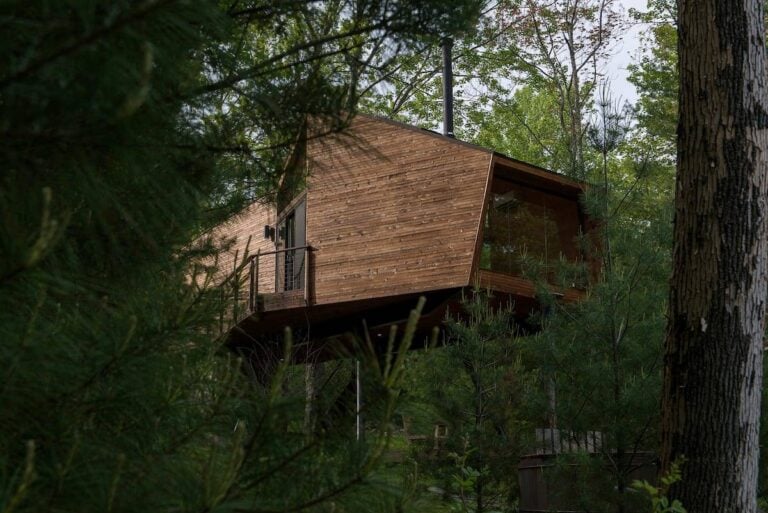
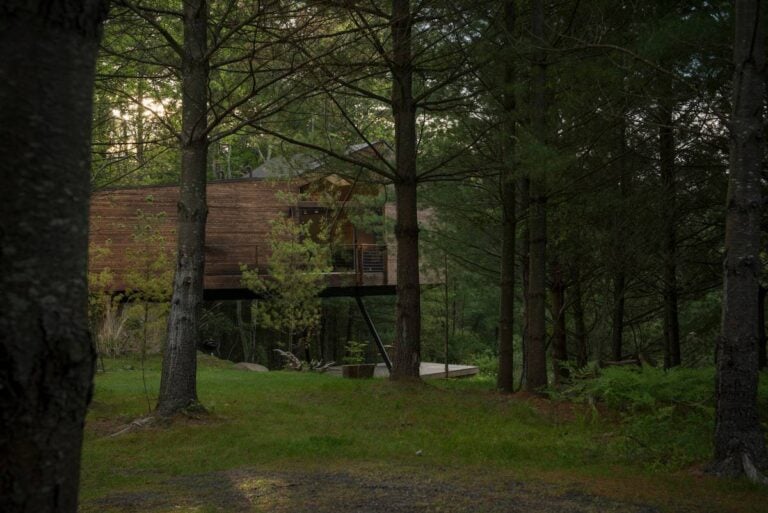
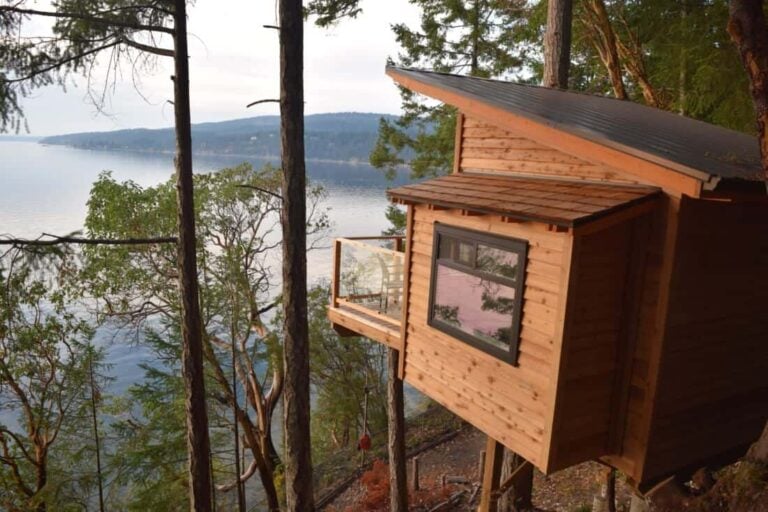
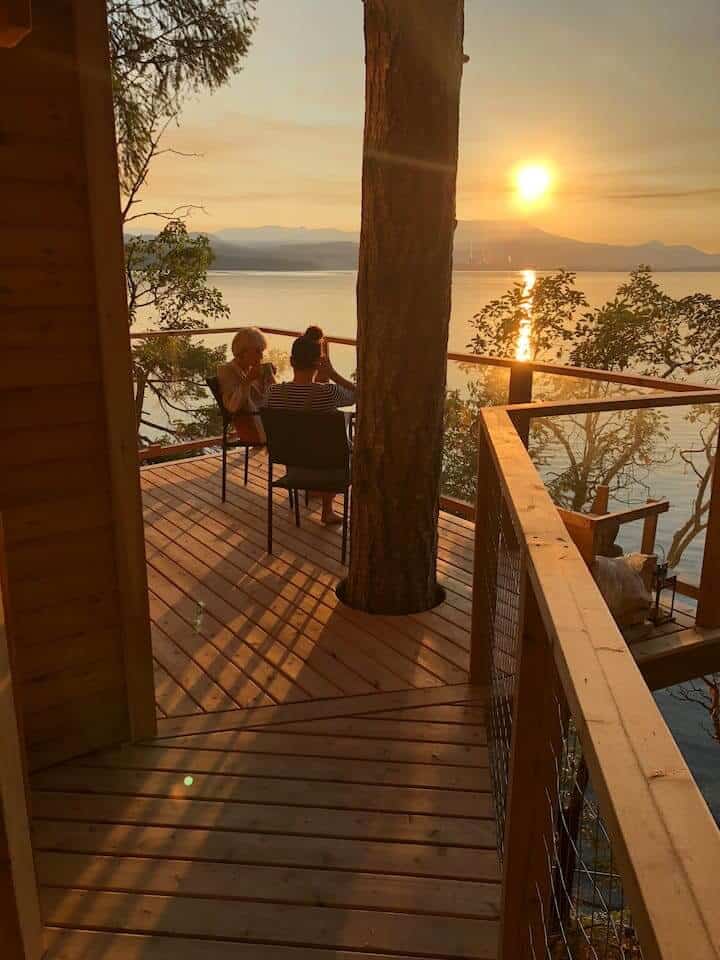
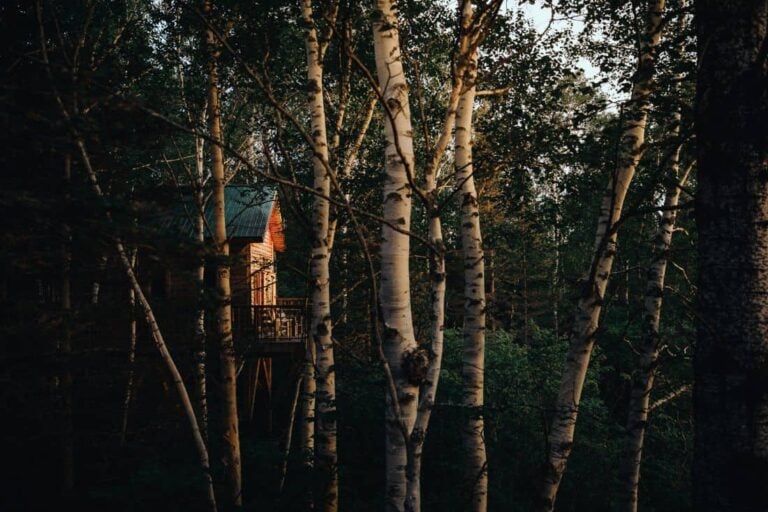
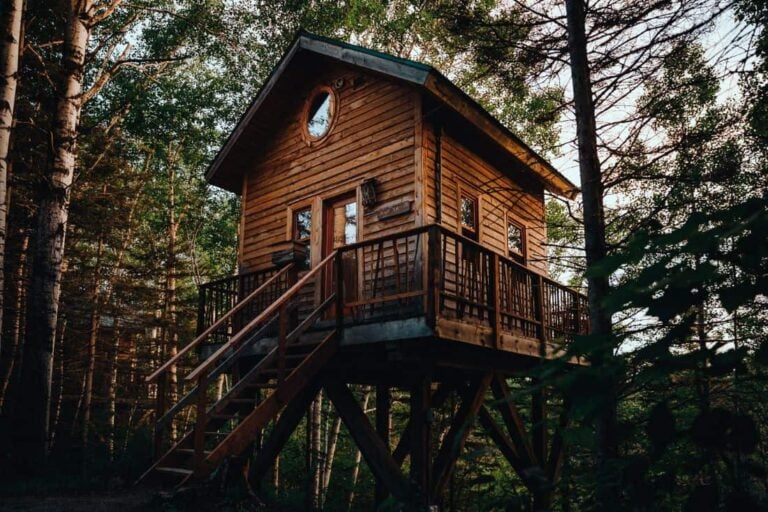
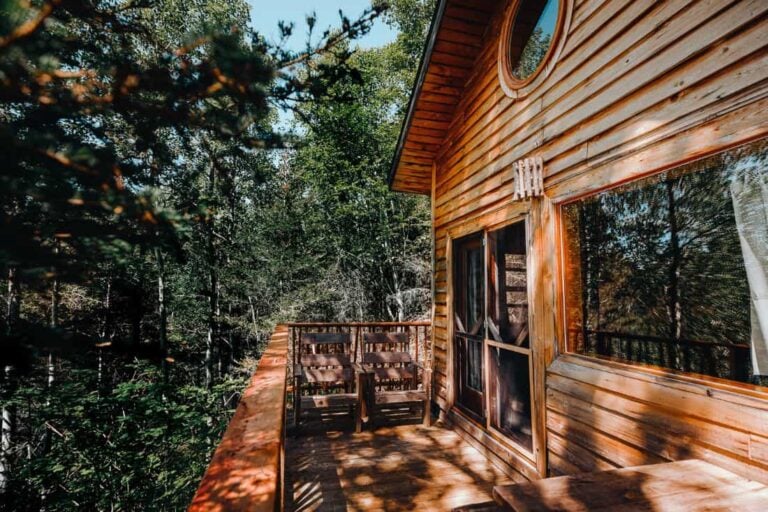
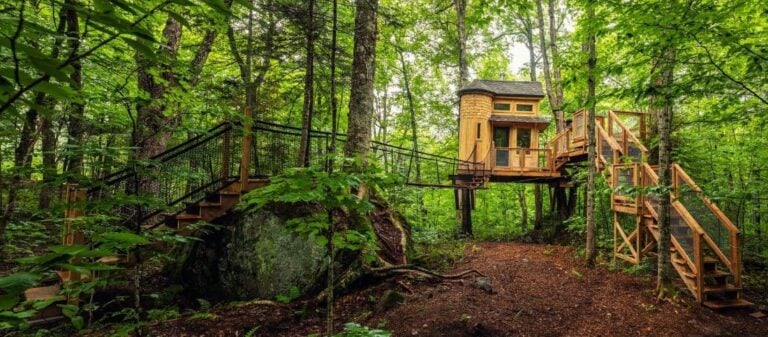
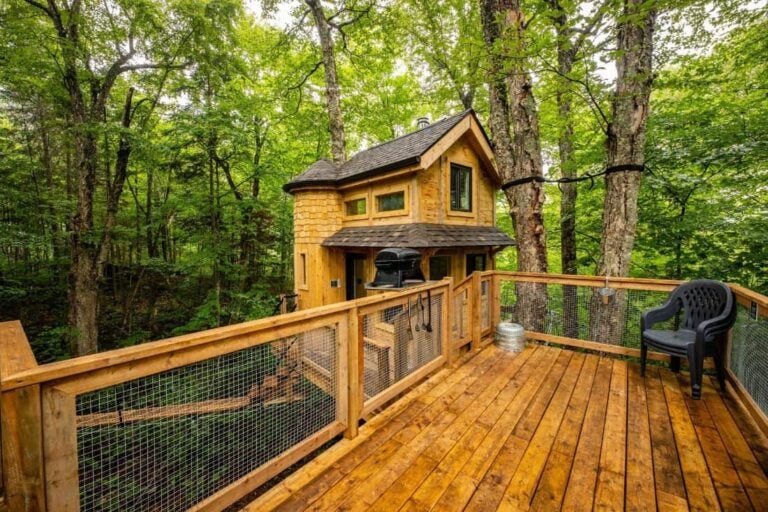
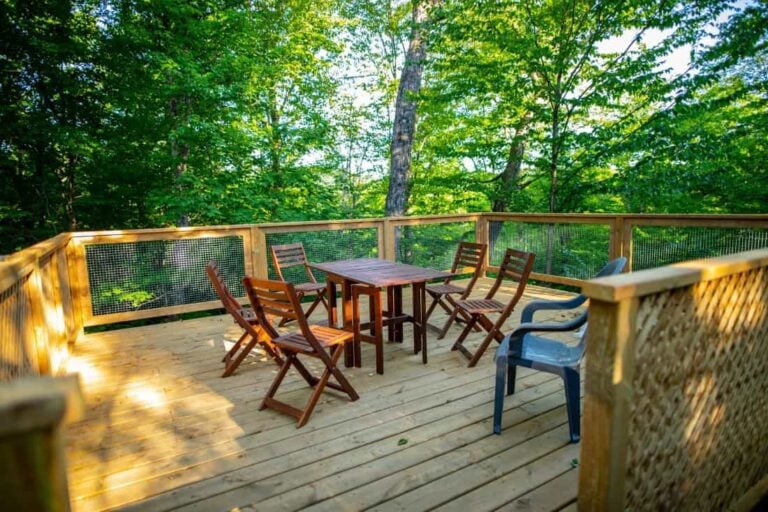
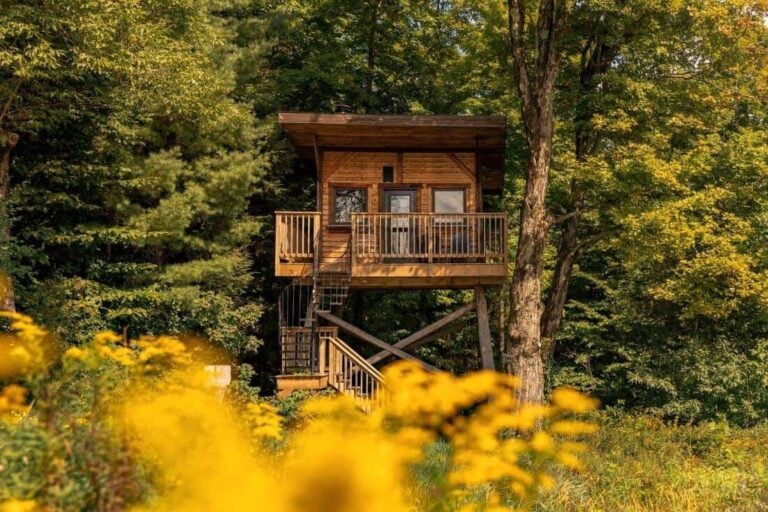
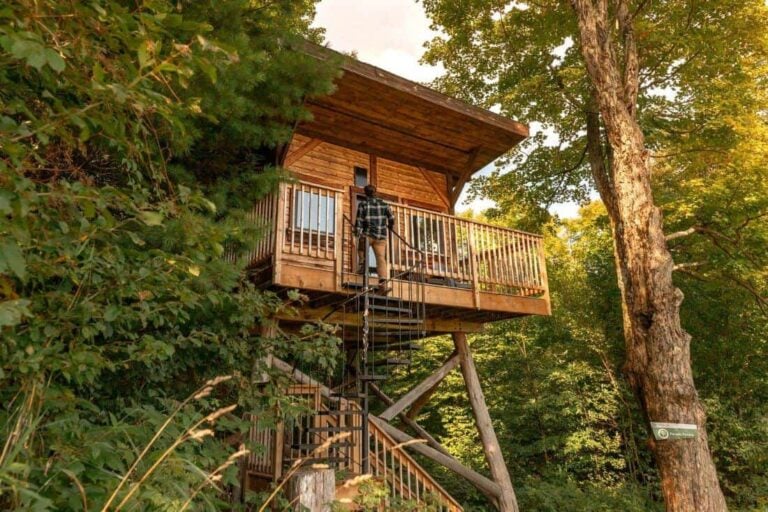
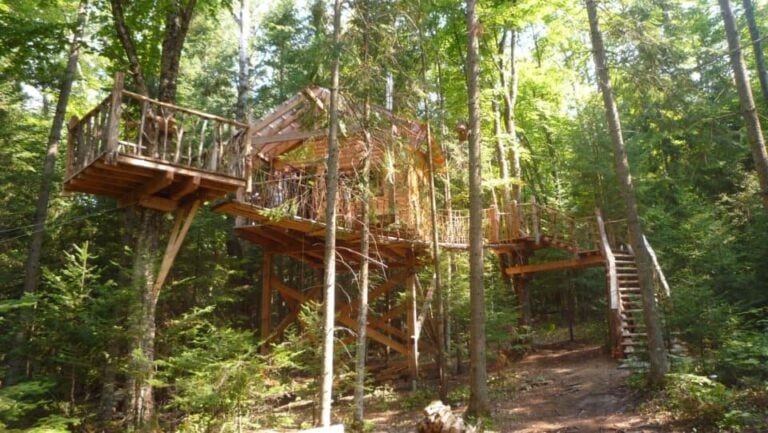
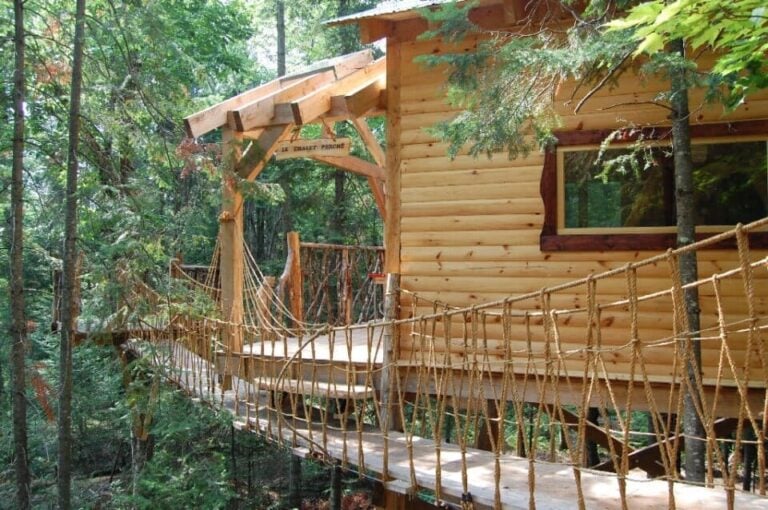
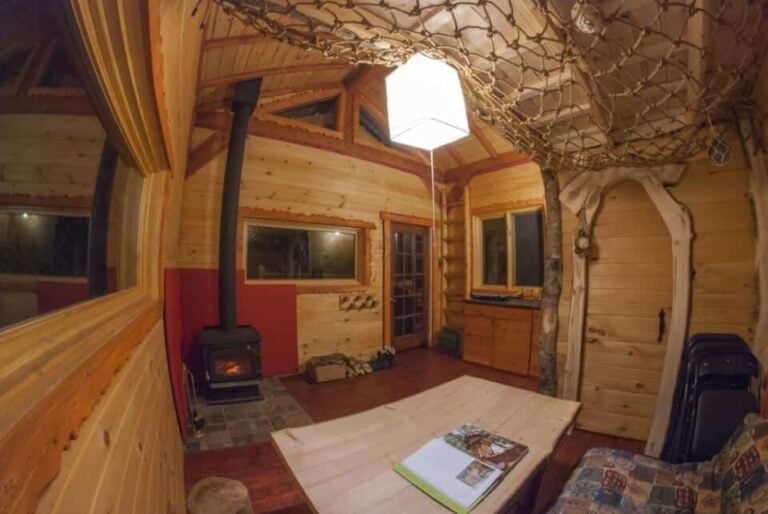

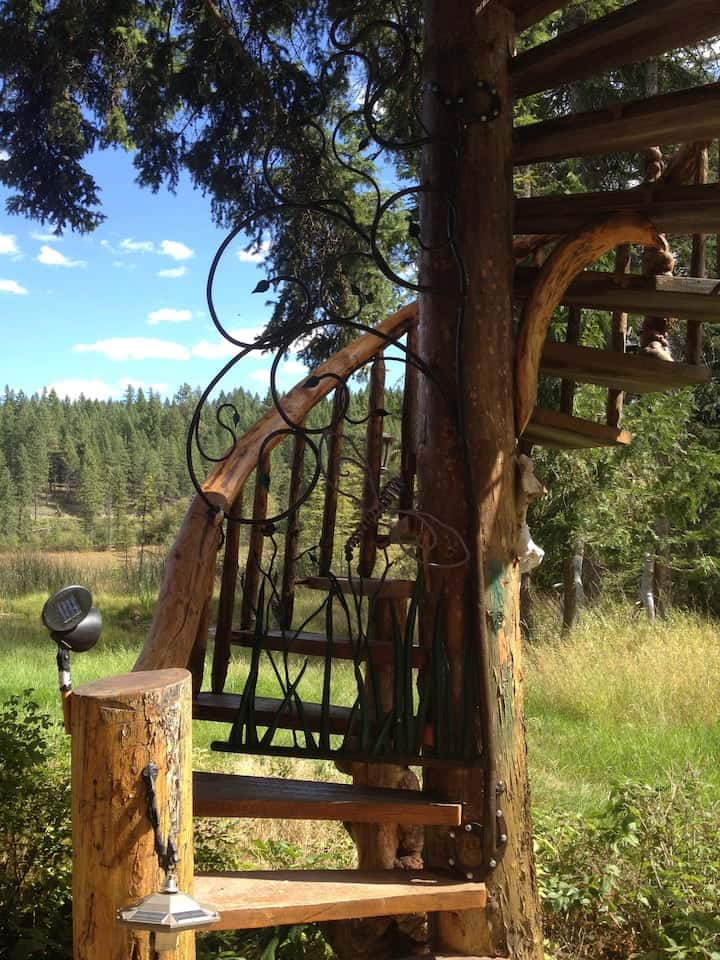
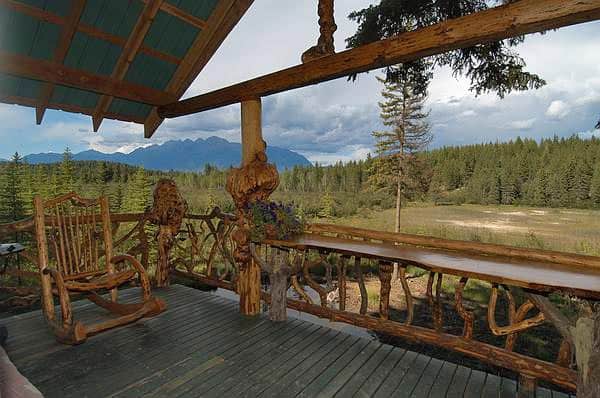

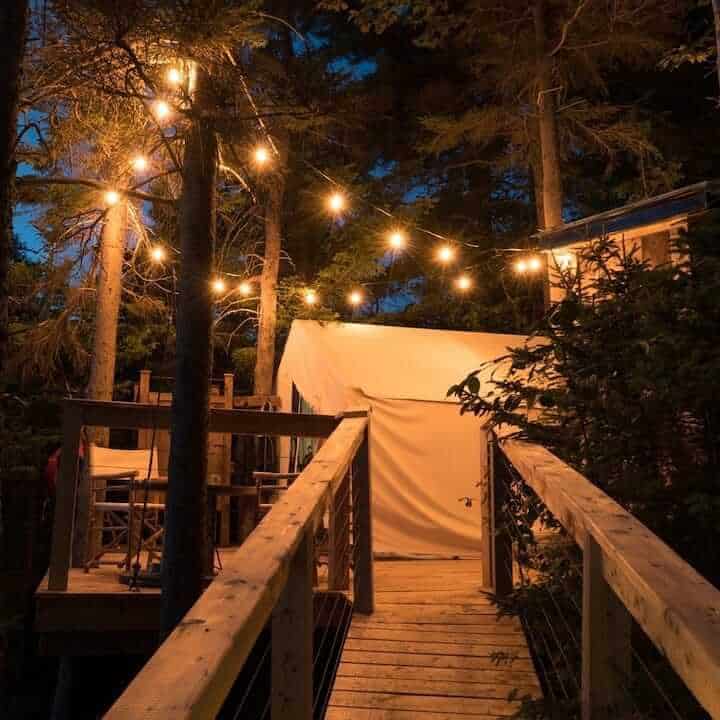


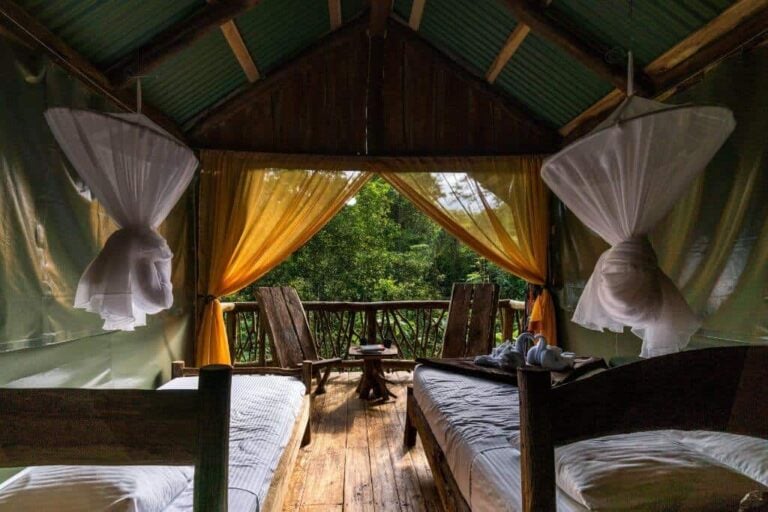
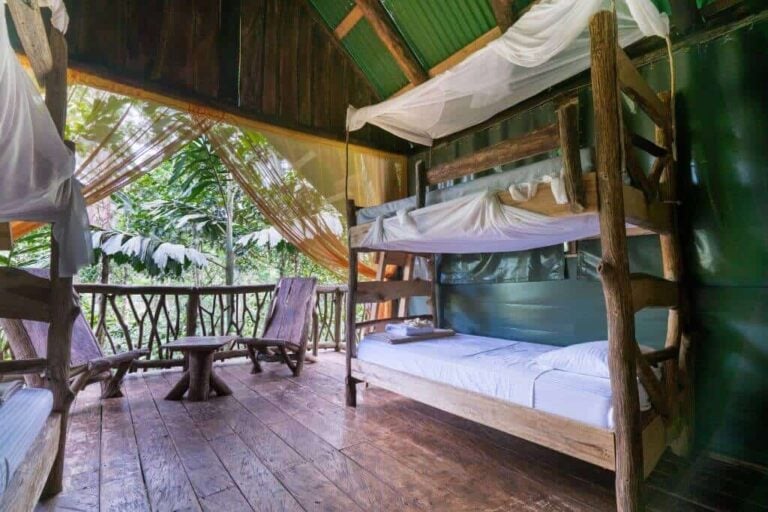


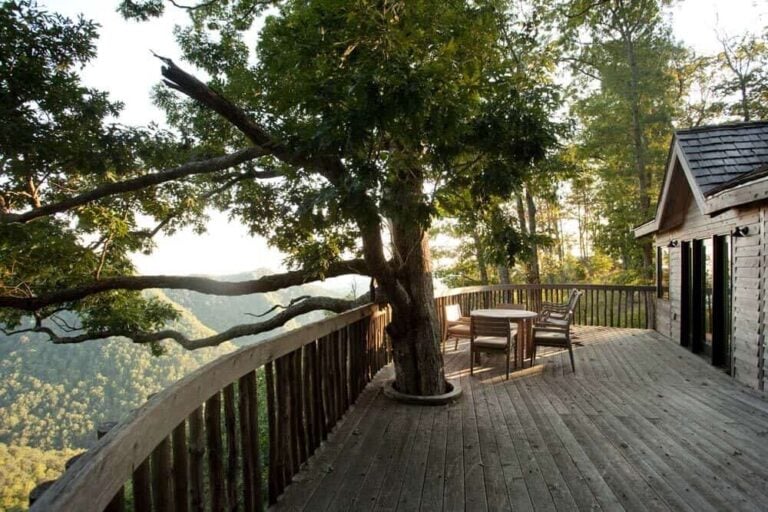
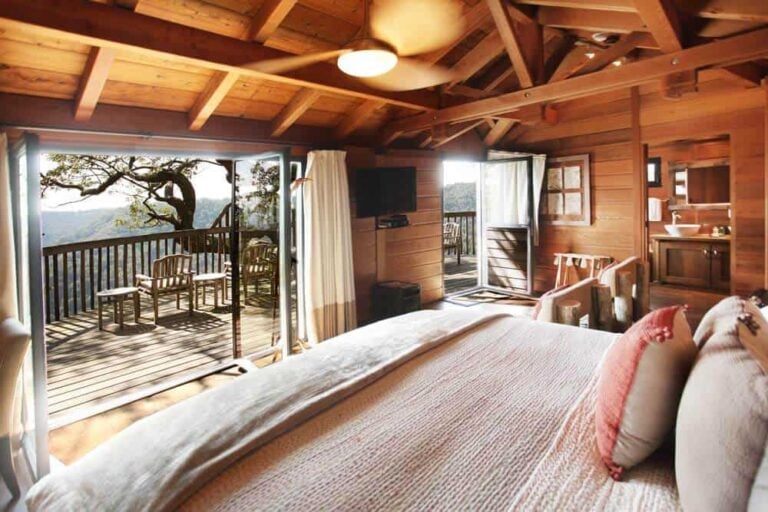
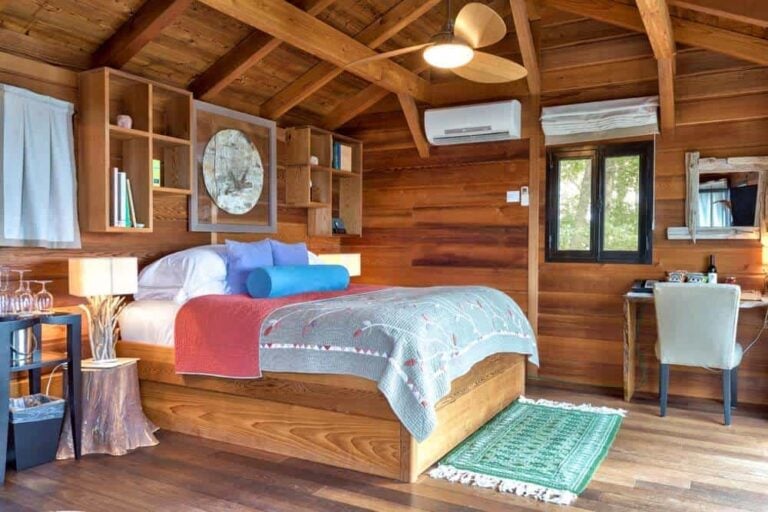
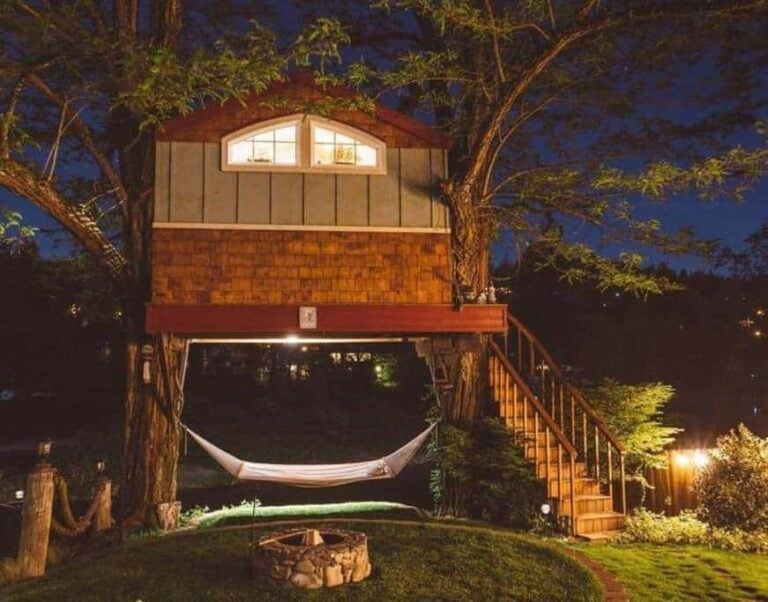
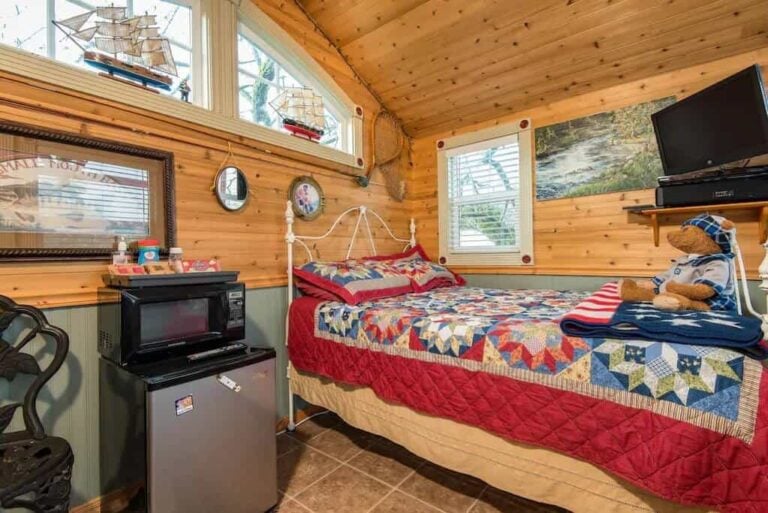
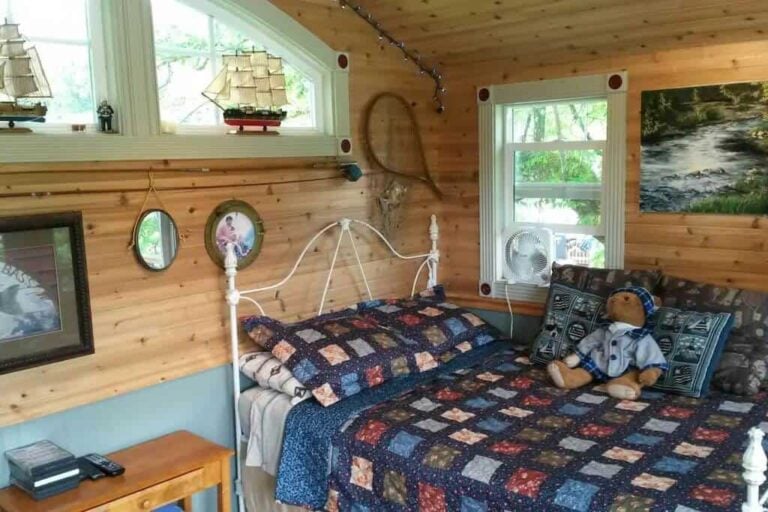
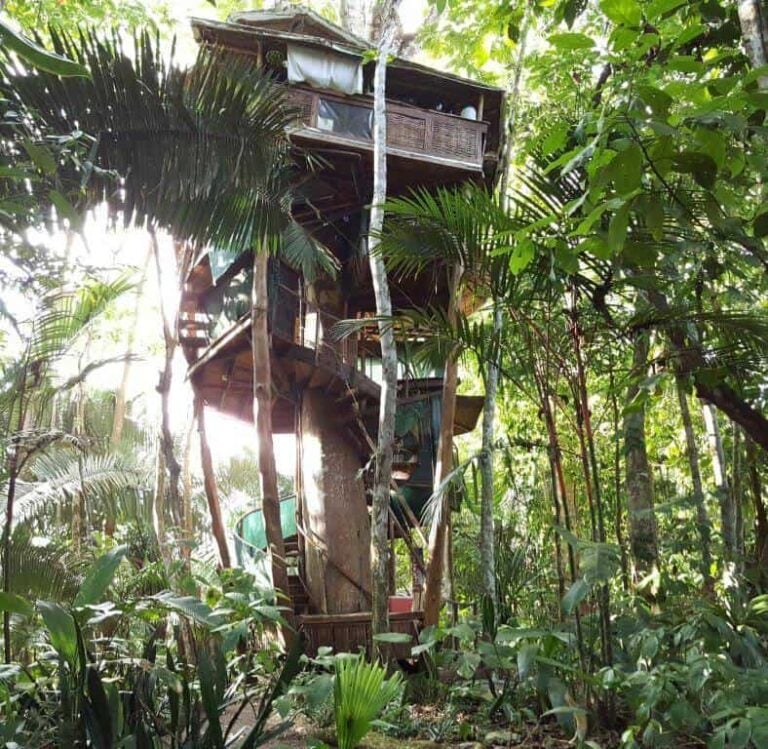
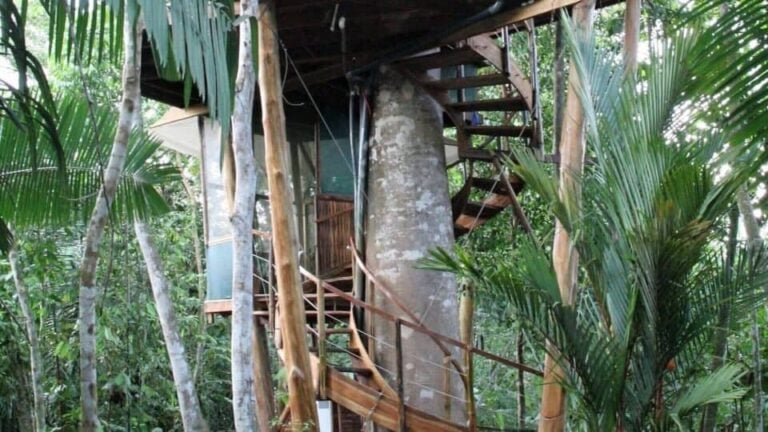
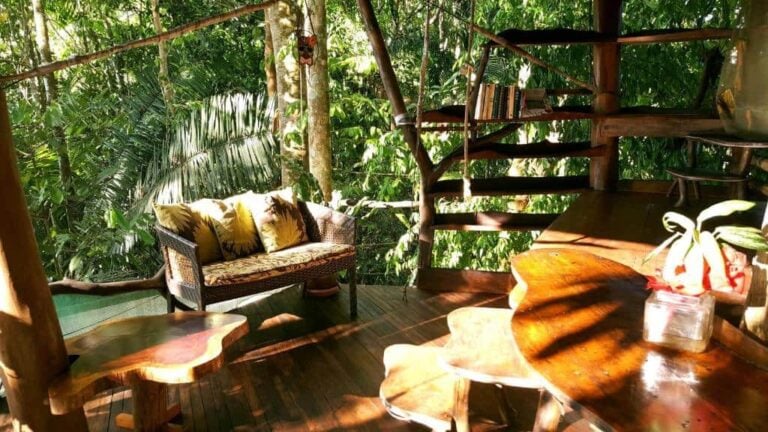
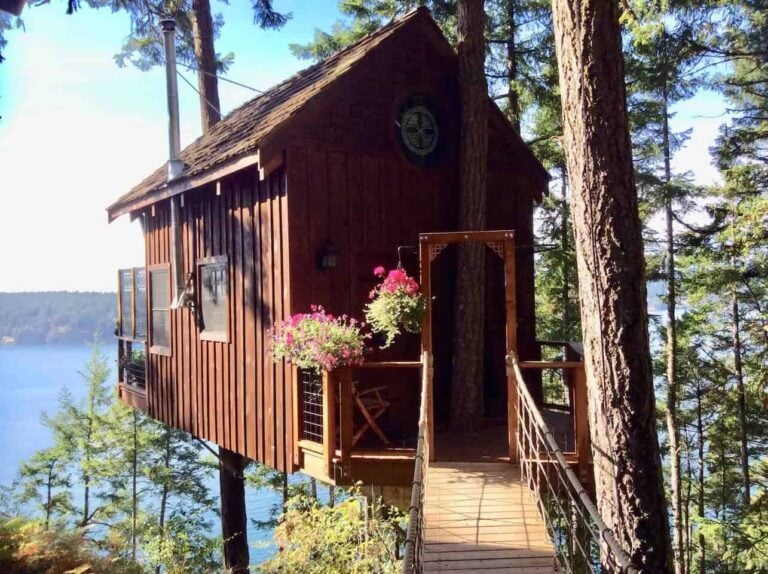
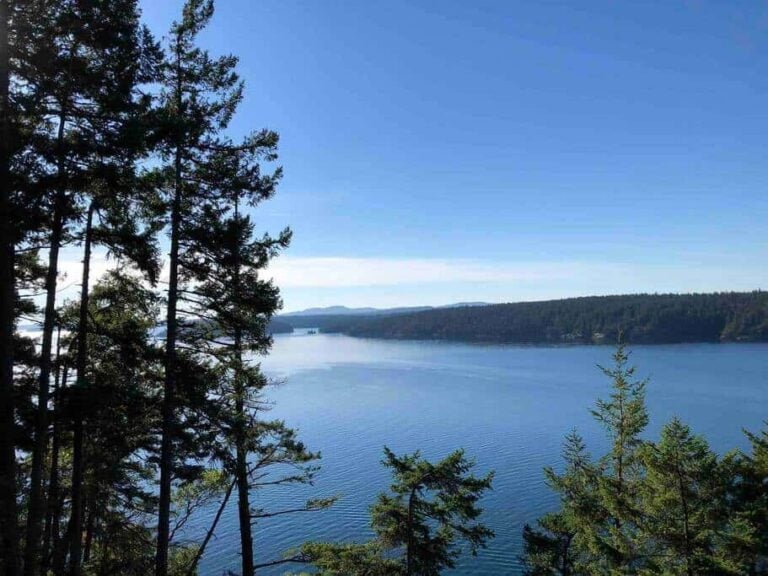
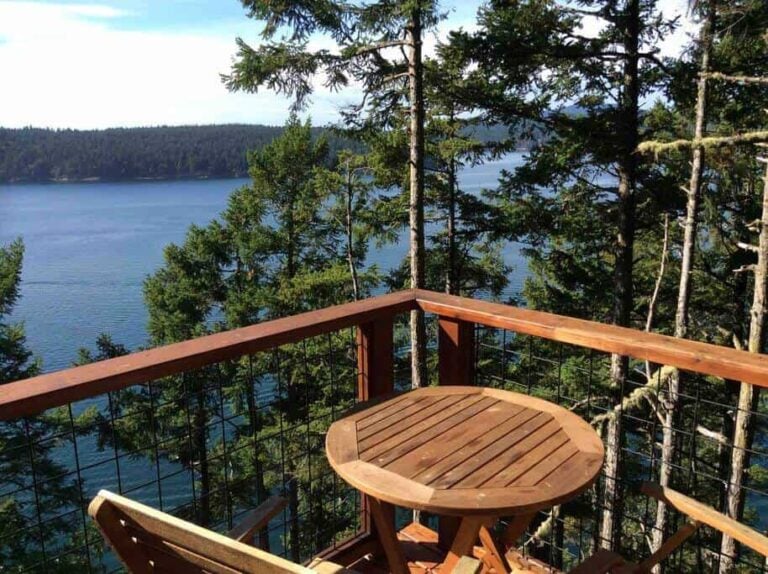
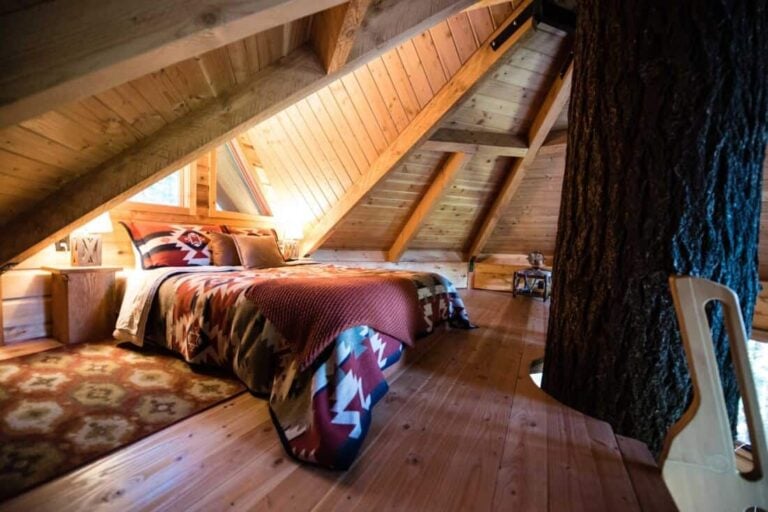
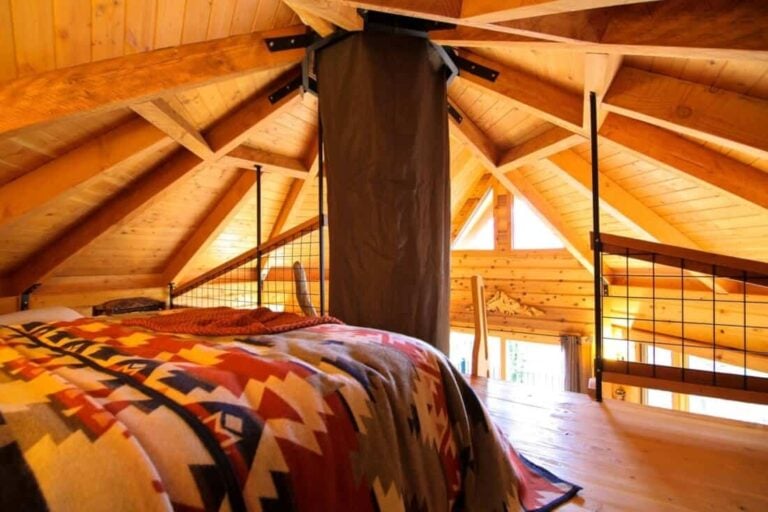
About Americas
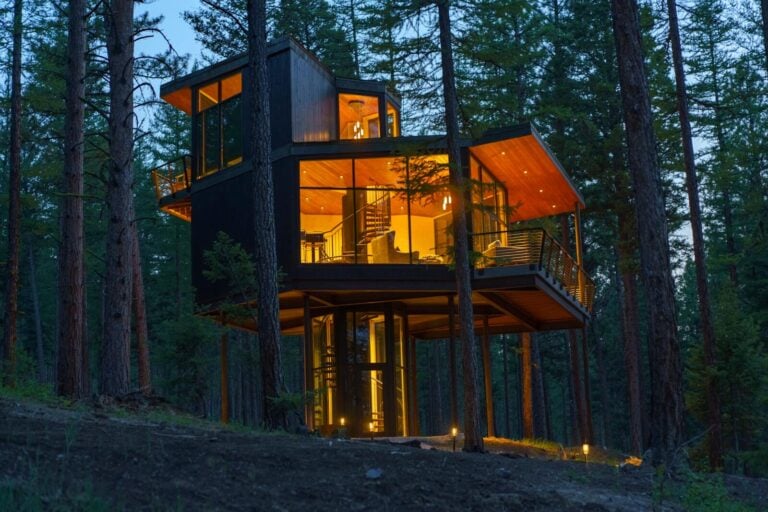
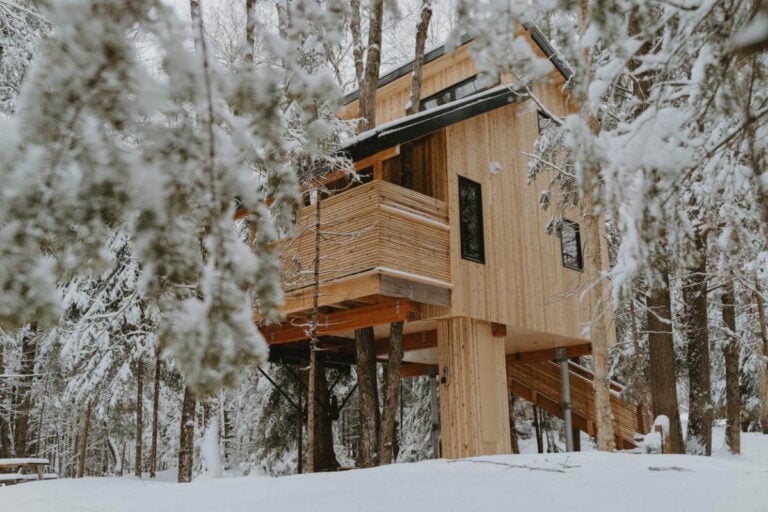
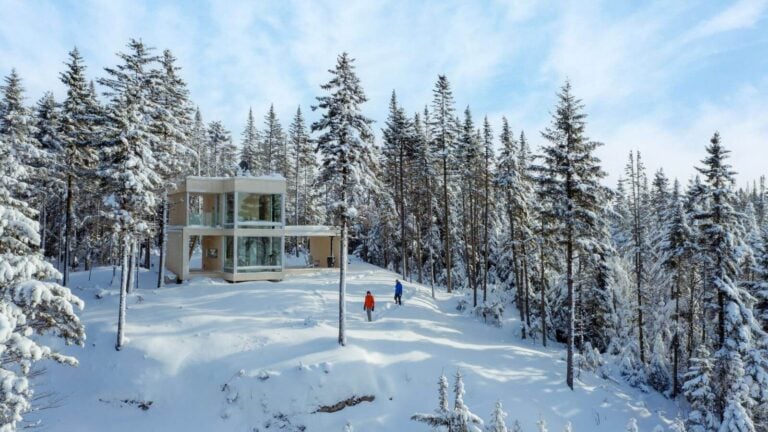
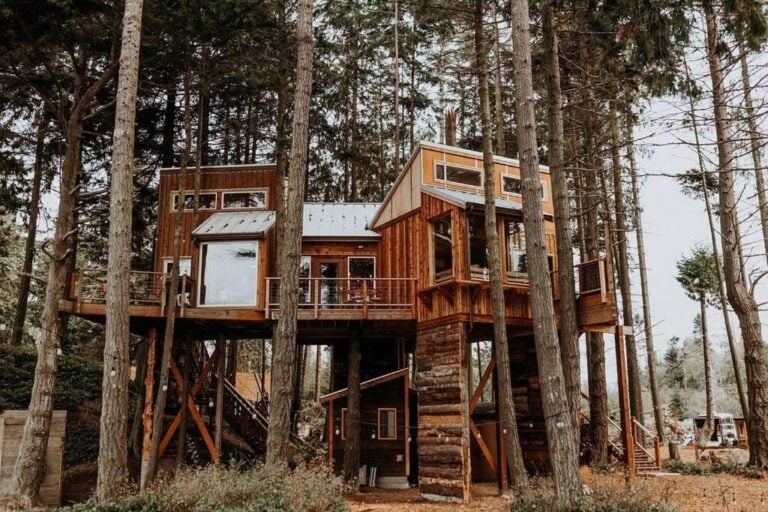
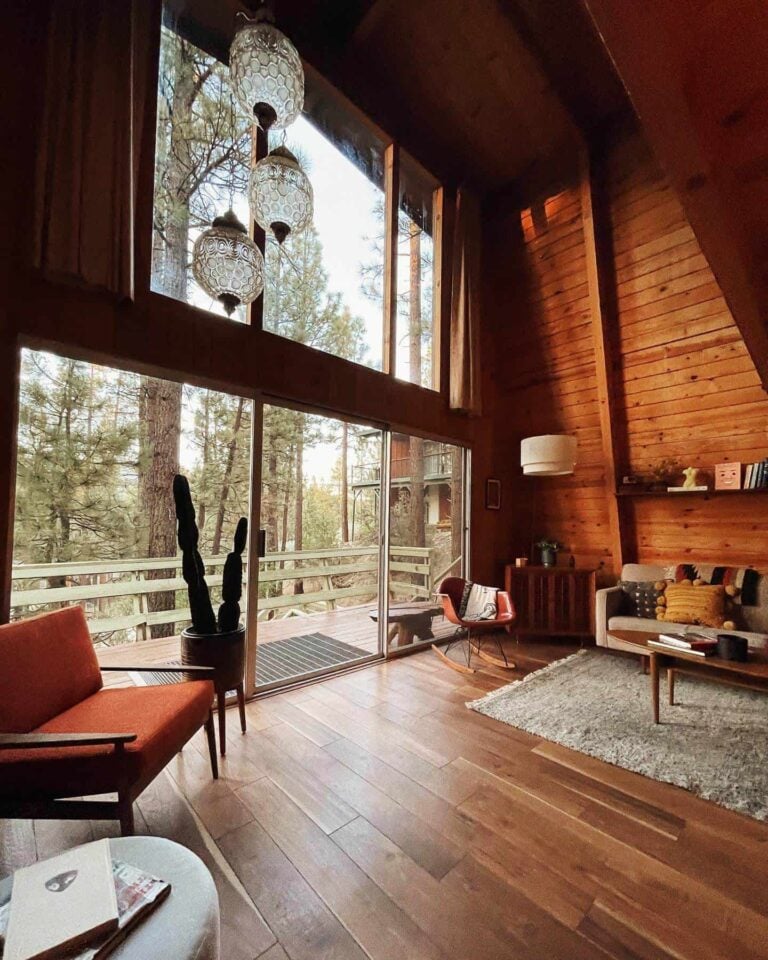
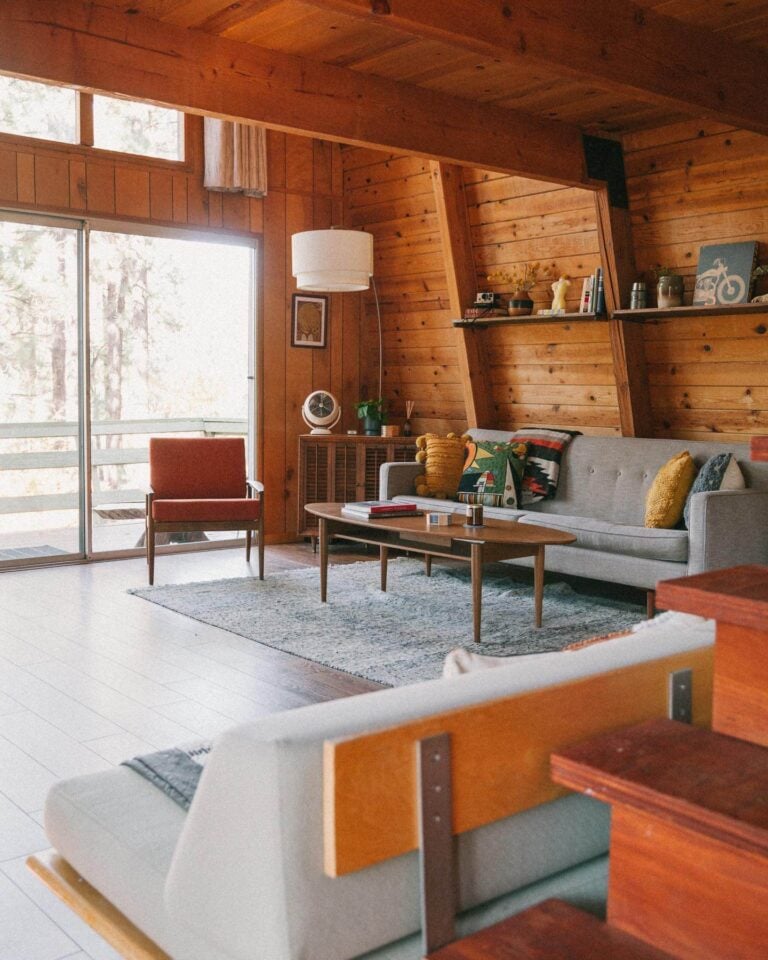
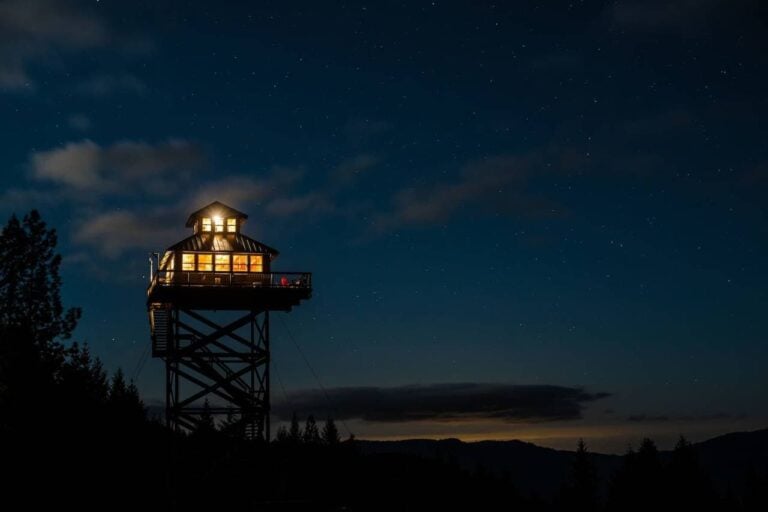
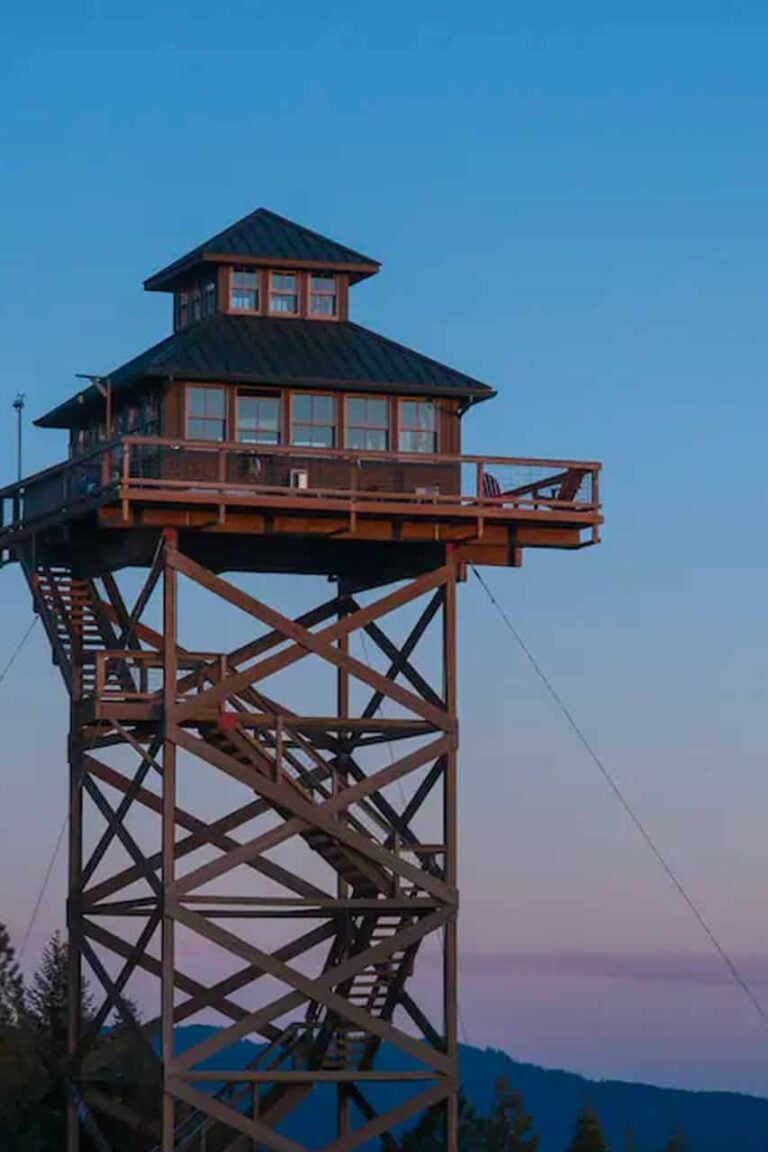
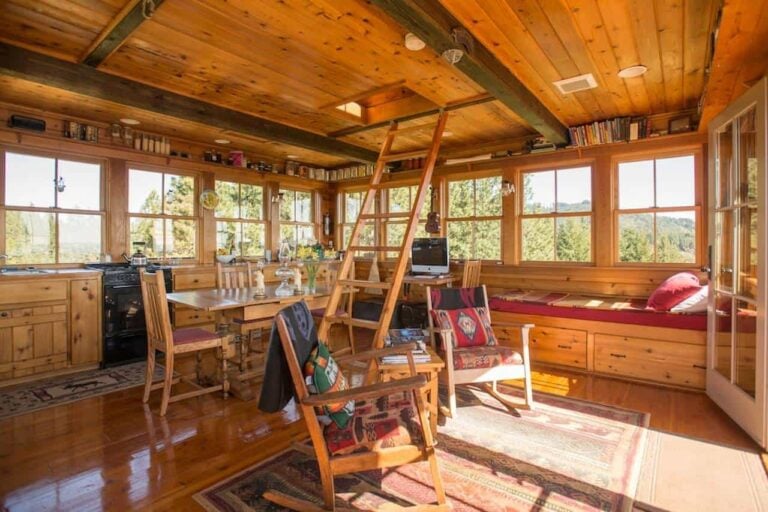
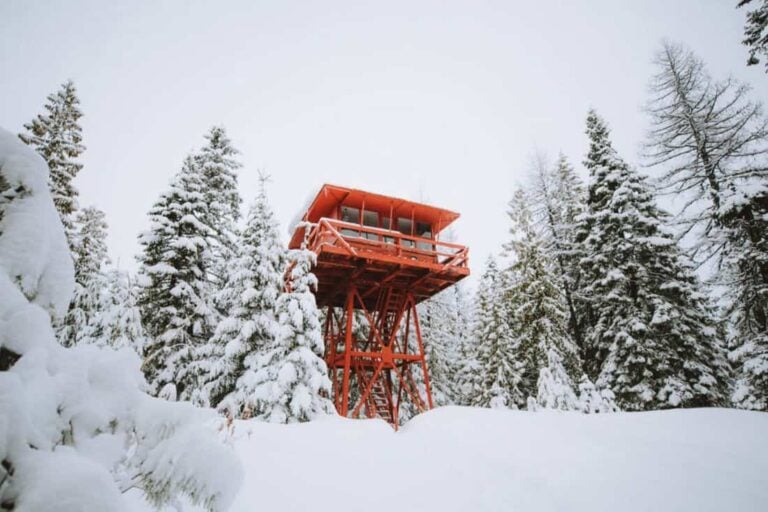
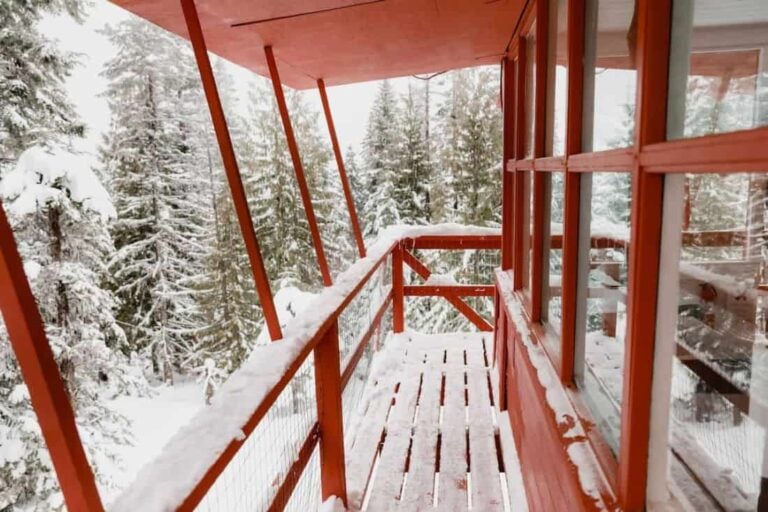
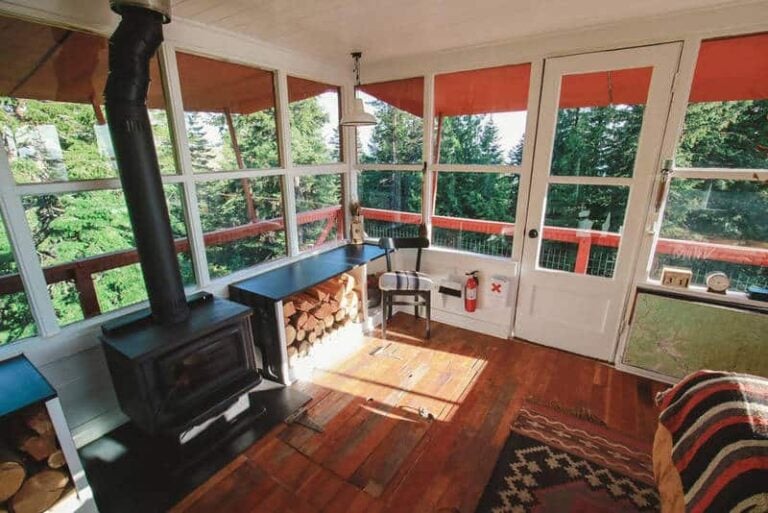
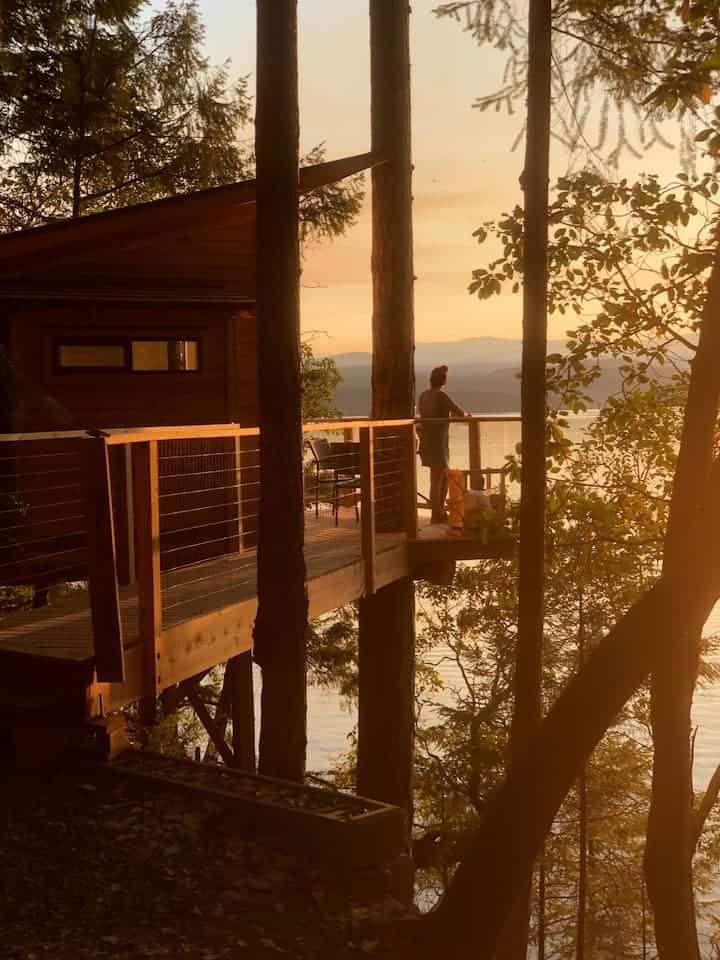
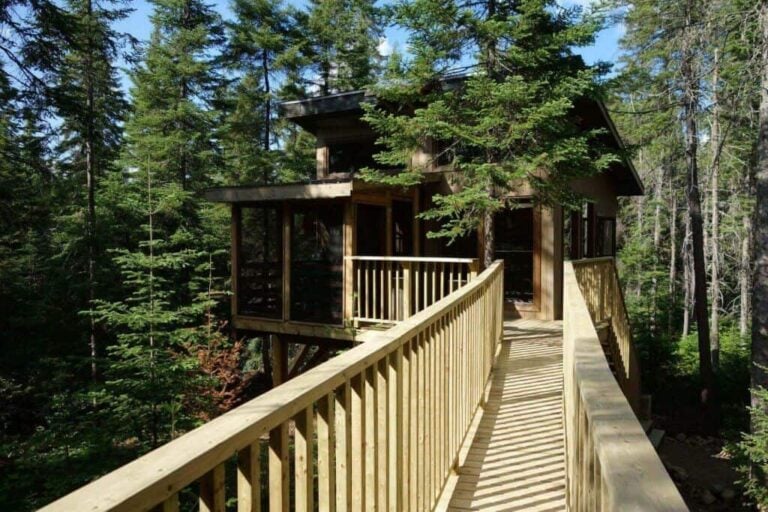
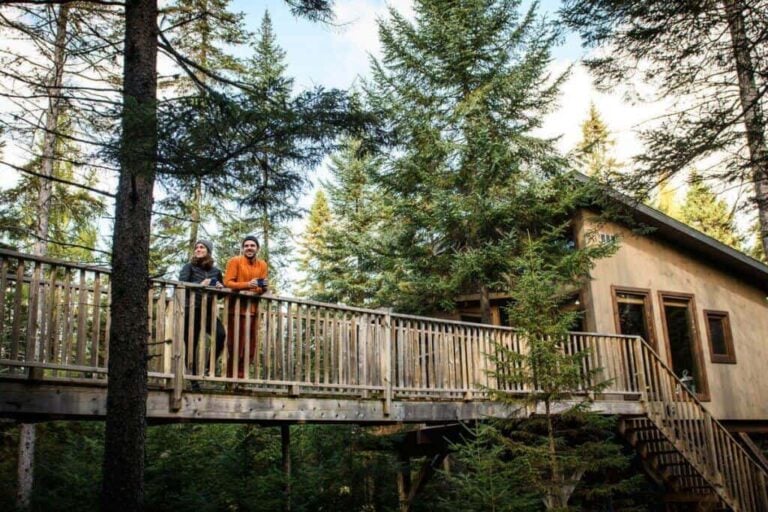
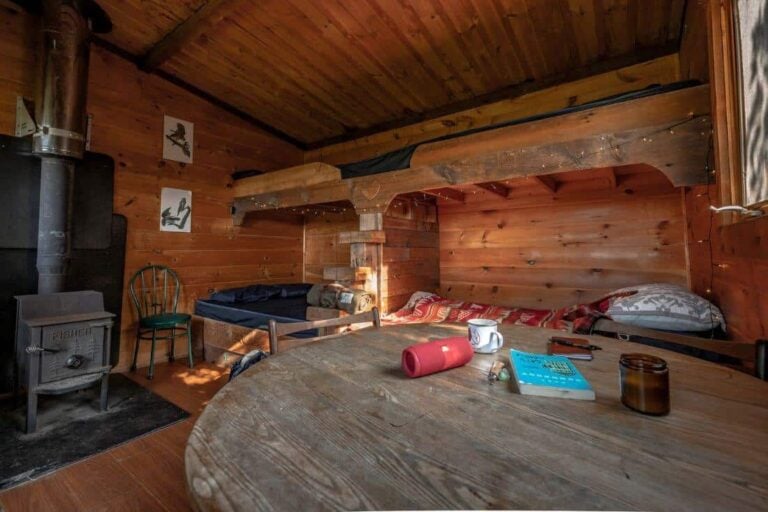
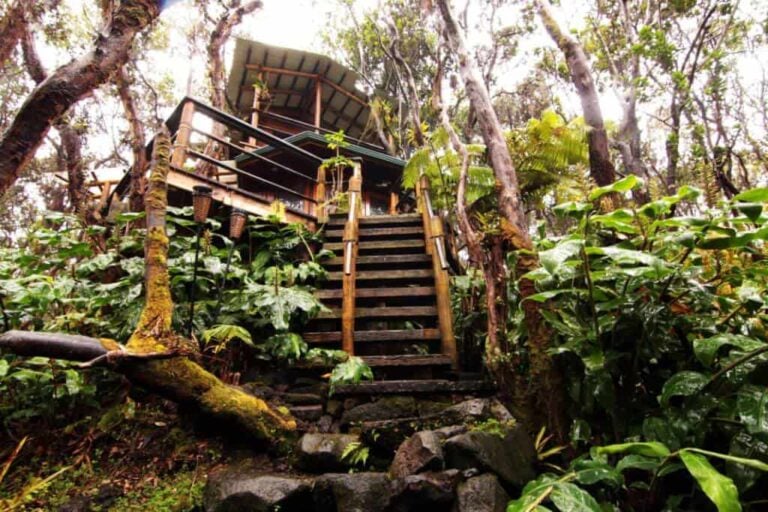
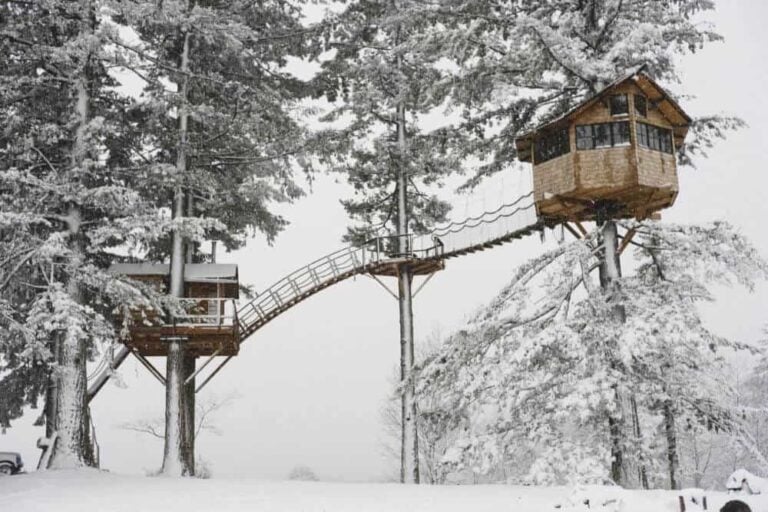
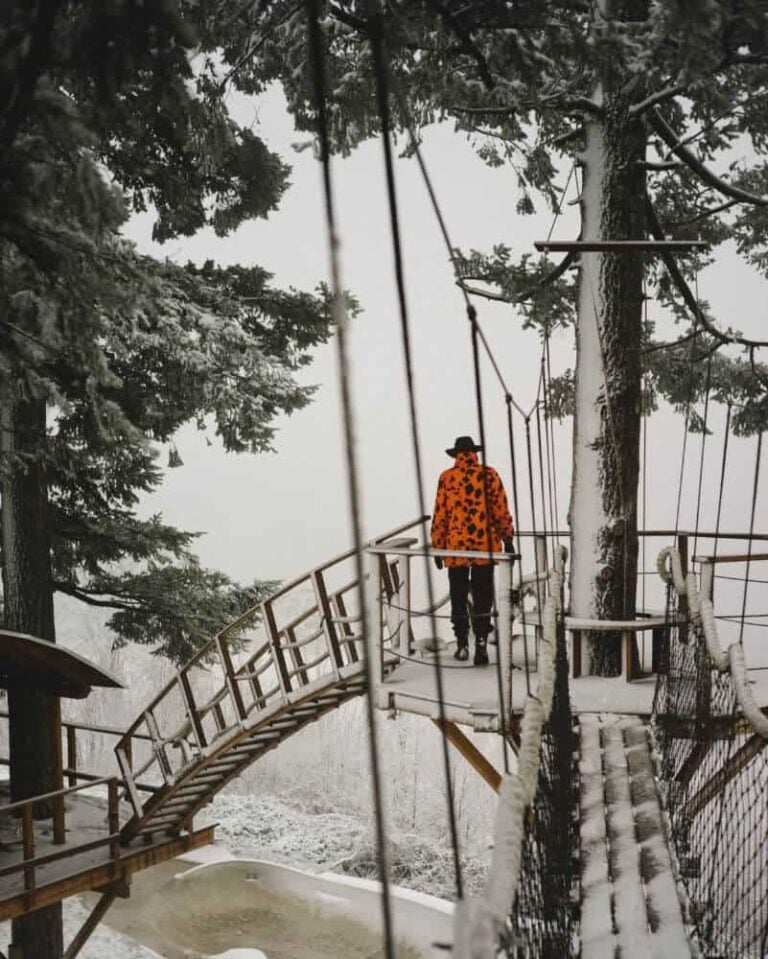
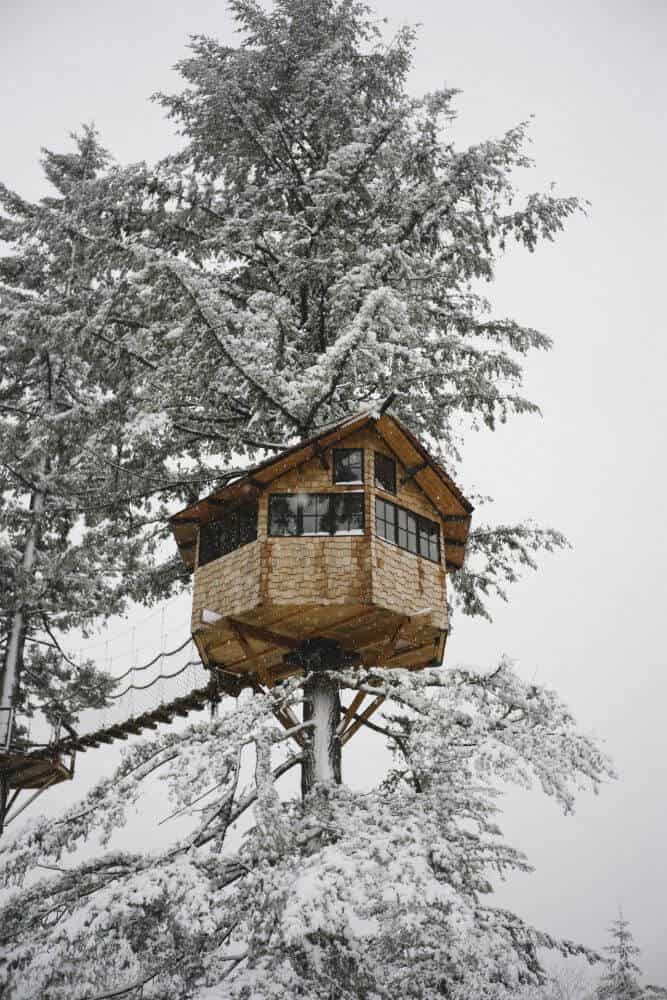
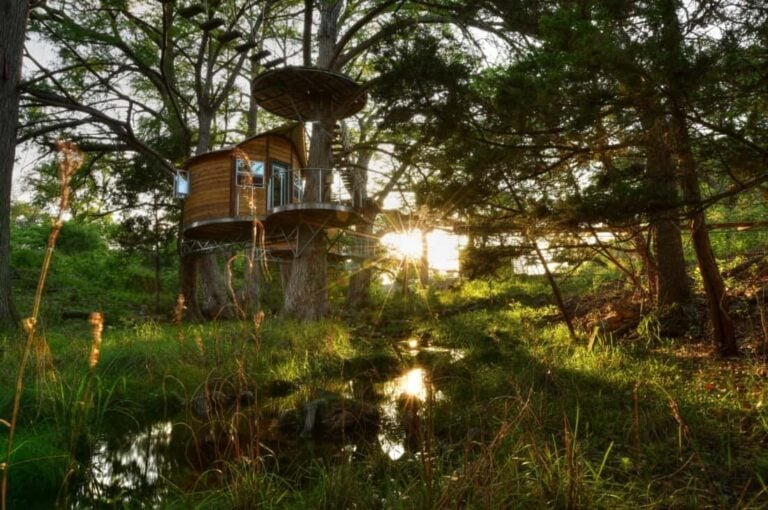
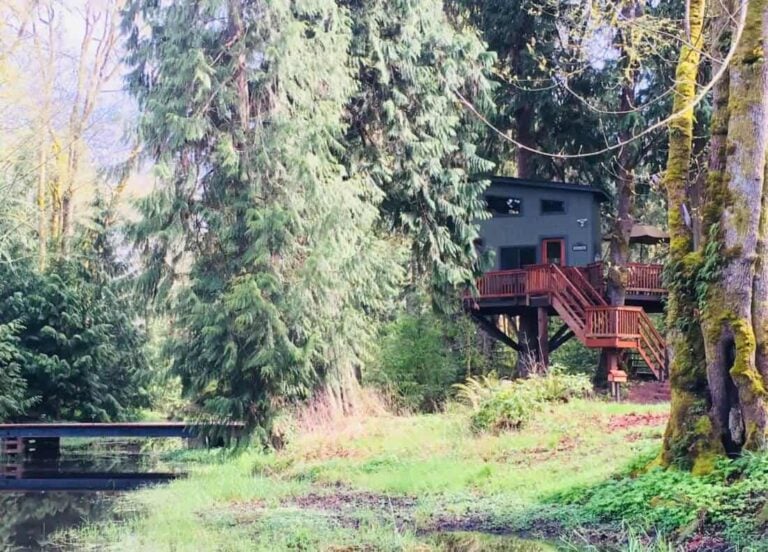
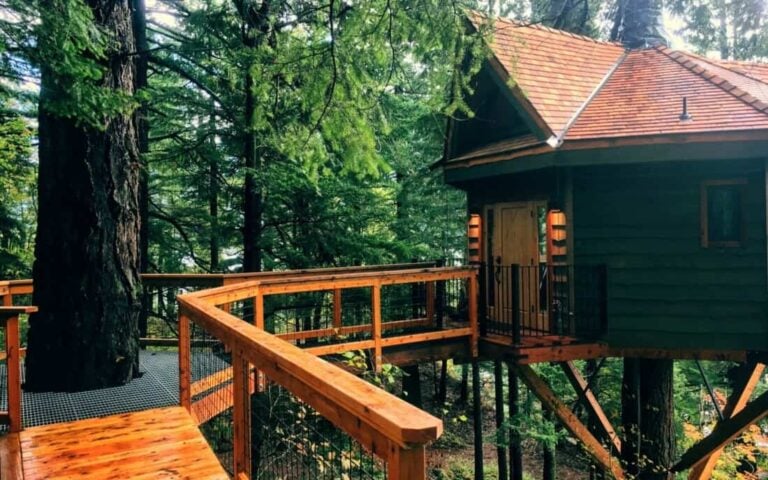
The Americas stretch the idea of sleeping in trees across nearly every climate you can name. Start in the Pacific Northwest, where treehouses nestle into mossy Douglas firs and western red cedars, rain tapping the roof most months of the year. Drive south through California's redwood belt and the scale shifts—suddenly you're perched thirty meters up in trees older than most countries, the forest floor lost in shadow. Cross into British Columbia or Quebec and winter becomes part of the point: snow muffling the woods, a wood stove turning your cabin into a glowing lantern above a frozen lake.
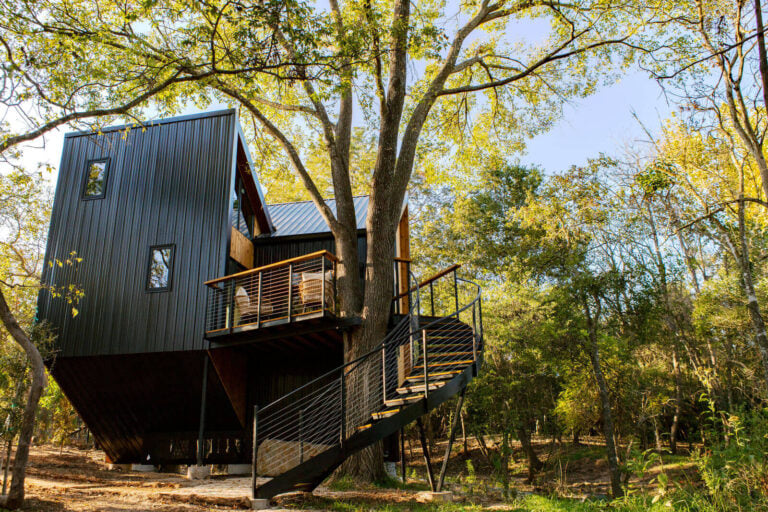
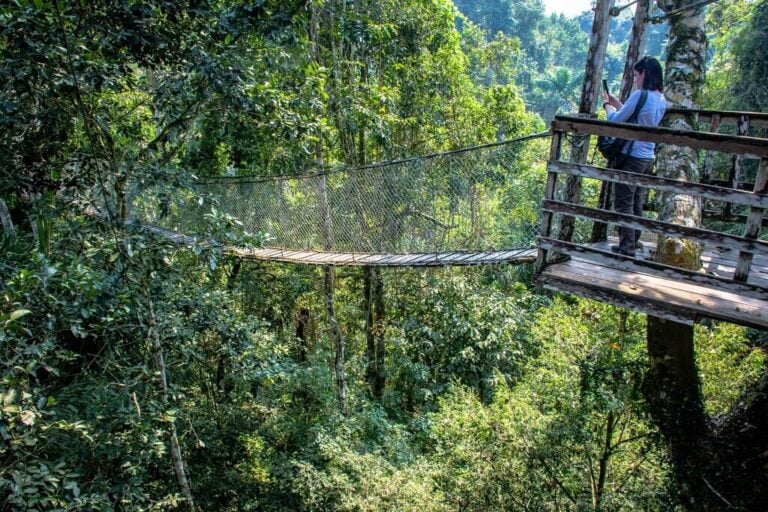
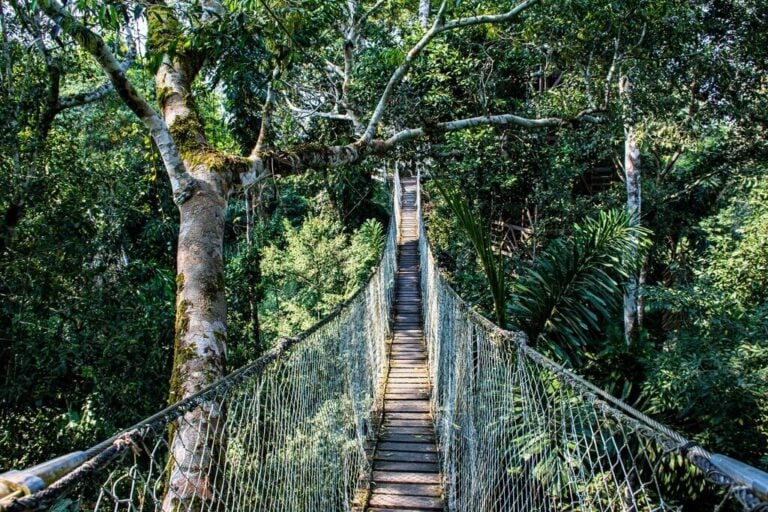
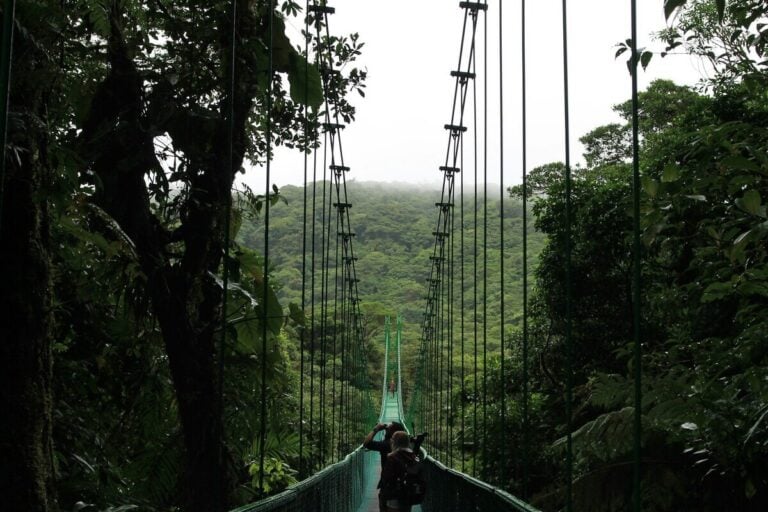
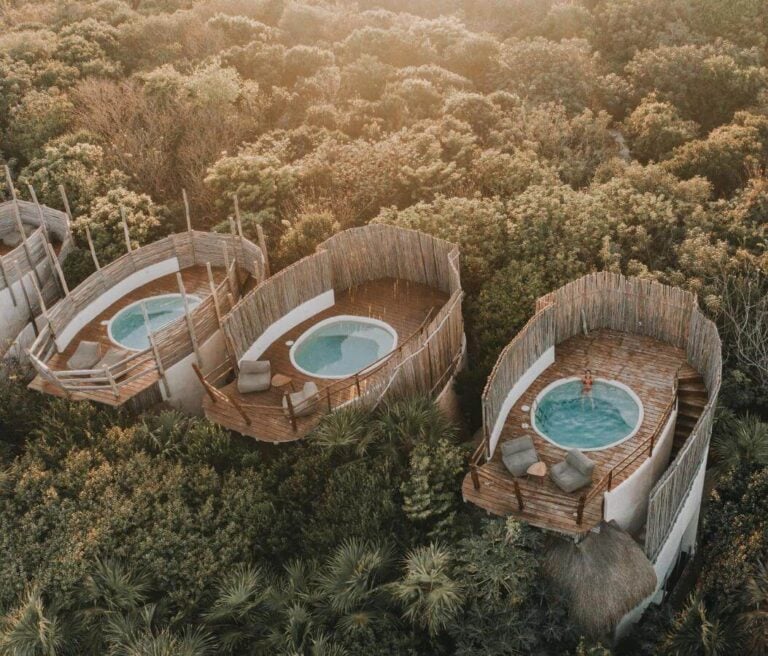
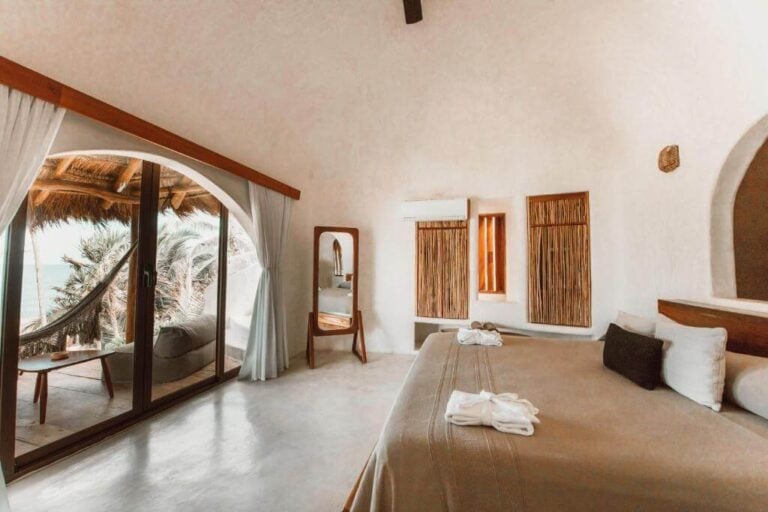
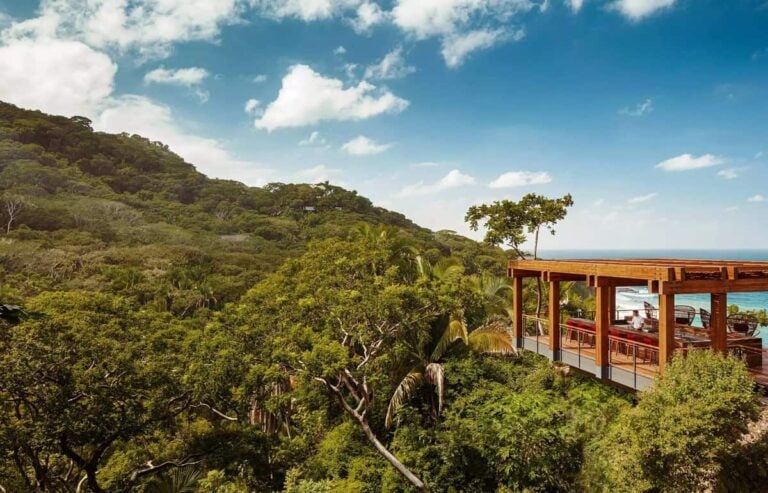
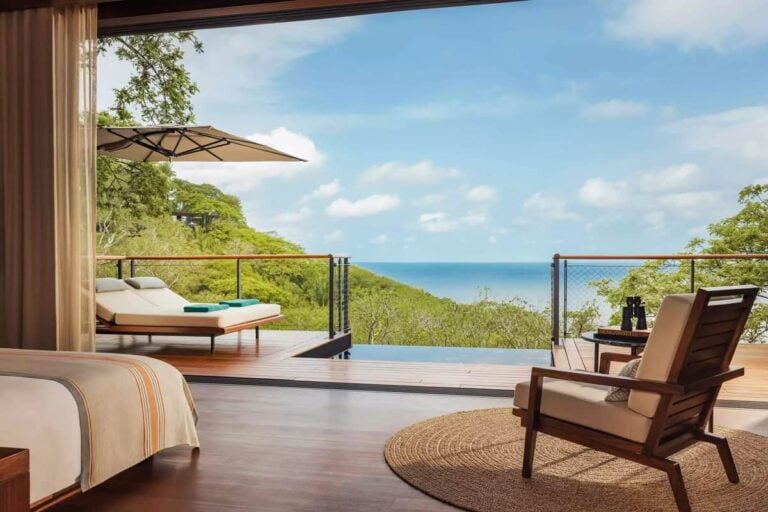
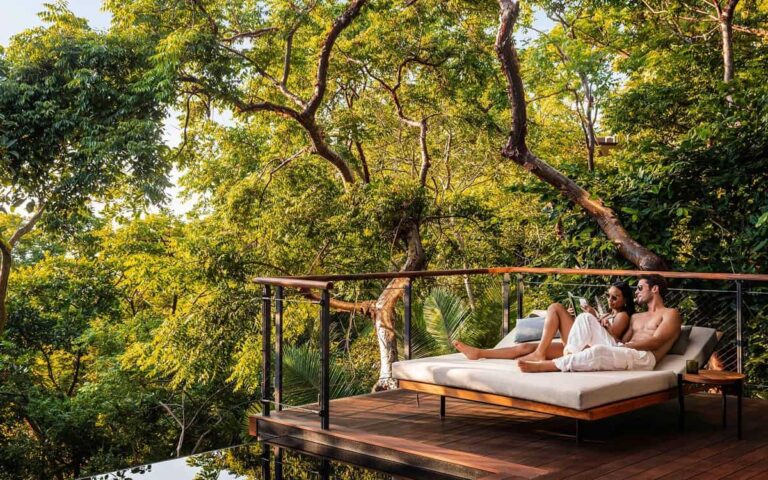
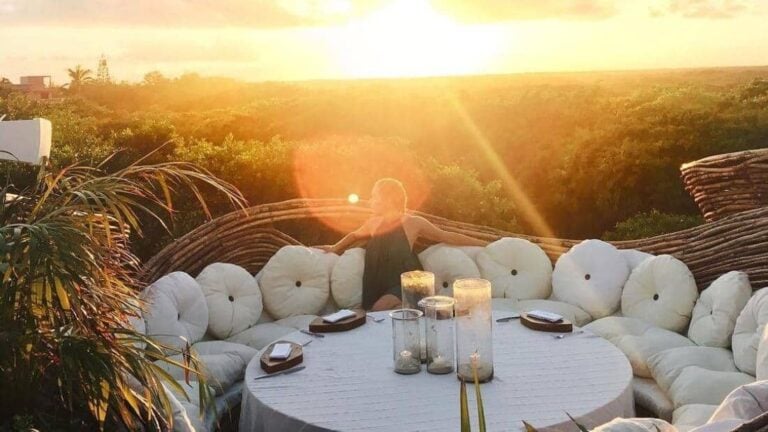
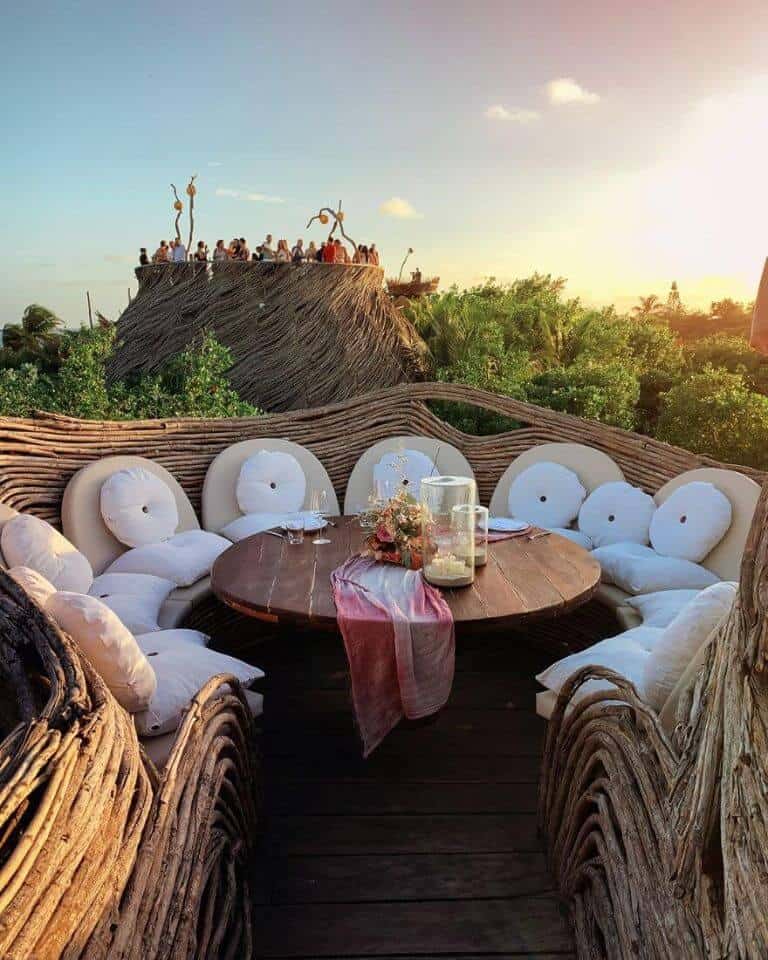
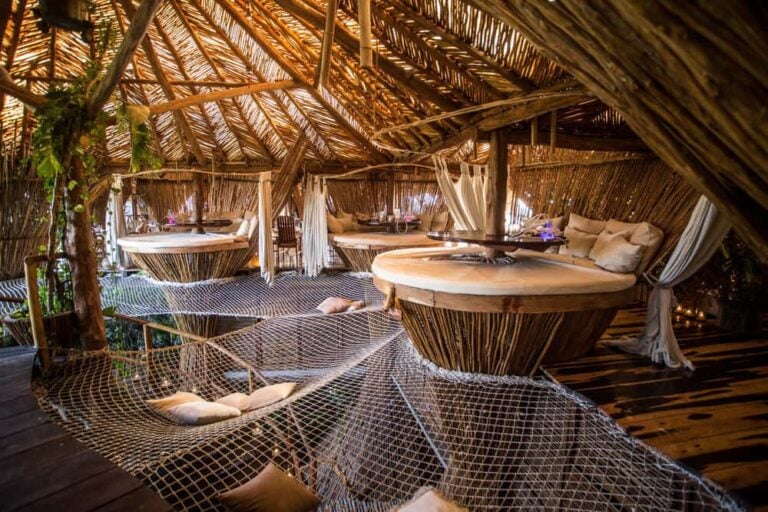
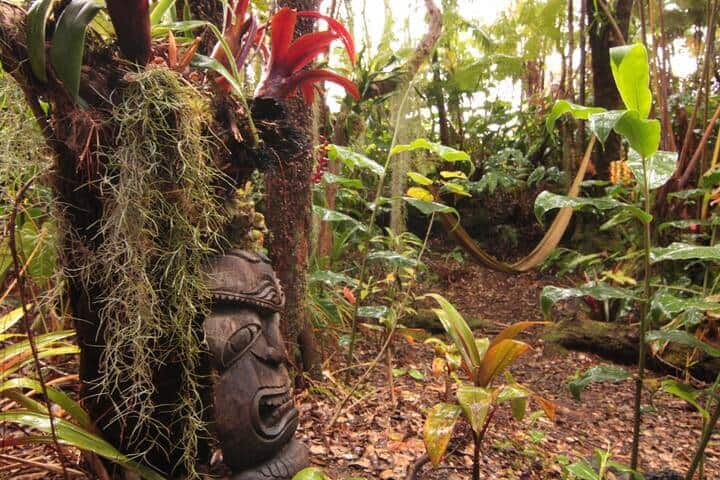
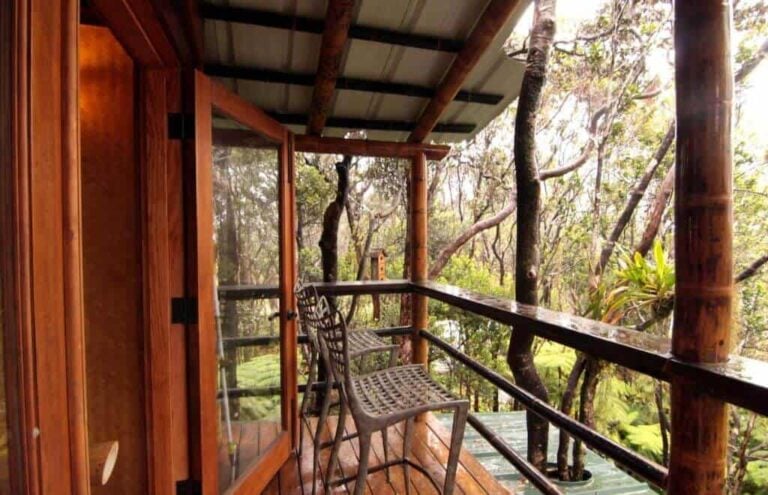
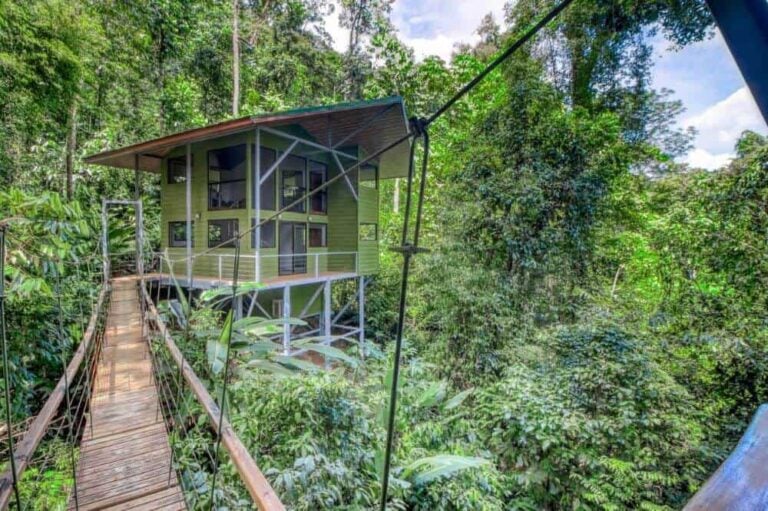
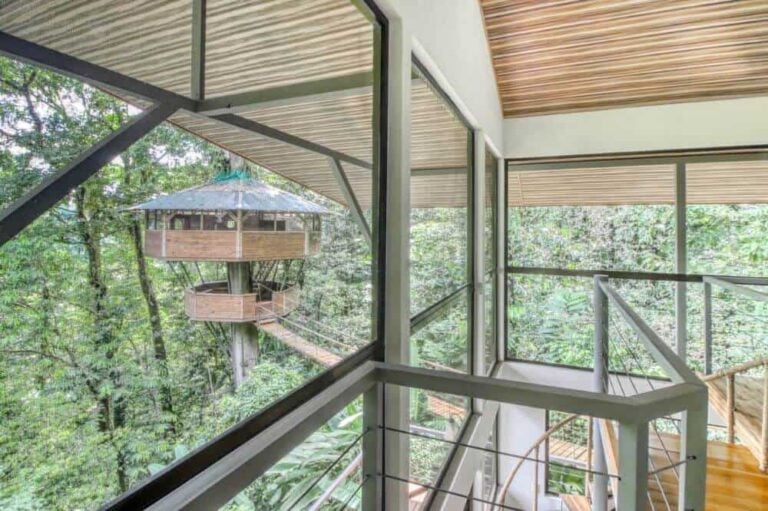
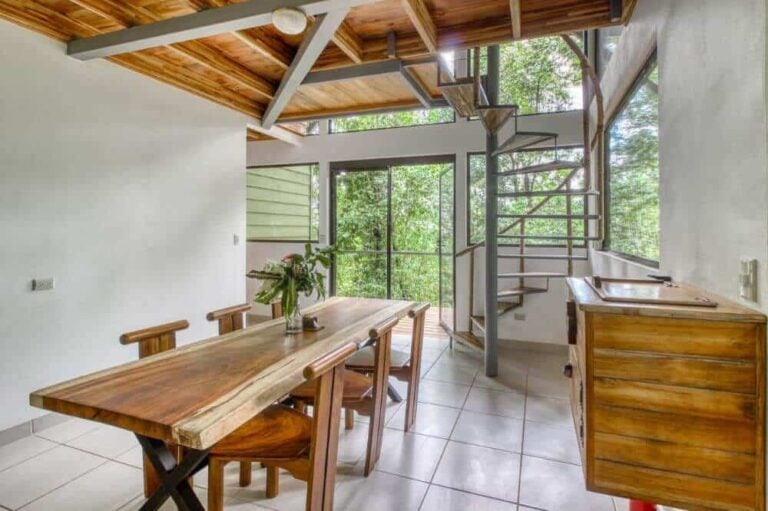
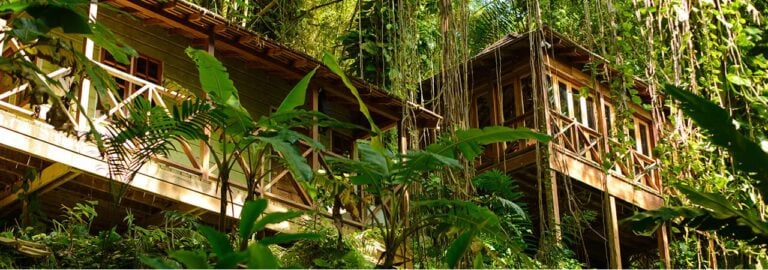
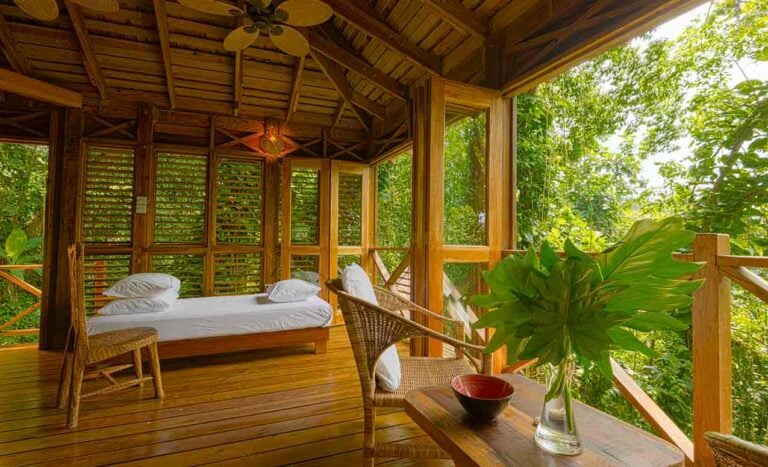
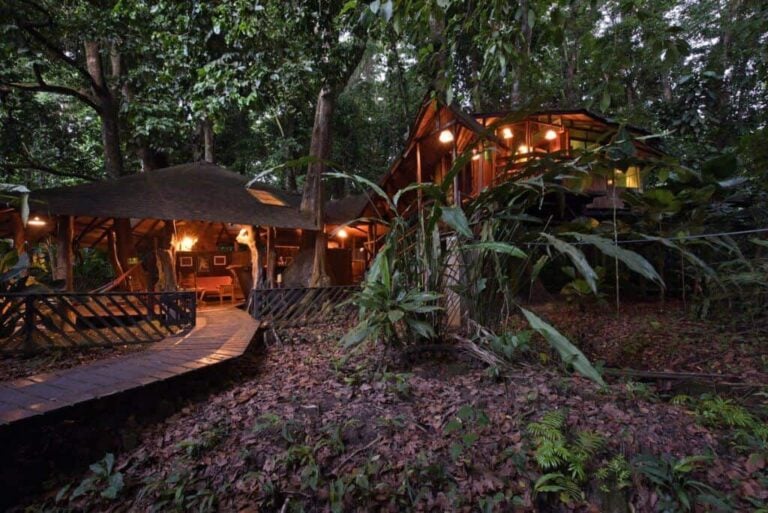
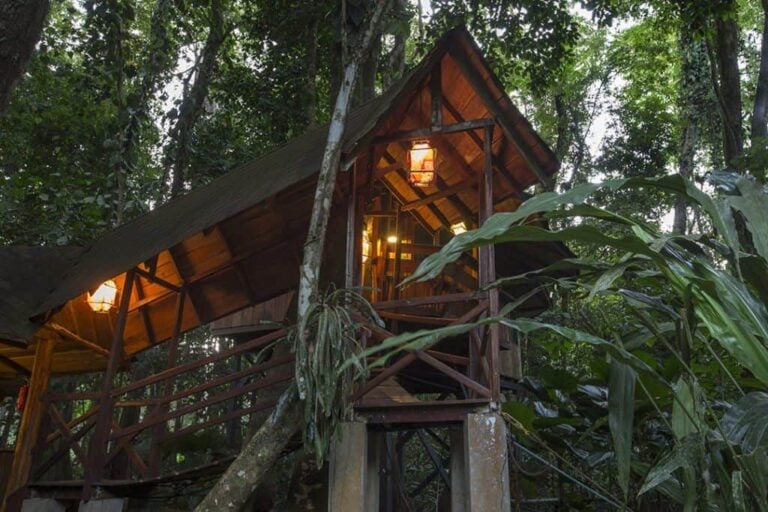
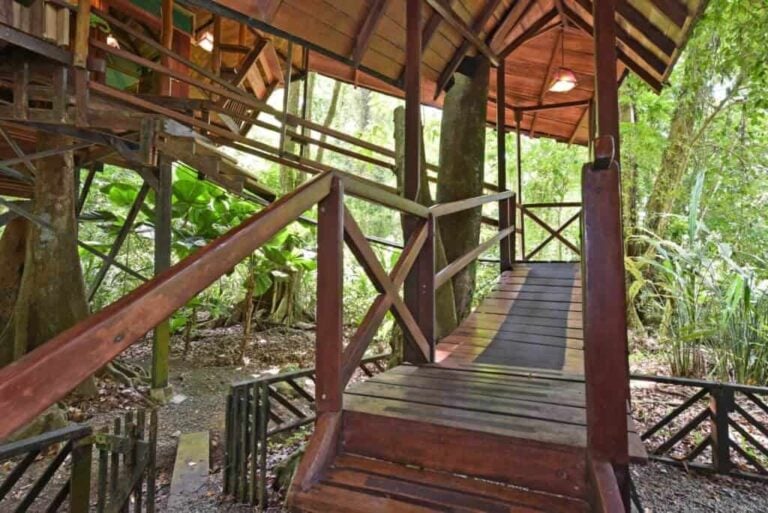
Head toward the equator and the palette goes tropical. Mexico's coastal jungle treehouses smell of salt and wet leaves, parrots loud enough to replace your alarm. Costa Rica has made an industry of this—bamboo walkways threading the canopy, breakfast delivered as howler monkeys argue overhead, lodges wired into serious conservation work. Belize and Panama follow the same script with their own variations: mangrove edges, coffee slopes, cloud forest so thick the air tastes green. These aren't rustic cabins tacked onto branches; many are designed spaces where the engineering is as considered as the view.
Then there's the Amazon. Lodges in Brazil, Peru and Ecuador raise you just high enough to watch the forest operate at eye level—macaws threading the canopy, the occasional tamarin working the vines, night sounds that turn the darkness into an event. Access typically means charter flights and boat transfers; these are multi-day commitments, not spontaneous weekend escapes. The better operators fund the forest they're built into, so your stay doubles as a conservation deposit.
Booking rhythms vary sharply by region. Iconic properties in Washington and Oregon fill three to six months ahead during summer; remote Amazonian lodges often have availability within weeks, especially outside high season. Climate matters as much as calendar: the Pacific Northwest is lush and wet from November to March, dry and busy May through September. Costa Rica's dry season runs December to April, though the so-called green season brings fewer crowds and still-functional weather. The Amazon operates on a different logic entirely—wetter months mean higher rivers and better wildlife access, though mosquitoes vote accordingly.
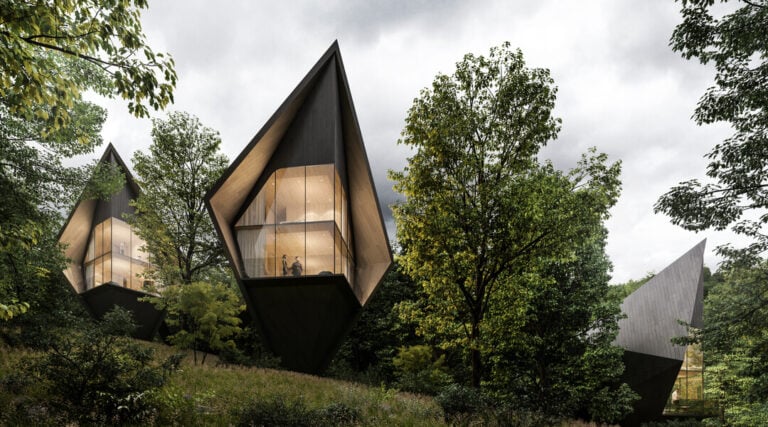
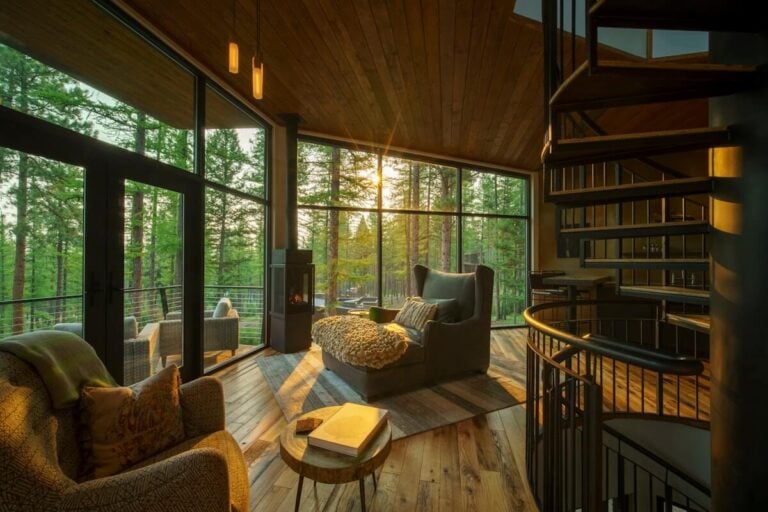
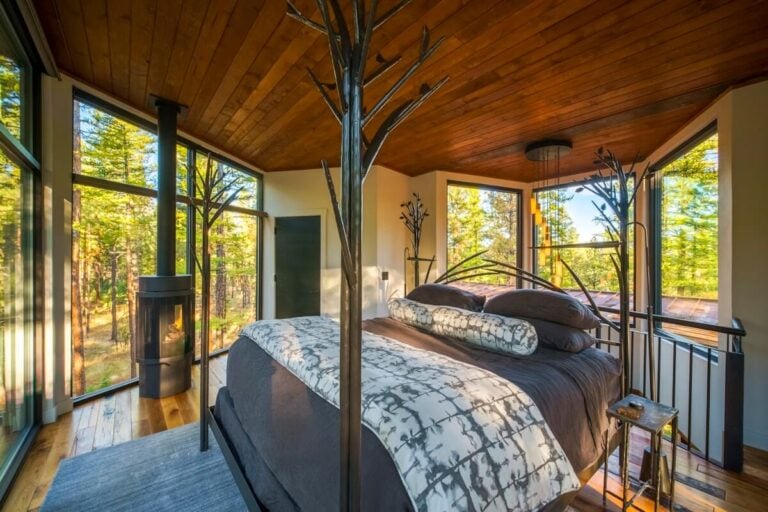
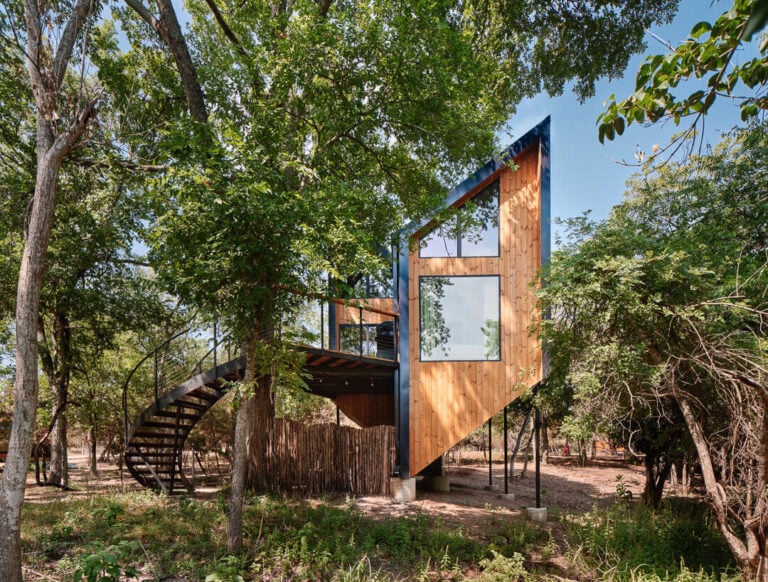
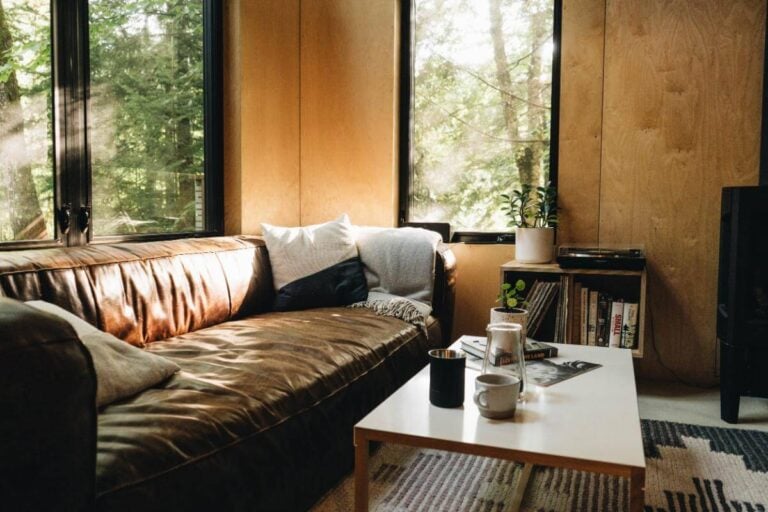
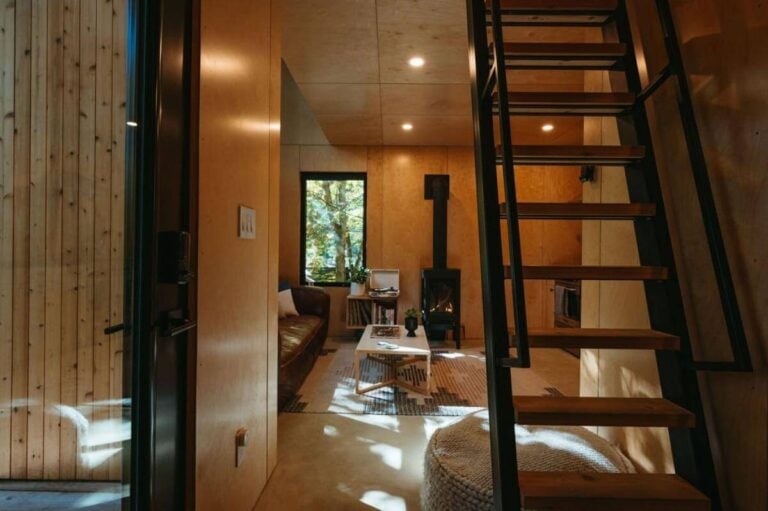
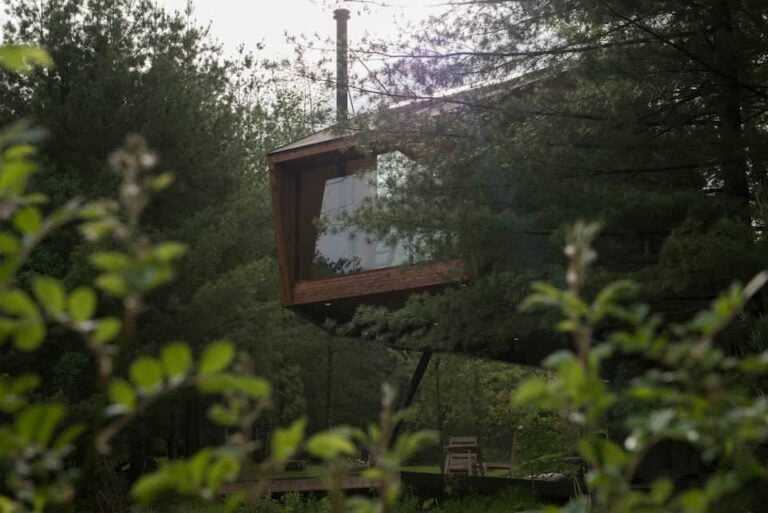
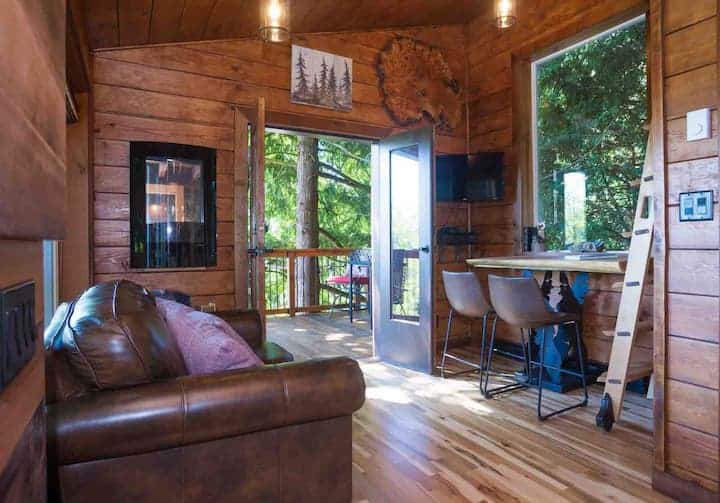
Treehouses across the Americas aren't one thing. You'll find glassy minimalist cabins an hour from Seattle, barefoot-luxe perches above Oaxacan hillsides, and scientific-station-grade lodges deep in Peruvian primary forest. What they share is a trade: fewer walls, more world. Whether you're watching fog unroll through redwoods or waking to the hydraulic chorus of a rainforest dawn, the room stops being the point. The canopy is.
Frequently asked questions about Americas
What's the best time of year to visit treehouse stays in the Americas?
It depends which part of the continent you're aiming for. The Pacific Northwest is driest and busiest from May through September, though November to March delivers the region's signature moody rain if you want that cozy-cabin atmosphere. Costa Rica's dry season runs December to April, but the rainier months still offer good weather with thinner crowds. For the Amazon, wetter periods often mean higher river levels and better wildlife access, though you'll trade that for more mosquitoes. If you're chasing snow and wood-stove evenings, aim for Canadian and northern US properties between December and February.
How far in advance should I book a treehouse in the Americas?
Well-known properties in Washington and Oregon typically fill up three to six months ahead during peak summer season. Costa Rican eco-lodges and most Mexican treehouses usually need one to three months' notice, though you can sometimes snag availability within weeks if you're traveling off-season. Remote Amazonian lodges often have space on shorter notice despite the logistics involved, especially outside their busiest windows.
Are Amazon rainforest treehouses suitable for families with children?
Most Amazonian lodges skew toward adults due to the logistics—charter flights, boat transfers, and multi-day commitments in remote locations. In contrast, many US and Canadian treehouse properties offer stair access, family-sized cabins, and easy proximity to towns, making them far more practical for traveling with young children. If your kids are older and reasonably adventurous, some Amazon operators can accommodate families, but it's worth confirming access requirements and activity suitability before you book.
What's the typical price range for treehouse hotels across the Americas?
Established treehouses in the US and Canada generally run between $120 and $300 per night for the room itself. All-inclusive Amazon lodges—covering meals, guides, and transfers—tend to land between $200 and $600 per night. Mexico and Central America span a wider range, roughly $80 to $250 depending on how remote the property is and what level of finish you're after. Keep in mind that some rates cover just the accommodation, while others bundle food, activities, and transportation into the nightly price.
Do treehouse stays in the Americas support conservation efforts?
Many do, particularly in the Amazon basin and Costa Rica, where lodges are often built into active conservation partnerships or fund forest protection through a portion of their revenue. The better operators make these connections explicit—supporting wildlife corridors, employing local guides, or working alongside research stations. Not every treehouse property operates this way, but it's especially common among eco-lodges in primary rainforest, where maintaining the forest is both ethical imperative and business model.