
Australia
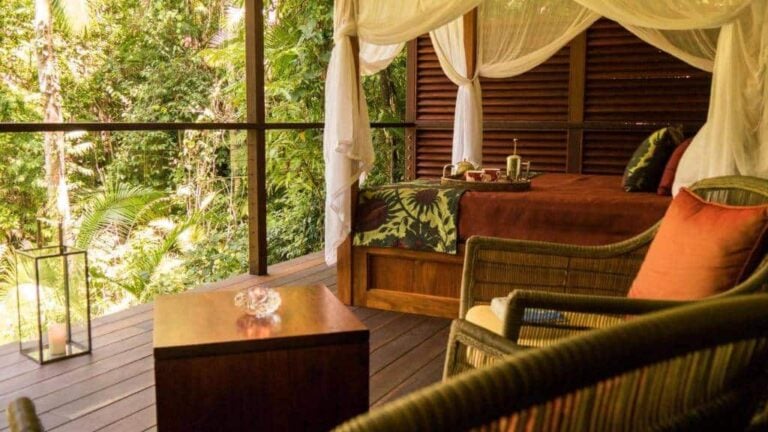
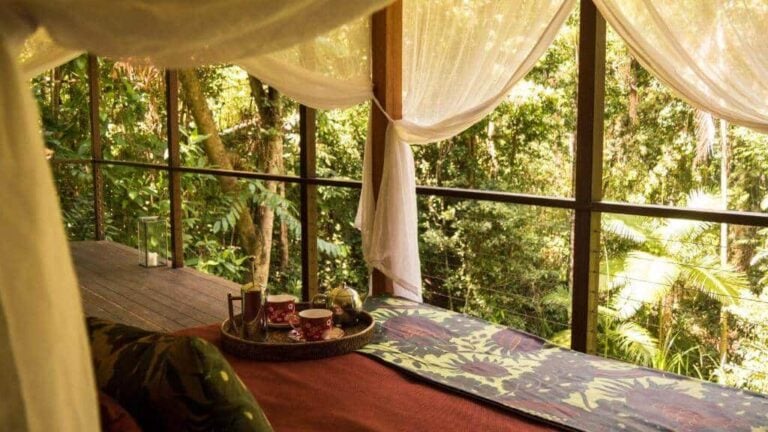
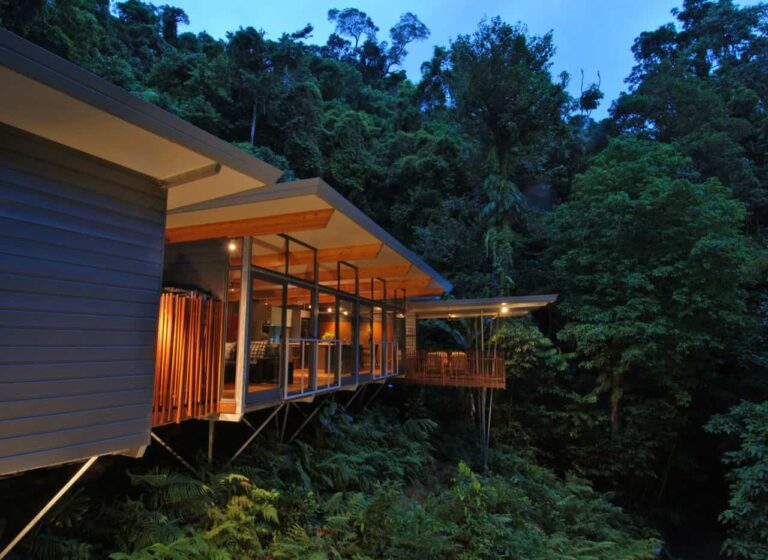
Australia's treehouse stays lift you into eucalypt canopies and rainforest crowns, from the Daintree's dense green tangles to Tasmania's cool-climate beech and the Blue Mountains' sandstone cliffs. Most are engineered for permanence—solar-powered, locally milled hardwoods, wide glass—and offer hot tubs, wood stoves and silence where mobile coverage drops away. Expect two-night minimums on weekends, early booking for spring and autumn, and morning kookaburras that laugh right on schedule.
{{locationDetails}}
Browse sub-categories





About Australia
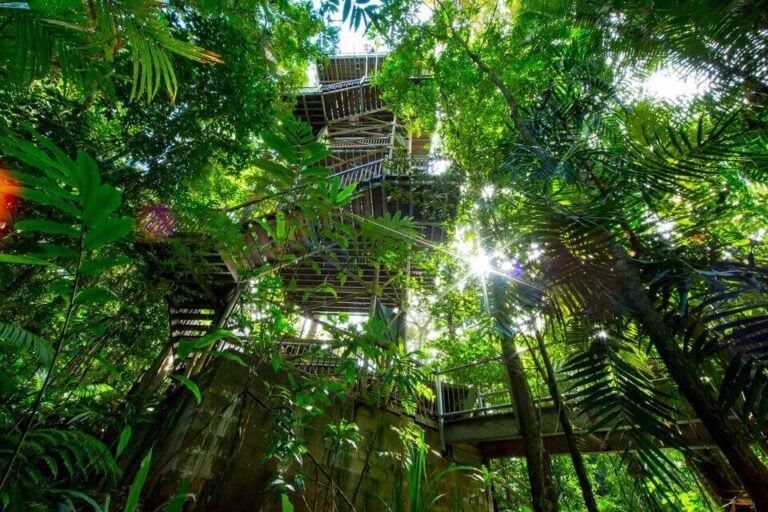
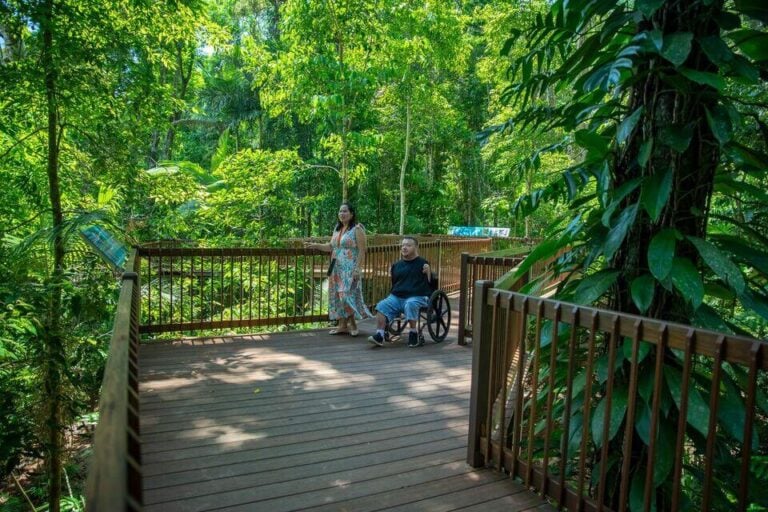
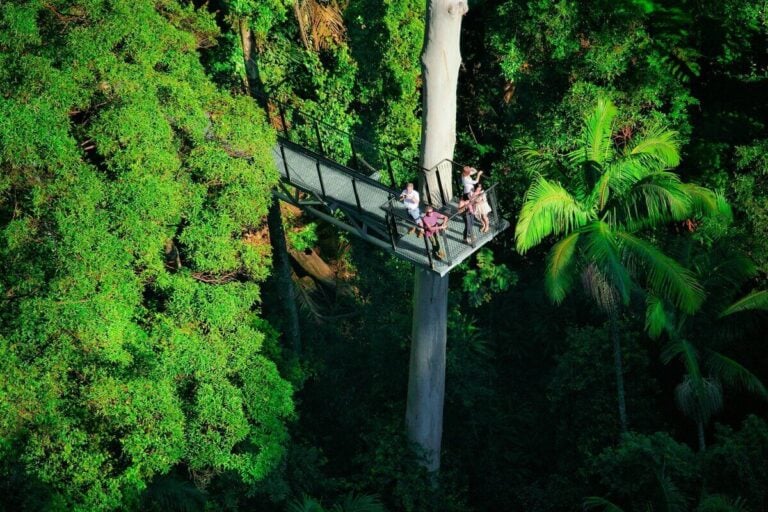
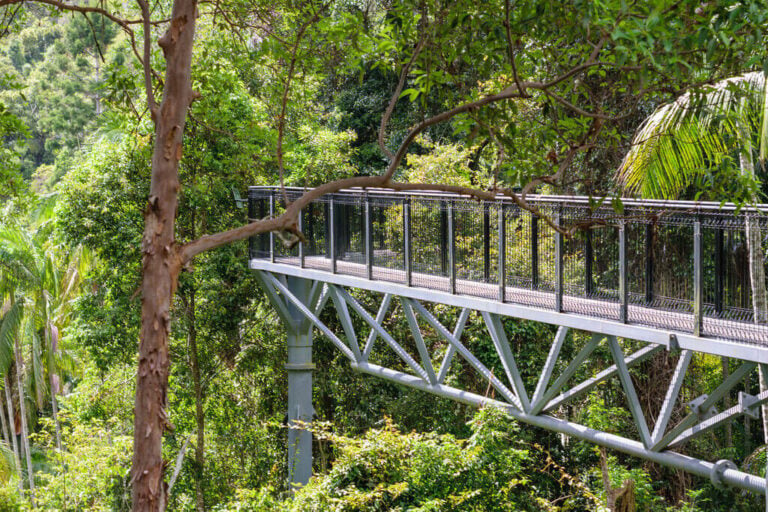
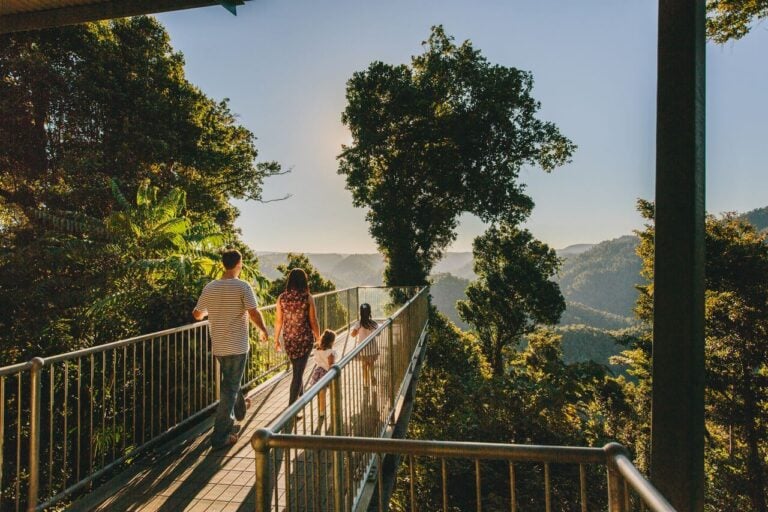
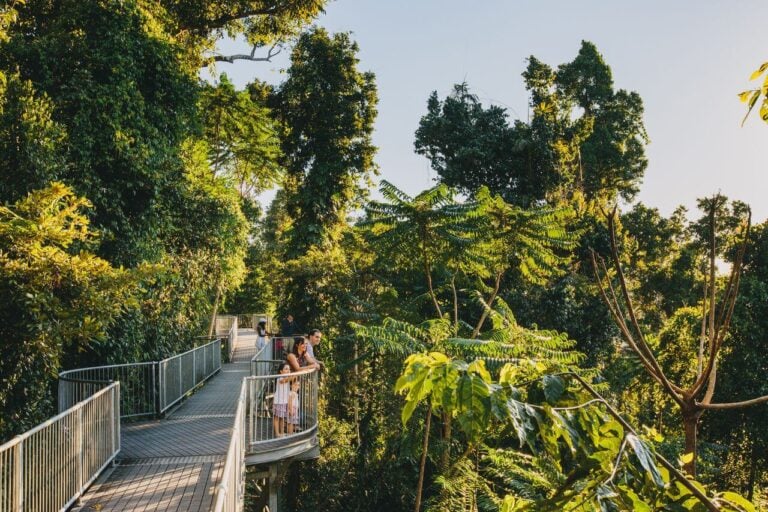
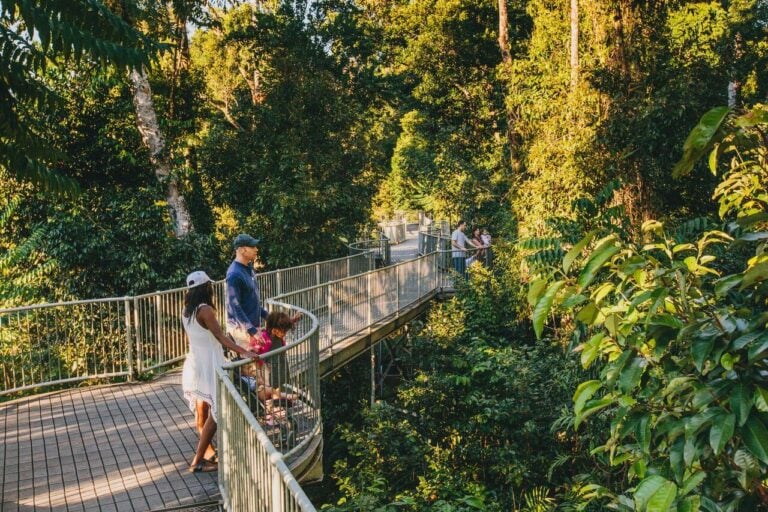
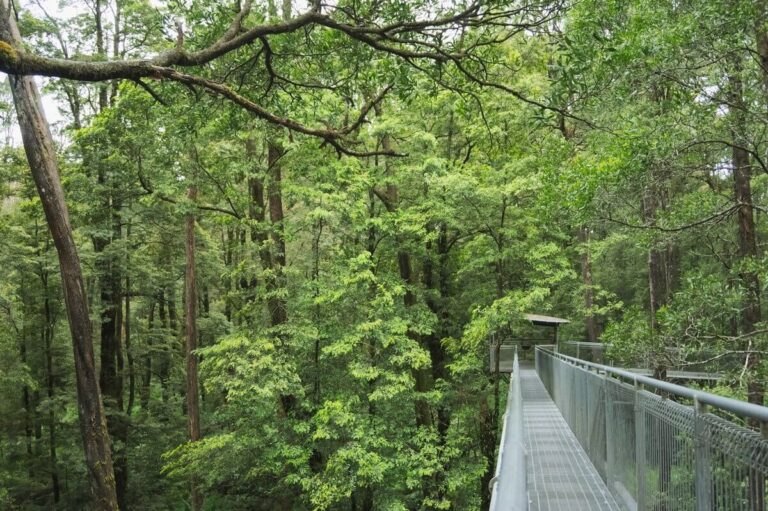
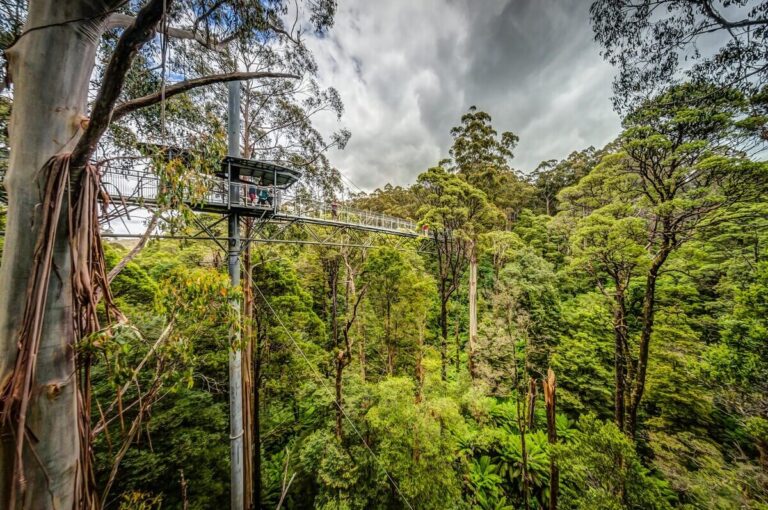
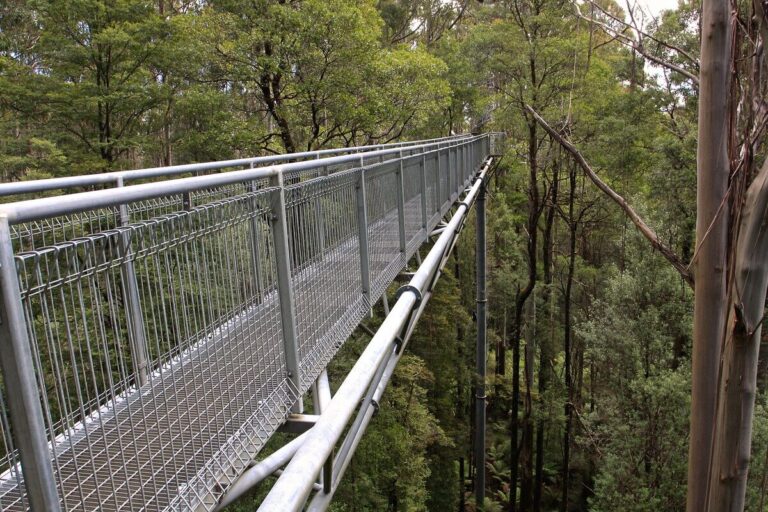
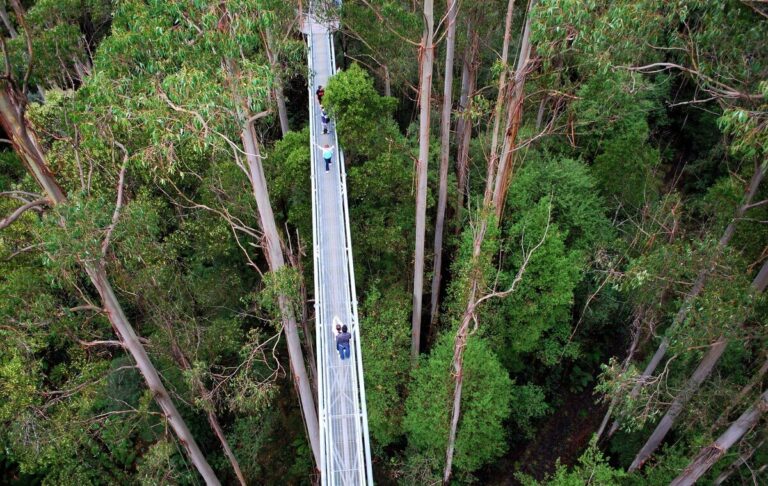
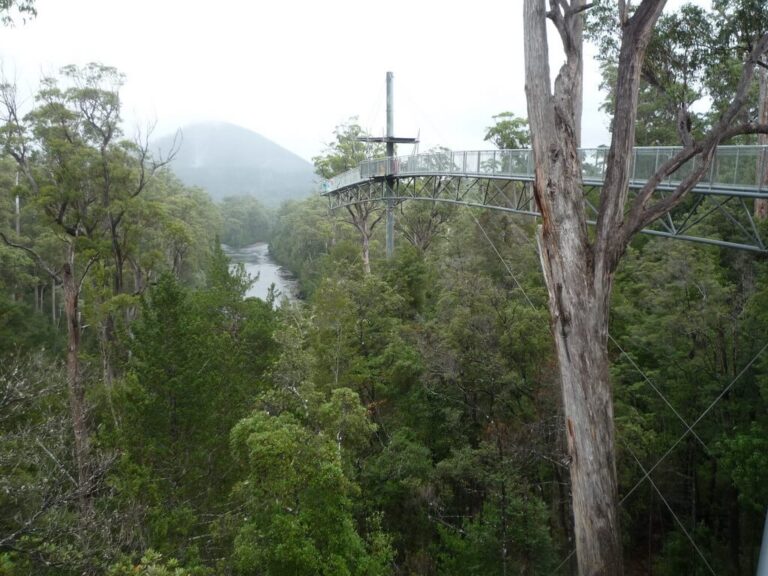
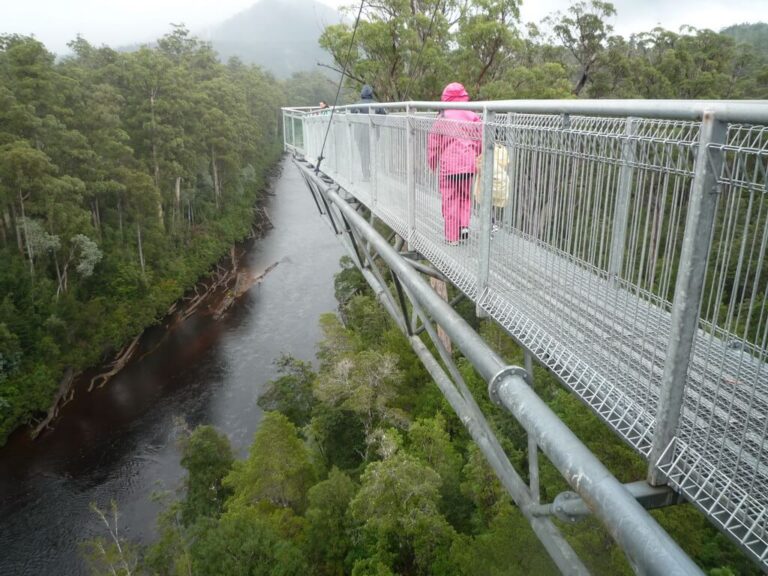
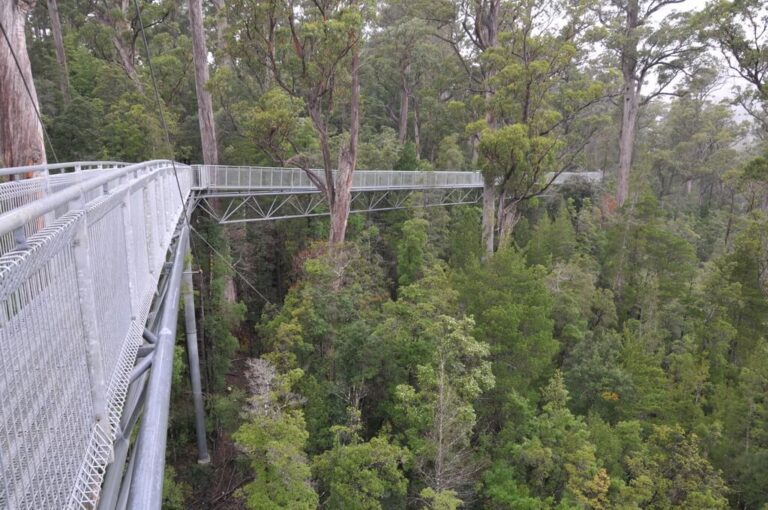
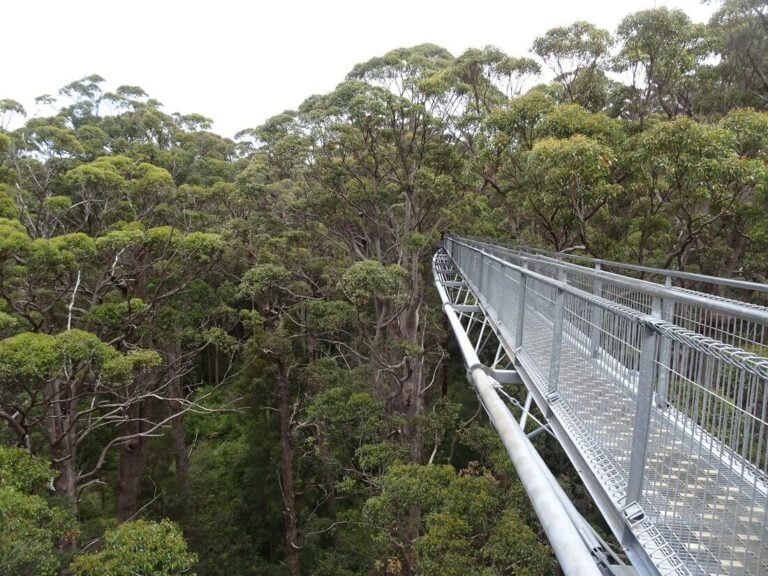
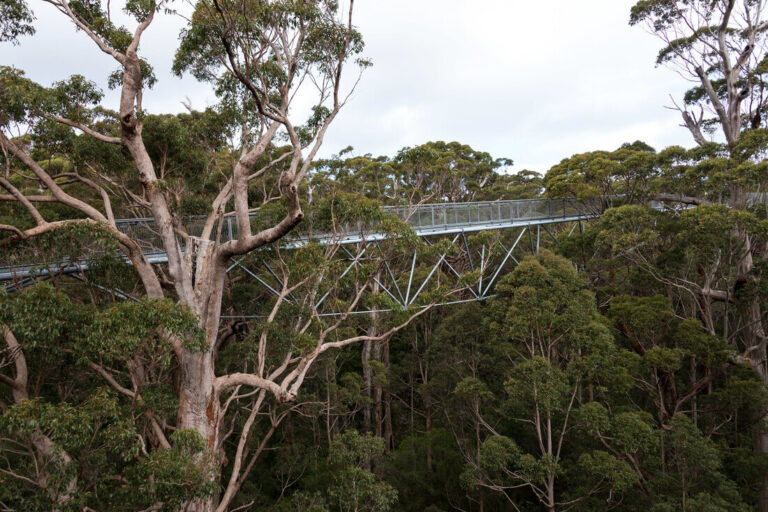
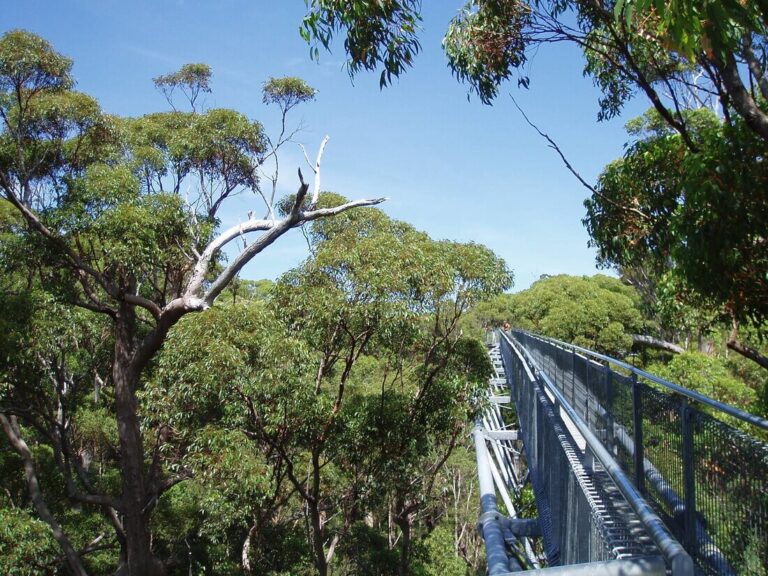
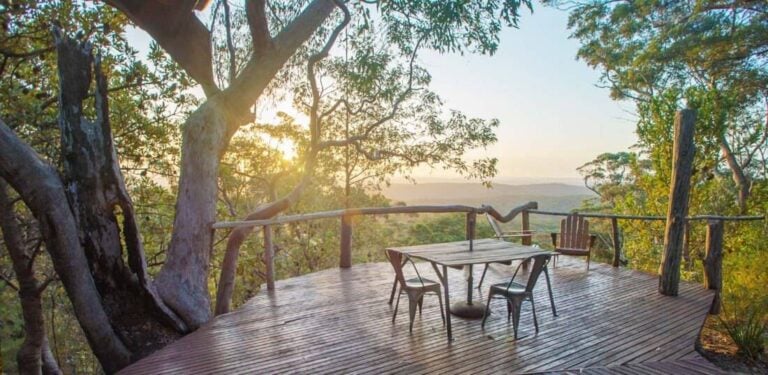
Treehouses in Australia rise from forest floors that were doing just fine before anyone thought to add a bed. You climb timber stairs—eucalypt or ironbark, still faintly resinous—and the world rearranges itself: canopy-height air tastes sharper, bird calls come from unexpected angles, and the light filters green through leaves that rattle rather than rustle.
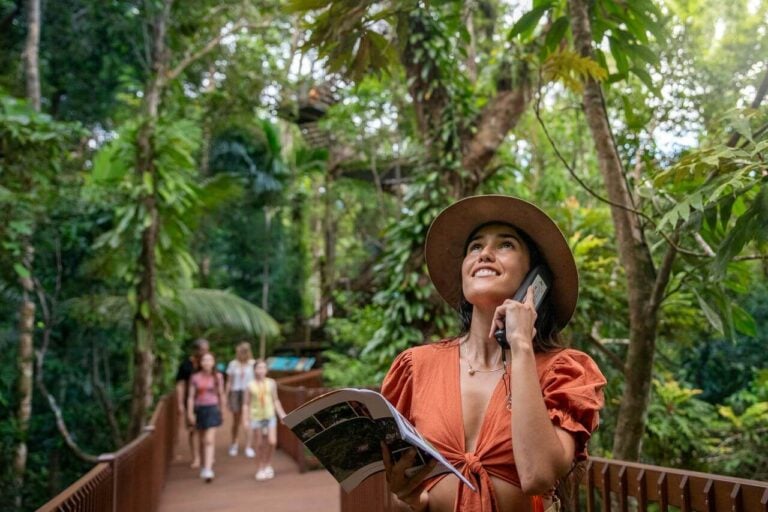
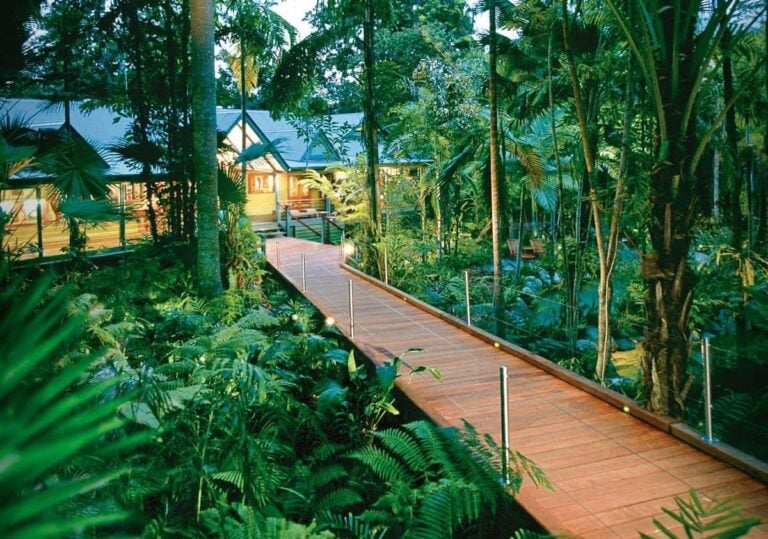
Up in Queensland's Daintree, the rainforest runs thick and loud. Fig roots twist through wet air, and if you're lucky a lyrebird will mimic something absurd—a camera shutter, a chainsaw, possibly your neighbour's phone. Treehouse stays here mean waking to jungle percussion and spending evenings on timber decks while fruit bats loop overhead. Farther inland the landscape dries and flattens, but elevation still delivers: wide skies, that shimmering outback heat by day, then night skies so dense with stars you'll give up counting and just stare.
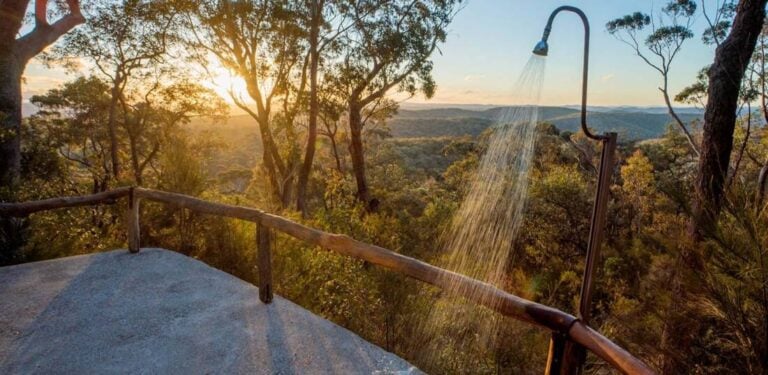
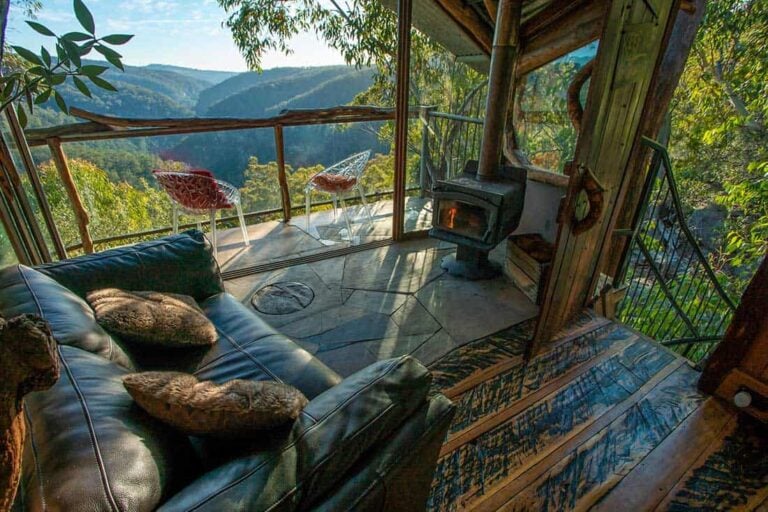
New South Wales stretches the geography south. The Byron hinterland and Tweed valleys offer a softer version—macadamia groves, subtropical ease, the ocean's distant hush arriving through the trees. Inland, the Blue Mountains tighten the focus around sandstone cliffs and valleys layered in blue haze. Mornings break cold and clear, kookaburras laugh right on schedule, and the treehouse becomes a heated refuge with a view. Tasmania takes it further: myrtle beech, button grass plains, air so clean it stings a little. A hot tub steams into cold night while wallabies thump past like bashful guests who forgot to knock.
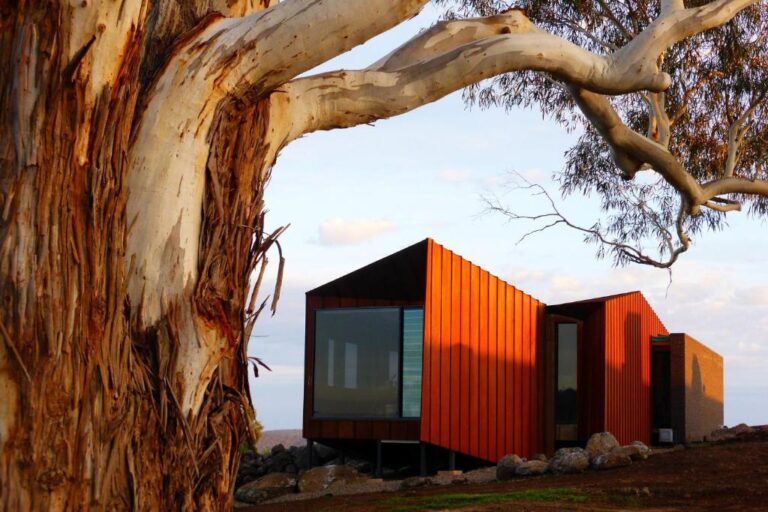
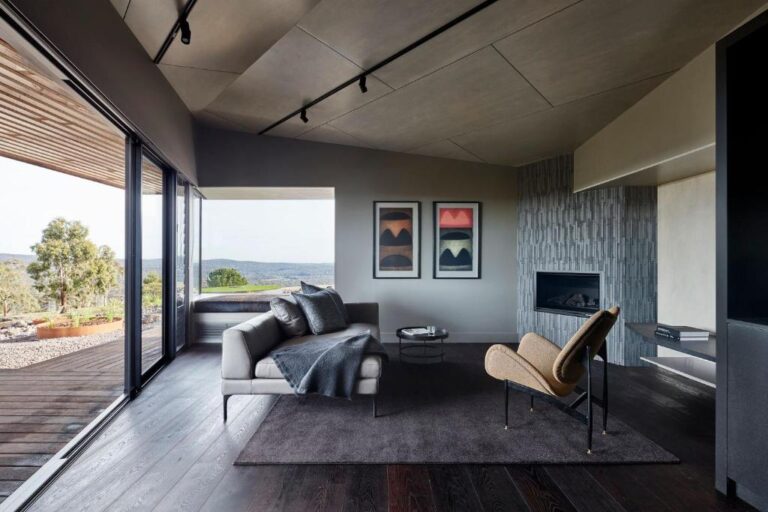
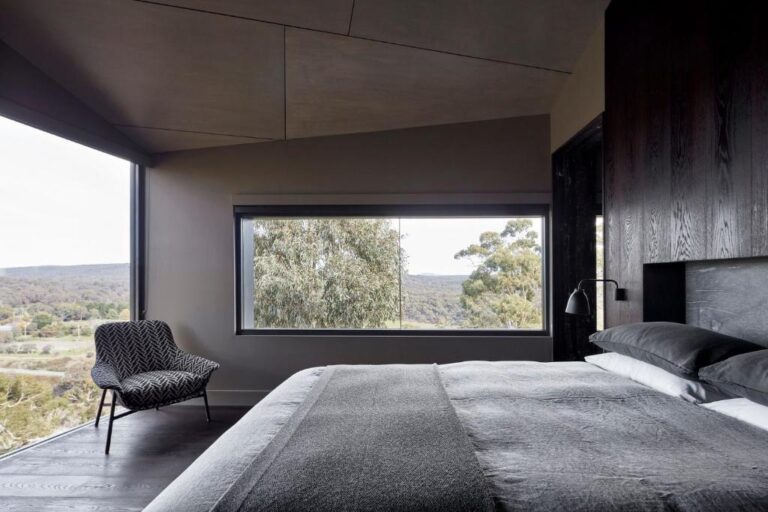
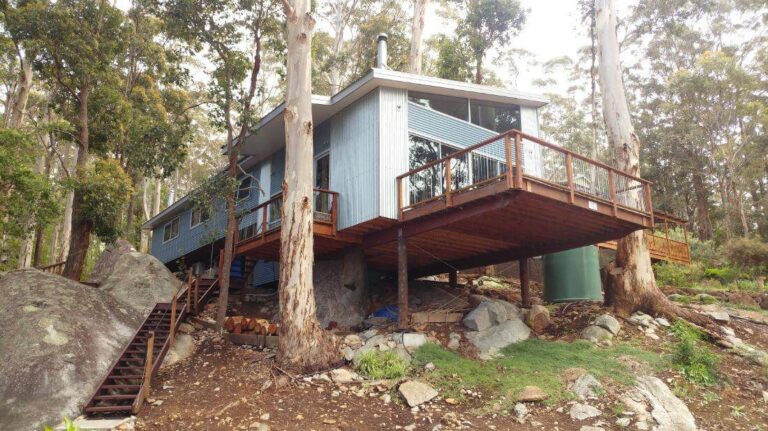
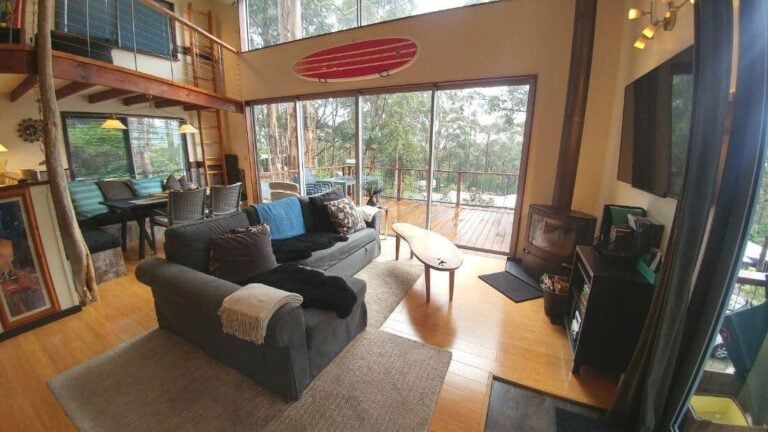
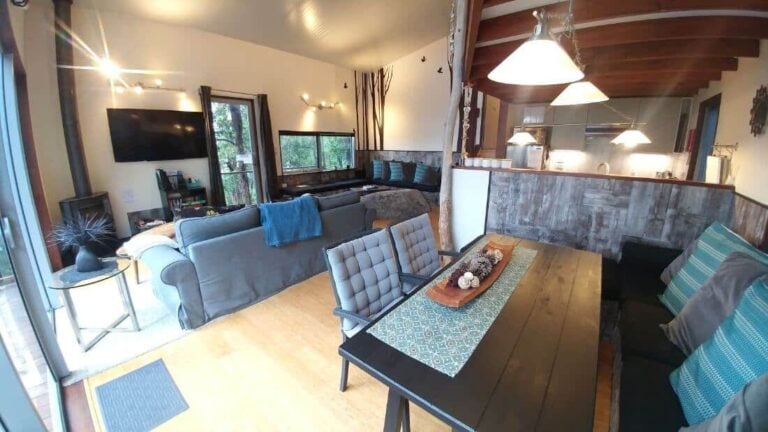
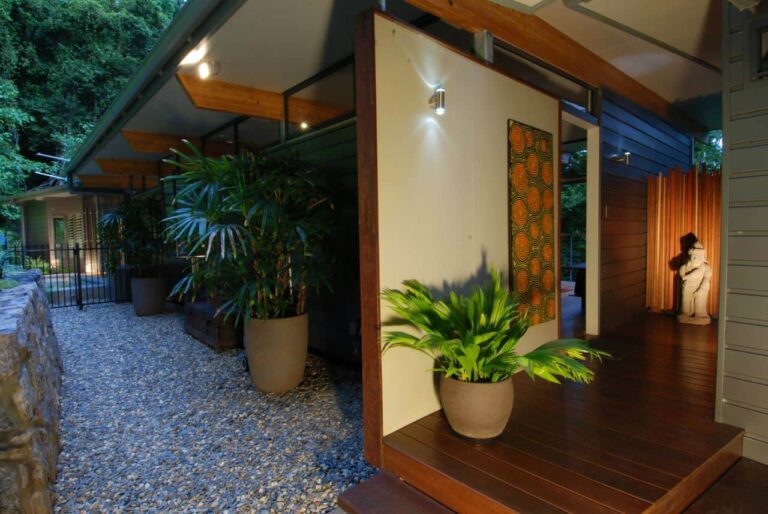
Australian treehouse accommodation tends toward the permanent and thoughtful rather than the improvised. Many run on solar, sit on engineered stilts built to handle wind, and use locally milled hardwoods that age well in weather. Inside you'll find underfloor heating where winters bite, rain showers, sometimes a small wood stove that turns evenings amber. Rainwater does quiet work in the background. The design language is usually timber and glass—warm materials, wide views, enough comfort to make the remoteness feel like luxury rather than privation.
Timing matters across a country this large. The Daintree swelters and soaks from November through April; roads can flood, humidity climbs, and the rainforest earns its name. Tasmania's winter—June to August—delivers woodsmoke evenings and occasional snow, beautiful if you've packed accordingly. Spring and autumn are the sweet spots almost everywhere, though that also means booking well ahead for popular properties. Many require two-night minimums on weekends, and if you're planning around school holidays or long weekends, expect limited availability unless you're organized months early.
What you do is straightforward. Follow a creek until it vanishes into rock. Sit with a ranger and hear Country explained properly. Watch a wedge-tailed eagle draw slow, economical circles, or do nothing at all and call it the entire point. Mobile coverage is patchy in most treehouse locations; that's feature, not failure. You arrive for the novelty of sleeping in a tree and leave with eucalyptus oil on your jacket and a slower way of measuring a day.
Frequently asked questions about Australia
When is the best time to visit treehouses in Australia?
Spring and autumn are the sweet spots across most of Australia—mild temperatures, lower humidity, and the landscape at its most comfortable. The Daintree and tropical North Queensland turn hot and wet from November through April, with roads occasionally flooding during the monsoon season, while Tasmania's winter from June to August can be stunning if you're prepared for cold nights and the chance of snow. Booking well ahead matters during these peak windows, especially around school holidays and long weekends when availability tightens quickly.
What's the difference between treehouse regions in Australia?
The Daintree and tropical North Queensland deliver dense rainforest, high humidity, and jungle soundtracks—fruit bats, lyrebirds, and thick green canopy. The Byron hinterland and northern New South Wales offer a softer subtropical feel with macadamia groves and easier access to the coast. The Blue Mountains bring crisp mountain air, sandstone cliffs, and cold mornings with kookaburras for an alarm clock. Tasmania is the furthest south and coldest, with ancient beech forests, button grass plains, and air so clean it almost stings—wallabies instead of tropical birds, woodsmoke instead of humidity.
Are Australian treehouses suitable for families with children?
Many elevated treehouse stays set age minimums for safety—commonly eight years or older, sometimes twelve—due to stairs, open decks, and height. It's worth checking individual property policies before booking, as some are designed specifically for couples seeking privacy and quiet rather than family groups. Properties that do welcome younger children often include safety railings and ground-level access, but two-night weekend minimums and remote locations mean planning ahead matters more than it would for standard accommodation.
Do I need a car to reach treehouse stays in Australia?
Yes, almost always. Most Australian treehouses sit in remote or semi-remote locations—rainforest pockets, hinterland valleys, mountain ridges—well beyond practical public transport reach. Expect unsealed roads for the final stretch in some cases, and be prepared for patchy or nonexistent mobile coverage once you arrive. The remoteness is part of the appeal, but it does mean self-sufficient travel and a reliable vehicle are necessary rather than optional.
What should I pack for a treehouse stay in Australia?
Pack for weather extremes and limited nearby services. Tropical North Queensland treehouse stays need light layers, insect repellent, and wet-weather gear during the hotter months, while Tasmania and the Blue Mountains require warm clothing, especially for winter evenings even if the treehouse has heating. Bring any specific food or drink you want, as many properties sit far from shops, and assume mobile coverage will be patchy—download maps, books, or music ahead of time. A torch is useful for nighttime deck wandering, and binoculars make wildlife watching significantly better.