
Spain
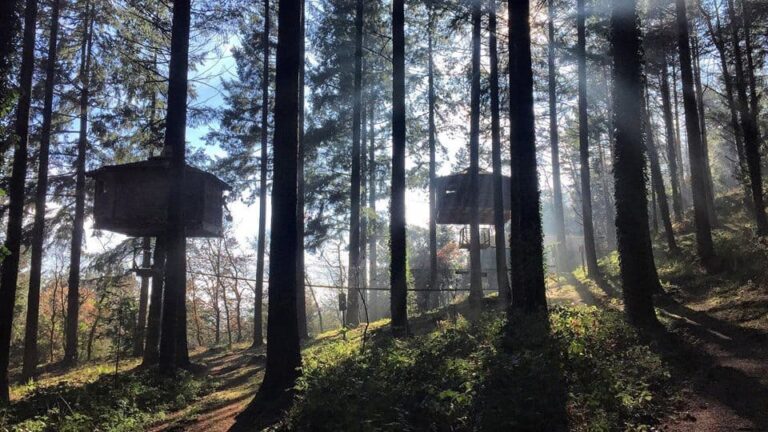
Spain's treehouse scene spans Atlantic oak groves in Galicia, Pyrenean pine forests in Catalonia, and cork-and-olive country across Andalusia, each landscape shaping how a stay unfolds. Most properties sit close enough to serious culture—Granada's Alhambra, San Sebastián's pintxo bars, Barcelona's Gaudí—that forest mornings and plaza evenings share the same itinerary. Design stays grounded in chestnut beams and natural light, while the rhythm of late meals, earned siestas, and village market trips mirrors the country's broader habits, offering elevation without isolation.
{{locationDetails}}
Browse sub-categories

About Spain
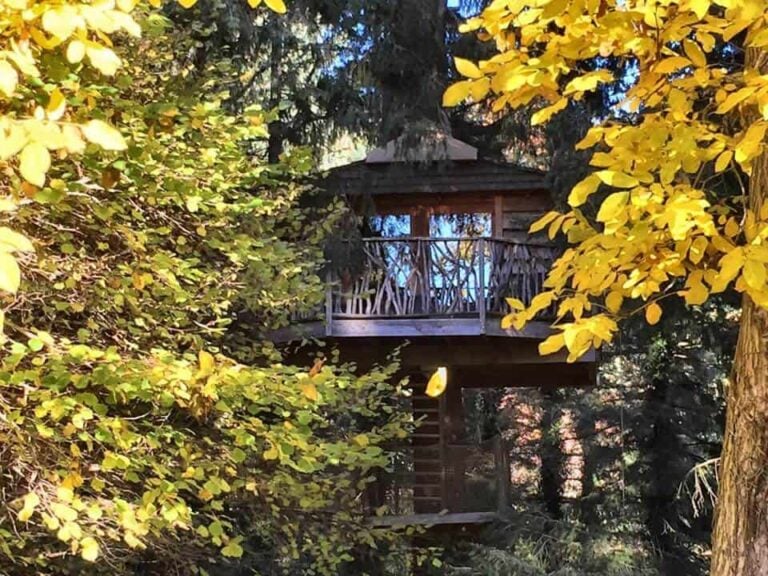
Spain's treehouse scene runs deeper than the postcard forests might suggest. This is a country where Roman aqueducts still carry water and village bars close for three-hour lunches, so it makes sense that sleeping in the canopy here comes with a little more context than just crisp air and birdsong. The landscapes alone span wet Atlantic oak groves in Galicia, beech forests in the Basque Country, and the chalky olive-and-cork tablelands of Andalusia, each one shaping how a treehouse stay actually feels. Add in the fact that most properties sit within striking distance of serious culture—Granada's Alhambra, San Sebastián's pintxo bars, Barcelona's Gaudí fever dream—and the appeal becomes clear: you get the forest without losing the plaza.
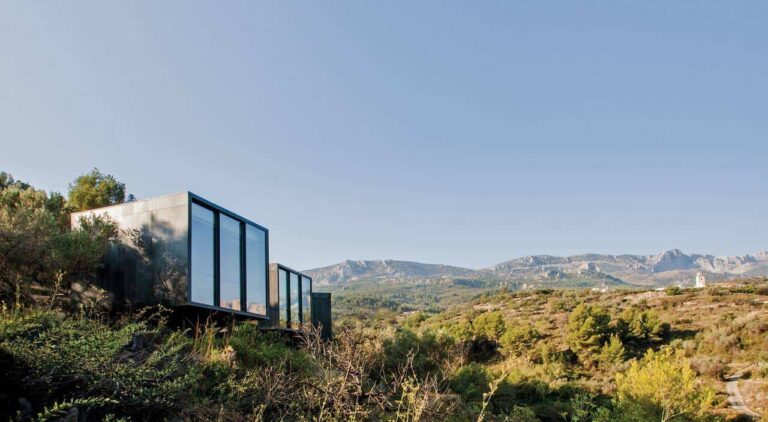
What sets Spanish treehouse hotels apart is their refusal to pick a single lane. A stay in Catalonia might put you in pine shade with the Pyrenees sharpening the northern horizon, close enough to medieval villages and wine cooperatives that a day trip writes itself. Swing west to Galicia and the palette shifts entirely: eucalyptus and oak still dripping from the last rain, stone walls older than the country's borders, a breakfast basket with local cheese and thick bread waiting on the deck. The Basque treehouse tends toward the compact and weather-tight, the kind of place where a good book and a cider house walk feel like the day's entire agenda. Andalusia turns the volume back up—cork oak and olive groves catching that famous southern light, white villages climbing the hills, sunsets that slide from orange to something close to theatre.
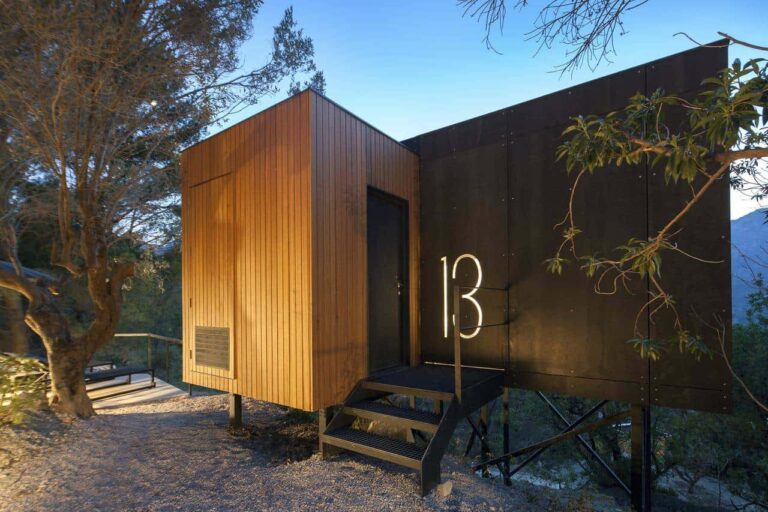
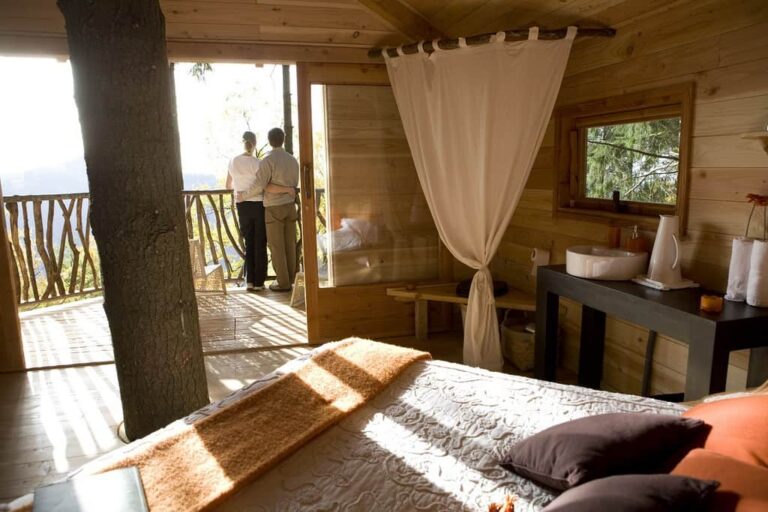
Inside, the design language stays grounded. Expect chestnut or pine boards, exposed beams that actually hold the structure up, linen that breathes in summer heat, showers that make an afternoon dust-off feel like a small ceremony. Many properties weave in solar power and rainwater systems without turning it into a sustainability lecture, and boardwalks curve around root systems rather than through them. It's the kind of thoughtful building that feels Spanish in the best sense—craft and practicality sharing the same sentence, a little flair when the moment calls for it.
The rhythms that govern a Spanish treehouse stay tend to echo the country's broader habits. Meals arrive late and linger. Siestas get earned through morning hikes or market trips, not prescribed by guidebook duty. A day might begin with a Pyrenees trail and end with anchovies and vermut at a village bar three valleys over, or it might involve nothing more than watching swifts trace arcs against the sky while the sun does its work. The appeal is not isolation—Spain is far too social for that—but rather a different vantage point on the same warm, loud, endlessly distractible country. Elevated enough to see the rhythm, close enough to step back into it whenever the meal bell rings.
Frequently asked questions about Spain
What's the best time of year to book a treehouse in Spain?
Spring and autumn are the sweet spots for most of Spain's treehouse regions. April through June brings wildflowers in Galicia, comfortable temperatures across Catalonia and the Basque Country, and manageable heat even in Andalusia. September through November offers harvest season, mushroom foraging, and wine routes at their peak, plus the coastal areas stay warm without the summer crowds. Summer works beautifully for Pyrenees or northern coastal stays but gets punishing in inland Andalusia. Winter turns the tables—Andalusia becomes mild and appealing while mountain treehouses offer cozy woodstove evenings, though Galicia can feel relentlessly wet.
How close are Spanish treehouses to major cities and attractions?
Most Spanish treehouse properties sit within an hour or two of significant cultural draws, which is part of their charm. A Catalonia treehouse might put you ninety minutes from Barcelona or a short drive from medieval villages like Besalú. Andalusian properties often land within reach of Granada's Alhambra or the white hill towns. Basque treehouses can be a comfortable striking distance from San Sebastián's food scene or Bilbao's Guggenheim. The country's size and density mean you rarely have to choose between forest seclusion and access to the plazas, markets, and monuments that make Spain worth visiting in the first place.
Do I need to speak Spanish to stay in a treehouse in Spain?
You can manage fine with English at most established treehouse properties, especially those marketed internationally. Younger hosts and anyone running a professional hospitality operation typically speak conversational English or better. That said, rural Spain remains rural Spain—having a few basic phrases helps with spontaneous market trips, village bar stops, or asking directions. Translation apps cover the rest. The language barrier is rarely a dealbreaker, but a little effort goes a long way in smaller towns where the treehouse might be your only English-speaking refuge for miles.
What should I expect inside a Spanish treehouse hotel?
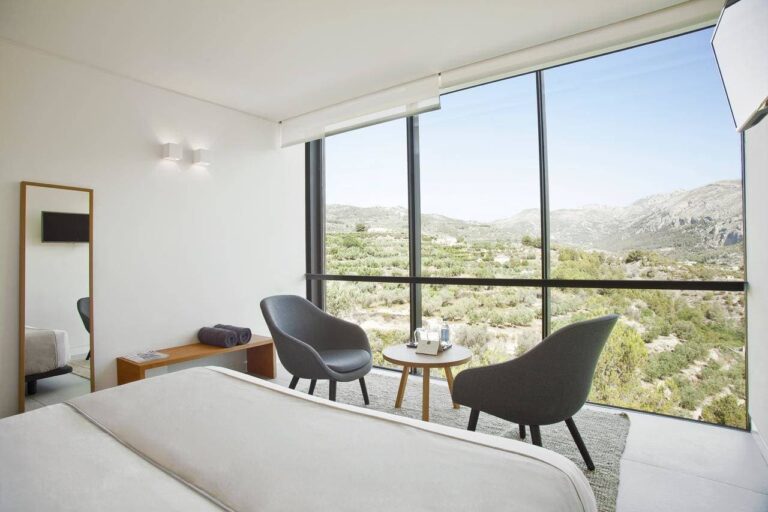
Spanish treehouses tend toward honest, well-crafted simplicity rather than sprawling luxury. Expect chestnut or pine interiors, exposed structural beams, good linen, and showers that work properly. Most are compact by North American standards but never feel cramped—the design usually borrows from European sensibilities where space is used intelligently rather than generously. Full kitchens are rare in hotel-style properties; breakfast baskets with local bread, cheese, and honey are more common. Many properties incorporate solar power and rainwater systems quietly, and boardwalks are built to respect root systems. It is thoughtful building, not showroom minimalism.
Is a car necessary for a treehouse stay in Spain?
For most Spanish treehouse properties, yes, a car is the practical choice. Rural locations mean limited public transport, and the freedom to explore nearby villages, markets, trailheads, and restaurants makes the stay far richer. Some treehouses near Barcelona or other transit hubs might be reachable by train plus a short taxi, but those are the exception. Spain's driving is straightforward, roads are generally excellent, and the ability to chase down a good meal or an impromptu detour to a castle or cove is worth the rental cost. Think of the car as part of the experience, not just logistics.