
India
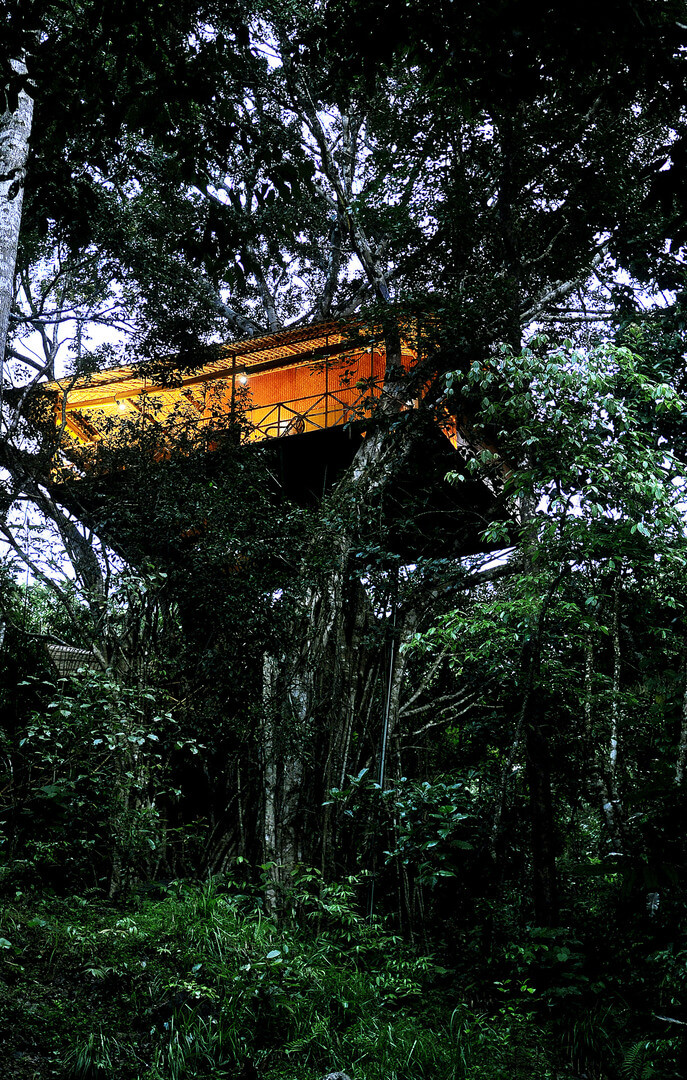
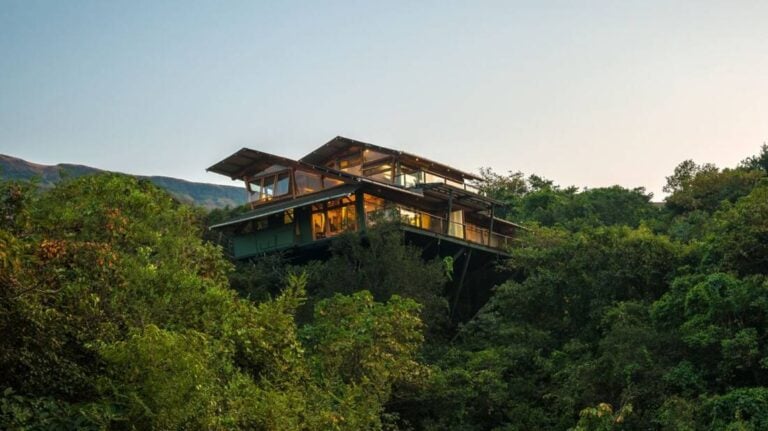
Treehouses in India trade the well-worn tourist circuit for elevation and craft—platforms built from local timber above Kerala's cardamom slopes, Himalayan deodar forest, or Assam's tea-green hills. Most are small-scale family operations mixing joinery skill with solar panels and cotton bedding, placing you close enough to canopy birdsong and mist patterns that the usual travel tempo stops making sense. October through March brings clearer skies and forgiving humidity; monsoon months paint everything green but narrow the roads and close some properties entirely.
{{locationDetails}}
Browse sub-categories


About India
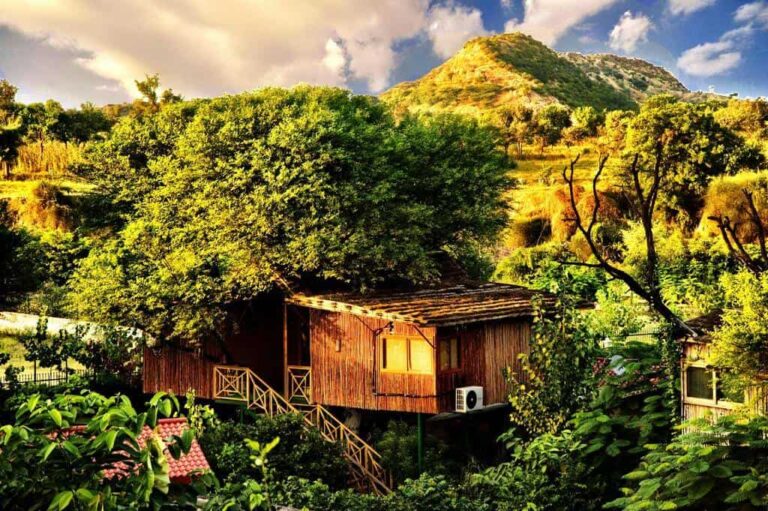
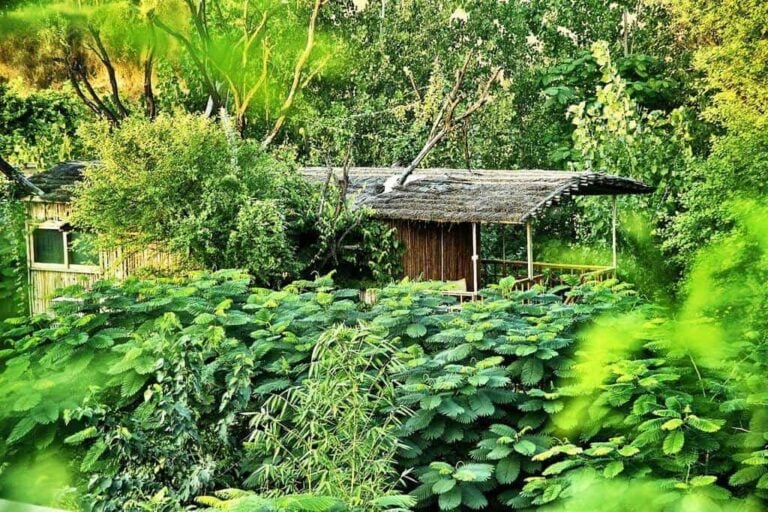
Treehouses in India sit at a particular angle to the country—not quite off the grid, but definitely off the main current. You drive past the last roadside dhabas, wind up through plantations or pine forest, and arrive somewhere that feels more vertical than remote. These aren't childhood platforms; they're proper stays built with craft joinery, local timber, and a confidence that comfort doesn't require concrete.
Kerala holds most of the action. A treehouse here might overlook backwaters stitched with canoes and lily pads, or sit above cardamom and pepper vines in the Western Ghats foothills. Morning sounds are rain on thatch, a whistling thrush working through its repertoire, and someone bringing ginger tea up a spiral stair. October through March offers the clearest skies and the most forgiving humidity; monsoon season—June to September—turns the landscape into a green wall of mist and waterfalls, though travel becomes trickier and some properties close. Most Kerala treehouses sit within three hours of Kochi airport, which makes them more accessible than the mountain options but still requires planning around rural roads.
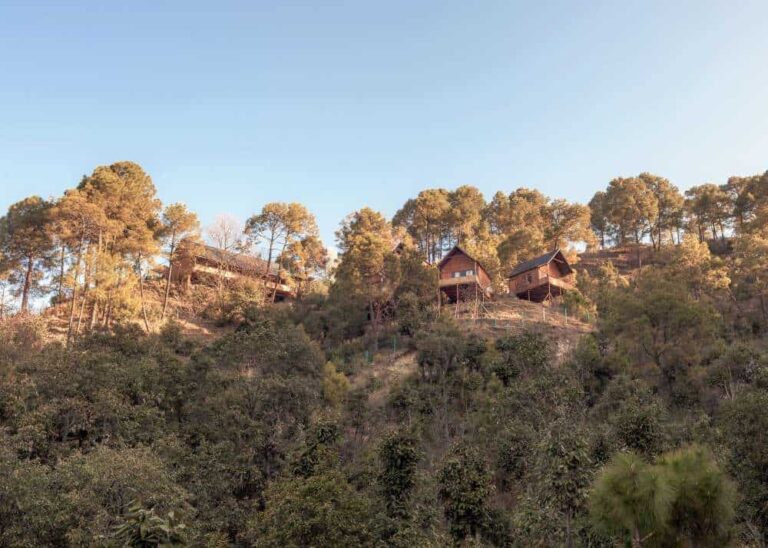
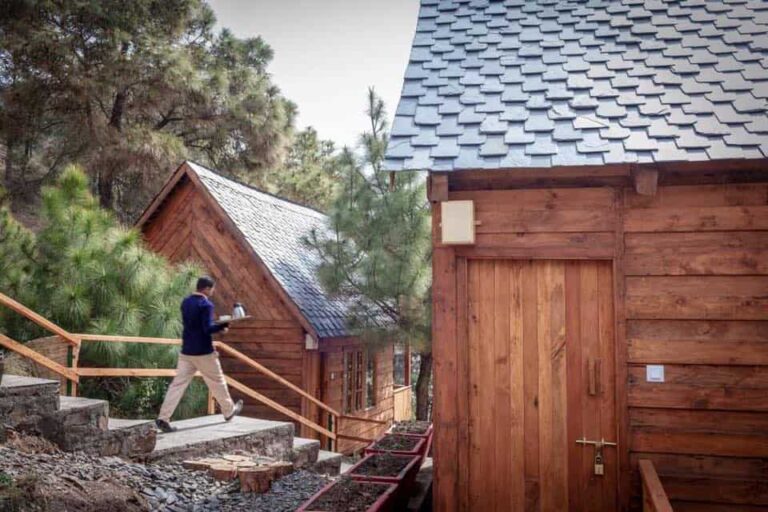
Move north into Himachal Pradesh and the architecture shifts with the climate. Deodar columns replace palms, stone foundations anchor the structures, and you might find a wood stove instead of a ceiling fan. A morning deck looks across terraced fields toward snow that stays put most of the year. Assam's tea estates offer another version entirely: a treehouse perched above rolling green rows, mist that burns off by mid-morning, and the particular quiet of a place where the main industry is leaves and patience. Madhya Pradesh adds wildlife tension—sal forest treehouses near tiger reserves where you'll hear alarm calls and probably spot langurs, pugmarks, and plenty of birds. Actual tiger sightings remain a low-odds event, though the possibility colours every rustle.
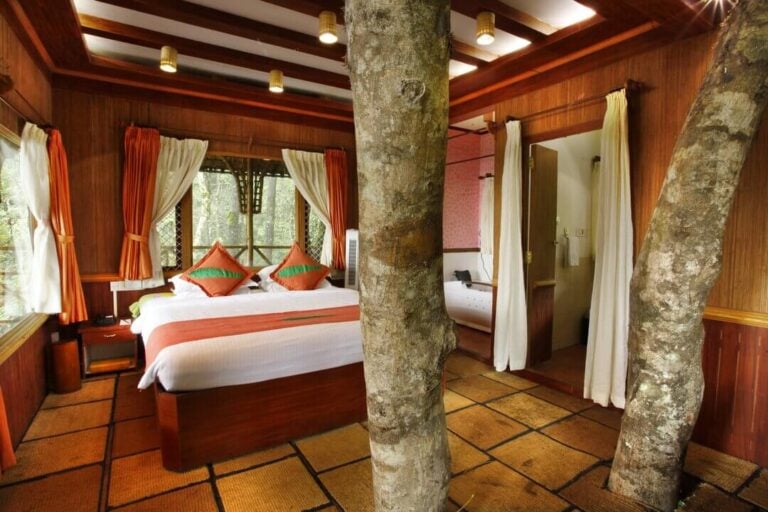
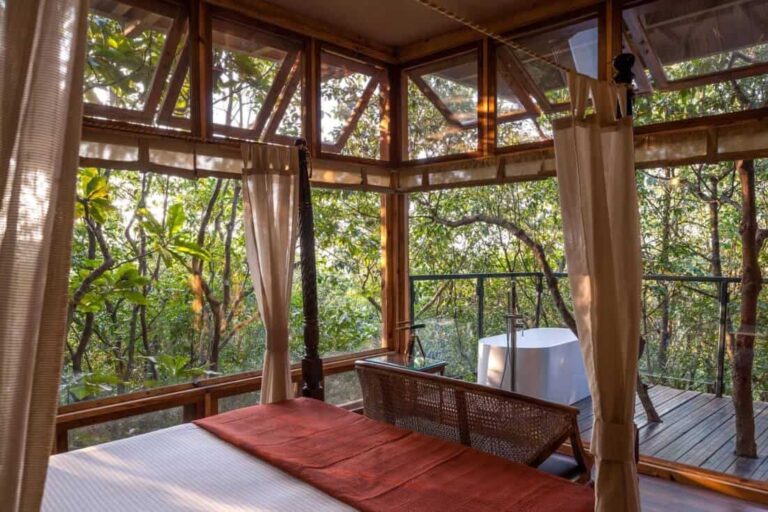
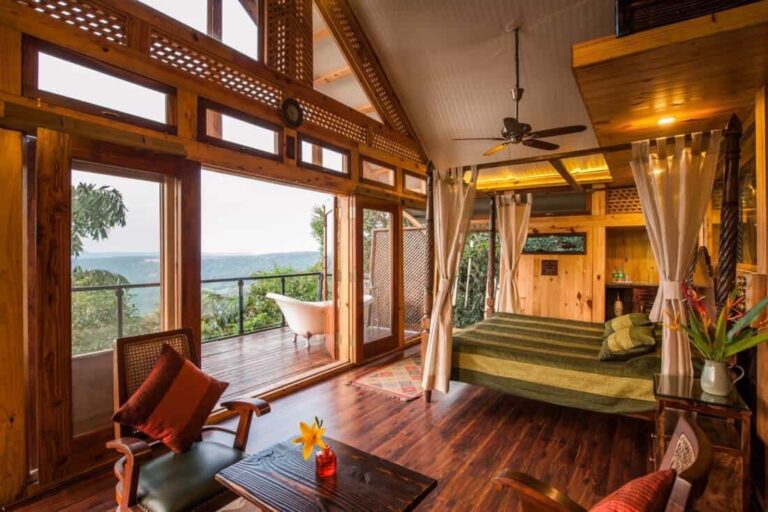
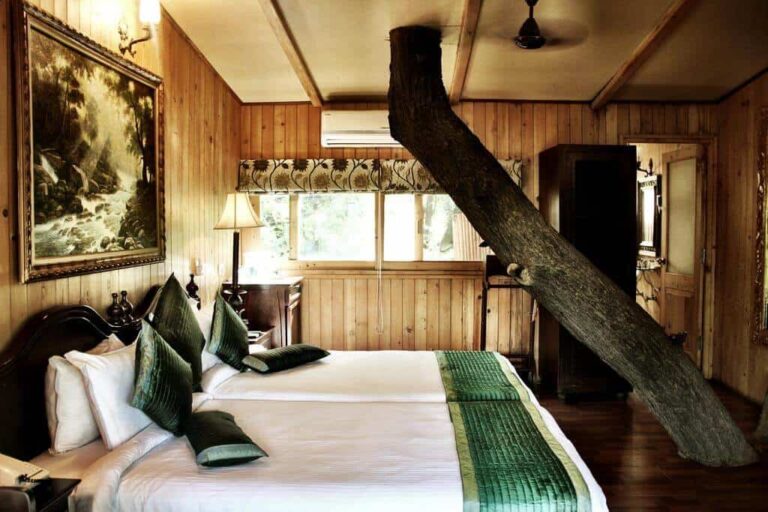
Indian treehouses tend toward small scale—often just three to six units, family-run or managed by tiny collectives. Design leans on bamboo, reclaimed hardwood, limewash walls that breathe, and solar panels tucked discreetly into eaves. Inside you'll find cotton bedding, reliable fans, sometimes a plunge tub with a forest view, occasionally an Ayurvedic massage table if the property runs to wellness. Wi-Fi appears intermittently; dinner timing bends to when vegetables arrive from the valley. This isn't luxury safari infrastructure—it's comfortable simplicity with attention to detail and a preference for blending in.
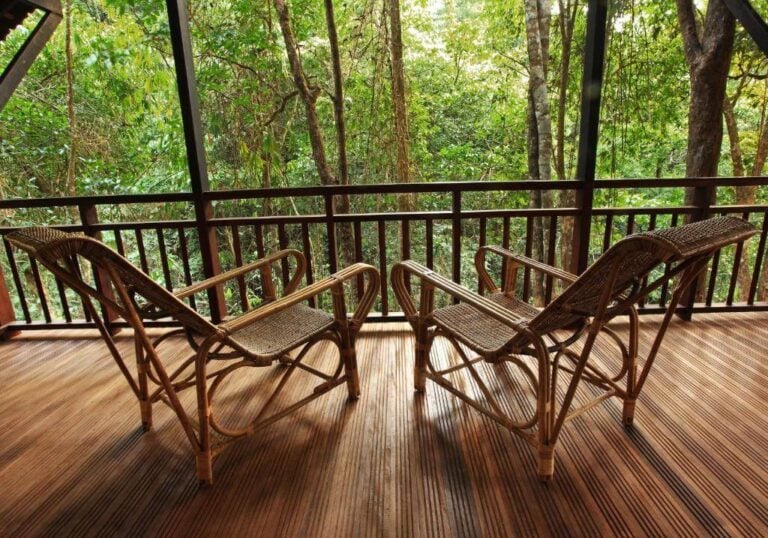
What you do depends on where you land. A village walk that turns into chai and conversation. A dusk drive listening to the forest swap its daytime voices for night ones. Long stretches on a balcony watching light move through canopy layers. The rhythm here resists schedules, which is mostly the point—height without hurry, landscape close enough to study properly, and enough distance from the road to remember what quiet actually sounds like.
Frequently asked questions about India
Which region of India is best for treehouse stays?
Kerala offers the most accessible treehouse experience, with properties clustered within three hours of Kochi airport overlooking backwaters or spice plantations in the Western Ghats foothills. The region combines easier logistics with comfortable October-to-March weather and a mix of water and forest views. Himachal Pradesh suits travelers wanting mountain scenery and cooler temperatures, while Assam's tea estates deliver mist-wrapped mornings above rolling green rows. Madhya Pradesh adds wildlife edge near tiger reserves, though actual sightings remain rare.
When is the best time to visit treehouses in India?
October through March works across most regions—clear skies in the mountains, manageable humidity in Kerala, and Assam's tea country at its sharpest. Monsoon season from June to September transforms the Western Ghats into dramatic green-mist spectacle but complicates travel on rural roads and forces some properties to close. Himachal's higher elevations stay accessible longest, while Kerala's backwater treehouses can handle light monsoon if you don't mind the wet.
How do Indian treehouses compare to those in Southeast Asia?
Indian properties skew smaller and quieter—typically three to six units rather than resort clusters, often family-run or managed by tiny collectives. Design vocabulary splits between Kerala's coastal-tropical approach using woven cane and open-air bathrooms, and Himalayan builds with stone foundations and wood stoves. Expect comfortable simplicity over polished luxury, intermittent Wi-Fi, and kitchens that time meals to when supplies arrive from the valley. The scene favours solitude and regional craft over amenity lists.
What wildlife can you see from treehouses in India?
Birds dominate everywhere—whistling thrushes in Kerala, Himalayan species in the north, and a steady parade of babblers and drongos near tea estates. Langurs appear regularly at forest properties, along with occasional civets, giant squirrels, and plenty of insect life. Madhya Pradesh treehouses near tiger reserves offer pugmarks, alarm calls, and the electric possibility of a sighting, but actual tiger encounters require serious patience and luck. The experience centres more on forest atmosphere and smaller dramas than guaranteed big-mammal spectacle.
Are India's treehouses suitable for families with children?
Most Indian treehouse properties lean toward couples and adult travelers seeking quiet—spiral stairs, open balconies without extensive railings, and remote locations make them tricky for young children. A handful of Kerala properties accommodate families with older kids who can handle heights and limited entertainment options, but this isn't a playground-and-pool scene. Check directly with properties about age policies and safety features before booking if traveling with children under ten.