
Zambia
Zambia's treehouse lodges lift you into leadwood and mahogany platforms above the Lower Zambezi, South Luangwa and Kafue, where elephants cross at dawn, leopards claim the dusk and the night arrives unfiltered. These are elevated sanctuaries built for close encounters—hippos grumbling in the shallows below your deck, fish eagles overhead, the river breathing steadily through reed beds. Most stays run all-inclusive with guided walks, canoe drifts and conservation partnerships that turn morning tracks into chapters rather than footnotes.
{{locationDetails}}
Browse sub-categories
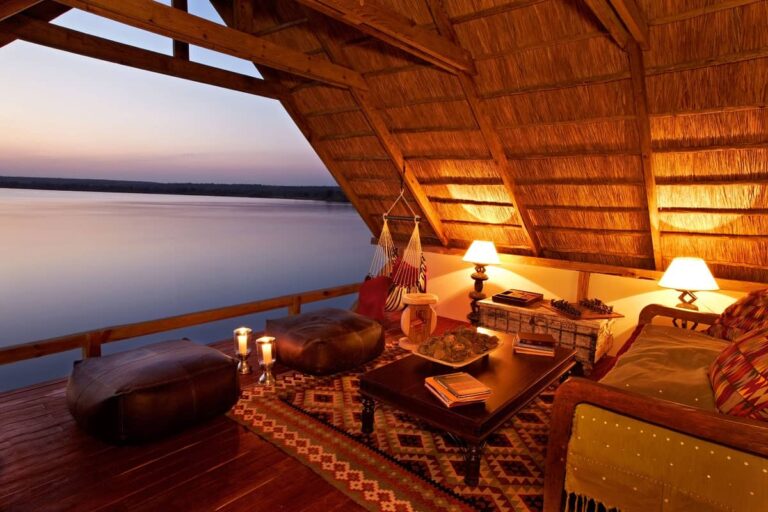
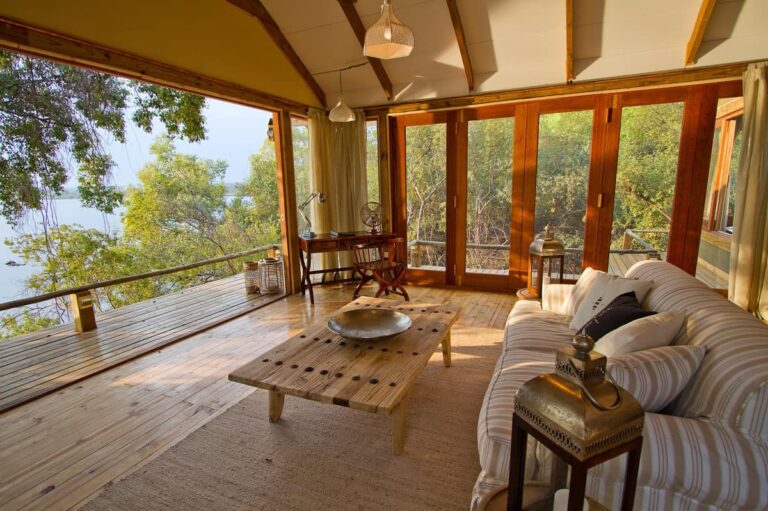
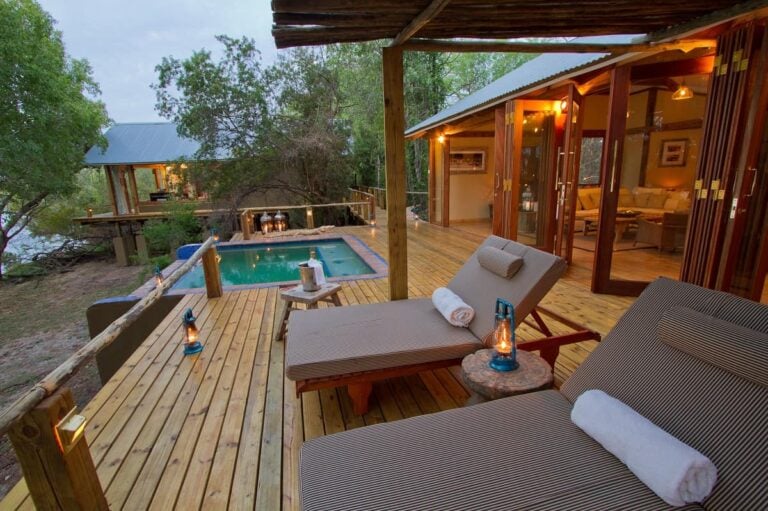

About Zambia
Zambia's treehouse lodges sit exactly where the African bush grows its own architecture—platforms built into leadwood and mahogany, balconies that meet the river or the floodplain at eye level with elephants, hippos grumbling in the shallows below. These are not childhood forts. They are elevated sanctuaries where the night sounds arrive unfiltered and the first light belongs to whoever wakes to claim it.
Lower Zambezi makes the strongest case. Your deck hangs just above the reed beds where the river bends; elephants cross at dawn, tearing grass in long, slow pulls, and fish eagles announce themselves in sharp arcs overhead. Coffee tastes different when a herd decides your treehouse is worth investigating. The river breathes steadily—plop of something unseen, the shift of current against a sandbar—and you realise quickly that binoculars are optional. There is too much happening at close range. Farther north, South Luangwa changes the rhythm. Treehouses here lean into the hush between sounds: puku stepping through mopane shade, baboons sounding alarms, and by dusk the real performance—leopard eyes catching torchlight, hyena laughter rolling farther across the valley than physics should allow.
Kafue offers a third tempo altogether. The floodplains stretch wide, miombo woodland frames the horizon, and from an airy platform you watch sable antelope carve paths through gold grass, wattled cranes stepping as though counting their own strides. Storms test themselves against the treeline, and when the night is clear the stars arrive without negotiation. You lie back and try to name constellations. Four, if you are being generous with Orion.
Most of these properties take their construction seriously—local hardwoods still showing grain, ceiling fans that whisper rather than chop the air, canvas and netting where it belongs, perhaps a small plunge pool stealing the afternoon heat. Solar panels sit where they will not interrupt the sightlines, greywater systems work quietly, and boardwalks bend around roots instead of through them. Many lodges collaborate directly with conservation projects and community guide networks, the kind of partnerships that turn morning tracks into chapters rather than footnotes.
The best time to visit runs May through October, when the dry season pulls wildlife toward permanent water and the roads stay passable. Some camps close February to April when the rains turn access routes to red mud and the bush grows too thick for easy game viewing. Getting here usually means a charter flight from Lusaka or Livingstone—these are not roadside stops. Zambia requires an e-visa, a yellow fever certificate if you are arriving from an endemic area, and malaria prophylaxis that you take seriously. The investment is considerable, typically starting around four hundred US dollars per night and climbing depending on season and exclusivity, but rates are nearly always all-inclusive: meals, guided walks, canoe drifts, sundowners where the only agenda is waiting for the light to change.
Plans tend to write themselves once you arrive. You drift a channel by canoe at first light, walk with a scout who reads the ground like a text, or simply sit still and let the bush arrive on its own schedule. That is the real architecture of Zambian treehouses—not just the elevated beds and the timber stairs, but the grounded hours and the nearness to the wild that lingers long after the dust shakes from your boots.
Frequently asked questions about Zambia
Which Zambian park is best for treehouse lodges?
Lower Zambezi delivers the closest wildlife encounters—elephants often cross directly below your deck, and the river brings hippos, crocodiles and exceptional birdlife within metres of your balcony. South Luangwa suits walkers and cat-watchers, with leopard sightings common at dusk and a strong culture of guided bush walks. Kafue trades intensity for scale: vast floodplains, big skies, and sable, roan and wattled cranes moving through grassland that stretches to the horizon. Choose Lower Zambezi for intimacy with big game, South Luangwa for variety on foot, Kafue for space and light.
When is the best time to visit Zambian treehouse camps?
May through October is the core season. The dry months pull wildlife toward permanent water, making sightings predictable and roads passable for charter flights. September and October bring the highest game density as rivers shrink and animals concentrate, though temperatures climb. Many camps close February to April when rains turn access routes to mud and thick vegetation obscures animals. June through August offers cooler mornings, green landscapes and fewer crowds, though some migratory birds have left.
How do you get to treehouse lodges in Zambia?
Most require a charter flight from Lusaka or Livingstone—these are remote bush camps, not roadside lodges. Your lodge typically arranges the charter as part of your booking, with flights landing on small airstrips within or beside the park. Road transfers from Lusaka to Lower Zambezi or South Luangwa are possible but long (four to six hours on variable surfaces), and some properties will not accept road arrivals during the wet season. Confirm access logistics when you book.
What does a treehouse safari in Zambia typically cost?
Expect to start around four hundred US dollars per night and climb depending on season, exclusivity and camp reputation. Rates are nearly always all-inclusive—meals, guided walks, canoe safaris, sundowners and park fees—so the headline price covers your full day once you arrive. Charter flights, tips and premium drinks may sit outside the package. Peak months (July through October) command higher rates; shoulder season (May, June, early November) can offer better value without sacrificing wildlife quality.
What practical requirements should I know before visiting Zambia?
Zambia requires an e-visa, straightforward to obtain online before departure. If you are arriving from a yellow fever endemic country you will need to show a valid vaccination certificate on entry. Malaria is present year-round in safari areas, so prophylaxis is essential—discuss options with a travel health clinic well before you leave. Most lodges run on solar power with limited charging hours, so bring spare camera batteries and expect intermittent connectivity. The bush is real: follow guide instructions, stay on marked paths after dark, and do not walk between treehouses unaccompanied at night.