
Indonesia
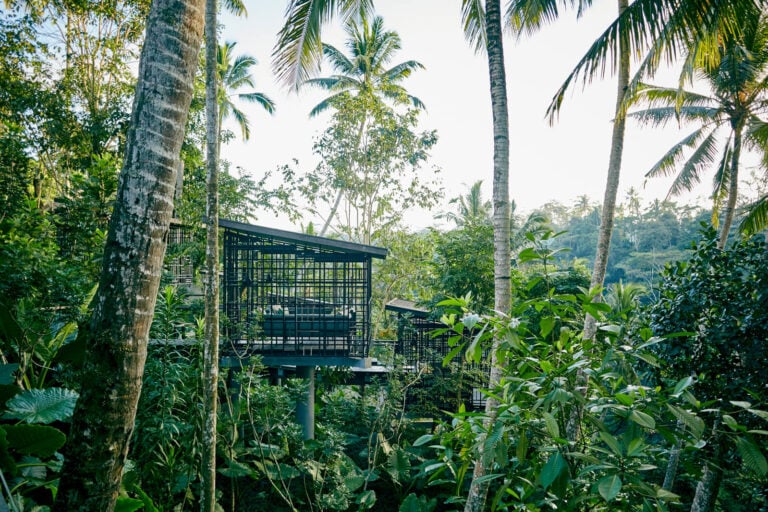
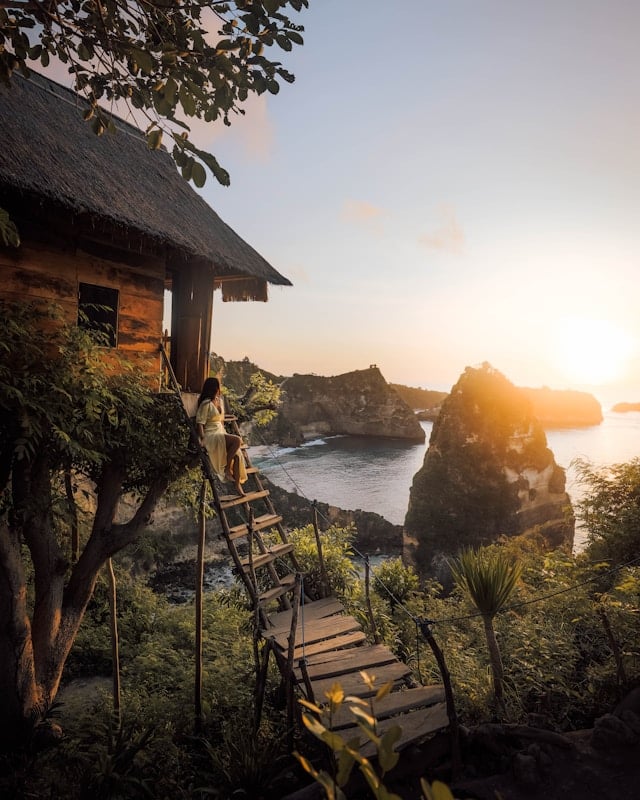
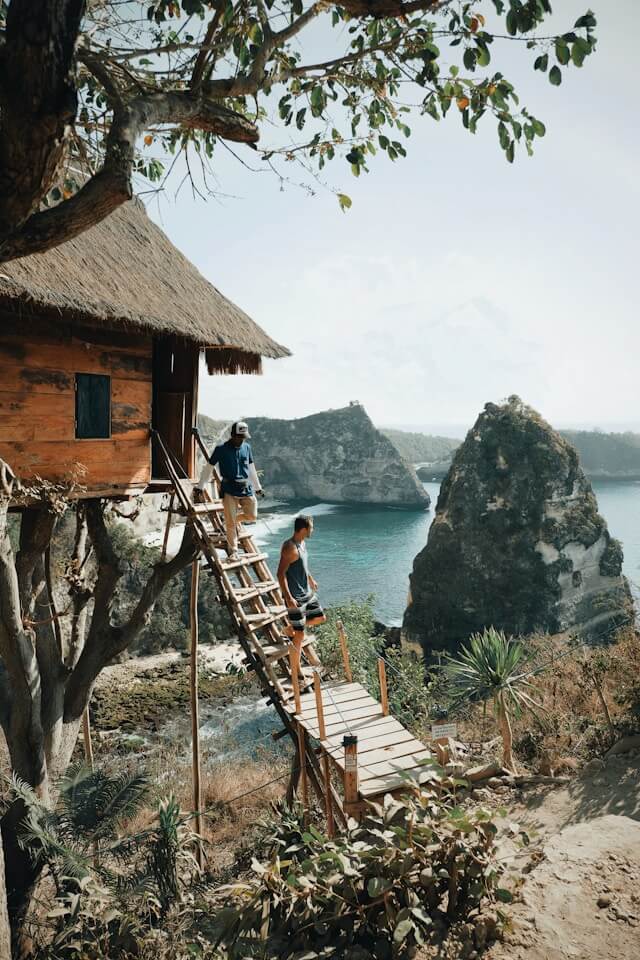
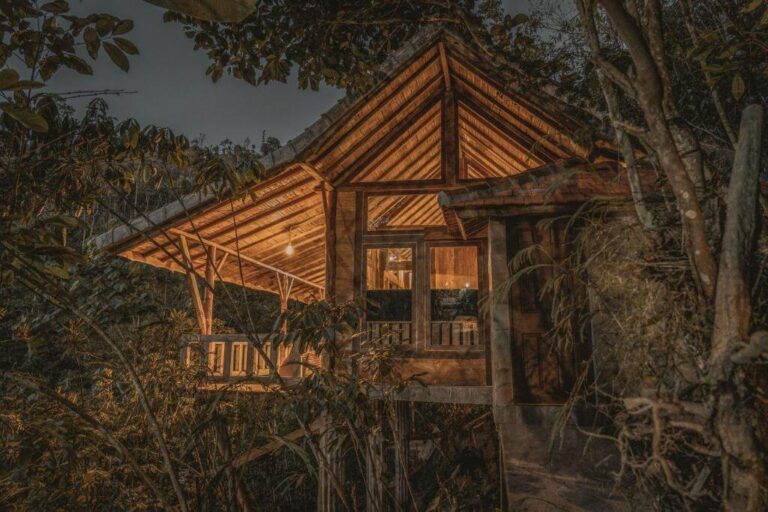
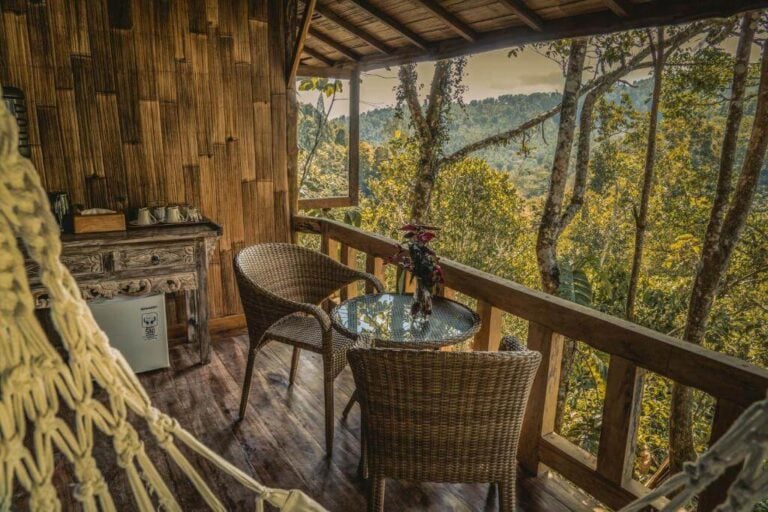
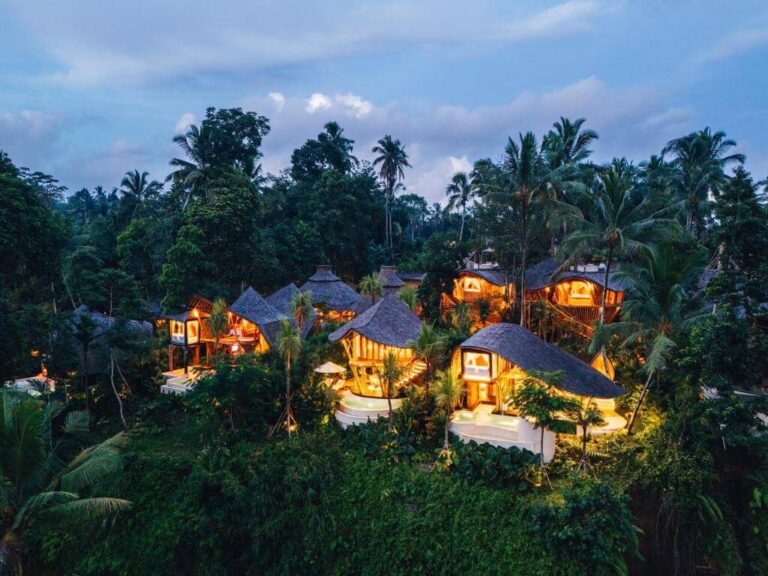
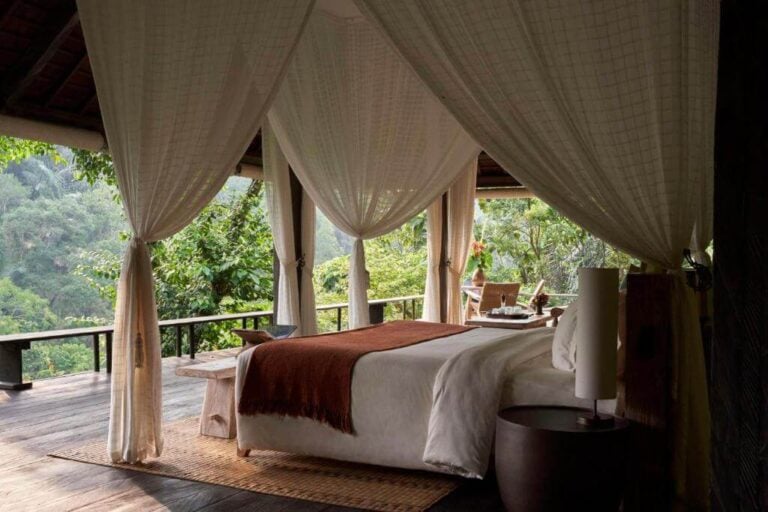
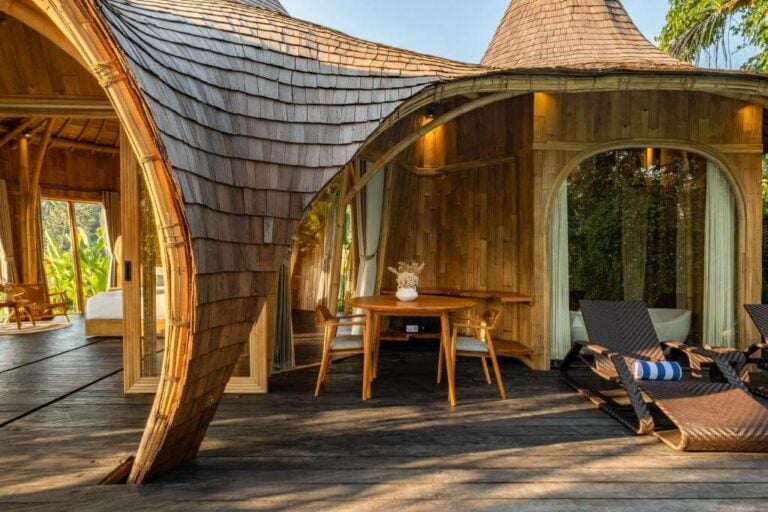
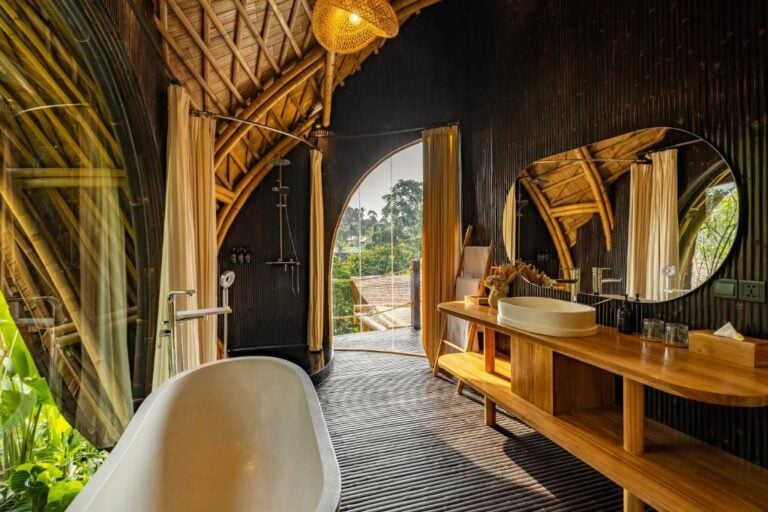
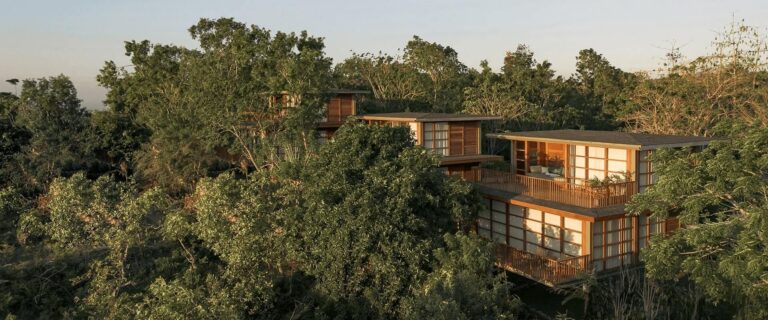
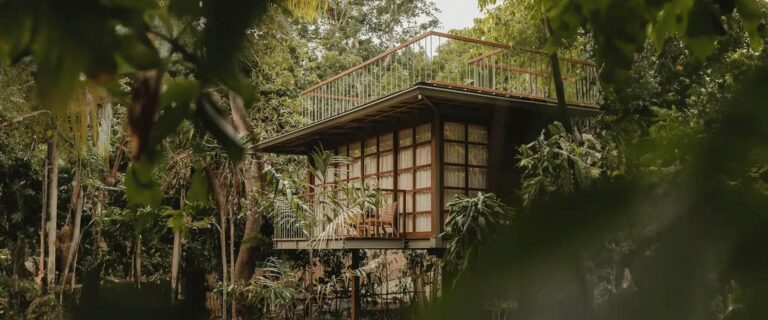
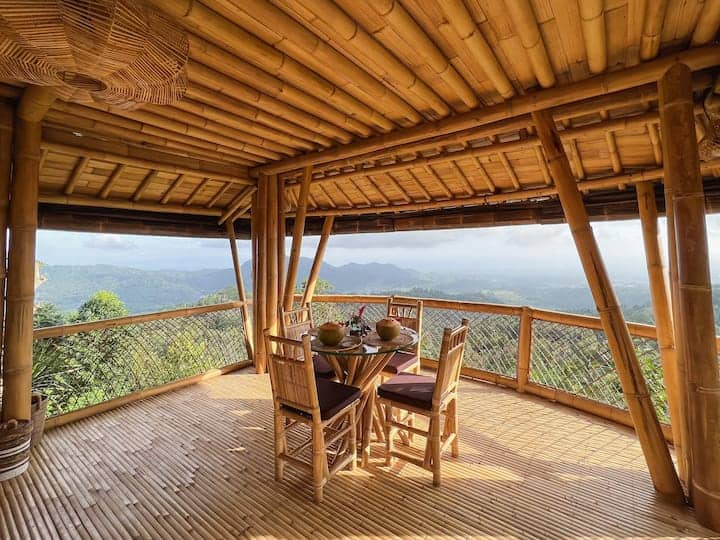
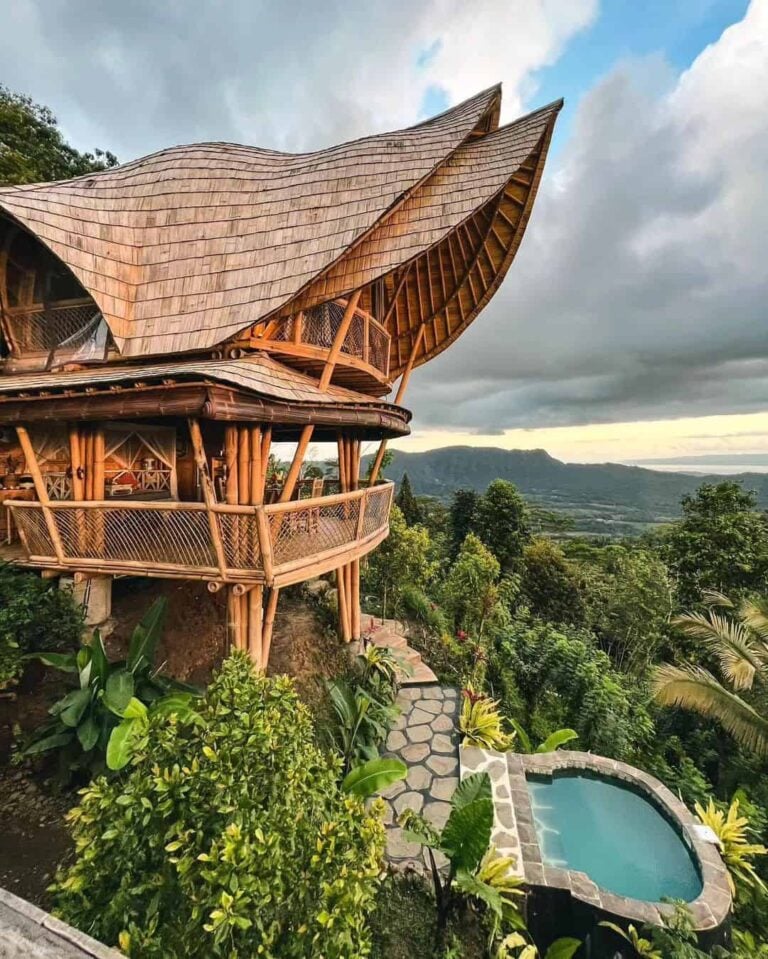
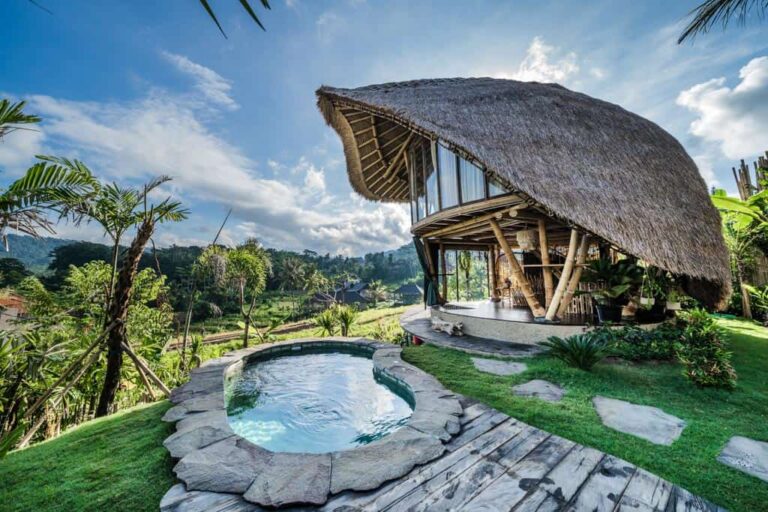
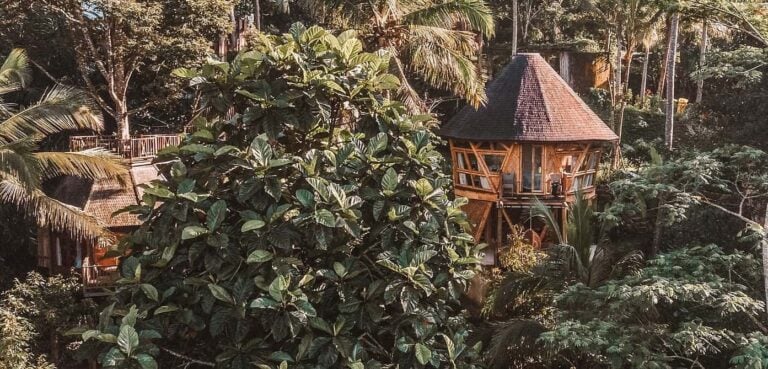
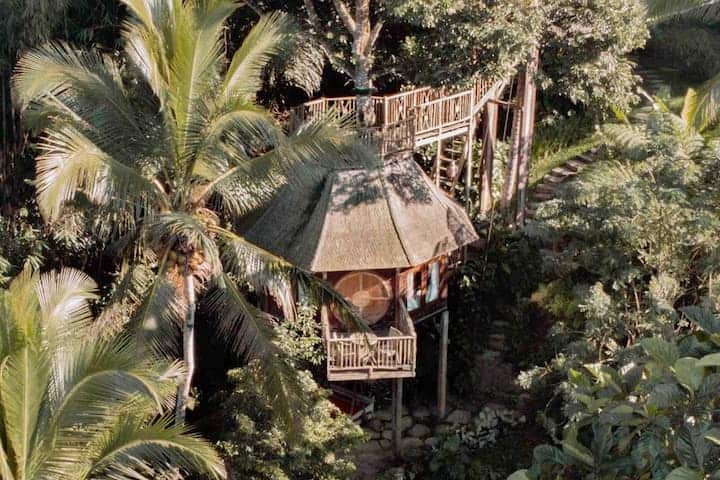
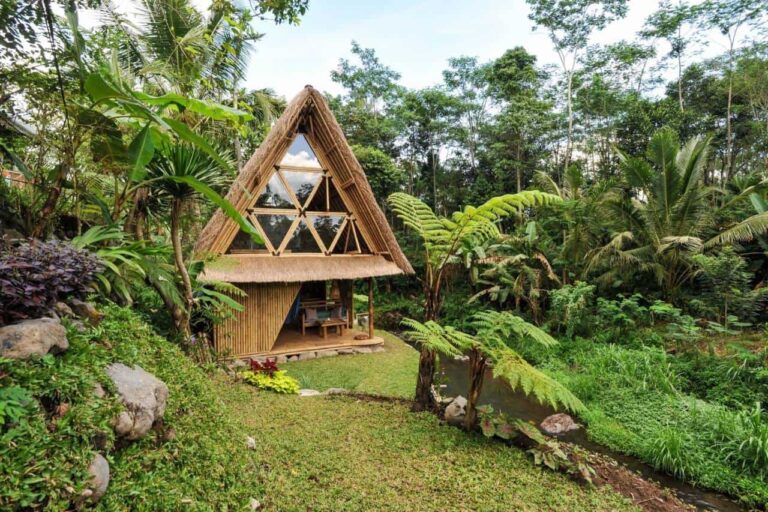
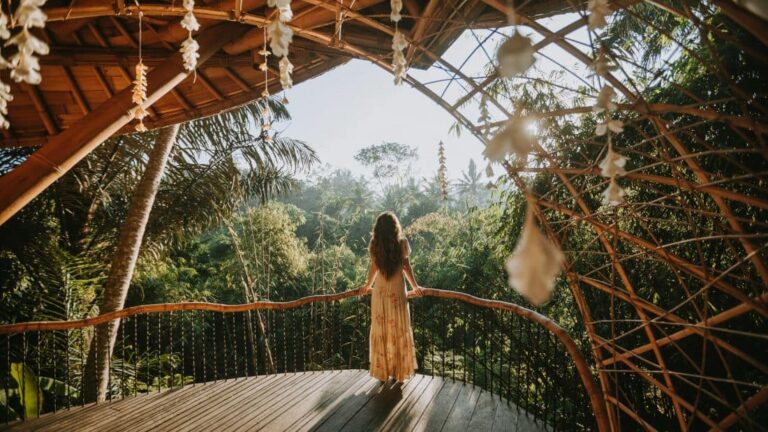
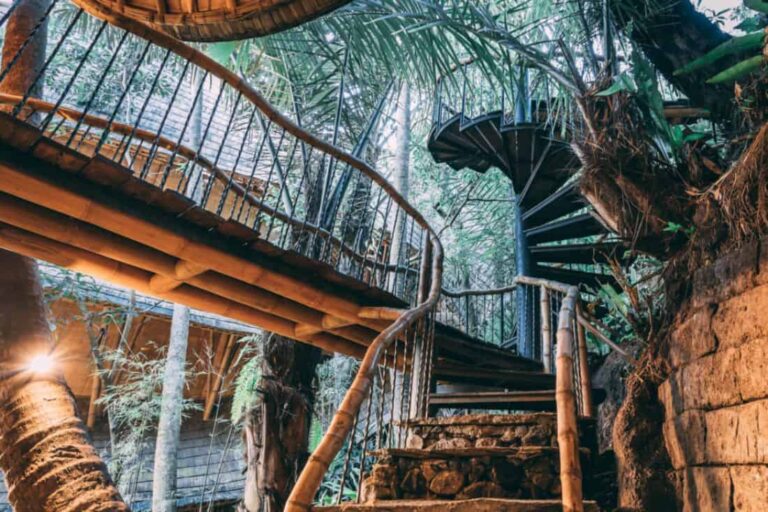
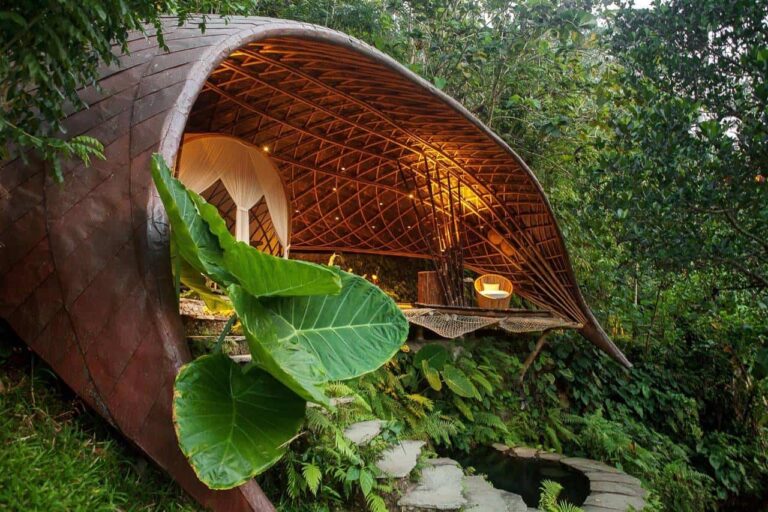
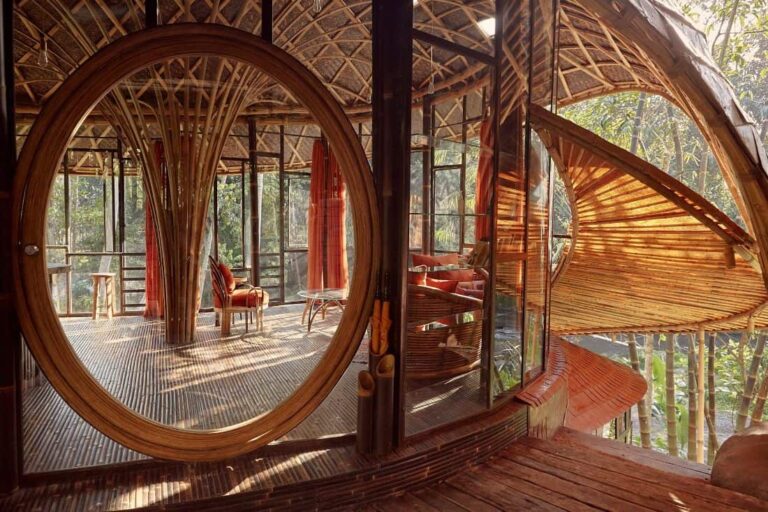
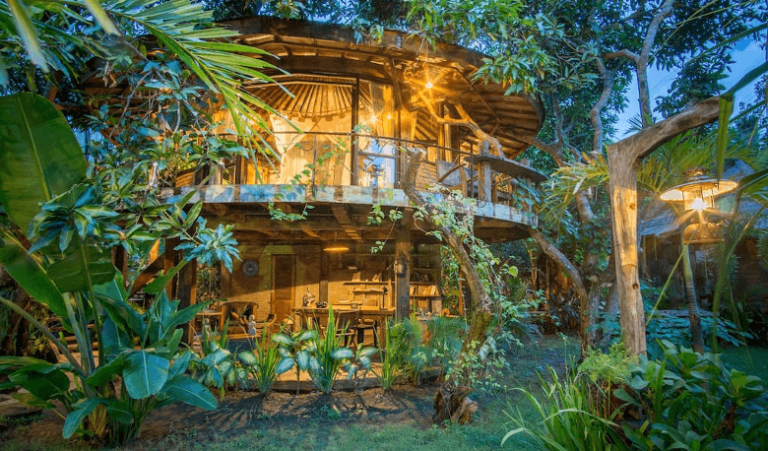
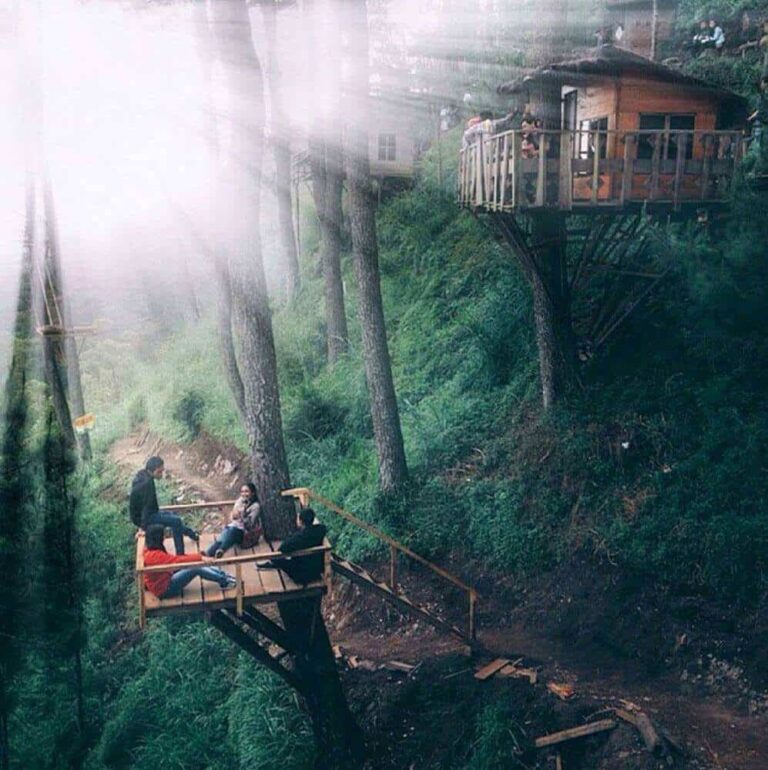
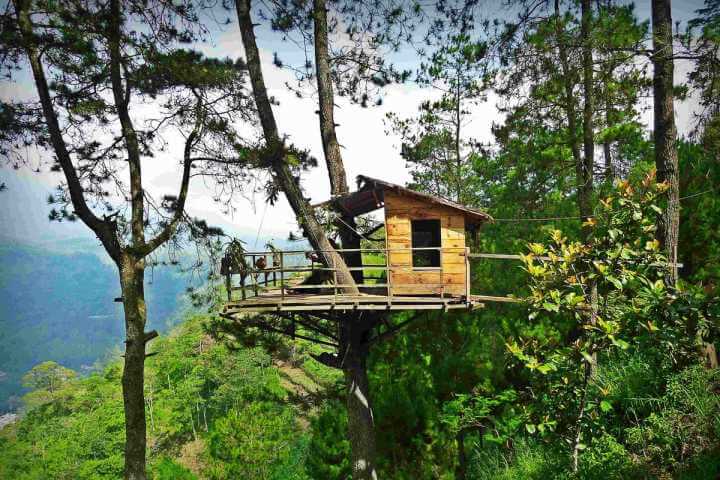
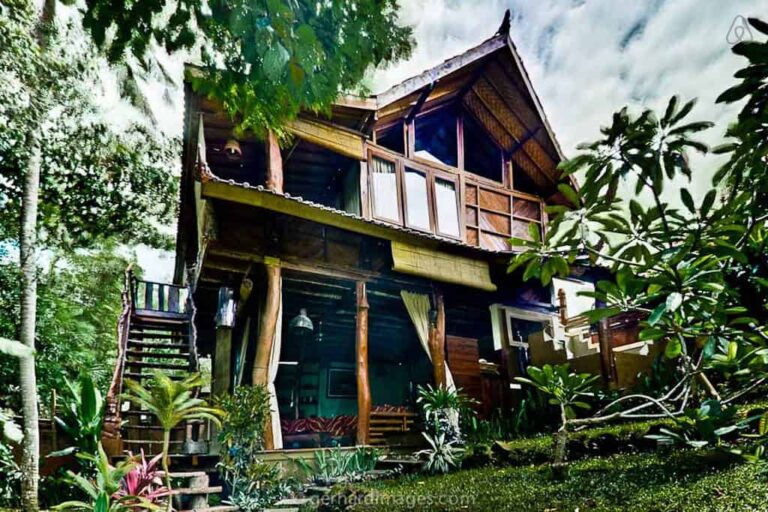
Indonesia scatters treehouses across jungle ridges, rice terraces and coastal slopes on islands big enough that each feels like a different forest conversation. Most visitors start in Bali, where bamboo platforms overlook stone temples and morning mist, but Java pushes deeper into old rainforest and Sumatra trades polish for orangutan proximity near Gunung Leuser. Construction follows local rhythm—bamboo lashed with rattan, open walls, palm thatch—and sustainability runs quiet, rooted in what grows nearby rather than what sounds impressive on a checklist.
Explore Indonesia
{{locationDetails}}
Browse sub-categories







About Indonesia
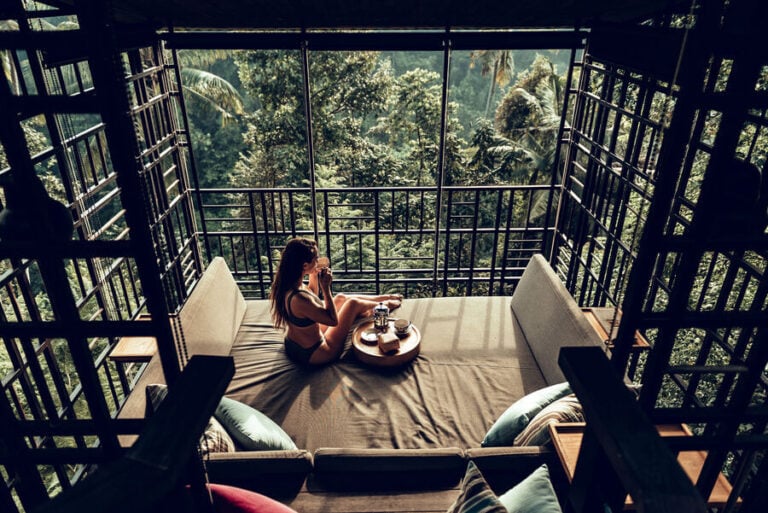
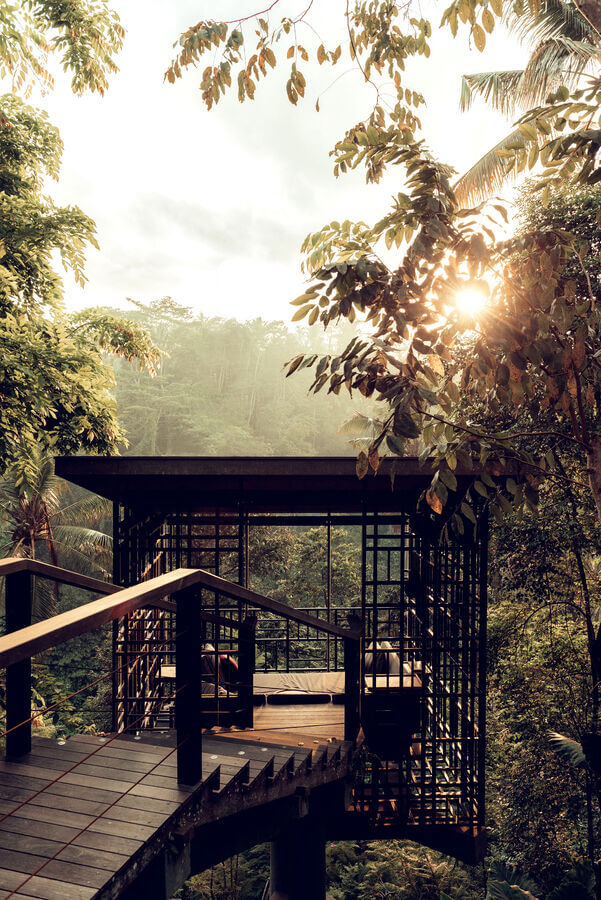
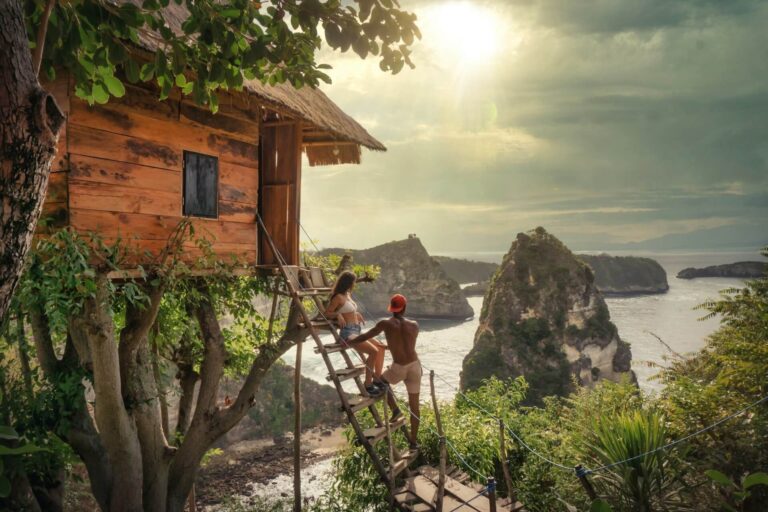
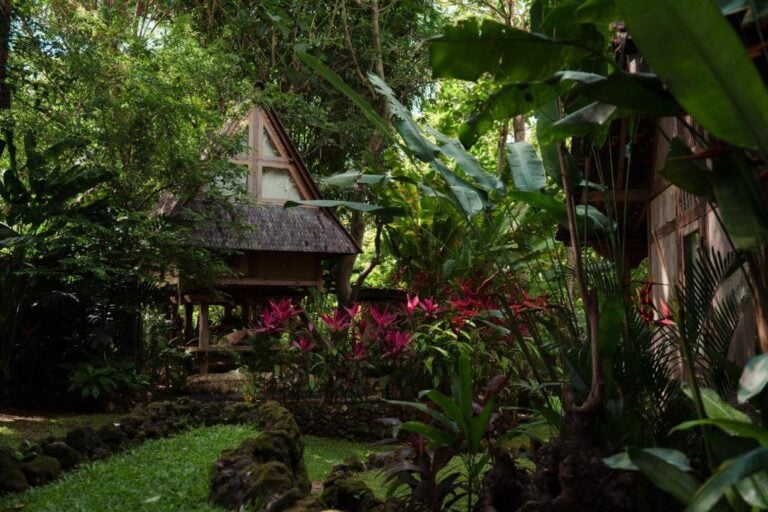
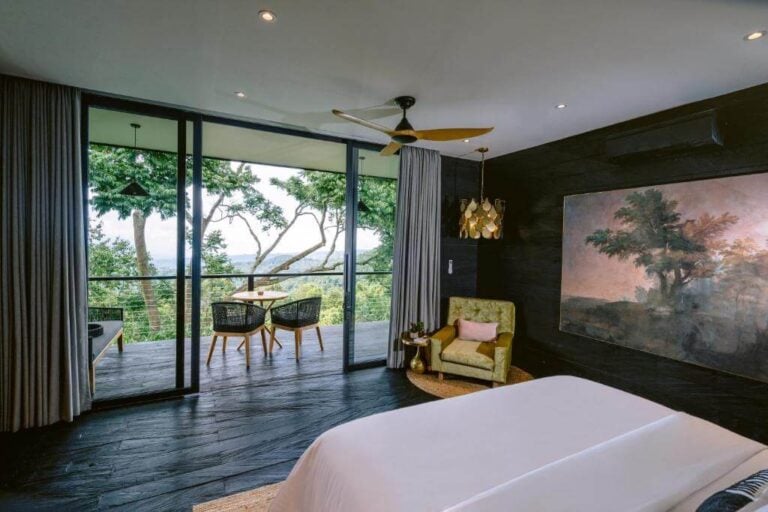
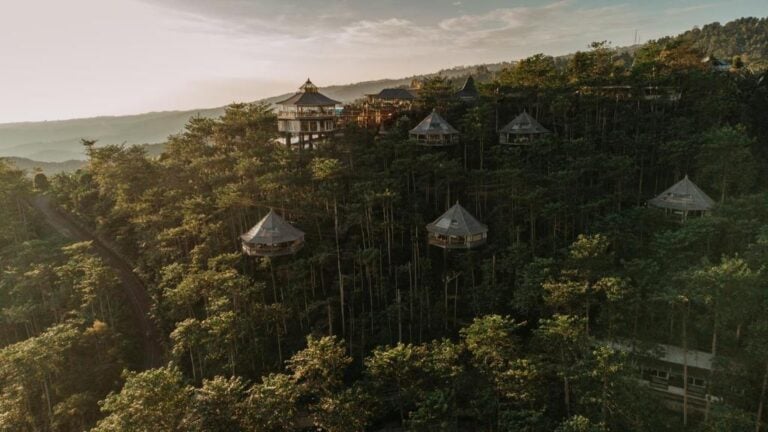
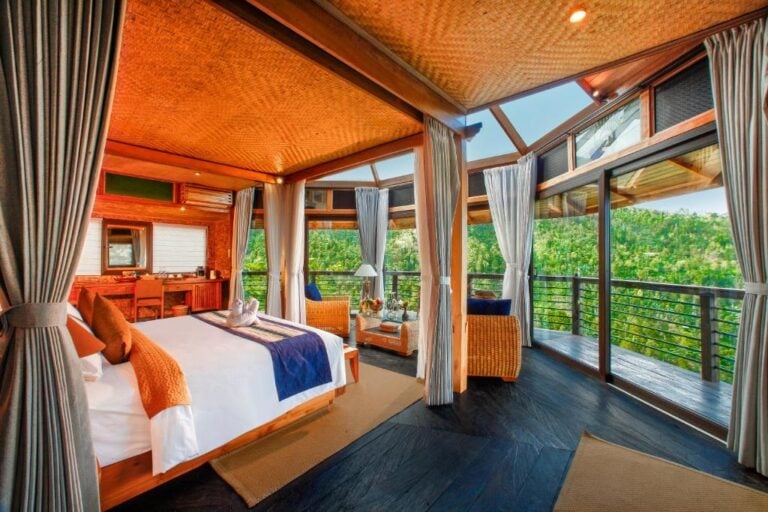
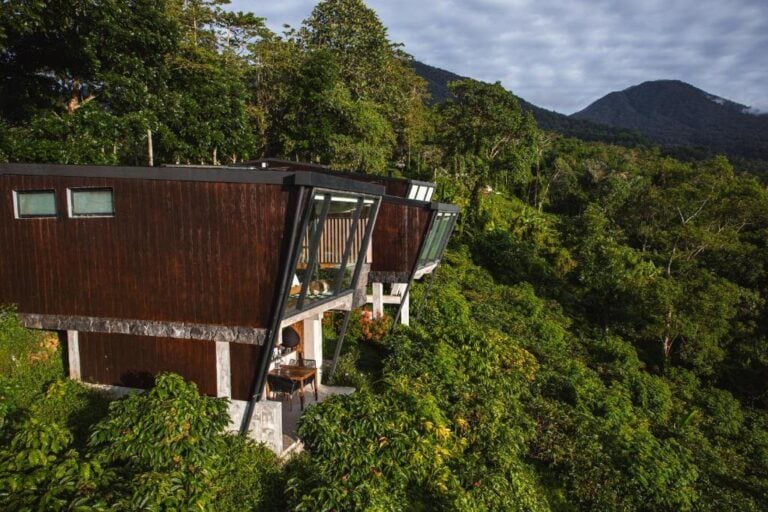
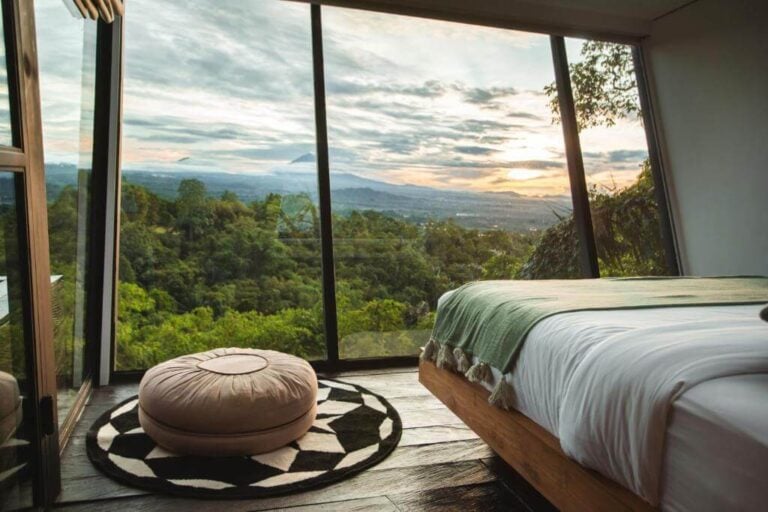
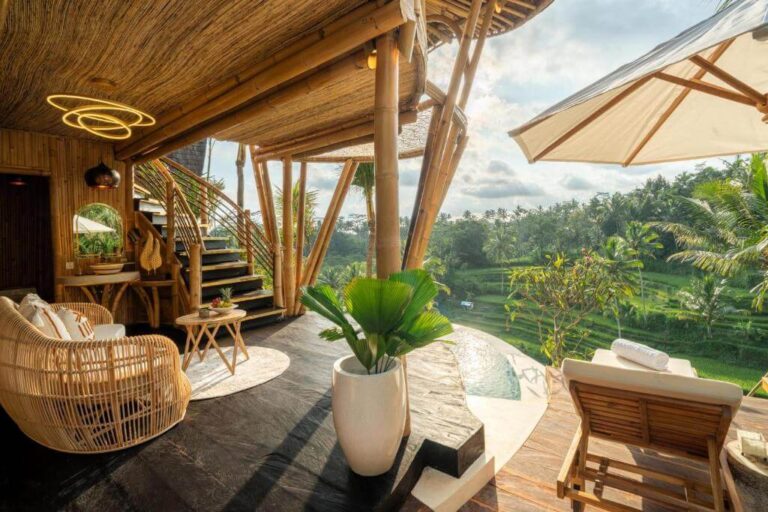
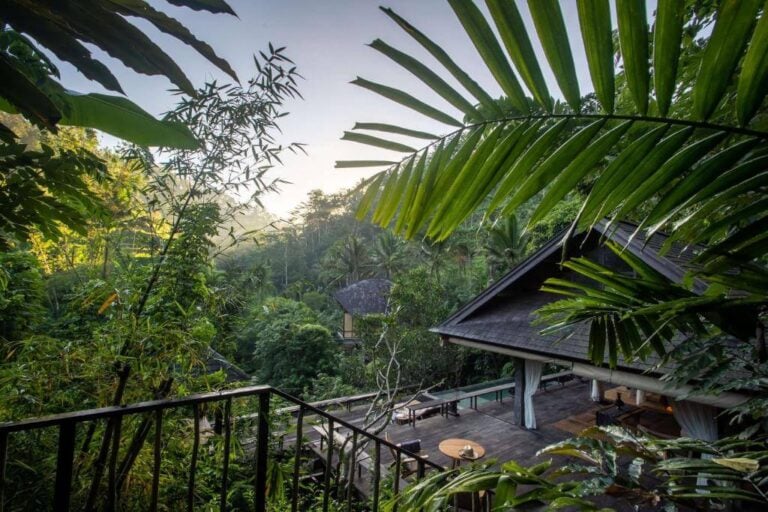
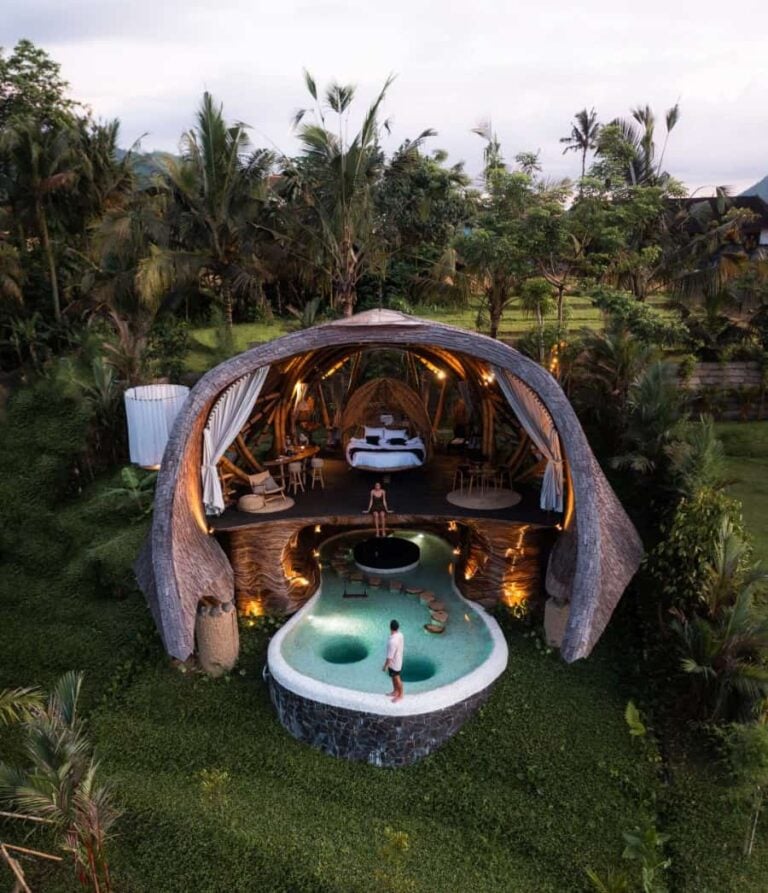
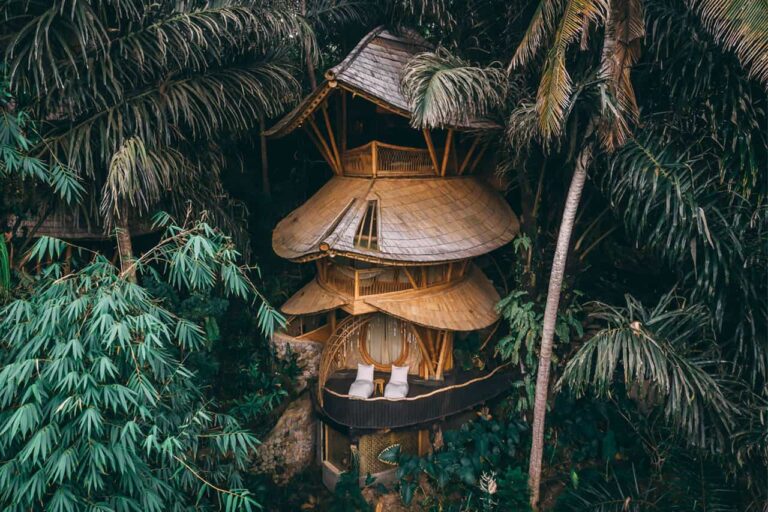
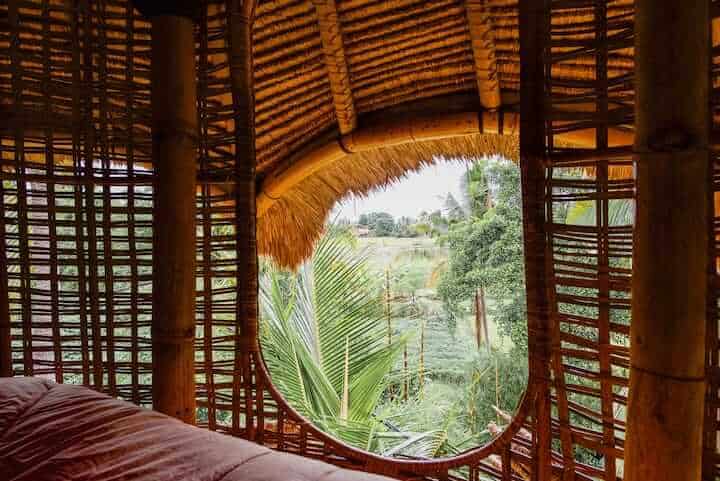
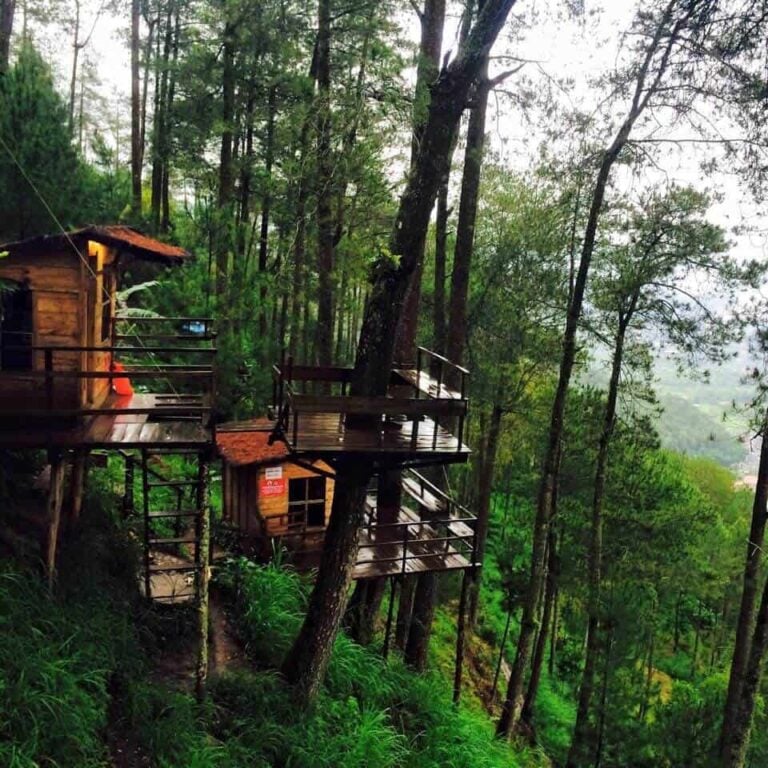
Indonesia's treehouses rise from rice paddies, jungle ridges and coastal slopes across an archipelago too big to see from any one perch. Most cluster in Bali, where bamboo platforms overlook terraced valleys and stone temples older than the trees. Java pushes deeper into rainforest, mist threading between canopy and moss-skinned ruins. Sumatra trades polish for proximity—treehouses near Gunung Leuser National Park put you close enough to wild orangutan habitat that breakfast sometimes comes with an audience. The islands don't feel like variations on a theme. They feel like different conversations the forest is having with itself.
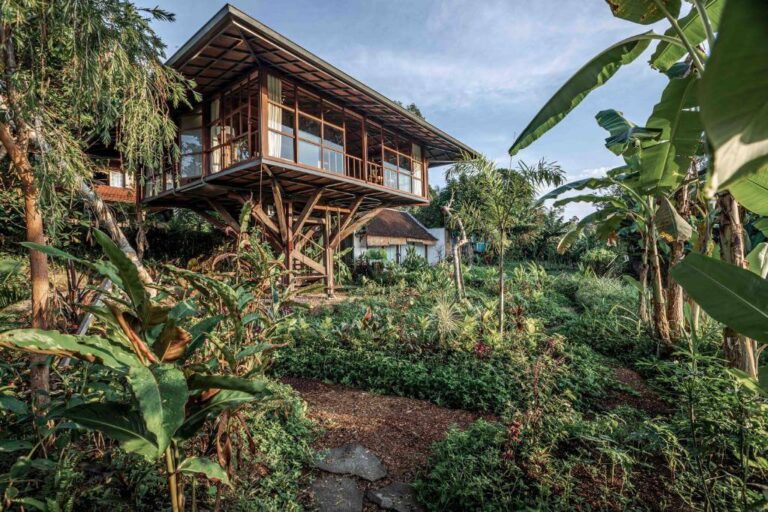
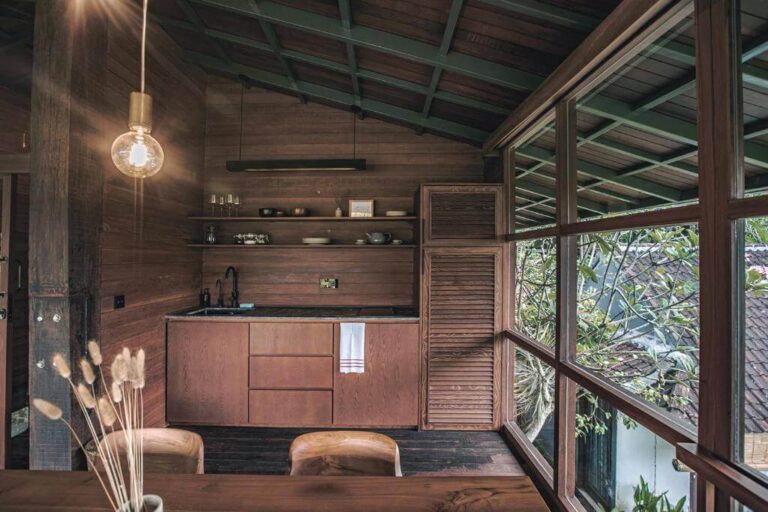
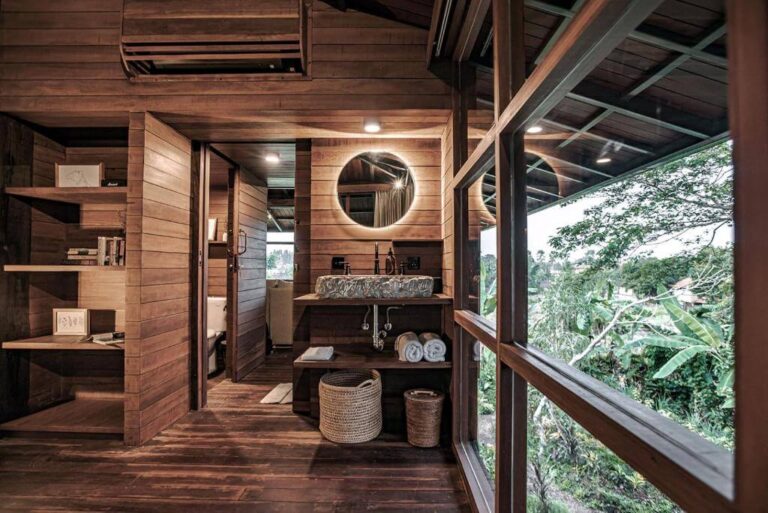
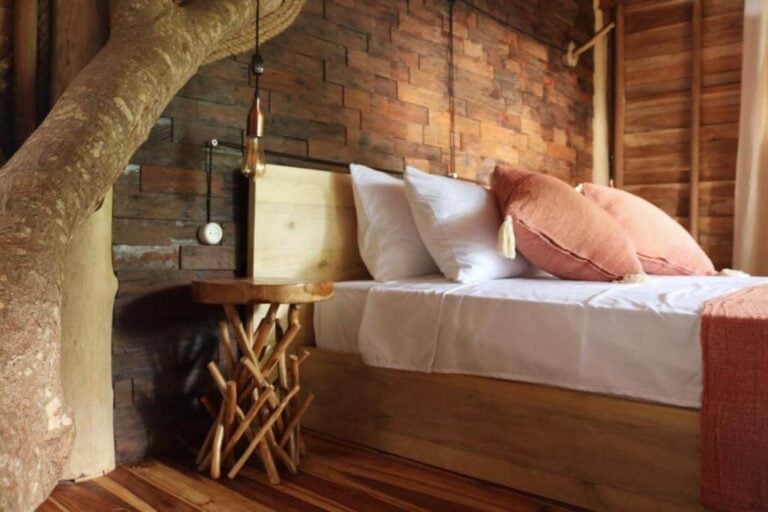
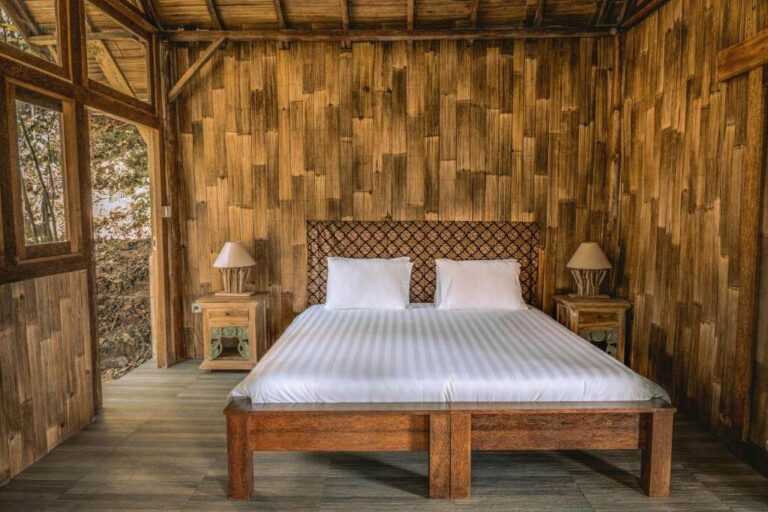
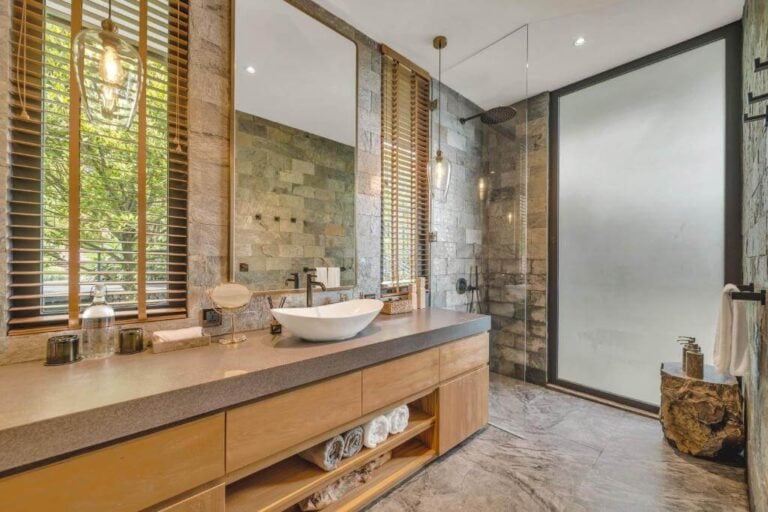
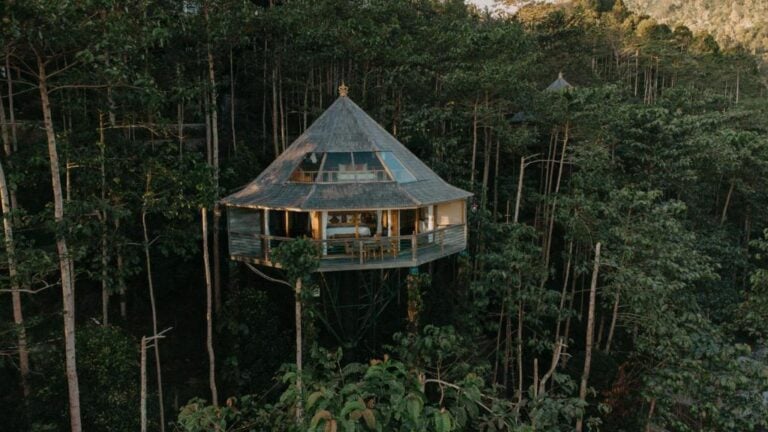
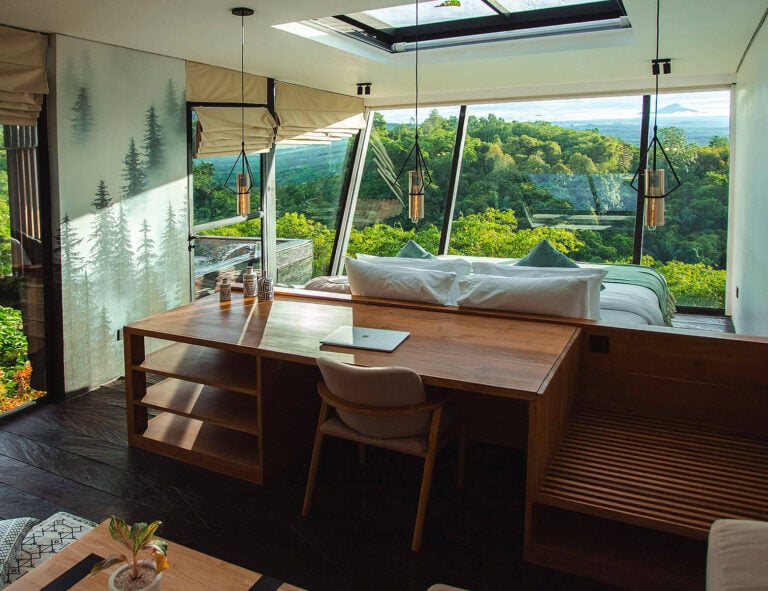
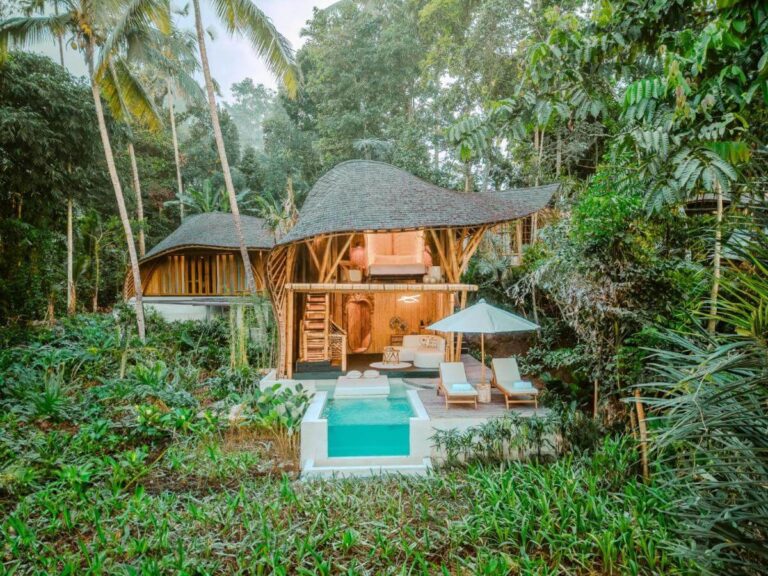
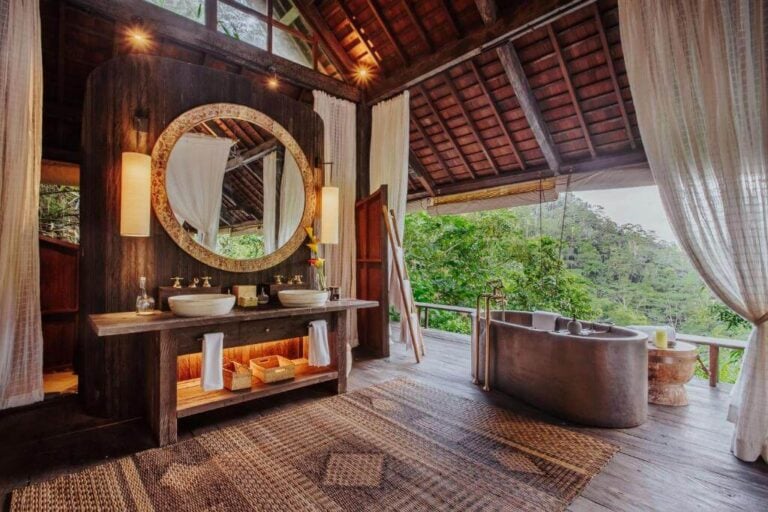
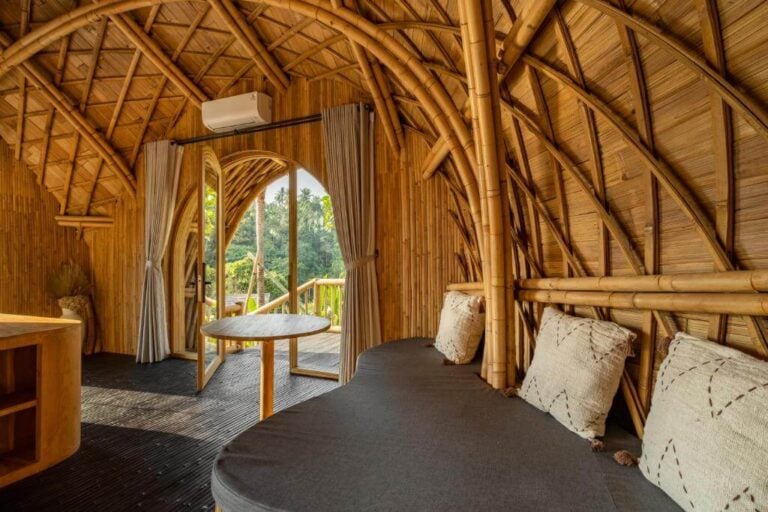
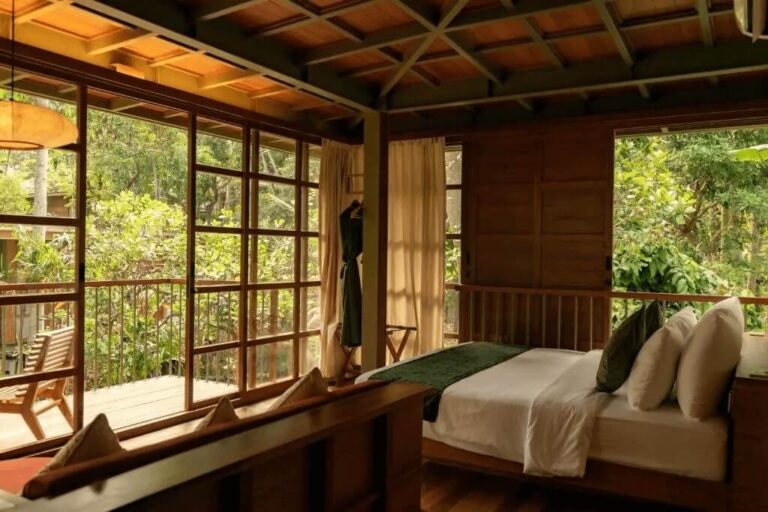
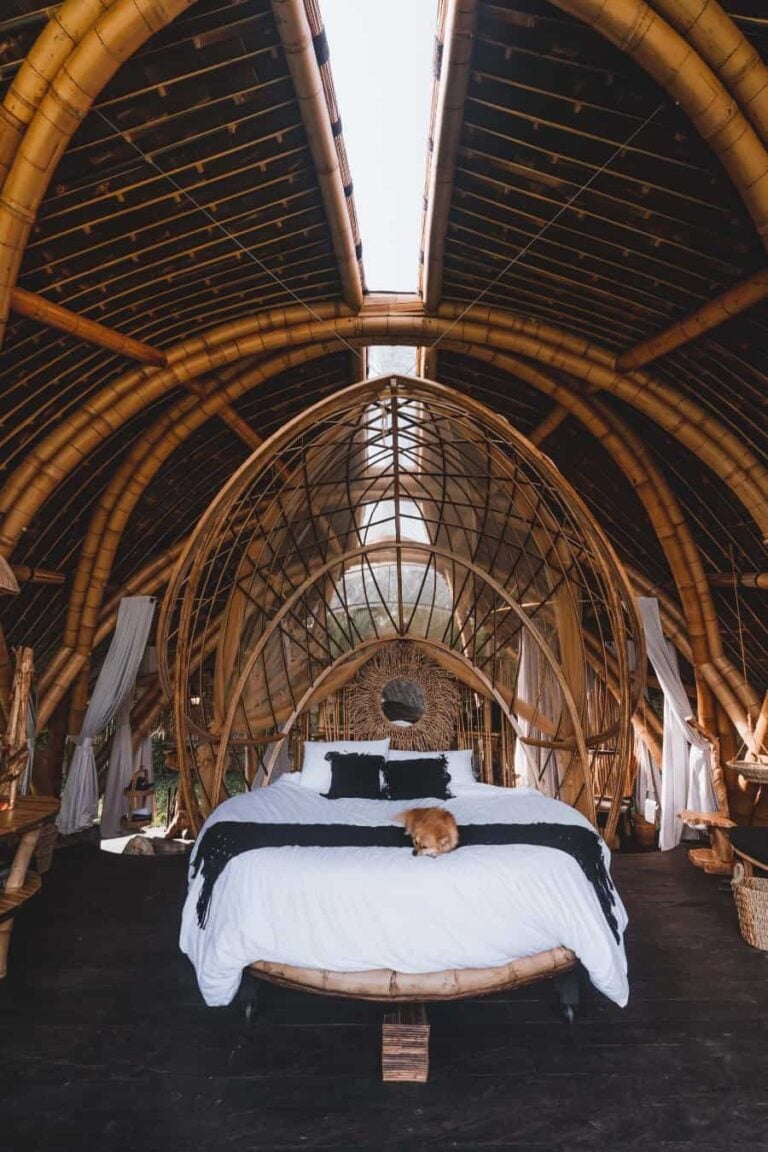
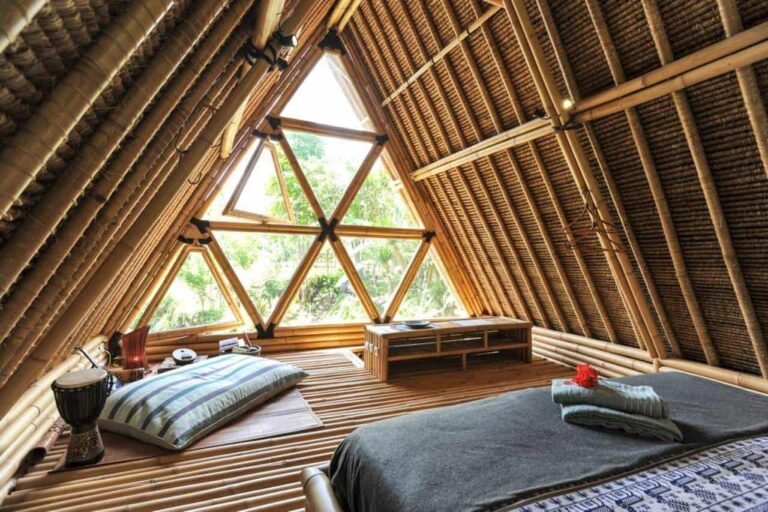
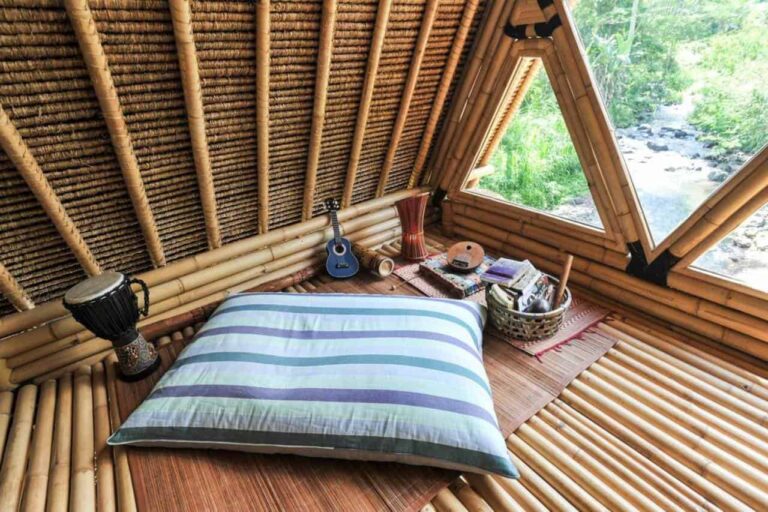
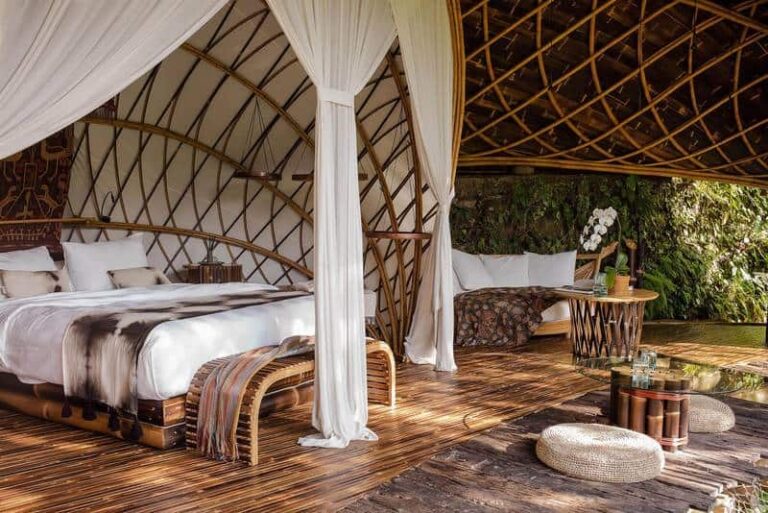
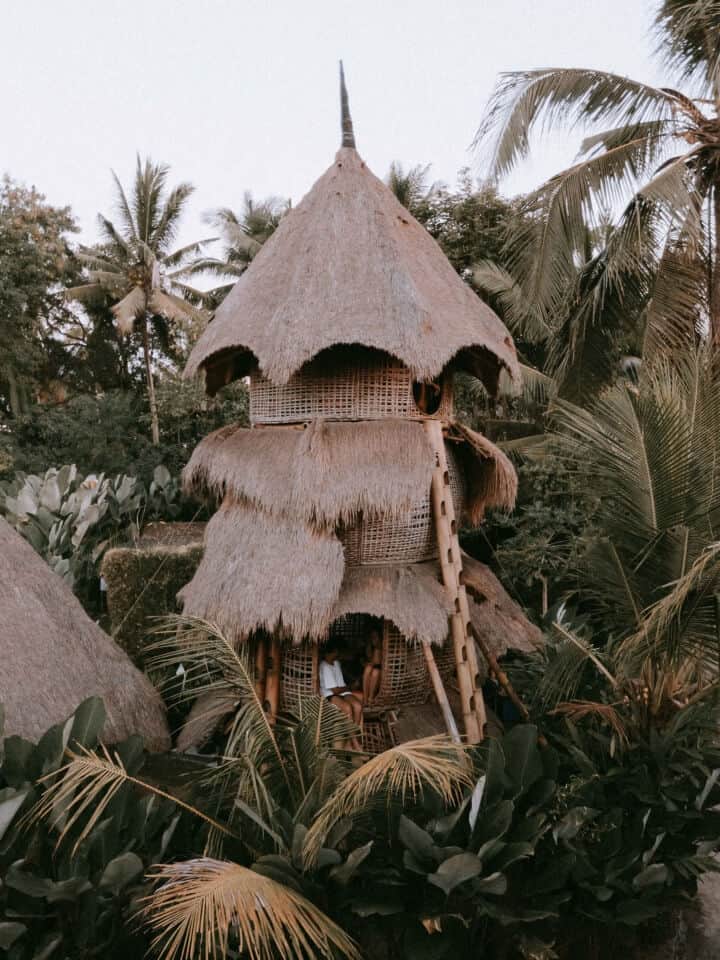
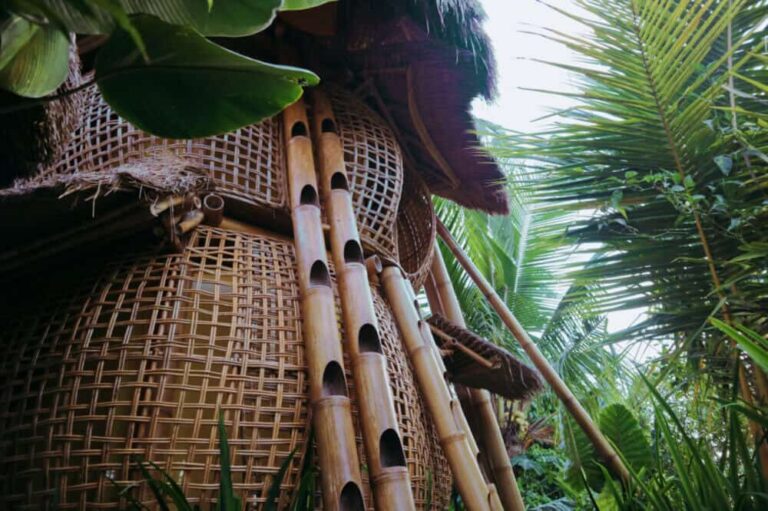
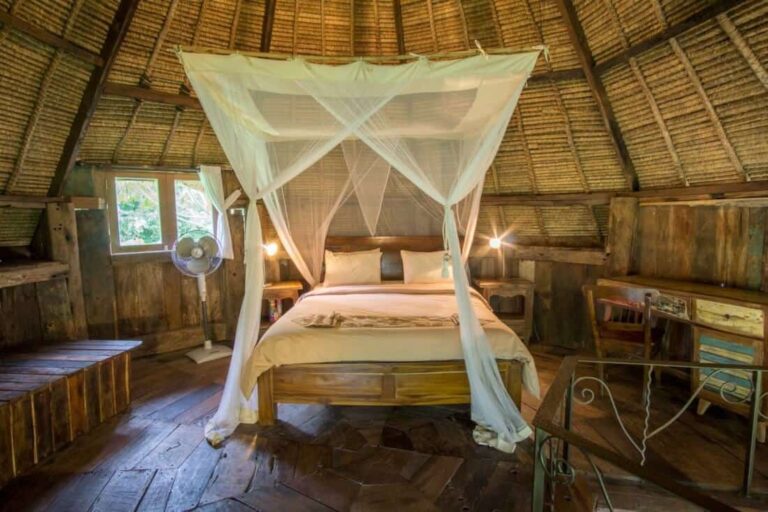
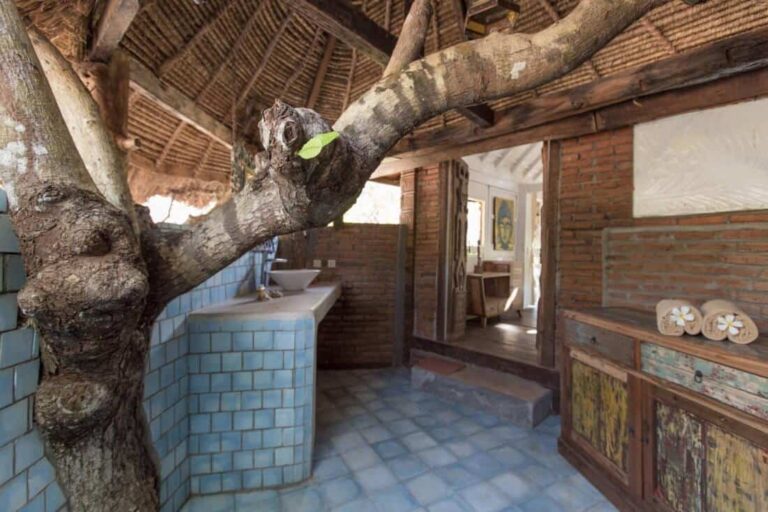
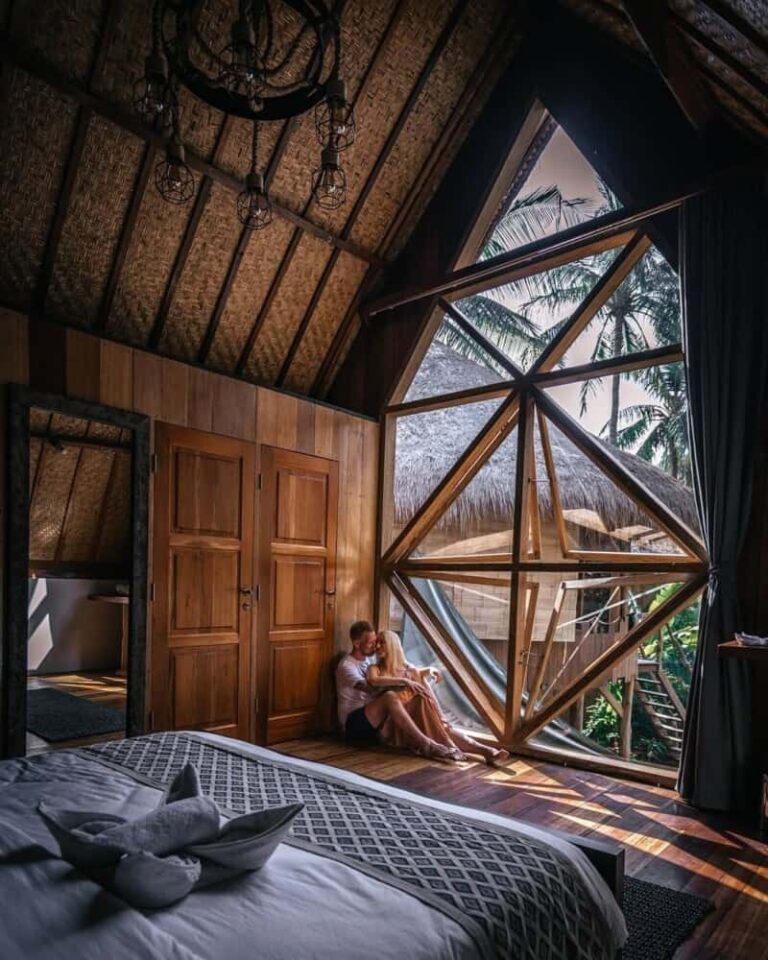
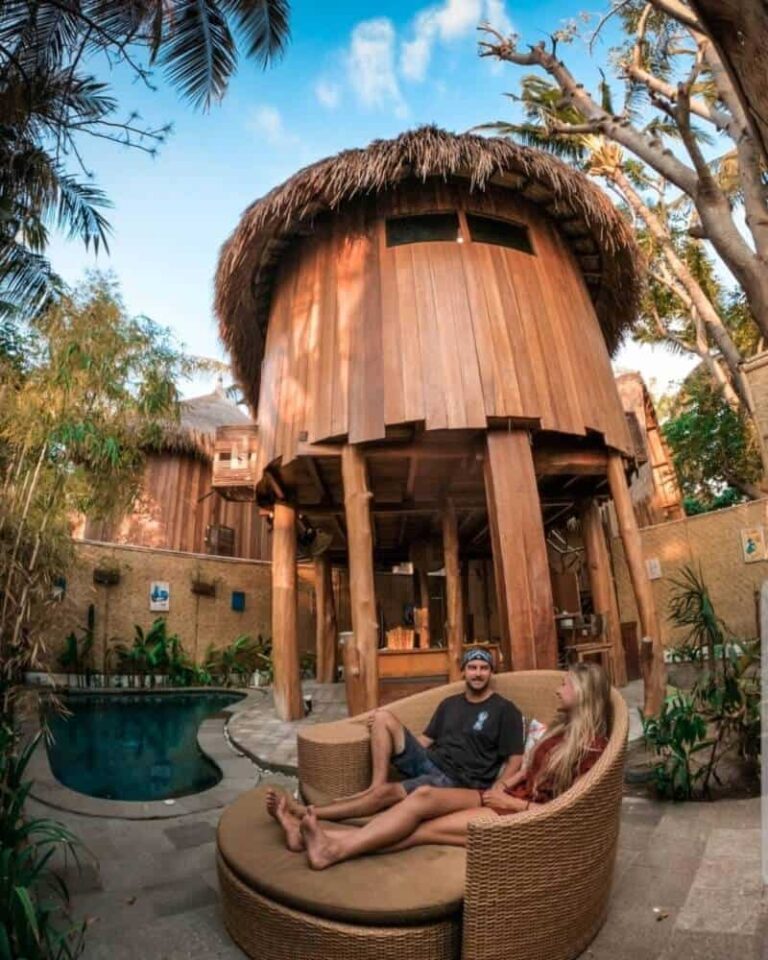
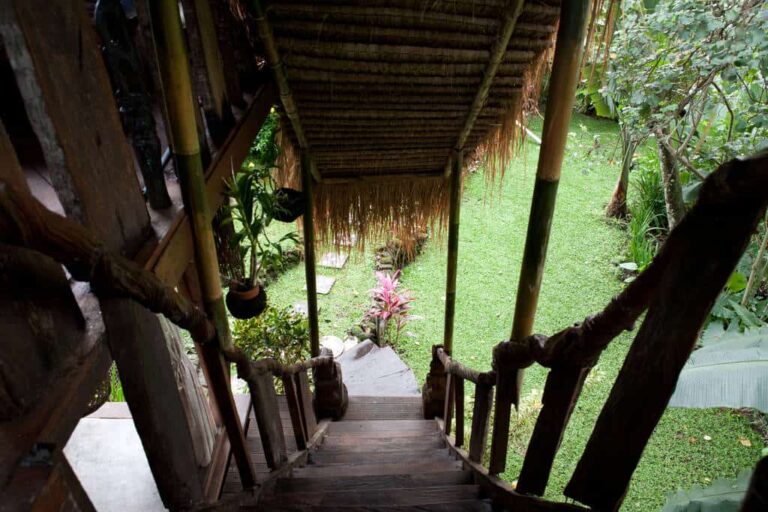
The construction follows a rhythm you notice quickly. Bamboo lashed with rattan, floors worn smooth by feet and weather, roofs thatched from palm or alang-alang grass. Walls stay open or screened, letting air move through without asking permission. Solar panels tuck into eaves, rainwater fills basins, and waste gets composted or carried back down the hill. It's sustainability without the lecture—just builders using what grows nearby and what the climate allows. Inside you'll find cotton that breathes, fans instead of air conditioning, fruit bowls refilled from village markets. Luxury here measures differently. It's the lack of engine noise. The weight of quiet after a thunderstorm passes.
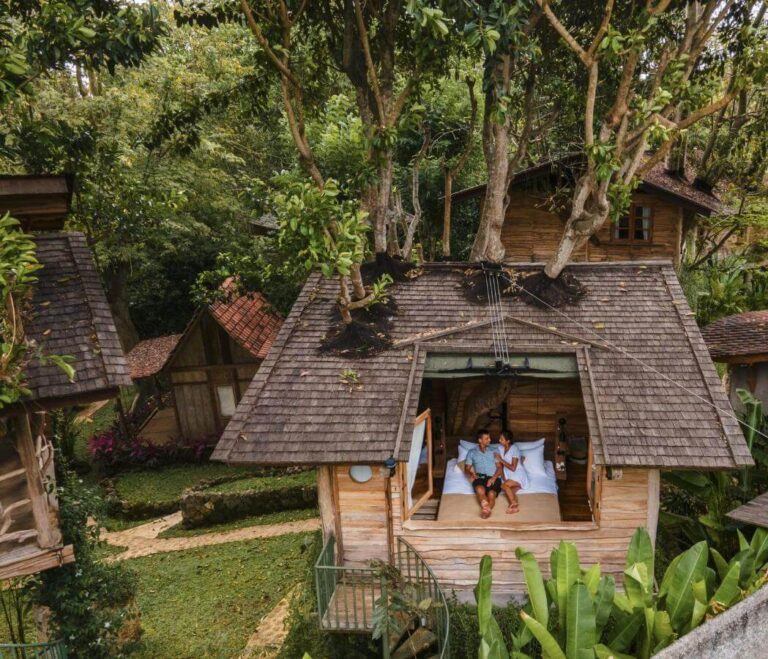
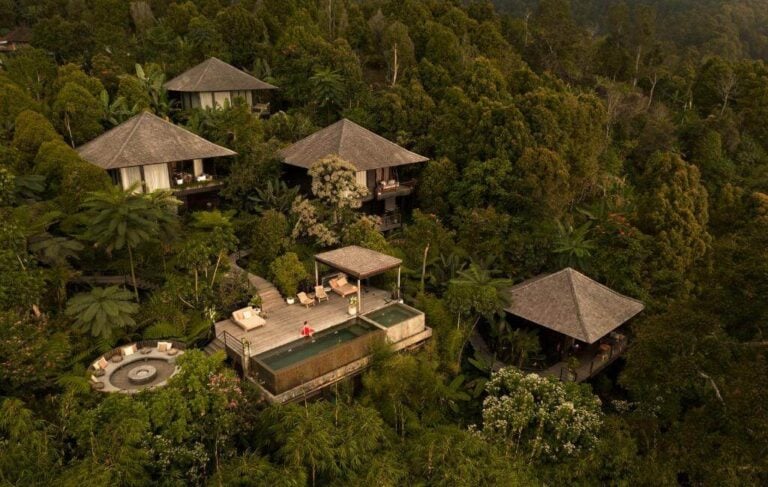
Bali offers the most choices and the easiest access, treehouses ranging from backpacker bamboo huts to villas with infinity pools cantilevered over ravines. Ubud and the surrounding uplands hold the densest concentration, morning fog settling into valleys while temple bells mark the hour. Java's options are fewer but the jungle feels older, thicker, less rehearsed for visitors. Sumatra skews rustic and adventure-focused, treehouse guesthouses serving trekkers heading into Bukit Lawang's rivers and trails. Coastal and marine regions—Sulawesi, parts of Bali's shoreline—tend toward stilted bungalows rather than true forest canopy stays, though a few elevated decks do catch salt air and reef shimmer below.
Seasons matter. The dry months from April through October suit most regions, though Sumatra stays wetter year-round and Java's highlands can surprise you with afternoon downpours any month. Indonesia isn't a country you road-trip; it's an archipelago connected by short flights and long ferries, so planning means choosing your island and settling in rather than ticking off a checklist. Visas come free on arrival for most nationalities, valid thirty days, and the main gateways—Bali's Ngurah Rai, Jakarta, Medan for northern Sumatra—funnel travelers toward trailheads, surf breaks and the kind of treehouse that doesn't feel built so much as coaxed into being. Days empty themselves. You walk to a waterfall. You nap through rain. You wake to birdsong that doesn't care whether you're listening, and somewhere between the second coffee and the first firefly, you stop counting hours.
Frequently asked questions about Indonesia
Which Indonesian island has the most treehouse accommodation?
Bali holds the largest concentration of treehouse stays, especially around Ubud and the central highlands. You'll find everything from simple bamboo platforms to luxury villas with cantilevered pools overlooking rice terraces. Java offers fewer but more remote jungle options, while Sumatra's treehouses cater mainly to trekkers visiting orangutan habitat near Bukit Lawang. Coastal islands like Sulawesi lean toward stilted beach bungalows rather than forest canopy stays.
When is the best time to stay in an Indonesian treehouse?
April through October brings drier weather across most of Indonesia, making it the easiest season for treehouse stays. Sumatra stays wetter year-round, and Java's highlands can see afternoon storms any month, but the dry season still offers the most predictable conditions. If you're chasing orangutan sightings in Sumatra or volcano treks in Java, aim for these months when trails are clearer and wildlife more active.
Do Indonesian treehouses have electricity and running water?
Most rely on solar panels for lighting and charging, rainwater collection for washing, and fans instead of air conditioning. Higher-end properties in Bali may offer more conventional amenities, but the standard across islands is low-impact infrastructure that works with the climate rather than against it. Expect cotton bedding, open-air bathing, and composting toilets in more remote stays. It's comfort shaped by what the forest provides, not what a grid delivers.
Can you see orangutans from treehouses in Indonesia?
Only in Sumatra, specifically near Bukit Lawang at the edge of Gunung Leuser National Park, where treehouse guesthouses sit close enough to wild orangutan habitat that sightings happen during breakfast or from your deck. Bali, Java and Sulawesi have no wild orangutan populations. If primates are your priority, choose northern Sumatra and book a stay that includes guided jungle treks alongside your treehouse nights.
How do you travel between Indonesian islands to visit different treehouses?
Indonesia is an archipelago, so moving between Bali, Java and Sumatra means short domestic flights or long, slow ferries. Budget an hour or two by air, or a full day by sea depending on the route. The country isn't a road trip; it's a series of distinct island stays. Pick one or two regions and settle in rather than trying to cover the whole chain. Main gateways are Ngurah Rai in Bali, Soekarno-Hatta near Jakarta, and Kualanamu in Medan for access to northern Sumatra.