
Tanzania
Tanzania's treehouse lodges rise above Serengeti grasslands, Tarangire elephant routes and Ngorongoro's misty crater rim, offering eye-level views of browsing giraffes and cooling evening breezes that ground-level camps can't match. Most sit on raised platforms rather than wrapping tree trunks, built where the savannah stretches wide and wildlife density shapes the rhythm of every stay. Timing matters—dry-season months bring the clearest game viewing and the Great Migration's rumbling proximity, while shoulder seasons offer quieter camps and different wildlife drama before the long rains turn access roads to red mud.
{{locationDetails}}
Browse sub-categories
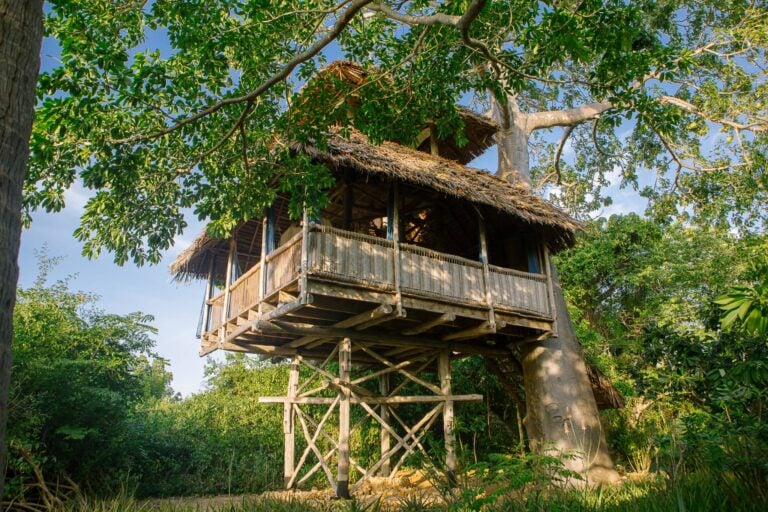
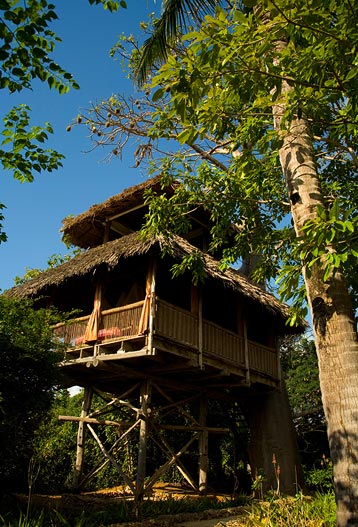
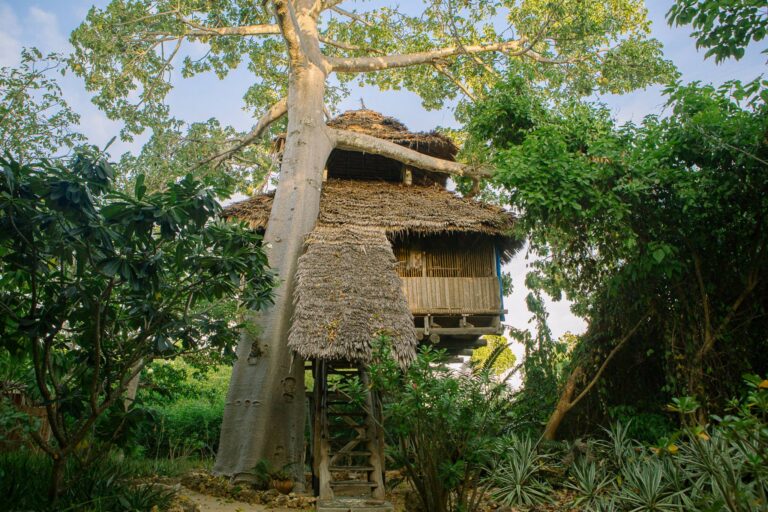

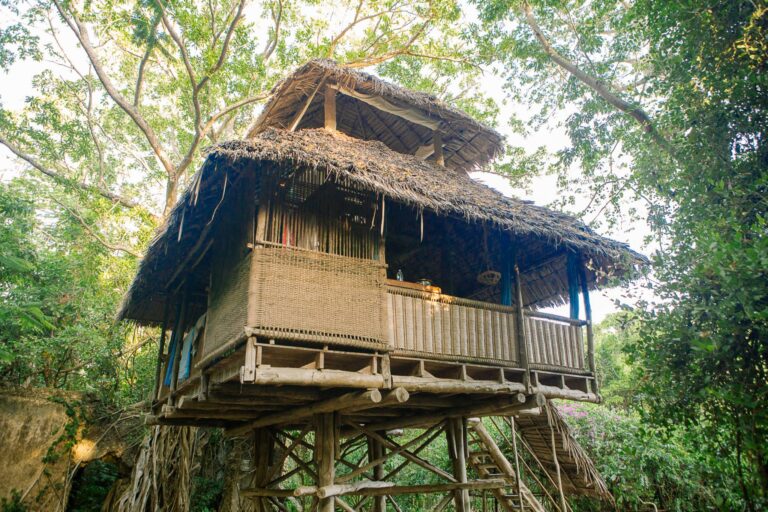

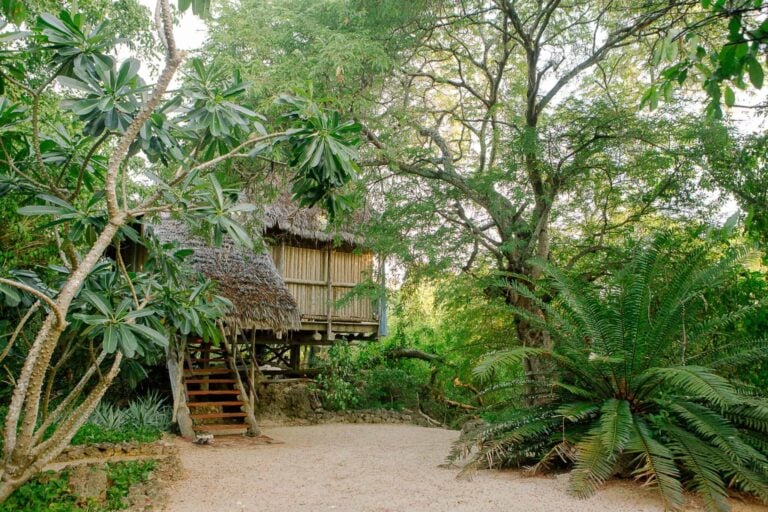
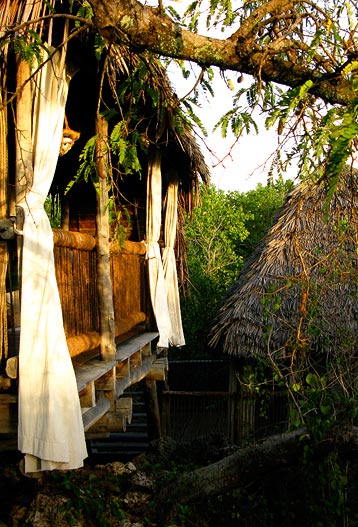
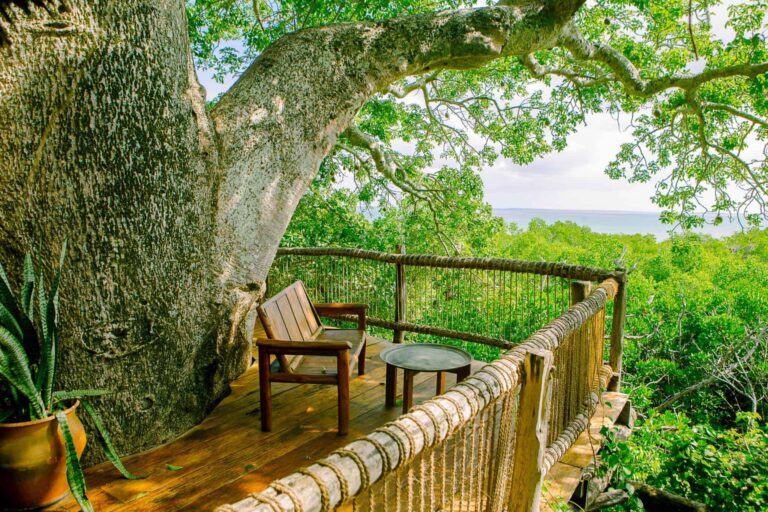
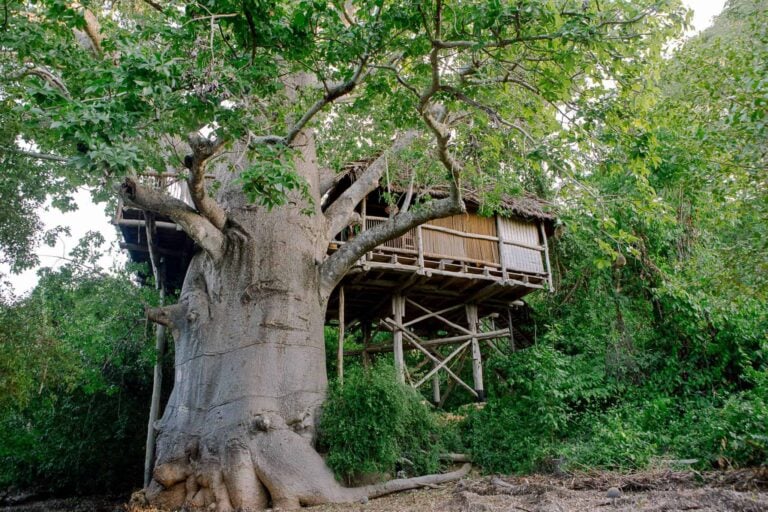
About Tanzania
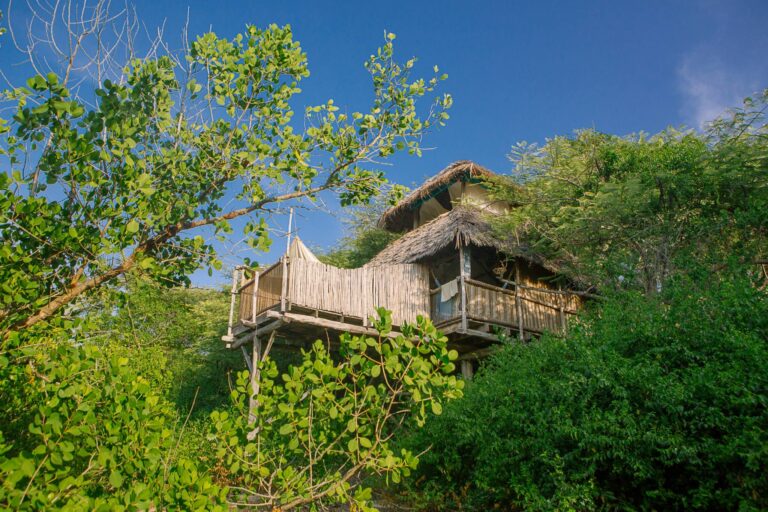
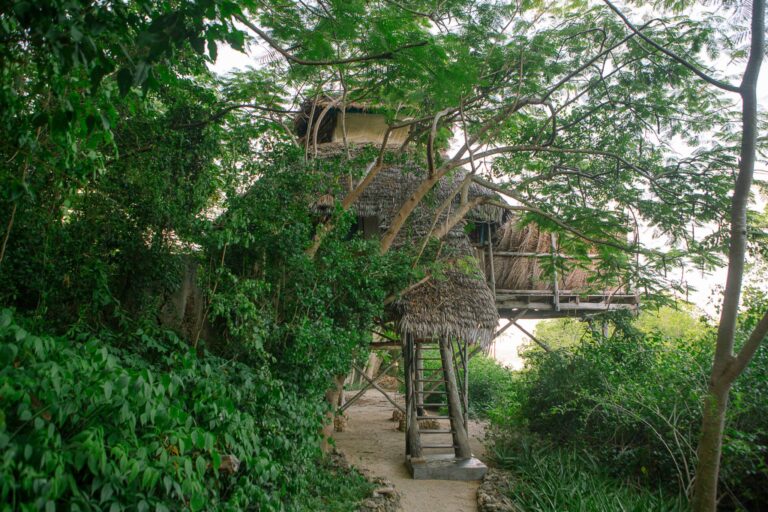
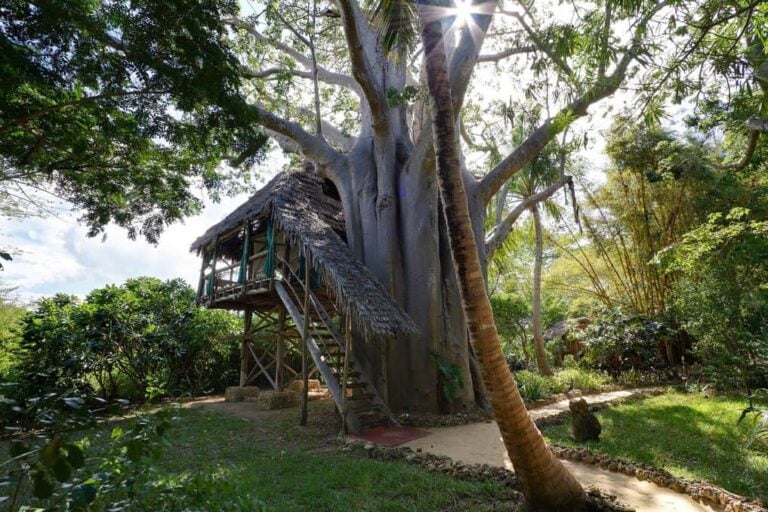
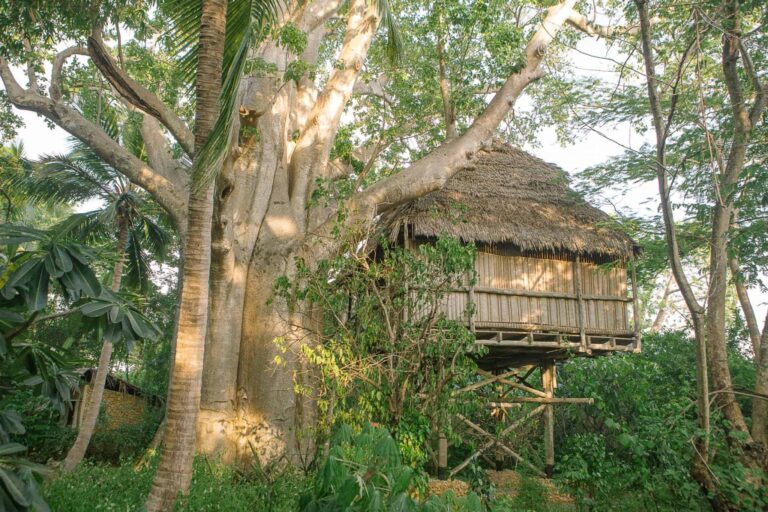
Tanzania's treehouse lodges sit high enough to catch the breeze and the view, often looking out over Serengeti grasslands or Tarangire's elephant country. Most are built on raised platforms rather than wrapped around tree trunks—the open savannah doesn't offer much trunk to wrap around—but the elevation still matters. You're cooler at night, away from ground-level dust, and when giraffes lean in to browse acacia at sunrise, you meet them eye to eye instead of craning upward. The height also keeps you above buffalo trails and evening elephant routes, which is less about danger than about letting wildlife move without human interference underfoot.
The wildlife density shapes the rhythm here. In parts of the Serengeti, particularly the western corridor in June and July or the northern reaches from July through October, the Great Migration moves close enough that you wake to the sound of wildebeest and zebra shifting across the plains. Tarangire's dry season brings elephants in steady, unhurried numbers, sometimes dozens passing beneath your deck as afternoon light slants through the dust they raise. Ngorongoro's crater rim treehouse stays tend to be cooler and mistier, the forest thick enough that birdsong and colobus monkeys replace the open-plain soundtrack. It's a different kind of nearness, quieter but no less immediate.
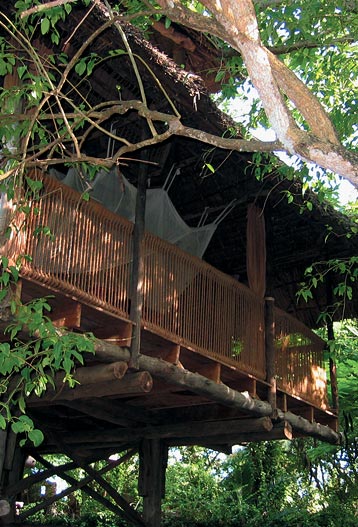
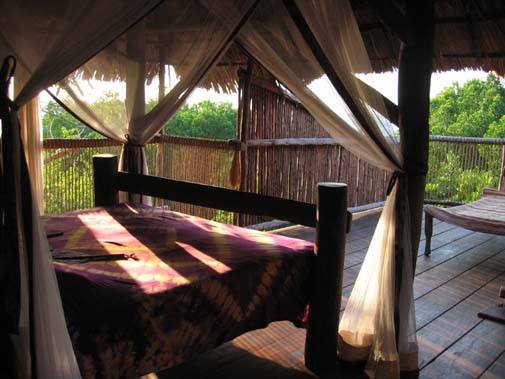
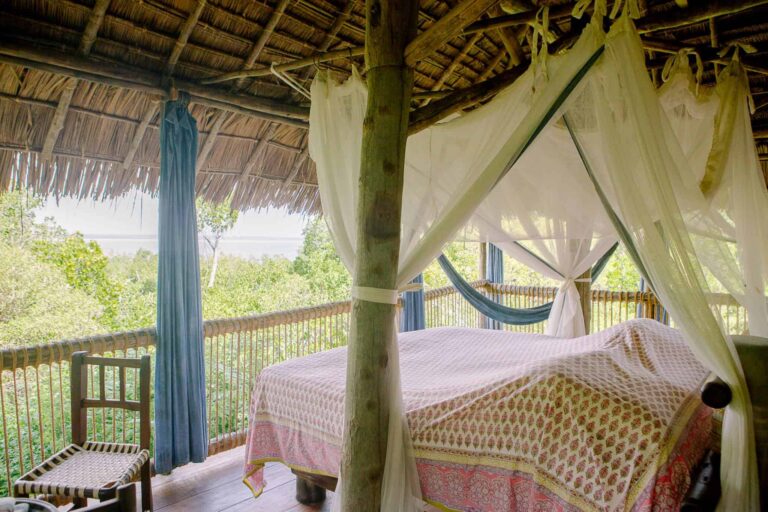
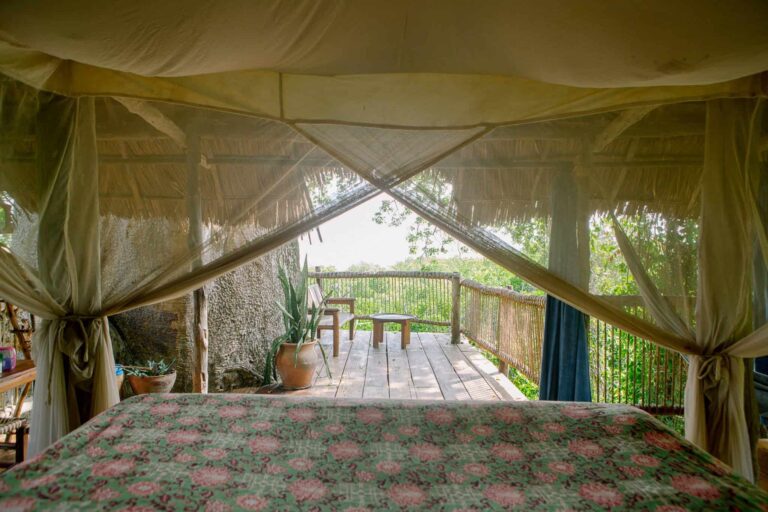
Most Tanzania treehouse properties lean into handmade detail without making a fuss about it—polished local hardwoods, mosquito nets dyed ochre or indigo, solar lamps that don't glare. The structures often feel temporary in a good way, as though they've agreed not to outlast the landscape. Zanzibar's handful of elevated coastal lodges trade savannah for mangrove and palm, their timber lighter in colour, their view salted rather than dusty. They're still technically treehouses, but the experience skews toward relaxation and tide charts instead of dawn game drives.
Timing matters more than it might elsewhere. The dry season from June to October brings the clearest wildlife viewing and the easiest access, though it also brings higher prices and fuller camps. November through February can be cooler and quieter, with the southern Serengeti's calving season offering a different kind of drama. From March into May, the long rains close some lodges entirely and turn roads to red mud; it's worth confirming access before booking shoulder-season dates. The elevation that makes treehouses appealing—airflow, perspective, that sense of floating above the day's heat—matters most when the weather cooperates.
Frequently asked questions about Tanzania
When is the best time to stay in a treehouse lodge in Tanzania?
June through October is the prime window. The dry season brings the clearest wildlife viewing, easiest road access, and the most reliable Great Migration sightings in the Serengeti's western and northern areas. November to February offers a quieter, slightly cooler alternative with good game viewing and lower prices, particularly if you time it with the southern Serengeti calving season. March through May sees long rains that close some lodges and turn access roads to mud, so confirm availability and conditions before booking shoulder-season dates.
Why stay in a treehouse instead of a ground-level safari lodge?
Elevation puts you at eye level with browsing giraffes and above the dust and heat that settle at ground level. The height also means cooler nights, better airflow, and fewer mosquitoes. Elephants and buffalo can pass directly beneath your deck without disturbance, letting you watch wildlife behaviour up close while staying out of their way. The perspective makes a difference—you see farther across the plains and catch the kind of long savannah views that ground-level lodges can't match.
Which parks in Tanzania have treehouse lodges?
Most are concentrated in the Serengeti, Tarangire, and the Ngorongoro Crater rim area. Serengeti treehouse stays offer the widest plains views and the best chance of seeing the Great Migration up close, particularly in the western and northern zones from June to October. Tarangire's lodges face elephant country and dense acacia woodland. Ngorongoro rim properties sit higher and cooler, often wrapped in mist and forest rather than open grassland. Zanzibar has a few elevated coastal lodges, but they lean toward beach relaxation rather than safari.
Are Tanzania treehouse lodges actually built in trees?
Most are raised platforms rather than structures wrapped around tree trunks, because the open savannah doesn't offer much trunk to build around. The platforms sit on stilts high enough to clear elephant routes and give you the cooling breeze and long views that make elevation worthwhile. A few forest-edge properties near Ngorongoro incorporate more traditional treehouse design, but even those prioritise the view and airflow over strict architectural fidelity to a trunk.
Do I need to fly between parks to reach treehouse lodges?
Internal flights speed up connections between major parks like the Serengeti, Tarangire, and Ngorongoro, particularly if you're combining multiple regions in one trip. Road transfers from Arusha or Kilimanjaro are feasible for Tarangire and Ngorongoro but take several hours. Serengeti access usually involves a short flight unless you're already deep into a northern circuit road safari. Most lodges arrange transfers as part of the booking, so confirm logistics early rather than assuming easy overland routes.