
Germany
Germany's treehouse stays thread through deep forests and mountain valleys where elevation brings clarity rather than spectacle. The Black Forest offers mist-soaked fir groves and unhurried mornings, Bavaria pairs alpine views with meadow-edge quiet, and Saxon woods turn rustic through autumn. Most properties favor local timber, practical warmth, and deck space that frames the canopy without overcomplicating the experience. May through October suits the majority of stays, though a few keep wood stoves burning through winter when snow softens the rhythm further.
{{locationDetails}}
Browse sub-categories















About Germany
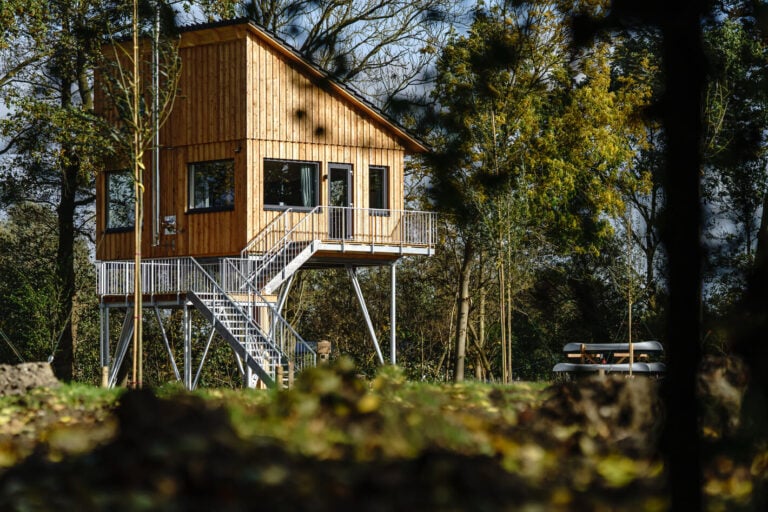
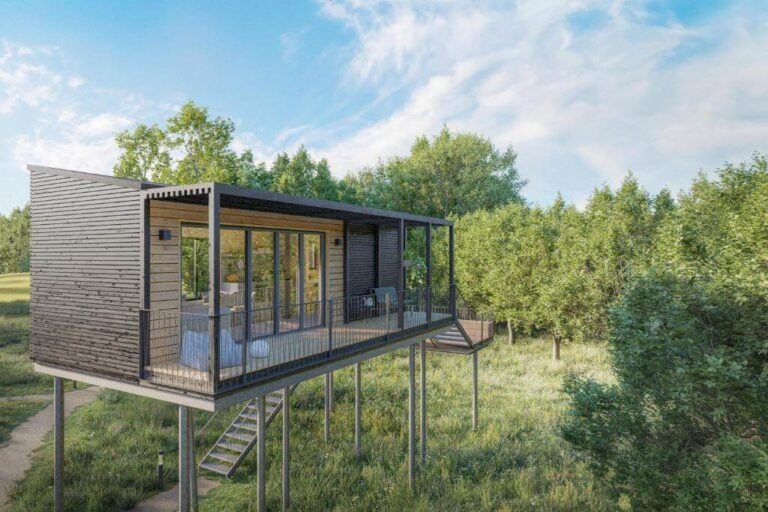
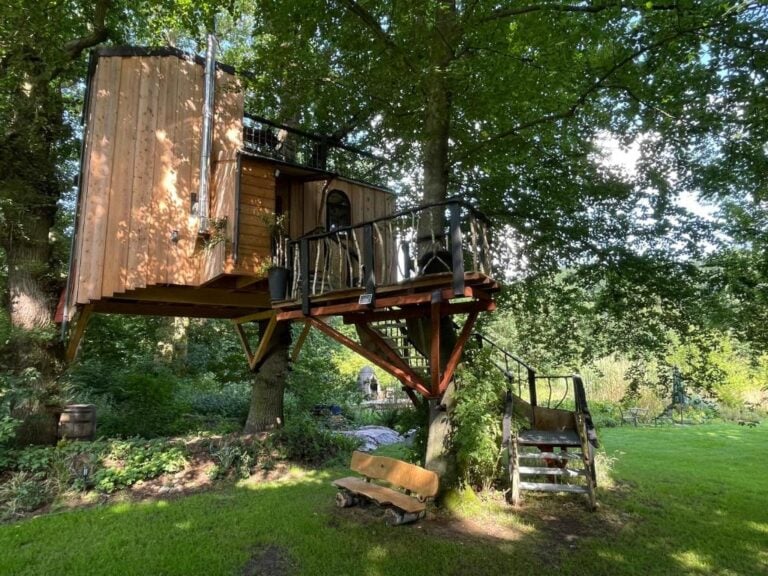
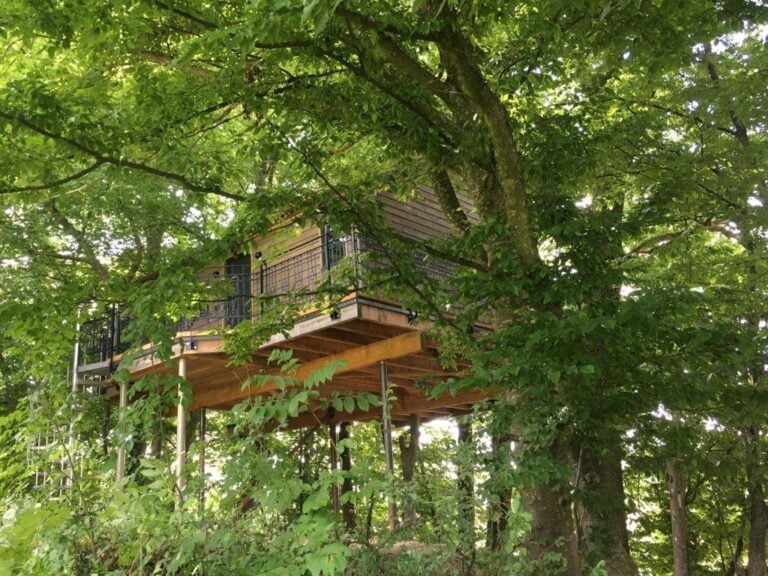
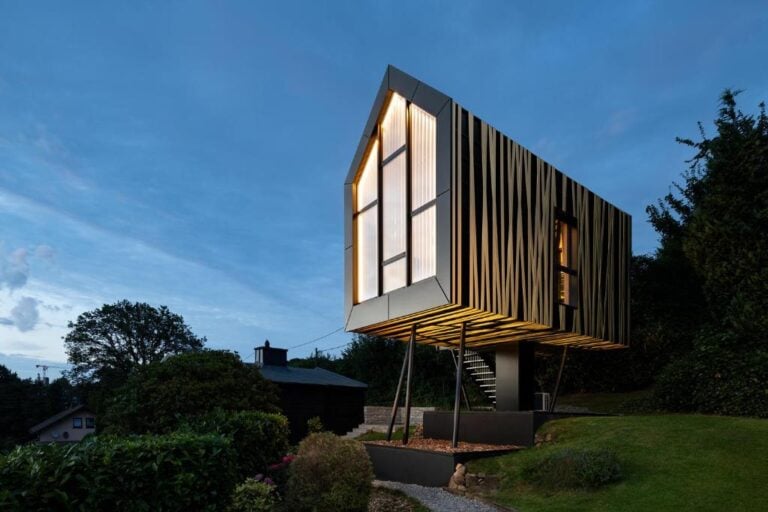
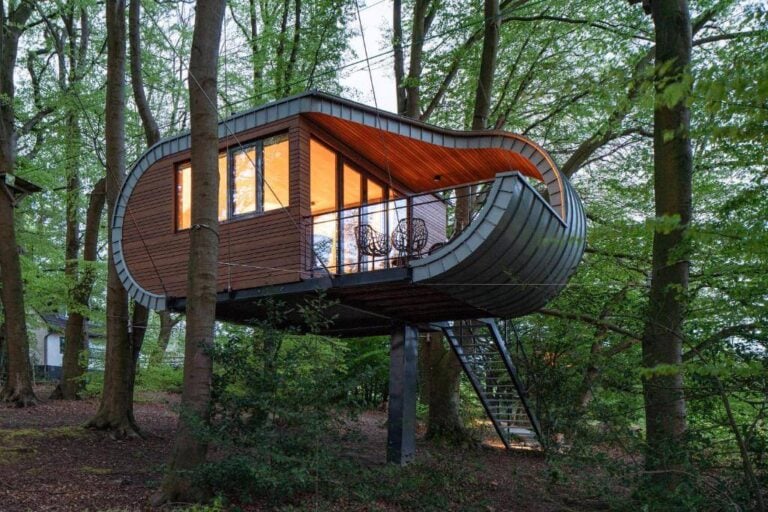
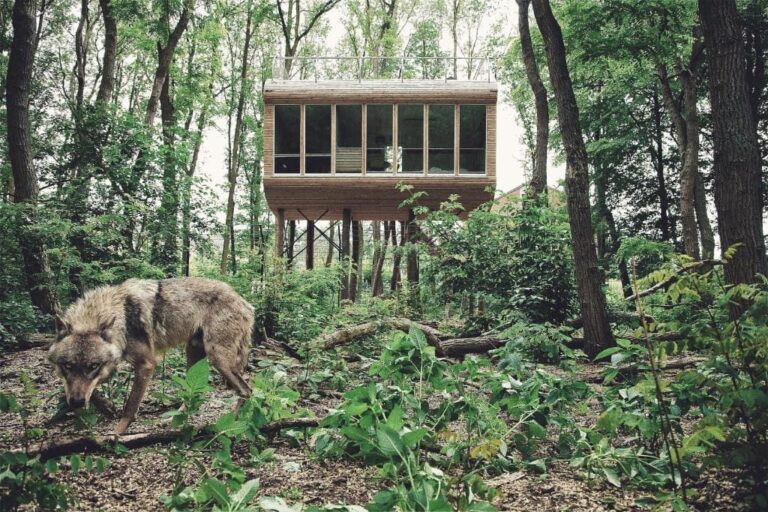
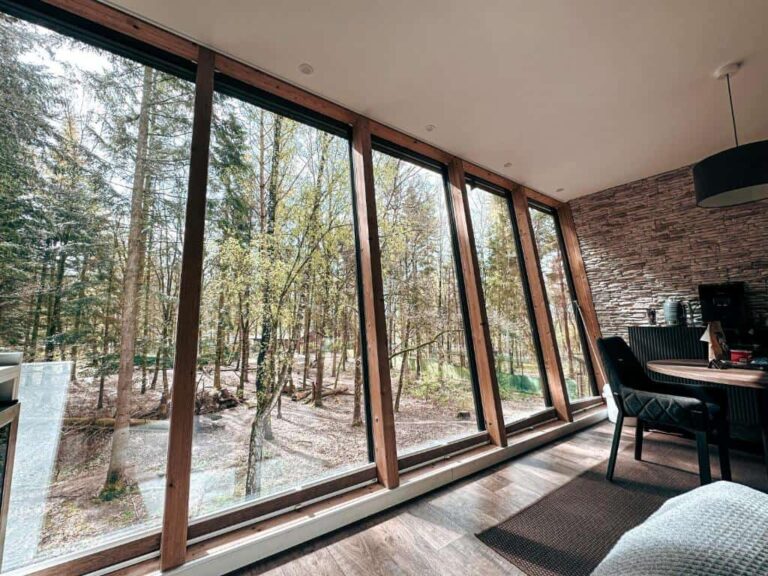
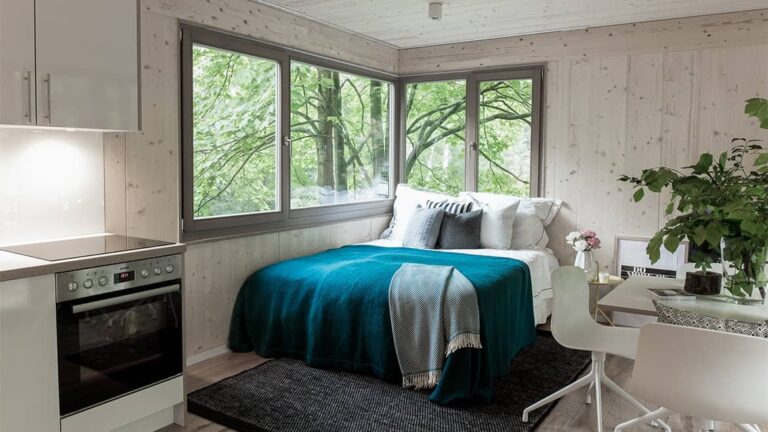
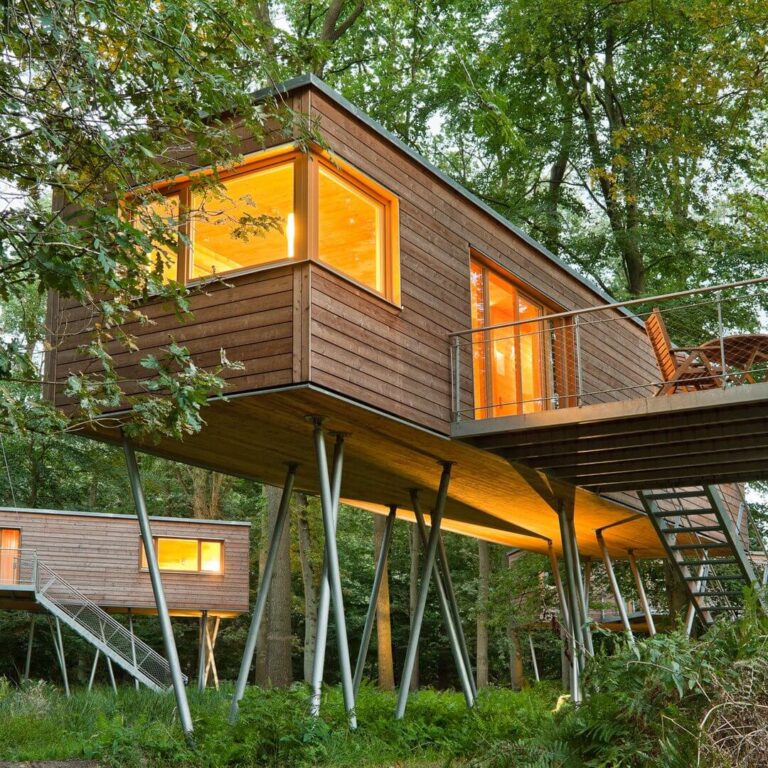
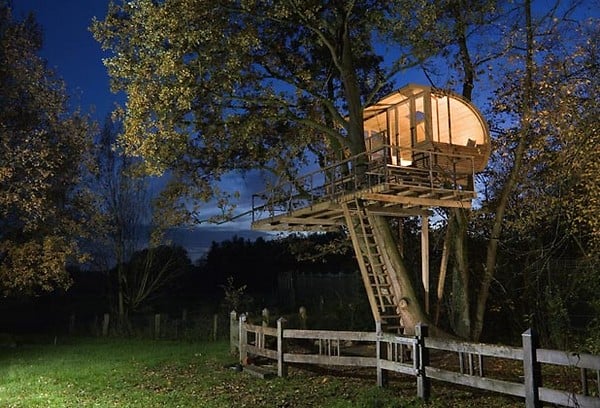
Treehouses in Germany settle into forests the way good furniture fits a room—carefully, without announcing themselves. The Black Forest draws the most attention, and for obvious reasons: tall firs, thick trunks, mist that never quite burns off before noon. Stays here feel intentionally hushed. Timber frames creak just enough to remind you they're holding weight, windows frame moss and fern in every direction, and the only real agenda is whether to hike before or after the second coffee. Towns like Todtnau and Titisee anchor the region, offering trailheads, bakeries, and the kind of unhurried rhythm that makes three days feel like a proper reset.
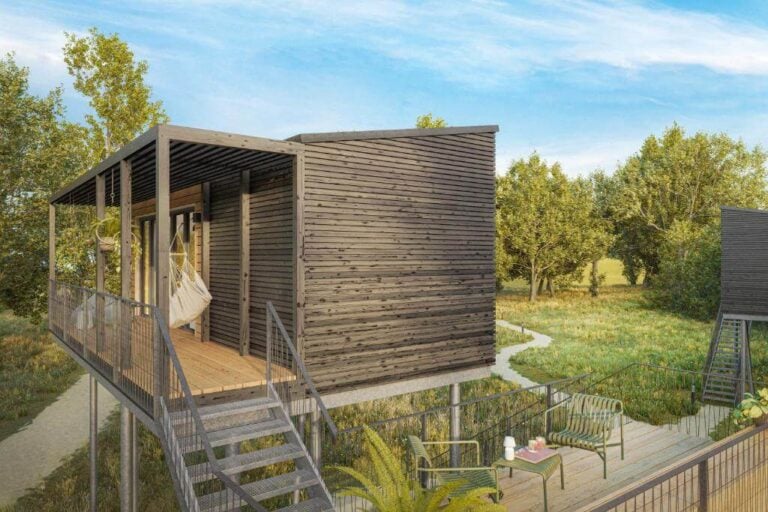
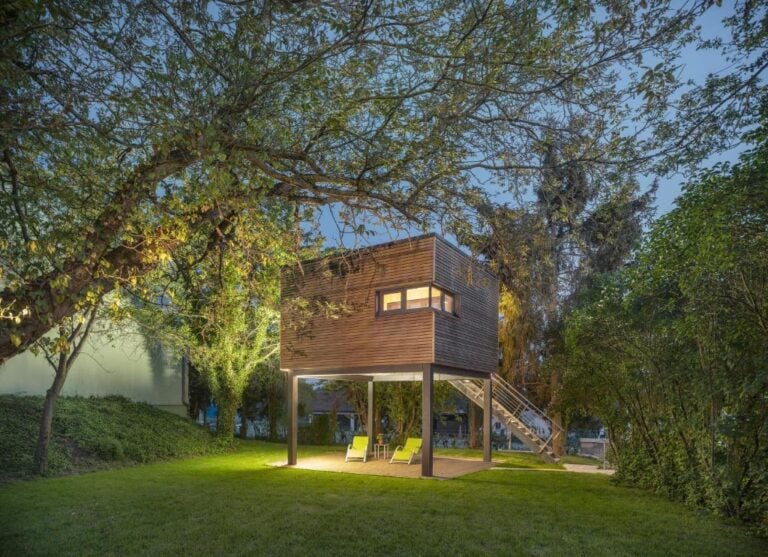
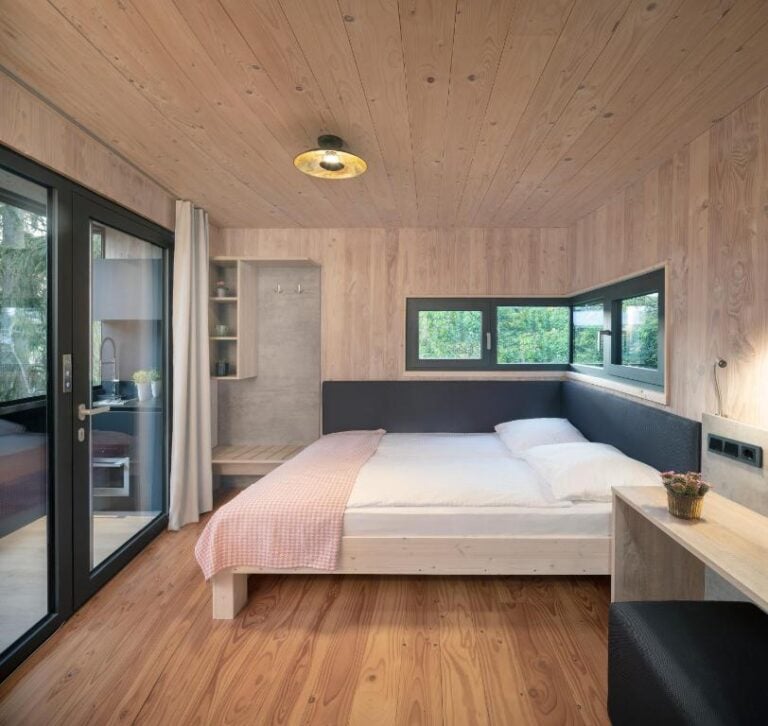
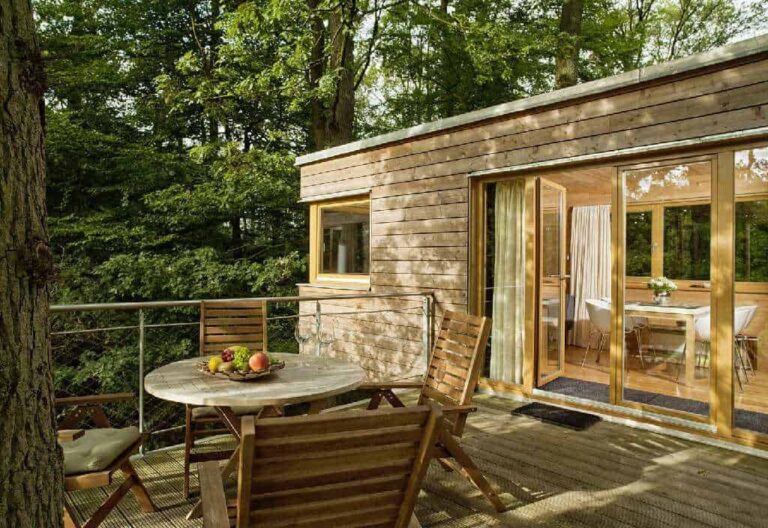
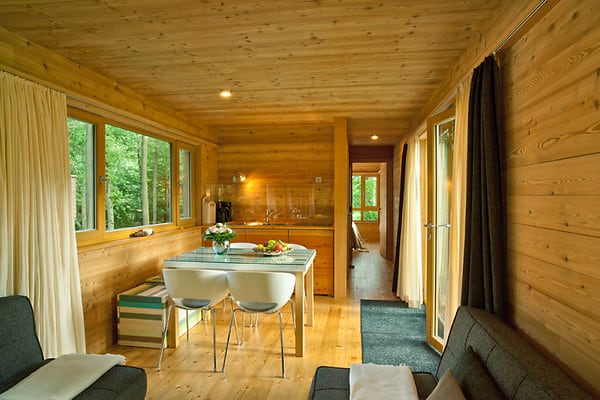
Bavaria shifts the atmosphere. Treehouses here perch near meadow edges or overlook valleys that roll toward the Alps, and the mood runs lighter—more airflow, more sky. Berchtesgaden and the forests around Garmisch-Partenkirchen put mountains within easy reach; mornings might involve a woodland walk, afternoons a castle ruin or a lazy drive along narrow roads that smell like cut hay. The builds themselves tend toward warm pine interiors, wide decks, and the occasional nod to alpine tradition—carved details, wool throws, a window latch that closes with satisfying weight. Families fit comfortably here; so do couples who want quiet without total isolation.
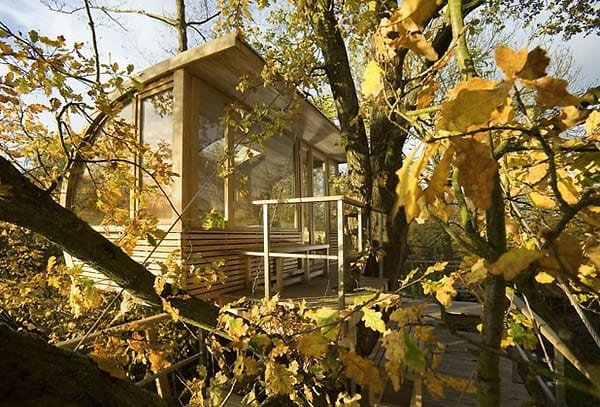
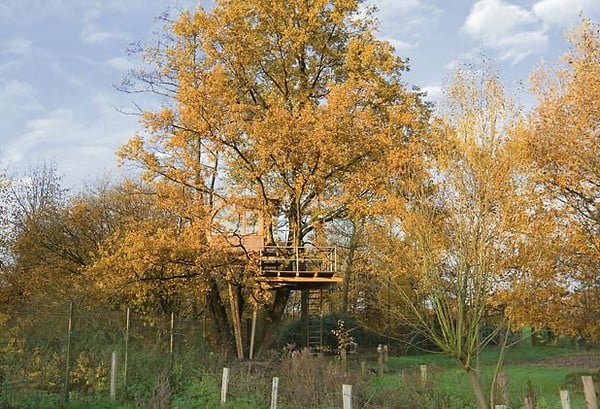
Eastward, Saxon Switzerland and the forests of Saxony offer a quieter, slightly wilder alternative. Deciduous woods dominate, turning copper and gold through autumn, and the treehouse stock leans more rustic—fewer luxury touches, more focus on immersion. The Rhineland and Moselle Valley take a different approach entirely: vineyard-adjacent stays where the forest feels softer, the light warmer, and a glass of Riesling on a treetop deck becomes the natural conclusion to any afternoon. These regions suit travelers weaving treehouse nights into broader itineraries—Heidelberg, the Romantic Road, Christmas markets in December.
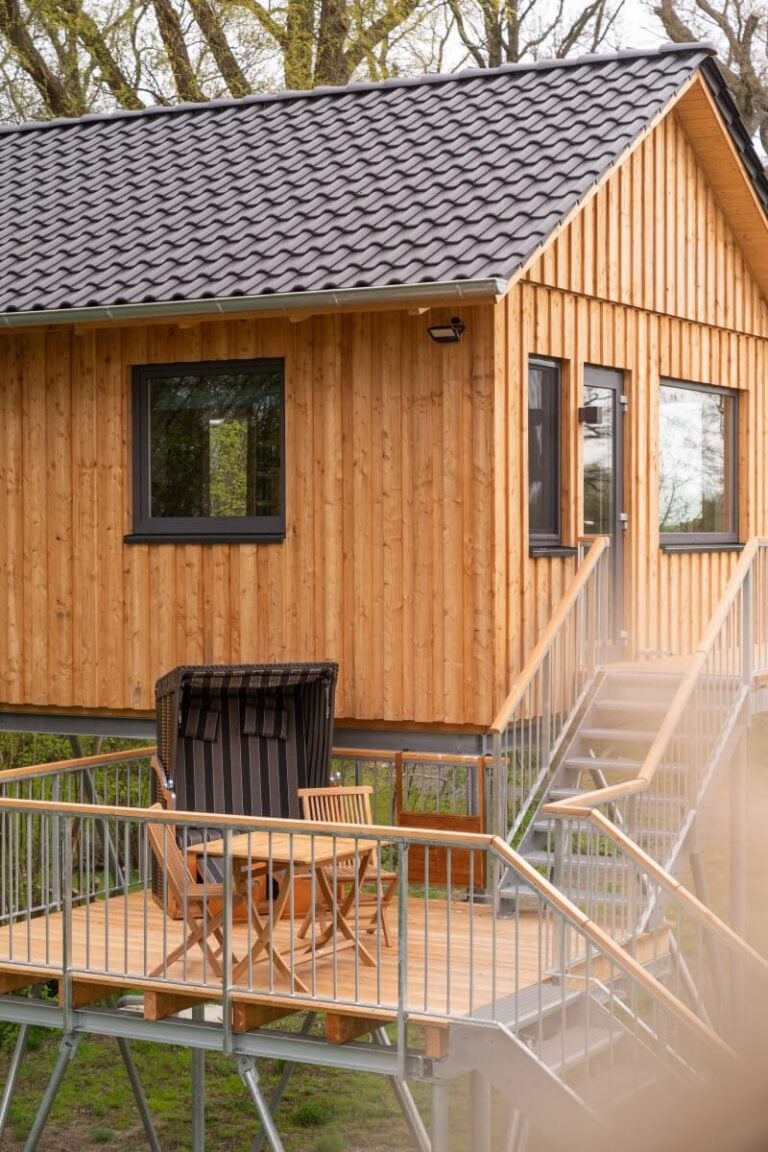
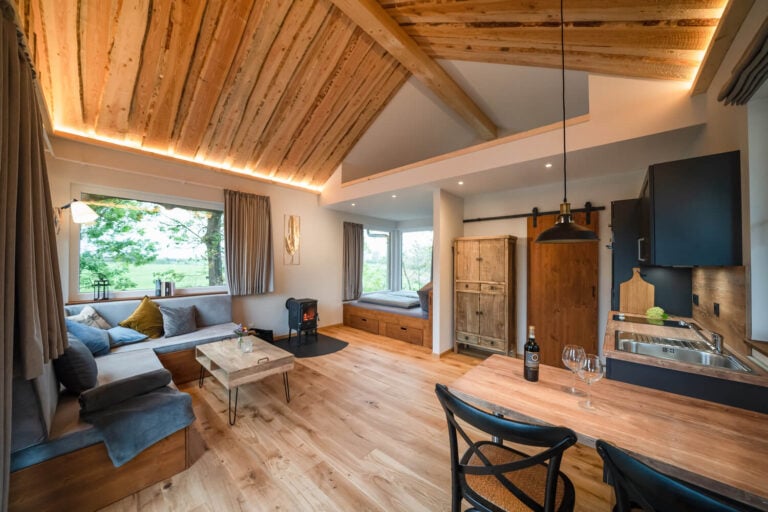
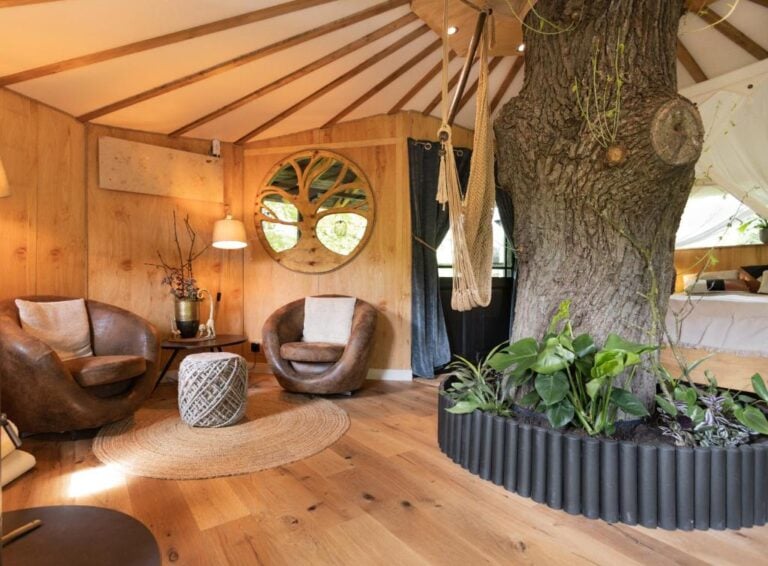
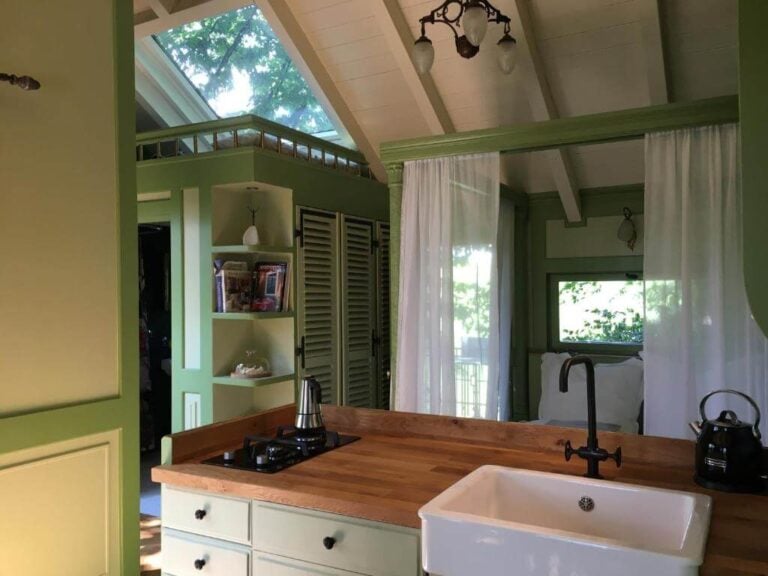
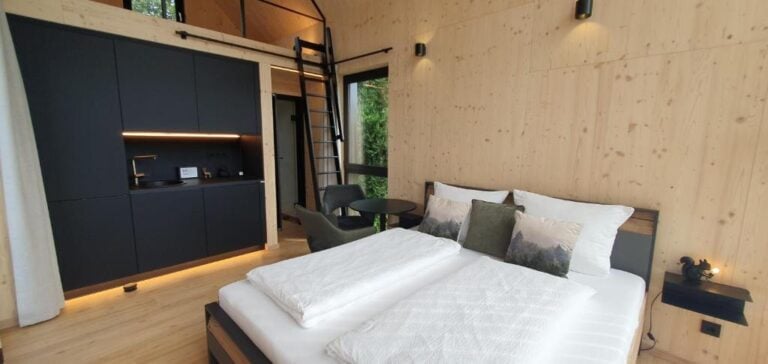
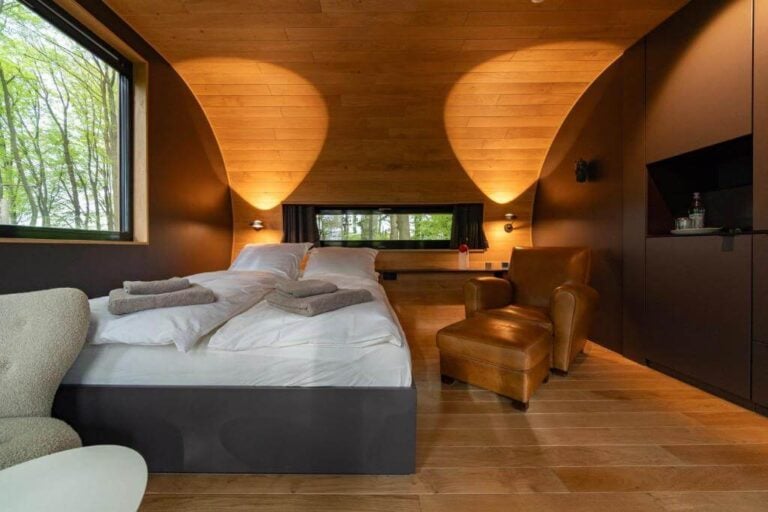
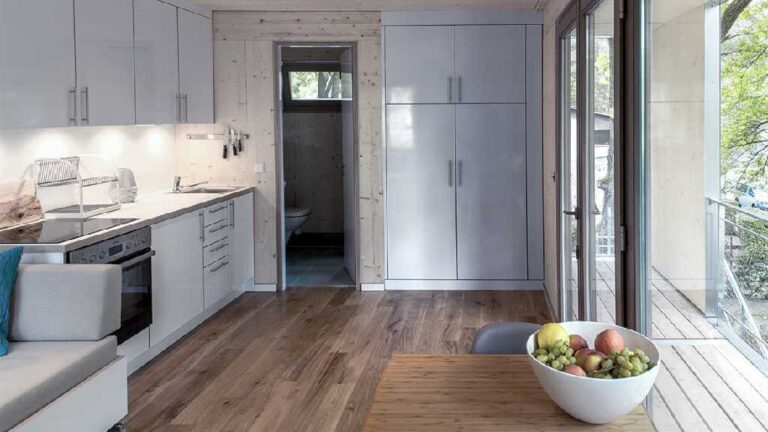
Most German treehouses operate best between May and October, when the forest canopy is fullest and the weather cooperates. A few properties stay open through winter with serious heating—underfloor warmth, wood-burning stoves—but it's worth confirming before booking if snow and short days are part of the plan. Inside, comforts vary: some stays deliver heated bathrooms, rain showers, even small saunas; others keep things simpler, focusing on insulation, bedding, and a kettle that works. The through-line is a preference for local materials—larch, reclaimed beams, minimal fuss—and an understanding that the forest itself is doing most of the work. Solar panels and composting toilets appear often enough to feel typical rather than exceptional, part of a broader German inclination toward practical sustainability.
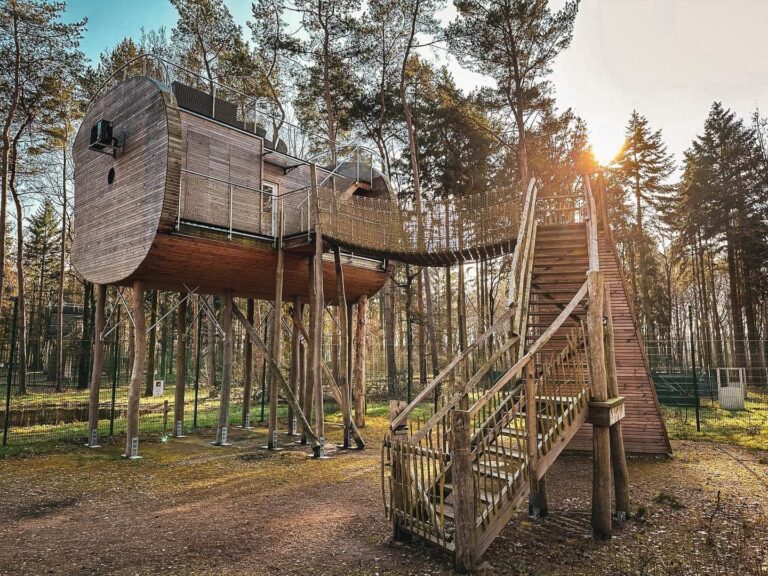
Access usually requires a car, though train hubs like Baden-Baden, Munich, and Dresden bring you close. Parking sits a short walk from most properties; expect stairs rather than ladders, and enough width for luggage and a young child if needed. The activities write themselves: trails through beech and spruce, routes like the Westweg or loops around Partnach Gorge, village cafés with good bread and better cake. Neuschwanstein, the Rhine castles, Moselle wine estates—all within striking distance depending on which forest you choose. The appeal isn't novelty for its own sake. It's the sensation of gaining a few meters of elevation and finding that the world's volume knob turns more easily than expected.
Frequently asked questions about Germany
Which region of Germany is best for treehouse stays?
The Black Forest remains the strongest concentration, with deeply wooded stays under tall firs near Todtnau and Titisee that suit couples and anyone after serious quiet. Bavaria offers a lighter atmosphere—treehouse perches near meadows and Alpine valleys around Berchtesgaden and Garmisch-Partenkirchen work well for families and travelers wanting mountains within easy reach. Saxony and the Rhineland provide quieter alternatives: Saxon Switzerland skews more rustic and immersive, while Moselle Valley treehouses pair forest stays with vineyard country and easier access to castle routes and Christmas markets.
When is the best time to visit a German treehouse?
May through October delivers the fullest canopy, reliable weather, and the widest selection of open properties. Autumn brings copper and gold through deciduous forests, especially in Saxony, and pairs well with harvest season along the Rhine. A few heated treehouses stay open through winter—underfloor warmth, wood-burning stoves—but many close November to March, so confirm before booking if snow and short days are part of your plan. December can work beautifully if you're weaving a stay into a Christmas market itinerary and the property confirms winter operation.
What amenities can I expect in a German treehouse?
Comforts vary by property and price point. Most deliver proper insulation, comfortable bedding, and heating sufficient for shoulder seasons; many include heated bathrooms and rain showers. Luxury-end stays may add underfloor warmth, small saunas, or wood-burning stoves. Simpler builds focus on essentials—kettle, good blankets, a deck with forest views—and let the setting do the work. Solar panels and composting toilets appear often enough to feel typical rather than exceptional, reflecting a broader German preference for practical sustainability using local timber and reclaimed materials.
Are German treehouses suitable for families with children?
Many Bavarian treehouses work well for families, with wider layouts, meadow-edge locations, and stairs rather than ladders. Most properties sit a short walk from parking, with enough access width for luggage and young children, though you should confirm specifics around stair steepness and railing design when booking. The Black Forest and Rhineland lean slightly more toward couples seeking quiet, but family-friendly options exist across all regions. Saxon Switzerland properties tend more rustic and may suit older children comfortable with simpler amenities and deeper forest immersion.
How do I reach a treehouse in Germany, and what activities are nearby?
Most stays require a car, with parking a short walk from the property. Train hubs like Baden-Baden, Munich, and Dresden bring you close if you prefer rail, then rent locally. Hiking writes itself into every stay—the Westweg cuts through the Black Forest, Partnach Gorge loops near Garmisch, and Saxon Switzerland offers dramatic sandstone formations. Depending on your forest, Neuschwanstein, Rhine castles, Moselle wine estates, Heidelberg, and the Romantic Road all sit within striking distance. December stays pair naturally with Christmas markets; autumn suits vineyard villages and quieter trails through beech and copper foliage.