
Mexico
Mexico's treehouse stays stretch from Caribbean cenote country through Pacific surf zones to Chiapas cloud forest, blending indigenous building craft with off-grid solar and rainwater systems that disappear into thatch and hardwood joinery. Days move between early market runs, ruins before midday heat and long canopy afternoons where howler monkeys and ocean sound layer into the rhythm, offering a version of the country that feels wilder and more carefully built than the resorts an hour down the coast.
{{locationDetails}}
Browse sub-categories



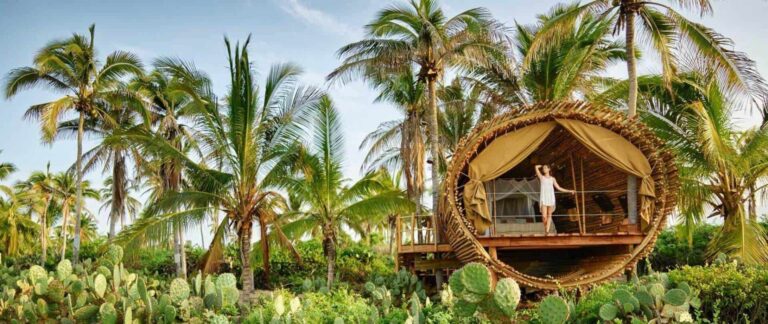
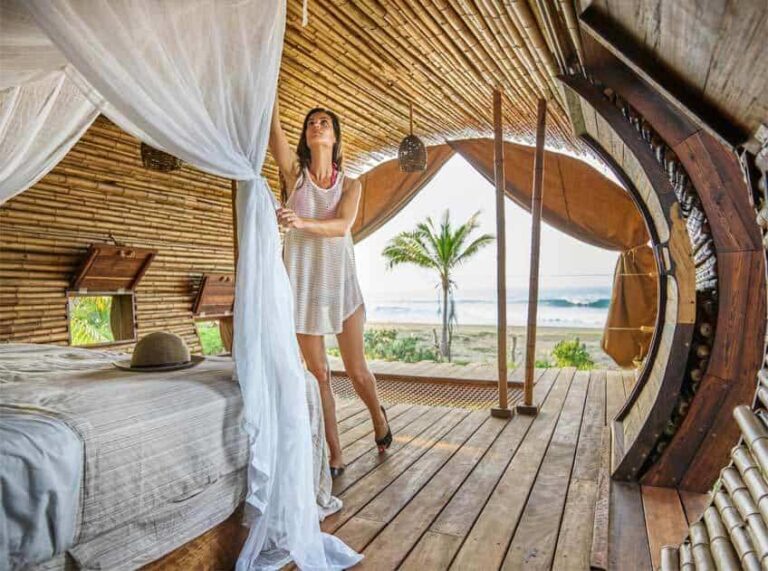
About Mexico
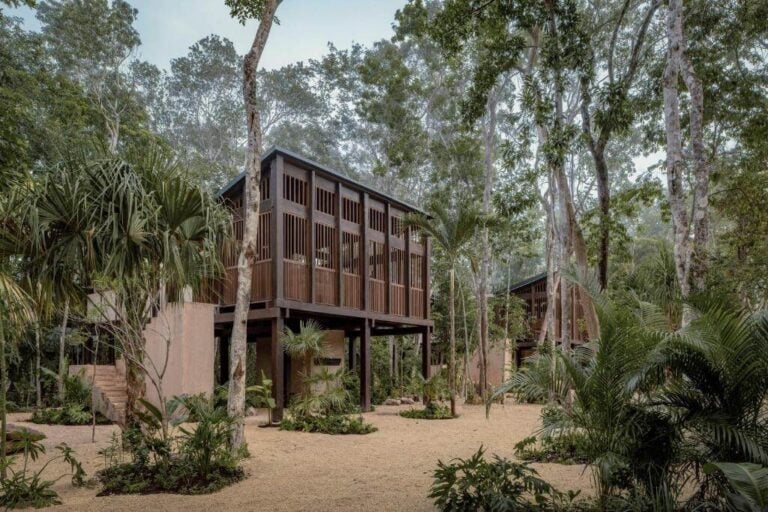
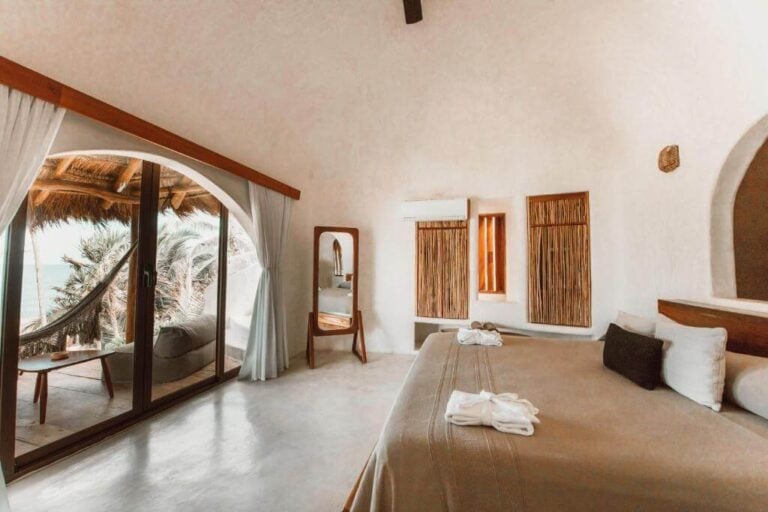
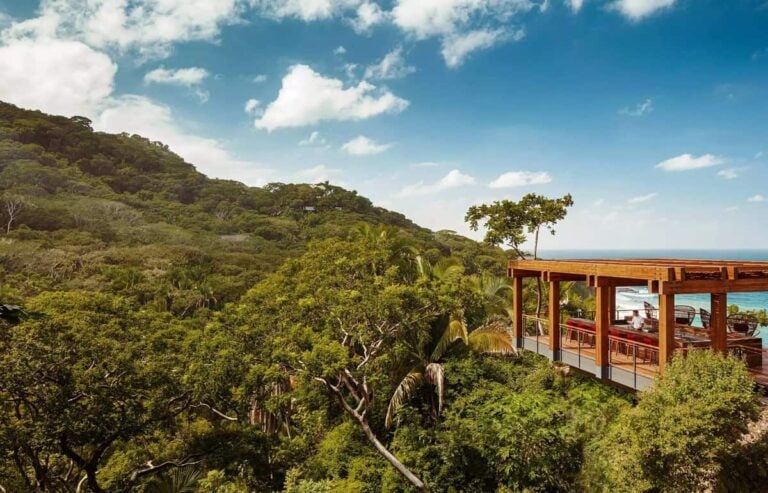
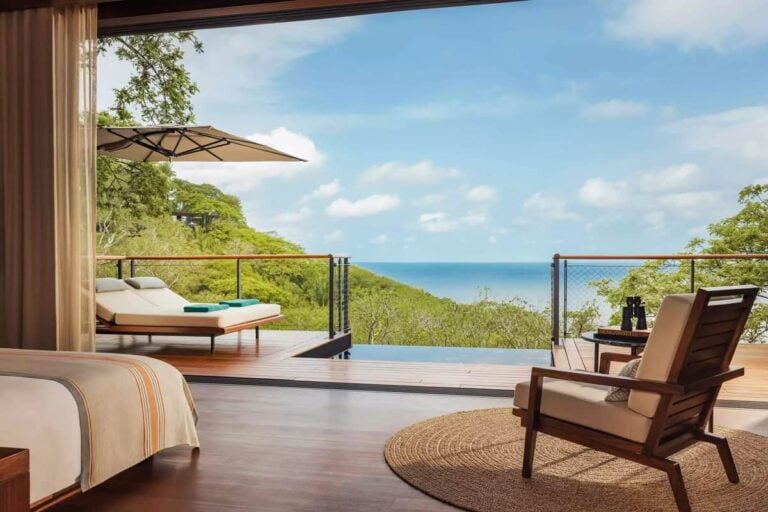
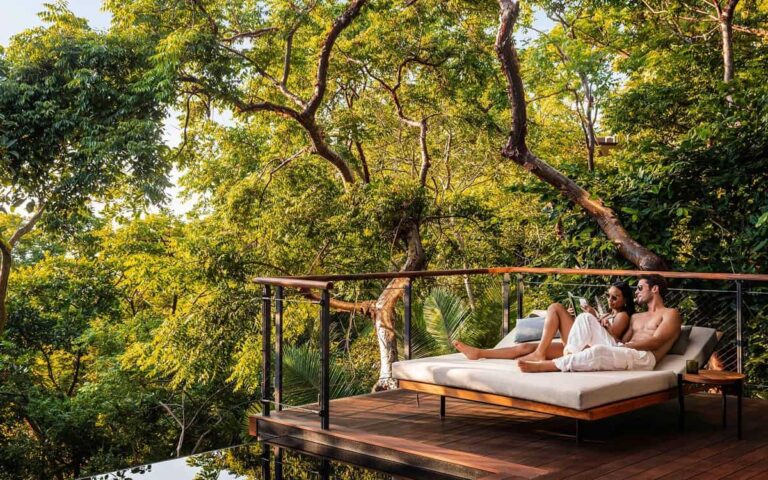
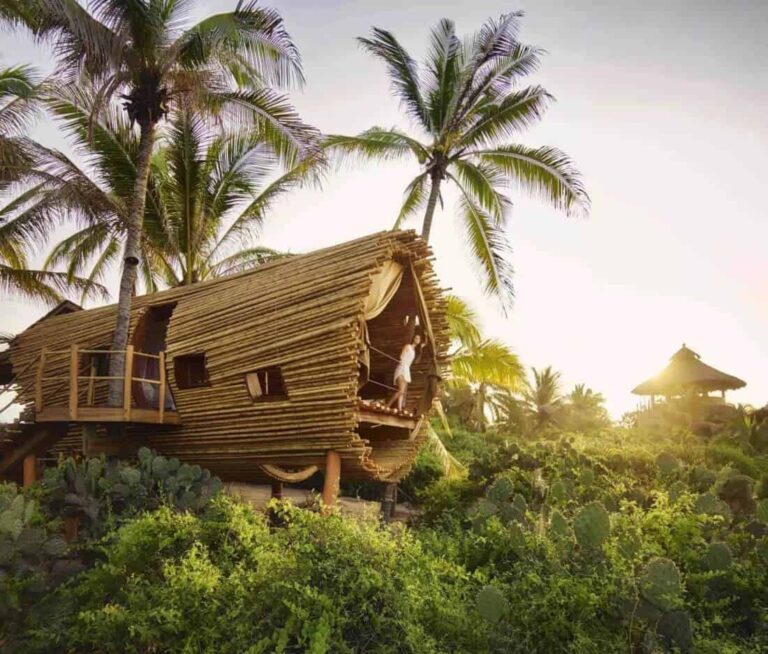
Mexico spreads treehouse stays across ecosystems different enough to feel like separate countries—Caribbean mangrove and cenote limestone in the east, Pacific surf and Sierra Madre pine in the west, Chiapas cloud forest in the south. Most combine indigenous building techniques with off-grid comfort: solar panels tucked behind thatch, rainwater systems that work quietly, hardwood joinery that respects the tree. The result feels less like a hotel room bolted to branches and more like sleeping inside the landscape.
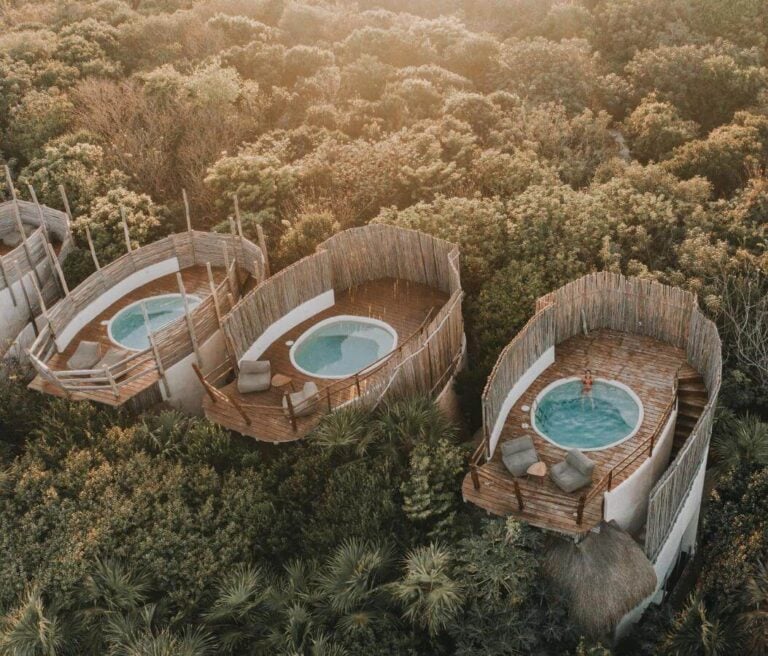
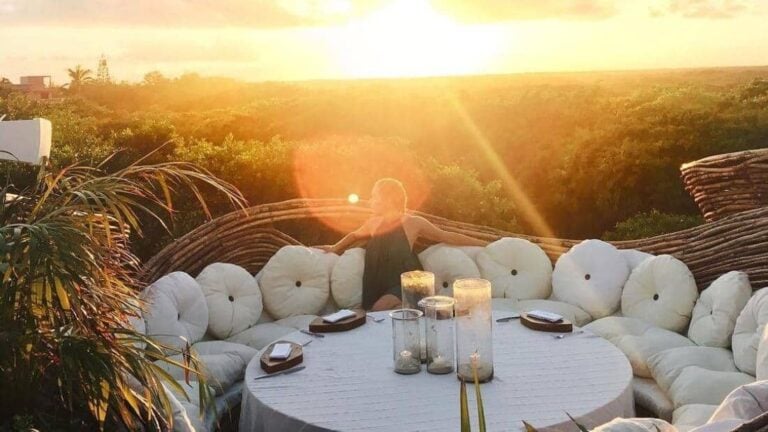
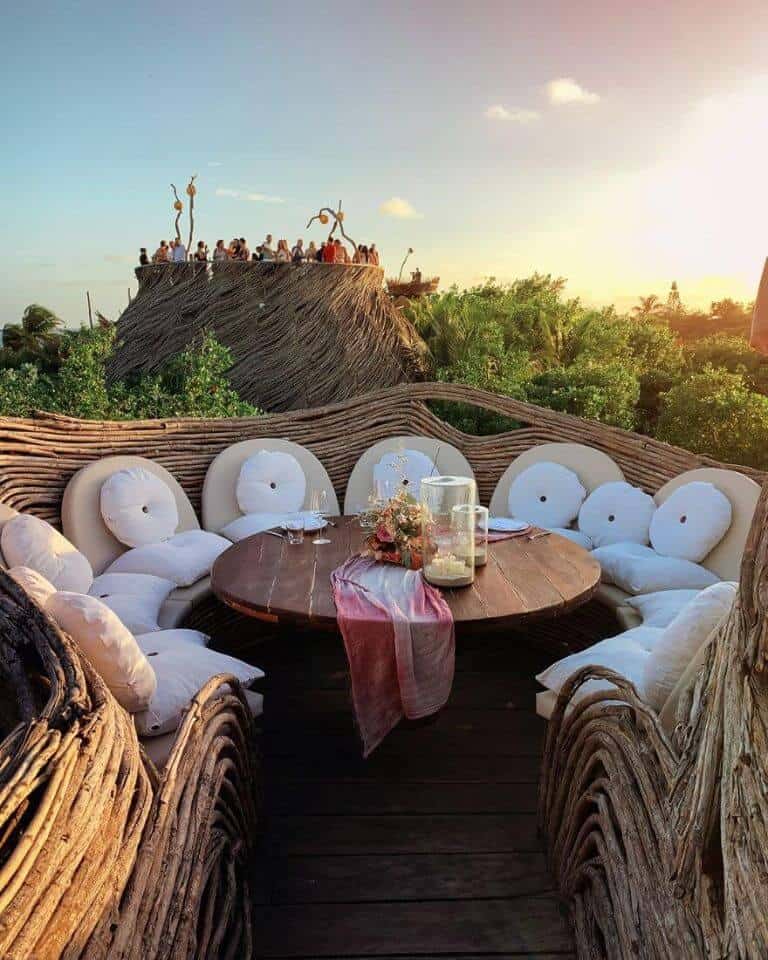
Chiapas jungle wakes loud—howler monkeys before dawn, parrots arguing at dusk, a canopy so thick the air stays cool even when the sun climbs. Treehouses here often sit within reach of Palenque's ruins or deeper into Lacandón forest, where ceiba and mahogany grow wide enough to anchor entire structures. The Yucatán Peninsula trades that density for brightness: Tulum's palms frame Caribbean blue on one side, cenote sinkholes on the other, and a treehouse deck becomes a pivot point between snorkeling and cycling to Cobá. Bacalar's seven-color lagoon is quieter, with fewer crowds and a slower rhythm that suits longer stays.
Oaxaca's Pacific coast leans into palapa thatch and open walls—Mazunte and the stretch near Puerto Escondido where the breeze moves through bamboo screens and the ocean sound never quite stops. Riviera Nayarit between Sayulita and San Pancho offers jungle hillsides minutes from surf breaks, the kind of place where morning yoga transitions easily into fish tacos by noon. Inland, Michoacán's high forests introduce pine and oak, thinner air, and nights cold enough for a blanket. The character changes with altitude—coastal treehouses feel beachy even when you're fifteen feet off the ground; mountain stays turn quiet and inward.
Dry season from November through April brings consistent sun and the highest demand, especially around Tulum and the Oaxaca coast. May through October means afternoon rains, greener jungle, fewer tourists, and sea turtles nesting along Pacific beaches. Some treehouse properties close or reduce rates during the wet months; others stay open and treat the rain as part of the atmosphere. Off-grid often means limited connectivity—solar power, composting toilets, no Wi-Fi—so it helps to know that before arrival. Access varies: some require dirt roads only passable in dry season, others sit a short walk from paved highways.
Days tend to organize themselves around early starts and long afternoons. Markets in the morning for mango and warm tortillas, ruins or cenotes before midday heat, a return to the treehouse when the sun gets serious, then mezcal or coastal walks once the air softens. Wildlife appears without much effort—iguanas on railings, toucans in fruiting trees, bats at dusk. The appeal is less about ticking off sights and more about the ease of moving between canopy quiet and the country's broader texture: stone pyramids, fishing villages, textile workshops, surf towns that still feel like villages. You climb a ladder to sleep and wake inside a version of Mexico that feels both wilder and more carefully built than the beach resorts an hour down the coast.
Frequently asked questions about Mexico
When is the best time to visit treehouse stays in Mexico?
November through April is dry season, with consistent sun and the busiest bookings, especially in Tulum and along the Oaxaca coast. May through October brings afternoon rains, greener jungle, fewer crowds, and lower rates at many properties. Pacific coast locations also see nesting sea turtles during the wet months. Some treehouse stays close or reduce operations during rainy season, while others stay open and embrace the lush atmosphere. Book well ahead for high season; wet-season travelers gain flexibility and solitude.
What are the main treehouse regions in Mexico and how do they differ?
Chiapas offers dense cloud forest with howler monkeys and proximity to Palenque ruins. The Yucatán Peninsula—Tulum and Bacalar—delivers Caribbean blue water, cenote access, and brighter, more open jungle. Oaxaca's Pacific coast leans into palapa-thatch beach stays near Mazunte and Puerto Escondido, with steady surf sound and open-wall designs. Riviera Nayarit between Sayulita and San Pancho combines jungle hillsides with nearby surf breaks. Inland Michoacán climbs into pine and oak forests with cooler nights and thinner air. Coastal treehouses feel beachy and breezy; highland and deep-jungle stays turn quieter and more inward.
Are Mexico's treehouse stays actually off-grid, and what does that mean practically?
Many Mexican treehouses run on solar power, collect rainwater, and use composting toilets, which usually means limited or no Wi-Fi, intermittent electricity for charging devices, and a quieter overall experience. Some properties are genuinely remote, requiring dirt roads passable only in dry season or short walks from the nearest vehicle access. Others sit closer to paved routes but still operate with minimal grid connection. It helps to confirm connectivity and power availability before booking if those matter to your trip, and to pack accordingly for a stay that prioritizes canopy calm over constant connectivity.
What activities pair well with treehouse stays in Mexico?
Early-morning visits to archaeological sites like Palenque, Cobá, or Uxmal before crowds and heat arrive. Cenote swimming and snorkeling across the Yucatán. Coastal walks and surf lessons along the Pacific in Oaxaca or Nayarit. Wildlife watching from the treehouse itself—toucans, iguanas, howler monkeys, bats at dusk. Local market shopping for mangoes, warm tortillas, Oaxacan cheese. Mezcal tastings at small palenques. Guided mangrove tours in Sian Ka'an. Textile workshops or community tourism experiences in indigenous areas. The rhythm tends toward early starts, midday treehouse retreats during peak heat, and late-afternoon exploring once the air softens.
How are treehouses in Mexico typically built?
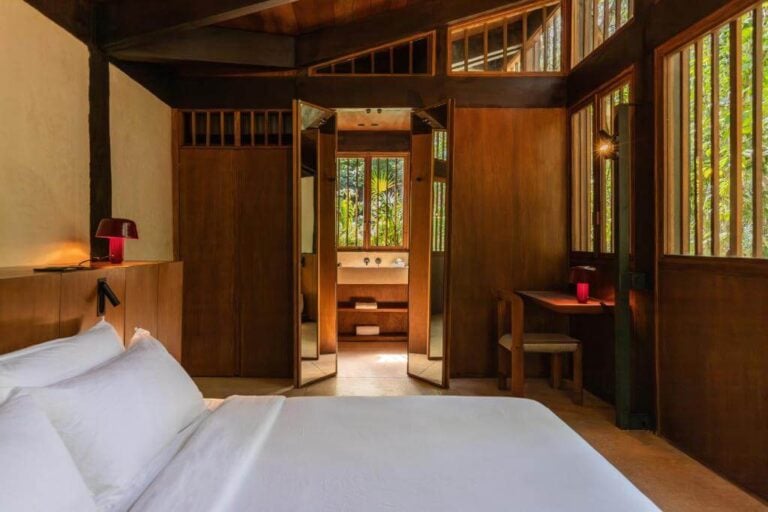
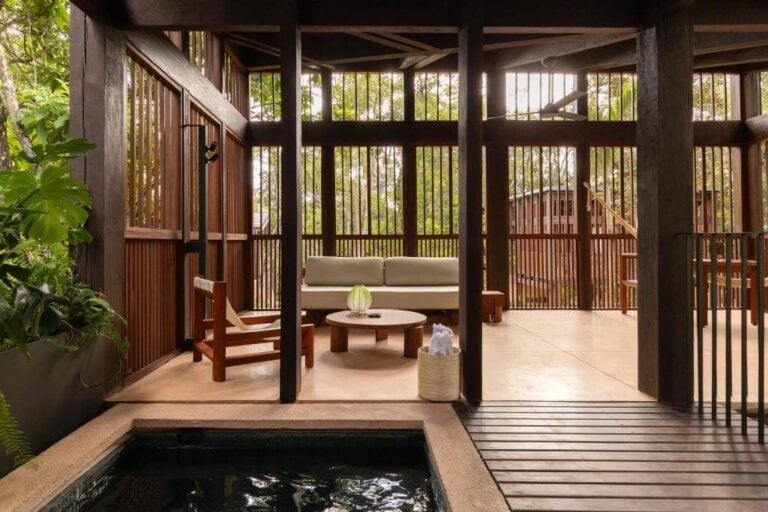
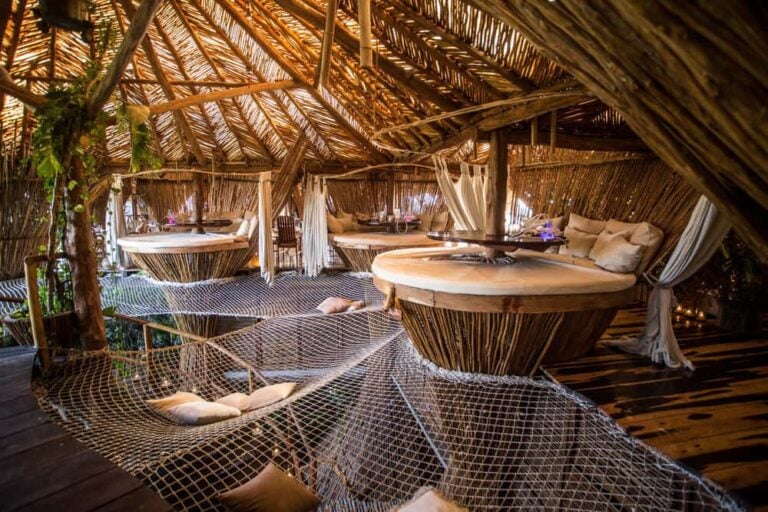
Most lean on indigenous techniques: mortised hardwood framing, palm or carrizo thatch roofing, limewash walls that breathe, and designs that work around existing trees rather than forcing them into symmetry. Builders often use local ceiba, mahogany, or bamboo, with elevated platforms anchored to trunks or set on posts to avoid root damage. Solar panels, rainwater catchment, and natural ventilation replace conventional infrastructure. The result feels handmade and site-specific—structures that belong to the tree and landscape rather than dominating them. Interiors stay simple: linen, fans, sometimes a plunge tub or outdoor shower, with views prioritized over square footage.