
Argentina
Argentina's treehouse stays are few enough to feel like genuine finds, clustered in landscapes that justify the elevation: wetland channels in the Paraná Delta, subtropical rainforest in Misiones province, and cooler beech woods edging Patagonia's lakes and mountains. These aren't novelty platforms but considered designs that trade tourist infrastructure for vantage—canopy-height views over slow water, layered forest alive with birds and insects, or the spare quiet that comes with altitude and distance. Most properties suit couples and small groups comfortable with remoteness, where the rhythm is shaped more by landscape and light than structured entertainment.
{{locationDetails}}
Browse sub-categories
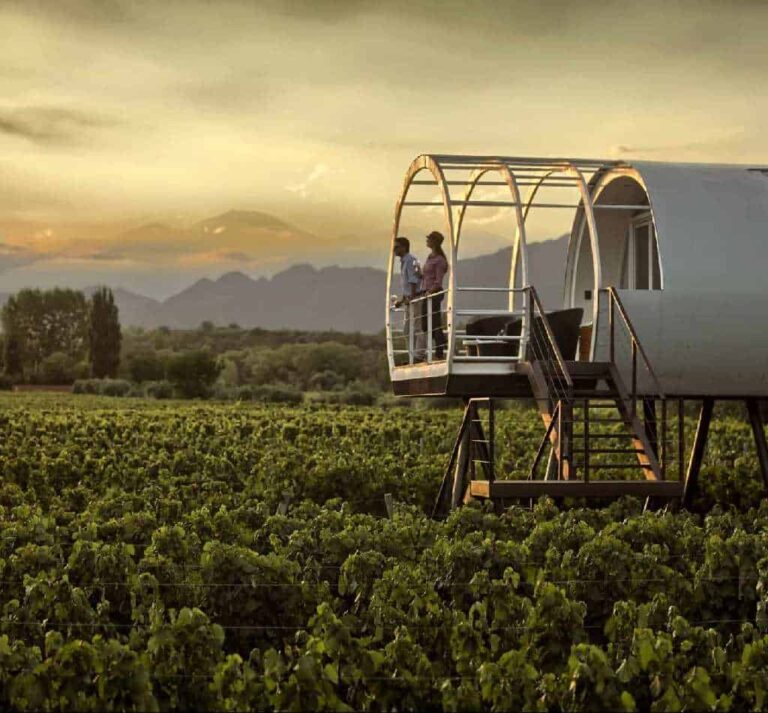
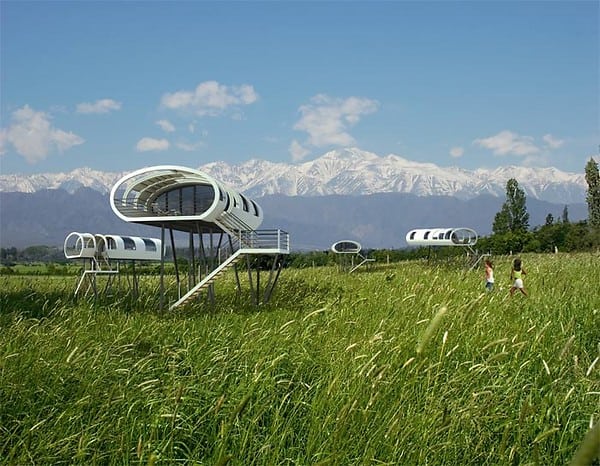
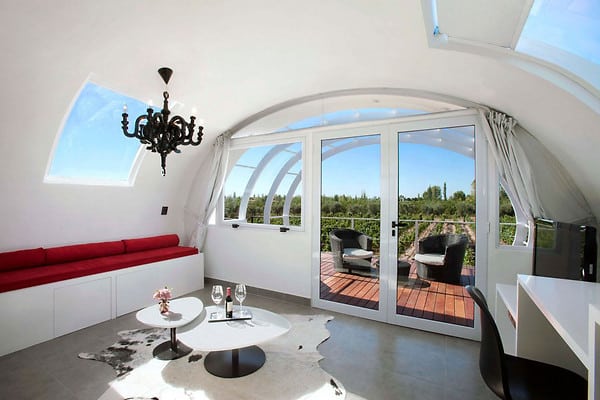

About Argentina
Argentina's treehouse scene remains small enough that the few places offering it feel like genuine finds rather than tourist infrastructure. Most of the country's elevated accommodation clusters around landscapes that justify the climb: wetland channels in the Paraná Delta where the forest meets slow water, subtropical rainforest up in Misiones province, and the cooler beech woods edging Patagonia's lakes and mountains. These aren't backpacker platforms or childhood fantasy builds—the properties that exist lean toward considered design, using local timber and often incorporating solar and rainwater systems that keep the footprint light without making a fuss about it.
The appeal is less about novelty and more about vantage. A treehouse near the delta puts you at canopy height while boats slip past below and herons work the shallows at first light. In Misiones the forest is layered and loud with insects and birds, the kind of density that makes you realize how much happens when you're not at ground level. Further south and west, properties near the Andes or in northern Patagonia offer a different exchange: thinner air, longer views, and the particular quiet that comes with altitude and distance. You still wake to birdcall, but the soundtrack is sparser and the light feels older.
Most of these stays skew toward couples and small groups rather than families, partly because access often involves stairs or ladders and partly because the remoteness suits travelers happy to spend evenings with a book and a glass of wine rather than structured entertainment. Activities are there if you want them—kayaking through reed-lined channels, trails into national parks, wine routes if you're near Mendoza—but the properties themselves tend to assume you came for stillness as much as adventure. Practical details matter: some locations require a boat transfer or a drive on unpaved roads, and while English is often spoken at the property level, the surrounding villages may not offer much beyond Spanish and warm pragmatism.
Timing shapes the experience significantly. Patagonia's treehouse season runs primarily from late spring through early autumn when the weather cooperates and the southern beech forests are accessible; winter here is more suited to those comfortable with cold and solitude. The subtropical north around Misiones stays open year-round, though summer brings heat and frequent rain that turns the forest electric green and the red earth to mud. The delta enjoys mild transitions in spring and autumn, when the light is gentler and the water traffic lighter. Booking ahead is wise, not because the few properties are overwhelmed but because availability is genuinely limited and last-minute options are scarce.
What makes an Argentina treehouse stay distinctive is how it sits inside the country's broader rhythm. You're not in a bubble—you're in a working landscape where gauchos still move cattle, where the evening folk music drifting from a nearby porch is someone's actual evening, and where the empanadas served at breakfast came from the village bakery an hour before. The treehouse is the frame, but the view includes Argentina's particular mix of European courtesy and frontier pragmatism, a slower clock, and a landscape that ranges from intimate to immense depending on which province you're in. You leave with a different sense of scale, and probably a short list of birds you'll finally look up once you're home.
Frequently asked questions about Argentina
Where are treehouses located in Argentina?
Argentina's treehouse accommodations are scattered across a few distinct regions, each offering a different landscape. The Paraná Delta north of Buenos Aires features wetland forest and quiet waterways. Misiones province in the subtropical northeast has dense rainforest with layered canopy and constant birdsong. Properties near Mendoza sit close to Andean foothills and vineyard country, while northern Patagonia offers southern beech forests, mountain lakes and cooler temperatures. This is still a developing niche in Argentina, so the properties that exist tend to be genuine one-offs rather than clustered resort zones.
What's the best time of year to visit an Argentina treehouse?
Timing depends on which region you're headed to. Patagonia's treehouse season runs mainly from late spring through early autumn—roughly November to March—when the weather is milder and forest trails are accessible. The subtropical north around Misiones stays open year-round, though summer brings heat and heavy rain that turn the forest vivid green. The Paraná Delta is most pleasant in spring and autumn, when temperatures are moderate and the light on the water is at its best. Booking ahead is advisable since availability is genuinely limited across all seasons.
How do I reach treehouse properties in Argentina?
Most travelers fly into Buenos Aires and connect onward by domestic flight, bus or car depending on the property's location. Delta properties may require a boat transfer from a nearby town. Misiones is accessible via flights to Iguazú or Posadas, then a drive that may include unpaved roads. Patagonia usually involves a flight to Bariloche or similar hubs, followed by a scenic drive. Expect some remoteness—these aren't properties you stumble upon. Spanish is the default language in surrounding villages, though the accommodations themselves often have English-speaking hosts.
Are Argentine treehouses suitable for families with children?
Most properties lean toward couples and small adult groups rather than families, largely because access often involves steep stairs or ladders and the remote settings offer little in the way of child-focused activities or safety infrastructure. Some builds have open-plan designs or elevated decks without full enclosures. If you're considering a family visit, contact the property directly to ask about railing height, sleeping arrangements and whether the layout works for your children's ages. The general atmosphere is quiet and contemplative rather than playful.
What activities are available near Argentina's treehouse stays?
Activities vary by location but tend to emphasize low-key immersion over adrenaline. Delta properties often offer kayaking through reed-lined channels and birdwatching from the water. Misiones locations provide access to rainforest trails and the chance to spot toucans, howler monkeys and other subtropical wildlife. Near Mendoza you're close to wine routes and Andean foothill hikes, while Patagonian properties put you within reach of national park trails, lake scenery and southern beech forests. Most treehouse stays assume you came as much for stillness and observation as for packed itineraries.