
Belgium
Belgium's treehouses occupy the middle distance between forest quiet and village life—close enough to cycle for fresh bread, remote enough that birdsong replaces traffic by evening. The Ardennes provide most of the elevation and atmosphere, with beech valleys and stone farms, while Flanders and Wallonia offer gentler woodland escapes where design leans toward restraint rather than spectacle. Stays here balance genuine nature immersion with easy reach of good food, Trappist beer and walkable towns, making them useful for travelers who want both solitude and a warm croissant without overthinking the logistics.
{{locationDetails}}
Browse sub-categories
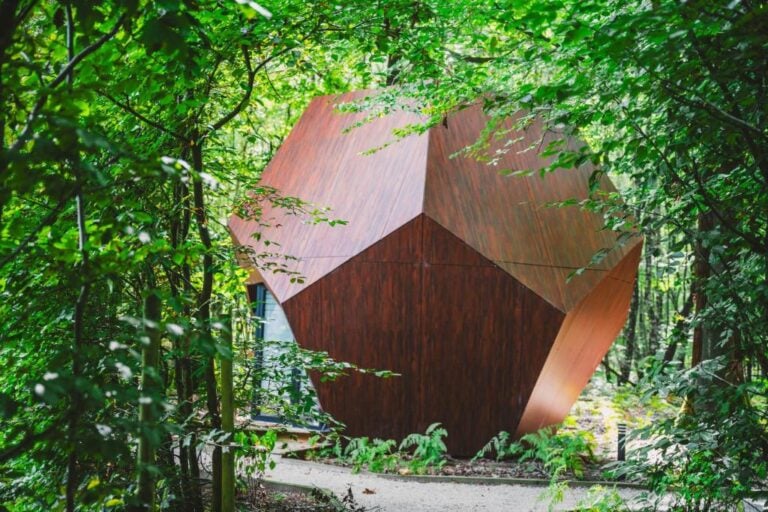


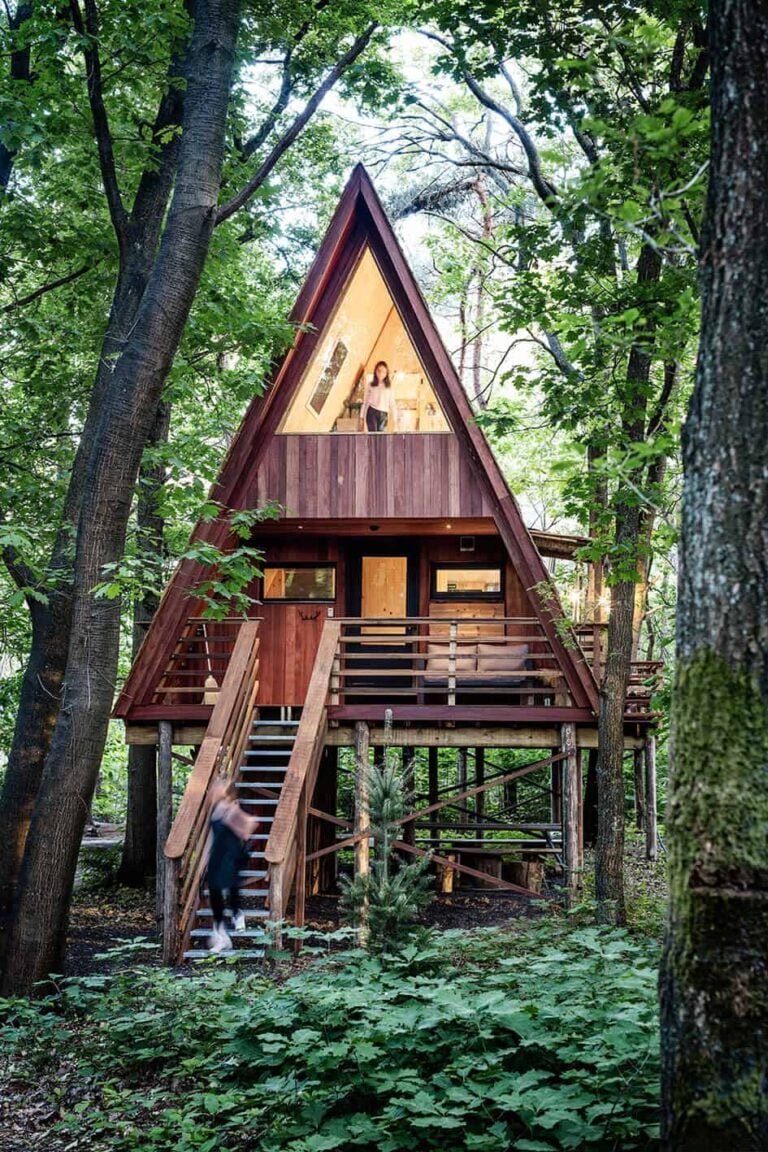
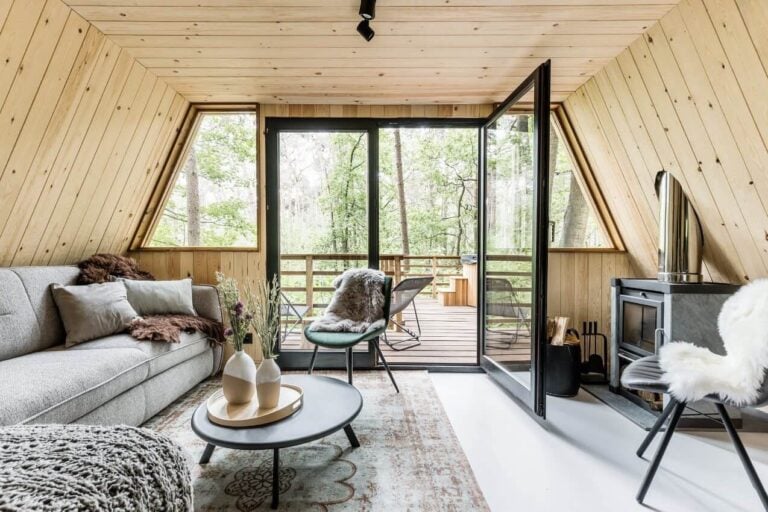
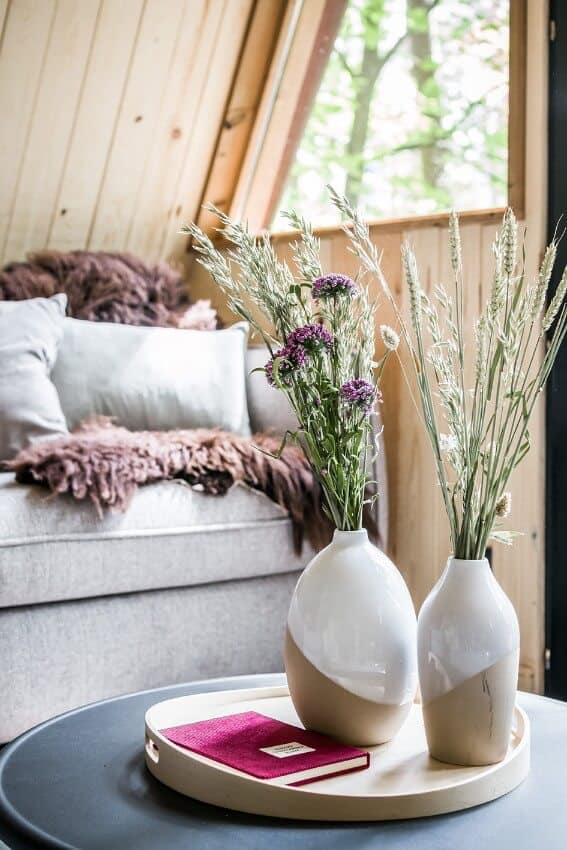

About Belgium
Belgium's treehouses gather in the gaps between villages and forest—enough distance from the noise to feel genuinely quiet, but close enough to real life that you can cycle to a bakery for breakfast and still be back under the canopy before lunch. The Ardennes handle most of the elevation, both literal and metaphorical, with beech-lined valleys where morning mist catches between ridges and the trails wind past old stone farms that know how to sit still. Further west, the hills of Wallonia soften into meadows and oak groves where the light always seems slightly golden, and north toward Flanders the landscape flattens just enough to let you see sky and forest in equal measure.
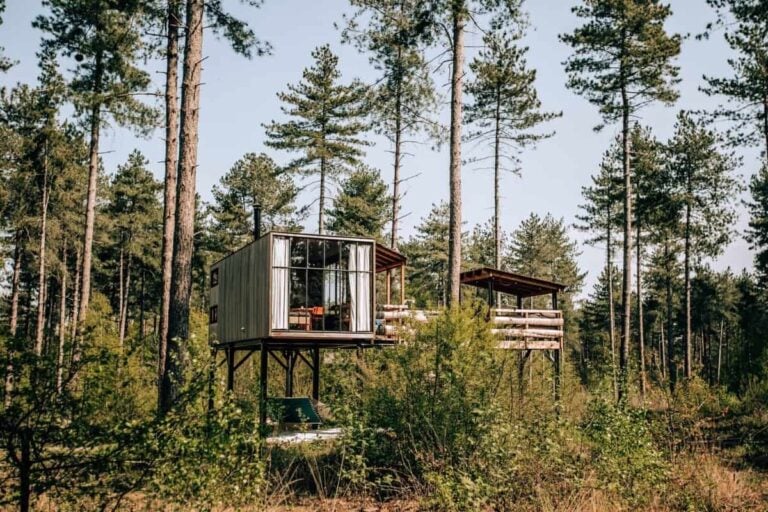
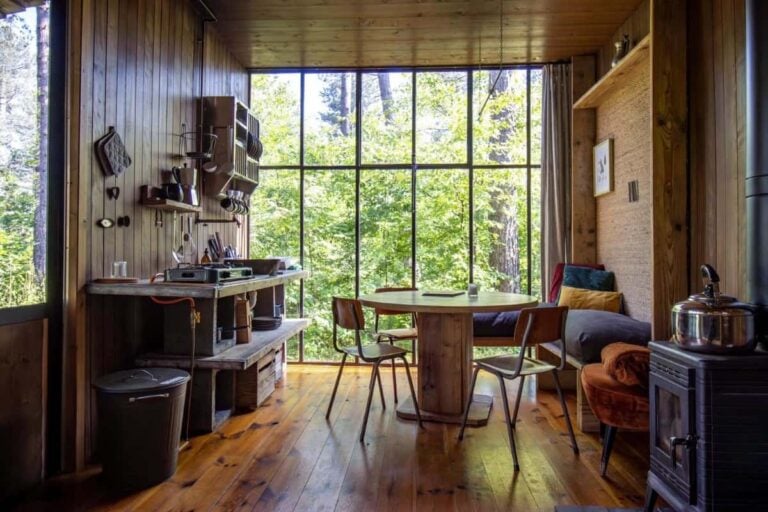
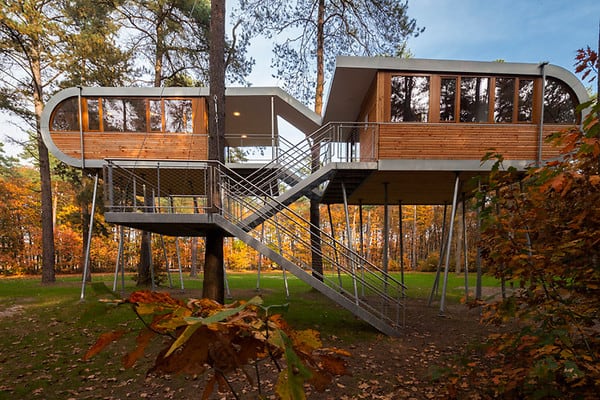
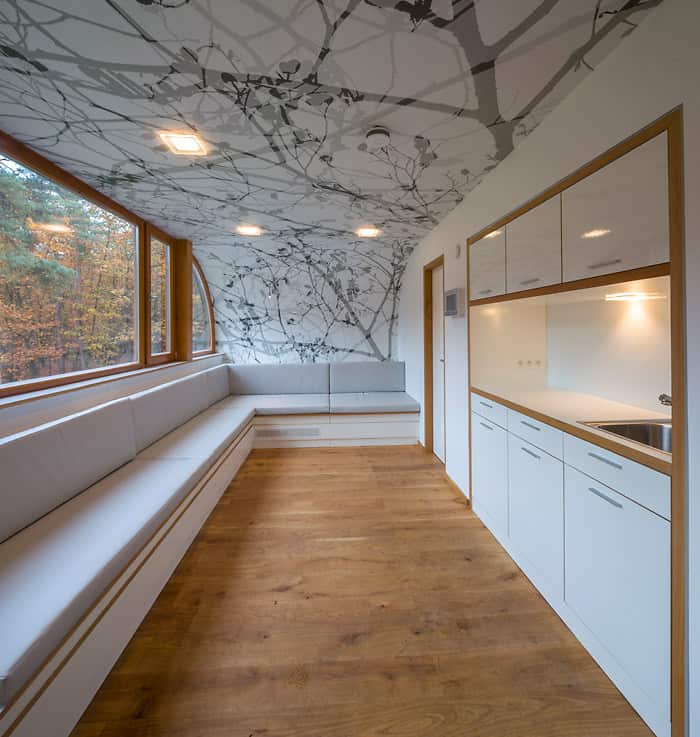
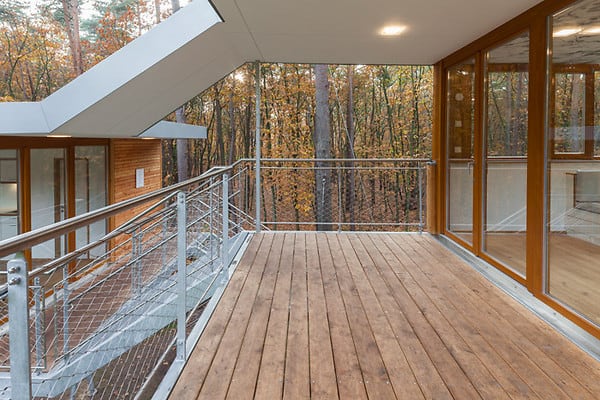
What sets Belgian treehouse stays apart is the restraint. No rope bridges or theatrical platforms wrapped around trunks like afterthoughts. Instead, structures feel deliberate—careful joinery, wide windows that treat the view like the main event, and interiors that lean into larch, wool and honest materials without theatrics. Many have solar tucked discreetly along the roof, rainwater systems for showers, and just enough modern comfort to make a rainy afternoon feel luxurious rather than damp. The tone is closer to a well-designed cabin that happens to be ten meters up than a rustic adventure prop.
Days here write themselves without much interference. A forest walk in the morning leaves you muddy-booted and grinning, the kind of tired that earns a long shower and a nap in the hammock. Later, maybe a pedal to the nearest village for cheese that actually tastes like the farm it came from, or a paper cone of frites eaten standing by the square. On another day, Namur or Dinant might pull you in for an hour of architecture and a waffle, or Leuven if you want bookshops and the hum of a university town. Come evening, a Trappist beer on the deck while the trees go dark and the birds settle makes the whole rhythm feel earned.
Belgium keeps a handful of these elevated stays rather than hundreds, so the selection feels curated rather than overwhelming. Some nestle deep in the Ardennes with no neighbor in sight, others perch within earshot of a village lane or near the edge of the Sonian Forest where weekend walkers pass below and bluebells turn the ground impossible shades of violet in late spring. Either way, the appeal is similar—nature close enough to feel it on your skin, culture near enough to taste it, and a design sensibility that prefers understatement to spectacle. You leave feeling both lighter and oddly more grounded, which is a useful trick for a place built in the branches.
Frequently asked questions about Belgium
What's the best time of year to visit a treehouse in Belgium?
Spring and autumn deliver the strongest forest atmosphere without the crowds. Late April and early May bring the famous Hallerbos bluebell carpets in Flanders, while the Ardennes explode into green after months of gray. Autumn trades flowers for mist, golden beech canopies, and that particular slant of light that makes every afternoon feel like an occasion. Summer works well if you want long evenings on the deck and easy cycling weather, though weekends book faster. Winter has its own appeal—wood stoves, bare branches that let you see deeper into the forest, and a kind of stillness that makes a hot shower and a Trappist by the window feel like the entire point of the trip.
How remote are Belgian treehouses—do I need a car?
Most Belgian treehouse stays sit close enough to villages and towns that a car makes the visit significantly easier, especially for groceries, restaurant visits, and exploring beyond your immediate forest. Train connections reach nearby hubs like Namur, Dinant, or Leuven, but the final stretch to your treehouse typically requires a taxi or pre-arranged transfer. A few properties near the Sonian Forest edge are more accessible by public transport, but the Ardennes and deeper Wallonia locations assume you'll arrive on four wheels. The upside of that slight remoteness is genuine quiet—no road hum, no streetlights, just forest and the odd passing deer.
What should I expect inside a Belgian treehouse?
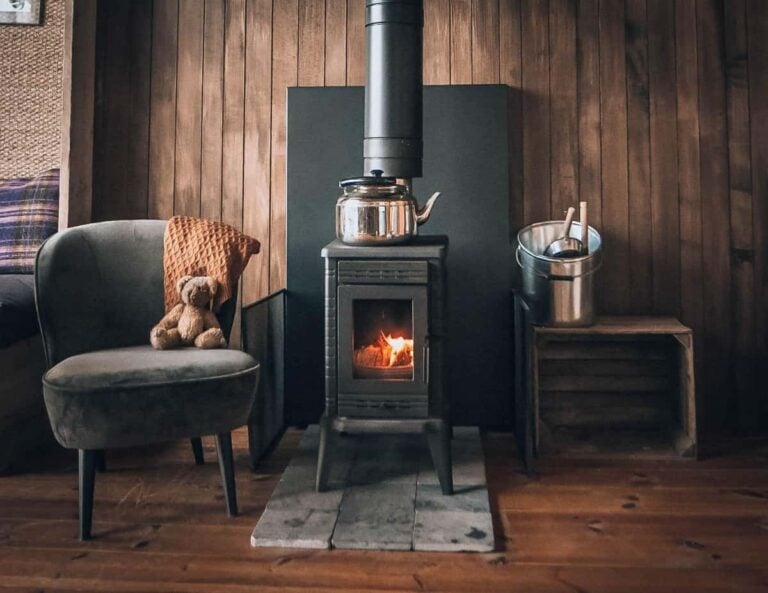
Belgian treehouses favor honest materials and modern comfort over rustic theater. Expect oak or larch floors, wide windows that frame the canopy like a slow-moving painting, and interiors that feel carefully made rather than decorated. Most include a proper bed, a rain shower, and heating for cooler months—some add a wood stove or a small sauna. The design tends toward understated: wool throws, simple furniture, lighting that casts warm pools rather than glaring down at you. Solar panels and rainwater systems often run quietly in the background, and the overall effect is more boutique cabin than wilderness survival. You'll have enough comfort to enjoy a rainy afternoon without feeling like you've just checked into a formulaic hotel room ten meters up.
Are Belgian treehouses suitable for families with young children?
It depends on the property and the child. Most Belgian treehouses involve stairs or ladders to reach the sleeping platform, and the elevated setting means parents need to stay alert around open decks and railings. Some hosts set minimum age requirements—often eight or ten years old—both for safety and to preserve the quiet atmosphere that couples and solo travelers seek. A handful of larger or ground-level forest cabins welcome families more openly, but the classic treehouse experience in Belgium is designed with adults in mind. If you're traveling with younger children, check the specific property's policy and layout before booking, and consider whether the lack of typical kid distractions will work in your favor or against it.
What's nearby besides forest—can I visit towns or attractions easily?
Belgian treehouses give you forest immersion without trapping you in the woods. Depending on your base, you're typically within a twenty-minute to hour-long drive of riverside towns like Dinant or Namur, the medieval lanes of Bouillon, or university cities like Leuven with their bookshops and cafés. The Ardennes offer accessible hiking and cycling trails, while the RAVeL network converts old rail lines into flat, scenic bike routes perfect for leisurely village-hopping. In spring, the Hallerbos bluebell forest near Brussels becomes a day-trip magnet. You can also reach Trappist monasteries, local cheesemakers, and weekly markets without much effort. The rhythm that works best is splitting days between quiet mornings under the canopy and afternoon or evening excursions that bring you back to civilization just long enough to remember why you prefer the trees.