
Slovenia
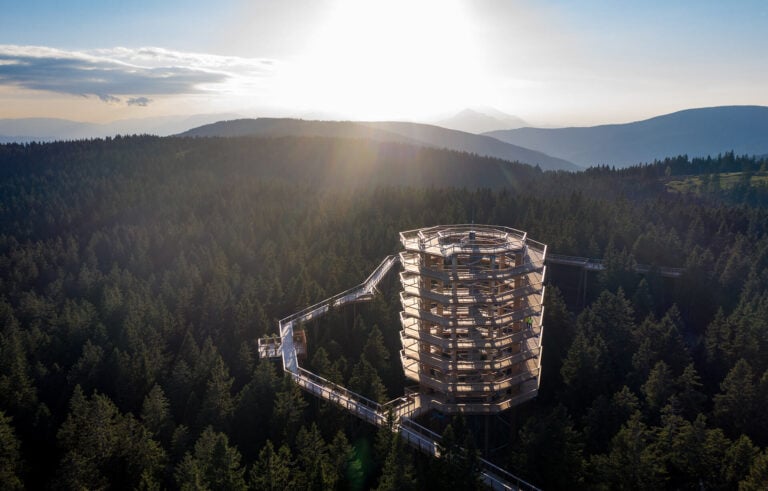
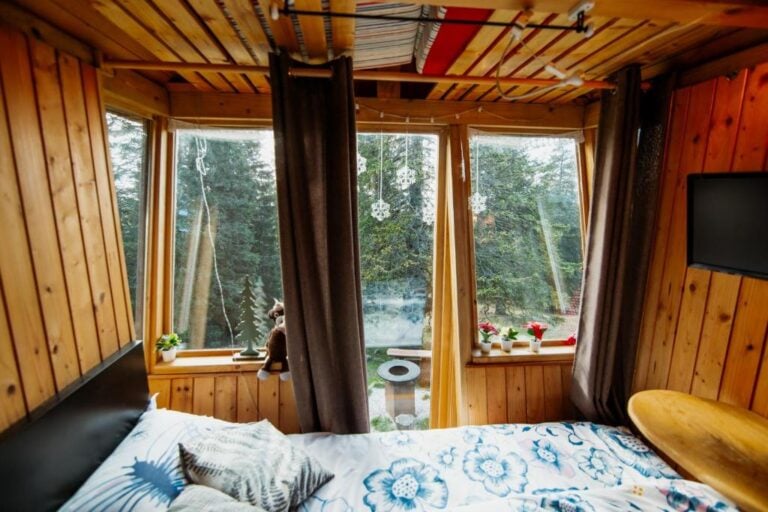
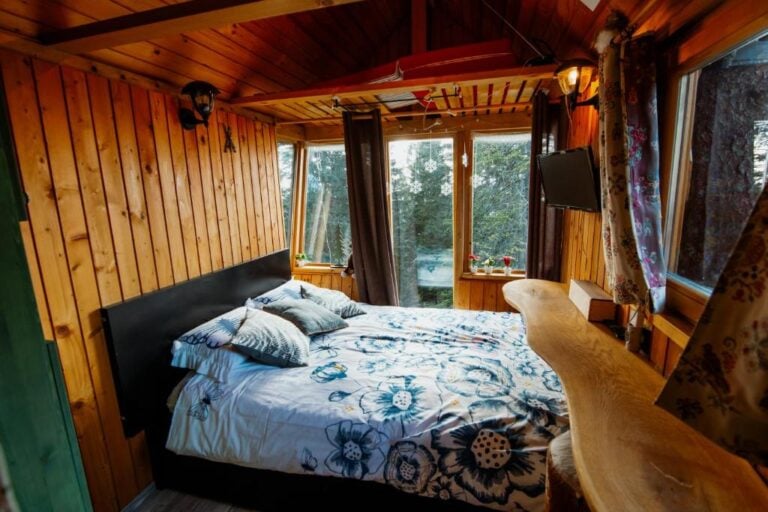
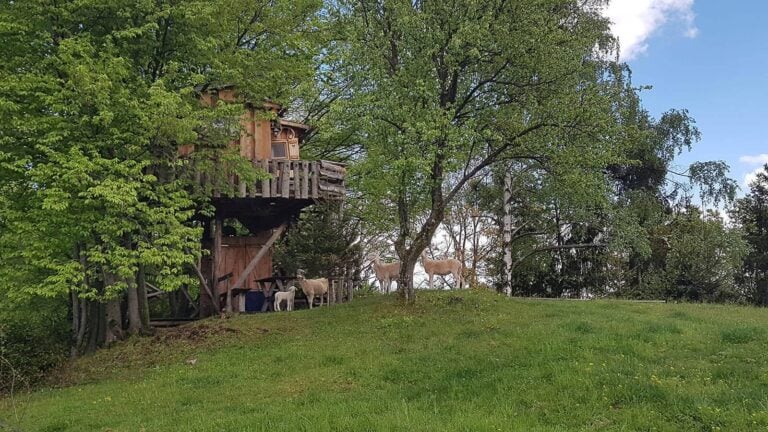
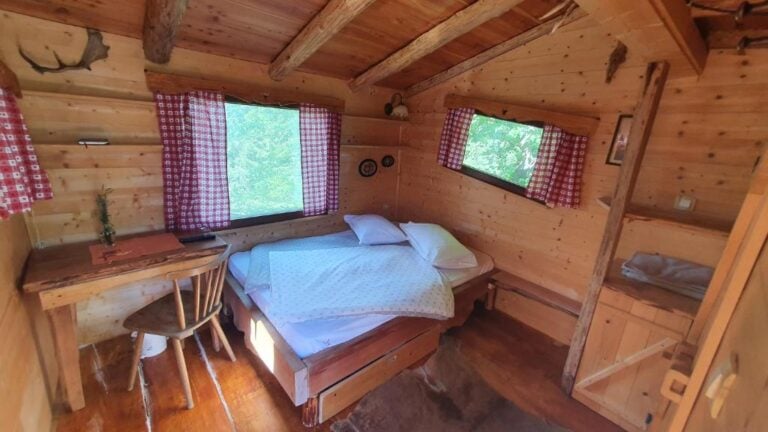
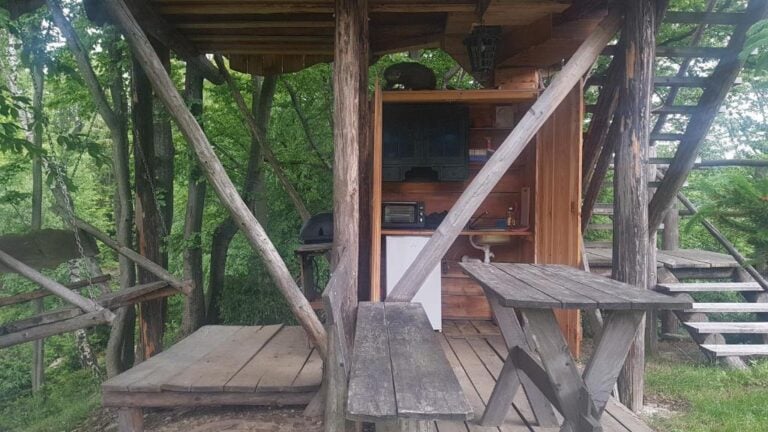
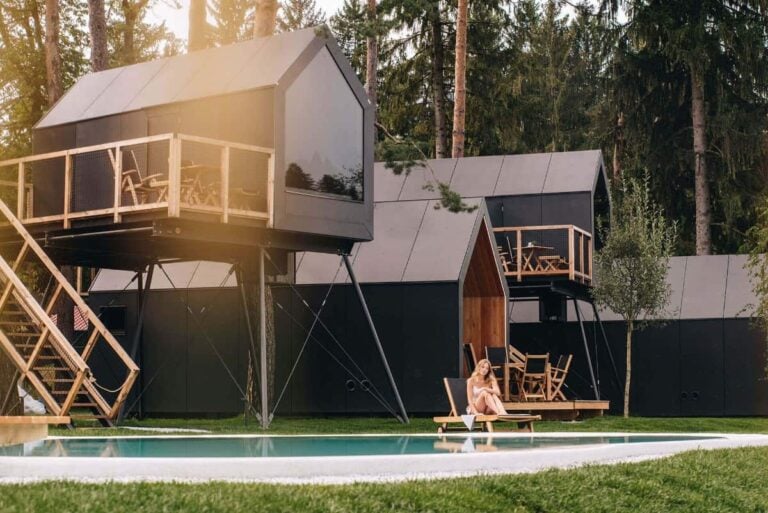
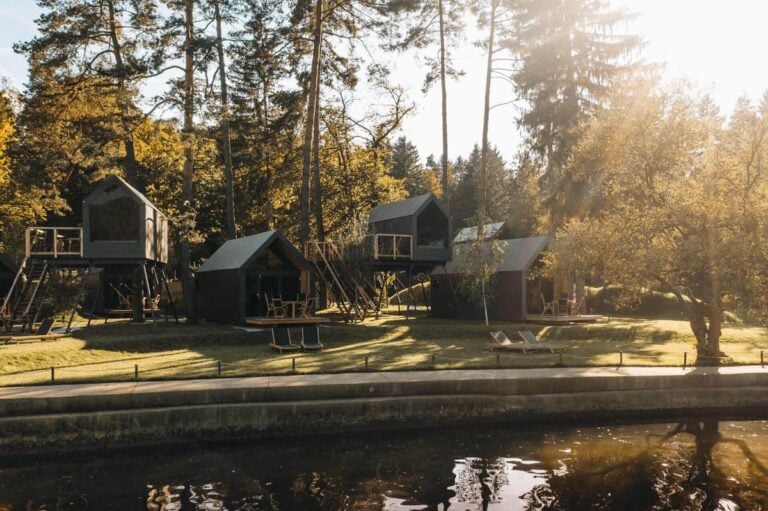
Slovenia tucks four treehouse properties into the Julian Alps, mostly within an hour of Ljubljana, where beech and spruce grow close enough to hold something substantial. They're built near Lake Bled or deeper into Triglav National Park, with one overlooking the Soča Valley's glacier-fed turquoise current. Expect local timber weathered silver-grey, large windows, outdoor tubs where steam meets cold mountain air, and summer weekends booked months ahead. The country's small, the treehouses smaller, and everything worth finding takes a little effort to reach.
{{locationDetails}}
Browse sub-categories


About Slovenia
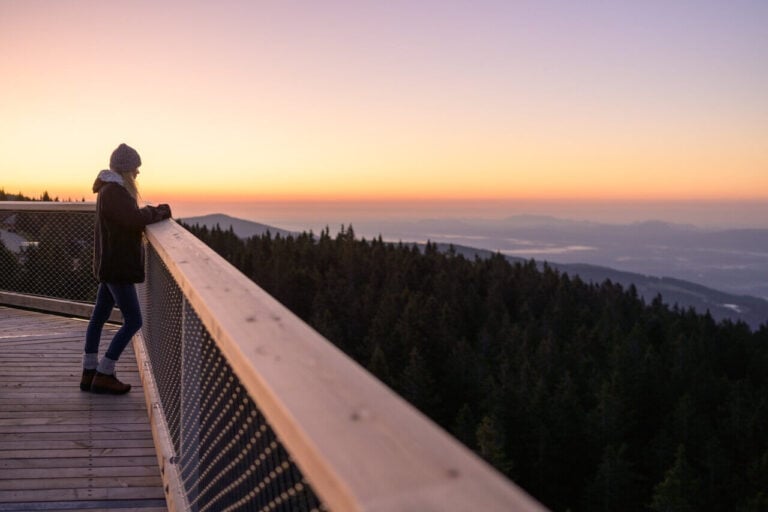
Slovenia keeps its treehouses tucked away like good secrets. Four properties scattered through the Julian Alps, mostly within an hour of Ljubljana, built where beech and spruce lean close enough to hold something up. You won't stumble across them. Someone sends you coordinates, a dirt track turns narrower than seems sensible, and then the forest swallows the road noise whole.
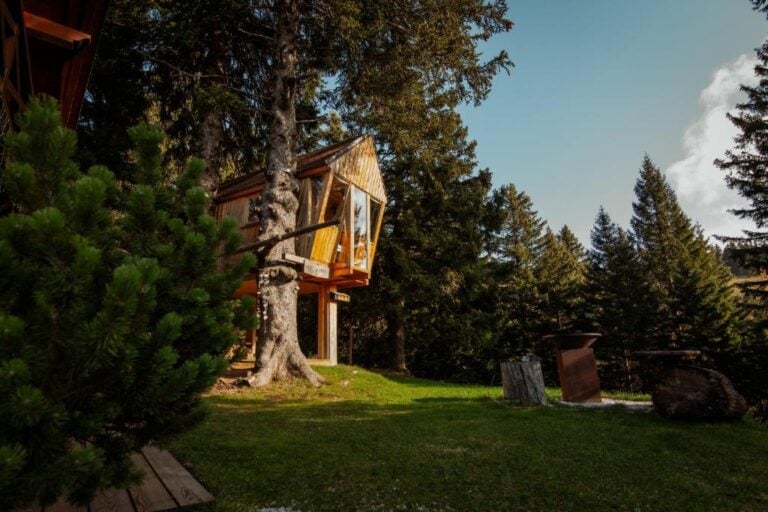
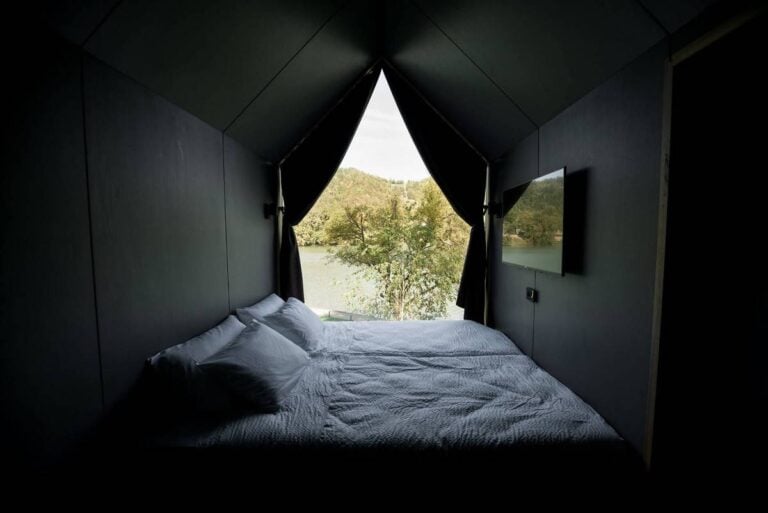
Most sit near Lake Bled or deeper into Triglav National Park, though one overlooks the Soča Valley where the river runs that strange glacier-fed turquoise. The treehouses themselves favour larch and spruce—local timber that weathers silver-grey and smells faintly of resin when the sun warms it. Large windows, small footprints. A few have outdoor tubs where steam meets cold mountain air at dusk. Some include saunas. None sleep more than a handful of guests, which means summer weekends disappear from availability months ahead.
The chapel bell at Lake Bled does drift across the water on still mornings, audible from the nearer properties. Breakfast often arrives in a basket—bread still warm, local honey, coffee that tastes better outdoors for reasons no one can quite explain. In the Soča Valley the mornings are louder: rapids, birdsong that starts before dawn, wind moving through high branches like a low conversation. By mid-morning you might be hiking into Triglav or swimming in Bohinj, where the water stays cold enough to make you gasp even in July.
The treehouses don't perform. No carved bears, no fairytale turrets, no gift-shop whimsy. They're built like serious architecture that happens to be twenty feet off the ground, with the kind of quiet luxury that means good linen, enough space to think, and no Wi-Fi unless you specifically ask. When evening settles in, the forest takes over—crickets, the occasional deer moving through the understory, stars so thick they look like they're leaning in to listen.
Slovenia's trick is that it never oversells itself. The country's small, the treehouses smaller, and everything worth finding takes a little effort to reach. Which means when you finally climb those steps and close the door on the world below, the quiet feels earned.
Frequently asked questions about Slovenia
How many treehouse hotels are in Slovenia?
Slovenia has four documented treehouse properties, most of them concentrated in the Julian Alps near Lake Bled and Triglav National Park. All are small-capacity builds—typically sleeping just two to four guests—which means they book up quickly during peak season and maintain an intentionally quiet, intimate atmosphere rather than operating as larger commercial resorts.
Do I need a car to reach treehouses in Slovenia?
A car is strongly recommended. These properties sit down forest tracks and narrow lanes that public transport doesn't reliably serve, typically 15 to 45 minutes from main roads. While Ljubljana Airport is within an hour to 90 minutes of most locations, the final approach requires navigating rural routes where signage can be sparse and coordinates matter more than addresses.
When is the best time to visit a treehouse in Slovenia?
May through September offers the fullest experience—warm enough for swimming in Bohinj, long daylight for hiking Triglav, and the forest in full leaf. October brings autumn color and thinner crowds, while winter delivers snow-draped solitude though some properties close seasonally. Summer weekends book months ahead, so shoulder seasons often provide easier availability alongside milder weather.
What activities are near Slovenia's treehouse properties?
Most treehouses sit within easy reach of Triglav National Park's hiking trails, Lake Bled and Lake Bohinj for swimming, and the Soča Valley for kayaking or rafting. Distances vary—some properties are ten minutes from Bled, others an hour deep into the forest—but the Julian Alps location means mountain trails, cold-water lakes, and river gorges are rarely more than a morning's drive away.
Are Slovenia's treehouses family-friendly or better for couples?
Most are designed for couples or small adult groups. The combination of ladder or stair access, limited capacity, and a quiet-luxury focus makes them less practical for young children, though policies vary by property. The emphasis is on intimacy and immersion in nature rather than family-oriented amenities, which suits romantic getaways and solo retreats more naturally than multi-generational trips.