
Sweden
Sweden's treehouse hotels rise into forests where silence runs deep and winter light barely touches the canopy. Most cluster in the north among birch, pine and spruce, offering elevated stays that range from celebrated architectural landmarks to quieter hand-built retreats near lakes and clearings. The cold is real, the views are framed by branches, and the best properties step back and let the forest speak first.
{{locationDetails}}
Browse sub-categories



About Sweden
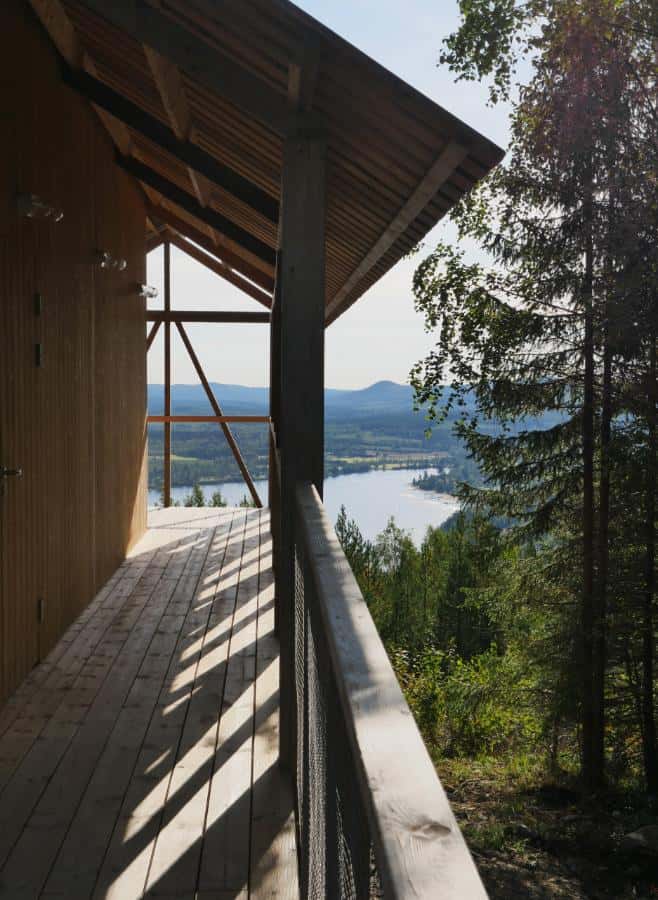
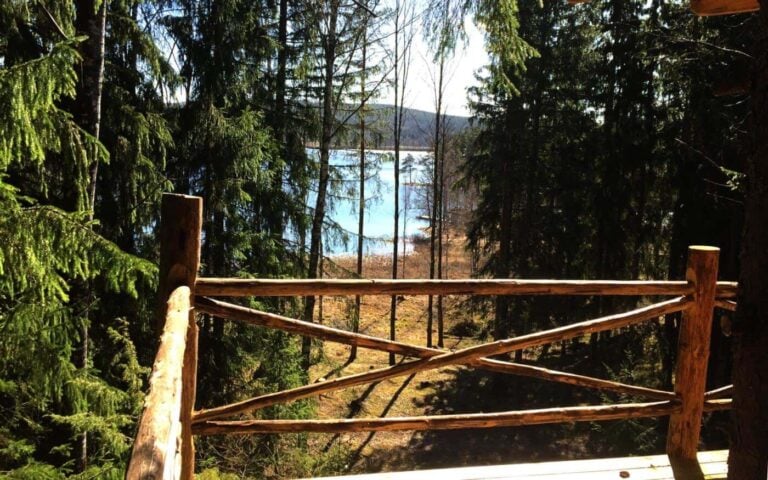
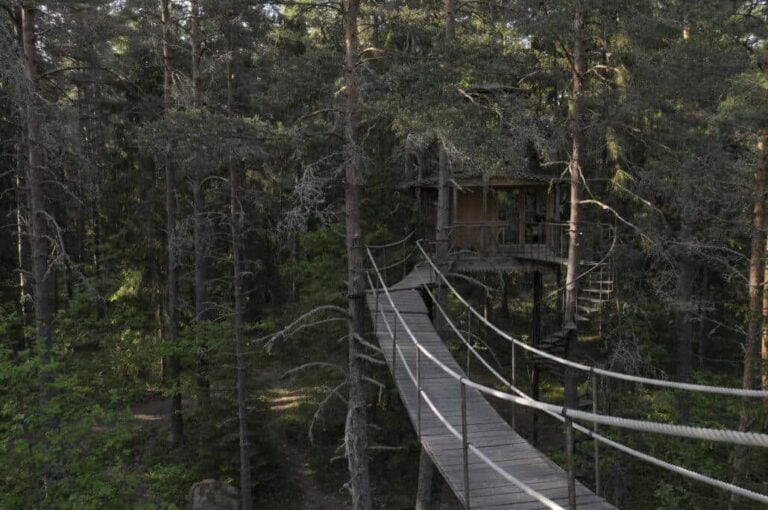
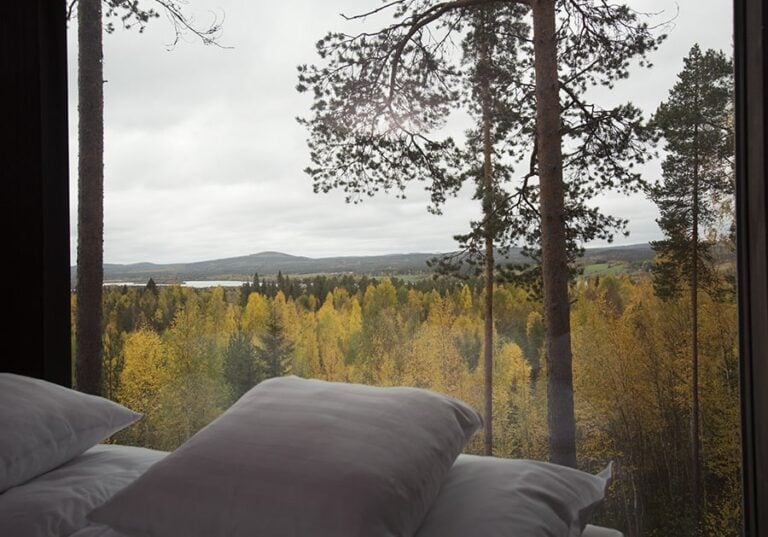
Sweden's treehouse hotels sit high in forests that feel almost aggressively quiet. Most cluster up north, where winter light barely shows and the trees—birch, pine, spruce—stand close enough to make you wonder if the forest is watching back. The silence isn't peaceful in the postcard way. It's vast and a little unnerving, which is exactly why people climb the stairs.
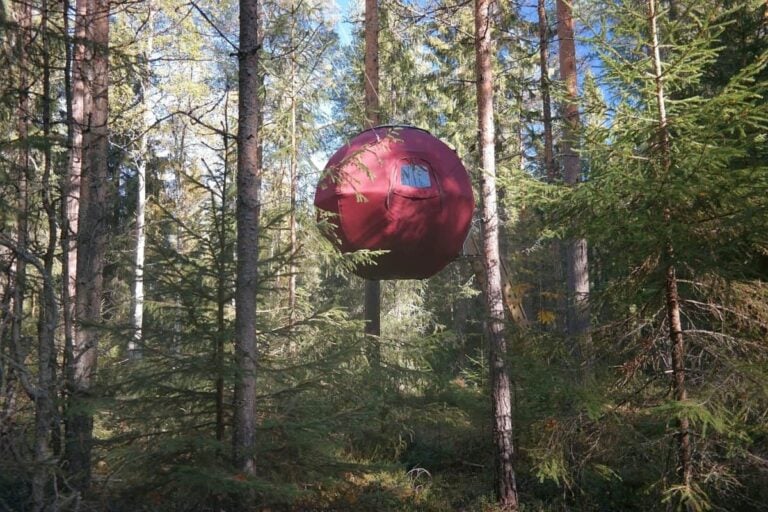
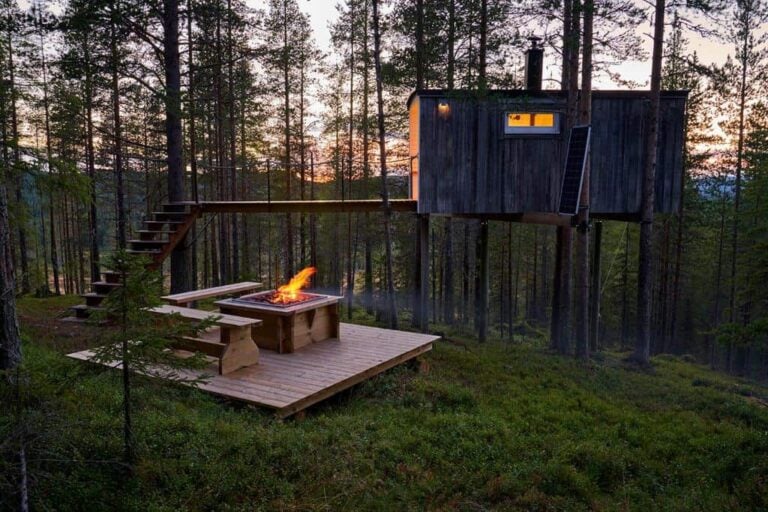
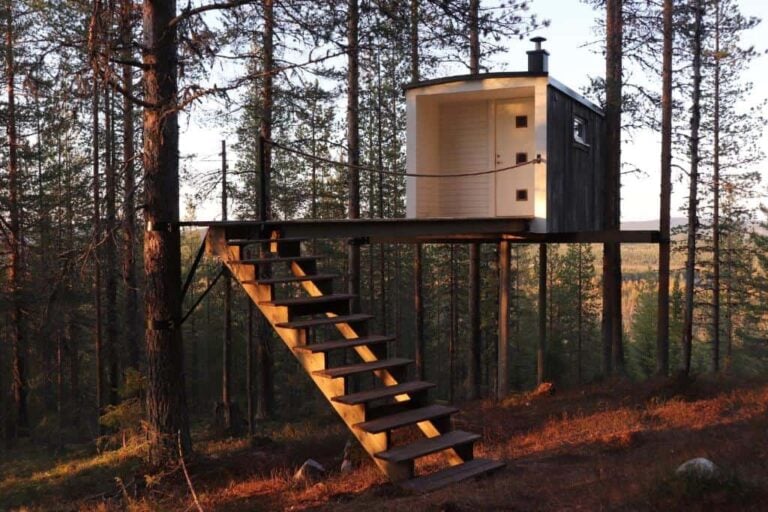
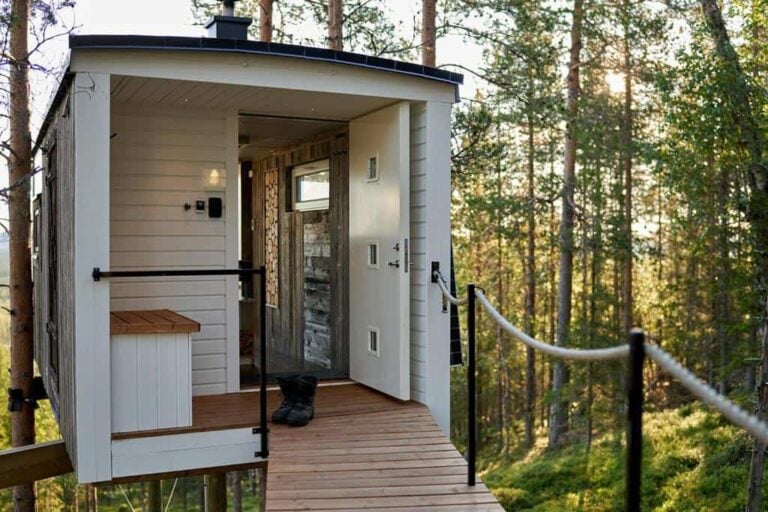
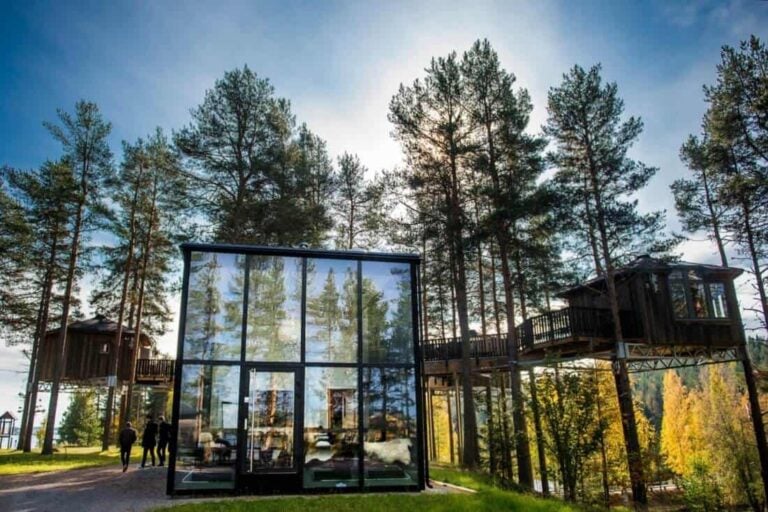
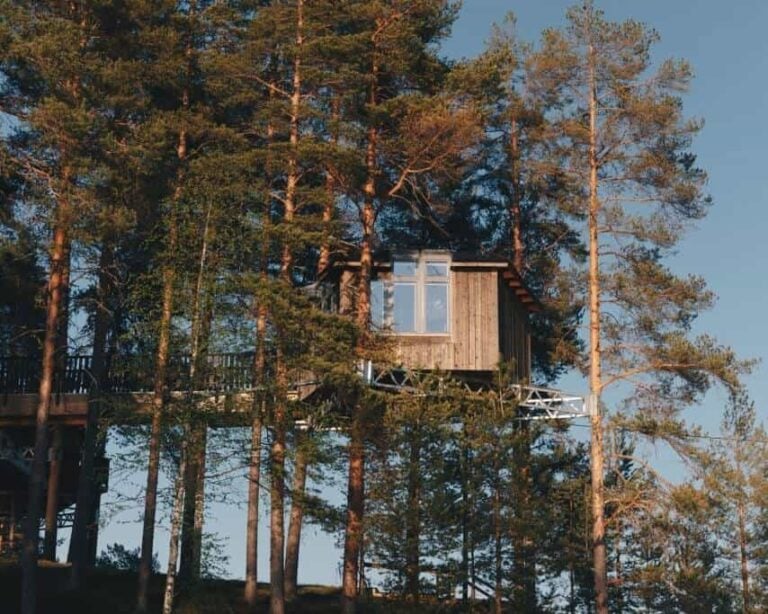
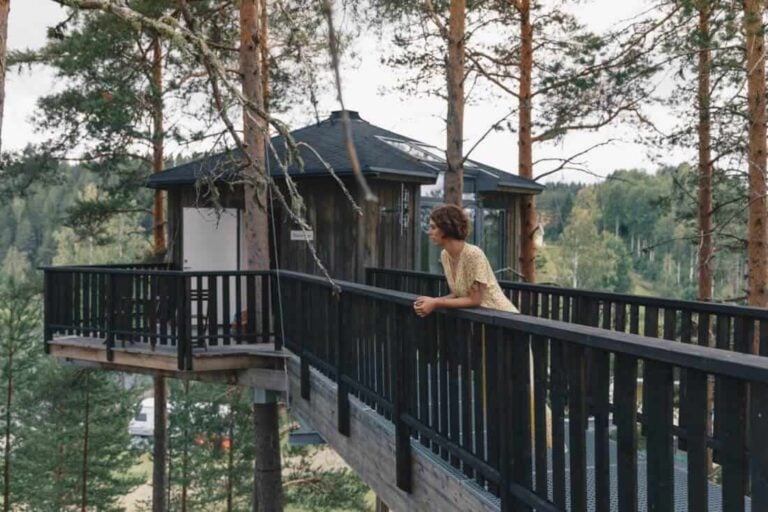
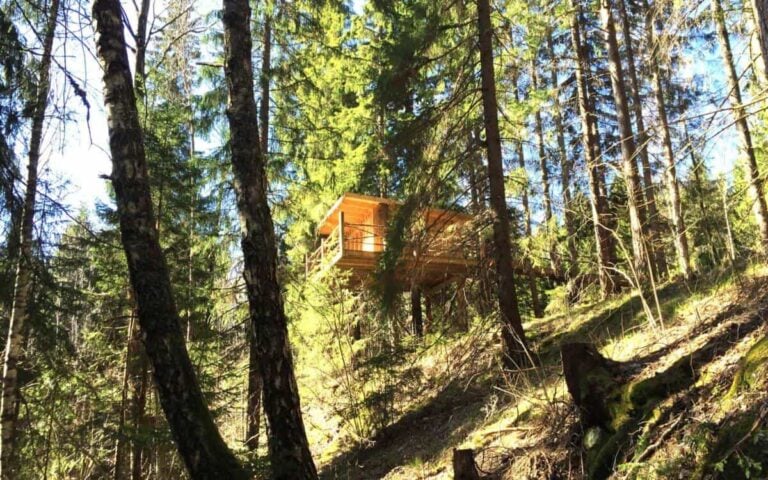
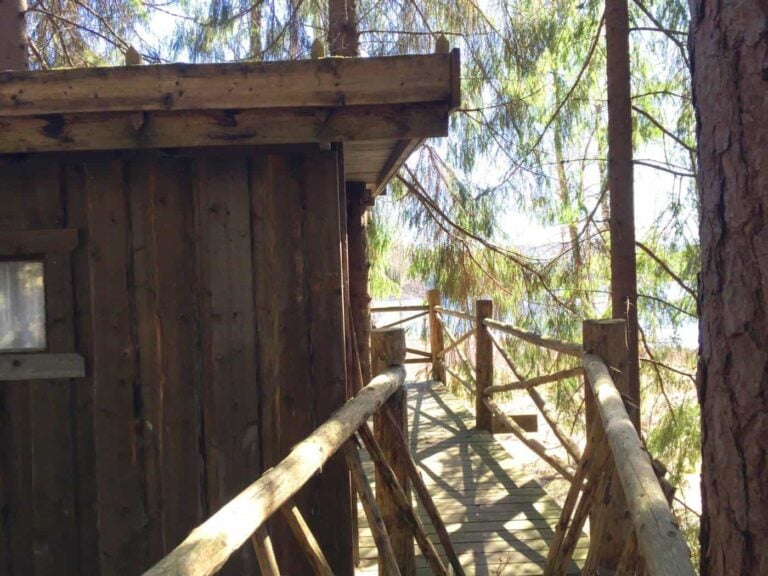
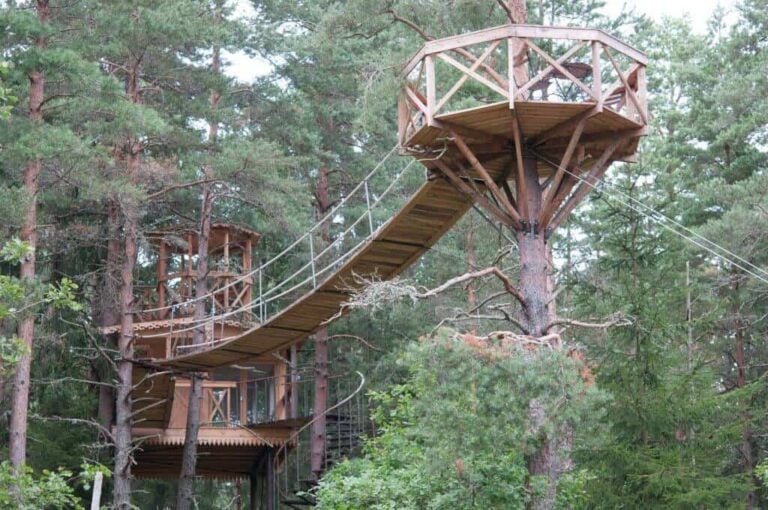
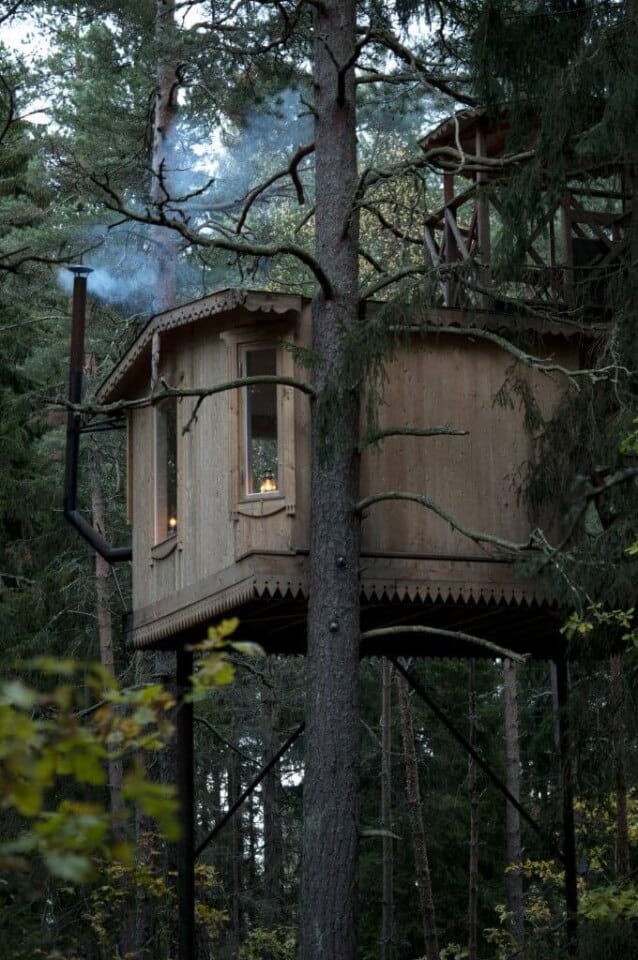
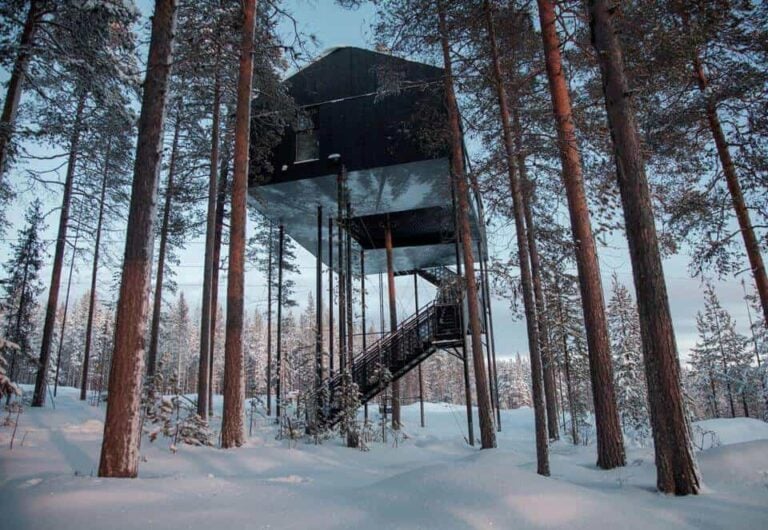
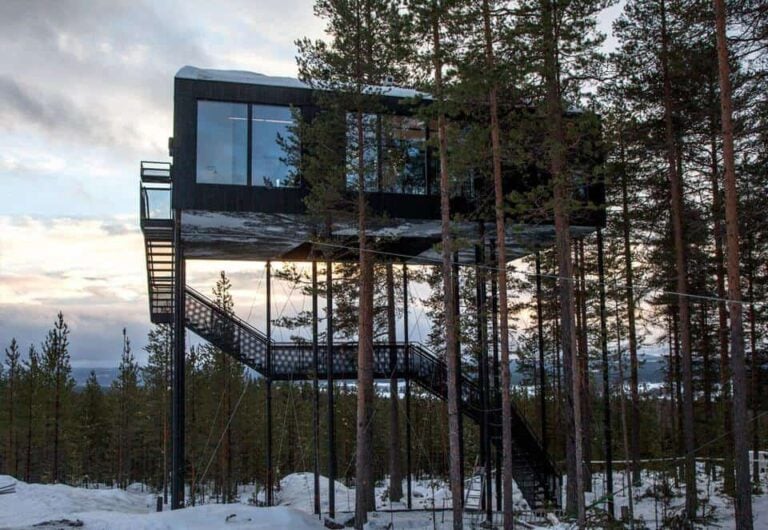
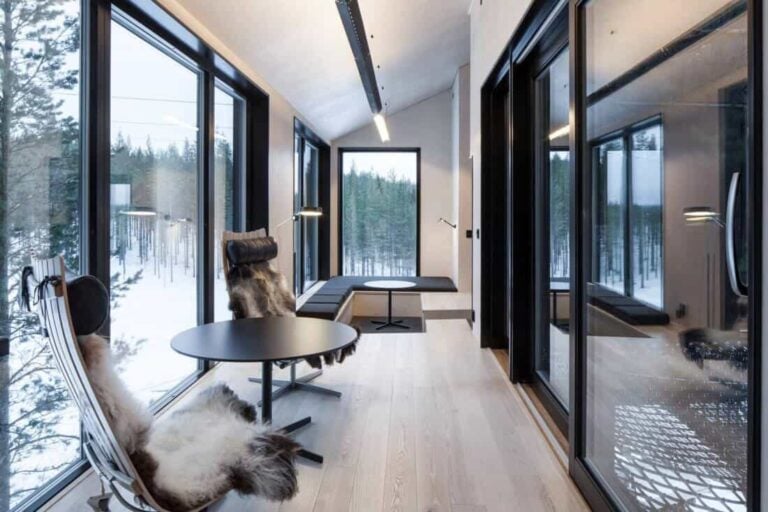
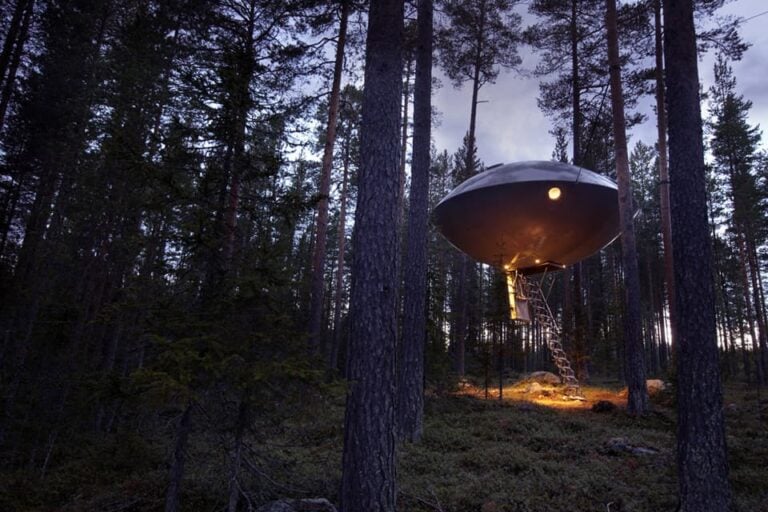
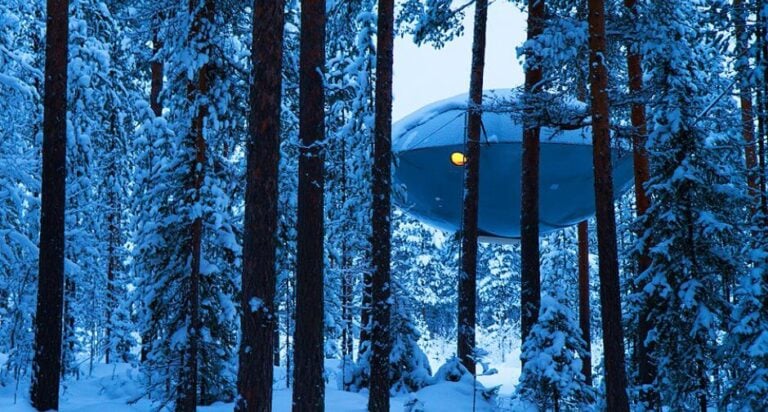
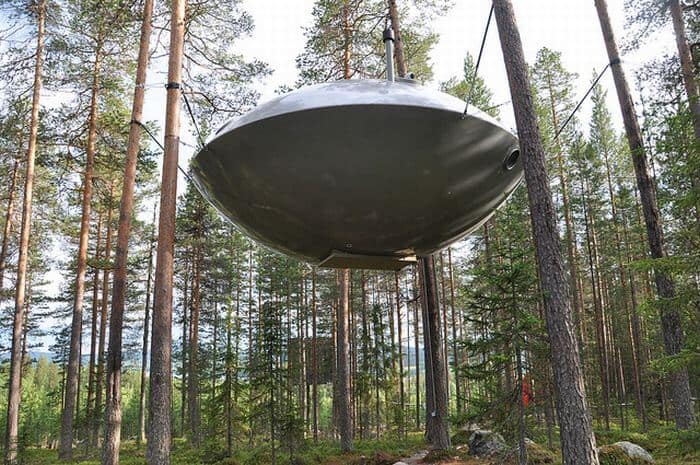
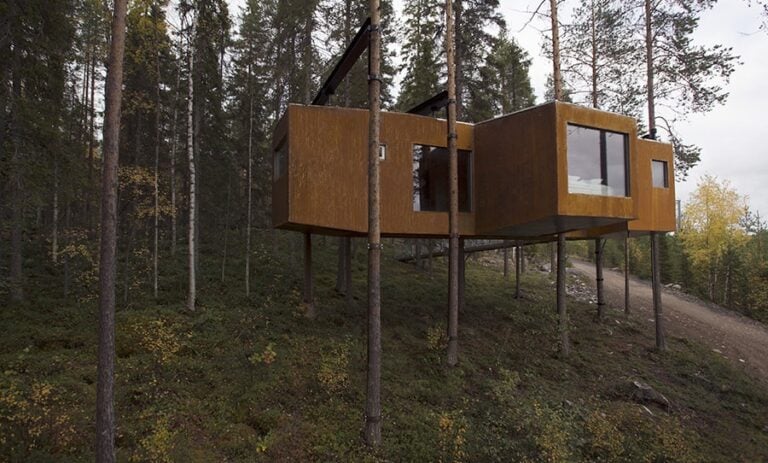
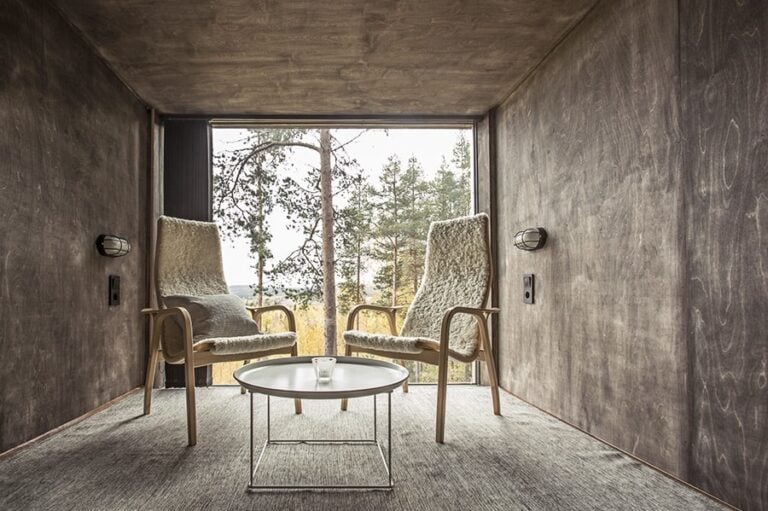
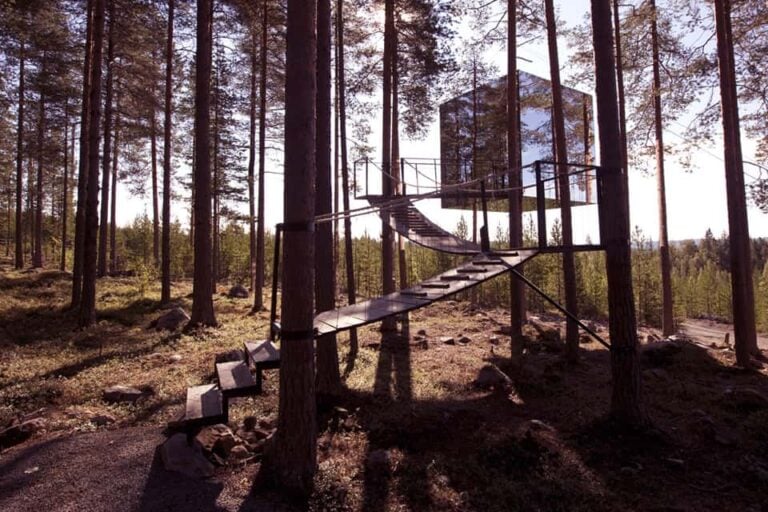
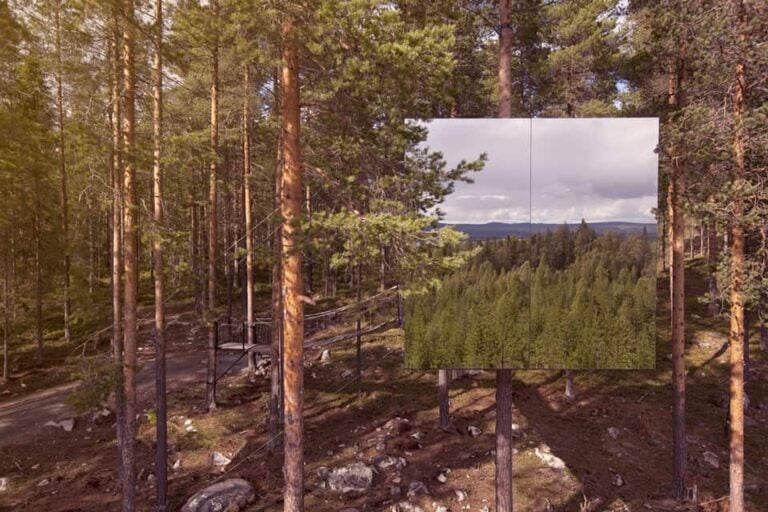
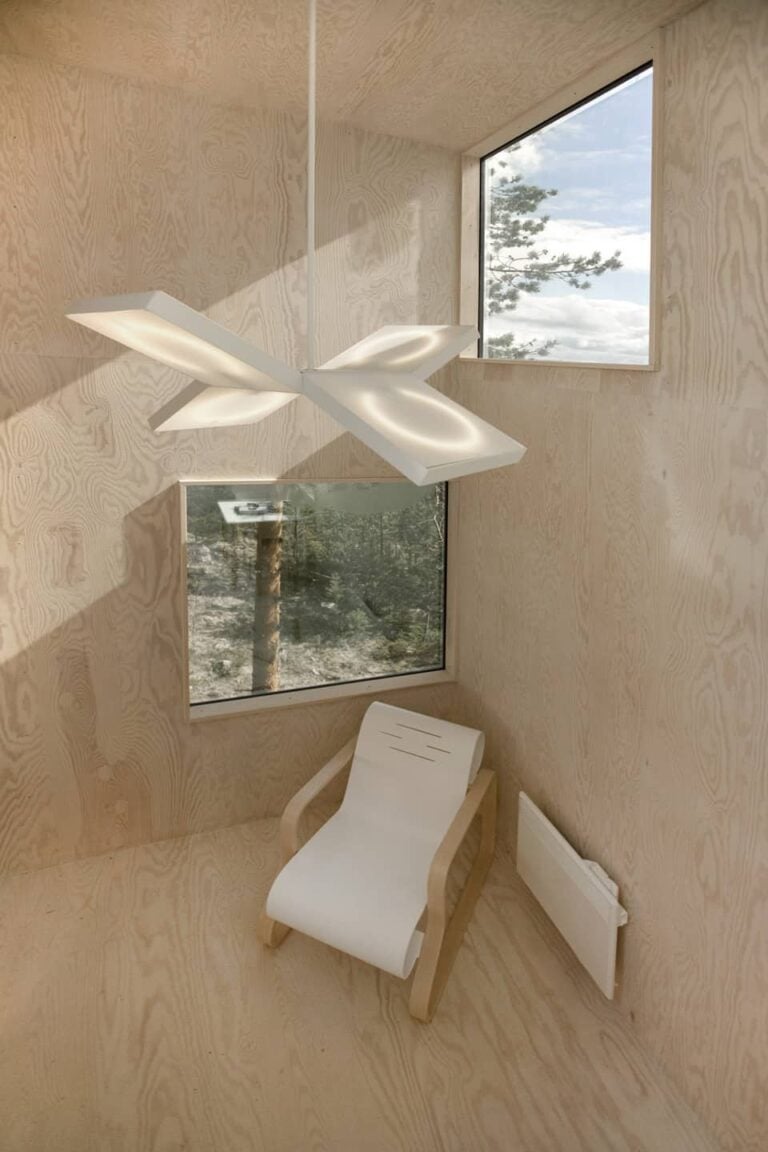
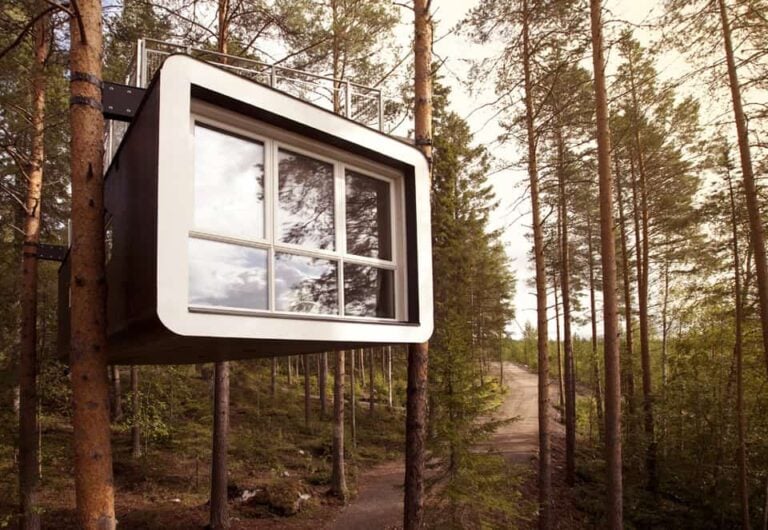
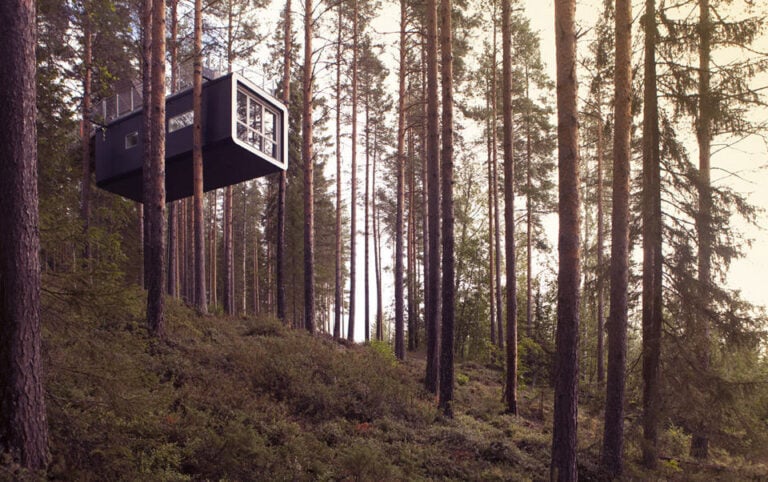
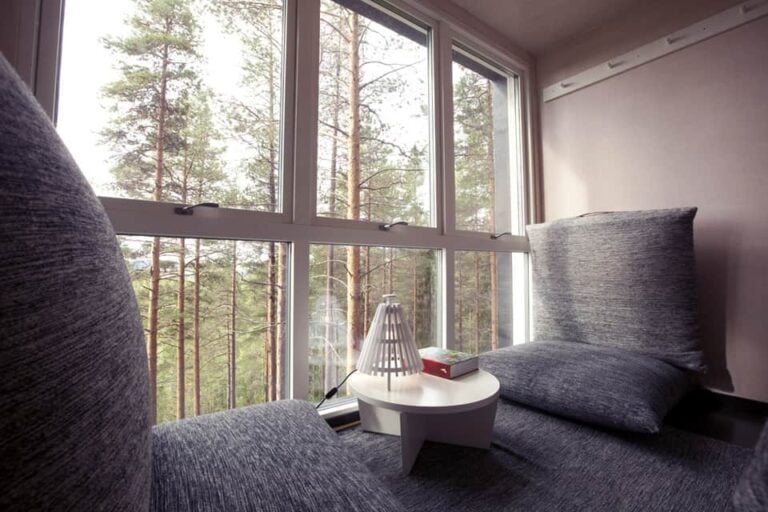
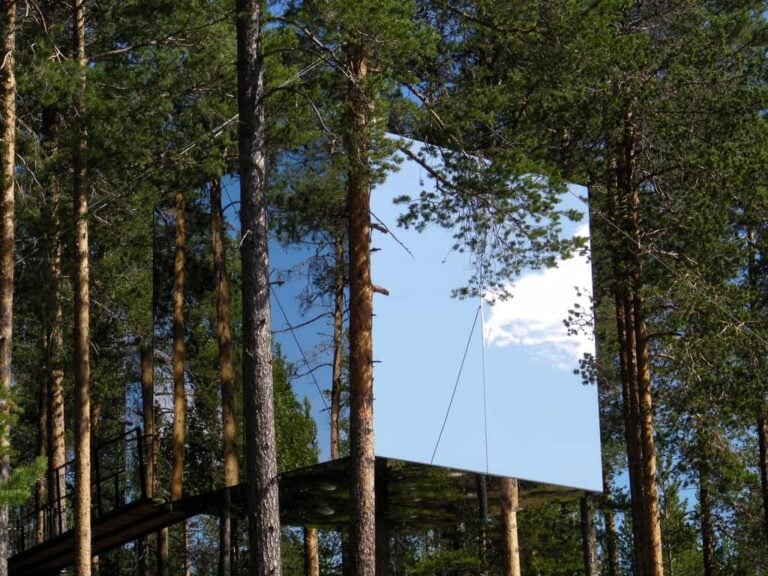
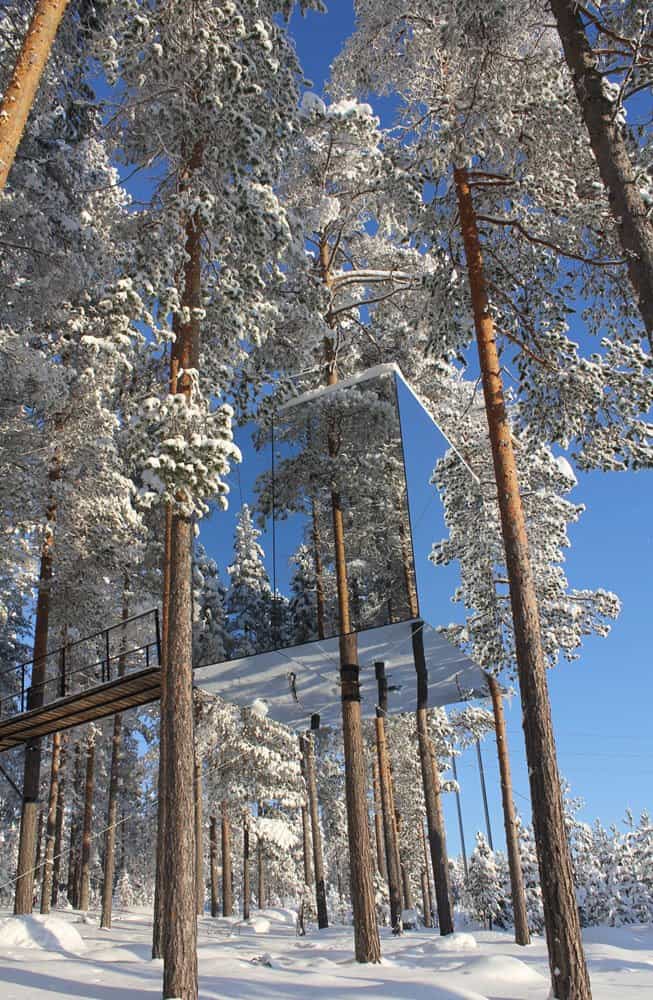
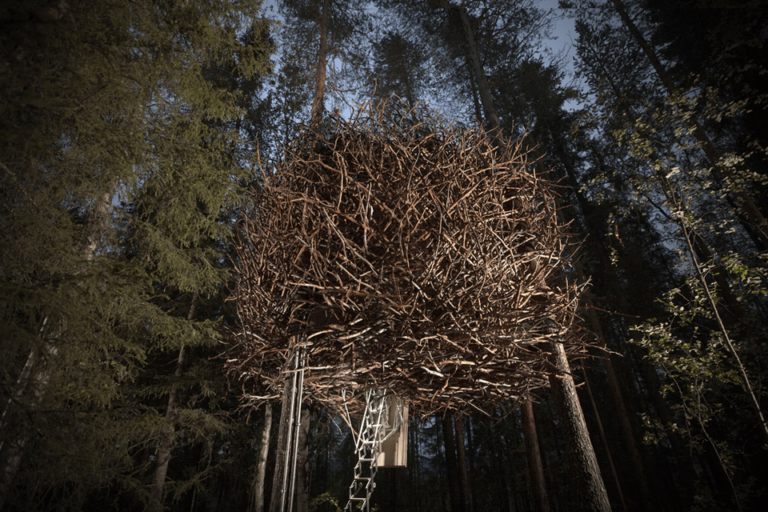
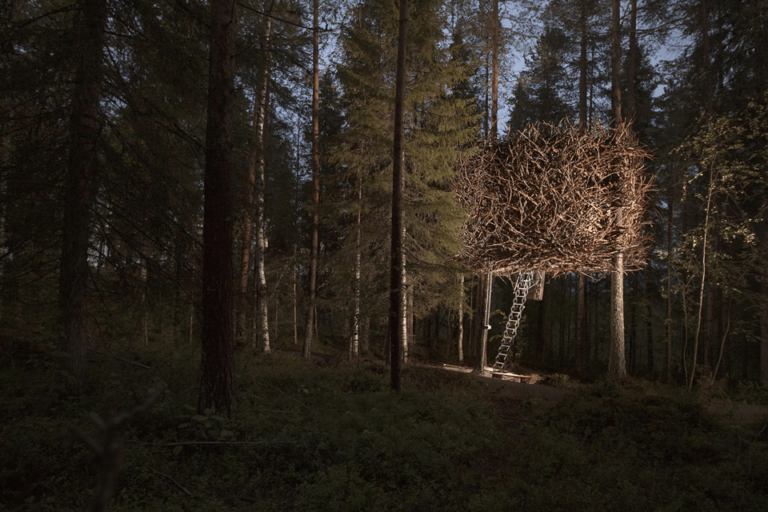
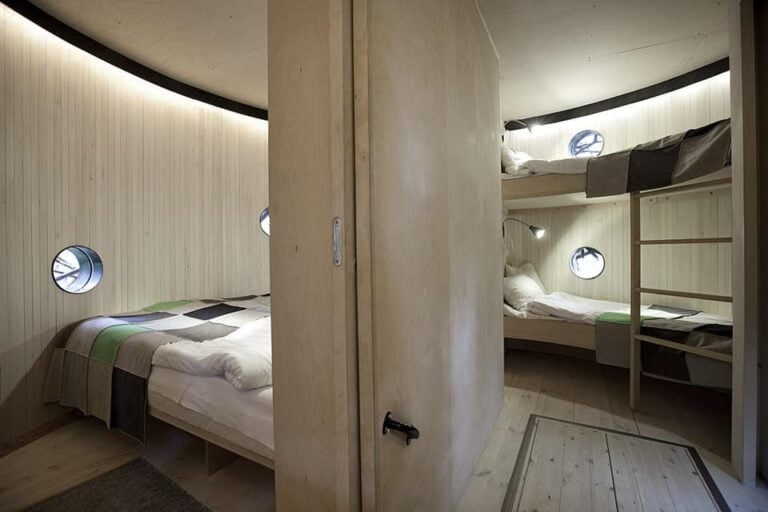
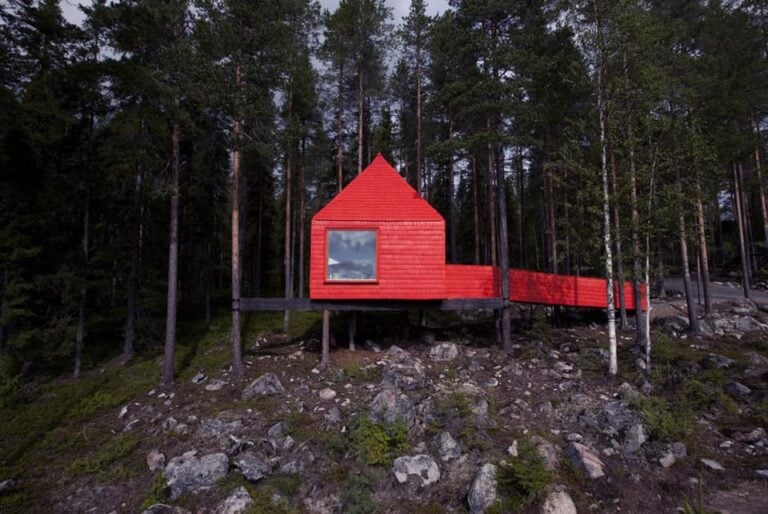
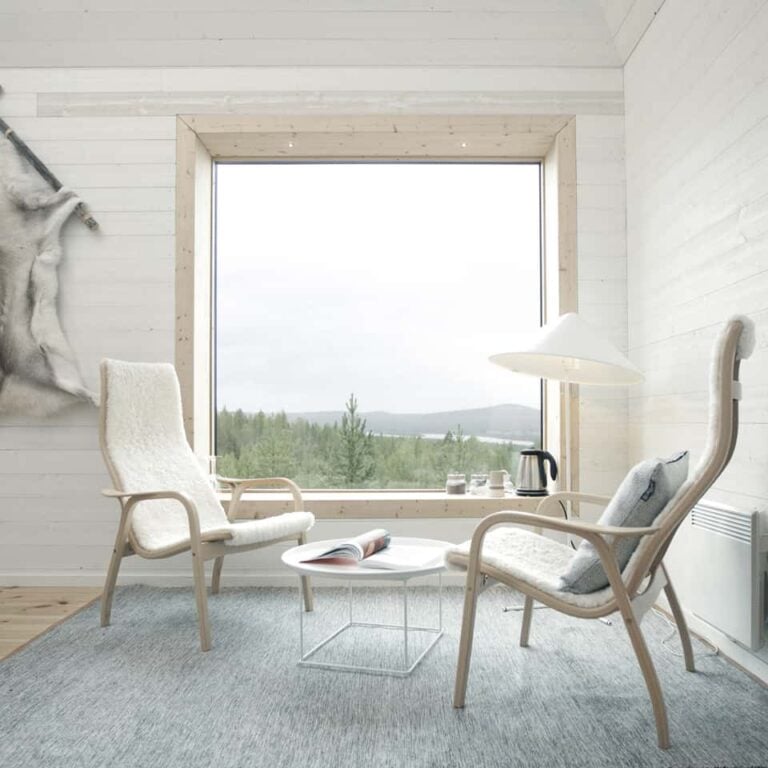
The Treehotel in Harads carries most of the international fame, and it's easy to see why. The Mirrorcube reflects the canopy so completely it nearly disappears. The UFO looks perpetually mid-landing. These aren't rustic cabins pretending to be contemporary; they're proper architectural pieces that happen to perch in trees. But Sweden's treehouse landscape runs deeper than one property. Smaller stays tucked near lakes and clearings offer the same elevation without the design headlines—hand-built wooden pods that creak gently when the wind picks up, rooms that smell of timber and resin, views framed by branches instead of floor-to-ceiling glass.
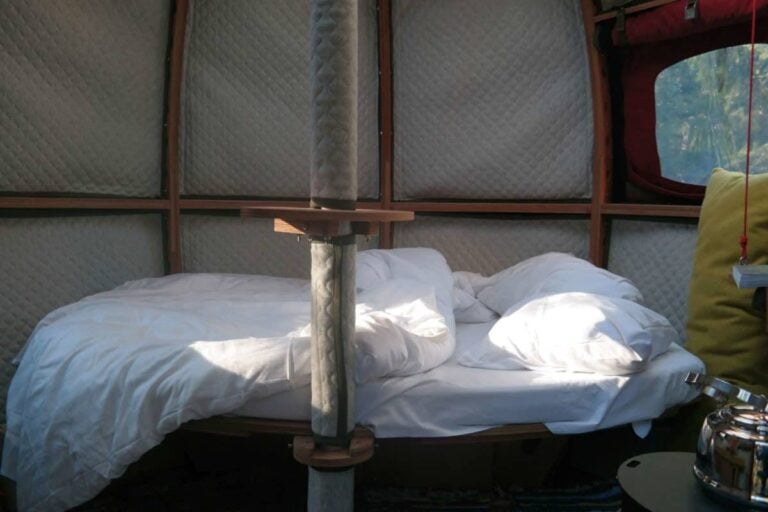
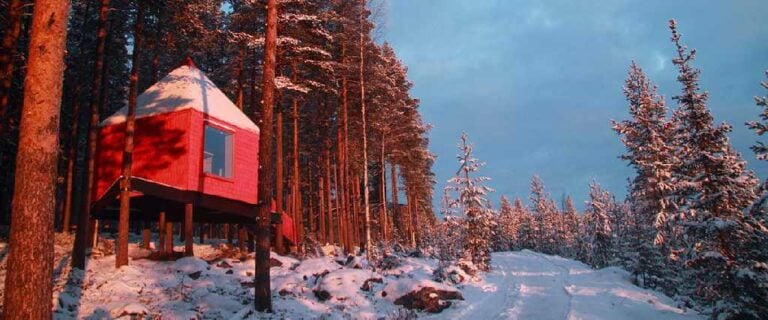
You hear things at night that daylight never mentions. Not drama, just small forest adjustments—a raven shifting weight, snow sliding off itself, something moving that you won't identify. The cold up north is real and stays real, even inside where the heating works. You pull wool blankets tighter, drink something warm from a thermos, and postpone the morning walk when fresh snow starts sifting through the canopy.
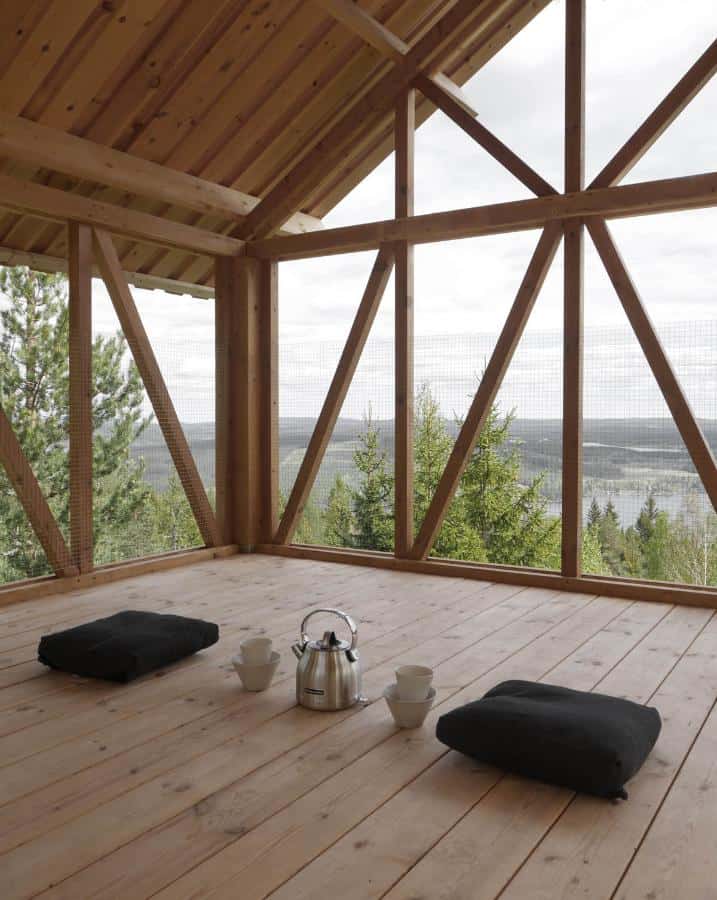
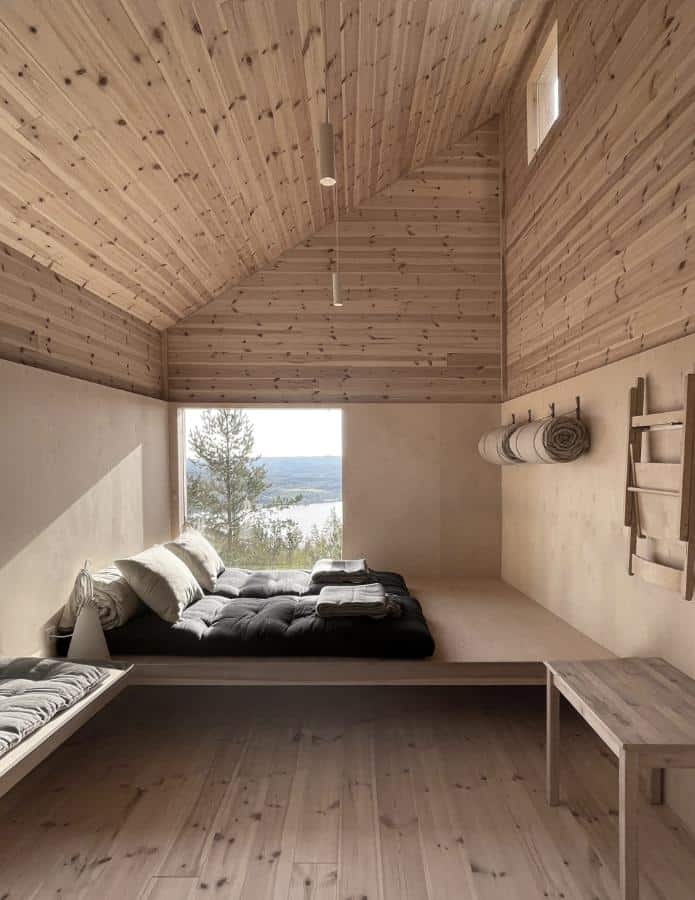
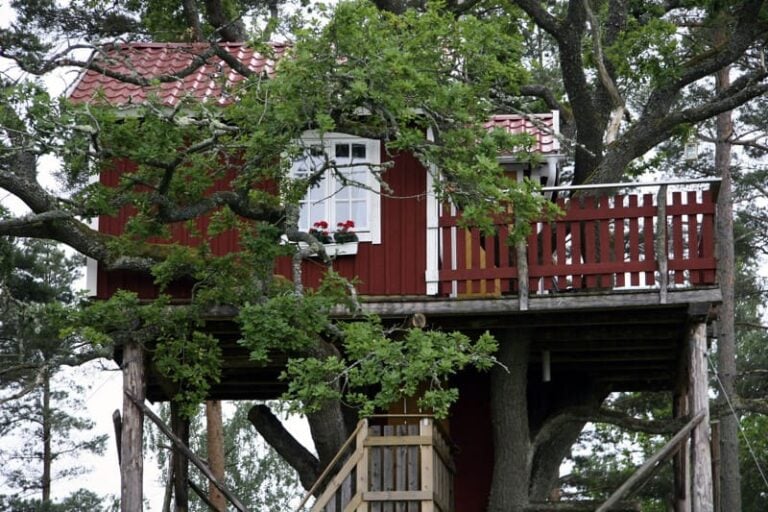
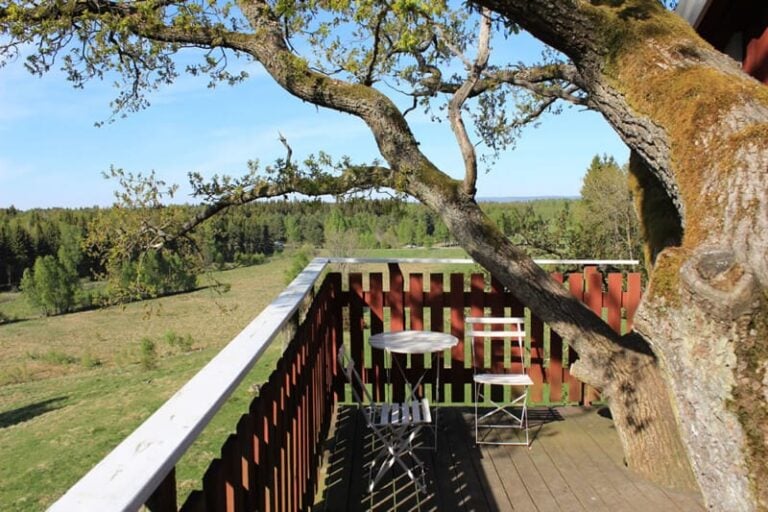
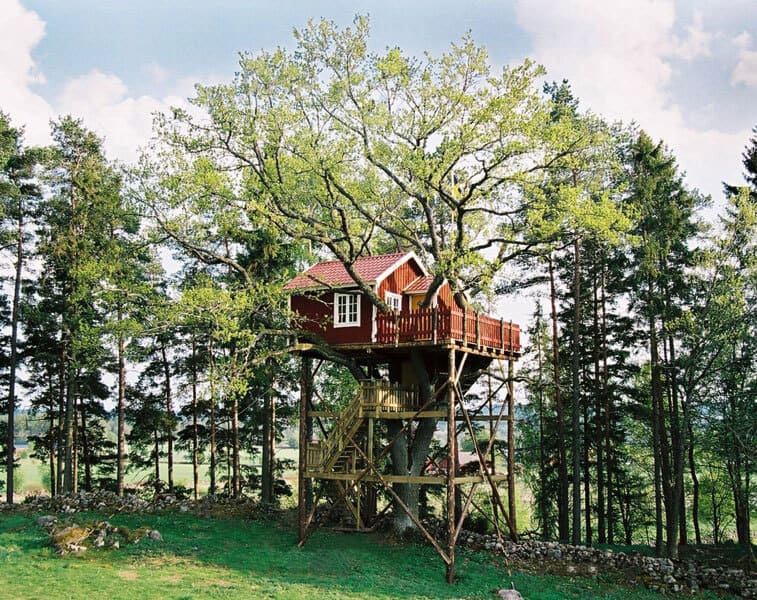
Southern Sweden takes a different approach. The treehouses near lakes and smaller towns trade frost for balance, that particularly Swedish sense of lagom—just enough design, just enough comfort, nothing overdone. The forests thin out, daylight stretches longer, and the accommodations feel less like survival experiments and more like thoughtful retreats. Windows stay large but the ambitions stay modest.
What sets Swedish treehouse stays apart is how little the architecture tries to win. The best ones listen to the forest instead of lecturing it. You stay a night or two above the ground, and the forest teaches you to do the same.
Frequently asked questions about Sweden
Are treehouse hotels in Sweden open during winter?
Many Swedish treehouse hotels operate year-round, including through winter. Properties in the north are designed for sub-zero temperatures with proper insulation and heating, and winter stays offer Northern Lights potential and snow-covered forest views. A few smaller properties may close between November and March, so confirm seasonal availability when booking, particularly if visiting outside summer months.
How do you reach treehouse hotels in northern Sweden?
Northern Swedish treehouse properties typically require flying into a regional airport such as Luleå or Kiruna, then driving or arranging a transfer for the final stretch—distances can run two to three hours depending on the property. Rental cars are common. Southern treehouses near lakes and towns are more accessible from Stockholm or Gothenburg and involve shorter drives on better roads.
What makes Treehotel different from other Swedish treehouses?
Treehotel in Harads stands out for its architect-designed rooms like the Mirrorcube and UFO, which function as architectural statements as much as accommodations. Other Swedish treehouse stays tend toward smaller scale, traditional timber construction, and quieter design that prioritizes forest immersion over visual spectacle. Both approaches deliver the elevation and forest setting, just with different design philosophies.
What's the difference between northern and southern Sweden treehouse stays?
Northern treehouses sit in denser, more remote forests with long winter nights, deeper cold, and a rawer sense of isolation. They often emphasize wilderness immersion and dramatic seasonal contrasts. Southern properties near lakes and smaller towns offer easier access, milder climates, longer summer daylight, and a more balanced approach to comfort and nature—less extreme, more approachable for visitors new to remote stays.
What should you expect from the silence and remoteness in Swedish treehouse hotels?
The quiet in Swedish forest treehouse stays is notable and sometimes startling. You'll hear small nocturnal movements—branches settling, snow shifting, occasional wildlife—but the absence of human noise dominates. Northern properties especially deliver genuine remoteness, which means limited nearby services, real cold even indoors at night, and an environment that feels observant rather than simply scenic. It's more immersive than relaxing in the spa-retreat sense.