
Latvia
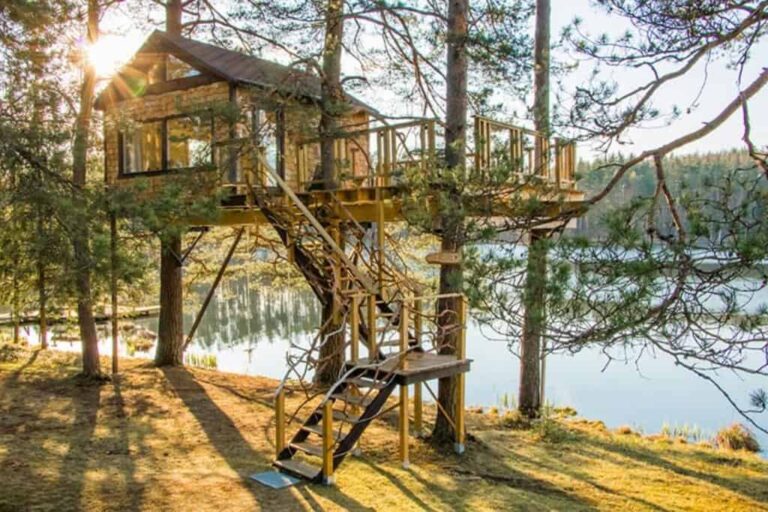
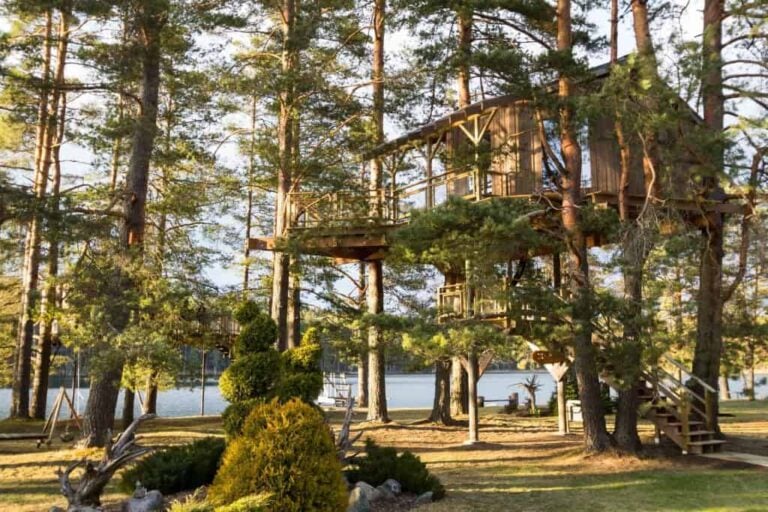
Latvia's treehouse stays favour restraint over spectacle, with properties clustered in Gauja National Park's river valleys, the windswept Kurzeme coast and quieter Latgale lakeshores. Built from local spruce and birch, these cabins step back to let forest and water do the work, offering proximity to bog boardwalks, medieval ruins and mornings measured by mist rather than itinerary. Most lie within ninety minutes of Riga, accessible by car and suited to travellers who value lichen-level detail over curated drama.
{{locationDetails}}
Browse sub-categories

About Latvia
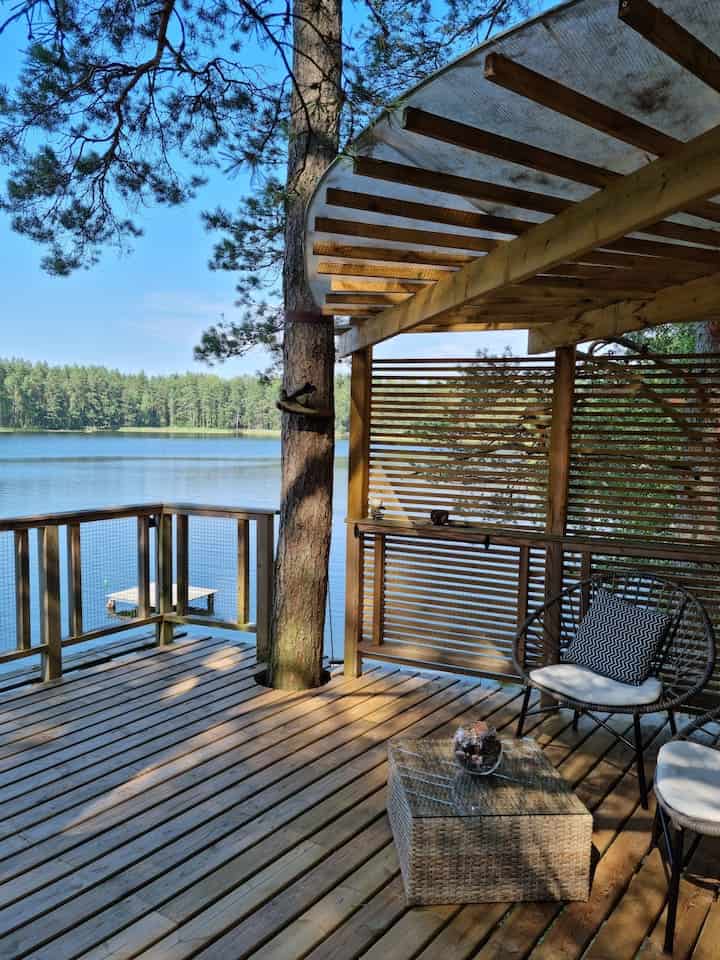
Latvia's treehouse scene runs lean and deliberate. You will not find a dozen options scattered across every forest; the country has built carefully, focusing on the regions where light and landscape do most of the work. Gauja National Park anchors the offering, with properties perched above the river valleys near Sigulda and Cēsis, where morning mist moves through spruce like slow smoke and the forest floor stays dark until mid-morning. On the Kurzeme coast, a different proposition: Baltic light that feels polished by wind, dune pines low and stubborn, and the kind of quiet that follows you back from an evening walk along the shore. Latgale, less visited, offers lake-facing cabins where the water sits mirror-still and cold enough to make a swim feel like punctuation.
The build language is consistent across properties—local spruce and birch, clean joinery that prioritizes function over theatre, and windows scaled to frame canopy rather than ornament. Heating tends toward compact wood stoves or discreet underfloor warmth; a few incorporate solar without making it a selling point. Boardwalks lift you over bog rather than cut through it, and greywater systems handle themselves quietly. The aesthetic is not rustic in the carved-bear sense, but it is not Scandi-sleek either; call it Baltic restraint, where the forest gets the stage and the architecture knows when to step back.
Most properties sit within ninety minutes of Riga by car, which matters because public transport will not deliver you to a forest doorstep. The capital is the practical anchor—flights, car hire, provisions—but the real draw begins once you leave the main road and follow sandy tracks that turn to pine-needle soft underfoot. Seasonal considerations apply: summer offers long evenings and accessible trails, while winter demands proper heating and a tolerance for short days and occasional snow-blocked access. Properties that stay open through the cold months tend to advertise it clearly; assume year-round operation only when confirmed.
What travellers combine with a treehouse stay depends on tempo. Active days might include the Ķemeri bog boardwalk, where sphagnum springs gently underfoot and the air smells of wet peat, or paddling one of Latgale's lakes until the shoreline blurs. Sigulda and Cēsis offer medieval castle ruins and small-town cafés serving rupjmaize and birch-sap lemonade, useful anchors when the forest begins to feel too continuous. Others prefer the slower edit: mornings on a balcony watching cranes work the meadows, evenings when the loudest sound is an owl asking a question no one answers. The charm is not spectacle but proximity—branches, water, weather held at eye level, close enough to notice the lichen pattern on the next trunk over.
Frequently asked questions about Latvia
How far are Latvia's treehouse hotels from Riga?
Most treehouse properties sit within ninety minutes of Riga by car. The capital serves as the practical arrival point for flights and car hire, but public transport will not deliver you to forest doorsteps. Expect to drive sandy tracks that eventually soften to pine-needle quiet; rental car is the standard approach for reaching properties in Gauja National Park, along the Kurzeme coast, or near Latgale's lakes.
Are Latvian treehouses open in winter?
Some properties stay open through winter with wood stoves or underfloor heating, though short days and occasional snow-blocked access come with the season. Properties that operate year-round typically state it clearly in their booking details. Summer offers long evenings and accessible trails, while winter suits travellers who value deep quiet and proper heating over easy mobility.
What activities are near Latvia's treehouse hotels?
Gauja National Park delivers castle ruins in Sigulda and Cēsis, forest trails, and river valleys where mist lingers past mid-morning. The Ķemeri bog boardwalk offers a springy walk over sphagnum and wet peat. Latgale's mirror-still lakes suit paddling until shorelines blur. Kurzeme brings coastal walks through dune pines and Baltic light that feels wind-polished. Small-town cafés serve rupjmaize and birch-sap lemonade when the forest starts feeling too continuous.
What is the design style of treehouses in Latvia?
Expect local spruce and birch, clean joinery that prioritizes function, and windows scaled to frame canopy rather than ornament. Heating comes from compact wood stoves or discreet underfloor warmth. The aesthetic sits between rustic and Scandi-sleek—call it Baltic restraint, where the architecture steps back and lets the forest hold the stage. Boardwalks lift over bog rather than cutting through it, and solar or greywater systems handle themselves without fanfare.
Are Latvia's treehouses suitable for families with children?
The small number of properties and their focus on quiet immersion suggest a leaning toward couples and adult travellers rather than families with young children. Ladder access, elevated platforms, and the remote forest setting may not suit very young guests. Check individual property details for age policies, railing safety, and whether the layout accommodates family groups.