
Denmark
Denmark's treehouse hotels favor clean design and genuine comfort over wilderness drama, placing guests in beech woods and Baltic coastal settings where pale timber, generous windows, and functional heating make elevated stays feel both adventurous and carefully considered. The country's four properties are easily reached from Copenhagen and built to Nordic standards—insulated, thoughtfully sited, and scaled for long weekends where canopy mornings and coastal walks fit naturally into two or three unhurried days.
{{locationDetails}}
Browse sub-categories




About Denmark
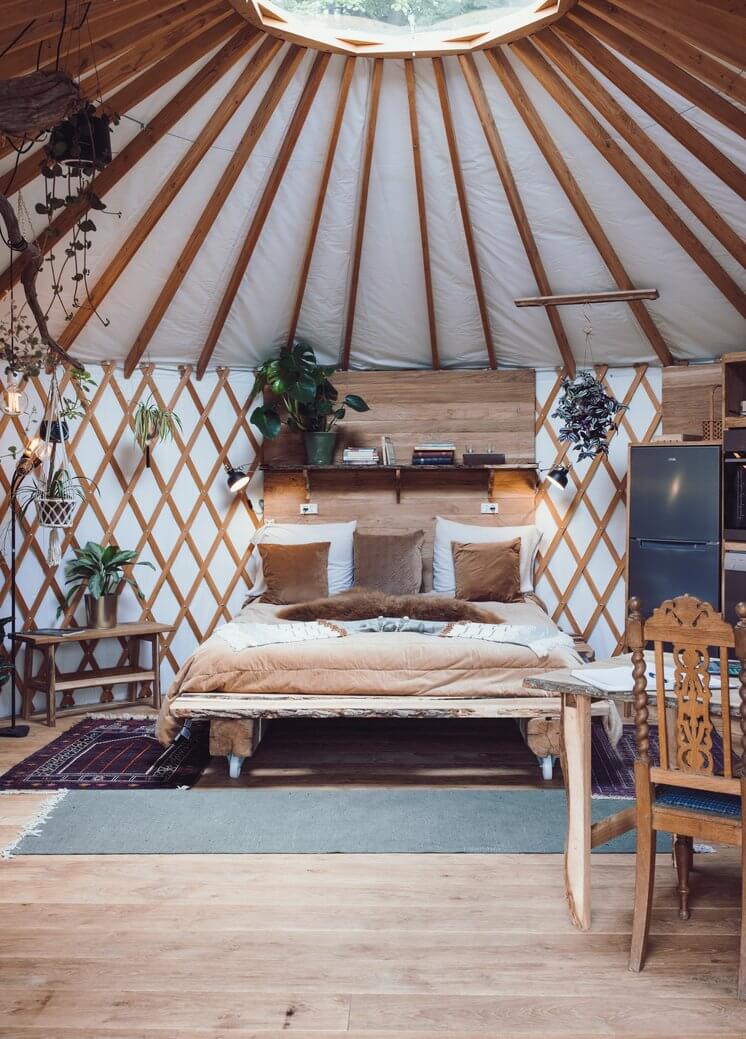
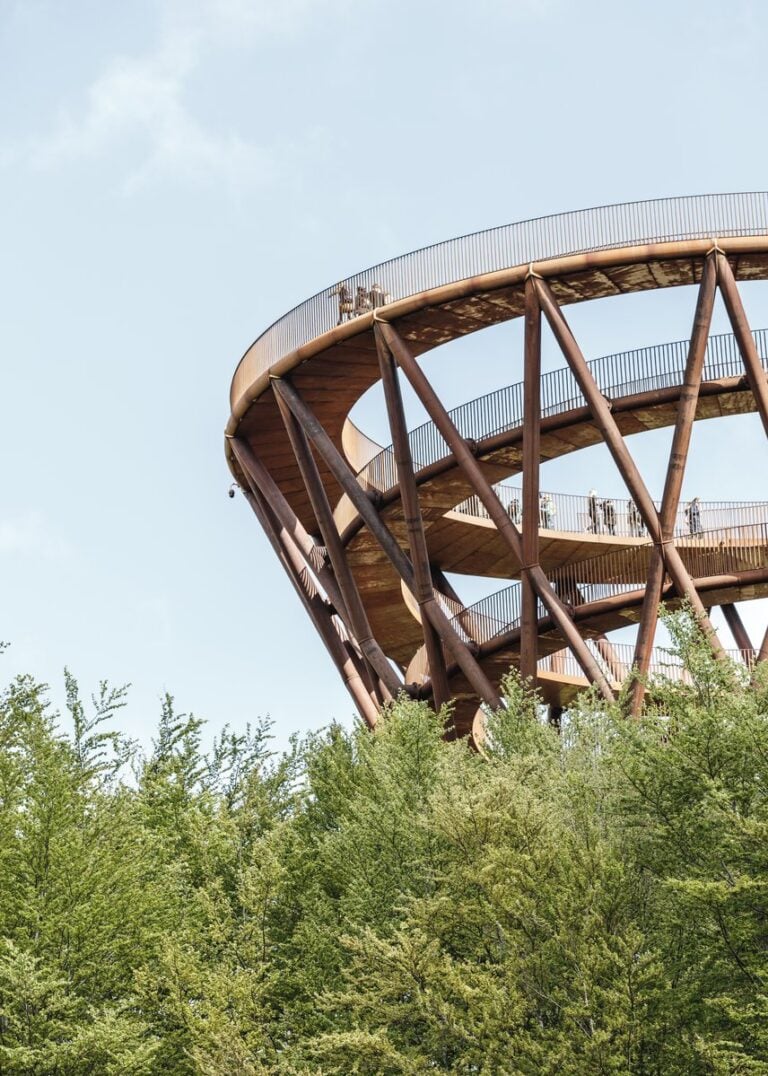
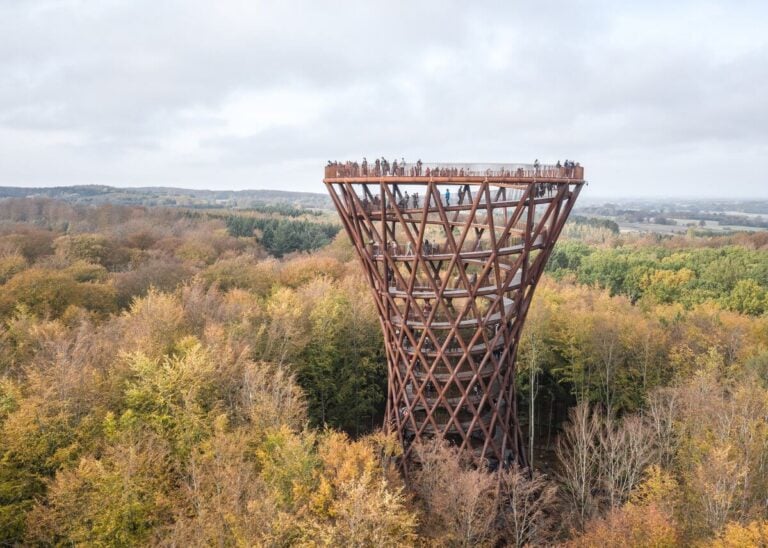
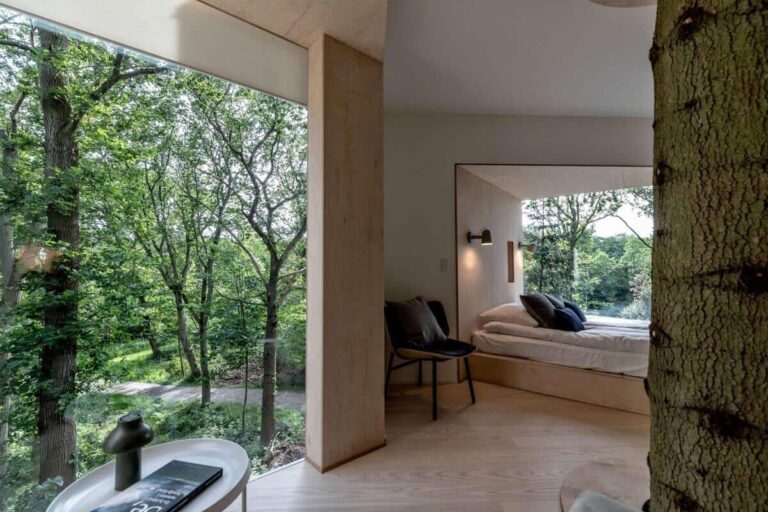
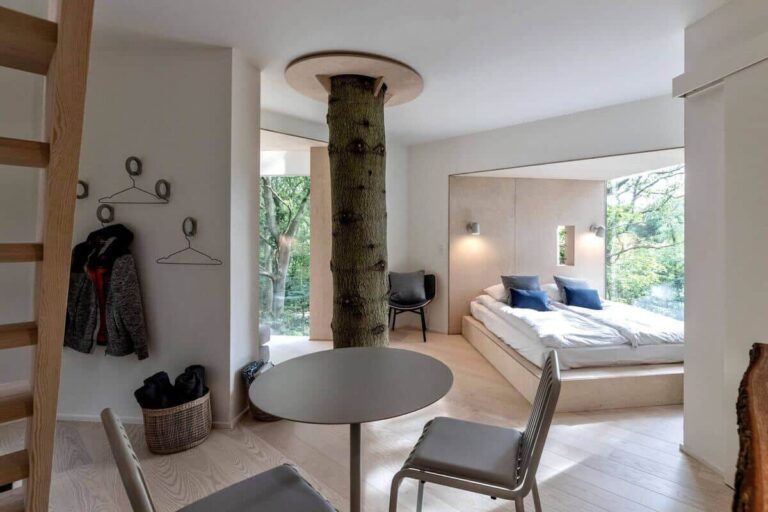
Denmark's small collection of treehouse hotels trades forest drama for something quieter: clean design, genuine comfort, and the particular Danish knack for making a retreat feel both adventurous and carefully thought through. The country's four elevated stays occupy beech woods and Baltic coastal edges, each built with good timber, wide windows, and the kind of joinery that doesn't need to announce itself. You climb stairs instead of scrambling up rungs, and inside the light is generous—mornings wash pale across blond oak floors, evenings pool warm around a wood stove that actually heats the room. This isn't wilderness immersion. It's nature access delivered with Scandinavian civility, where solar panels tuck discreetly into rooflines and boardwalks curve around root systems because forcing the path would be rude.
The geography is modest and reachable. Jutland's interior spreads broad and flat, its forests broken by heathland and sandy tracks where deer prints collect overnight. Zealand brings you closer to the Baltic—dunes, reed beds, salt air mixing with pine resin, and the occasional medieval church tower interrupting the canopy. Bornholm, if you venture that far, adds granite and a slower clock. Most visitors fly into Copenhagen, rent a car or catch a regional train, and find themselves at a treetop door within two hours. The scale suits a long weekend: two nights suspended above moss and fern, a day trip to a castle or a coastal walk, and enough quiet that you notice the wind testing the siding after dark.
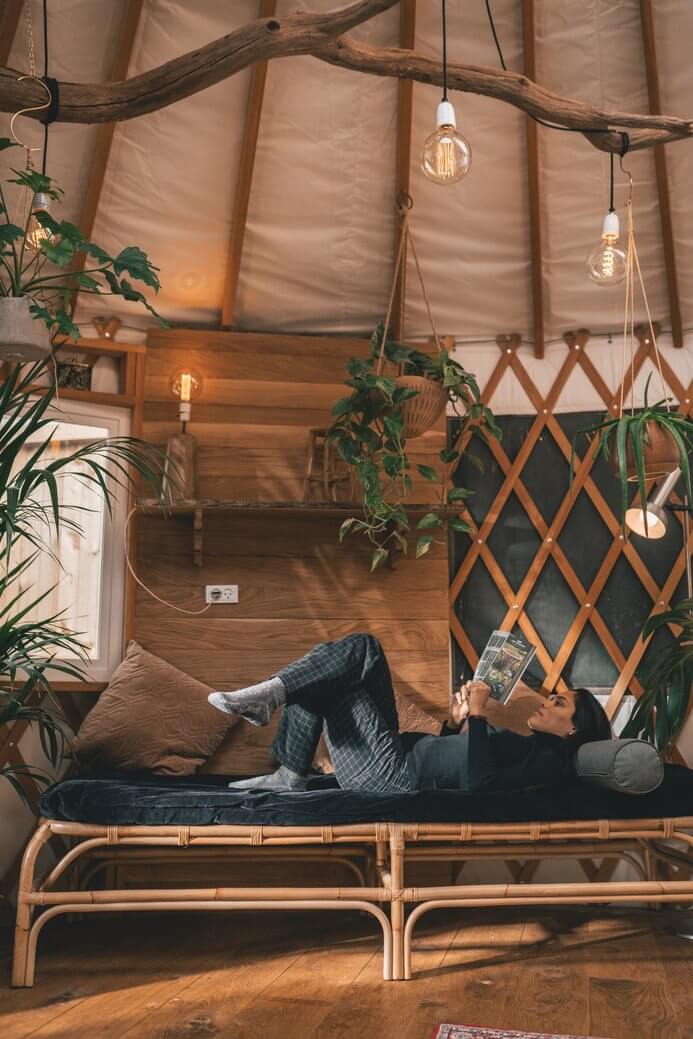
Danish treehouse design leans minimal without going cold. Expect locally milled ash or oak, wool throws with actual weight, and windows scaled to frame weather as entertainment—wildflowers in June, bare branches feathered with snow by January. Interiors keep the palette narrow: pale wood, linen, brass fixtures, maybe a ceramic mug that feels good in your hand. Heating works. Insulation is genuine. The aesthetic is less about showing off sustainability and more about building sensibly in the first place, which happens to include rainwater collection and careful siting. You're aware of being outdoors mostly because the view keeps changing, not because you're shivering or hauling water.
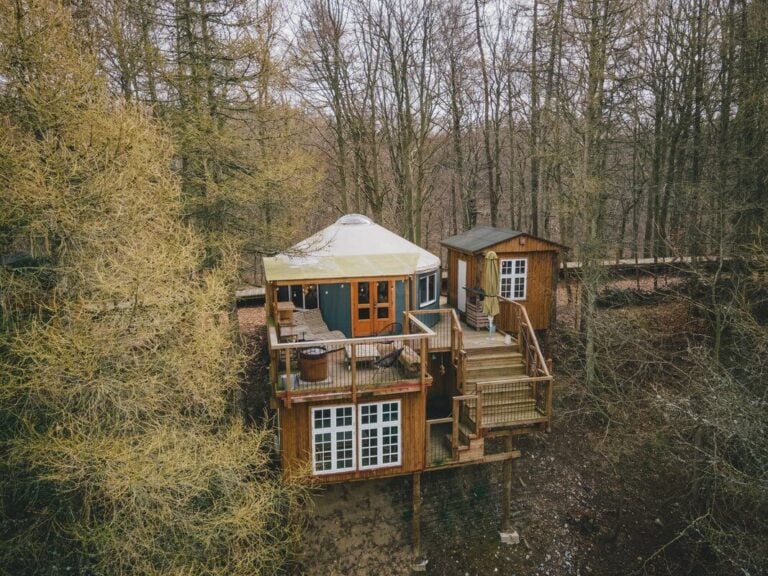
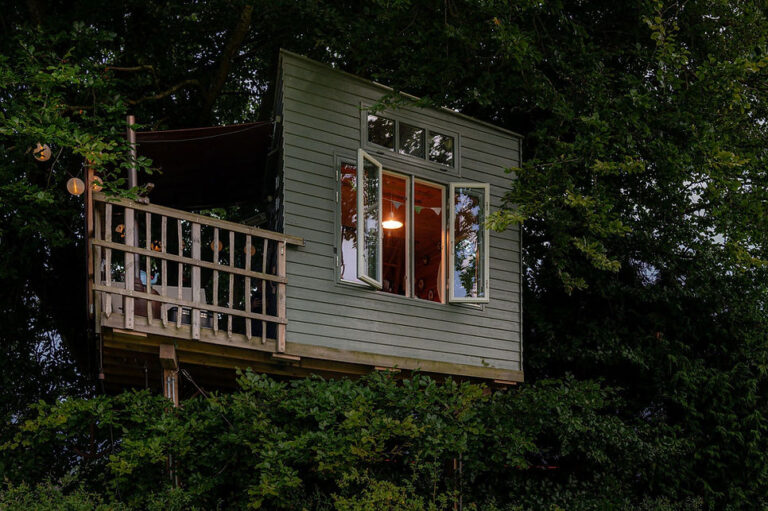
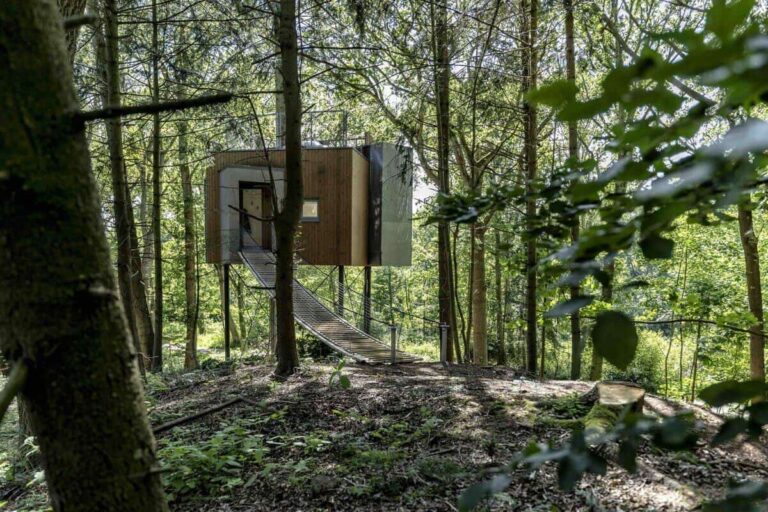
The four properties vary in character enough to matter. One might perch at the edge of a clearing with a deck wide enough for morning coffee and an evening glass of wine, furniture weathering silver in the salt air. Another tucks deeper into mixed woodland, smaller, quieter, better for two people who want to read and hear nothing but the occasional crack of a branch. Families find options with multiple sleeping lofts and staircases forgiving enough for children; couples find double-height glass walls and freestanding tubs that feel private even when a curious jay lands on the railing. None pretend to be off-grid cabins or luxury spectacles. They're carefully made, comfortable, and genuinely elevated—often just high enough to shift perspective without requiring a head for heights.
Trip-building is straightforward. Cycle a gravel lane to a village bakery and take the pastry decision seriously—snegl or spandauer, both defensible. Walk a beach where amber appears after storms if your timing is improbably good. Visit a fishing harbor, a design museum, or one of those churches with a carved wooden ship hanging in the nave for reasons the docent will happily explain. Denmark's small size turns logistics gentle: you can stay two nights in one treehouse and still see half the country, or stay five and let the routines settle—morning coffee in the canopy, afternoon exploration, evening return to the stove and a blanket that smells faintly of woodsmoke. The charm isn't in conquering wilderness. It's in how easily comfort and immersion overlap when someone's thought the details through with Danish patience.
Frequently asked questions about Denmark
What makes treehouses in Denmark different from other countries?
Danish treehouses prioritize clean design and year-round comfort over wilderness drama. You'll find blonde oak interiors, panoramic windows framing the forest or coast, proper heating and insulation, and thoughtful details like locally milled timber and wool throws. The aesthetic is minimal without being stark—Scandinavian restraint applied to elevated architecture. Most sit just high enough to shift perspective without requiring a head for heights, and all four properties balance nature immersion with genuine warmth, making them suited to winter stays as much as summer.
How many treehouse properties are there in Denmark and where are they located?
Denmark currently offers four curated treehouse stays, spread across different regions. Some occupy Jutland's beech forests and heathland, others perch near Zealand's Baltic coast among dunes and reed beds, and the settings range from deeper woodland to clearings with open views. Most are within a two-hour drive or train journey from Copenhagen, making them accessible for long weekends. The small number means availability can be limited, so booking ahead—especially for summer and winter holiday periods—is wise.
Are Danish treehouses suitable for winter visits?
Yes, and winter is when the hygge factor becomes most tangible. These properties are built with real insulation and wood-burning stoves that heat effectively, not token fireplaces. You'll have hot water, warm floors, and windows designed to frame snow-dusted branches without letting cold drafts in. Winter light in Denmark is pale and low, mornings arrive slowly, and evenings settle early—ideal for reading by the stove, watching the forest go dark, and leaning into the particular Danish gift for making small, warm spaces feel generous.
What should I plan to do during a treehouse stay in Denmark?
Most visitors use the treehouse as a quiet base for gentle exploration rather than a launchpad for adrenaline. A typical stay might include cycling gravel lanes to village bakeries, walking Baltic beaches or forest tracks, visiting medieval churches or fishing harbors, and allowing routines to settle—morning coffee in the canopy, an afternoon out, evening return to the stove. Denmark's small scale means you can see a surprising amount without rushing: a castle, a design museum, a coastal walk, all within easy reach. The rhythm favors slowness over itinerary cramming.
Are these treehouses family-friendly or better suited to couples?
It depends on the property. Some Danish treehouses are designed explicitly for couples—compact spaces with freestanding tubs and double-height windows that prioritize privacy and quiet. Others include multiple sleeping lofts and staircases gentle enough for children, making them workable for families who want novelty without sacrificing safety or comfort. None involve ladder-only access or precarious perches. When booking, check the layout and capacity: family-friendly options exist, but romantic minimalism is the more common thread across Denmark's four stays.