
New Zealand
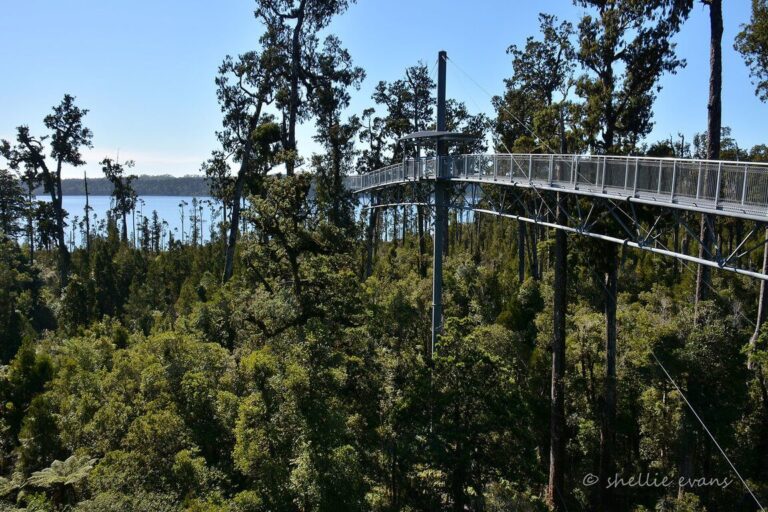
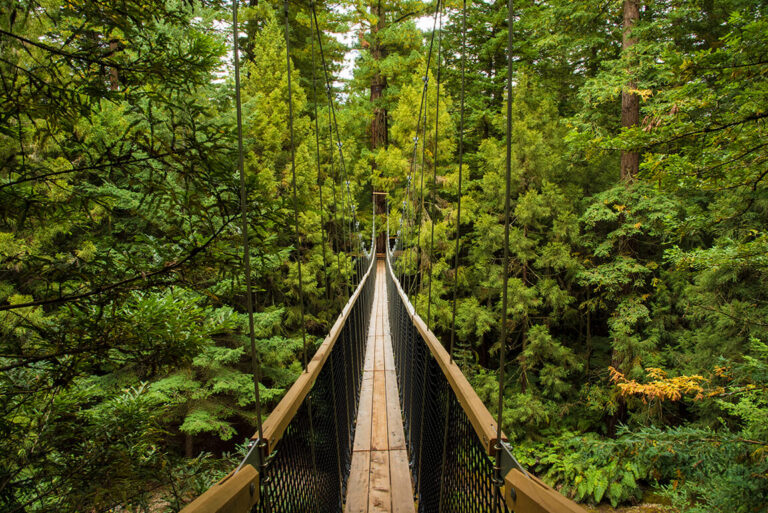
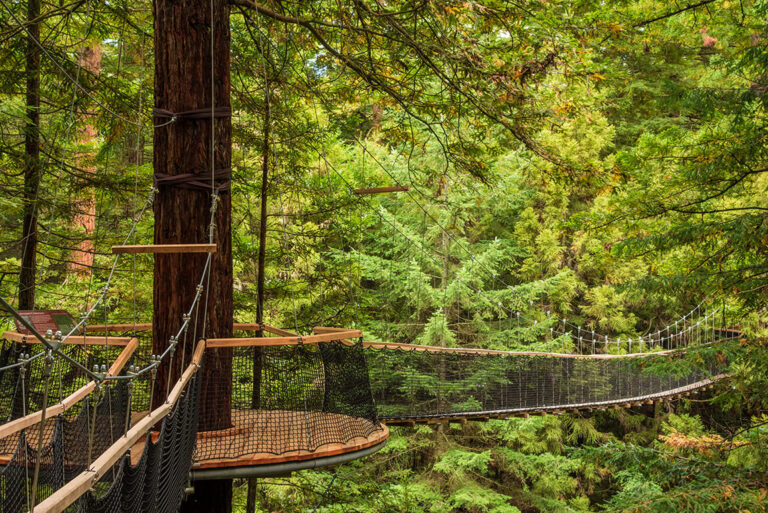
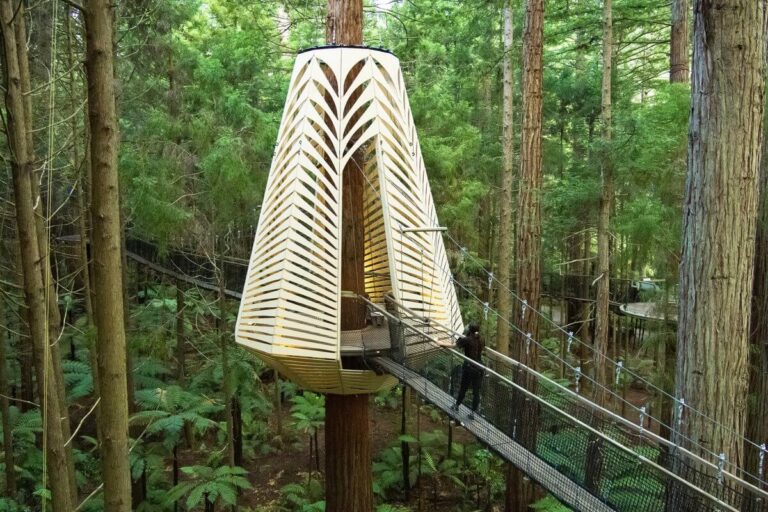
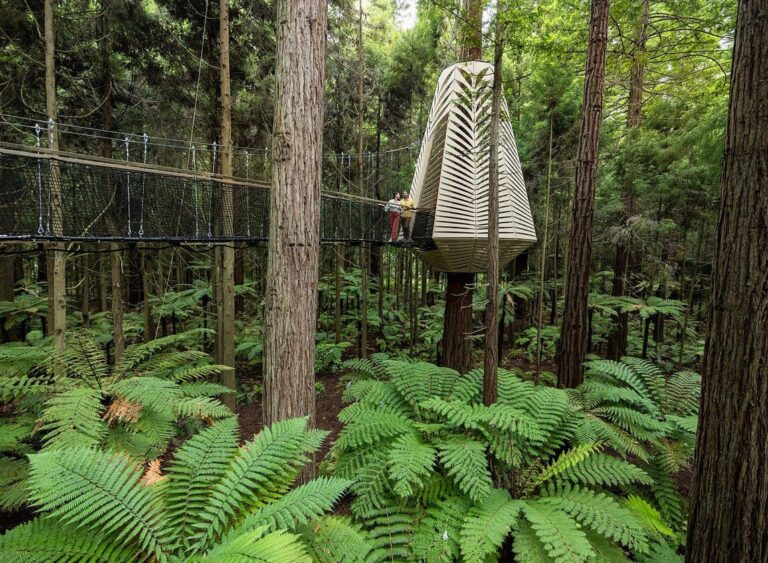
New Zealand's treehouses settle into native bush, vineyard slopes and alpine valleys where forest canopy meets unbroken views and the kind of quiet that resets your attention span. Stays range from coastal Northland and geothermal Rotorua in the North Island to Central Otago vineyards and remote Fiordland forest in the South, built with timber frames, solar power and wide glass that make the landscape the main event rather than the décor.
{{locationDetails}}
Browse sub-categories

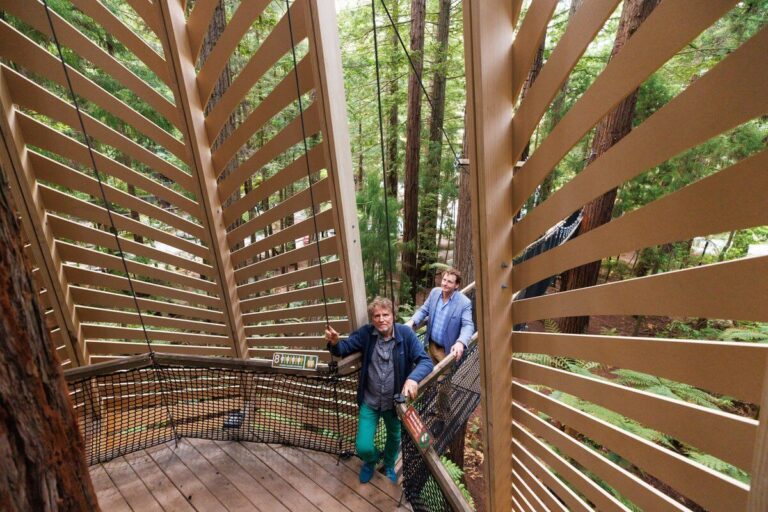

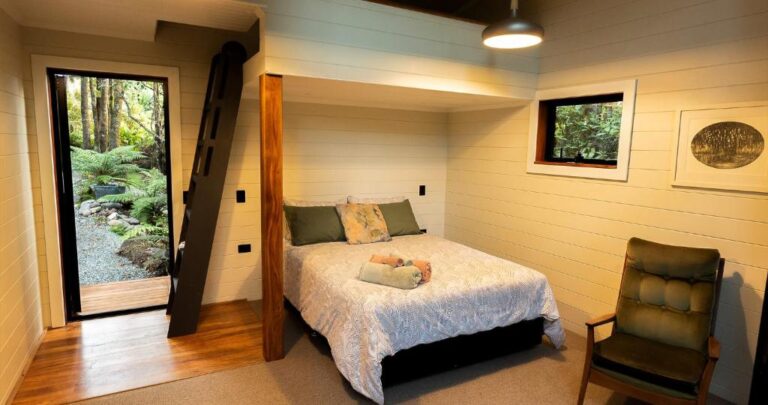
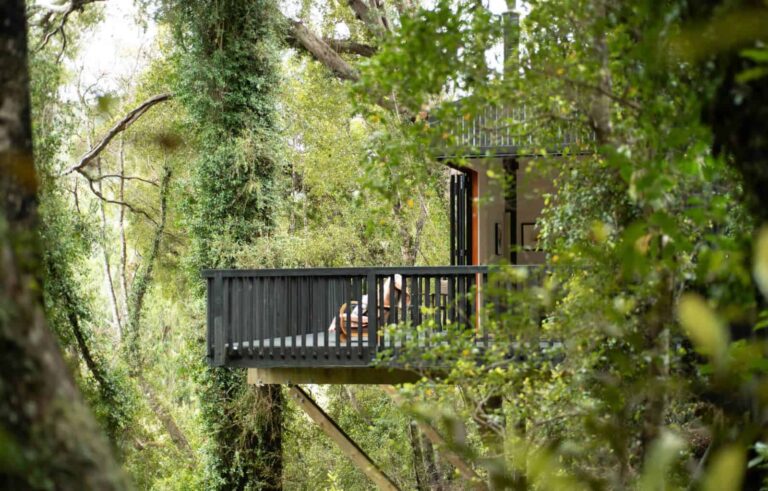

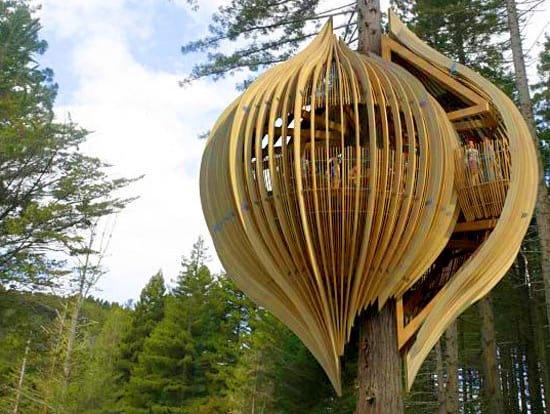

About New Zealand
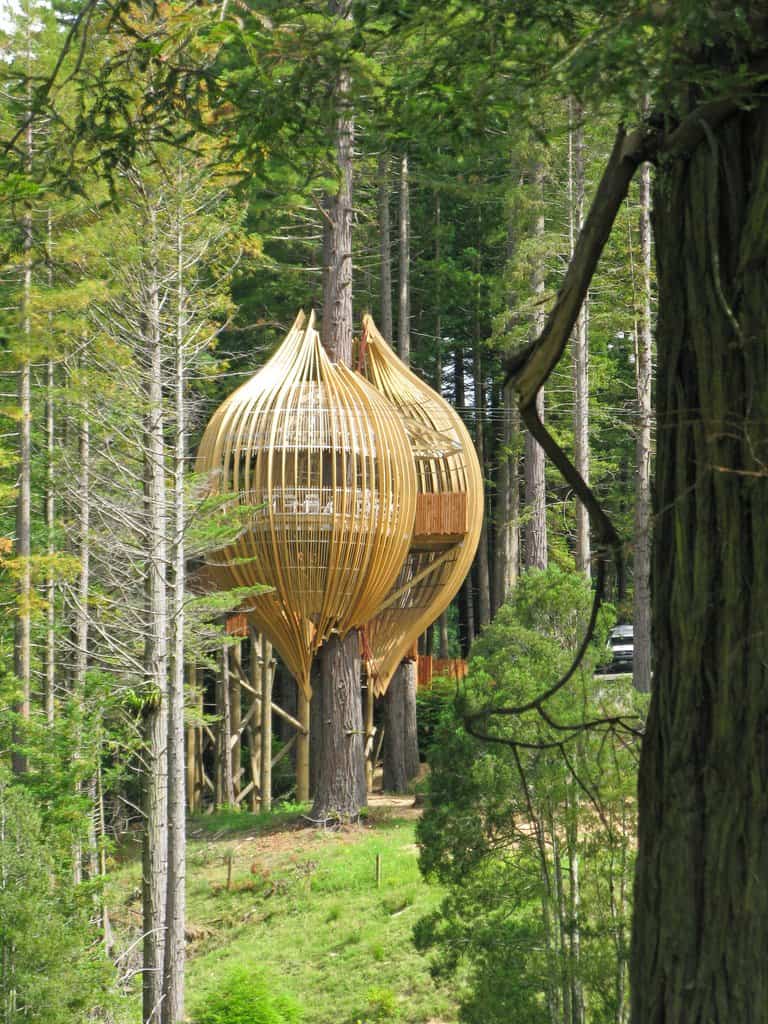
New Zealand stretches the idea of a treehouse stay until it fits something bigger—forest that crowds in close, light that shifts from gold to silver in twenty minutes, and quiet so thick you notice your own breathing. These aren't nostalgic childhood perches. They're grown-up retreats built into native bush, vineyard slopes and alpine valleys, designed for travellers who want elevation with a view and a bed that doesn't feel like camping.
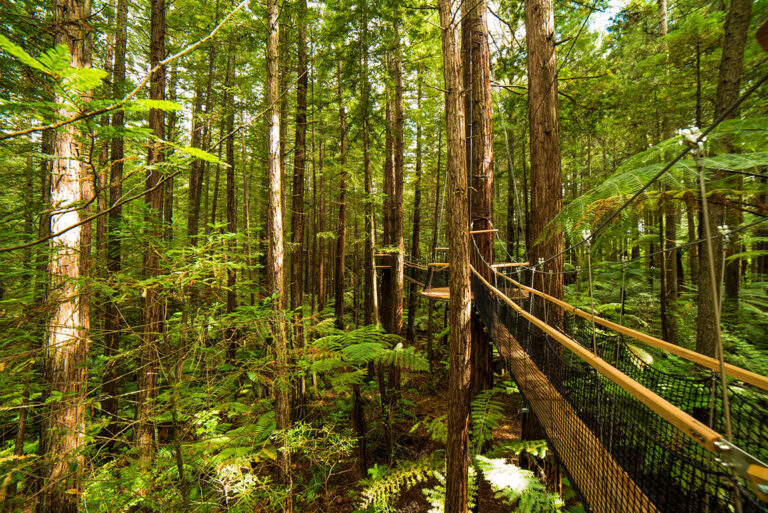
The North Island leans green and warm. Treehouses here nestle among kauri and nikau palm, close enough to the coast that salt air drifts through open windows by afternoon. Northland and the Coromandel deliver that combination of forest canopy and golden bays, where mornings start with bird calls—tūī mostly, their song metallic and strange—and the day opens up into beach walks or wine tastings if the mood shifts. Rotorua and the central plateau add geothermal oddness to the mix: steam vents visible from a deck, the faint mineral tang in the air, trails that lead through fern groves dense enough to make noon feel like dusk.
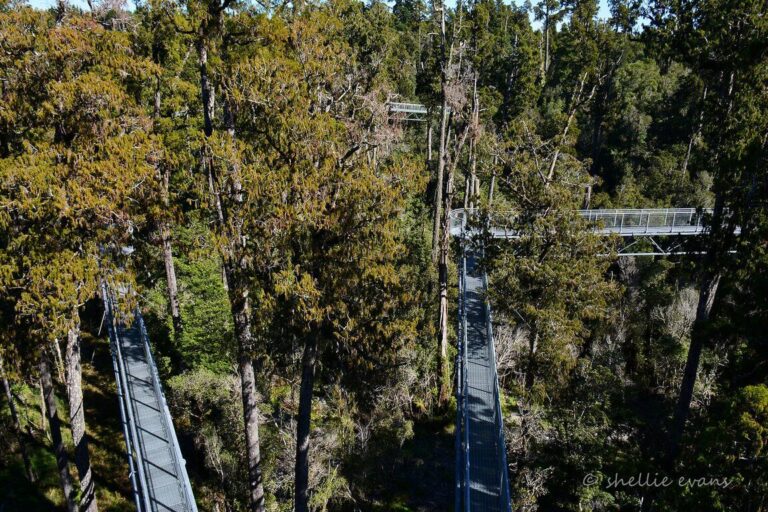
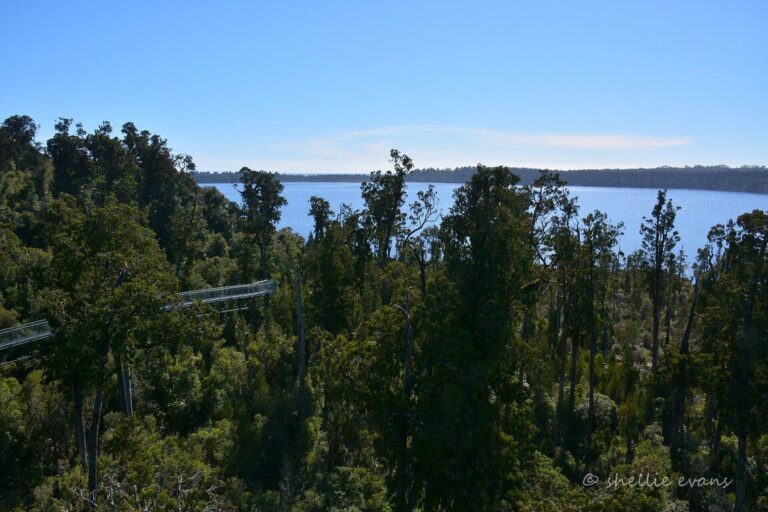
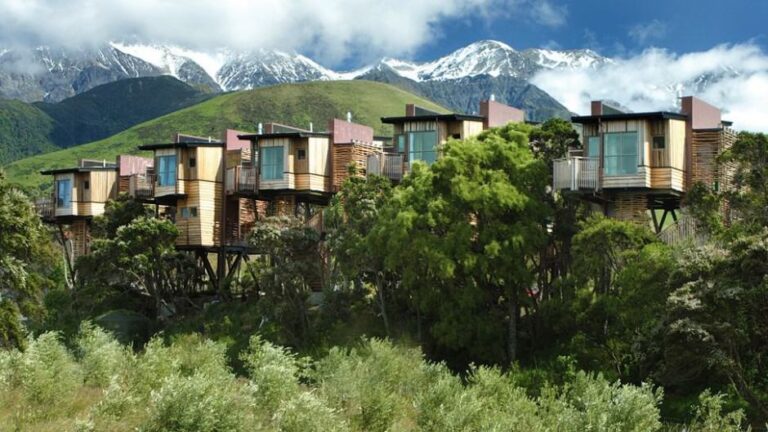
South Island treehouses trade humidity for clarity. The alpine backdrop does most of the work—Queenstown ridgelines, the stacked blue geometry of the Southern Alps, lakes that mirror clouds so precisely they confuse the eye. Central Otago properties sit among vineyard rows or schist outcrops, and the light here behaves differently: sharper in summer, longer at the edges, cold enough by evening that a hot tub or a wood stove becomes the entire plan. Fiordland and the West Coast push further into remote territory, where access might mean gravel roads or a short boat ride, and the forest feels older, wetter, less interested in making itself easy.
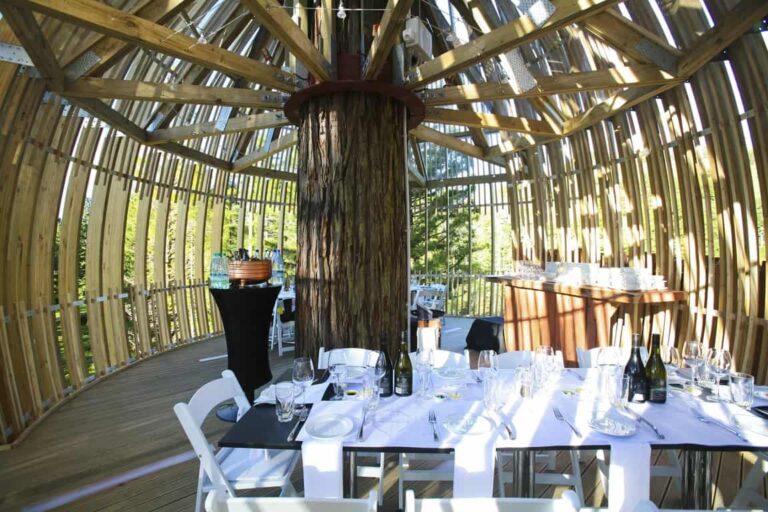
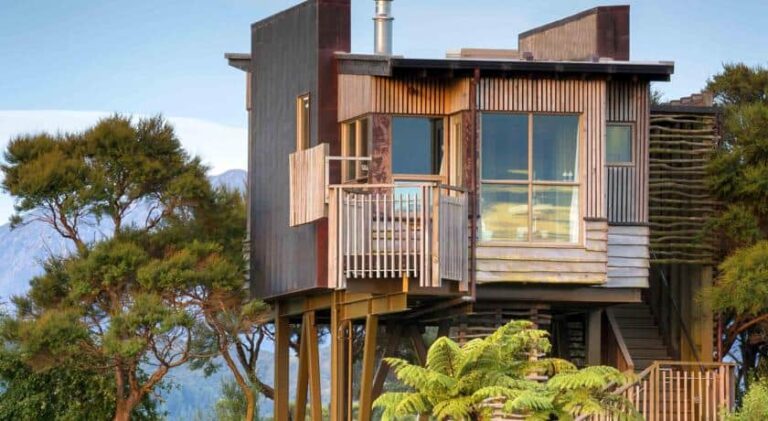
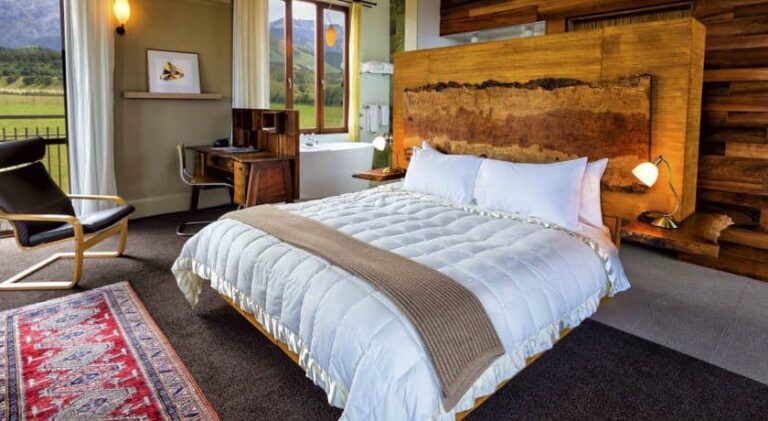
Most of these stays run on quiet infrastructure—solar panels, rainwater collection, composting systems that work without theatre. Timber frames follow the lean of the slope or wrap around existing trees rather than clearing them, and the interiors favour wide glass and small footprints. You get enough warmth, enough light, enough space to read or cook something simple, but the real luxury is external: unbroken views, the particular smell of wet moss after rain, waking to hills that look rearranged by morning mist. It's the kind of setup that makes you realise how much noise you've been carrying.
Practically, treehouses in New Zealand suit couples more than families, and they work best when booked well ahead for the summer high season between December and February. Autumn holds its own appeal—March and April deliver stable weather, fewer crowds, and that rich afternoon light that photographers love. Winter bookings are lighter but rewarding if you're after solitude and don't mind cold mornings. Most properties sit one to three hours from major airports or tourist routes, though a few require four-wheel drive or advance planning for access. Pricing reflects the build quality and remoteness: expect mid-to-upper range rather than budget options, and availability tightens fast around holidays and long weekends.
New Zealand does treehouses with the same practical ingenuity it applies to most things—nothing showy, just solid craft and respect for the landscape. You climb a short set of steps, close the door on the usual static, and spend a few days remembering what your attention span used to feel like before you divided it into ten pieces. The forest doesn't perform. It just continues, and you get to sit inside that continuity for a while.
Frequently asked questions about New Zealand
What's the best time of year to book a treehouse in New Zealand?
December through February delivers the warmest weather and longest daylight, but it is also the busiest period—book several months ahead for summer stays. March and April offer a strong alternative: settled weather, fewer visitors, and that particular golden light that makes autumn in New Zealand memorable. Winter bookings are lightest, which suits travellers after solitude and dramatic alpine backdrops, though expect cold mornings and check property heating before committing. Most treehouses stay open year-round, but a few in remote locations may close or require advance access arrangements during winter months.
How remote are New Zealand treehouses, and do I need a 4WD?
Most treehouse stays sit one to three hours from major airports or main tourist routes, accessible by sealed roads and standard vehicles. A smaller number push into genuinely remote territory—West Coast rainforest, parts of Fiordland, or backcountry Otago—where gravel roads, four-wheel drive, or even a short boat transfer become necessary. Property listings usually flag access requirements clearly, so check before booking if you are travelling in a rental sedan or have mobility considerations. Remote does not mean difficult in most cases, just quieter and farther from petrol stations.
Are New Zealand treehouses suitable for families with children?
Most treehouses in New Zealand are designed for couples rather than families. Elevated structures, open-plan layouts, and steep access stairs make them less practical for young children, and many properties set age minimums or guest limits to preserve the quiet atmosphere. A few larger builds do accommodate families, particularly those with older children, but expect to search more carefully and book well in advance. If travelling with kids, check the property description for bedroom configuration, safety features, and any stated age policies before committing.
What kind of amenities can I expect in a New Zealand treehouse?
New Zealand treehouses typically offer proper beds, heating (wood stoves or efficient electric systems), full kitchens or kitchenettes, and hot water—these are finished accommodations, not glorified camping. Many include floor-to-ceiling windows, private decks, and outdoor spaces designed to make the most of the view. Some properties feature hot tubs, barbecue setups, or WiFi, though expect connectivity to be limited or absent in more remote locations. Sustainability features such as solar power, rainwater collection, and composting systems are common but vary by property. Check individual listings for specifics, as inclusions range from minimalist bush cabins to fully appointed luxury retreats.
How much does a treehouse stay in New Zealand typically cost?
Expect mid-to-upper range pricing rather than budget options. Most treehouse stays fall between NZD $250 and $500 per night, with some luxury or particularly remote properties climbing higher. The cost reflects solid construction, thoughtful design, often limited guest numbers, and locations that required real effort to build without wrecking the landscape. Prices rise during the December to February high season and around public holidays, so early booking helps. A few simpler builds or off-grid options may come in under $200 per night, but these are less common and still not hostels—you are paying for the setting and the structure.