
United States
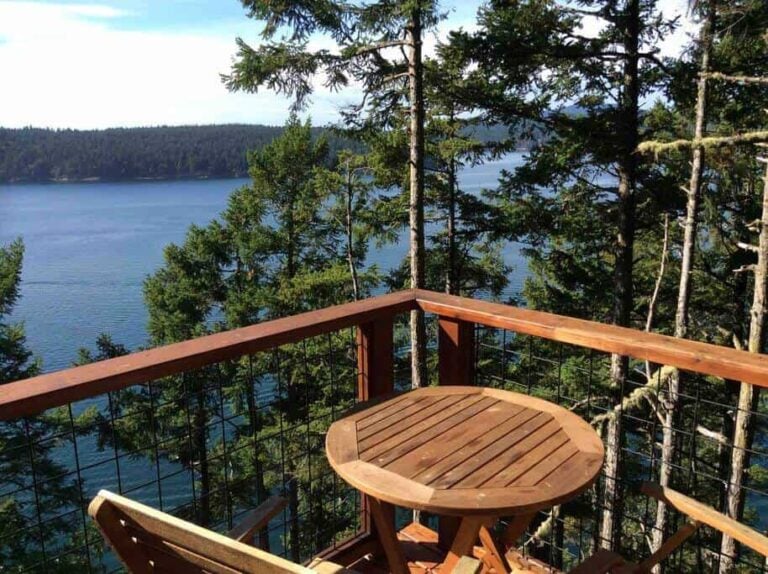
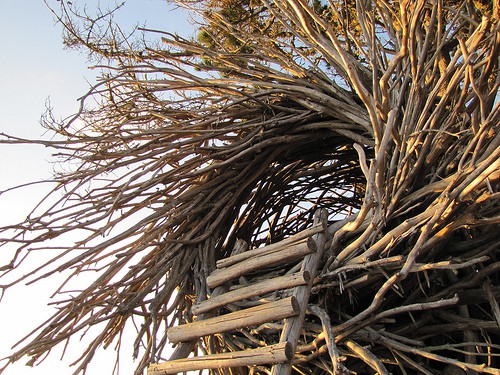
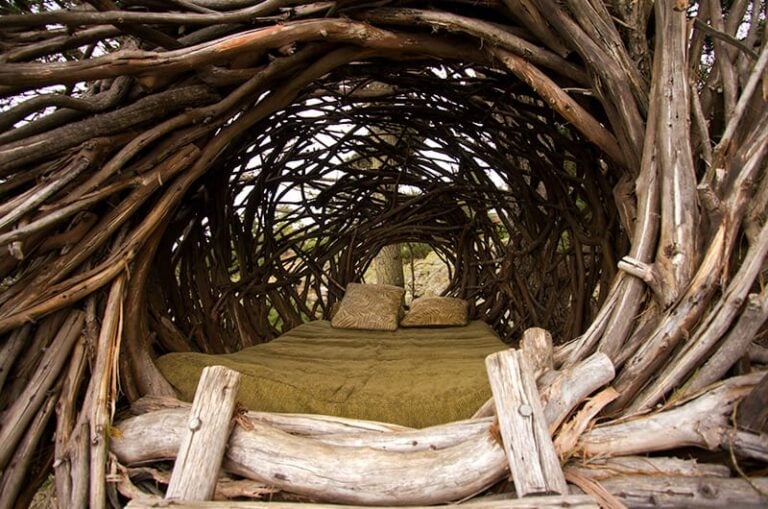
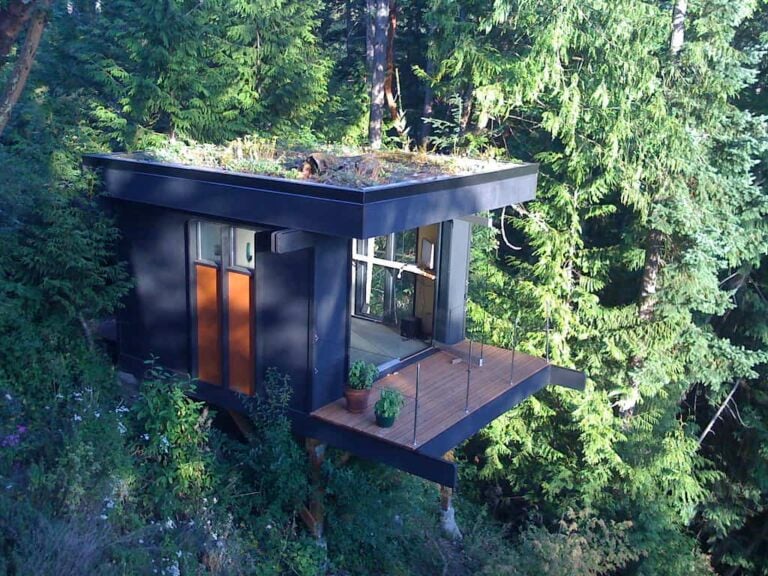
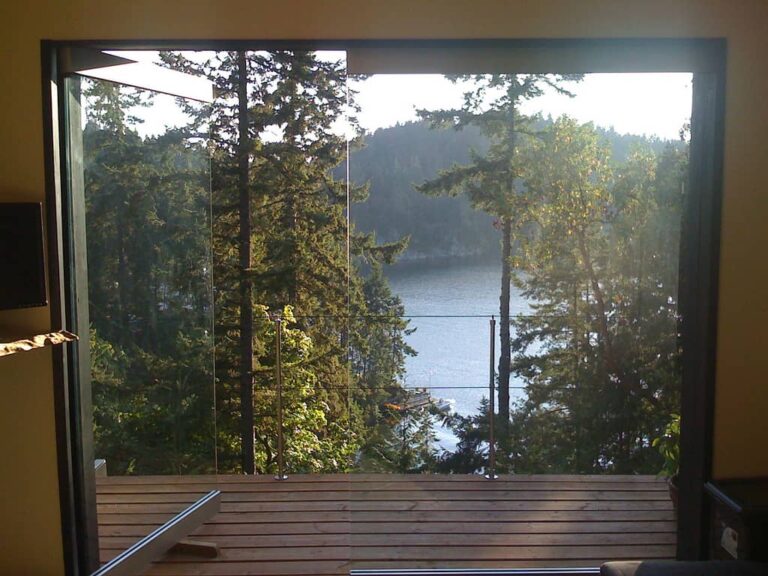
Treehouses in the United States have evolved from childhood fantasy into a distinct lodging category—elevated stays with proper beds, rainfall showers and windows angled to catch the best light. They range from Pacific Northwest hideaways wrapped in rainforest mist to Appalachian ridge perches where morning fog settles into the valleys, Colorado high-desert platforms beneath star fields and coastal nests where osprey shadows cross the deck. Geography and season shape the experience as much as design, and a night spent level with the canopy tends to shift perspective in ways that follow you home.
{{locationDetails}}
Browse sub-categories











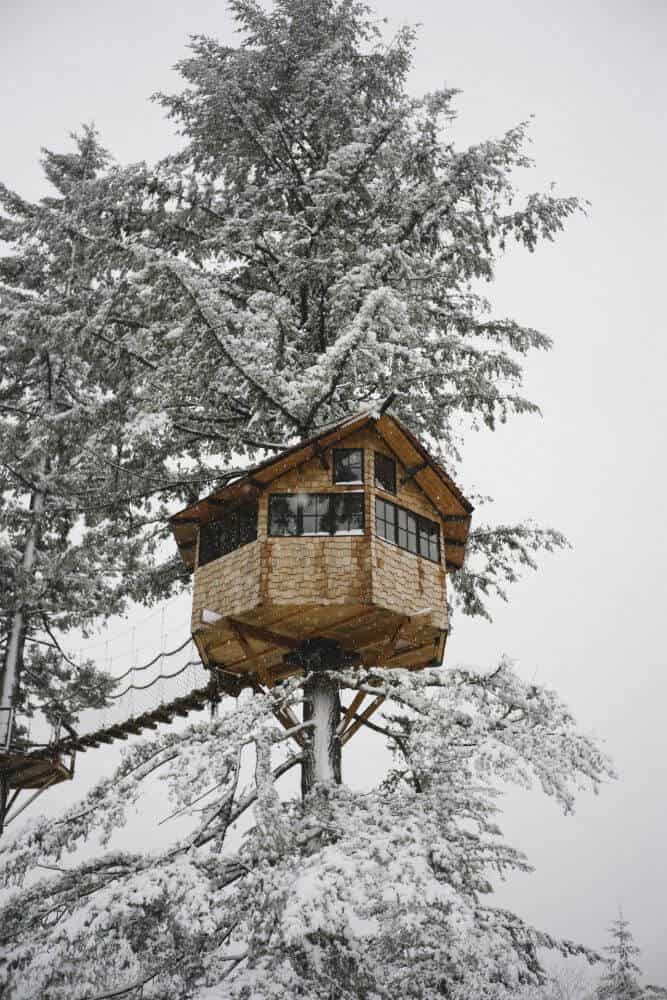

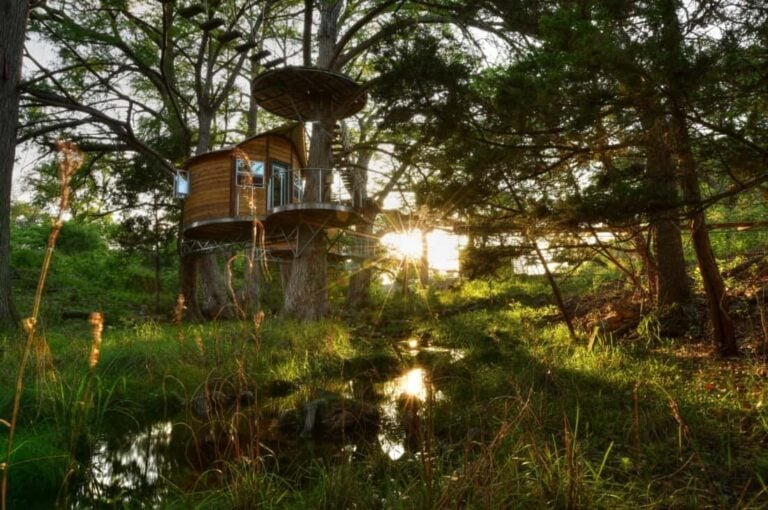
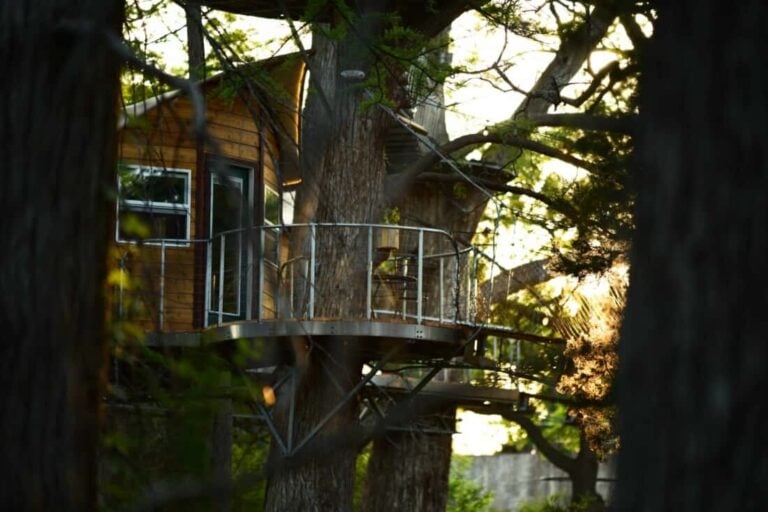
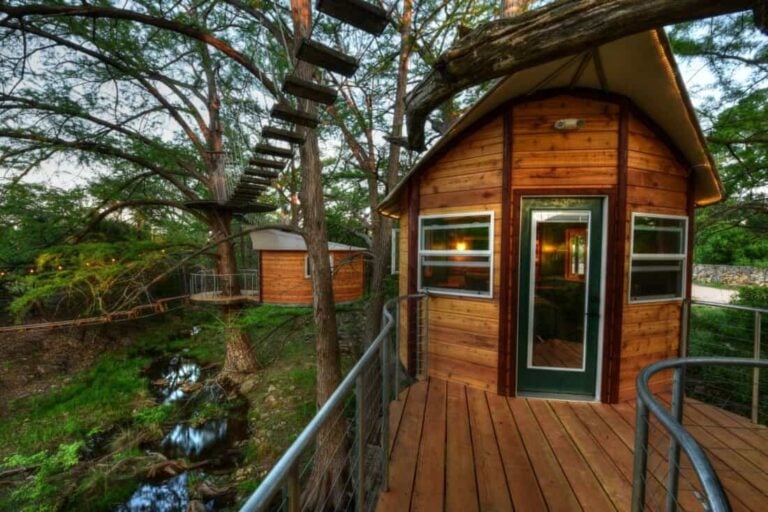
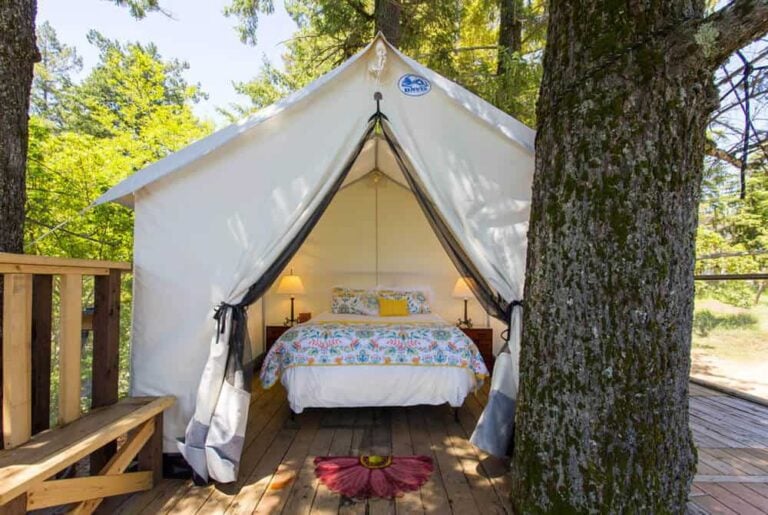
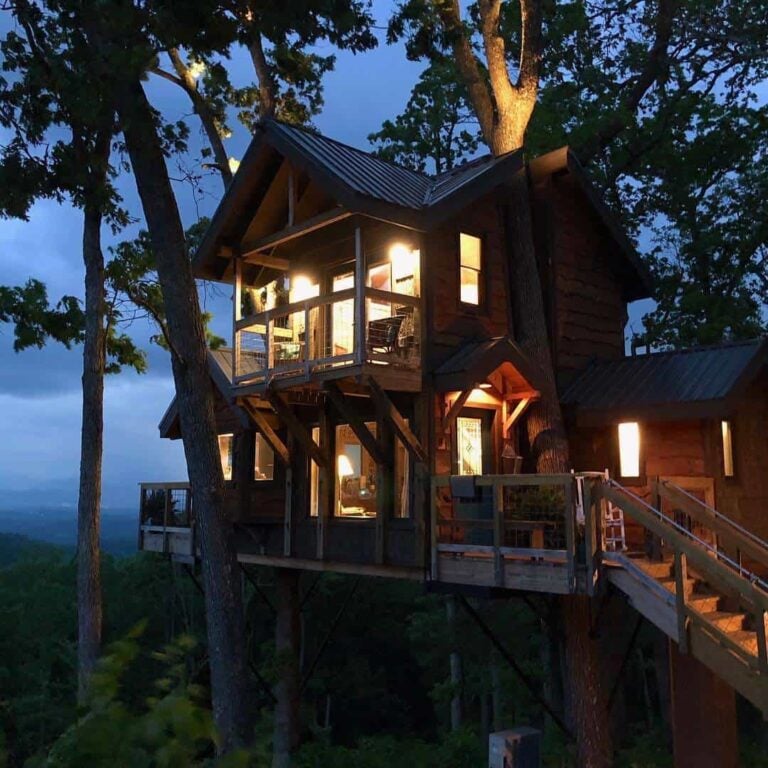
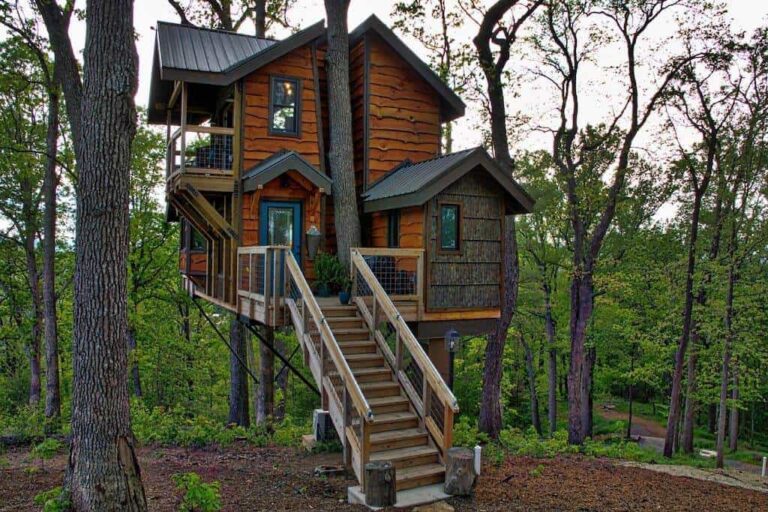
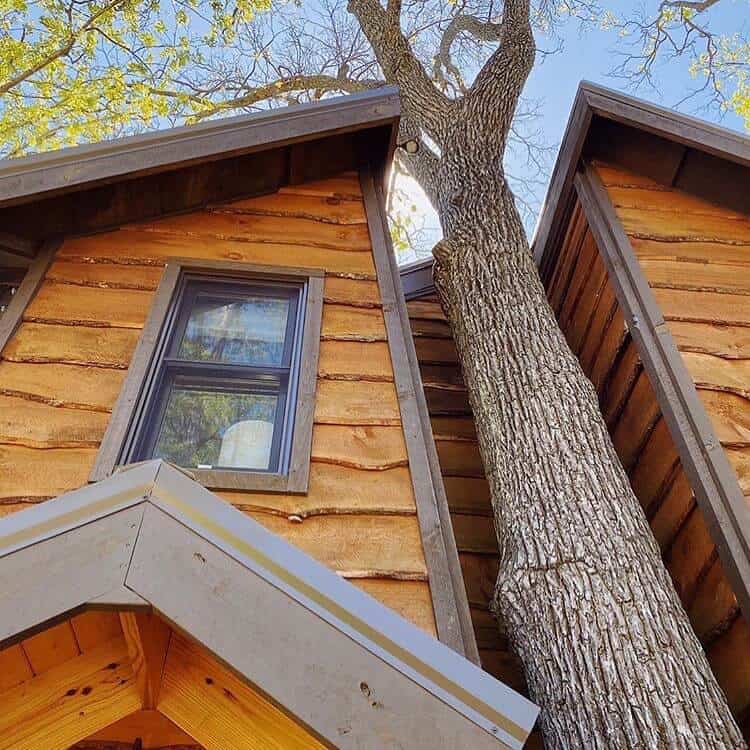


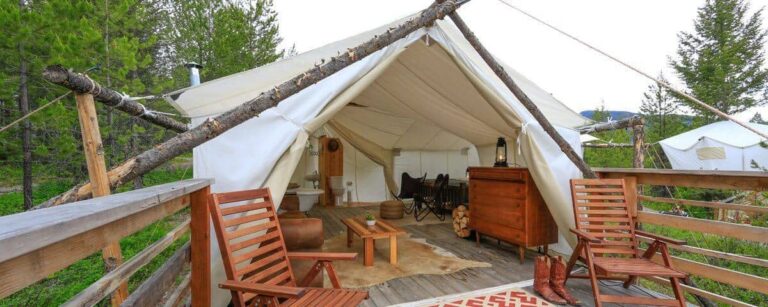
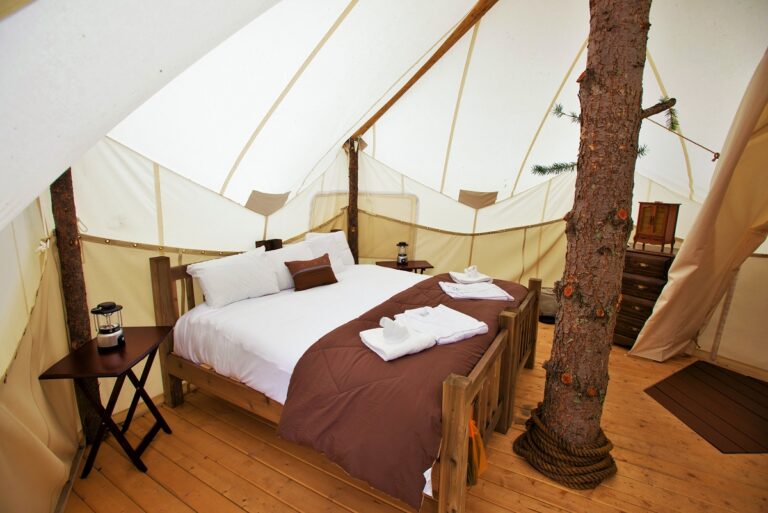
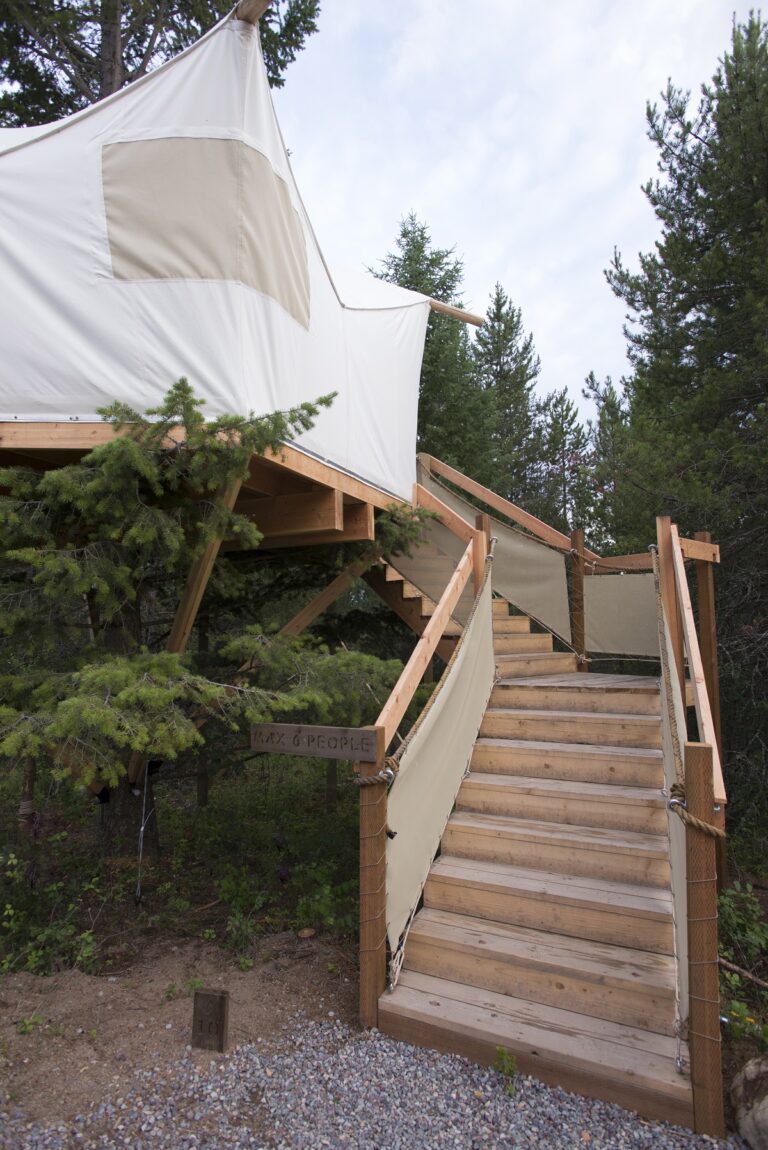
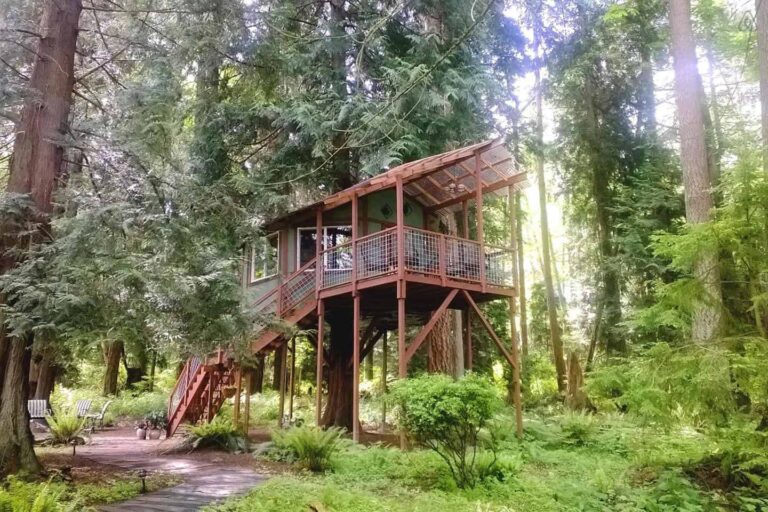


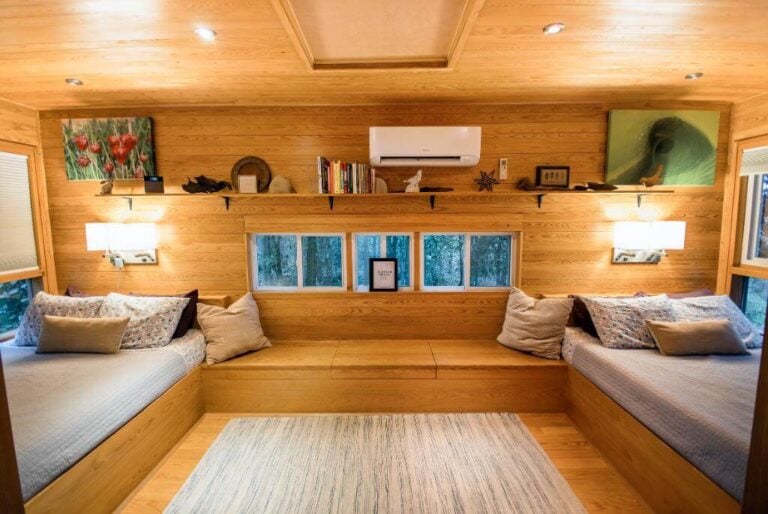
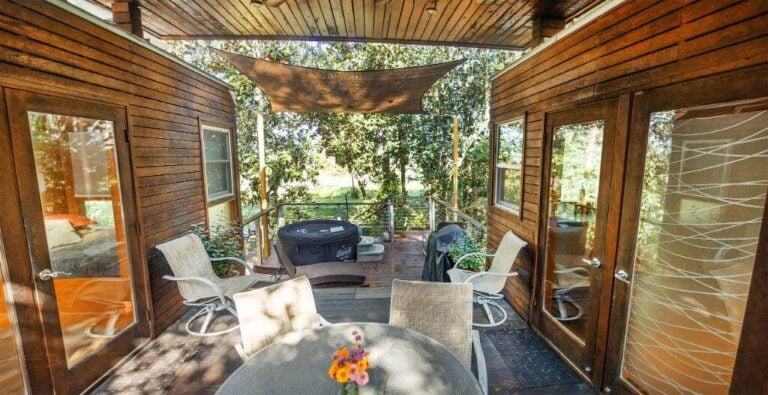
About United States
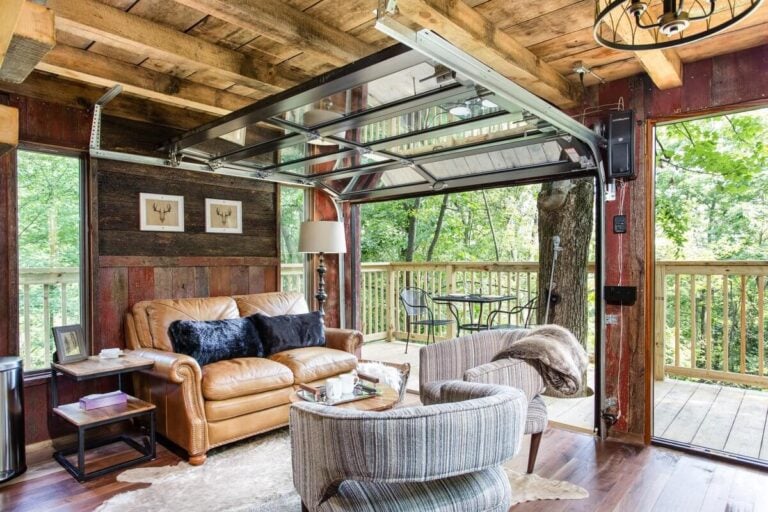
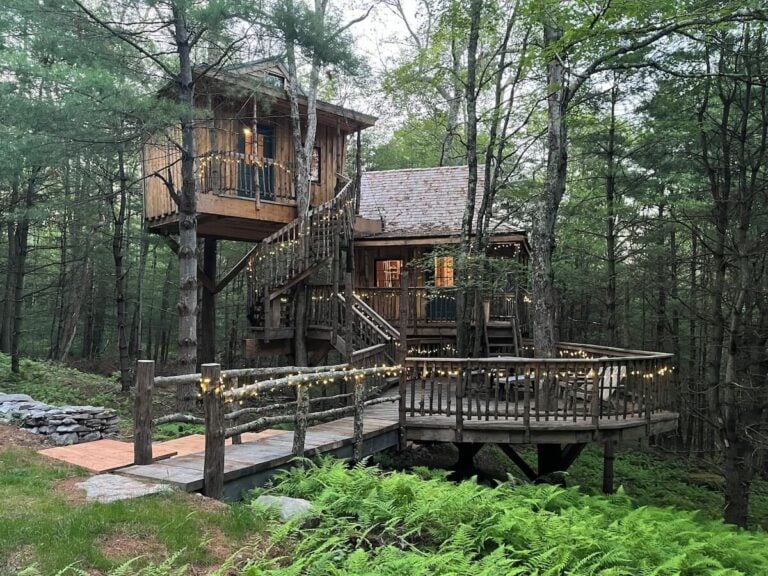
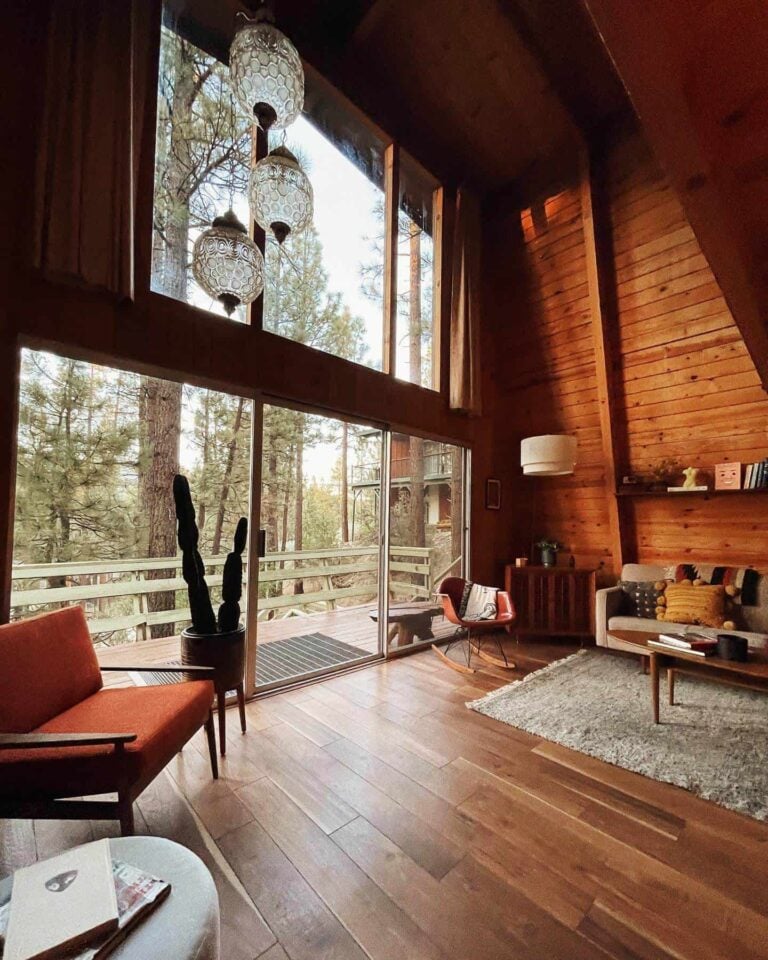
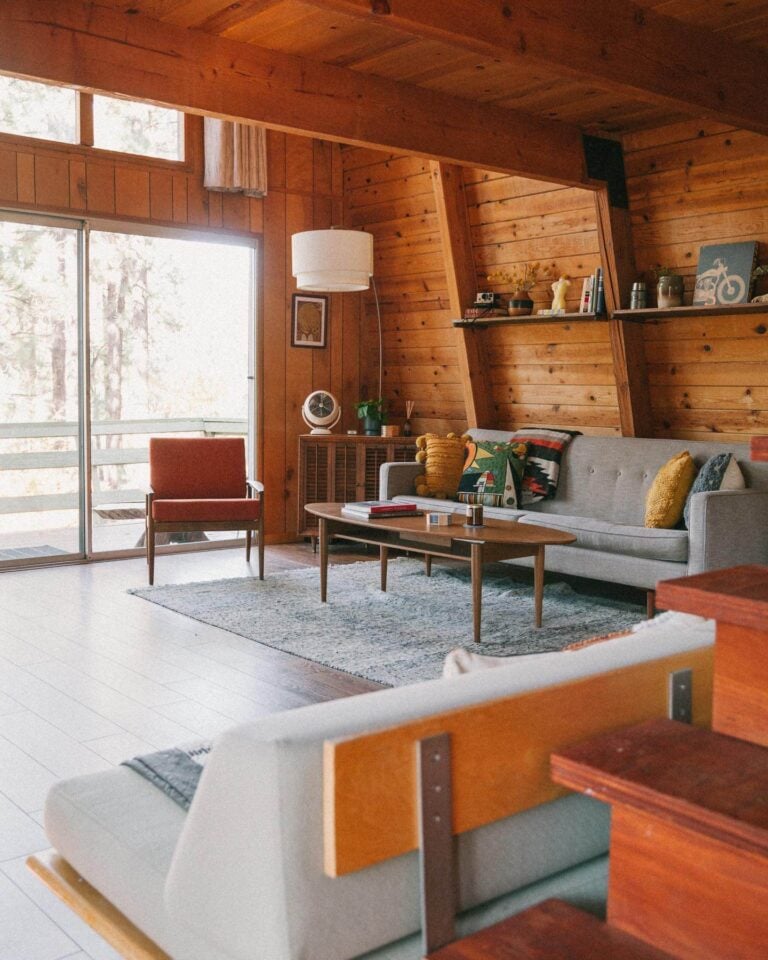
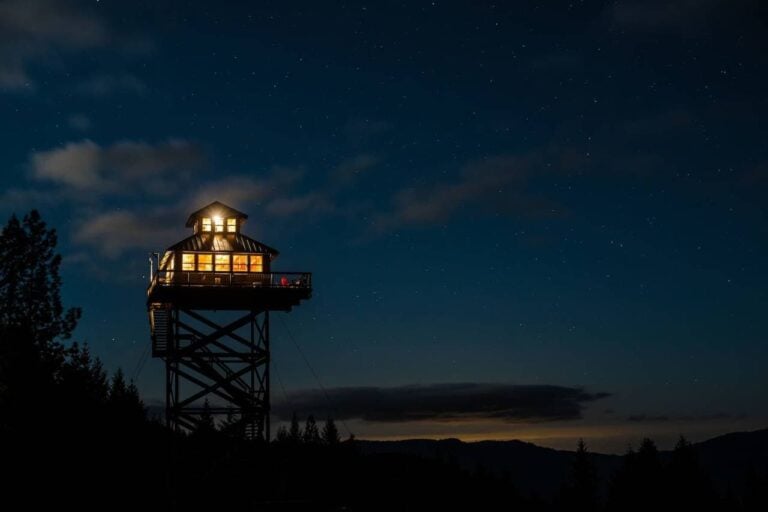
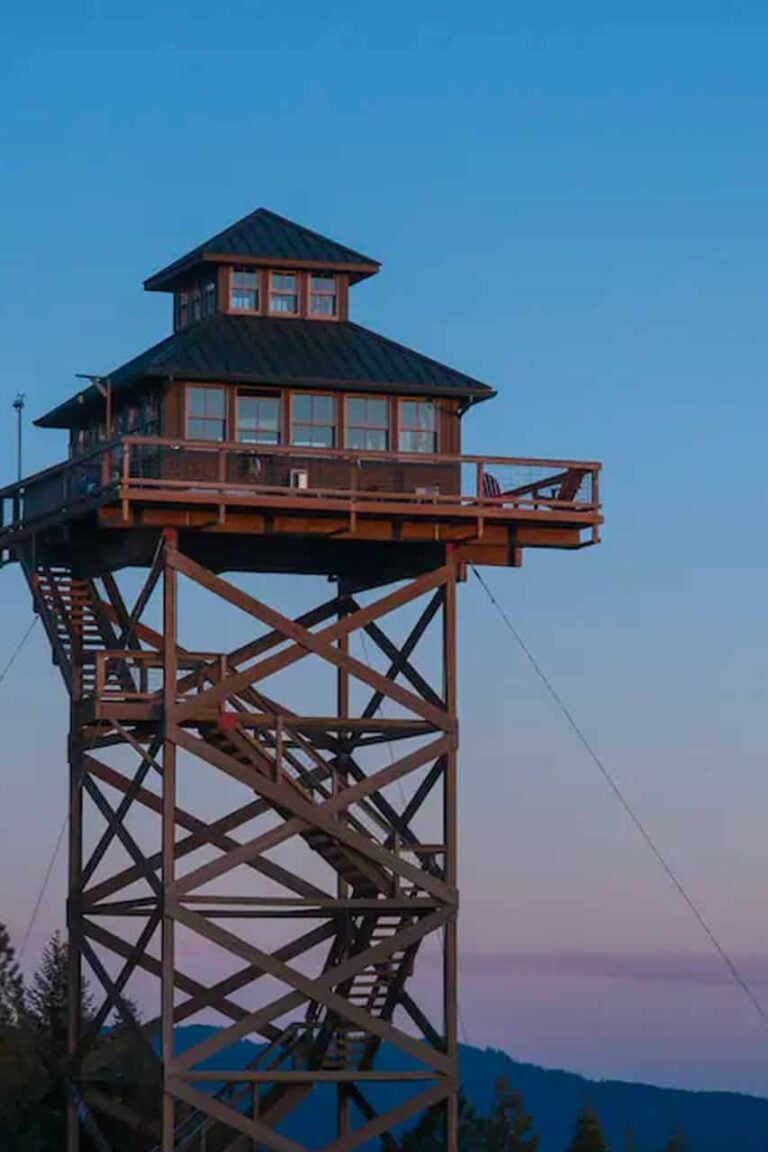
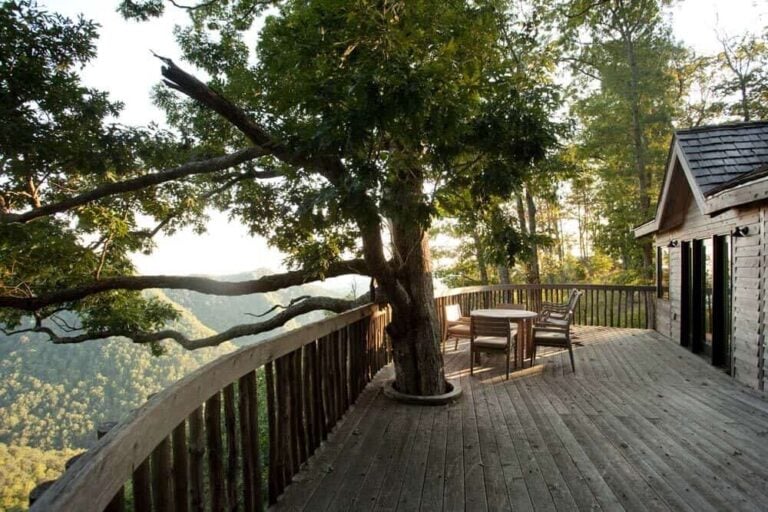
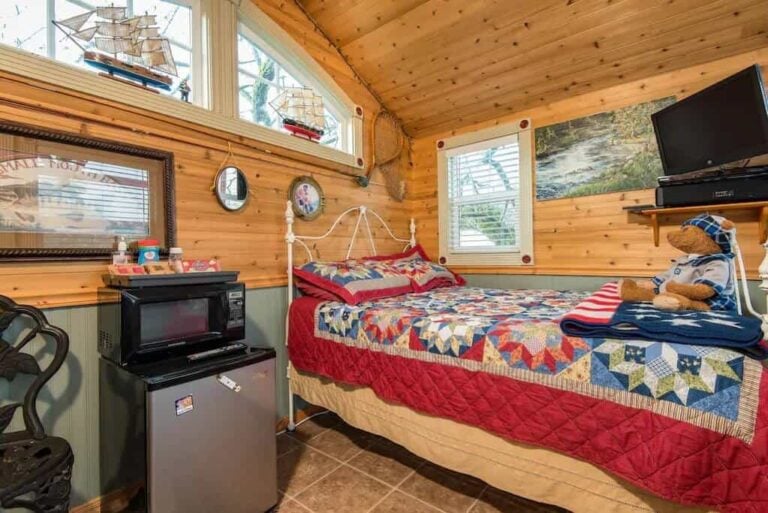
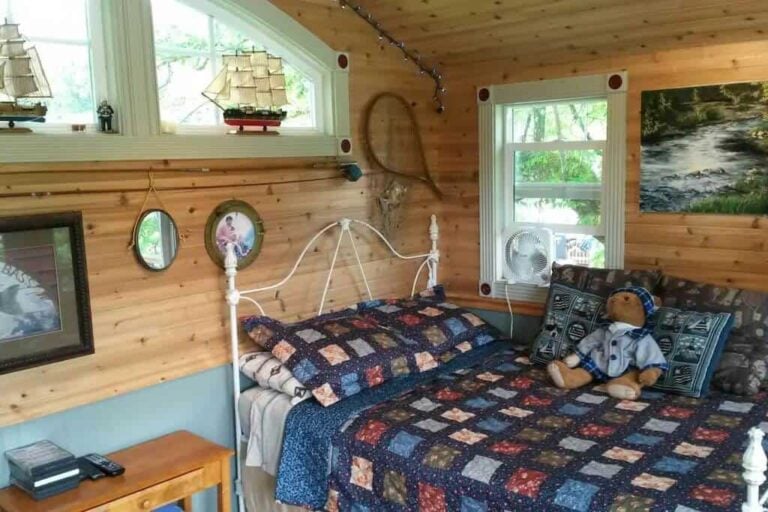
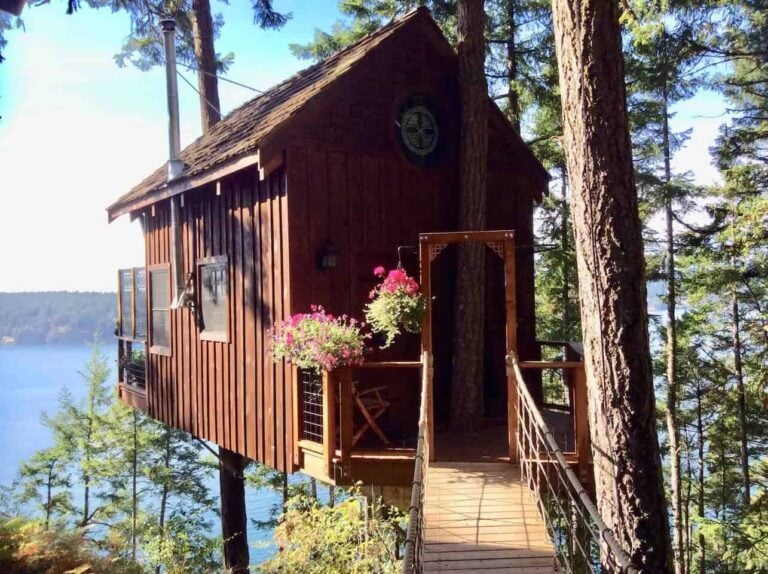
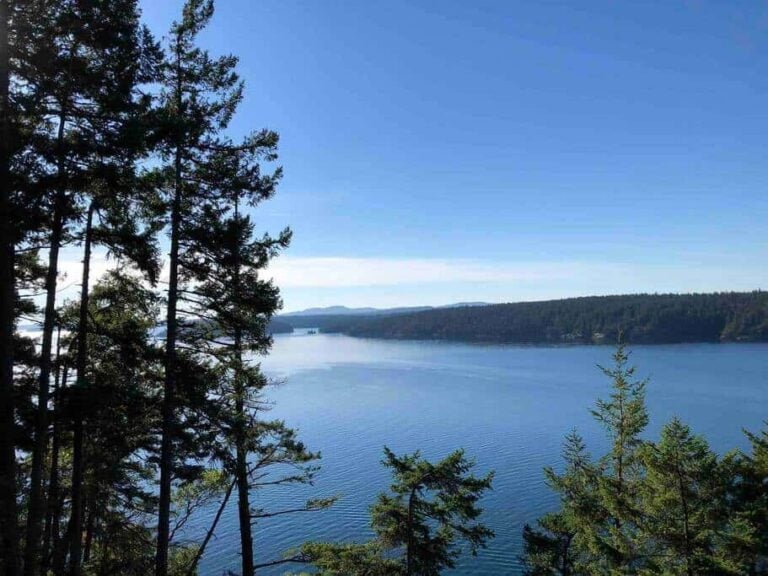
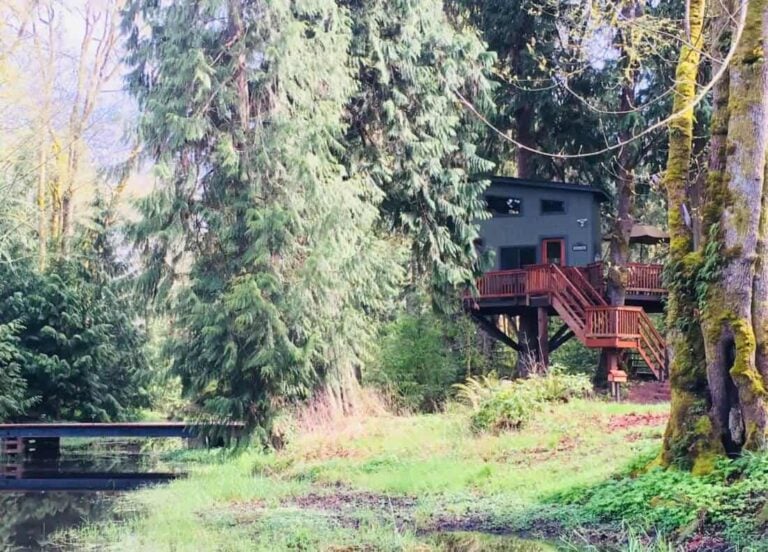
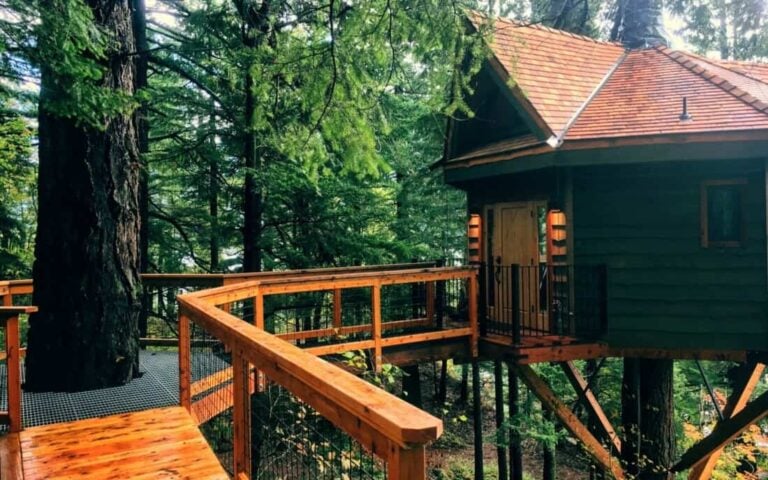
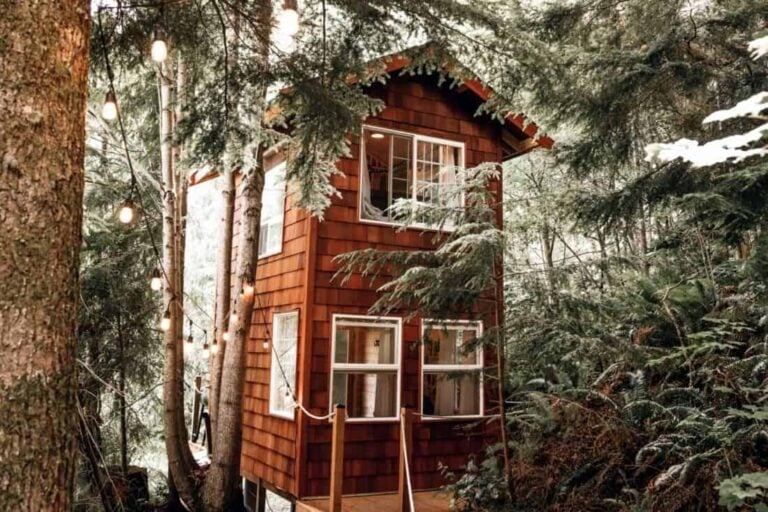
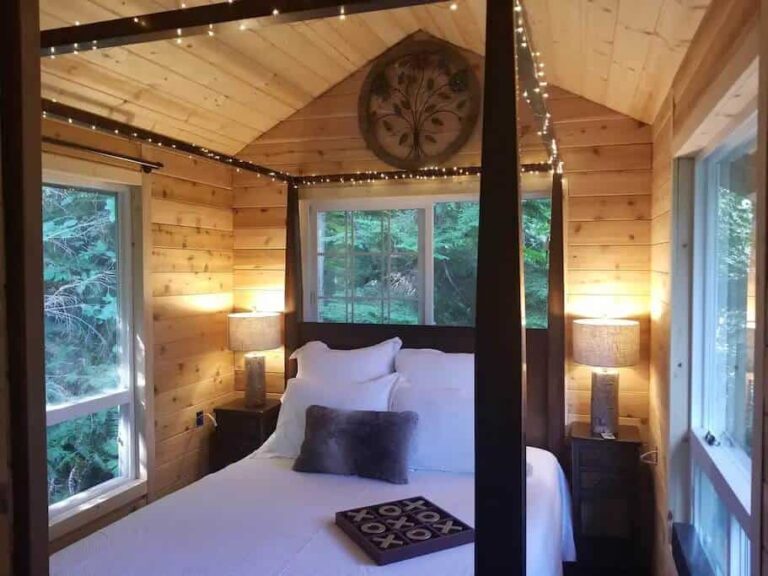
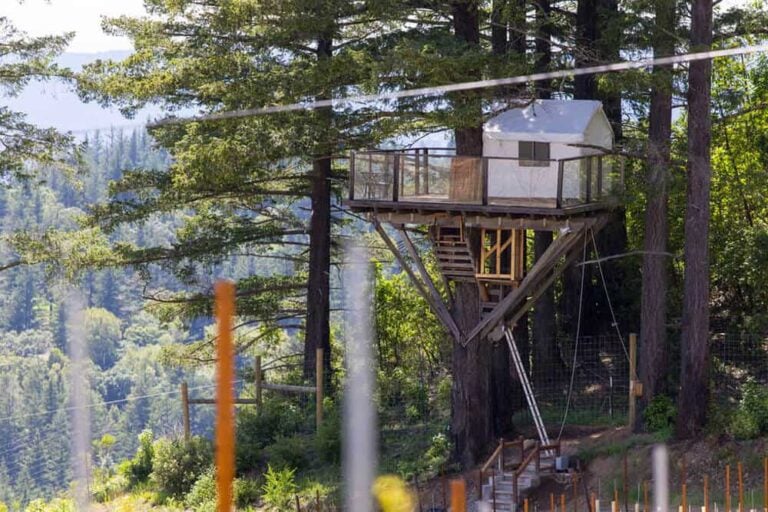
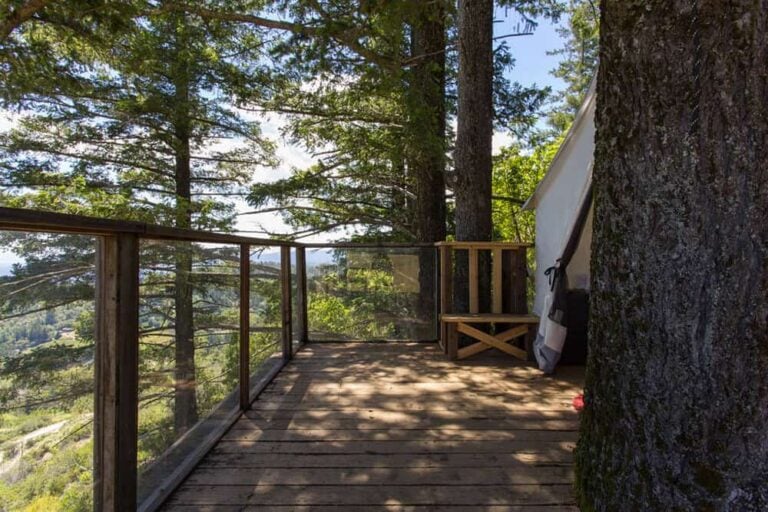
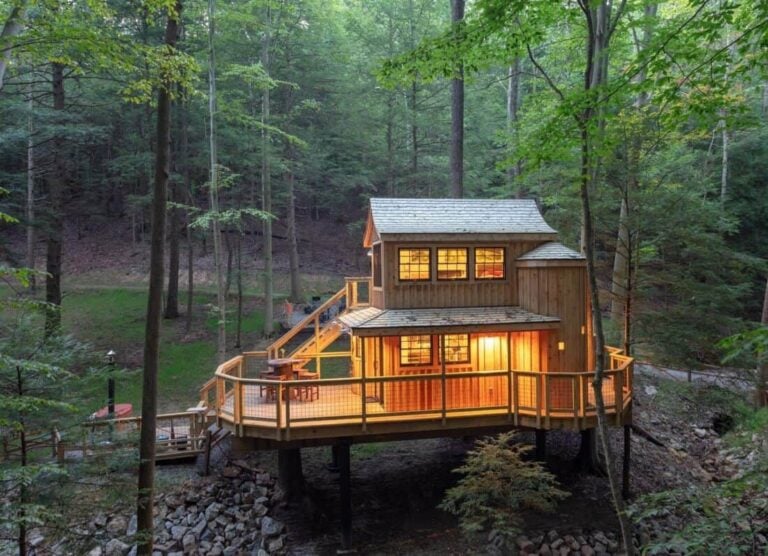
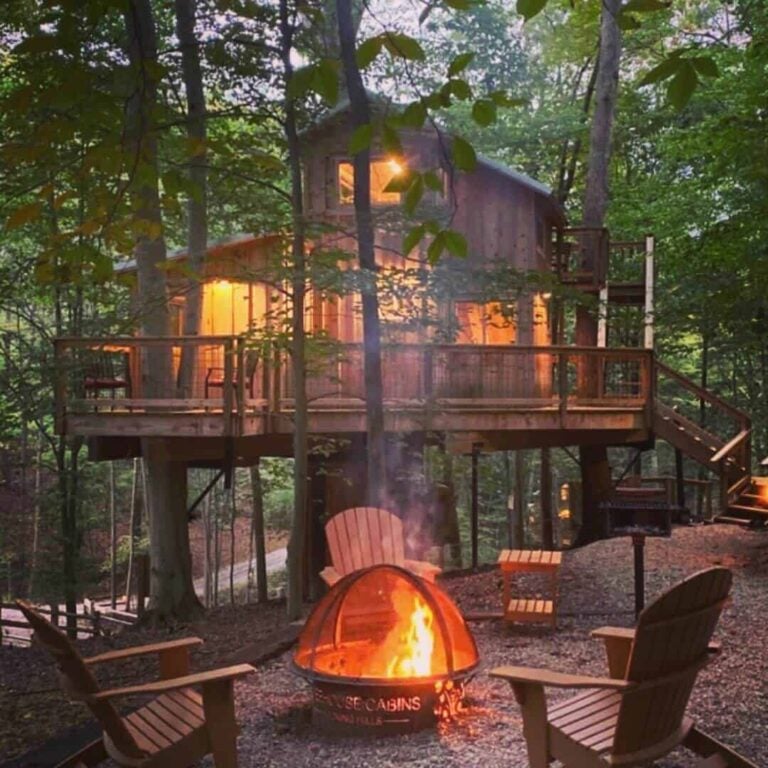
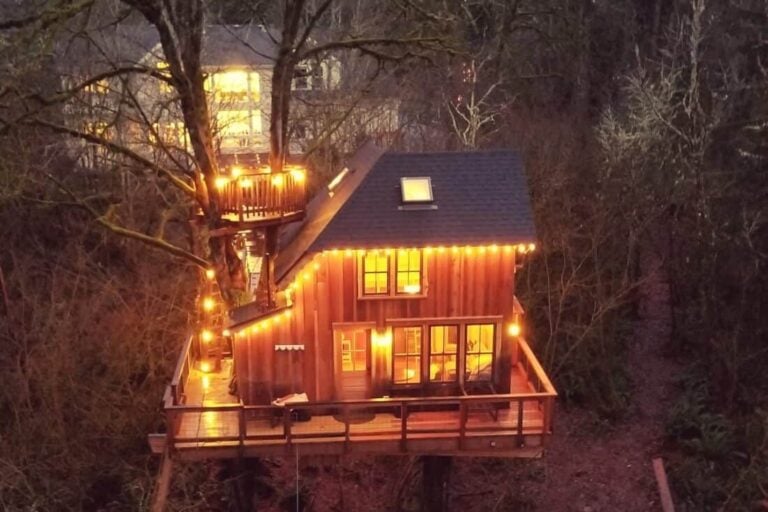
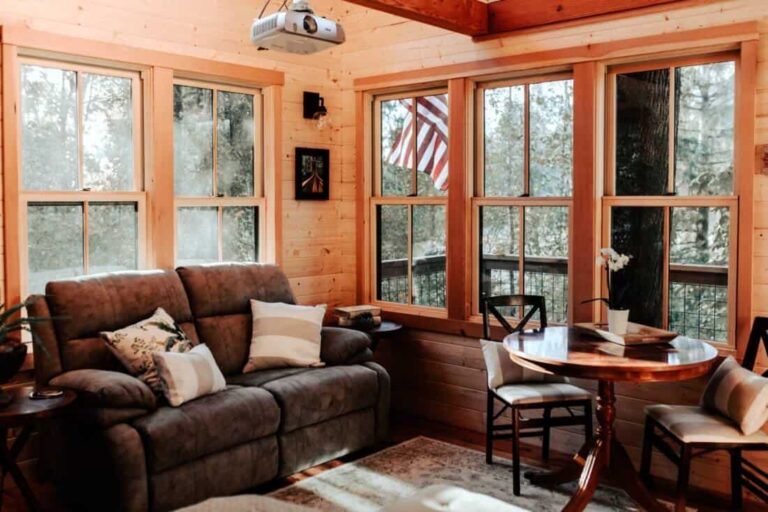
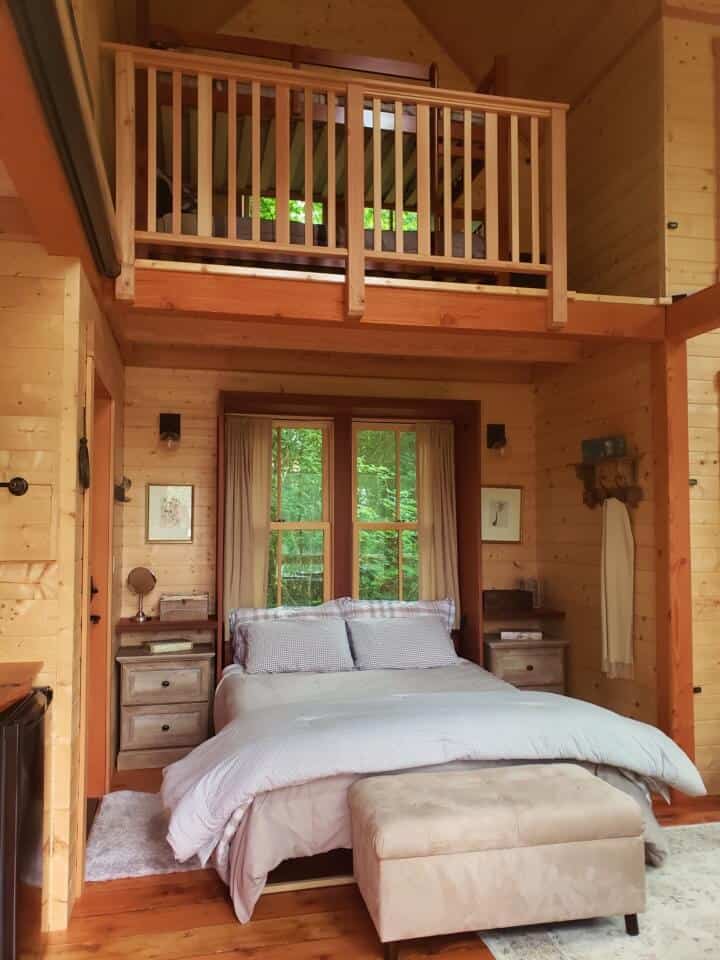
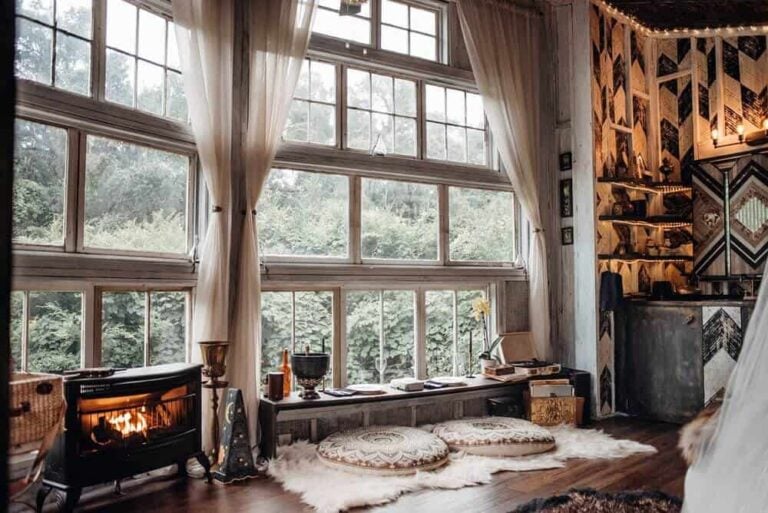
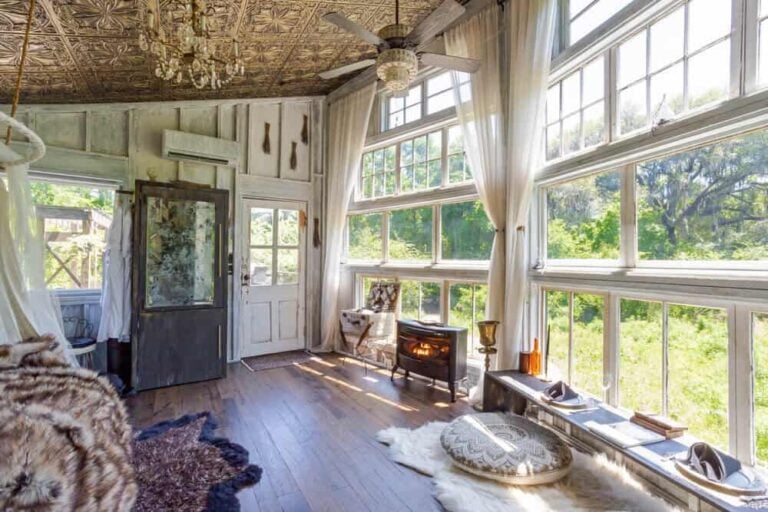
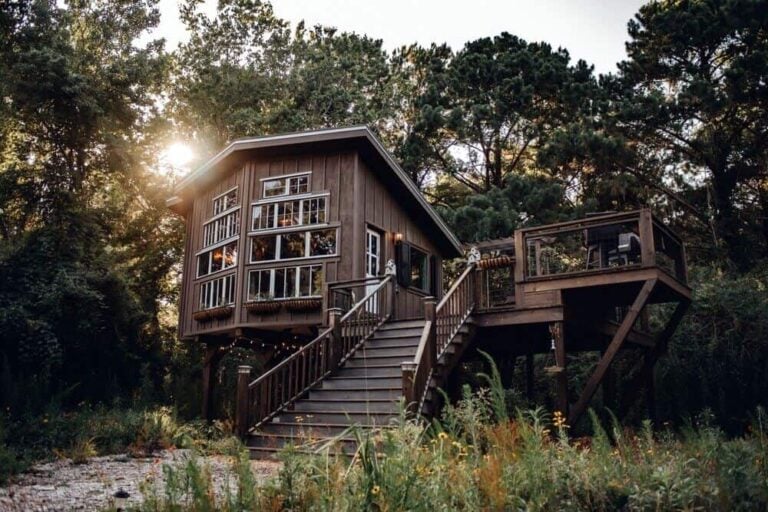
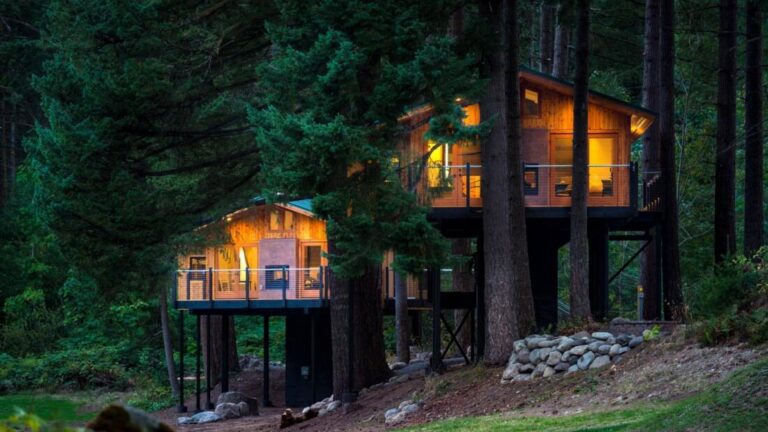
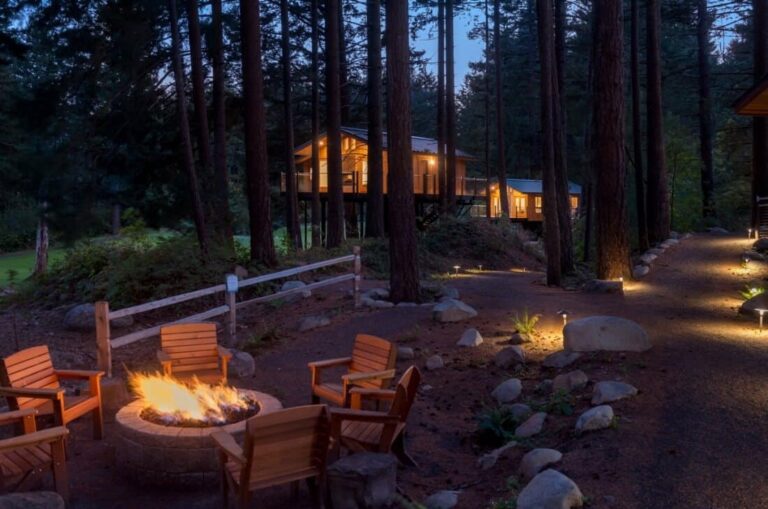
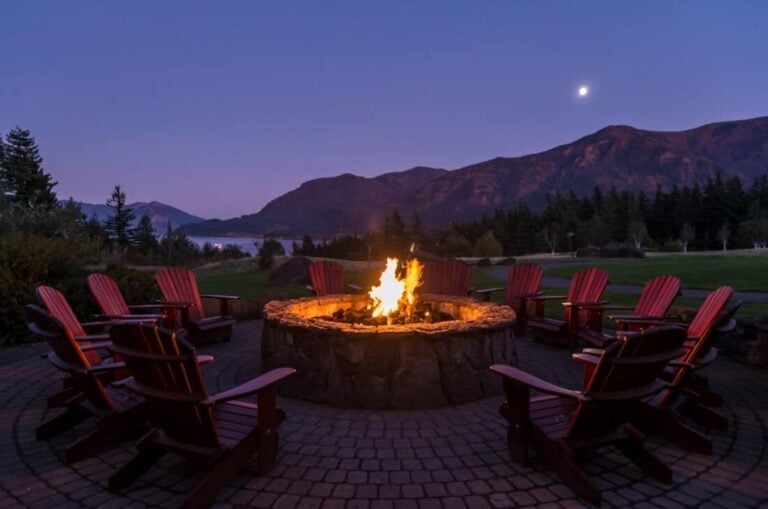
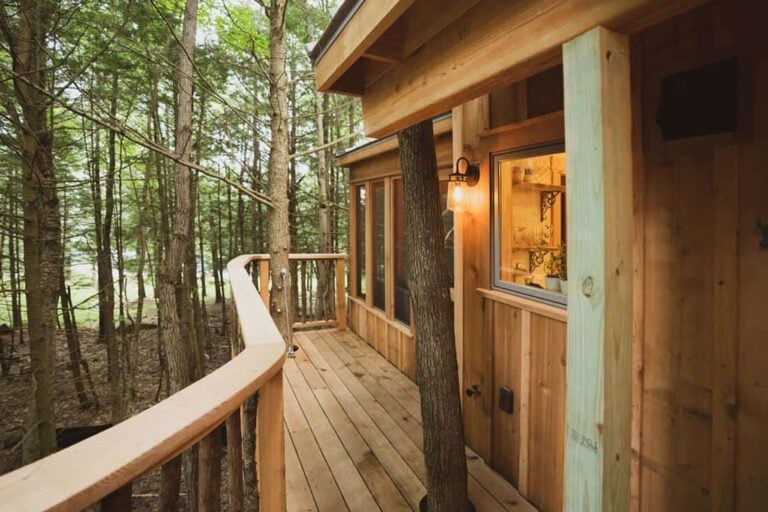
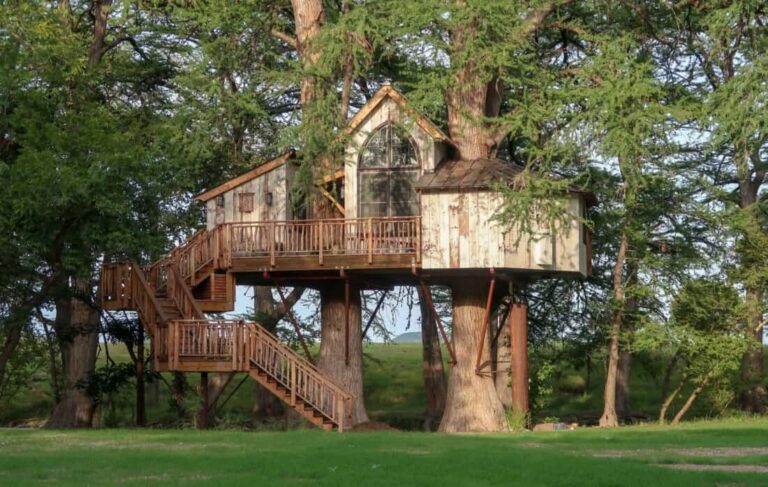
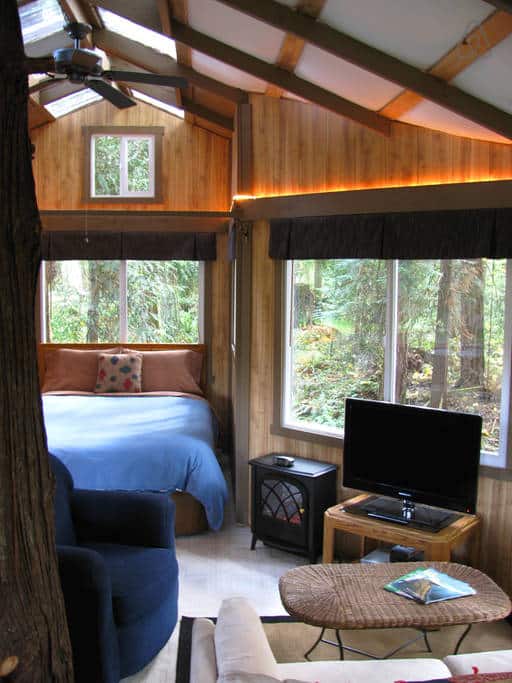
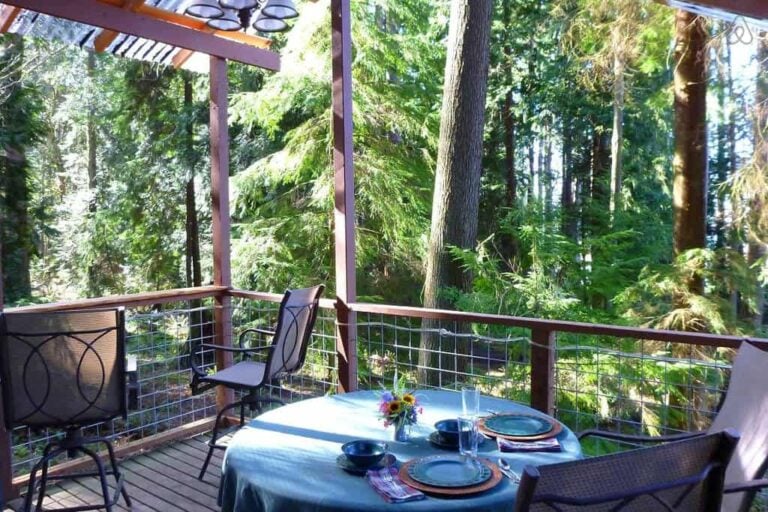
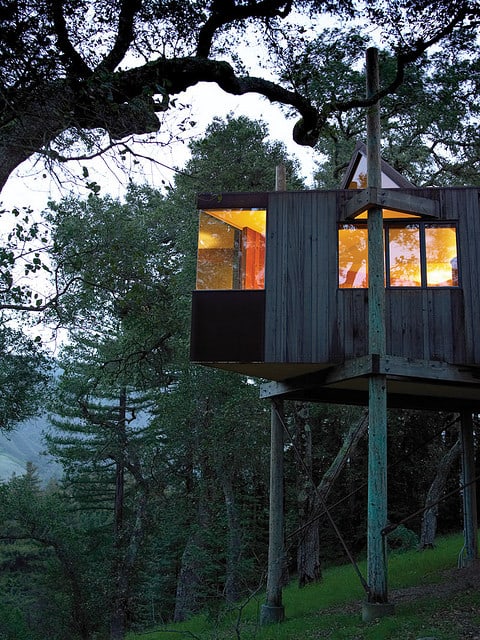
Treehouses in the United States have quietly moved from the realm of childhood dream to a lodging category in its own right—places where being off the ground changes how you feel the day. These aren't platforms nailed into backyard oaks; they're designed stays with rainfall showers, proper beds and windows angled to catch the best light. Some perch twenty feet up in coastal redwoods, others cling to Appalachian ridges, and a few hover over desert scrub where the night sky feels close enough to touch. The through-line is simple: elevation shifts perspective, and a night spent level with the canopy tends to linger.
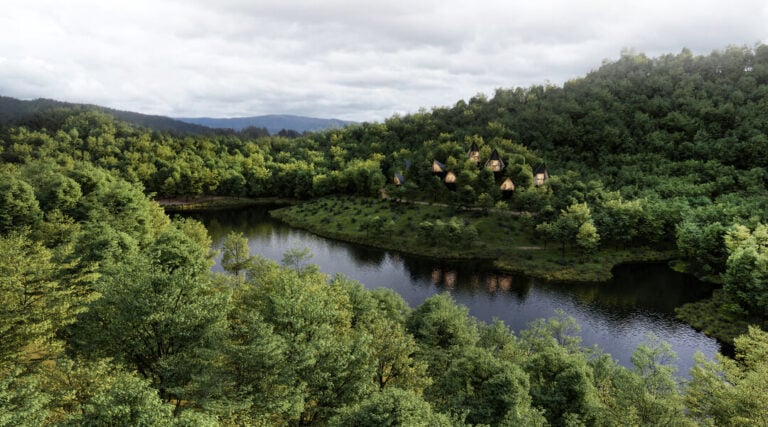
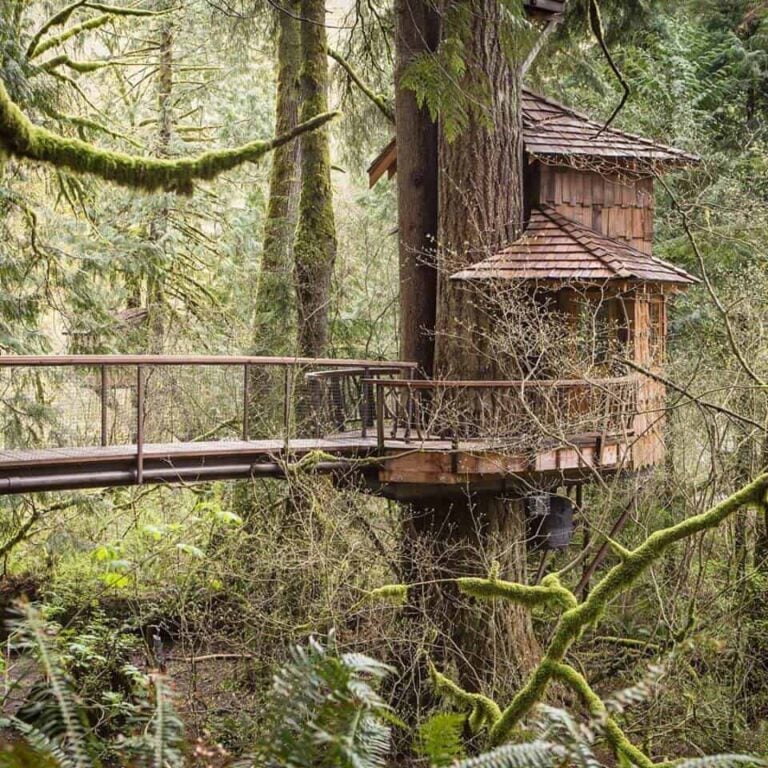
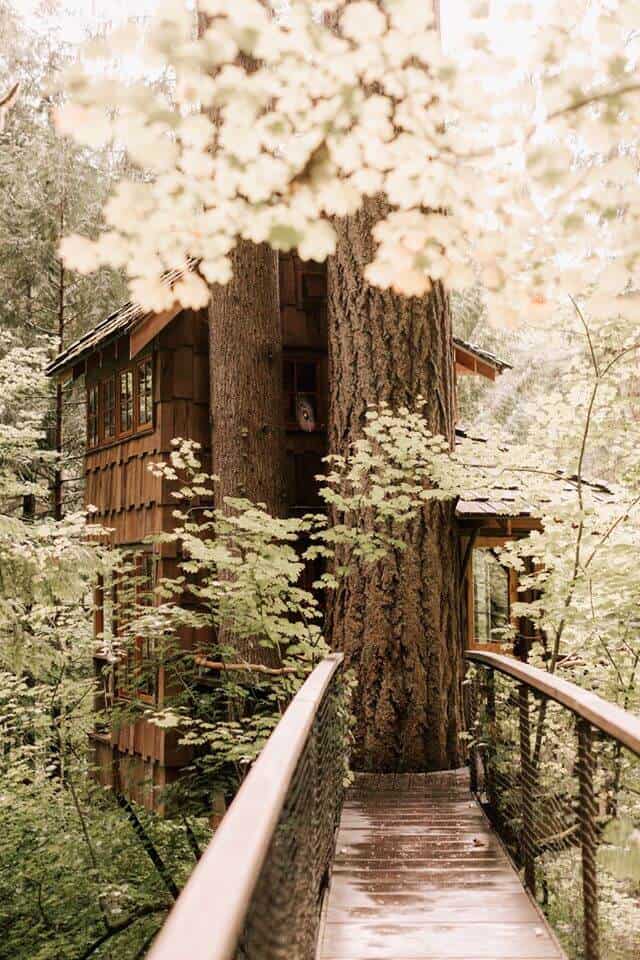
Geography shapes everything. The Pacific Northwest leans into vertical forests—Washington's rainforest hideaways wrapped in mist and moss, Oregon's sleek eco-builds tucked among Douglas firs, California's redwood decks where sunset filters copper through the trunks. Move inland and the palette changes: Colorado treehouses trade dense canopy for high-desert clarity and star fields so sharp you'll want to photograph them and then give up and just look. The Appalachians do something gentler—Blue Ridge mornings with birdsong for an alarm, porches that smell faintly of pine and last night's fire, the kind of quiet that makes coffee taste better. Smaller pockets surprise: Vermont properties next to antique barns and maple groves, Virginia wine country perches with a bottle and a view, Florida's coastal mangrove nests where osprey shadows cross the deck and time seems to leak away.
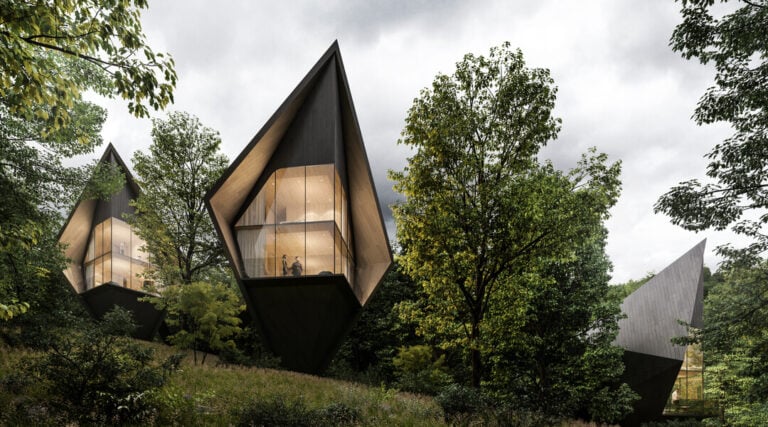
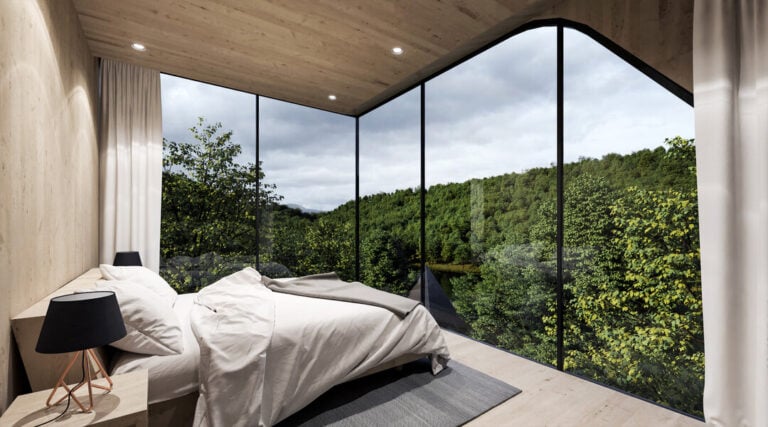
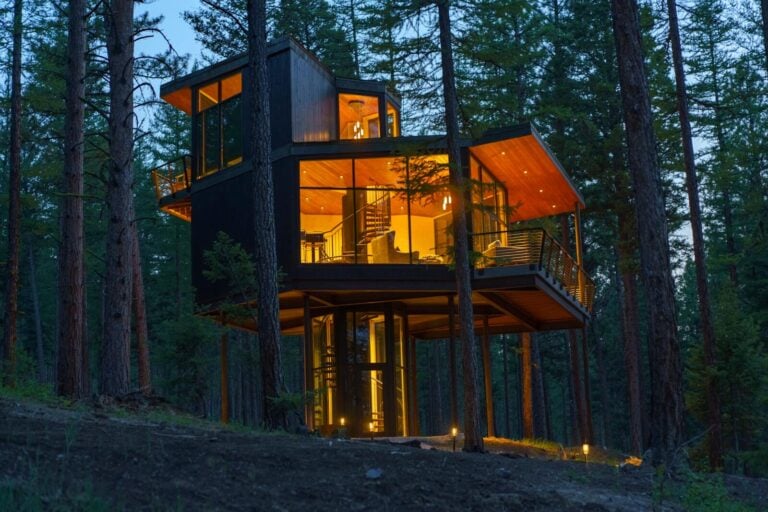
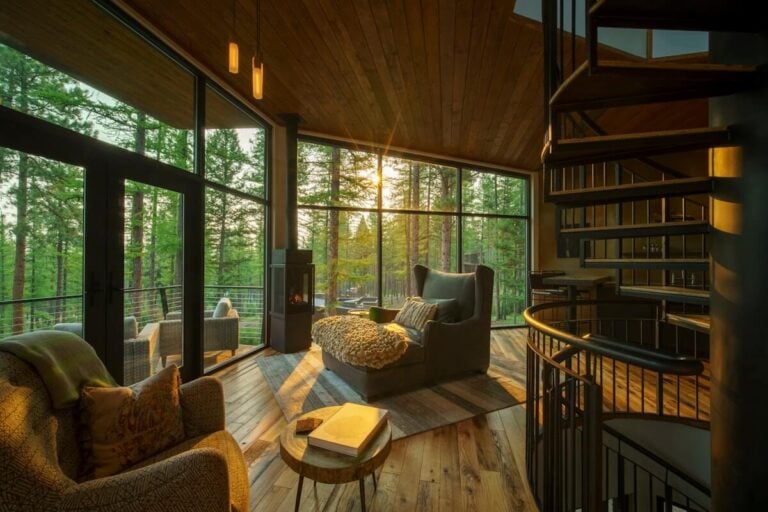
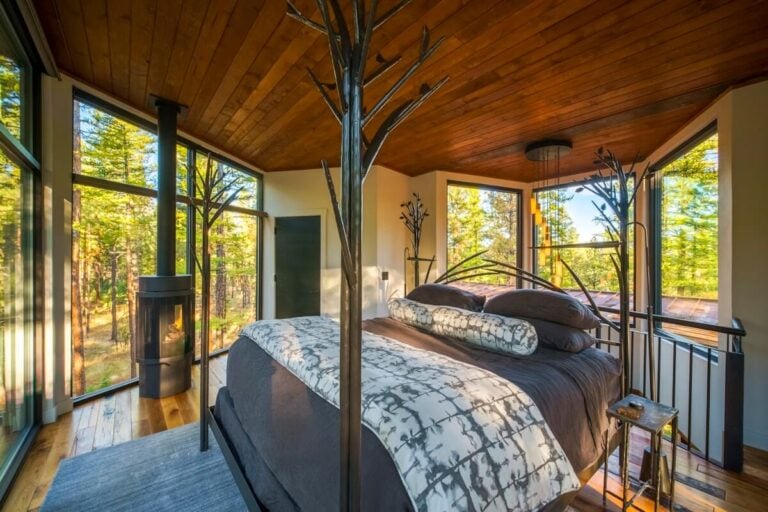
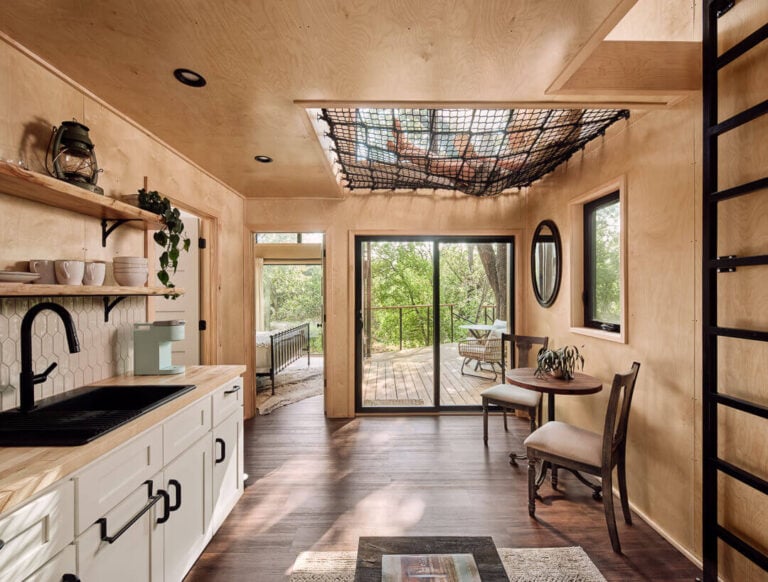
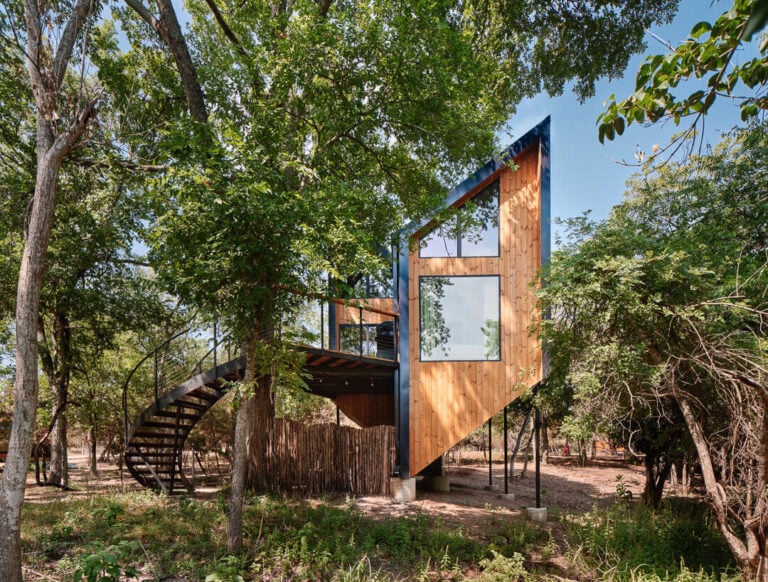
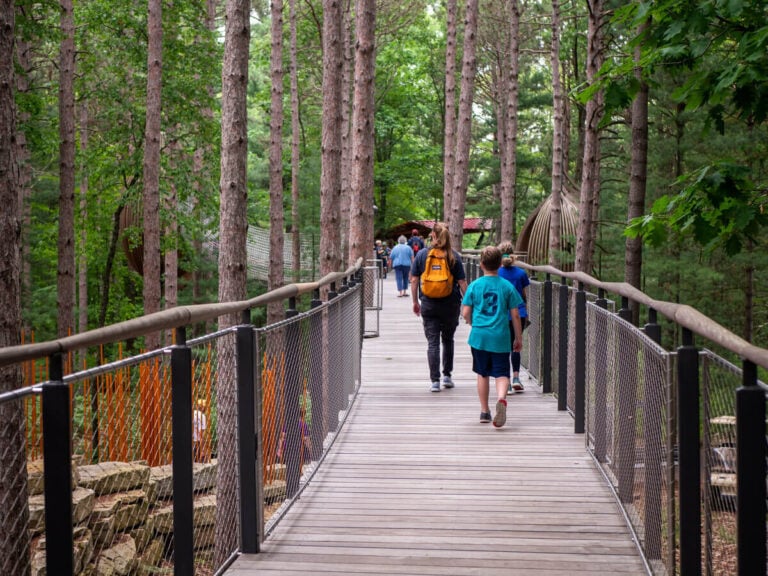
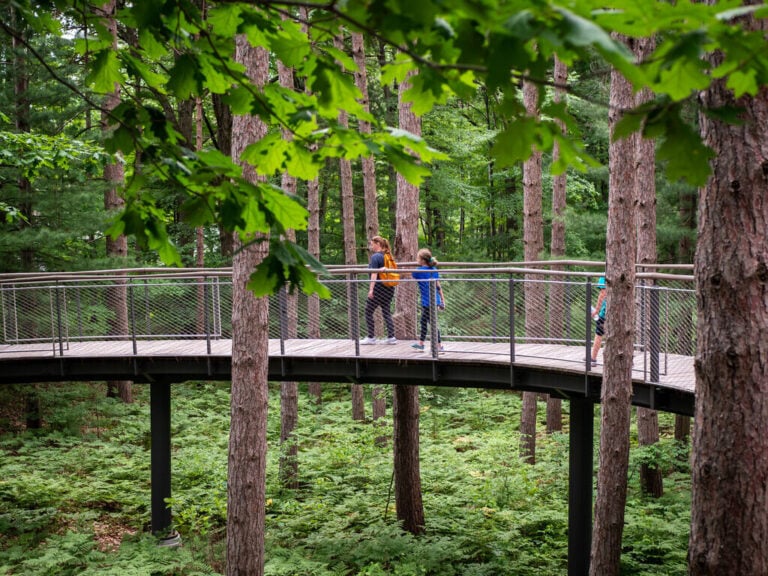
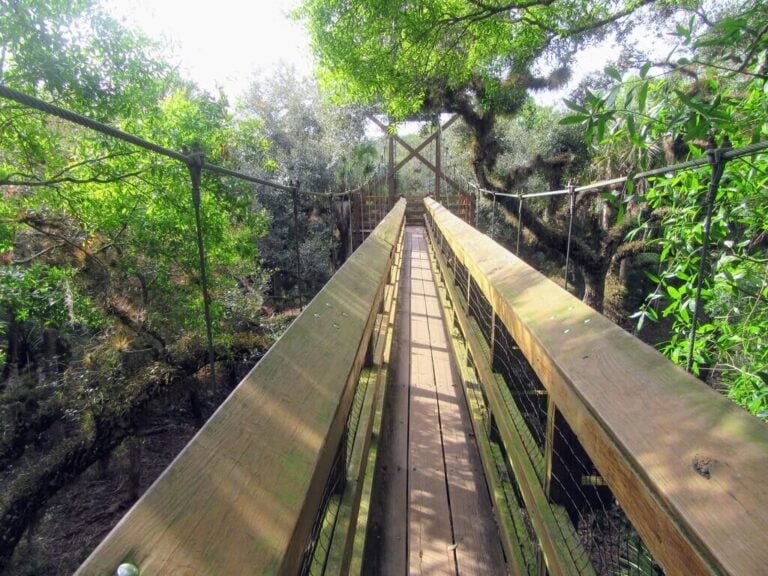
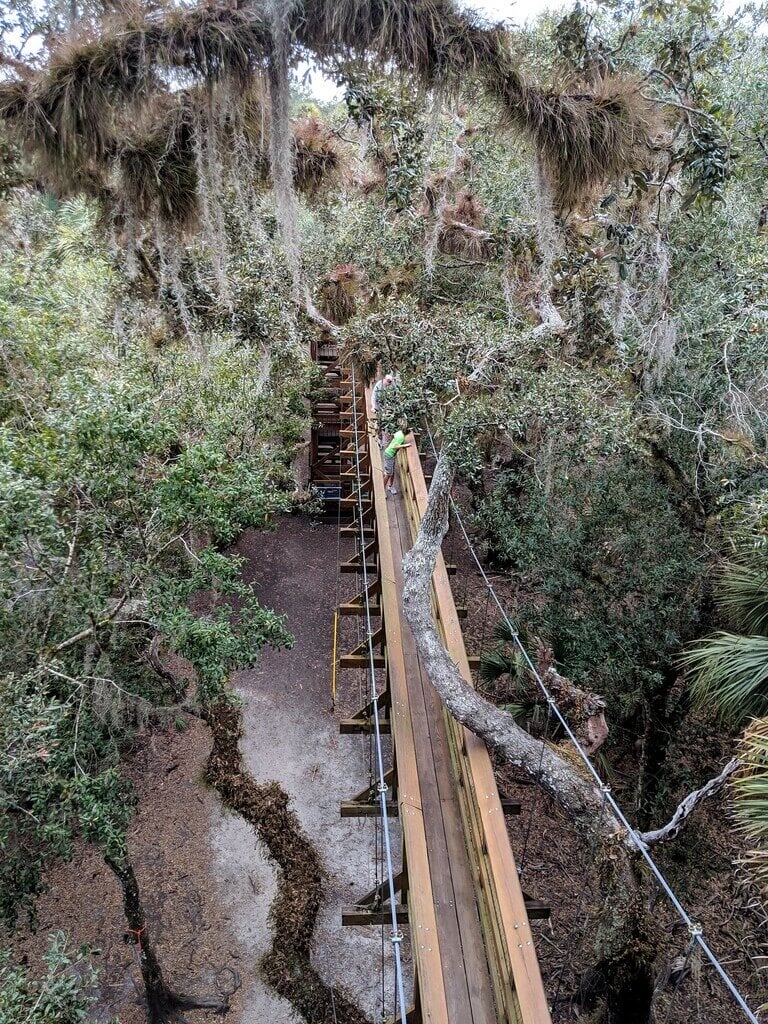
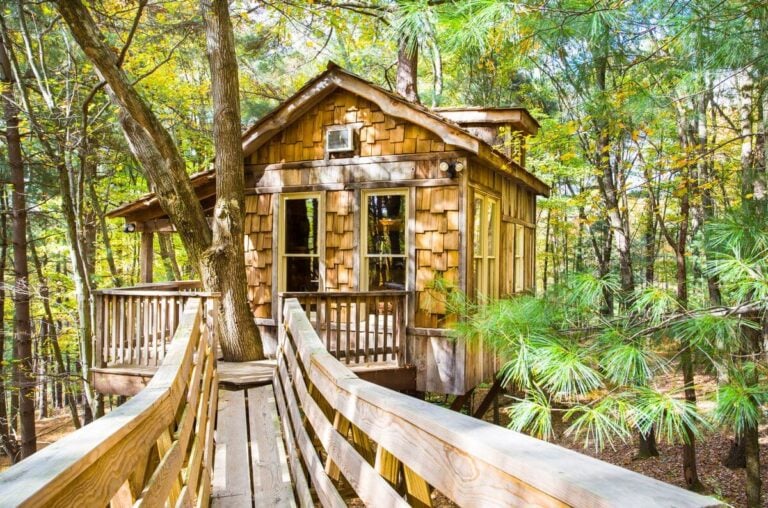
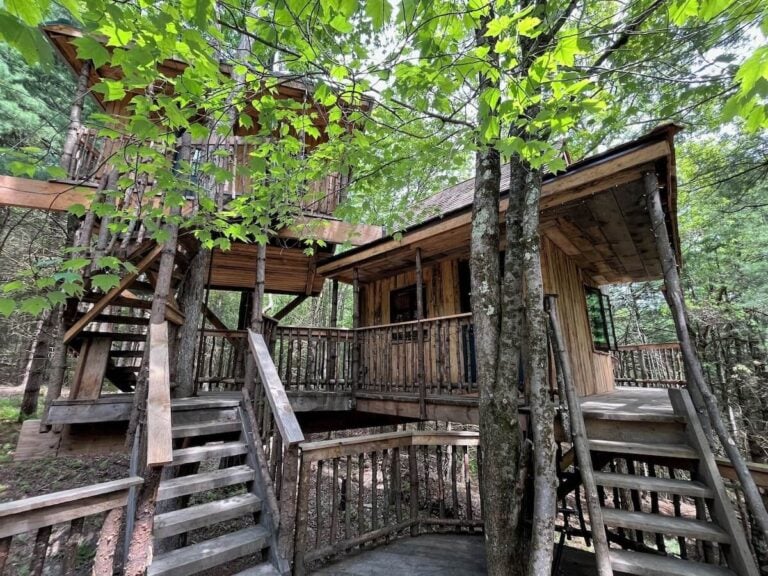
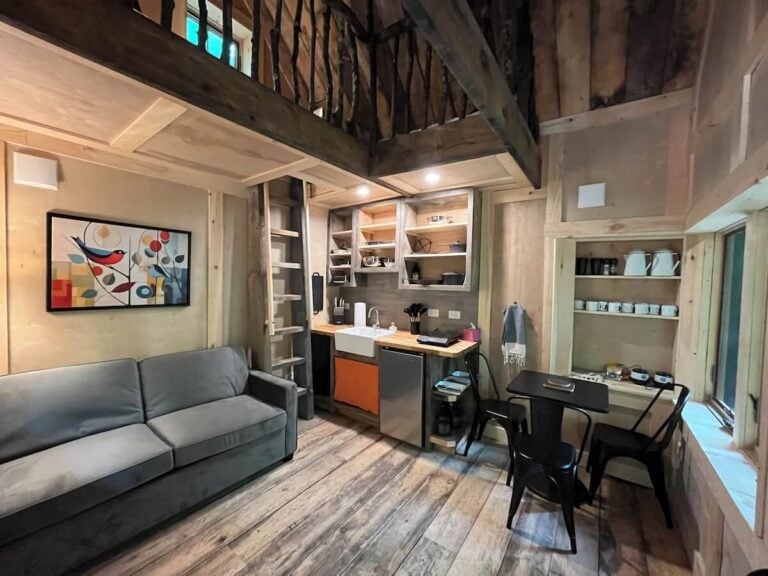
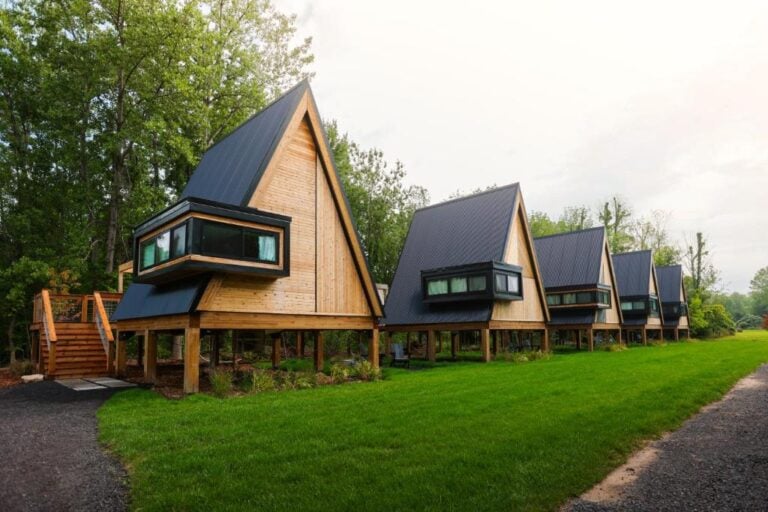
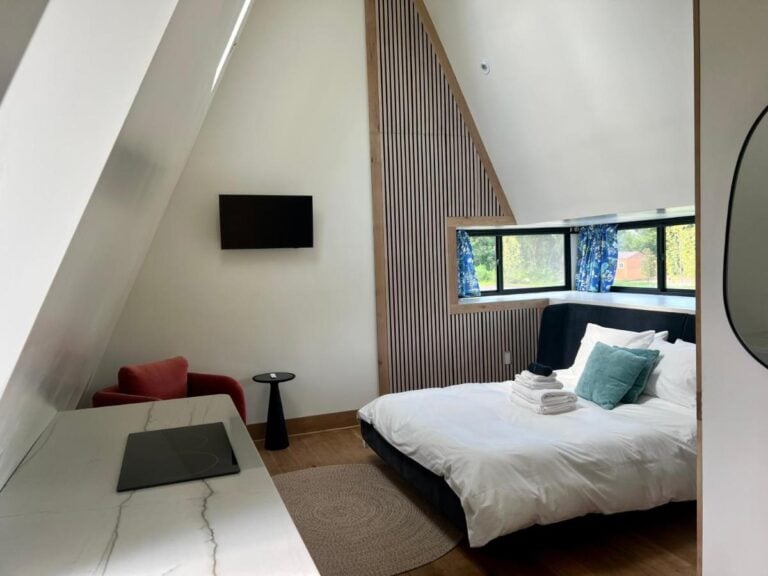
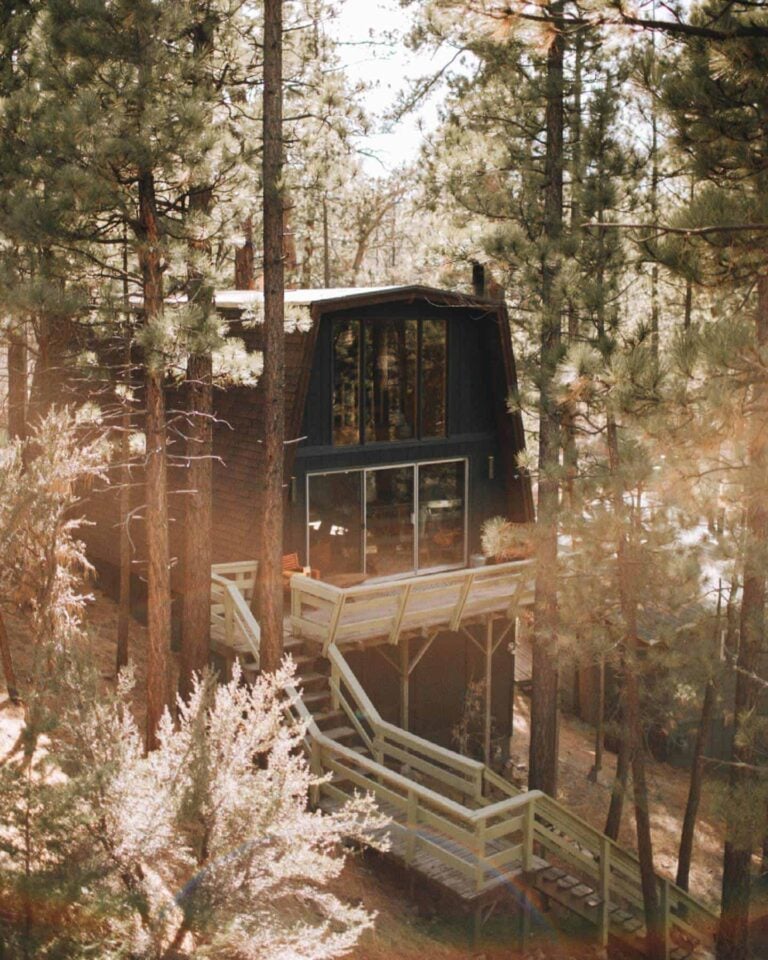
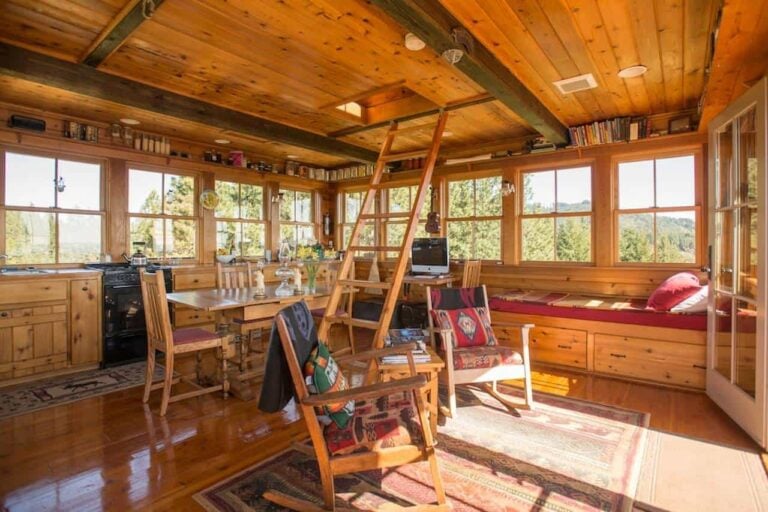
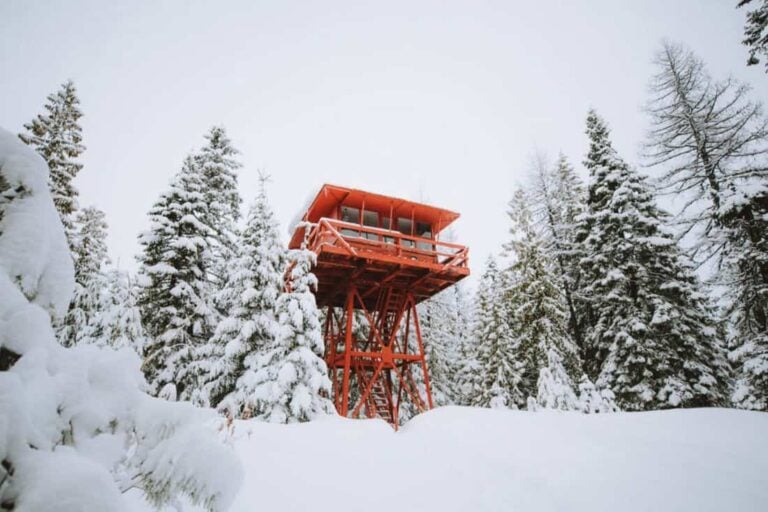
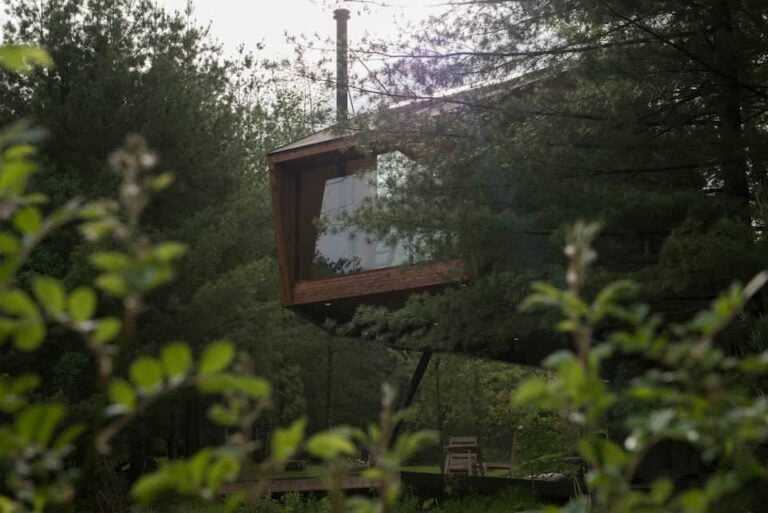
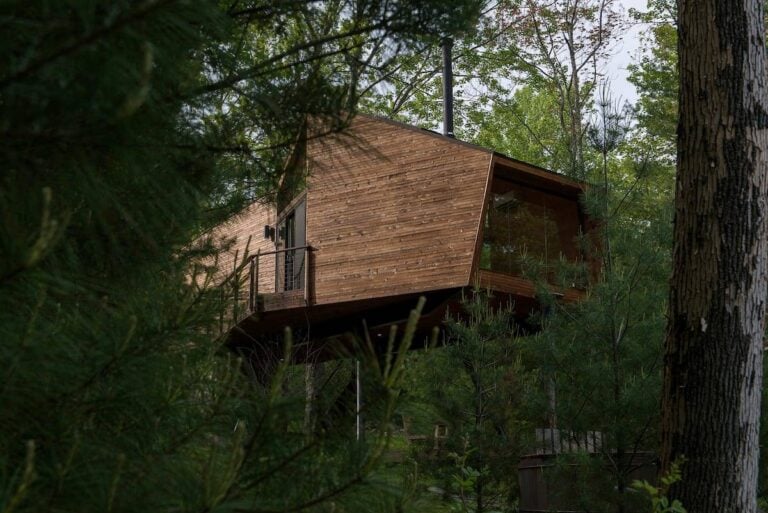
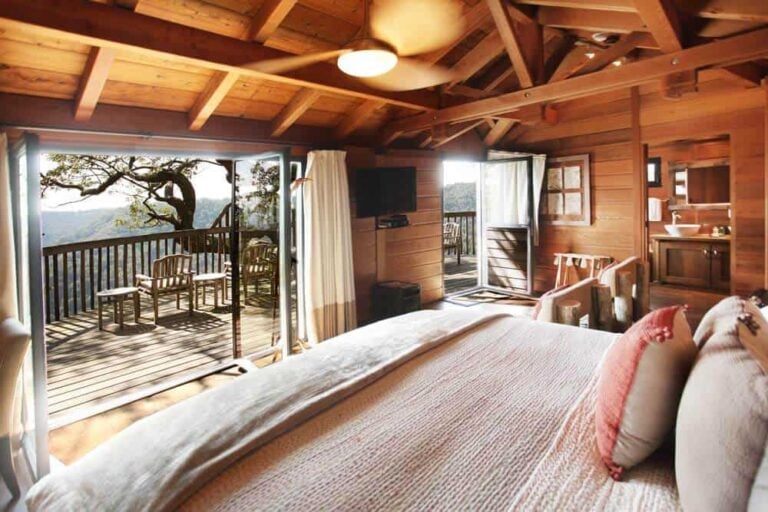
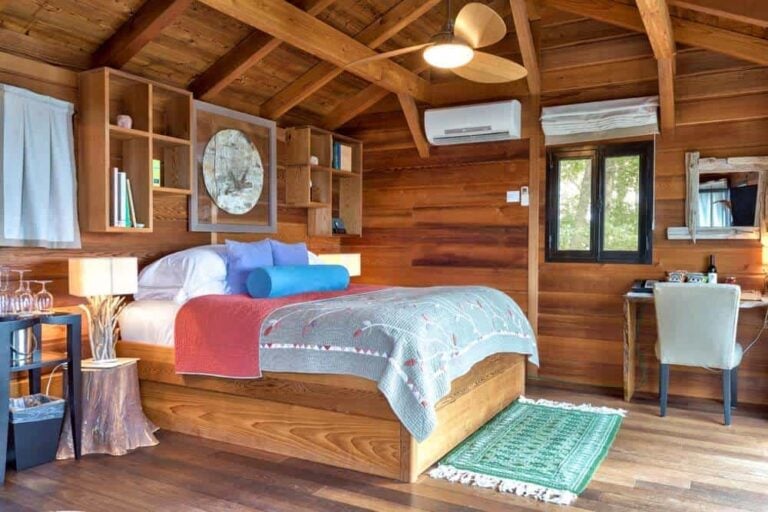
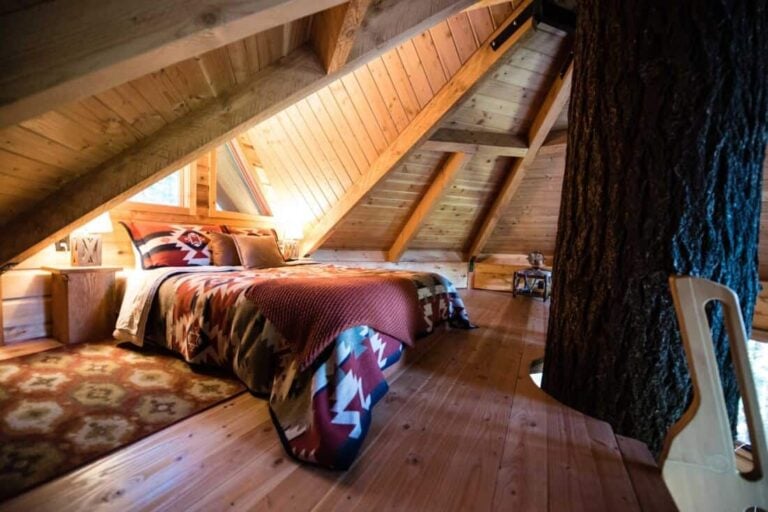
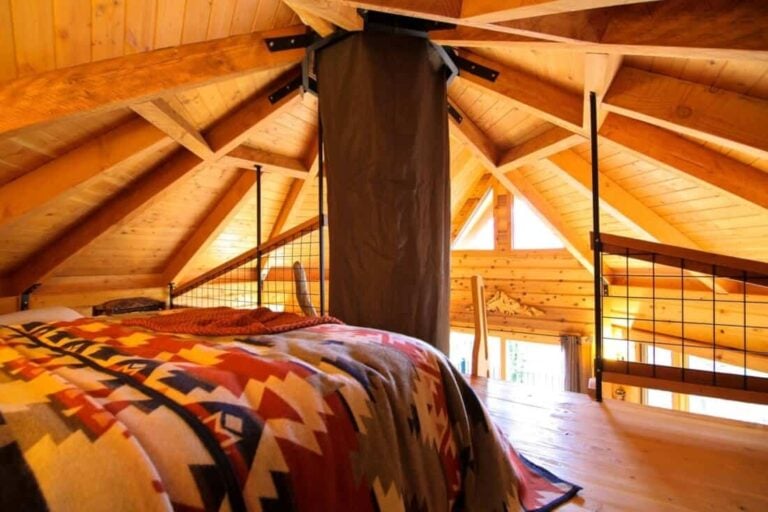
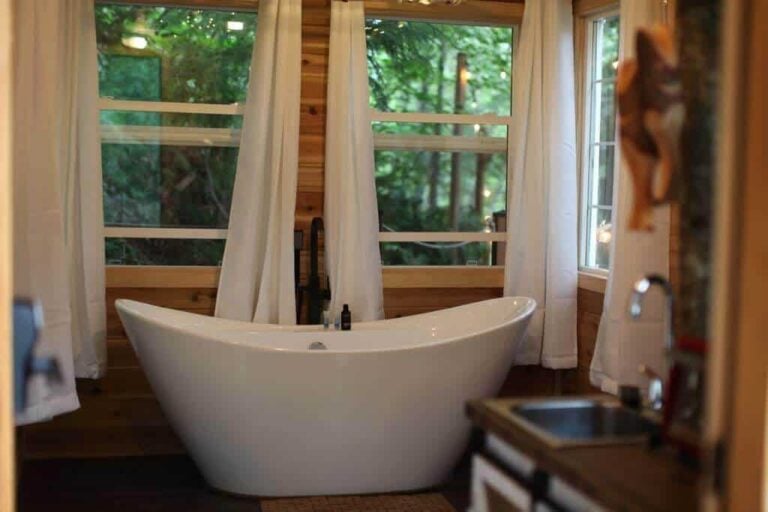
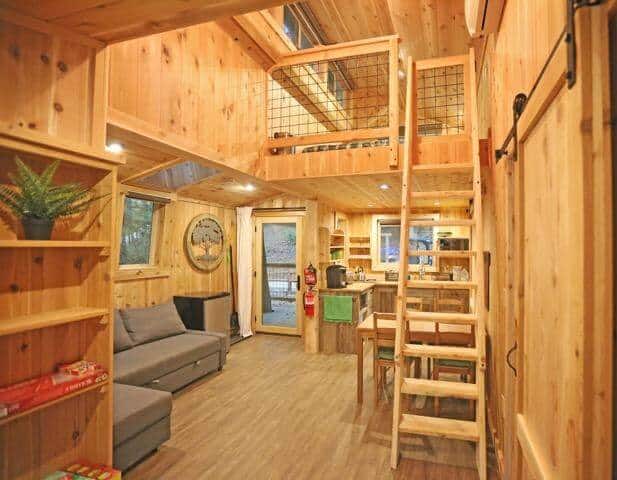
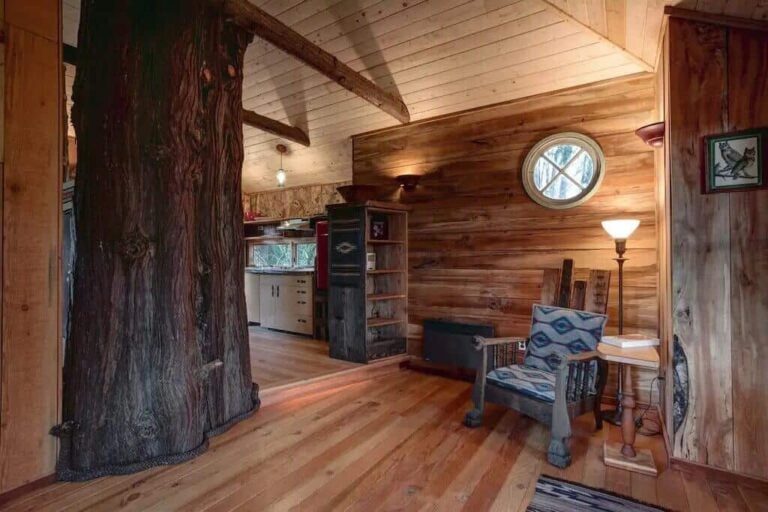
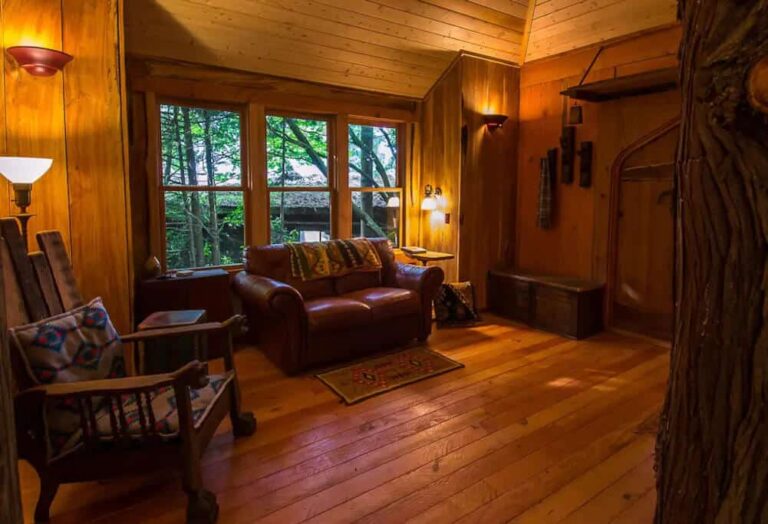
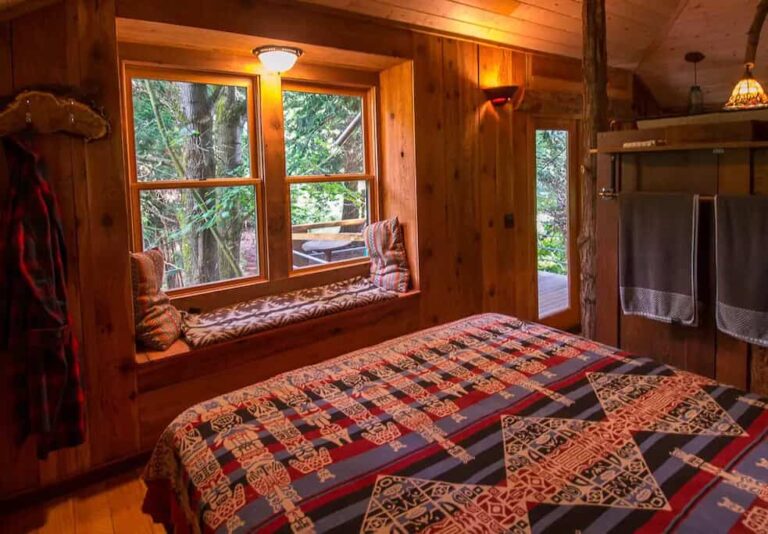
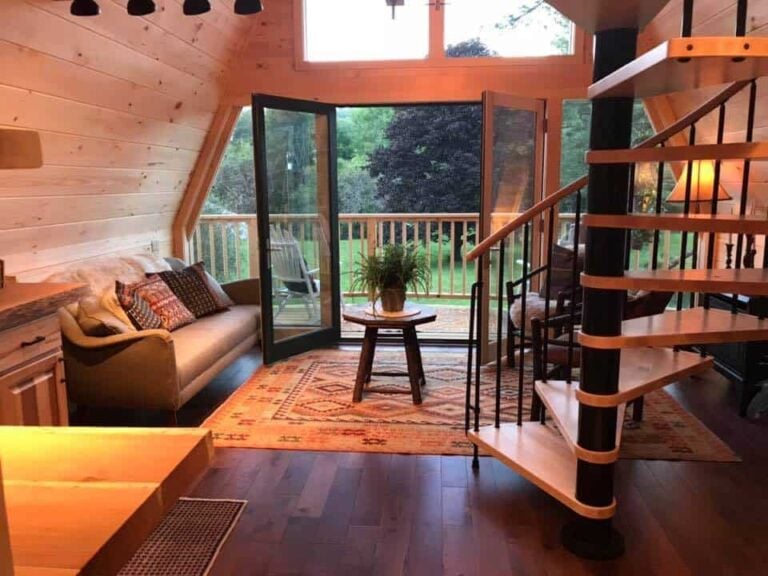
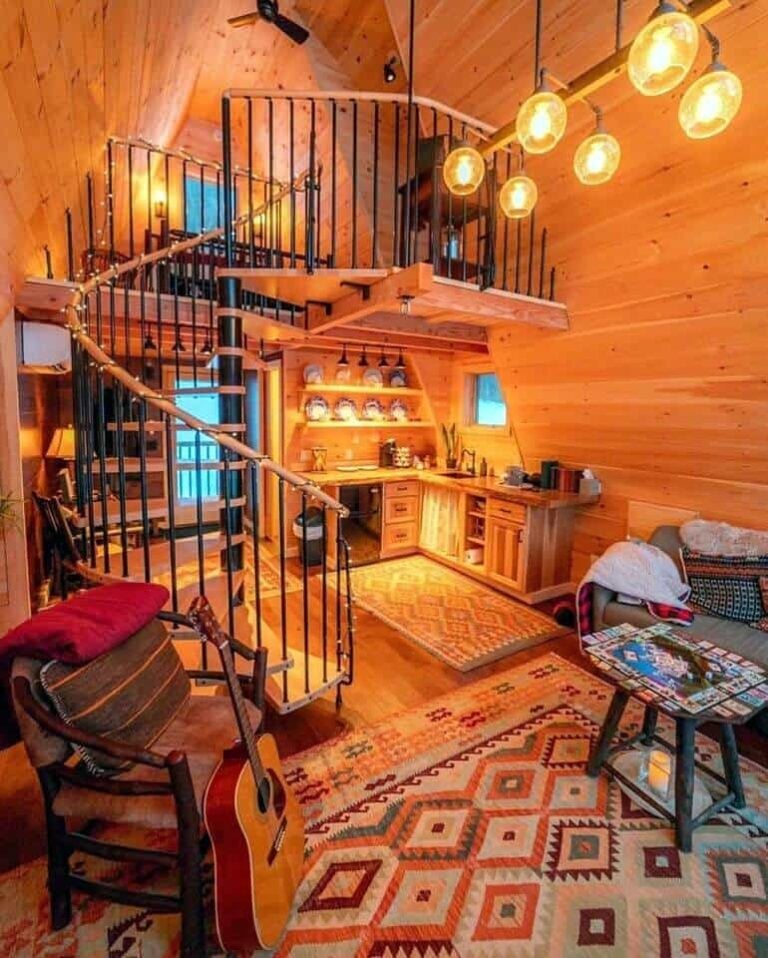
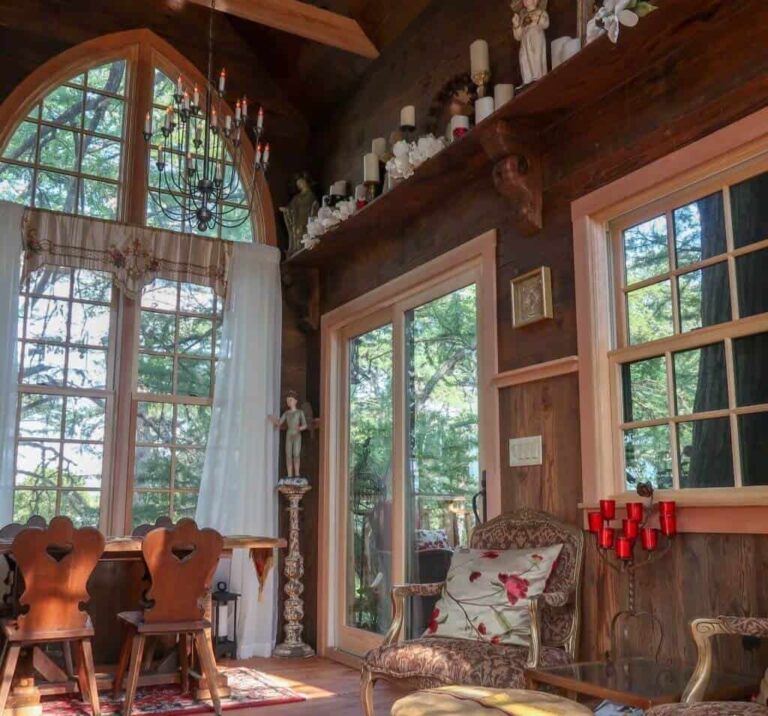
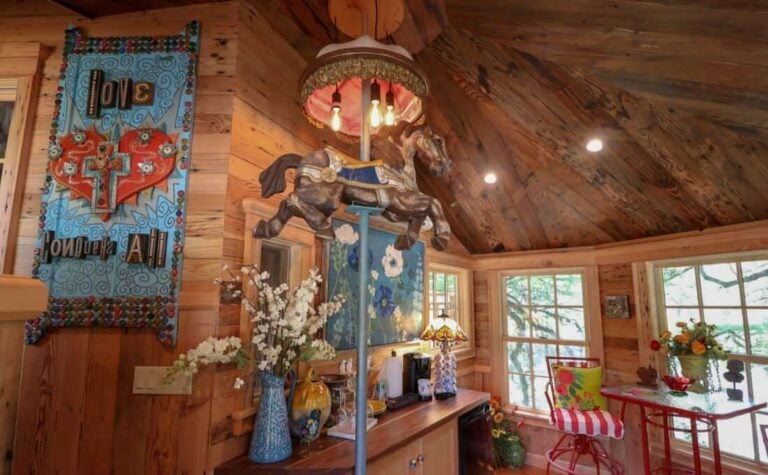
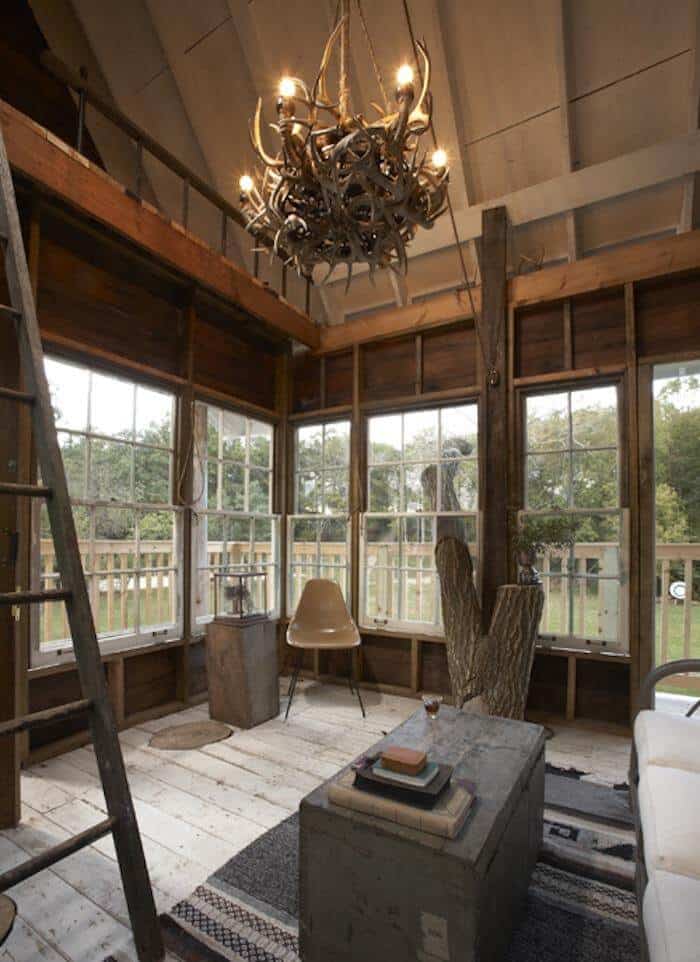
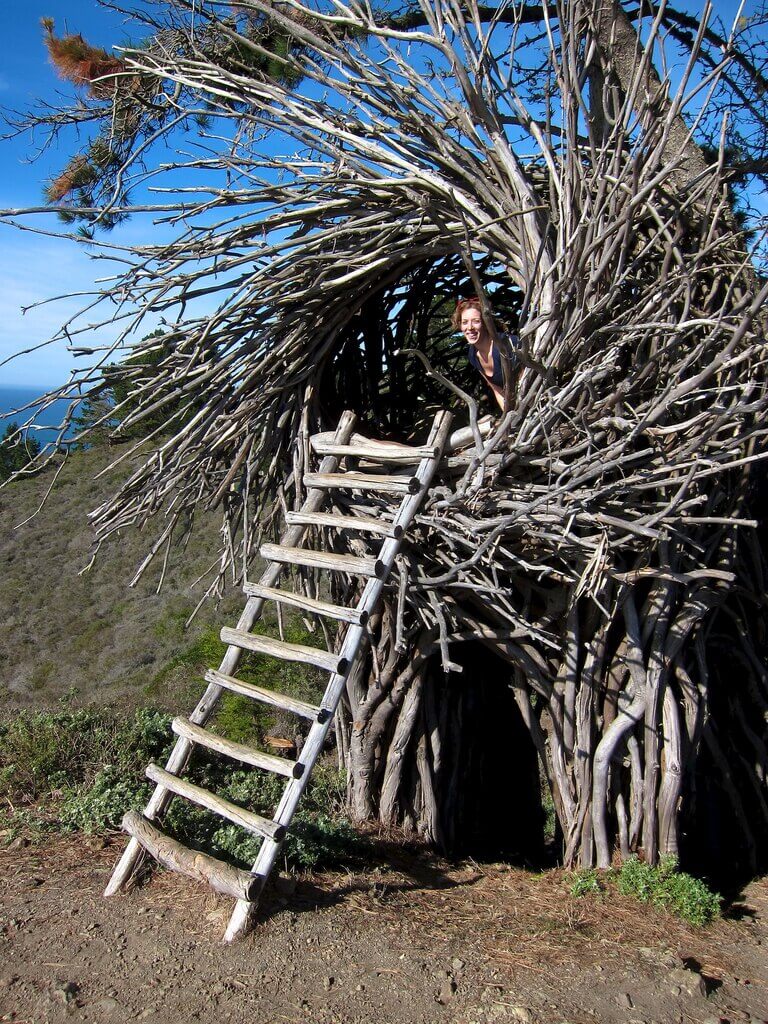
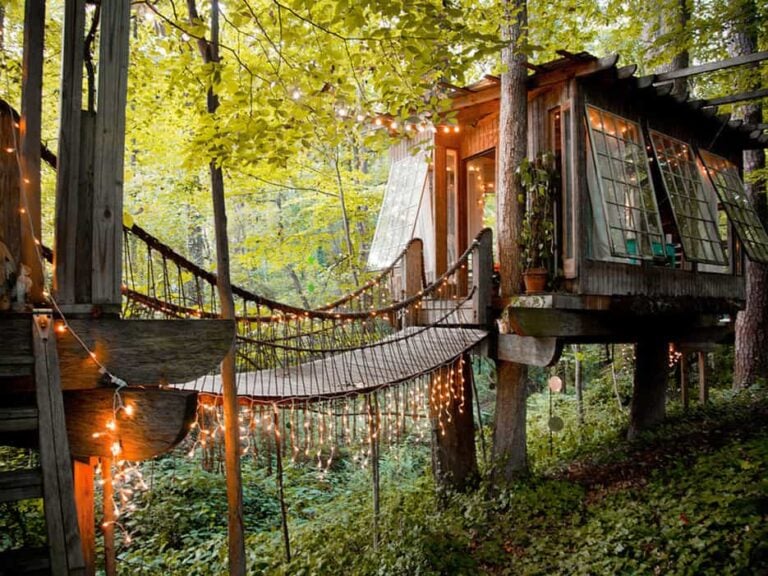
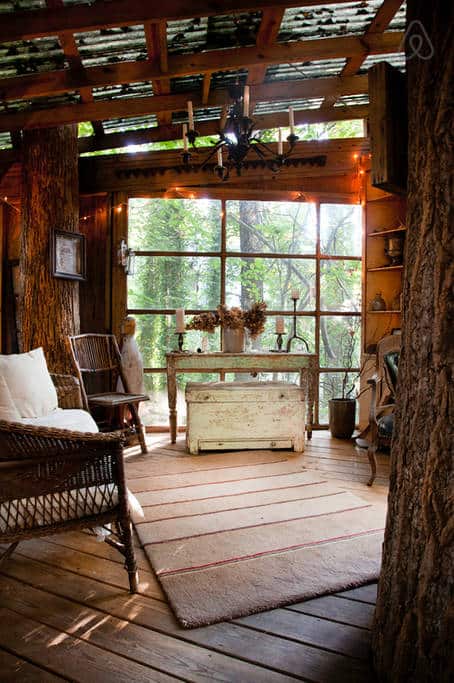
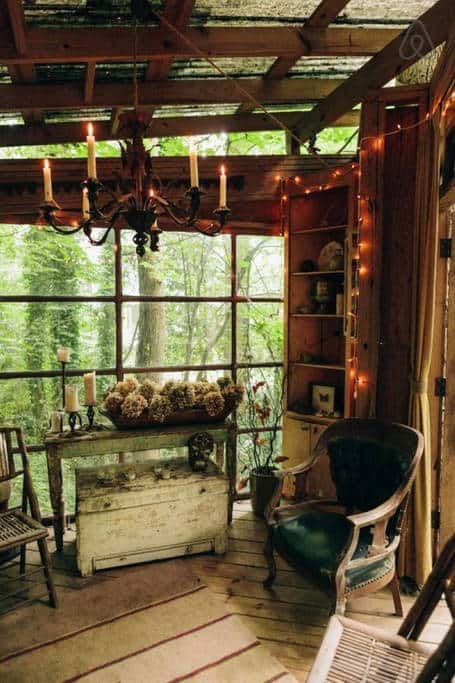
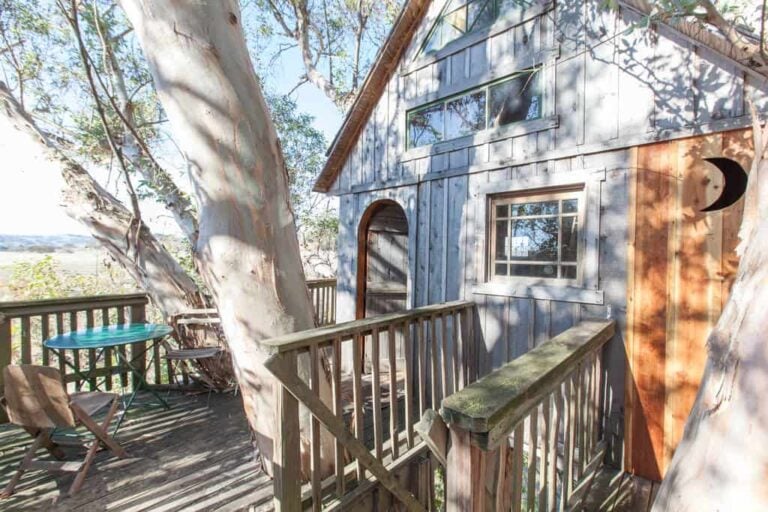
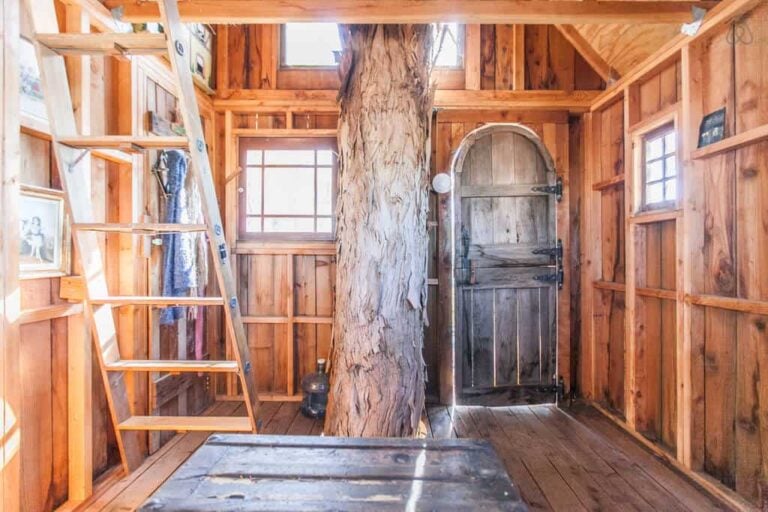
Design varies more than you might expect. Some properties feel hand-hewn and deliberately unpolished, all reclaimed beams and rope bridges that creak just enough to remind you where you are. Others arrive polished and architect-drawn—hidden fasteners, floating staircases, floor-to-ceiling glass that insists you slow down and notice. Many run light on the land: solar panels tucked out of sight, rainwater systems, boardwalks that curve around root systems instead of cutting through them. Inside, the details tend toward warmth—underfloor heating, deep soaking tubs, beds positioned so you wake to treetops instead of walls.
The practical rhythm matters as much as the romance. Pacific Northwest properties shine from late spring through early autumn when the weather holds and trails stay dry. Appalachian treehouses peak hard in October when the foliage turns and again in May when wildflowers carpet the understory. Desert and Southwest options flip the calendar—they're winter refuges when the rest of the country goes cold and grey. Booking windows stretch three to six months out for peak weekends, and nightly rates span a wide corridor depending on region, season and how much architect got involved. Most require navigating stairs or ladders; a few offer ground-level accessibility when that matters.
What makes a US treehouse stay stick isn't always the dramatic sunrise or the hot tub steaming under the stars—it's the small recalibration that happens when your bed sits fifteen feet off the forest floor and the usual noise falls away. You might hike or paddle or taste wine, or you might do nothing but read in a chair that faces a valley you'll remember longer than you expect. Either way, it's the kind of trip that follows you home quietly, like pine sap on your jacket or the memory of waking to leaves instead of ceiling.
Frequently asked questions about United States
What regions of the US have the best treehouse stays?
The Pacific Northwest claims the classic treehouse landscape—Washington rainforest pods wrapped in mist, Oregon eco-builds among Douglas firs, and California redwood decks where sunset glows copper through the trunks. The Appalachians offer something gentler: Blue Ridge properties with morning birdsong and porches that smell of pine. Colorado and the Mountain West trade dense forest for high-desert clarity and star fields so sharp they feel close enough to touch. Smaller surprises include Vermont treehouses next to maple groves, Virginia wine country perches, and Florida coastal mangrove nests where osprey shadows cross the deck.
When is the best time to book a treehouse in the United States?
Pacific Northwest properties shine from late spring through early autumn when weather holds and trails stay dry. Appalachian treehouses peak hard in October during foliage season and again in May when wildflowers appear. Desert and Southwest options flip the calendar—they become winter refuges when the rest of the country goes cold. For peak weekends in any region, plan to book three to six months ahead. Shoulder seasons often mean better availability and the same views with fewer neighbors.
How much does a treehouse stay typically cost in the US?
Nightly rates span roughly $150 to $600 depending on region, season and level of design ambition. Hand-hewn properties with reclaimed beams tend toward the lower end, while architect-designed builds with floor-to-ceiling glass and soaking tubs climb higher. Pacific Northwest and wine country locations often command premium rates during peak months. Mountain West and Appalachian properties can offer better value, especially mid-week or outside foliage season. Most include the kinds of details that make hotel rooms feel flat afterward—underfloor heating, rainfall showers, beds positioned to wake you to treetops.
Are US treehouse hotels actually built in trees or just elevated cabins?
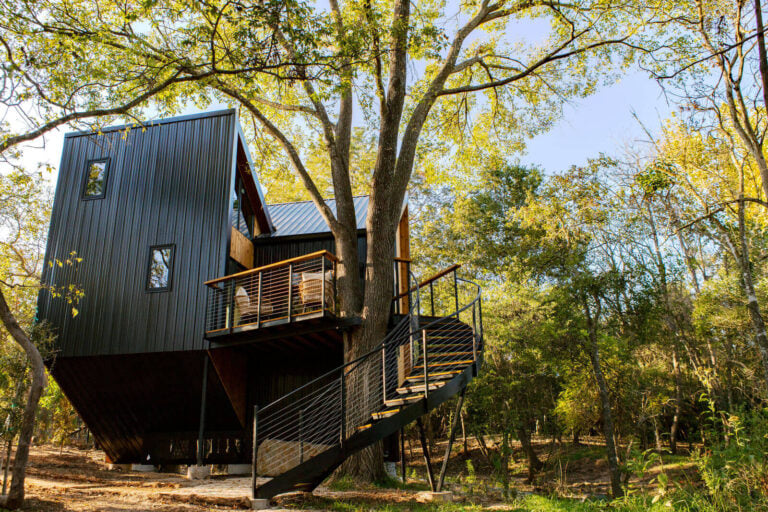
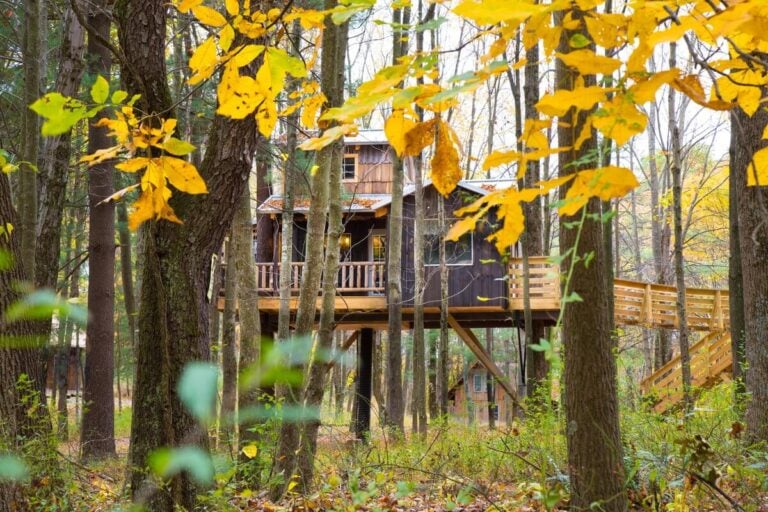
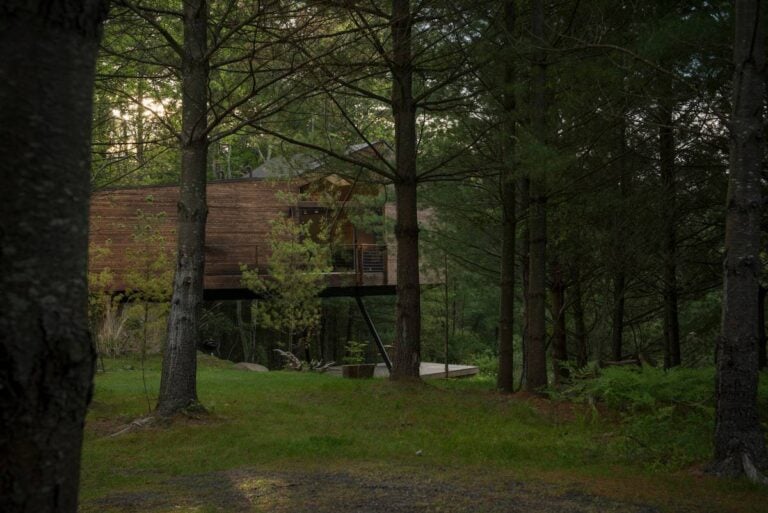
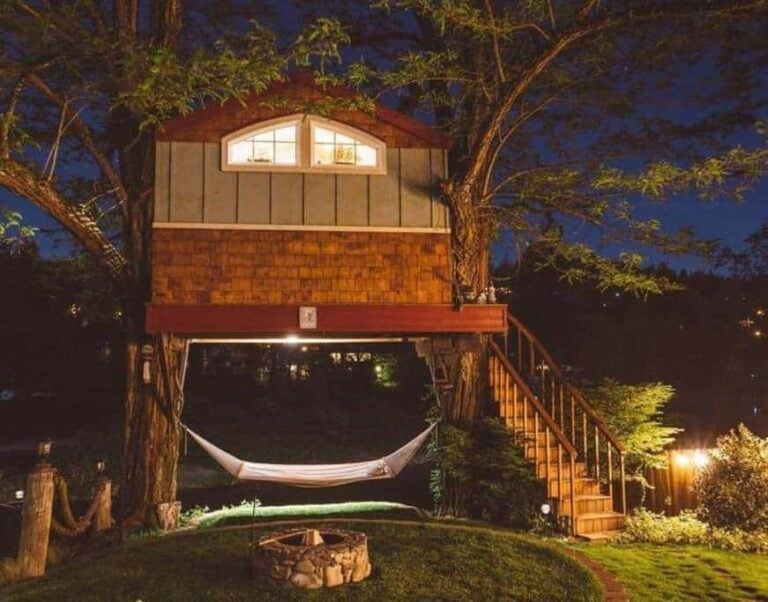
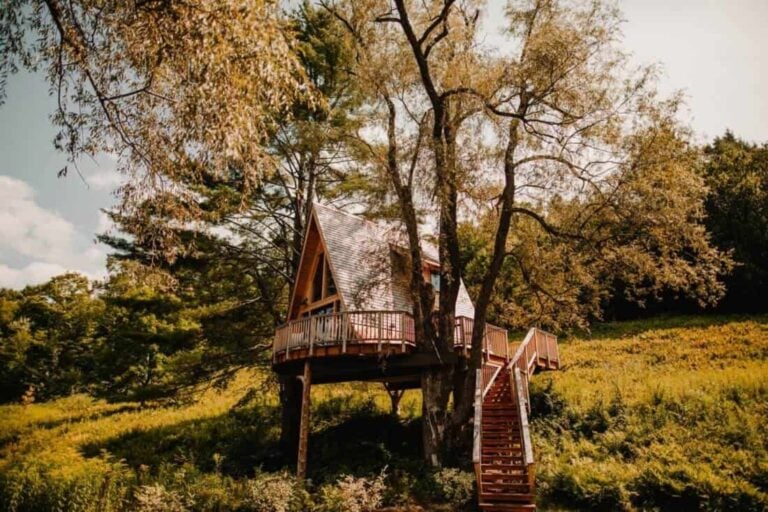
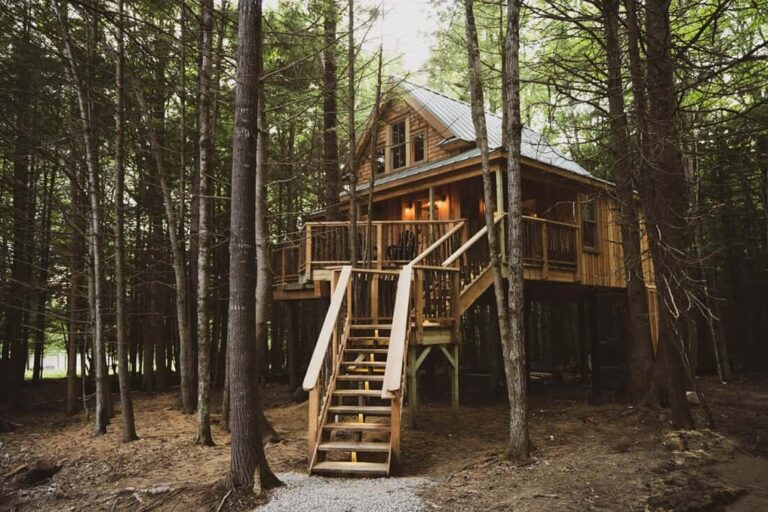
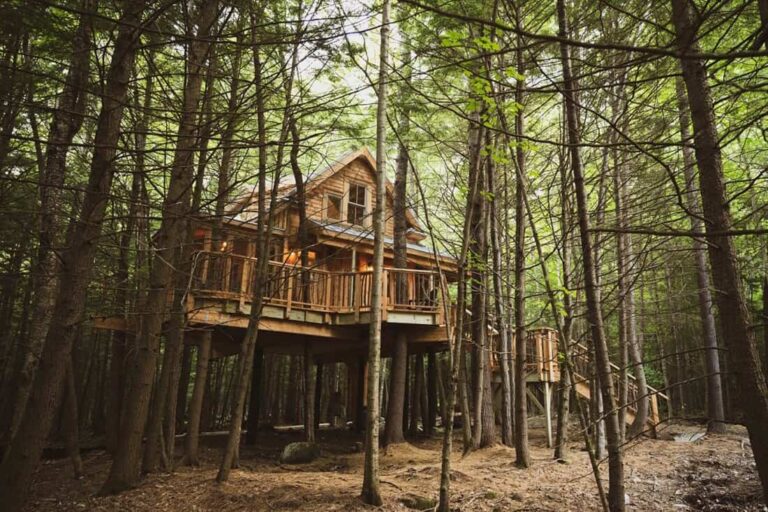
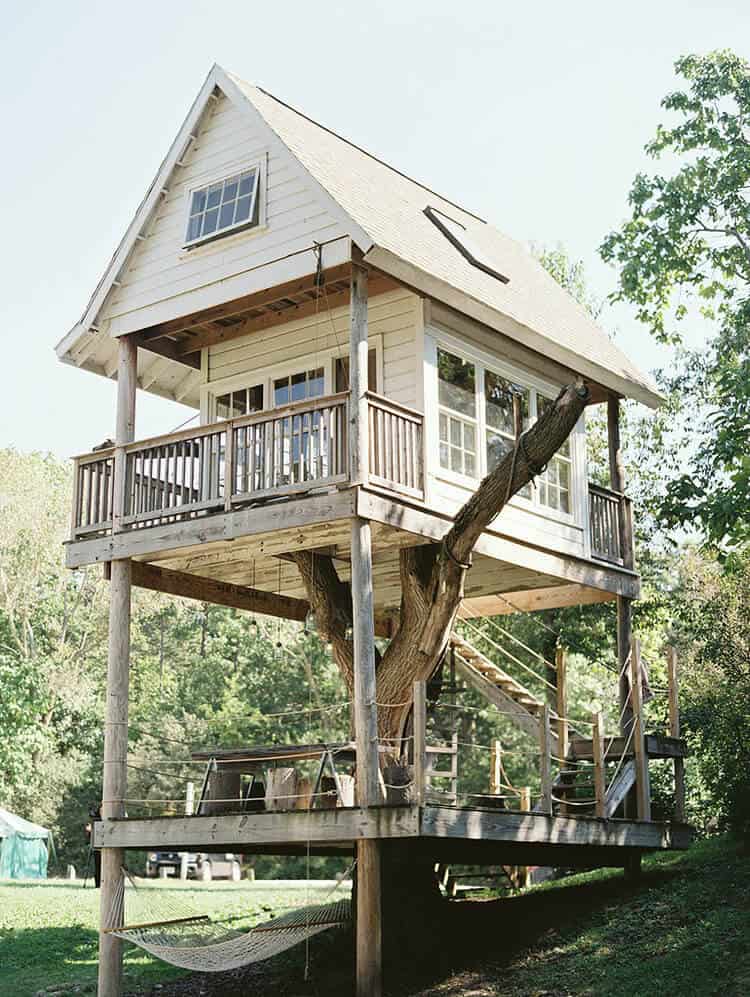
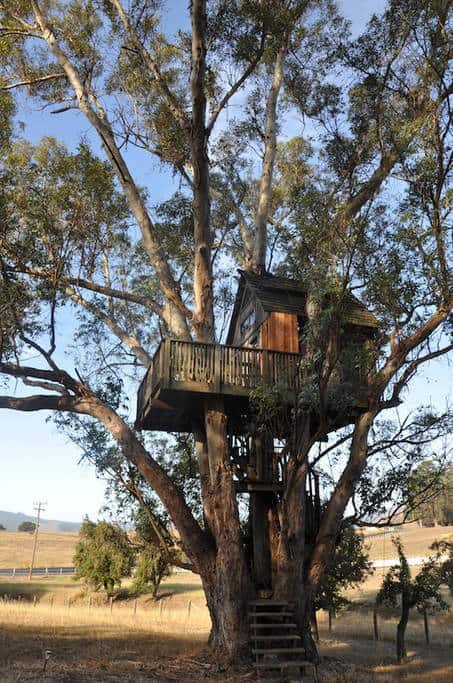
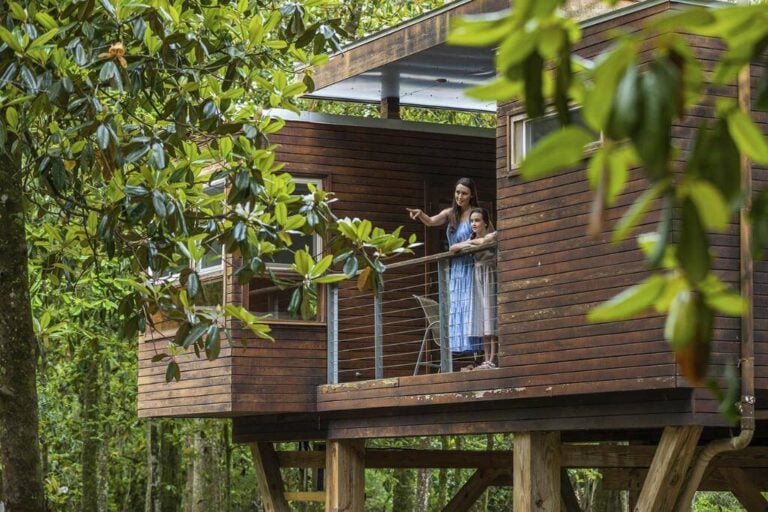
Both exist, and the difference matters if you care about authenticity. Some properties perch directly in living trees—platforms anchored to trunks with specialized hardware, rope bridges that sway slightly, decks that wrap around branches. Others sit on stilts or posts near trees, elevated enough to feel canopy-level but structurally independent. The best examples blend both: primary support from posts to protect tree health, with branches threading through decks or brushing windows. Either way, waking fifteen feet off the forest floor shifts how the day feels, whether the oak is load-bearing or just close enough to touch.
Do I need to be able to climb stairs or ladders to stay in a US treehouse?
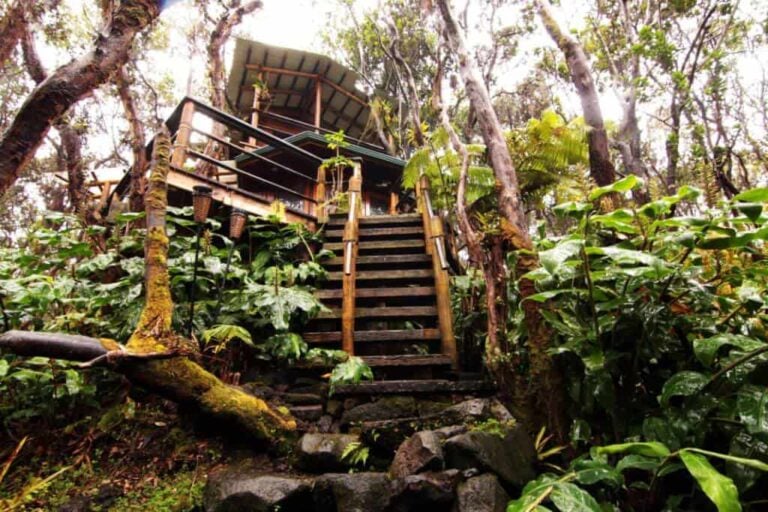
Most require navigating stairs, and some use ladders or rope bridges as part of the arrival experience. If mobility matters, a few properties offer ground-level or single-story accessibility while keeping the treehouse aesthetic—raised just enough for canopy views without the climb. When booking, check the listing details or ask directly about stair count and handrail presence. The dramatic spiral staircases and swaying bridges make for memorable photos, but they also mean these stays work better for travelers comfortable with a bit of vertical effort.