
France
France offers treehouses that reshape how you see the country—elevated stays scattered from Provence lavender fields to Brittany mist, Dordogne valleys to Alpine forests, each reflecting what grows locally and how the weather moves. These aren't novelty perches but thoughtfully built retreats with natural materials, quiet luxury and enough regional character that a night among Corsican maquis feels nothing like waking in a Loire Valley oak, turning accommodation itself into a way of noticing France from a different height.
{{locationDetails}}
Browse sub-categories




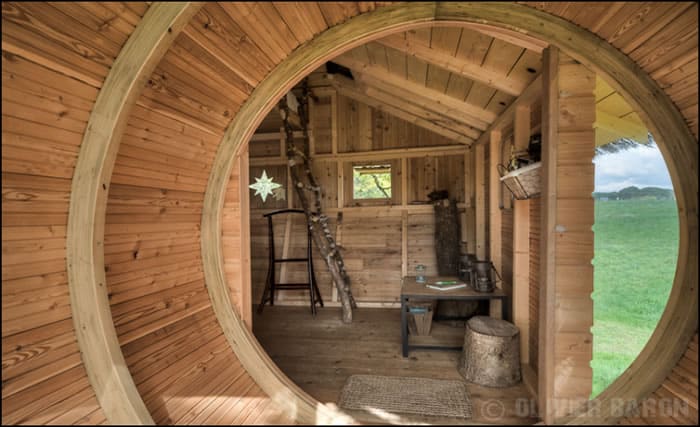
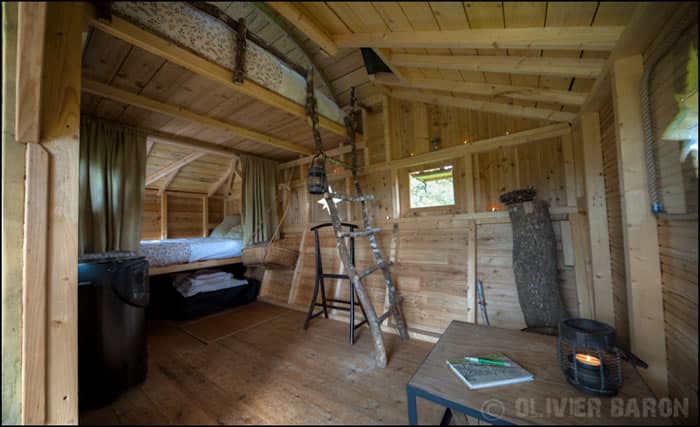
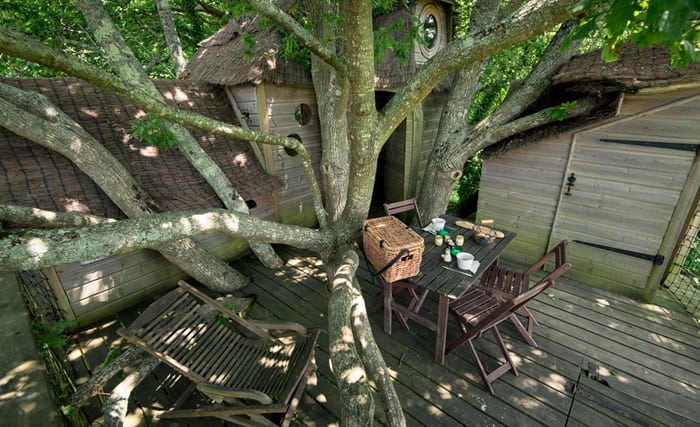

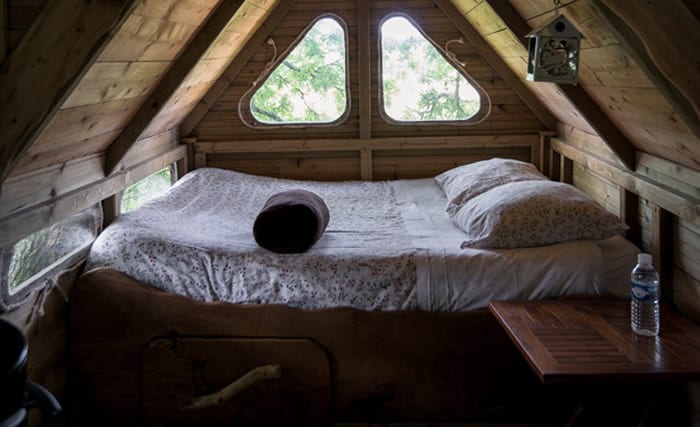
About France
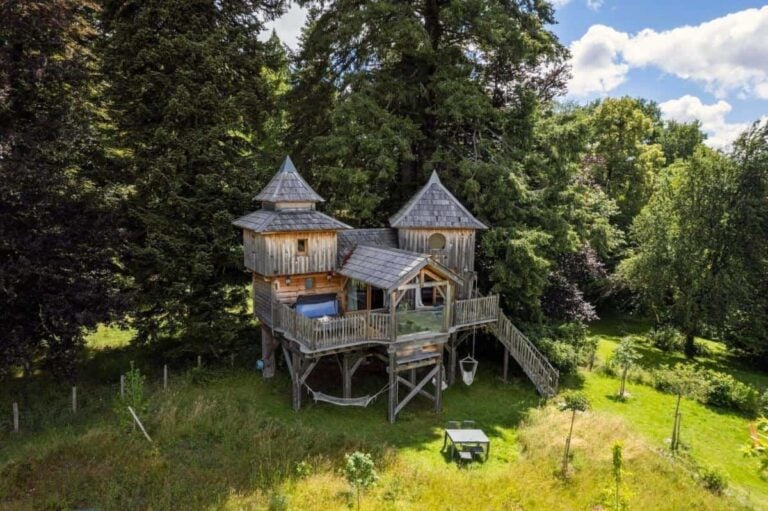
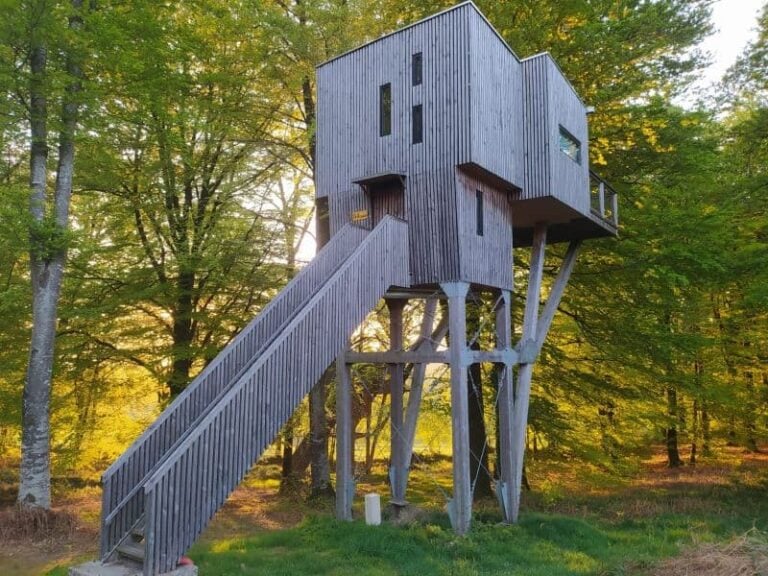
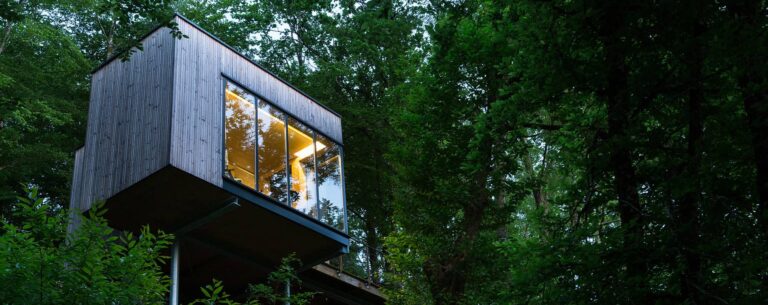
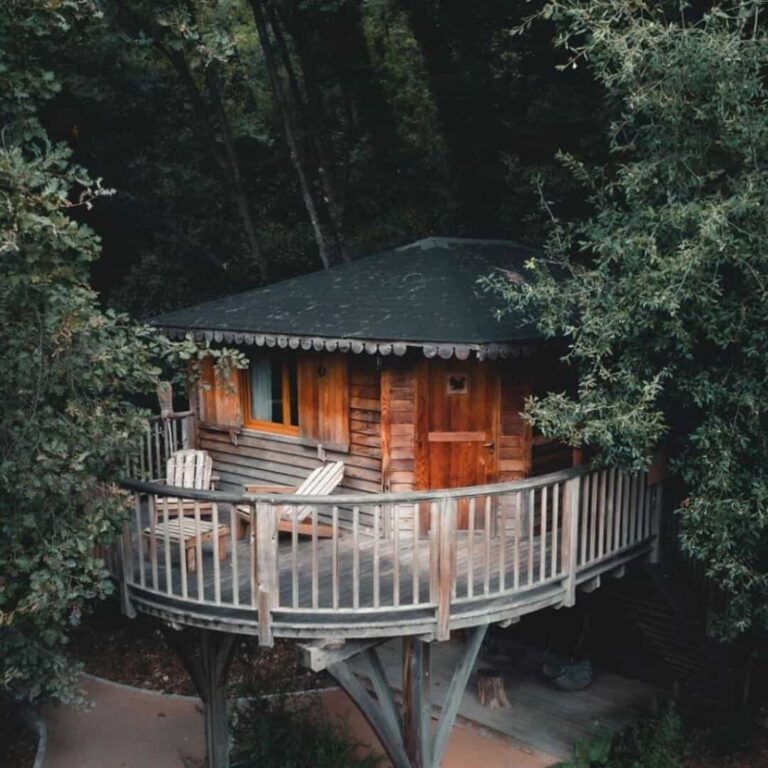
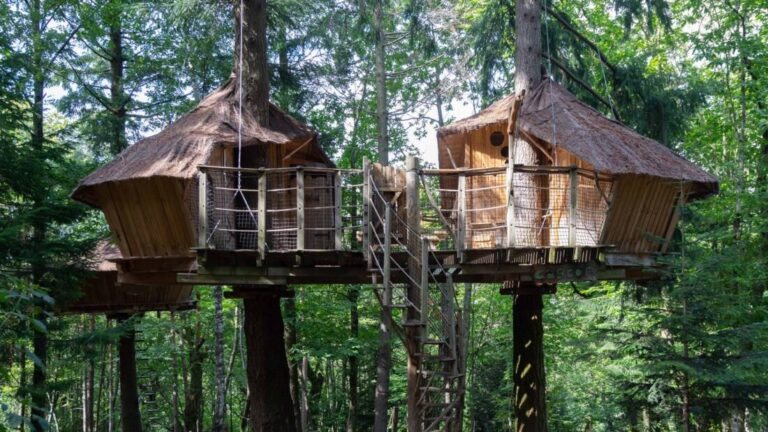
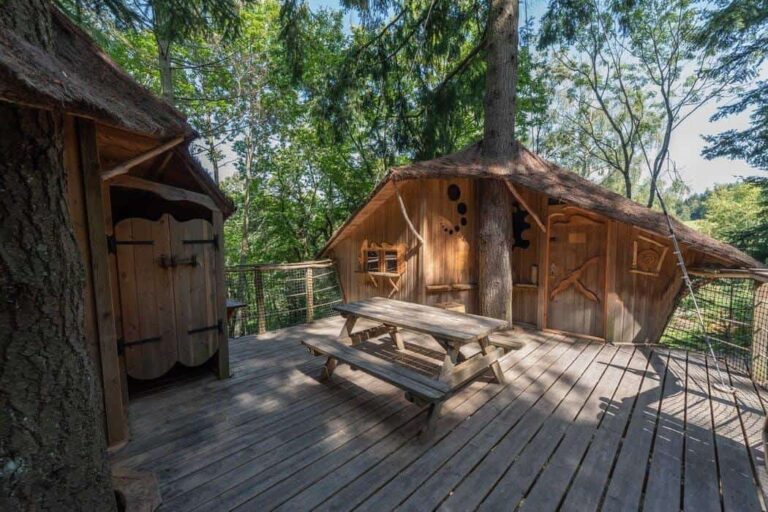
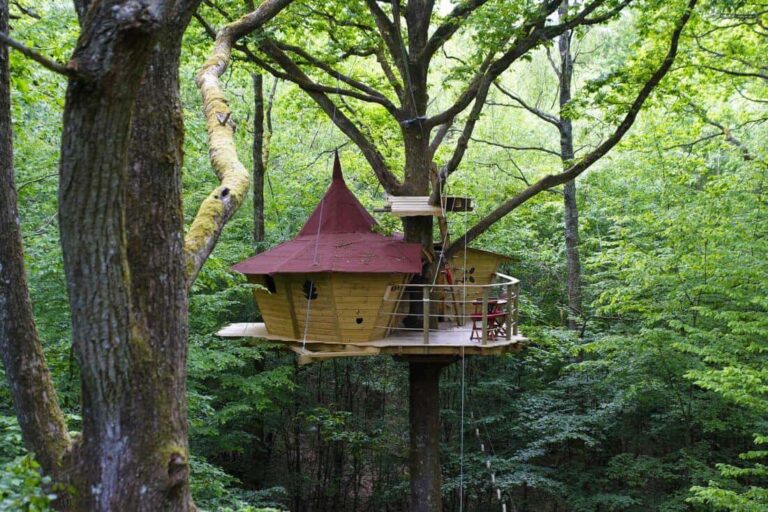
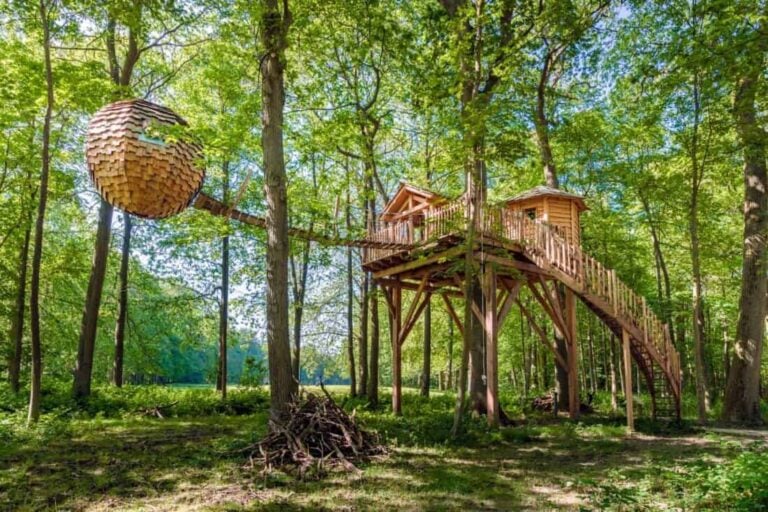
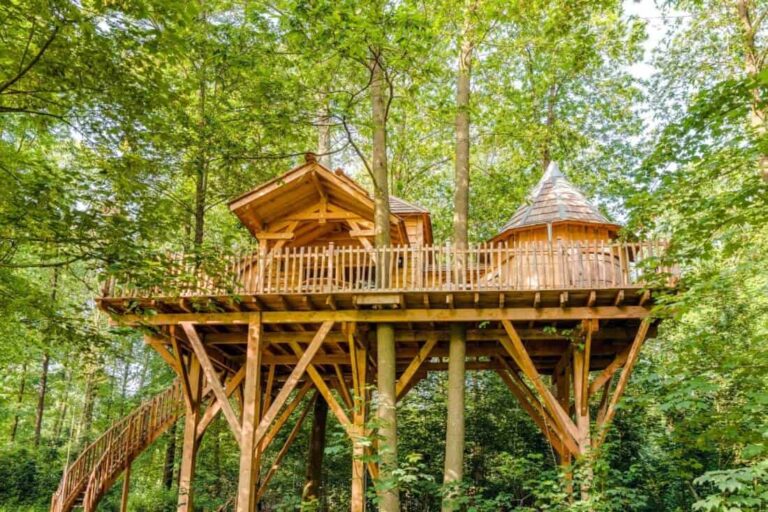
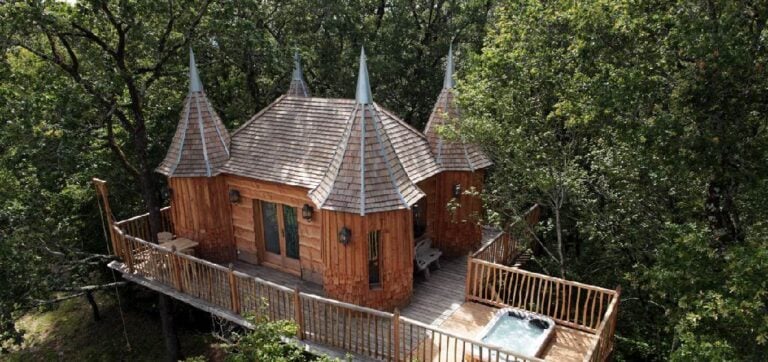
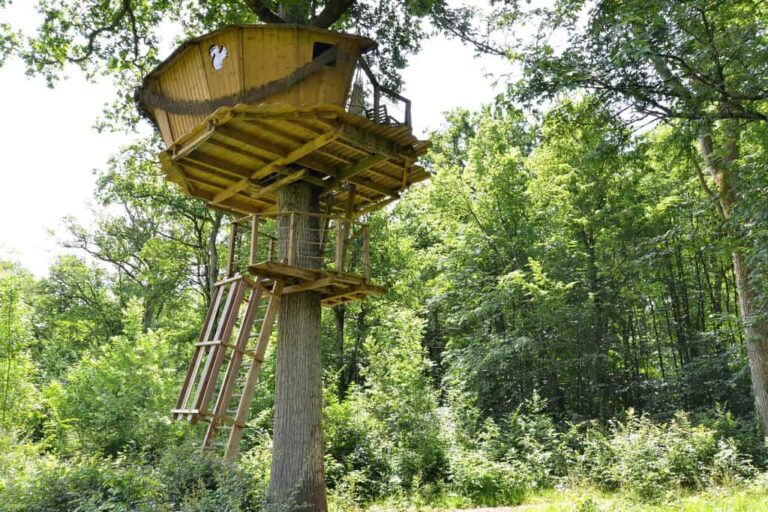
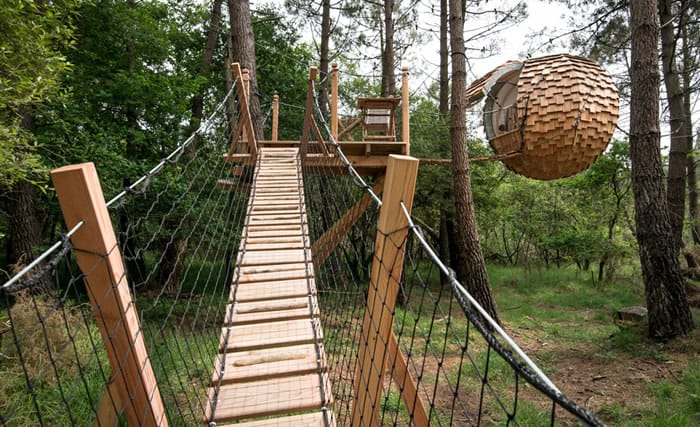
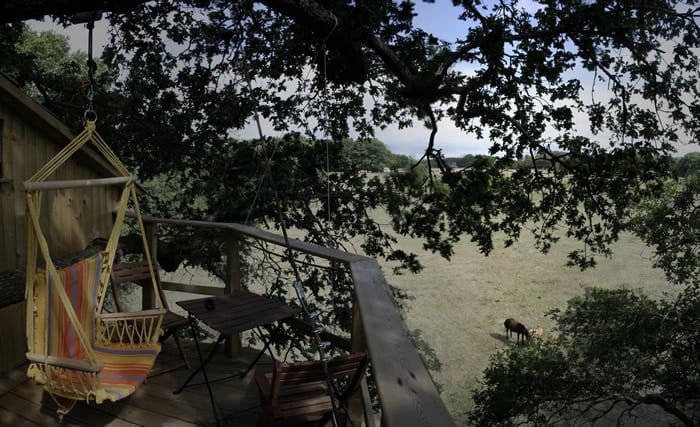
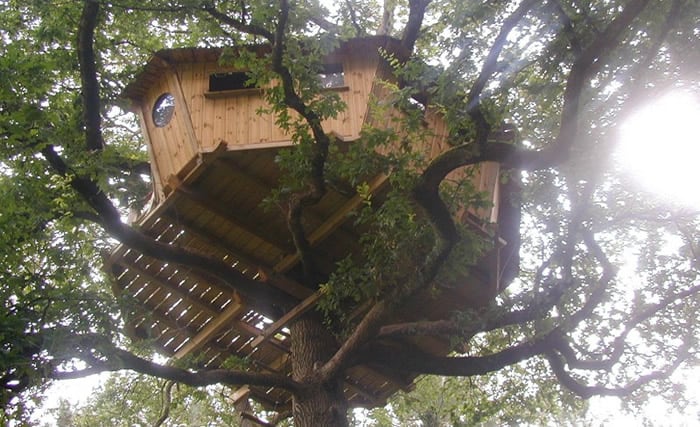
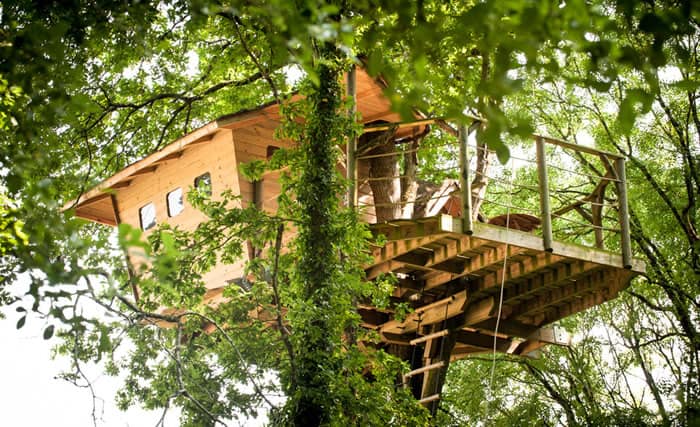
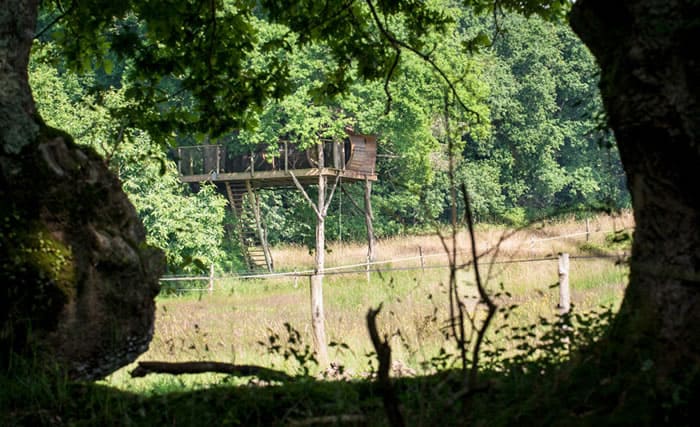
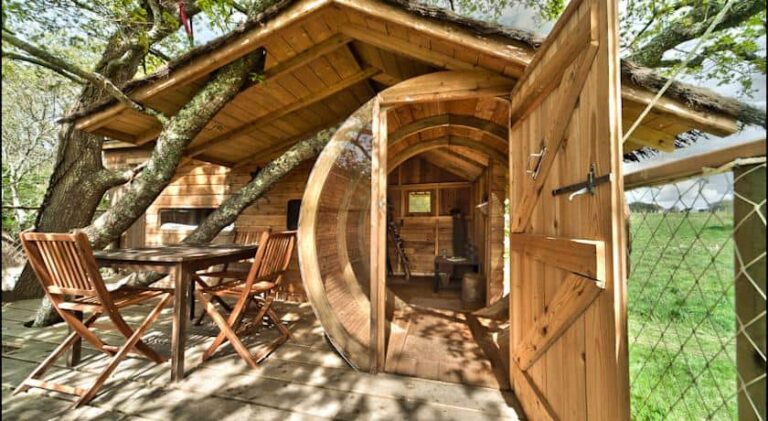
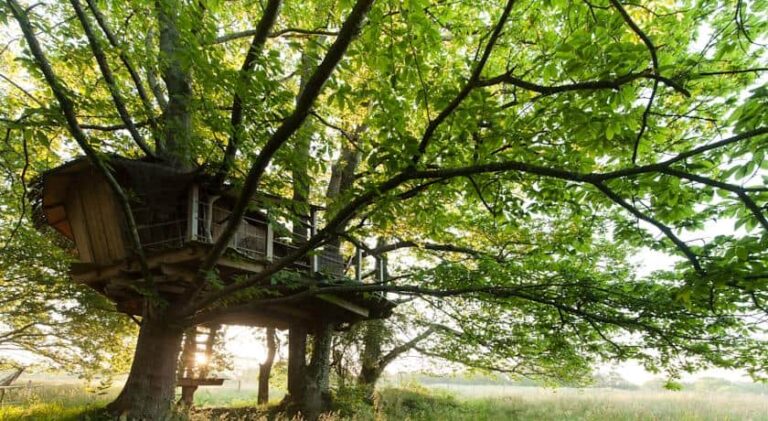
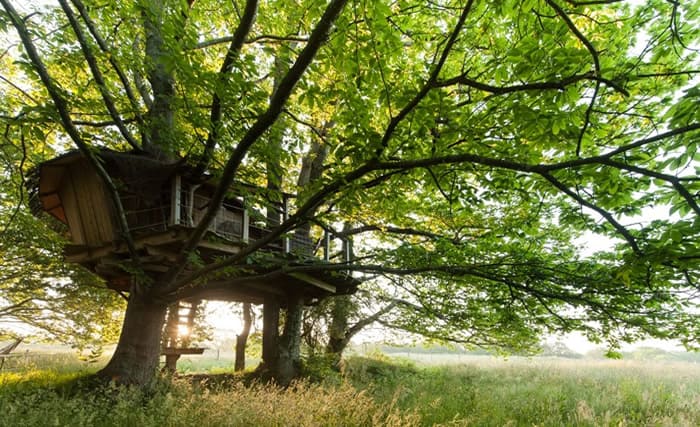
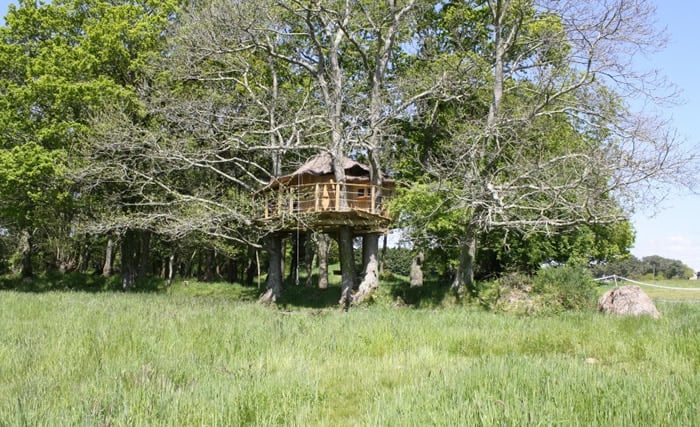
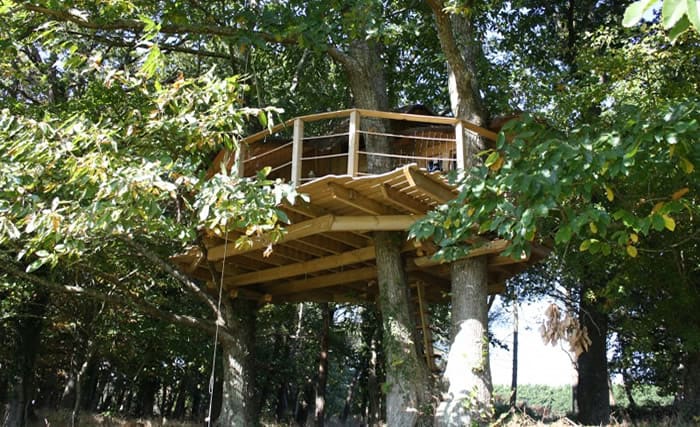
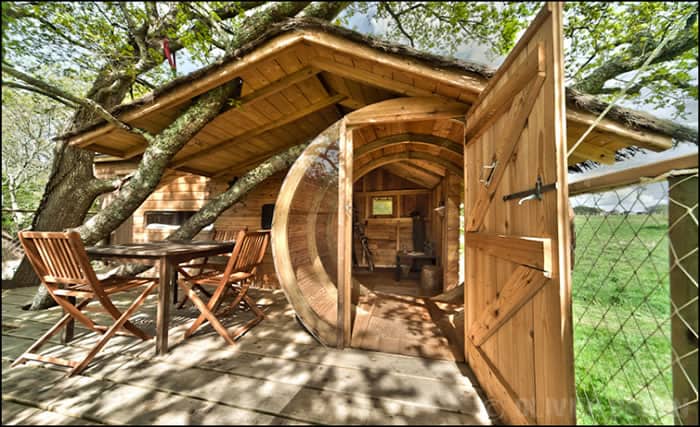
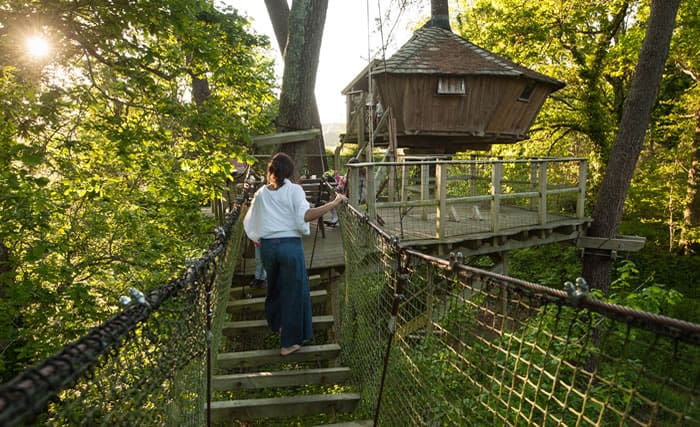
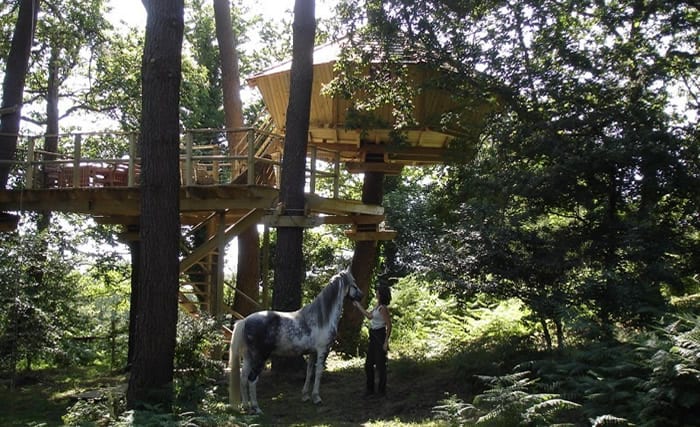
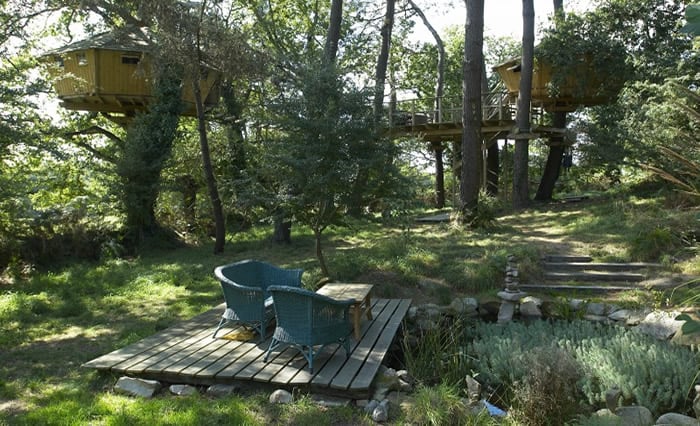
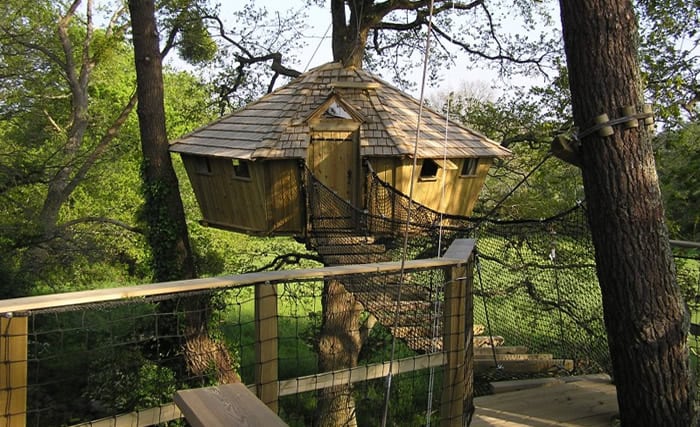
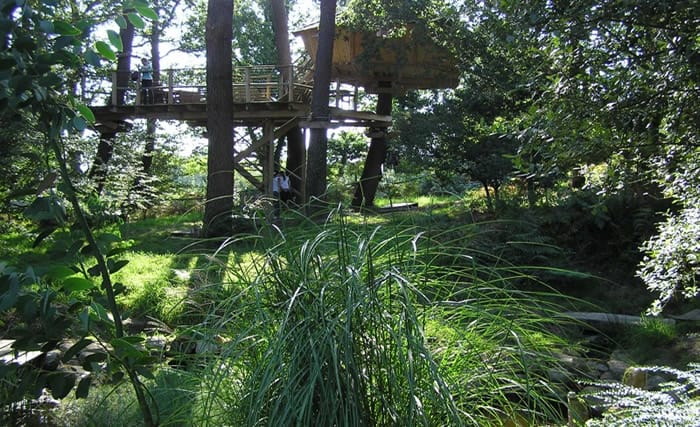
France stakes out territory where treehouses feel less like novelty and more like a natural way to see the country—elevated enough to watch the light shift through the canopy, rooted enough to smell whatever's blooming below. These aren't childhood platforms or survivalist camps. They're thoughtfully built places to sleep, sometimes luxuriously so, scattered across regions that each write their own version of what it means to live among the branches for a few nights.
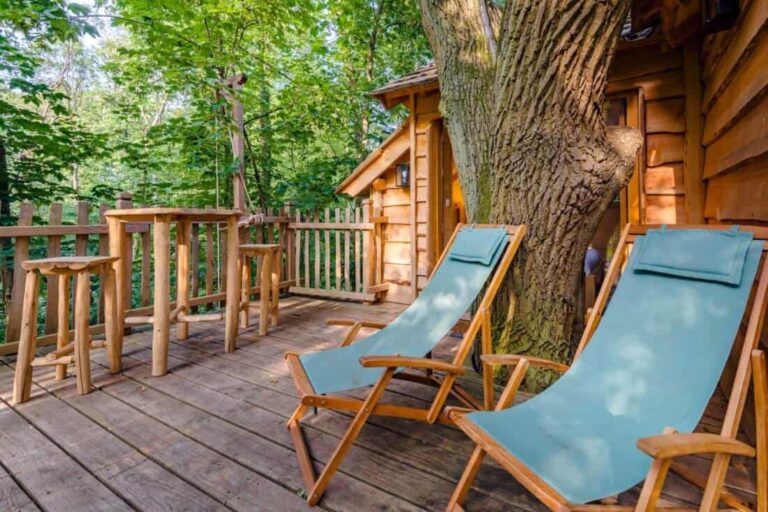
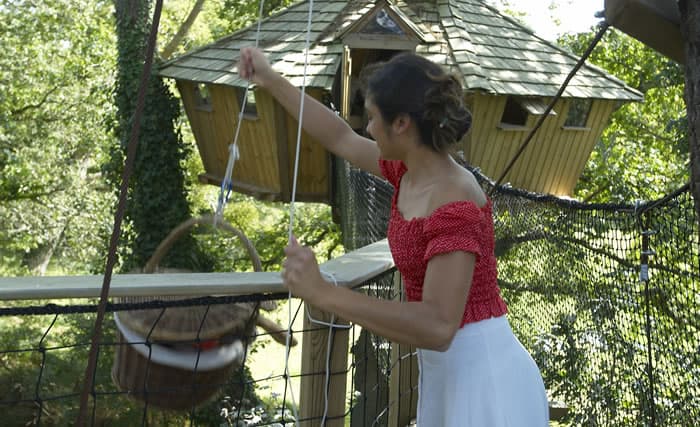
The south delivers warmth and a slower clock. Provence treehouses sit near lavender fields and hilltop villages, the air thick with herbs and that particular Mediterranean hum. Dordogne and Occitanie lean into long summer evenings, where hot tubs and wide decks make the most of star-filled skies and stone-quiet valleys. Corsica brings maquis scrub and sea light filtering through the leaves, a wilder Mediterranean edge where the forest smells like wild honey and salt. Farther west, Brittany answers in mist and coastal wind, with rope-hauled breakfast baskets and the occasional gull cutting through morning silence. The Loire Valley layers in river views and château silhouettes, the kind of backdrop that makes a novel easier to finish when the only interruption is a woodpecker working nearby.
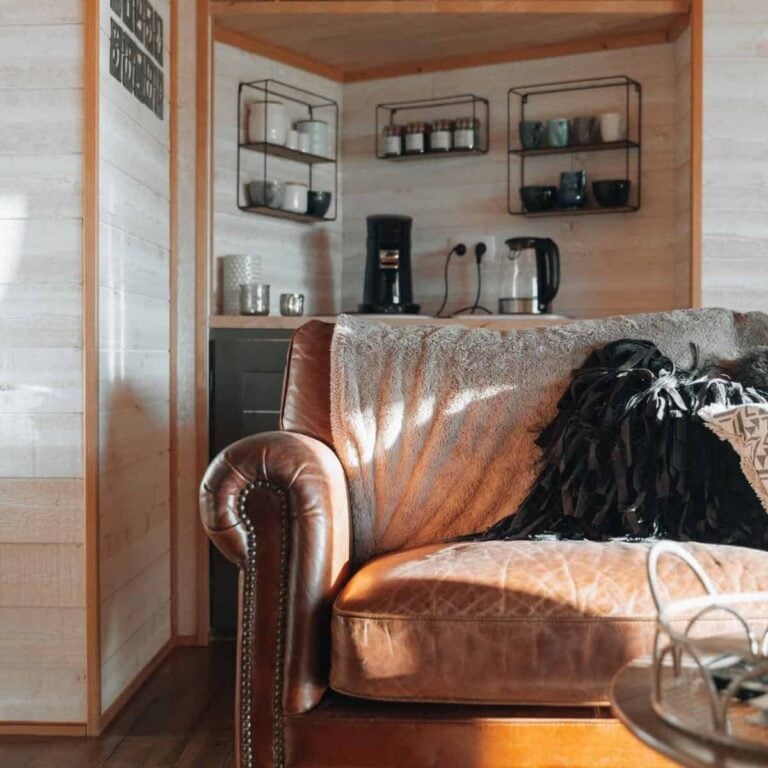
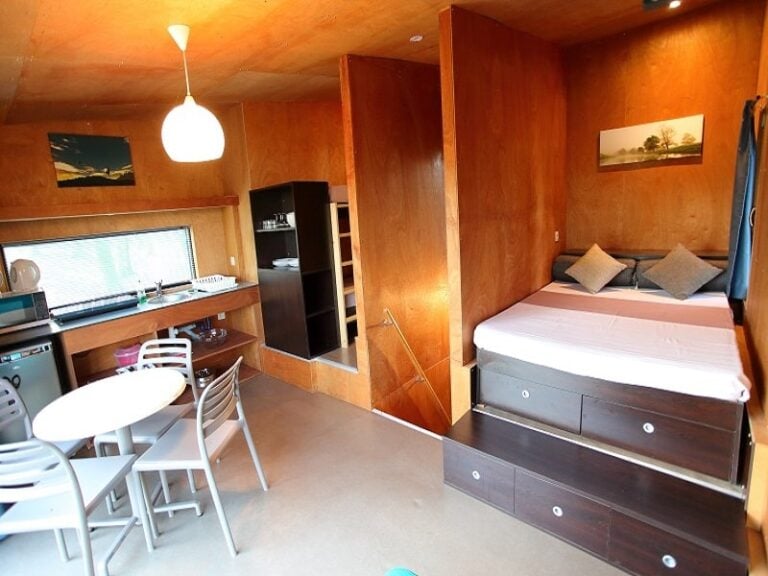
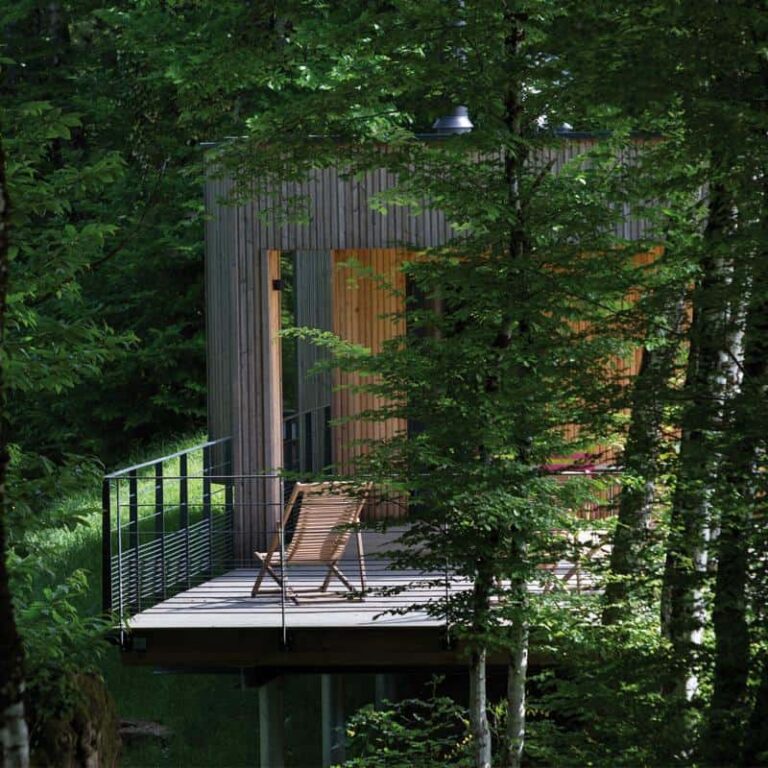
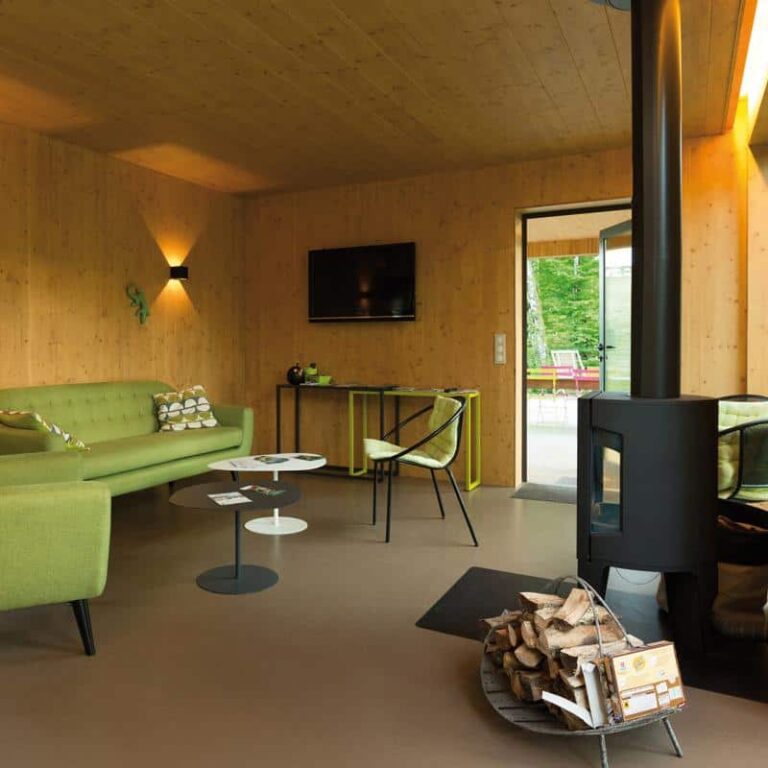
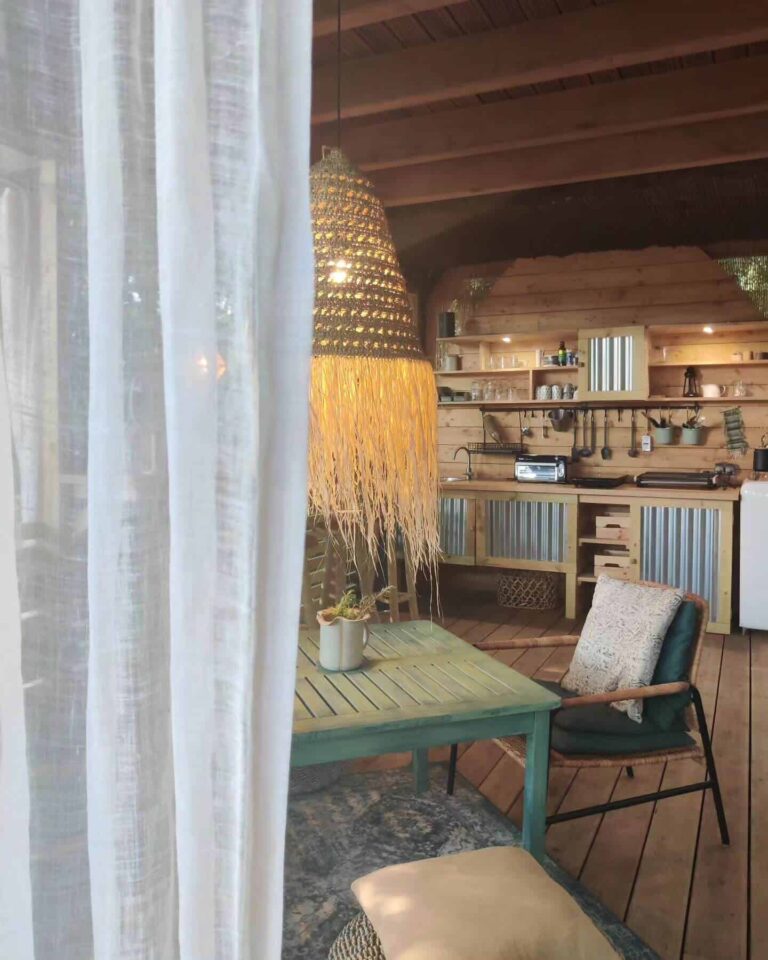
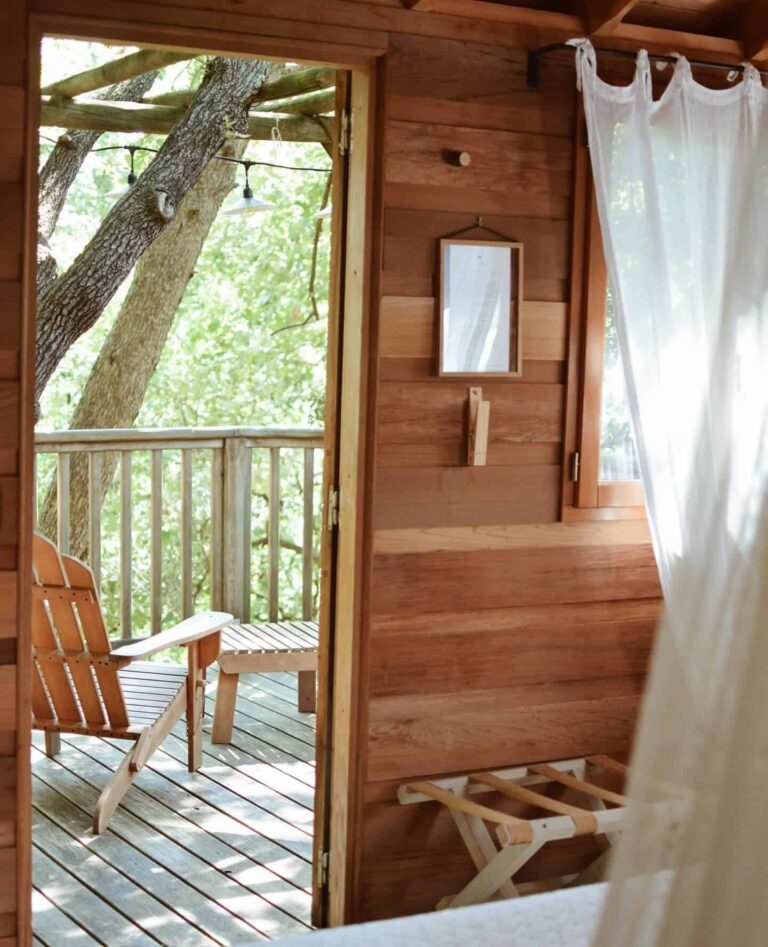
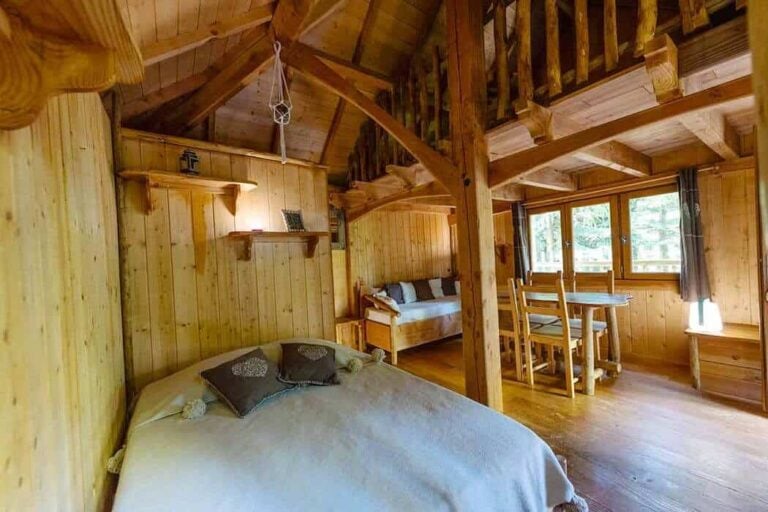
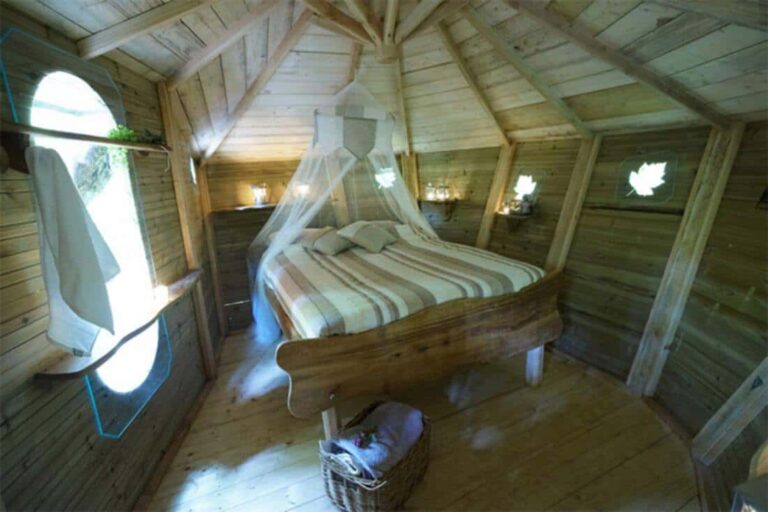
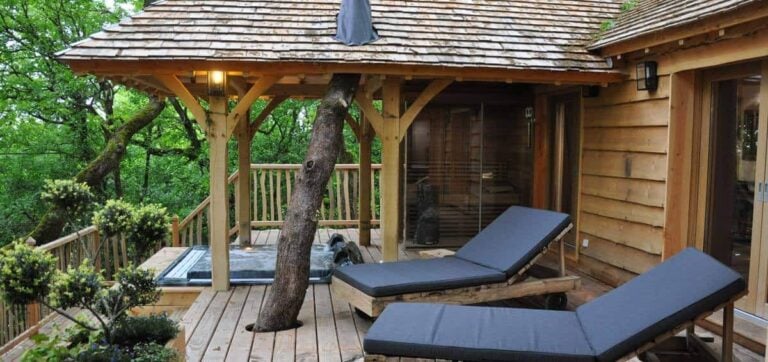
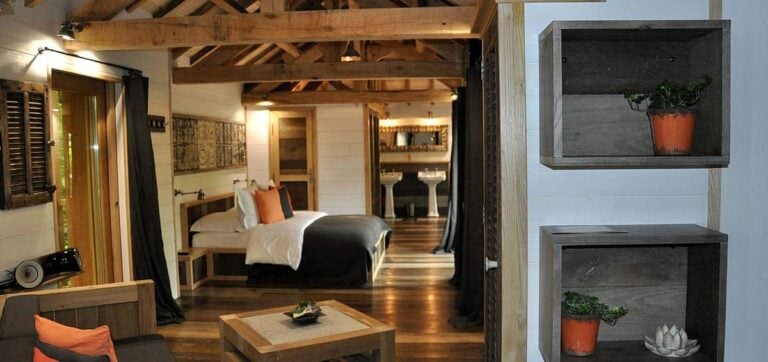
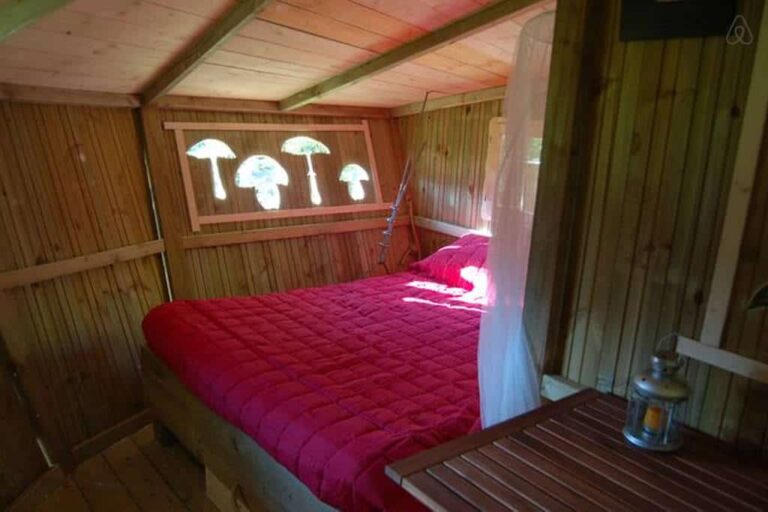
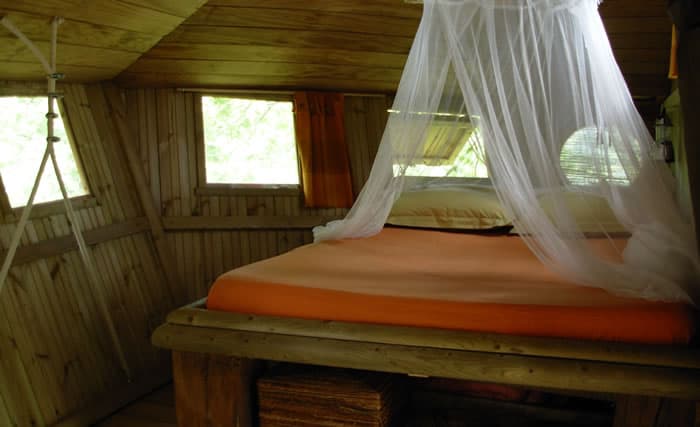
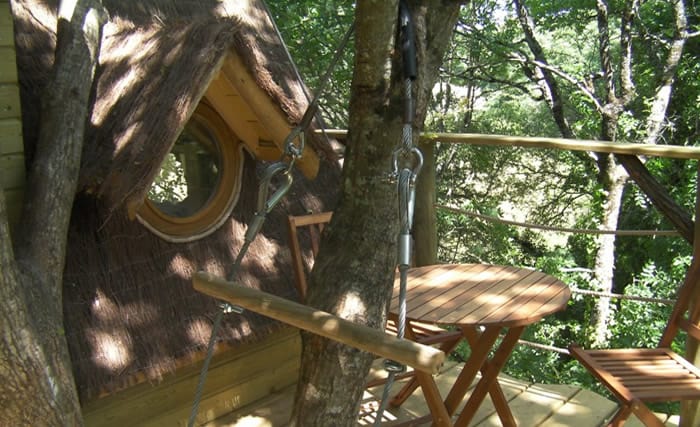
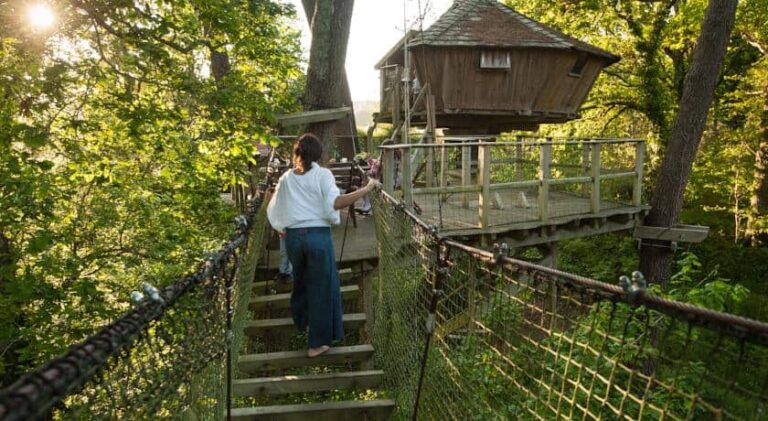
Head east and the landscape shifts to deeper greens and cooler air. Alsace favors half-timbered precision, while the Jura and Vosges run to spruce and beech, the scent closer to cold stone after rain than sunbaked thyme. These aren't interchangeable backdrops—each region's treehouses reflect what grows there, what the weather does, and how the local rhythm runs. Inside, the formula tends toward natural materials and quiet luxury: linen, wool throws, small saunas, rain showers that feel generous on a gray afternoon. Reclaimed timber where it makes sense, solar panels tucked out of sight, boardwalks that curve around old roots rather than forcing a straight line.
Days shape themselves around proximity. Markets in Normandy, vineyard trails in Burgundy, a Pyrenees hike that climbs until the air thins and the view sprawls. Some travelers cycle to the nearest bakery, others treat stillness as the entire plan. The treehouses themselves range from compact canopy perches to multi-room retreats, some welcoming families with older children, others pitched firmly at couples seeking quiet. Booking windows tighten in summer, especially July and August, when advance planning becomes less optional.
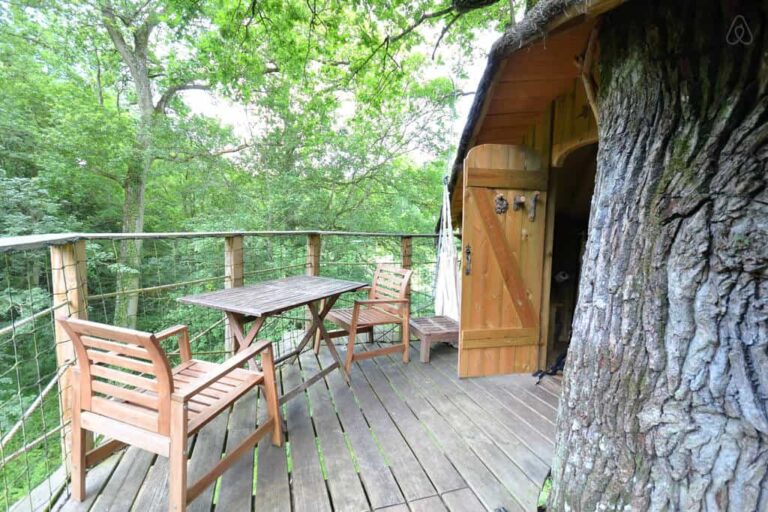
What holds across regions is the way these places reframe a French trip—not as a series of monuments or meals, but as a chance to notice what changes when you're sleeping ten meters off the ground. Pine needles on your jacket, morning light through oak leaves, the particular stillness that comes when the forest decides you're not a threat. You leave with a sense of having seen the country from a different height, and that shift in perspective tends to linger longer than the usual postcard view.
Frequently asked questions about France
Which region of France is best for a treehouse stay?
It depends on what kind of trip you're after. Provence suits sun-seekers and lavender lovers, with warm evenings and hilltop villages nearby. Brittany offers coastal atmosphere—mist, dramatic walks, and a wilder Atlantic edge. The Loire Valley works well if you want château proximity and river scenery, while Dordogne and Occitanie deliver quiet, star-filled nights and slower rhythms. For mountain air and deeper forests, look to the Jura, Vosges, or Pyrenees. Corsica brings Mediterranean scrub and sea light if you want island character. Each region writes its own version of the treehouse experience, so choose the landscape that pulls you hardest.
When is the best time to book a treehouse in France?
April through October is the main season, when weather cooperates and most properties stay open. July and August are the busiest months—expect tighter availability and the need to book two to three months ahead, especially for weekends. Spring and early autumn offer better availability, milder temperatures, and quieter surroundings, though some mountain properties may close by late October. A handful of insulated treehouses stay open year-round, but confirm directly if you're planning a winter stay.
Are French treehouses suitable for children?
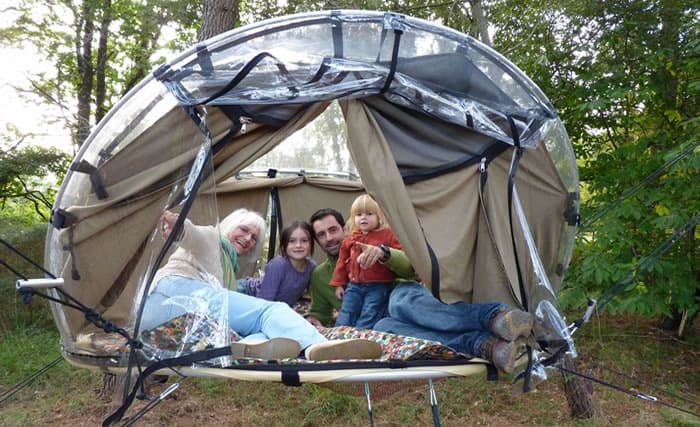
Many welcome children, but age minimums vary. Some properties set the bar at six or eight years old due to elevated walkways and open platforms. Others are built for families, with safer railings, larger spaces, and ground-level access. A few treehouses market themselves as adults-only retreats, especially the luxury-focused ones with hot tubs and romantic design. Always check the individual property's policy before booking if you're traveling with younger children.
What should I expect to pay per night for a treehouse in France?
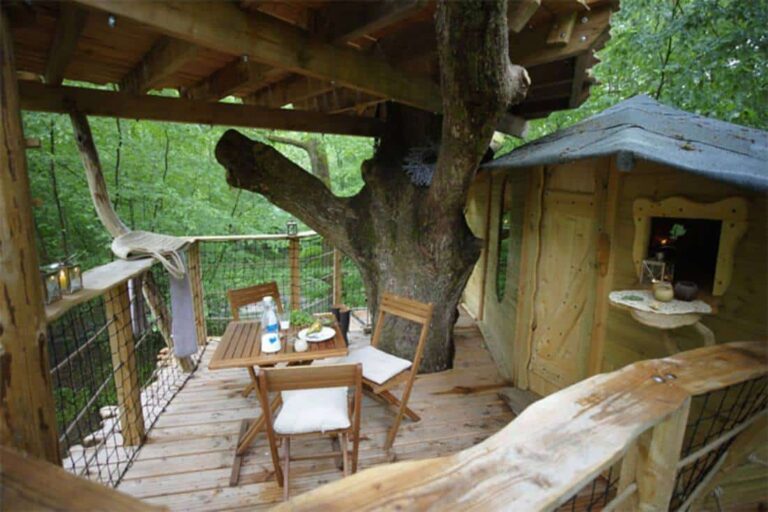
Prices generally range from around €150 to €500 per night, depending on the region, size, and amenities. Basic but well-designed treehouses with simple comfort sit at the lower end. Add a private hot tub, sauna, or a particularly scenic location—Provence, Loire châteaux views, Corsican coast—and prices climb. Weekends and high summer command premiums. Most properties include breakfast or provide a basket you haul up by pulley, which feels like part of the experience rather than an inconvenience.
Do I need a car to reach treehouse accommodations in France?
In most cases, yes. French treehouses tend to sit in rural or forested areas that public transport doesn't serve well. A car gives you freedom to explore local markets, trails, and villages at your own pace. If you're flying in, the nearest major airports are usually Paris Charles de Gaulle, Lyon, Marseille, Bordeaux, or Toulouse, depending on which region you're targeting. Some properties offer pickup services or detailed directions for navigating narrow forest roads, but plan on driving for both access and flexibility during your stay.