
Canada
Canada's treehouse stays stretch from British Columbia's rainforests to Ontario's shield lakes and Quebec's maple hills, built for travellers who want wilderness immersion without giving up comfort. Most blend floor-to-ceiling windows with wood stoves and king beds, designed to let the forest in while keeping weather out. Seasonal access varies—some properties close when snow makes roads impassable—but year-round options deliver northern lights in winter and trail access in summer, with prices typically between two hundred and five hundred dollars a night.
{{locationDetails}}
Browse sub-categories

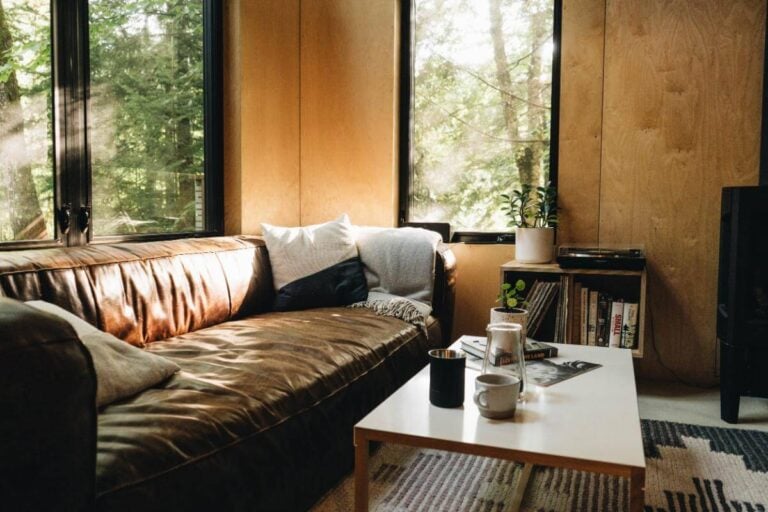
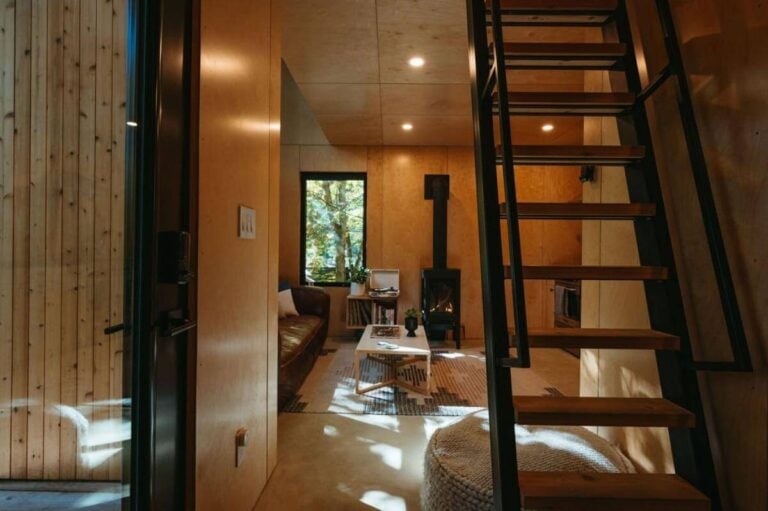

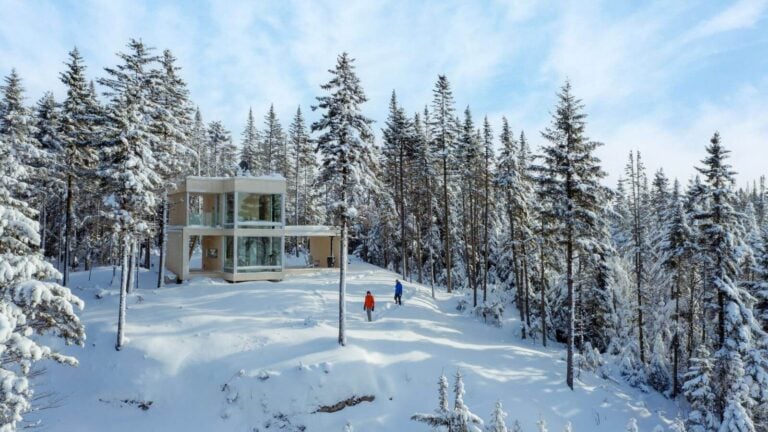


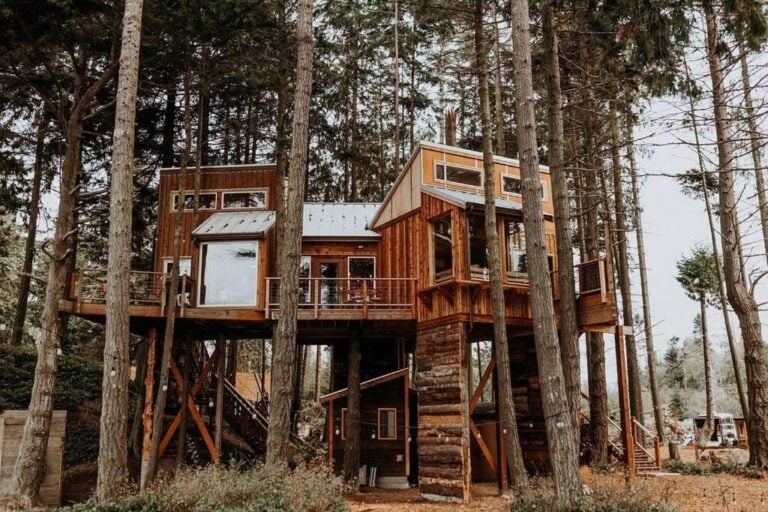






About Canada
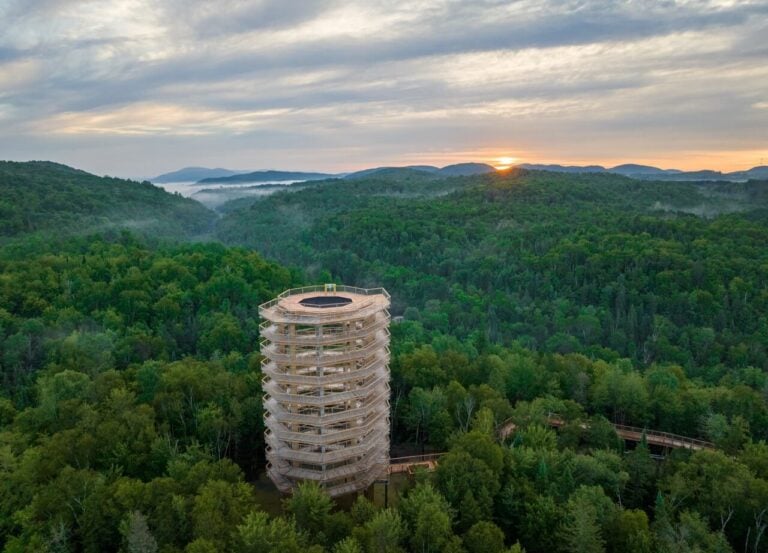
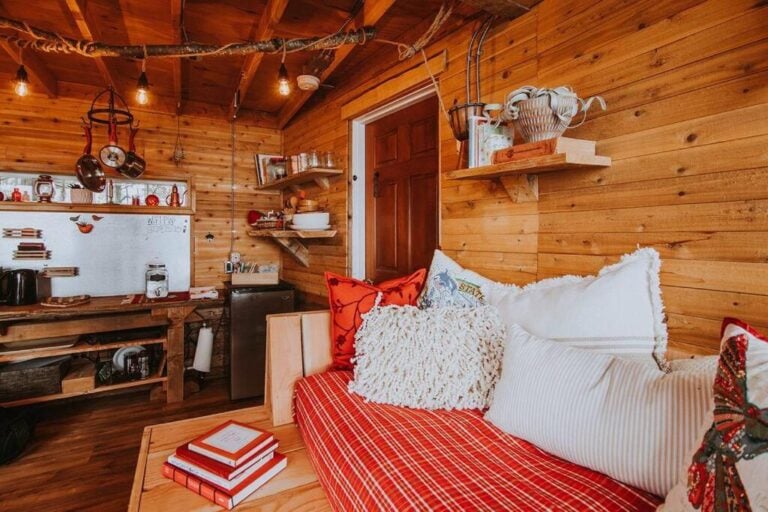
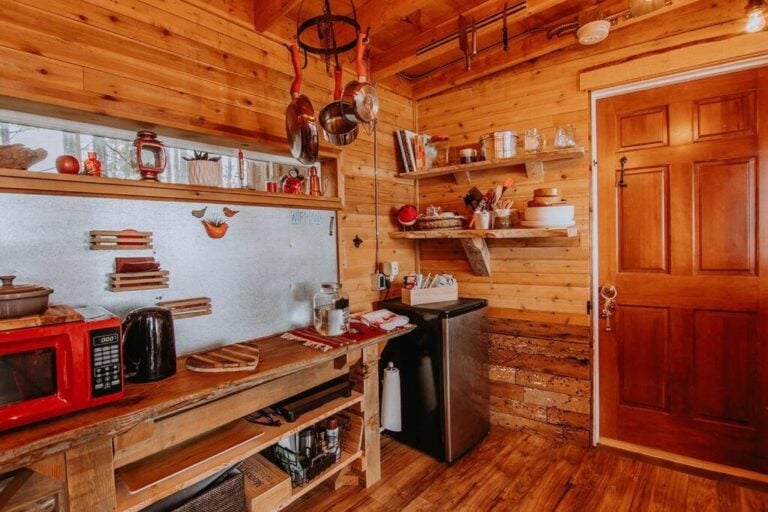
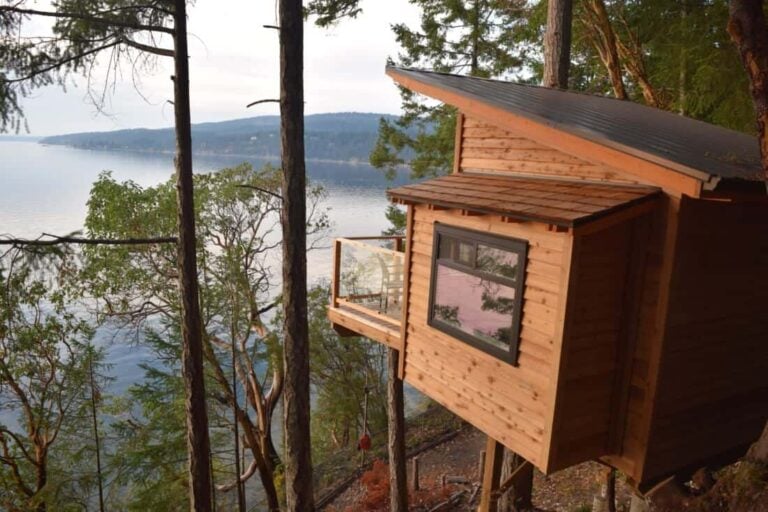
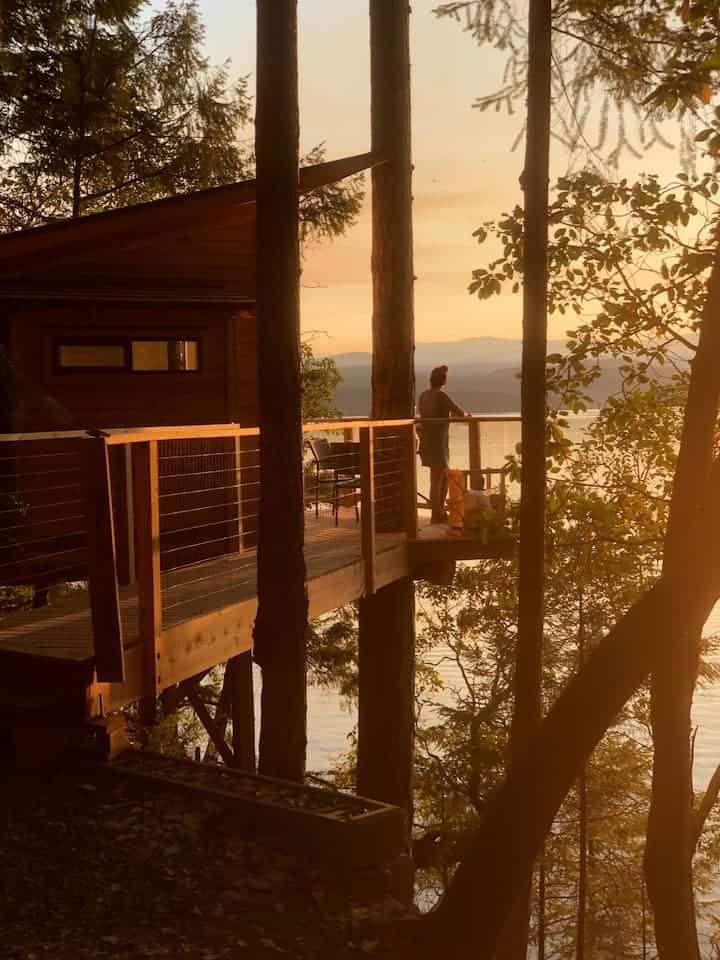
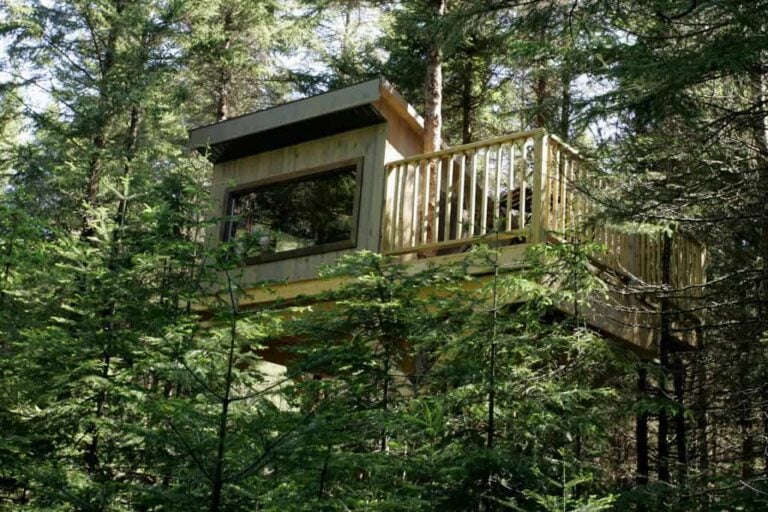
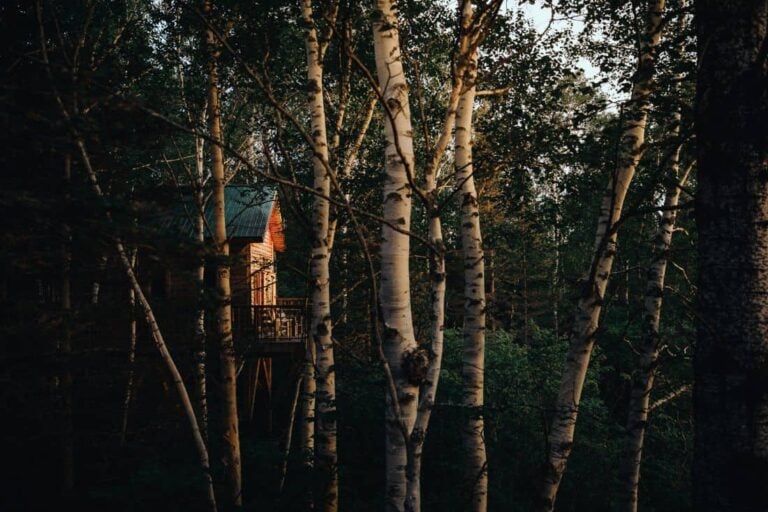
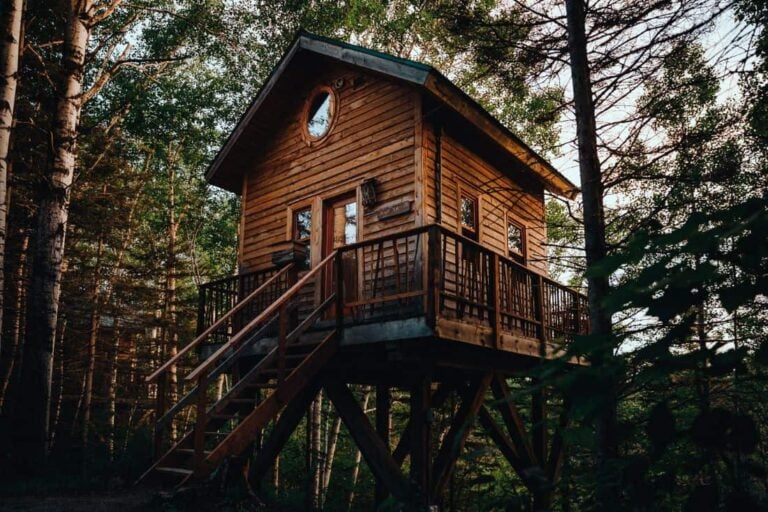
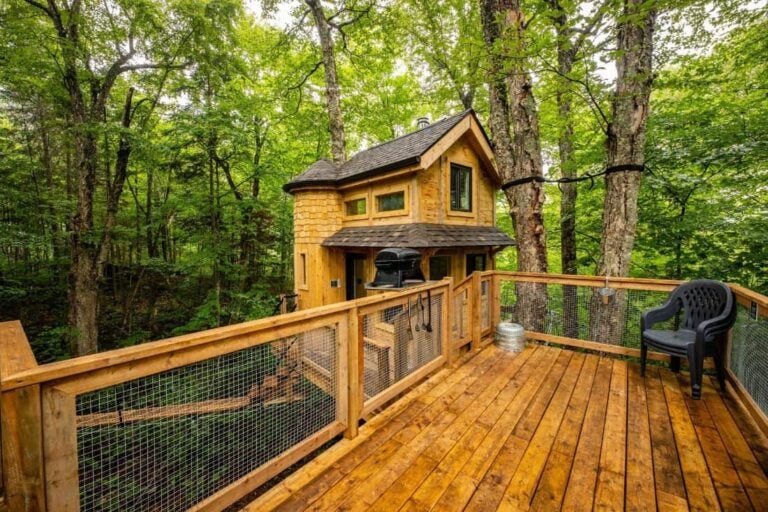
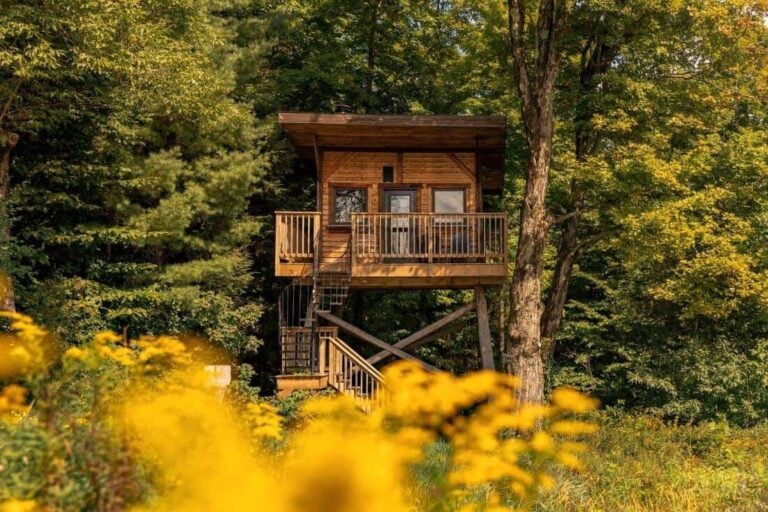
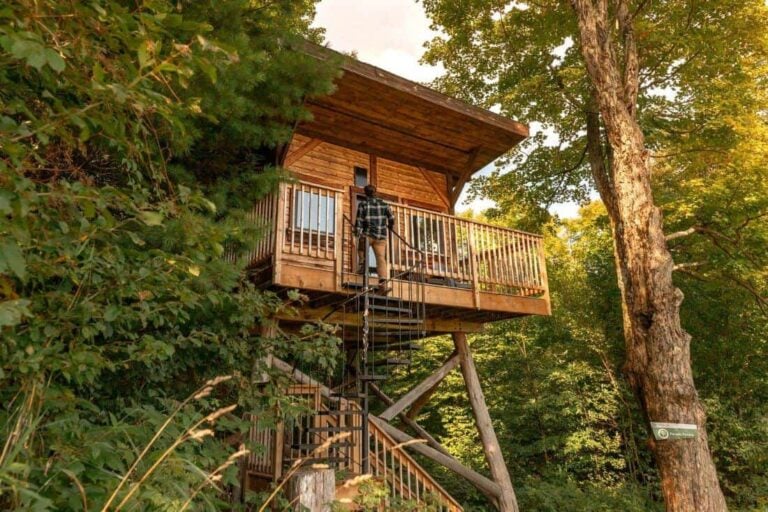
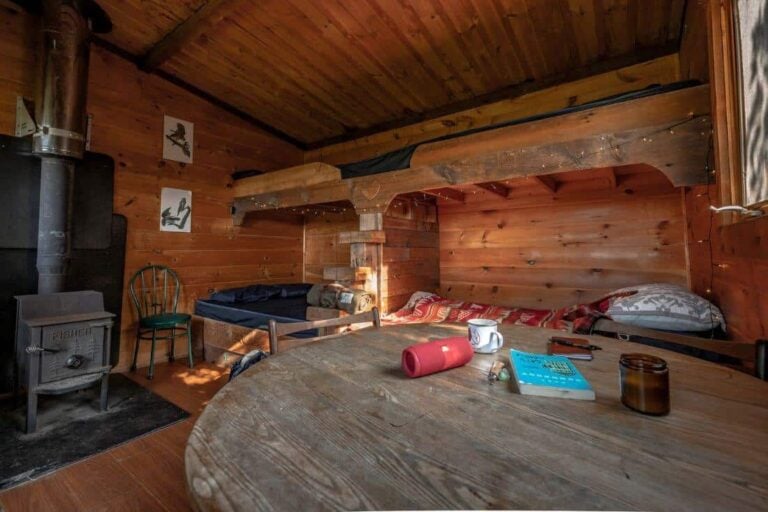
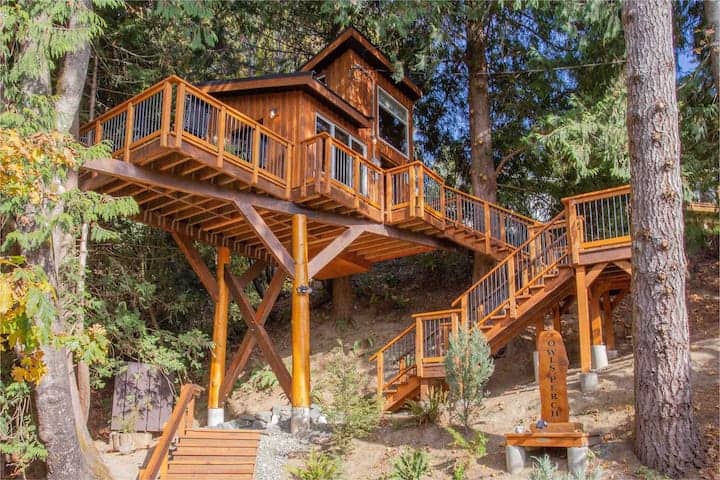
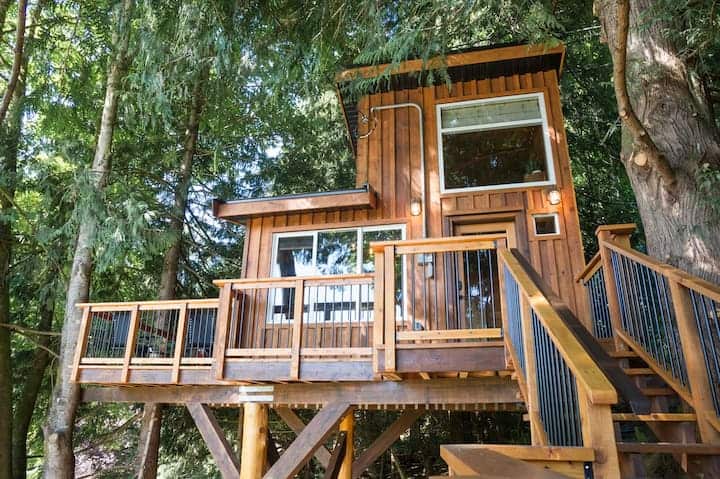
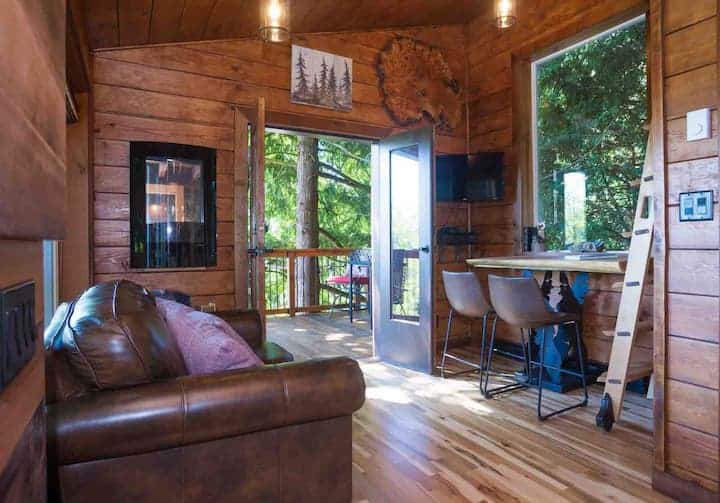
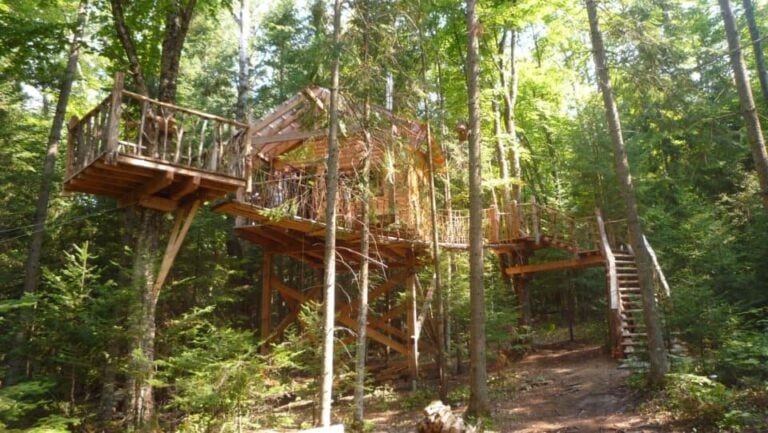
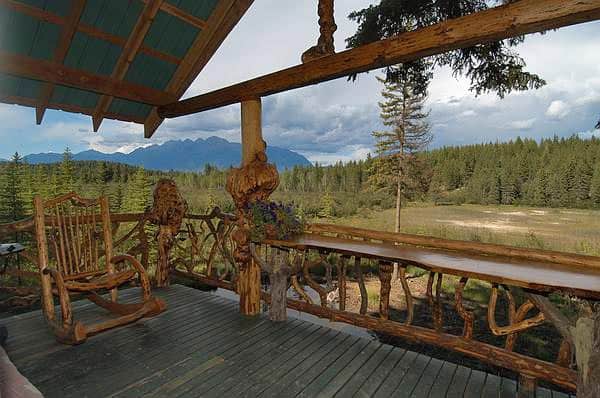
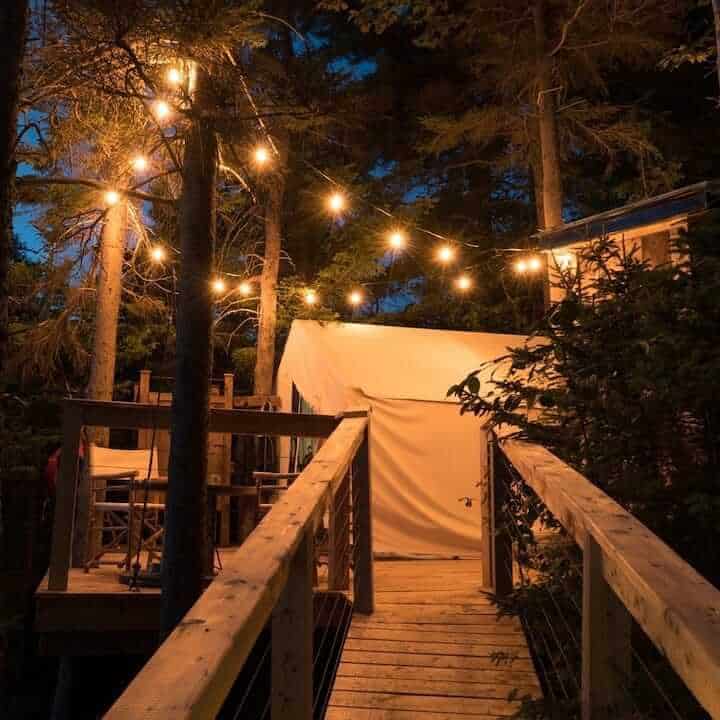
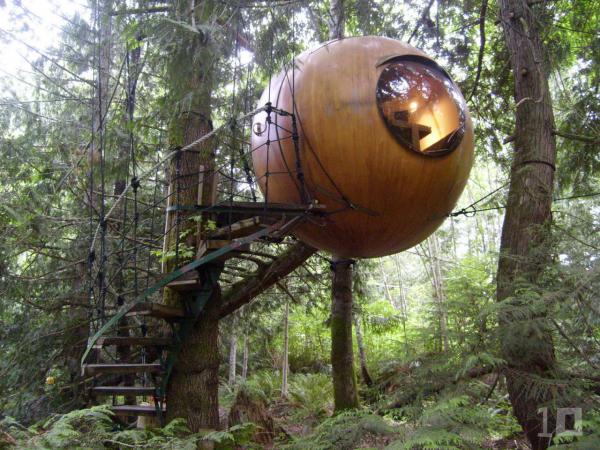
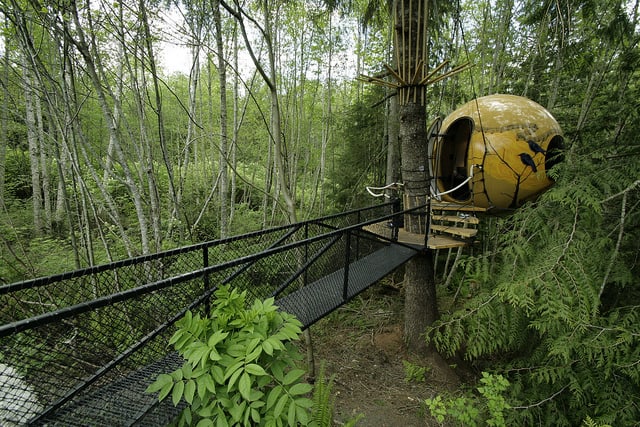
Canada's treehouse accommodations stretch across five provinces, from the moss-draped rainforests of British Columbia to the rocky shield lakes of Ontario and the maple-forested hills of Quebec. These are grown-up escapes—king beds, soaking tubs, panoramic windows—planted in places where the scenery does most of the work. Some perch high enough to watch eagles drift past at eye level. Others tuck so deep into the woods that your nearest neighbour might be a family of deer.
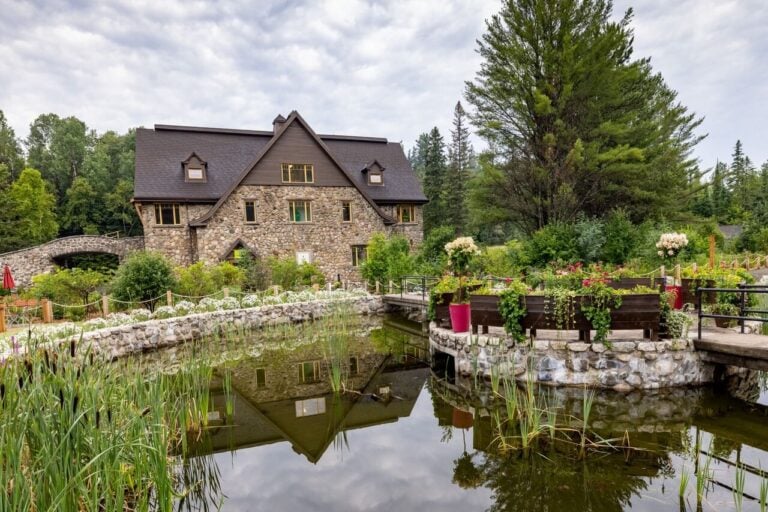
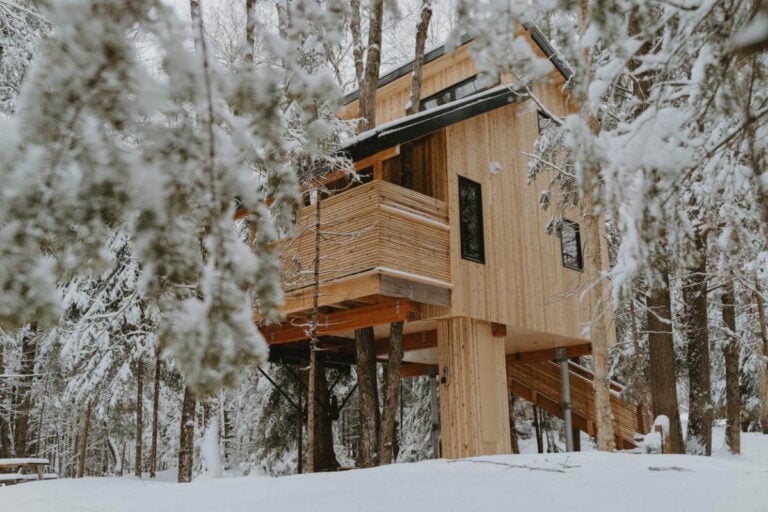
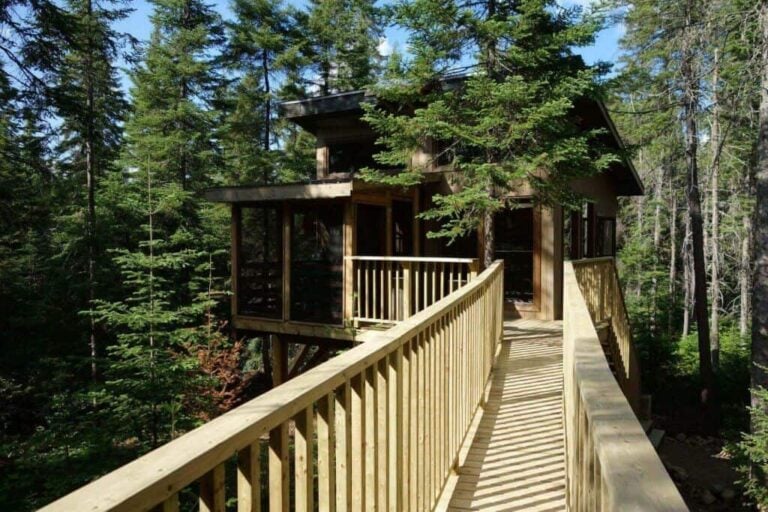
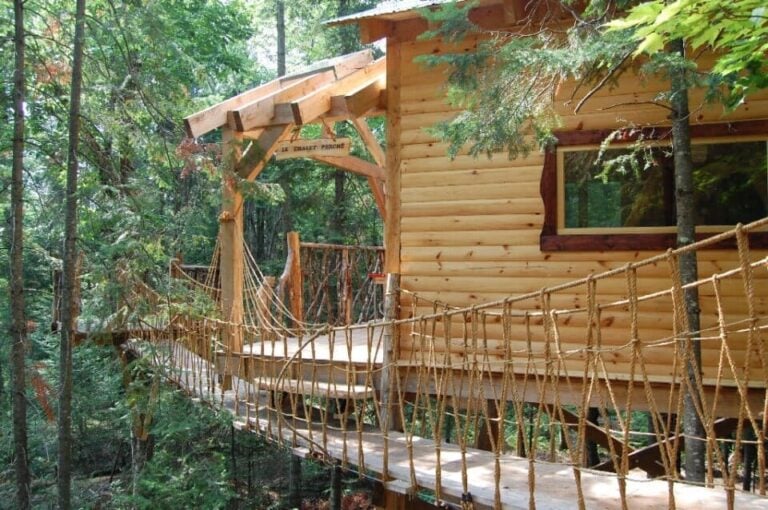
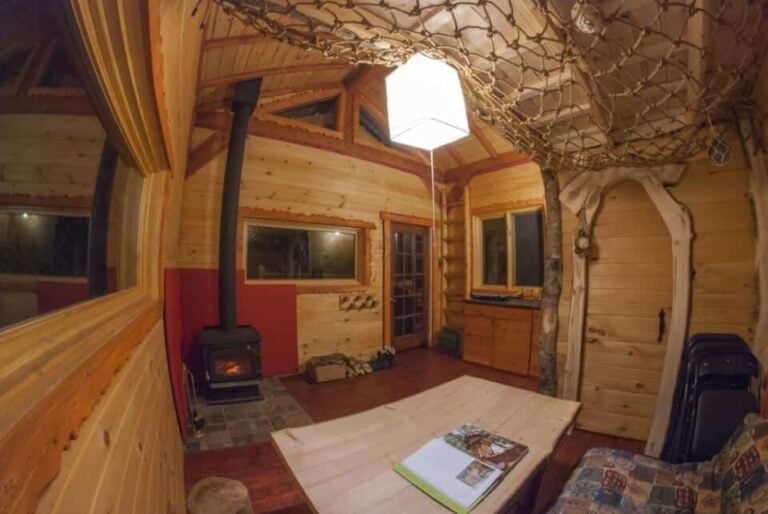
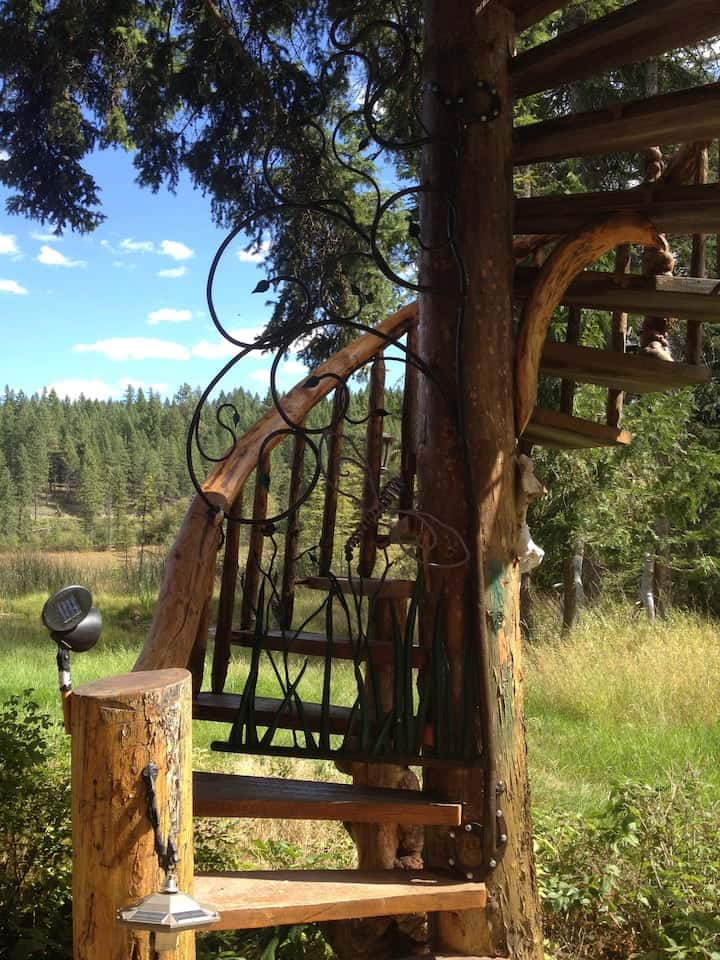
The landscape shapes the experience. On the west coast, Douglas fir and cedar climb cathedral-tall, filtering Pacific light into something soft and green. Treehouses here tend toward glass and timber minimalism, designed to let the forest in without letting the weather win. Move east to Ontario and you trade rainforest hush for granite outcrops and loon calls echoing off cold-water lakes. Quebec's properties lean cozier—wood stoves, handbuilt stairs, the kind of rustic warmth that pairs well with a bottle of local cider and a wool blanket. The Rockies bring their own drama: mountain walls so close you could swear they're leaning in, and air clear enough to make the stars feel intrusive.
Most properties stay open year-round, though a few close between November and April when forest roads become impassable or heating costs outweigh demand. Winter stays are their own reward—snowshoes instead of hiking boots, northern lights instead of sunsets, and a particular kind of silence that only deep cold can deliver. Summer and early autumn draw the crowds, so booking a few months ahead makes sense if your dates aren't flexible. Prices typically land between two hundred and five hundred dollars a night, depending on how remote you're willing to go and how many creature comforts you expect.
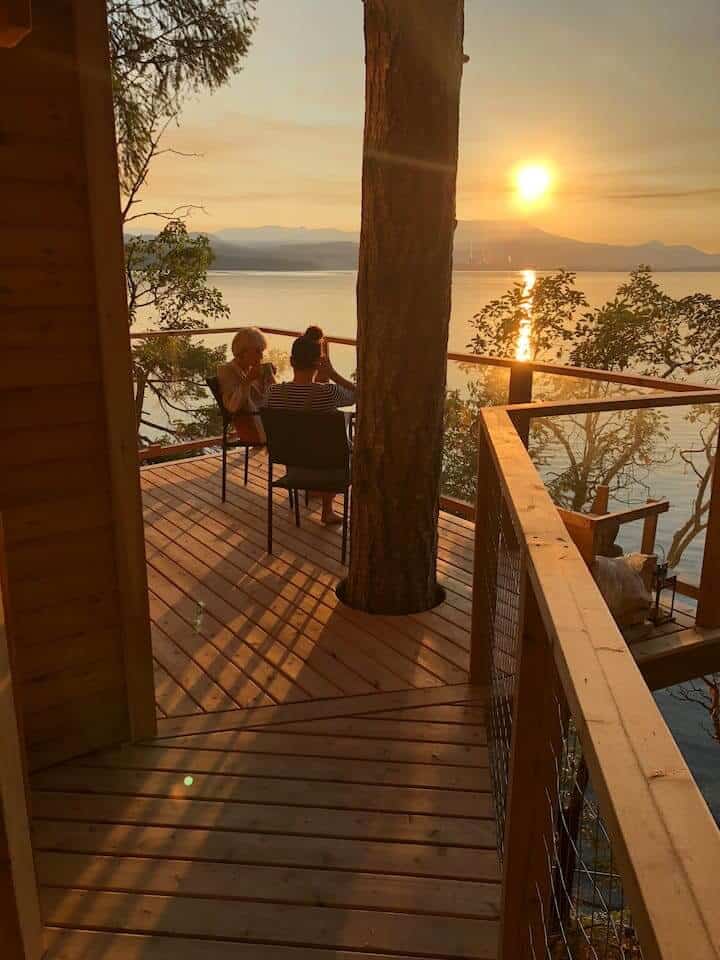
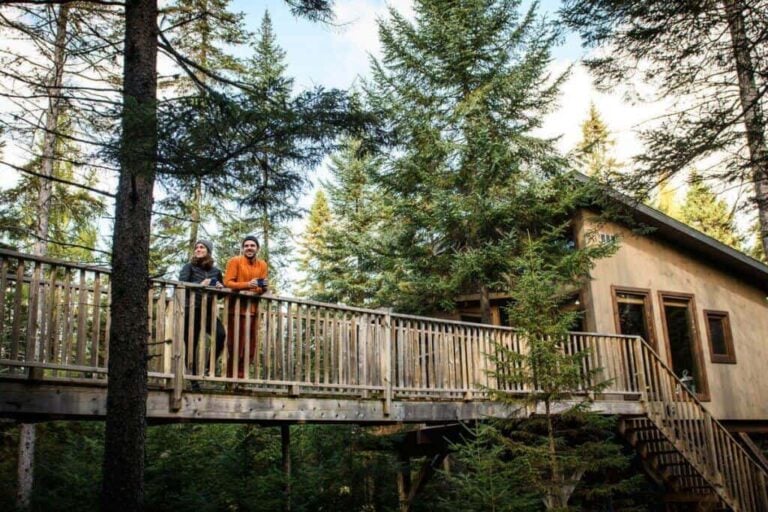
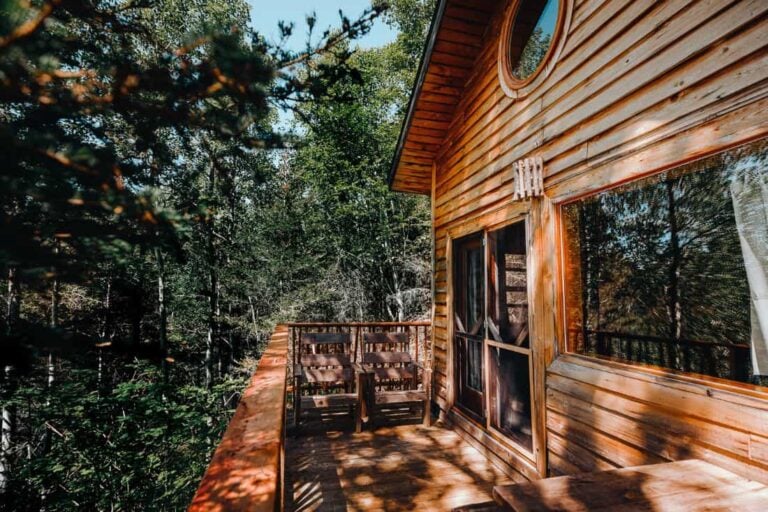
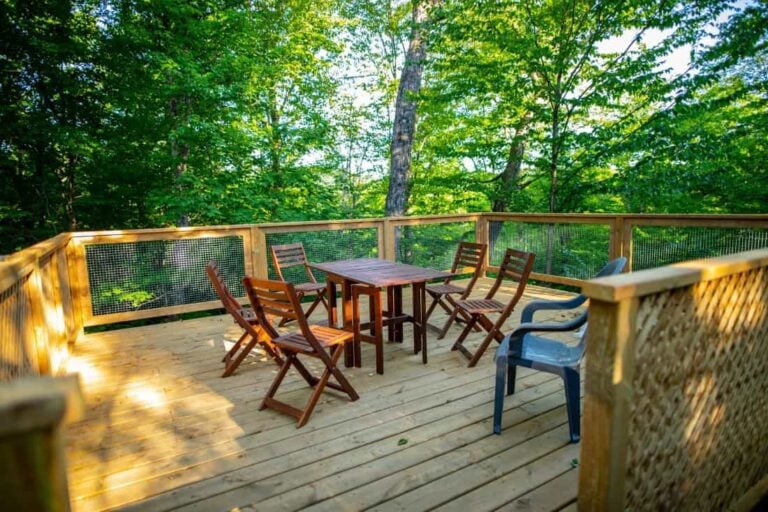
The activities write themselves. Kayaks and canoes often come with the booking, especially near water. Trails thread through old-growth forest or climb to ridge-top lookouts. Some hosts stock snowshoes and cross-country skis for winter guests. If you'd rather sit still, most decks are built for exactly that—morning coffee, afternoon wine, the slow work of watching light change through branches.
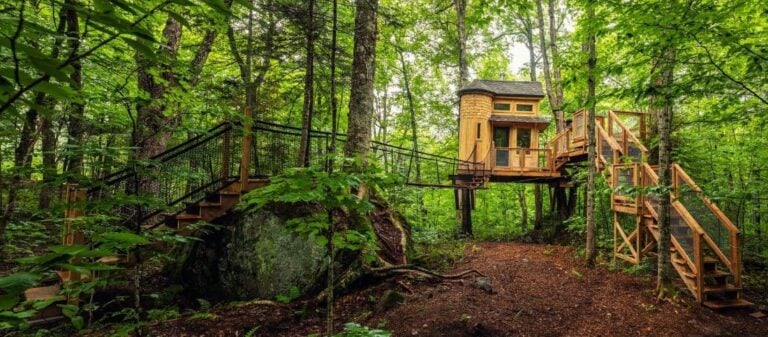
What sets Canadian treehouse stays apart isn't novelty but restraint. These places feel like they grew where they stand rather than being dropped in. Timber sourced from local mills, solar panels tucked behind ridgelines, trails that curve around roots instead of bulldozing through. The goal isn't to conquer the landscape but to borrow a corner of it for a night or three, then leave it exactly as you found it.
Frequently asked questions about Canada
Which provinces in Canada have treehouse hotels?
Canada's bookable treehouse properties span five provinces: British Columbia, Ontario, Quebec, Alberta, and a smaller number in Nova Scotia and New Brunswick. British Columbia leads with coastal rainforest settings along Vancouver Island and the mainland interior, while Ontario clusters around cottage-country lakes north of Toronto and Ottawa. Quebec's treehouses concentrate in the Laurentians and Eastern Townships, Alberta offers mountain-edge stays near the Rockies, and the Maritimes provide a handful of forested coastal options. Each region brings distinct landscape and seasonal character, so your choice often comes down to whether you're chasing Pacific mist, granite shield lakes, or alpine drama.
Are Canadian treehouses open in winter?
Most Canadian treehouse properties stay open year-round, though a few close between November and April when forest access roads become difficult or heating demands spike. Winter stays trade hiking boots for snowshoes, and many hosts stock cross-country skis or provide trail maps for frozen-lake routes. The appeal shifts to wood stoves, northern lights, and the particular silence that deep cold brings. If you're planning a winter visit, confirm road conditions and whether the property requires winter tires or four-wheel drive—some remote sites become tricky after heavy snow.
What does a treehouse stay in Canada typically cost?
Prices generally range from two hundred to five hundred dollars per night, depending on location, season, and amenities. Remote properties with hot tubs, floor-to-ceiling windows, and premium finishes tend toward the higher end, while simpler forest cabins with basic comforts land closer to two hundred. Summer and early autumn see the steepest rates and tightest availability, so booking a few months ahead makes sense if your dates aren't flexible. Midweek stays and shoulder seasons often come cheaper, and some properties offer discounts for longer bookings.
Do I need special vehicle access to reach treehouse properties in Canada?
Access varies widely. Some treehouses sit within an easy walk of paved parking, while others require navigating several kilometres of gravel logging roads best suited to high-clearance vehicles. A few properties send detailed driving directions with winter tire or four-wheel-drive advisories, especially in Quebec's backcountry or BC's coastal interior. If you're unsure, ask the host directly before booking—most are candid about road conditions and will flag any seasonal concerns. For truly remote stays, plan extra travel time and fill your tank before leaving the main highway.
Are treehouses in Canada suitable for families with children?
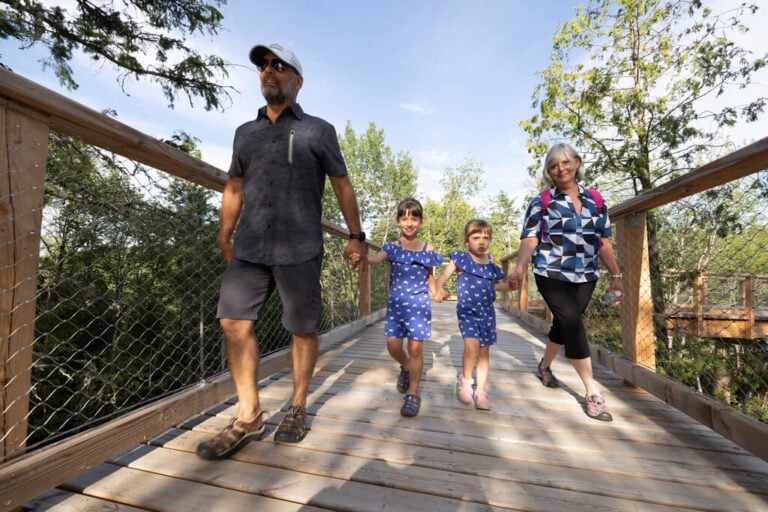
It depends on the property and the age of your children. Many treehouses feature open-riser stairs, elevated decks without railings, or loft bedrooms accessed by ladder, which can pose risks for younger kids. Some hosts set minimum age requirements—commonly six or eight years old—while others welcome families and provide safety netting or enclosed sleeping areas. A handful of properties are purpose-built with families in mind, offering ground-level entry, bunk rooms, and fenced outdoor spaces. Check individual listings for age policies and safety features before booking, and don't hesitate to ask hosts about child-friendly layouts.