
Italy
Italy's treehouses and alpine cabins scatter from Tuscan vineyards to Dolomite forests and Sicilian coastlines, each region offering a different rhythm—dawn over wine country, lake breeze from Como, woodsmoke drifting through South Tyrol spruce, or citrus on the wind near the coast. Most stays lean toward local timber, hand-fitted craft and quiet luxury that feels intentional rather than showy, with days built around truffle hunting, village wandering and evenings that settle in without hurry.
{{locationDetails}}
Browse sub-categories





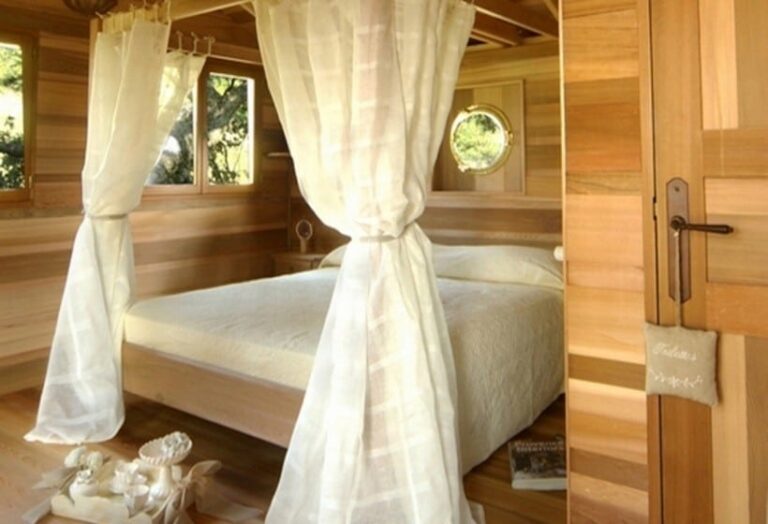
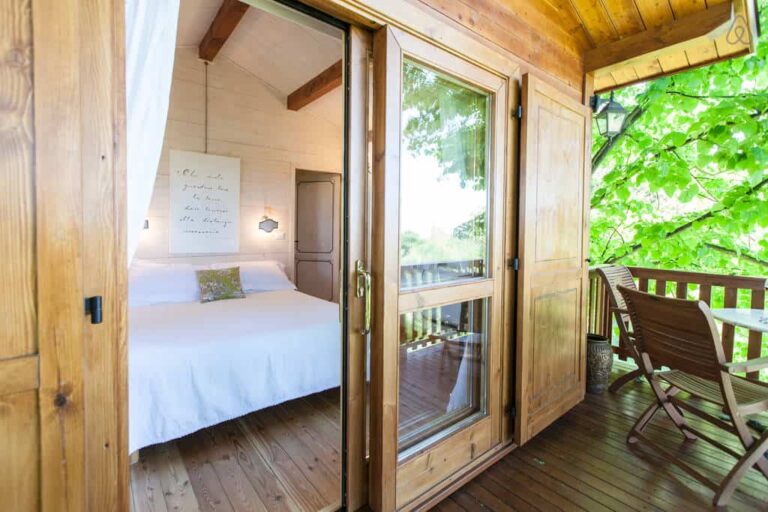
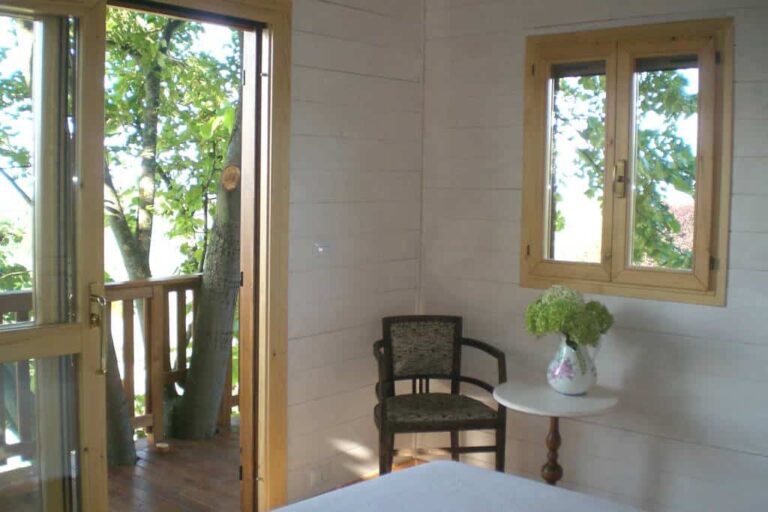
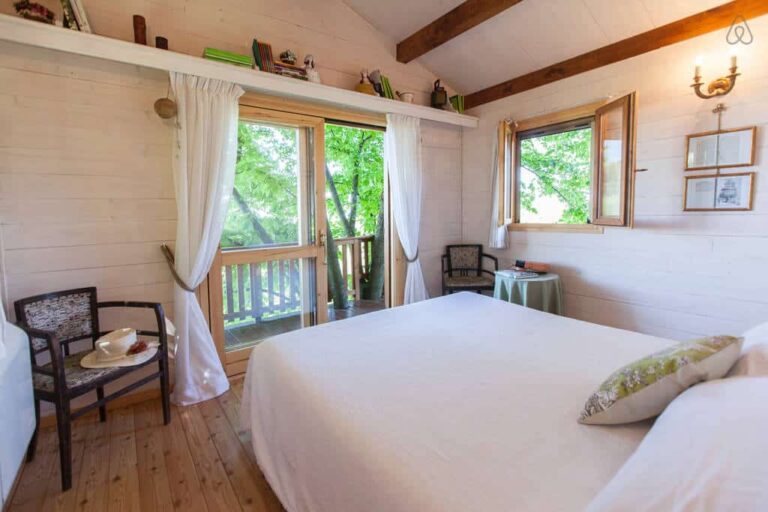
About Italy
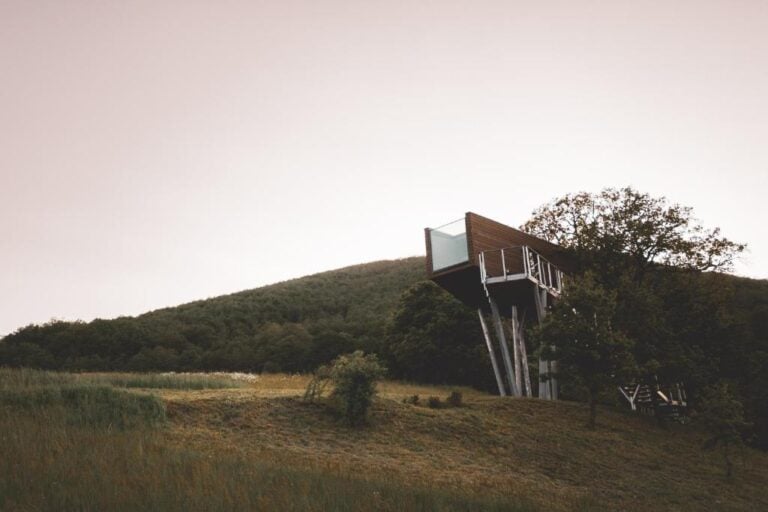
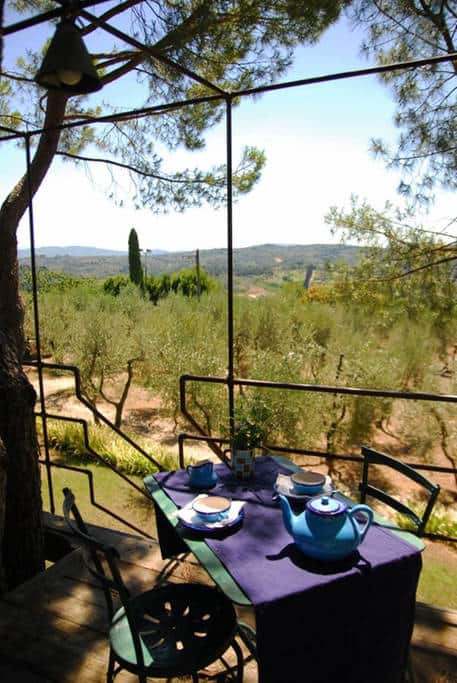
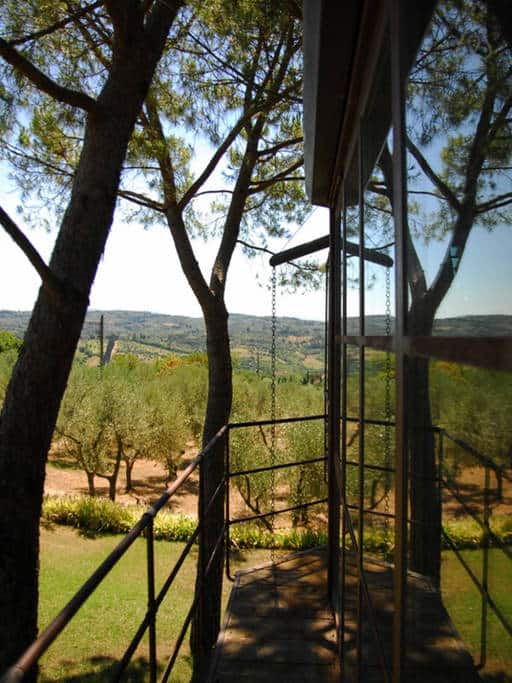
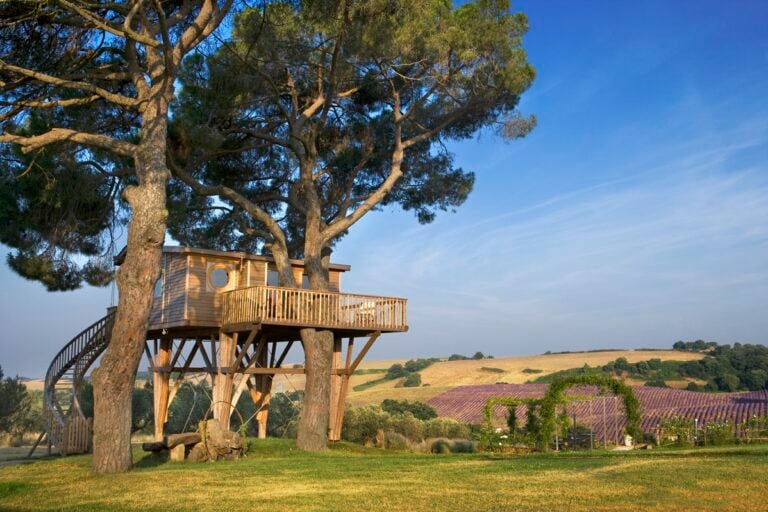
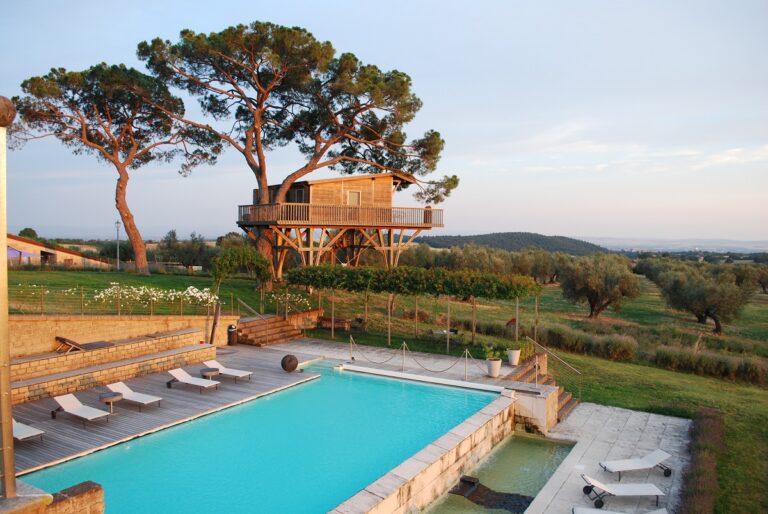
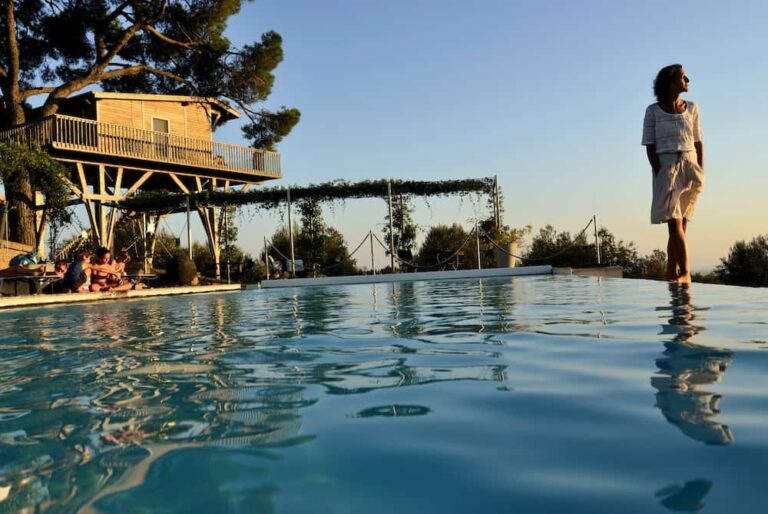
Italy's treehouses perch somewhere between vineyard postcard and alpine refuge, scattered across enough terrain that choosing one means choosing the experience that follows. Tuscany will give you dawn over Sangiovese rows, a balcony warm enough for bare feet, espresso in a small cup while swallows trace fast geometry through the light. Move north into Umbria and the rhythm shifts—oak forest, truffle dogs working the morning, paths that promise cool air and deliver. Lombardy threads a different note, lake breeze drifting up from Como, trattorias close enough to hear but far enough to ignore, stars that arrive early and settle in for the evening.
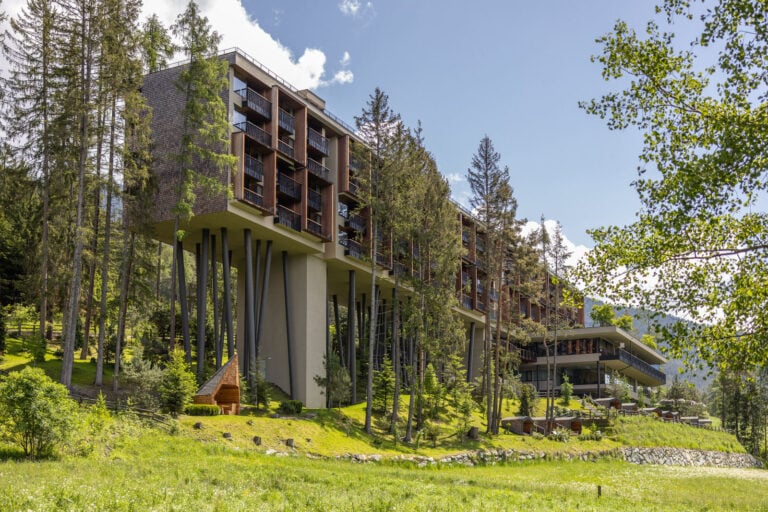
The Alps rewrite the script entirely. South Tyrol tucks treehouses and alpine cabins at the forest's edge, larch and spruce framing Dolomite faces that rise like architecture. Crack a window at dusk and the air smells of hay, woodsmoke and something sharp off the peaks. A small sauna glows amber; outside, the night is a well. Sicily trades altitude for coastline—citrus on the wind, sea-salt grit on the rail, figs you bite into without planning to share. Liguria threads pine and thyme through the equation, a sliver of the Riviera winking between branches when you lean out far enough.
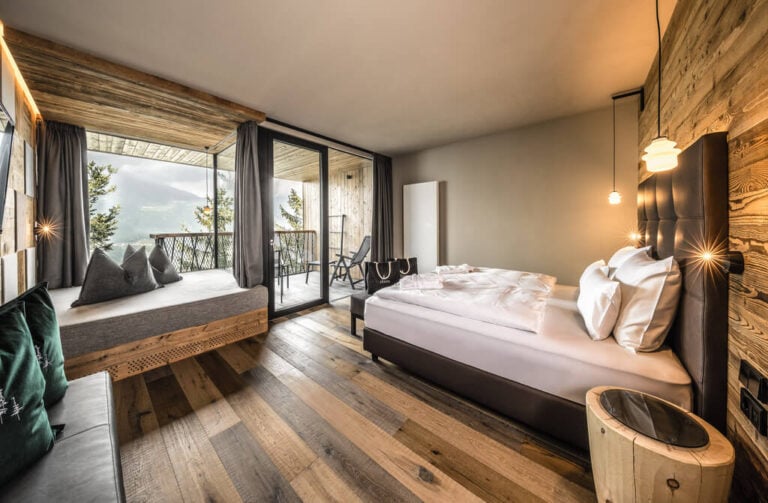
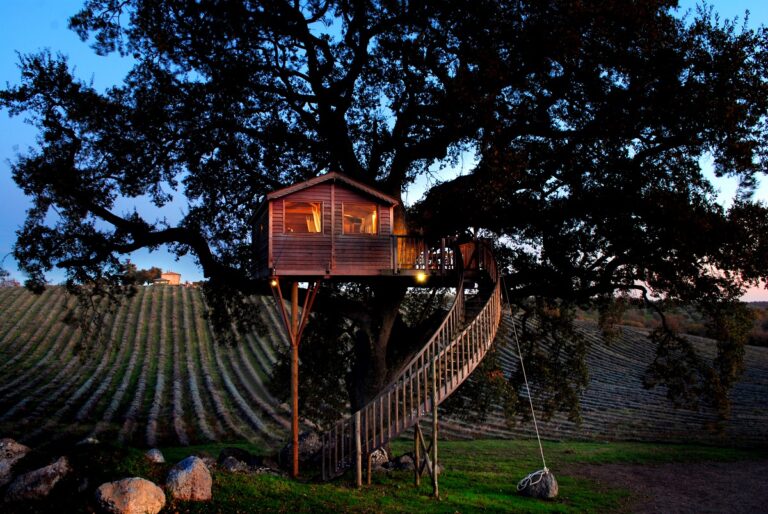
Italian treehouse stays tend toward local timber, hand-fitted joinery, wool throws with a little weight to them. Rain showers that make gray days feel intentional. Solar panels tucked where you won't think to look, boardwalks that bend around roots instead of arguing with them. Luxury that behaves itself. Not every stay is elevated—some alpine cabins sit at ground level but borrow the same craft-first, comfort-second sensibility that makes a treehouse feel less like novelty and more like belonging.
Days unfold without much effort. Hunt truffles with a guide who knows every shrug of the earth, though seasons matter—white truffles in autumn, black through winter. Wander a frescoed church you didn't plan to find. Barolo on the balcony while swifts scribble the evening shut. The country you thought you knew tilts just enough to offer a better view, and the stay itself—elevated or not—becomes the reason you remember the trip differently than you expected.
Frequently asked questions about Italy
Which region of Italy is best for a treehouse stay?
Tuscany leads for wine country romance—treehouses overlook vineyard rows, mornings are warm and unhurried, and you're close to hill towns and cellars. South Tyrol suits alpine seekers, with forest cabins near the Dolomites offering mountain air, hiking and tiny saunas. Umbria delivers quieter oak forests and truffle-hunting territory. Sicily and Liguria bring coastal heat, citrus groves and sea views. Your choice hinges on whether you want rolling hills and wine, mountain peaks and cool evenings, or Mediterranean warmth.
What is the best time of year to stay in an Italian treehouse?
Spring through early autumn works across most regions—April to October brings reliable warmth, long evenings and open trails. Tuscany and Umbria shine in May and September when vineyards are lush but crowds thin. South Tyrol's alpine treehouses are best June through September for hiking, though winter appeals if you want snow and solitude. Sicily and Liguria stay mild enough for nearly year-round visits, with spring and autumn offering the most comfortable temperatures. Truffle season runs autumn into winter, so October through December suits foragers in Umbria.
Do Italian treehouses require climbing stairs or ladders?
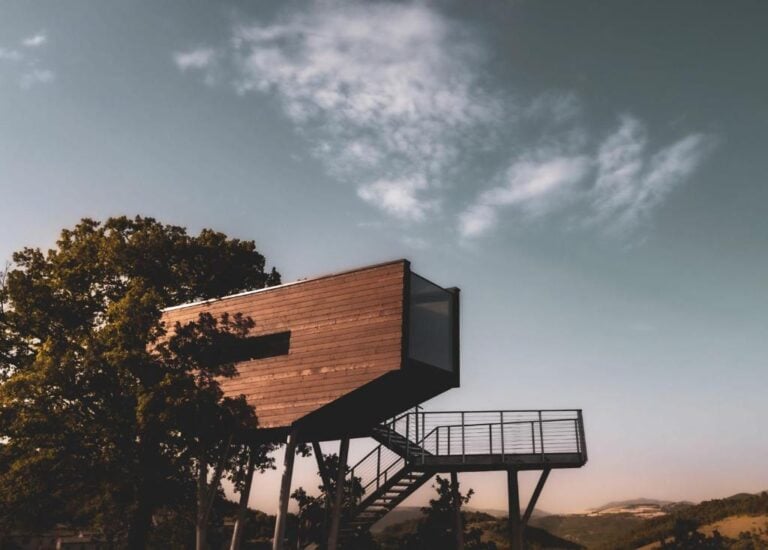
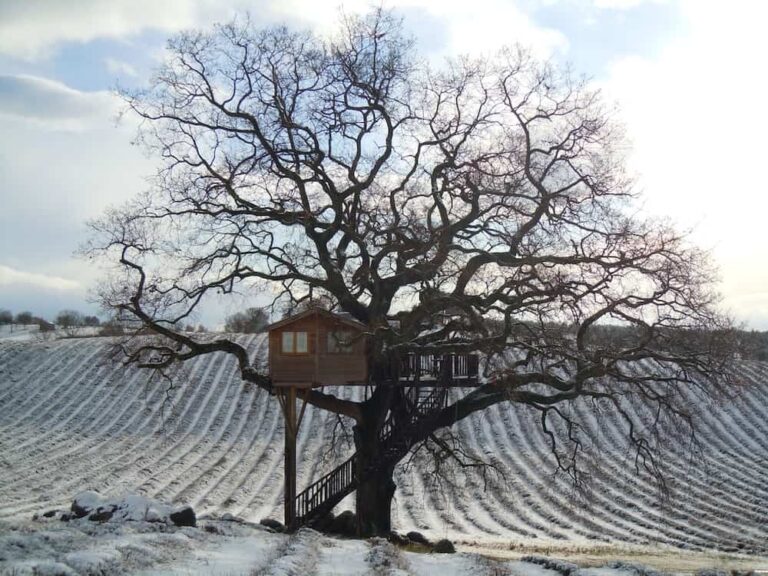
Most Italian treehouse stays involve stairs—usually solid wooden steps with rails, not rope ladders or anything precarious. The climb is gentle enough for most adults but not suited to very young children or guests with significant mobility limits. Some properties in South Tyrol are ground-level alpine cabins rather than elevated treehouses, offering the same craft and forest setting without the ascent. Check individual listings if accessibility is a concern, as layouts vary.
Are Italian treehouses family-friendly or better for couples?
Most lean toward couples and adult travelers—design tends to favor quiet, romance and smaller spaces. That said, some properties welcome families, especially those with older children comfortable on stairs and happy to unplug. The sensory richness—forest smells, vineyard views, outdoor showers—tends to enchant curious kids, but amenities like pools or play areas are rare. If traveling with young children, confirm sleeping arrangements and stair safety with the host before booking.
Do you need a car to stay in an Italian treehouse?
Yes, nearly always. These stays sit in vineyards, forests or alpine valleys, well away from train lines and bus routes. Renting a car gives you freedom to explore nearby hill towns, wineries and trailheads at your own pace. The drive itself—winding through Tuscan cypress alleys or Dolomite switchbacks—becomes part of the experience. Nearest airports are typically Florence or Pisa for Tuscany and Umbria, Milan for Lombardy and the lakes, Verona or Innsbruck for South Tyrol, and Catania or Palermo for Sicily.