
Estonia
Estonia offers treehouse stays where deep forests, coastal silence and spare Nordic design meet without ceremony. Properties sit among Scots pine and birch across bog wetlands, Baltic islands and national parks, each using local timber, big windows and careful distance to let the landscape—and the quiet—do most of the work.
{{locationDetails}}
Browse sub-categories


About Estonia
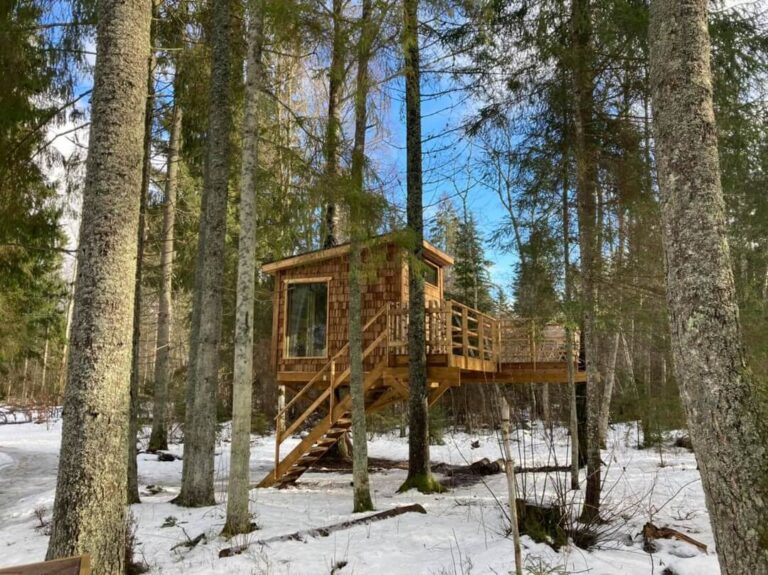
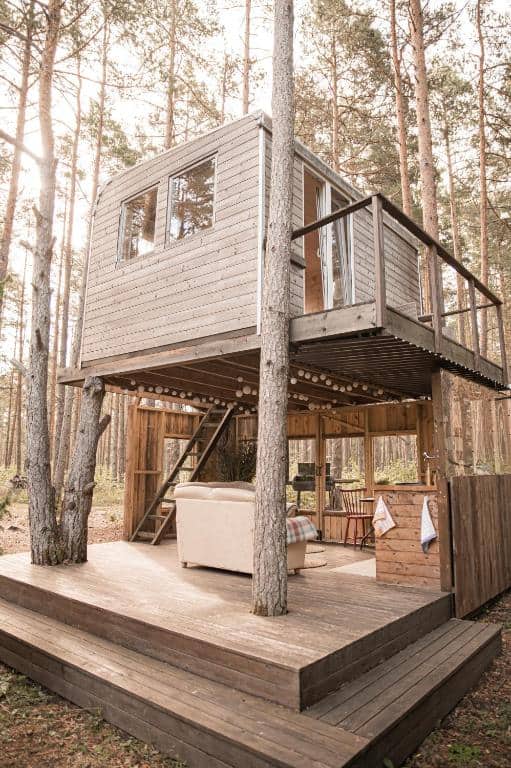
Estonia sits on the Baltic Sea in Northern Europe, tucked between Finland and Latvia, and nearly half the country is forest—deep, mossy, and quiet in a way that feels deliberate rather than empty. The treehouses here follow that same instinct: simple lines, local timber, big windows framing Scots pine and birch, and enough space between you and the next human to make silence feel earned. This is not a place where nature gets packaged into an experience; it's where you climb a short stair and the forest simply continues around you, a few metres higher.
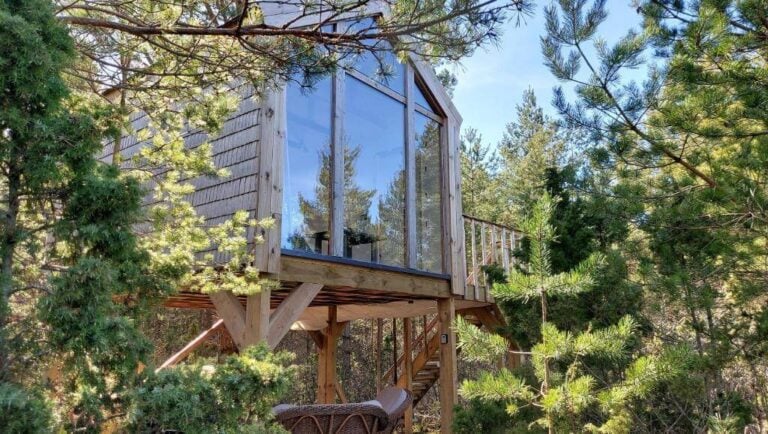
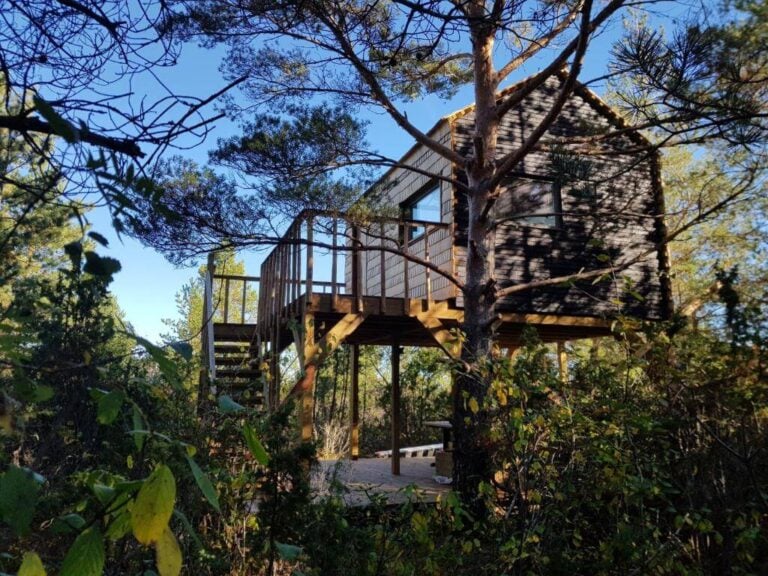
The landscapes shift more than you might expect from a small country. Near Lahemaa National Park on the northern coast, treehouses look out over juniper meadows and limestone shores where the Baltic light turns pale silver most afternoons. In Soomaa, the wetland heart of the country, spring floods lift rivers into the forest—locals call it the fifth season—and from a raised deck you can watch the water reshape itself between alders while the air smells like peat and thaw. Out on the islands, Saaremaa and Hiiumaa, pines lean toward the sea and the wind carries salt mixed with resin, lighthouses winking down empty coastlines that feel older than the borders drawn around them.
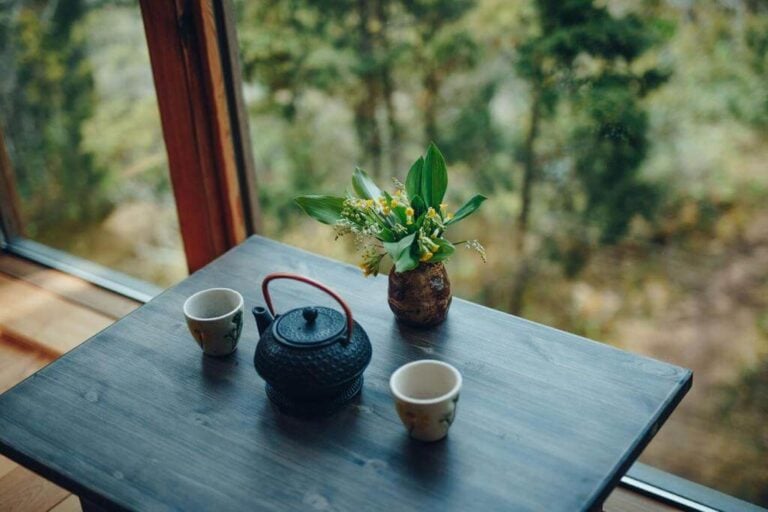
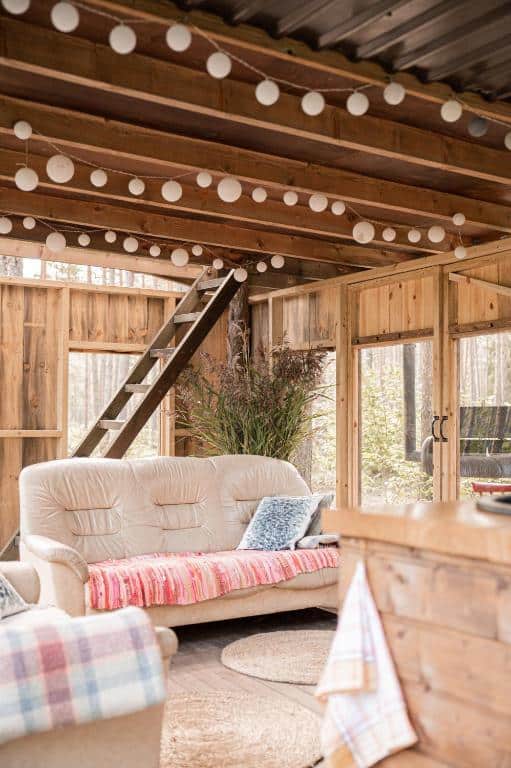
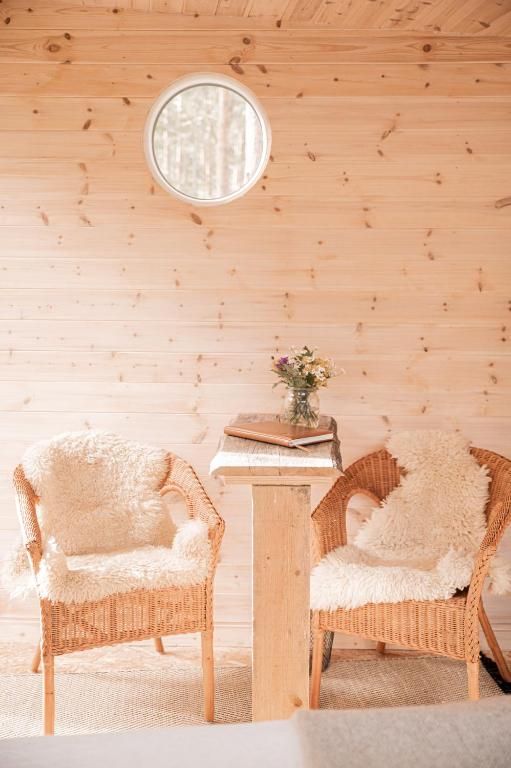
Most Estonian treehouse stays keep the design spare: solid wood, wool blankets, a compact stove that ticks as it heats, sometimes a small smoke sauna tucked into the trees nearby. Solar panels hide in the roofline and boardwalks step lightly over moss, but there is no sustainability lecture—just buildings that sit in the forest without making a fuss about it. Inside, you will probably use the kettle more than you planned, and the windows matter more than the furniture. The comfort comes from what is left out as much as what is included.
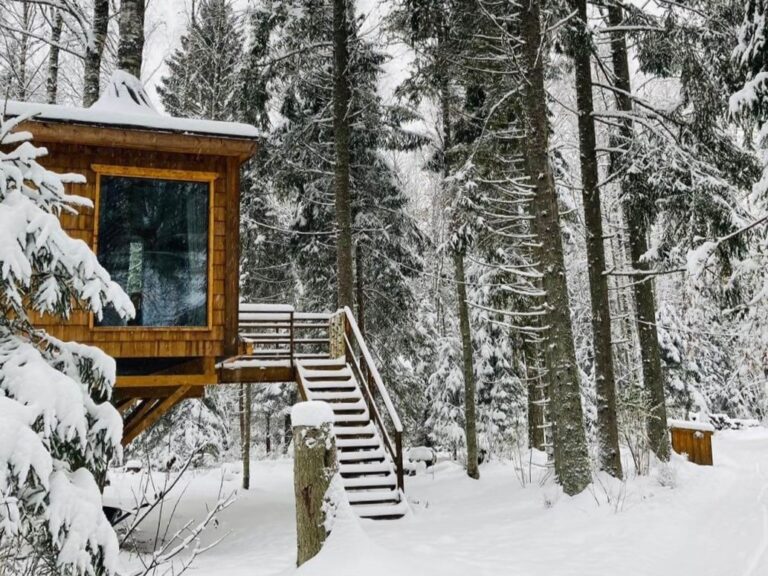
Tallinn, the medieval capital, is less than two hours by car from most forest locations, which makes it easy to pair cobblestone streets and Gothic spires with a few nights under the canopy. The national forest trail network reaches into nearly every corner of the country, so bog-walking at dawn, swimming in a dark forest lake, or cycling between villages and coast becomes part of the rhythm rather than a planned excursion. In summer, the light stretches so long that evening feels negotiable; in winter, the snow holds the silence even tighter and the sky clears enough to make you step outside long after your tea has gone cold.
If you are looking for a treehouse stay that prioritizes hush over spectacle and respects the forest as a neighbor rather than a backdrop, Estonia delivers exactly that. The handful of properties here are separated by genuine distance, each tied to a different stretch of landscape, and the experience feels less like accommodation and more like borrowing a perch in a place that has always known how to be quiet.
Frequently asked questions about Estonia
Do I need a car to visit treehouses in Estonia?
Yes, a car is essential for reaching most treehouse stays in Estonia. Public transport serves towns and cities well, but treehouse properties sit deep in forests or near remote coastal areas where buses do not run. Rental cars are straightforward to arrange at Tallinn airport, and driving distances are short—most forest locations lie within two hours of the capital. Roads are well-maintained, though final approaches may involve sandy or gravel tracks through the trees.
What is the best time of year to stay in an Estonian treehouse?
Late spring through early autumn offers the longest days and easiest access, with May to September being the most popular window. Summer brings near-endless twilight and warm enough weather for forest swimming, though mosquitoes can be persistent in wetland areas. Winter turns the forest quiet and dramatic, with deep snow and clear skies, but you will need a treehouse with proper heating and all-season road access. Early autumn delivers vivid colour and fewer visitors, while late March through May brings the famous Soomaa floods if you want to watch the forest fill with meltwater.
How far are Estonian treehouses from Tallinn?
Most treehouse properties sit between one and two hours by car from Tallinn, making it easy to combine a few days in the medieval Old Town with a forest stay. Lahemaa National Park, on the northern coast, lies roughly an hour east of the capital, while Soomaa wetlands in the interior take closer to two hours south. Island properties on Saaremaa or Hiiumaa require an additional ferry crossing, adding another hour or more depending on schedules, but the extra distance brings emptier coastlines and a different quality of quiet.
Are saunas common at treehouse stays in Estonia?
Many Estonian treehouse properties include a sauna, often a small wood-fired cabin set separately among the trees. Some offer the traditional smoke sauna, or suitsusaun, which heats without a chimney and leaves a distinctive soft warmth and smell, though these are less common than standard wood saunas. It is worth checking individual property details, as sauna type and availability vary, but the culture of evening heat followed by a cold plunge or winter snow is deeply embedded here and most hosts understand its importance.
What activities are nearby if I stay in a treehouse in Estonia?
The national forest trail network runs throughout the country, offering well-marked routes for bog-walking, forest hiking and wildlife spotting close to most treehouse locations. Lahemaa and Soomaa both have boardwalk trails that cross wetlands, and many forest areas have dark, clear lakes suitable for swimming in warmer months. Coastal properties, particularly on the islands, offer cycling routes, empty beaches and historic lighthouses. Tallinn itself is an easy day trip for medieval architecture and museum visits, and village shops along the way sell local black bread, smoked fish and dairy that become part of the rhythm of staying out in the trees.