
Europe
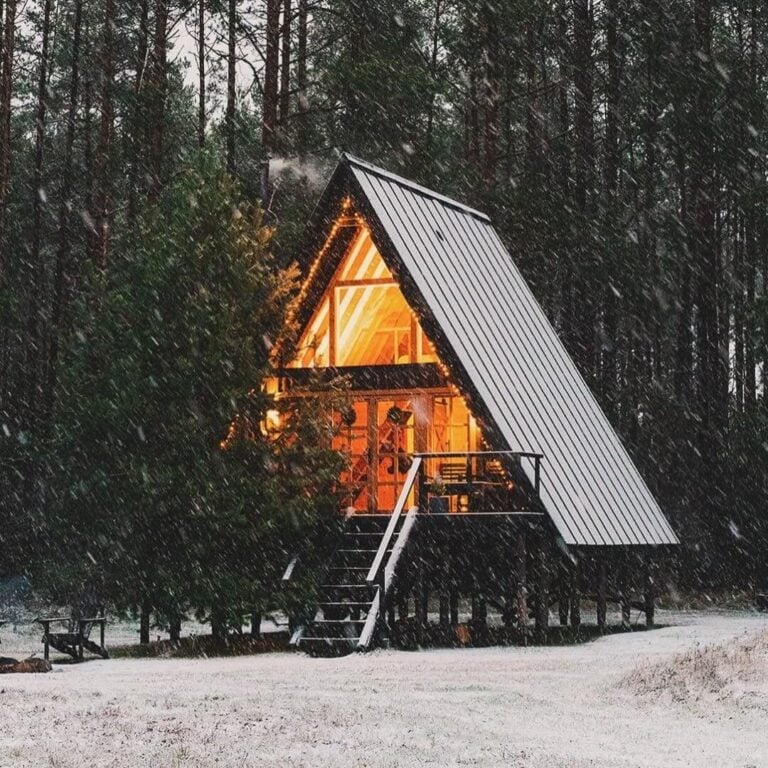
Treehouse stays across Europe range from minimalist Scandinavian cabins designed for winter silence to Mediterranean platforms shaded by cypress and olive, each shaped by local climate, forest type and building tradition. Northern properties emphasize insulation and year-round comfort, Alpine sites trade on altitude and long views, and southern builds take advantage of mild seasons and open-air living. The practical differences—heating systems, seasonal access, proximity to villages—matter as much as the romantic ones, and choosing a country often comes down to what else you want nearby and which forest rhythms suit the way you measure time.
Explore Europe
{{locationDetails}}
Browse sub-categories

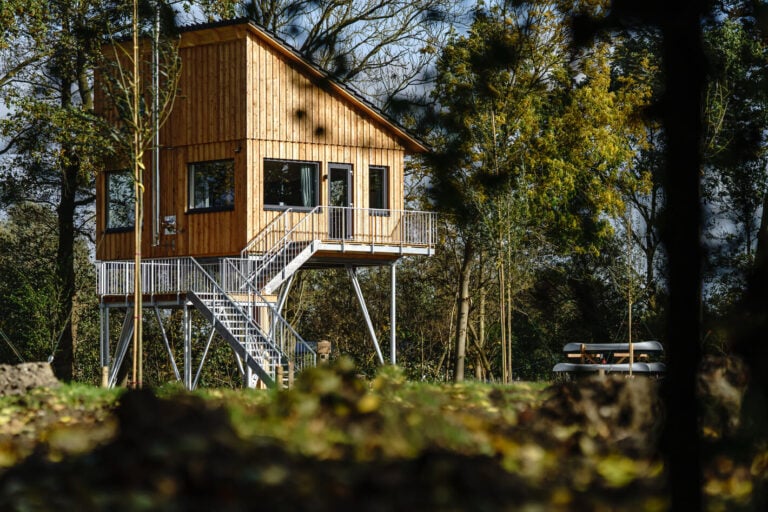
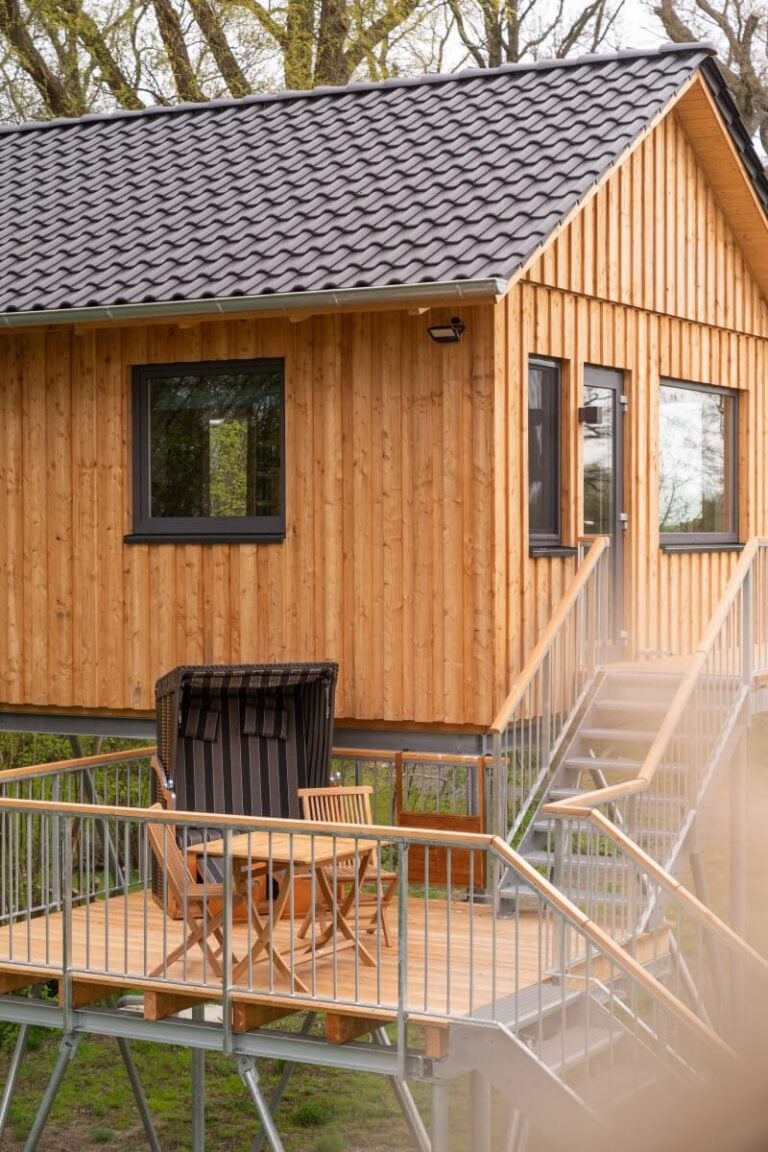
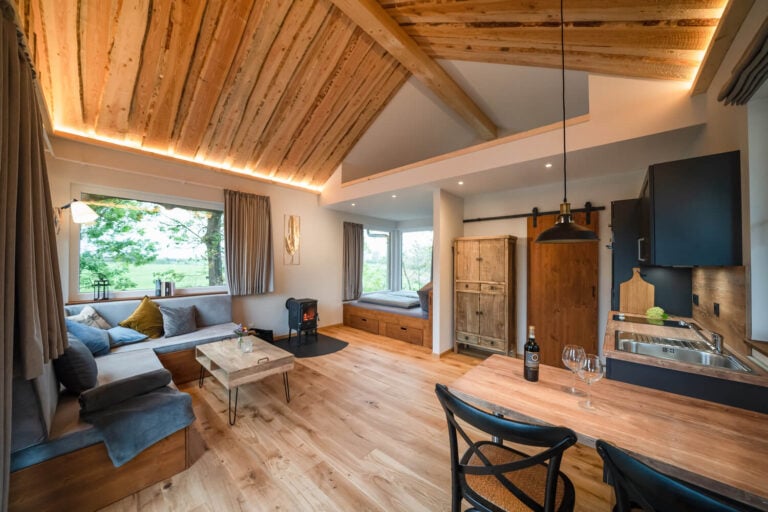
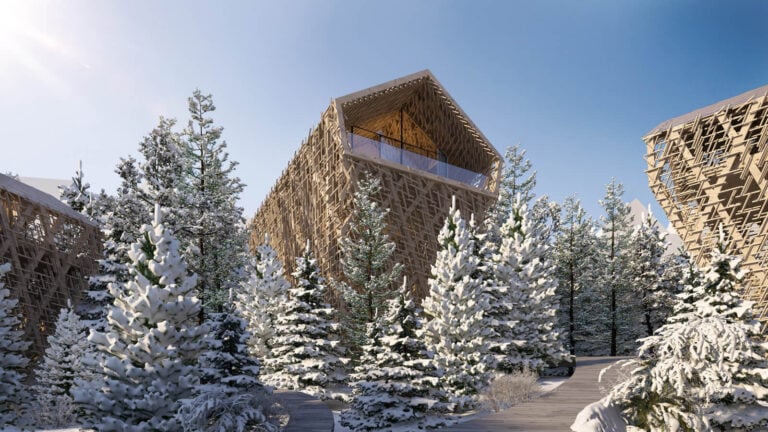
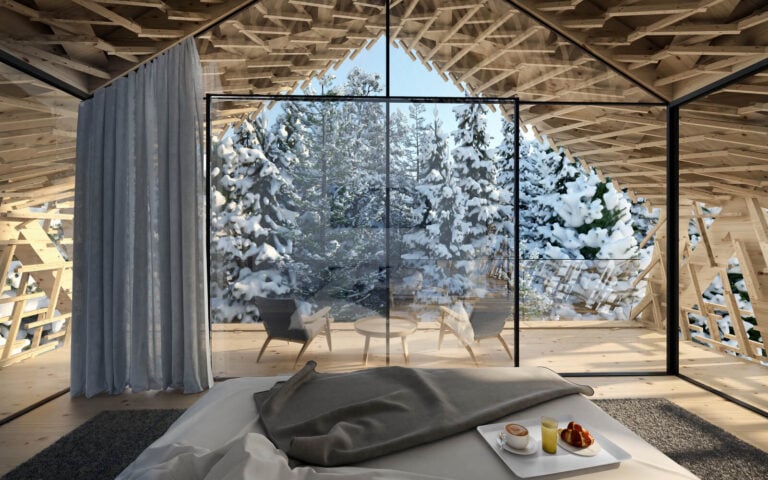
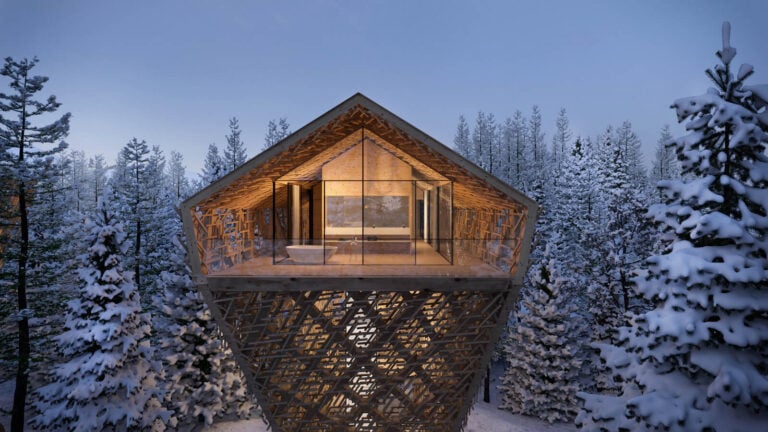
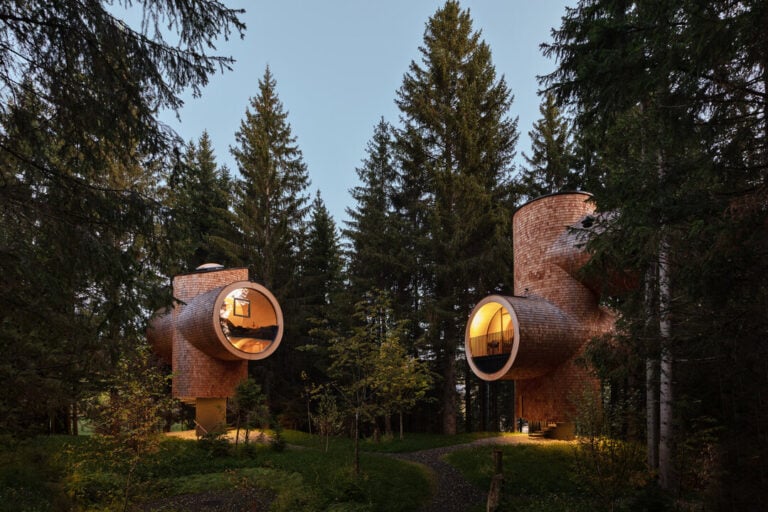
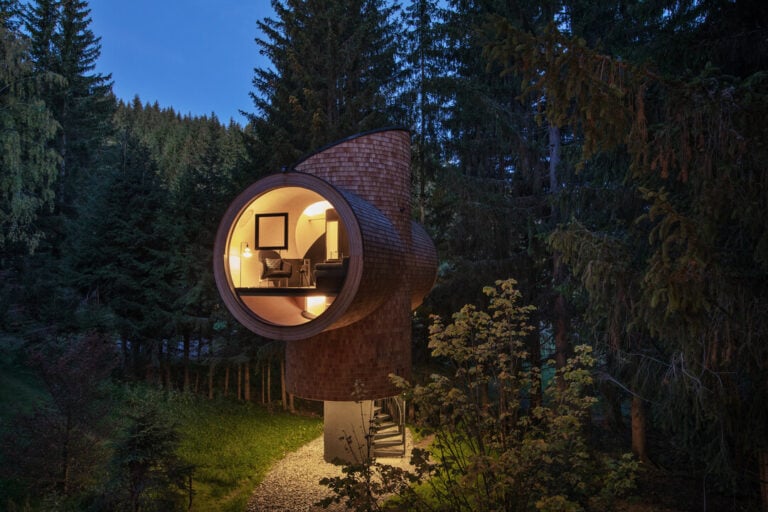
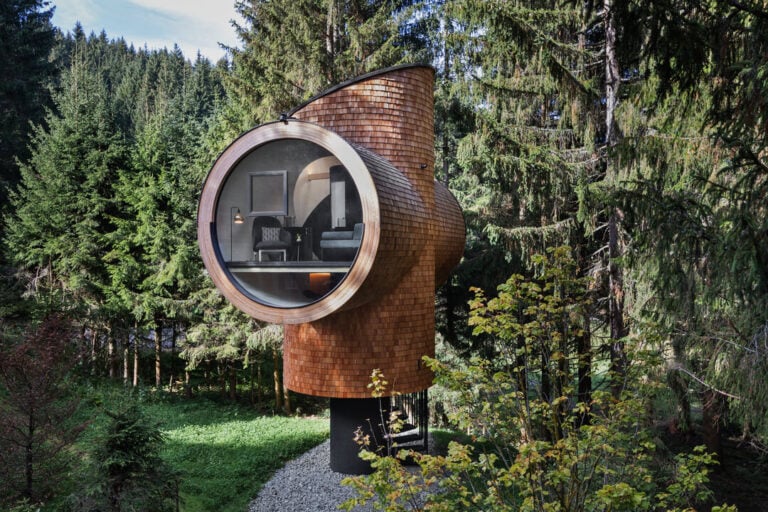
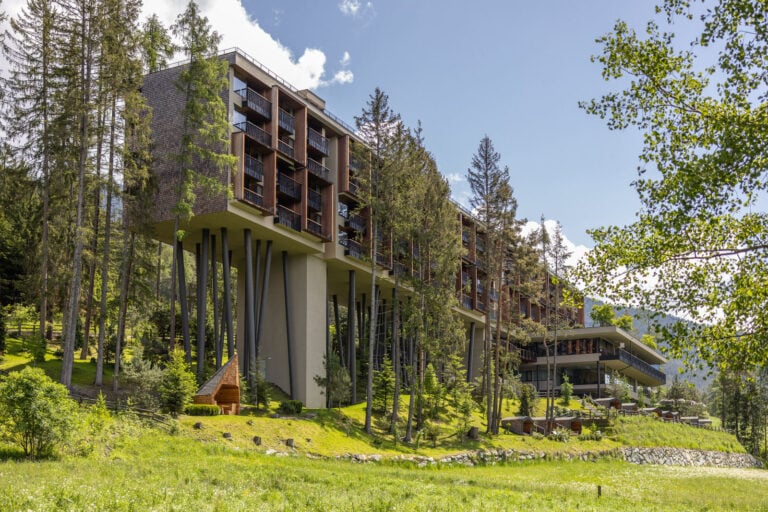
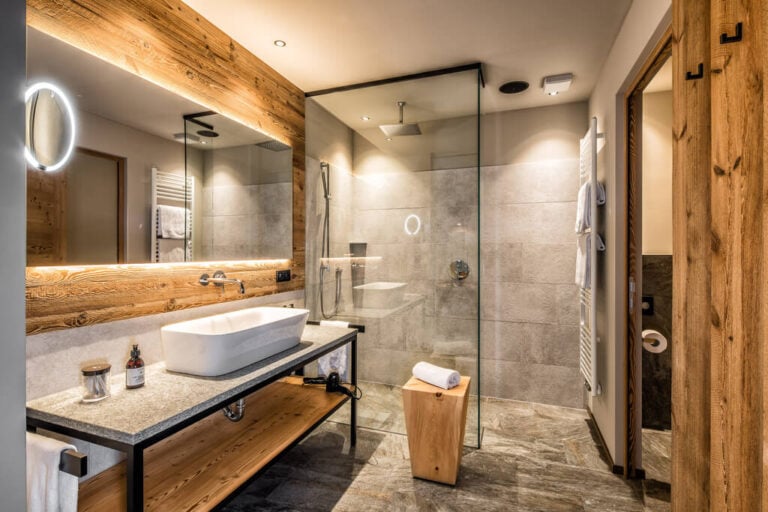
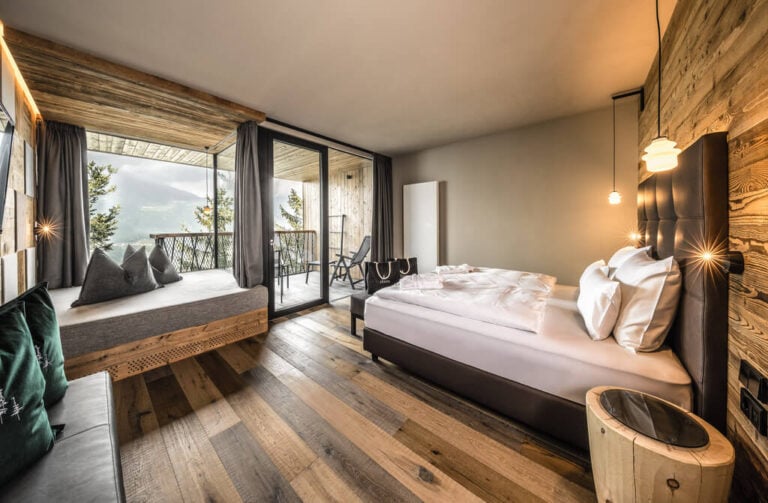

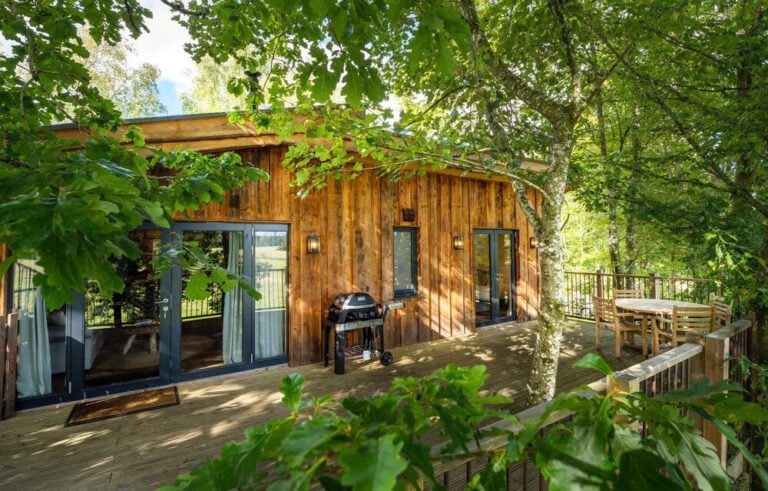
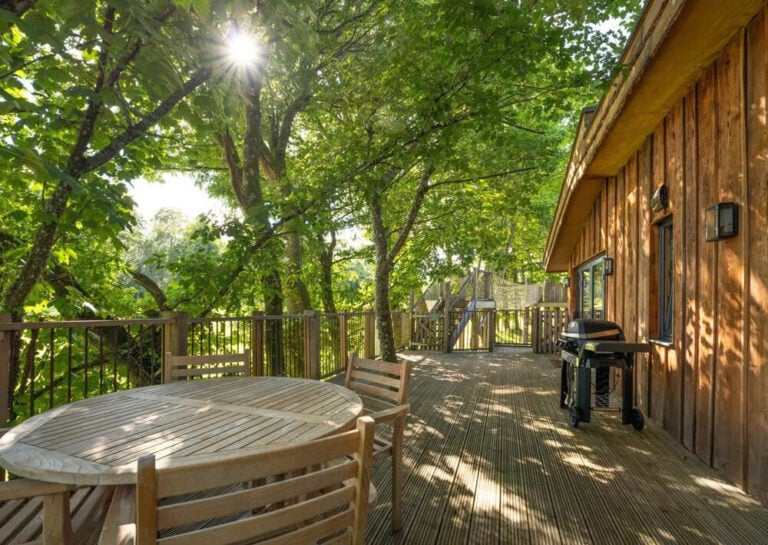
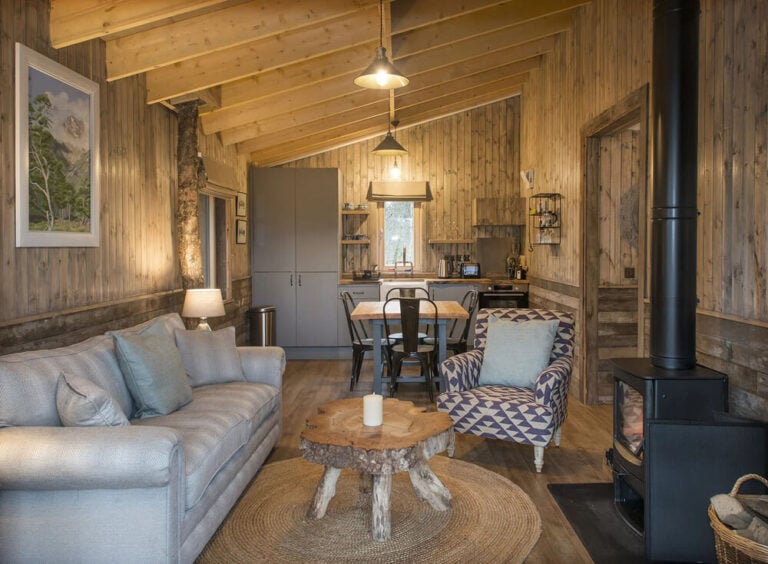
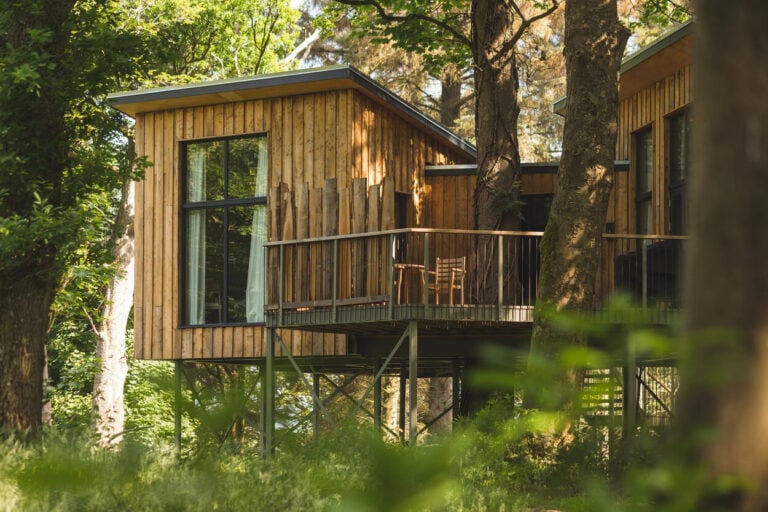
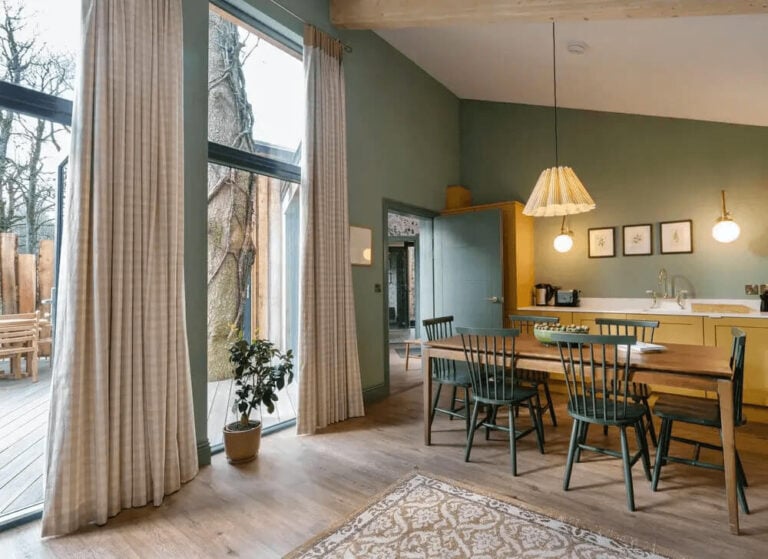
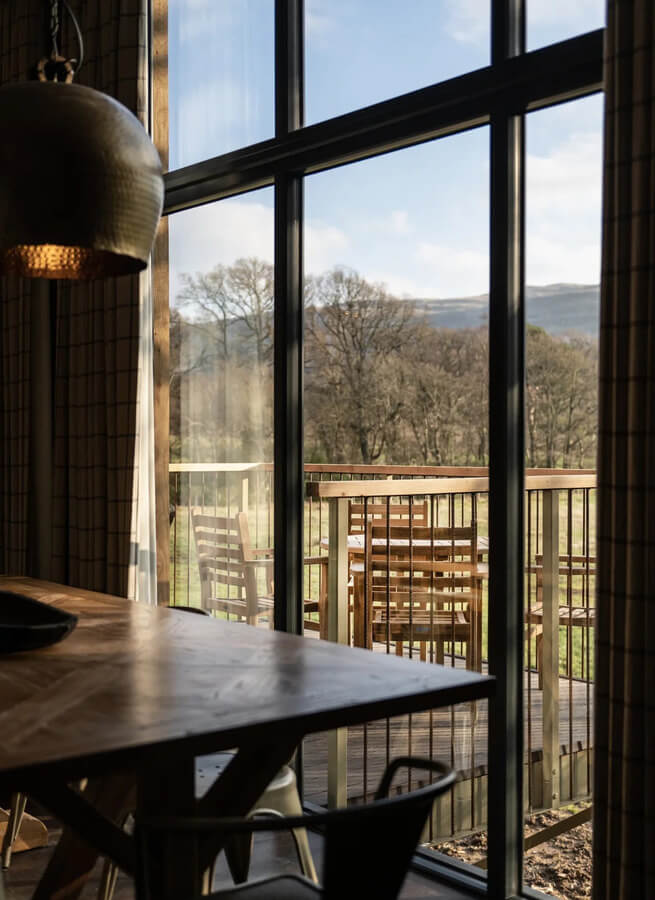
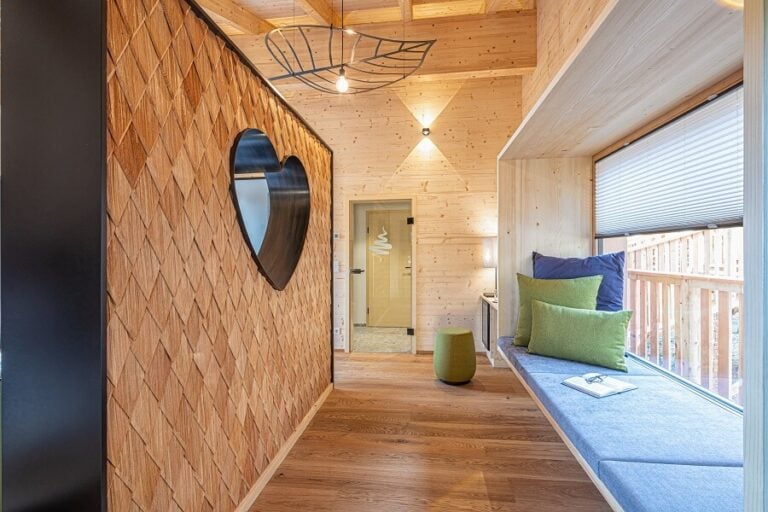
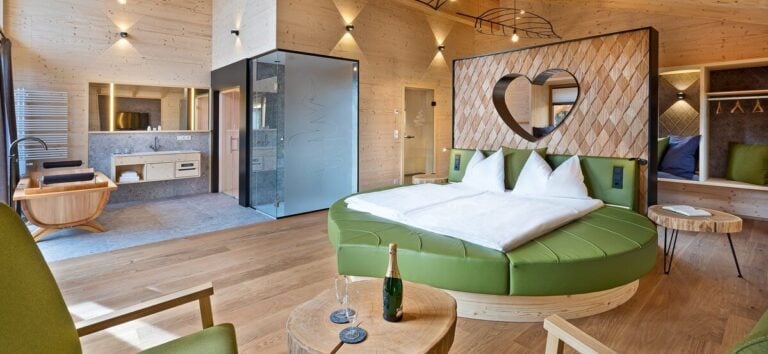
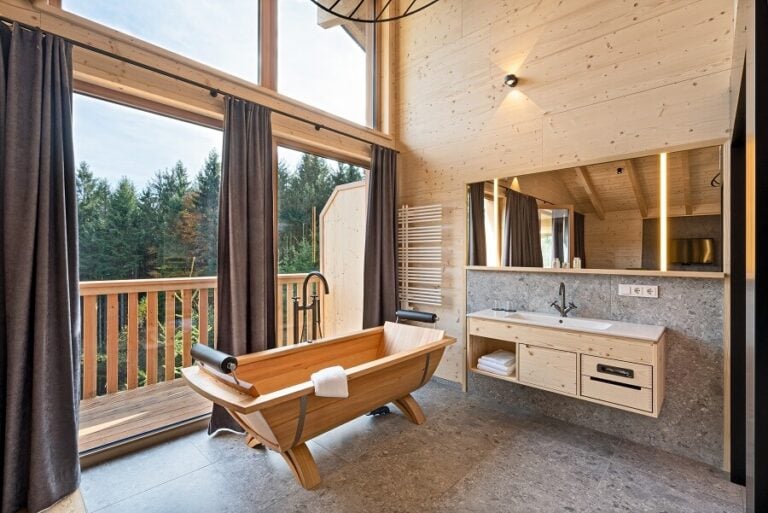

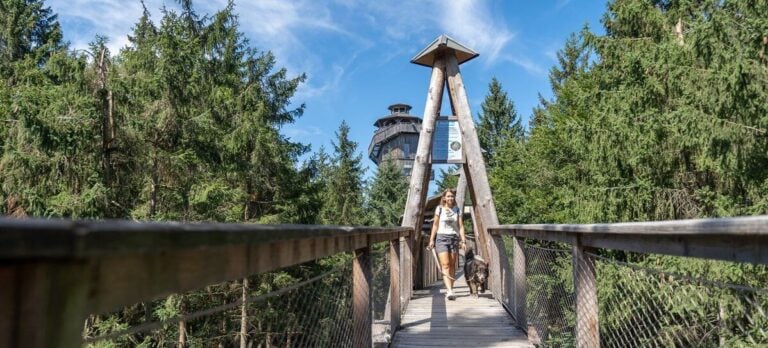
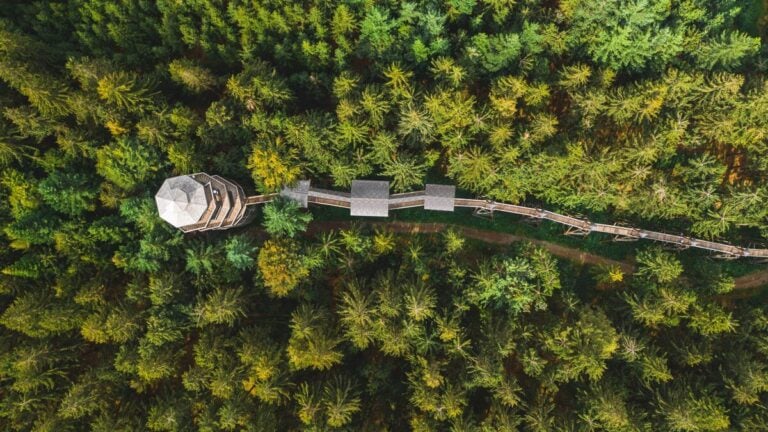
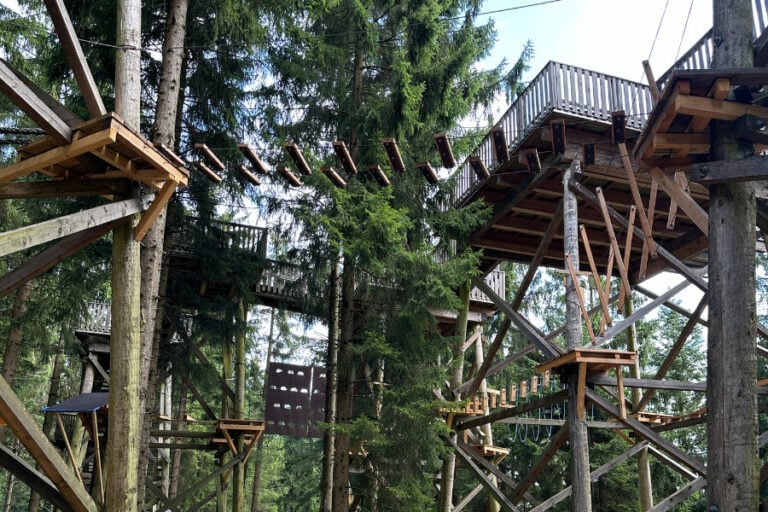



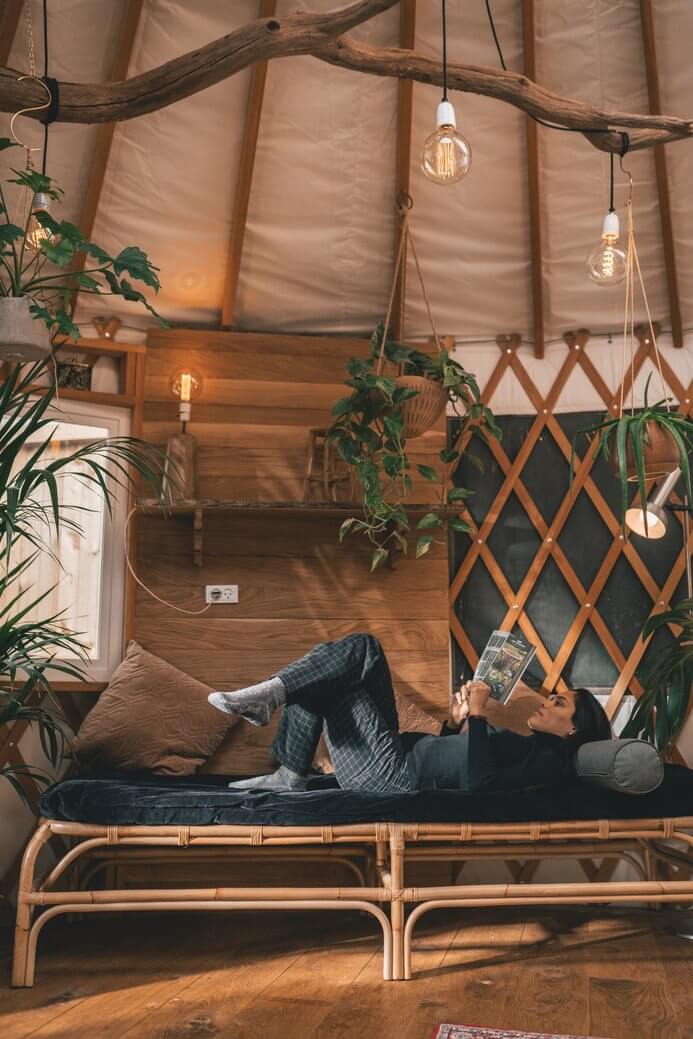
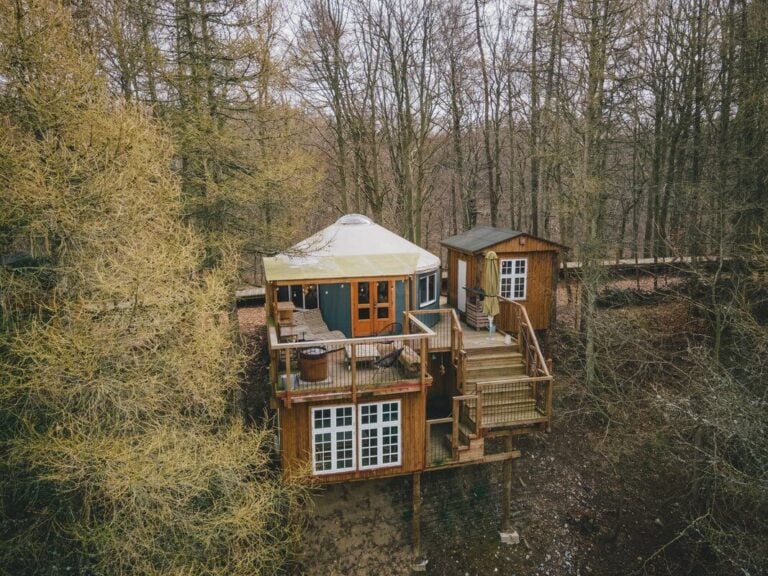
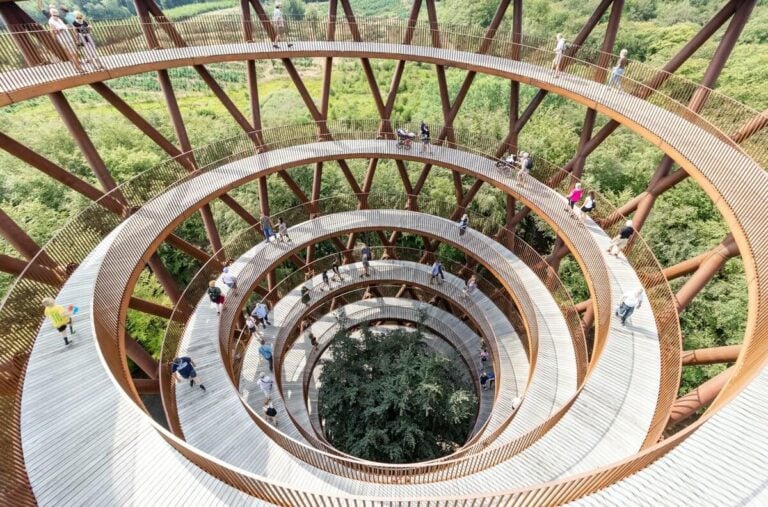
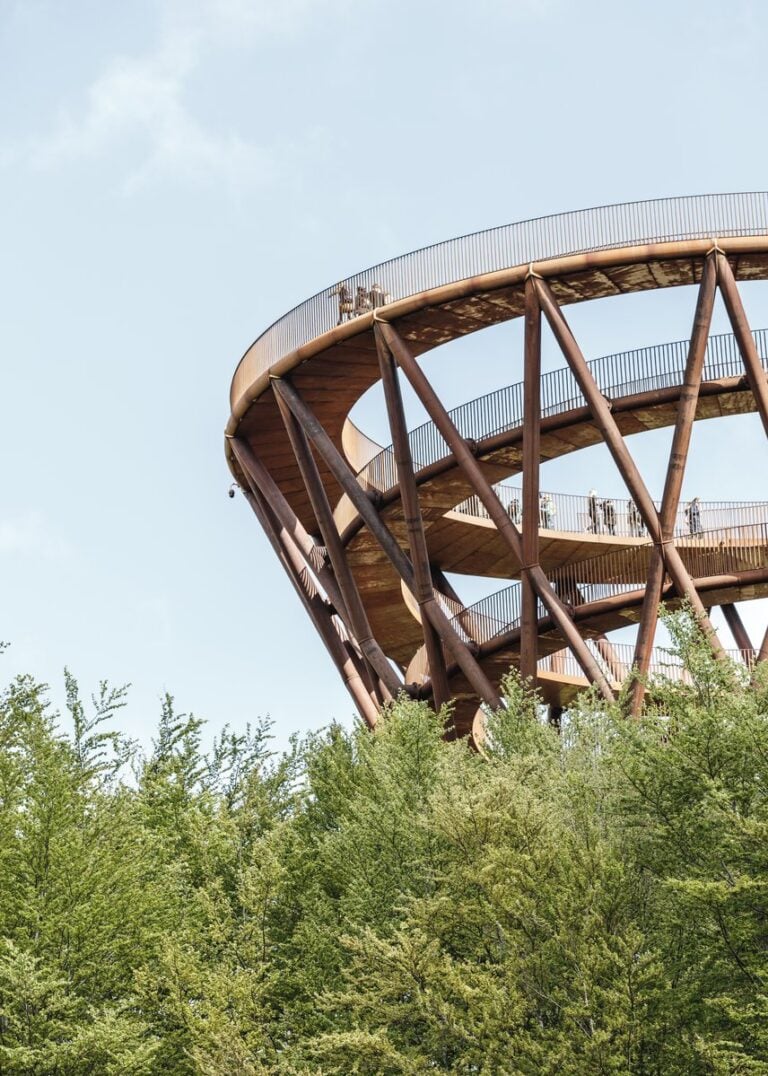
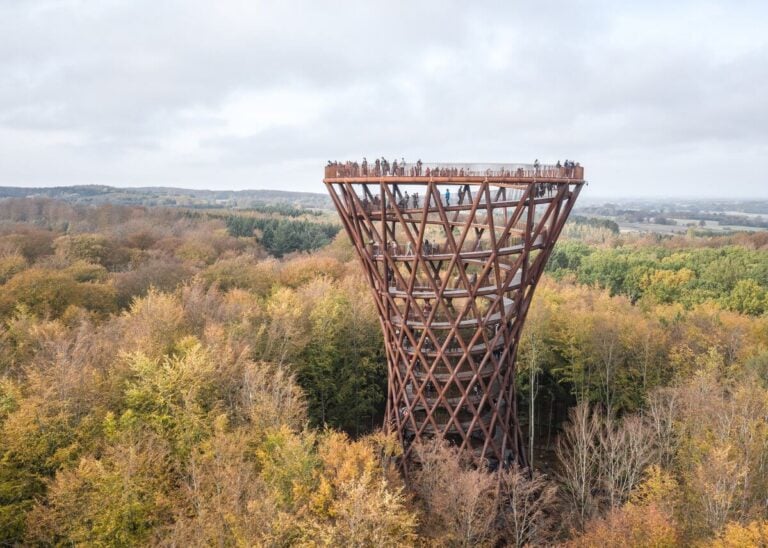

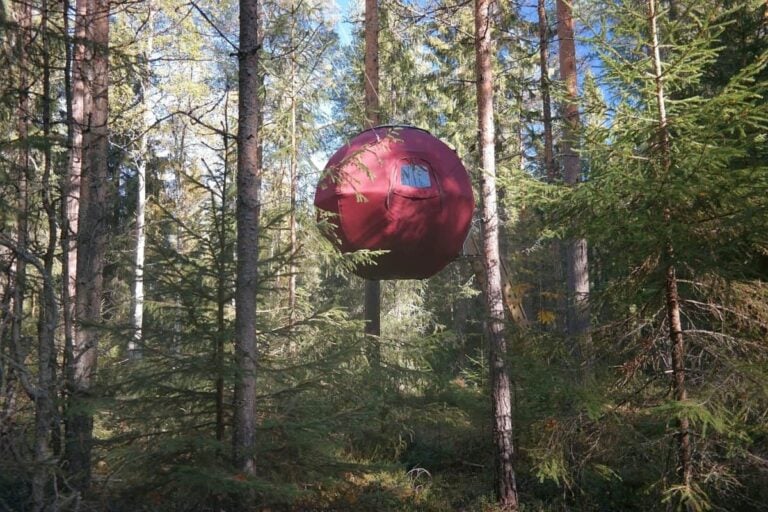
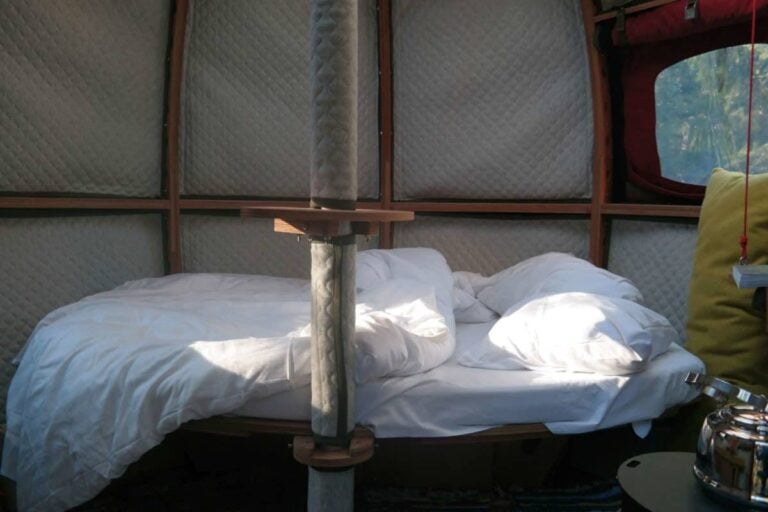
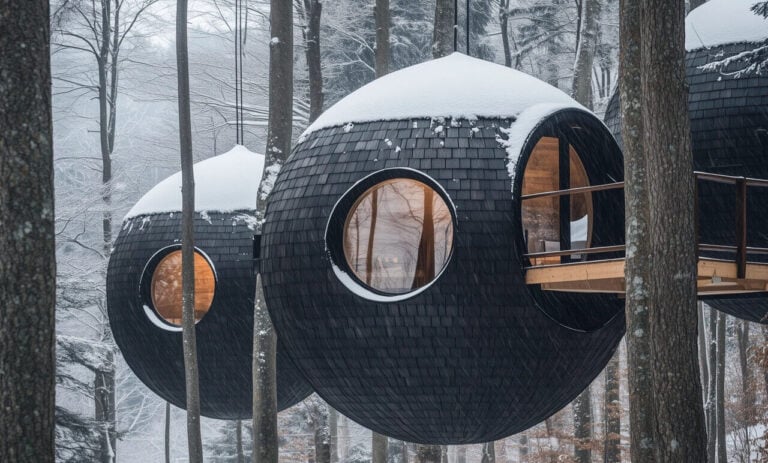
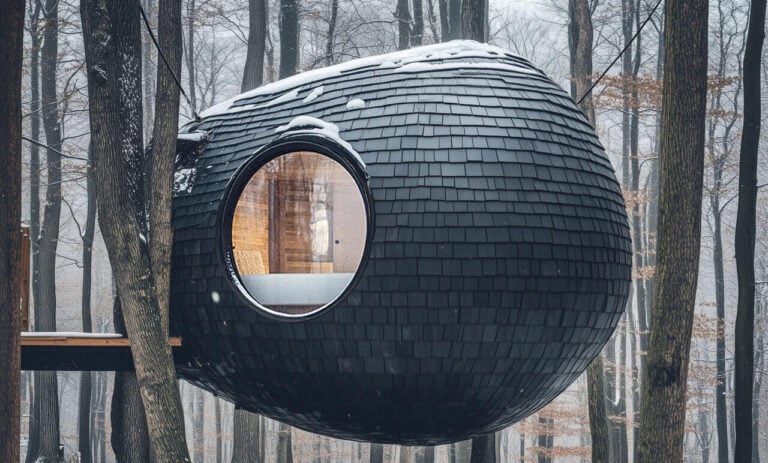
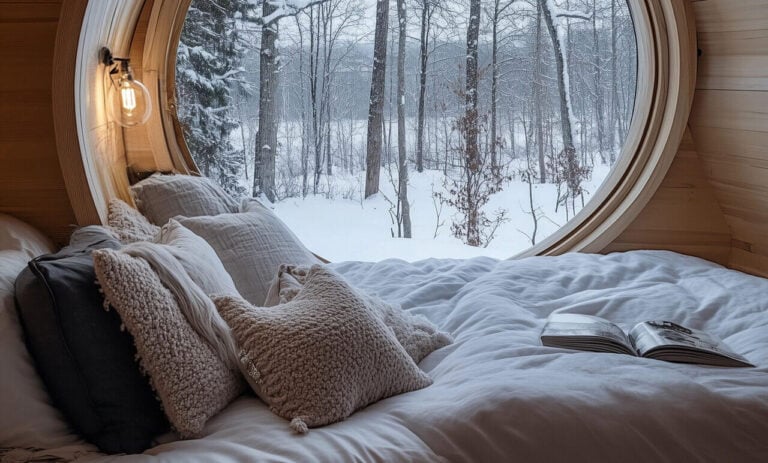

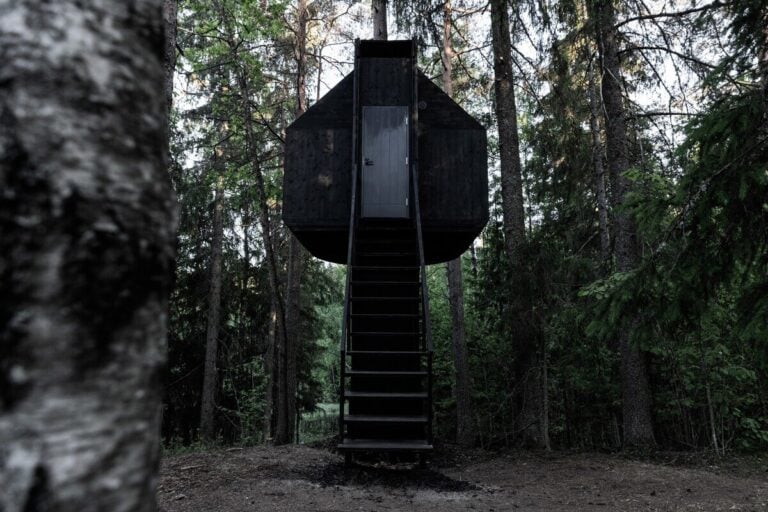
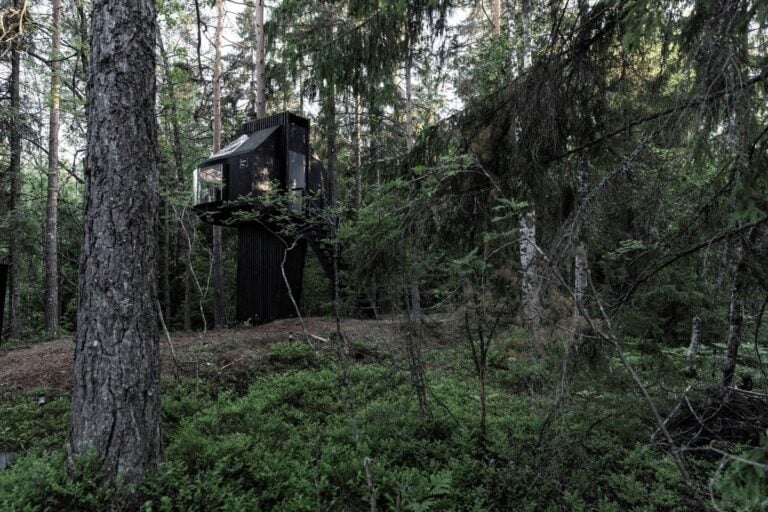



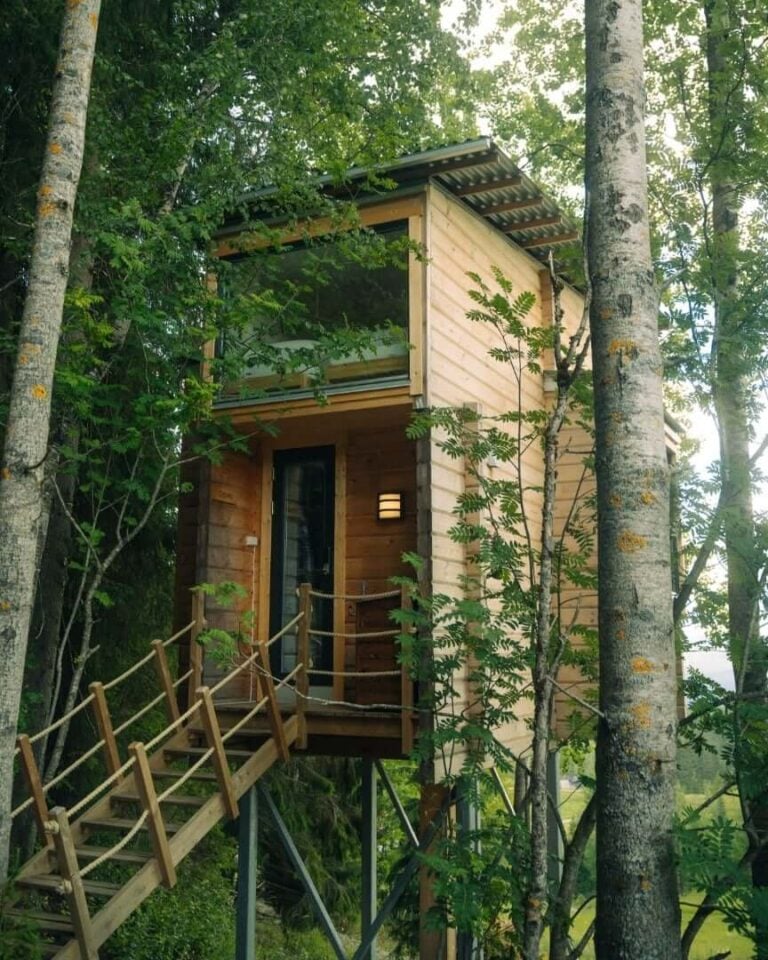
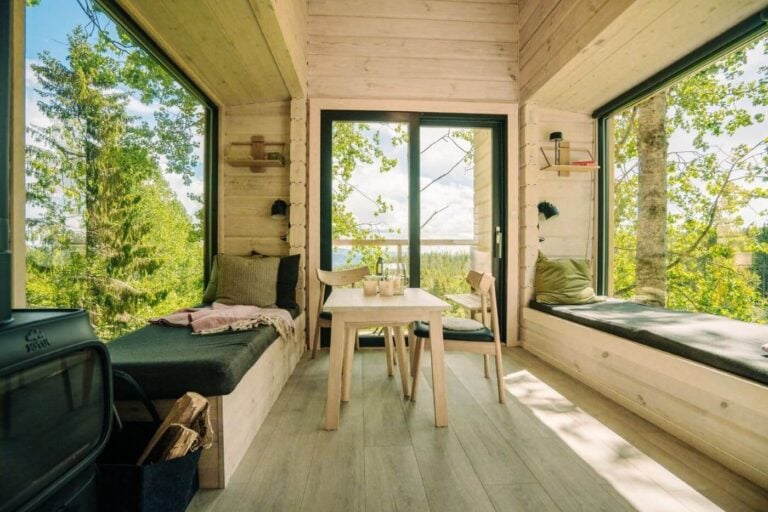
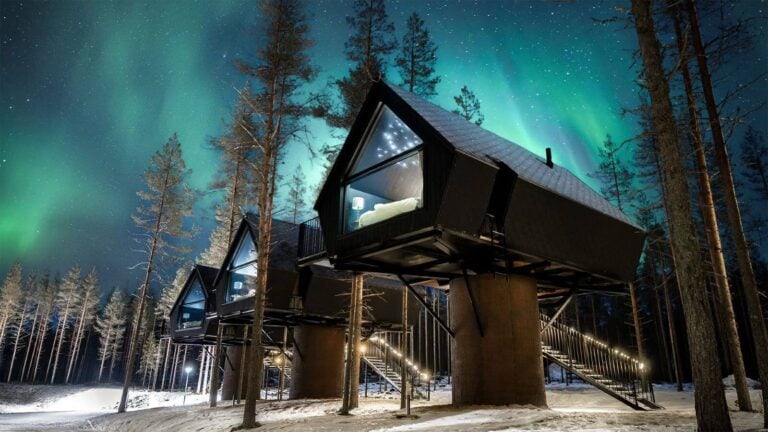
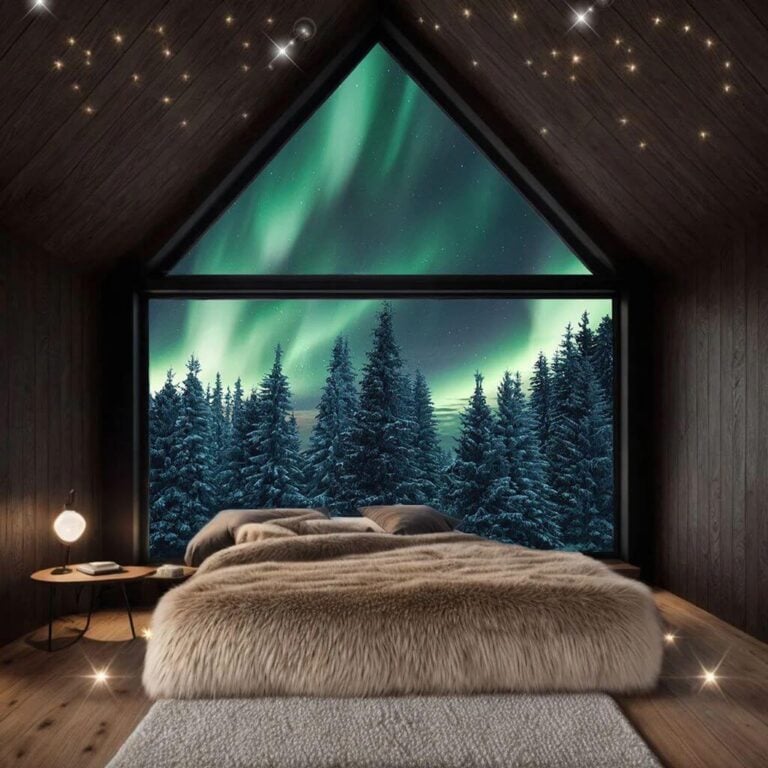
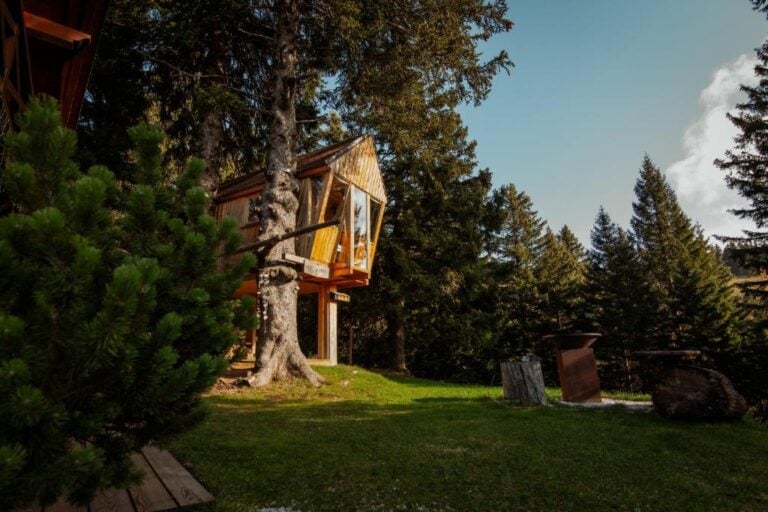
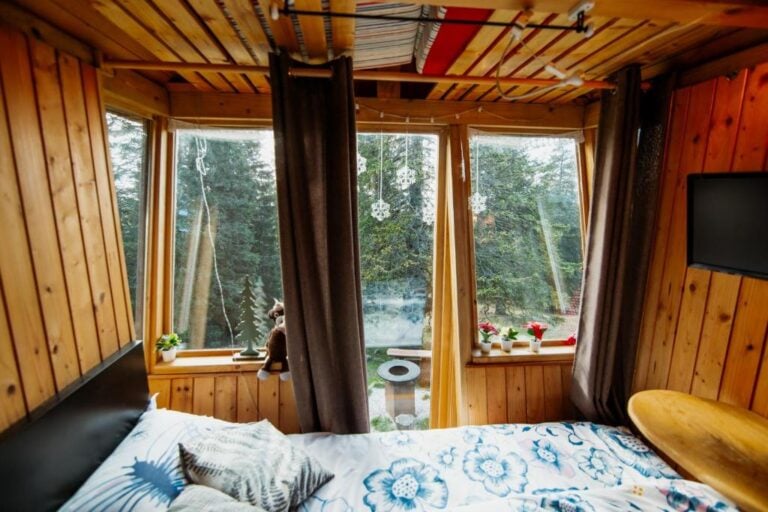
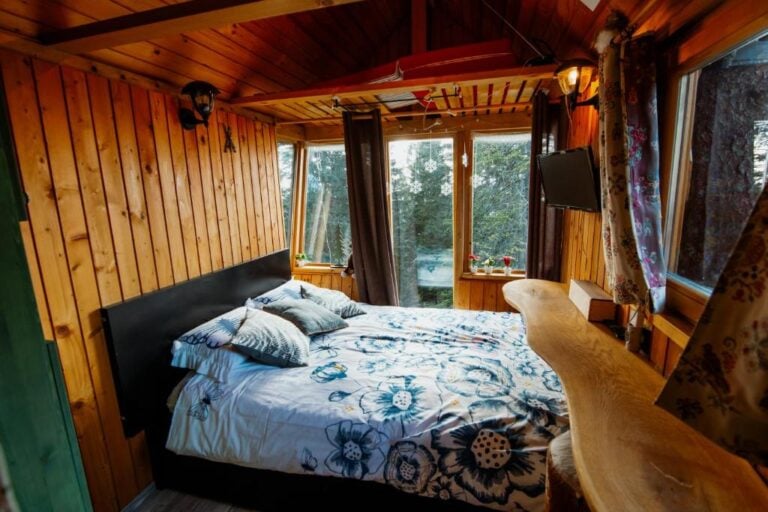
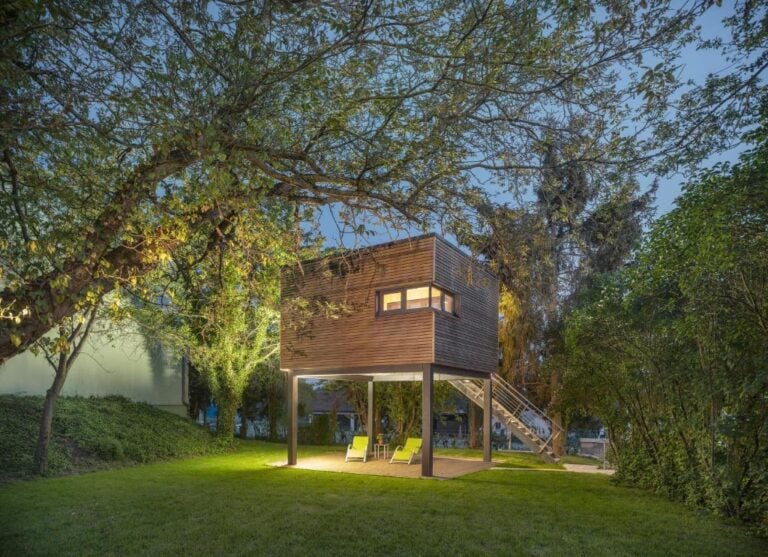

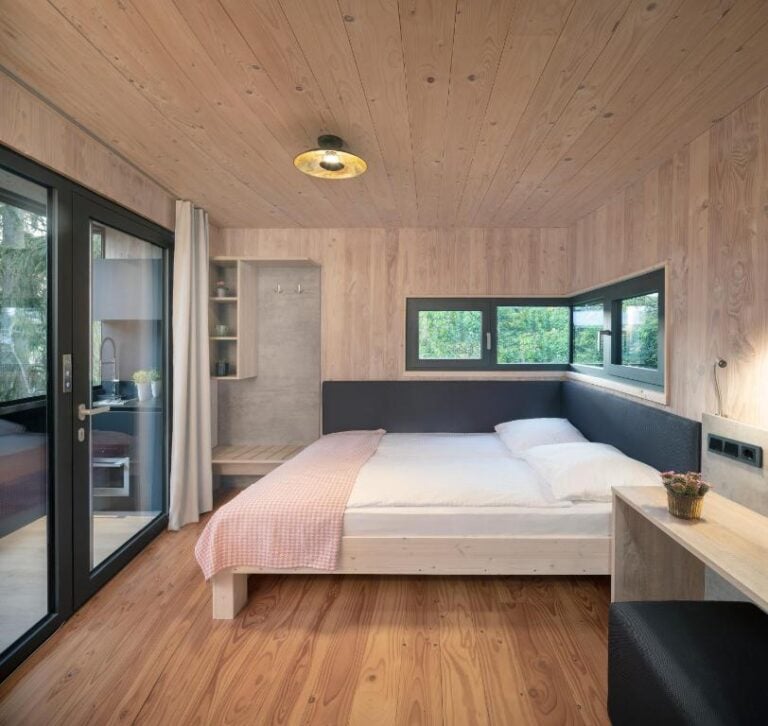

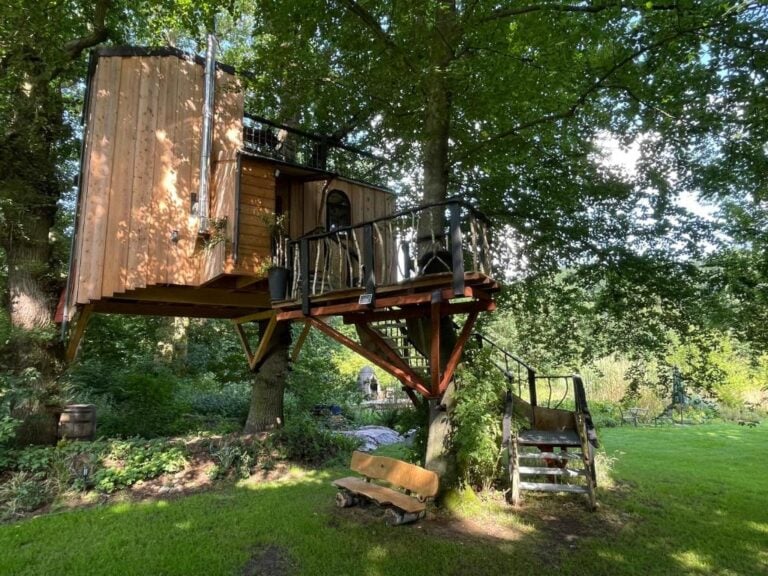
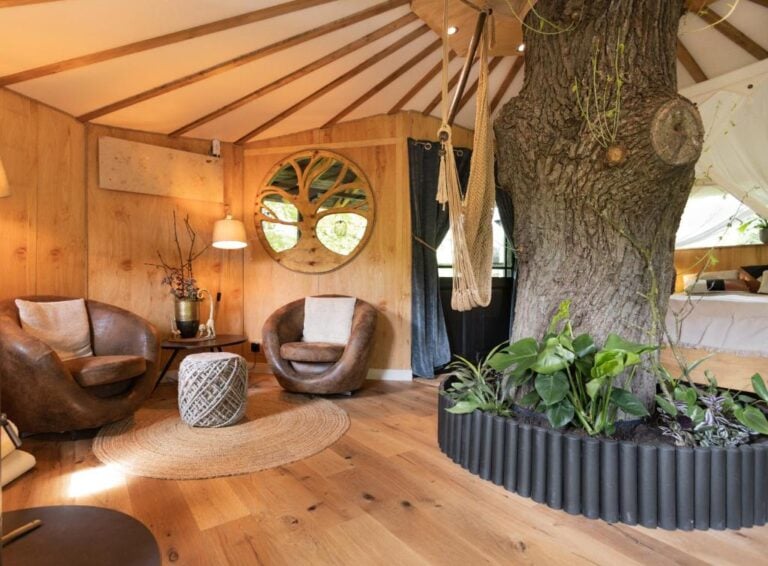
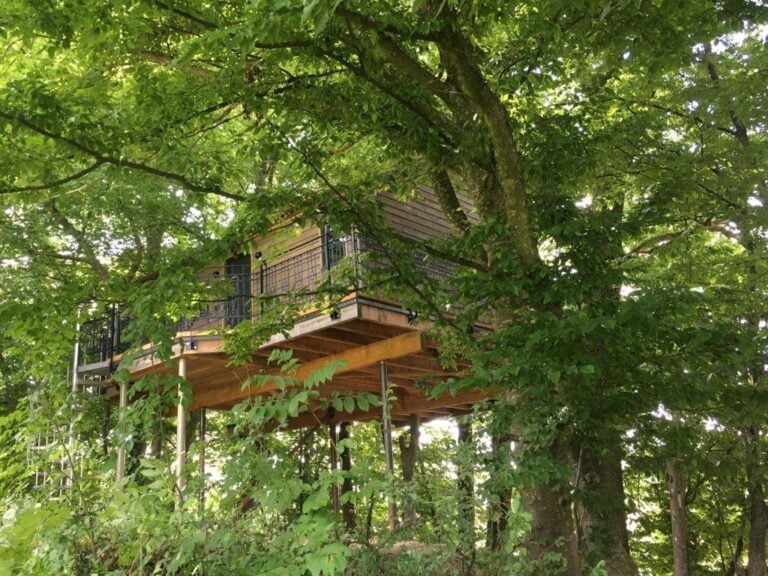
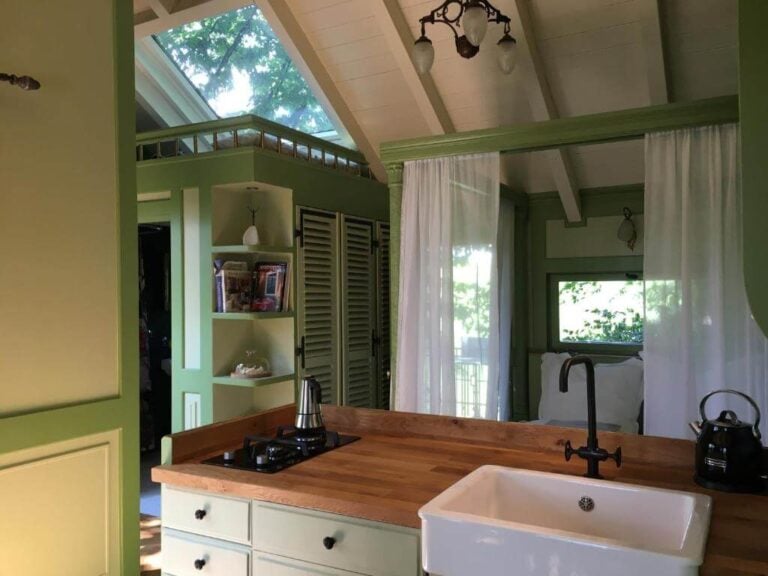

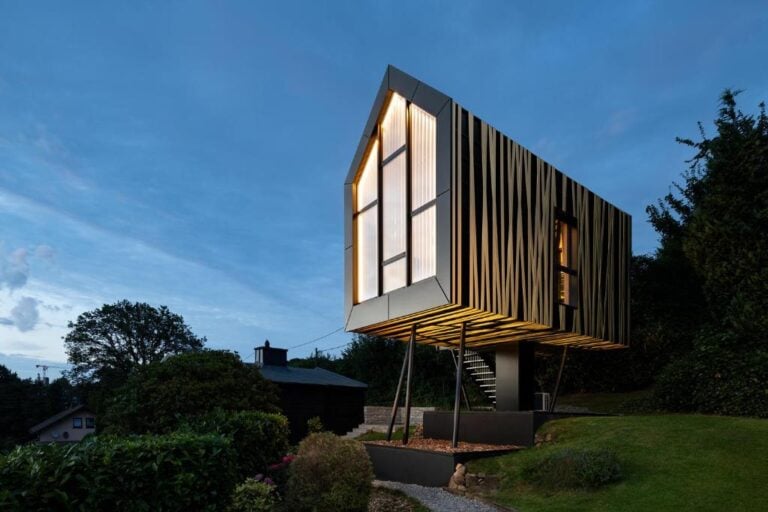

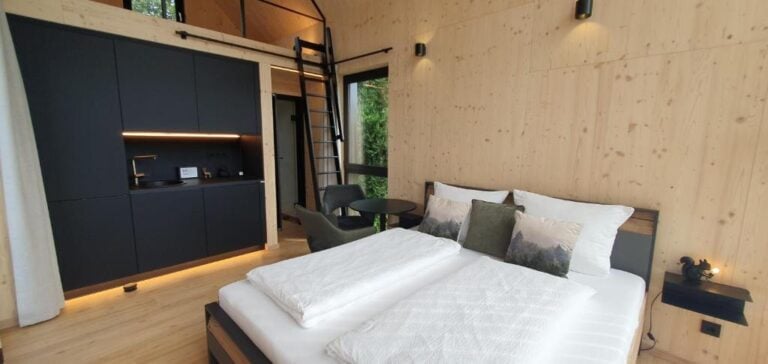
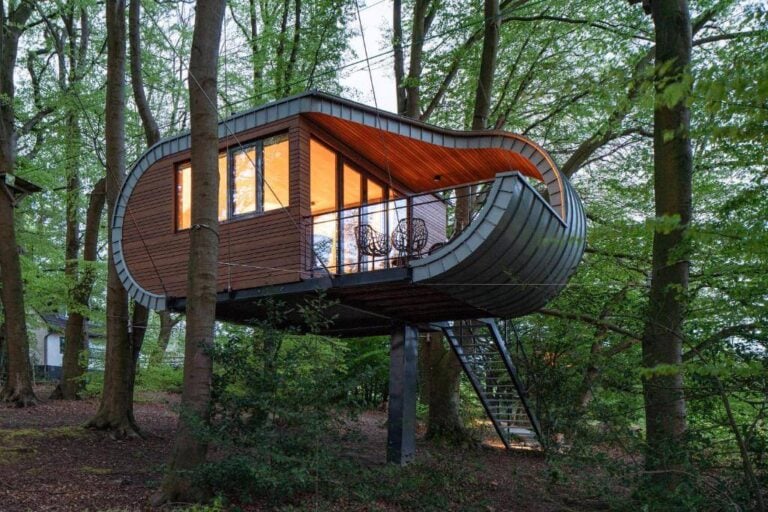
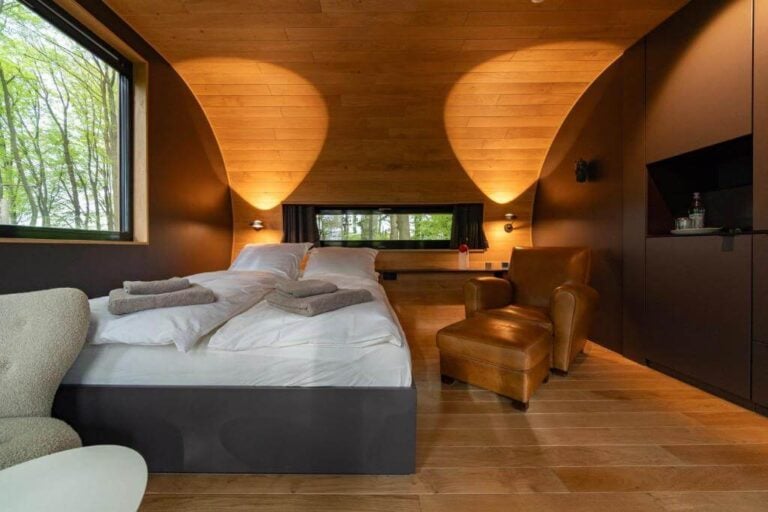

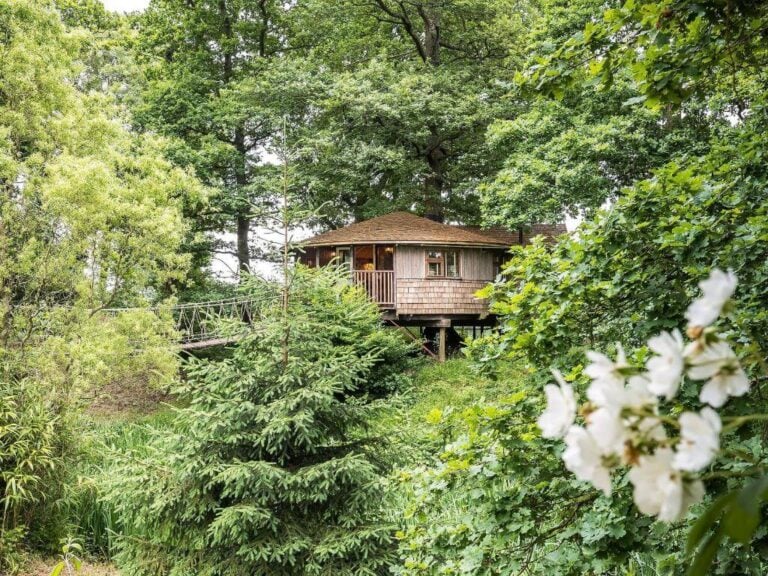
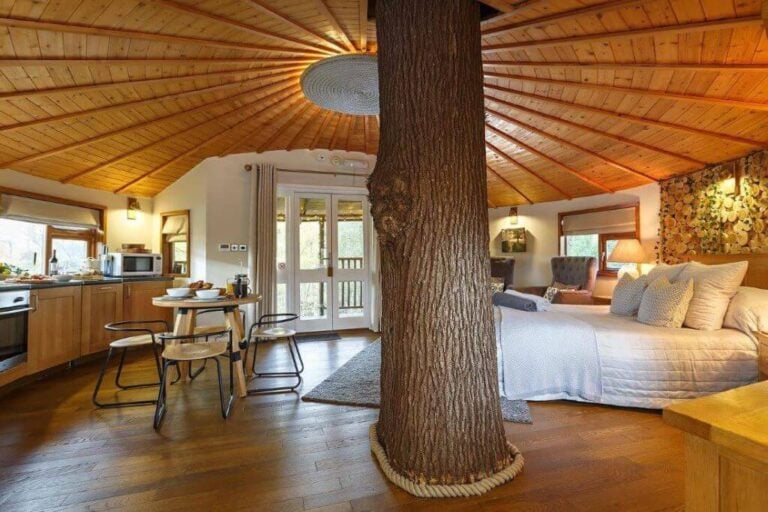
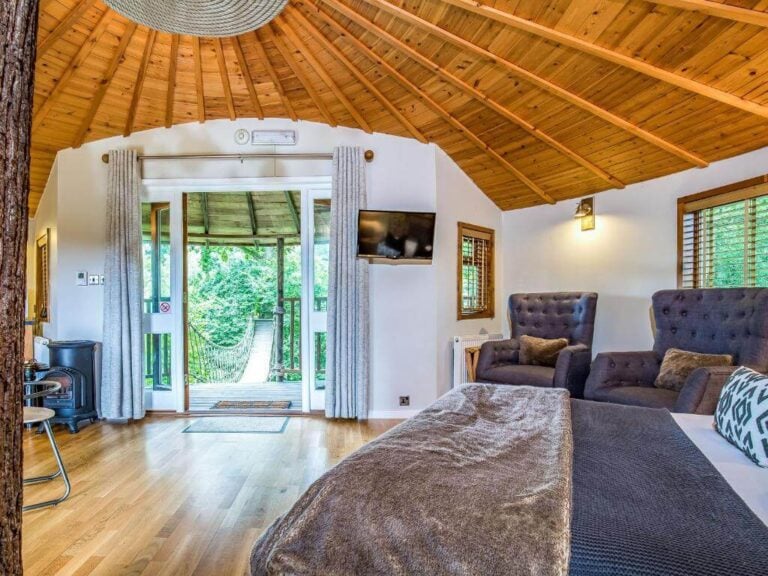






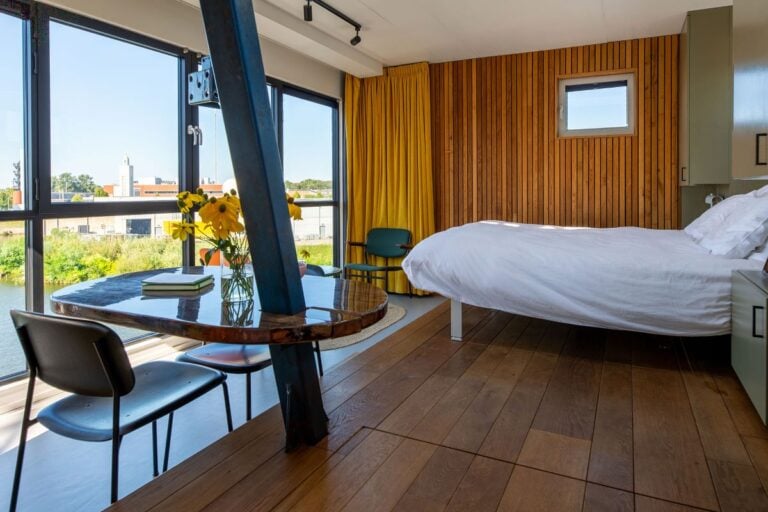

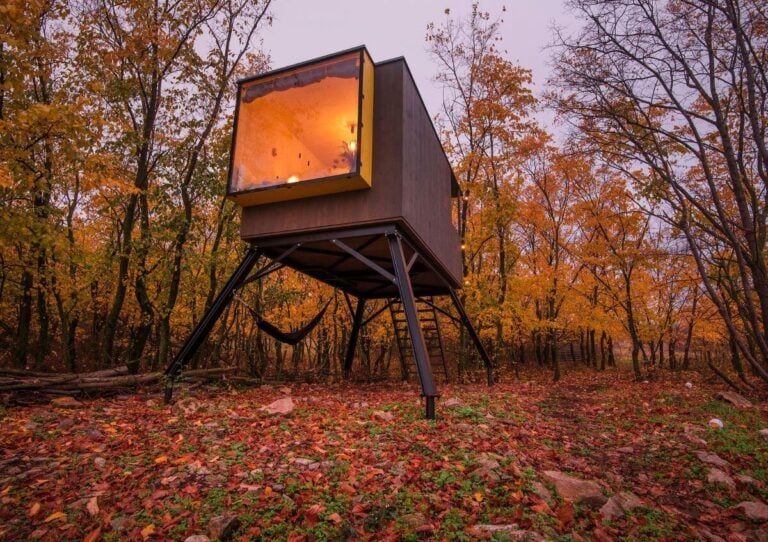


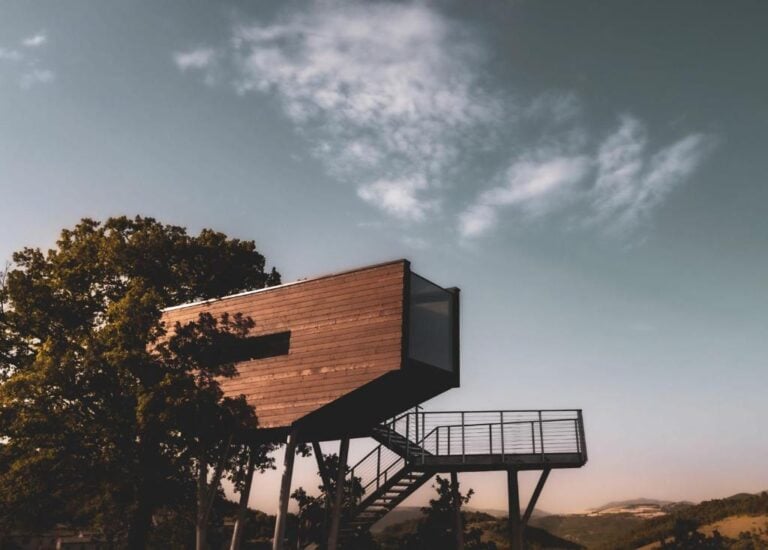
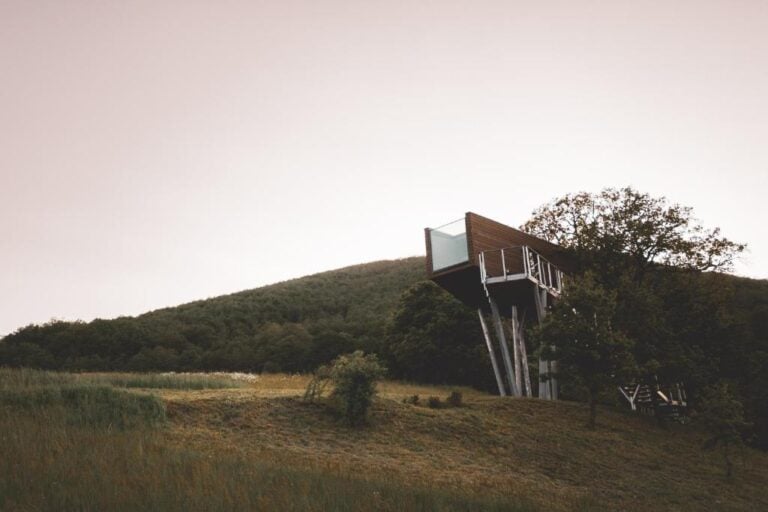







About Europe
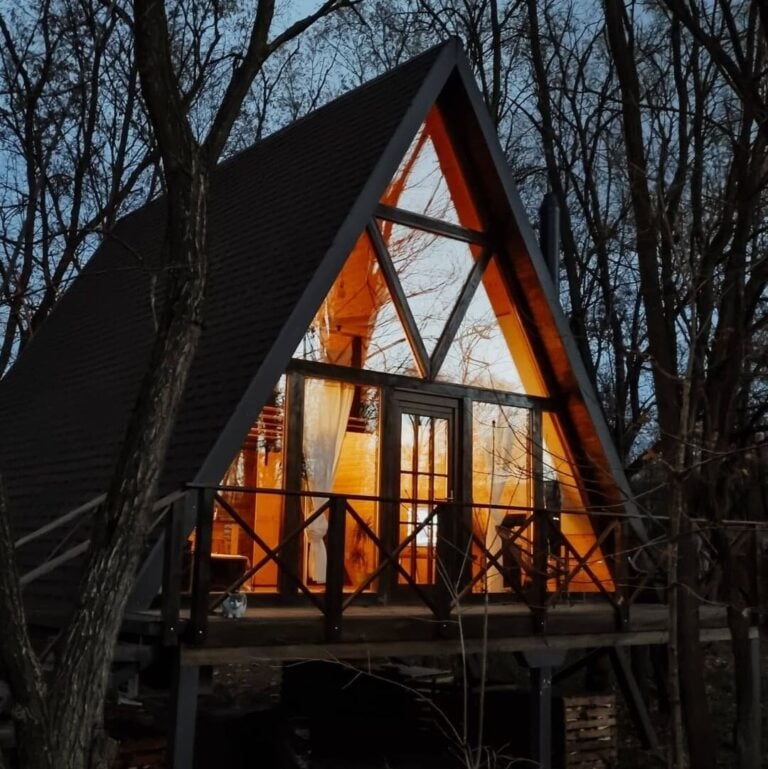
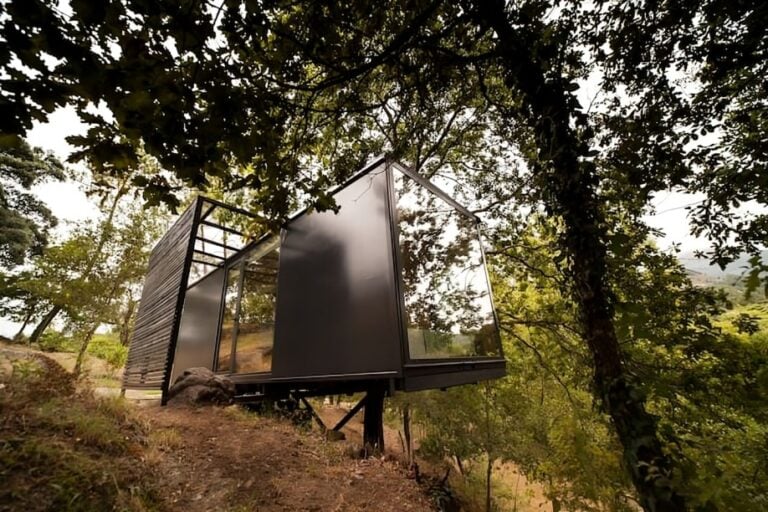
Treehouse stays in Europe stretch from the pine forests of Scandinavia down to sun-warmed oak groves along the Mediterranean, each region shaped by different ideas about what it means to sleep among branches. In Sweden and Finland, you find clean-lined cabins built around minimalist principles—big windows, clever heating, the kind of quiet that makes you notice your own breathing. France and Germany tend toward something softer, with rounded shapes tucked into deciduous woodland where morning mist settles between the trunks and stays until nearly noon. Italy and Spain bring their own version, often with stone terraces or outdoor bathing under cypress and olive trees, the air thick with herbs even at altitude.
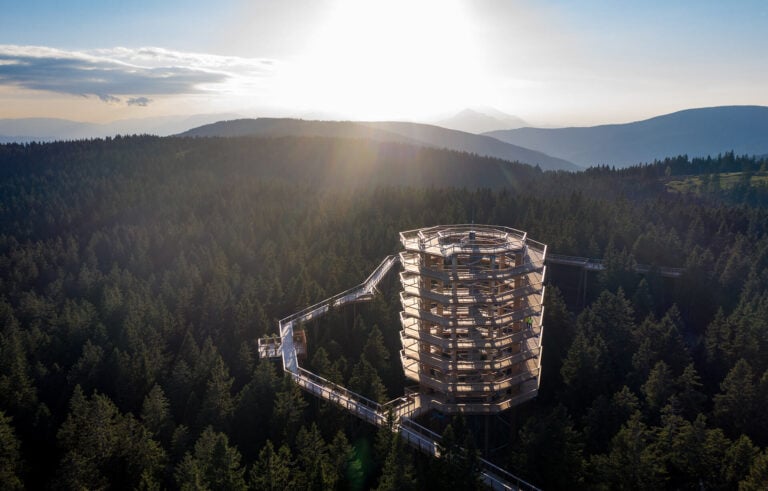
The practical differences matter as much as the romantic ones. Northern properties need serious insulation and are typically built with winter in mind, which means you can visit during the coldest months and still wake up warm while snow loads the branches outside. Around the Alps—Switzerland, Austria, parts of southern Germany—treehouses often sit at elevations where the air stays cool even in summer, and the views stretch across valleys in a way that makes the height feel earned. Mediterranean builds tend to stay open later into autumn and start earlier in spring, taking advantage of longer mild seasons and the fact that summer heat up in the canopy can actually be more comfortable than down on the ground.
What pulls people to these places is rarely just the novelty. It's the way a forest changes how you measure time. You begin noticing light angles, the point in the afternoon when birds go quiet, how wind moves through different types of leaves. Some properties are alone in private woodland; others cluster near small villages where you can walk to a bakery or weekly market. Transport almost always requires a car, though a few French and German sites coordinate train-station pickups. Most have electricity, running water and proper bathrooms, but the degree of luxury varies widely—some are polished retreats with underfloor heating and wine cellars, others are simpler cabins where the selling point is solitude rather than thread count.
The geography is broad enough that choosing a country often comes down to what else you want nearby. Scandinavia offers northern lights in winter and nearly endless daylight in summer, but distances are long and costs tend to be higher. France has density and variety, with treehouses scattered from Brittany to the Dordogne, many close to vineyards, chateaux or hiking trails. Italy combines forest and culture in ways that let you split days between canopy and town. The UK and Netherlands are adding more sites now, often with an emphasis on rewilding projects or family-friendly builds with multiple platforms. Eastern Europe remains quieter but is growing, particularly in Slovenia, Poland and the Czech Republic, where prices are lower and the forests feel less trafficked.
Seasonality shapes the experience in ways that matter more than you expect. A Swedish treehouse under the northern lights in February is a different animal from the same cabin in June when the sun barely sets and birdsong starts at three in the morning. Alpine treehouses in October mean golden larch and cool air; the same sites in July might be crowded and warm. Booking windows can be tight for peak summer weeks and northern-lights season, often filling months ahead. Shoulder seasons—late April, early September—offer better availability, fewer families, and forests in transition when the light does interesting things twice a day.
Frequently asked questions about Europe
Which European countries are best for treehouse stays?
Sweden and Finland lead for northern-lights experiences and minimalist design, while France offers the widest variety and easiest access across regions from Brittany to the Dordogne. Italy combines forest settings with proximity to wine country and historic towns, and Alpine locations in Switzerland and Austria deliver high-altitude views with cooler summer temperatures. The UK and Netherlands are expanding options with family-focused builds, while Slovenia, Poland and the Czech Republic provide quieter forests at lower price points.
What is the best time of year to visit a treehouse in Europe?
Late April through early September works well across most of Europe, with May and June offering long daylight and active birdlife before peak summer crowds. December through March suits Scandinavia if you want northern lights and snow-covered forests, though you need properties built with serious insulation. Shoulder seasons in late April and early September typically mean better availability, fewer families, and forests in transition when morning and evening light are particularly striking.
Do European treehouses have heating and electricity?
Most modern European treehouse stays include electricity, running water and proper bathrooms, with heating systems ranging from underfloor warmth to wood stoves depending on the build. Northern properties in Scandinavia and the Alps are typically insulated for winter use, so you stay comfortable even when snow loads the branches outside. A smaller number of off-grid sites exist, usually marketed specifically for that experience, but the majority are built for year-round comfort rather than purely rustic adventure.
Can you see the northern lights from treehouses in Europe?
Yes, from treehouse stays in northern Sweden, Finland and Norway during roughly December through March, though sightings depend on clear skies and solar activity rather than guarantees. Properties at higher latitudes and away from light pollution offer the best chances, and winter builds in these regions are designed to let you watch from warmth. The same locations in summer bring nearly endless daylight and active wildlife instead, creating entirely different experiences in the same cabin.
Do I need a car to reach treehouse stays in Europe?
Nearly all European treehouse properties require a car, as most sit in private woodland or rural areas without practical public transport links. A few sites in France and Germany arrange pickups from nearby train stations if you coordinate in advance, but this remains the exception. Plan on driving, often along narrow forest roads for the final stretch, and check individual property directions since mobile signal can be patchy once you leave main routes.