
Thailand
Thailand's treehouses climb from misty teak forests above Chiang Mai through the limestone rainforest of Khao Sok and out to quiet island bays on Koh Samui and Koh Phangan. These are careful builds where bamboo and timber meet canopy, mornings arrive with gibbon calls threading through mist, and elevation shifts the day's rhythm without asking you to rough it. The geography splits cleanly: cool northern hills, dramatic mainland rainforest and salt-air island palms—each with its own cadence, construction logic and reason to stay longer than planned.
{{locationDetails}}
Browse sub-categories


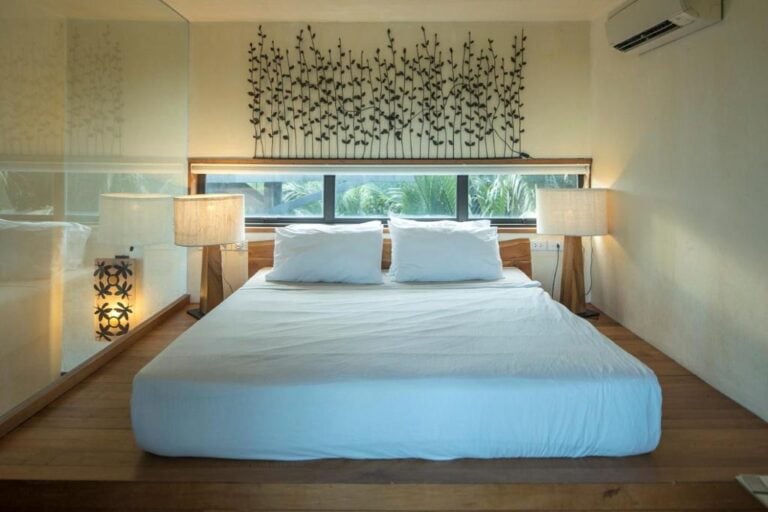


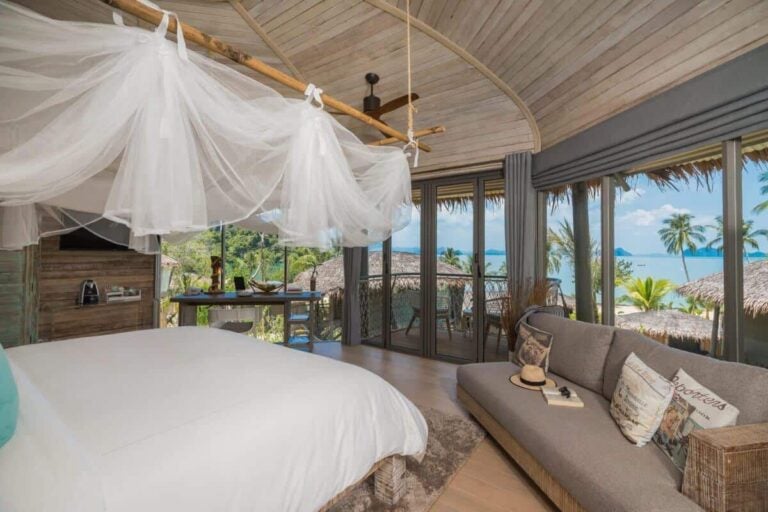
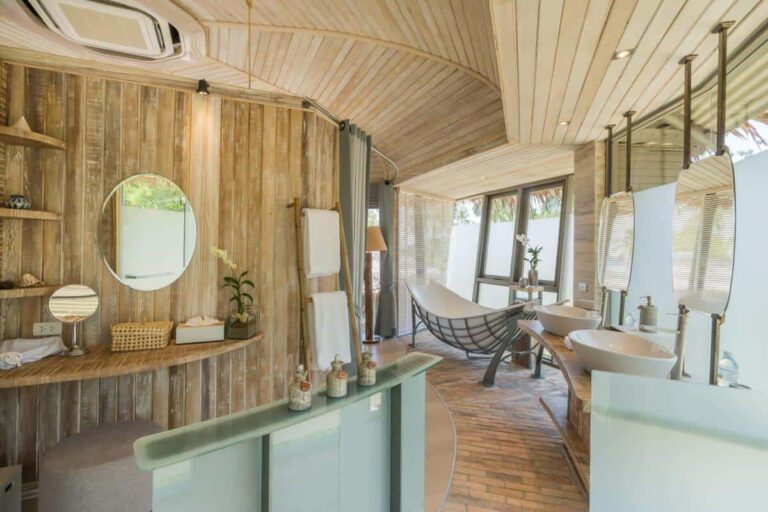
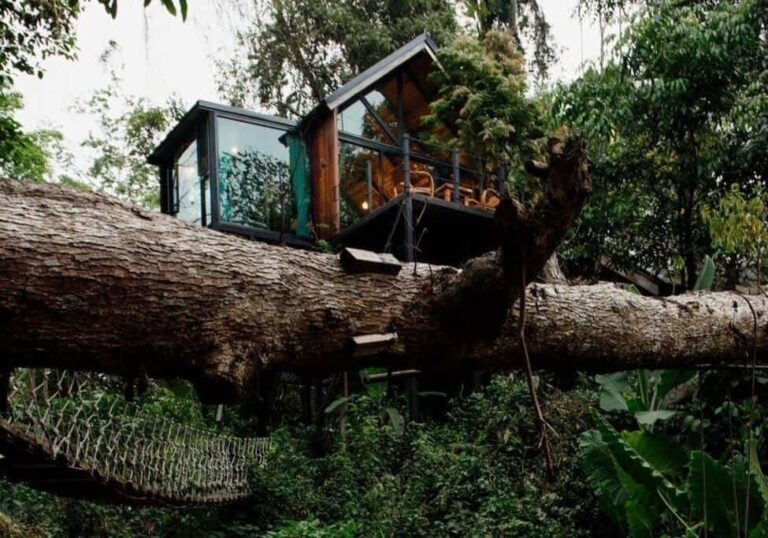
About Thailand
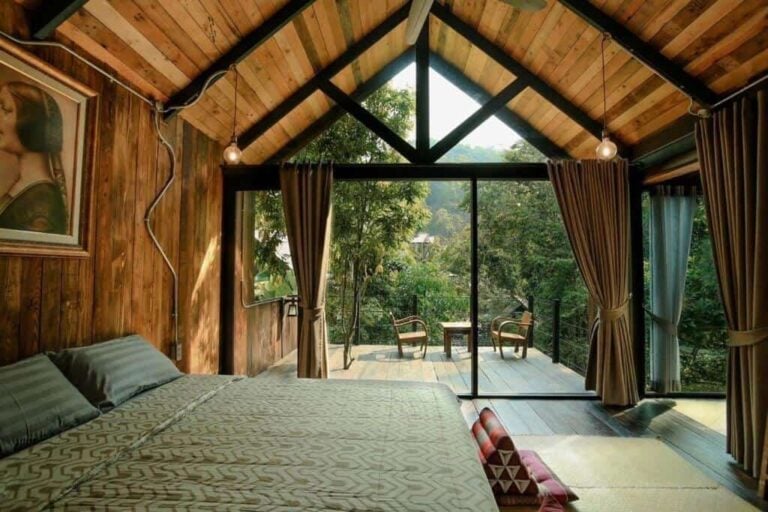
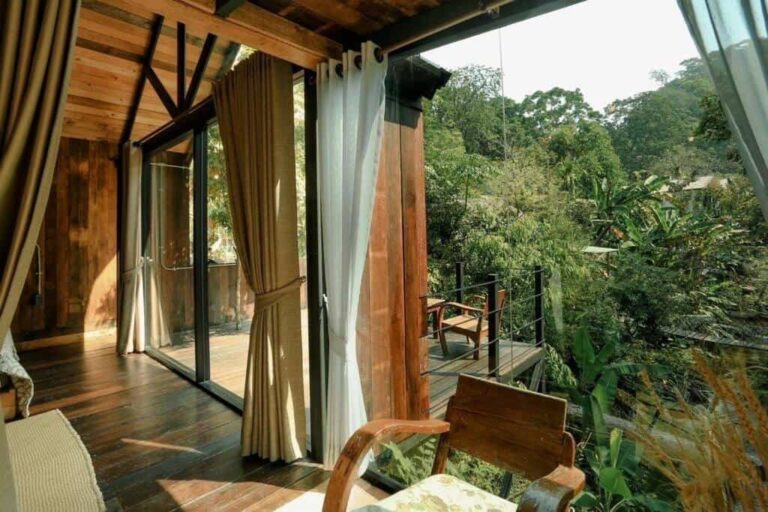
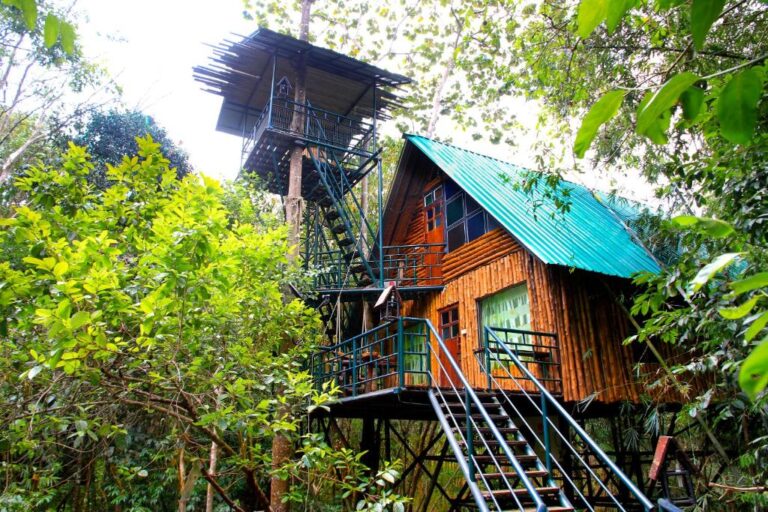
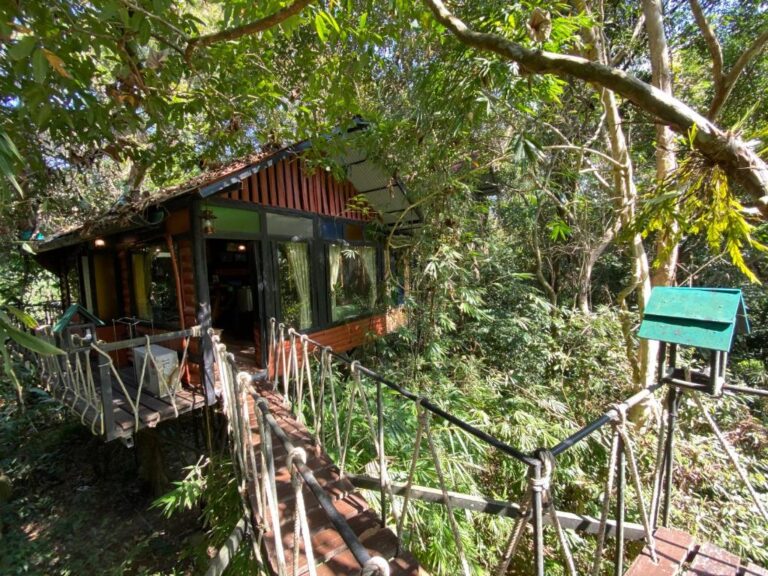
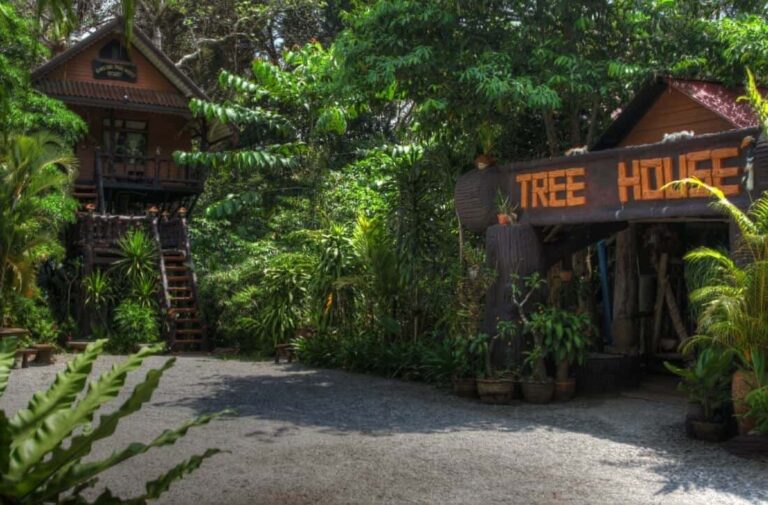
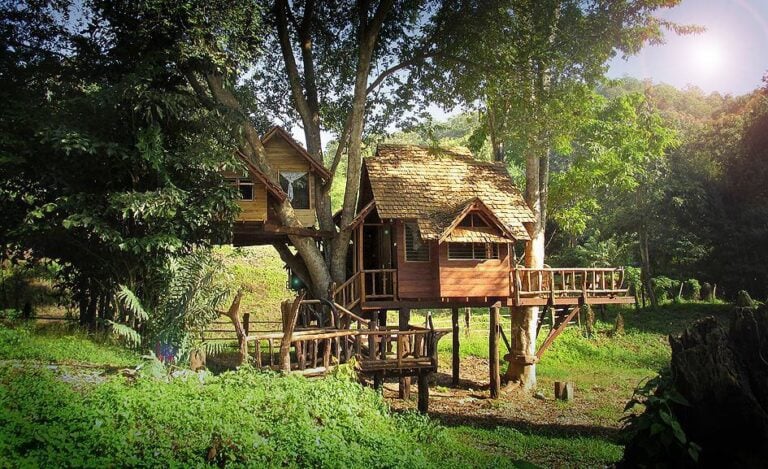
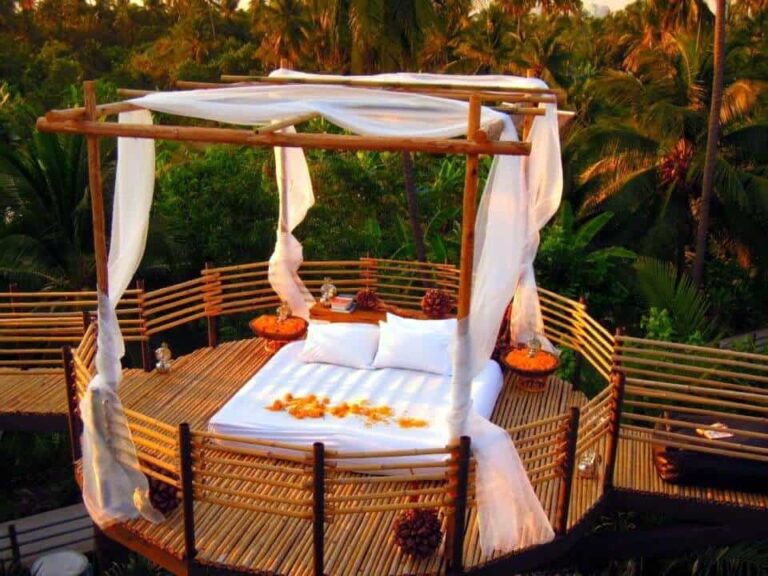
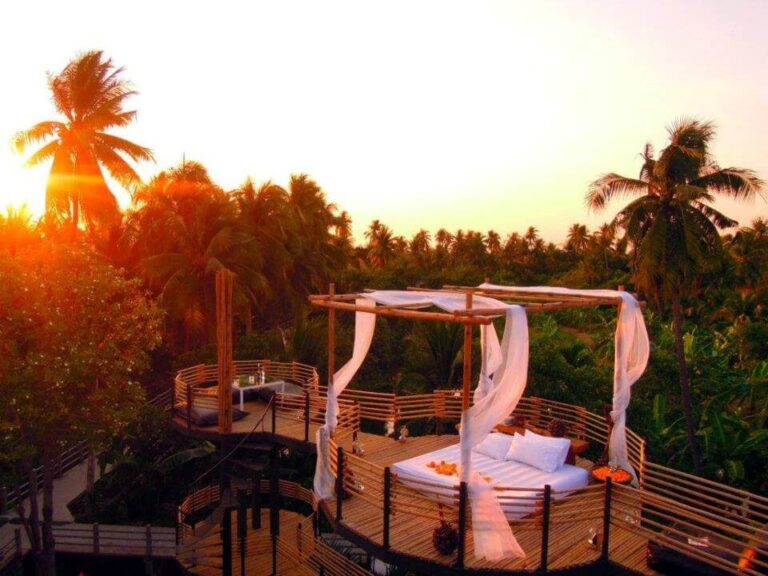
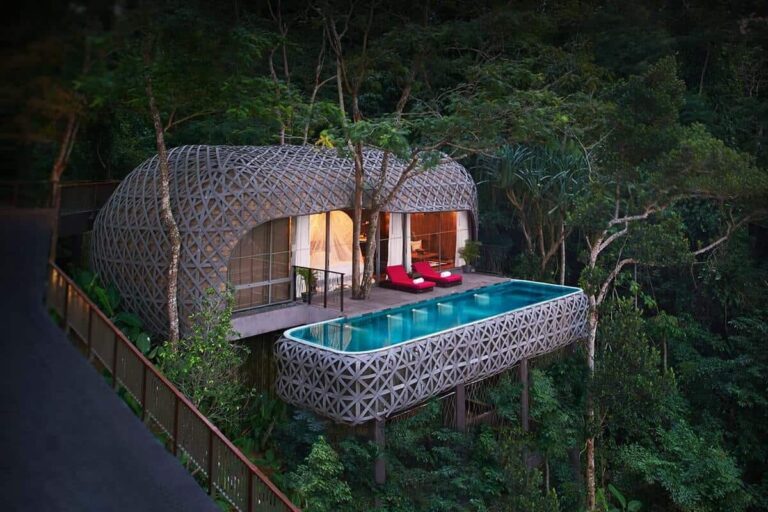
Thailand's treehouses stretch from the cool teak forests above Chiang Mai down through the limestone cliffs of Khao Sok and out to the quiet bays of Koh Samui and Koh Phangan. These are not childhood forts or weekend projects—they are careful builds where bamboo and timber meet canopy, where solar panels and rainwater systems work quietly out of sight, and where mornings arrive with gibbon calls threading through mist. The country's geography splits the experience cleanly: northern hills offer cool dawns and forest that smells of damp earth; mainland rainforest brings drama in the form of vertical cliffs and vines still slick from last night's storm; and the islands soften everything with salt air, palm rustle and water that refuses to stay one colour.
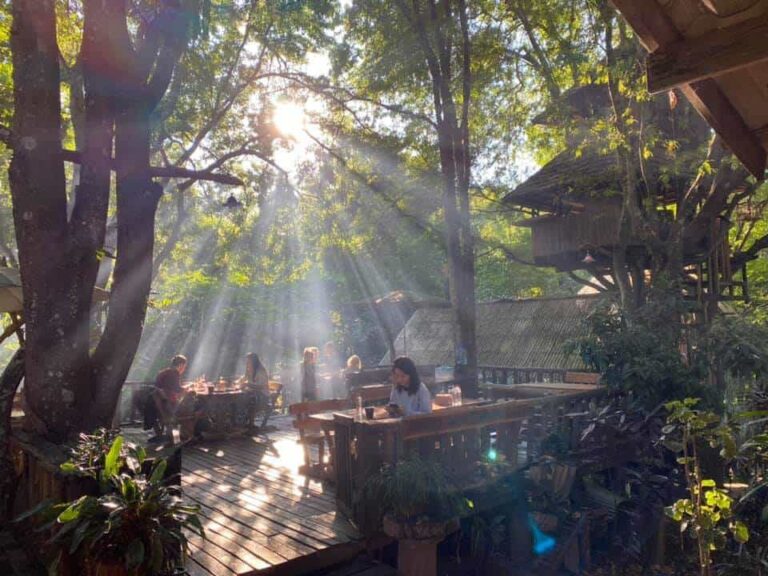
In the north, particularly around Chiang Mai, the air changes as you climb. Mist settles into valleys at dawn, and the forest wakes with layers of sound—bulbuls in the canopy, a gecko somewhere behind woven bamboo, occasionally a monk's bell from a temple you cannot see but know is there. Balconies face green that shifts through a dozen shades before lunch, and coffee goes cold while you watch. Head west or south toward Khao Sok and the register sharpens: hornbills flap past like torn paper, limestone towers rise straight out of the jungle floor, and the air carries rain even when the sky is clear. These are rainforest mornings that feel older and louder, where elevation means looking across treetops instead of into them.
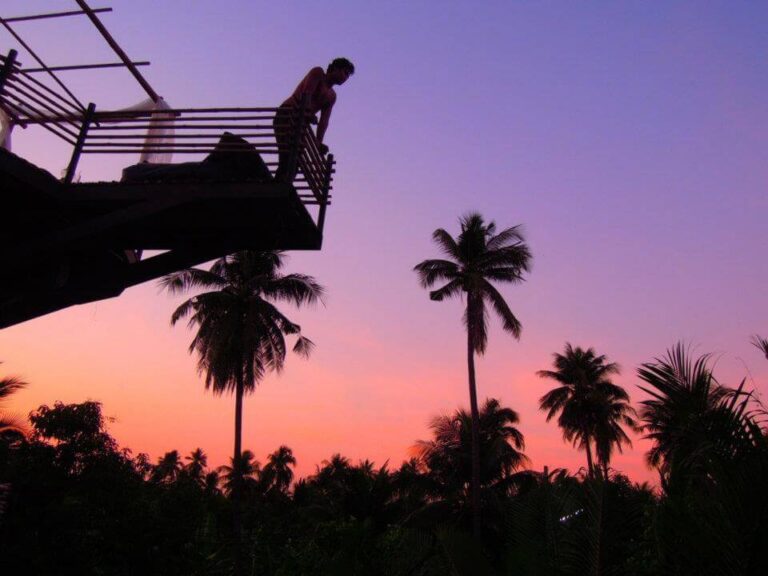
The islands offer a different rhythm entirely. On Koh Samui and Phuket, treehouses perch above palms with views toward bright water and longtail boats stitching white lines across the bay. Afternoon becomes hammock time without negotiation, and the breeze through a bamboo screen carries salt rather than soil. Koh Phangan and Koh Yao Noi feel quieter still—fewer boats, longer silences, skies that stretch without interruption. The elevation here is gentler, the jungle lower and more open, but the effect is the same: you climb a few meters and the day slows.
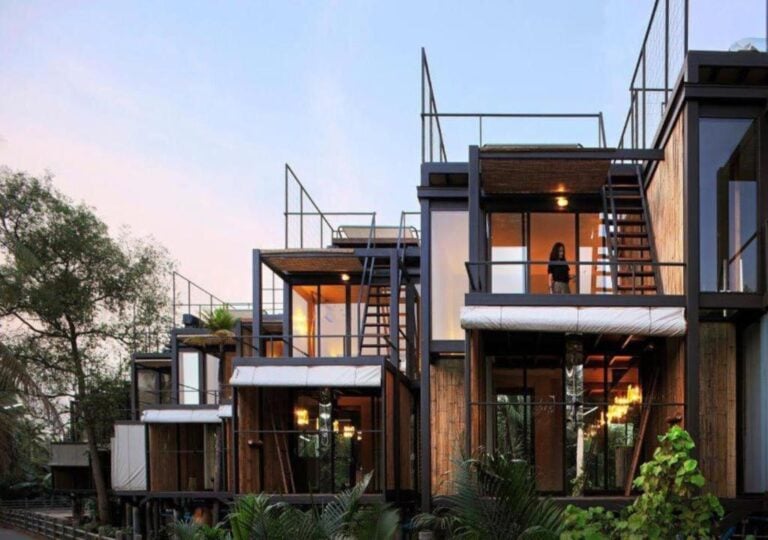
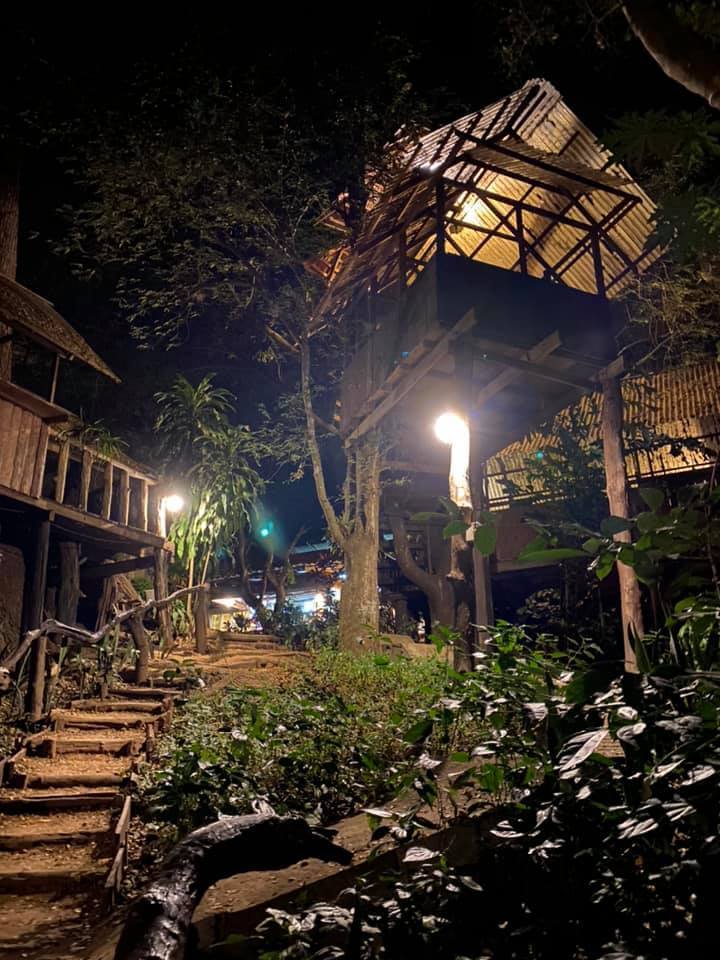
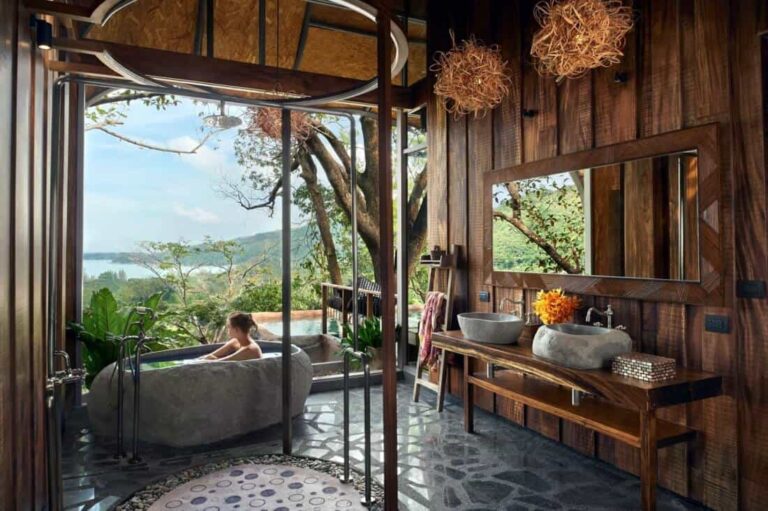
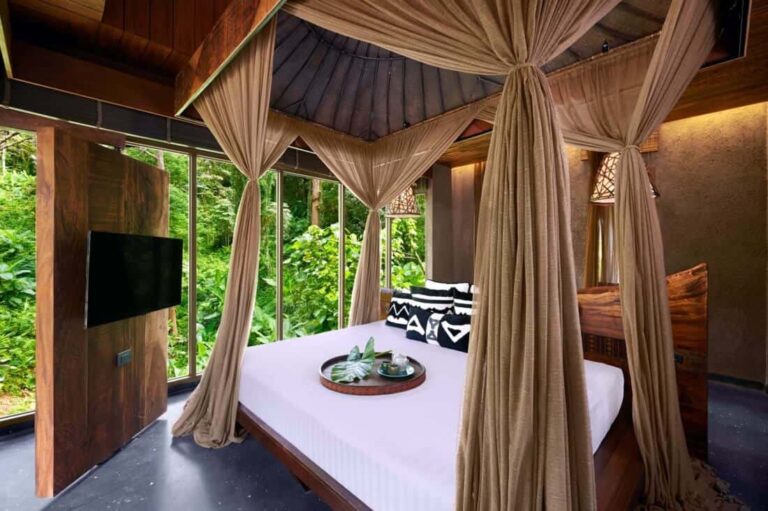
Construction in these properties leans on materials that belong—bamboo jointed the traditional way, teak where it can be responsibly sourced, palm thatch where it works and corrugated metal where it does not. Hand-woven cotton, ceiling fans that whisper rather than roar, showers open to sky or screened with carved panels. Luxury here behaves itself: no marble, no air conditioning fighting the climate, no pretending you are anywhere but exactly where you are. Days arrange themselves around small intentions—a morning market for coconut pancakes, a jungle trek that ends at a waterfall, a night paddle through a lagoon where plankton spark like static. Or no plan at all, because watching light move through leaves turns out to be enough of an agenda.
Thailand's climate splits by season and region, which matters if you care about mist versus monsoon. November through February brings cool mornings to the north and reliable sunshine nearly everywhere. March and April turn hot before the rains arrive, and the southwest monsoon from May through October hits the southern and western coasts hardest while the north stays drier. Most international visitors fly into Bangkok and connect onward—Chiang Mai, Phuket and Koh Samui all have domestic flights, and travel times vary from an hour to a half-day depending on ferries and roads. Treehouses by nature involve stairs or ladders, though some properties offer ground-level alternatives for families or guests who prefer them.
Elevation here is not about views alone. It is about air that moves differently, about waking to a canopy instead of a ceiling, about the small satisfaction of climbing down for breakfast and feeling like you have already done something worth doing. Thailand's treehouses do not ask you to rough it or prove anything—they simply raise the bed a few meters and let the forest do the rest. You arrive with an itinerary and leave with a rhythm, and the difference feels like something you will want to repeat.
Frequently asked questions about Thailand
What's the best time of year to visit treehouses in Thailand?
November through February is the sweet spot across most of Thailand—cool mornings in the north around Chiang Mai, reliable sunshine on the islands, and manageable humidity everywhere. March and April heat up before the rains arrive, and the southwest monsoon from May through October brings heavy rain to southern and western coasts while the north stays drier. If you are heading to the islands, December through April gives you the calmest seas and clearest skies. For northern forest stays, the cool season from November to February delivers mist-threaded mornings and comfortable trekking weather.
How do I get to treehouse accommodations in Thailand?
Most international visitors fly into Bangkok and connect onward by domestic flight or ground transport. Chiang Mai, Phuket and Koh Samui all have airports with frequent connections from Bangkok, usually around an hour in the air. Island properties often require a ferry after your flight—Koh Phangan and Koh Yao Noi involve a boat crossing that can add a few hours to your journey. Northern rainforest areas like Khao Sok typically mean a domestic flight to Phuket or Surat Thani followed by a drive. Many treehouse properties arrange transfers if you ask in advance, which can simplify the final leg considerably.
What's the difference between treehouse stays in northern Thailand versus the islands?
Northern treehouses around Chiang Mai sit in cool teak and bamboo forests where mornings arrive with mist and the soundtrack is gibbons, birds and distant temple bells. The air smells of damp earth, and views stretch across layered green hills. Island treehouses on Koh Samui, Phuket or Koh Phangan perch above palms with salt air, bright water and a softer, slower rhythm—think hammocks and longtail boats rather than jungle treks. Mainland rainforest areas like Khao Sok split the difference with dramatic limestone cliffs, dense canopy and louder, older-feeling jungle. All three regions offer elevation and quiet, but the climate, landscape and daily mood shift considerably.
Are Thai treehouses suitable for families or people with mobility concerns?
Treehouses by nature involve stairs or ladders, which can be a challenge for young children or guests with mobility limitations. That said, some properties offer ground-level rooms or bungalows as alternatives while still providing forest immersion and access to the same facilities. If accessibility matters, check with the property directly before booking—many are small operations happy to discuss options and arrange practical solutions that still deliver the treehouse experience without requiring a steep climb.
What can I actually do at a treehouse stay in Thailand besides relax?
Most properties sit near jungle treks, waterfalls, morning markets or coastal activities, and many arrange guided experiences directly. In the north you might trek through forest to a village, visit an elephant sanctuary or explore Chiang Mai's temple-filled old town. Rainforest areas like Khao Sok offer boat trips across reservoir lakes, wildlife spotting and cave exploration. On the islands, snorkeling, kayaking and night paddles through bioluminescent lagoons are common. Even when you choose to do nothing, watching hornbills pass your balcony or mist burn off the canopy at dawn counts as an agenda—and often the most memorable part of the stay.