
Japan
Japan's treehouses blend forest, craft and regional character into stays that ask travellers to slow down and notice. From cherry blossoms framed by paper screens in Kyoto to snow-dusted cedar in Hokkaido and jungle canopy in Okinawa, each retreat reflects quiet joinery, honest materials and seasonal rhythms—accessible by shinkansen and local rail but intentionally removed from city pace, best booked ahead during spring blossom or autumn colour weeks.
{{locationDetails}}
Browse sub-categories

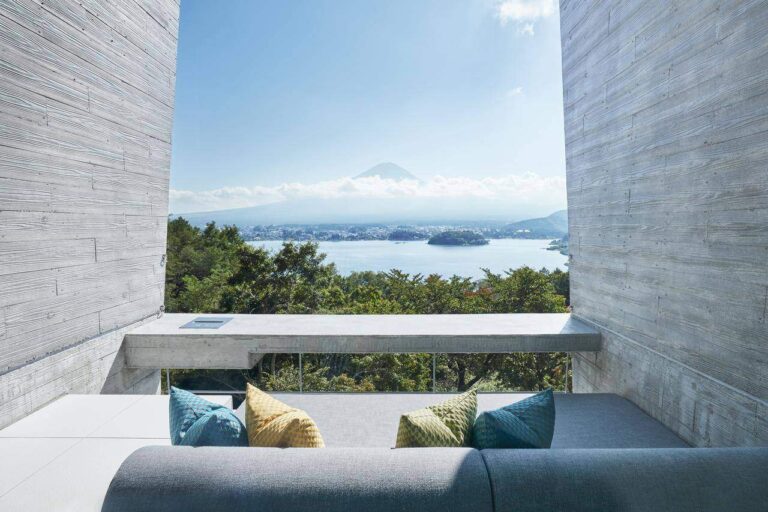
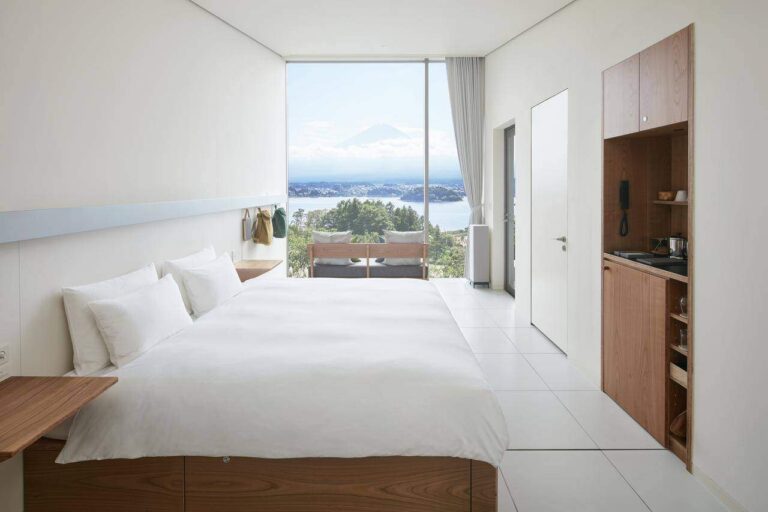
About Japan
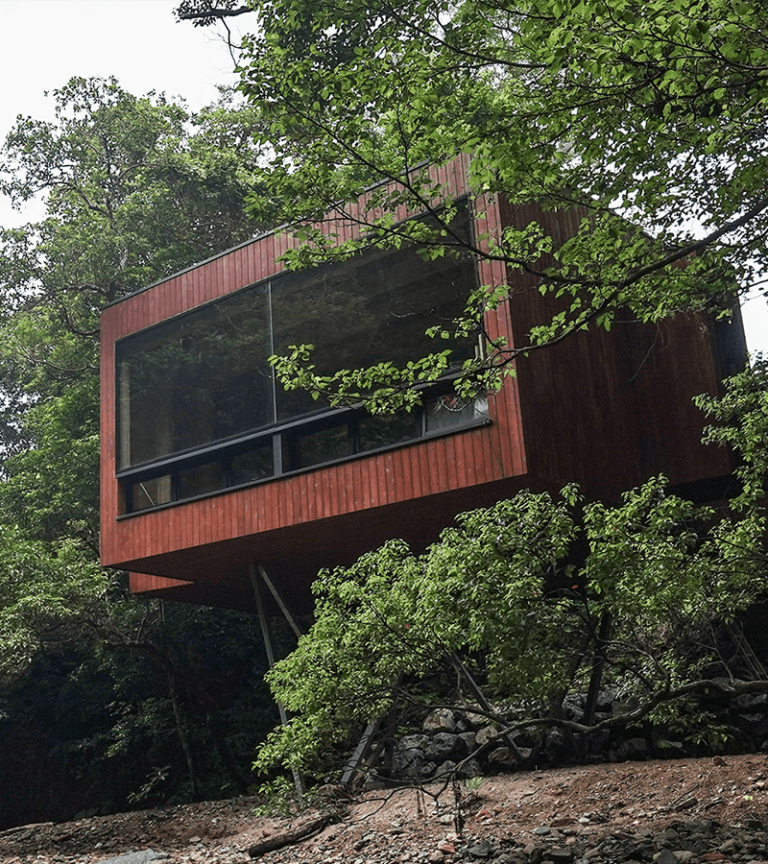
Treehouses in Japan aren't afterthoughts—they're deliberate meetings between forest and craft. You reach them by narrow roads that wind past rice paddies or temple gates, sometimes by a local train that stops at a platform barely longer than the carriage. The forest waits. Cedar, cypress, bamboo. And somewhere in the canopy, a room that feels like it grew there on purpose.
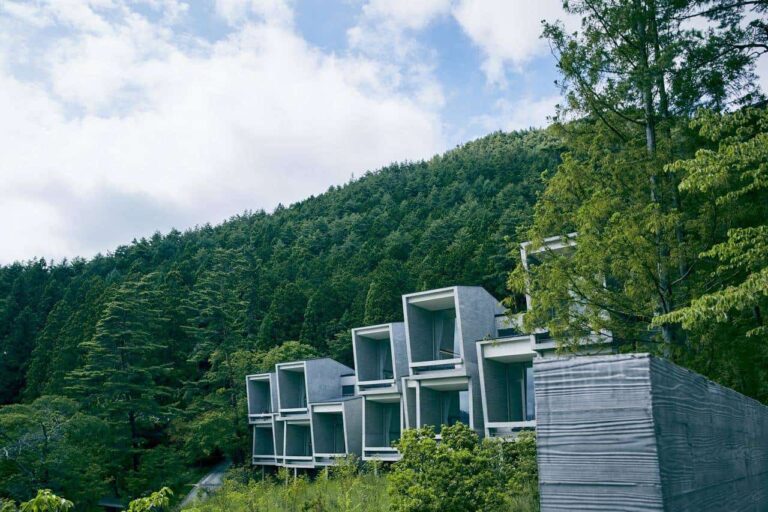
Kyoto delivers the softer version of this. Spring means cherry blossoms framed by timber and paper screens, petals drifting past a window you can slide open with one finger. Tatami mats underfoot, the faint grassy smell of fresh straw, a low table where tea sits in a simple cup. The Japanese Alps—Nagano and Gifu—offer something steeper and colder: treehouse perches above slopes where morning mist catches in the pines and evenings fold into onsen steam. Hokkaido trades cherry blossoms for snow and quiet for quieter still, frost smoking off branches while you sit in an outdoor tub and listen to winter make its own particular silence. Down in Okinawa, the jungle wraps timber in salt air and birdsong, lattice shadows shifting over floors, the sea flashing turquoise through the leaves.
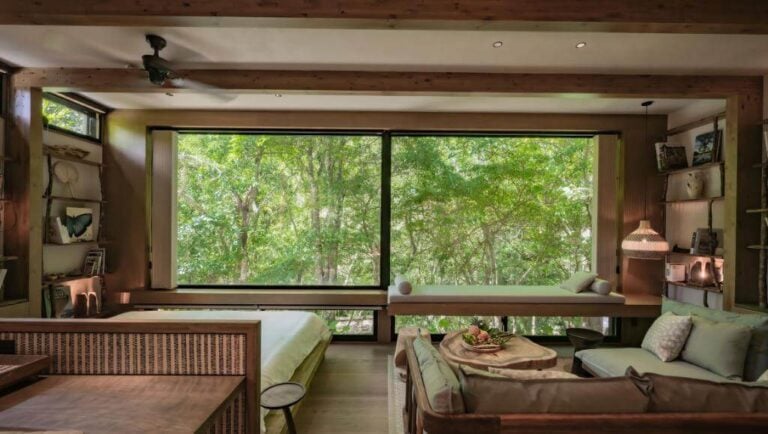
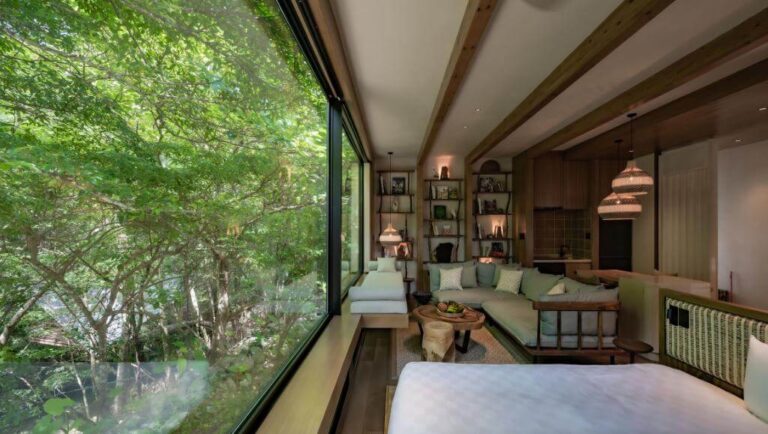
These aren't cabins nailed to branches as an idea. Many lean into the kind of craft Japan does without announcing it: hand-planed beams, joinery you notice only when you stop to look, wood left honest enough to show its knots. Imperfection isn't decorated here; it's structural. A nick in the grain. A corner that doesn't try too hard. The calm comes from that—wabi-sabi not as a selling point but as the basic pace of things.
Getting to most of these properties means leaving Tokyo or Osaka behind and committing to a few hours of travel. Shinkansen to a regional hub, then a local train or a car through valleys that narrow as you climb. It's worth understanding that Japan's treehouse stays tend toward intimate and intentional rather than casual or budget-friendly, and spring cherry blossom season or autumn's blaze of momiji leaves will require booking well ahead. Each region suits a different trip: Kyoto if you want culture within reach of your forest door, Hokkaido if remoteness and snow appeal more than temples, the Alps if you're drawn to mountain trails and the smell of hinoki wood after rain.
Days arrange themselves. A morning walk where the point is simply walking—shinrin-yoku if you need the term, forest bathing if that makes more sense. Sometimes a bicycle to a small shrine. Sometimes a meal that arrives as a series of small, precise dishes and teaches you to slow down between bites. The view from your room doesn't shout. It just asks you to look long enough to notice what changes: light on leaves, wind deciding which branch moves next, the way dusk turns the forest blue before it turns it black.
Frequently asked questions about Japan
When is the best time to visit a treehouse in Japan?
Spring and autumn are the most popular seasons, each with distinct appeal. Cherry blossom season in late March through April draws visitors to Kyoto and central regions, while autumn foliage peaks in October and November across most of the country. Winter offers snow-wrapped quiet in Hokkaido and the Japanese Alps, with the bonus of onsen soaking in cold air. Summer brings forest depth and humidity except in Hokkaido, where temperatures stay comfortable. Book several months ahead for spring cherry blossoms and autumn leaves—these windows fill quickly.
How do I get to treehouse accommodation in Japan?
Most properties require leaving major cities like Tokyo or Osaka and committing to a few hours of regional travel. The typical route involves taking the shinkansen to a regional hub, then switching to a local train or rental car for the final leg through valleys or forest roads. Directions are generally clear, but having a translation app or GPS helps once you're off main routes. Some hosts arrange pickup from the nearest station if you book ahead.
Do I need to speak Japanese to stay in a treehouse in Japan?
Properties marketed to international guests typically offer English communication and booking instructions, though the level of fluency varies. You'll find clearer English support in tourist-friendly regions like Kyoto. In more remote areas—Hokkaido, the Alps—expect less English but also hosts accustomed to gestures, translation apps, and patient problem-solving. Basic courtesy phrases in Japanese are appreciated everywhere. Check individual property listings for language details before booking.
What kind of experience should I expect at a Japanese treehouse?
Japanese treehouses tend toward intimate, craft-focused stays rather than rustic camping. Expect natural materials like cedar and cypress, minimalist interiors with tatami or wooden floors, and design that leaves imperfections visible rather than polished away. Many incorporate cultural elements—shoji screens, low furniture, simple tea settings—without turning them into theater. The pace is slow by design: forest walks, seasonal views from your room, meals that arrive as small deliberate courses. These stays ask you to notice details rather than chase activities.
What's the difference between treehouse regions in Japan?
Kyoto and surrounding areas offer cherry blossoms, temple access, and the easiest blend of culture and forest. Hokkaido delivers snow, remoteness, and dramatic seasonal shifts with fewer tourists. The Japanese Alps—Nagano and Gifu—sit between those extremes: mountain trails, onsen culture, and sharp seasonal contrasts without Hokkaido's isolation. Okinawa brings subtropical jungle, salt air, and a different cultural flavor closer to the sea. Choose based on whether you want accessibility and temples, true wilderness and snow, mountain hiking, or jungle and coast.