

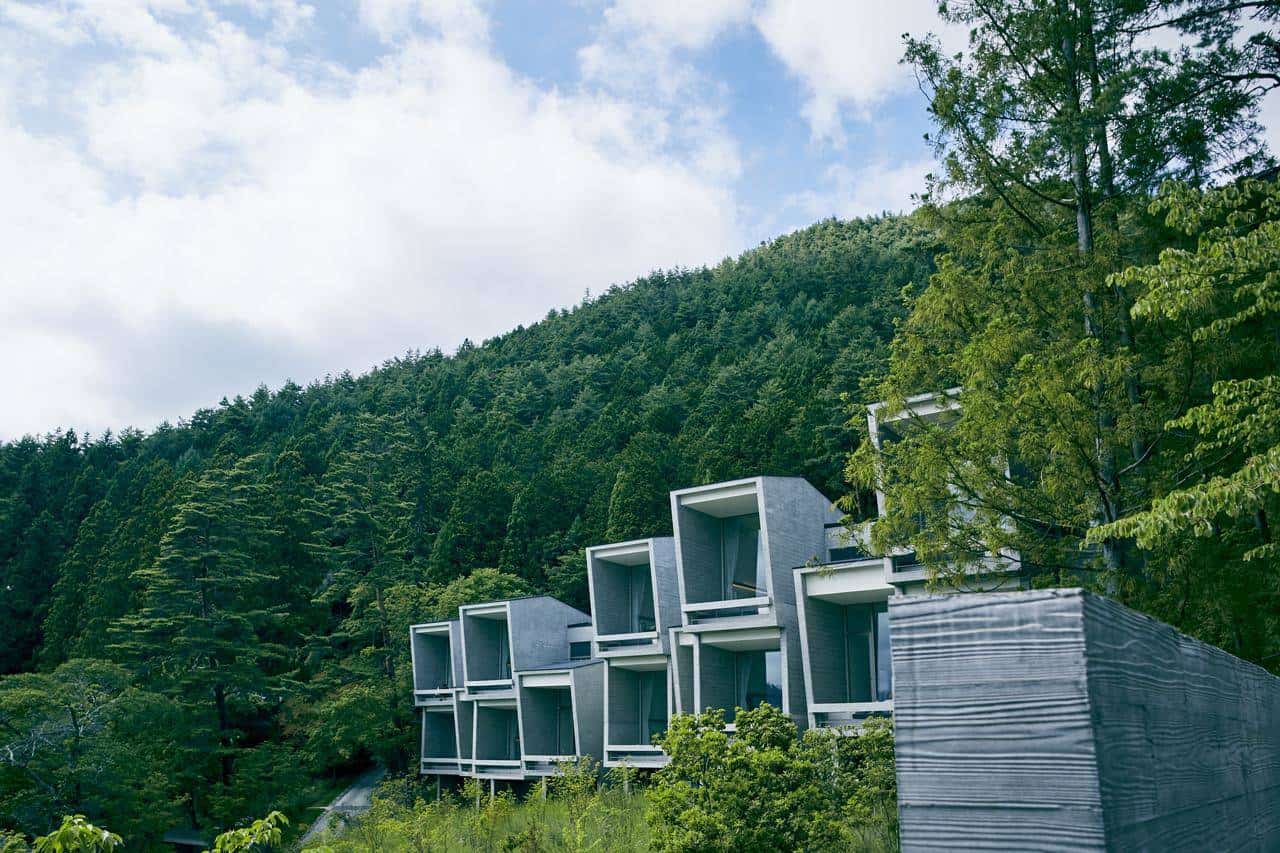
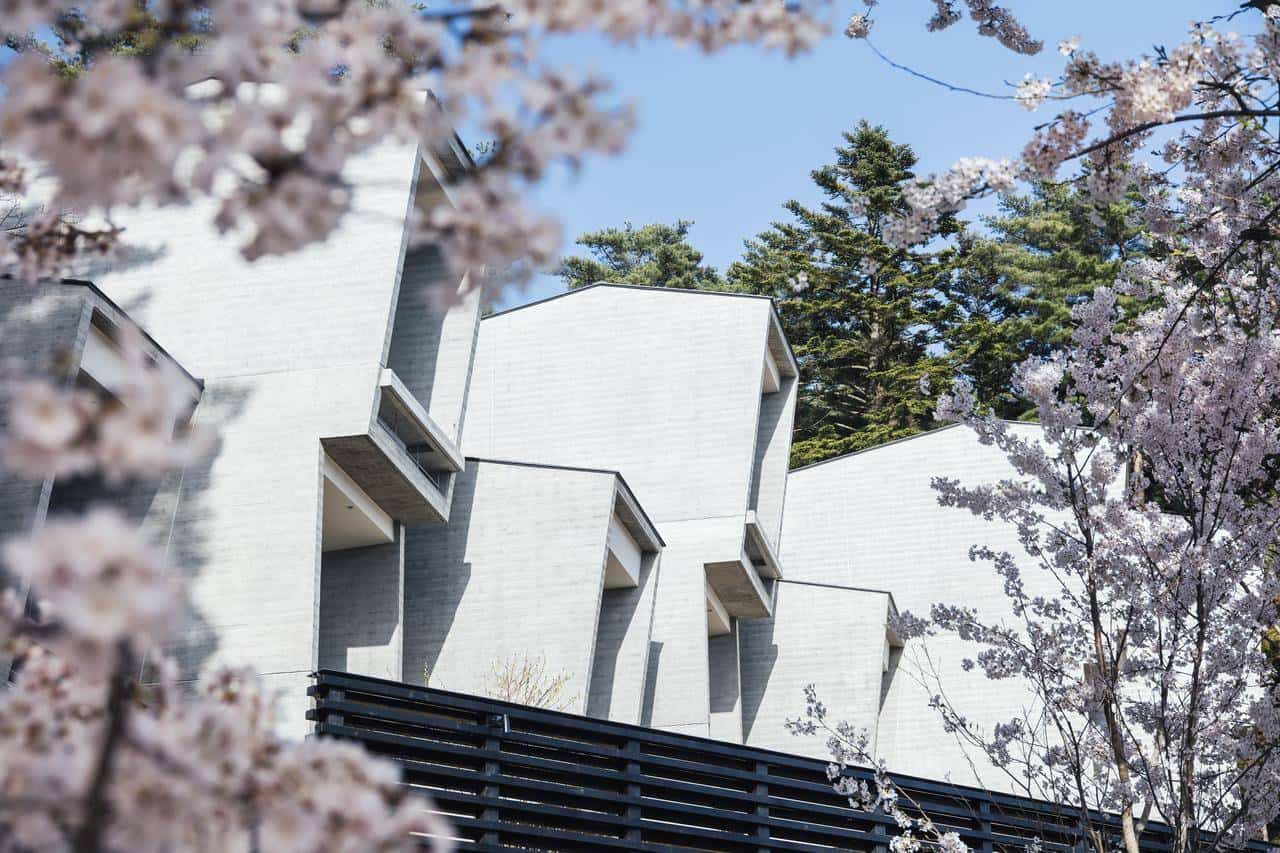
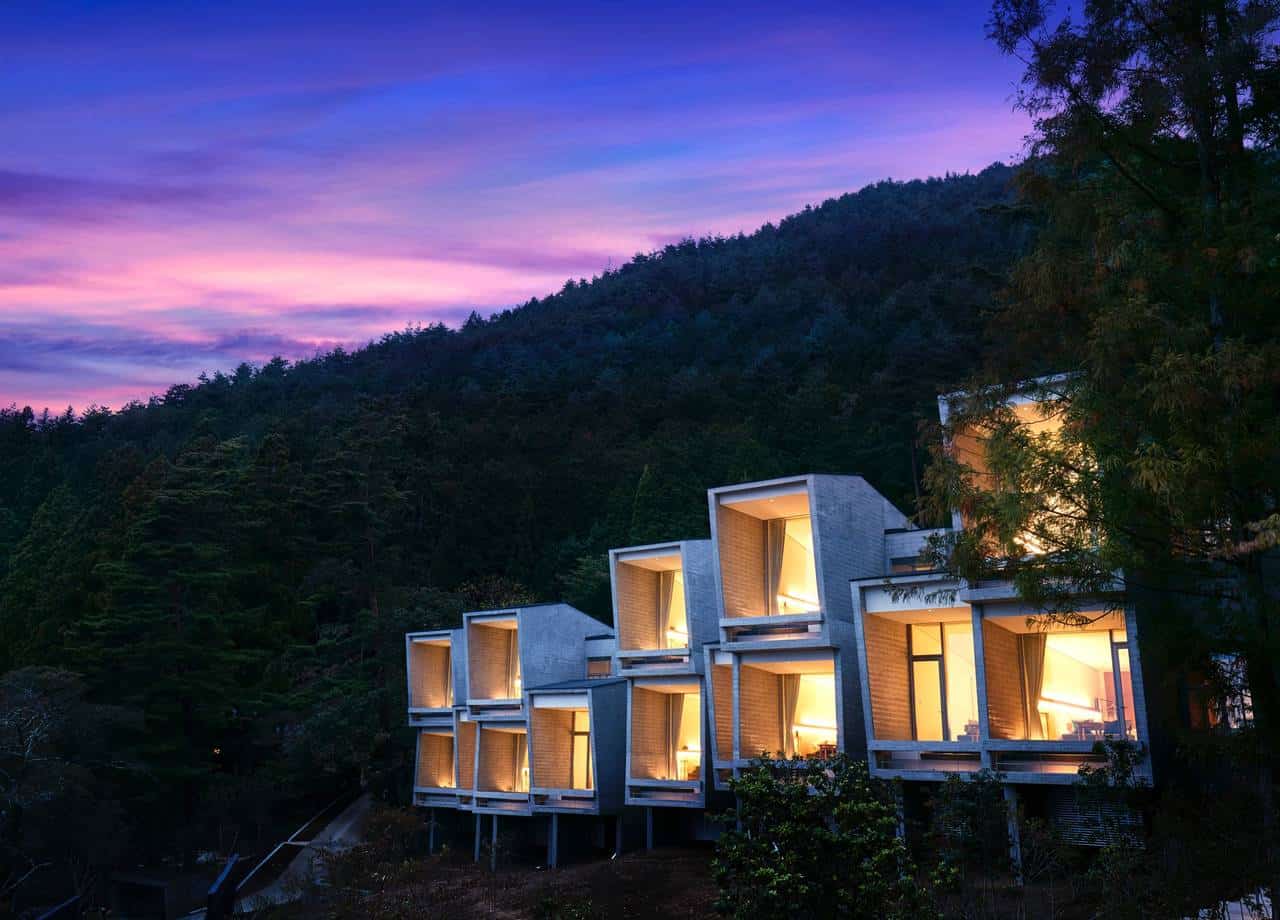
On a forested hillside above Lake Kawaguchi, Hoshinoya Fuji occupies one of the most quietly commanding positions in the Fuji Five Lakes region. Mount Fuji rises directly across the water, close enough to feel present at every hour of the day. This is not a ryokan or a mountain lodge — it is forty minimalist concrete cabins set carefully into the slope, each one angled to face the lake and the mountain beyond.
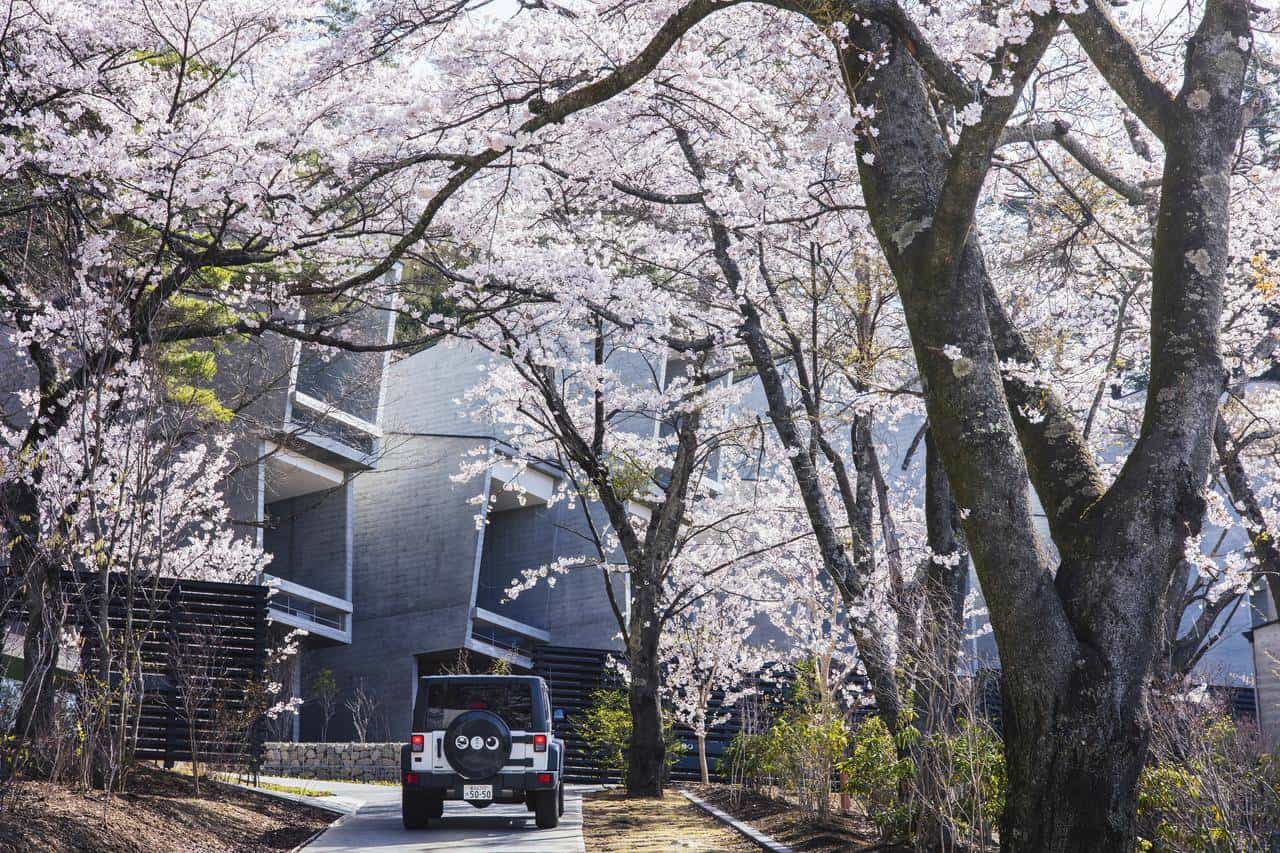
Arriving at Hoshinoya Fuji sets the tone immediately. A short walk through pine-filtered light leads to the forest reception cabin, where city noise gives way to altitude and birdsong. Staff transfer luggage by jeep along narrow forest roads, and guests make their way upward on foot — each path feeling more like entering a clearing than checking into a hotel.
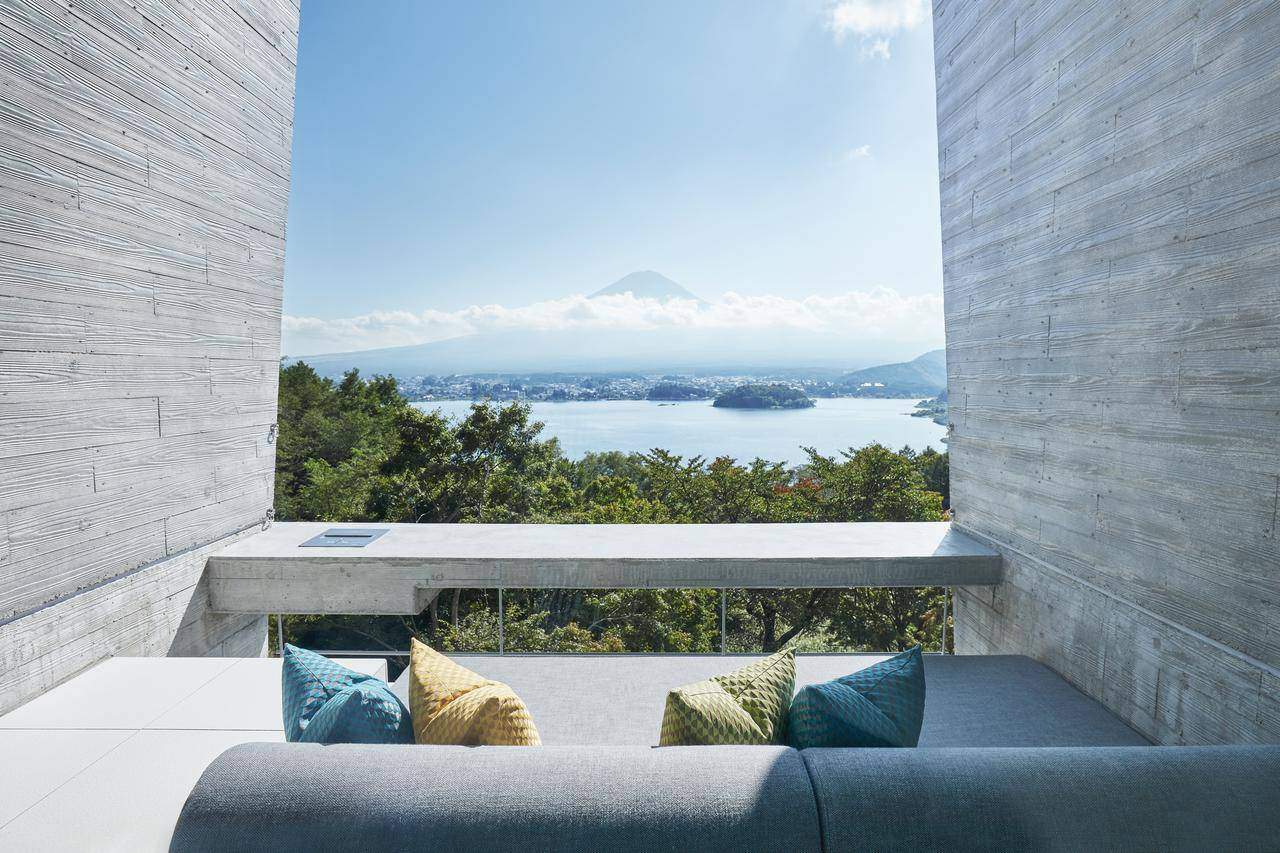
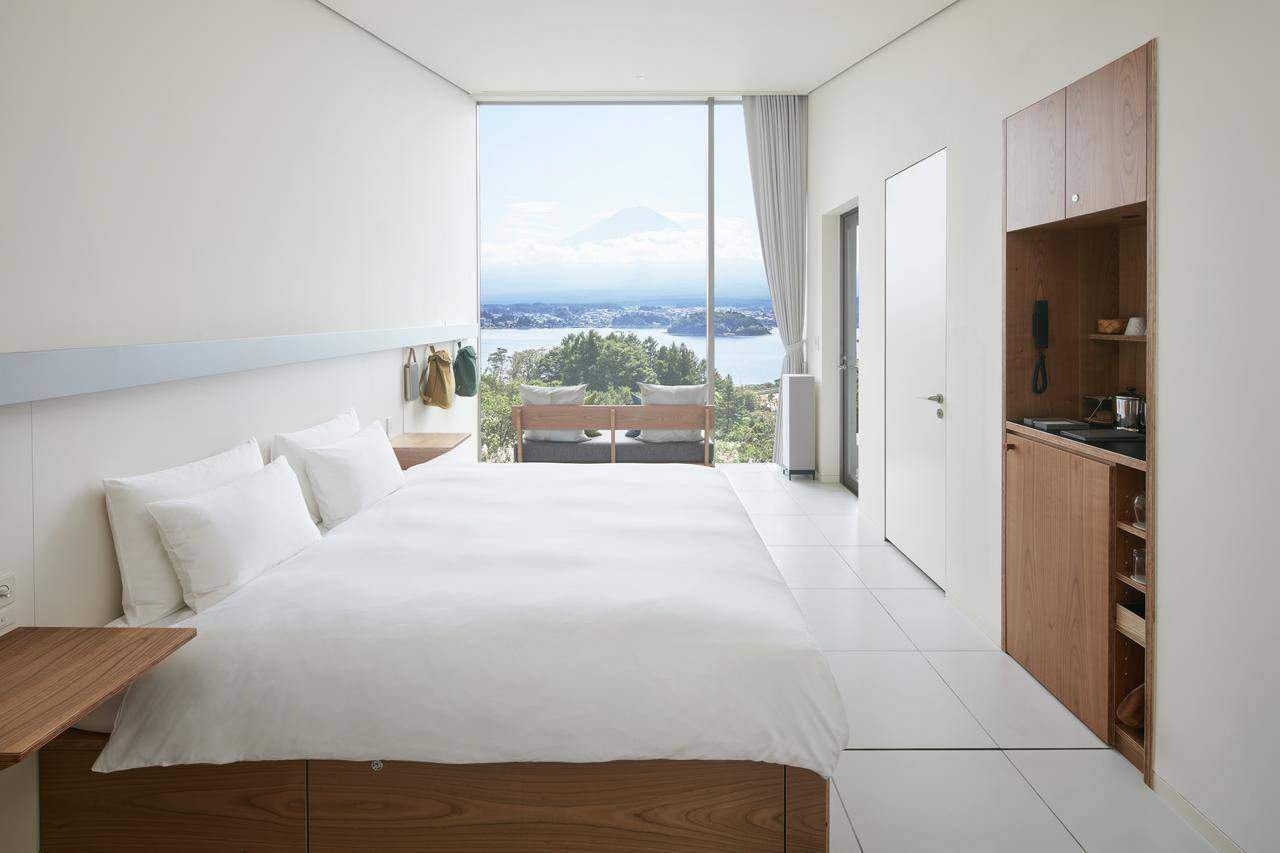
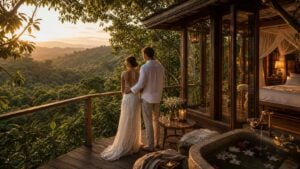
The cabins themselves are the heart of the experience. Floor-to-ceiling windows frame Fuji and the lake without obstruction. Interiors follow Japanese minimalist principles: soft tones, natural textures and clean lines that keep the eye moving toward the view. Beds face the windows. Heated floors carry the room through winter nights. Bathrooms offer deep soaking tubs with natural light, and generous terraces — roughly a third of the cabin's footprint — invite guests to sit outside at almost any season. In colder months, a kotatsu or fireplace warms the corner of a balcony into something closer to ritual than routine.
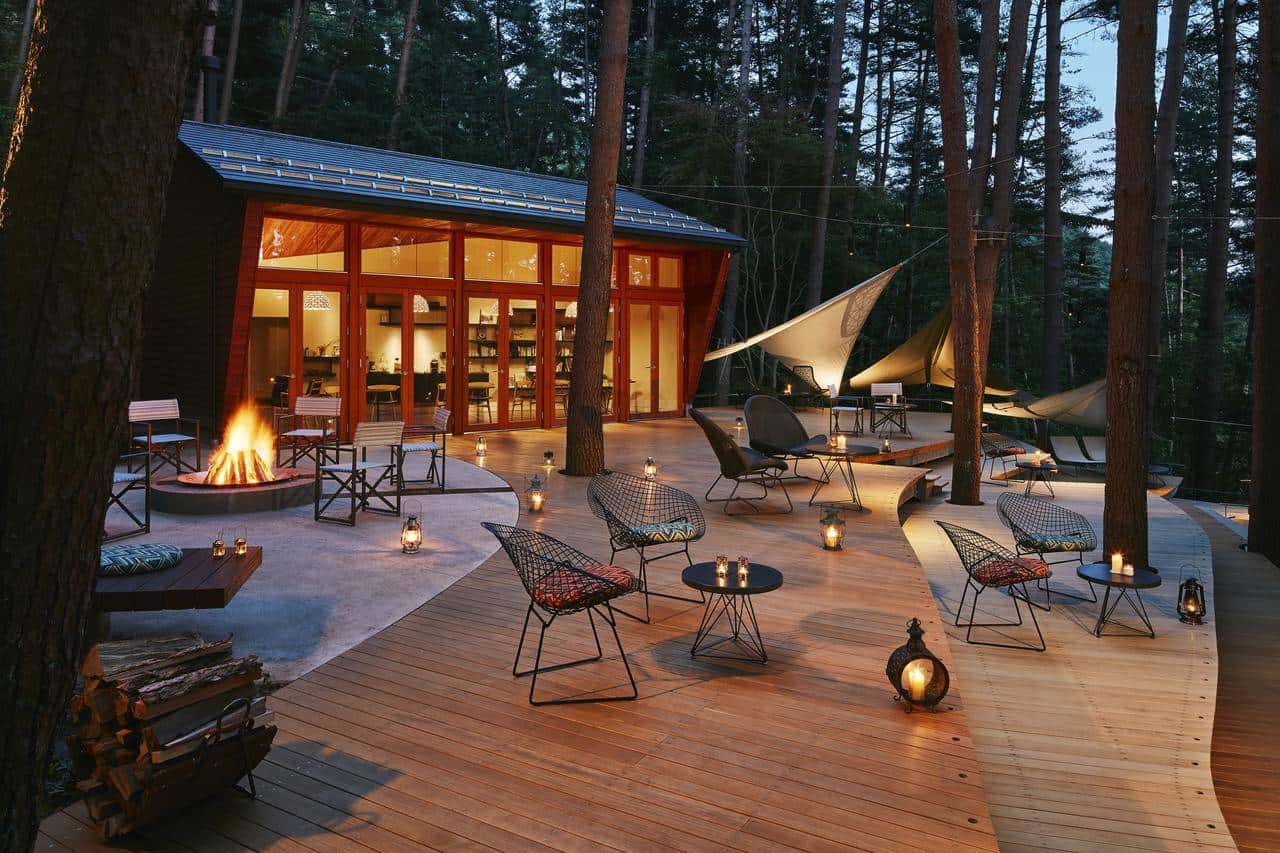
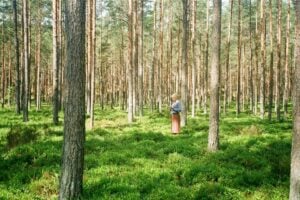
The outdoor programme at Hoshinoya Fuji is deliberately immersive. Guides lead forest walks and foraging sessions through the surrounding woodland. Workshops cover wood-fire cooking and food smoking — hands-on enough to feel memorable. Early mornings on the lake, where canoes cut quietly through mist, rank among the most distinctive hours the resort offers. An elevated terrace above the site gathers fire pits and open lounge areas, with forest views spreading in every direction.
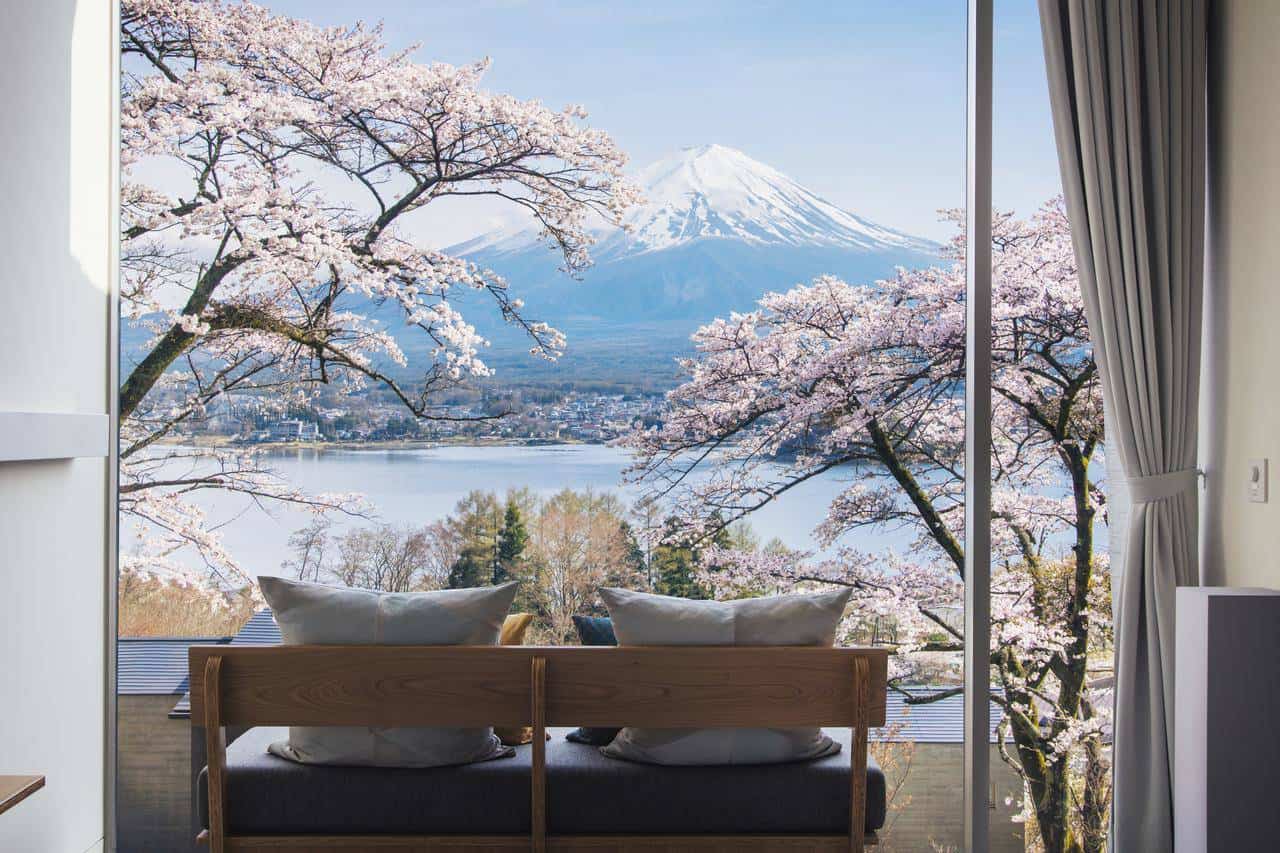
Meals reflect the landscape and the season. Dining leans Japanese — seasonal and locally sourced — served sometimes in forest kitchens, sometimes alfresco. The property shifts character across the year: spring cherry blossoms and autumn maples bring vivid colour, while winter delivers snow-dusted Fuji views and a particularly serene atmosphere between guests.
Autumn and spring tend to offer the clearest Fuji sightlines and the most striking natural colour, while summer opens up lake activities in full. Winter stays feel quieter and more intimate, with crisp air and the mountain at its most photogenic against pale skies.
Nightly rates start from around ¥101,000, placing Hoshinoya Fuji firmly in the luxury tier; rates vary by cabin type, season and availability. A multi-night stay repays the journey — the slower pace and changing light reward those who resist the impulse to rush.
For access, two bus stops sit within approximately 200–250 metres of the address: 学校前 (bus route 313) and Kawaguchiko Natural Living Center (bus route 20) serve the immediate area. Shimoyoshida station on the Fujikyu Railway FJ line lies roughly 6 kilometres away and connects to the broader regional network. Most guests arriving from Tokyo or Kyoto find the resort straightforward to reach via Fujikyu Railway services to the Kawaguchiko area, followed by a short transfer by bus or taxi.
Frequently Asked Questions
Q: What are the nightly rates at Hoshinoya Fuji?
A: Rates start from around ¥101,000 per night, placing the resort firmly in the luxury tier. Prices vary by cabin type, season and availability.
Q: When is the best time to visit for scenery and clear Fuji views?
A: Autumn (September–November) is widely considered the standout season — red maple foliage, crisp air and typically clear sightlines to Mount Fuji. Spring brings cherry blossoms and similarly excellent visibility. Winter offers a quieter, more intimate stay with snow-dusted Fuji views, while summer opens up lake activities in full. Check conditions closer to your travel dates, as mountain visibility is always weather-dependent.
Q: What kind of outdoor activities are on offer?
A: The resort runs guided forest walks, foraging sessions, wood-fire cooking and food-smoking workshops, and early-morning canoeing on Lake Kawaguchi. An elevated terrace above the resort — with fire pits and open lounge areas — provides a gathering point with forest views across the hillside.
Q: How private are the individual cabins?
A: The 40 cabins are staggered up the forested slope so that terraces and windows face the lake and mountain rather than neighbouring units. Staff transfer luggage by jeep along forest roads, and guests walk the paths between arrival and their cabin — the layout is designed so that encountering other guests is incidental rather than constant.
Q: Is Hoshinoya Fuji suitable for a one-night stay?
A: The resort is accessible for a single night, but the pace and setting reward a longer visit. The journey in, the guided activities, and the way the light on Fuji changes across morning and evening all take time to absorb properly.







Add a review