
Portugal
Portugal's treehouse stays scatter from cork forests in the Alentejo to granite peaks near Serra da Estrela, offering elevated vantage points across landscapes shaped by Atlantic weather and slow-growing oak. Most properties favor natural materials—cork paneling, local timber, whitewashed plaster—and appear in quieter settings where canopy height reframes valley light, river mist and coastline where pine meets dune grass. Inventory leans toward couples and small families, with design that bends around existing roots rather than imposing a grid, and day trips ranging from Douro terraces to Sintra's tangled forest or surf along the Silver Coast.
{{locationDetails}}
Browse sub-categories



About Portugal
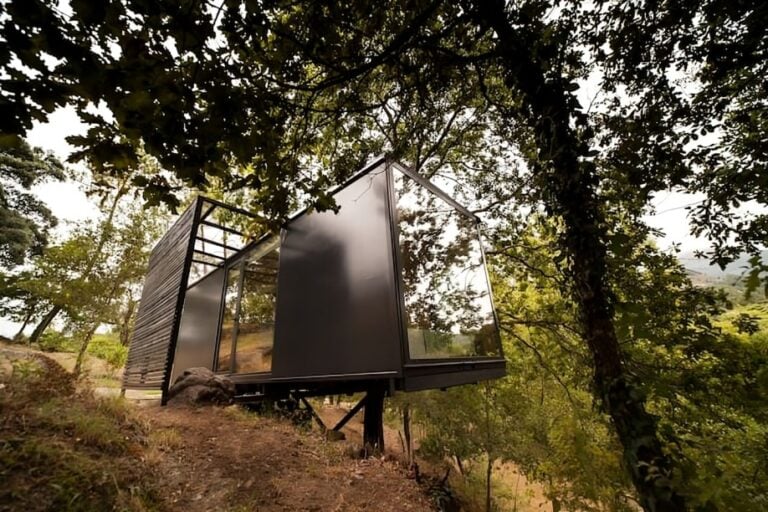
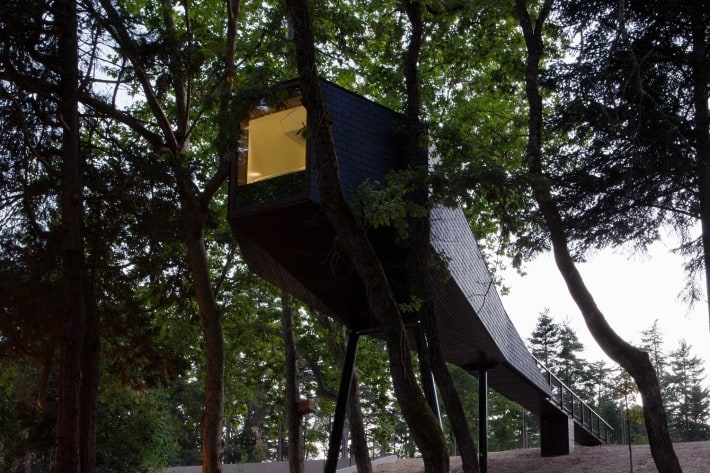
Portugal's treehouse landscape runs from cork forests in the south to granite peaks in the north, with a handful of carefully designed properties catching Atlantic light and mountain weather in equal measure. These aren't childhood platforms. They're elevated stays built around natural materials—cork panelling, whitewashed plaster, timber that still smells faintly of resin—and they tend to appear in places where the country shows a quieter side: rolling montado, river valleys stitched with stone walls, coastline where pine meets dune grass.
The Alentejo offers the most distinctive setting. Cork and holm oaks scatter across golden grassland, their canopies wide and low, and mornings arrive with stork calls and the particular stillness of inland heat building slowly. North toward Serra da Estrela and Peneda-Gerês, the terrain shifts to granite outcrops and dense forest. Rivers cut through rock, mist settles in the canopy, and evenings turn cool enough that a wool blanket feels right. These highland properties close in winter; plan for late spring through early autumn if you're heading into higher elevations.
Along the Atlantic and down into the Algarve, the palette changes again—brighter air, cleaner lines, boardwalks threading between maritime pine. Some properties perch near clifftops where ochre rock drops to hidden coves; others sit inland just far enough that you hear surf rather than see it. Around Sintra, the forest feels older and more tangled, with microclimates that keep mornings damp and afternoons dappled. Madeira and the Azores add laurel forests to the mix, UNESCO-listed and impossibly green, though inventory on the islands remains thin.
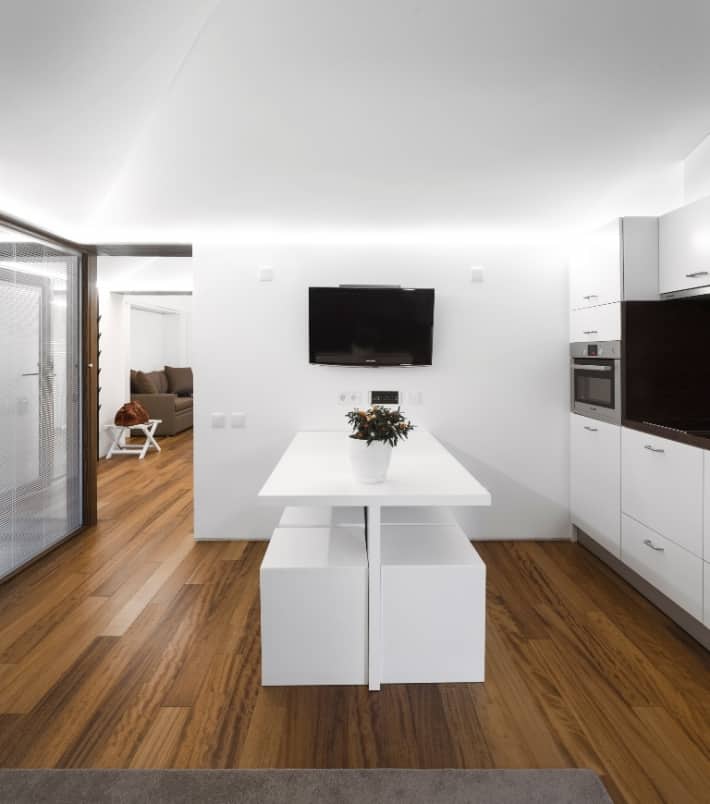
Most Portuguese treehouses lean toward sustainable design without announcing it loudly. Solar panels tuck out of sight, rainwater systems run quietly, and construction bends around existing roots rather than forcing a grid. Interiors favour natural textures—cork underfoot, linen that breathes, wide windows framed in local timber—and the overall effect is both grounded and light. You'll find properties that sleep two to four guests, typically aimed at couples or small families, with a few offering full kitchens and others providing breakfast hampers of local bread, cheese and fruit.
Day trips write themselves. Douro Valley terraces, Évora's azulejo-lined streets, a medieval wander through Óbidos, dawn surf on the Silver Coast, or levada walks if you've made it to the islands. Booking two to four months ahead makes sense for shoulder-season stays in April, May, September and October, when weather holds and crowds thin. Peak summer brings heat inland and full coastal calendars; winter suits only the mildest lowland properties. The appeal is less about ticking activities and more about elevation that reframes familiar rhythms—coffee at canopy height, evenings measured by how the light moves across a valley, and a country that feels both settled and still unfolding.
Frequently asked questions about Portugal
What regions of Portugal have treehouse accommodation?
The Alentejo offers the most distinctive treehouse setting, with properties perched in cork oak montado across golden grassland. Northern options appear in Serra da Estrela and Peneda-Gerês, where granite peaks and dense river valleys create cooler, more mountainous backdrops. Along the Atlantic coast and into the Algarve, treehouses sit among maritime pine near dunes or clifftops, while Sintra's older forests provide misty, microclimate-rich settings closer to Lisbon. A few properties also exist on Madeira and the Azores, tucked into UNESCO-listed laurel forests, though island inventory remains limited.
When is the best time to book a treehouse stay in Portugal?
Shoulder seasons—April, May, September and October—deliver the best combination of settled weather and thinner crowds. Coastal and lowland properties operate comfortably through summer, though inland Alentejo heat builds and beaches fill. Highland treehouses in Serra da Estrela and Peneda-Gerês typically close in winter and reopen late spring through early autumn, when cooler evenings and mist-draped mornings suit the terrain. Booking two to four months ahead makes sense for peak shoulder-season dates; winter suits only the mildest coastal and southern locations.
What should I expect from the design and amenities?
Portuguese treehouses favour natural materials—cork panelling, whitewashed plaster, local timber and linen—with wide windows framing forest or valley views. Most incorporate solar power and rainwater systems without making sustainability the headline, and construction typically bends around existing roots rather than imposing a rigid footprint. Properties generally sleep two to four guests and cater to couples or small families. Some include full kitchens; others provide breakfast hampers with local bread, cheese and fruit. The overall feel is grounded, light and quietly considered rather than rustic or over-designed.
How do I choose between coastal and inland treehouse locations?
Coastal and Algarve properties offer brighter light, maritime pine settings and proximity to surf beaches or clifftop coves, with milder winters and steady summer heat. Inland Alentejo treehouses sit among wide cork oak canopies in rolling grassland—stillness, stork calls and slower mornings, but hotter summers and less immediate access to water. Northern highland options in Serra da Estrela or Peneda-Gerês bring cooler temperatures, granite landscapes, river valleys and denser forest, though they close in winter. Your decision hinges on whether you want ocean proximity, montado tranquillity or mountain weather.
What activities and day trips work well from a Portuguese treehouse base?
Douro Valley wine terraces, Évora's azulejo-lined streets, medieval Óbidos and Sintra's mist-wrapped palaces all sit within day-trip range depending on your base. Coastal stays open up dawn surf sessions on the Silver Coast or hidden Algarve coves, while northern properties suit levada walks, river swimming and granite-peak rambles. The rhythm tends toward slower mornings—coffee at canopy height, light moving across valleys—rather than packed itineraries. Most visitors find the appeal lies in elevation that reframes familiar routines, with culture and adventure close enough to reach without dictating the day.