
Chile
Chile unfolds treehouses across four thousand kilometres of latitude, each climate zone shaping what a stay can be. From stargazing platforms in the bone-dry Elqui Valley to mist-wrapped cabins in Valdivian rainforest, volcanic lake views in the central districts and low-slung Patagonian shelters built for wind, the country writes a different chapter every thousand kilometres south. Spare timber construction, big windows and quiet design let the scenery speak, whether you are chasing dark skies, listening to rain or watching weather cycle through four moods before lunch.
{{locationDetails}}
Browse sub-categories



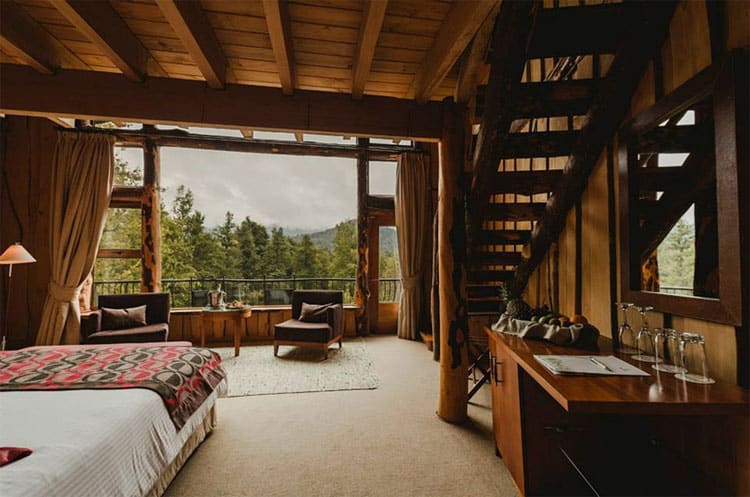
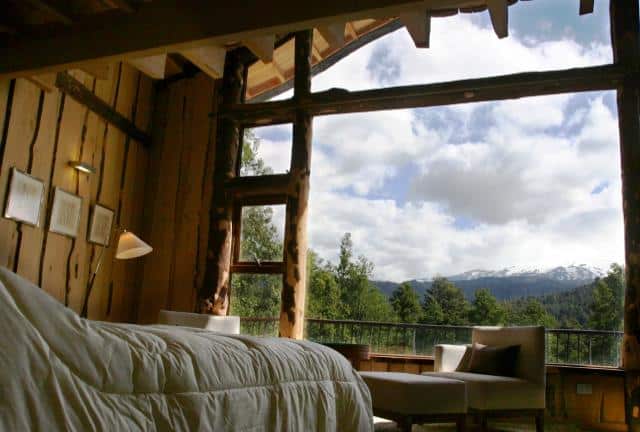
About Chile
Chile writes a different treehouse chapter for every thousand kilometres you travel. The country unfolds vertically—over four thousand kilometres of latitude from the Atacama's salt flats to the southern beech forests where Patagonia begins—and each climate zone shapes what a treehouse can be. The stays clustered across this landscape share a design language: spare lines, timber milled nearby, big windows positioned like questions. They step back so the scenery can speak.
Start north, where the air is so dry your lips crack and the night sky becomes the main event. Treehouses near the Elqui Valley sit low in the scrub, more observation posts than forest dwellings, angled toward star fields that need no editing. The Atacama offers year-round clarity—days warm enough for shade, nights cold enough for wool—and the Milky Way arcs overhead with the kind of definition that makes city dwellers quiet. Mornings taste of dust and valley citrus; evenings fold into pisco and silence. It is a landscape that teaches patience, and the treehouses mirror that: small footprints, solar panels doing quiet work, water harvested from fog when the coast exhales.
Drift south and green arrives in waves. The Valdivian rainforest is all ferns and coigüe, moss thickening on trunks, rain that sounds different depending on what it hits. Treehouses here embrace the wet; you wake to soft light through mist, tree bark steaming after a squall, and the smell of damp earth that feels older than your plans. Farther down, the Lake District turns the dial to postcard geometry—Osorno's white cone against blue water, volcanoes that rewrite the horizon. Decks face the view, and your coffee goes cold because you keep looking. Summer here, December through March, is the season for warmth and long light; the rest of the year the lakes go moody and the treehouses turn into rain shelters with good stoves.
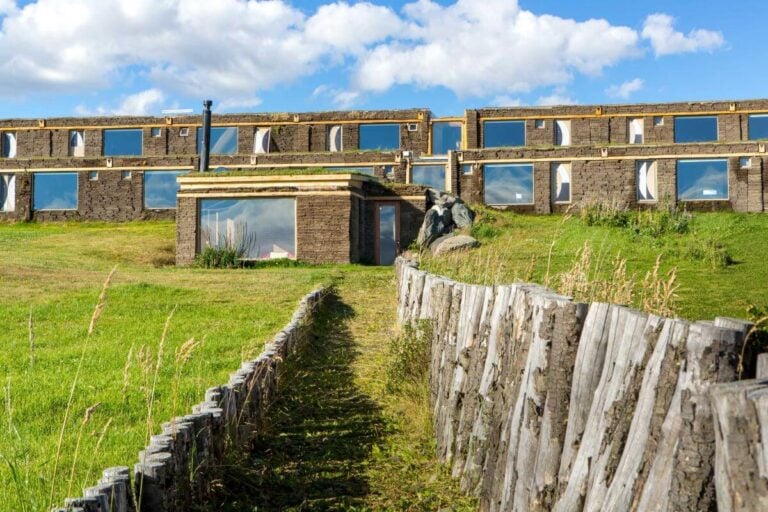
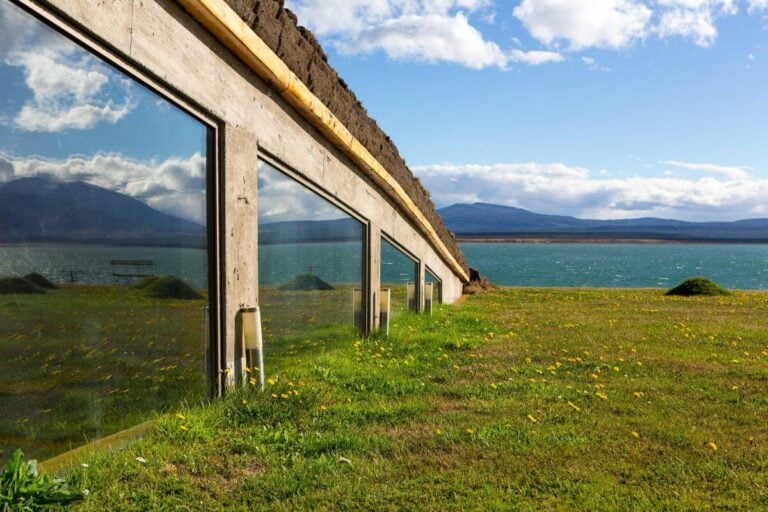
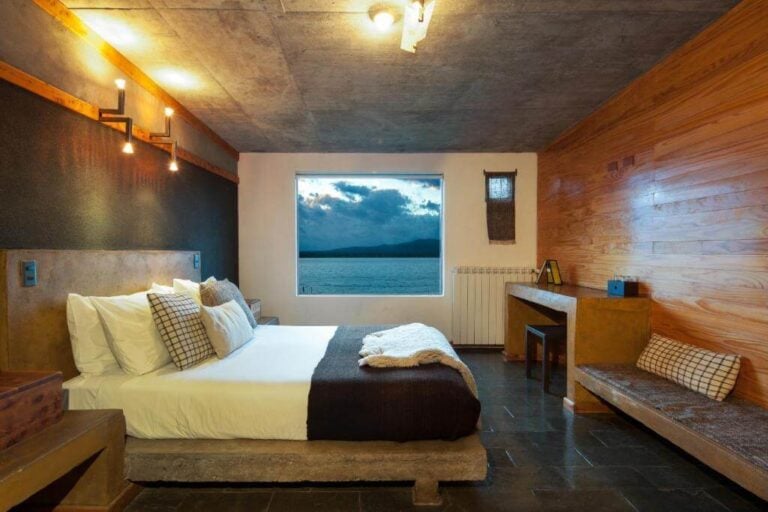
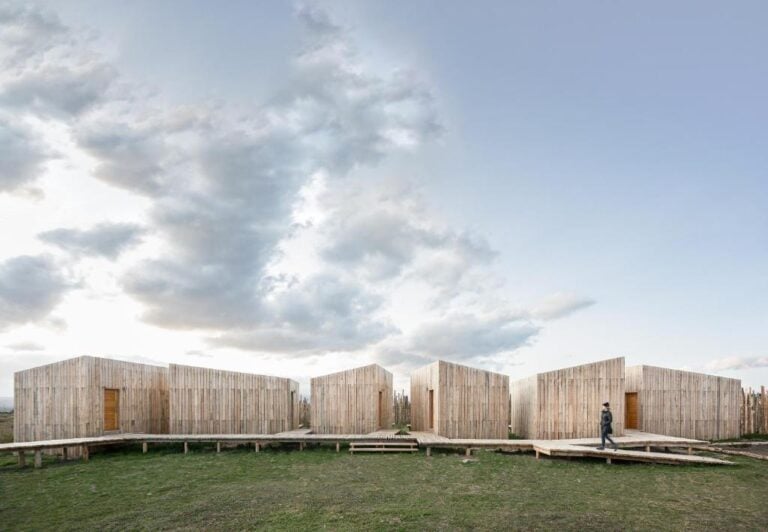
Patagonia edits everything. Lenga beech bent by wind, skies that cycle through four moods before lunch, and a sense that the landscape is still making up its mind. The treehouses that venture this far south keep their heads down—low-slung, anchored hard, built for weather with opinions. November through March offers the only practical window; the rest of the year belongs to storms. Inside, wool throws and cast-iron stoves gone amber at dusk turn bad weather into a feature. Rainfall showers, thick walls, and the kind of silence that follows a gust let you settle into slower rhythms. Days simplify: a walk to a lookout, soup on the balcony, soaking under stars you learn to name and then forget.
Chilean treehouses do not perform. They sit quietly in their climate zones and let the country do what it does—shift from bone-dry to soaking wet, tilt between mountain and ocean, turn weather into theatre. Whether you are chasing dark skies, listening to rain learn new sentences, or watching a volcano hold still against moving clouds, the stays here feel less like accommodation and more like collaboration with a landscape that rewards attention.
Frequently asked questions about Chile
When is the best time to visit treehouses in Chile?
The answer depends on which part of Chile you are visiting, because the country stretches across wildly different climate zones. The Atacama and northern valleys offer year-round treehouse stays with clear skies and comfortable days, making them ideal for stargazing any time, though the dry season from April through October brings the crispest nights. The Lake District and Valdivian rainforest treehouses shine during the southern summer, December through March, when the weather is warm, the light lasts longer, and hiking and volcano views are at their best. Patagonia treehouses operate almost exclusively from November through March, the only practical window before winter storms reclaim the south. Outside those months, expect rain, wind, and fewer open properties, though the moody quiet has its own appeal if you are prepared for it.
What kind of scenery and landscapes do Chilean treehouses offer?
Chilean treehouses sit in five distinct zones, each with its own character. In the north, stays near the Elqui Valley or Atacama occupy scrubland and desert edges, where the attraction is the night sky rather than forest canopy. Move south and the Valdivian rainforest takes over—dense green, moss-covered coigüe and ulmo trees, and the kind of rain that sounds different depending on what it lands on. The Lake District brings postcard scenery: volcanic cones like Osorno rising above blue water, wide views from treehouse decks, and a mix of native forest and open land. Patagonia, farther south still, is all windswept lenga beech, rapidly changing skies, and a sparse, dramatic beauty that feels like the landscape is still being written. Most treehouses face the view they were built for, whether that is stars, volcanoes, or weather moving across ridgelines.
Are Chilean treehouses eco-friendly or sustainable?
Sustainability runs through most Chilean treehouse design as a practical matter rather than a marketing angle. Properties typically use locally milled timber, rely on solar power tucked out of sight, and harvest rainwater where rainfall is plentiful. Many sit on small footprints with boardwalks that bend around roots instead of cutting through them, a design choice that reflects both environmental care and the influence of indigenous land ethics, particularly in Araucanía and the southern regions. Waste is managed carefully in remote locations where infrastructure is thin, and the architecture itself tends to prioritize passive heating, natural ventilation, and big windows that reduce the need for artificial lighting. It is sustainability born from context—building in places where overreach costs more than restraint.
How do I get to treehouse locations in Chile?
Most international visitors fly into Santiago, then take domestic flights or long drives to reach treehouse regions. For the north, Atacama properties are accessed via flights to Calama or La Serena, followed by rental car transfers. The Lake District is served by Puerto Montt airport, with treehouses scattered within a few hours' drive around the lakes and volcanoes. Patagonian stays often require the most logistics—flights to Punta Arenas or Balmaceda, sometimes followed by ferries, gravel roads, or property transfers that can take half a day. Rental cars are common for treehouse access across Chile, as many properties sit well outside towns, though some offer their own pickup services. Distances are long and roads in the south can be rough, so build in extra travel time and check seasonal road conditions, especially in Patagonia during shoulder months.
What should I pack for a treehouse stay in Chile?
Layers are essential no matter where you are going, because Chilean weather shifts quickly and treehouse heating varies by property and season. In the north, expect warm days and cold desert nights, so bring sun protection, a warm jacket for evenings, and sturdy shoes for rocky trails. The Lake District and rainforest regions call for waterproof clothing, even in summer, as rain arrives without much warning and mornings can be cool until midday. Patagonia demands serious wind and weather gear—hard-shell jackets, warm base layers, and hats that stay on your head when the gusts come. Most treehouses supply wool throws and hot water, but you will want your own torch for night walks, binoculars if you are near wildlife or volcanoes, and a water bottle, as some remote properties rely on filtered rainwater. Insect repellent is useful in the rainforest during warmer months, and if you are visiting the Atacama, a red-light headtorch preserves your night vision under the stars.