
Rwanda
Rwanda's treehouse lodges rise into forested hillsides near Volcanoes National Park and Nyungwe, serving gorilla trekking and canopy immersion with quiet restraint rather than spectacle. Most properties perch between 1,800 and 2,500 meters, placing guests level with colobus monkeys, mist-draped Virunga peaks and the particular stillness before a primate encounter. Planning means booking permits and lodges six to nine months ahead; what you gain is proximity to wild things and the rhythm of the canopy still ticking after you've climbed down.
{{locationDetails}}
Browse sub-categories


About Rwanda
Rwanda's treehouse lodges were never meant to be theatrical. They rise just enough to catch the forest breeze and place you level with the canopy, where the country's real work happens: mist lifting off volcanoes at dawn, colobus monkeys moving through green corridors, the particular quiet before a gorilla encounter.
Up near Volcanoes National Park, properties perch on hillsides where the Virunga peaks line the horizon—Karisimbi, Bisoke, Sabyinyo—with cloud caught halfway up. The lodges here serve gorilla trekking first, which means early starts and late-afternoon stillness. Between treks you're likely on a terrace with good coffee, watching porters adjust gaiters for tomorrow's group. When you do walk into bamboo forest and the tracker raises a hand, everything tightens: a rustle, then a silver-black back moving past close enough to hear breathing. Most people try to memorize every second and can't, which turns out to be fine.
South in Nyungwe Forest, the canopy thickens and the mood turns mossy. Lodges lift into the trees with walkways that sway more than expected, mist settling on railings most mornings. Below, the forest arranges itself in layered greens—colobus tails flicking white through branches, chimp calls carrying like half-familiar laughter. The canopy walk suspended above the valley gives you a sense of the forest's architecture, how sound moves differently at this height. Between walks, tea fields roll out in bright rows; someone might show you the snap of a fresh leaf and explain the patience that follows.
Evenings across Rwanda's elevated lodges tend toward the unshowy: a fire, shoes drying by the door, a map unfolded to consider Akagera's savannah light to the east or Lake Kivu if you're drawn to water. Most properties lean gently on infrastructure—rainwater collection, solar panels, kitchen gardens visible from the path—with service that's present but never loud. Conservation here isn't decoration; it's the actual work, and you notice it in how staff talk about the forest, not the lodge.
Planning means booking well ahead. Gorilla permits and lodge reservations fill six to nine months out during the dry seasons, and transfers from Kigali take two and a half hours north to Volcanoes, longer south to Nyungwe. The treehouse element varies: some lodges offer raised villas on stilts, others forest-edge rooms with canopy views, a few with walkways threading between trees. What they share is altitude—most sit between 1,800 and 2,500 meters—and a certain restraint. If you come expecting luxury, you'll find the quiet kind: warm linen, water pressure that works, views that shift your breathing. If you come for proximity to wild things, the forest starts at the railing and doesn't perform. Either way, a night up here leaves the same souvenir: the rhythm of the canopy still ticking after you've climbed back down.
Frequently asked questions about Rwanda
When is the best time to visit Rwanda's treehouse lodges?
The dry seasons from June through September and December through February offer the most reliable conditions for gorilla and chimp trekking, with clearer trails and easier forest access. These months book earliest—lodges and permits often fill six to nine months ahead. The long rains from March through May bring muddier paths and lower chimp-tracking success rates, though gorillas can be visited year-round and some travelers prefer the quieter, greener wet season with more flexible availability.
How far in advance should I book a Rwanda treehouse stay?
For dry-season travel, reserve lodges and gorilla permits six to nine months ahead; permits release up to two years in advance and sell out quickly for popular months. Wet-season stays offer more flexibility, sometimes available a few months out, but combining gorilla permits with specific lodge dates still requires early coordination. Most travelers book the full package—permits, lodges, and transfers—together to ensure everything aligns.
What does a Rwanda treehouse lodge actually look like?
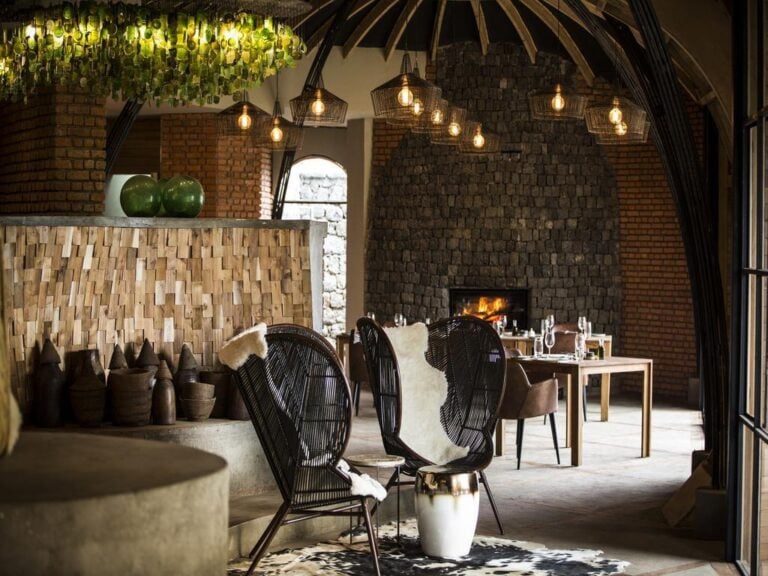
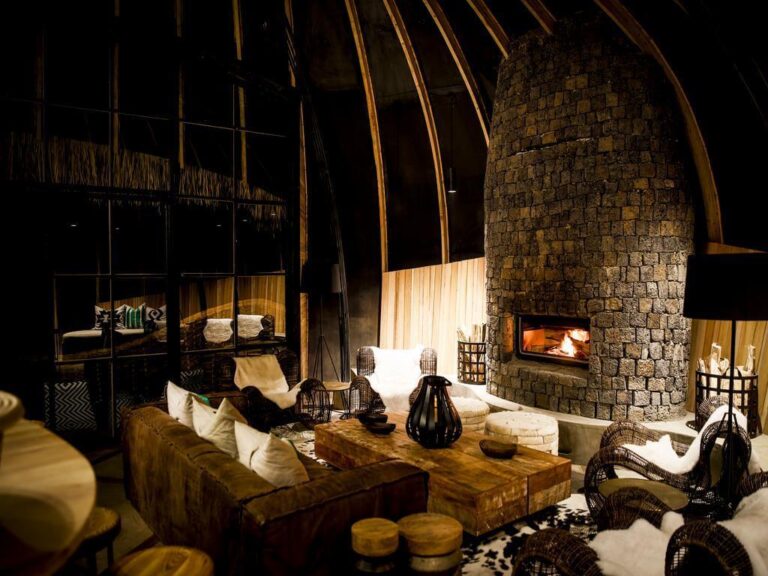
Rwanda's elevated lodges range from raised villas on stilts to forest-edge rooms with canopy views, rather than whimsical treehouses wrapped around trunks. Most sit between 1,800 and 2,500 meters elevation with walkways, terraces, or viewing decks positioned to catch forest sounds and sightlines into the canopy. The design is restrained—wood, thatch, large windows—built to feel part of the landscape rather than apart from it, with comfort that leans toward warm linen and quiet mornings instead of resort theatrics.
How do I get from Kigali to the treehouse lodges?
Lodges near Volcanoes National Park sit about two and a half hours north of Kigali by road; Nyungwe Forest properties are five to six hours south. Most travelers arrange lodge transfers in advance, often included in package rates, with paved roads making the journey straightforward. It's common to overnight in Kigali before or after your treehouse stay, especially if arriving on an international flight, and many itineraries combine both northern and southern parks with a Kigali stopover in between.
What activities can I do from Rwanda's treehouse lodges besides gorilla trekking?
Nyungwe lodges offer chimp tracking, canopy walks suspended above the valley, and birdwatching among thirteen primate species and hundreds of bird species. Near Volcanoes National Park, golden monkey treks, volcano hikes, and village visits round out gorilla days. Some itineraries extend east to Akagera for savannah game drives or west to Lake Kivu for kayaking and shoreline unwinding. Between activities, most lodges keep the rhythm quiet—tea on the terrace, kitchen-garden walks, evening fires—with the forest doing most of the programming.