
Treetop Walks
A treetop walk lifts you into the middle layer of forest where branches meet and birdsong sharpens, offering a rare perspective without technical skill or mountaineering effort. These elevated pathways—some gently swaying, others rigid and spiraling upward—thread through canopy ecosystems that most visitors never notice from ground trails. The experience suits families, photographers and anyone curious about forest life above the usual sightlines, delivered as an accessible hour of careful walking that quietly recalibrates how you see trees long after you've returned to solid ground.
Explore Treetop Walks
{{locationDetails}}
Browse sub-categories














About Treetop Walks
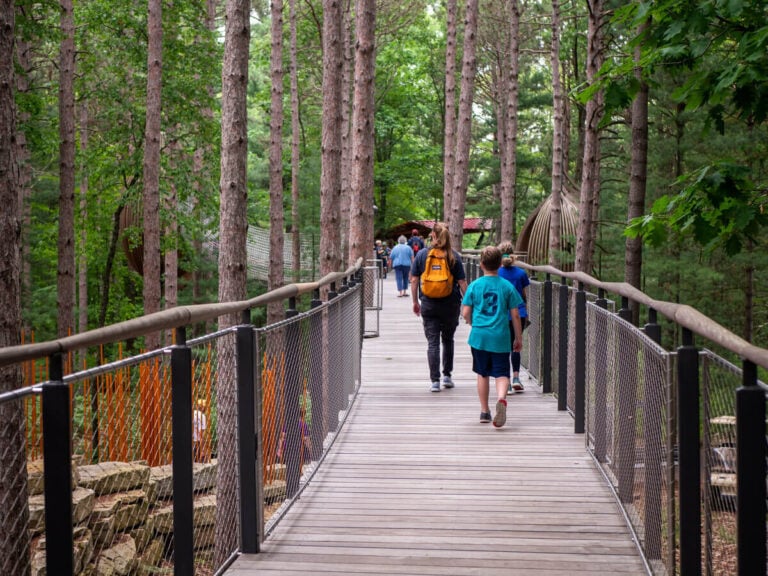
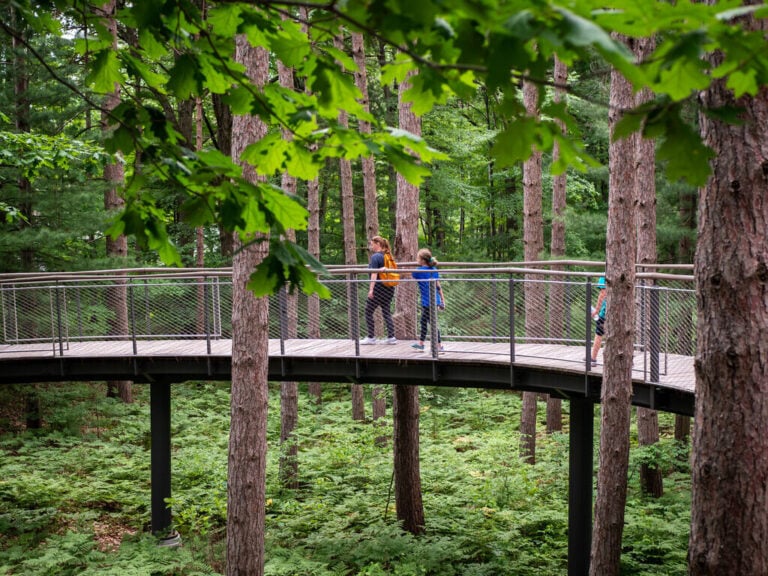
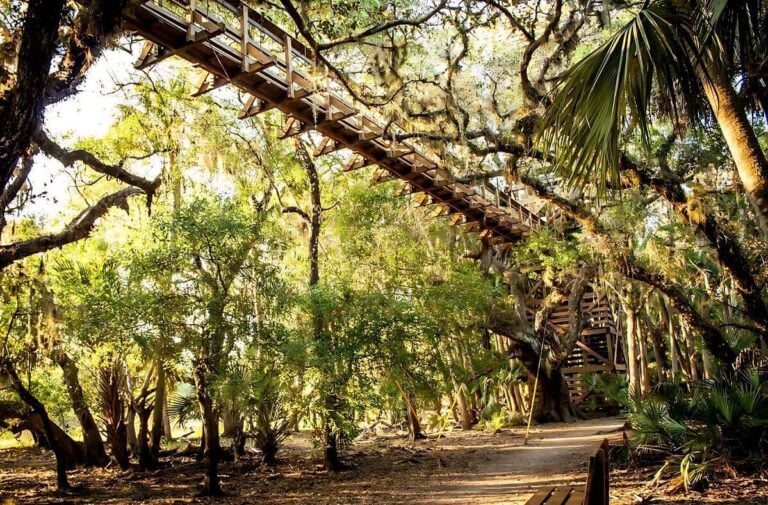
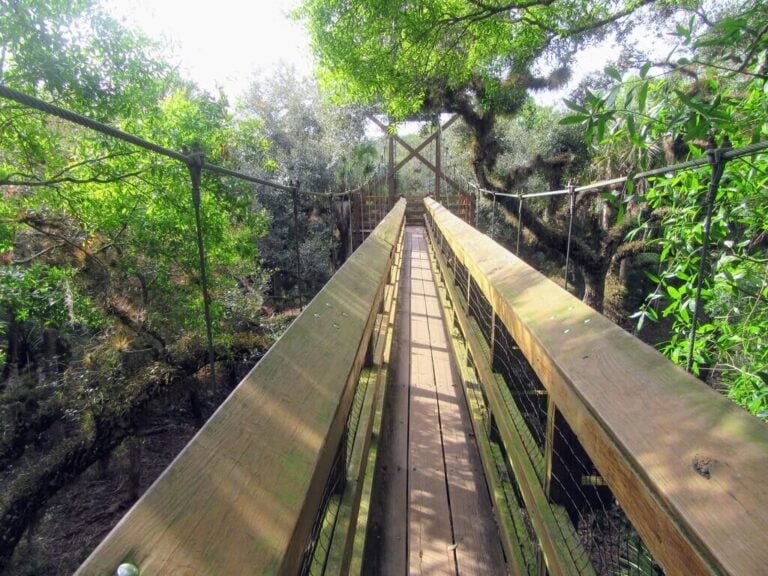
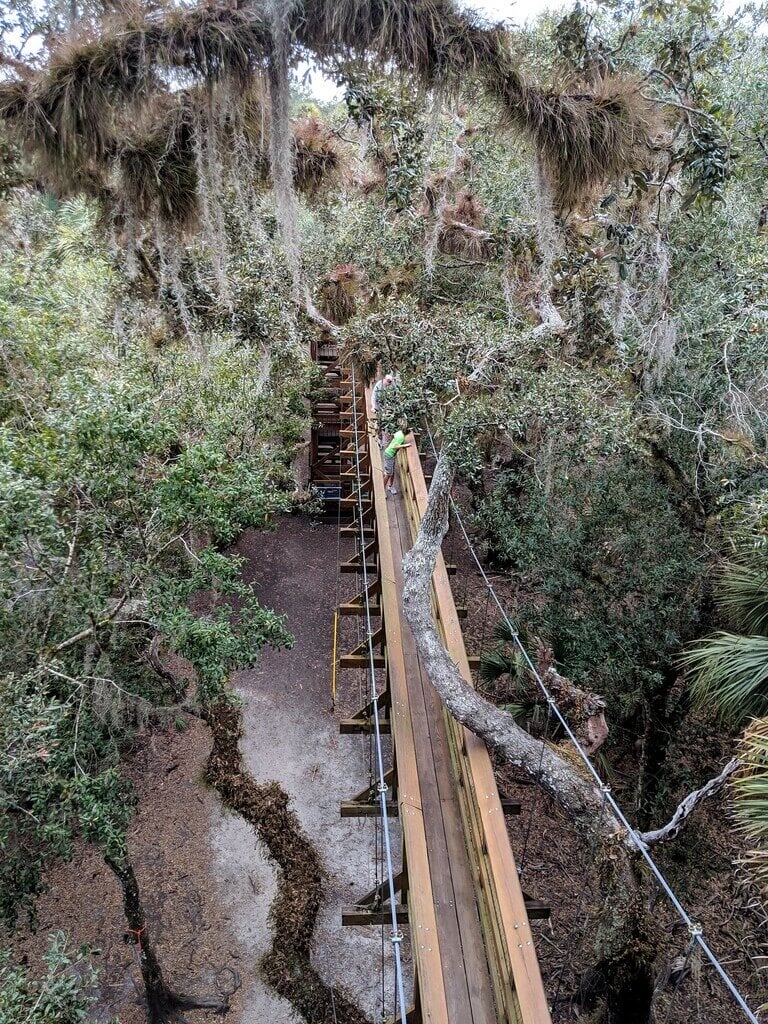
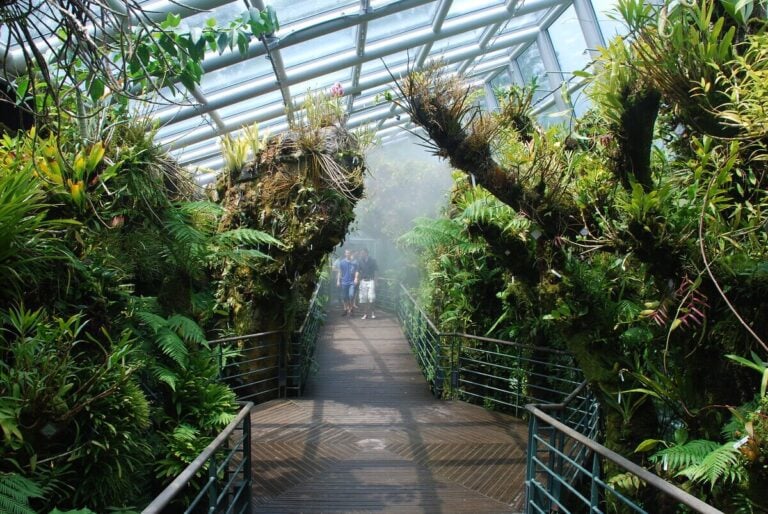
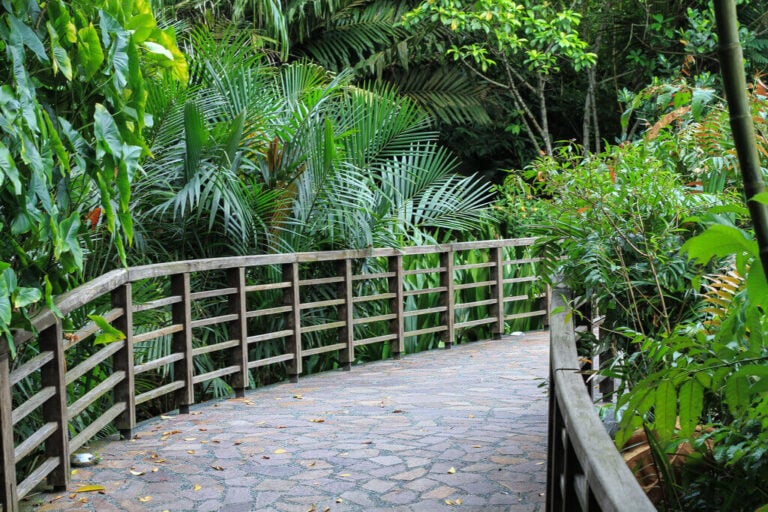
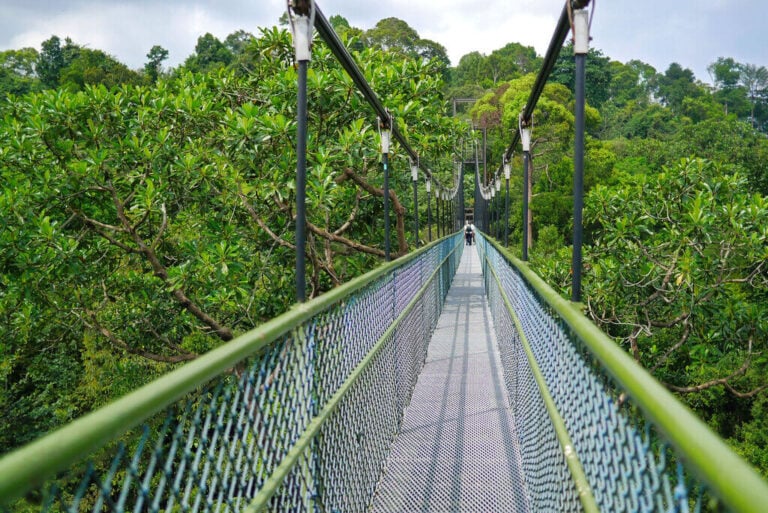
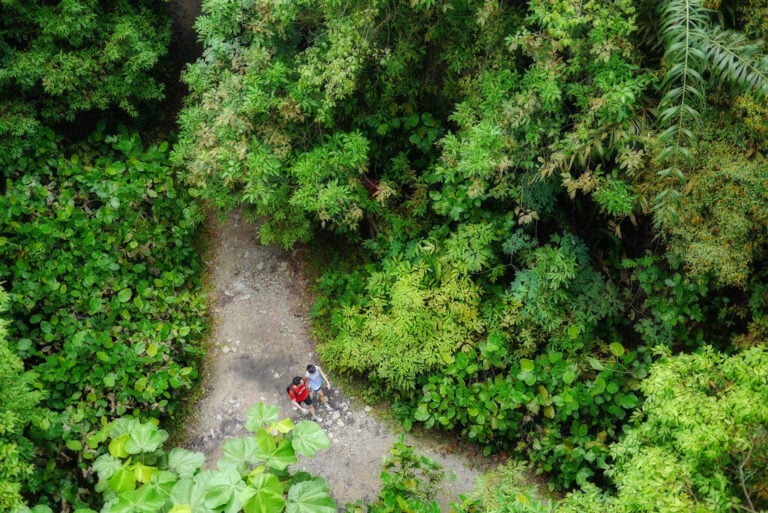
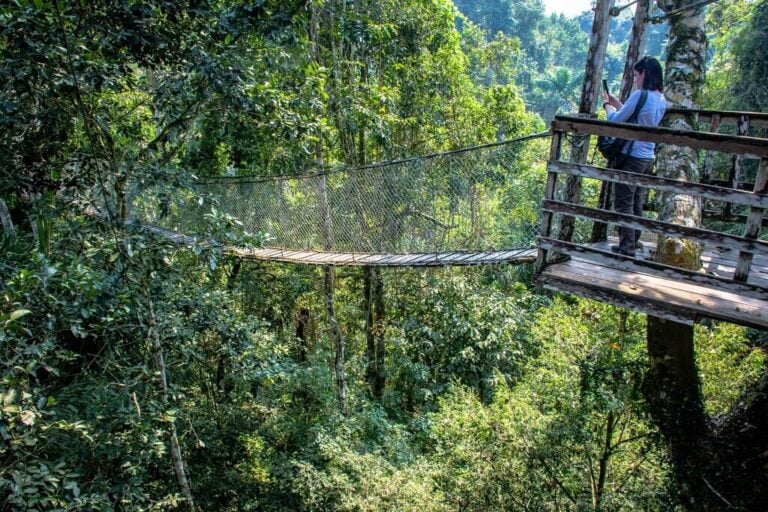
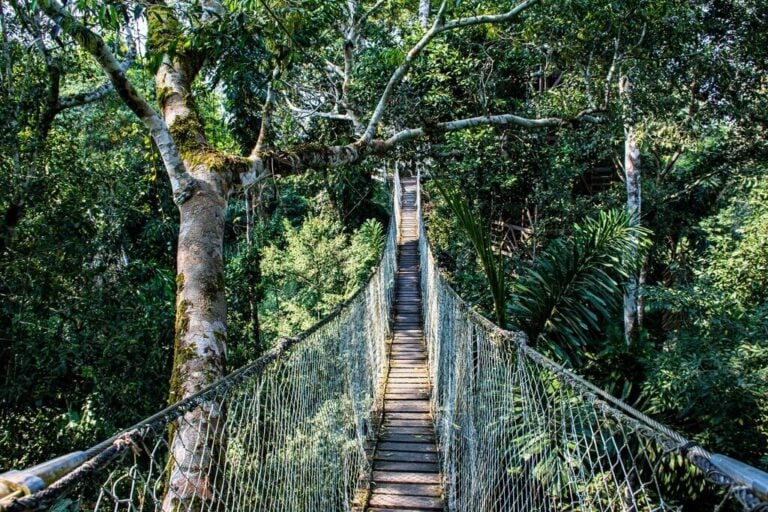
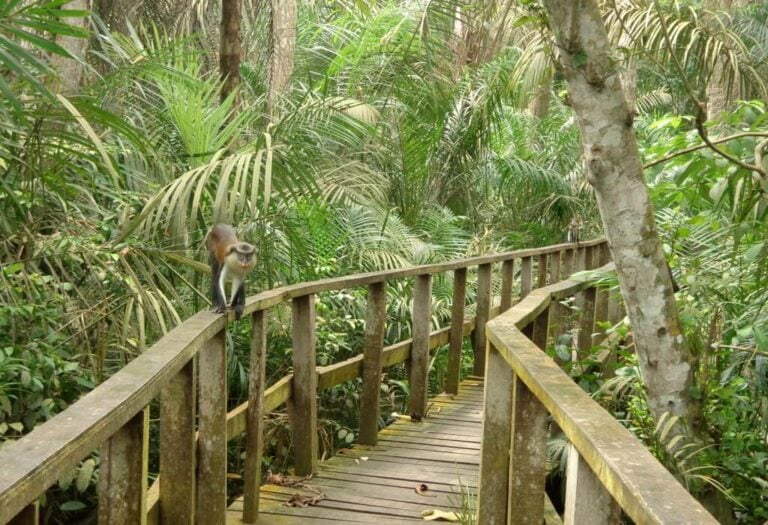
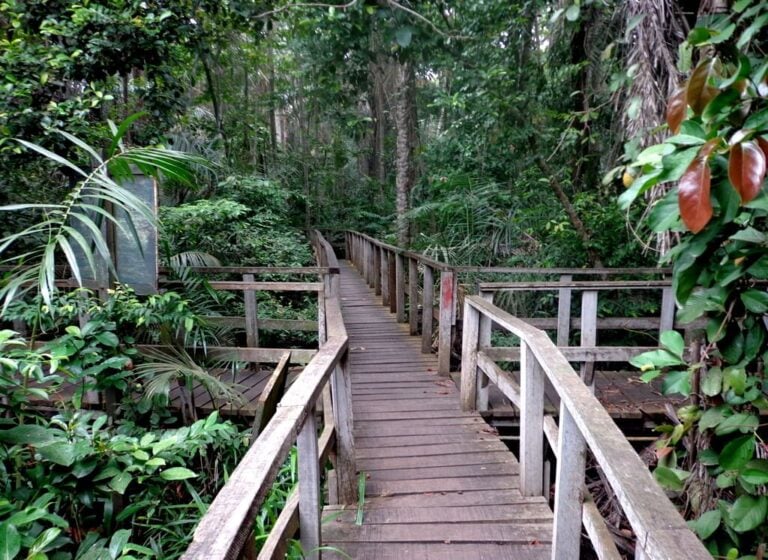
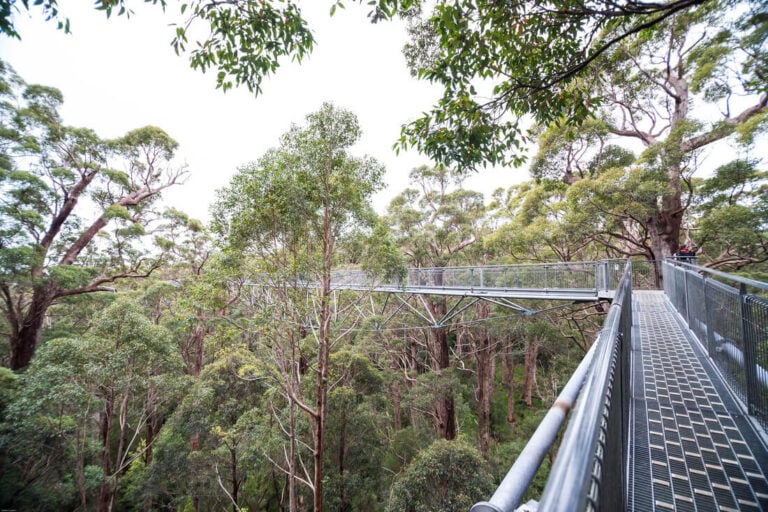
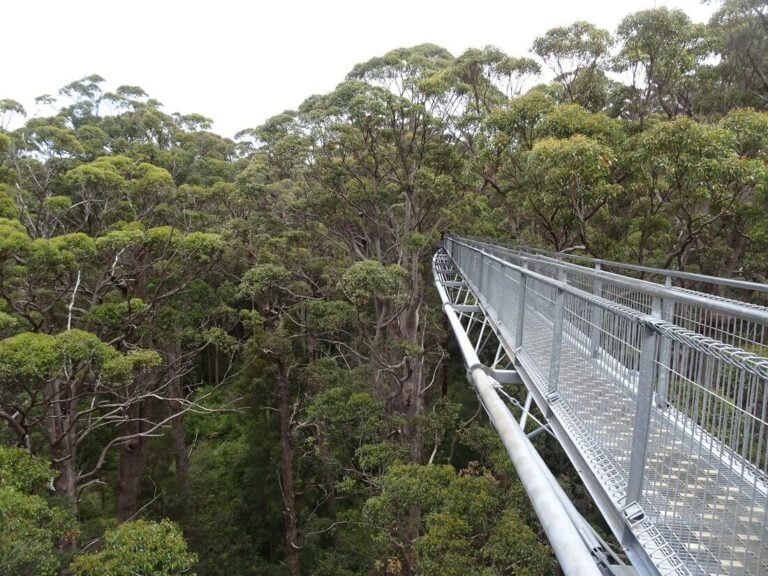
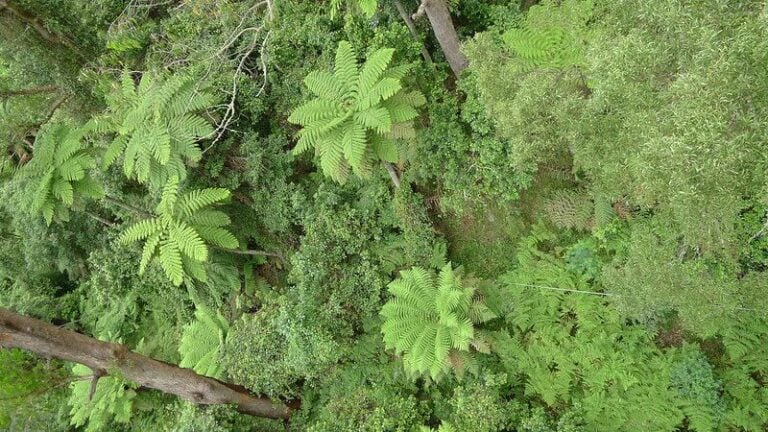
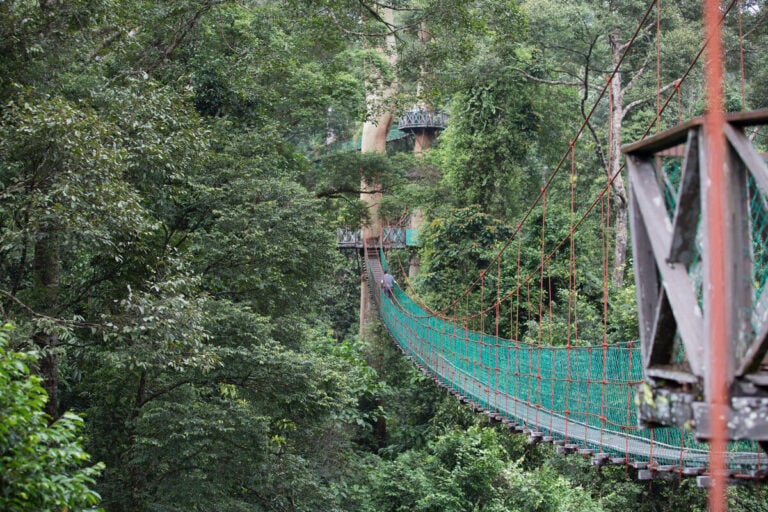
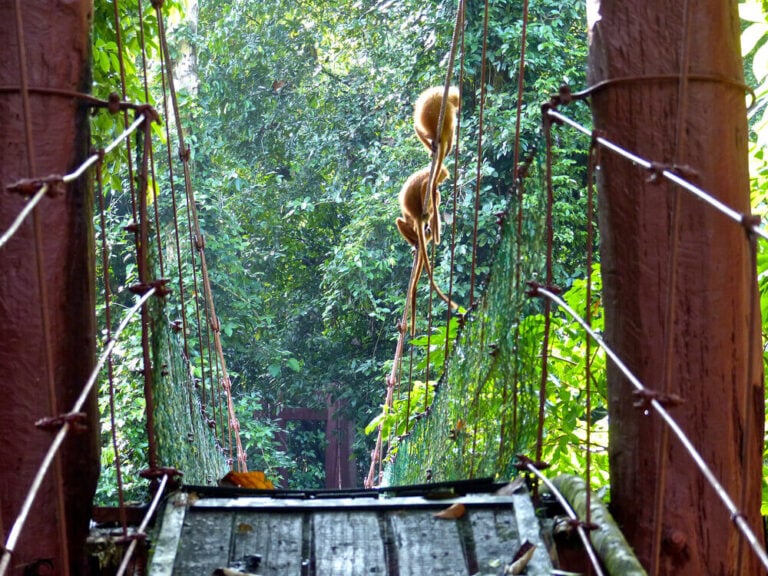
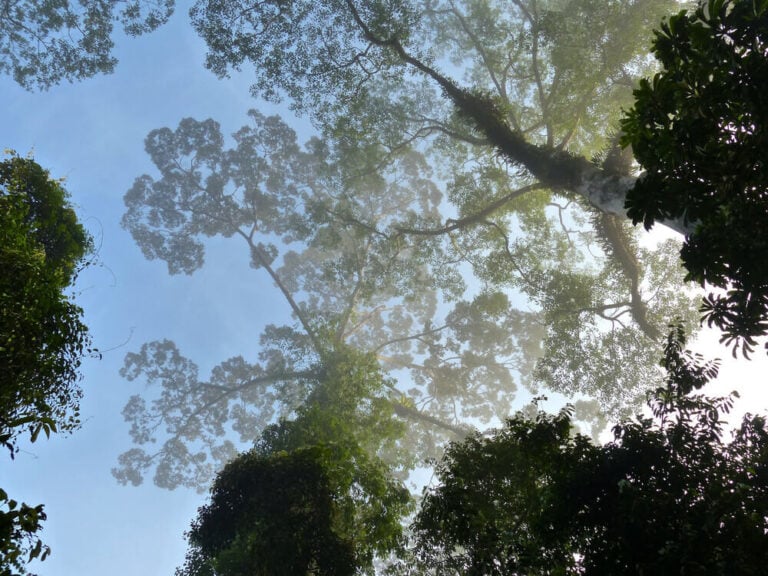
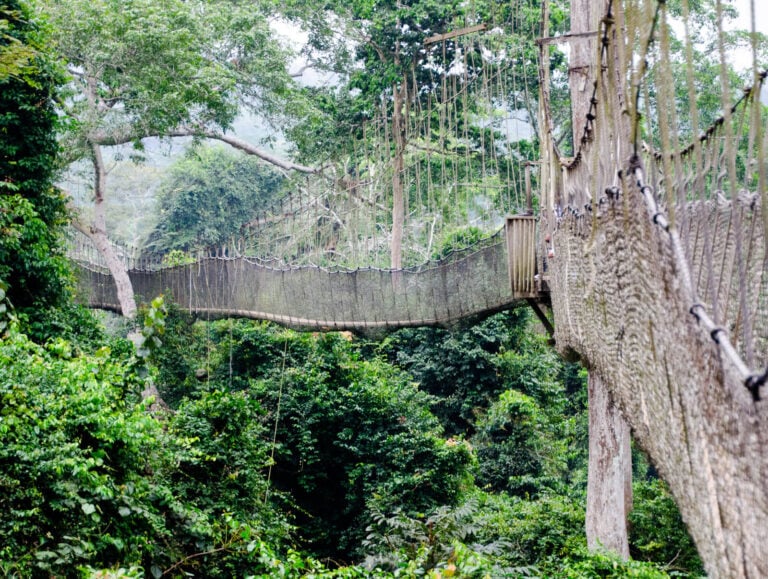
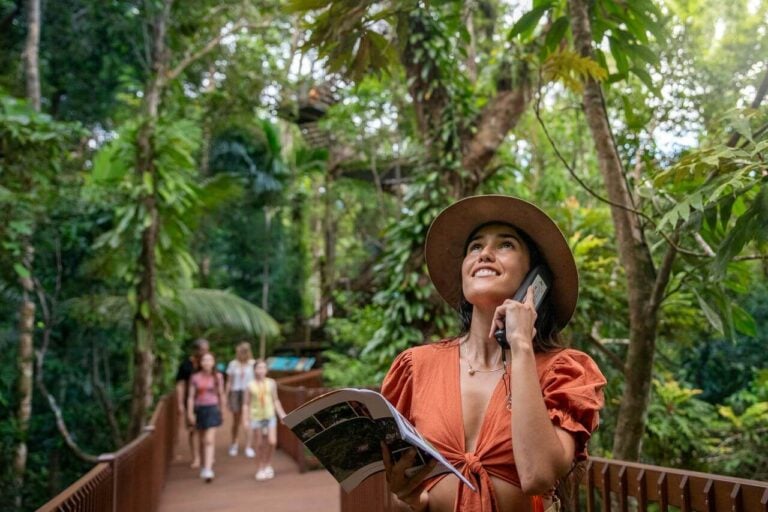
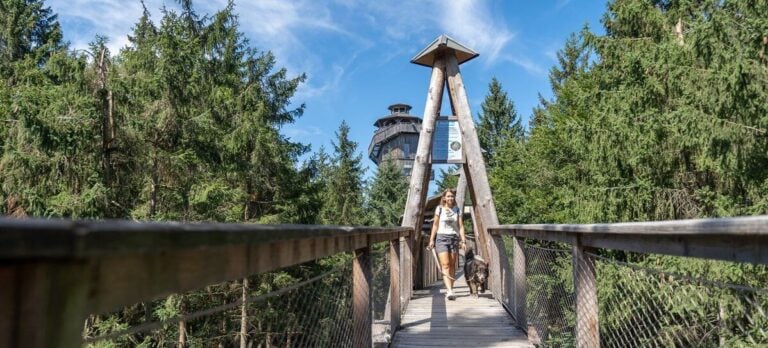
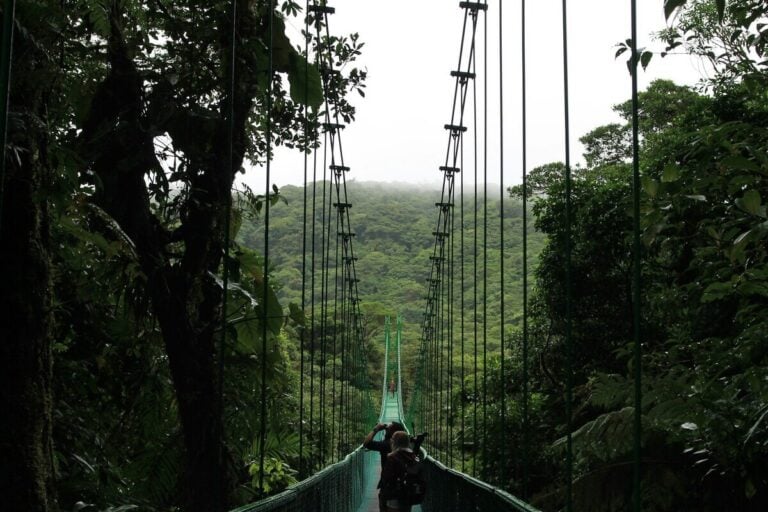
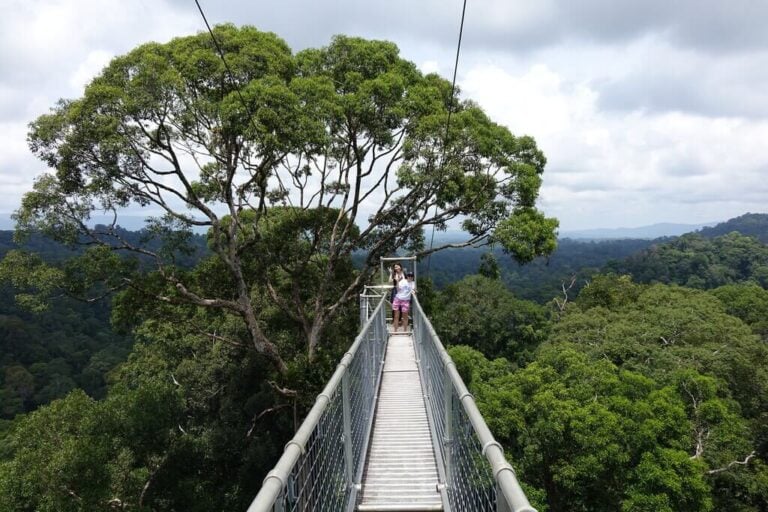
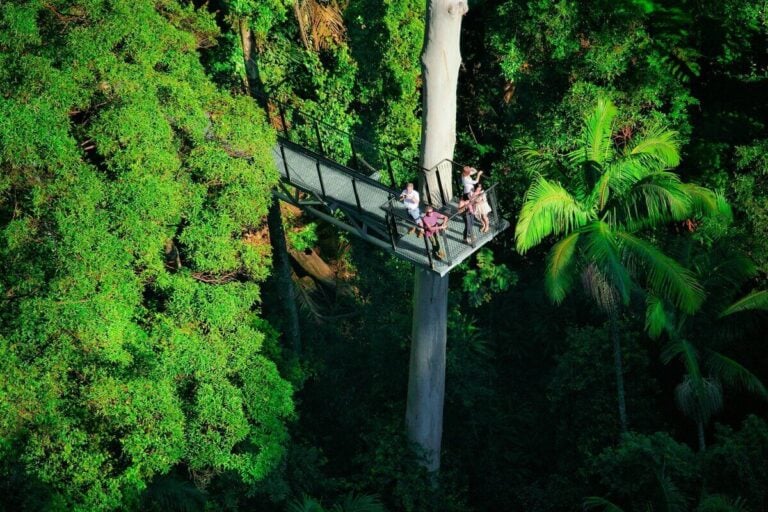
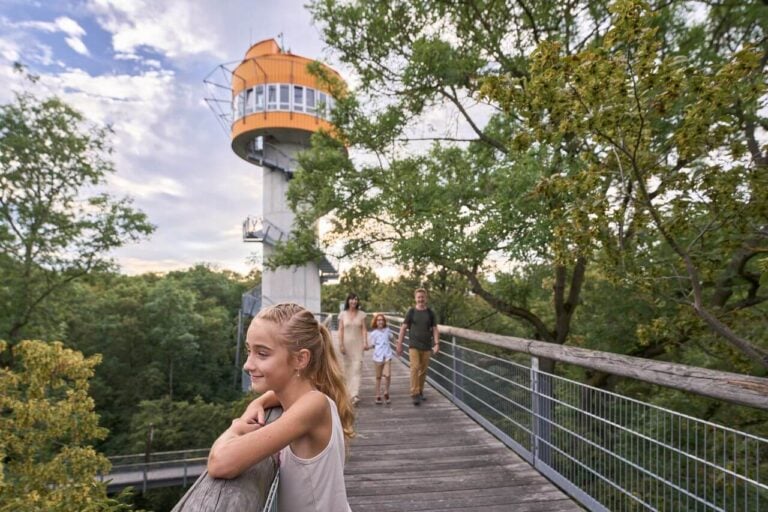
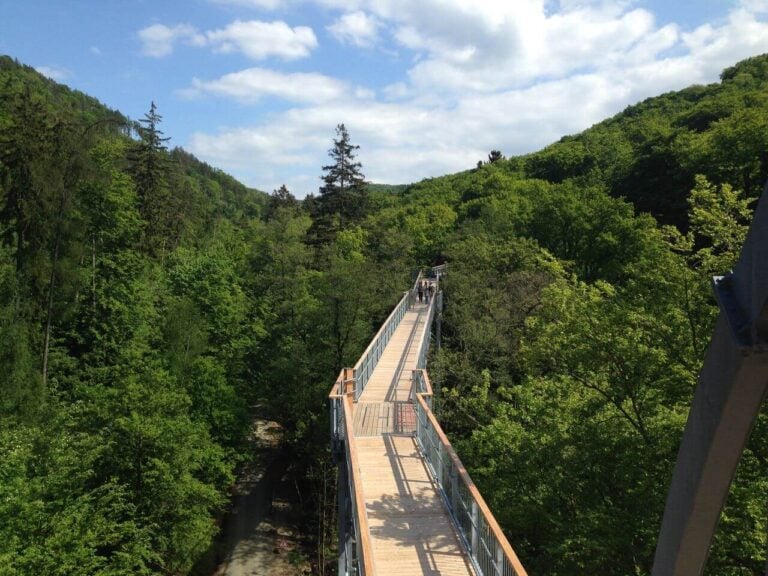
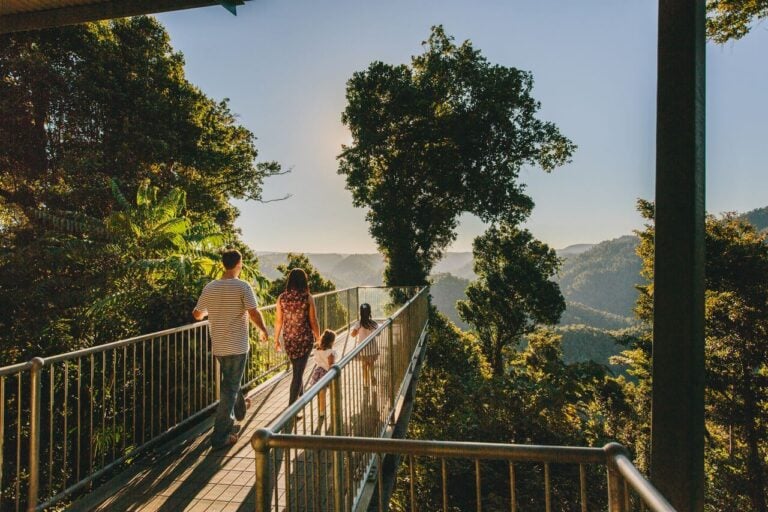
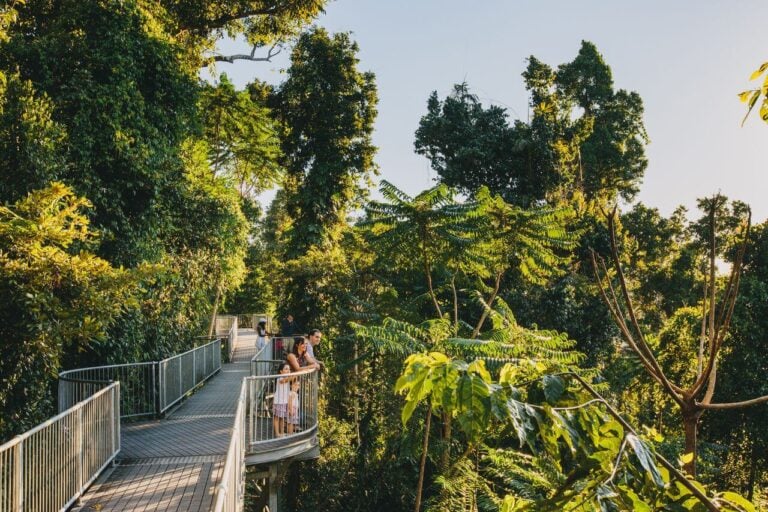
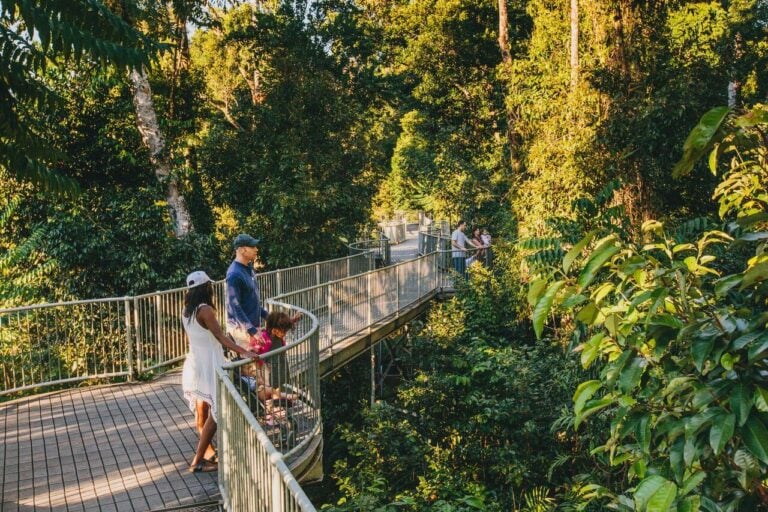
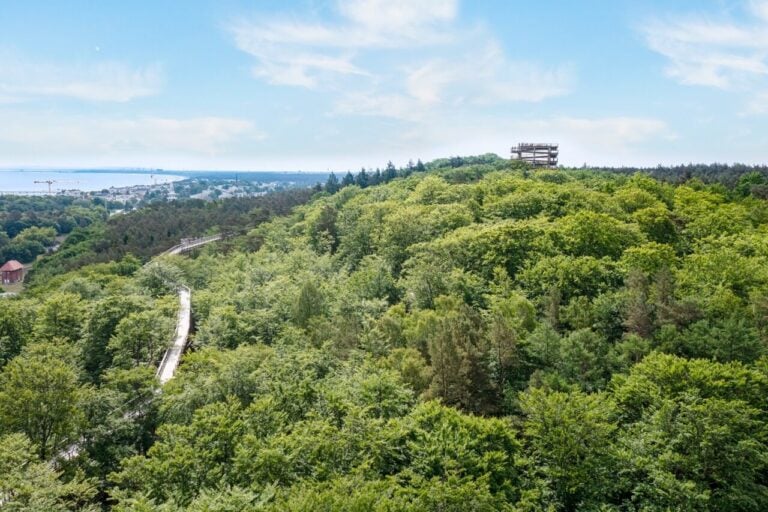
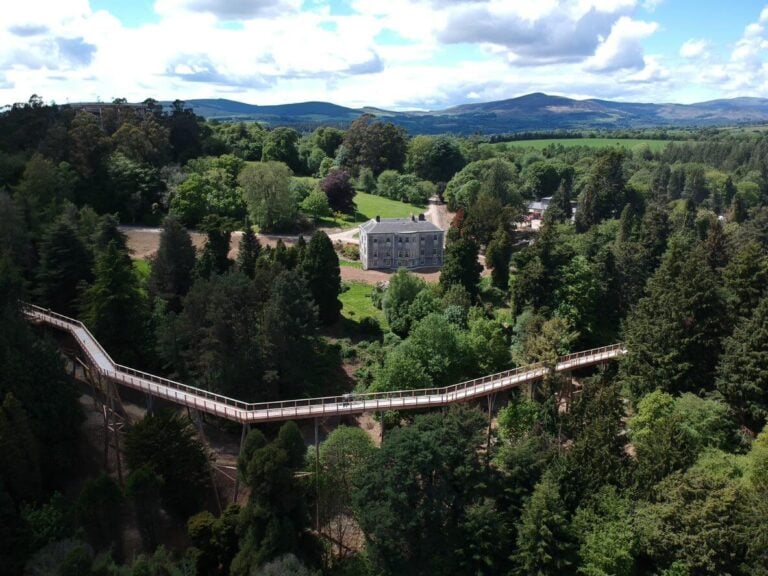
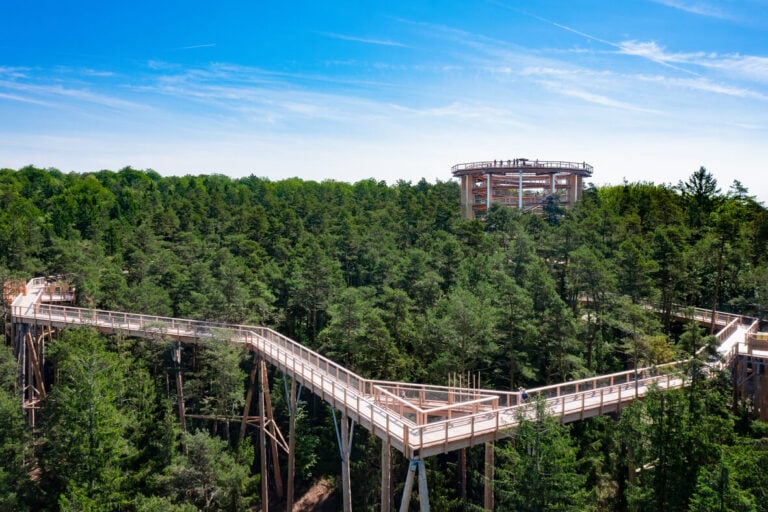
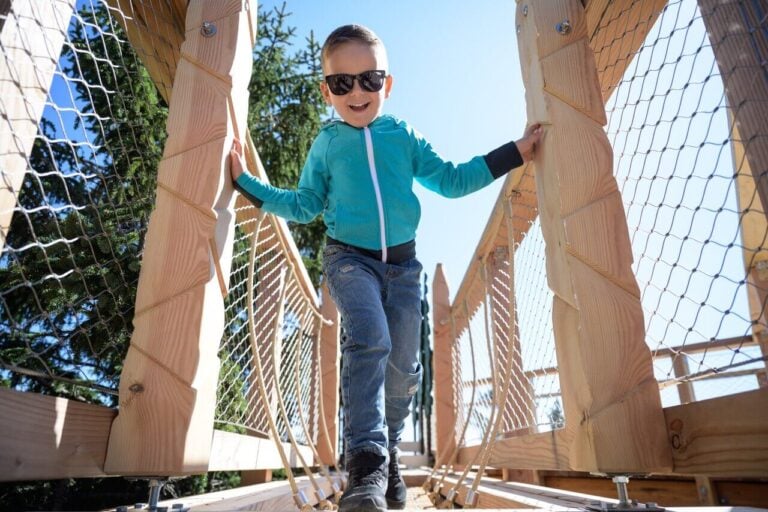
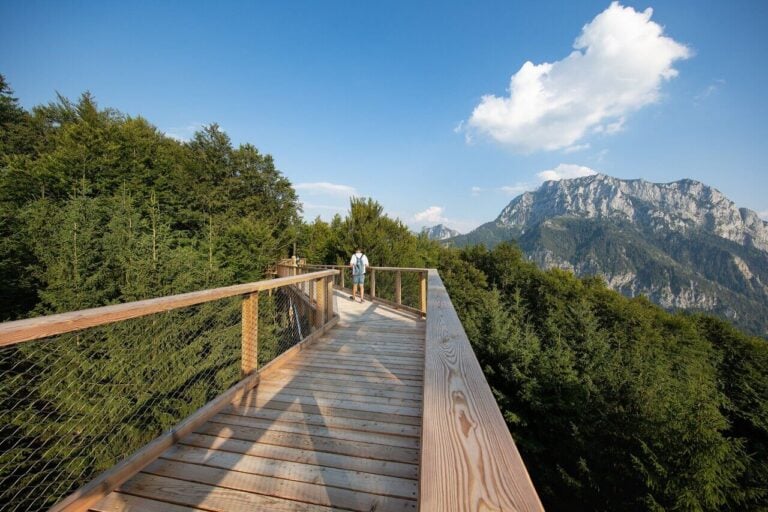
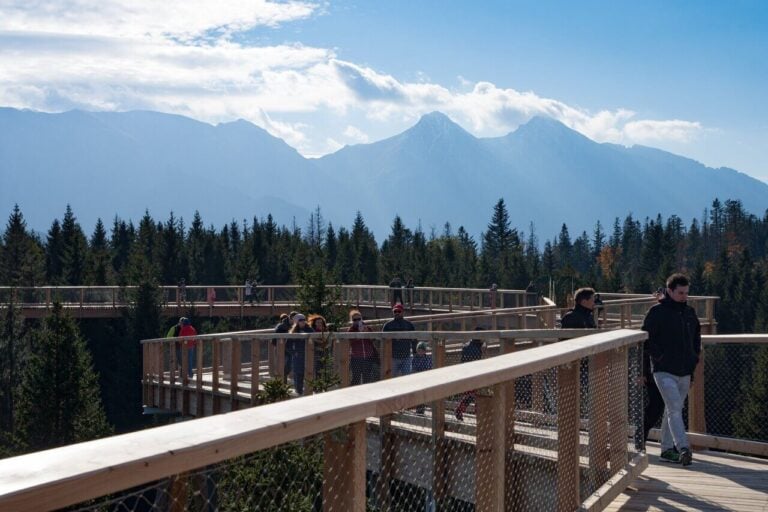
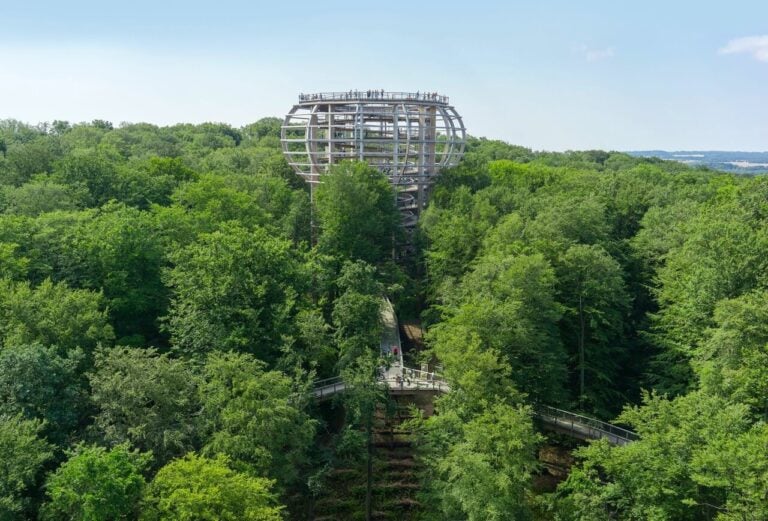
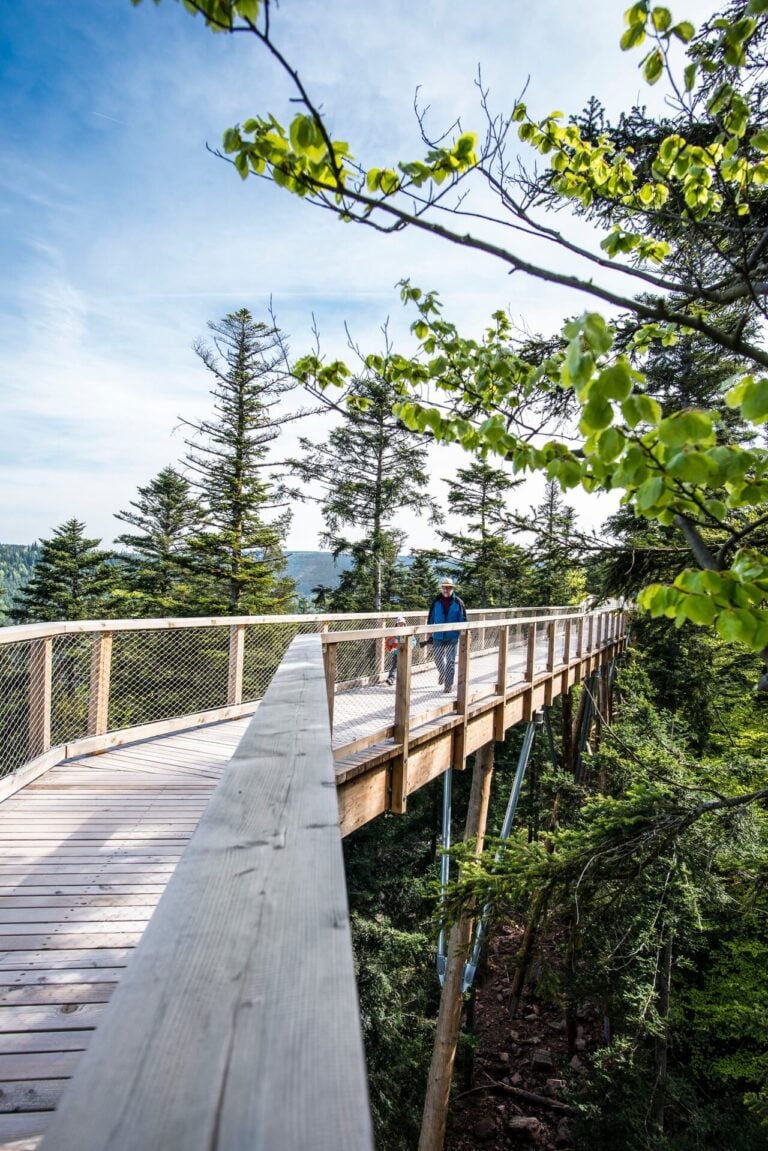
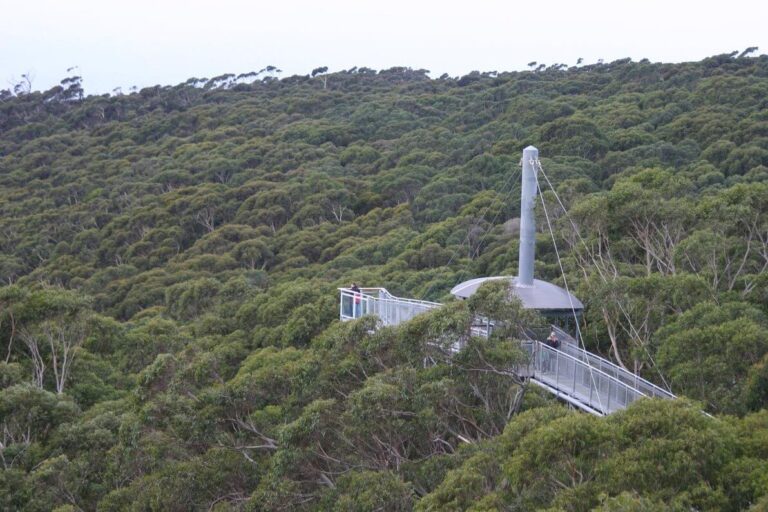
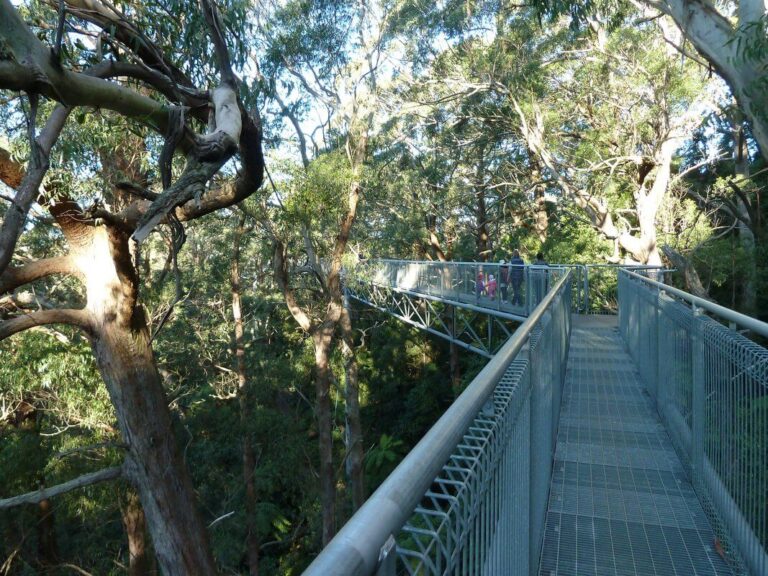
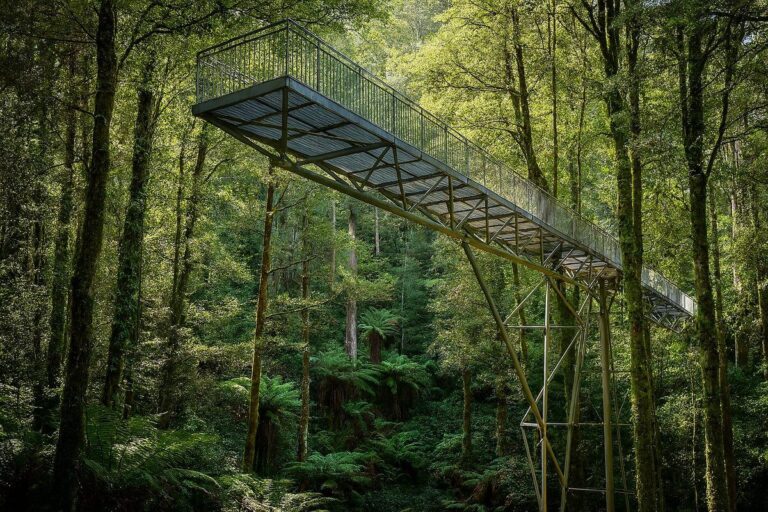
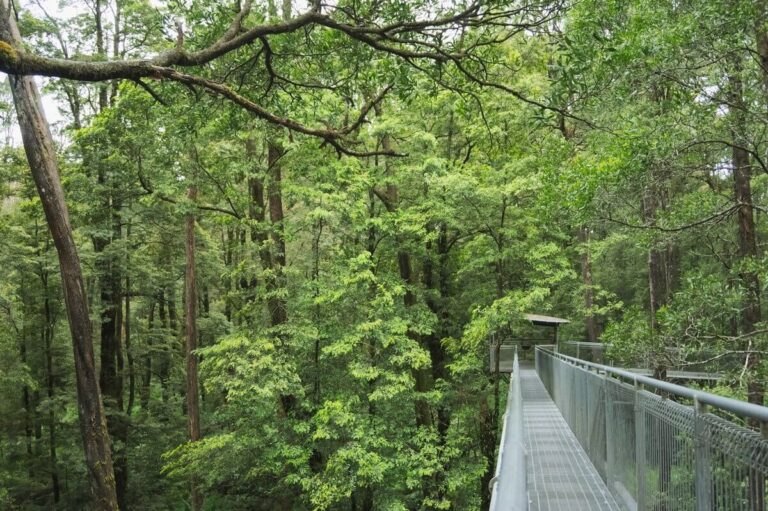
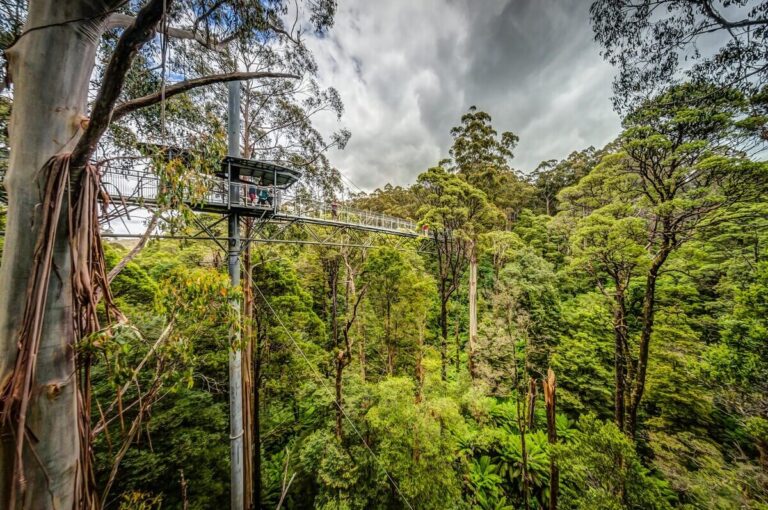
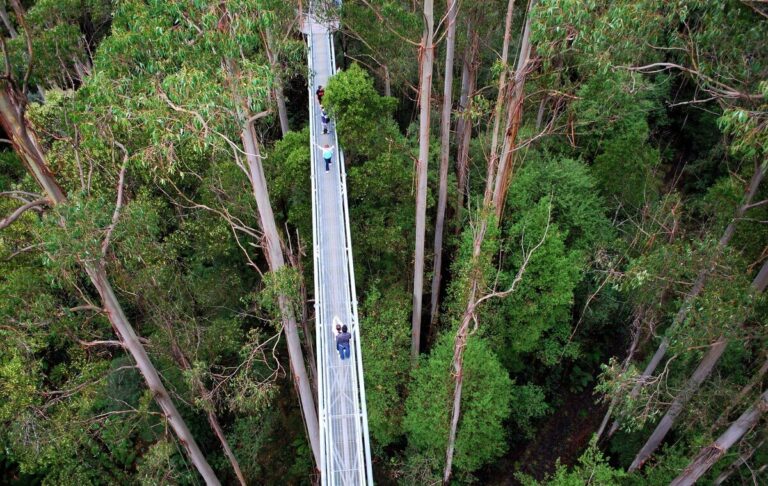
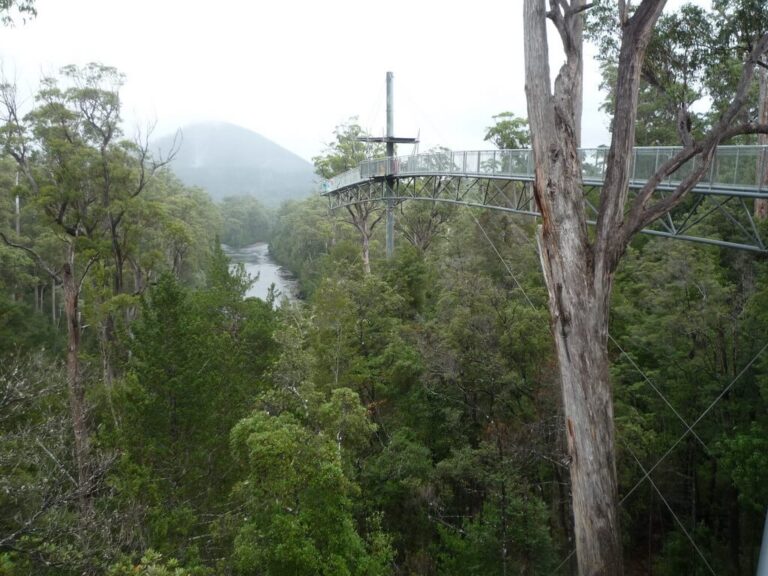
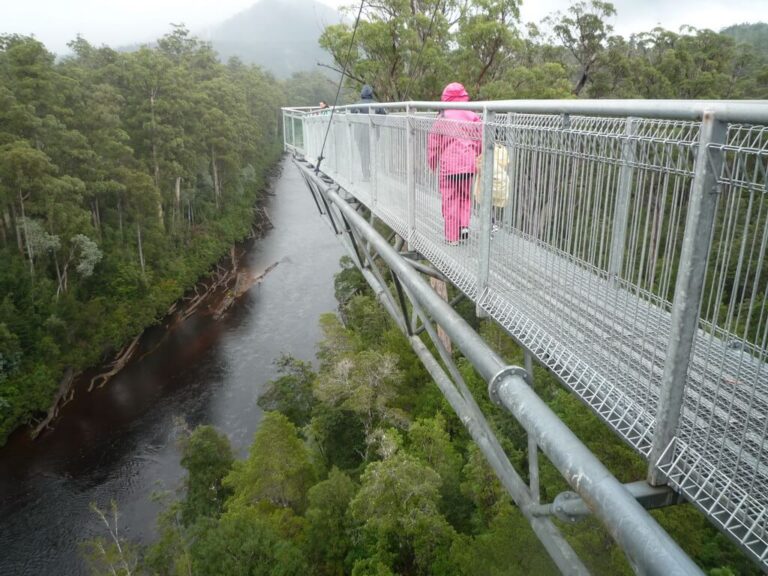
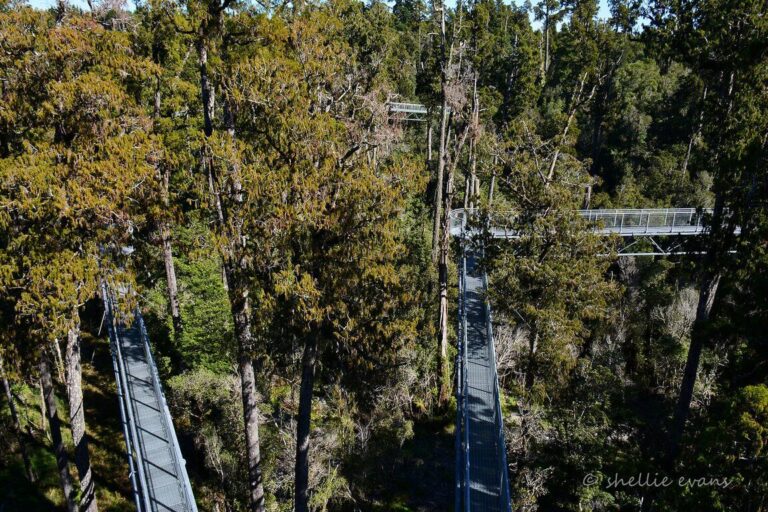
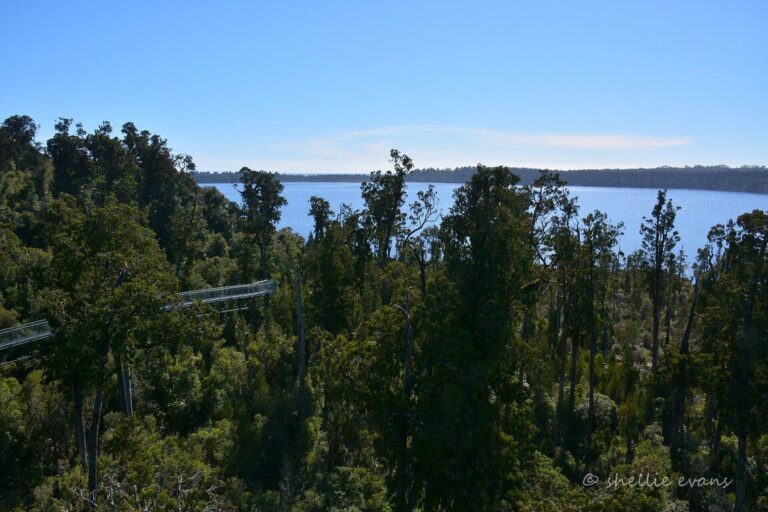
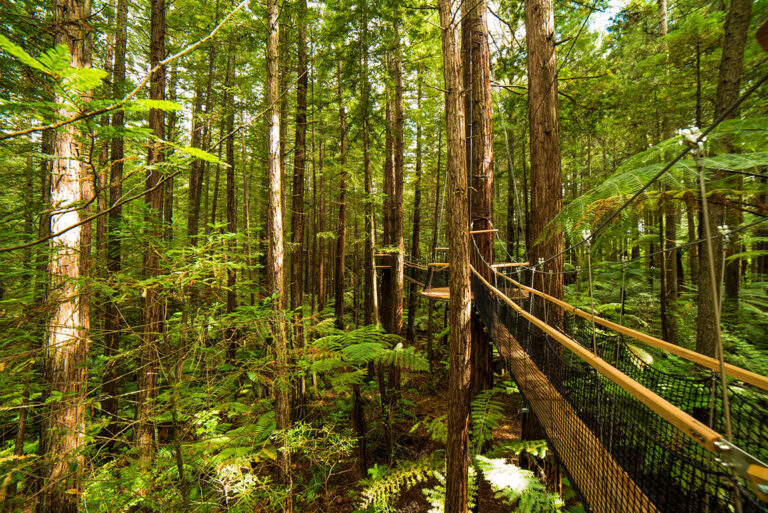
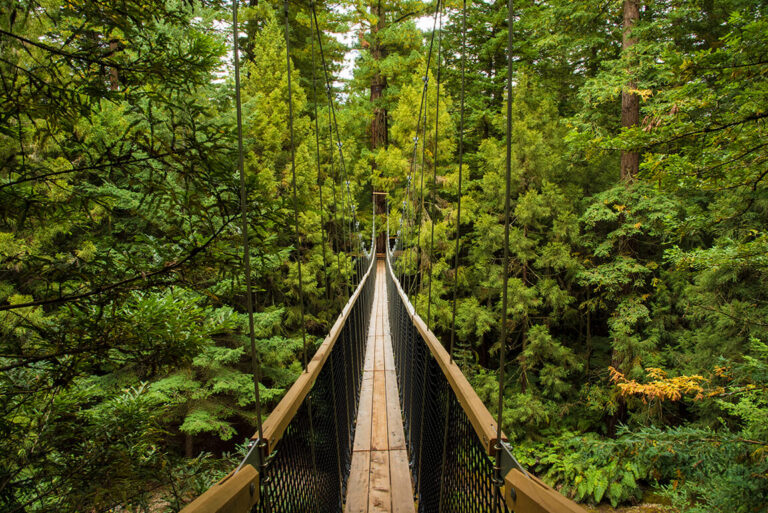
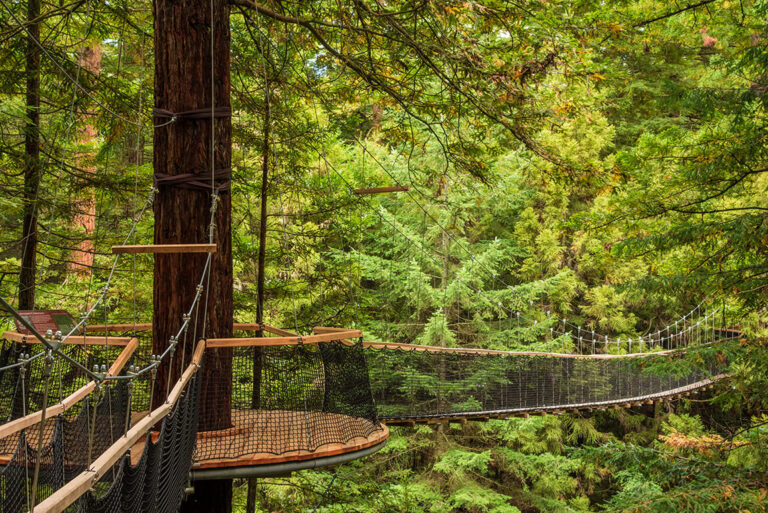
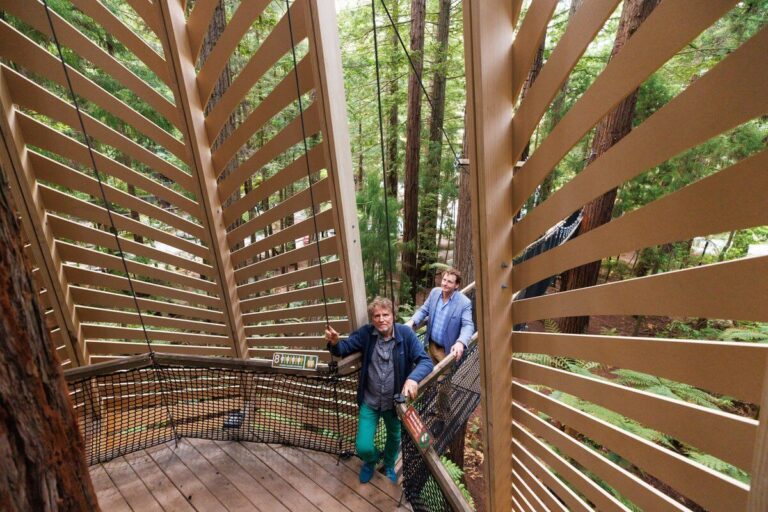
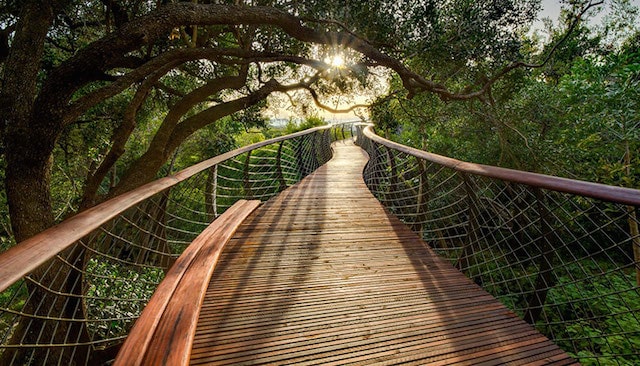
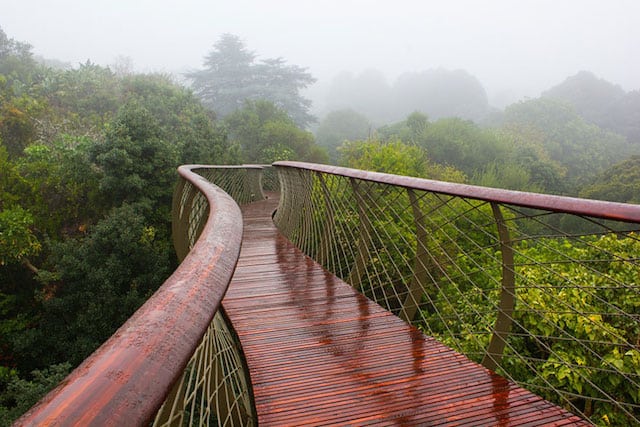
A treetop walk pulls you into a layer of forest most people never notice. Not the ground where roots tangle and trails wind, not the distant crowns glimpsed from far below, but the middle zone where branches meet and birds pause at arm's length. You climb gently or ride an elevator, then step onto an elevated path that threads through beech, rainforest canopy or cloud-draped spruce depending on which corner of the world you've chosen. The experience asks nothing technical of you—no harness, no rope skills, just walking—but it delivers a perspective shift you feel immediately.
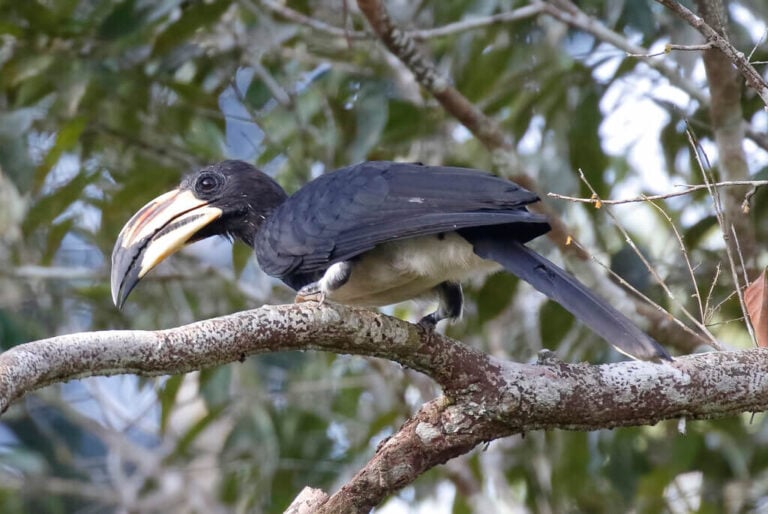
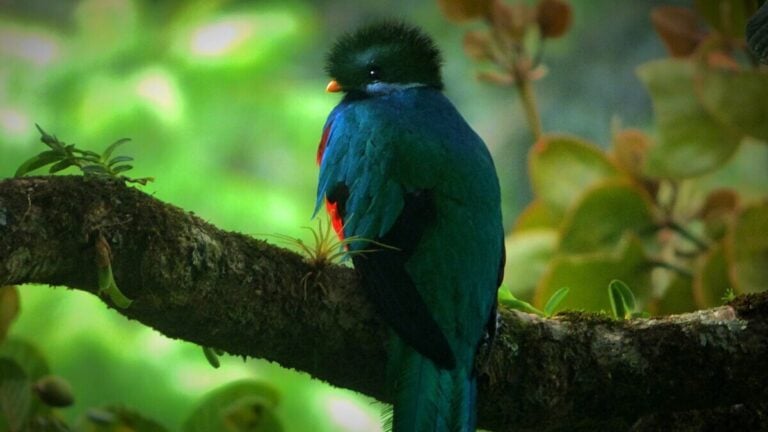
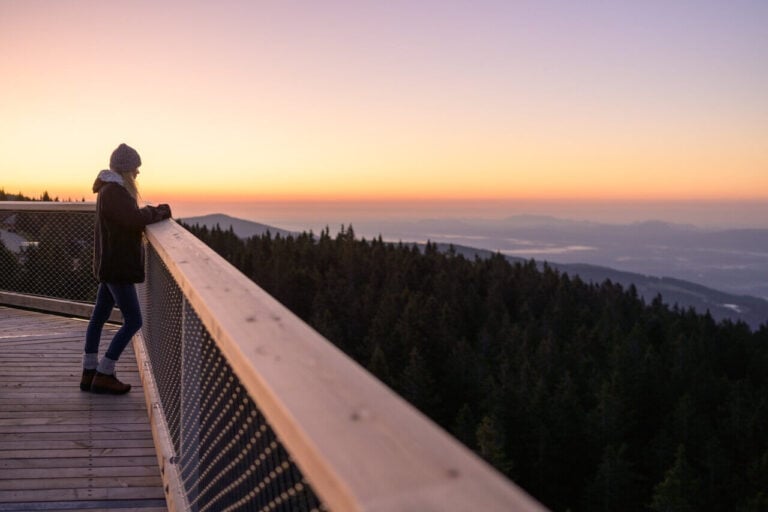
The air changes first. Cooler, damper, carrying scents that never quite reach the forest floor: fresh sap, the green smell of leaves working in sunlight, sometimes the faint sweetness of flowers blooming high above the usual sightlines. Sound behaves differently up here too. Ground noise fades while birdsong sharpens, close enough to hear the soft mechanical click of a beak or the rustle of feathers adjusting. Conversations naturally drop to murmurs. Whether that happens because the height inspires a little caution or because the canopy itself feels like a cathedral is hard to say, but the hush is real.
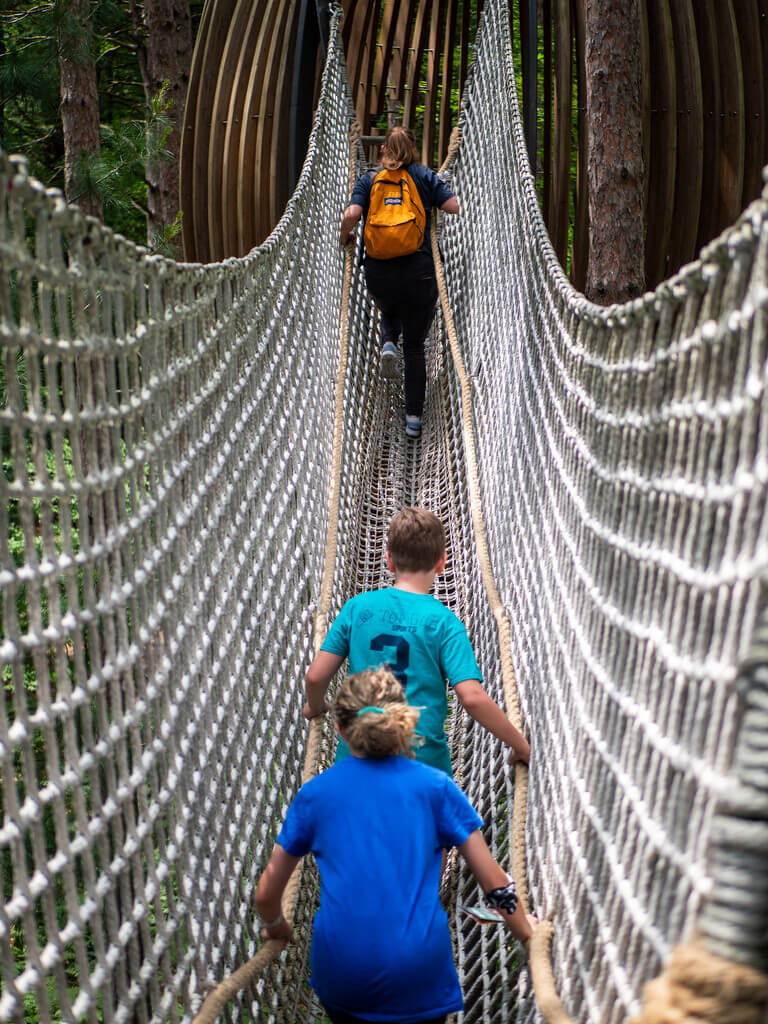
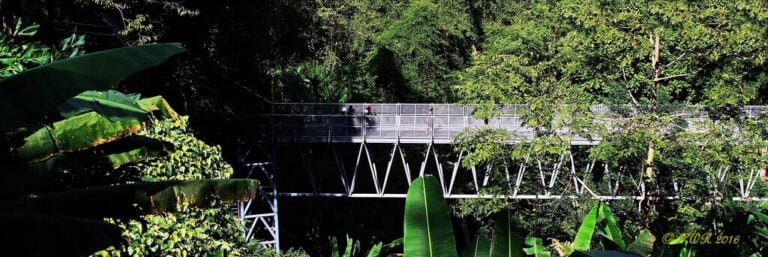
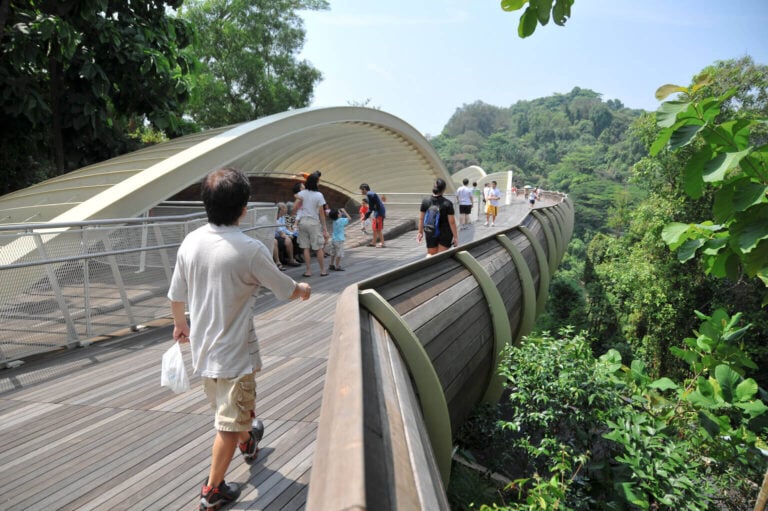
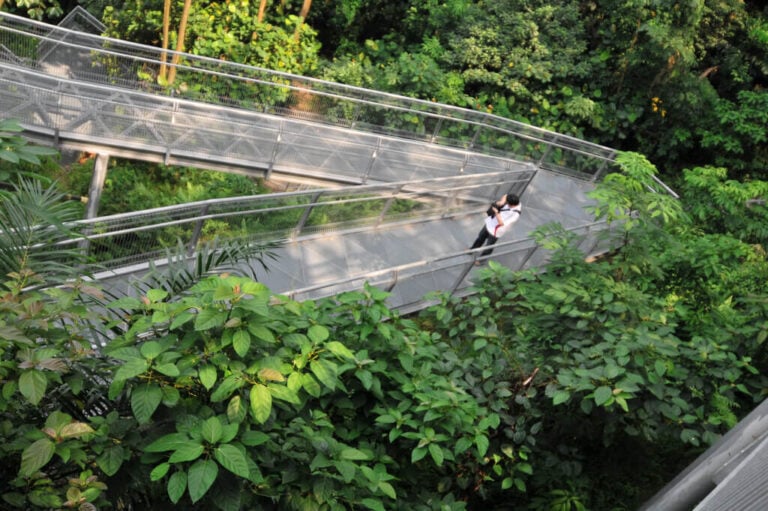
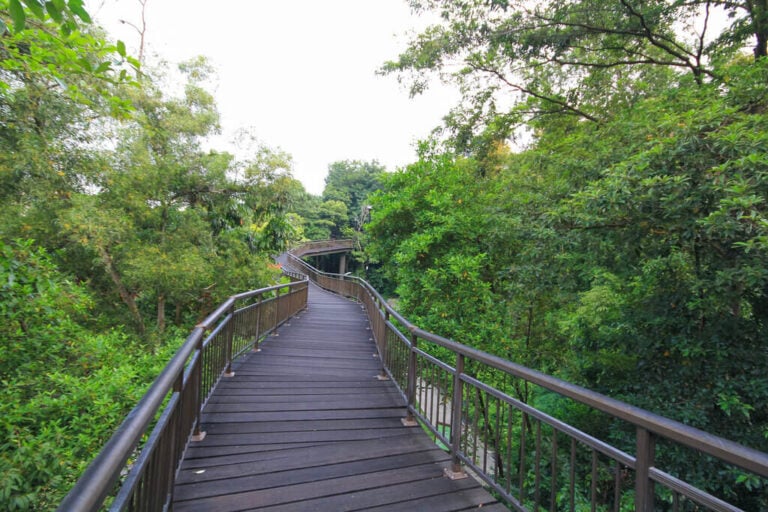
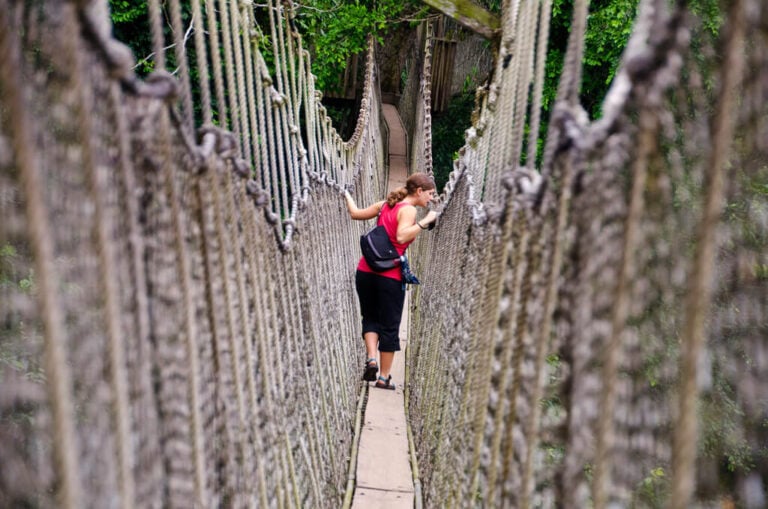
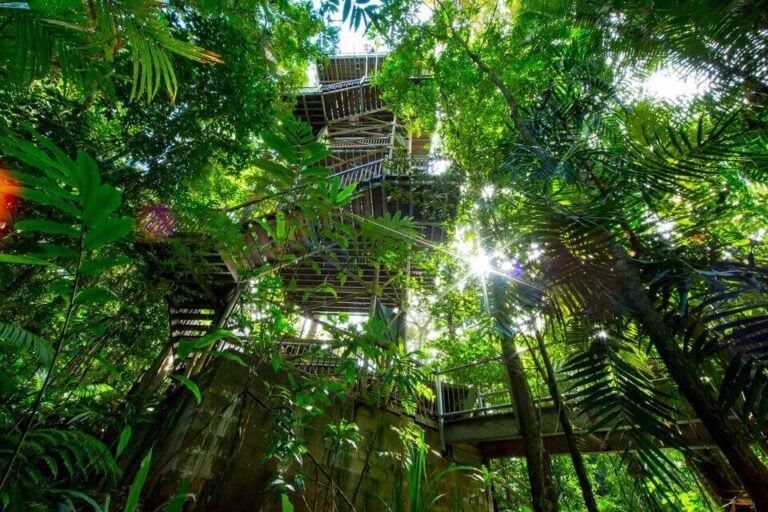
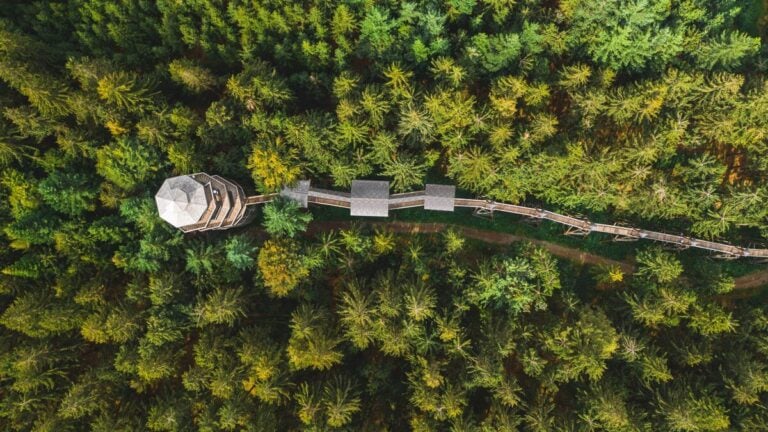
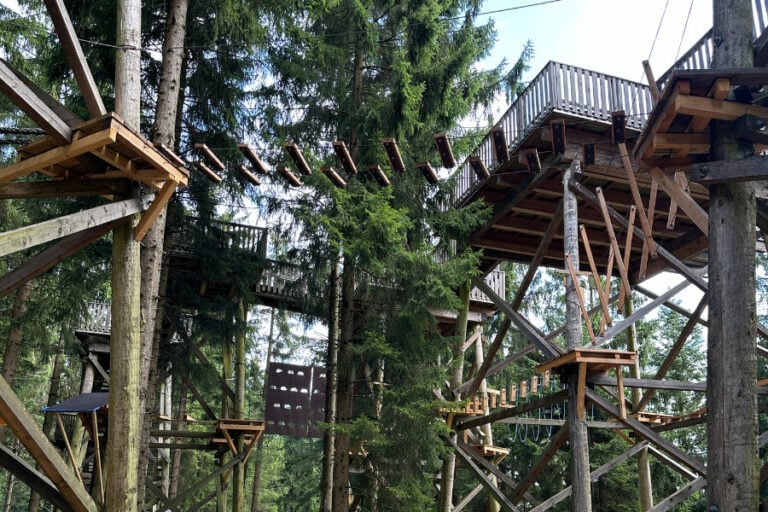
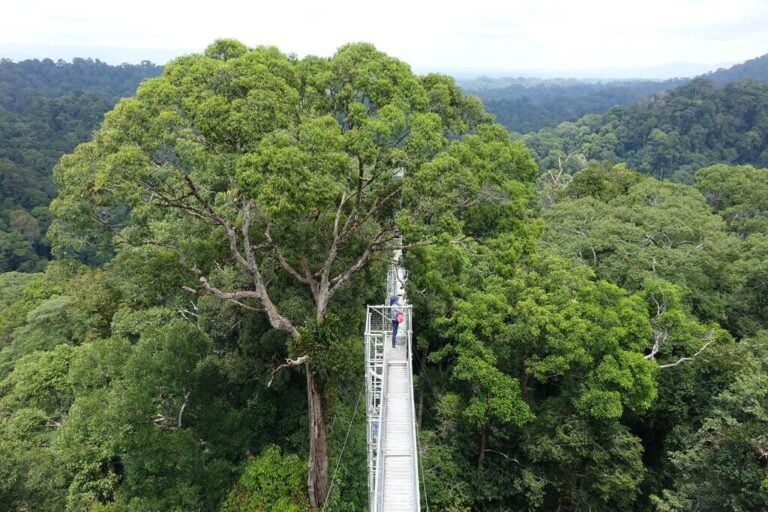
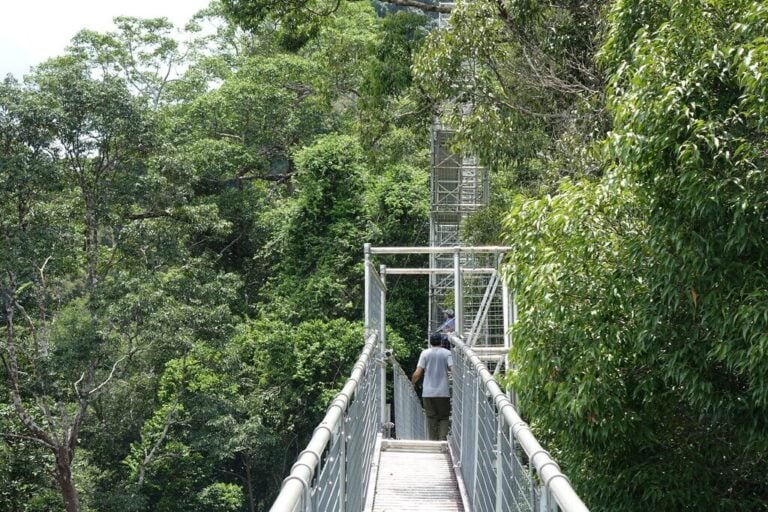
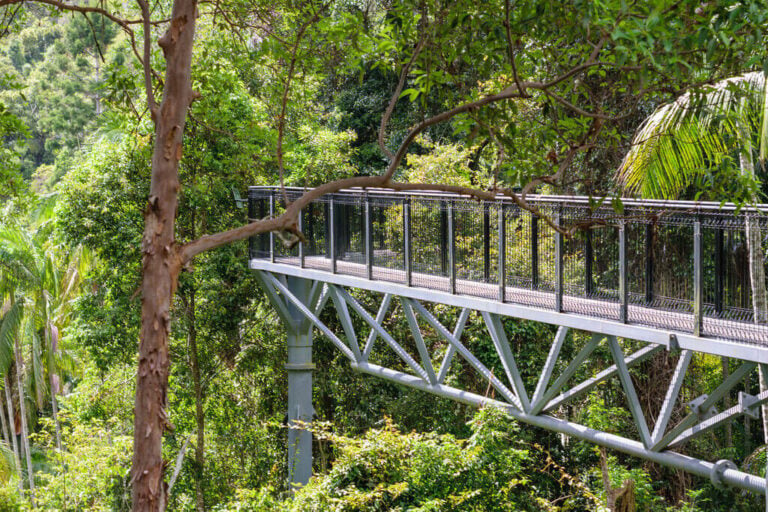
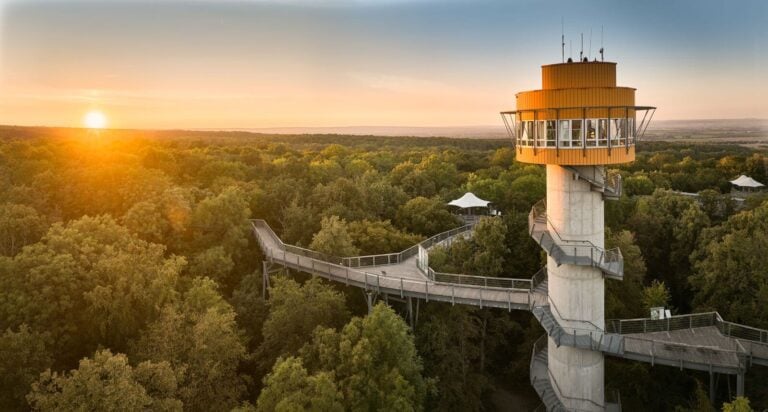
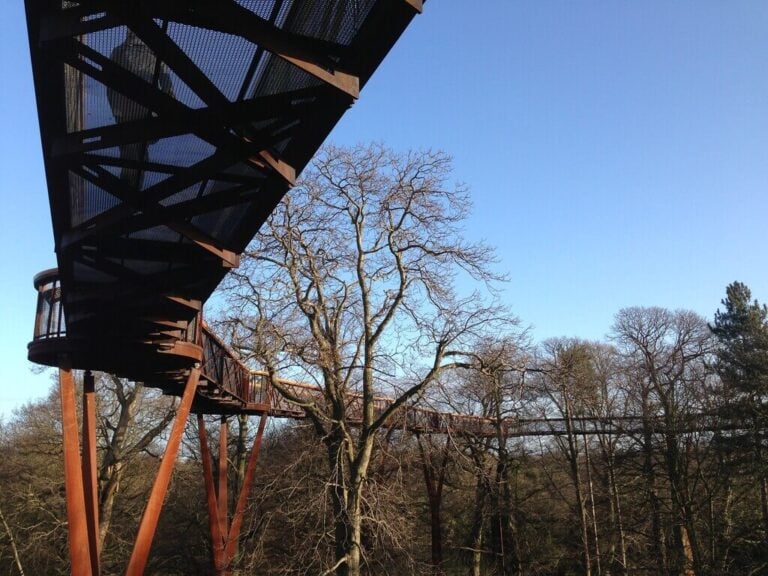
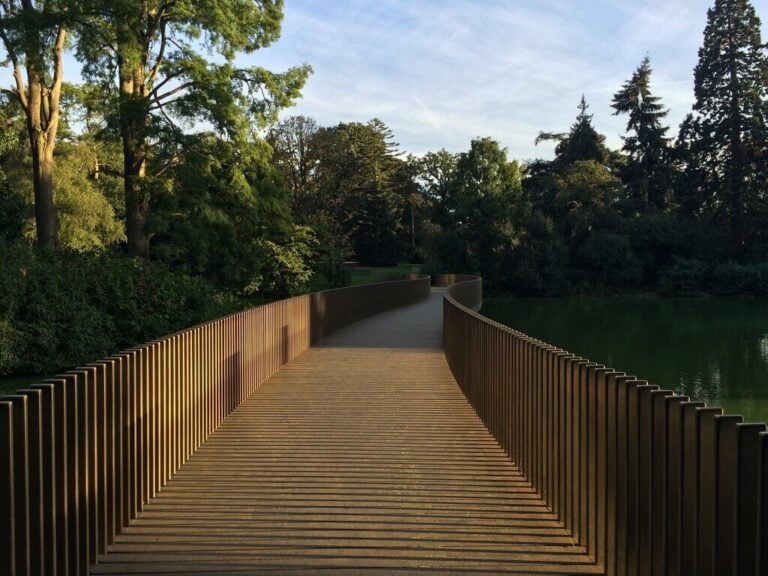
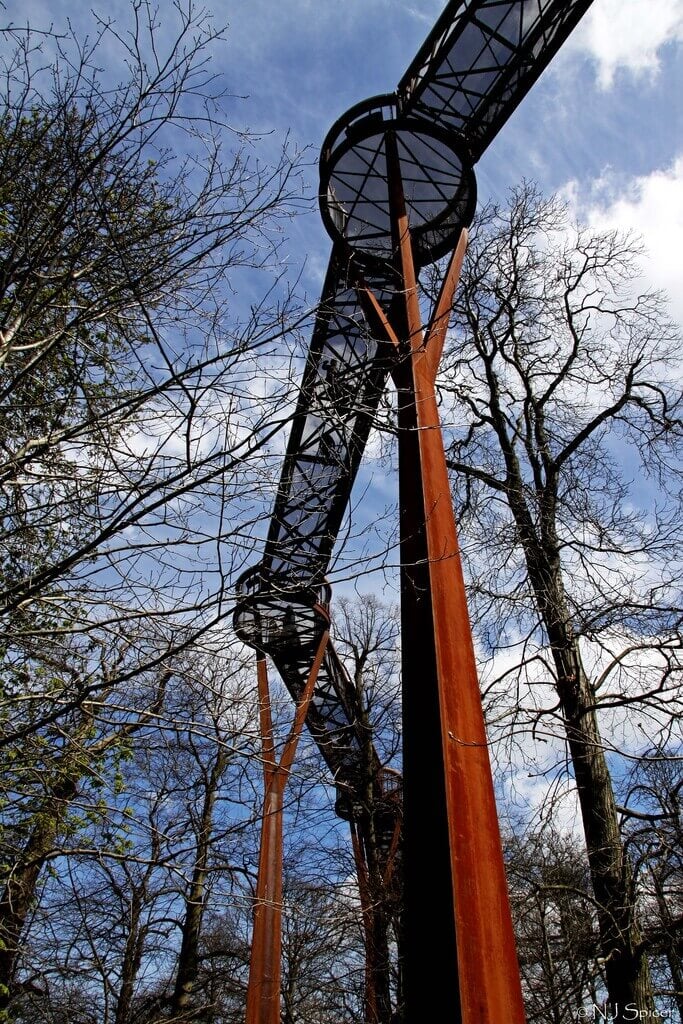
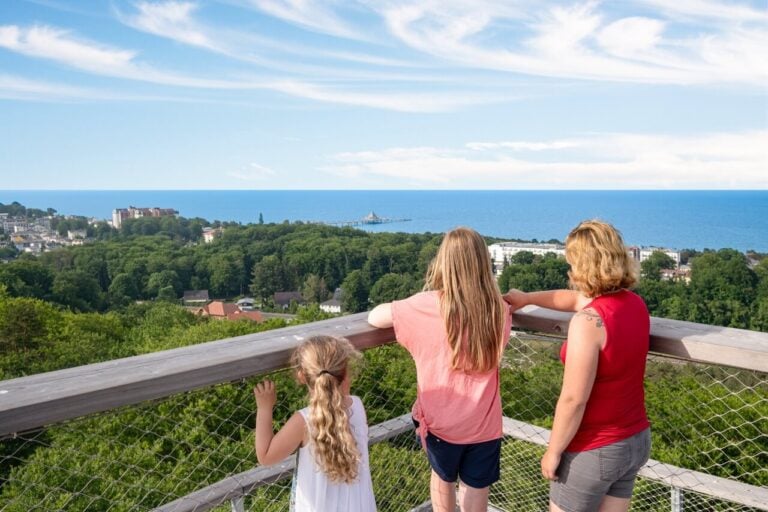
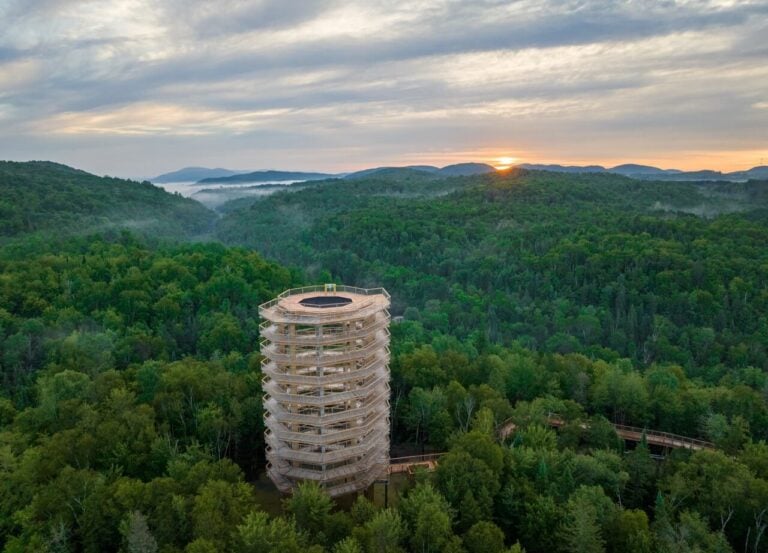
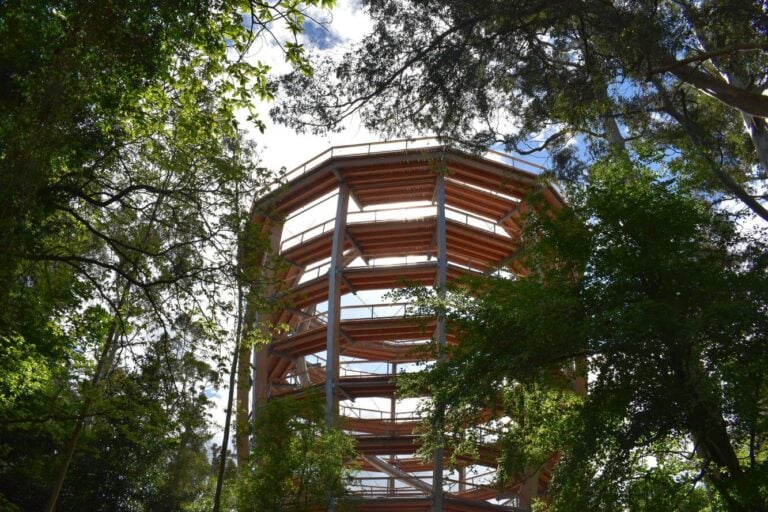
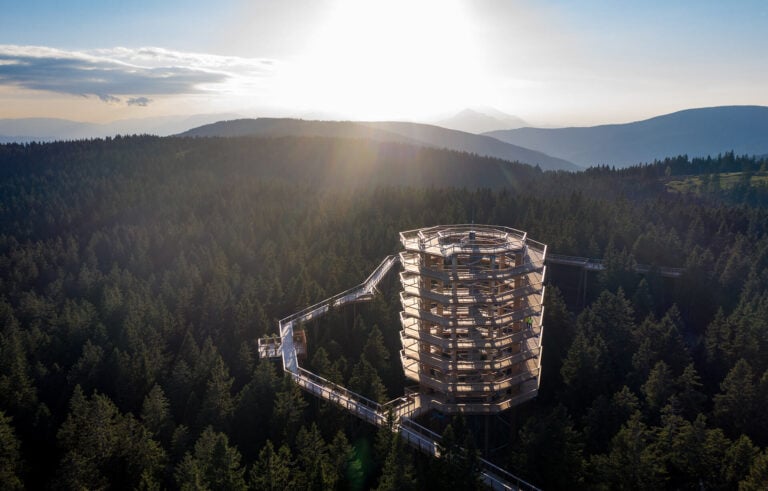
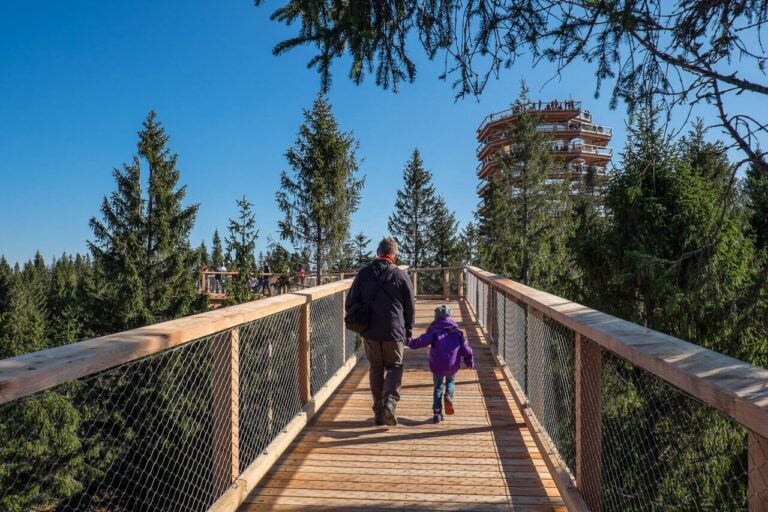
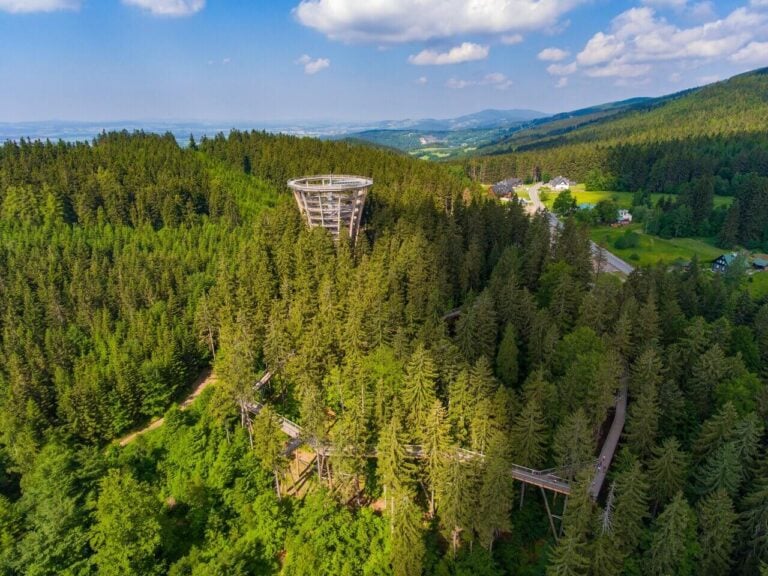
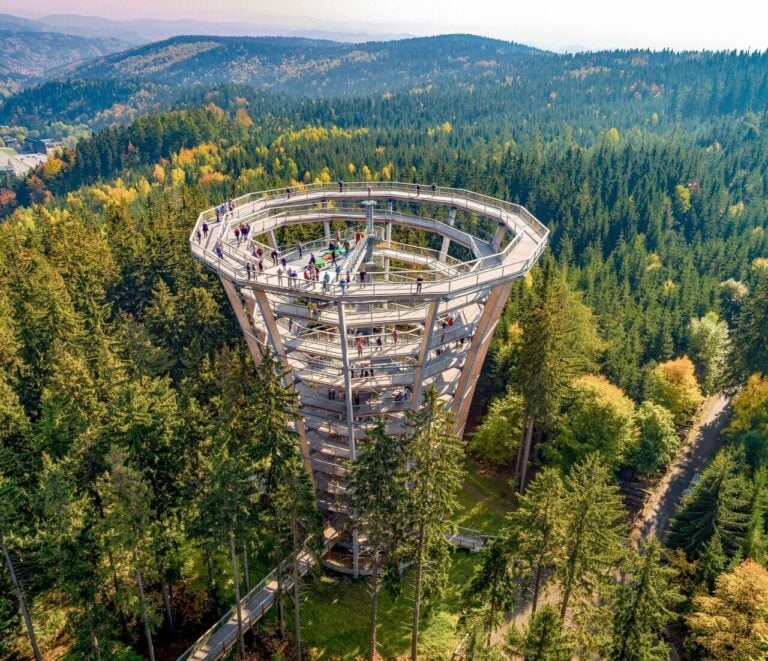
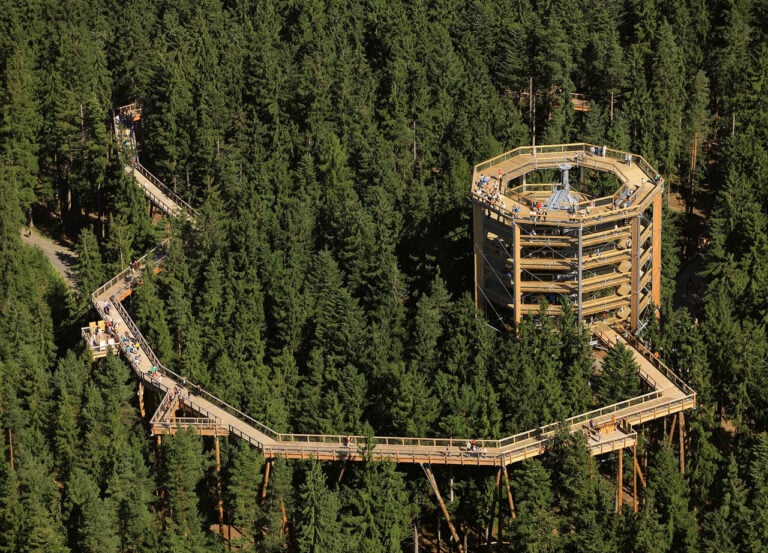
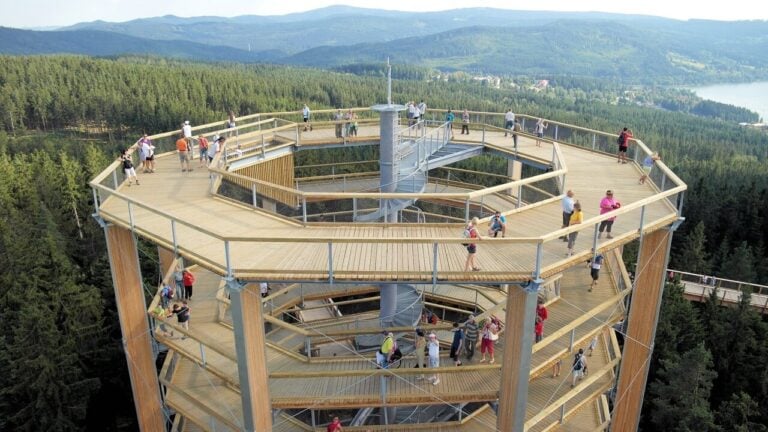
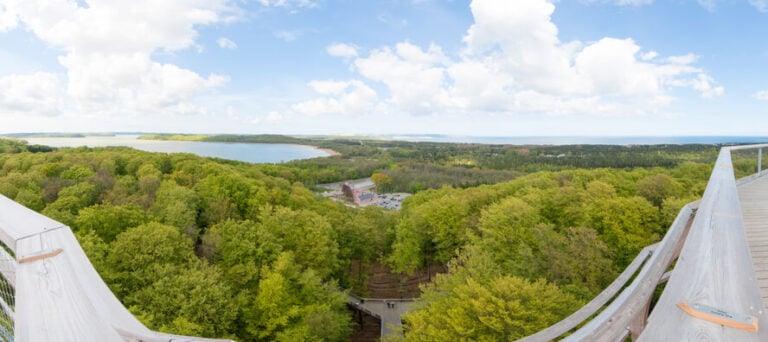
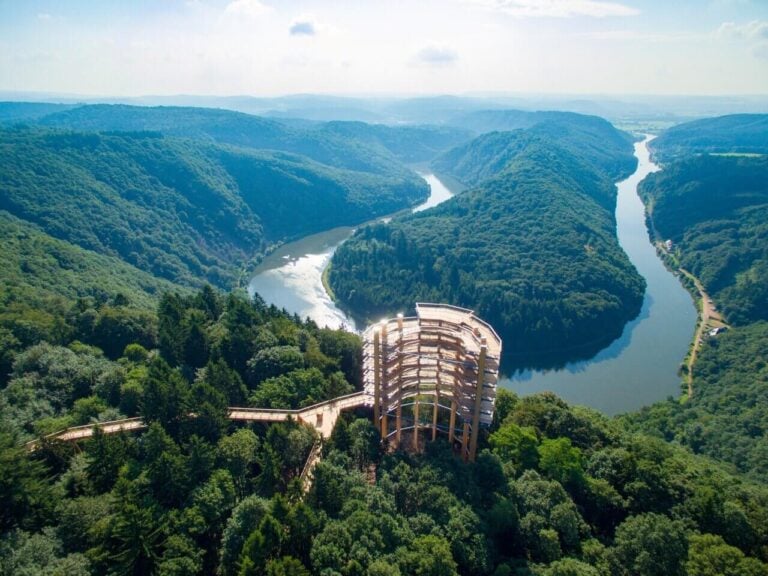
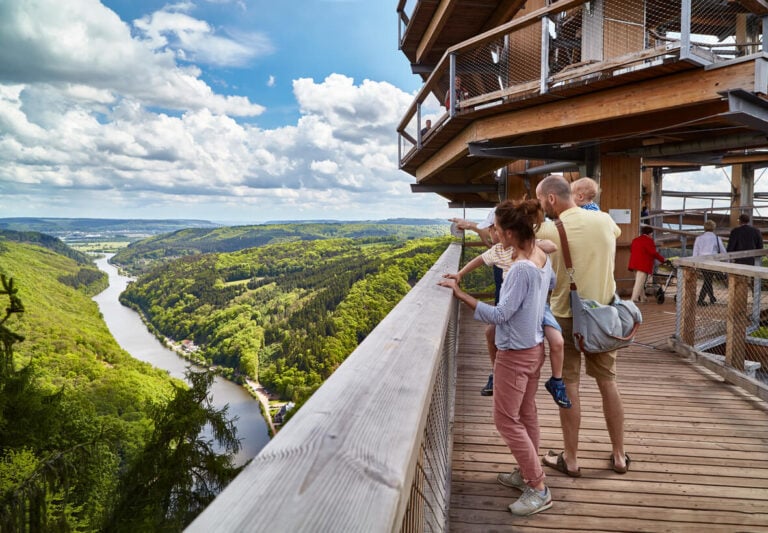
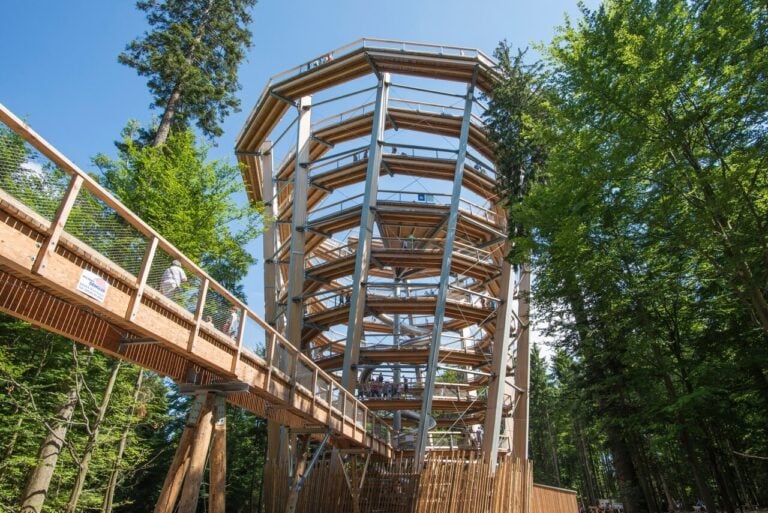
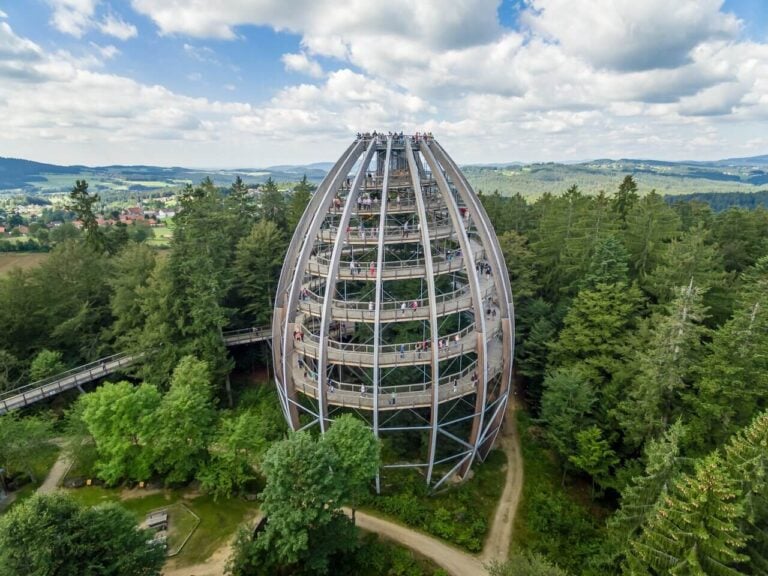
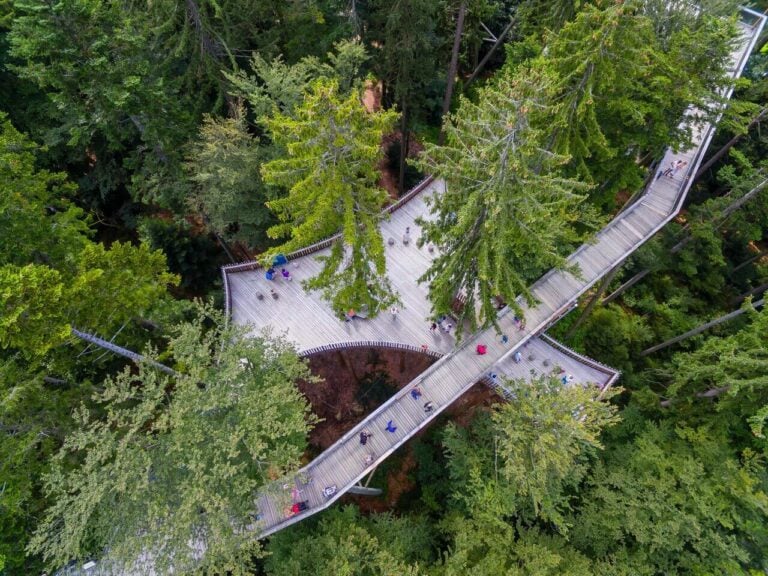
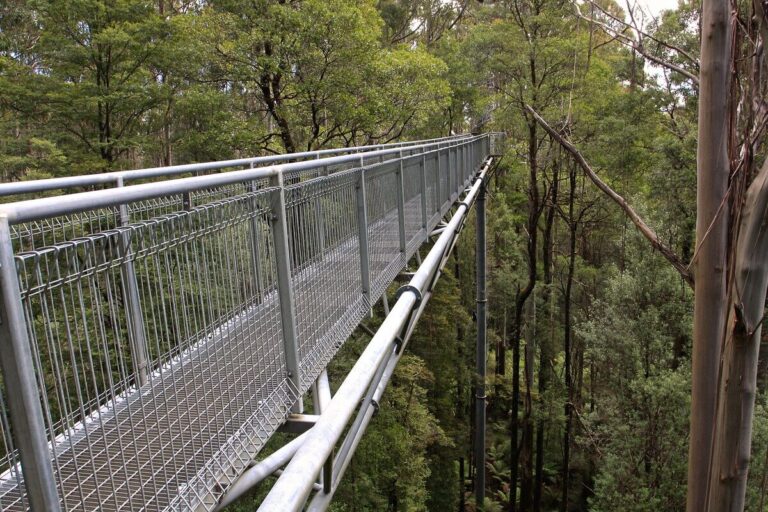
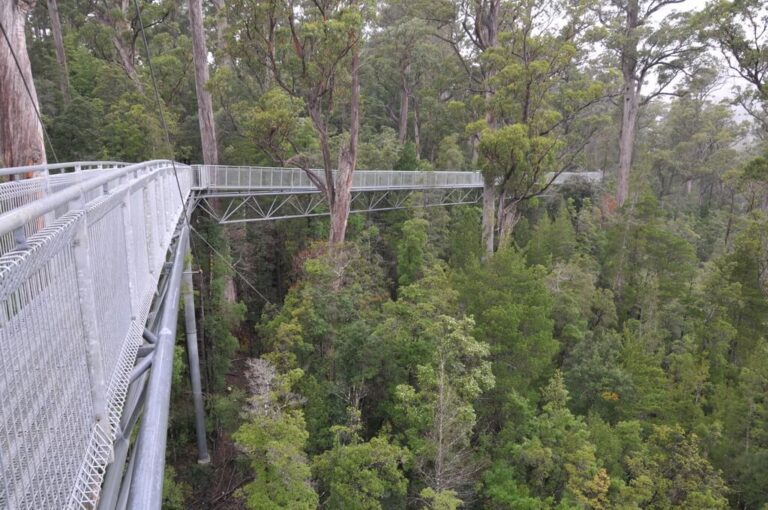
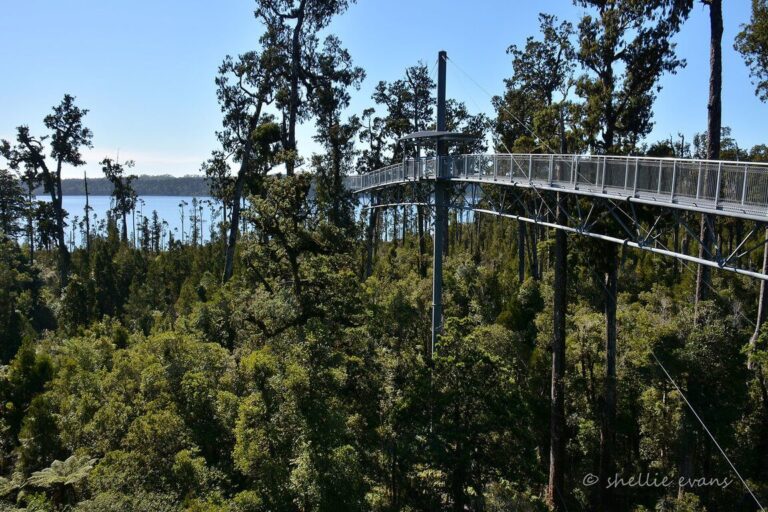
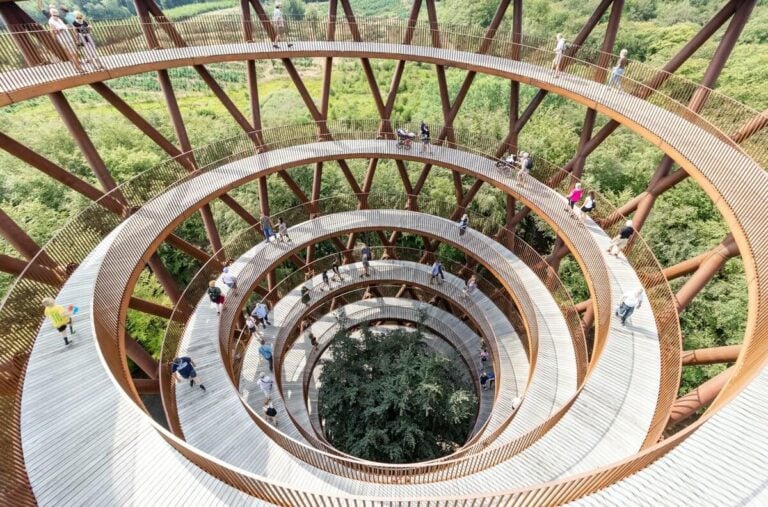
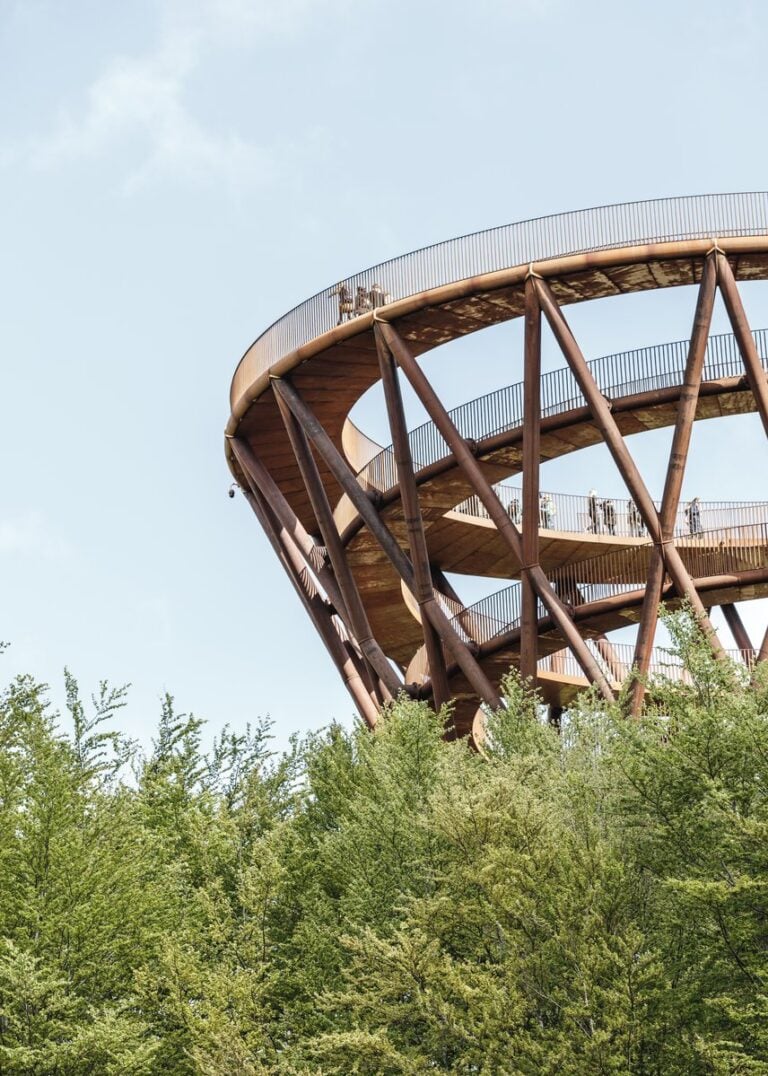
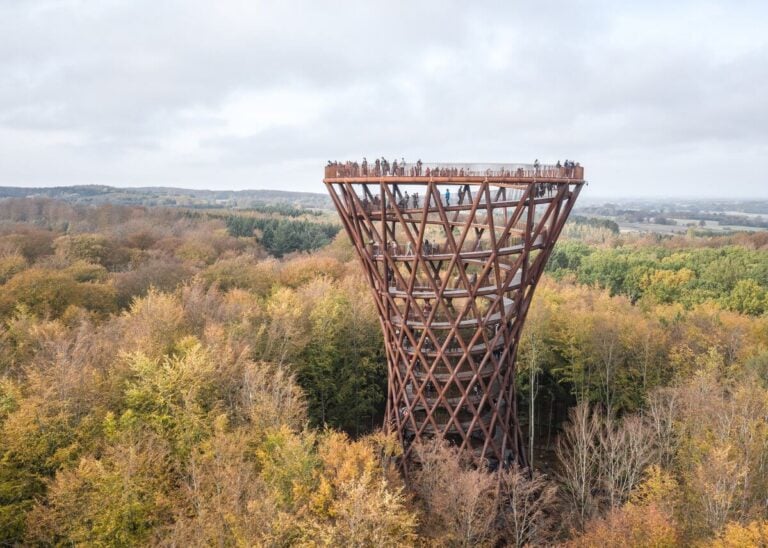
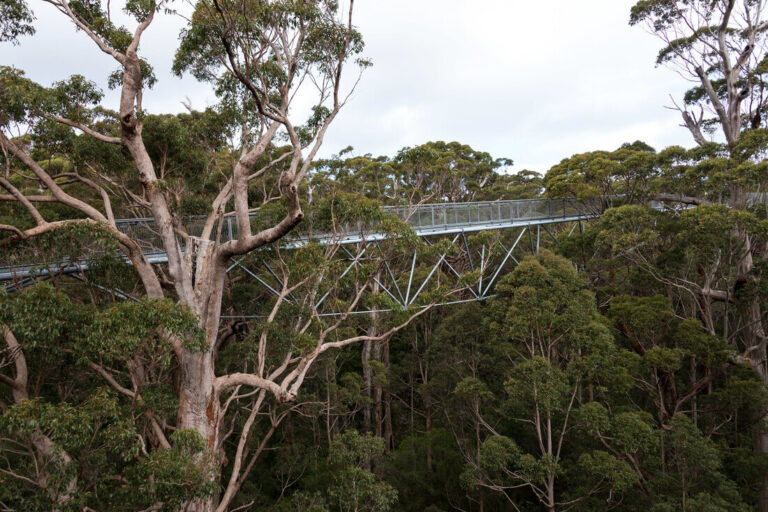
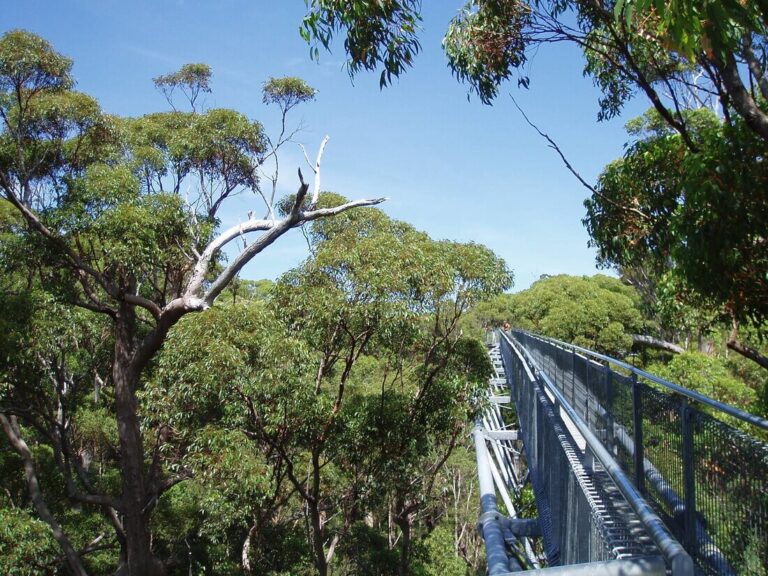
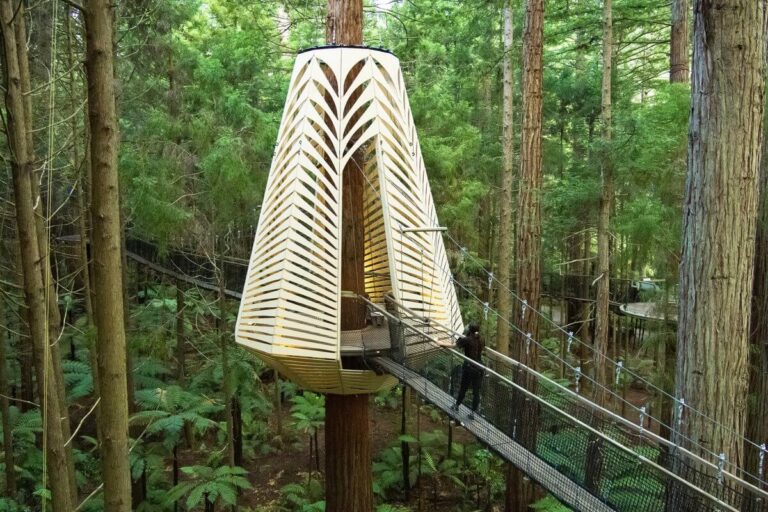
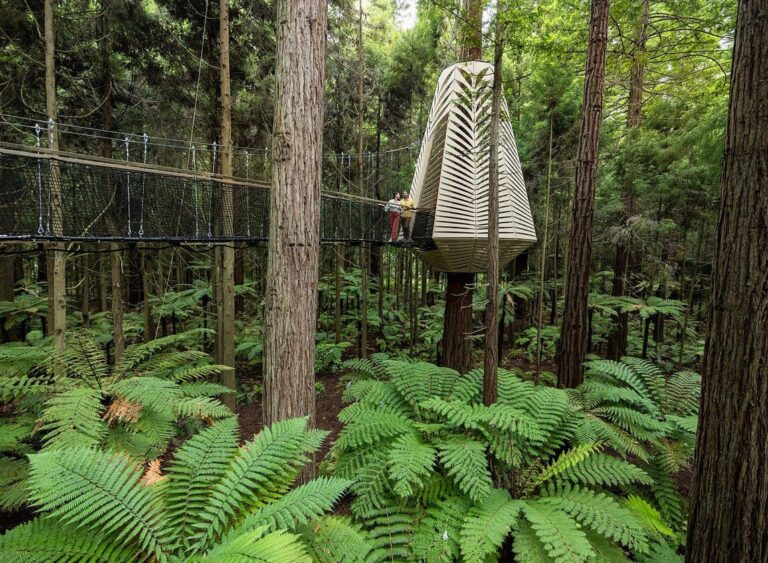
These pathways started as working infrastructure for ecologists studying forest ecosystems from above. Over time, enough designers recognized that walking among crowns offers something rare: a way to experience wilderness vertically without mountaineering effort. Some treetop walks stretch as gentle suspended bridges swaying just enough to remind you you're airborne. Others follow rigid steel frameworks that barely move. A few spiral upward around a central tower, gaining height with each turn until the forest spreads below and the view opens to ridgelines or coast. The structure changes with terrain and intent, but the effect holds—you move slowly, pause often, notice details you'd never catch from a trail.
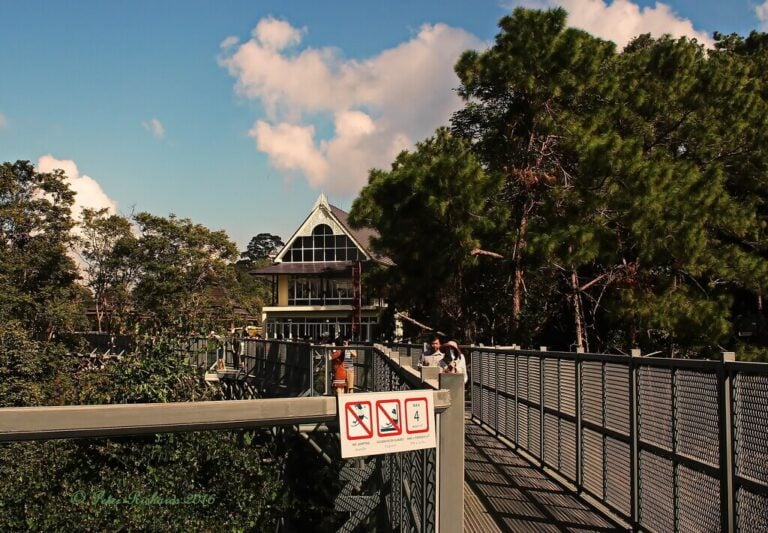
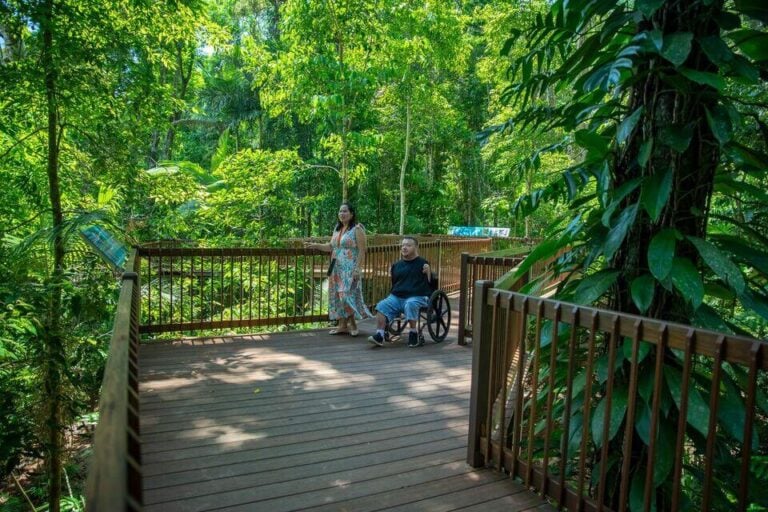
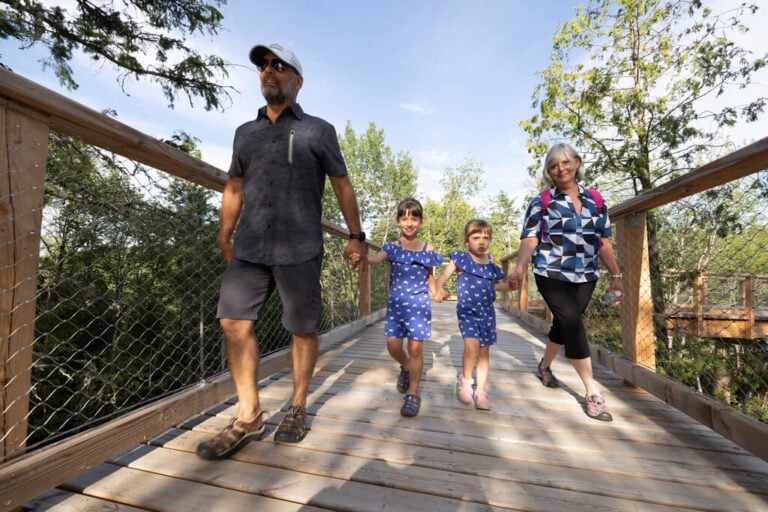
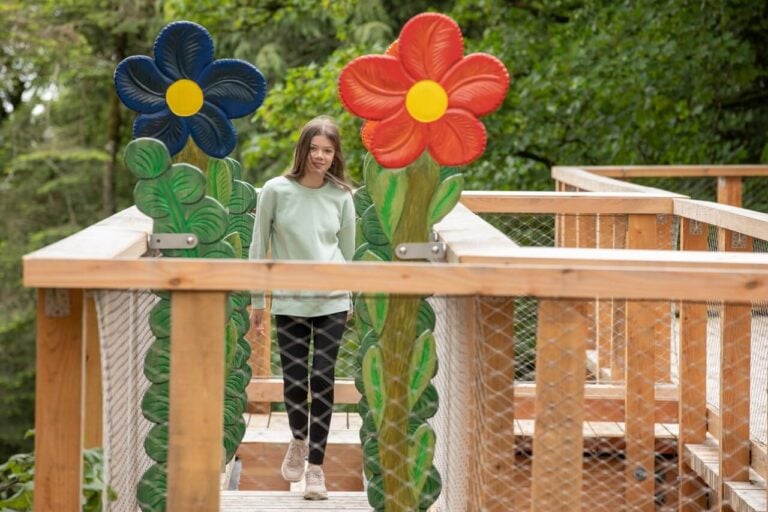
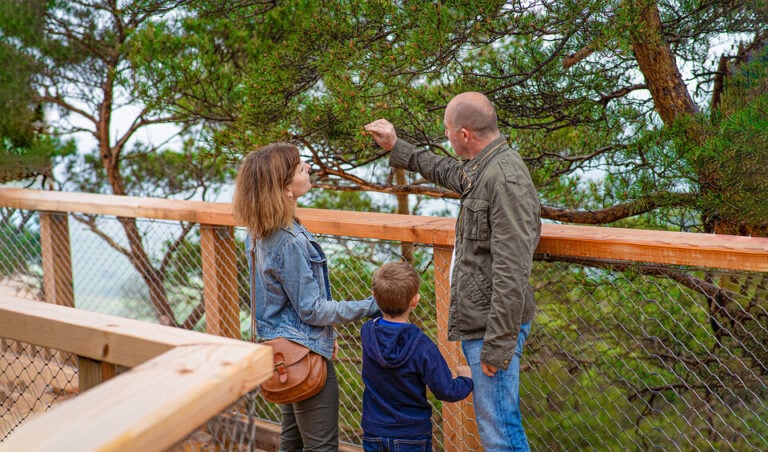
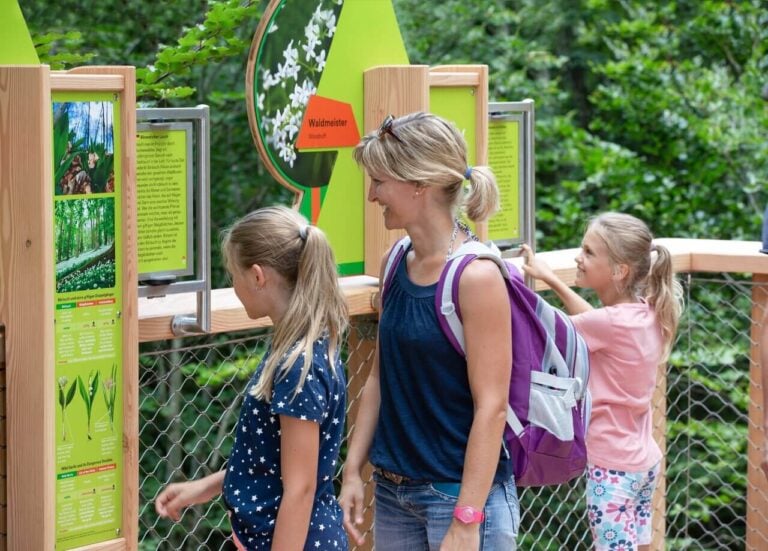
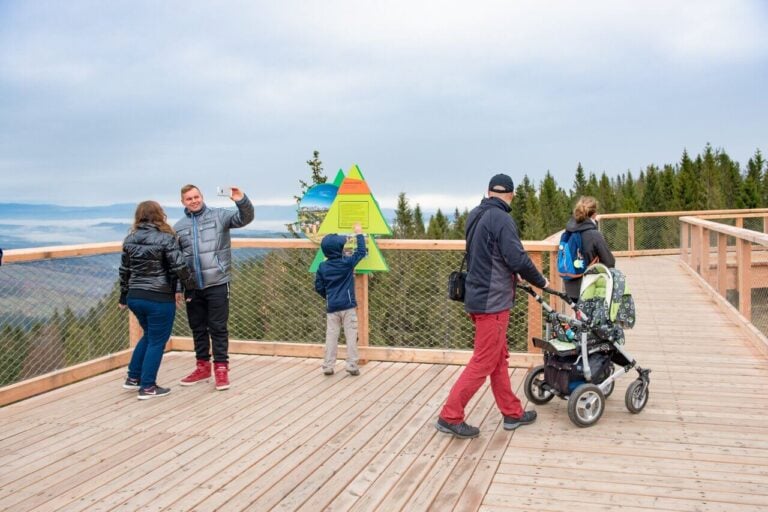
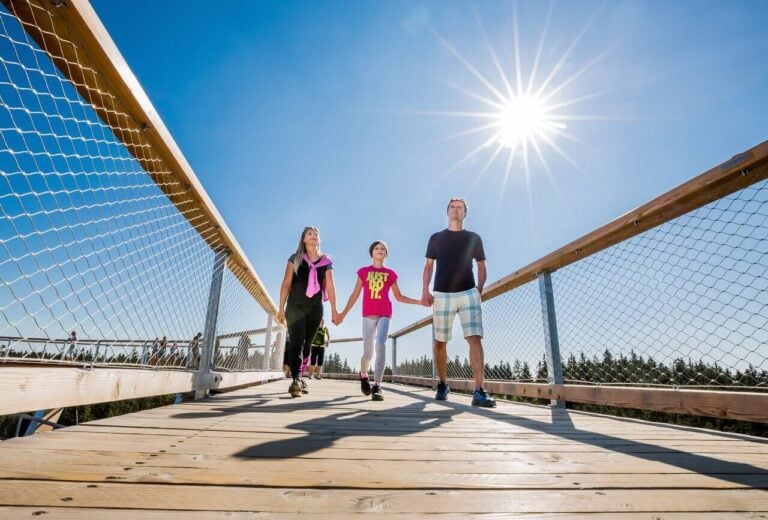
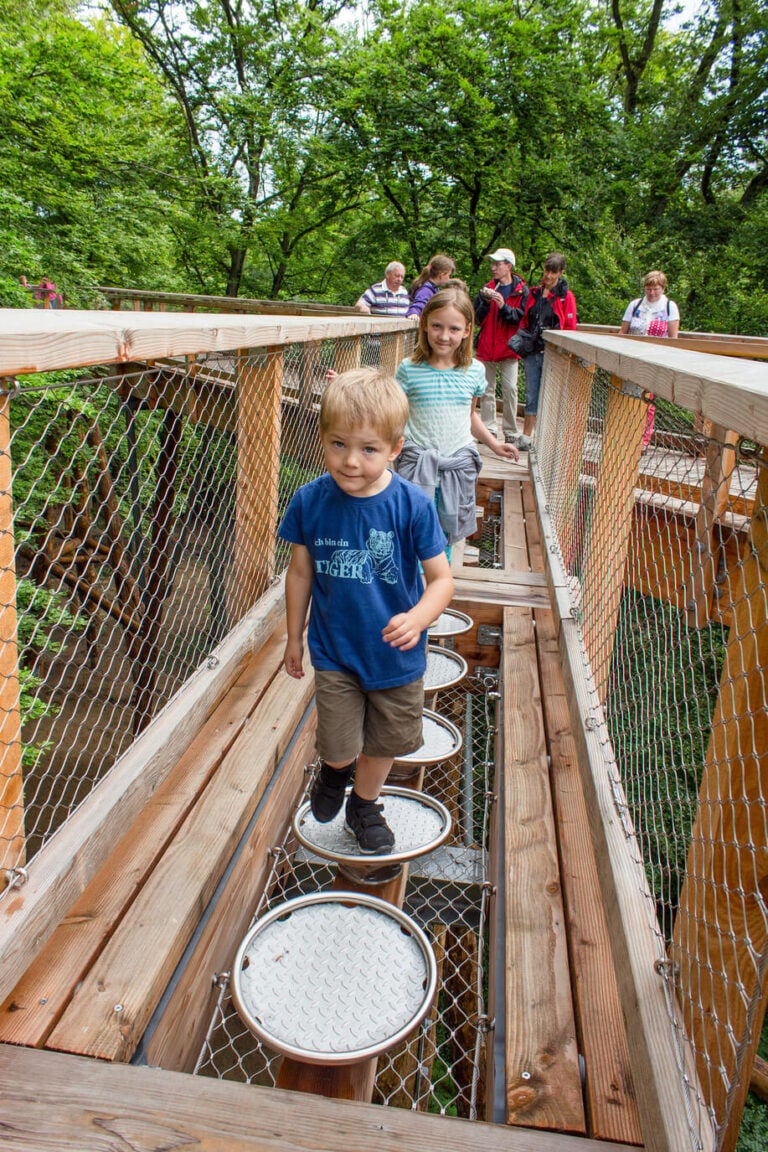
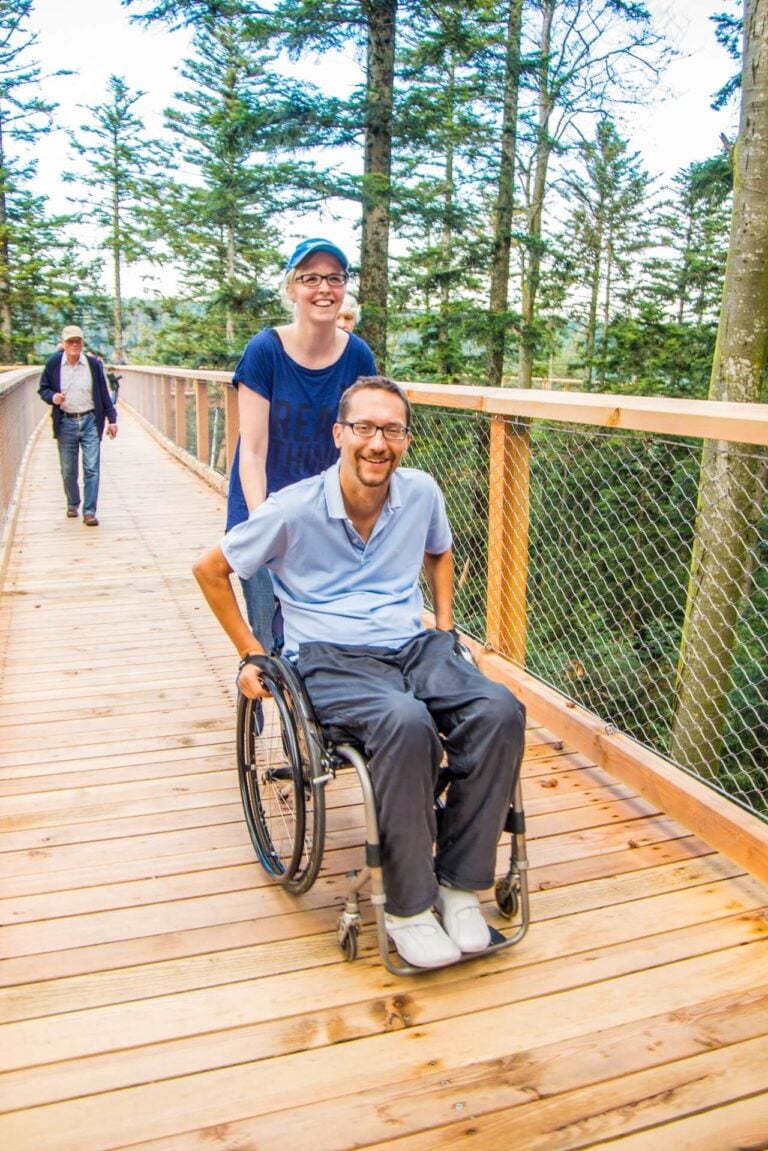
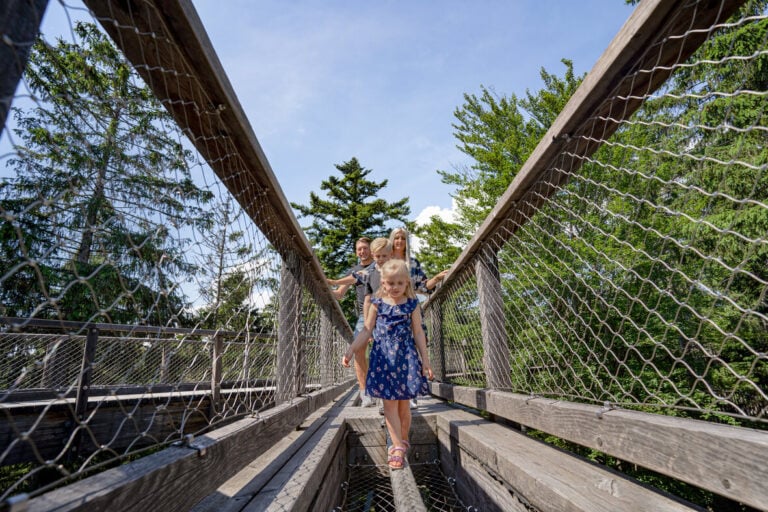
Families find these walks useful because the effort stays manageable while the novelty runs high. Photographers appreciate the angles: backlit leaves, birds framed against open sky, the chance to shoot into a canopy instead of always up at one. People with limited mobility often discover that modern treetop walks include ramps, wide platforms and smooth gradients that make forest canopy accessible in ways a hiking trail never could. You don't need to be fit or fearless; you just need to be comfortable with height and curious about what the mid-canopy holds.
What stays with you afterward isn't usually the view itself, though that can be striking. It's the recalibration. You start noticing crown shapes from car windows, listening for birdsong at odd heights, moving through forests with a new awareness that the action isn't all happening at your feet. A treetop walk turns out to be a small, specific education in looking up and slowing down, delivered in about an hour of careful walking and delivered so gently you hardly realize it's happening until you're back on solid ground with wet bark still on your mind.
Frequently asked questions about Treetop Walks
What's the difference between a treetop walk and a zipline canopy tour?
A treetop walk is a leisurely elevated pathway where you stroll at your own pace among the forest canopy—no harness or physical exertion required. Zipline canopy tours are fast-moving adventure experiences where you're clipped into safety gear and glide between platforms at speed. Treetop walks suit families, photographers and anyone seeking a contemplative forest experience; ziplines suit thrill-seekers looking for adrenaline. Some destinations offer both, so you can choose based on mood and mobility.
Are treetop walks suitable for young children and elderly visitors?
Most modern treetop walks are designed for wide accessibility, with secure railings, gentle gradients and stable platforms that work well for children over five and older adults with reasonable mobility. Suspension bridge sections may sway slightly, which some find exhilarating and others unsettling, but many walks include alternative rigid pathways. Several facilities offer wheelchair and stroller access via ramps and elevators—check individual site details before visiting, as older installations may include stairs or uneven surfaces.
How long does a typical treetop walk take?
Most treetop walks take between forty-five minutes and ninety minutes at a relaxed pace, though you control the timing entirely. The paths invite pausing—to watch a bird land close by, photograph backlit leaves or simply lean on the rail and absorb the quiet. Some visitors move through briskly in half an hour; others stretch the experience to two hours with binoculars and a packed lunch. Factor in time for any tower climbs or observation platforms at the route's highest point.
Do treetop walks close in bad weather or winter?
Many treetop walks remain open year-round, but operations vary by location and structure type. Suspension bridges typically close during high winds or thunderstorms for safety, while rigid steel walkways often stay accessible in light rain. Northern European and alpine walks may reduce hours or close entirely during heavy snow months, though some offer striking winter canopy views when accessible. Check the specific site's seasonal schedule and weather policy before planning your visit, especially in shoulder seasons.
Can I combine a treetop walk with a treehouse stay?
Several treetop walk locations sit near treehouse accommodation, letting you extend a day visit into an overnight canopy immersion. Staying in an elevated lodge after walking the crowns by day gives you dawn birdsong and night sounds from the same vertical layer you explored earlier. Browse regional listings to find which walks have treehouse stays within easy reach—some forest parks deliberately pair both experiences for visitors seeking deeper connection with the canopy environment.