
Costa Rica
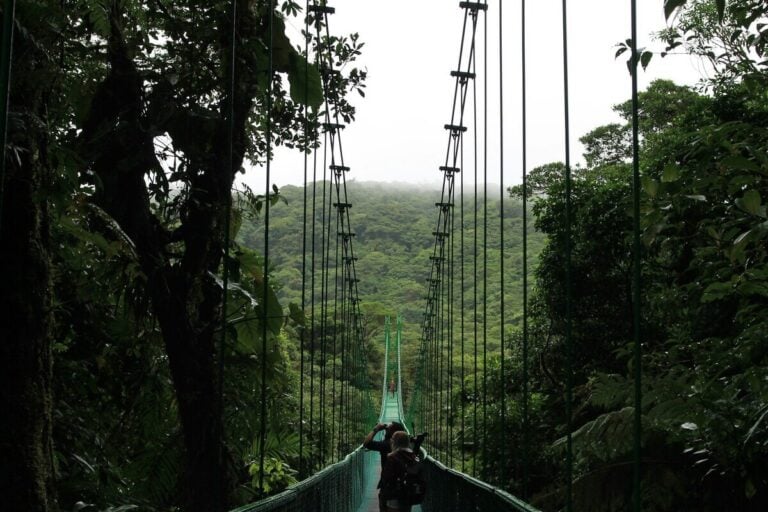
Costa Rica turned treehouse stays into regional infrastructure rather than isolated novelty, and the accommodation culture here feels less like eco-tourism performance and more like the practical outcome of decades spent building in canopy. Monteverde wraps you in cloud forest stillness, Arenal pairs jungle immersion with hot-spring proximity, and the Osa Peninsula delivers the wildest wildlife density if you're willing to commit to remoteness. Most properties lean into the country's Certification for Sustainable Tourism standards with real follow-through—solar eaves, boardwalks that bend around buttress roots, rainwater systems—so the eco-credentials feel lived-in rather than decorative.
{{locationDetails}}
Browse sub-categories





About Costa Rica
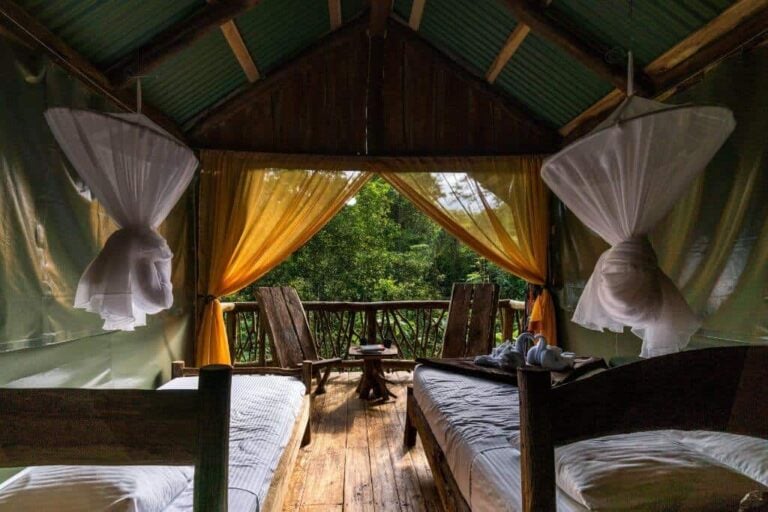
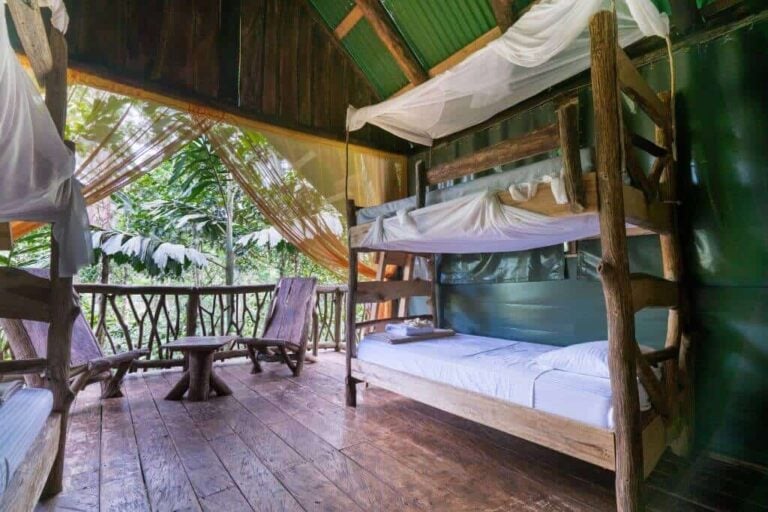
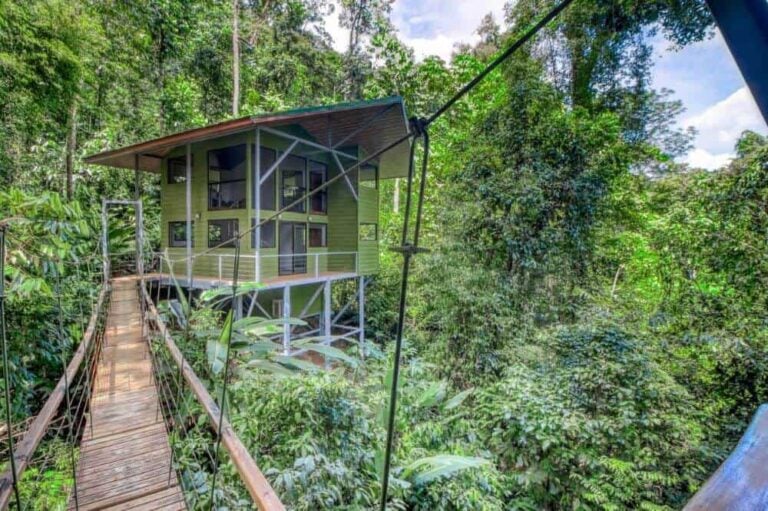
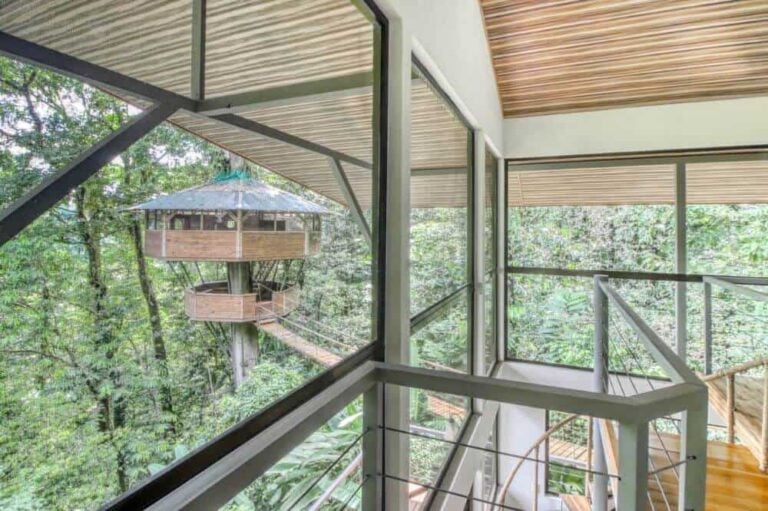
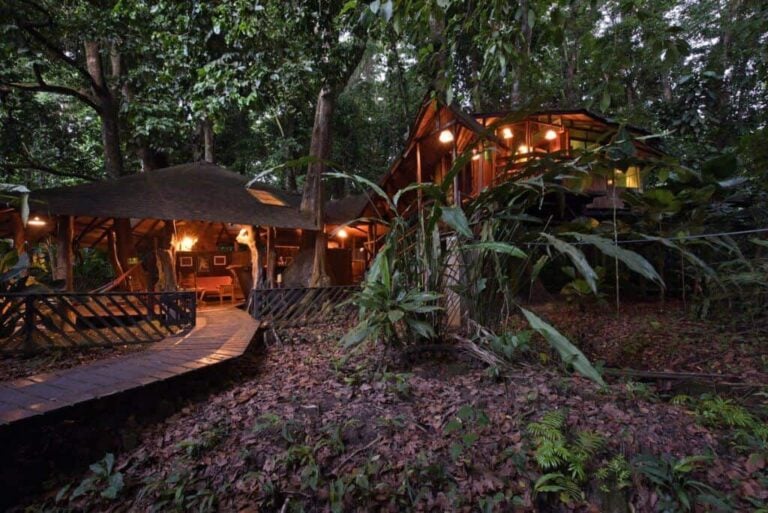
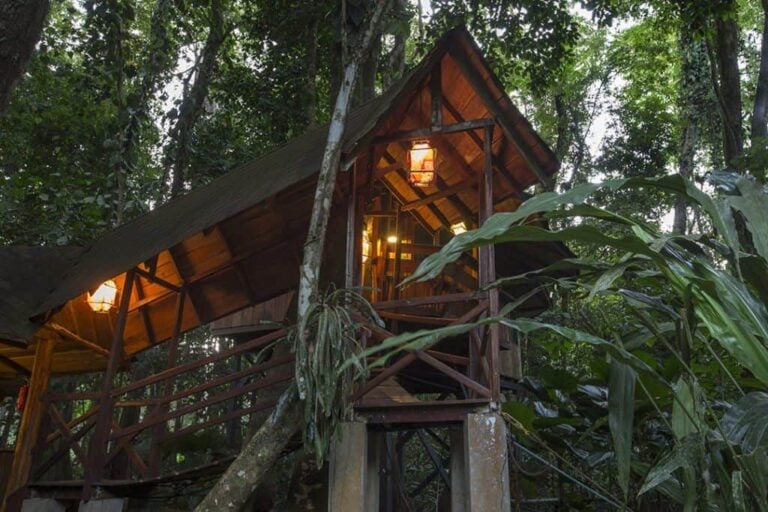
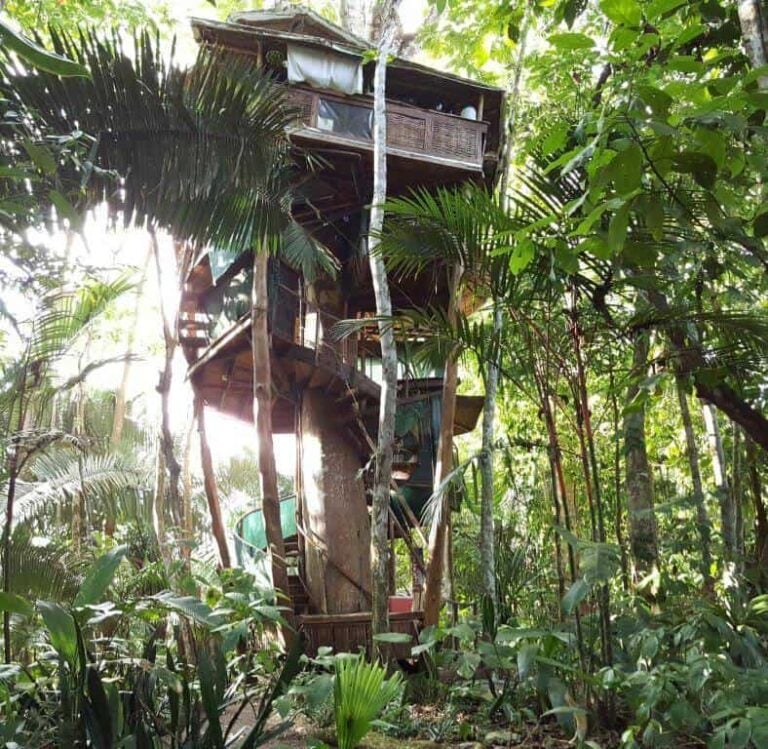
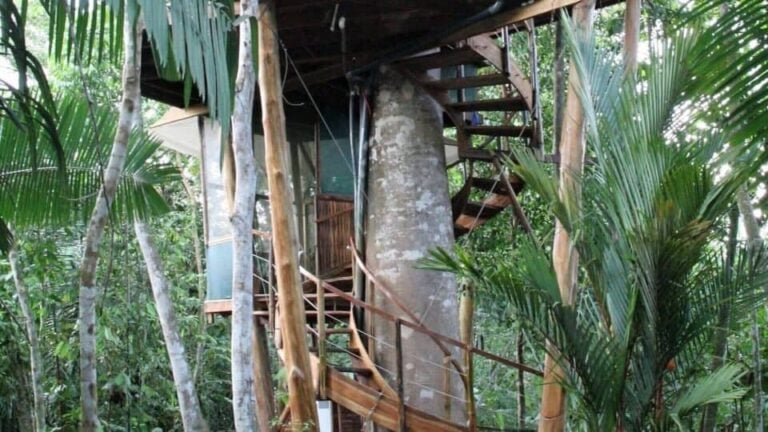
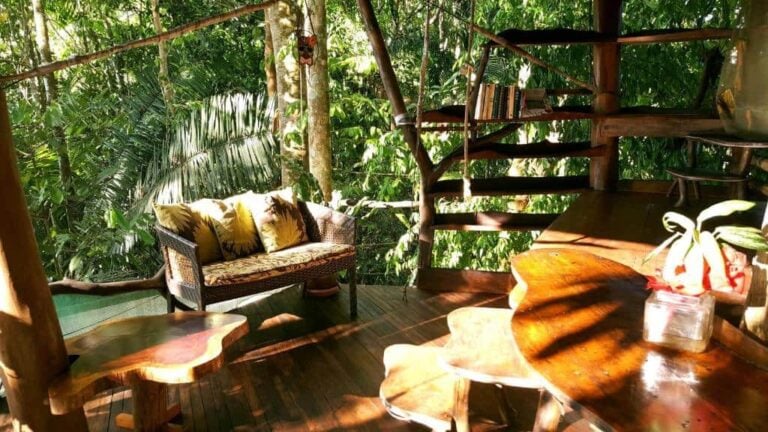
Costa Rica built an entire accommodation culture in the trees, and the country's treehouses feel less like novelty stays and more like the obvious way to meet a rainforest. You're not looking through glass at something kept at a distance—you're inside the canopy's daily routine, close enough that a howler monkey's morning announcement rattles your coffee cup and the scent of wet leaves walks in with the breeze. These aren't童話 fantasy constructs; they're serious builds with local hardwood bones, palm thatch where it belongs, and an easy confidence that comes from decades of sustainable tourism practice.
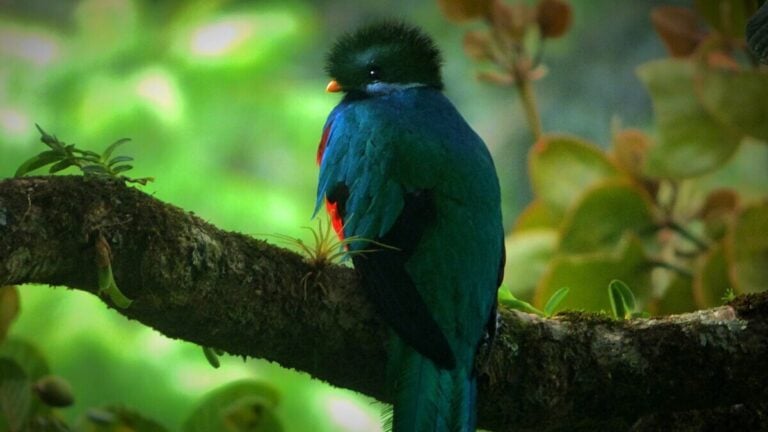
The country splits into useful regional personalities. Monteverde wraps you in cloud—mist moves like slow breath through strangler figs, everything softens under moss, and your deck puts you level with the quetzals and bromeliads that own the mid-story. Arenal adds a volcanic backdrop and trades some of the moisture for hot springs within striking distance; families gravitate here because the infrastructure is solid and a kid can handle the terrain. The Osa Peninsula delivers the wildest version: scarlet macaws in loud pairs, capuchin troops working the canopy like it's opening night, and a remoteness that requires commitment but pays in wildlife density. On the Caribbean side, Tortuguero swaps vertical forest for dark-water canals, river rhythms, and the particular stillness of lowland jungle where caimans sun themselves and iguanas pretend you're invisible.
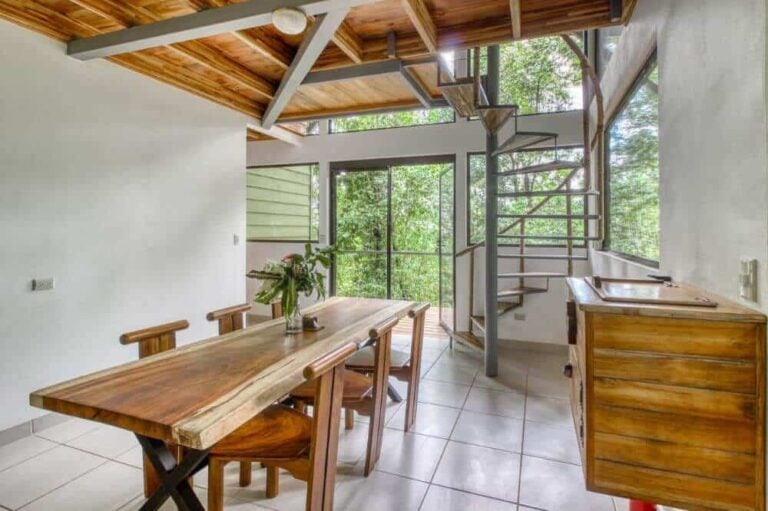
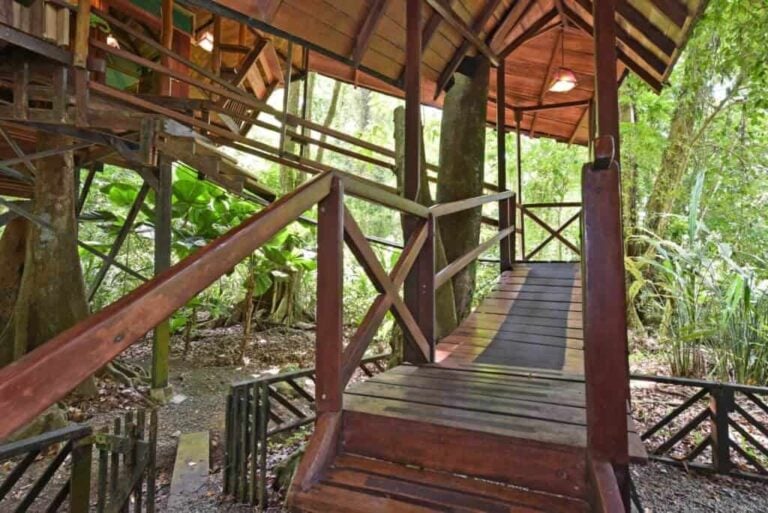
Most properties lean into the country's eco-certification habit—Costa Rica didn't invent sustainable tourism, but it turned the concept into infrastructure. Solar panels tucked into eaves, boardwalks that bend around buttress roots instead of cleaving through, rainwater systems, organic kitchens serving gallo pinto the way someone's grandmother taught it. These aren't marketing phrases; the Certification for Sustainable Tourism program has actual teeth, and enough properties take it seriously that the standards feel lived-in rather than performative. You'll find ceiling fans with good manners, linen that breathes in humidity, and the occasional plunge tub aimed at a wall of green.
Timing shapes the experience more than travellers expect. December through April delivers the dry season—clearer trails, easier access, reliably blue mornings—but green season from May through November turns the forest louder and wetter, birding improves as migrants arrive, and some of the Caribbean coast actually prefers September and October when the Pacific side is soaked. Quetzal courtship runs January through May if Monteverde's your target; nesting sea turtles own the beaches July through October. The question isn't whether Costa Rica's treehouses work year-round—they do—but which version of the forest you want to meet.
Step outside and the country offers a dozen paths without making you drive far. Canopy tours that start near your door, night walks where every eyeshine comes with a local guide's story, river floats through Tortuguato's canal system, dawn birding in the lowlands. Or the smallest plan: watch rain move across the leaves in slow waves and call that enough. From a treehouse deck the forest doesn't need an agenda; it just continues, and you're finally close enough to notice.
Frequently asked questions about Costa Rica
When is the best time to visit Costa Rica's treehouse hotels?
December through April brings the dry season—clearer skies, easier access roads, and reliably pleasant mornings—making it the busiest window for most regions. Green season from May through November turns the forest wetter and louder, but birding improves as migrants arrive, and some Caribbean coast properties actually prefer September and October when the Pacific side is drenched. If you're chasing quetzals in Monteverde, January through May covers their courtship season. The forest works year-round; the question is whether you want sun-dappled trails or the thicker wildlife soundtrack that comes with afternoon rain.
Which Costa Rica region should I choose for a treehouse stay?
Monteverde delivers misty cloud forest with quetzals and a cooler climate; Arenal combines rainforest with volcano views and nearby hot springs, making it the easiest pick for families. The Osa Peninsula offers the wildest experience—scarlet macaws, serious remoteness, and the highest wildlife density—but requires more commitment to reach. Tortuguero and the Caribbean coast trade vertical canopy for dark-water canals and river-based wildlife, with a humid lowland feel. Choose by the ecosystem you want to wake up inside and how much infrastructure you need around you.
Do Costa Rica treehouses have reliable electricity and WiFi?
Most established treehouse properties run on solar power with battery backup, so you'll have electricity for lights, fans, and charging, though air conditioning is rare outside lowland areas. WiFi availability splits by location and intent—Monteverde and Arenal properties often provide it in common areas, while remote Osa Peninsula builds may offer true off-grid stays. If you need connectivity for work, confirm with the property before booking; many places design the experience around digital detox rather than constant access.
How do I get to Costa Rica's treehouse regions from the airport?
San José's SJO airport serves Monteverde, the Caribbean coast, and most central locations; Liberia's LIR airport is closer to some northern Arenal properties. Monteverde sits about three hours from SJO with the last stretch on rough roads; Arenal runs two and a half to three hours; Tortuguero requires a boat transfer after the drive. The Osa Peninsula involves the longest commitment—a short domestic flight from SJO to Puerto Jiménez or a six-hour drive. Some remote properties need four-wheel drive for the final approach, especially in green season, so confirm access requirements when booking.
Are Costa Rica's treehouse hotels genuinely sustainable?
Costa Rica developed its Certification for Sustainable Tourism program with actual standards, and many treehouse properties take it seriously rather than treating it as marketing. You'll see solar panels integrated into builds, boardwalks that curve around buttress roots instead of cutting through, rainwater collection systems, and kitchens sourcing locally. The culture here leans toward sustainable practice as infrastructure, not aspiration—properties that bend the forest to fit a design rather than the other way around tend not to last long in the market.