
Sri Lanka
Sri Lanka's treehouses blend elevation with comfort, placing travellers in the island's humid forests, dry scrubland near Yala, or mist-wrapped hill country around Ella. Most properties are small, family-run stays built with local hardwood and coconut thatch, often using solar power and rainwater systems. Days unfold around forest walks, wildlife safaris, village cooking lessons, and the steady rhythm of birds, rain, and leaves—close enough to the wild to feel it, grounded enough to rest properly.
{{locationDetails}}
Browse sub-categories

About Sri Lanka
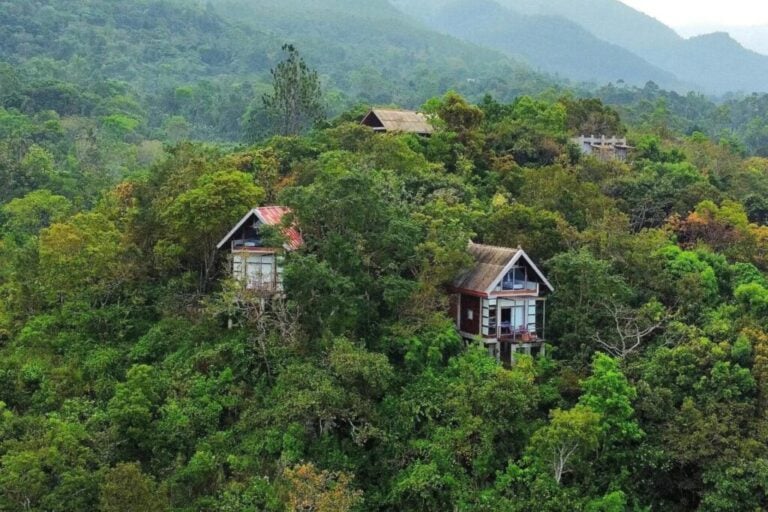
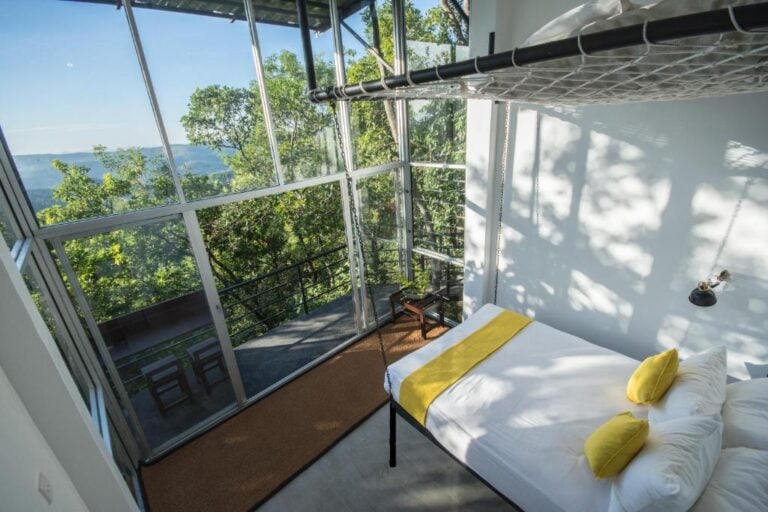
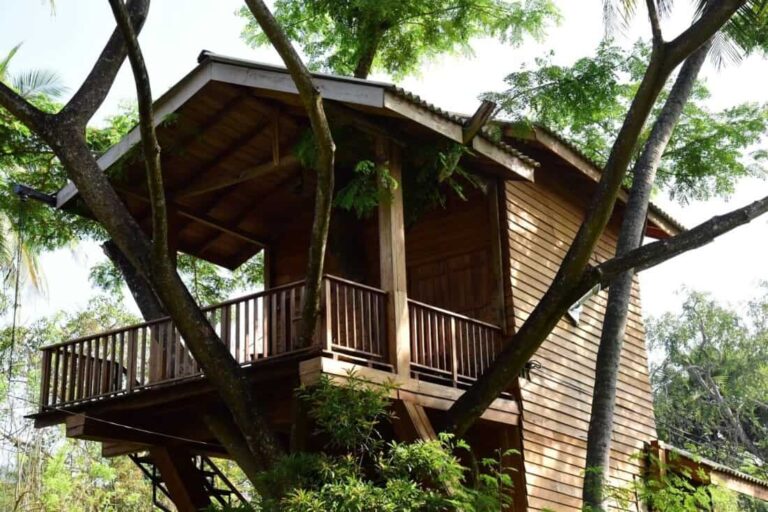
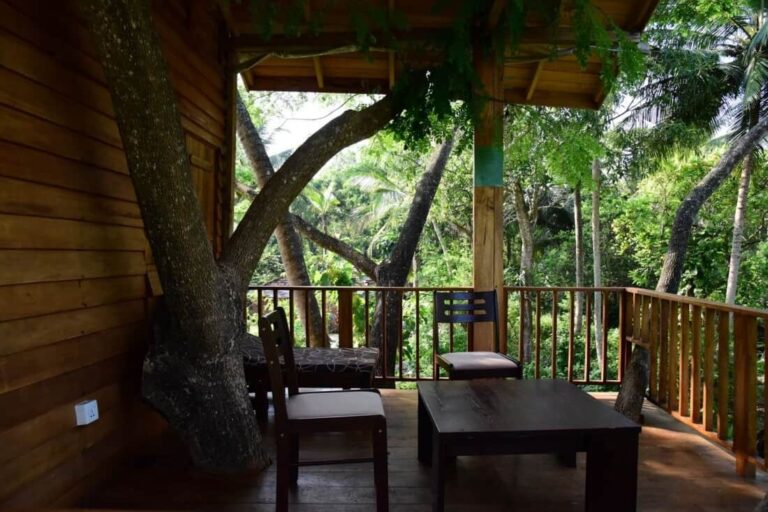
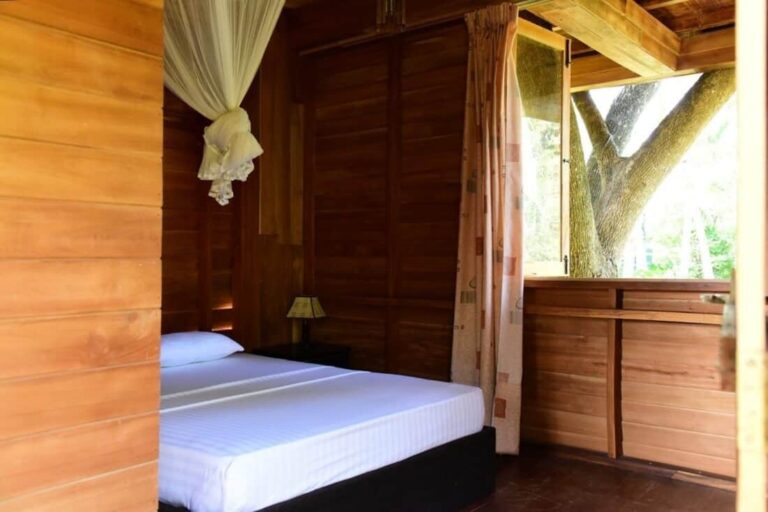
Sri Lanka's treehouses sit in the humid sweet spot between adventure and comfort. You climb narrow stairs through jackfruit and cinnamon trees, the air thick with spice and leaf, and step into rooms where the forest feels closer than the road. These aren't childhood forts. They're elevated stays built with local hardwood and coconut thatch, designed to let the island's wildness in without losing the bed, the hot shower, or the morning tea delivered on a tray.
The island's three main treehouse zones each feel different. In the southern rainforests near Sinharaja, the mornings hum with birdsong and the mist carries a faint cardamom smell. Stays here are cocooned, wrapped in green, with polished wood that gleams from the humidity and fruit at breakfast that looks impossibly bright. Move east toward Yala National Park and the landscape dries out—scrub forest, peacocks fanning blue tails in the dust, elephants ghosting through the brush at dusk. Leopards live here too, though spotting one takes patience and a good guide. Climb inland to the hill country around Ella and Nuwara Eliya, and the world turns cooler. Waterfalls cut white lines through the tea estates, and treehouses perch between boulders and ferns, where the only clock is the sound of water hitting rock.
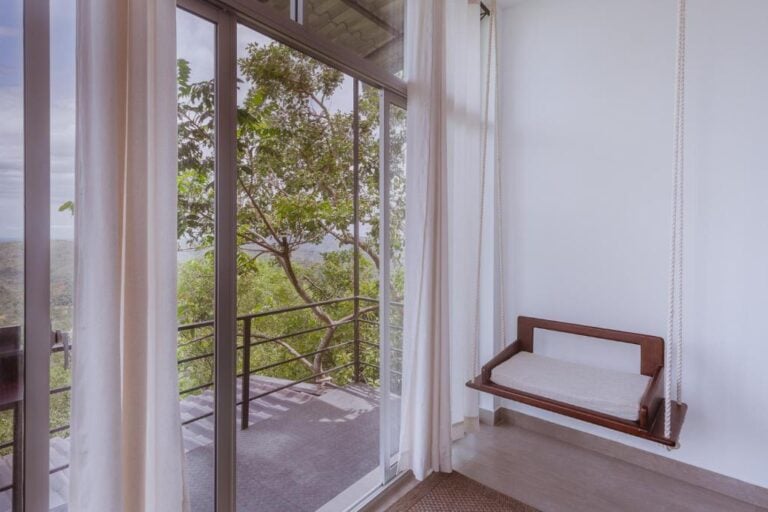
Most Sri Lankan treehouse properties are small, often just three to eight units run by families or eco-focused collectives. The architecture follows what the land offers—lattice screens that turn sunlight into lace, open-air showers, four-poster beds draped in mosquito nets, soap that smells like lemongrass. Many use solar power and rainwater systems, not as theatre but as practicality in places where the grid doesn't always reach. Days unfold rather than fill. A walk to a nearby spice garden becomes a lesson in scent. A safari in Udawalawe or Yala turns into quiet hours watching dust rise and light shift. A village cooking class leaves turmeric on your fingers and a recipe you'll actually use.
Timing matters. The southern and western regions are driest from November through April, while the east and southeast, including Yala, have their dry season from April to September. The hill country stays cool and pleasant year-round, though mist settles in heavier from May to August. Peak travel months—December through March, then July and August—book out early, sometimes two or three months ahead, because the properties are genuinely small. Most treehouses sit two to five hours from Colombo's airport, often at the end of winding roads through tea plantations or forest reserves. Hiring a driver or arranging a property transfer makes the journey smoother than wrestling with maps on narrow highland curves.
The appeal is height without hurry, comfort without pretence, and the steady sense that you're not just observing Sri Lanka from a distance. You're waking to langur calls, falling asleep to rain on tin, and spending a few days where the forest isn't background—it's the point.
Frequently asked questions about Sri Lanka
When is the best time to visit treehouses in Sri Lanka?
November through April works best for southern and western rainforest treehouses near Sinharaja and the coast, when the weather stays dry and the humidity drops. If you're heading to Yala or the eastern side, April to September is the dry window—Yala National Park actually closes from October to mid-January. The hill country around Ella and Nuwara Eliya stays cool and pleasant year-round, though May to August brings heavier mist and more frequent rain. December through March is peak season across the island, so book early if you're travelling then.
How much do treehouse stays in Sri Lanka typically cost?
Expect to pay between $80 and $400 per night depending on location, luxury level and season. Budget eco-lodges with simpler facilities start around $80 to $120, while high-end rainforest properties with private decks, gourmet meals and guided experiences can reach $300 to $400. Most mid-range treehouses with good comfort and wildlife access sit in the $150 to $250 range. Prices climb during peak months—December to March and July to August—and many places require minimum two-night stays.
Which region of Sri Lanka is best for treehouse stays?
It depends what you're after. Sinharaja and the southern rainforests deliver immersive jungle, intense birdsong and that damp green cocoon feeling—best for nature lovers and birders. Yala and the dry eastern forests give you open scrub landscapes, easier wildlife spotting and dramatic dust-and-light safaris, though leopard sightings still need luck. The hill country around Ella and Nuwara Eliya offers cooler air, waterfall views, tea estates rolling to the horizon and a gentler, more temperate treehouse experience. Most travellers pick based on climate preference and whether they want humid jungle or highland calm.
Are Sri Lankan treehouses suitable for families with children?
Some are, but many aren't. Elevated structures with open stairs, high decks and no guardrails make a number of properties unsuitable for toddlers or very young children. Family-friendly treehouses do exist—usually ground-level or with secure railings—but you need to check each property's minimum age policy and layout before booking. Most Sri Lankan treehouse stays skew toward couples and adult travellers looking for quiet and romance rather than families seeking kid-friendly amenities.
How far are Sri Lankan treehouses from Colombo airport?
Most sit two to five hours away by road, depending on region and traffic. Southern rainforest properties near Sinharaja take around three to four hours. Hill country treehouses around Ella or Nuwara Eliya need four to six hours on winding mountain roads. Eastern properties near Yala can stretch to five or six hours. Roads are often narrow and slow, especially through tea estates and forest reserves, so hiring a driver or arranging a property transfer makes the journey far less stressful than self-driving with unfamiliar routes and mountain curves.