
Switzerland
Switzerland's treehouse stays are scarce, deliberate and built into landscapes that need little embellishment—larch forests above Lake Lucerne, alpine thresholds in the Bernese Oberland, chestnut slopes in Ticino where the air turns Italian. This is boutique territory with long booking windows, Swiss craft standards and pricing that reflects precision, location and the kind of quiet where cowbells drift from a distance and weather becomes the day's main event.
{{locationDetails}}
Browse sub-categories
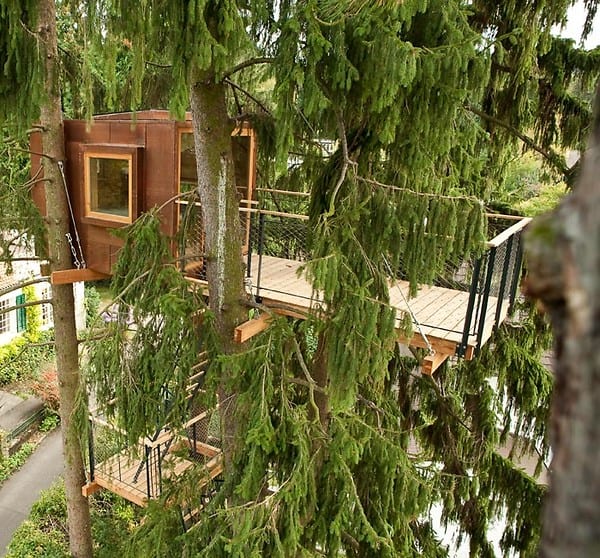
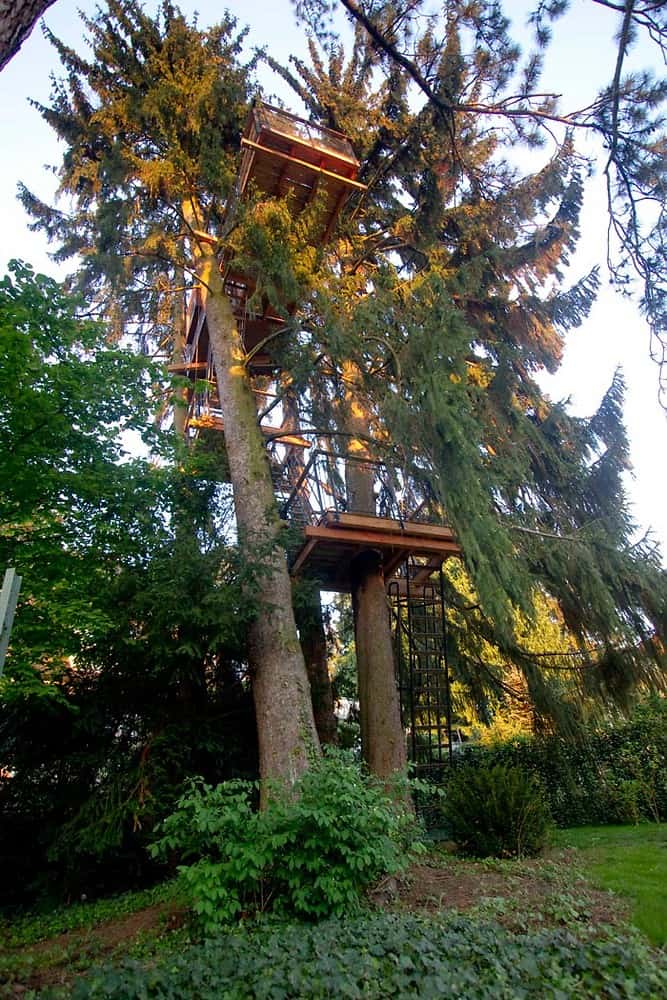
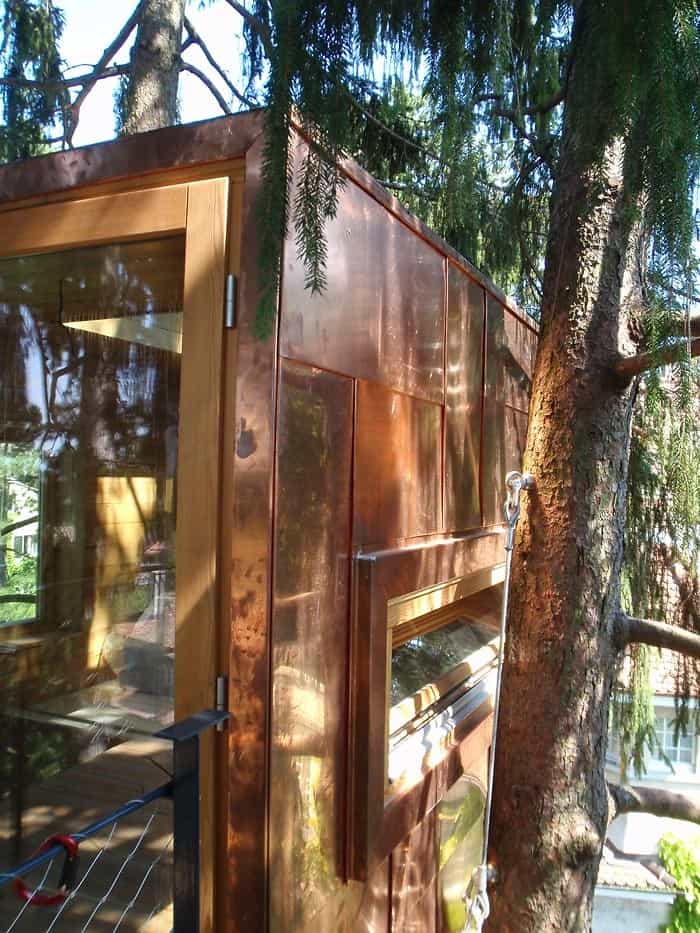

About Switzerland
Switzerland's treehouse scene runs small, deliberate and very Swiss—tight on inventory, high on craft, built into landscapes that already do most of the work. You won't find dozens of properties scattered across every valley, but the ones that exist sit exactly where you'd hope: tucked into larch forest above Lake Lucerne, perched at the alpine threshold in the Bernese Oberland, or clinging to chestnut slopes in Ticino where the air starts to feel Italian. This is boutique territory, curated slowly, which means booking windows open months ahead and prices reflect Swiss standards for timber, precision and location.
The appeal isn't novelty for its sake. A treehouse stay here plugs directly into Switzerland's existing strengths—trail networks that connect huts and ridges like stitches, public transport that delivers you close enough to hike the last stretch, seasons that rewrite the same view four times a year. Summer brings long light and meadow colour; autumn sharpens the air and thins the crowds; winter access depends entirely on altitude and snow clearing, so confirm before you commit. Properties that stay open year-round tend to feature serious heating, sometimes a private tub on a small terrace where steam rises against cold glass and falling snow. Spring is short, muddy and underrated if you can tolerate variable weather.
Expect clean lines, hand-joined beams, wool where it makes sense, solar tucked discreetly into the roof pitch. Swiss building culture doesn't do rustic theatre; even a treehouse follows local logic about insulation, water use and structural honesty. Interiors feel warm without fuss, windows frame deliberate views, and the quiet is genuine—cowbells at a distance, wind through conifers, the occasional cable car threading a far ridge. You're paying for location and finish, and both are typically reliable.
Most stays suit couples or solo travellers after immersion and silence. Family capacity varies and many properties set age minimums, so check individual listings before planning a group trip. Car access simplifies logistics considerably; Swiss public transport reaches impressively far, but the last leg to a remote property often means a steep walk or a taxi willing to navigate gravel. Language is rarely an obstacle in tourism areas, though confirming details in English with the host ahead of arrival removes guesswork. Lead times of two to four months cover peak summer and holiday periods; shoulder seasons sometimes open last-minute gaps if your schedule flexes.
The cost reflects Swiss norms—expect nightly rates starting around CHF 250 and climbing past CHF 500 for properties with altitude, privacy or design pedigree. That's the entry price for sleeping in a tree with Eiger-scale drama outside and underfloor heating beneath your feet. Cancellation terms tend toward strict with small operators, so travel insurance earns its keep. What you get in return is a stay that feels less like accommodation and more like a calibrated pause—the kind where weather becomes the plot, a day's hike writes itself from your deck, and you leave carrying the scent of resin on your jacket long after you've descended.
Frequently asked questions about Switzerland
How much does a treehouse stay in Switzerland typically cost?
Expect nightly rates starting around CHF 250 and climbing past CHF 500 for properties with sought-after altitude, privacy or strong design credentials. The cost reflects Swiss standards for timber quality, precise construction and location—you're paying for a stay that plugs directly into alpine infrastructure, often with underfloor heating, well-insulated walls and views that justify the premium. Peak summer and holiday periods command the higher end of that range, while shoulder seasons occasionally open last-minute availability at slightly better rates if your schedule allows flexibility.
When is the best time to visit a Swiss treehouse?
Summer delivers long light, meadow colour and full trail access; autumn sharpens the air, thins the crowds and brings reliable clarity for mountain views. Winter access depends entirely on altitude and snow clearing—properties that stay open year-round tend to feature serious heating and sometimes a private tub where steam rises against cold glass, but confirm road conditions and seasonal closure dates before committing. Spring is short, muddy and underrated if you can tolerate variable weather, with the landscape caught between snowmelt and the first green push.
Can I reach a Swiss treehouse without a car?
Swiss public transport reaches impressively far—trains and PostBuses deliver you close to many mountain areas—but the last leg to a remote treehouse often means a steep walk or arranging a taxi willing to navigate gravel and forest roads. Car access simplifies logistics considerably and gives you freedom to explore surrounding valleys and trailheads on your own schedule. Check the specific property's location and access notes before booking; some are genuinely reachable by rail and foot, others require wheels for the final approach.
Are Swiss treehouses suitable for families with children?
Most Swiss treehouse stays are designed for couples or solo travellers seeking quiet immersion, and many properties set age minimums or lack the space and safety features needed for young children. Family capacity varies significantly, so check individual listings for sleeping arrangements, stair access and any stated age policies before planning a group trip. The typical setup—elevated platforms, open decks, steep approaches—favours adults comfortable with heights and self-sufficient movement.
How far in advance should I book a treehouse in Switzerland?
Plan for lead times of two to four months if you're targeting peak summer or holiday periods—Switzerland's treehouse inventory runs small and deliberate, so popular dates fill early. Shoulder seasons sometimes reveal last-minute gaps when cancellations open up or weather softens demand, but that requires flexible dates and quick decision-making. Booking well ahead also gives you leverage to confirm access details, seasonal road conditions and any host-specific requirements before your travel window closes.