
Bali
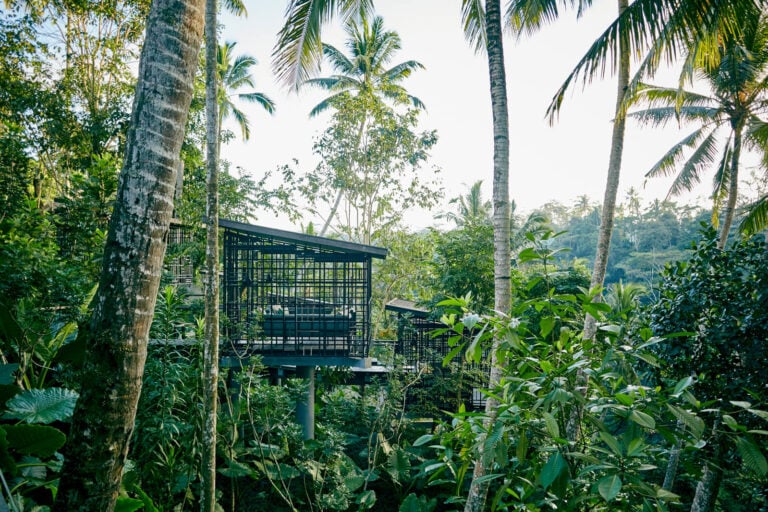
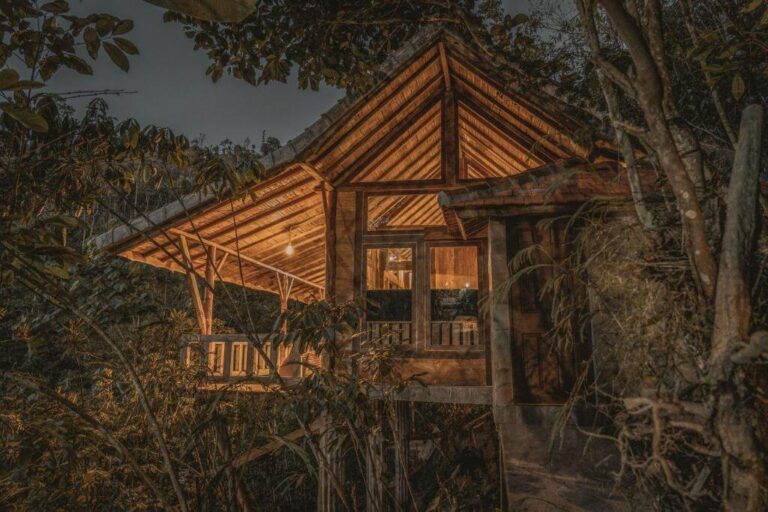
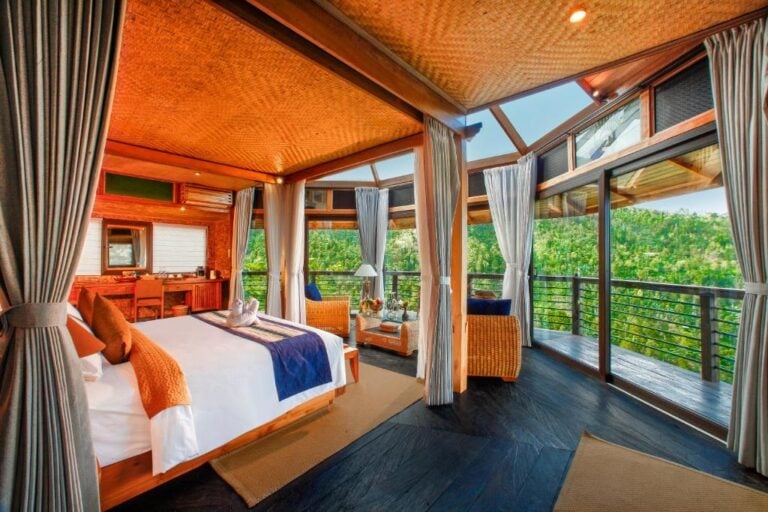
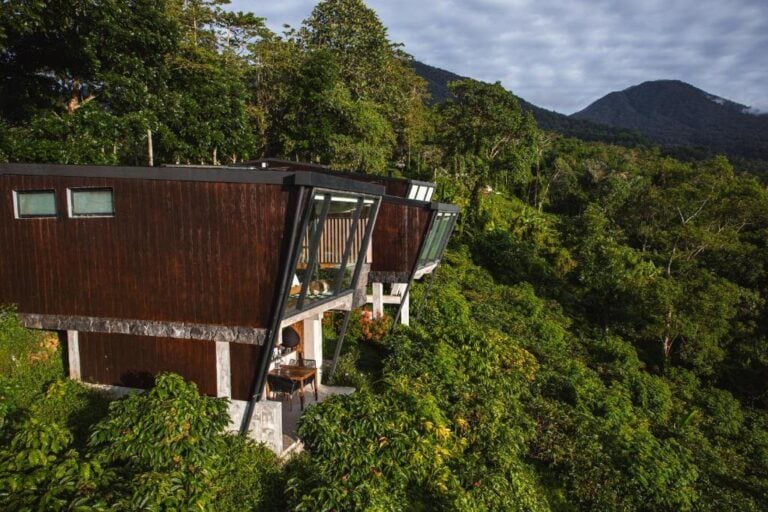
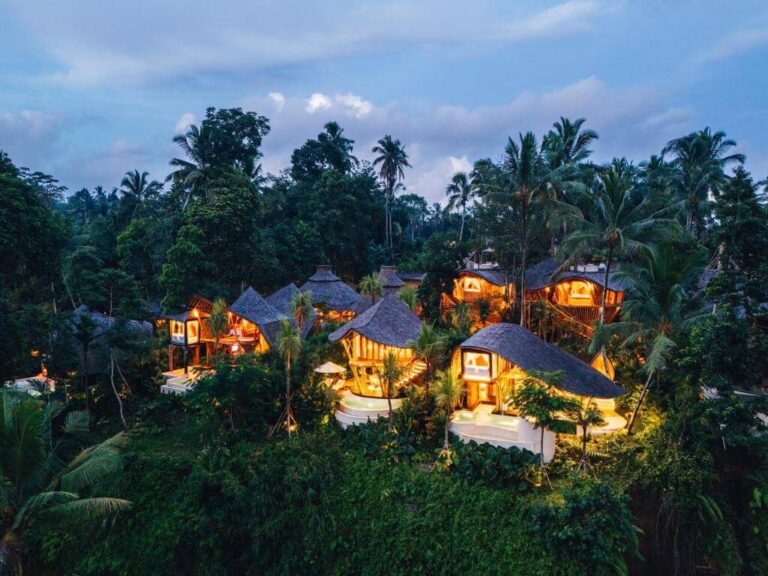
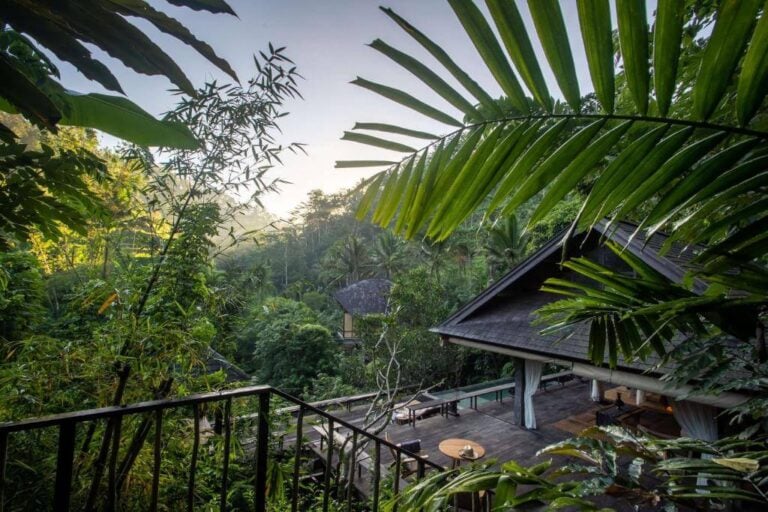
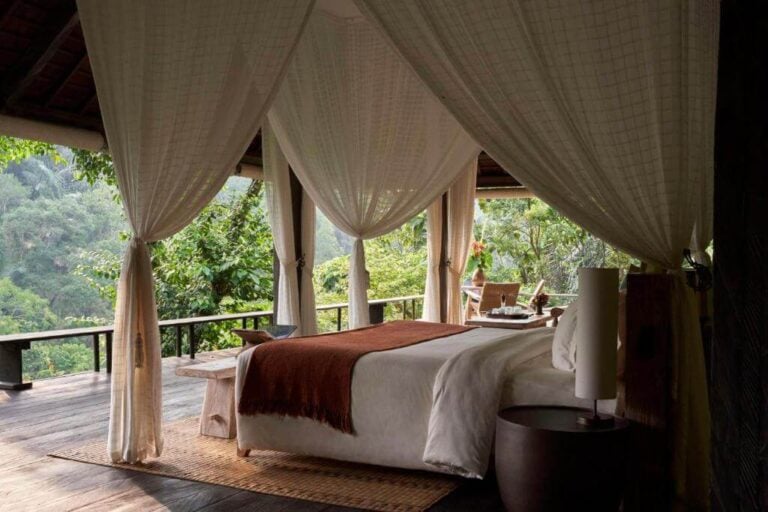
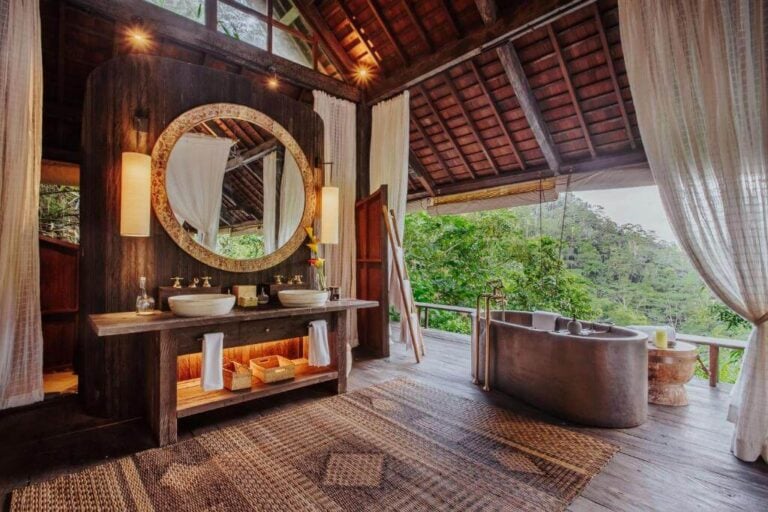
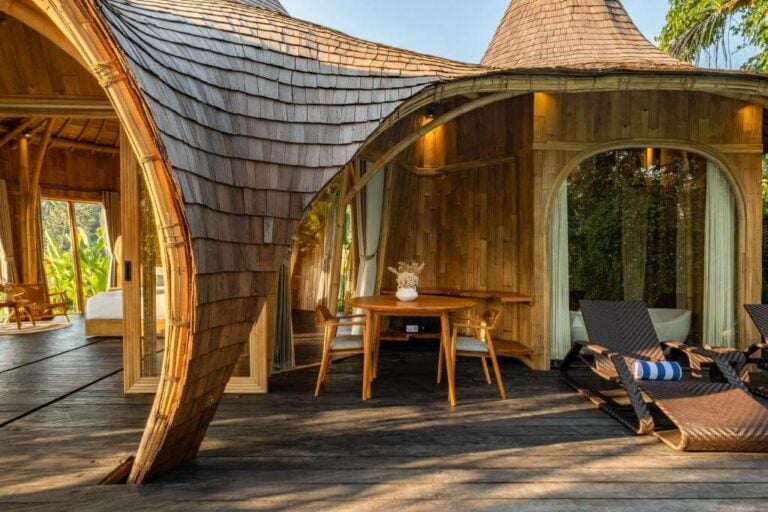
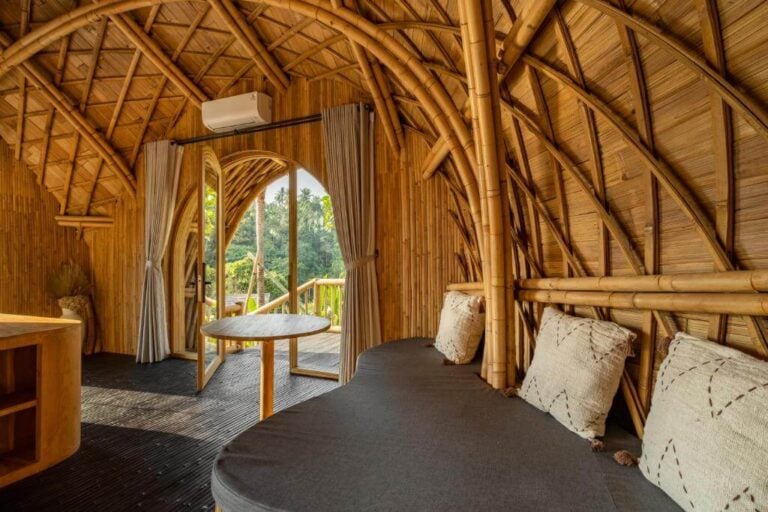
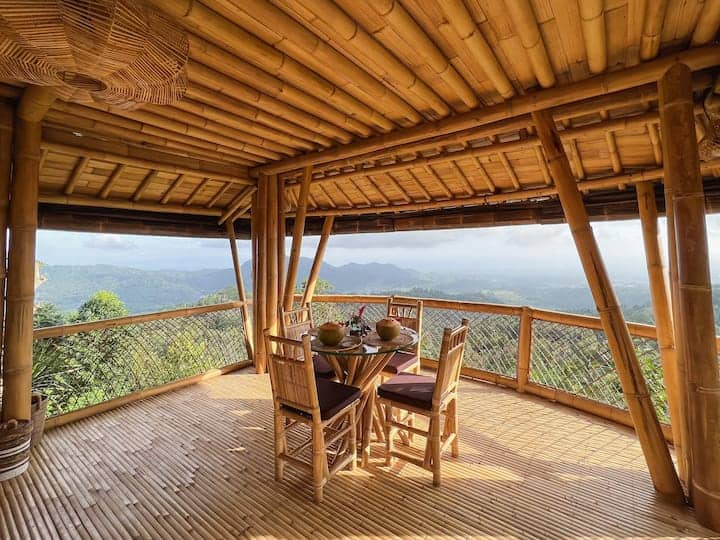
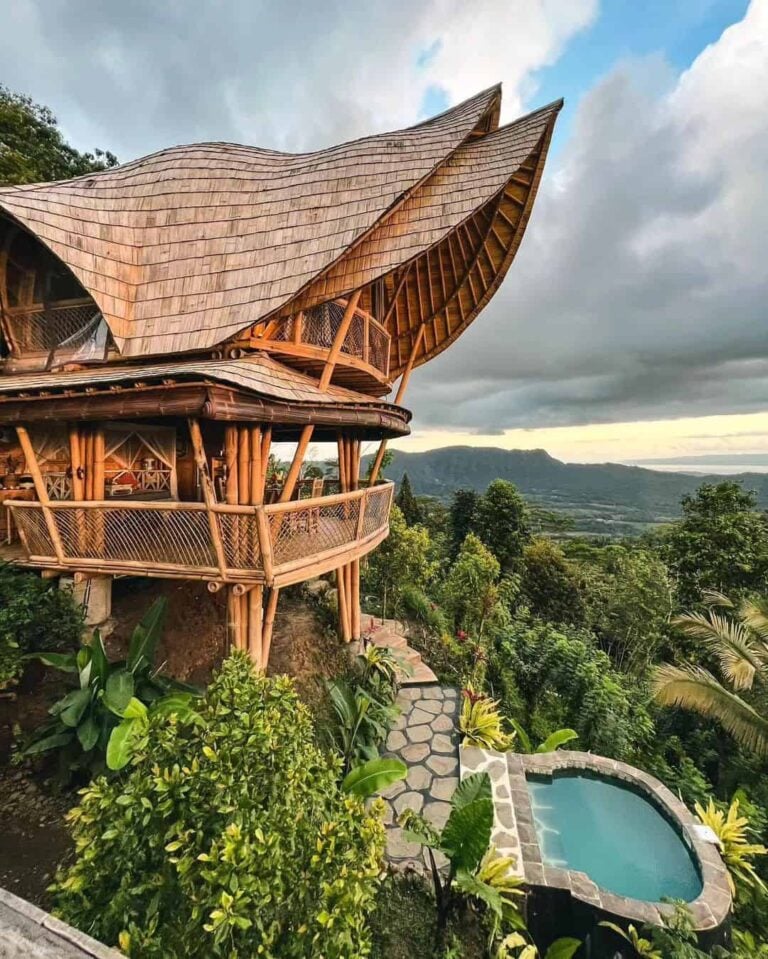
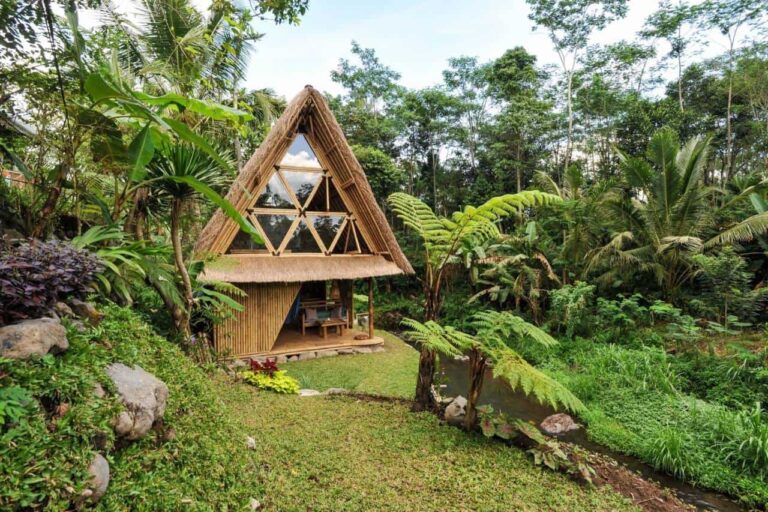
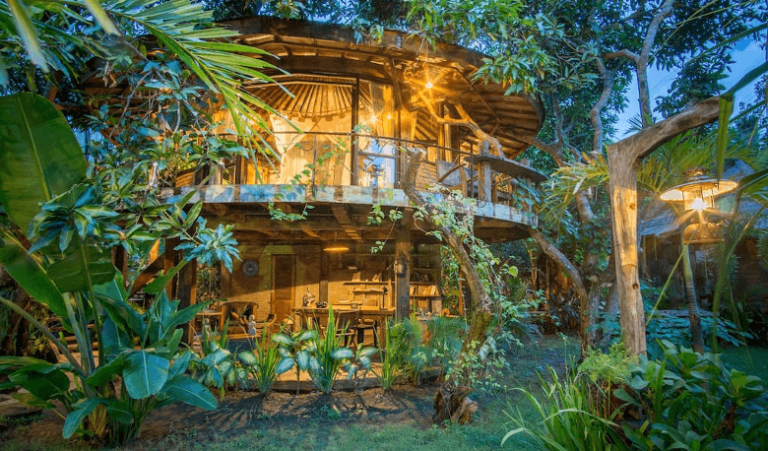
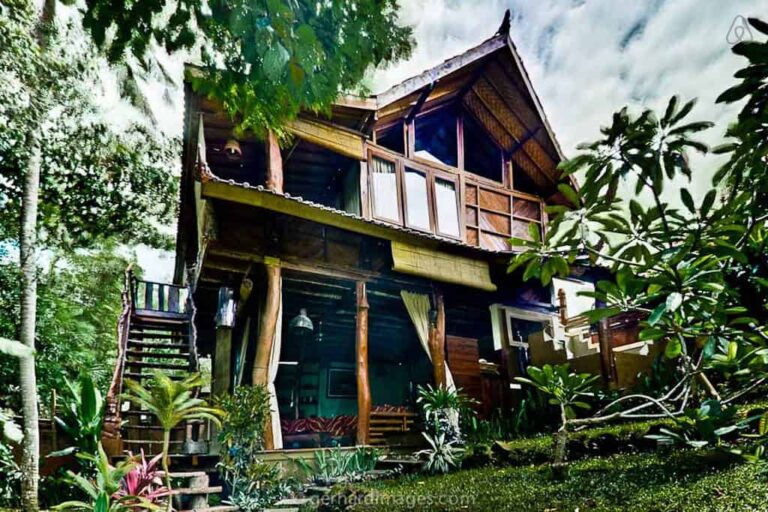
Bali's treehouses cluster mostly around Ubud and the surrounding river valleys, where bamboo structures and open-walled platforms let the jungle set the rhythm rather than the other way around. These stays trade sealed comfort for air that moves, views that shift with the light, and a quieter claim on the island's green abundance—close enough to rice terraces and cultural landmarks to make exploration simple, but far enough that the forest gets the last word at night.
{{locationDetails}}
Browse sub-categories




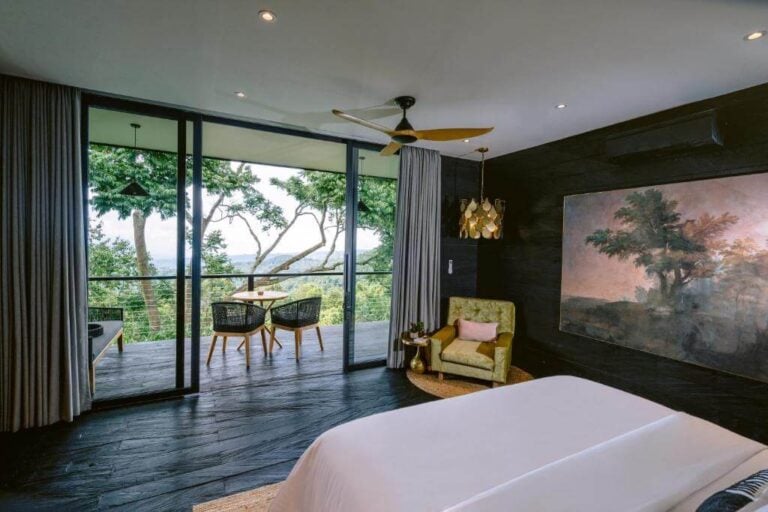
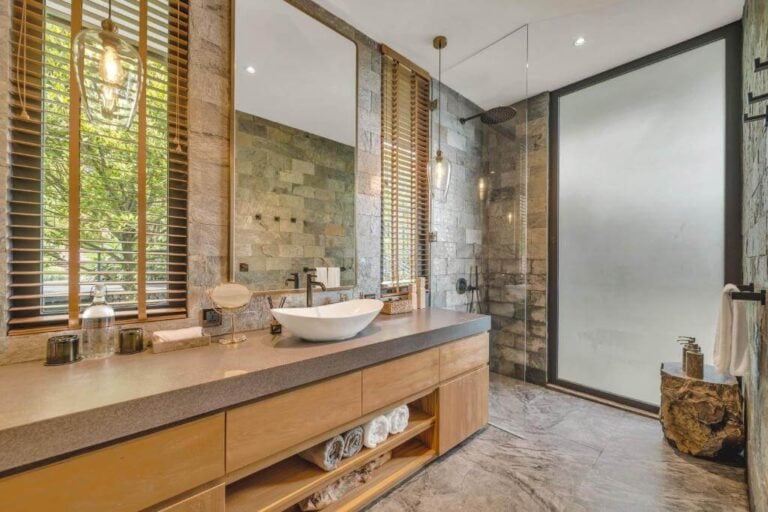
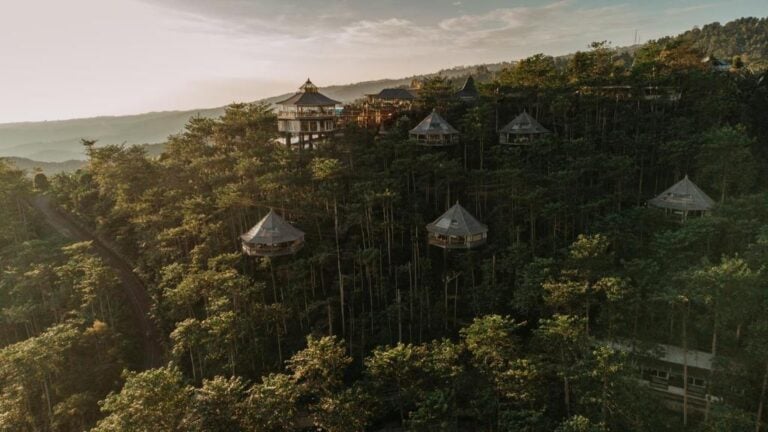
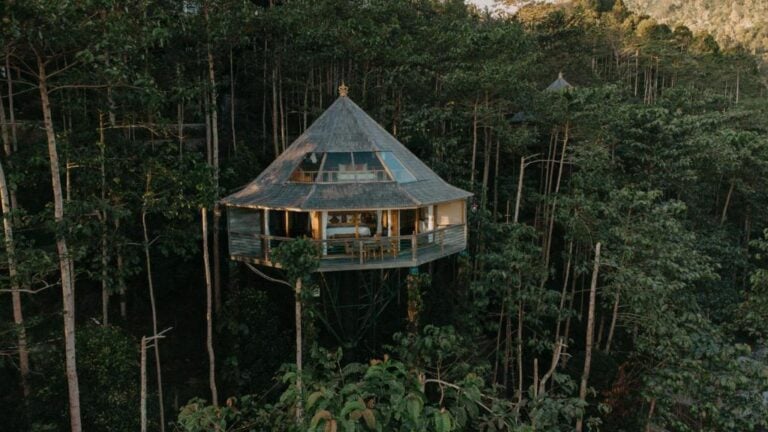


About Bali
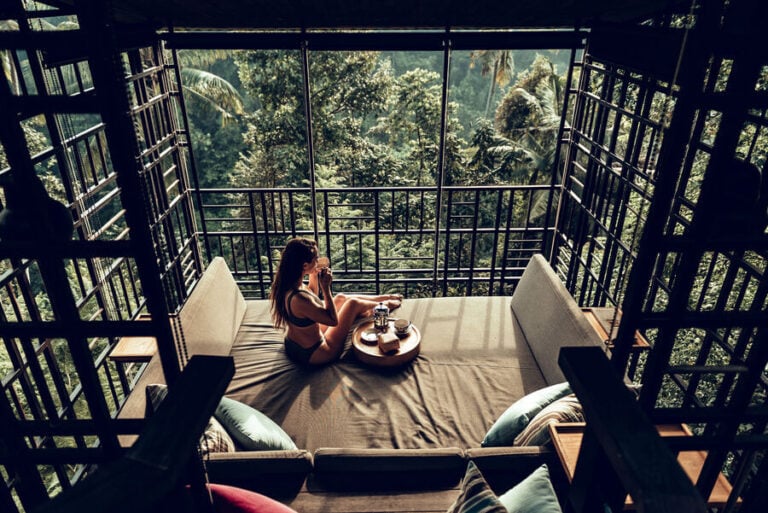
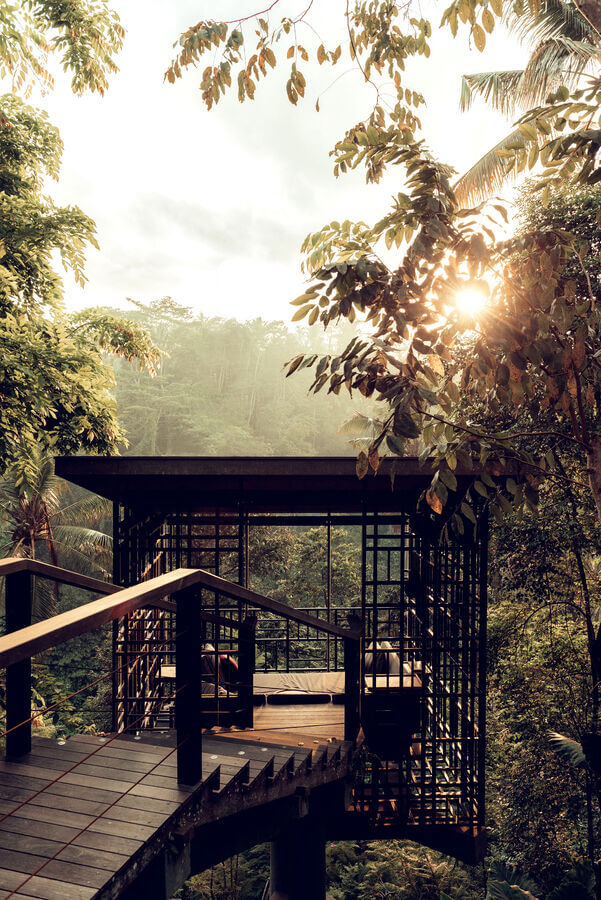
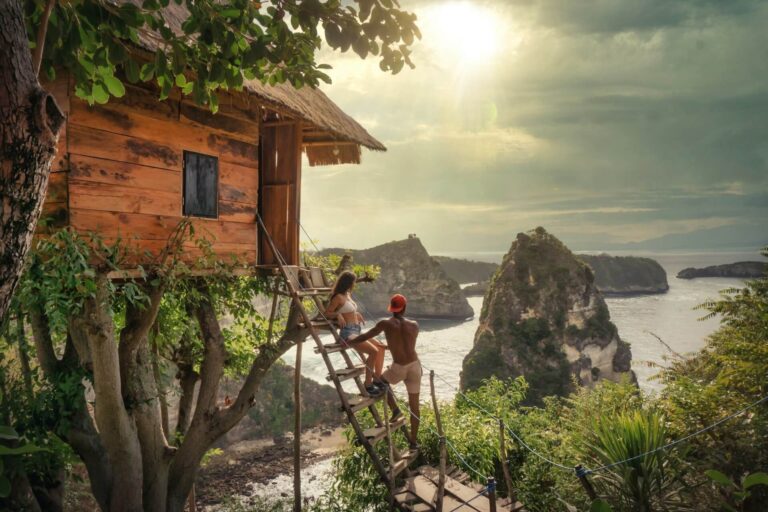
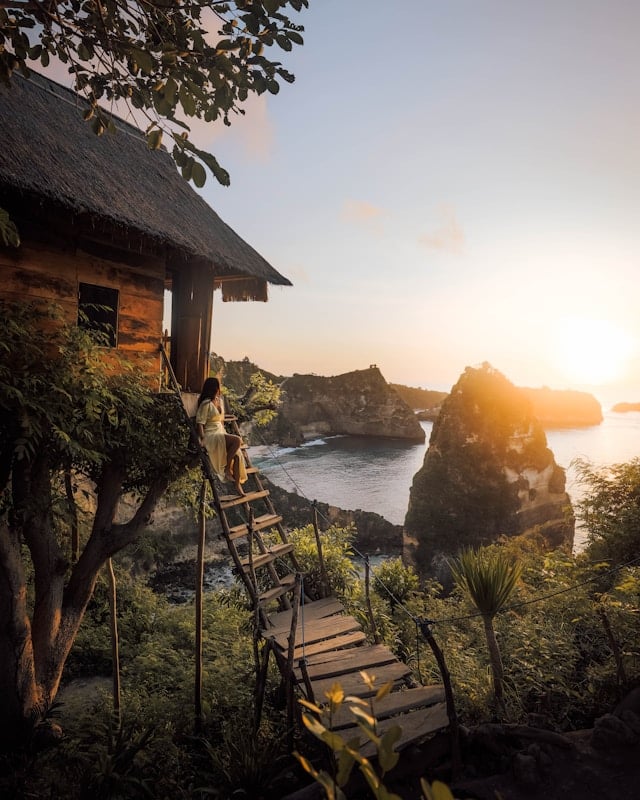
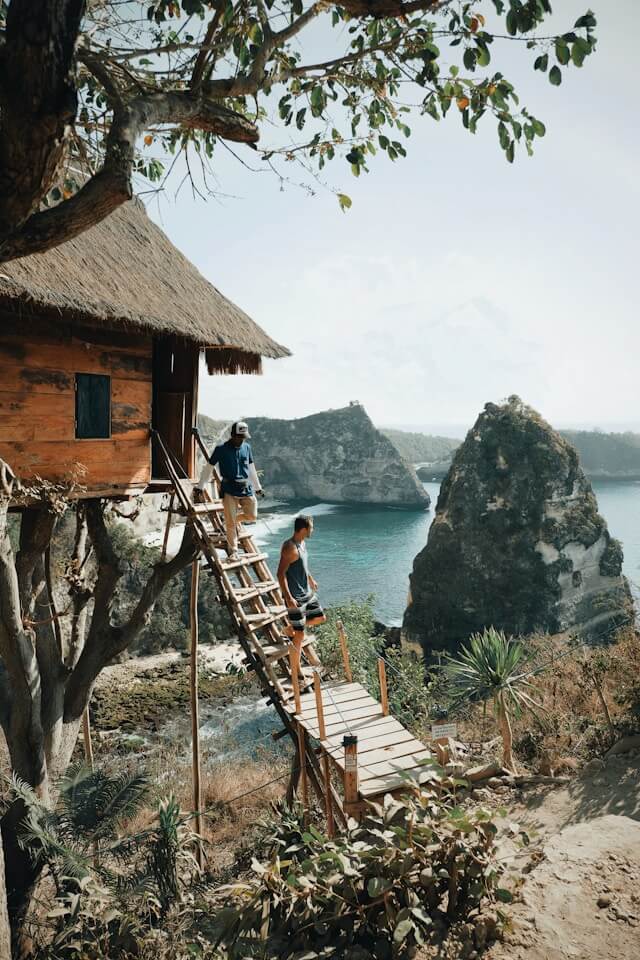
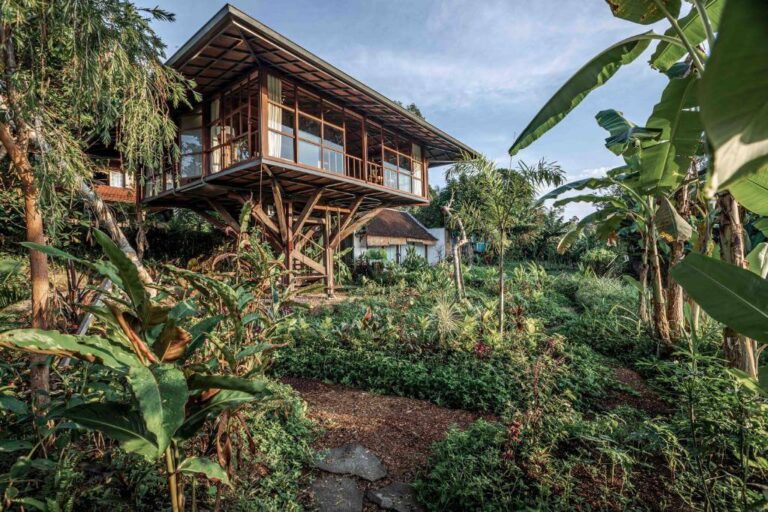
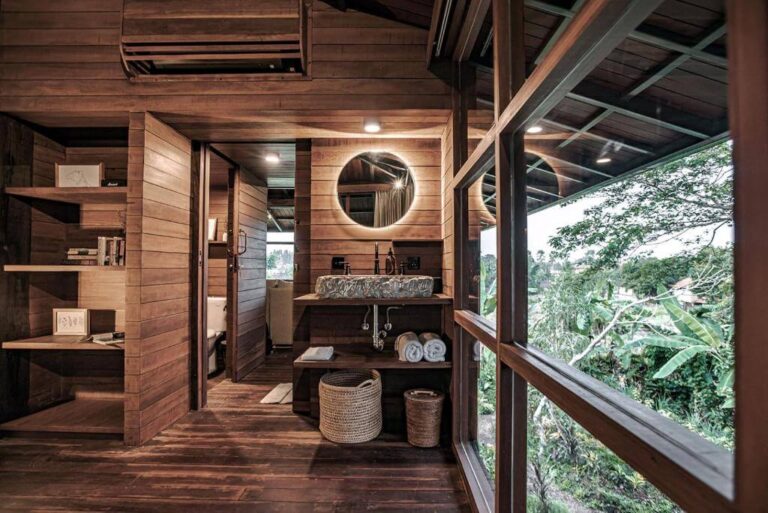
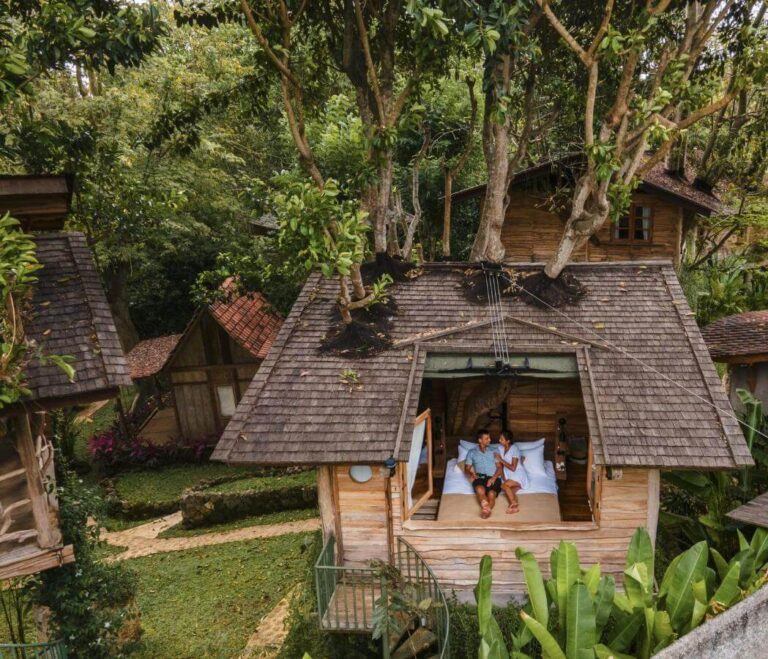
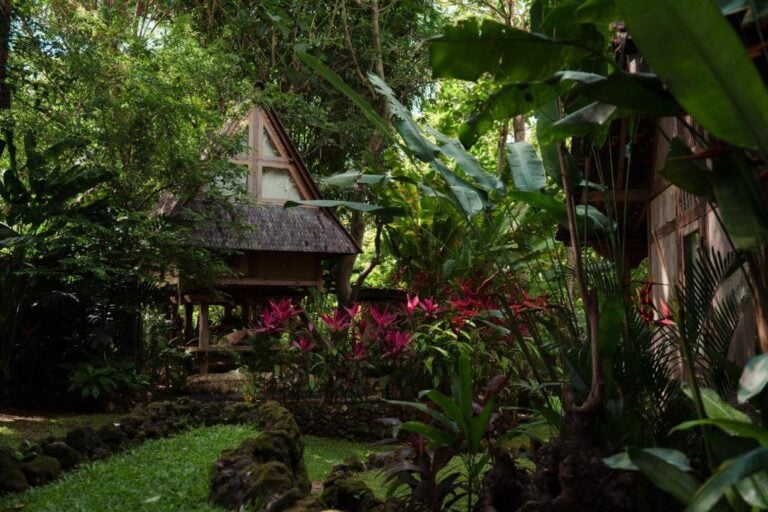
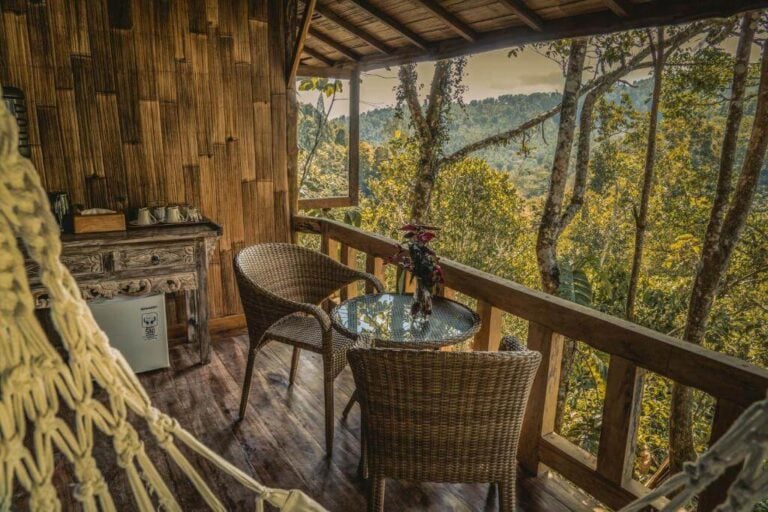
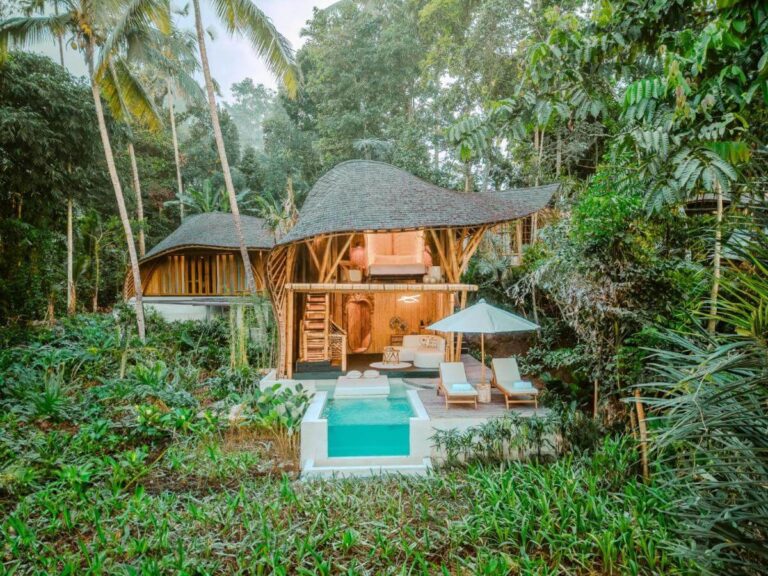
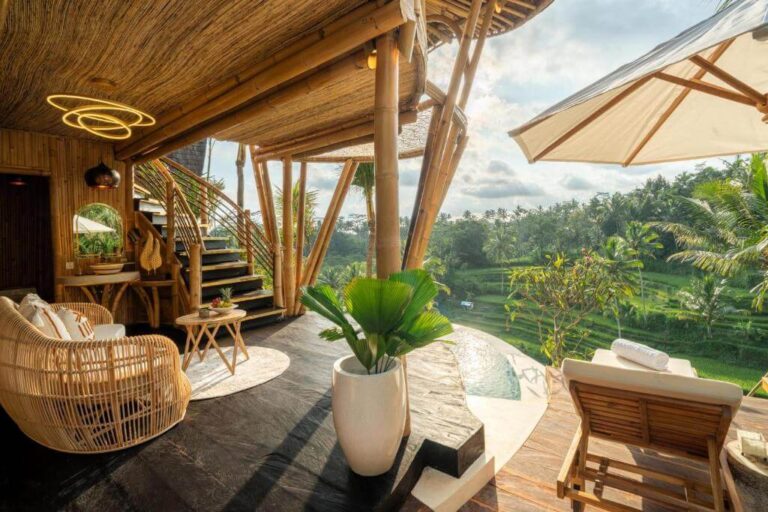
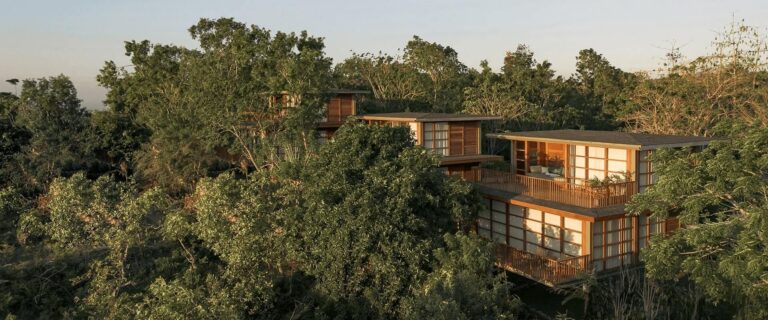
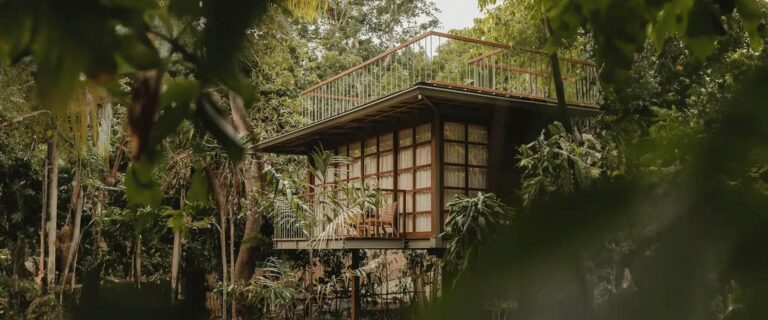
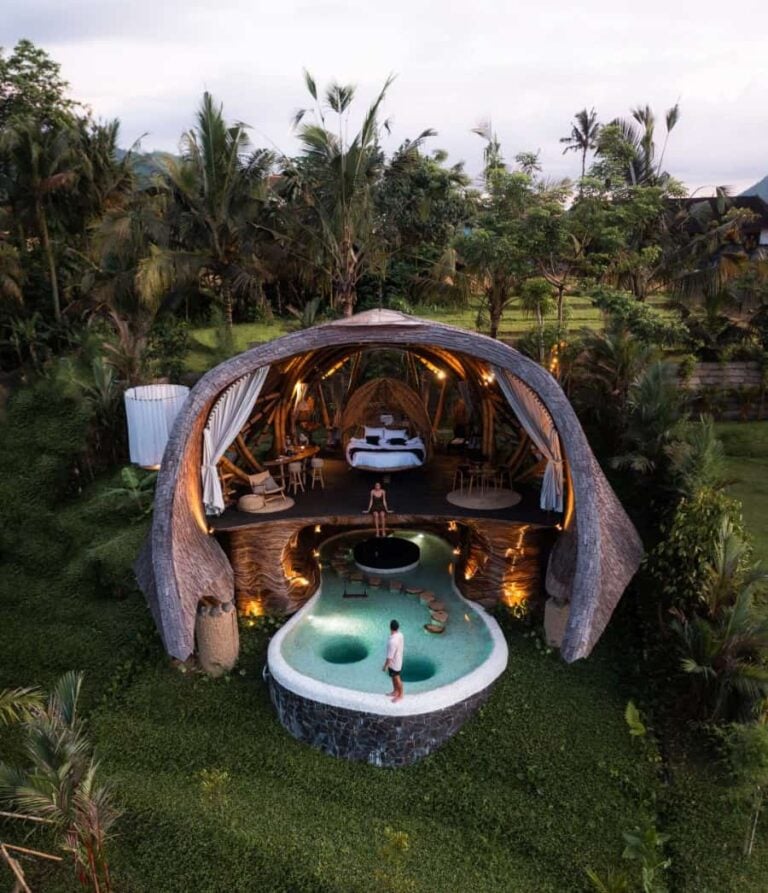
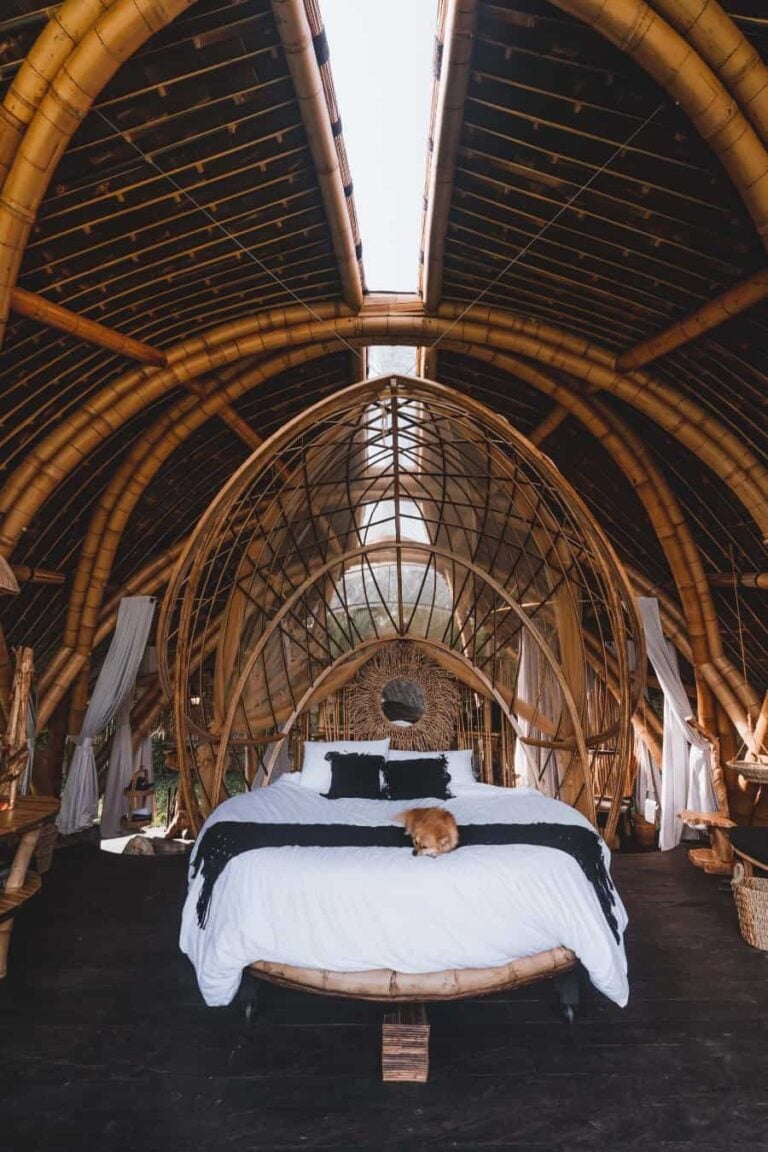
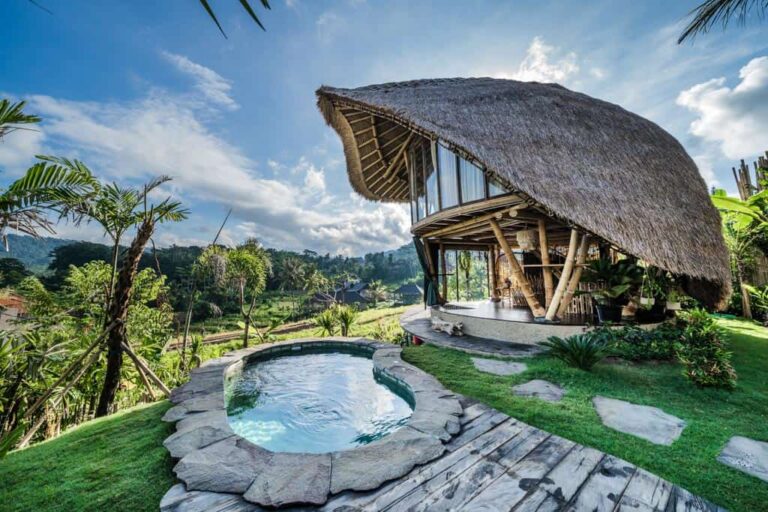
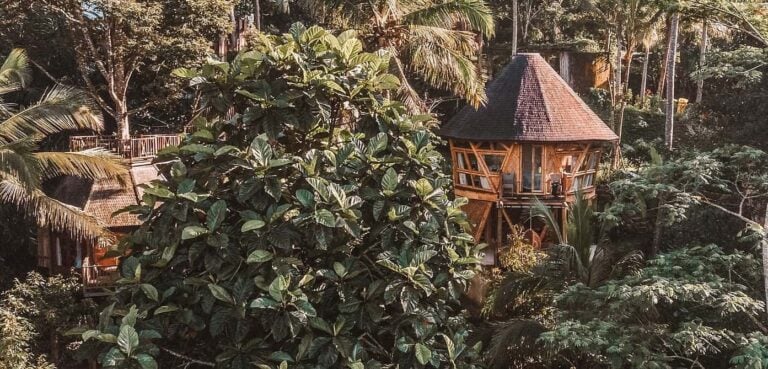
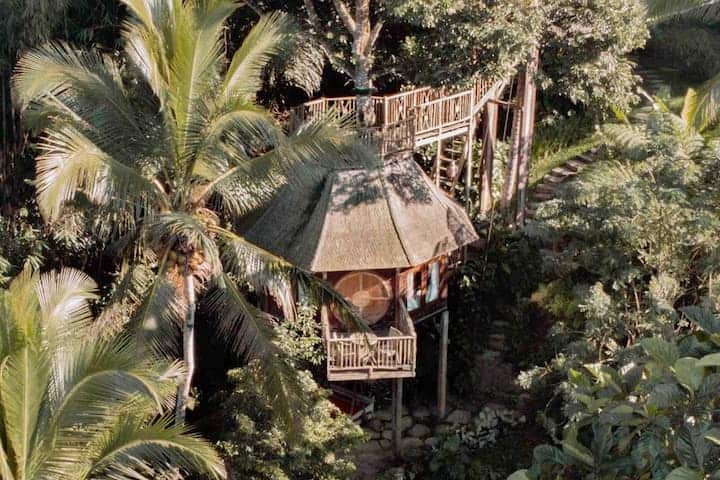
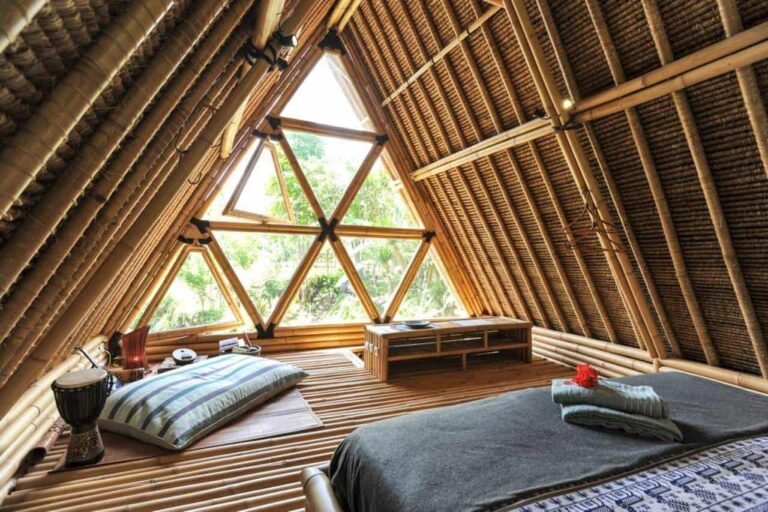
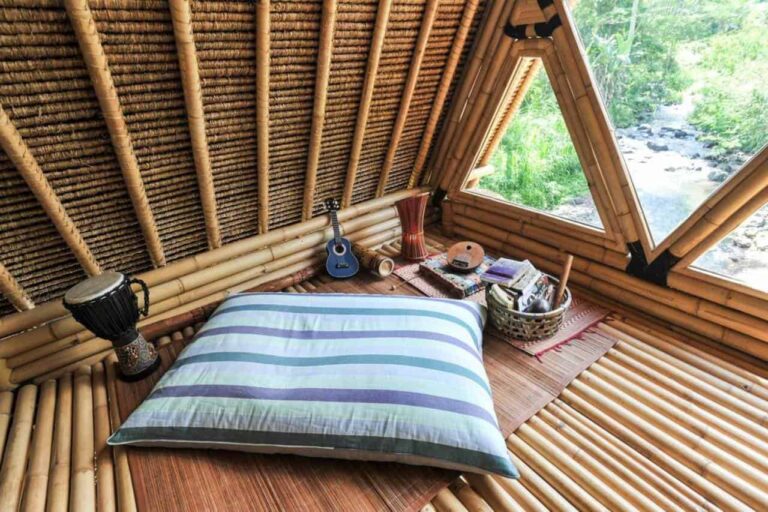
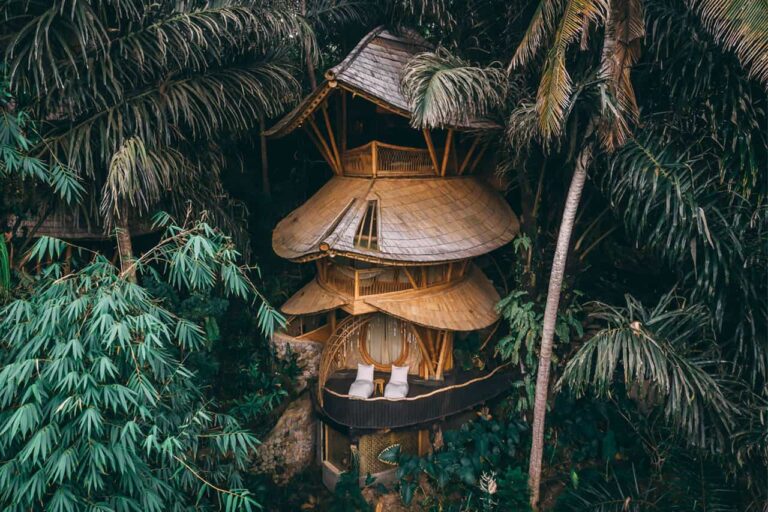
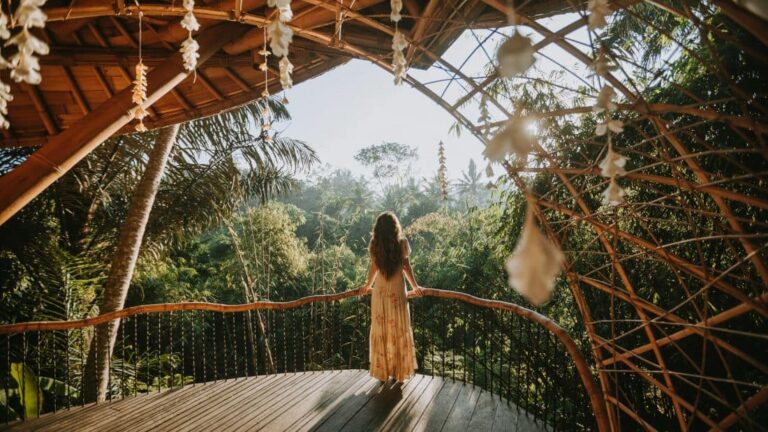
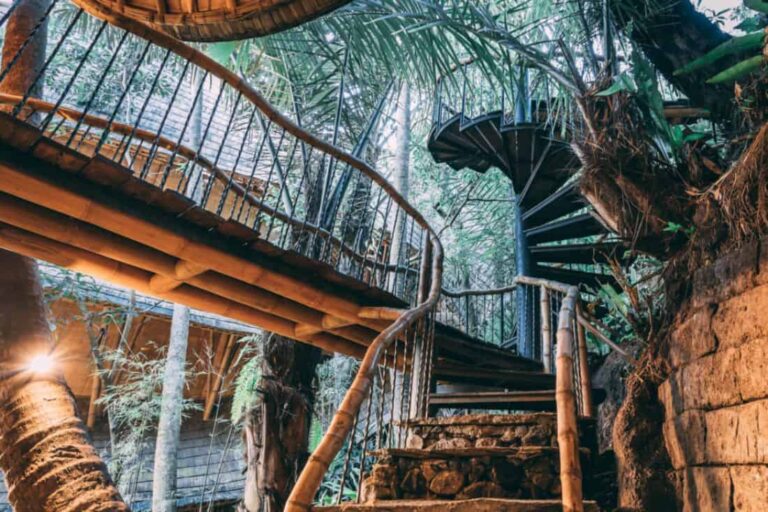
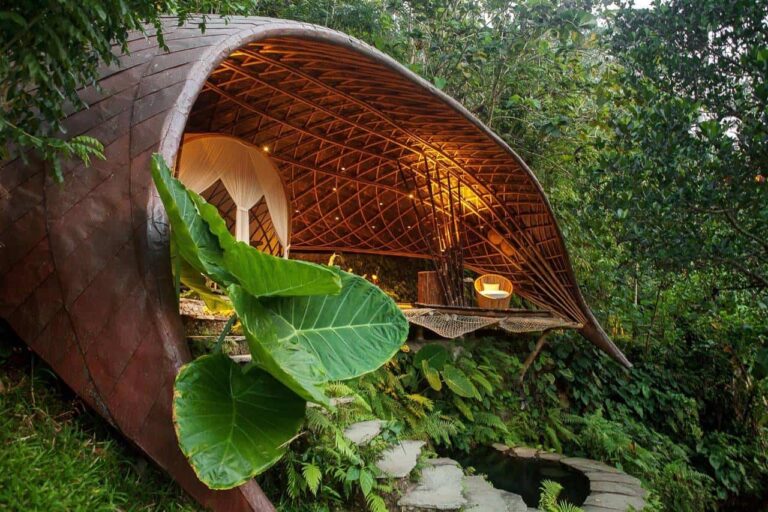
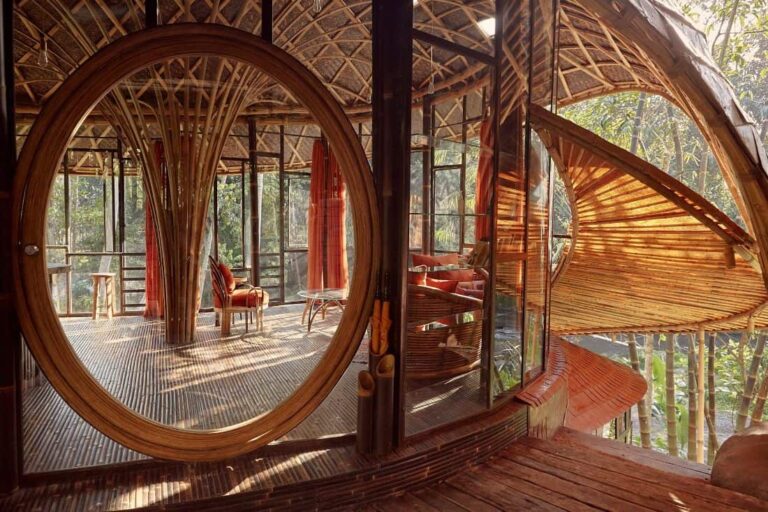
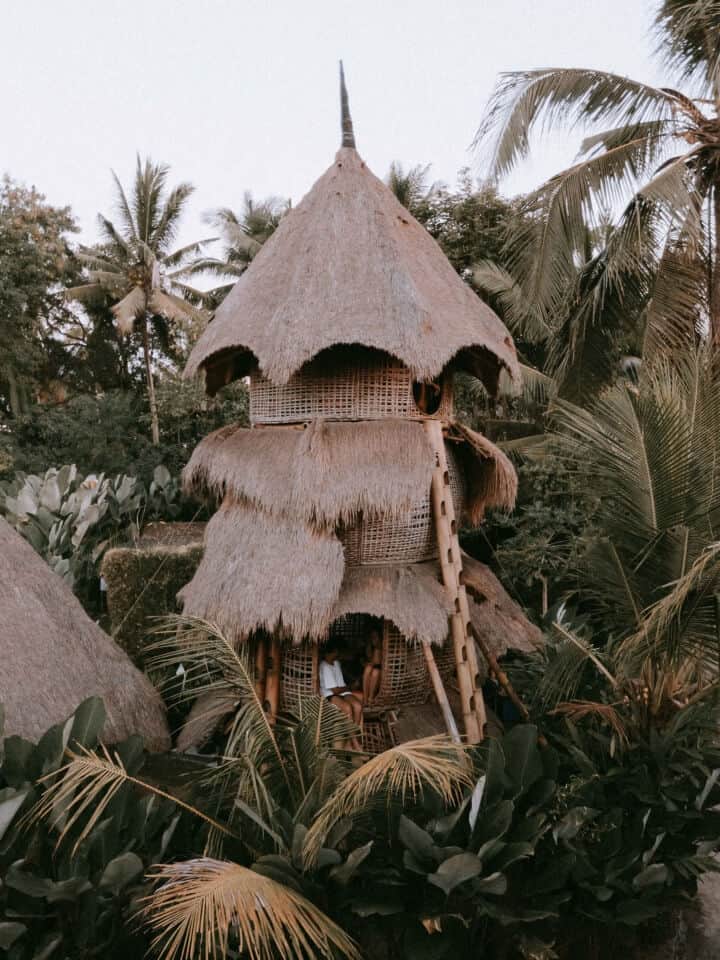
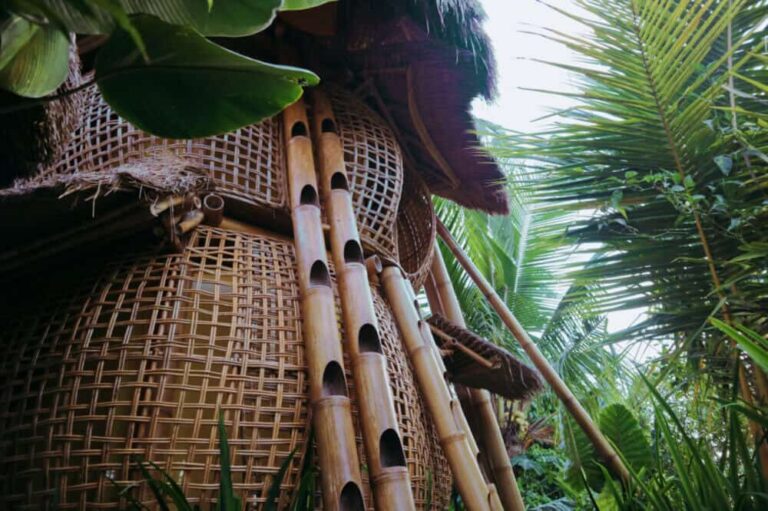
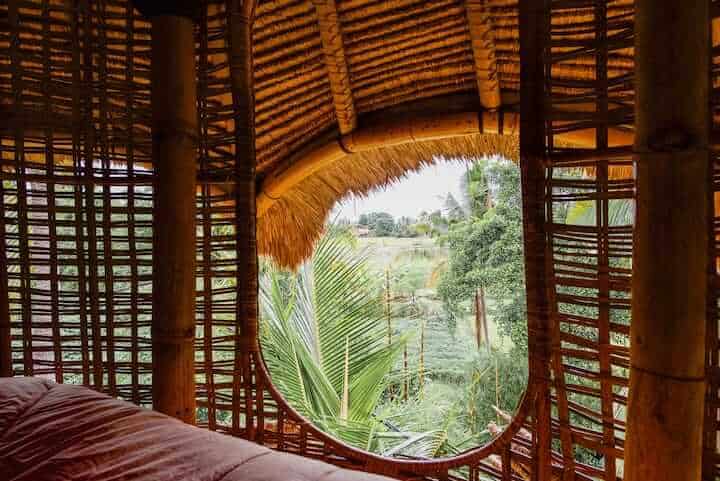
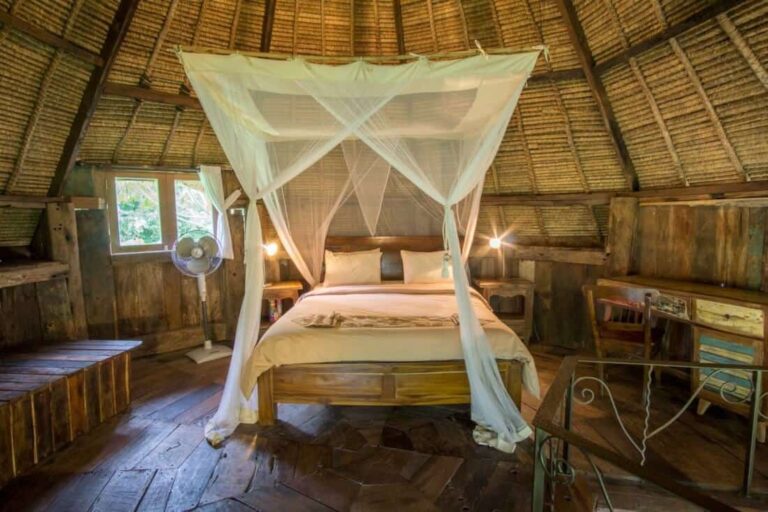
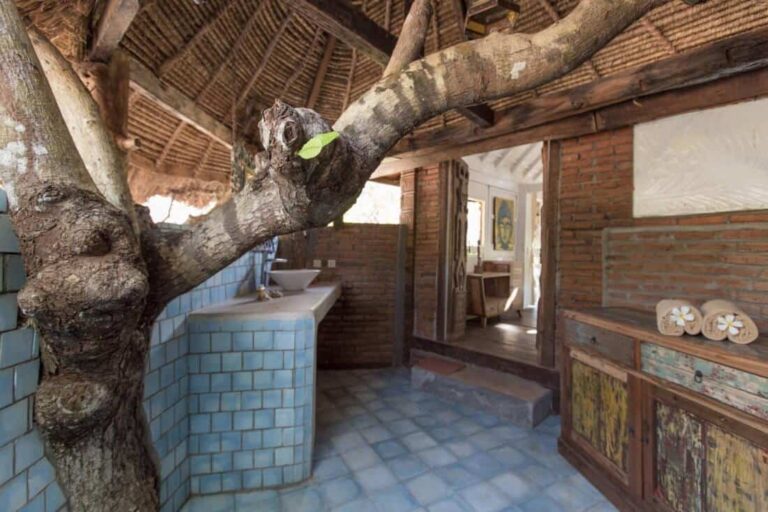
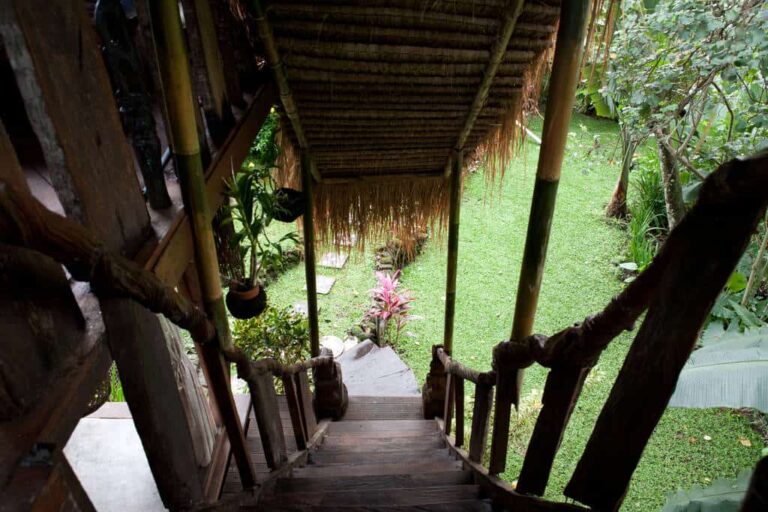
Bali's treehouses feel less like hotels and more like the island's answer to a riddle nobody asked: what happens when bamboo craftsmen, rice-paddy views and a serious commitment to letting the jungle breathe all meet several metres off the ground? The result is a collection of stays—concentrated around Ubud but scattered into quieter pockets like Sidemen and the northern highlands—where the architecture bends with the landscape instead of fighting it. Expect open walls that frame green in every direction, floors that creak just enough to remind you they're alive, and a rhythm set by geckos, distant gamelan and the occasional downpour that sounds better from under a woven roof than it has any right to.
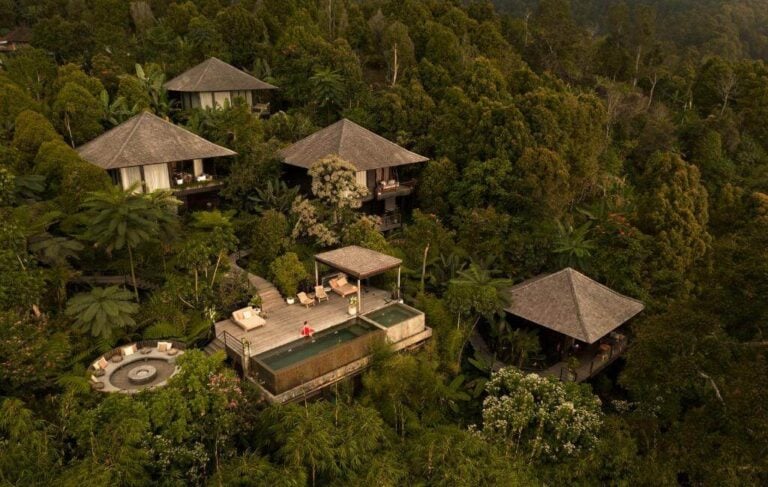
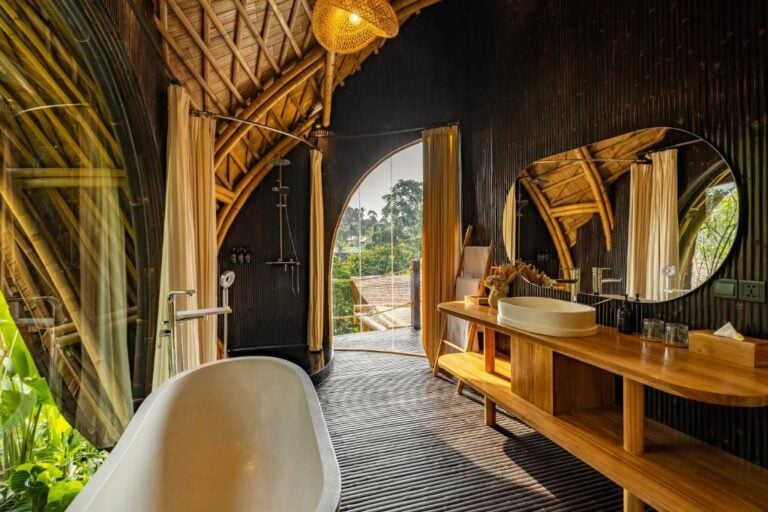
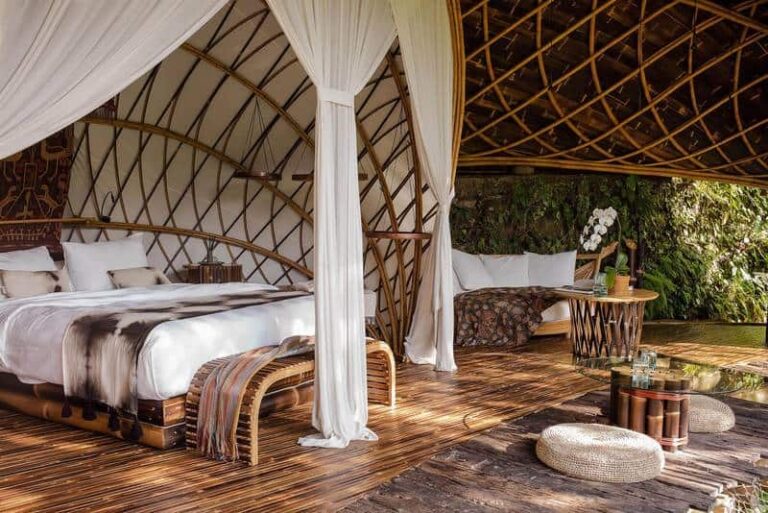
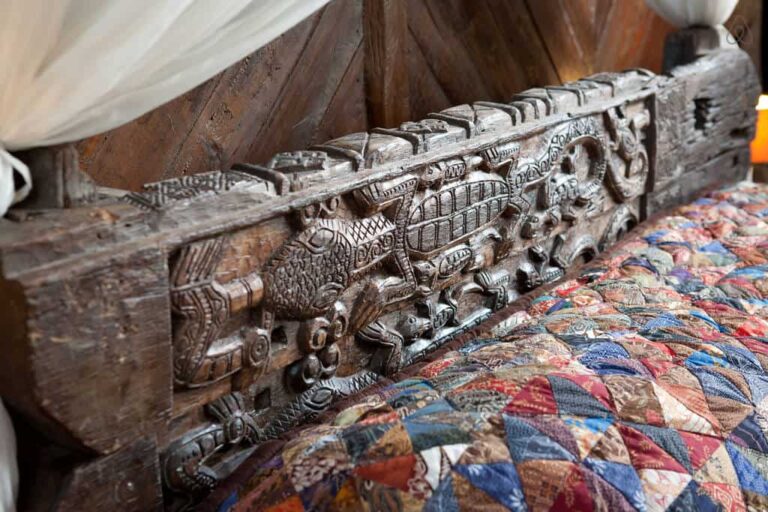
Ubud and the Ayung River valley hold most of the inventory, and it's easy to see why. The combination of accessible cultural landmarks, walkable rice terraces and a steady stream of cafés serving turmeric lattes makes it a natural base, but the treehouses here earn their place by stepping back from the crowd. Aura House hangs above the river with curves that look like someone convinced bamboo to sing, all open lounges and morning light that moves slowly across the floor. Bambu Indah leans further into the island's material memory—restored teak structures, spring-fed pools edged with volcanic rock, gardens you can actually eat from if you're inclined. Firefly Eco Lodge tucks itself into a quieter fold where lanterns do the lighting and the namesake insects show up often enough to make the name feel earned, not wishful.
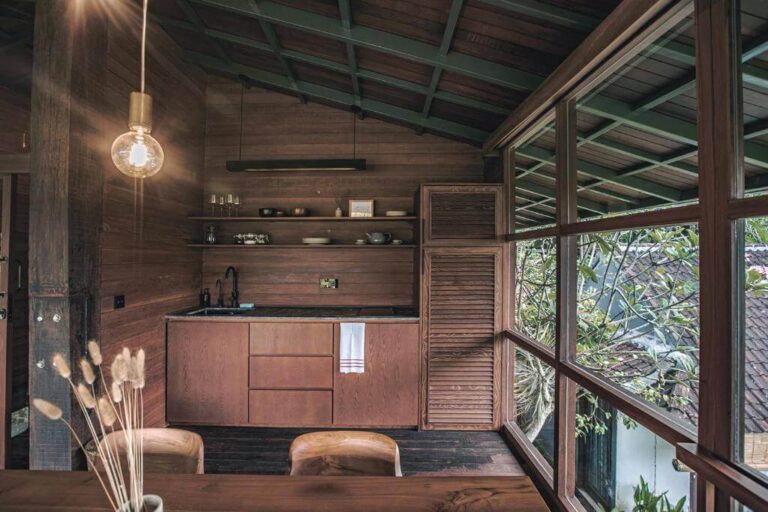
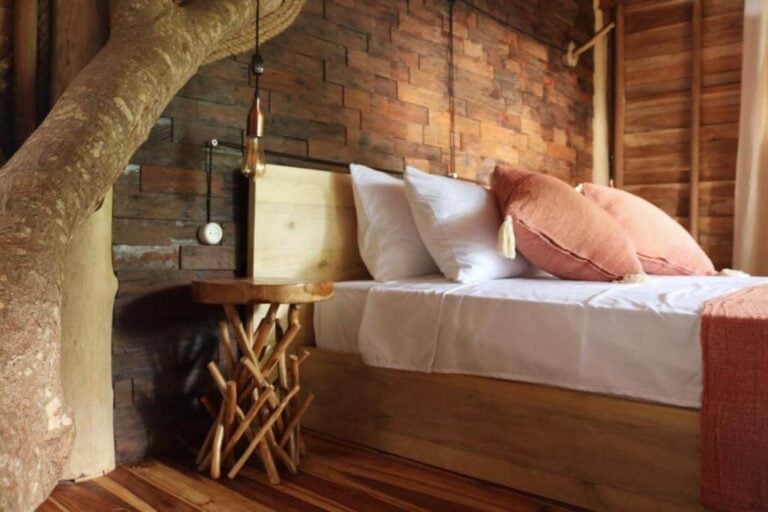
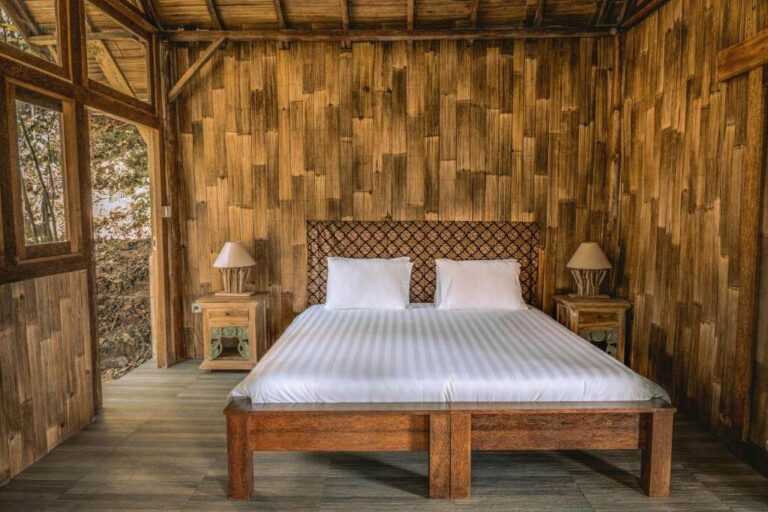
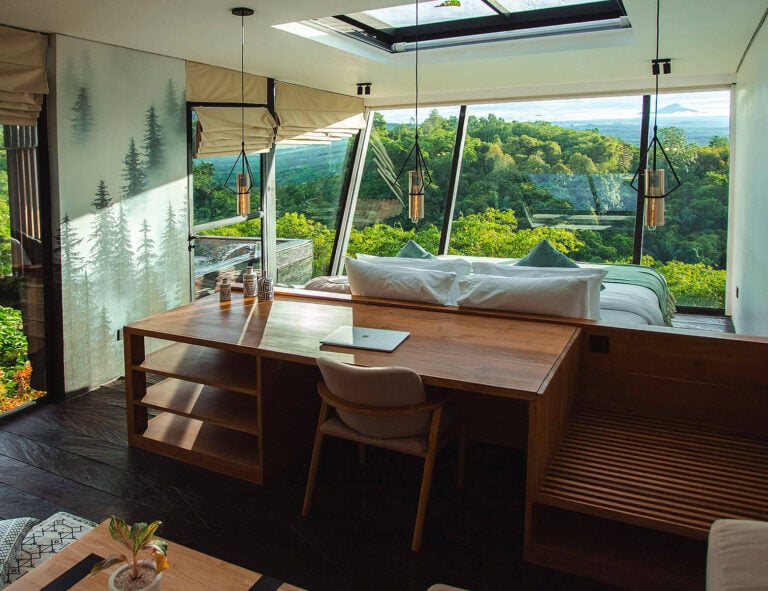
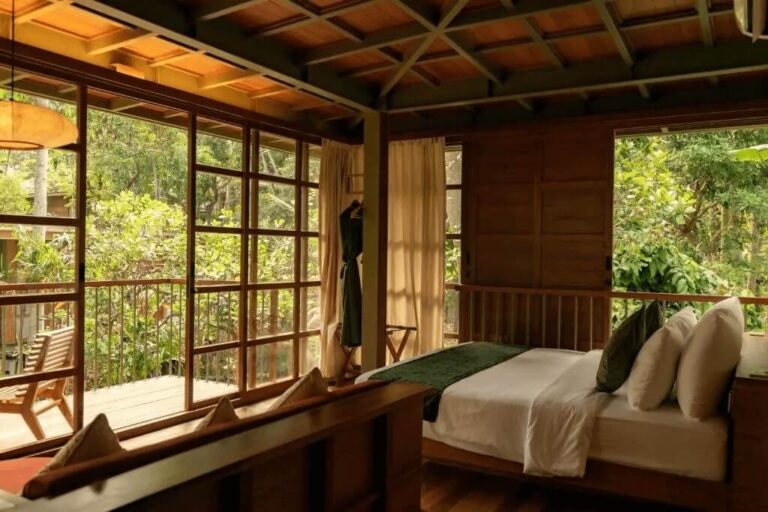
What separates a Bali treehouse from a room with a view is how much the building lets the setting do the talking. Walls filter wind instead of blocking it. Roofs keep rain honest without sealing you into air-conditioned silence. Solar panels and rainwater systems show up without fanfare, and the soaps tend to smell like lemongrass because that's what grows nearby, not because a branding deck said so. Comfort arrives in the form of good linens, showers that work and pools fed by springs, but it doesn't drown out the sound of frogs tuning up at dusk or the rustle of something small moving through the canopy.
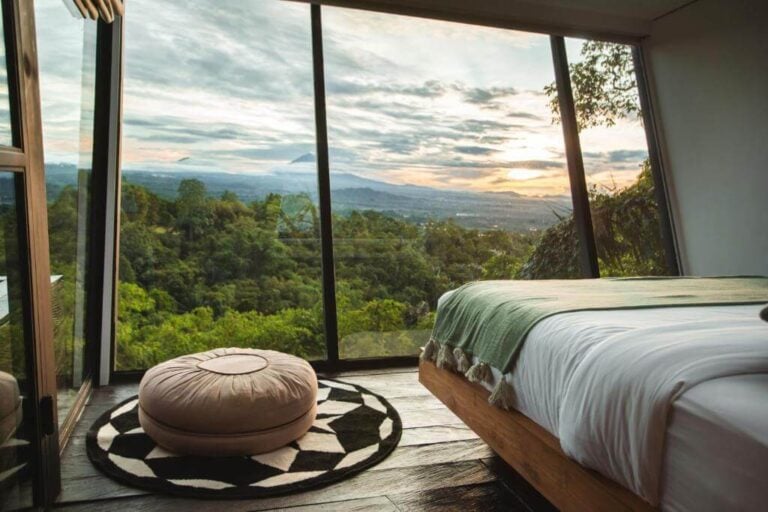
Beyond the treehouse rail, the island offers its usual easy abundance: sunrise walks past shrines wrapped in checked cloth, market baskets of rambutan and mango, slow lunches where the sambal does all the heavy conversational lifting. You can also do nothing and find that the view from a bamboo deck—palms, ravines, a green that shifts with the light—holds attention longer than expected. Most properties sit close enough to Ubud's centre that a scooter or arranged ride makes exploring simple, but far enough that the village noise fades into something softer by evening.
Treehouses here tend to book several months ahead during the dry season, particularly between April and October when the weather cooperates and the humidity backs off. The wetter months bring lush greenery and fewer crowds, though plans sometimes bend around afternoon storms. Some stays welcome families with older children, but open platforms and steep stairs mean checking suitability before committing. What you're buying, ultimately, isn't just height and a good angle—it's a day that moves at the speed of leaf shadow and water, and a night where the jungle reminds you it was here first and doesn't mind the company.
Frequently asked questions about Bali
How much do treehouses in Bali typically cost per night?
Most Bali treehouses range from around $120 to $600+ per night, with the majority of boutique options sitting between $150 and $350. Prices climb for architectural landmarks with private pools, larger footprints or prime Ayung River positions. Expect higher rates during the dry season (April through October) and around holidays, when many properties require minimum stays of two to three nights. Longer bookings and off-peak months sometimes bring the nightly rate down, though the best-known stays tend to hold their pricing fairly steady year-round.
Where are most Bali treehouses located?
The largest concentration sits around Ubud and the Ayung River valley, roughly an hour from Ngurah Rai Airport, where rice terraces, jungle ravines and cultural access all overlap. This area offers the easiest combination of treehouse stays and walkable restaurants, temples and markets. Quieter options appear in Sidemen to the east, where the landscape tilts more agricultural and tourist numbers thin out, and in the northern highlands around Munduk, where cooler temperatures and mist replace the tropical lowland feel. Each zone has a different character, but Ubud remains the natural starting point for most visitors comparing properties.
Are Bali treehouses safe for young children?
Many Bali treehouses feature open platforms, steep bamboo staircases and railings that meet local rather than international safety standards, making them less suitable for toddlers and young children. Some properties set minimum age requirements—often eight or ten years—while others simply note that parents assume full responsibility. Families with older, steady children generally manage fine, but it's worth asking each property directly about rail height, stair design and whether the layout includes any fully enclosed sleeping areas. A few treehouses do cater to families with appropriate safety measures, but they're the exception rather than the standard across Bali's elevated stays.
When is the best time to book a treehouse stay in Bali?
April through October covers the dry season, when humidity drops, afternoon storms become rare and most visitors find the climate most comfortable—this is also when treehouses fill fastest. Booking two to four months ahead makes sense if your dates fall between June and September or around major holidays. The wetter months from November through March bring lush greenery, fewer crowds and occasional afternoon downpours that can be atmospheric from under a woven roof, though some days do require flexibility. Many properties stay open year-round, and the off-season can offer better availability and sometimes gentler pricing, provided you don't mind the chance of rearranging plans around weather.
Do I need to rent a scooter to stay at a Bali treehouse?
Most treehouses sit far enough from Ubud's centre or other hubs that having your own transport makes exploring much easier. Scooter rental is common, affordable and gives you flexibility for market runs, temple visits and restaurant options beyond the property. Some treehouse stays offer airport or town pickups, and ride-hailing apps work in the Ubud area, but relying solely on arranged transport can feel limiting after a day or two. A few higher-end properties include shuttle service or are walkable to nearby villages, so it's worth checking what each stay provides. If you're not comfortable on a scooter, arranging a driver for day trips is a practical middle option that still gives you freedom without requiring you to navigate Bali's roads yourself.