
Malaysia
Malaysia's treehouse stays split between Borneo's primary rainforest and the Peninsula's cooler highlands and mangrove coasts, each offering distinct canopy experiences. Sabah and Sarawak deliver wildlife-rich river corridors where orangutans and proboscis monkeys work the treetops, while Taman Negara, Cameron Highlands and Langkawi trade jungle intensity for mist, tea country and karst geology. Properties range from bamboo platforms to upscale canopy suites, most bundling guided treks, river safaris and night walks into stays that balance craft, comfort and genuine access to the forest itself.
{{locationDetails}}
Browse sub-categories


About Malaysia
Malaysia divides its treehouse stays between two very different landscapes, and the split matters. On Borneo—Sabah and Sarawak—you're deep in primary rainforest where the wildlife itinerary writes itself. Peninsular Malaysia offers easier access, cooler highland air and mangrove coasts, with treehouses that lean into mist and tea country as much as jungle. Both deliver proper canopy perches, but the experience you're after will point you clearly to one side or the other.
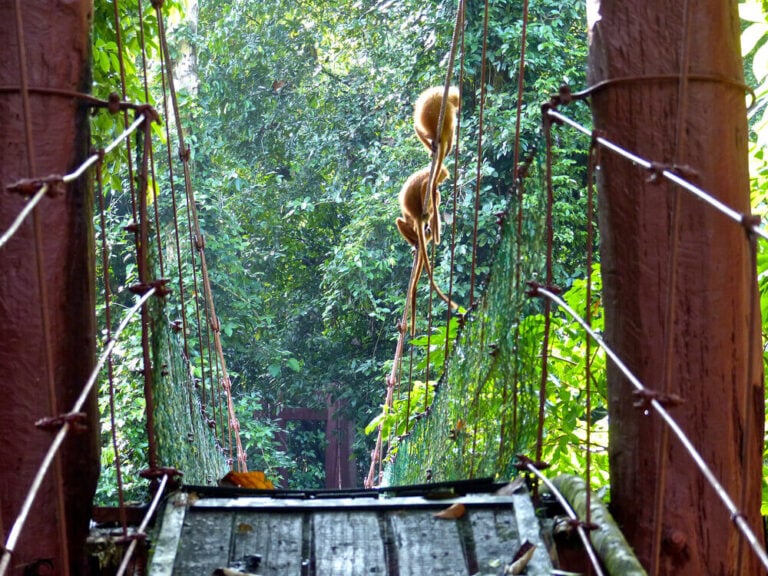
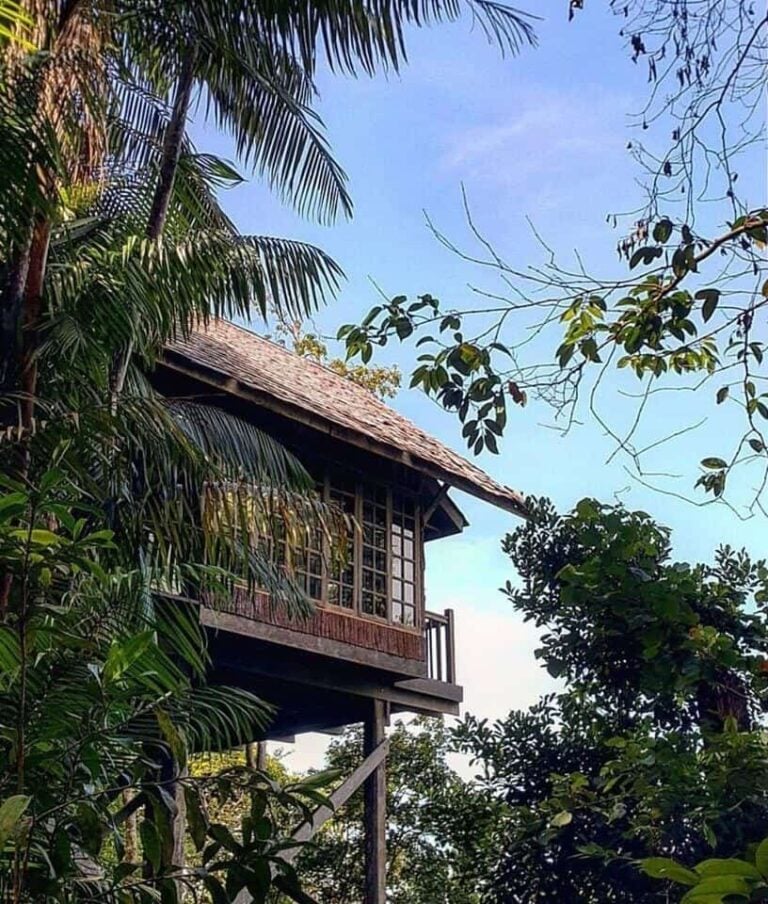
Borneo treehouse properties sit along rivers like the Kinabatangan, where the forest presses close and the morning commute belongs to proboscis monkeys and hornbills. Guides know which fig trees draw the crowd and when the light works for a decent sighting. Orangutan rehabilitation centres operate nearby in Sabah, and while wild encounters remain less predictable, the odds improve considerably when you're staying high enough to meet the canopy on its own terms. Sarawak's rivers run darker, the green thickens, and the soundscape never quite settles. The architecture here tends toward bamboo platforms and hardwood rails, built to flex with weather and humidity rather than fight them. Solar panels tuck into the eaves, rainwater systems run quietly, and the upgrades—good linens, rain showers, surprisingly functional Wi-Fi—arrive without fanfare.
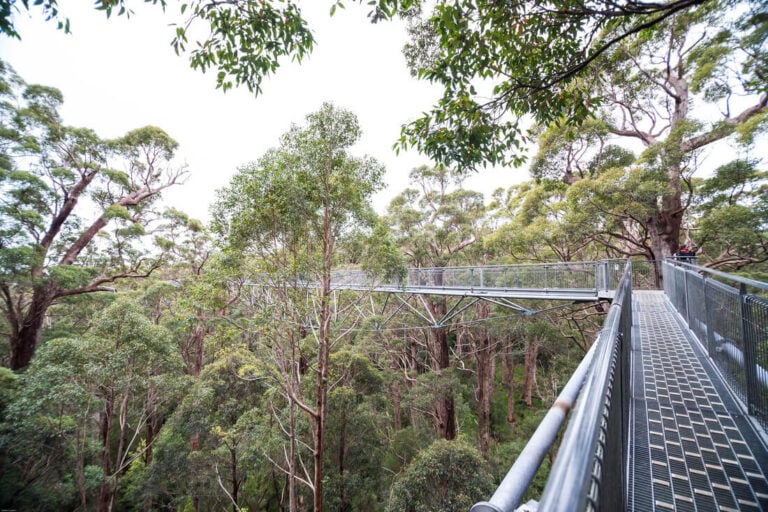
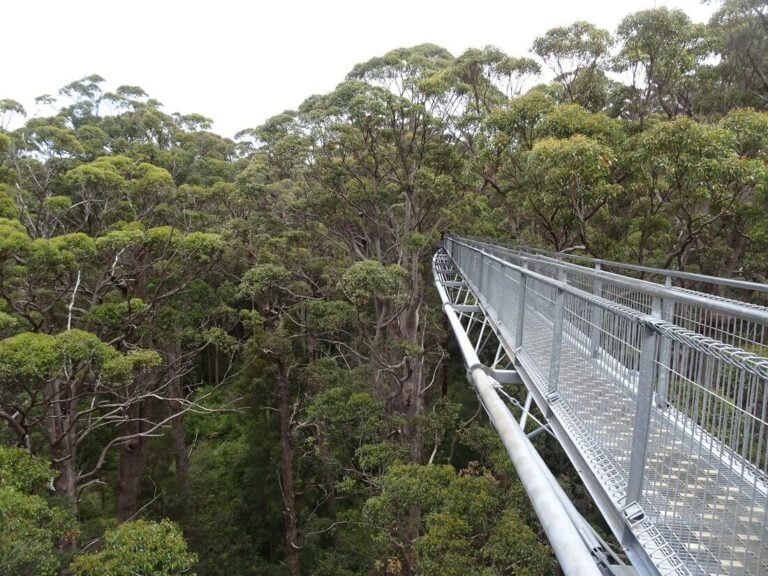
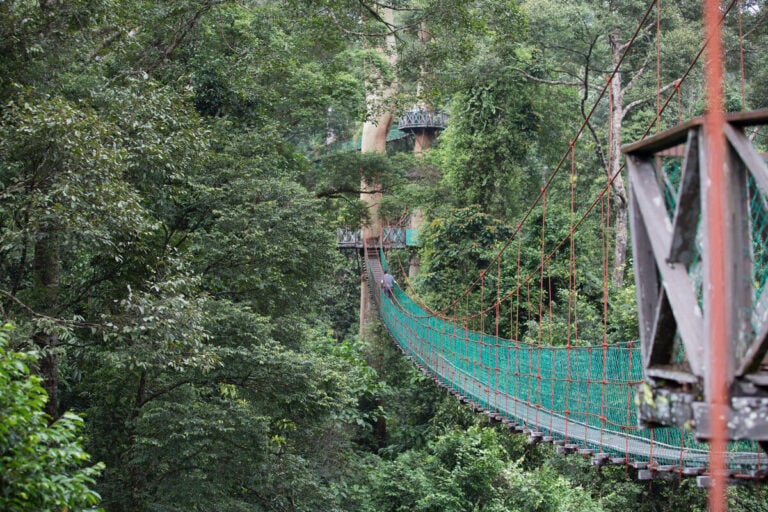
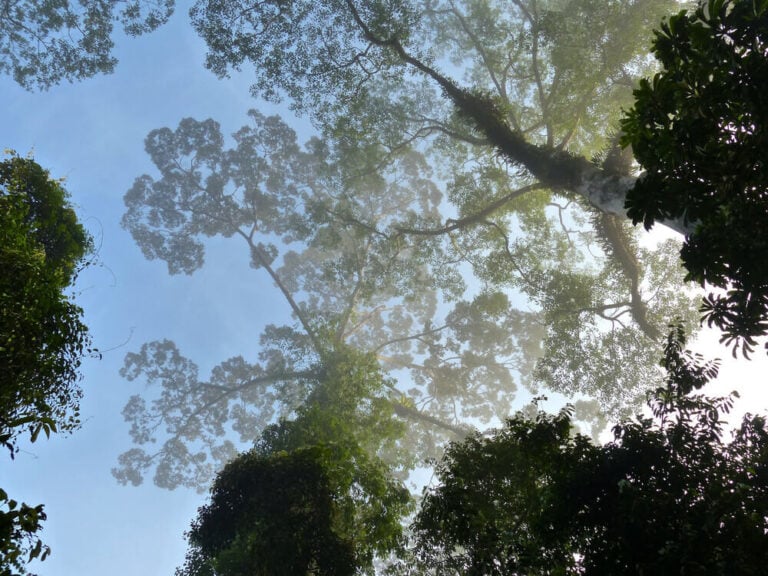
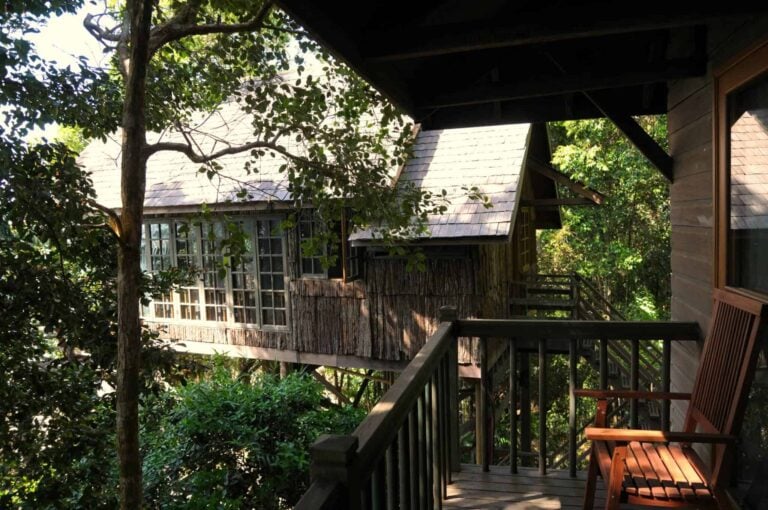
Peninsular Malaysia shifts the palette. Taman Negara's old-growth canopy offers deep shade and a famous suspension walkway, though you'll want to confirm how close your actual treehouse sits to the main canopy walk rather than assuming they're one package. Up in Cameron Highlands the air cools, mist moves in and out on its own schedule, and balconies double as weather-watching posts between the tea plantations. Langkawi brings mangroves, karst outcrops and a slower coastal rhythm where the breeze does most of the work. The firefly paddles travellers mention usually happen around Kuala Selangor on the west coast, so check whether your property actually offers that experience or if it's a separate evening trip.
Monsoon season affects visibility and river access differently depending on where you are. Sabah's west coast and much of the Peninsula see heavier rain from October through February, which can limit boat safaris and turn canopy views into grey curtains. Borneo properties often book out two to three months ahead during the dry shoulder seasons, so late planning rarely works in your favour. The gap between budget bamboo platforms and upscale canopy suites is real, but even the simpler builds tend to manage comfort and craft in equal measure—thatch trimmed neat, rails worn smooth, enough thought given to how water and light move through the space that you notice the care before you notice the price point.
The treehouse itself is the frame, not the whole picture. Most stays include guided treks to waterfalls, dawn river safaris, birdwatching routes and night walks where the forest rewrites itself under torchlight. You'll finish the day over laksa or grilled fish, shoulders loose, happily tired, while the jungle settles into its evening volume. It's a high, calm vantage point with enough modern comfort to let you stay present rather than preoccupied, and the difference between Borneo's wildlife intensity and the Peninsula's layered terrain gives you an honest choice rather than a single script.
Frequently asked questions about Malaysia
Should I choose Borneo or Peninsular Malaysia for a treehouse stay?
Borneo delivers heavyweight wildlife immersion—proboscis monkeys, orangutans, hornbills and river safaris along the Kinabatangan are the daily routine, with deeper jungle and a wilder soundscape. Peninsular Malaysia offers easier access from Kuala Lumpur, cooler highland air in places like Cameron Highlands and Taman Negara's famous canopy walkway, plus mangrove coasts around Langkawi. If your priority is close-range primate sightings and primary rainforest, Borneo justifies the longer journey. If you want mist-covered tea country, quicker logistics and a gentler introduction to canopy life, the Peninsula makes more sense.
When is the best time to visit a Malaysian treehouse?
March through October generally brings drier weather and clearer canopy views across most of Malaysia, with calmer rivers for wildlife safaris in Borneo. Monsoon rains hit Sabah's west coast and much of Peninsular Malaysia from October through February, which can limit boat access and turn forest views grey. Shoulder seasons in April-May and September-October offer good wildlife activity with fewer crowds, but Borneo properties often book two to three months ahead during these windows, so plan earlier rather than later.
What wildlife can I realistically expect to see from a treehouse in Malaysia?
Along Borneo's Kinabatangan River, proboscis monkeys and long-tailed macaques are near-certain on morning safaris, with hornbills a common sight overhead. Orangutans appear more reliably at rehabilitation centres in Sabah than in the wild, though staying in the canopy improves your chances of spontaneous encounters. Peninsular properties deliver excellent birdwatching and smaller mammals, but the primate density and sheer variety of large wildlife sits firmly on Borneo's side. Night walks and dawn river trips multiply your sightings considerably beyond what drifts past the balcony on its own.
How do I reach treehouse properties in Sabah or Sarawak?
Fly into Kota Kinabalu for Sabah or Kuching for Sarawak, then expect a three- to four-hour drive followed by a boat transfer for most Kinabatangan and interior properties. Some lodges arrange their own pickups; others require you to meet at a coordinated departure point. Taman Negara on the Peninsula involves a three-hour drive from Kuala Lumpur plus a boat crossing, while Cameron Highlands and Langkawi stay road-accessible or a short flight away. Borneo transfers eat more time but deliver you much deeper into primary forest.
Are Malaysian treehouses suitable for families with children?
Older children—roughly eight and up—tend to handle the ladder or staircase access, humidity and insects without trouble, and many find the wildlife and night walks genuinely memorable. Younger children may struggle with the heat, leeches on jungle trails and the limited medical access at remote Borneo properties. Some Peninsula properties near Taman Negara or Cameron Highlands offer easier logistics and slightly gentler conditions. Check whether your specific lodge has railings, mosquito netting and family-focused guides before committing to a deep-jungle Borneo stay with small children.