

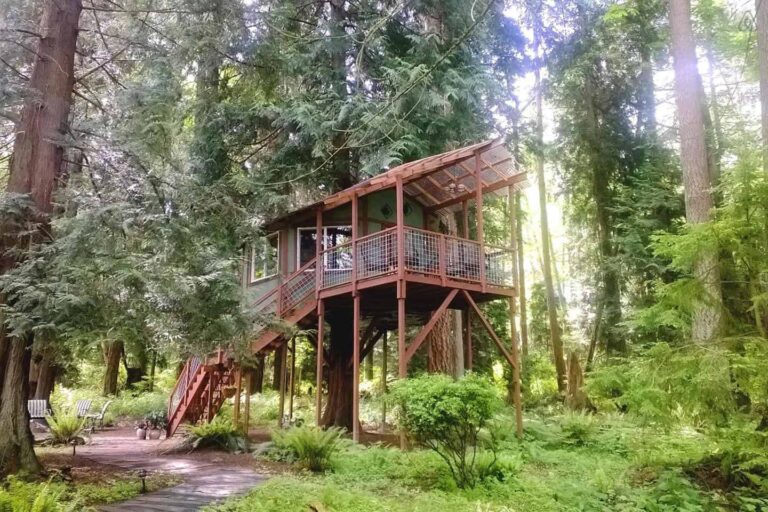
Six treehouses perched among Douglas firs, above a rushing river, with Seattle barely thirty minutes west by car. Treehouse Point in Washington's Snoqualmie Valley sits on Preston-Fall City Road SE in Issaquah — close enough to the city to combine with a longer trip, yet secluded enough that most guests stop thinking about the drive back.
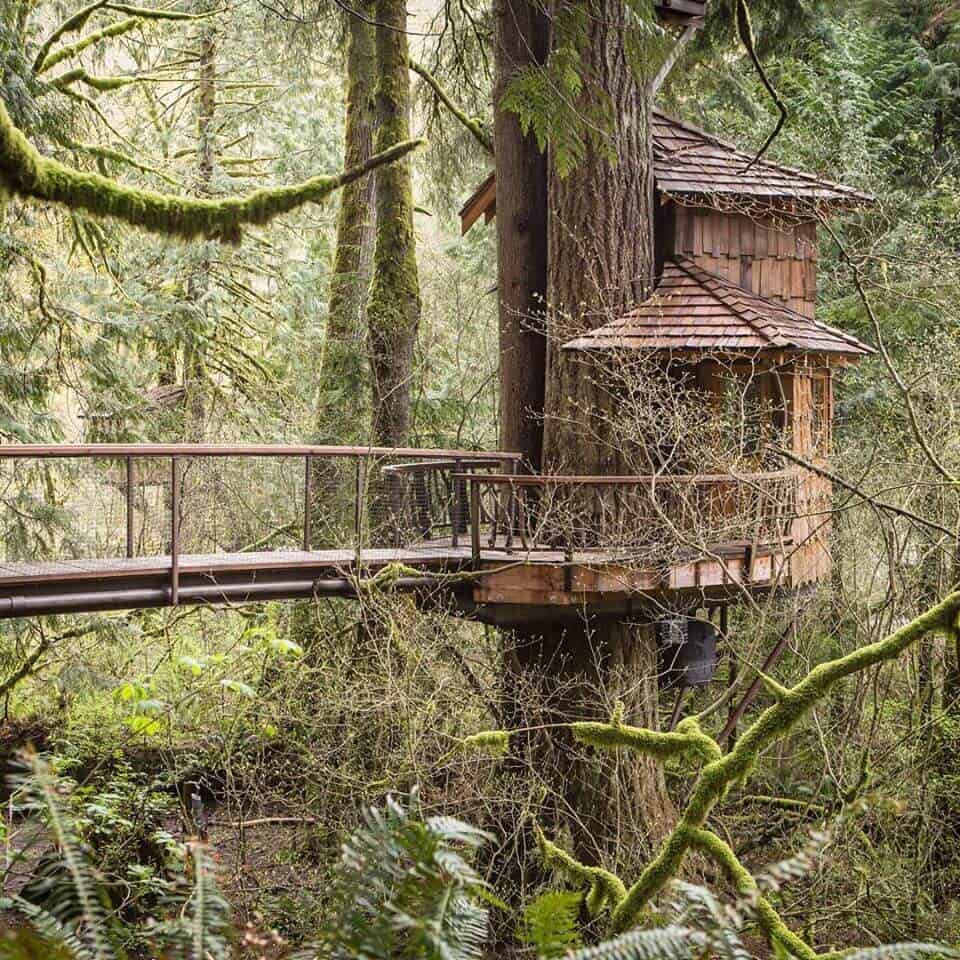
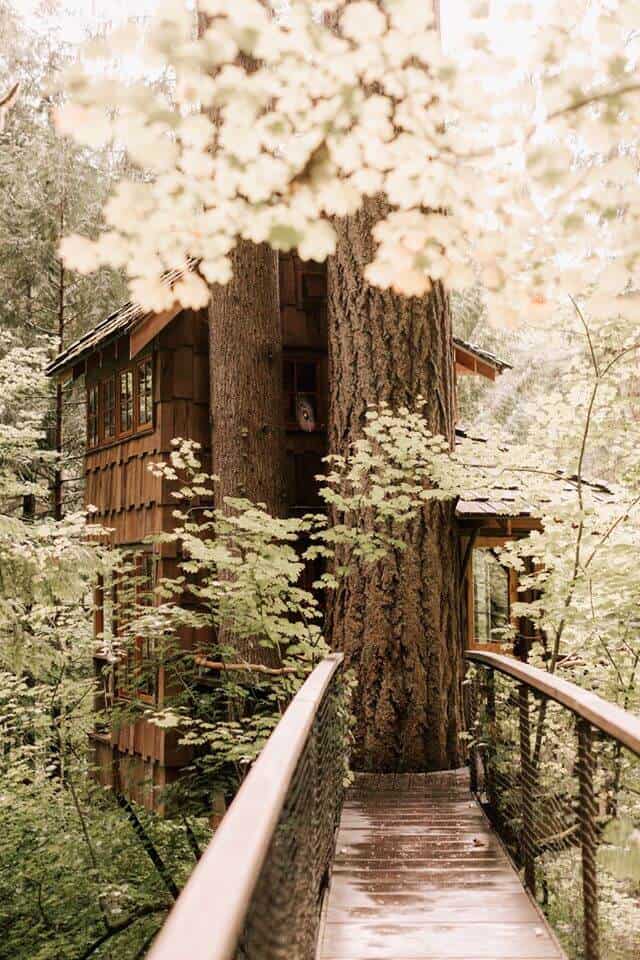
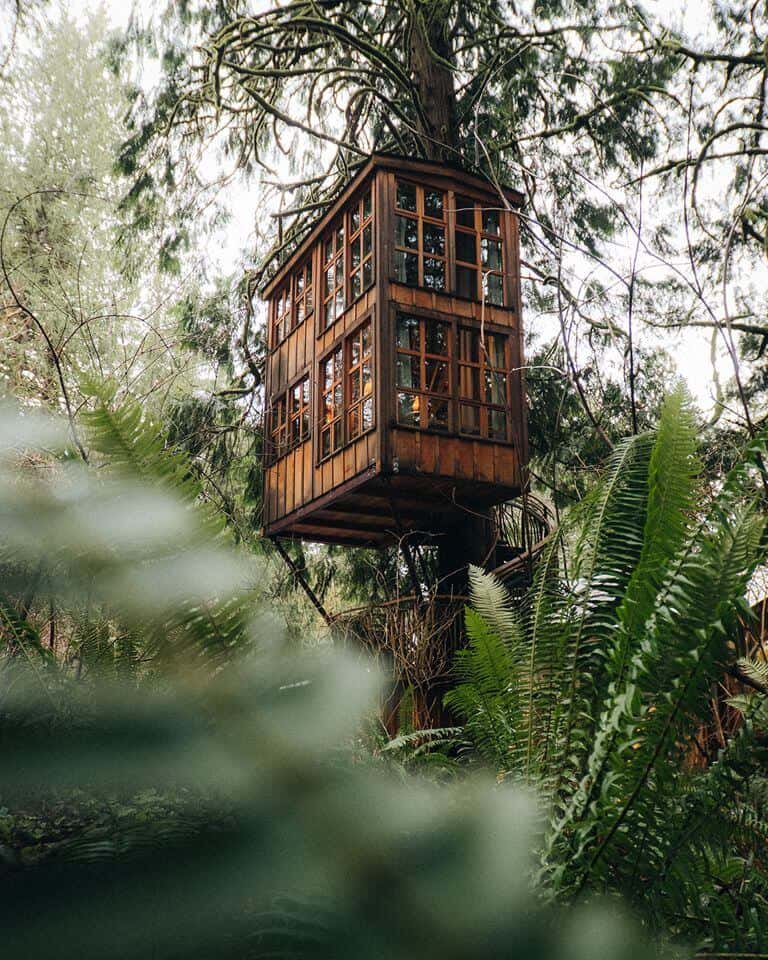
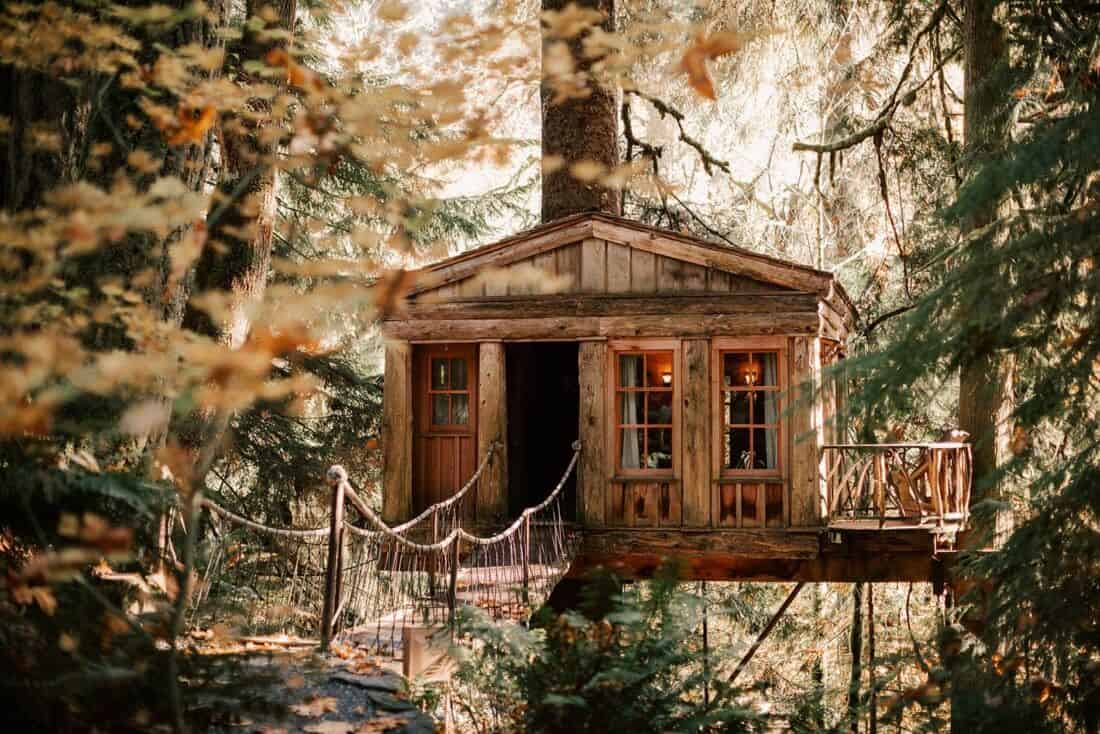
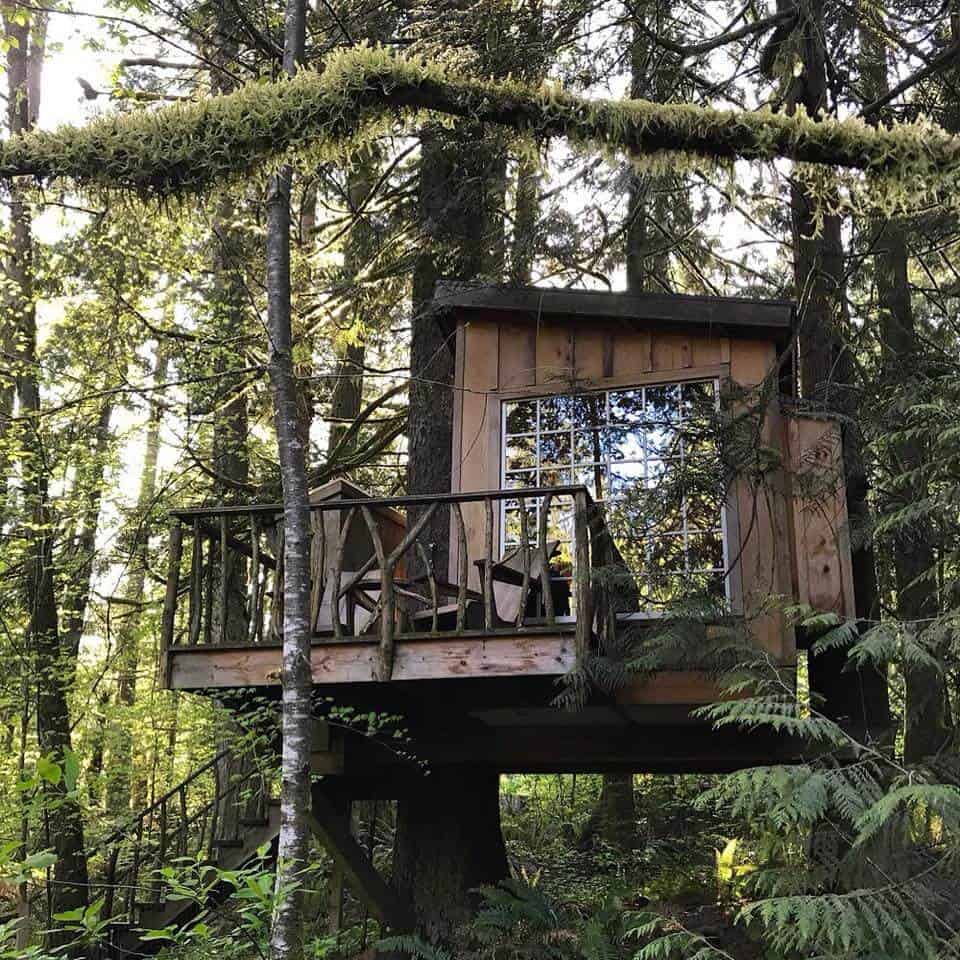
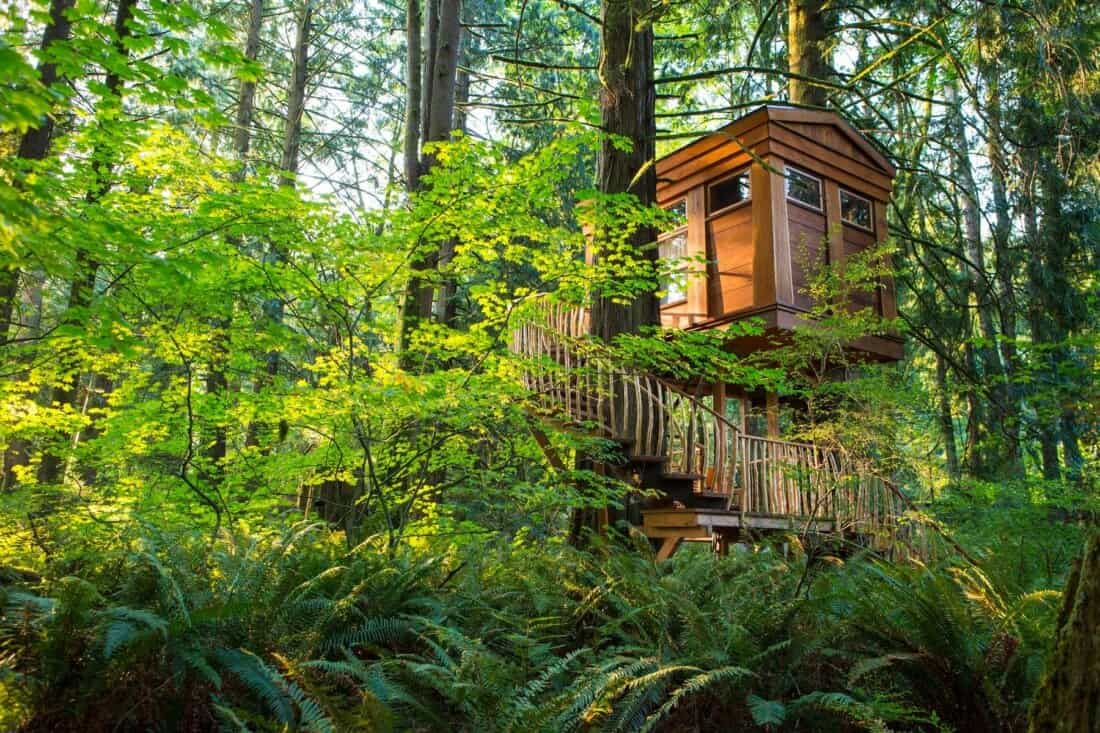
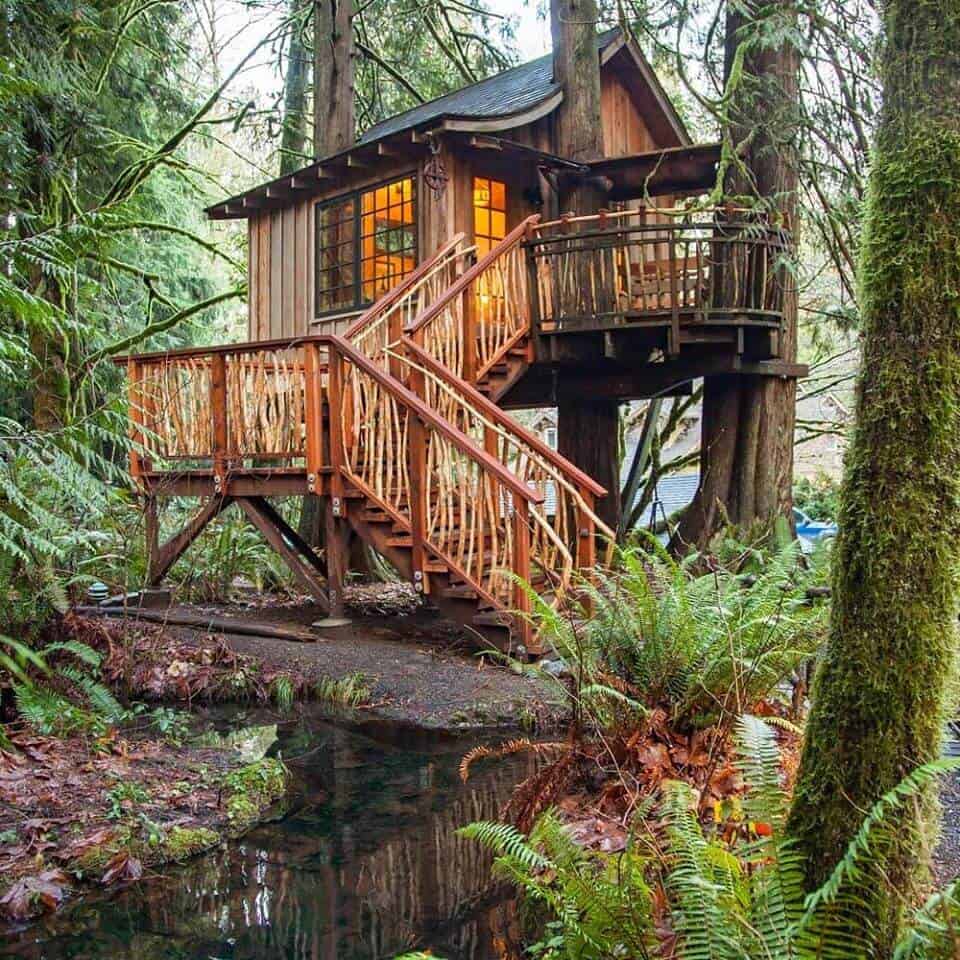
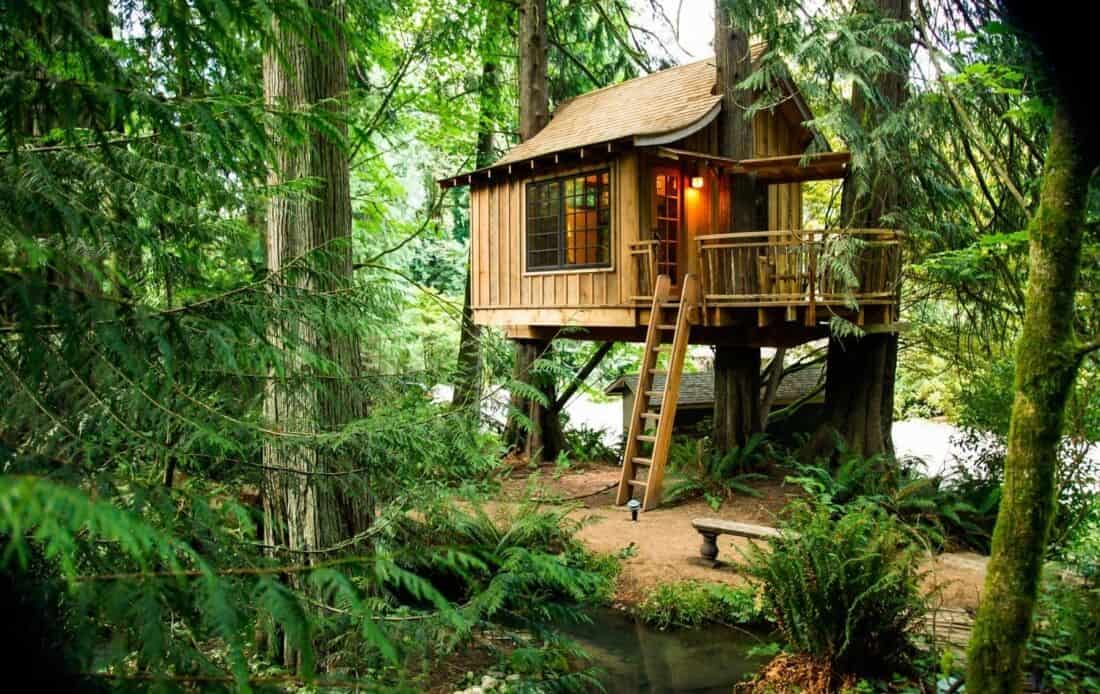
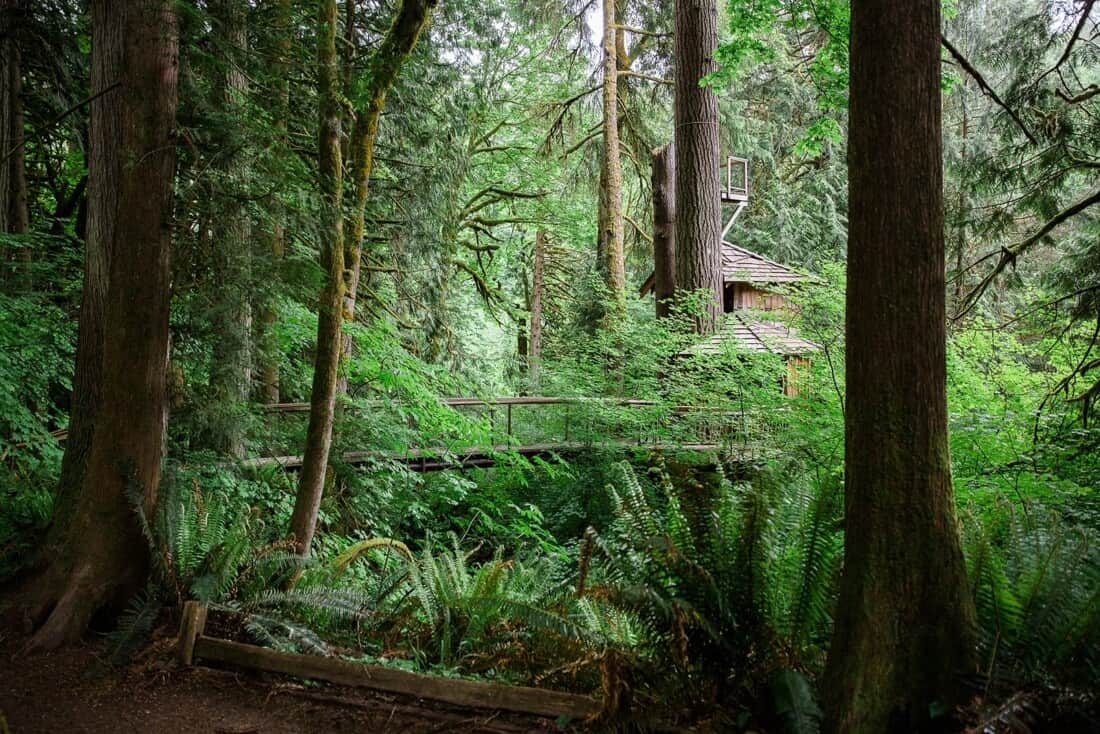
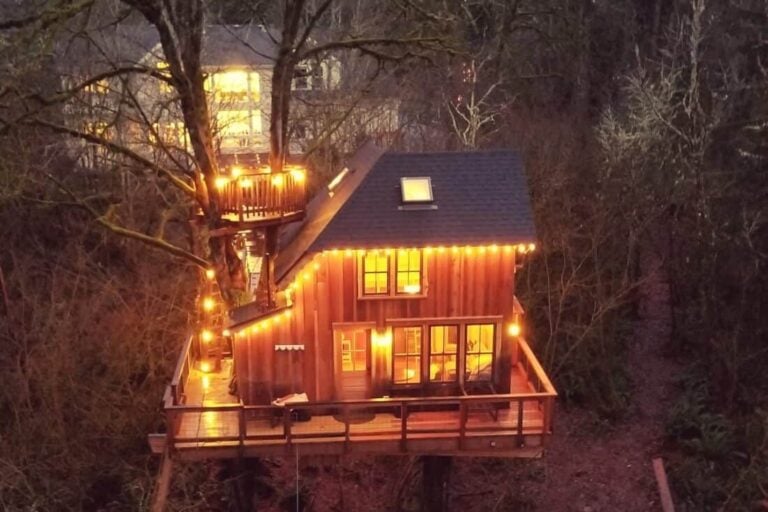
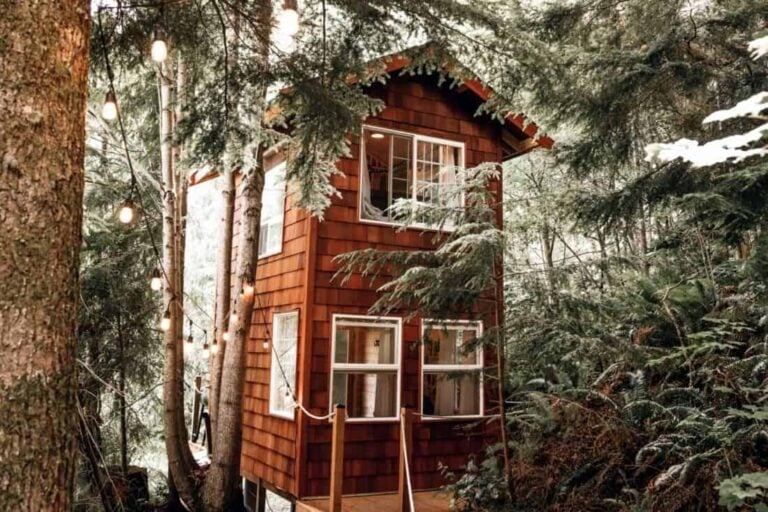
The Nelson family has stewarded this property since 2004, and the treehouses bear the marks of that long, deliberate attention. Each of the six structures is individually designed and genuinely elevated — not a platform beside a tree but a room built around and among living trunks. Guests reach them by rope bridges and ladders, arriving at each threshold with a sense that the canopy is the destination, not just the backdrop.
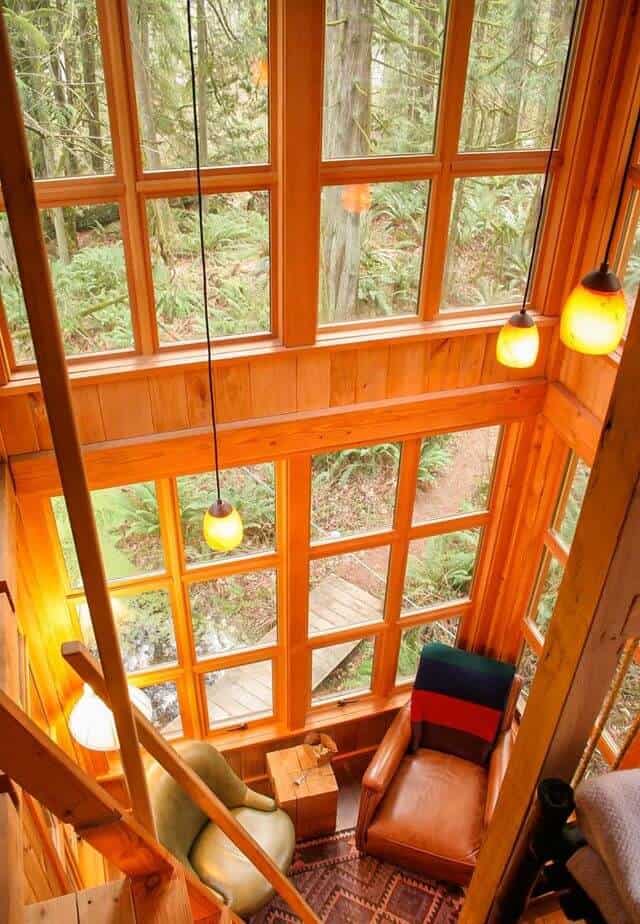
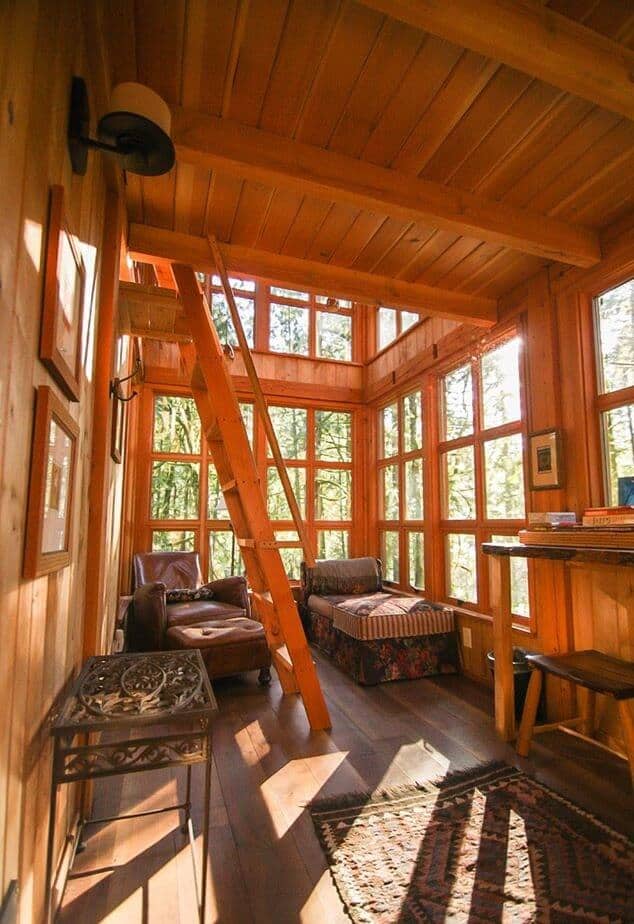
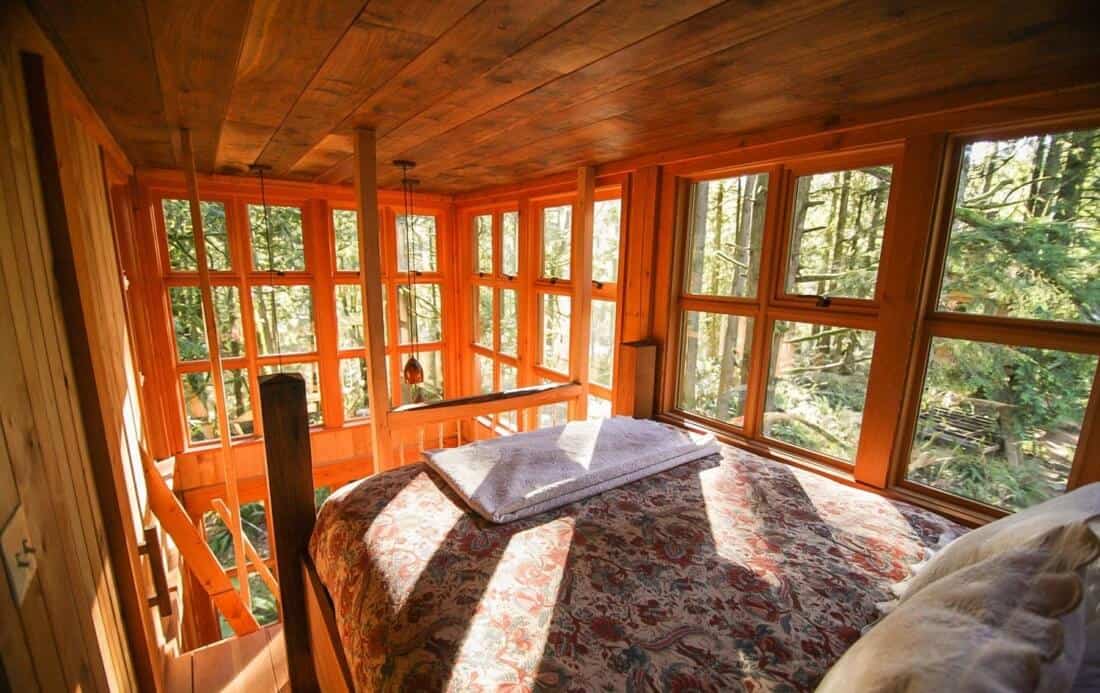
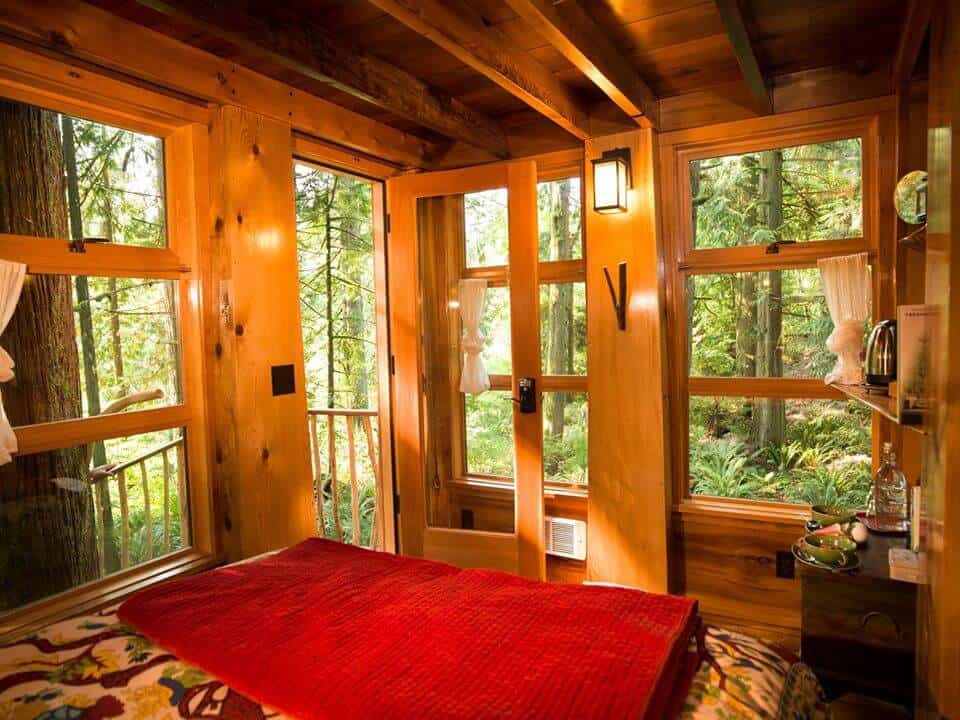
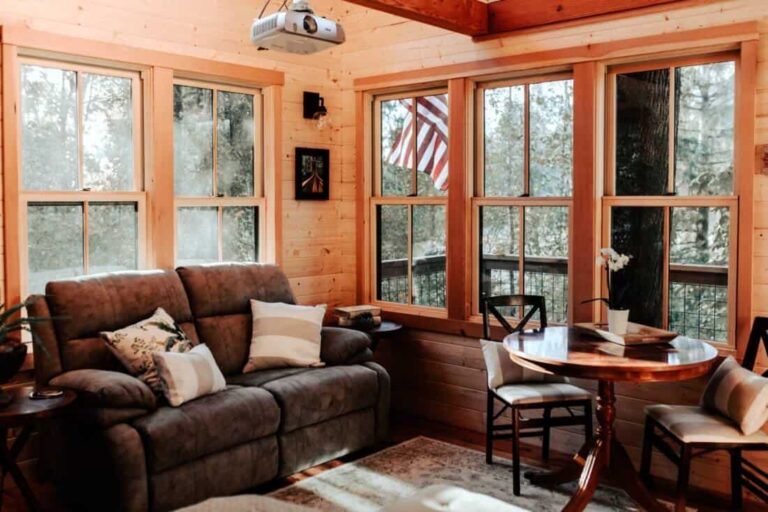
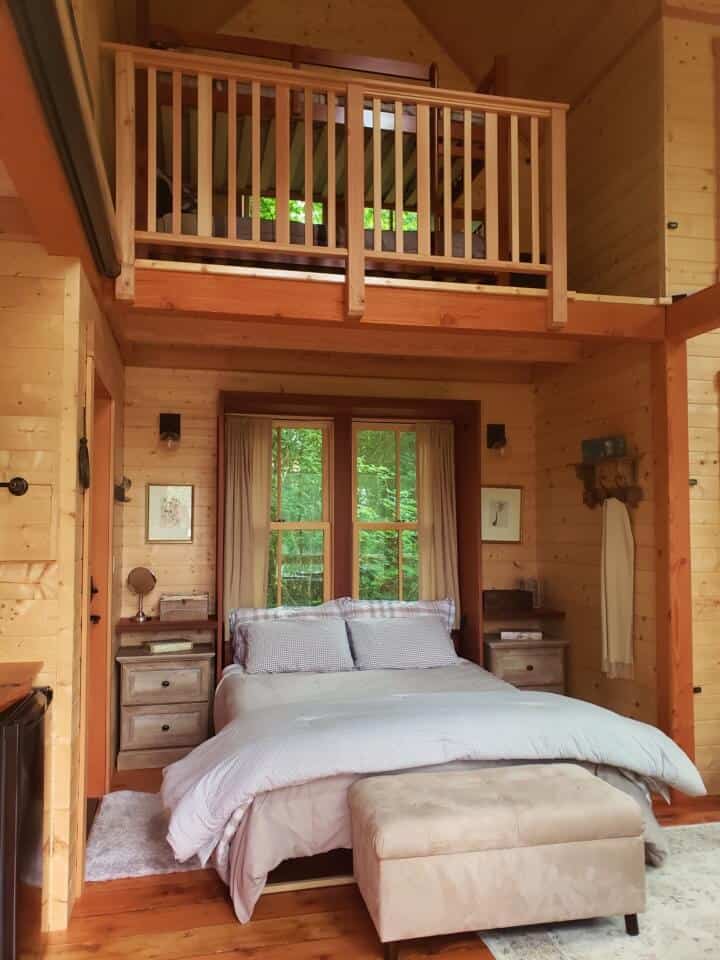
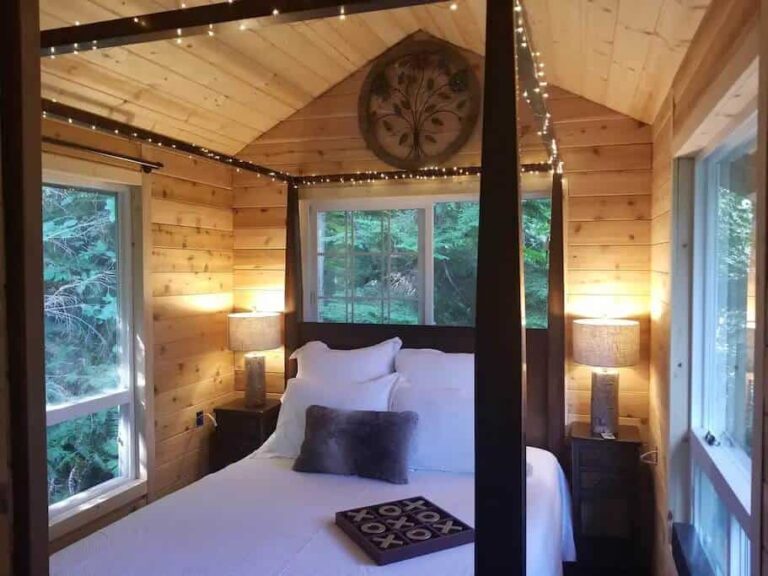
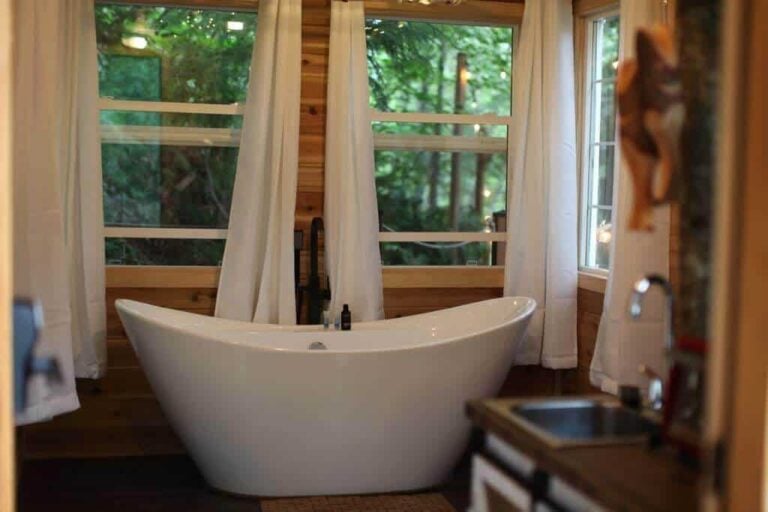
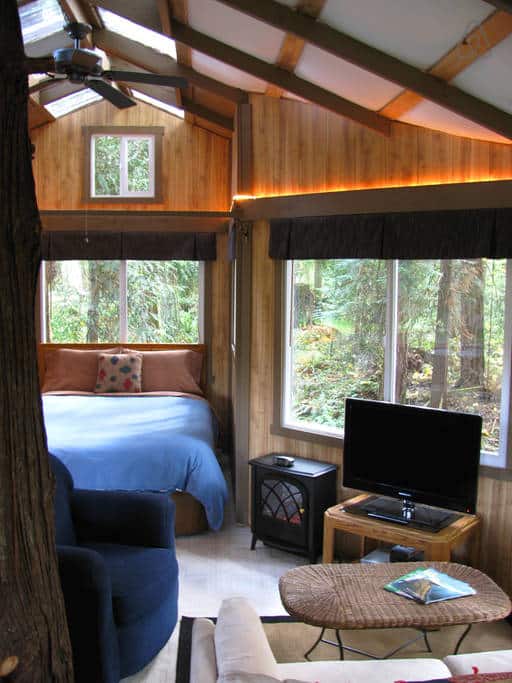
Inside, the atmosphere stays warm without becoming precious. Local woods, quiet lighting and windows framed by branches give each space a grounded, unhurried feel. The grandest unit, The Burl, requires a minimum three-night stay and rewards that commitment with scale and presence. Nightly rates run approximately $300–$400, with rates varying by season and availability — a premium tier that reflects both the craftsmanship and the scarcity of the experience.
The ecological intention behind the site is easy to sense. Structures rest gently on their host trees, and the operation keeps its footprint deliberately small. This feels like conviction rather than branding. The forest remains in charge, and the design makes no attempt to compete with it.
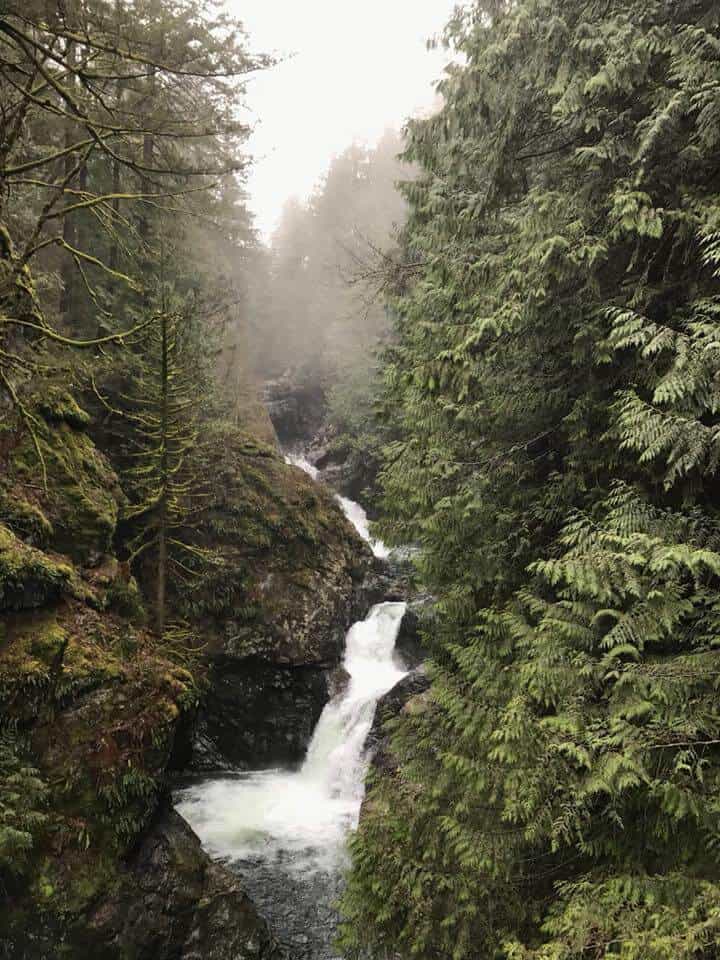
The Snoqualmie Valley extends the stay well beyond the property boundary. Snoqualmie Falls is close enough for a straightforward half-day visit. Old-growth forest trails reward anyone wanting to move through the landscape rather than simply rest inside it. The site also hosts weddings — ceremonies held in canopy light, with the Raging River providing the ambient soundtrack.
Late spring through early autumn, roughly May to September, brings the best conditions. Mild temperatures, longer days and drier skies suit the outdoor walkways and forest hikes well. Shoulder months in spring and autumn turn atmospheric in their own way, with mist threading through the cedars and fewer fellow guests. Winter visitors get moody, storm-lit solitude — genuine, if wet.
The property suits couples seeking an unusual retreat and nature-focused travellers who want more than a standard lodge. Children with an appetite for adventure find the rope bridge access genuinely thrilling. Non-overnight visitors can explore the property through guided tours, which focus on the craftsmanship and ecological thinking behind each structure.
Most guests arrive by car from Seattle or the wider Pacific Northwest. Snoqualmie Depot, a heritage rail station, sits approximately 6.5 km away, but the site is most practically reached by road — the journey from central Seattle takes around thirty minutes.
Frequently Asked Questions
Q: What are nightly rates at Treehouse Point?
A: Rates run approximately $300–$400 per night, placing Treehouse Point in the premium tier. Expect variation by season, treehouse, and availability.
Q: When is the best time to visit Treehouse Point?
A: Late spring through early autumn — roughly May to September — brings the most reliably mild conditions, with longer days and drier weather well suited to the rope bridge walkways and surrounding forest hikes. July and August are warmest and driest. Shoulder months in spring and autumn turn atmospheric, with mist in the cedars and fewer fellow guests; winter draws visitors who genuinely enjoy moody, storm-lit forest solitude.
Q: Do you have to stay overnight to visit the treehouses?
A: No. Treehouse Point offers guided tours for non-overnight visitors, focusing on the craftsmanship and ecological thinking behind each structure. Check the property's official page for current tour availability and scheduling.
Q: Is Treehouse Point practical as a day trip from Seattle?
A: Seattle is roughly 30 minutes west by car, which makes combining Treehouse Point with a city visit straightforward — though most guests find the pull to stay put stronger than expected once they arrive.










Add a review