

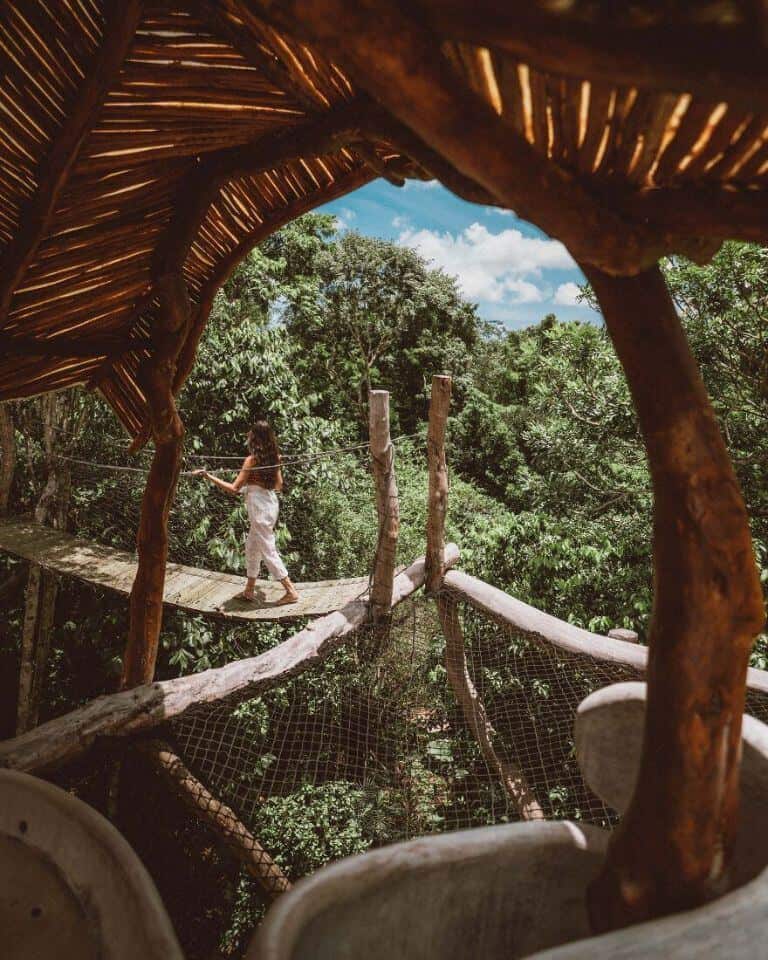
Rope bridges sway gently between the trees at Azulik, and at night the only light comes from candles. That detail is not aesthetic affectation — it is policy, and it shapes everything about the experience of staying here. Positioned at KM 5 of Tulum's coastal road, where Mayan jungle meets the Caribbean, Azulik offers a style of luxury that is defined by what it removes rather than what it adds.
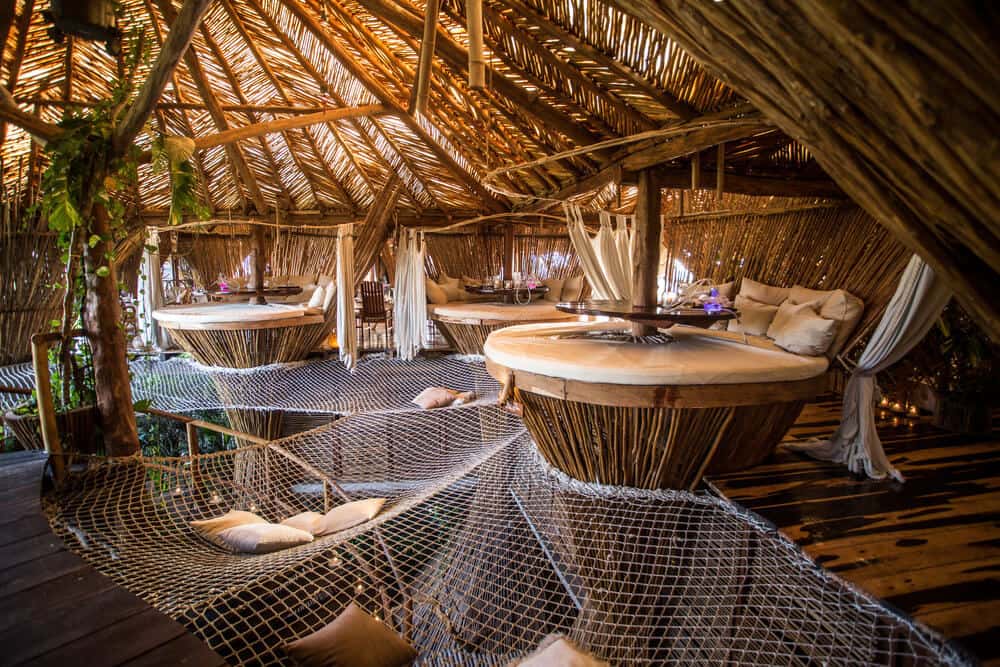
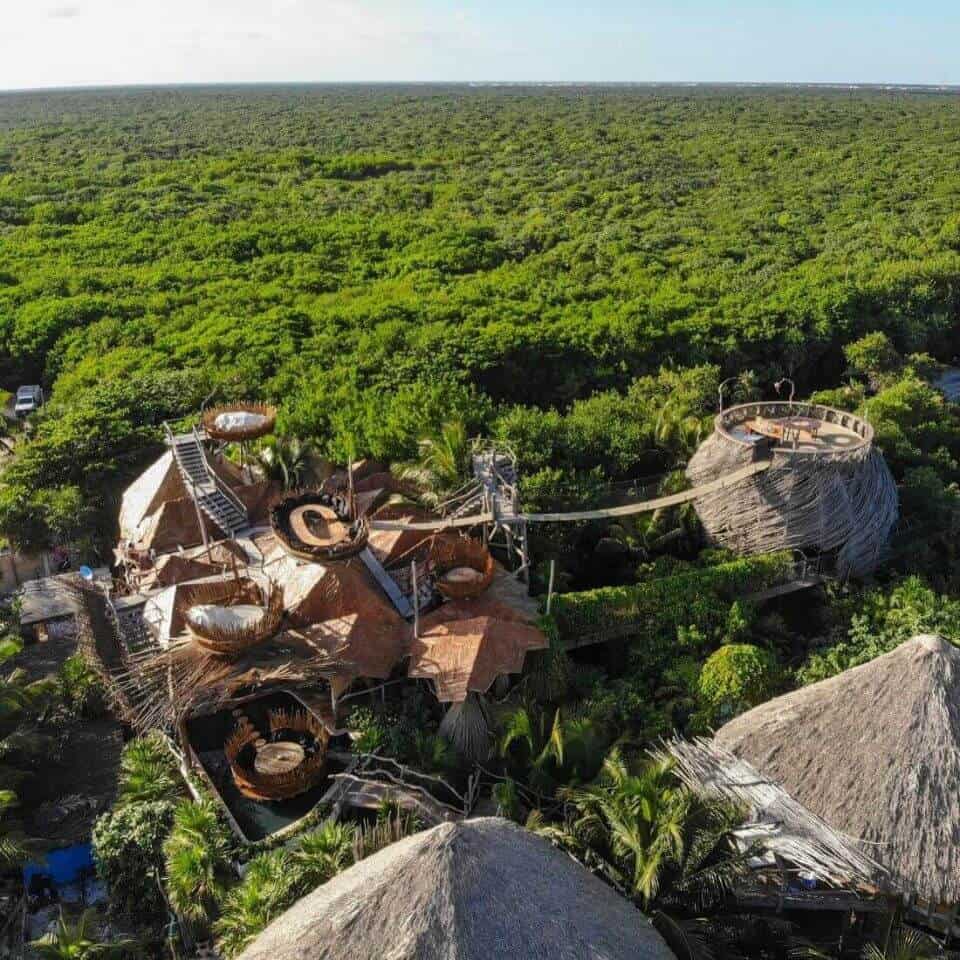
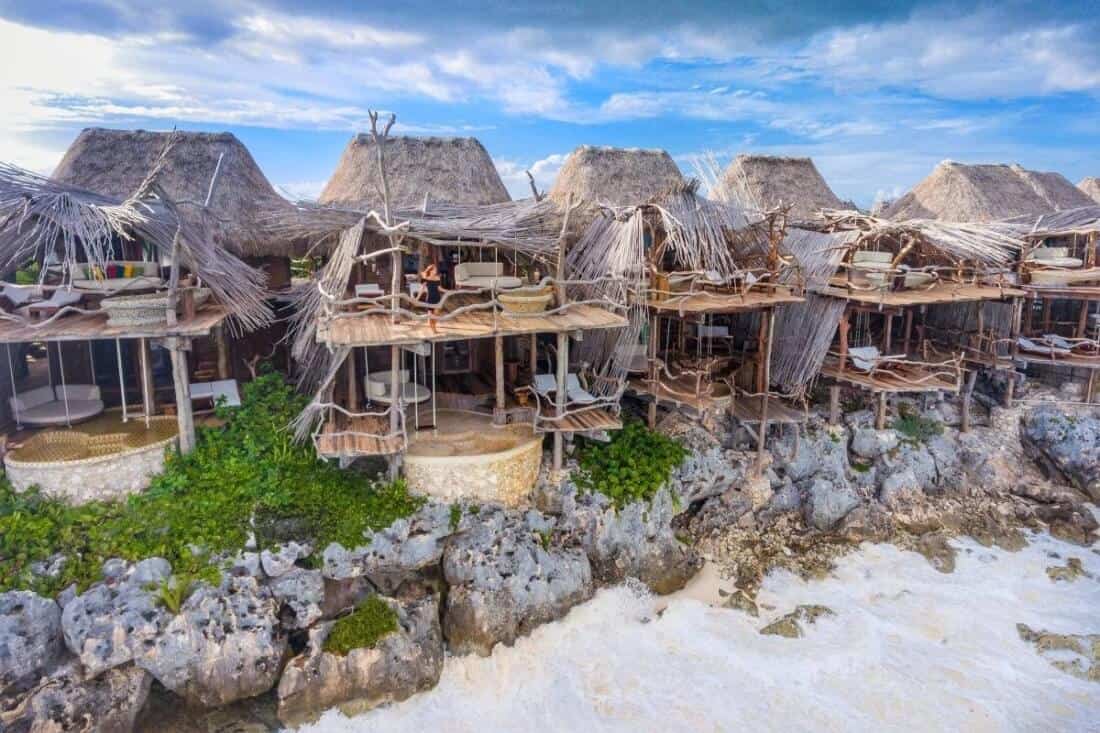
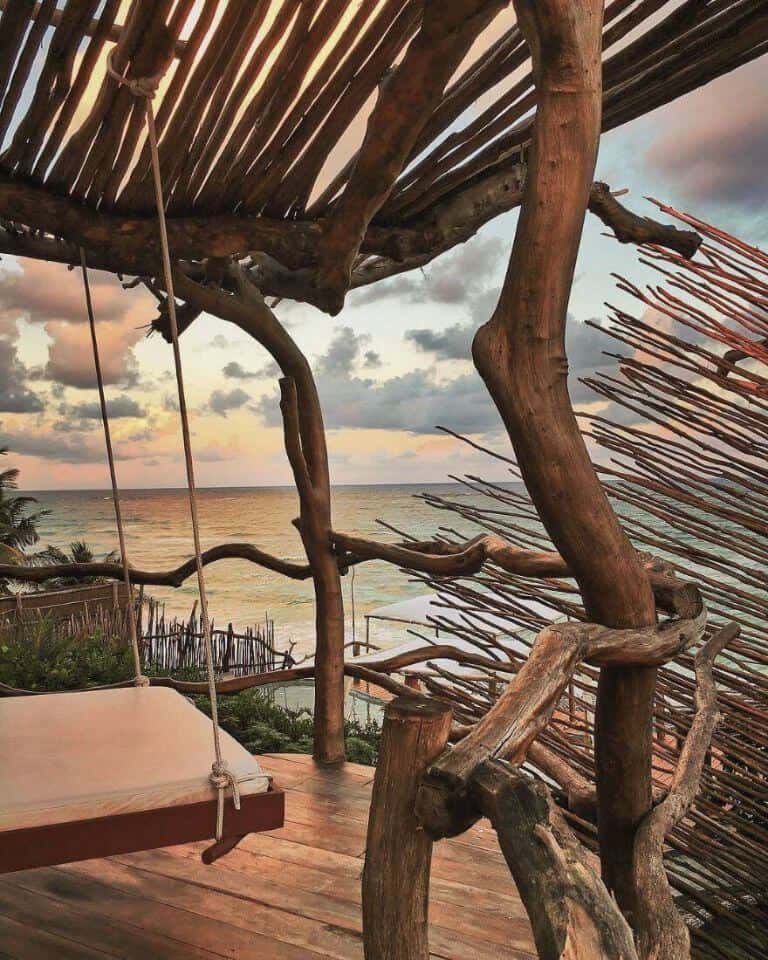
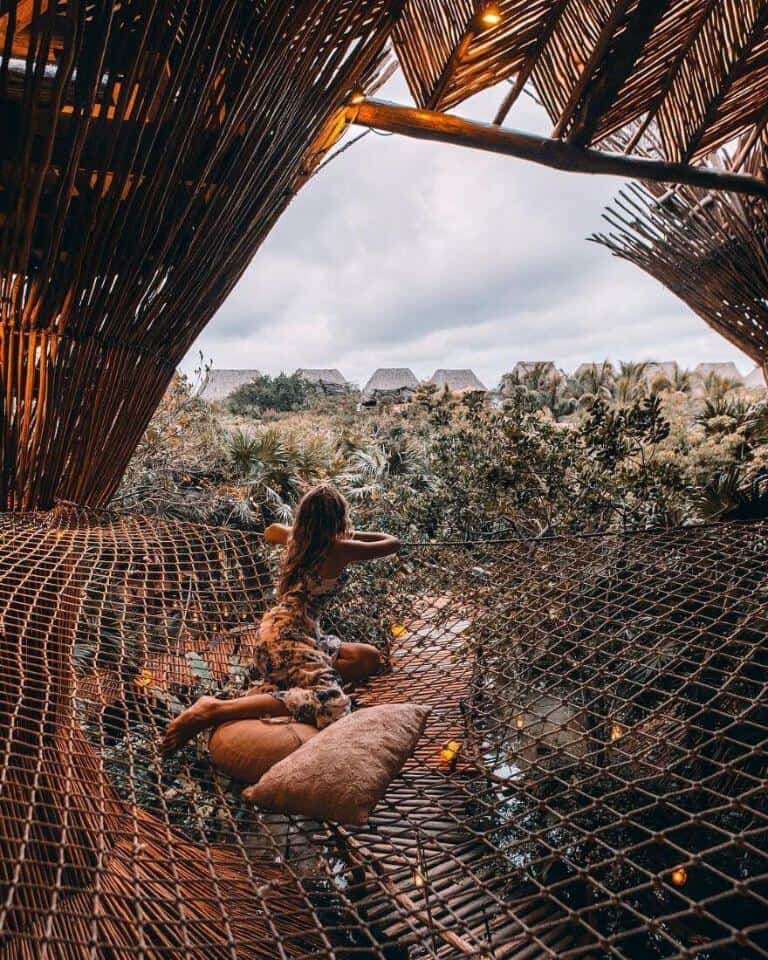
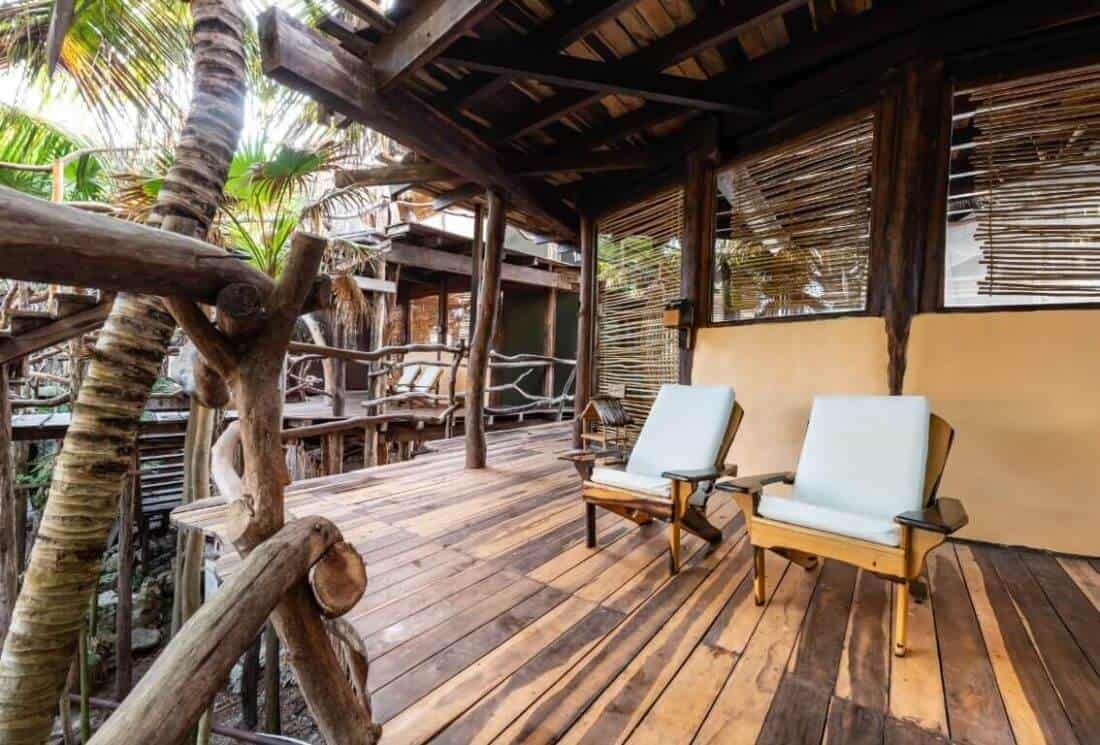
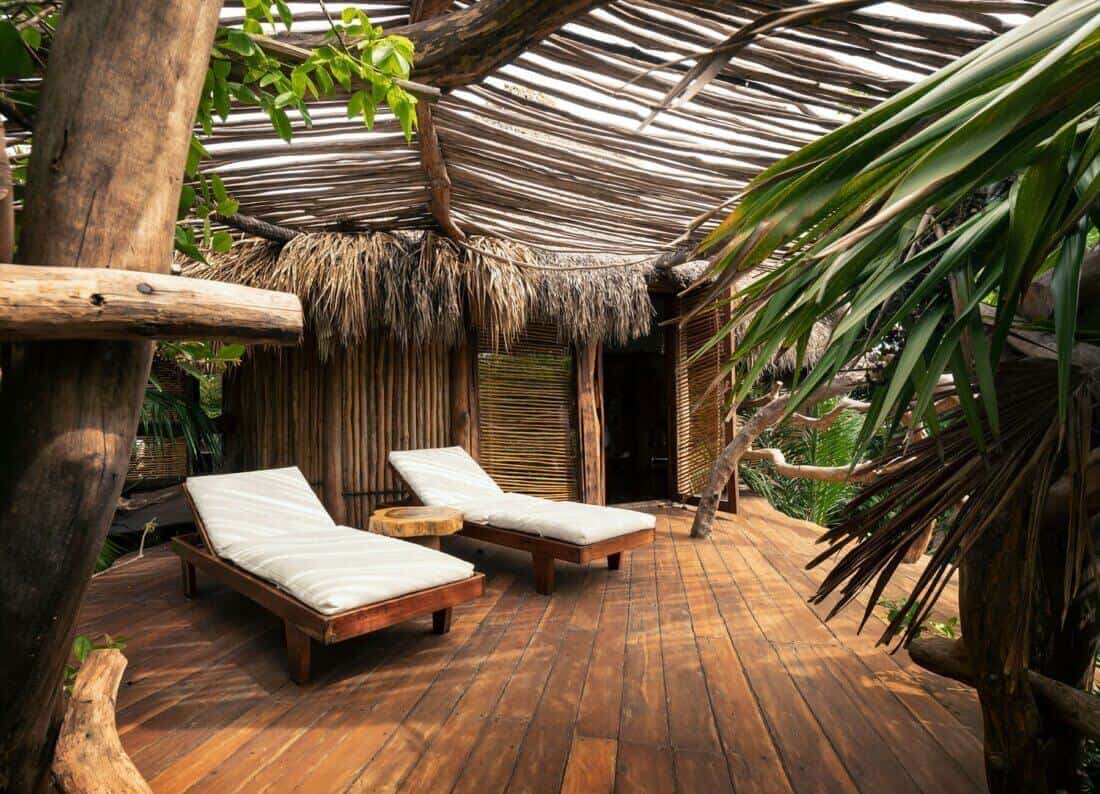
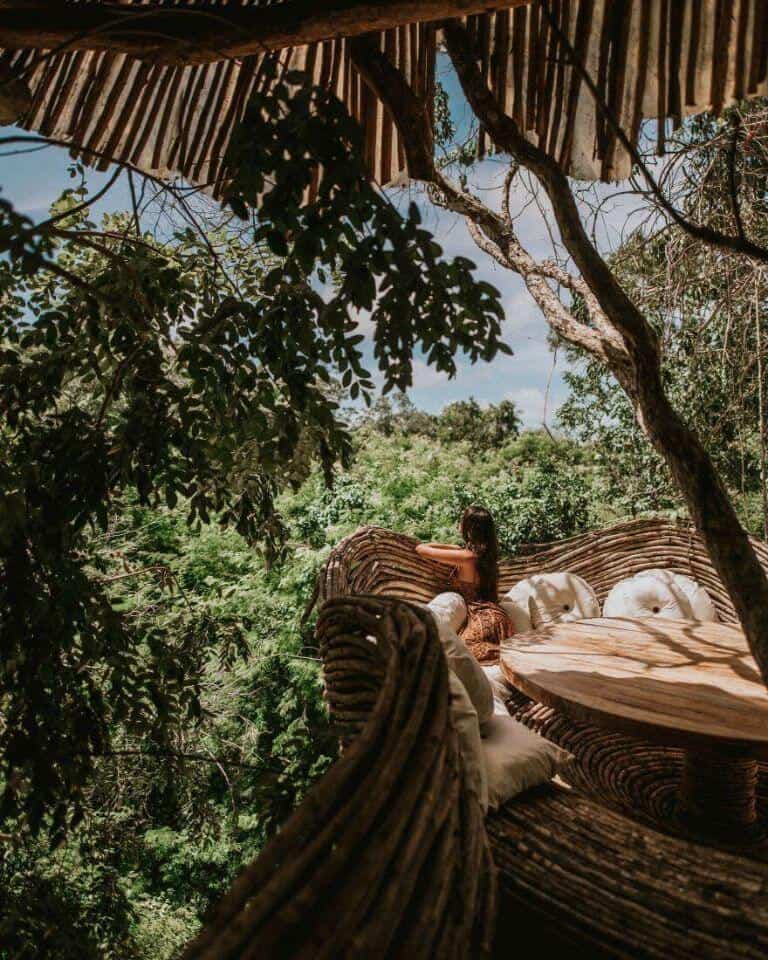
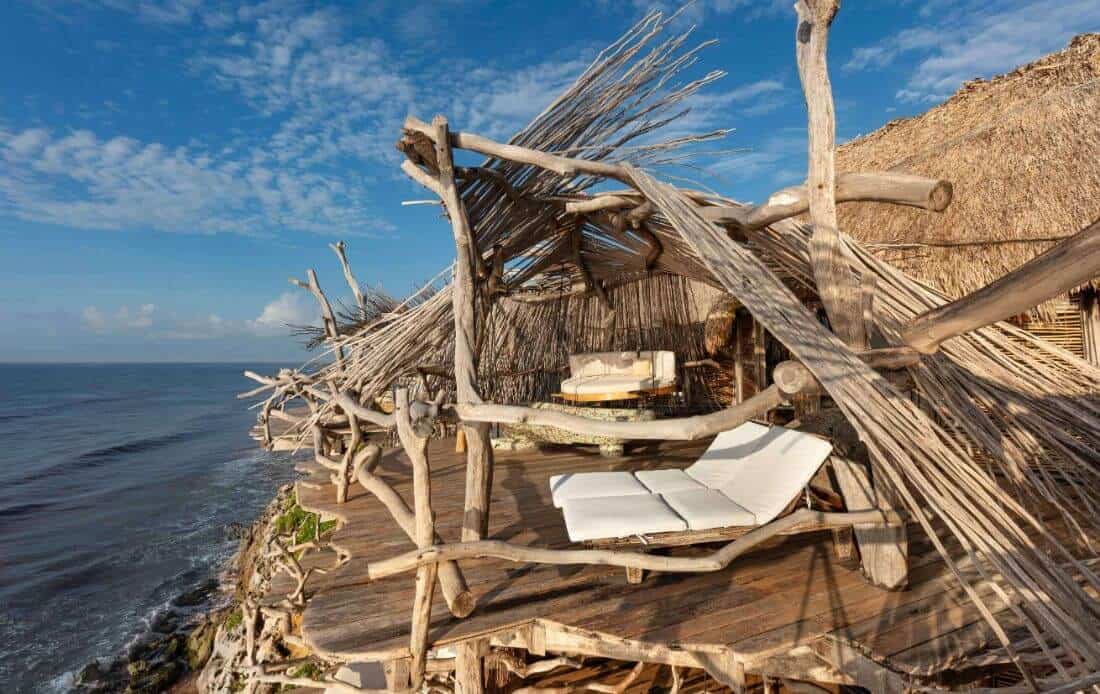
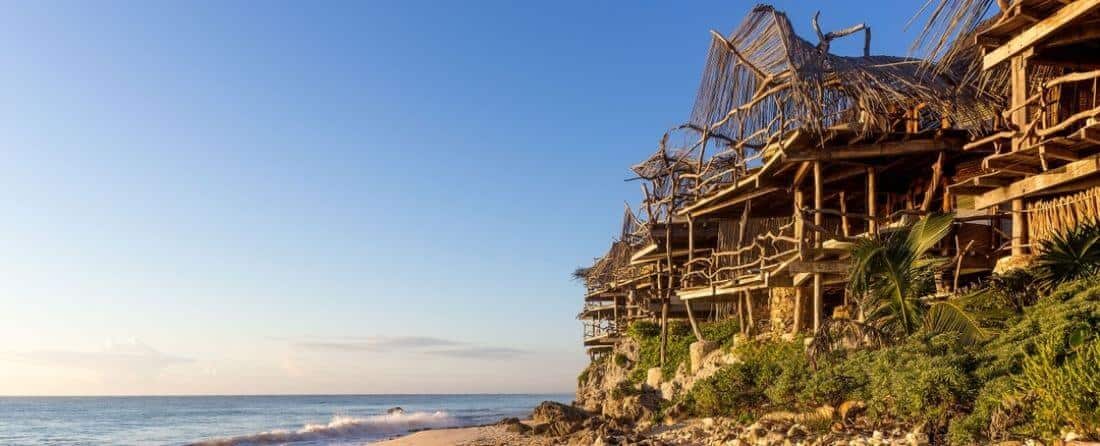
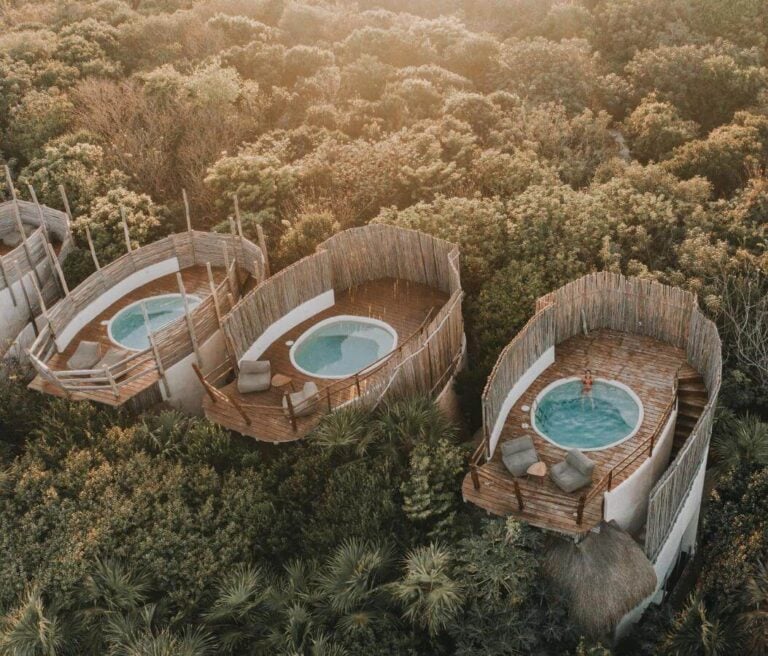
The resort's villas divide into two broad types. Treehouse villas rise on stilts into the jungle canopy, open-fronted to let in ocean breezes, birdsong and the occasional iguana. Cliff villas sit closer to the sea, trading height for a more intimate relationship with the water. Both orientations face the Caribbean. Timber walkways and rope bridges connect the levels, making movement through the property feel like navigation through the canopy rather than a walk between hotel rooms.
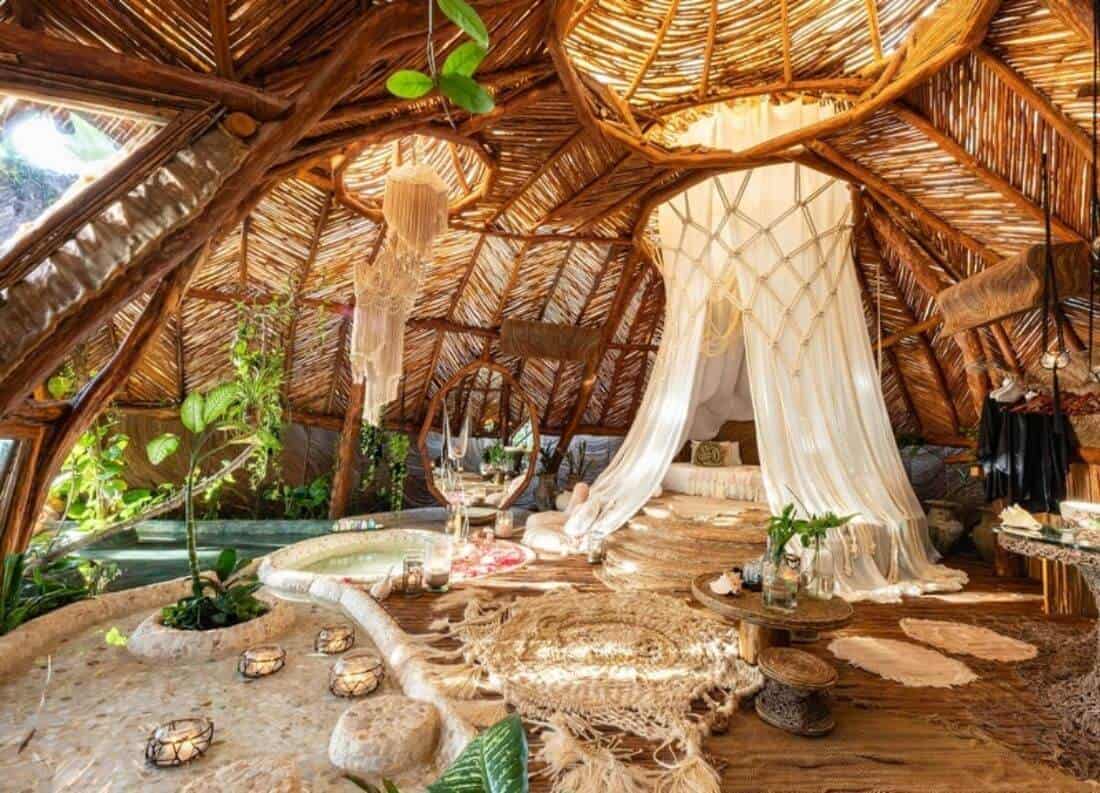
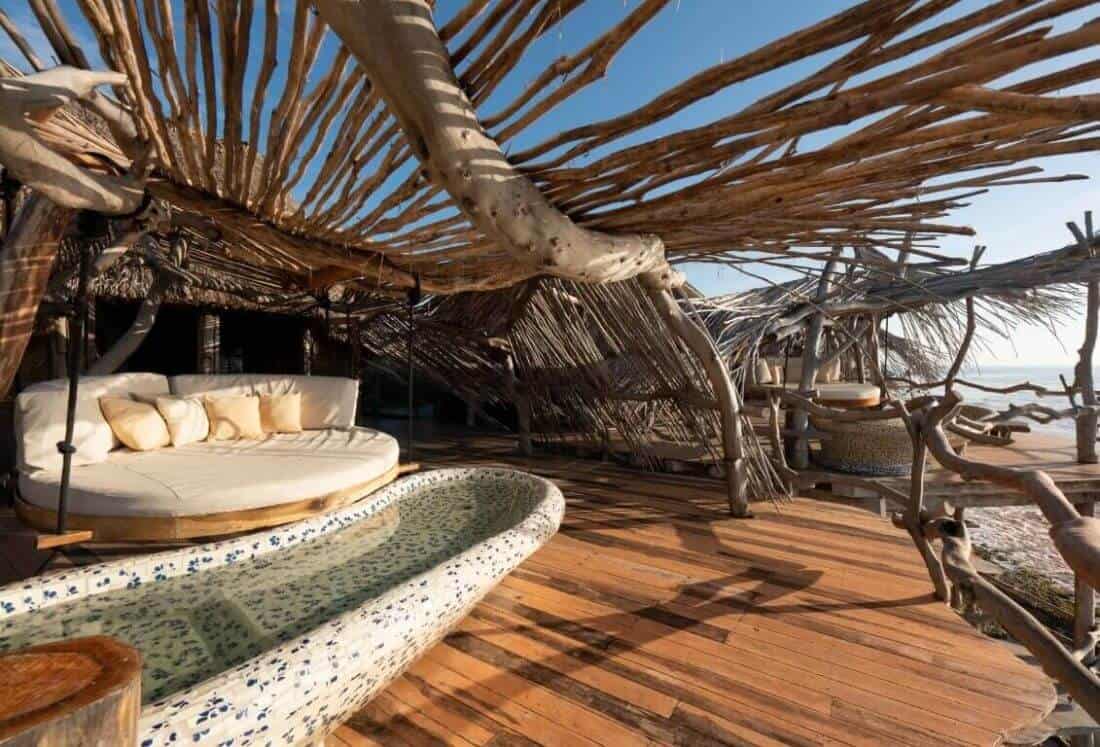
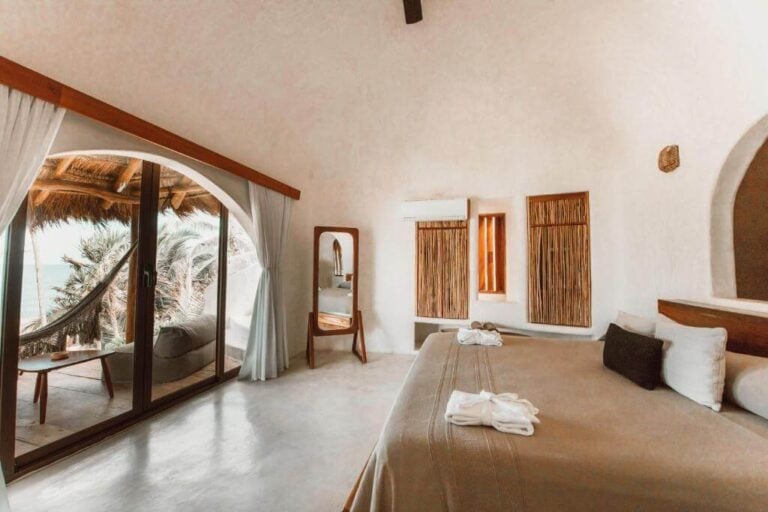
Interiors reward the analogue commitment rather than apologise for it. Hanging beds, hammocks and plush king-sized beds furnish the spaces. Several villas extend onto terraces with outdoor tubs or plunge pools. The craftsmanship throughout draws on wood and stone, and the candlelit evenings genuinely earn the atmosphere they create.
Azulik's no-electricity policy connects directly to sea turtle nesting on the nearby beach. Artificial light disorients hatchlings, so the resort removes it entirely. That ecological grounding gives the resort a moral coherence that sets it apart from Tulum's wider luxury market, where sustainable branding often runs ahead of sustainable practice.
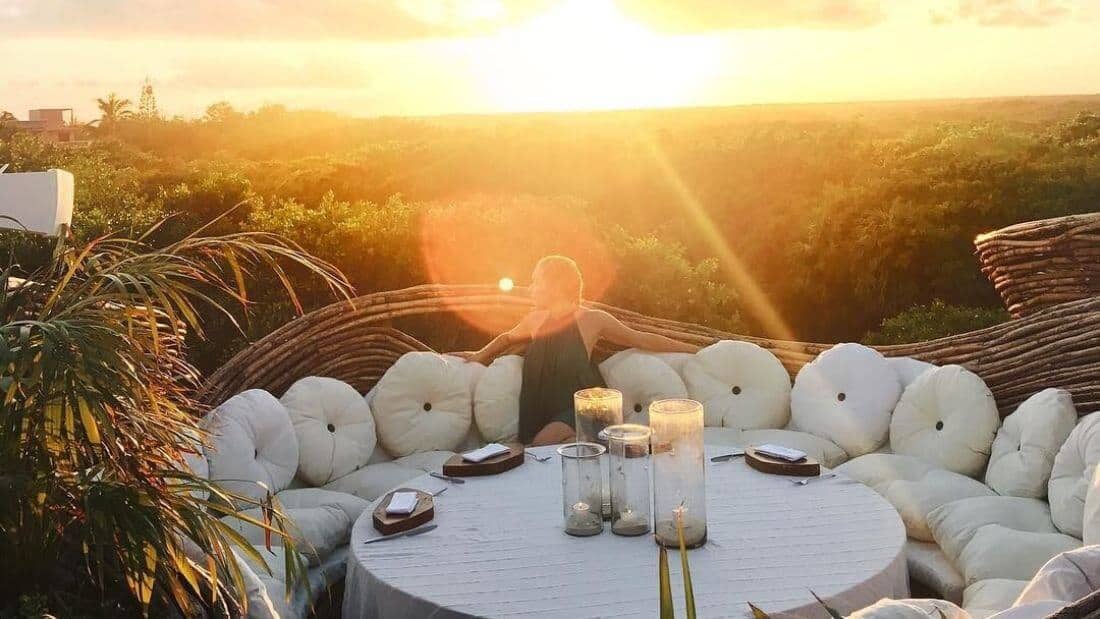
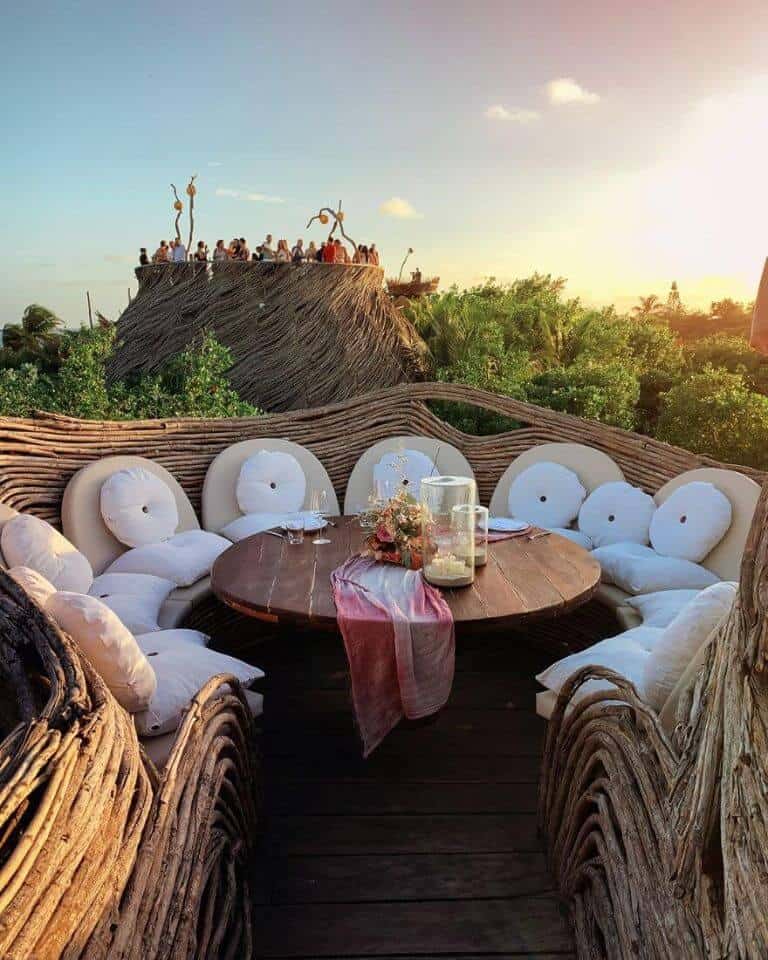
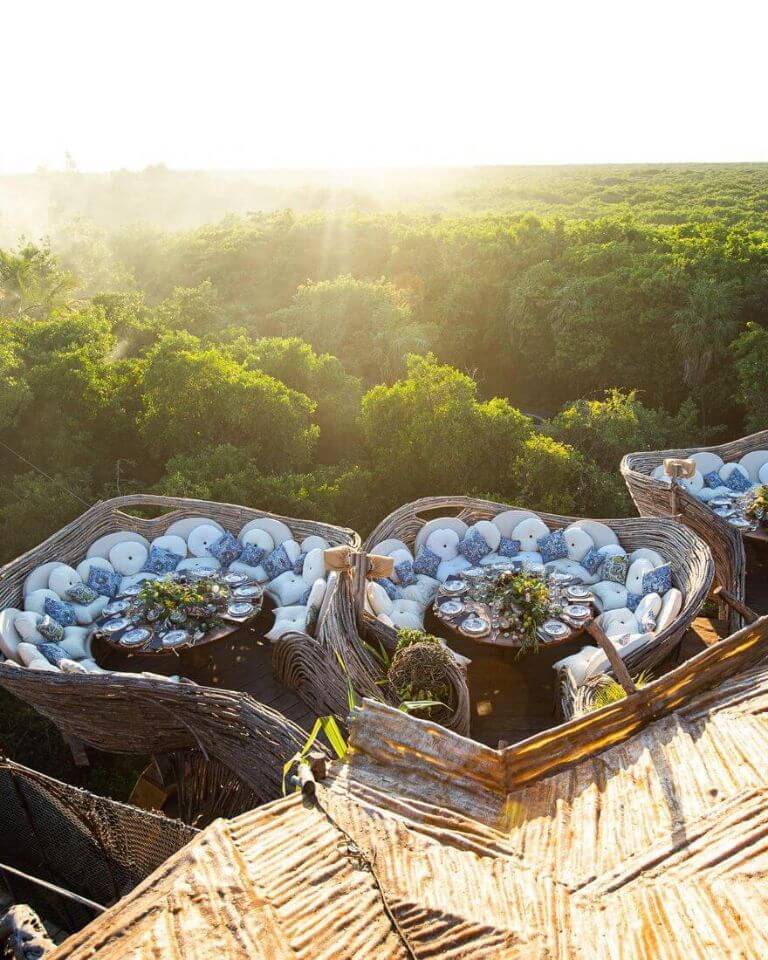
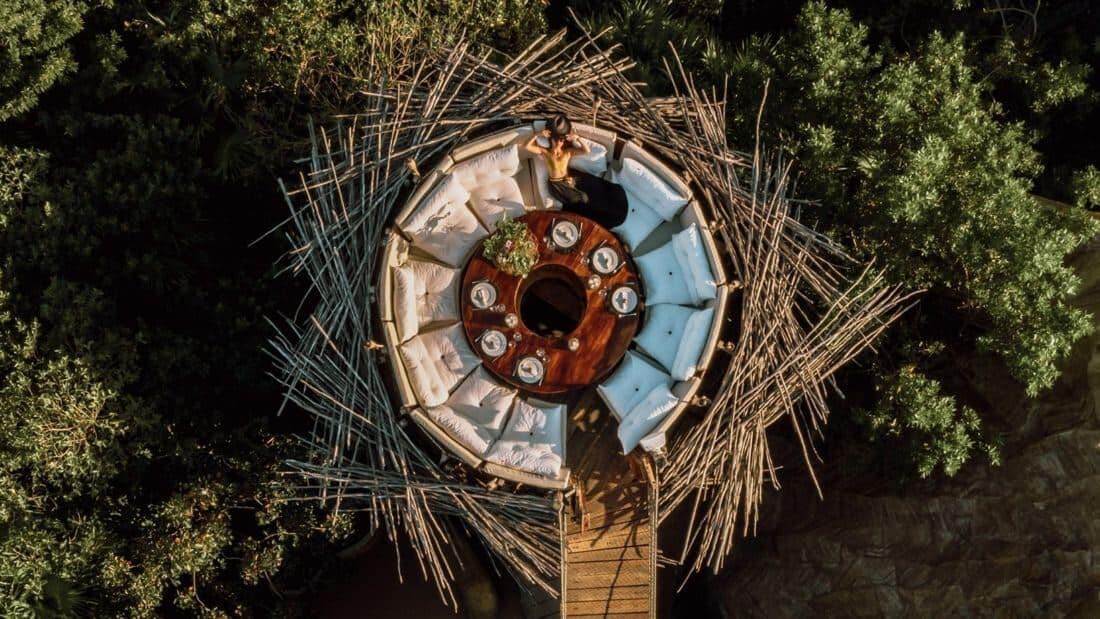
Dining happens at Kin Toh, the resort's treetop restaurant, where open-air platforms sit at canopy level. Dinner there feels less like a meal and more like an event, with the jungle canopy falling away toward open water on one side. Wellness and cultural programming draw on the region's Mayan heritage, adding depth to what might otherwise be a purely aesthetic experience.
Azulik books well ahead during the dry season, which runs roughly from December through April. Those months bring warm, sunny days, lower humidity and the most comfortable conditions by the Caribbean. May and November offer a quieter, slightly hotter alternative. The rainy season from June through October suits guests who embrace atmosphere over reliability. Nightly rates run approximately $250–$350, with variation by season and availability — moderate for the category, and genuinely competitive for what the property delivers.
The resort suits couples and design-led travellers who can genuinely set aside their devices. Guests arriving with expectations of Wi-Fi or air conditioning will find the concept a difficult fit. For everyone else, Azulik offers something comparatively rare in Tulum's crowded luxury tier: a stay that places you inside the landscape rather than buffering you from it. The absence of electricity registers as inconvenience for perhaps an hour. After that, the jungle takes over.
Frequently Asked Questions
Q: Does Azulik Tulum really have no electricity — and what does that mean in practice?
A: Yes. The resort operates without mains electricity, air conditioning, or artificial lighting after dark. Villas are lit entirely by candles, cooled by ocean breezes through open-fronted walls, and free of televisions and Wi-Fi. The policy is directly tied to sea turtle nesting on the nearby beach, where artificial light disorients hatchlings. A small torch is handy for navigating steps after dark.
Q: What are the two main villa types, and which faces the sea?
A: Azulik's villas divide into treehouse villas — raised on stilts into the jungle canopy with open fronts, hanging beds, and canopy-level views — and cliff villas, which sit closer to the Caribbean and trade height for a more intimate relationship with the water. Both orientations face the sea; the choice is between elevation and proximity.
Q: What is the general nightly rate at Azulik?
A: Nightly rates run approximately $250–$350, placing the resort in the moderate tier for Tulum's luxury market. Rates vary by season and availability, so checking closer to your travel dates is worthwhile.
Q: When is the best time to stay?
A: The dry season, broadly December through April, brings warm sunny days and lower humidity — the most comfortable window for a treetop stay. May and November are slightly hotter and more humid but noticeably quieter. June through October brings heavier rains and the possibility of storms; the jungle turns lush and atmospheric, but suits guests who travel flexibly.
Q: Is Azulik suitable for families or solo travellers, or is it primarily for couples?
A: The resort is best suited to couples and design-led travellers who genuinely want to disconnect. The candlelit, device-free environment and emphasis on stillness make it a strong fit for that audience. Guests arriving with expectations of reliable connectivity, climate control, or conventional hotel amenities will find the concept a difficult match.











Add a review