
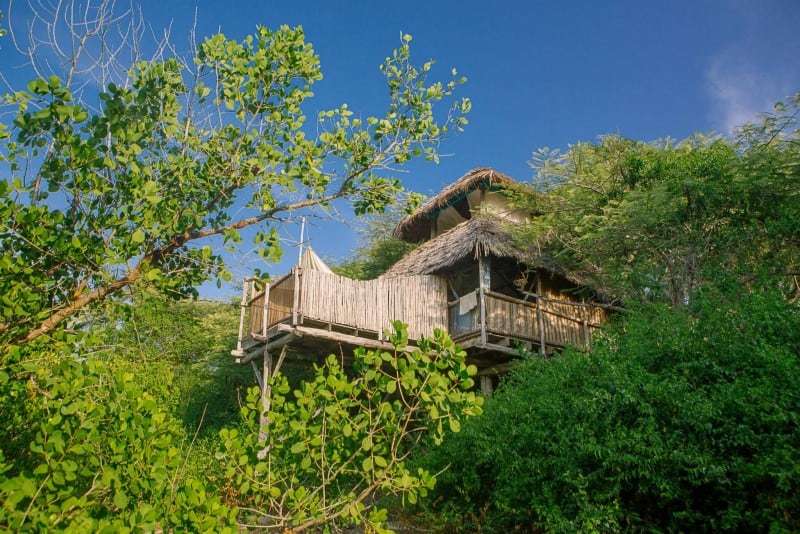
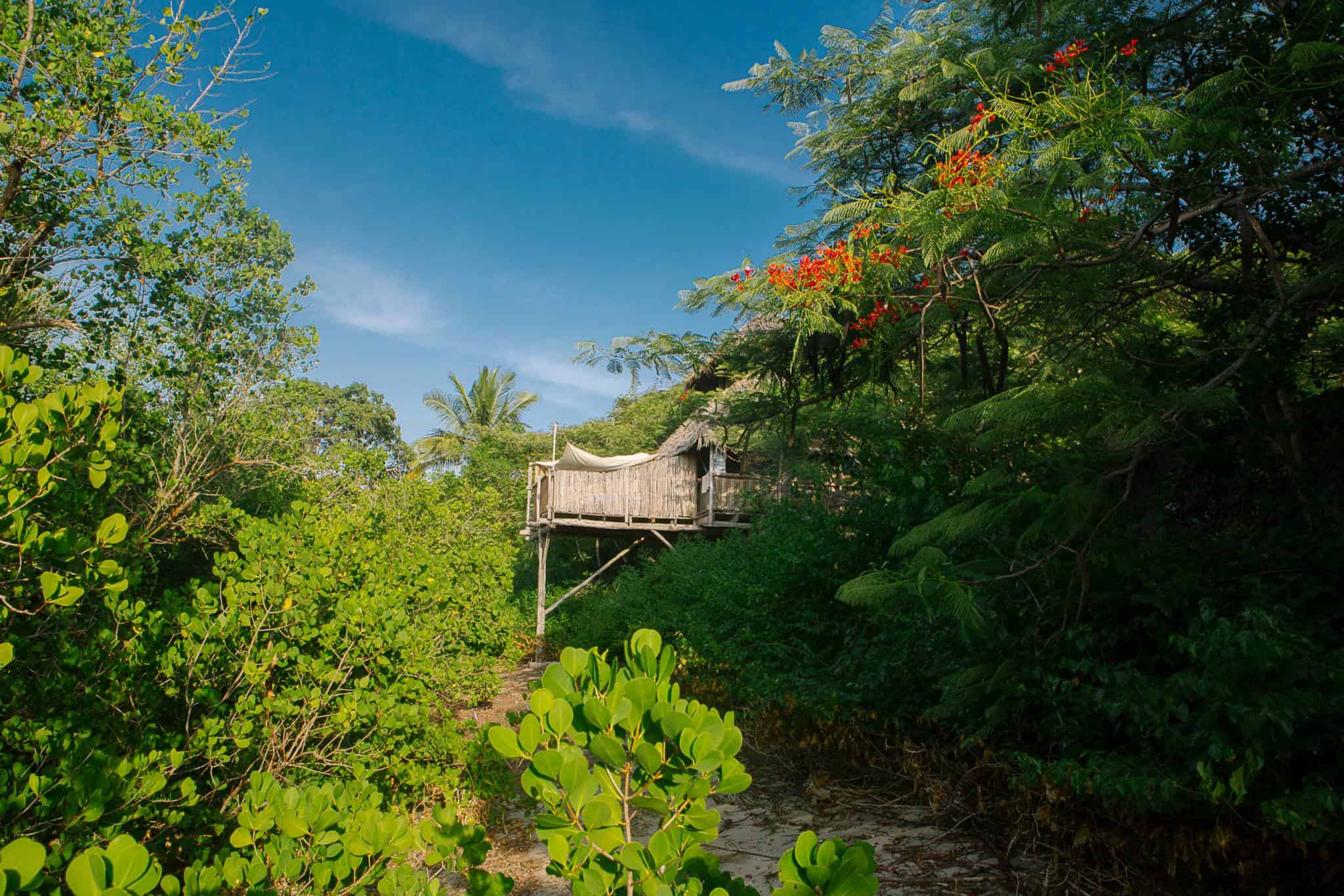
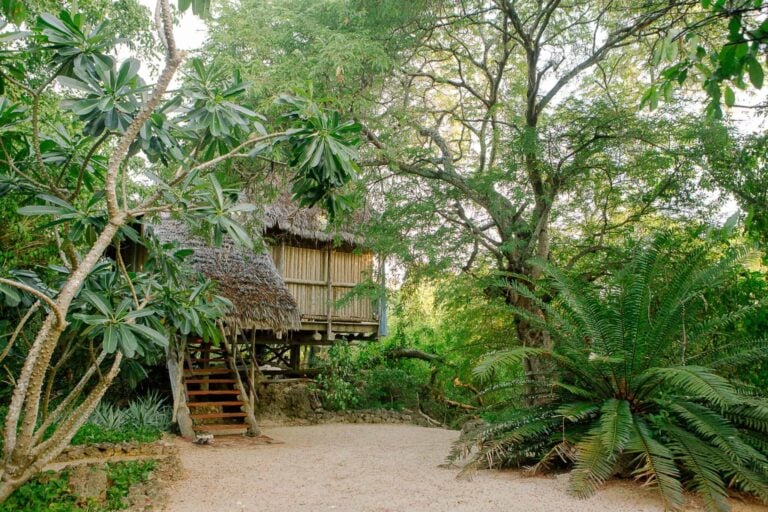
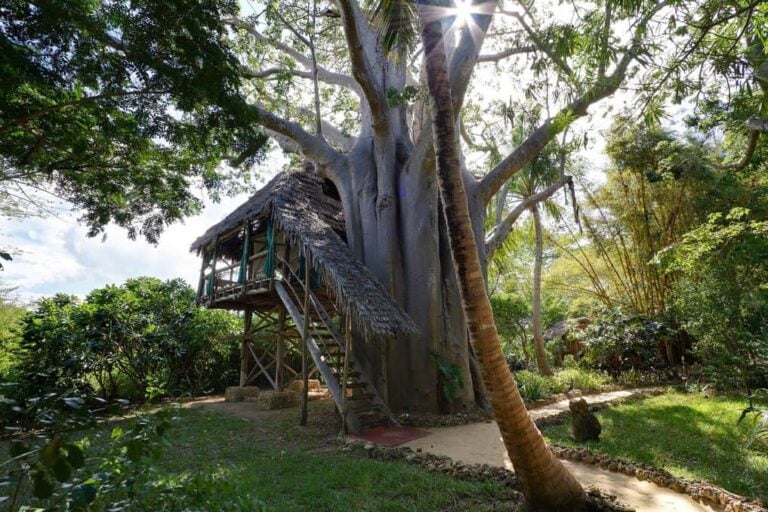
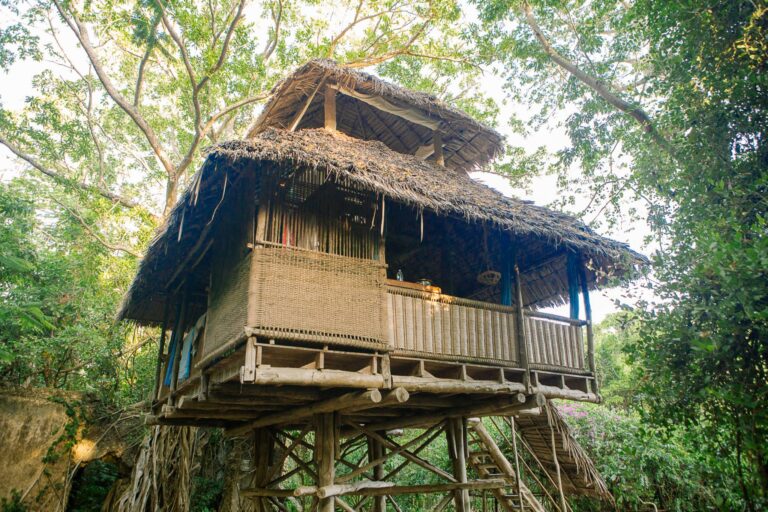
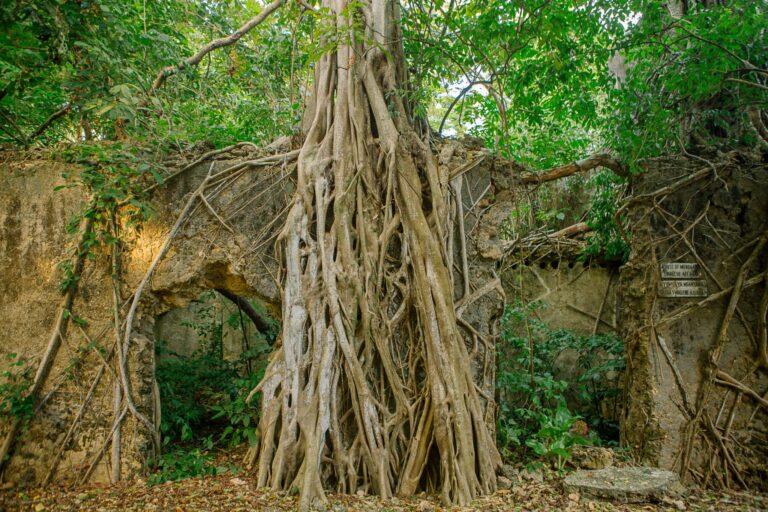
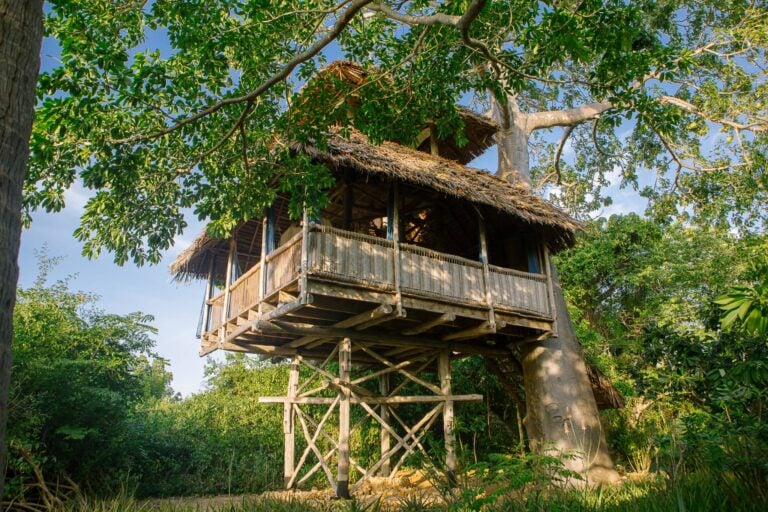
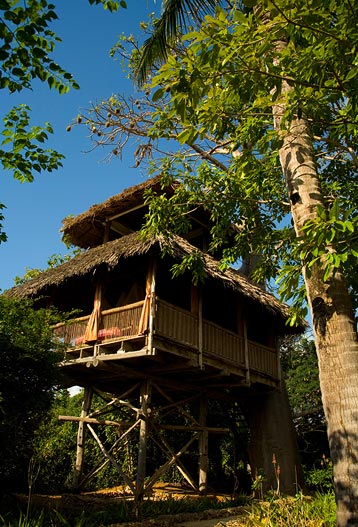
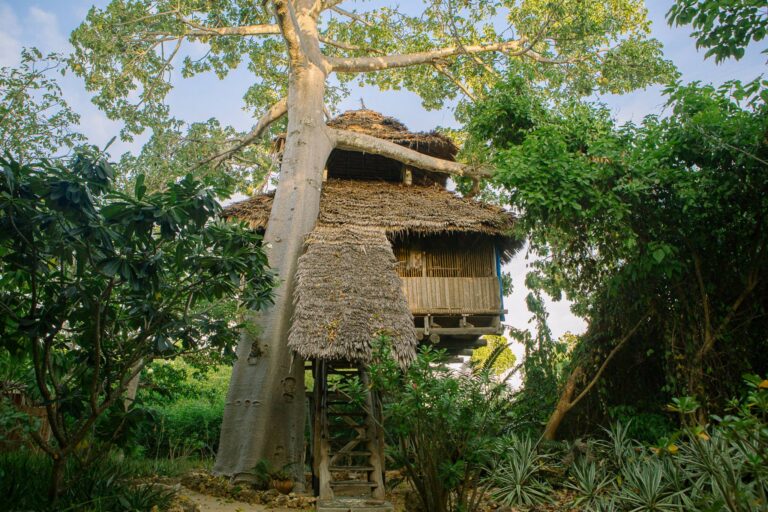
Saba Treehouse sits wrapped around a towering Flamboyant tree on Chole Island, a small, largely car-free island off Tanzania's Mafia Archipelago. Coral-stone ruins from an earlier settlement emerge through the foliage nearby, half-claimed by roots and time. The combination — flame-red canopy above, ancient stonework below — gives Saba a setting that feels genuinely unlike anywhere else you might sleep.
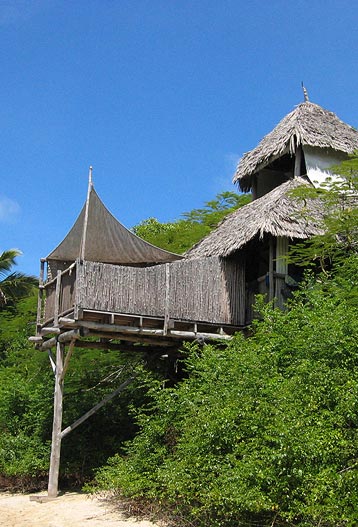
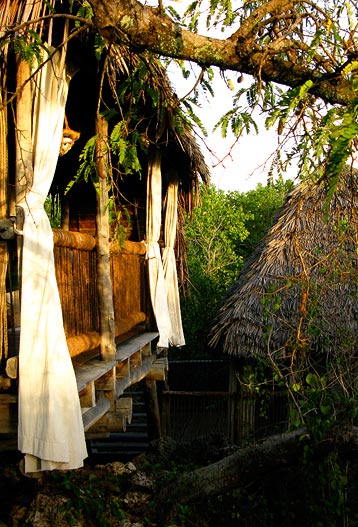
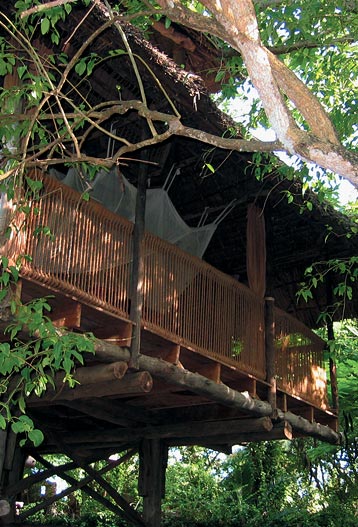
The treehouse belongs to Chole Mjini, a retreat that was built almost entirely without machinery. Timber arrived by dhow, the traditional wooden sailing vessels that still work these waters. Builders cured the wood in sun and salt, then shaped it by hand using techniques that left the structure with an unmistakable handmade grain. That care is visible in the joinery, the platforms, the way the whole thing seems to grow from the tree rather than impose on it.
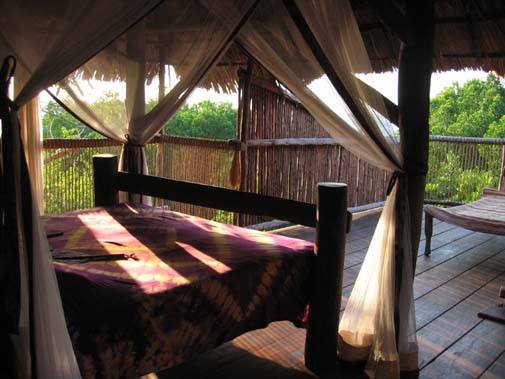
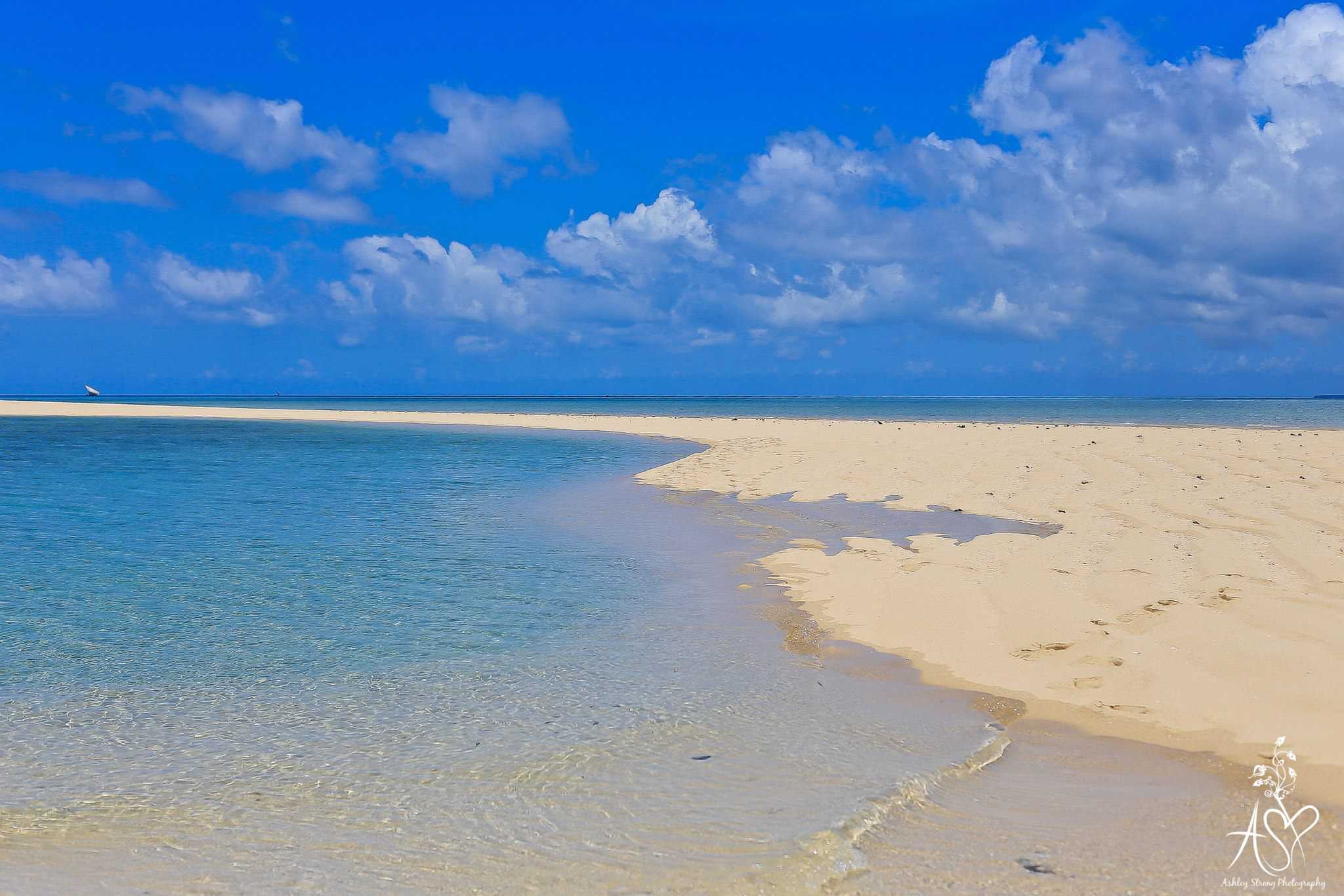
Saba is one of the larger treehouses at the property, comfortably accommodating a small family or two guests who want room to breathe. A proper toilet and shower are fitted inside, alongside generous open living space and a wide sundeck ideal for bare feet and slow mornings. The upper teahouse platform delivers 360-degree views across the water toward Mafia Island — the kind of panorama where sunsets move from warm amber to deep violet without interruption. A dry-season visit, roughly June through October, rewards guests with clear skies, low humidity and the calm seas that make dhow trips and reef snorkelling genuinely exceptional.
Honesty matters here: Saba is open-air and resolutely off-grid. Guests willing to trade Wi-Fi and room service for ocean breeze and genuine quiet will feel immediately at home. Those who require curated silence should know that nearby fishermen launch their boats in the early hours, and the lightscape across the water now carries a faint glow from Mafia Island's developing shoreline. Neither is a dealbreaker — both are simply part of life on a working island.
Rates at Chole Mjini sit in the luxury tier, running approximately $600–$800 per night, with variation by season and availability. The investment reflects both the extraordinary setting and the ecological and community commitments that underpin the property. Chole Island has no airport; access involves flights to Mafia Island followed by a boat transfer, making the journey itself feel like a deliberate step away from the ordinary.
Saba suits travellers who want their accommodation to carry genuine character — not polished performance. The flawed edges are part of the appeal: the ruined coral walls, the dhow-built bones, the sound of fishermen at dawn. For visitors drawn to places where the setting has its own history and the structure respects it, Saba Treehouse at Chole Mjini offers something that designed-luxury resorts rarely attempt and almost never achieve.
Frequently Asked Questions
Q: What is the general nightly rate for Saba Treehouse at Chole Mjini?
A: Rates sit in the luxury tier, running approximately $600–$800 per night. Exact pricing varies by season and availability.
Q: When is the best time to visit Chole Island for outdoor activities?
A: The dry season, roughly June through October, offers clear skies, low humidity and calm waters — ideal conditions for dhow trips, sandbank visits and reef snorkelling. December through February brings hot sunny days and peak whale shark season off Mafia Island, making it a strong choice for marine enthusiasts. The long rains from March through May can make boat trips weather-dependent.
Q: How do guests reach Saba Treehouse on Chole Island?
A: Chole Island has no airport. Access involves flying or travelling by ferry to Mafia Island, then taking a boat transfer across to Chole. The journey itself is part of the experience — plan ahead and confirm current transfer arrangements directly with the property before you travel.
Q: Is Saba Treehouse suitable for families or solo couples?
A: Saba is one of the larger treehouses at Chole Mjini, comfortably accommodating a small family or two guests wanting generous space. It includes a proper toilet and shower, open living areas and a wide sundeck, making it practical as well as atmospheric.
Q: What should guests know about the open-air, off-grid nature of the stay?
A: Saba is genuinely off-grid and open to the elements — no Wi-Fi, no room service. Nearby fishermen launch their boats in the early hours, and a faint glow from Mafia Island's developing shoreline is visible across the water at night. Guests who embrace island rhythms rather than curated hotel quiet tend to find both details add character rather than detract from it.








Add a review