
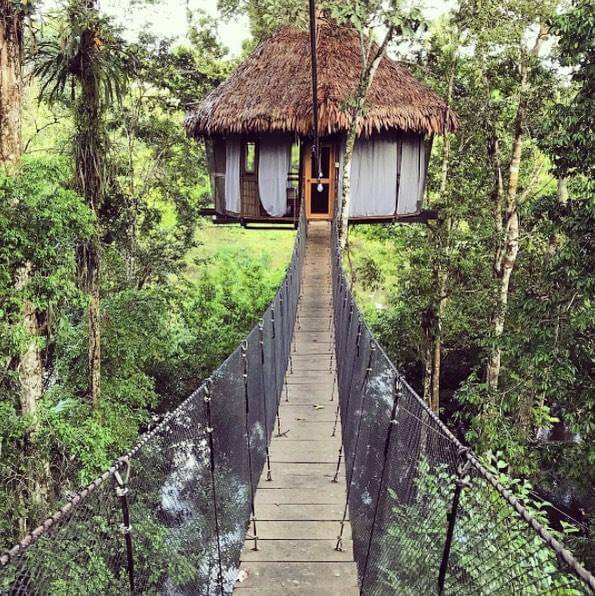
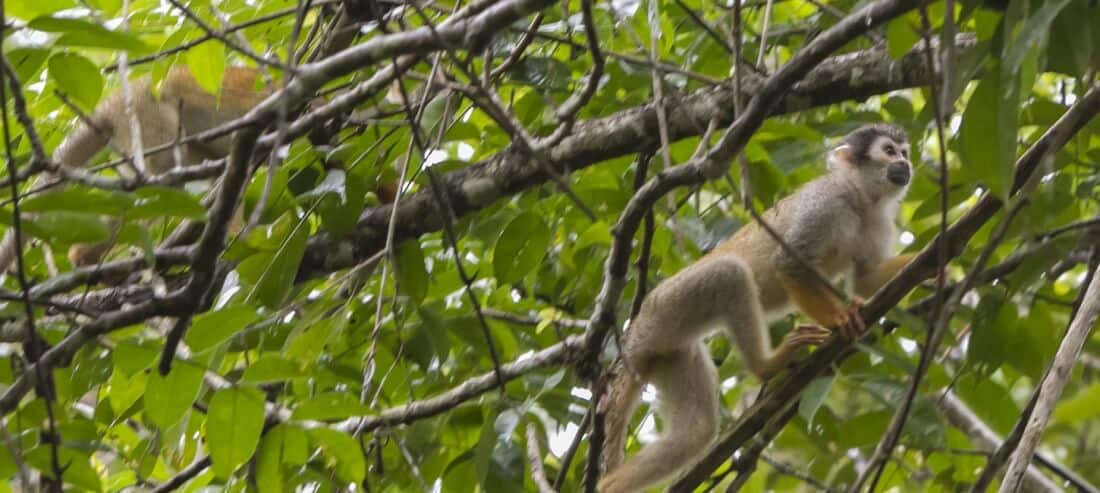
Morning starts a little differently at Treehouse Lodge. The light is green, filtered through leaves; the soundtrack is monkeys negotiating breakfast and a chorus of birds that don’t care you’re still rubbing sleep from your eyes. You’re suspended above the forest floor in the Peruvian Amazon—part guest, part neighbor—watching the canopy wake up at eye level. It feels improbable and somehow exactly right.
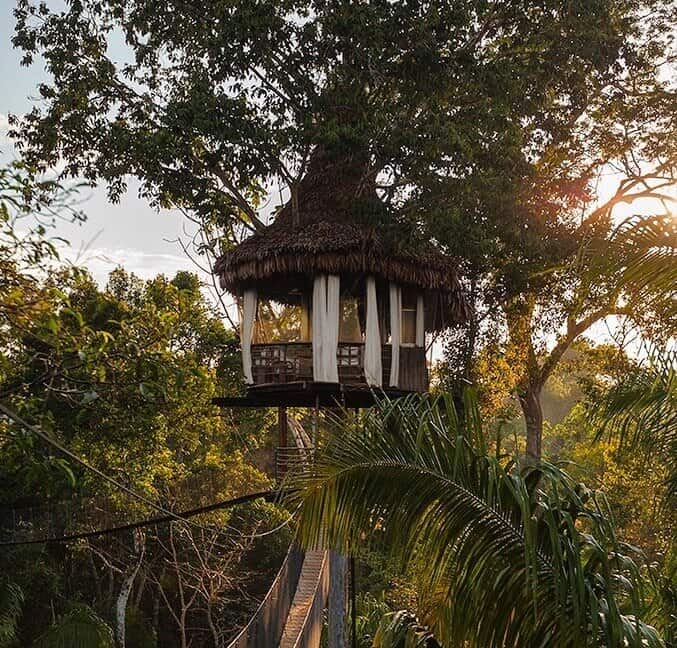
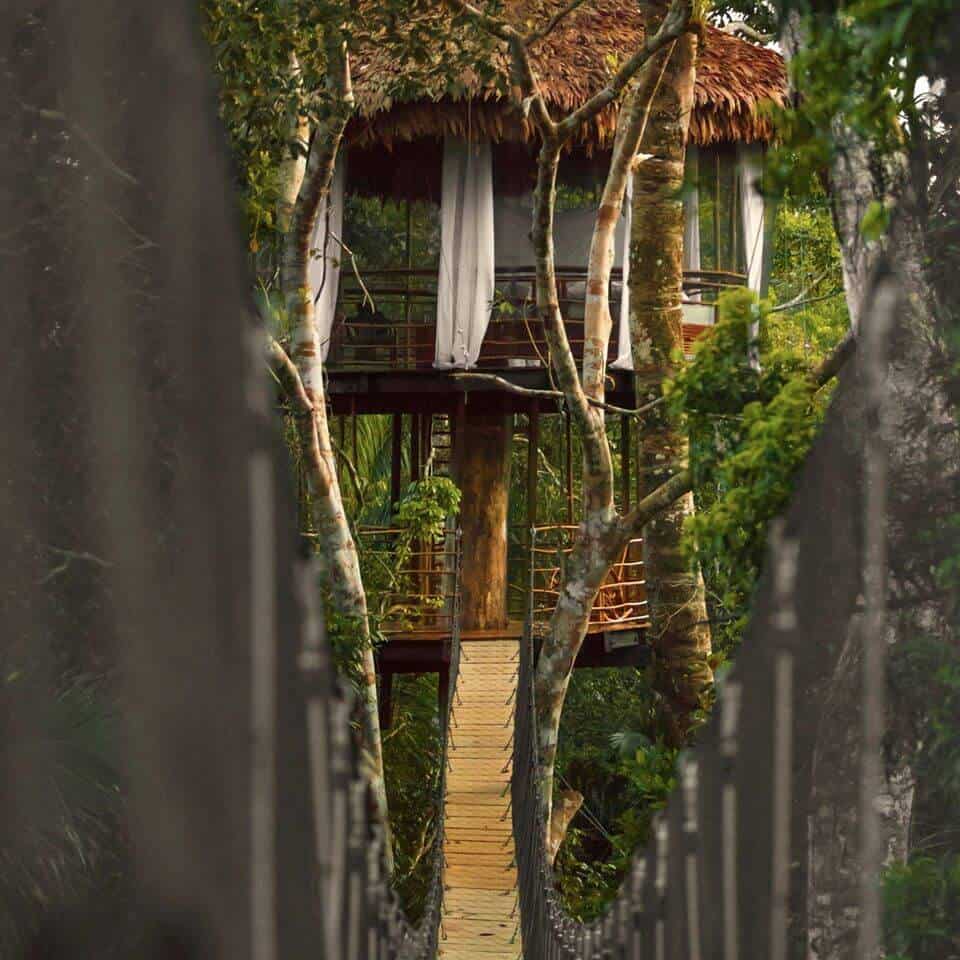
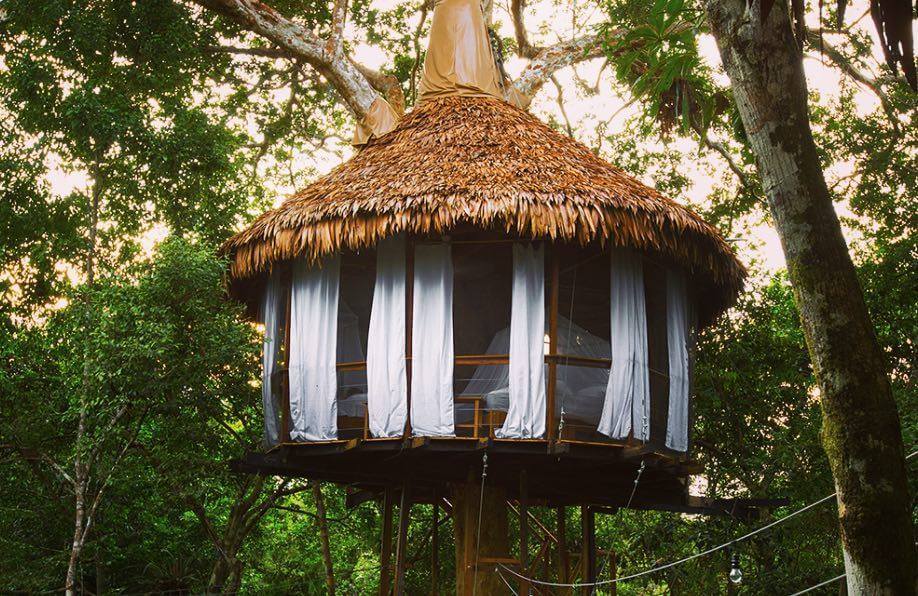
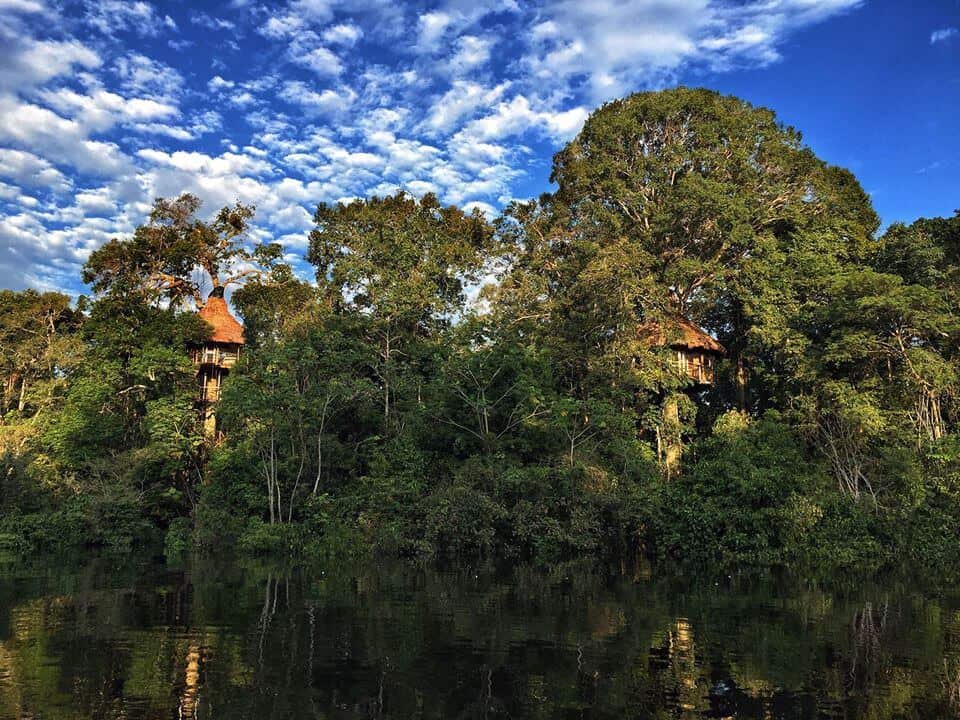
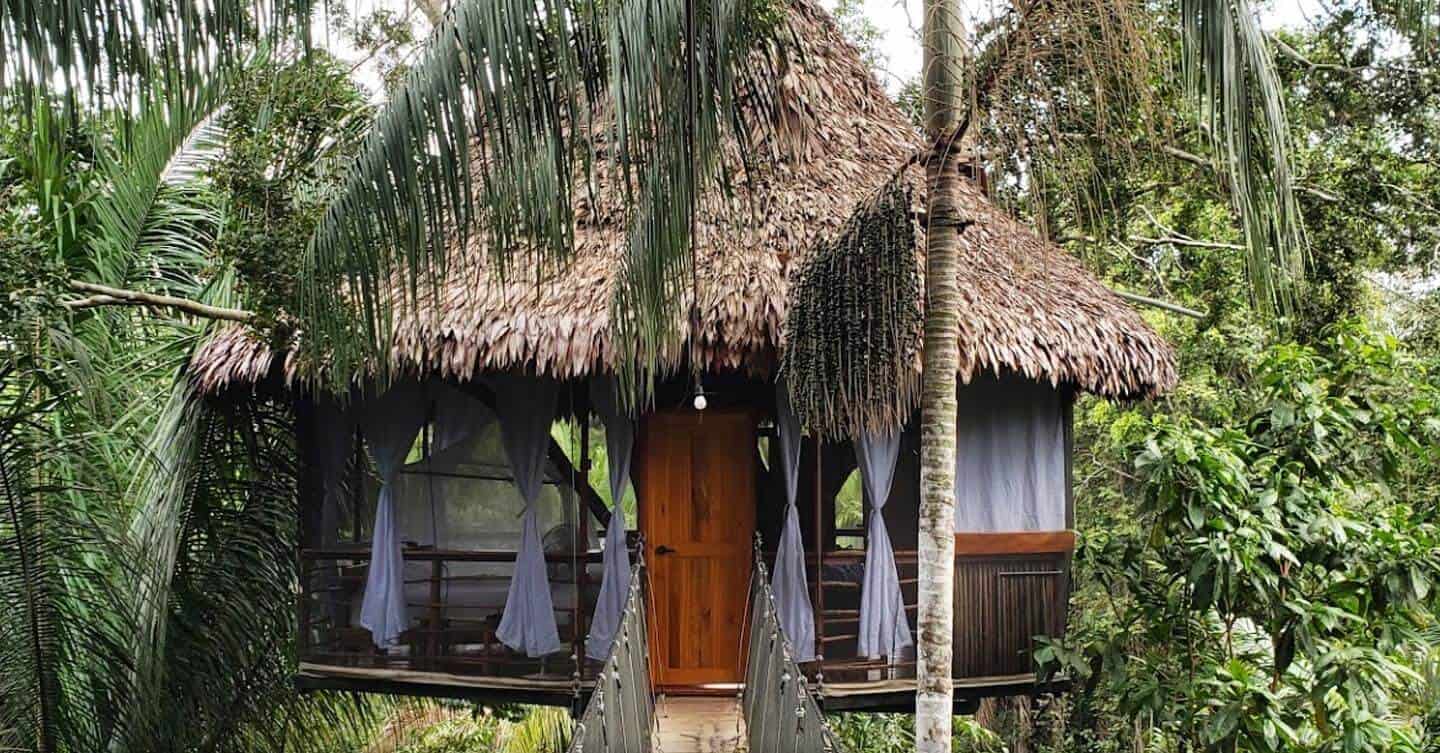
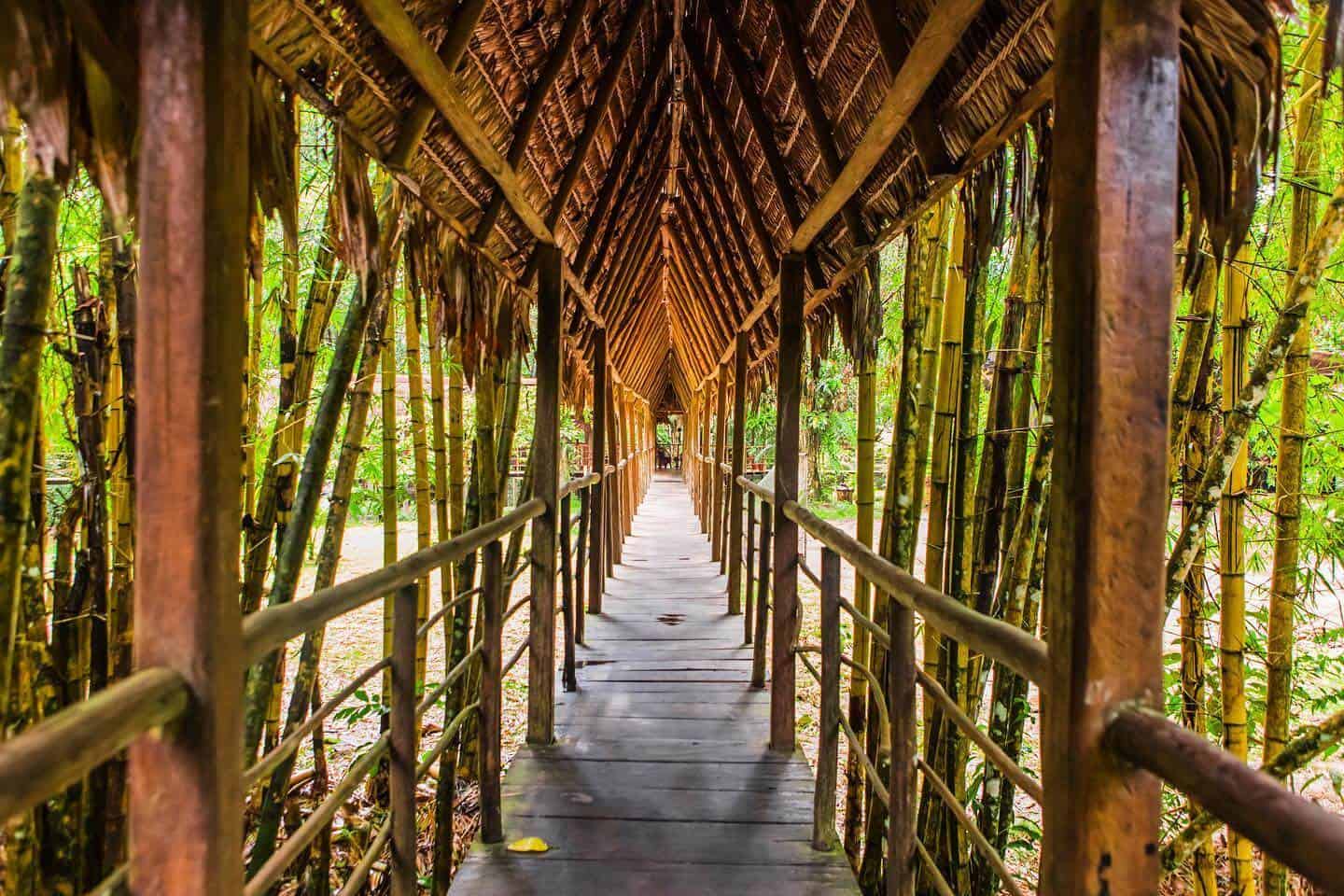
Set where the Yarapa and Cumaceba rivers meet, near the Pacaya Samiria Reserve, the lodge is the rare all-inclusive that actually earns the phrase. You arrive by boat, trade shoes for sandals, and step onto a network of wooden bridges that stitch the property together like careful handwriting. Twelve treehouses stand on their own perches, each a little different: some above seasonal flood zones where water becomes your temporary street; others accessed by a small, secretive trapdoor that makes you grin like a kid again.
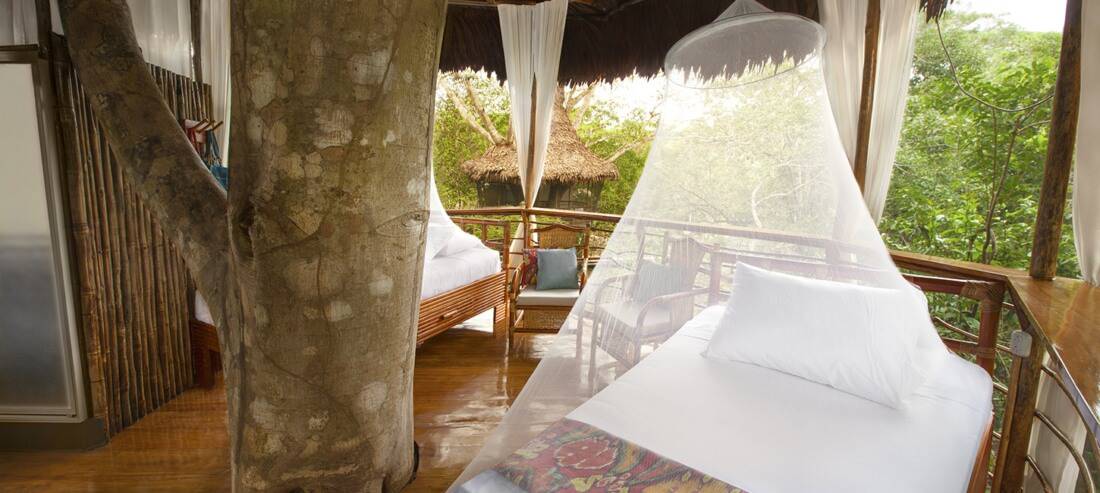
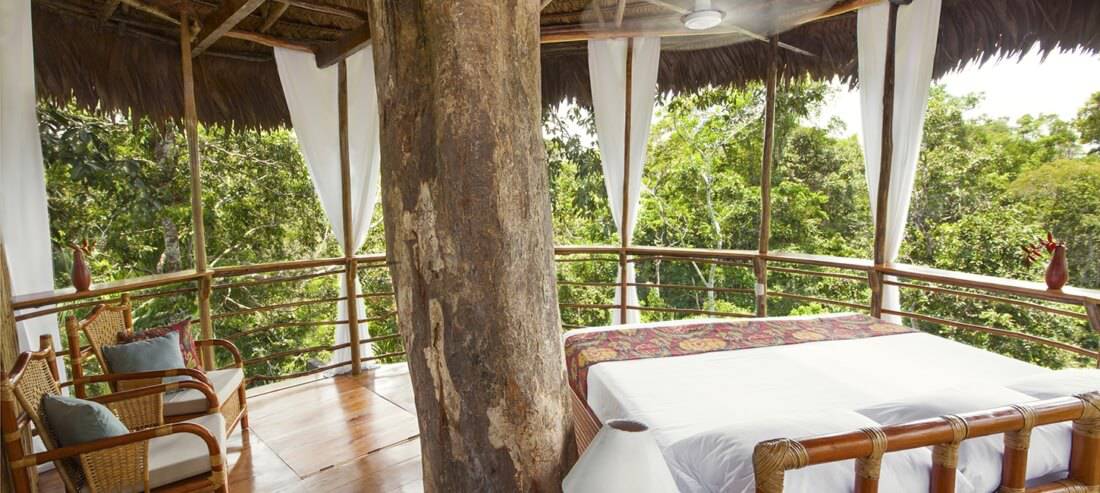
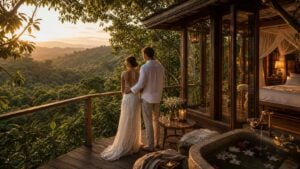
Inside, comforts are honest and welcome—proper beds draped in mosquito mesh, en-suite bathrooms with hot showers, fans moving slow air, and balconies that turn “doing nothing” into an activity you’ll defend. Being off the ground takes the sting out of jungle humidity (less bug traffic, more breeze), and the shade does the rest. When rain drums on the thatch, conversations slow to match it. Good luck pretending you want a television.
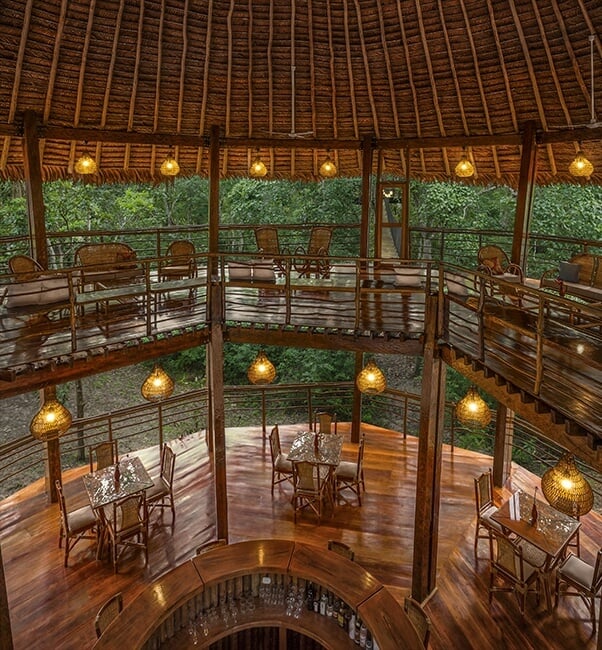
Days take their shape from the river. Guides lead small outings—a dawn birdwatch, pink river dolphins if the current is feeling generous, medicinal plants along black-water creeks, night safaris where a dozen eye-shines watch you watching them. Back at the main lodge, meals lean fresh and unfussy: Amazon fish, bright juices, fruit that tastes like the color yellow. You’ll swear you’re hungrier than usual; it’s the air.
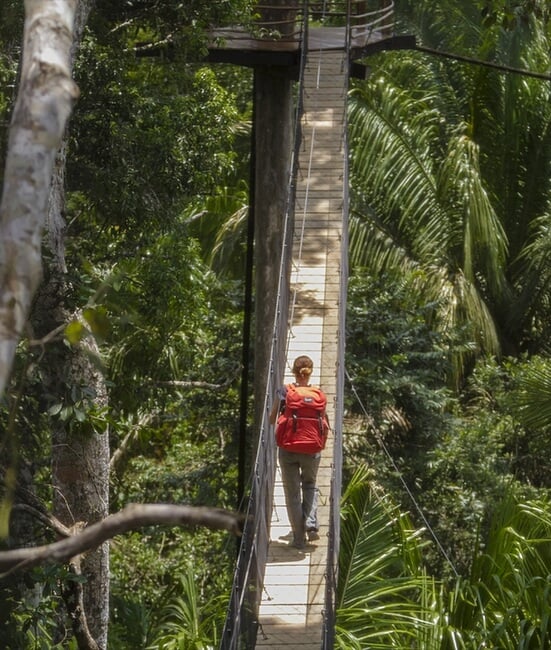
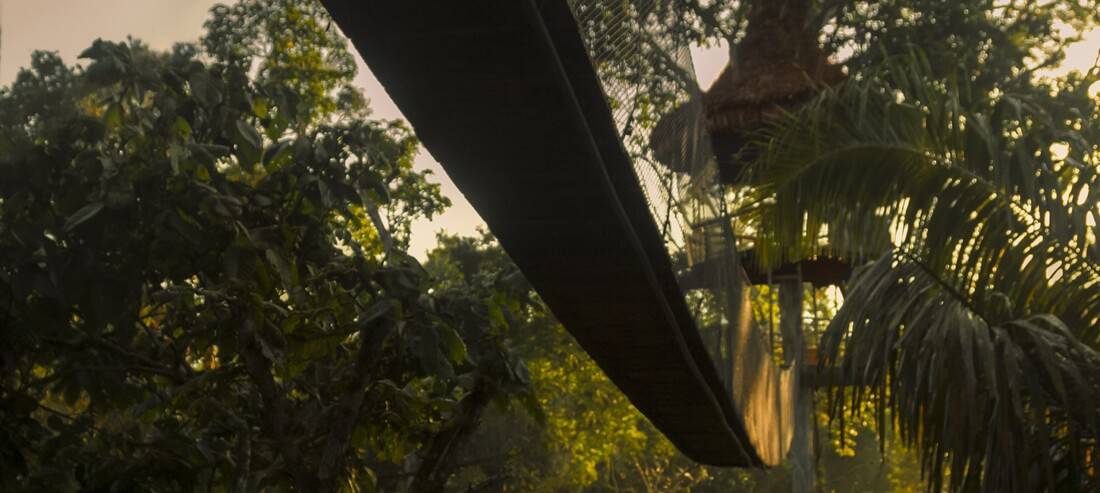
The walkways themselves are a quiet thrill—cable-braced bridges with the faintest give, just enough to remind you you’re part of the forest’s motion. Look down and the floor is all bromeliads and secrets; look up and a macaw streaks across your peripheral like a paintbrush. Even downtime feels like a nature documentary you accidentally walked into.
Practical notes, because romance still likes a plan: there’s typically a two-night minimum, and the lodge works best for couples or small groups, though extra cots can be arranged. Pack light, quick-dry layers, and a sense of humor about the weather—it’s the Amazon. Power is thoughtfully managed (solar does the heavy lifting), Wi-Fi is blissfully absent, and the point, really, is to swap notifications for leaf-shadow and river light.
You leave with shoes still dusty, camera roll ridiculous, and a new habit of looking up. The rainforest keeps speaking after you go—quieter, but it’s there.






Add a review