

The first thing you hear is the forest—howlers starting up like distant engines, then a split-second of quiet before the parrots answer back. Lapa’s Nest Treehouse sits inside that soundscape, tucked deep in Costa Rica’s Osa Peninsula, where the rainforest still feels raw and unedited. You might even recognise it from TV; the cameras loved the drama of it. Privacy, though, is the point: no tour buses, no chatter, just green.
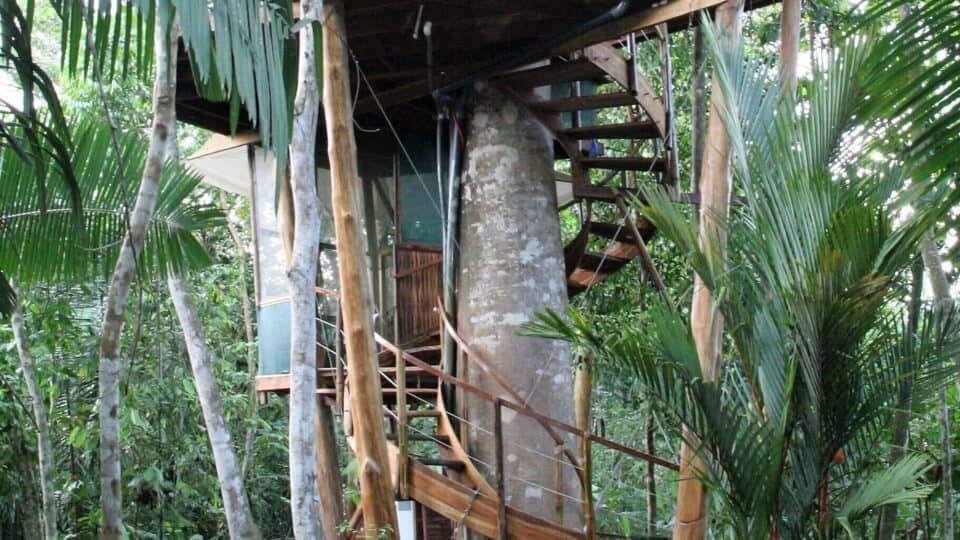
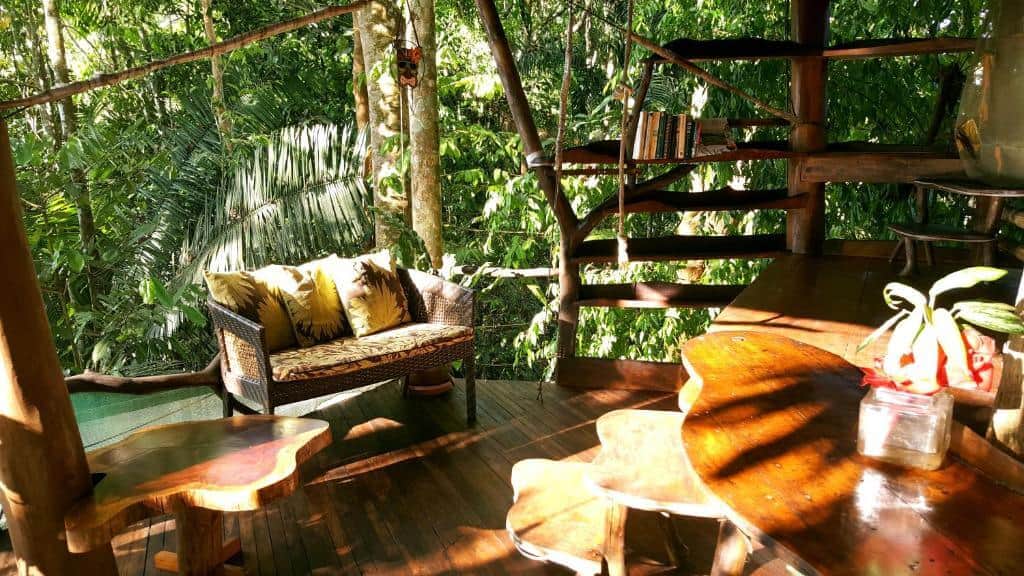
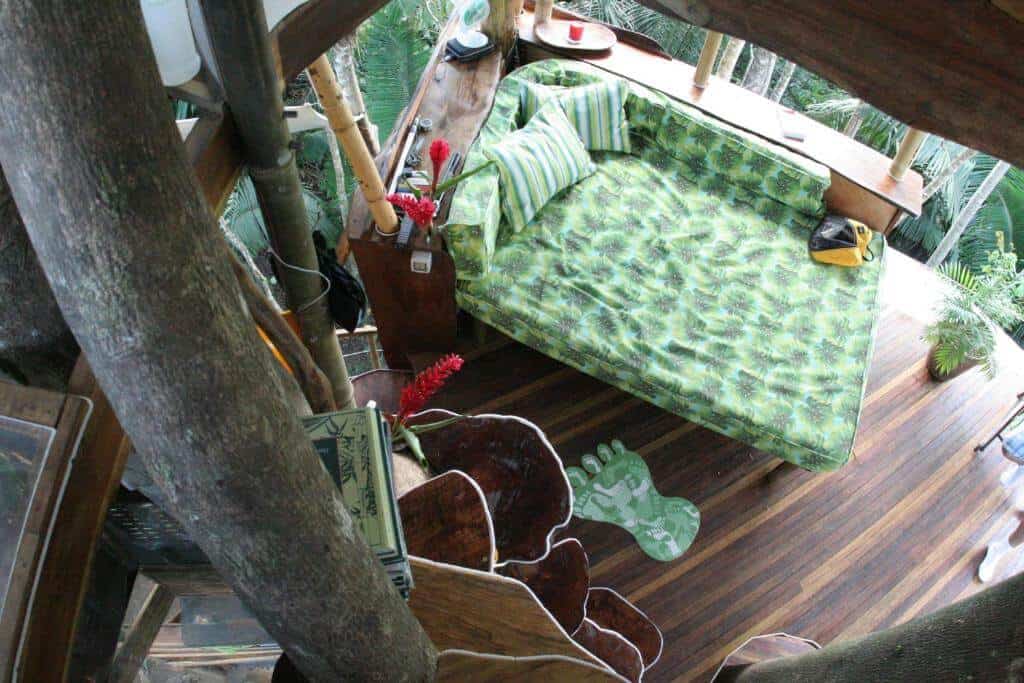
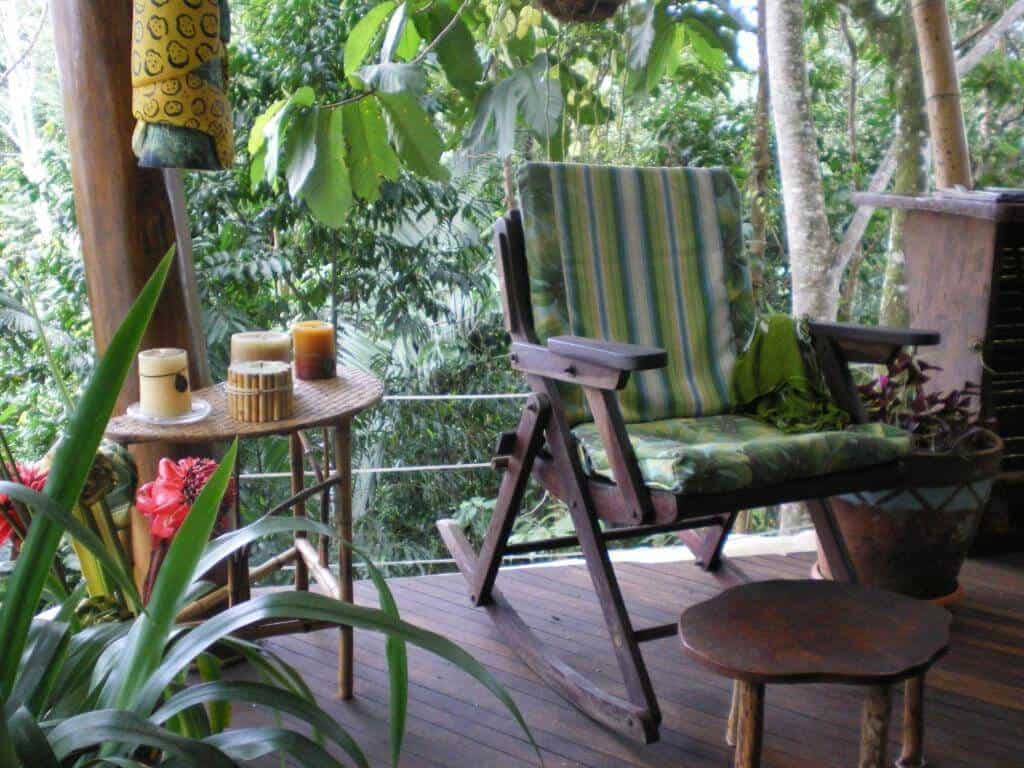
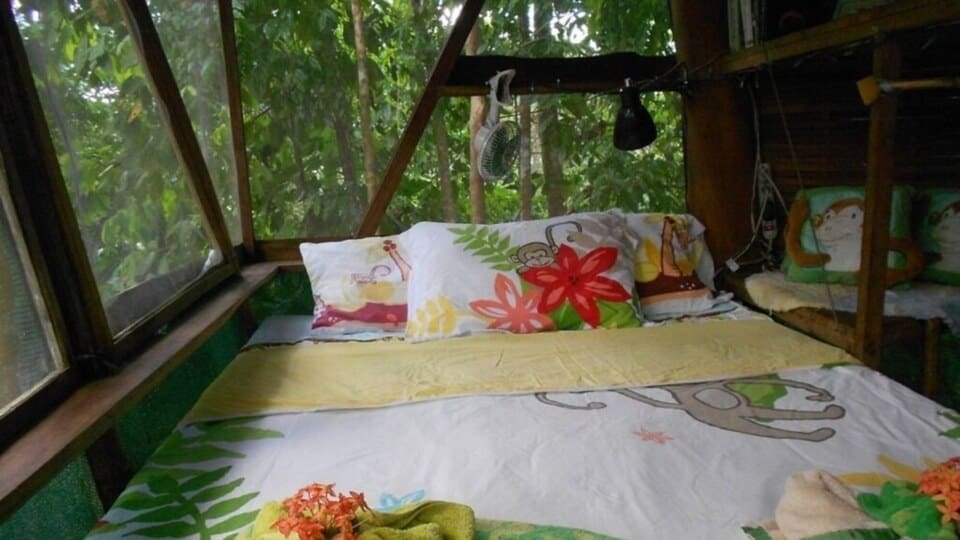
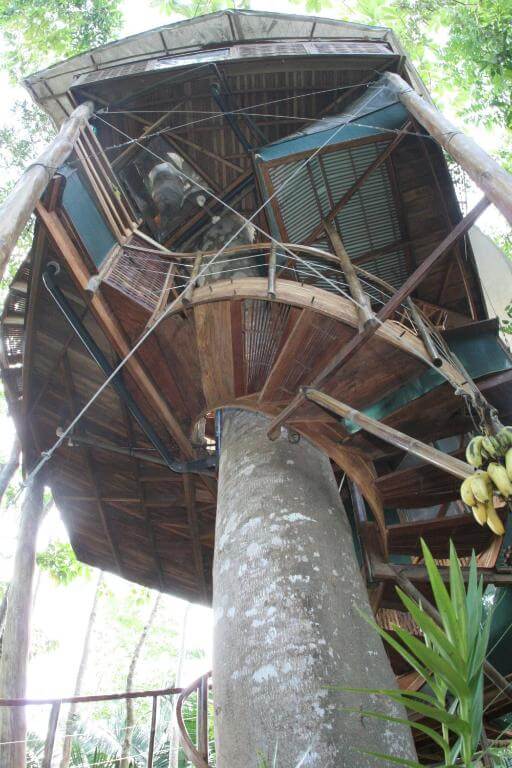
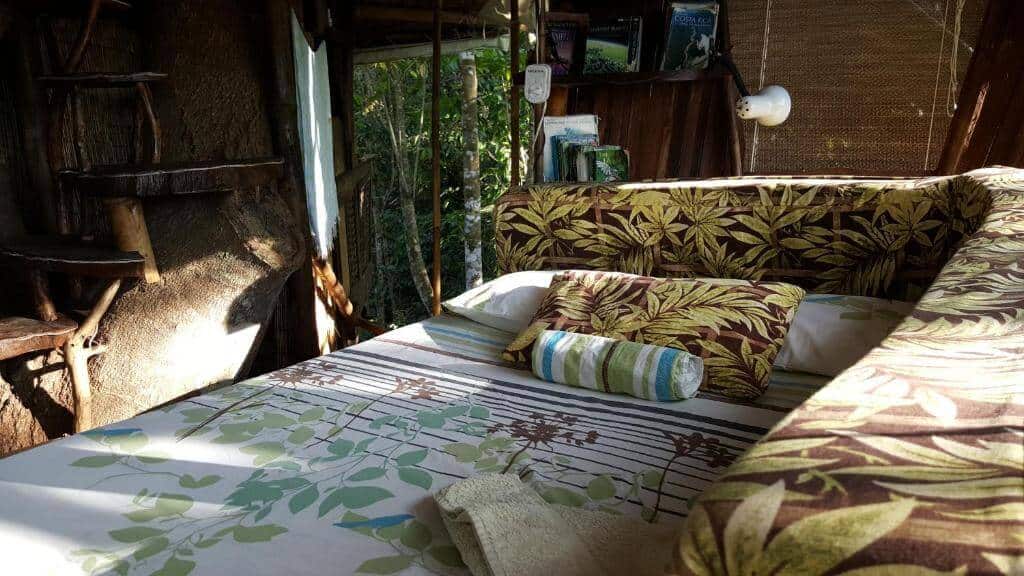
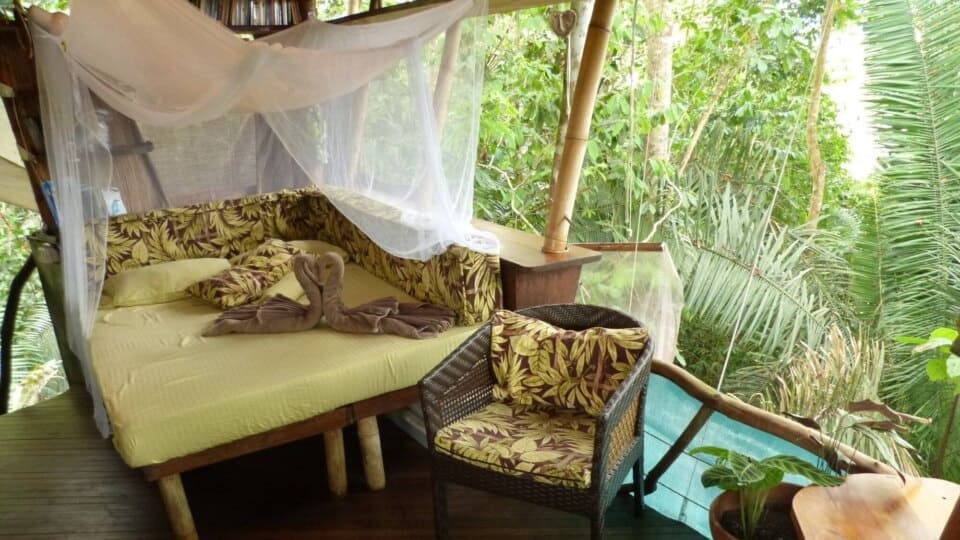
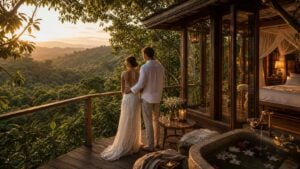
The treehouse doesn’t perch so much as spiral. It wraps a towering Guanacaste—locals call it a national giant—rising level by level until the canopy is practically your ceiling. Bedrooms stack on separate floors, so friends or families can peel off into their own pockets of quiet. Tropical hardwoods and bamboo keep things warm to the touch; screens and slats let the air move. You get the jungle chorus, not the mechanical hum. It’s wild, yes, but not roughing it.
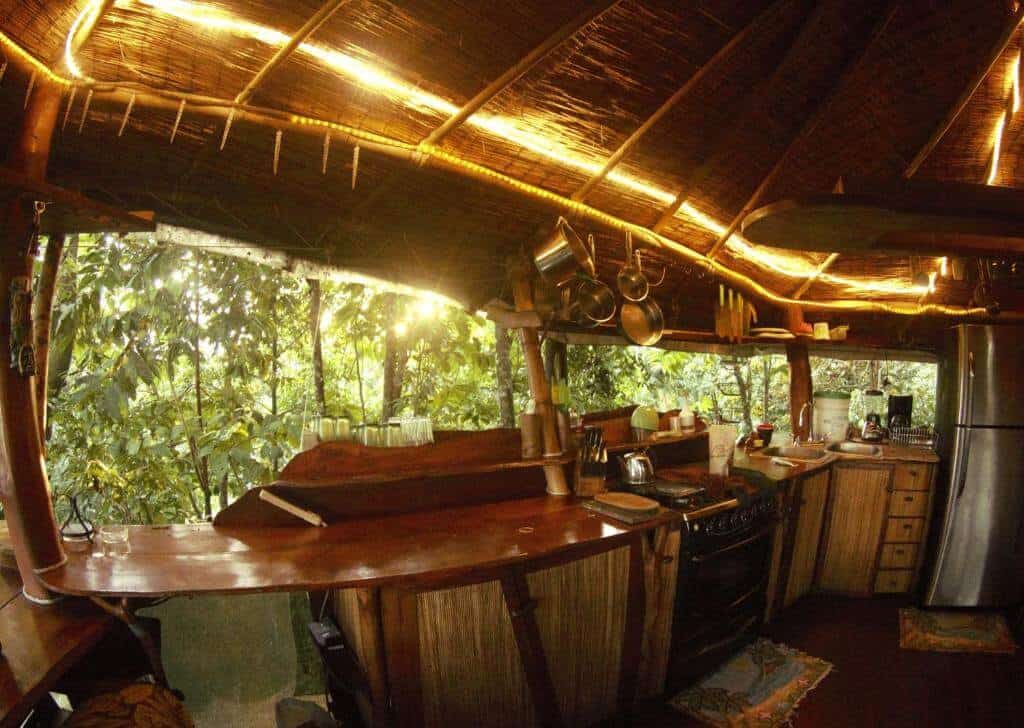
Capacity-wise, it’s generous: up to eight guests, spread across four (actually, more like six or seven) levels, depending on how you count the landings. There’s an open, well-equipped kitchen for big breakfasts and late-night tea; bathrooms that feel unusually plush for the middle of nowhere; and a circular stair that winds upward like a vine. Every turn seems to frame a view—Golfo Dulce light through leaves, a flash of wings, rain sliding off fronds in silver lines.
Step outside and the numbers get big fast. Lapa’s Nest sits within roughly 120 acres of rainforest, part private sanctuary, part springboard to what lies beyond. The Osa is famous for its wildlife density—scarlet macaws (that’s the “lapa” in the name), capuchins and spider monkeys, even the shy squirrel monkey if you’re lucky. You’ll hear howlers at dawn whether you plan to or not. Sometimes you look up from your coffee and realise a toucan has been watching you the whole time. It happens.
Days skew unplanned in the best way. Hike a little, cool off under a waterfall, follow a guide to Corcovado’s trailheads, or stay put and let the canopy do the show. After dusk the forest changes channel—tree frogs tune in, the night smells greener, and the stars come out hard when the clouds allow. Bring a headlamp; you’ll end up using it more than you think. Also: a light rain jacket, because showers roll in on their own schedule.
This is not a resort with corridors and identical rooms. It’s a singular hideaway that’s been filmed, sure, but feels better off-camera—quiet, elemental, a touch theatrical. Weekly stays are the norm, shorter visits sometimes possible, and seasons shift what you’ll see and hear. Come with patience and a sense of play. You’ll leave with rainforest still in your ears. And maybe a red feather in your memory.







Add a review