
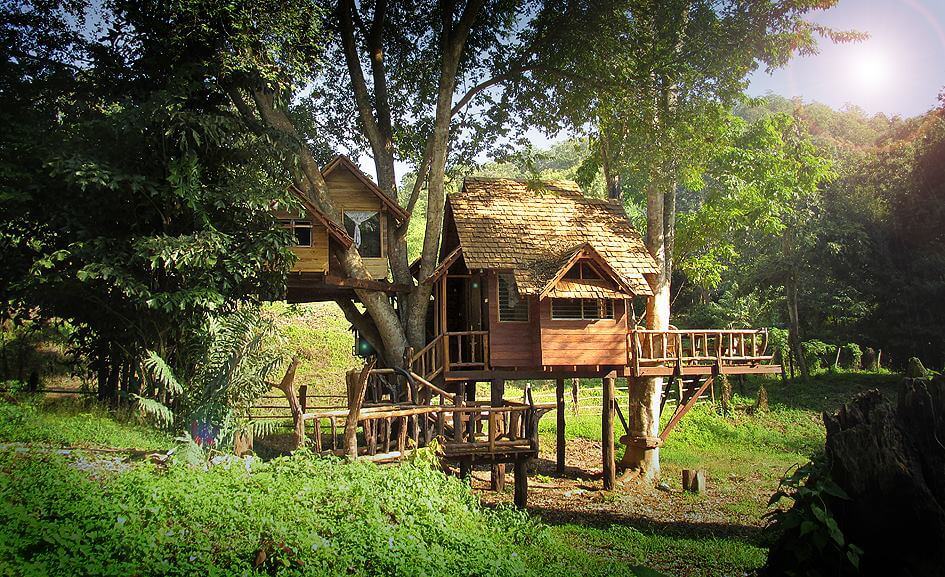
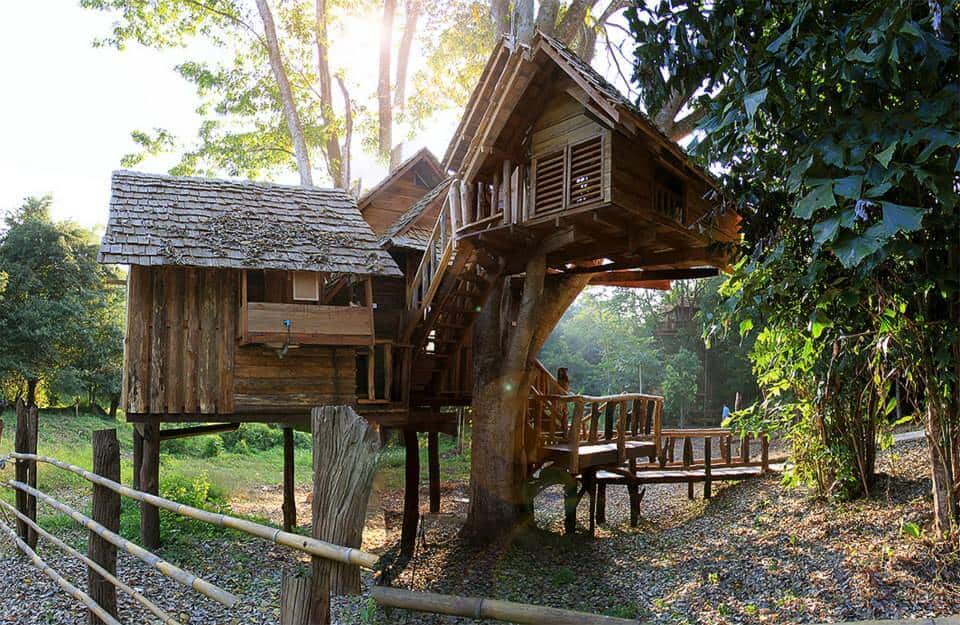
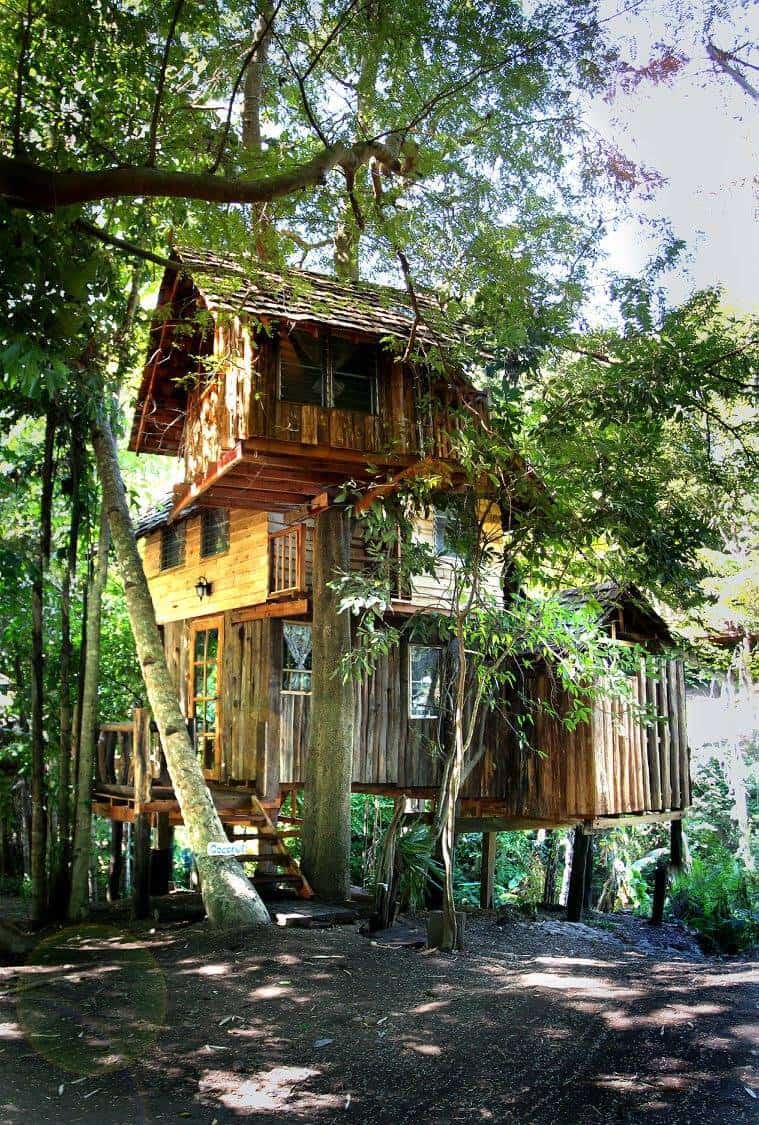
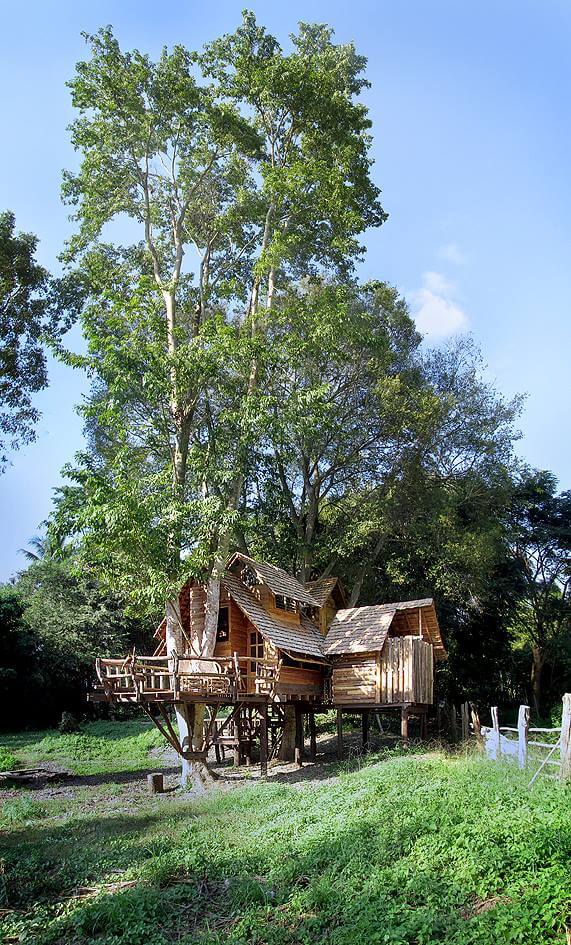
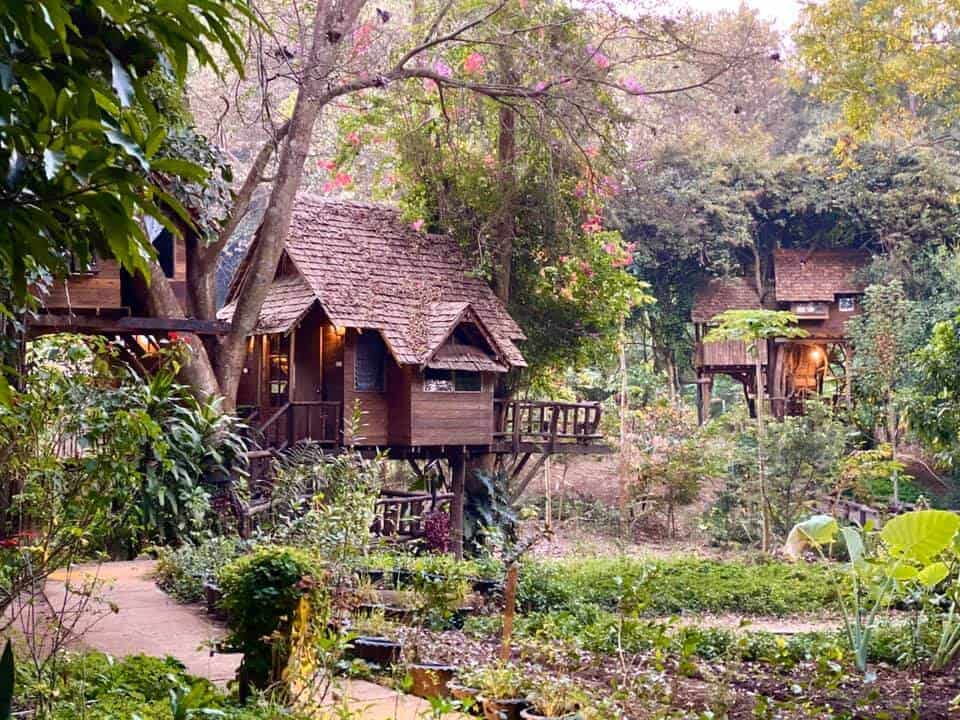
Rabeang Pasak Treehouse Resort began with one person's conviction. Mr. Bullsiri "Lee" Suwannachin, a retired architect, chose a teakwood forest in Doi Saket district and built something by hand. He and his family shaped a cluster of treehouses over time — six cottages and three larger family units — each one distinct, each carrying the same deliberate spirit. The result feels less like a resort than a labour of love made habitable.
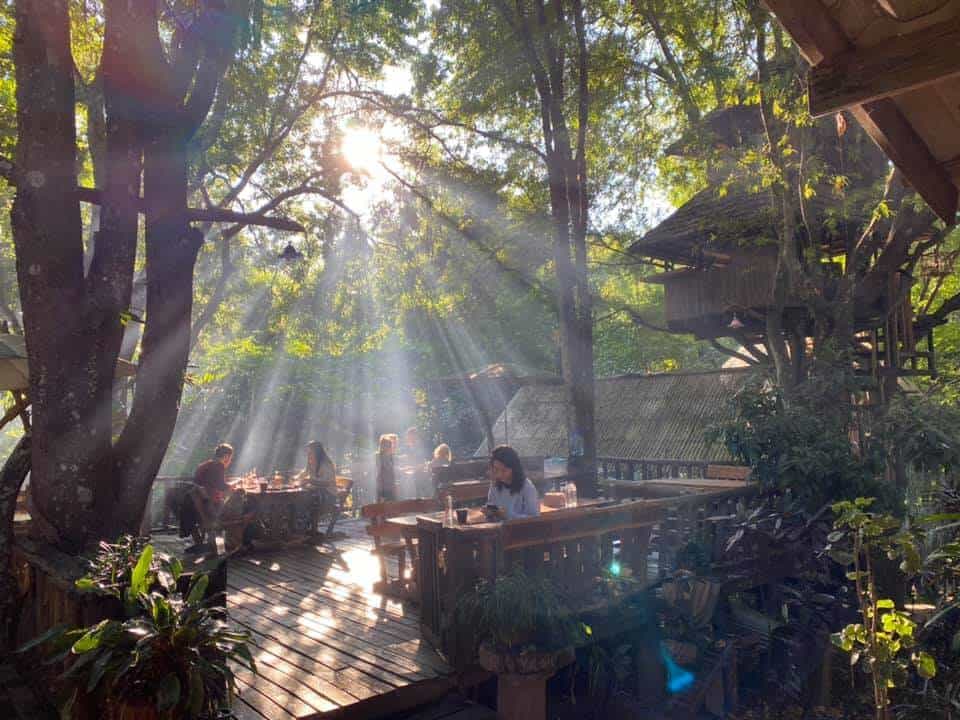
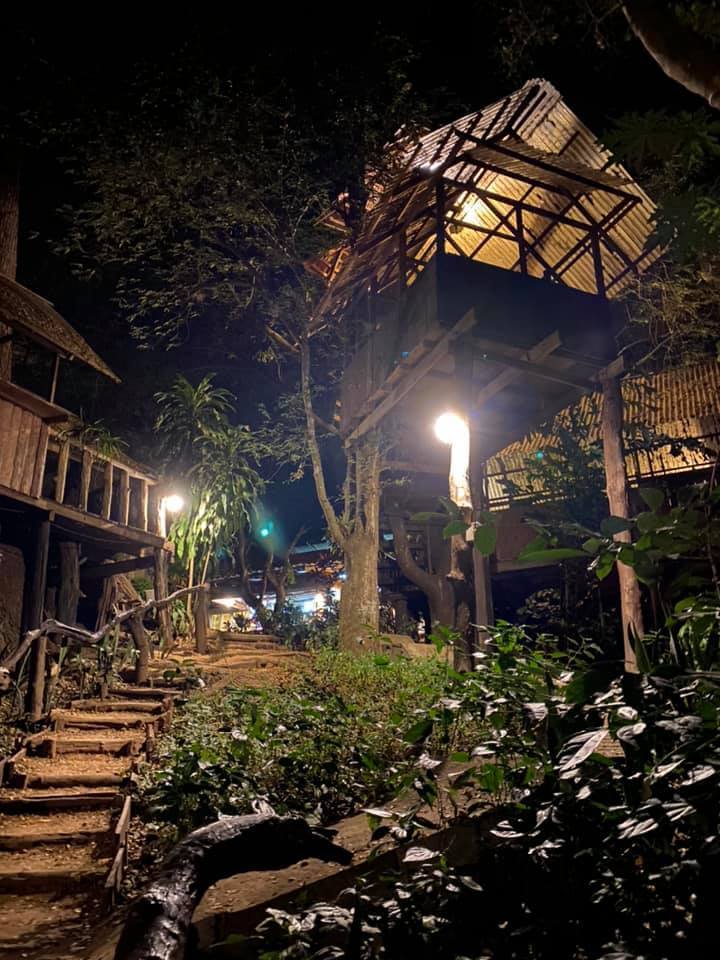
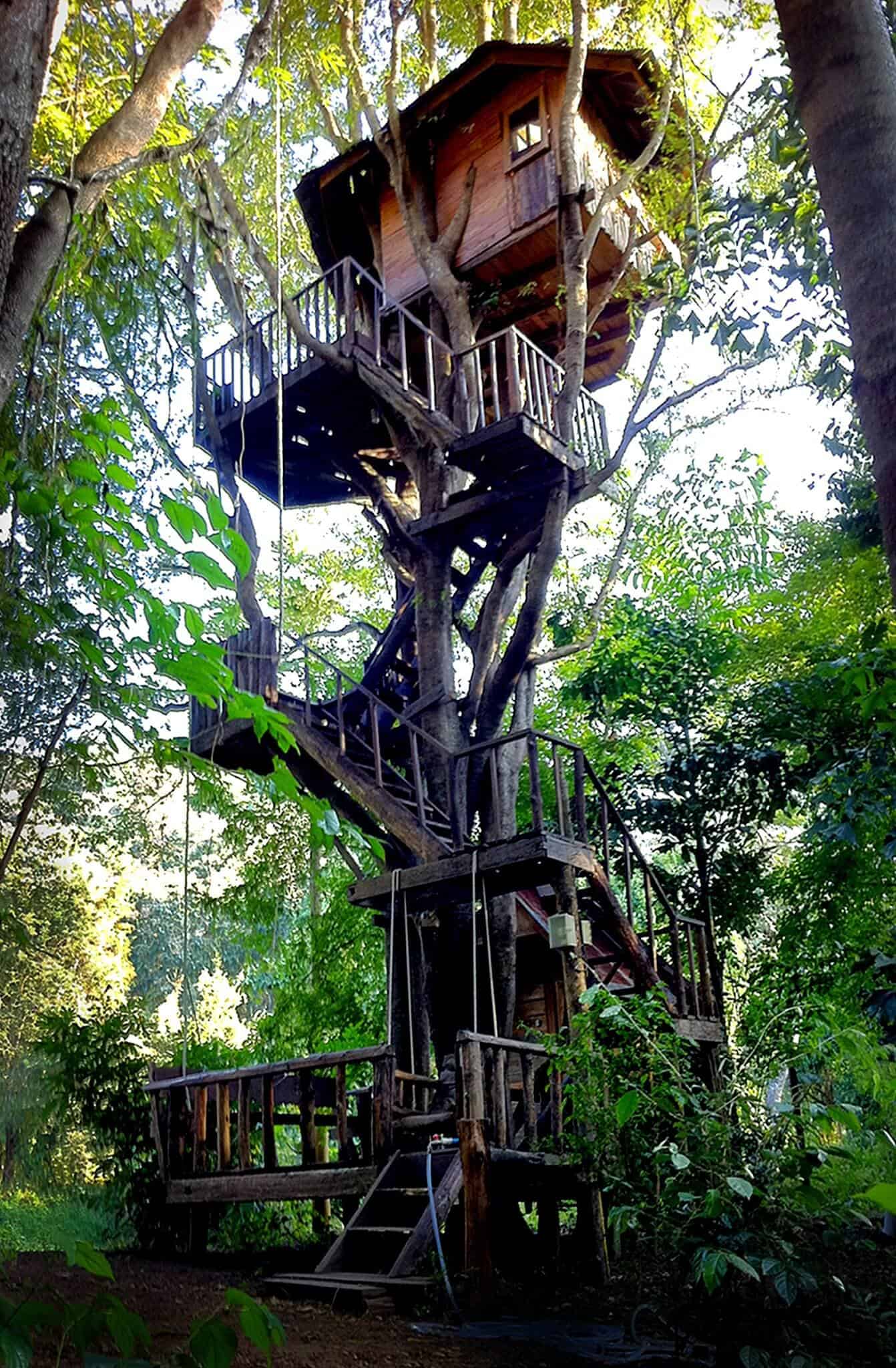
The forest does most of the design work here. Bamboo groves and palms frame the structures so naturally that they seem to have grown rather than been constructed. A creek runs through the grounds, audible from the pathways between cabins. At night, insects fill the air with sound. The place doesn't perform wildness — it simply sits inside it.
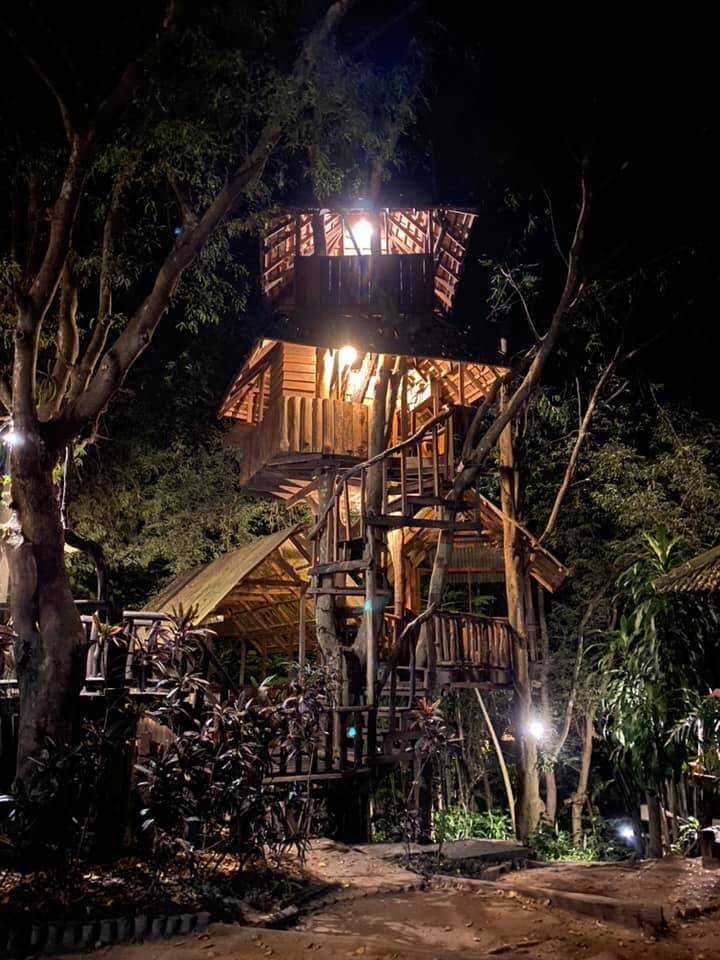
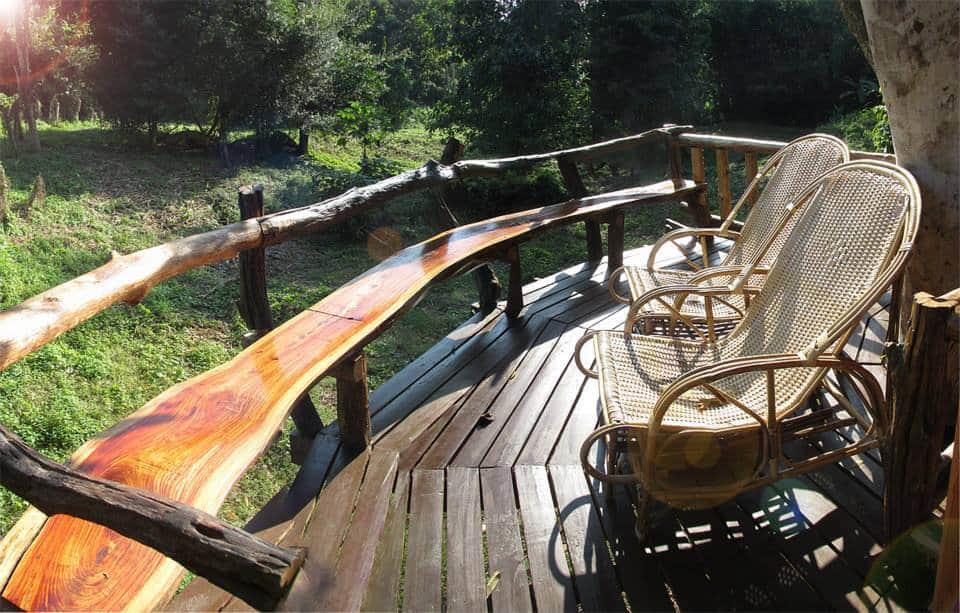
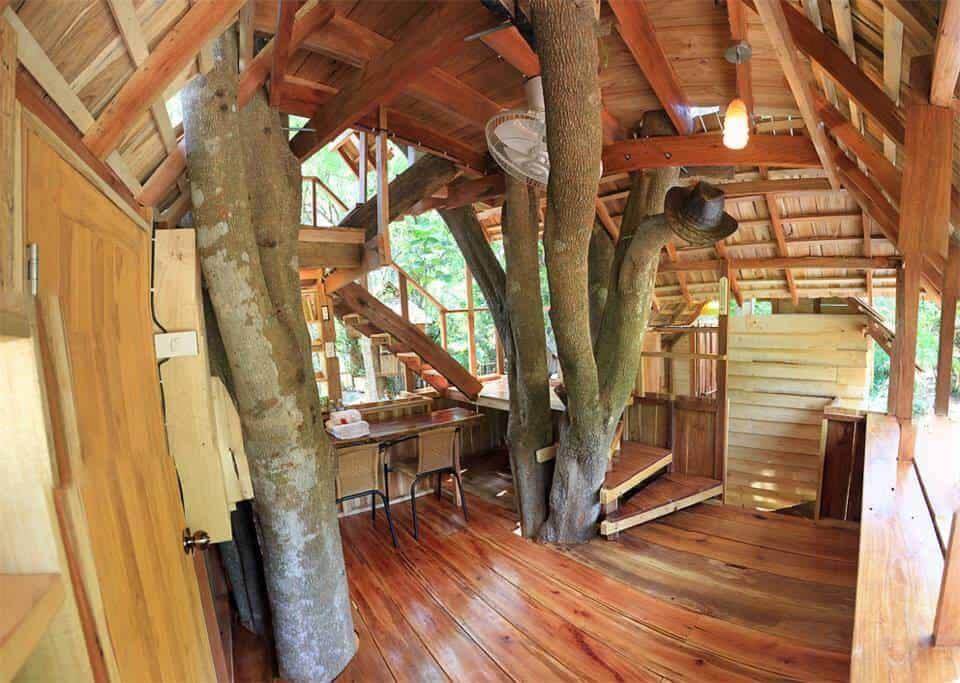
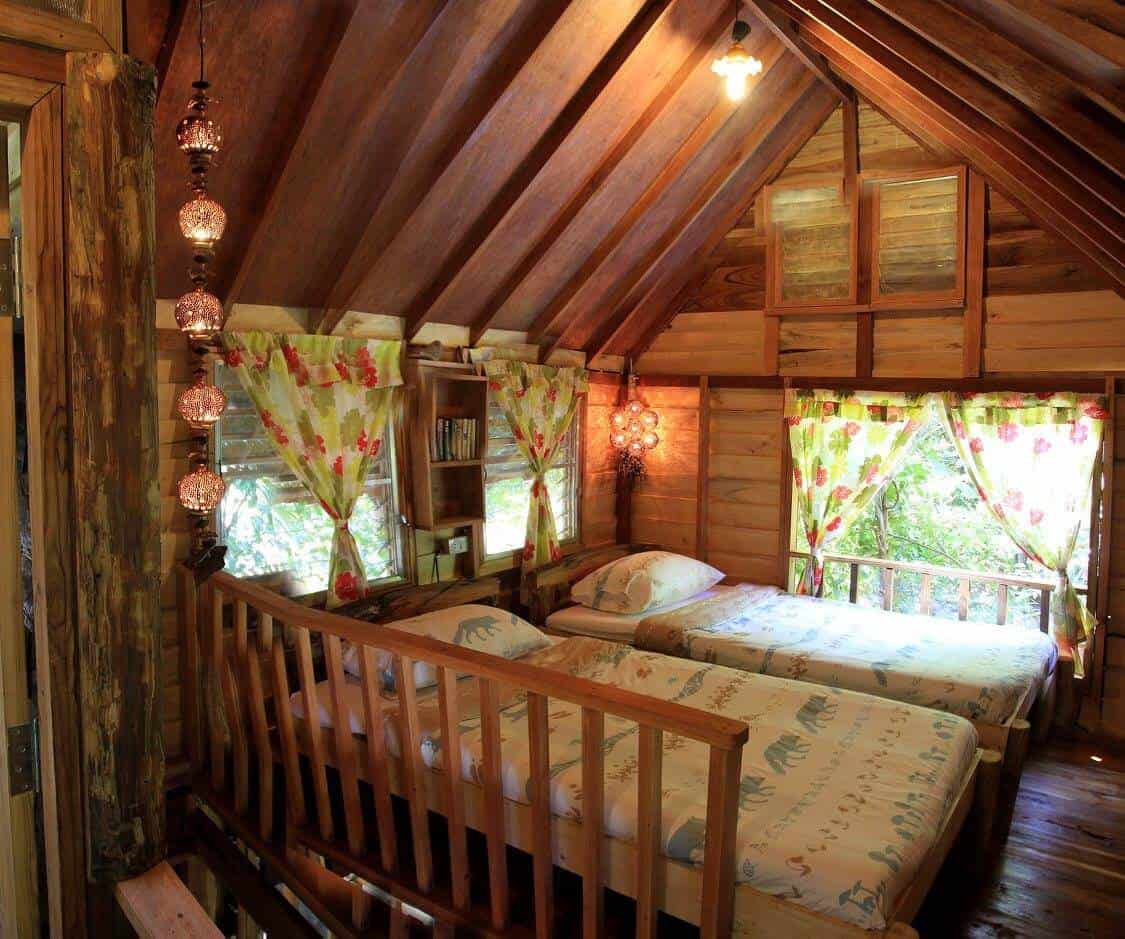
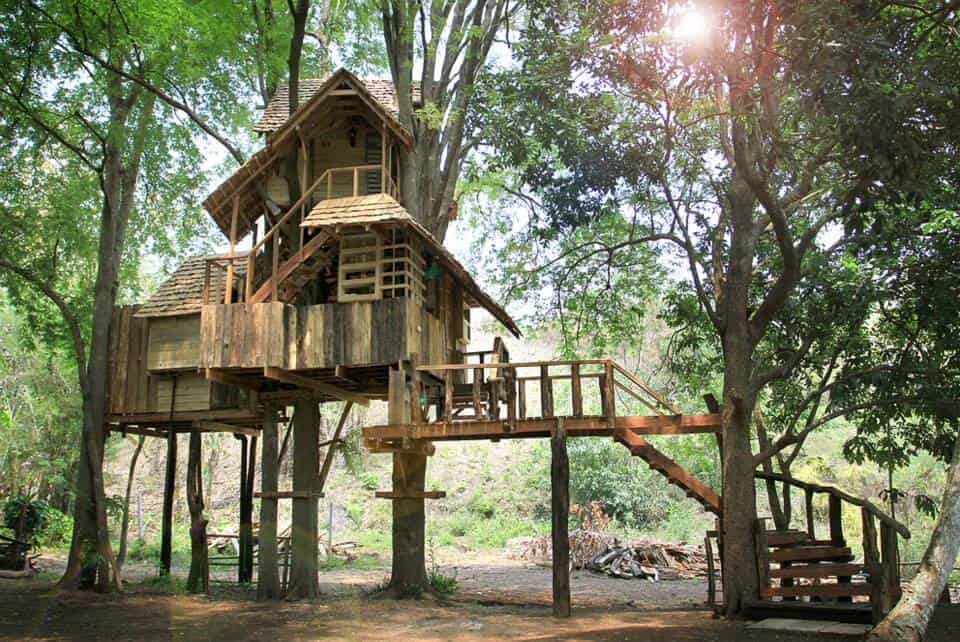
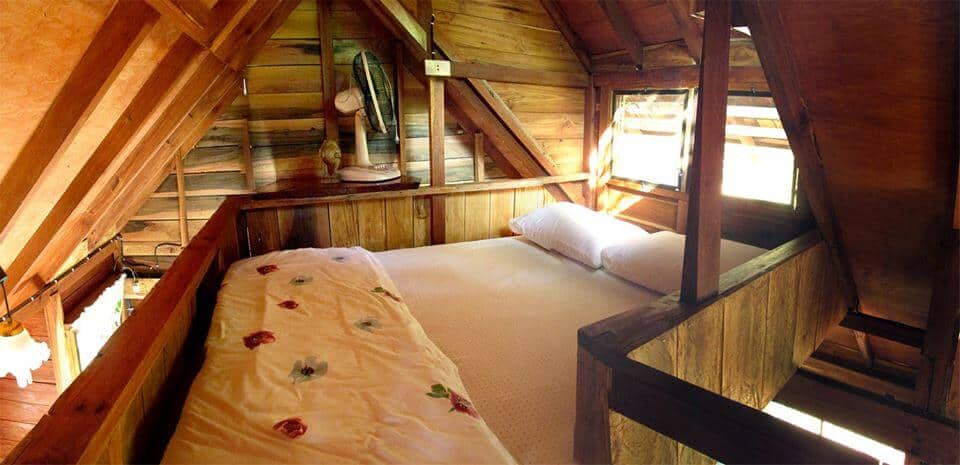
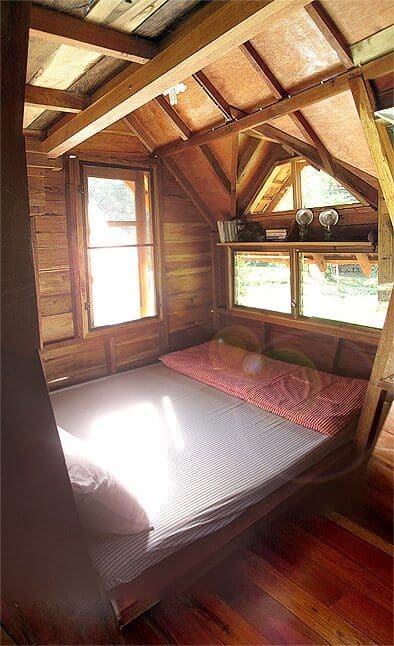
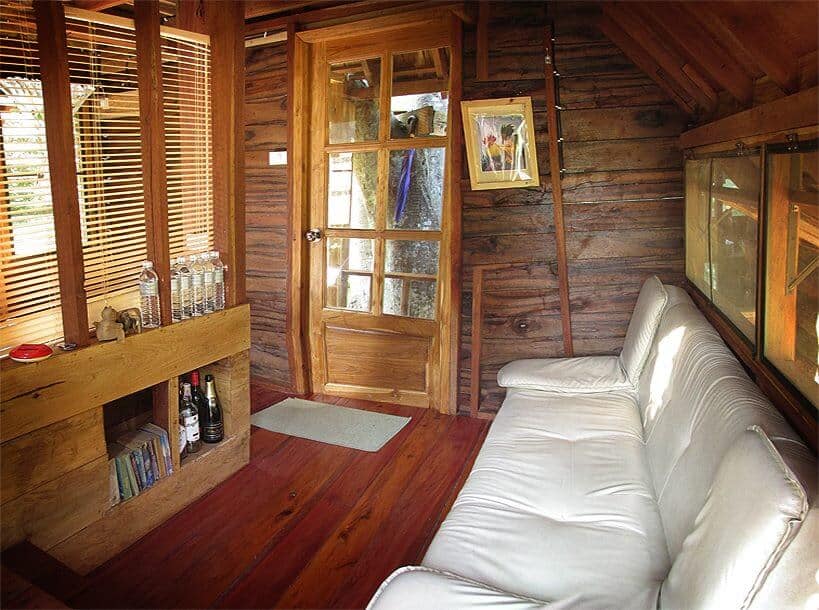
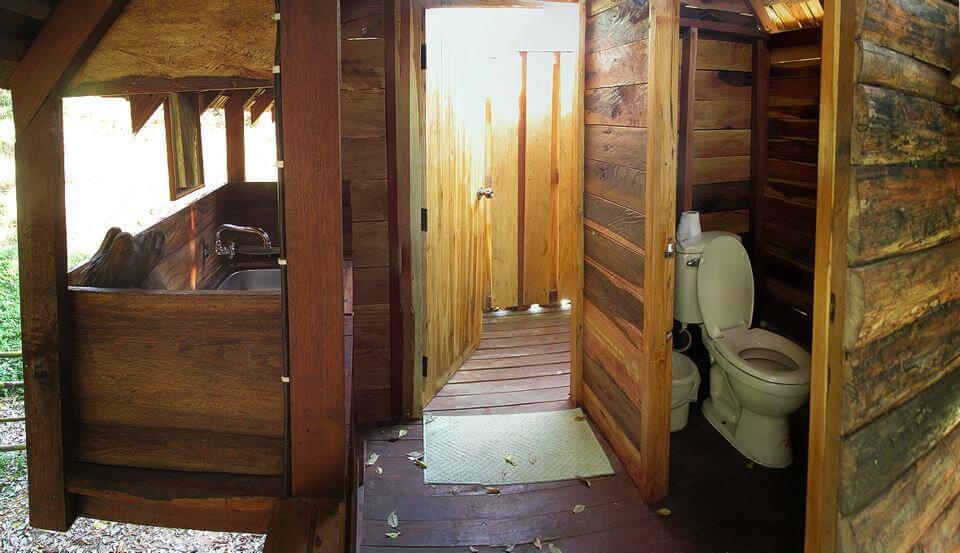
Individual cottages vary in character, but most offer private terraces or balconies raised to treetop height. Some feature open-air showers, where morning light filters through branches and rain sounds like something deliberate. Interiors keep things honest: a good bed, running water, electricity, bathrooms that work. Local timber and gentle lighting carry the aesthetic without overstatement. The three family treehouses — Longan, Coconut, and Star — add levels and space for those travelling in a group, with more corners to discover and more room to spread out.
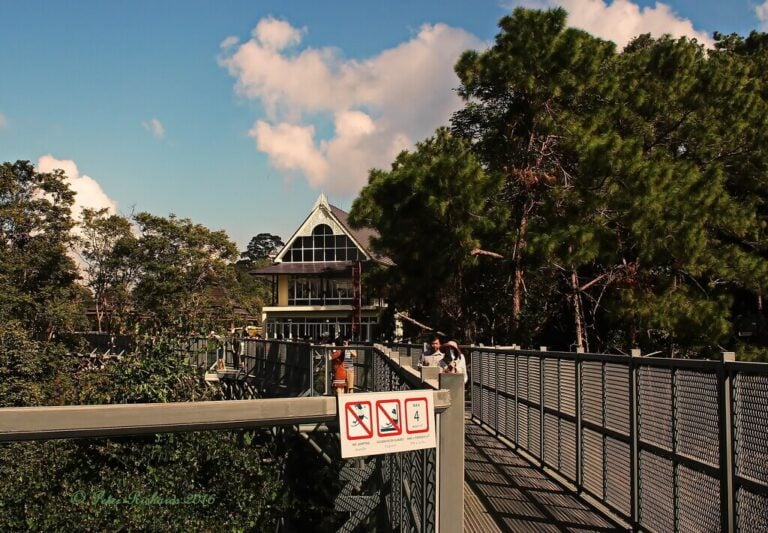
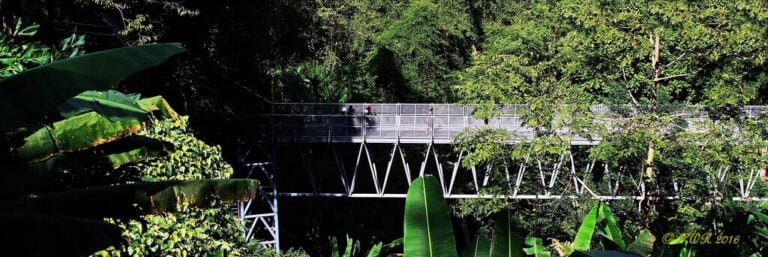
The pace Rabeang Pasak sets is unhurried by design. A walk to a forest viewpoint, a quiet meal, an evening by a firepit — these are the activities on offer. Guests who need a sharper excursion can visit the Queen Sirikit Botanic Garden Canopy Walkway nearby, said to be among the longest treetop paths in Thailand, with glass-floor sections and layered forest views that feel like a natural extension of staying here.
Nightly rates run approximately $60–$80, varying by season and availability — squarely in budget territory for what is a genuinely crafted experience. The cool dry season from November through February brings the most comfortable conditions, with warm days and cool nights ideal for forest walks. The rainy season, June through October, turns the landscape vivid green but comes with mud and afternoon showers; it rewards travellers who come prepared.
The nearest major rail hub is SRT Chiang Mai station, roughly 25 km away in straight-line distance, served by several State Railway of Thailand express and special express trains including trains 7, 8, 9, 10, 13, 14, 51 and 52. From the city, a private transfer or hired vehicle is the practical way to cover the remaining distance into Doi Saket — the resort is best contacted directly to arrange arrival logistics.
Rabeang Pasak suits travellers who travel to slow down. If the draw is birdsong at dawn, dappled light through timber walls, and falling asleep to forest sound, this place delivers those things without fuss or pretension. It is handmade, human in scale, and quietly sure of what it is.
Frequently Asked Questions
Q: What is the general nightly rate at Rabeang Pasak Treehouse Resort?
A: Nightly rates run approximately $60–$80, placing the resort firmly in budget territory for a handcrafted treehouse stay. Rates vary by season and availability, so check current pricing when booking.
Q: When is the best time to visit?
A: November through February offers the most comfortable conditions — warm, sunny days and cool nights that are ideal for walking the forest paths. The rainy season (June–October) brings lush greenery but also mud and afternoon showers, so pack accordingly. March to May is hotter and can be hazy, though crowds are thinner.
Q: What types of accommodation are available?
A: The resort has nine units in total — six individual cottages and three larger family treehouses named Longan, Coconut, and Star. Each is distinct in character, with private terraces or balconies at treetop height, and some feature open-air showers. The family units offer extra levels and space for groups travelling together.
Q: How do guests reach the resort from Chiang Mai city?
A: The resort sits in Doi Saket district, roughly 25 km from SRT Chiang Mai station in a straight line. A private transfer or hired vehicle is the practical way to complete the journey. Contact the resort directly to arrange arrival logistics.
Q: Is Rabeang Pasak suitable for travellers who want activities beyond the property?
A: The resort suits guests who genuinely want to slow down — forest walks, a firepit in the evening, and meals at a relaxed pace are the main draws. For those wanting a structured excursion, the Queen Sirikit Botanic Garden Canopy Walkway is nearby and offers an extended treetop experience that complements a stay here.









Add a review