

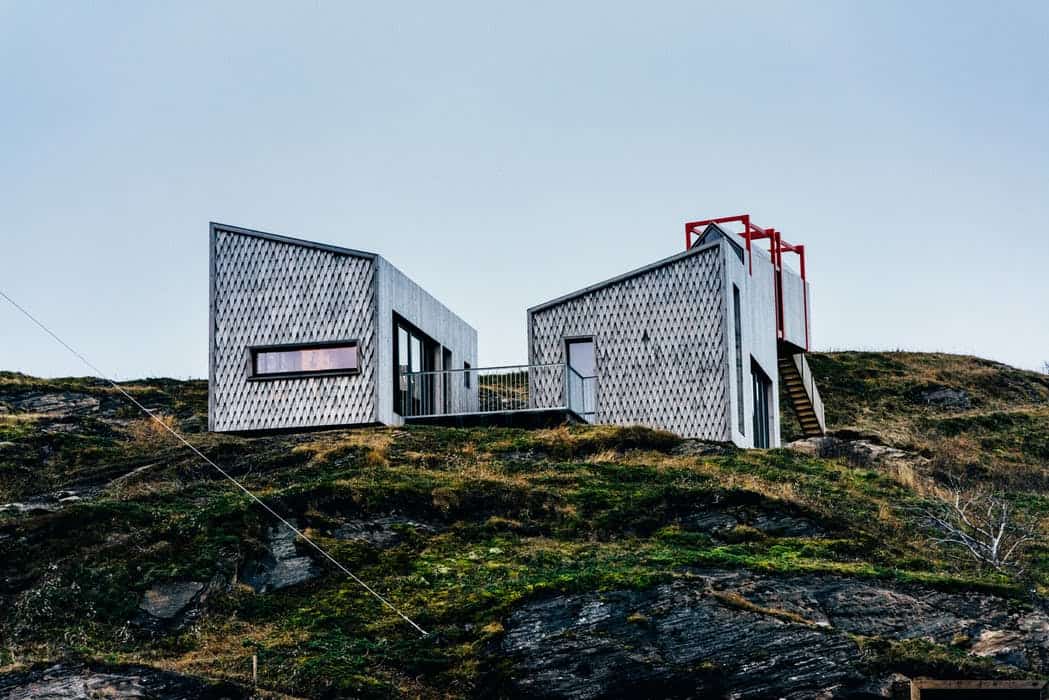
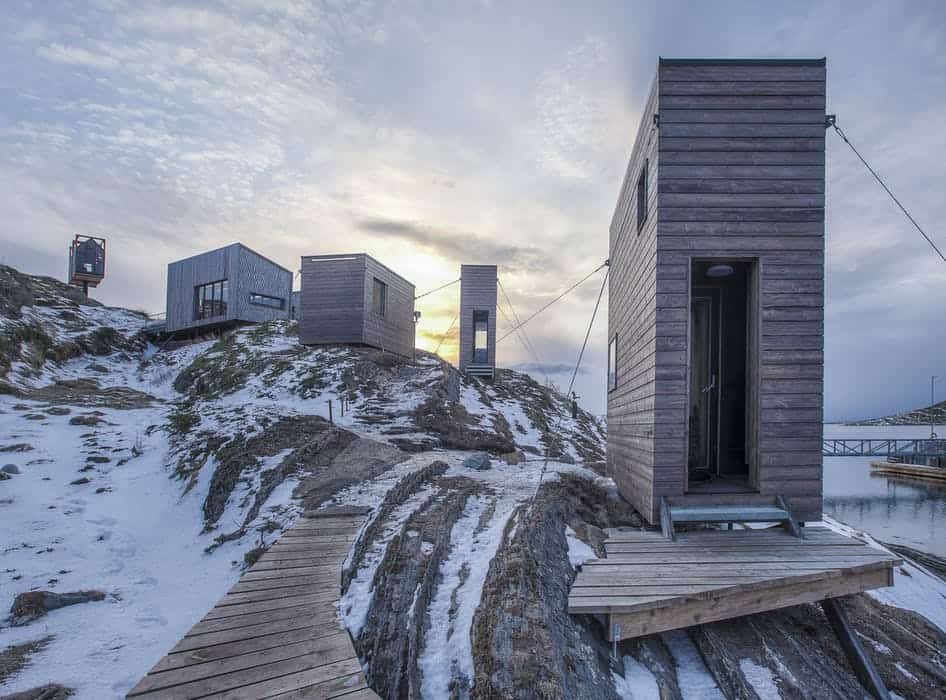
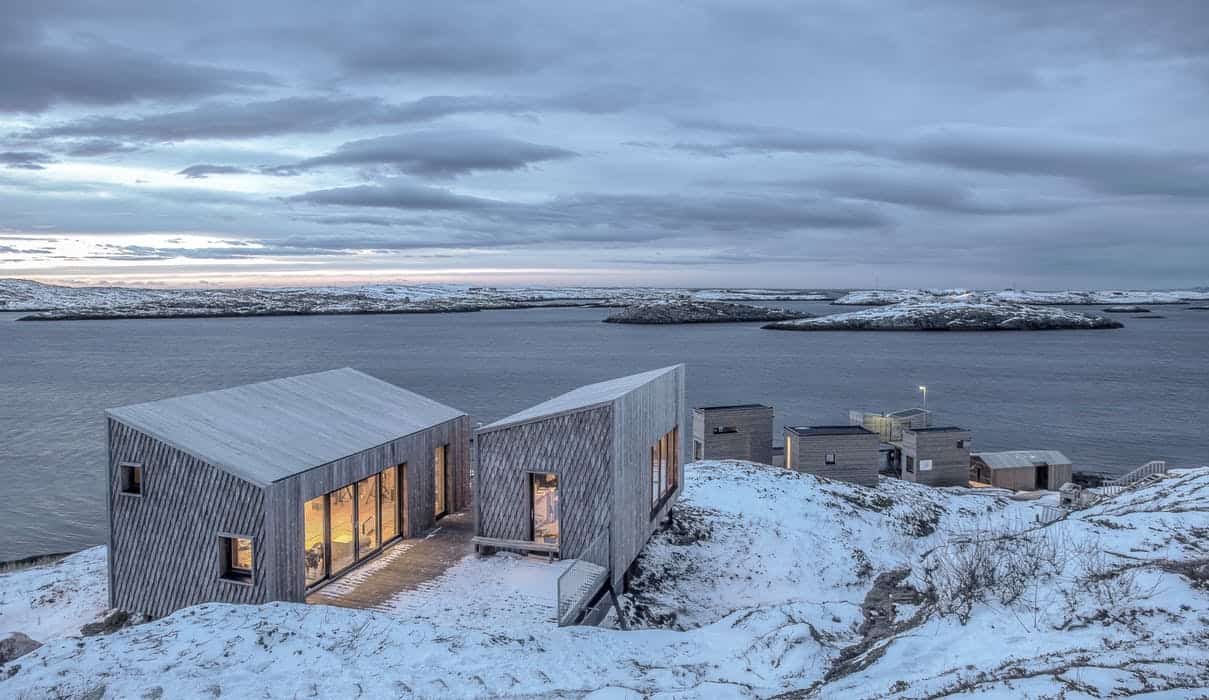
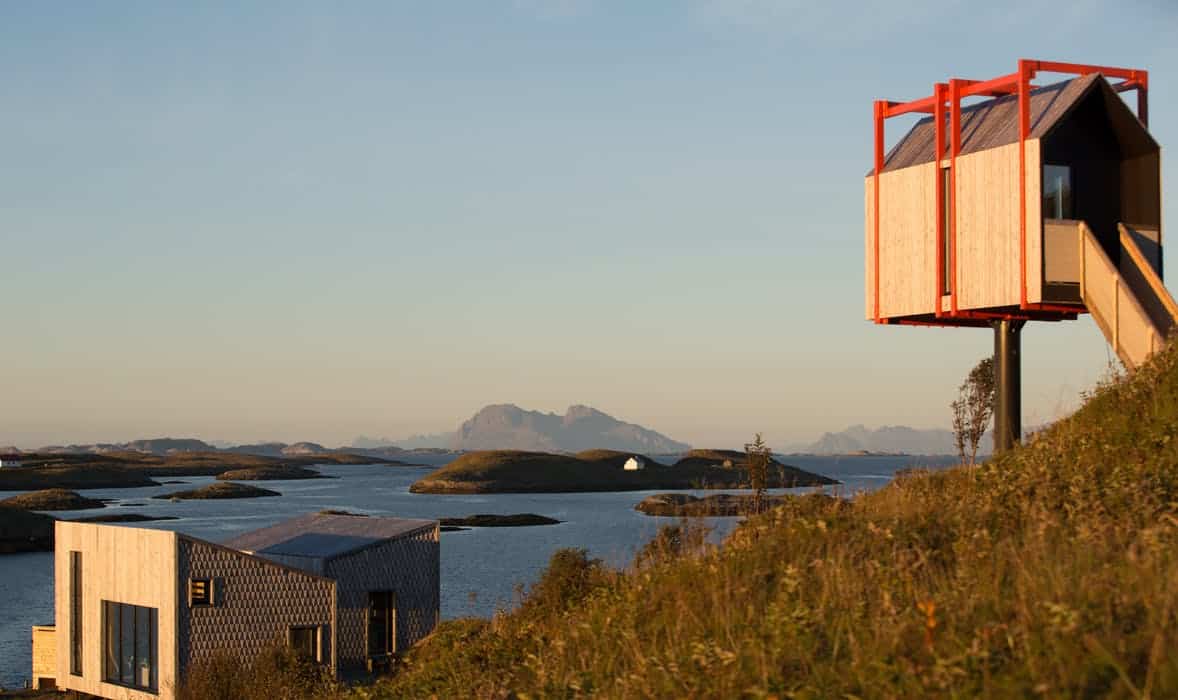
Fleinvær is not easy to reach, and that is precisely the point. This small archipelago sits off the Norwegian coast above the Arctic Circle, accessible only by sea. No roads connect it to anywhere. No cars wait on the other side. When the boat slows and the engine note drops, the islands emerge from the water in low, quiet silhouettes — and The Arctic Hideaway comes into view as a modest cluster of ten structures facing the sea.
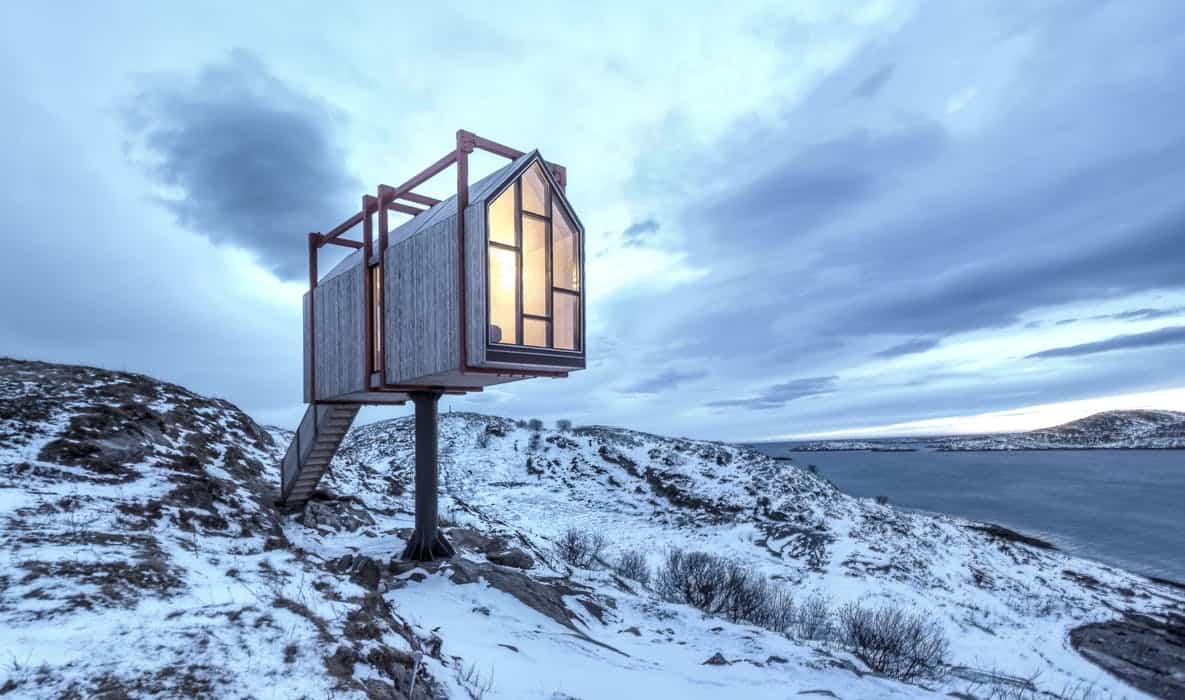
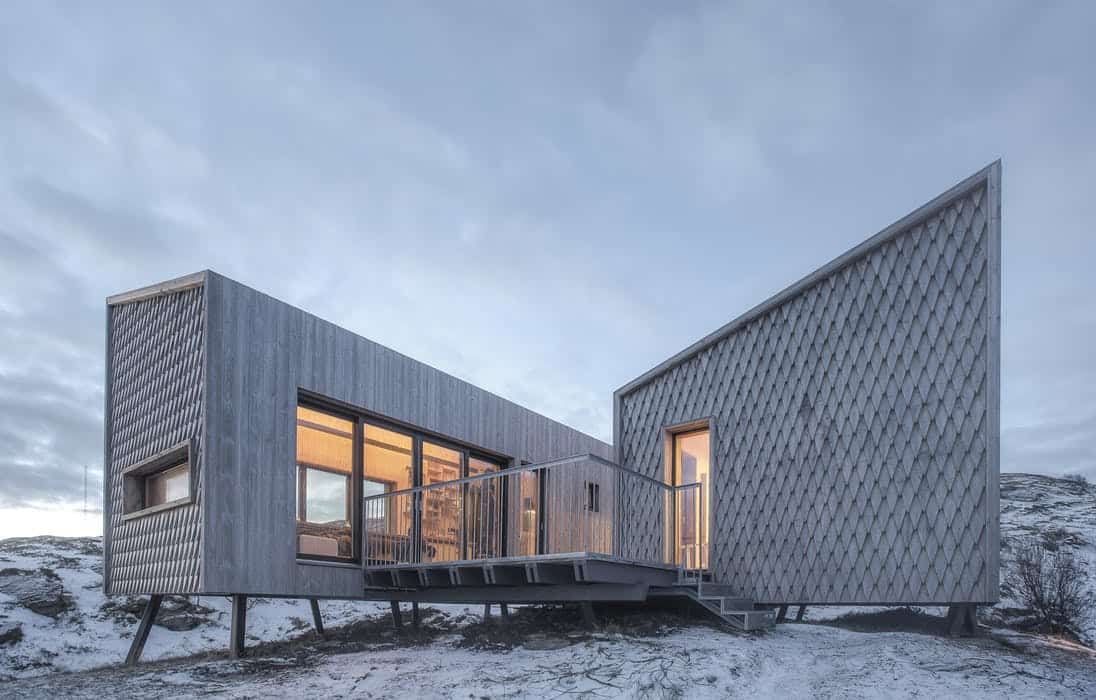
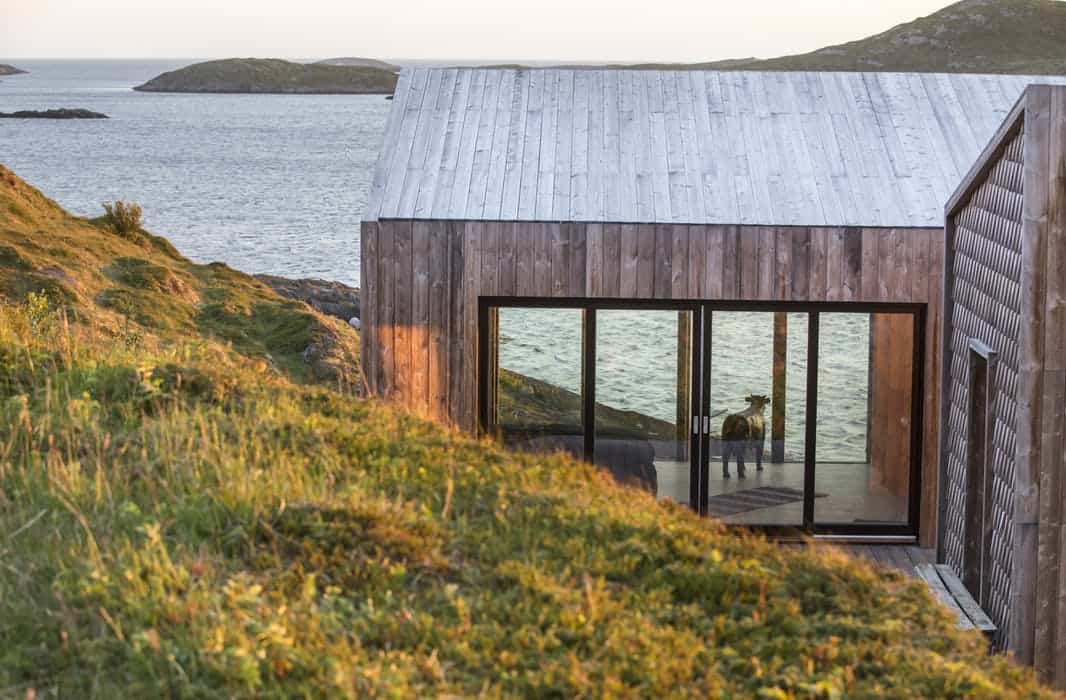
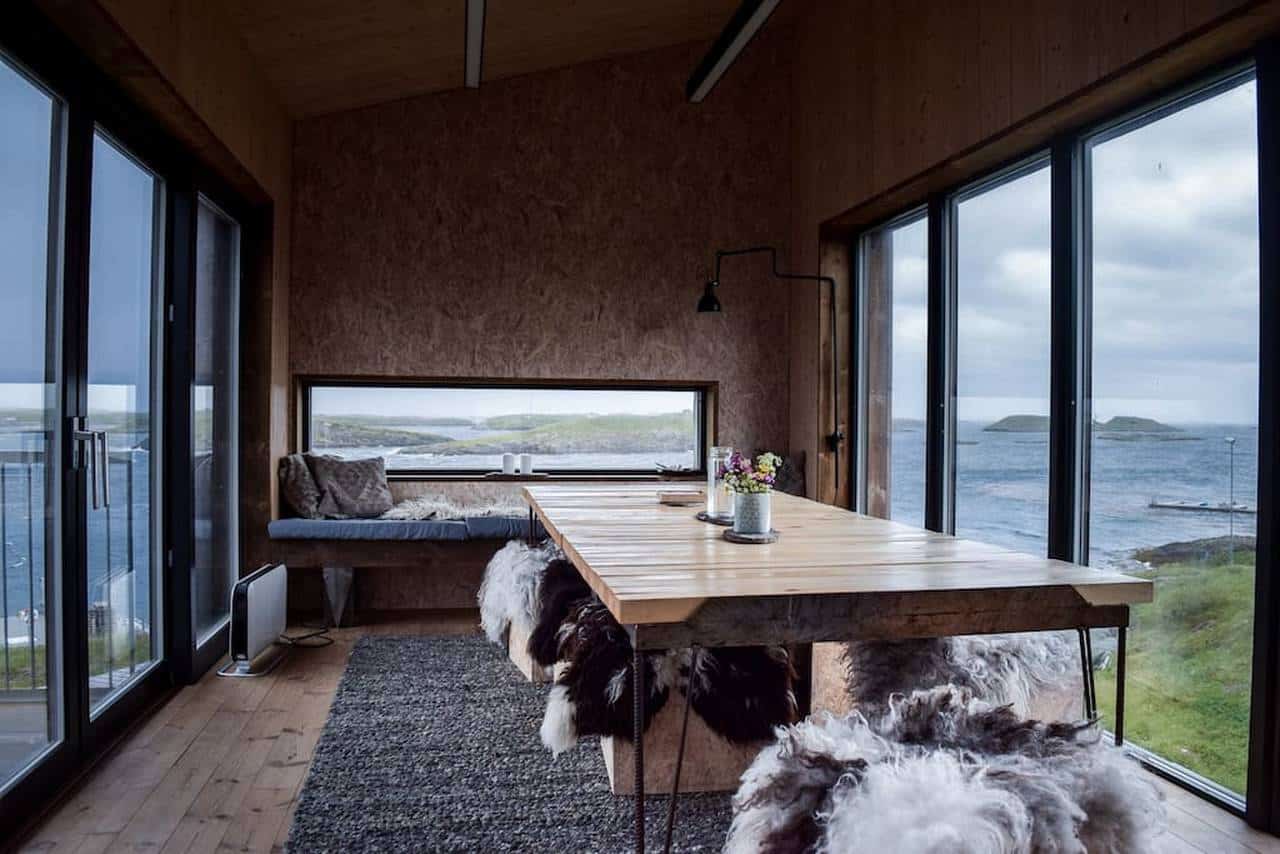
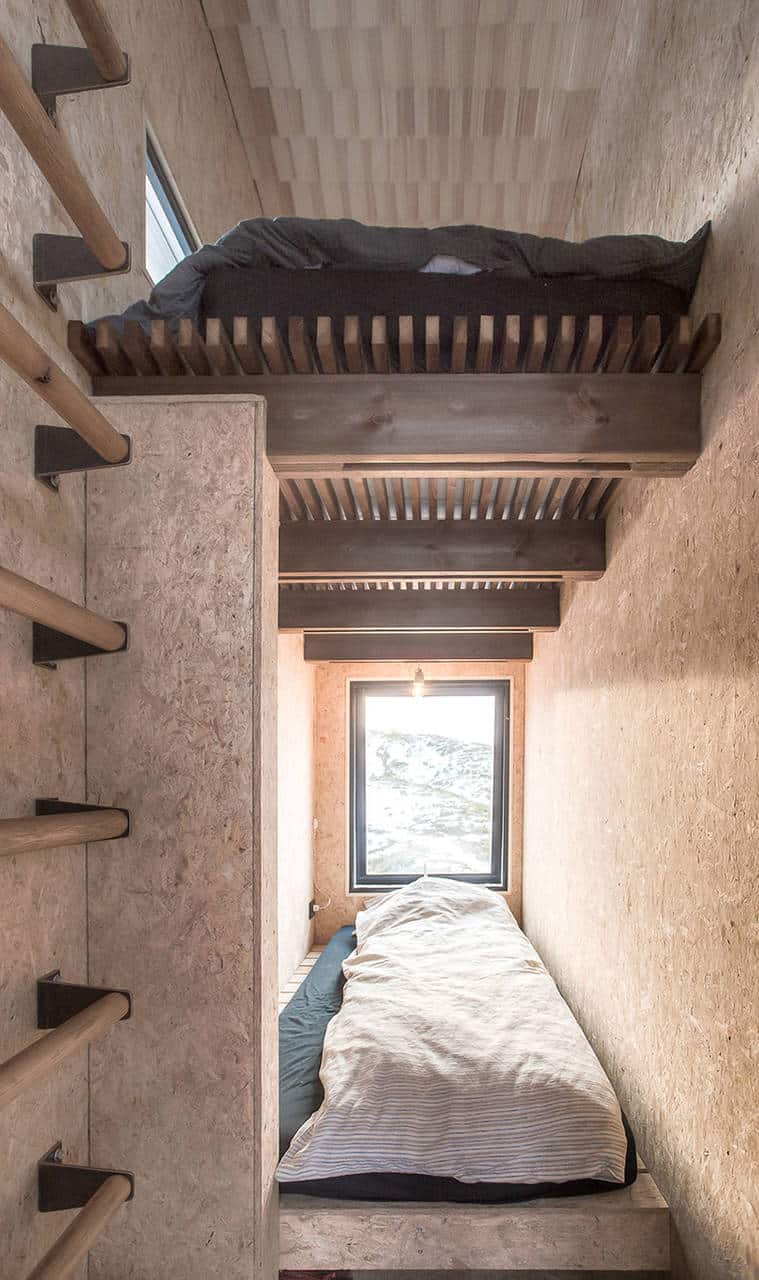
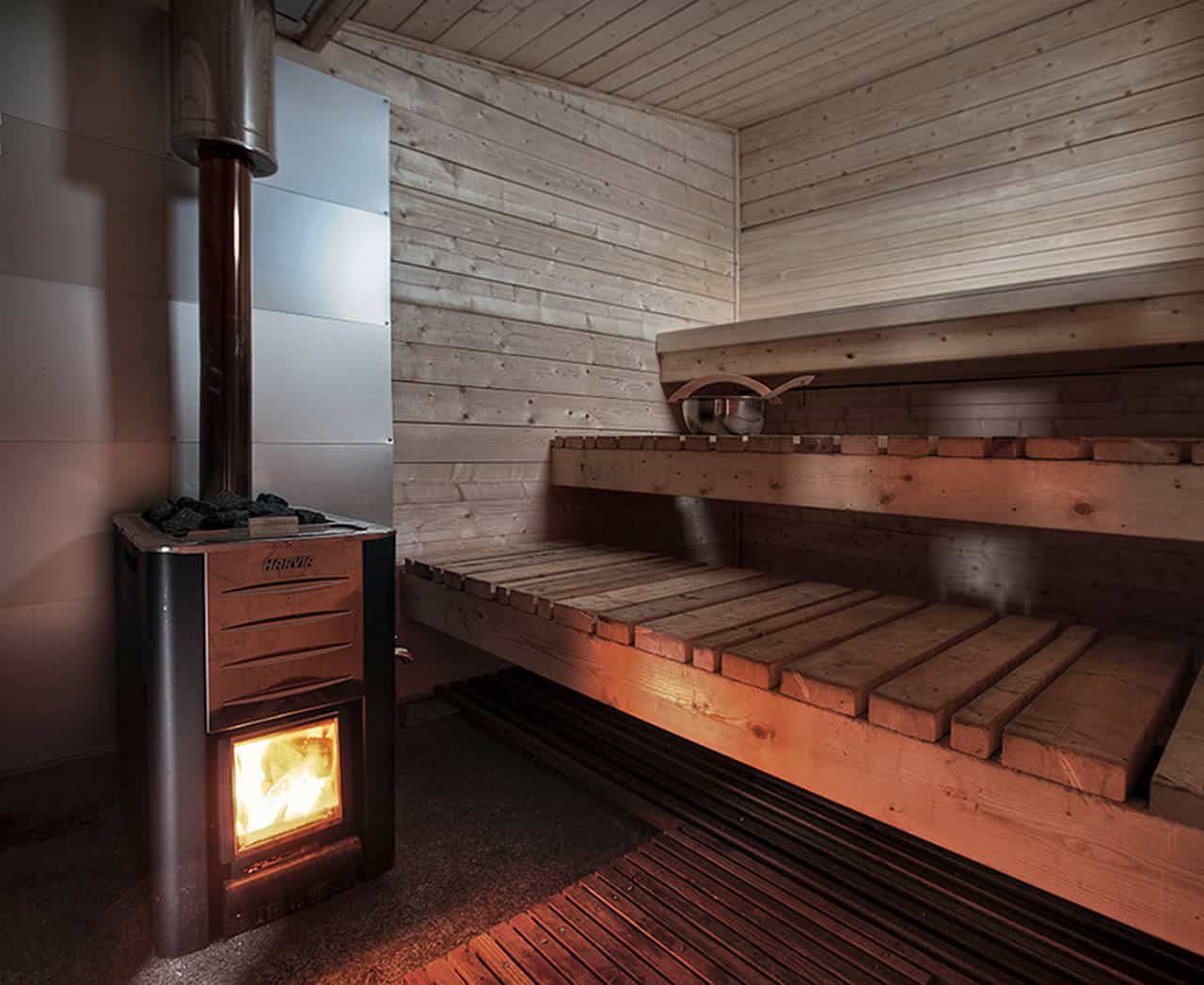
The property is less a hotel than a deliberately small settlement. Four of the buildings are private sleeping pods, each turned toward the water with timber interiors, a bed built for deep sleep, and a window that serves as a living painting. The light through that window changes constantly — silver at midnight in summer, bruised violet before a winter storm, occasionally smeared with the green of the aurora. The remaining structures hold shared life: a kitchen where coffee genuinely tastes better, a lounge for long silences and salt-crinkled books, hot showers that feel heroic after a briny afternoon, and a sauna that earns its place every single evening. Nightly rates run from approximately €250 to €350, varying by season and availability — a refined, pared-back stay defined more by simplicity and seclusion than excess.
Fleinvær rewards those who slow down enough to notice it. Otters sometimes cut cursive lines through the shallows. White-tailed eagles drift overhead with the unhurried authority of things that own the sky. In June, July and August, the midnight sun keeps the archipelago lit in warm amber long after midnight, with mild temperatures and a quality of light that serious photographers chase across continents. Come in winter and the world contracts into cold, dark and wind — raw Arctic conditions that suit those who want storms and, if luck obliges, curtains of aurora above the rooftops.
Days here are elastic. The natural pace is slow and self-directed. Boat trips thread through the surrounding skerries; fishing trips turn into dinner; birdwatching becomes a lesson in patience that nobody resents. Shells find their way into pockets because the beach seems to insist. The surrounding archipelago and mainland offer climbing and hiking for those who prefer their views earned through effort. A caretaker meets every arrival — by boat, or by chartered seaplane for those who want a cinematic entrance — settles guests in, and stays available without hovering. Otherwise, the island is entirely yours.
The communal layout suits solo travellers and small groups in equal measure. Eight guests move through the shared spaces easily; ten works for those who already know each other well. The arrangement encourages the kind of accidental sociability that happens around a kitchen or a sauna, followed by a clean retreat into your own pod and the sound of the wind working at the walls.
Getting to Fleinvær means passing through Bodø, the standard mainland gateway for travellers arriving by train or air. From Bodø, ferry line 18-445 connects to the archipelago, serving hurtigbåt quays at both Sørvær and Mevær on Fleinvær — each approximately 500 to 600 metres from the property in a straight line. Do not expect frequent sailings; check current schedules through the regional operator before planning arrival days.
Frequently Asked Questions
Q: How do you actually get to The Arctic Hideaway on Fleinvær?
A: The archipelago has no road connection and no car access. Guests arrive by boat or, for a more dramatic entrance, by chartered seaplane. A caretaker meets every arrival and helps settle you in.
Q: What is the sleeping and accommodation setup?
A: There are four private sleeping pods, each facing the sea with timber interiors and large windows. Shared buildings across the property hold the kitchen, lounge, hot showers, and sauna — communal spaces that suit solo travellers and small groups of up to around eight to ten guests.
Q: What is the best time of year to visit?
A: That depends on what you're after. Summer (June through August) brings the midnight sun, mild temperatures, and exceptional light for photography. Winter visits mean cold, dark, and dramatic Arctic weather — and the chance of seeing the aurora overhead. Both seasons are compelling for different reasons.
Q: What does it cost to stay here?
A: Nightly rates typically range from approximately €250 to €350, depending on the season and availability. Check The Arctic Hideaway’s official website for the latest pricing.
Q: Is this a good fit for solo travellers, or is it more suited to groups?
A: Both work well. The communal layout — kitchen, sauna, shared lounge — creates natural opportunities for easy sociability, while each private pod gives you a clean retreat of your own. Eight guests move through the shared spaces comfortably; ten suits those who already know each other.







Add a review