
There’s something about the ocean that pulls people in — sometimes slowly, sometimes all at once. For John Eames, it was a little of both. Back in 2005, drawn by the surf and a feeling he couldn’t quite explain, he found himself in El Gigante, a small beach town on Nicaragua’s Pacific coast. At first, it was boats and surfboards and figuring things out. But over time, it turned into something much bigger.
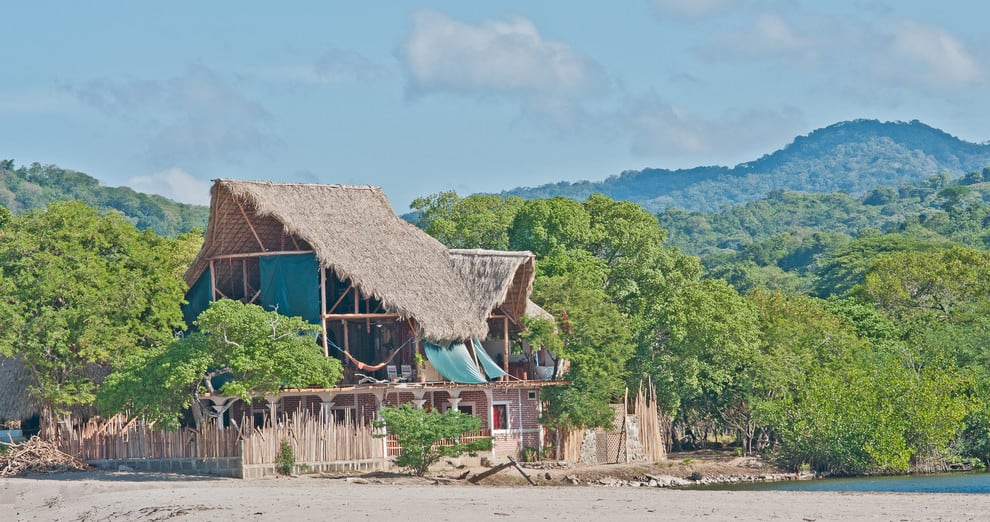
Somewhere between helping surfers and hauling gear, Eames stumbled upon a little brick house. Nothing fancy. Just one story, plain walls, tucked between an estuary and a curve of beach that looked like it hadn’t changed in centuries. But to him? It was a blank canvas. A place waiting to stretch, to breathe.
He always saw a second story, right from the start. Not some glass-and-concrete tower, but something more… open. Something that matched the rhythm of the mangroves across the water and welcomed in the wind that rolled down the valley every afternoon like clockwork.
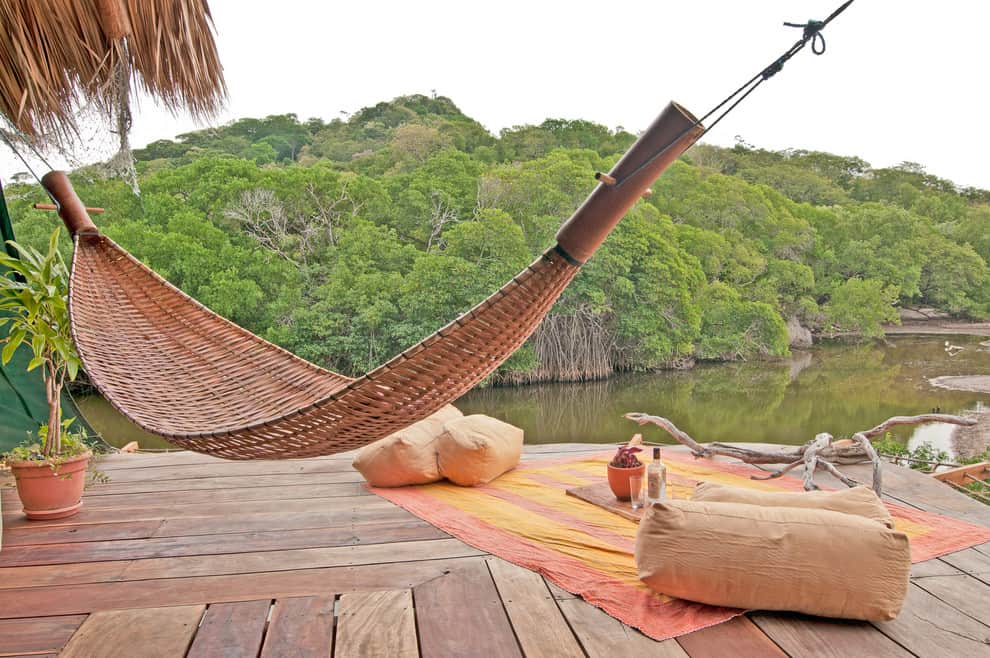
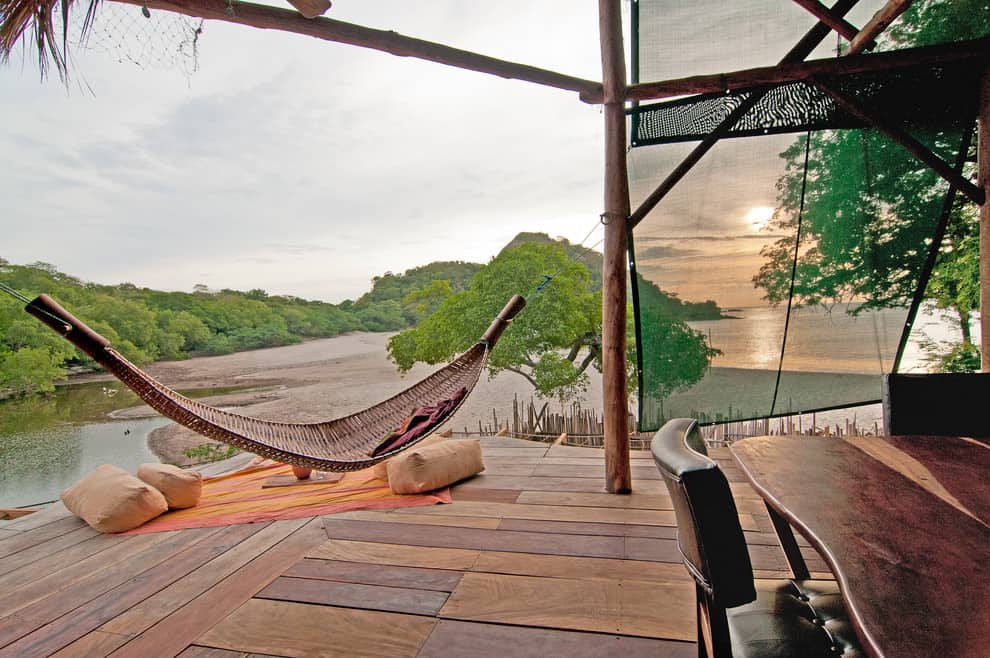
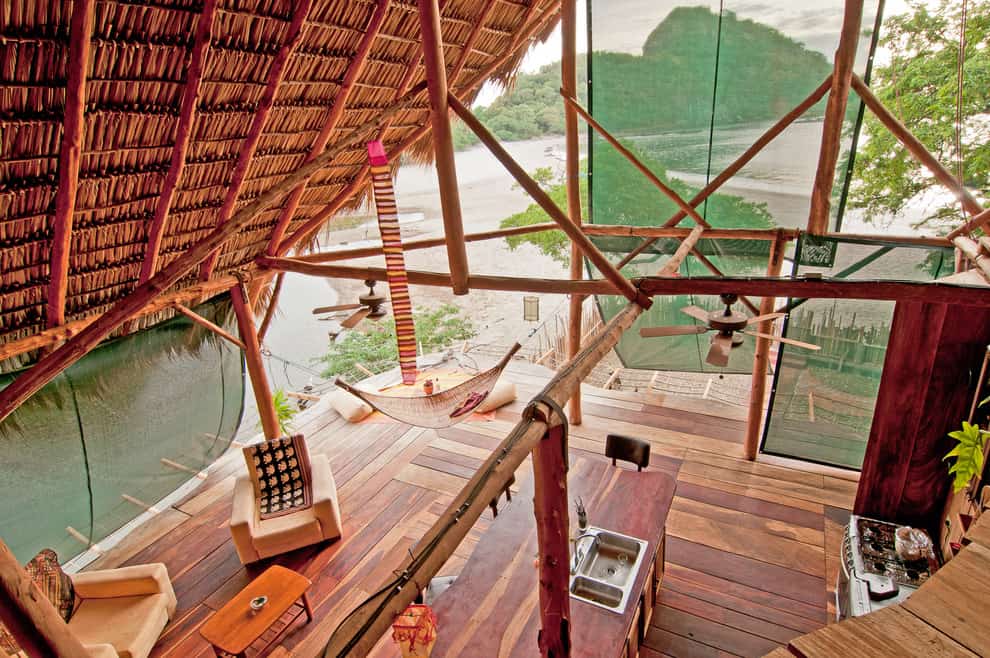
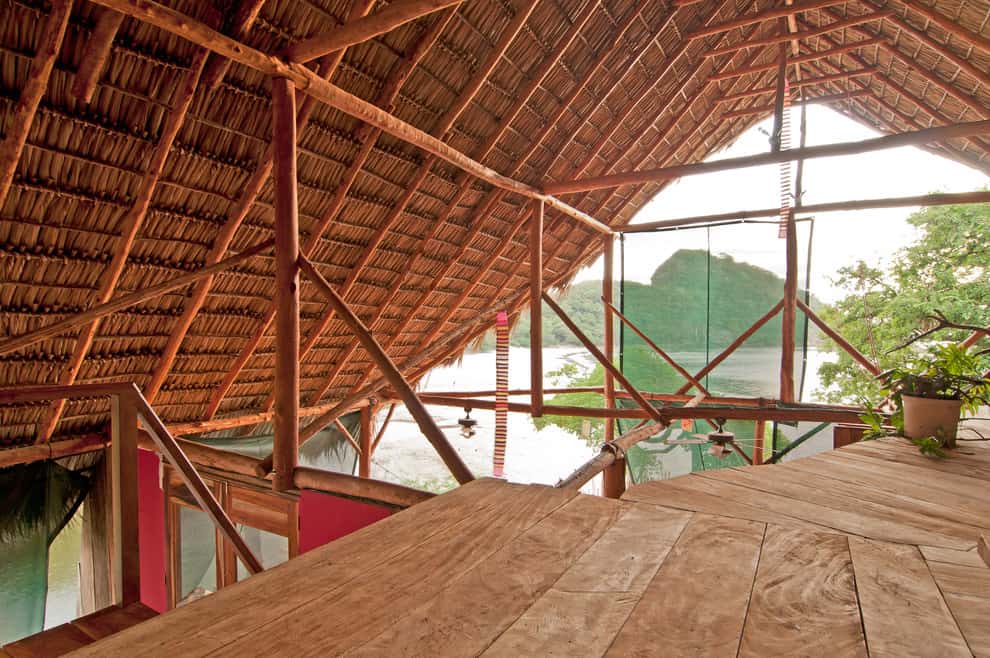
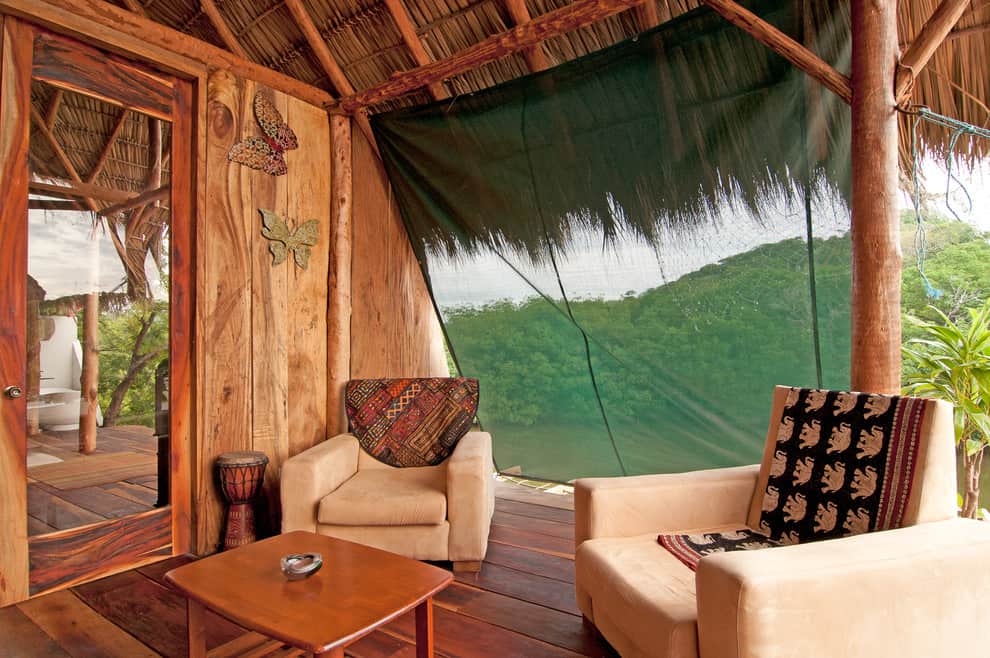
And so, he built it. A 2,000-square-foot open-air treehouse, perched above that humble brick base — part house, part sculpture, part sanctuary. Eames, who knew his way around hardware (seriously, this guy could probably build a jungle hut blindfolded), obsessed over every bolt, every plank. And what came together is... hard to describe. Breezy. Expansive. Kind of wild, in the best way.
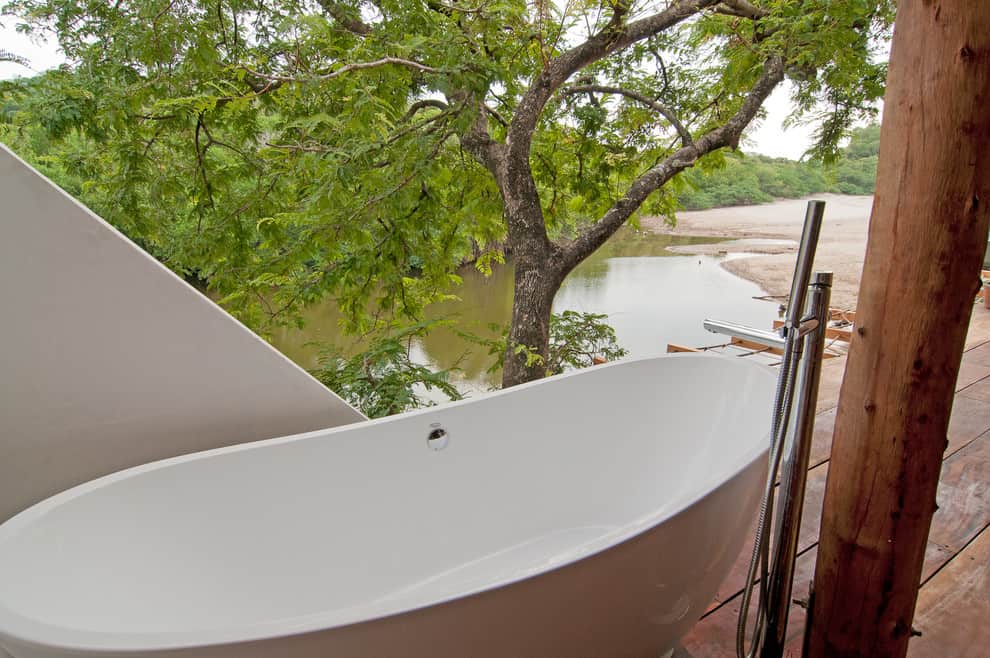
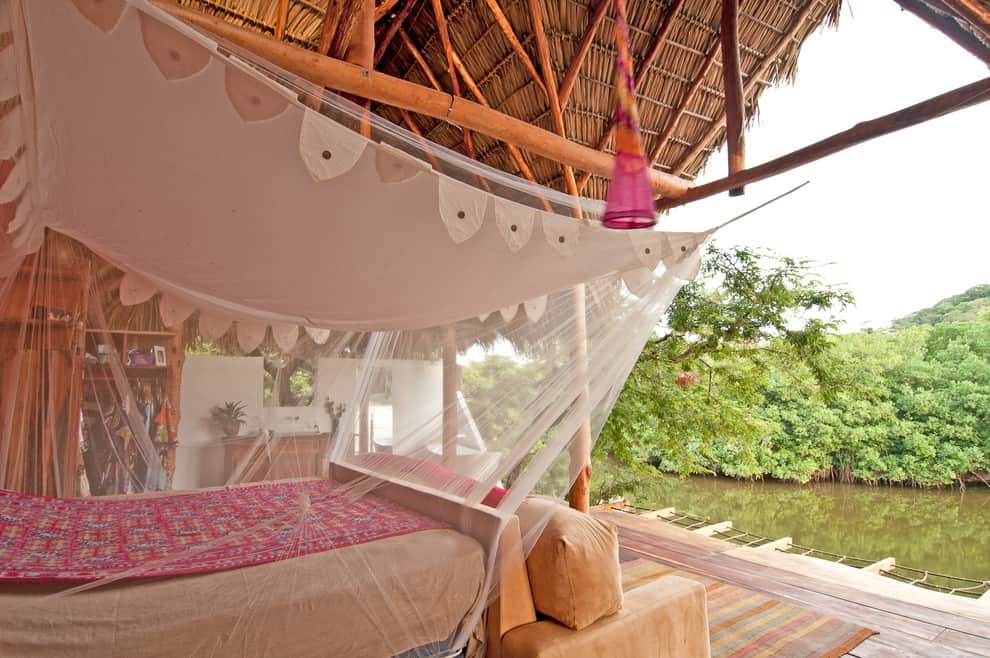
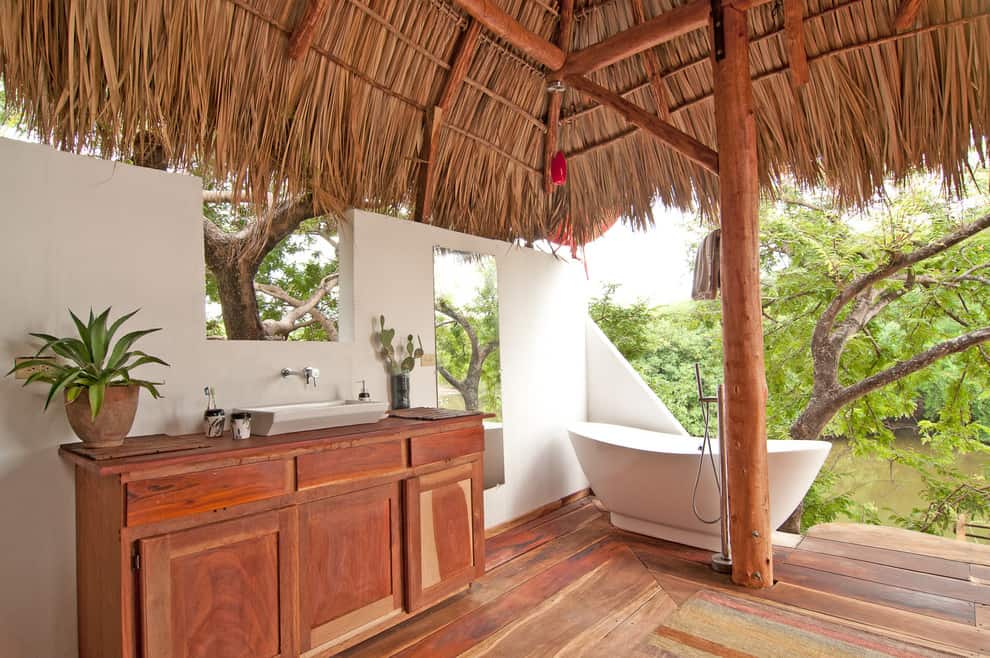
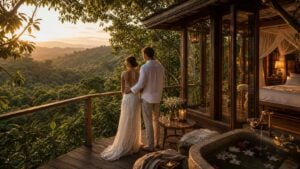
There are no glass walls separating you from the view — just open space, filtered light, the constant hush of waves. The bedrooms are open, so the ocean breeze rolls in while you sleep. And then there’s that bathtub. A massive, sun-drenched, freestanding tub that cost $1,400 and is positioned just so. From it, you can see everything: the estuary, the Pacific, the hulking form of Pie de Gigante in the distance. Eames laughs when he talks about it. “It’s a bit decadent,” he admits, “but I’d never say that out loud.” (Too late.)
It’s not really a house, honestly. It’s more like a love letter — to Nicaragua, to the beach, to a way of life that doesn’t care much for air-conditioning or straight lines. The kind of place where time slows down just enough for you to notice what’s been missing. A breeze, a view, a long soak, and maybe — just maybe — a glass of wine at sunset.







Add a review