
Philippines
The Philippines offers treehouse stays that feel less like a resort formula and more like someone's carefully built idea perched above jungle or coastline. Palawan pairs limestone karst drama with turquoise lagoons, Siargao leans into surf culture and coconut groves, and Bohol delivers inland calm with chocolate hills on the horizon. Materials run to bamboo frames, nipa thatch and capiz shell light, and the design philosophy tends toward letting location speak louder than decoration. Gateway airports in Manila, Cebu, Puerto Princesa and Siargao put most properties within reach, often for less than comparable Southeast Asian escapes.
{{locationDetails}}
Browse sub-categories

About Philippines
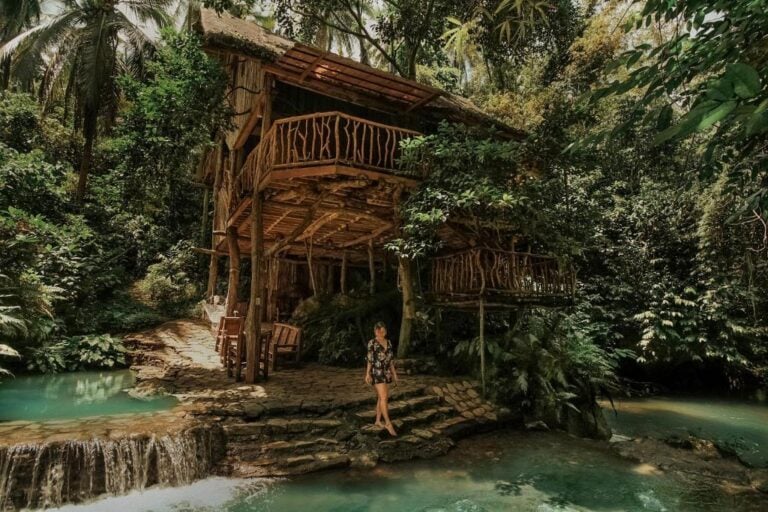
The Philippines hasn't been overrun by treehouse fever yet, which means the stays that do exist tend to feel more like someone's beautiful idea than a franchise. You're trading the polished resort circuit for something closer to the ground—or rather, closer to the canopy—where bamboo scaffolding meets serious carpentry and the view costs more than the marble lobby ever did.
Palawan draws the clearest line between jungle and sea. Around El Nido and Coron, properties tuck into the edges of limestone karst country, where the water runs turquoise to deep blue and mornings arrive with the thump of boat engines heading out to the lagoons. Siargao leans into surf culture: coconut groves, salt air, and enough mellow energy that you stop checking the time. Bohol offers a softer inland option, with chocolate hills rolling into the distance and rivers that catch the light just right. Each island has its own cadence, and treehouses here tend to mirror that rhythm rather than impose a single aesthetic.
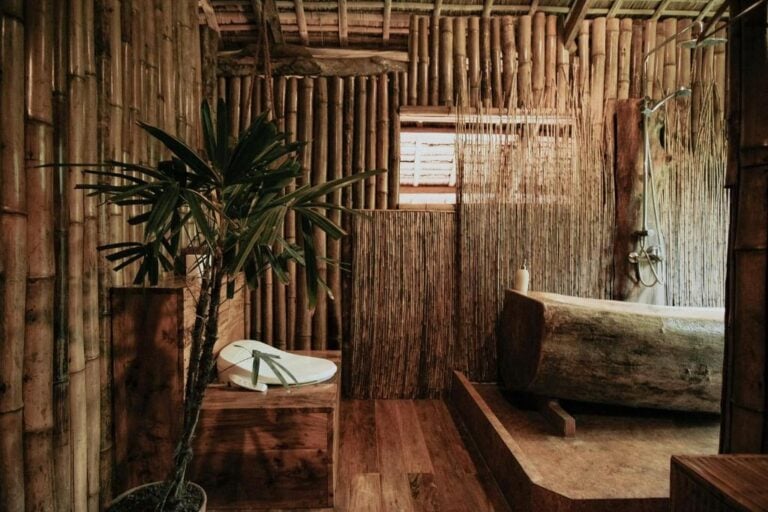
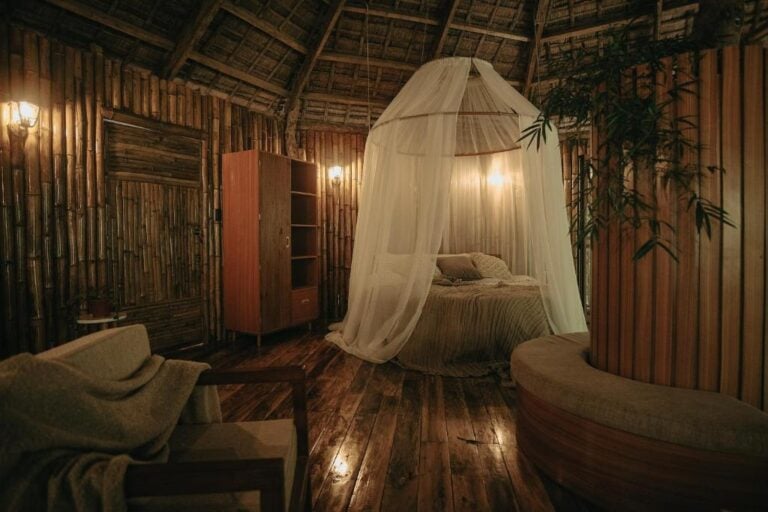
Materials skew local and practical. Bamboo for the frame and railings, coconut lumber for the deck, woven amakan or nipa thatch where shade and airflow matter. Capiz shells set into shutters or lamps throw warm, fractured light at dusk. Inside you'll find the comforts that matter at elevation—decent bedding, a fan that works, sometimes a plunge pool or an open-air shower with a view that makes you pause mid-rinse. Design philosophy leans toward letting the location do the talking: if the treehouse blocks the sunset or the surf sound, it's built wrong.
The Philippines sits in the same tropical belt as Bali and Thailand but with lighter foot traffic and a bit more frontier appeal. Dive sites around Moalboal and Coron see fewer crowds. Surf breaks like Cloud 9 are world-class but approachable. Island-hopping by banca, chasing waterfalls in the interior, or simply sitting still with fresh buko and a ridiculous quantity of mango—it's all within easy range of a treehouse base. Dry season runs November through May, when seas calm and skies clear. June through October brings afternoon rain and occasional weather systems worth watching if you're booking around typhoon season.
Gateway airports in Manila, Cebu, Puerto Princesa and Siargao put most properties within a few hours' travel, though expect some combination of van and boat depending on the island. Rates tend to land below comparable Bali properties, and the infrastructure is good enough now that remoteness doesn't mean roughing it. The treehouse isn't just a place to sleep between activities—it's the activity, the view, the reason you're barefoot at breakfast with sand still between your toes and no particular plan beyond watching the light change.
Frequently asked questions about Philippines
Which Philippine islands have the best treehouse stays?
Palawan offers the most dramatic setting, with treehouses near El Nido and Coron tucked into limestone karst country where jungle meets turquoise lagoons. Siargao brings surf culture and coconut groves, ideal if you want mellow island energy and easy access to world-class breaks. Bohol provides a softer inland option with rolling chocolate hills and rivers, farther from the coast but rich in quiet. Each island has its own rhythm, and treehouses tend to reflect that rather than follow a single template.
When is the best time to visit treehouses in the Philippines?
Dry season runs from November through May, bringing calmer seas, clearer skies and the most reliable weather for diving, island-hopping and simply enjoying the view from your deck. June through October sees afternoon rains and occasional typhoon systems, so it's worth checking forecasts if you're booking during those months. Most travelers plan two to four nights at a treehouse, giving enough time to balance stillness with activities.
How do Philippine treehouse prices compare to Bali or Thailand?
Rates generally run below comparable properties in Bali, often by a noticeable margin, while offering similar quality in construction and setting. The Philippines hasn't hit the same saturation point as Thailand's islands, so you're trading some polish for lighter crowds and a bit more frontier appeal. Infrastructure has improved enough that remoteness no longer means roughing it, but you're still more likely to feel like you've found something rather than arrived at a resort formula.
What materials and design should I expect in a Philippine treehouse?
Most properties use bamboo for framing and railings, coconut lumber for decks, and woven amakan or nipa thatch where shade and airflow matter. Capiz shells often appear in shutters or lamps, casting warm, fractured light at dusk. Interiors focus on the comforts that matter at elevation—good bedding, a working fan, sometimes a plunge pool or open-air shower with a view. The design philosophy leans toward letting the location do the talking rather than imposing a heavy decorative hand.
How do I reach treehouse properties in the Philippines?
Gateway airports in Manila, Cebu, Puerto Princesa and Siargao put most treehouses within a few hours' travel, though expect a combination of van and boat depending on which island you're headed to. Palawan properties often involve a transfer from Puerto Princesa; Siargao is a direct flight from Manila or Cebu. The logistics are straightforward now, but it's worth confirming transfer details with your property in advance, especially if you're arriving late in the day.