
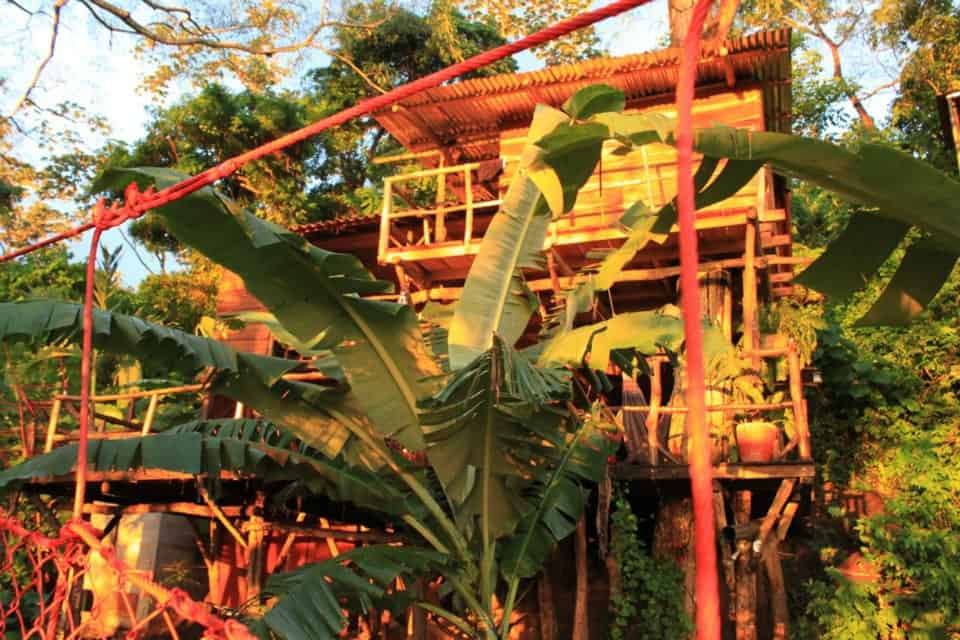
On the Carretera Granada–Nandaime, somewhere between the colonial city and the open rural south, a red post marks a threshold. Shout "Poste Rojo!" on the local bus, step off into the heat, and follow a dirt path past a small Jehovah's church and through farmland. The jungle fills in around you before the property even comes into view. That arrival is not incidental — it is the first thing Poste Rojo teaches you about itself.
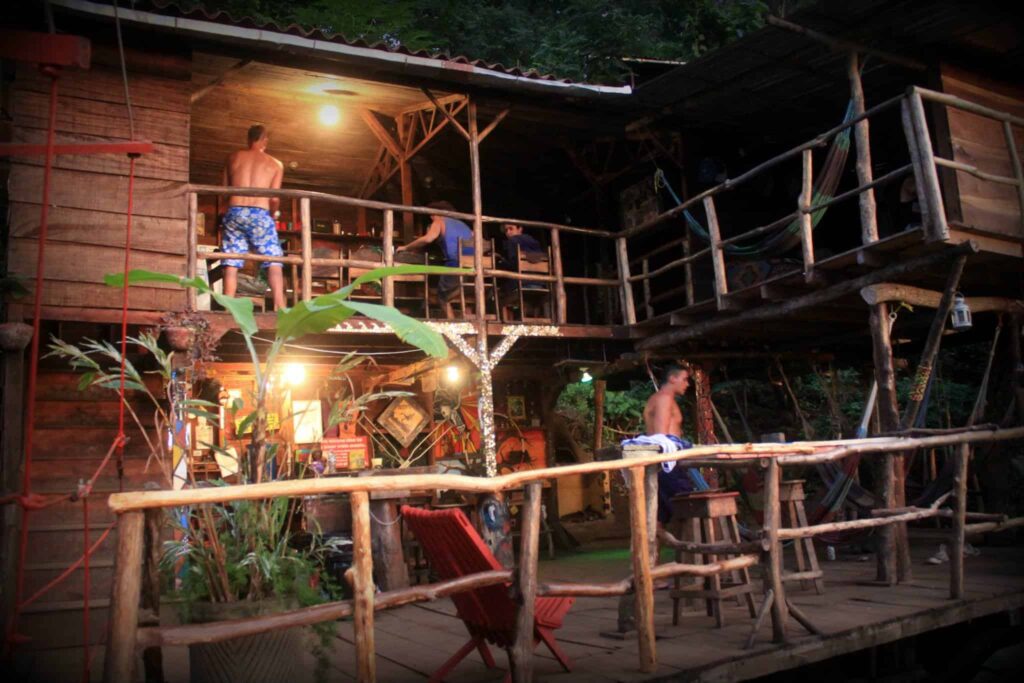
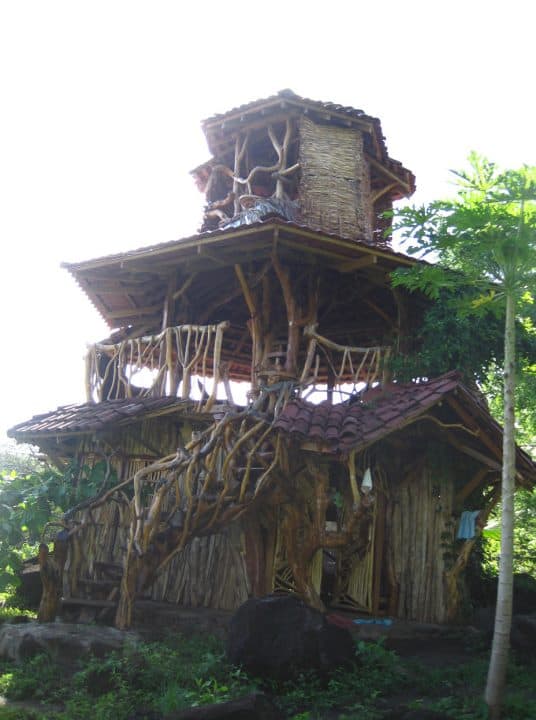
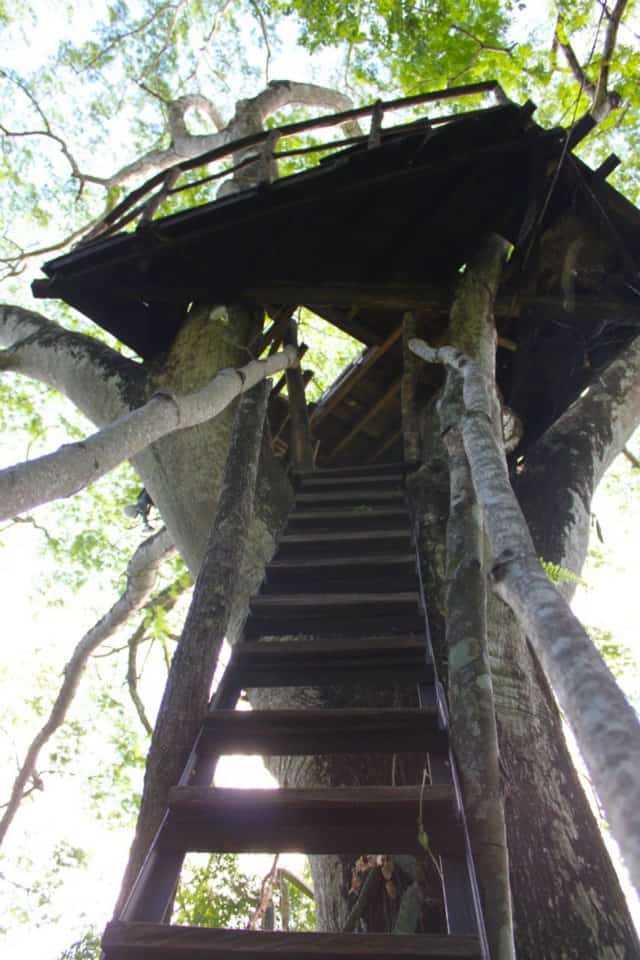
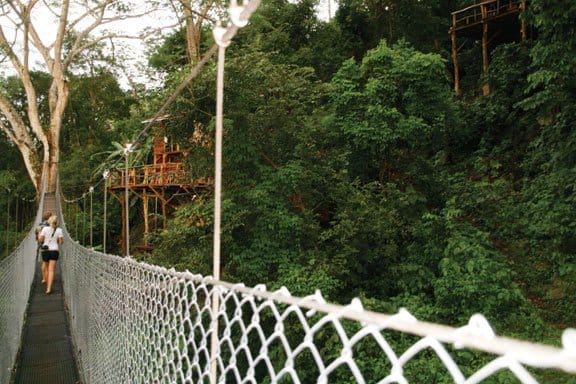
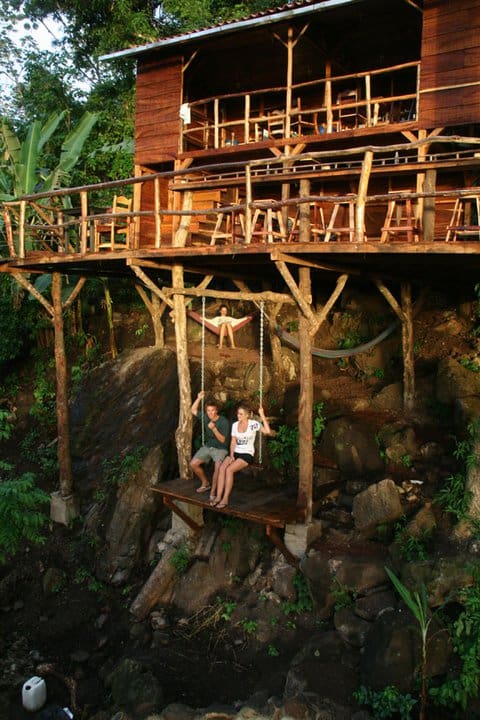
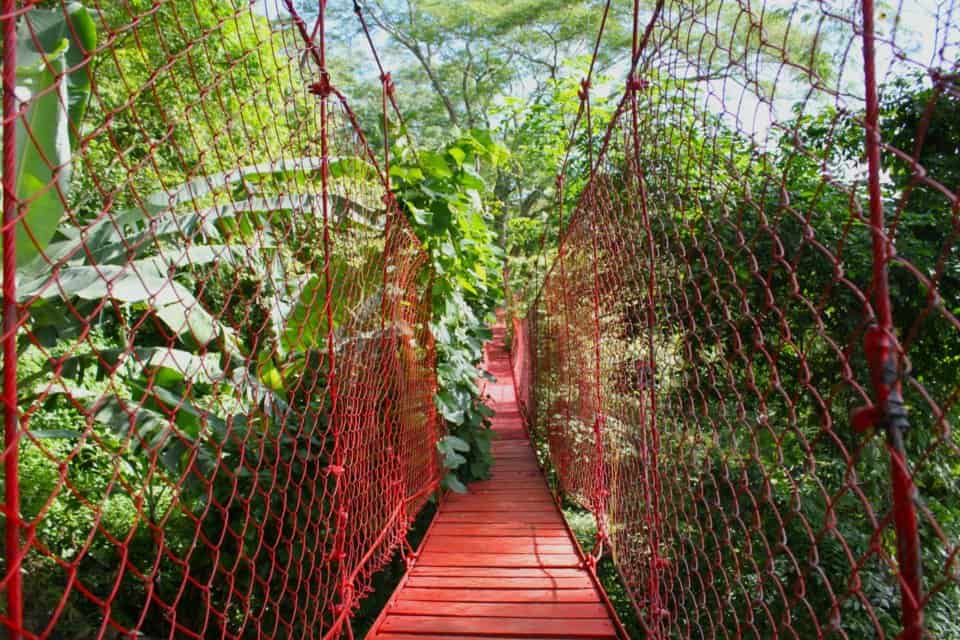
The place grew from one person's refusal to outgrow a childhood obsession. Chad Cunningham built the treehouse he always imagined, then opened it to travellers who felt the same pull. The result feels like an adventure camp that someone actually finished — planks fitted together with care, rope bridges swaying gently between platforms, and a narrow suspension bridge connecting the common area to a yoga deck that floats above the canopy.
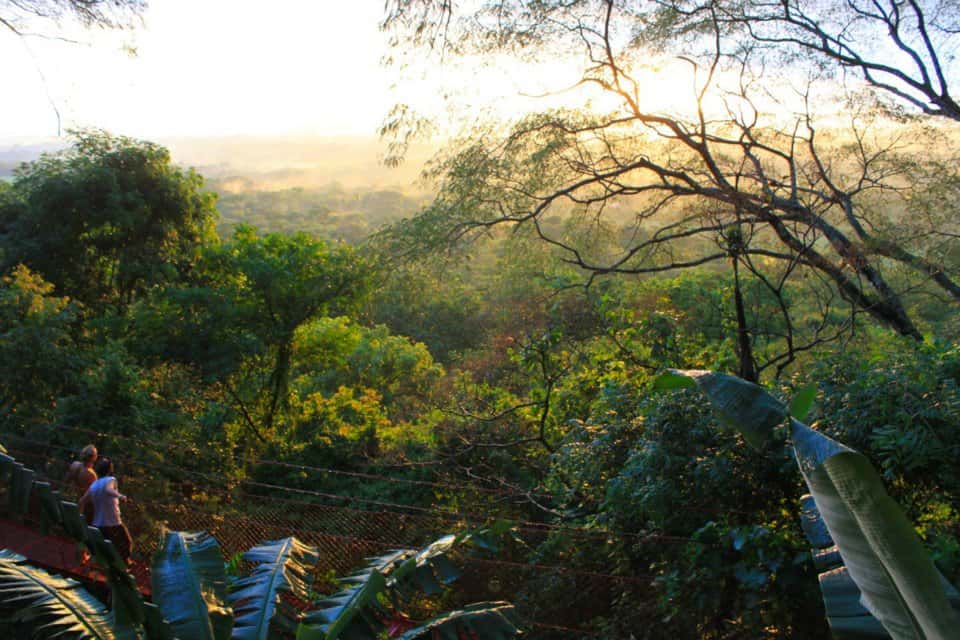
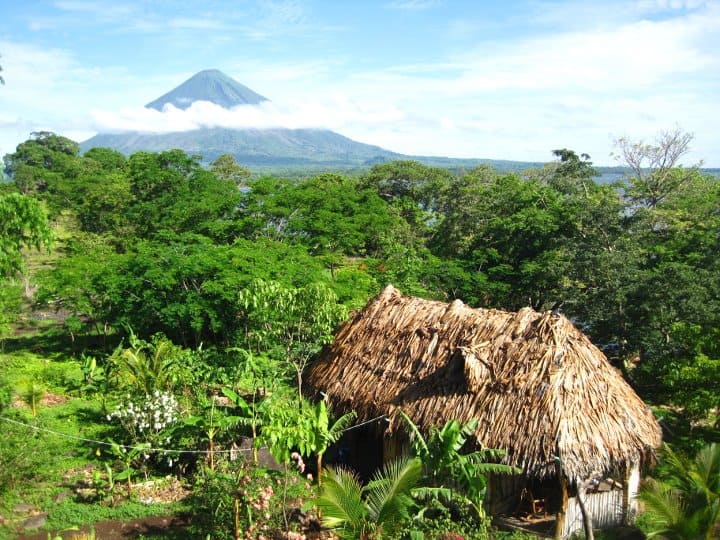
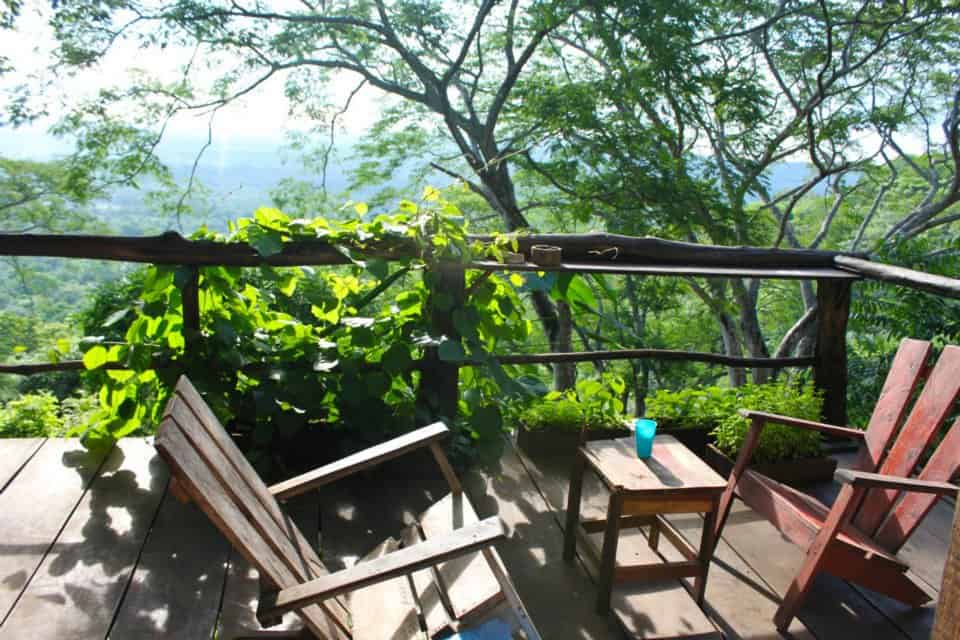
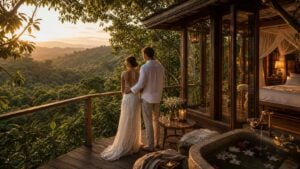
From that deck, the view stretches over a sea of green, with volcano silhouettes visible on clear days and howler monkeys occasionally making their own editorial comments below. The open-air design is deliberate. Night breezes move through freely, carrying the faint resin-sweet smell of the surrounding forest. There is no air-conditioning, and after a day up in the branches, you will not miss it.
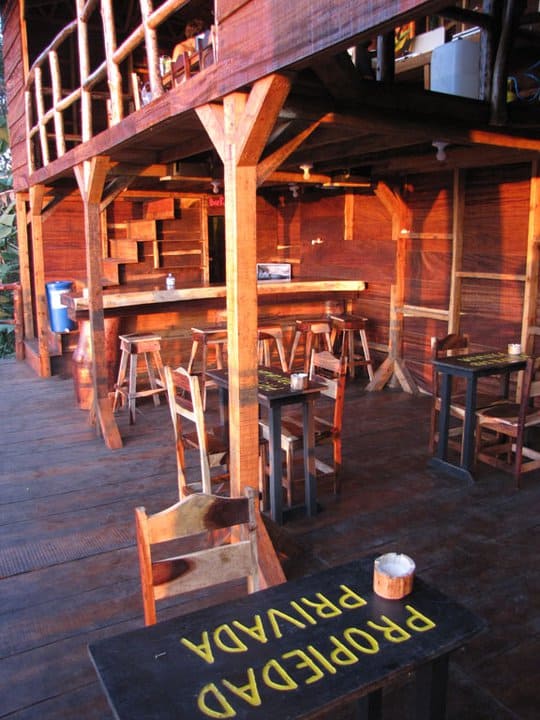
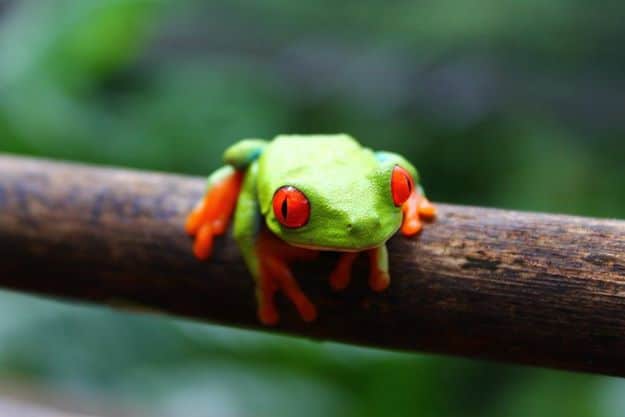
Evenings tend to organise themselves around whoever brought a guitar. Films flicker against a sheet under open sky while the jungle supplies its own soundtrack — frogs, night birds, and occasional rustling that you stop trying to identify. It is surreal and grounding at the same time, and the days here have a way of losing their names entirely.
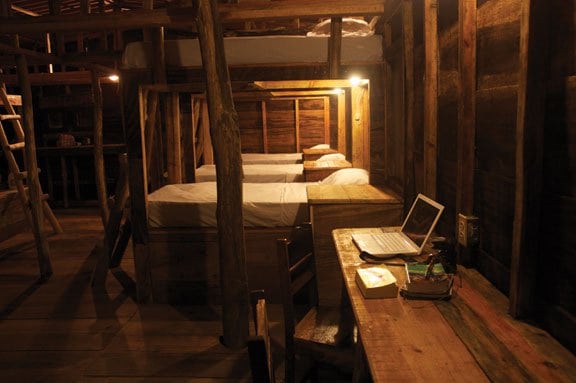
Accommodation ranges from hammocks to private casitas, with dorm beds hand-built from polished wood sitting somewhere between the two. Rates run around $40–$60 per night, varying by season and availability — genuinely affordable for a stay that feels this handmade. The dry season, roughly November through April, brings the clearest skies and the sharpest volcano views. Wet-season visitors, from May onward, trade that clarity for extraordinary lushness and dramatic afternoon storms that suit a certain kind of traveller perfectly.
Meals arrive family-style at long wooden tables with mismatched plates and easy conversation. The staff remember names, share stories, and have the particular gift of making communal life look effortless. That warmth is a real part of what Poste Rojo offers — the sense of joining a small tribe, even if only for a few nights.
Getting here without a car is straightforward. The El Pozo bus stop sits approximately 800 metres from the property and serves both the Granada–Nandaime and Granada–Niquinohomo bus lines. La Hermita, roughly a kilometre away, is a useful alternative stop on the same routes. The local bus ride from Granada is part of the experience rather than a chore — the red post at the roadside tells you exactly when to jump off.
Poste Rojo suits independent travellers and backpackers who want something handbuilt rather than resort-polished. If you want a place that makes you feel like a kid building forts again — only this time with monkeys for neighbours and cold beer at the bar — this is where the jungle sings you to sleep.
Frequently Asked Questions
Q: How do you get to Poste Rojo without a car?
A: Take a local bus from Granada toward Nandaime or Niquinohomo and shout "Poste Rojo!" when you want to get off. The El Pozo bus stop is roughly 800 metres from the property, and La Hermita is an alternative stop about a kilometre away. From either stop, a dirt path leads through farmland and into the trees — the walk itself is part of the arrival.
Q: What are the accommodation options like?
A: Poste Rojo offers a range from hammocks to private casitas, with dorm beds hand-built from polished wood sitting somewhere in between. The design is open-air throughout, so expect natural ventilation and jungle breezes rather than air-conditioning — which suits the setting well.
Q: What do nightly rates typically run?
A: Poste Rojo sits firmly in the budget tier, with rates generally in the $40–$60 per night range, varying by season and availability — genuinely good value for a stay this handmade and atmospheric.
Q: When is the best time of year to visit?
A: The dry season, roughly November through April, brings the clearest skies and the sharpest views of the surrounding volcanoes and jungle valleys. Wet-season visitors from May through October trade that clarity for extraordinary lushness and dramatic afternoon storms — a worthwhile swap for travellers who embrace the rain. Check conditions closer to your travel date, as weather in the Nicaraguan highlands can shift.
Q: Is Poste Rojo suitable for solo travellers or is it more of a group destination?
A: It works well for both, but solo travellers often find it particularly rewarding. The communal setup — family-style meals, shared evening film screenings, and a social common area — makes it easy to meet people, and the staff are known for making guests feel like part of a small tribe from the first night.









Add a review