
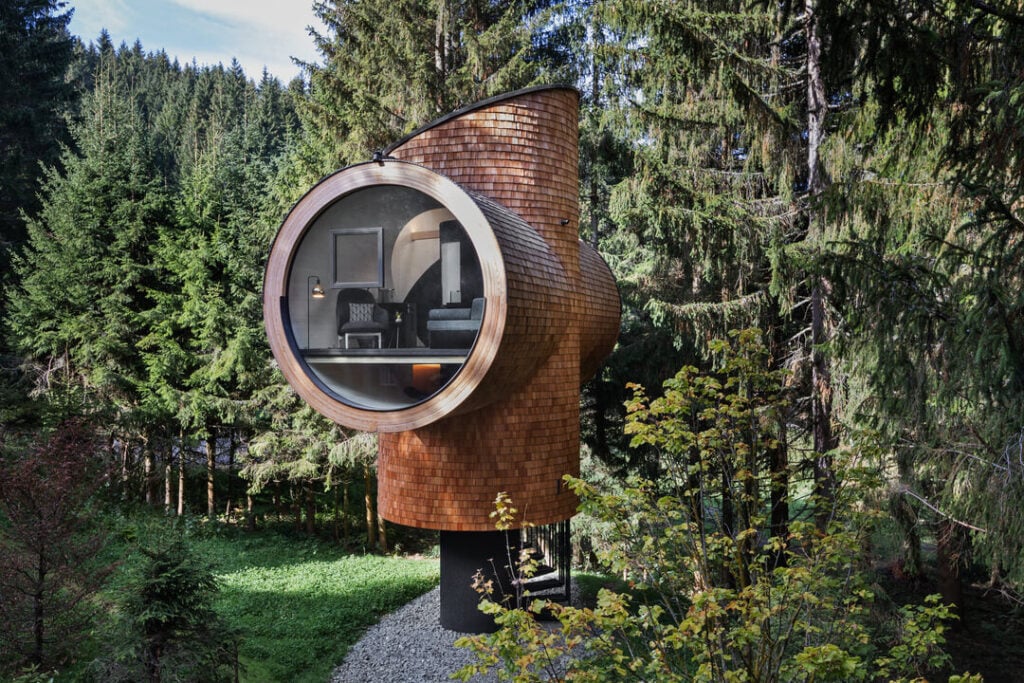
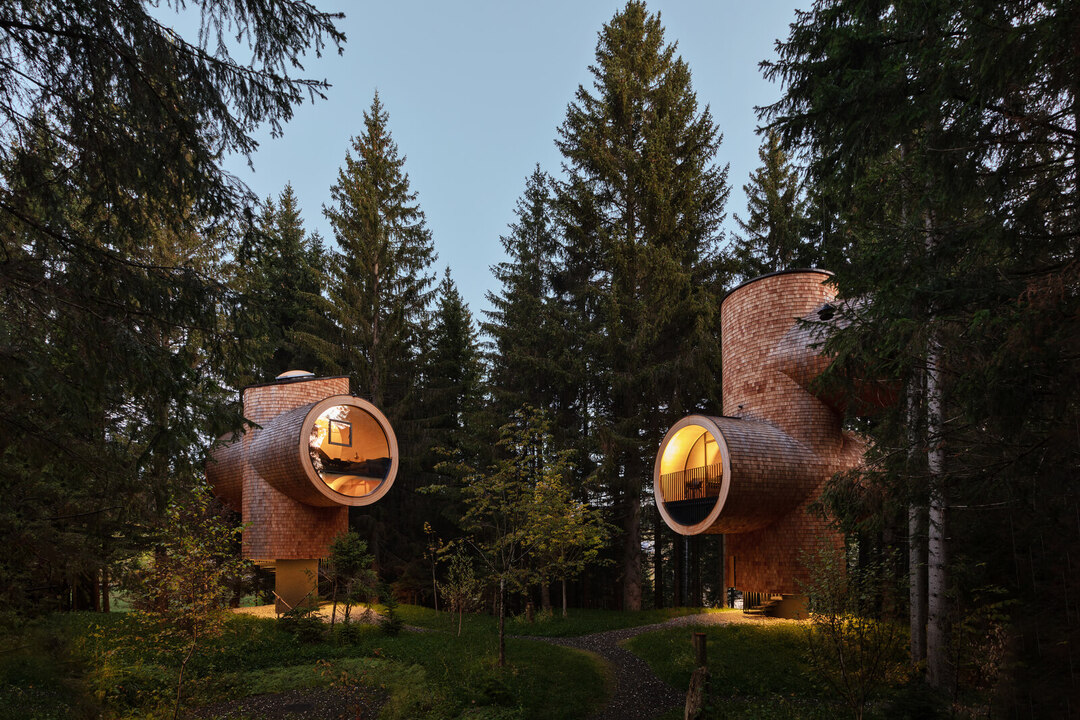
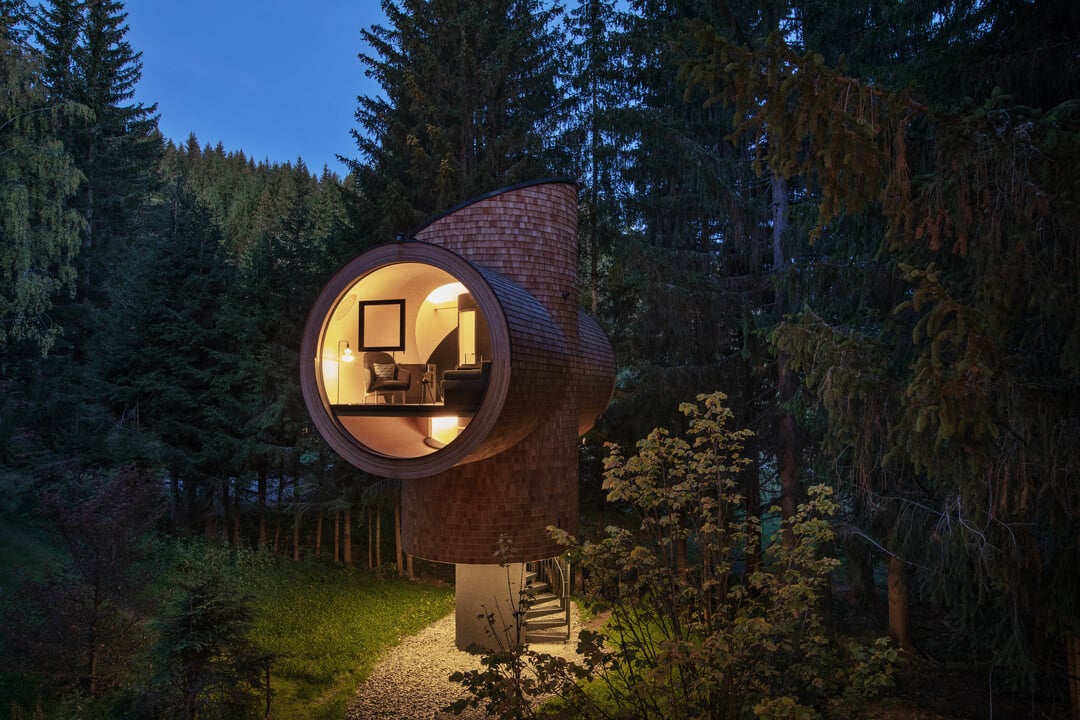
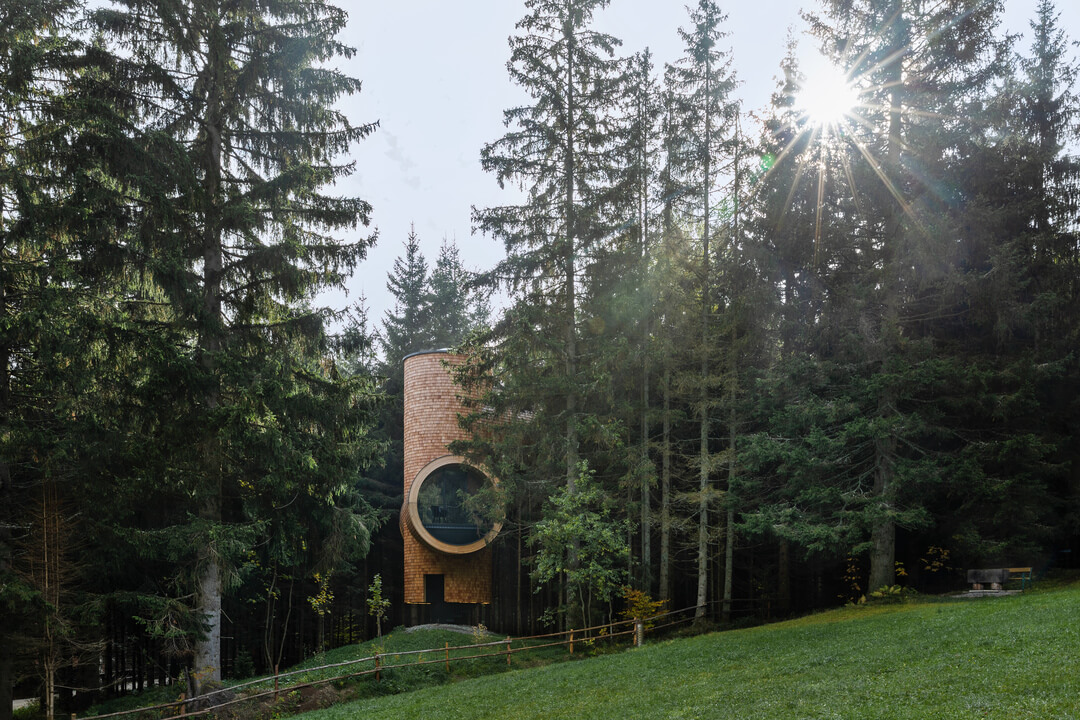
Four treehouses sit at roughly 1,100 metres in the Styrian Alps, nested into working forest above the Pogusch pass. Baumhaus Teichwiese, Baumhaus Waldlichtung, Baumhaus Stollinggraben and Baumhaus Himmelreich each rise through three timber levels, clad in larch shingles that blend quietly into the surrounding spruce and pine. These are not hotel rooms dressed in rustic clothing. They are structures built to feel genuinely arboreal, rooted in the hillside at Steirereck am Pogusch, Poguschstraße 21, in Sankt Lorenzen im Mürztal.
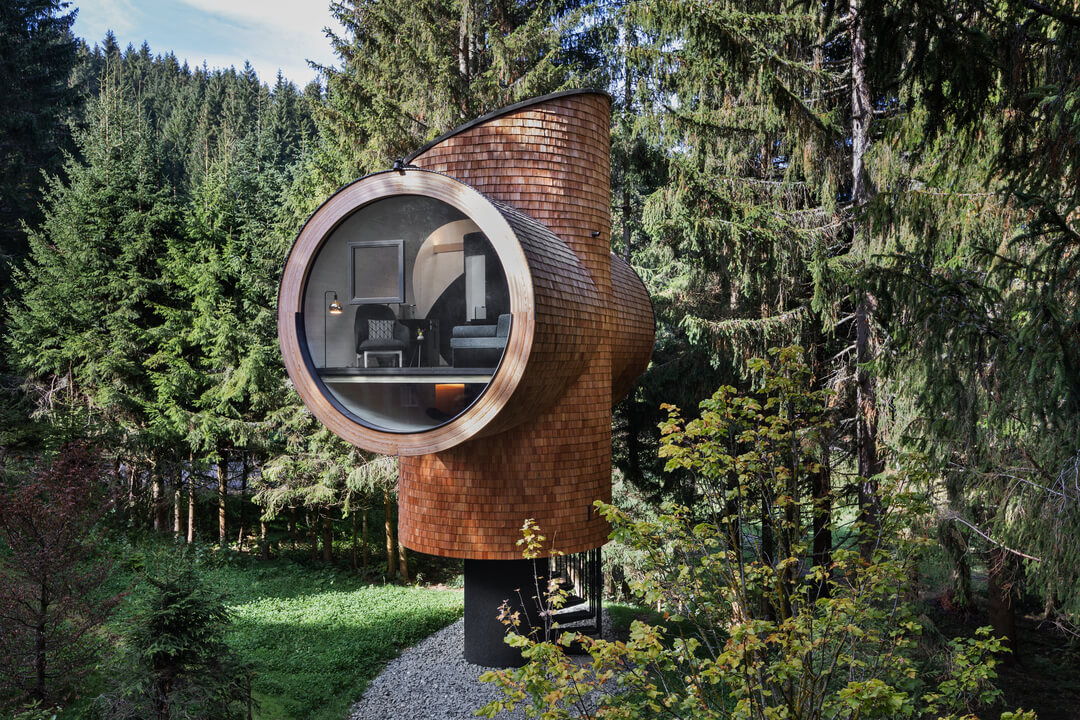
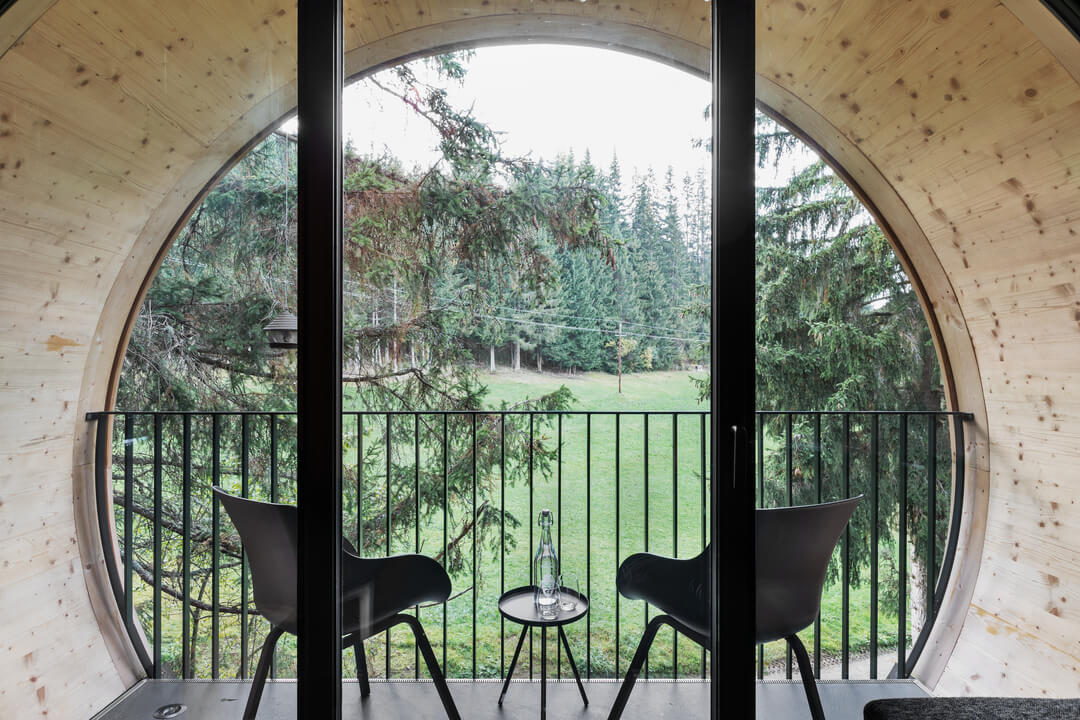
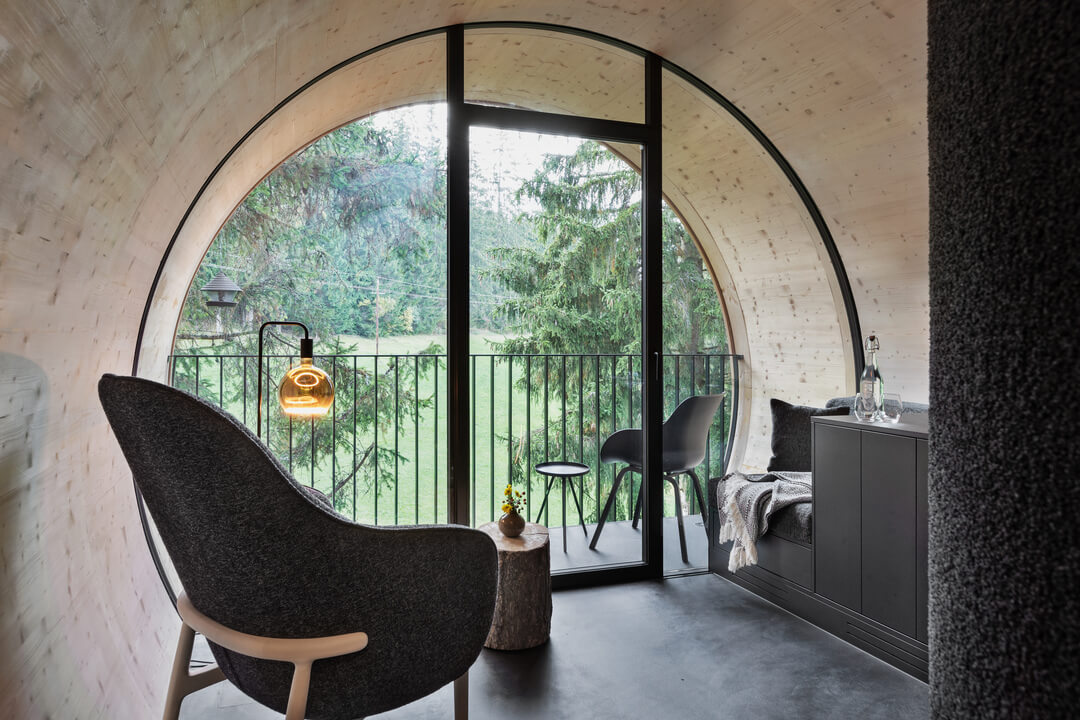
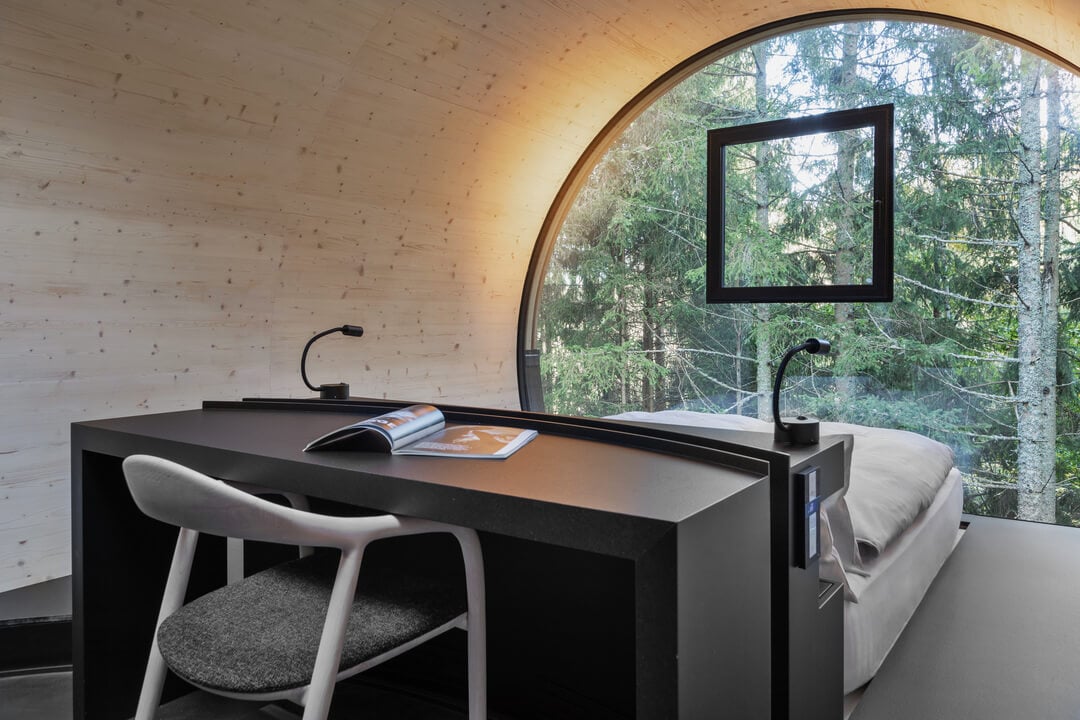
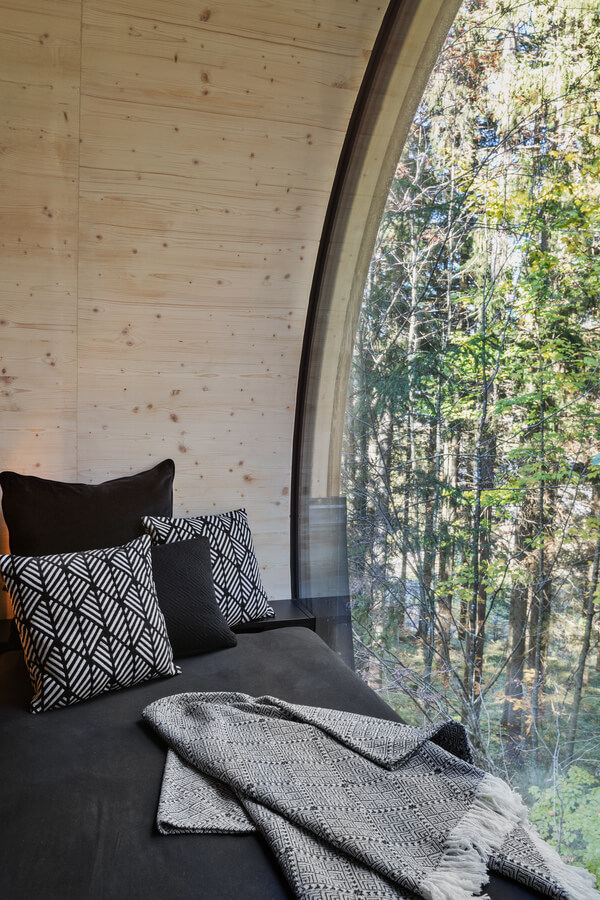
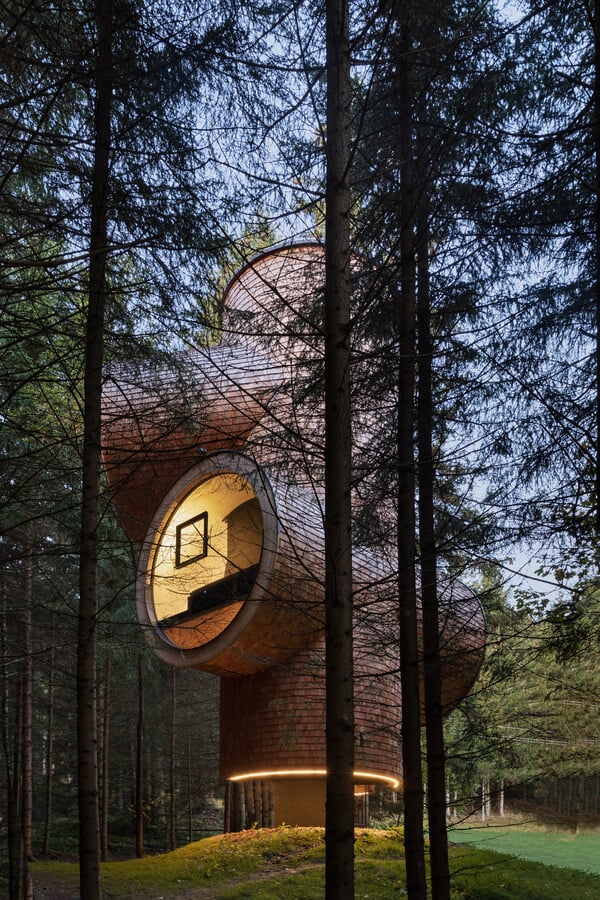
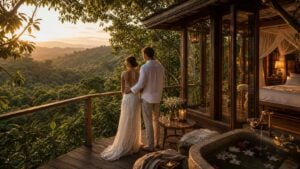
Each treehouse uses Baumbau's modular BERT system, assembling cylindrical wooden modules that stack and rotate like a living organism adapting to its site. Glass, timber and eco-forward materials make up the shell, and the design shifts with the seasons rather than resisting them. A spiral stair connects each level. The upper sleeping deck faces outward through broad windows, and the terrace — which catches the breeze and occasionally sways — puts you inside the canopy rather than beneath it.
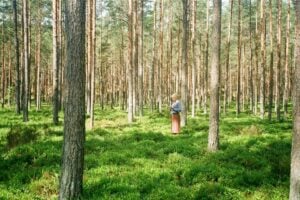
Mornings here have a specific texture. Pine scent and the tap of a woodpecker arrive before any other sound. Dew sits on the terrace rail, light moves through needles, and the silence is the kind that takes a day or two to properly hear. The Bründlweg trail begins close to the houses, and the surrounding forest opens into alpine meadows on longer walks. Nights cool fast at this altitude, and the dark above the ridge is real dark, worth lying still for.
Steirereck am Pogusch is a farm and an inn as much as it is a treehouse retreat. The kitchen works directly with more than 500 plant varieties grown on-site, along with animals grazed nearby. Seasonal menus draw from field, garden and forest in combination, and the farmhouse Wirtshaus serves evenings that feel like a natural extension of the landscape outside. Sleeping here and dining here are part of the same argument: that altitude, ingredients and unhurried time belong together.
Autumn brings forest colour, mushroom walks and a culinary harvest that suits the kitchen's approach perfectly. Winter at this elevation means frosted pines, alpine quiet and slow evenings by firelight — the kind of season that justifies a good sauna. Summer offers long golden light and easy access to the higher meadow trails. Each season changes the experience enough to reward a return visit.
Nightly rates sit in the premium range, roughly €350–€450, varying by season and availability. The four treehouses are limited in number and book up well in advance, so early reservations are worth making. Layers are essential: even summer nights at 1,100 metres carry a proper chill, and the terrace at dusk will remind you of that quickly.
For access, bus line 173 stops at Pogusch Passhöhe, approximately 100 metres from the property — a convenient local option. The train station at St. Marein-St. Lorenzen, served by S1 rail, sits around 7 km away by approximate straight-line distance and offers a reasonable regional connection for those arriving without a car.
The stay is pitched firmly at couples or pairs who want genuine detachment from pace. There are no corridors or lifts, and the spiral stairs and tilting terrace make clear that the forest sets the terms. The BERT system's philosophy — a dwelling that grows like a tree, built from regional materials with ecological clarity — becomes self-evident once you're inside. Sustainability here is structural, not a label on a wall. You leave slower than you arrived, and the creak of timber in the wind stays with you longer than expected.
Frequently Asked Questions
Q: What are the nightly rates for the treehouses at Steirereck am Pogusch?
A: Rates sit in the premium range, roughly €350–€450 per night, varying by season and availability. The four treehouses are limited in number and tend to book up well in advance.
Q: What is the best time of year to stay?
A: Each season offers a genuinely different experience. Summer (June–August) brings long golden evenings, mild alpine air and easy access to higher meadow trails. Autumn (September–October) suits the kitchen's approach particularly well, with forest colour, mushroom walks and harvest menus. Winter delivers frosted pines, deep quiet and slow firelit evenings at altitude — well suited to guests who come partly for the slowdown.
Q: How are the treehouses designed, and what is the sleeping arrangement?
A: Each of the four treehouses — Teichwiese, Waldlichtung, Stollinggraben and Himmelreich — is built using Baumbau's modular BERT system: cylindrical wooden modules stacked and rotated, clad in larch shingles. A spiral stair connects three levels, with the sleeping deck at the top facing outward through broad windows and a terrace that puts you inside the canopy.
Q: Is dining included, and how central is it to the stay?
A: Dining at the farmhouse Wirtshaus is integral rather than optional. The kitchen works with an on-site farm growing more than 500 plant varieties, with seasonal menus drawing directly from field, garden and forest. Staying and eating here are genuinely part of the same experience — check the property's official page for current menu and reservation details before your visit.
Q: How do you get there without a car?
A: The property sits at around 1,100 metres on the Pogusch pass, and most guests drive. Bus line 173 stops at Pogusch Passhöhe very close to the property, and the S1 train line serves St. Marein-St. Lorenzen station, from which a taxi or arranged transfer covers the remaining distance up to the pass. Confirm current timetables before travel.





Add a review